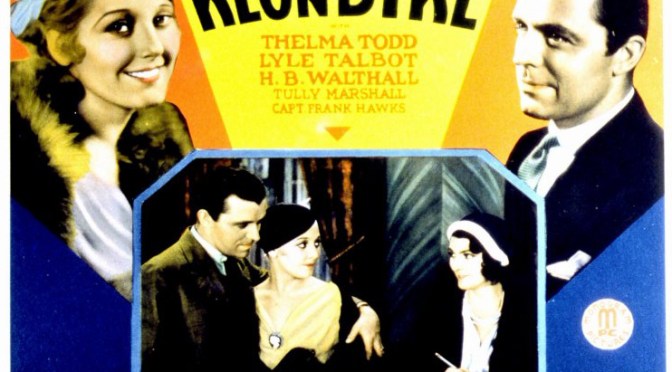
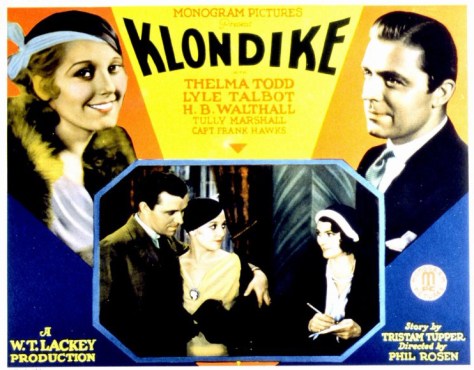
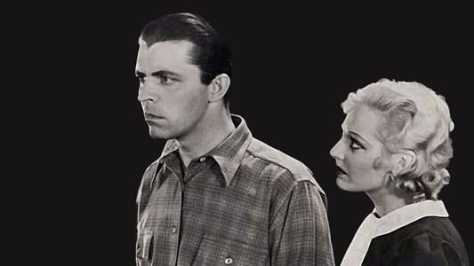
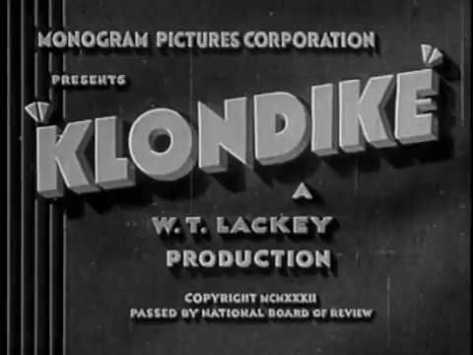
Klondike is a 1932 American Pre-Code film directed by Phil Rosen. The film is also known as The Doctor’s Sacrifice in the United Kingdom. It was silent film star Priscilla Dean‘s final film.
A doctor, Lyle Talbot as Dr. Robert Cromwell, is charged with murder, when a patient dies, after an experimental operation to remove a brain tumor.
His pilot friend, Frank Hawks as Donald Evans, convinces him to start a new life; and, they plot their course, across the Bering Strait. The weather blows them off course; and, they end up in Alaska.
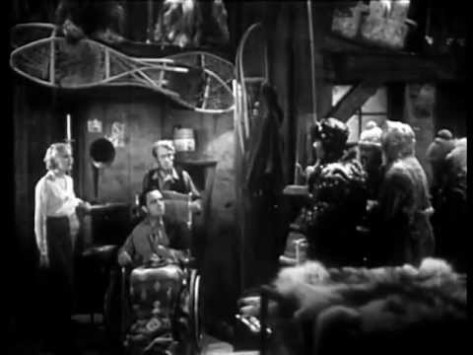
There the doctor is faced with a new dilemma. Mark, Henry B. Walthall as Mark Armstrong, the Father of Jim, Jason Robards Sr. as Jim Armstrong, a man crippled by a similar brain tumor, begs the doctor to attempt the operation. When the doctor refuses, he accuses him of wanting his son to die, because he’s in love with Jim’s fiancée, Thelma Todd as Klondike.
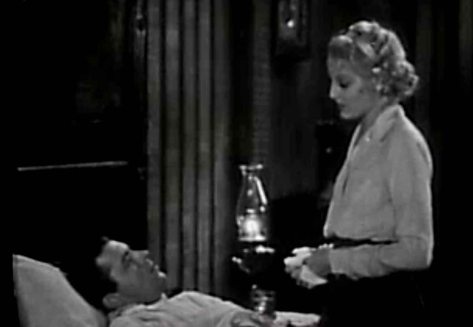
“Doc” acquiesces, at Klondike’s insistence. Although, having none of the facilities of a hospital. He believes that the operation is less likely to succeed, the longer it is delayed.
The operation seems to be a partial success. But, now, Jim will do anything to keep “Doc” from taking Klondike back to the States with him, even using his genius, with electricity, to electrocute him.[1]
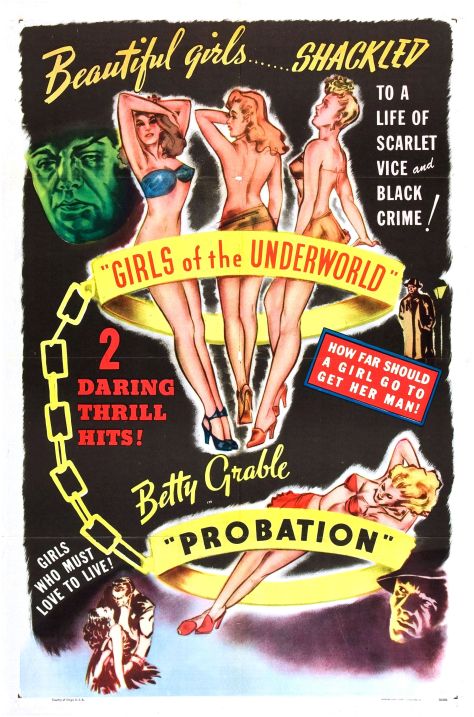
Ruth (Betty Grable) is a minor who is running with an uptown, older man; Ruth’s brother Nick, (John Darrow), is unaware of kid sisters activities.
Ruth is turned into the Juvenile authorities by the well meaning Mrs. Humphries, (Clara Kimball Young). Nick finds the man in their apartment and proceeds to be arrested for beating up the man, who runs away before Nick is arrested.
Nick is taken to Night Court and remanded to the custody of the judges, (J. Farrell MacDonald), niece, Janet, for six months as her chauffeur. Janet, (Sally Blane), is the fiancé of Allen, (Eddie Phillips), who is coincidentally the man who was beaten up by Nick.
Betty Grable is on the verge of becoming a superstar, in the 1940s.[2][3]
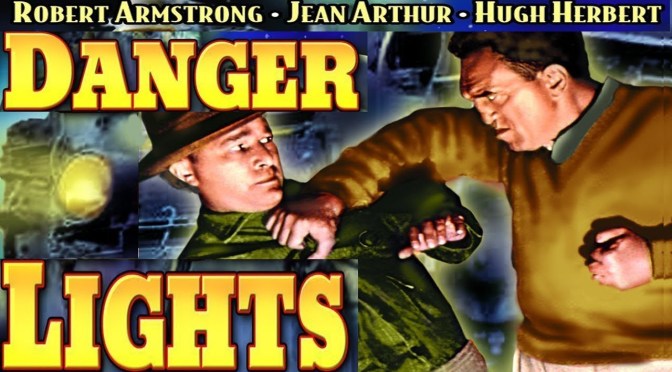
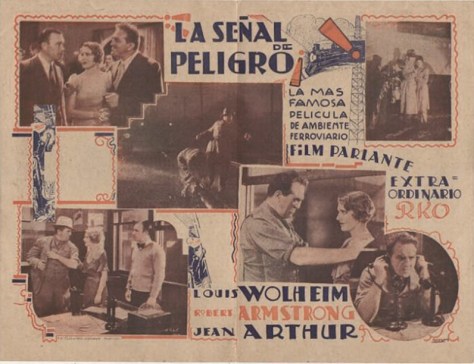
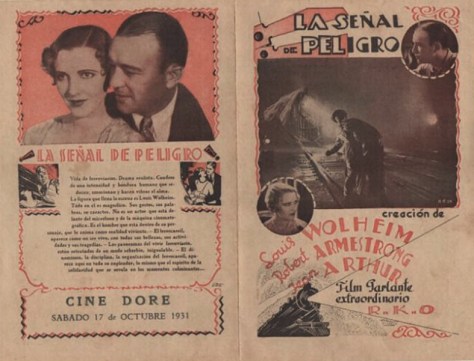
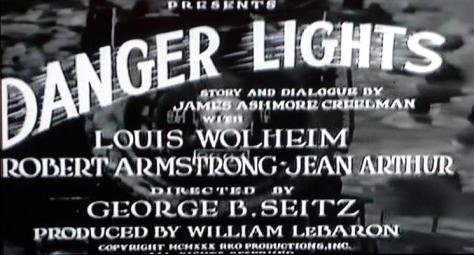
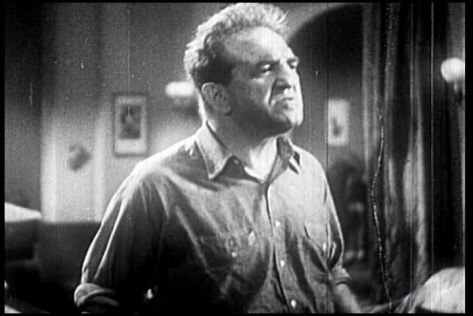
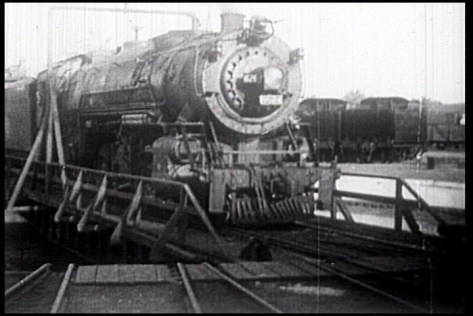
Louis Wolheim plays the boss of the railroad yard in Miles City, Montana. The film opens with a landslide across the tracks in Montana, and a repair crew is dispatched to clear the tracks. Several hobos are lounging nearby and are put to work helping the repair crew. One of the hobos, played by Robert Armstrong, is discovered to have been a former railroad engineer who lost his job due to insubordination. He is given a new job for the railroad by the yard boss, but quickly falls in love with the boss’s fiancée, played by Jean Arthur.
Jealousy grows between the two over the affections of Arthur with both of them attempting to win her in marriage. Things come to a head during a fight in the railroad yard between the two, during which Wolheim is hit by a train and injured. To save his life, Armstrong must transport him in record time to Chicago for surgery.
Danger Lights was filmed during a period when some movie studios were experimenting with various widescreen film formats. As part of this trend, two versions of the film were created. One used standard 35mm film and Academy ratio, the other used an experimental 65mm widescreen format at a 2:1 aspect ratio. This latter process was called “Natural Vision” and was invented by film pioneers George Kirke Spoor and P. John Berggren. The Natural Vision print of the film was reportedly screened at only two theaters (the only two with the equipment necessary to show the film), the State Lake Theater in Chicago and the Mayfair Theater in New York, and no copies of it are known to exist today. Danger Lights would be the only film created using this process, and the entire effort to move to wide screen would be shelved for several decades due to the increased costs of both production and presentation.[1][2][3]
Historically significant footage
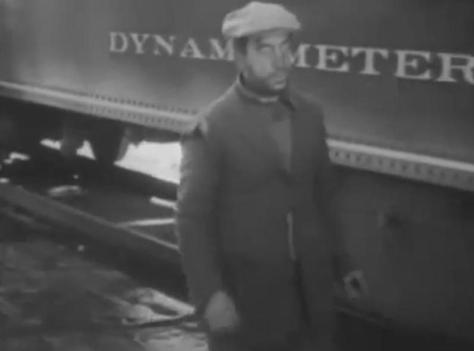
Danger Lights features rare footage of a tug of war between two steam locomotives, actual documentary footage of the activities in the Miles City yard, and what is believed to be the only motion picture footage of a dynamometer car from the steam railroad era in the USA. Similar footage may have existed in MGM’s Thunder(1929), with Lon Chaney but that film is now lost.
The portion of the film that was filmed in Montana was part of the electrified Rocky Mountain Division of the railroad, with the 3000 volt direct current trolley and the 100,000 volt alternating current “highline” plainly visible in several shots. Despite the fact that the railroad often touted the power and reliability of its straight electric locomotives, none are seen in the film.
Danger Lights was edited down to 55 minutes for television broadcast; this version is freely available for download. In 2009 Alpha Video released the original 74 minute version[1] on DVD.
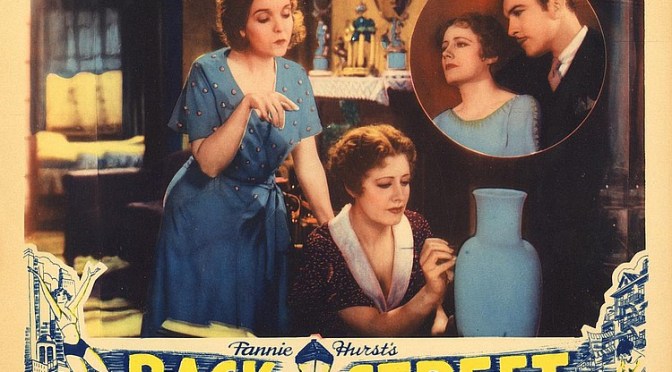
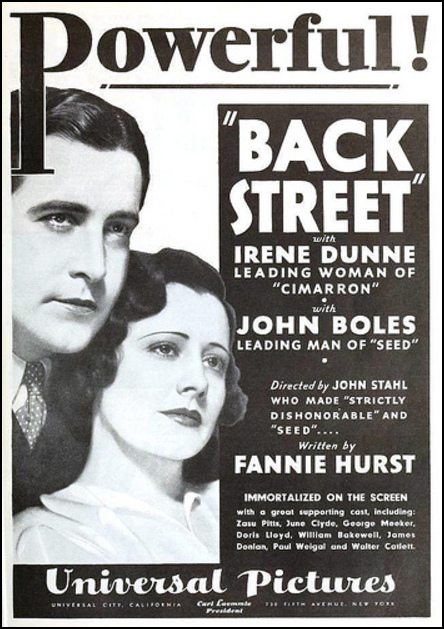
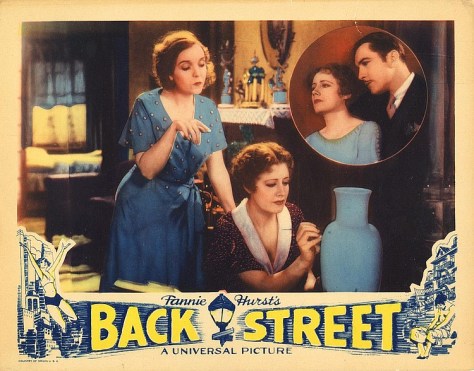
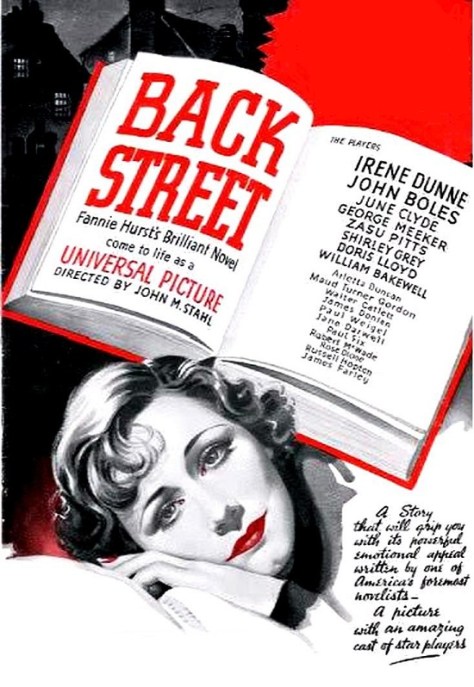
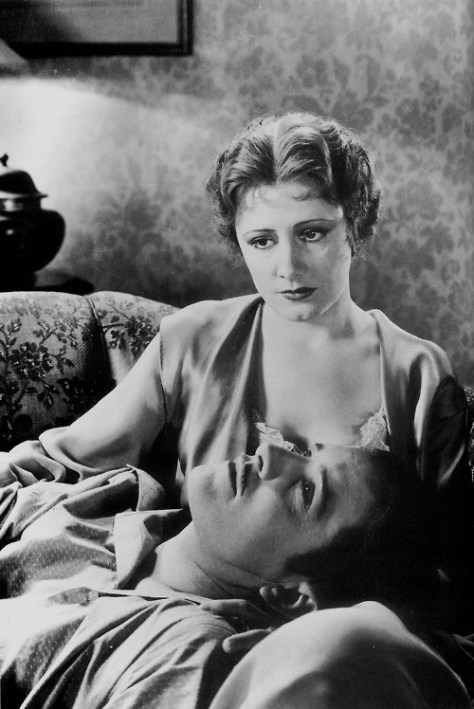
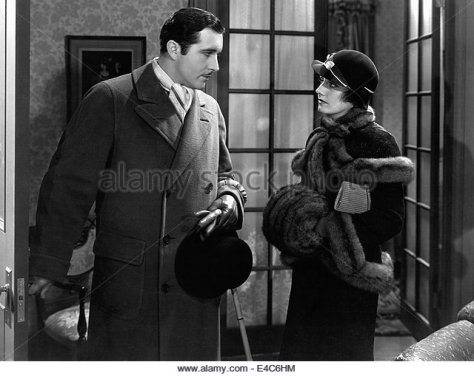
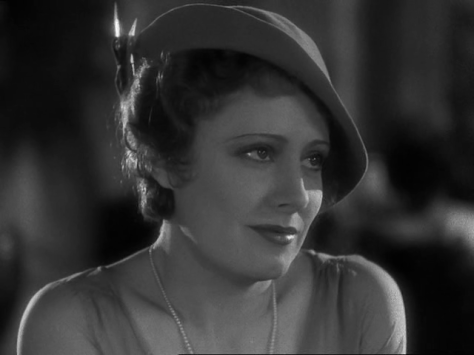
Cast: Irene Dunne, John Boles, June Clyde, George Meeker, Zasu Pitts, Shirley Grey, Doris Lloyd, William Bakewell, Arletta Duncan, Maude Turner Gordon, Walter Catlett, James Donlan, Jane Darwell, Betty Blyth, Russell Hopton, Gloria Stuart
Based on the best-selling novel of the same name by Fannie Hurst, it tells the story of a woman who spends her life as the secret mistress of a wealthy married man.
This was the first of three film versions of Hurst’s novel; remakes were released in 1941 and 1961.
Plot
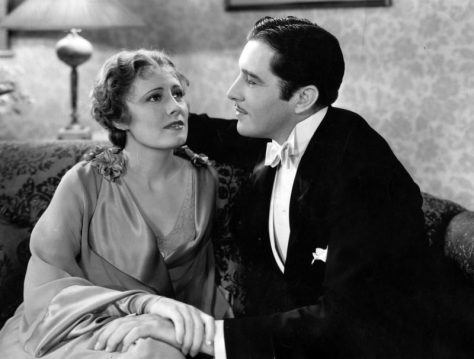
In early 1900s Cincinnati, young and beautiful Ray Schmidt (Irene Dunne) works in her father’s shop by day and stays out late drinking beer and dancing with various men by night, although her stepmother disapproves. Ray dates for fun, mostly going out with traveling salesmen passing through town, and neither she nor her dates are interested in any permanent attachment. An exception is Kurt Shendler, who owns a bicycle shop near Mr. Schmidt’s shop and aspires to get into the automobile business. Kurt is in love with Ray and asks her to marry him, but she refuses because while she likes Kurt, she doesn’t return his romantic feelings.
While visiting the train station with Kurt, Ray meets Walter Saxel (John Boles) and the two fall for each other at first sight. Walter soon confesses to Ray that he is actually engaged to another woman in town, Corinne, who comes from a wealthy background and whose mother is friends with his own mother. Nevertheless he has fallen in love with Ray, and asks her to meet him at a local band concert that he will be attending with his mother.
Walter hopes to introduce Ray to his mother and perhaps get her approval of the relationship. On the day of the concert, Ray is late arriving because her younger half-sister Freda is suicidal over her boyfriend, Hugo, leaving town. Freda begs Ray to go after Hugo and stop him, threatening to throw herself out a window if Ray does not help.
By the time Ray has dealt with Freda’s situation and gotten to the concert, it is over, and Ray cannot find Walter or his mother in the departing crowds. Walter, thinking she stood him up, writes her an angry letter and marries Corinne.
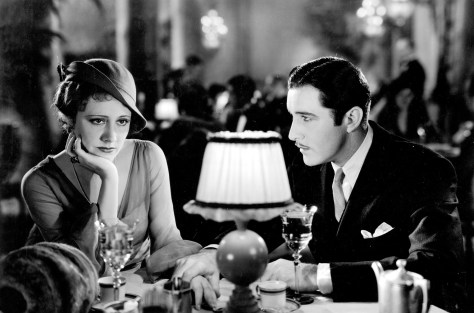
Several years later, Walter, now a rising young financier on Wall Street, runs into Ray who is single and working in New York City. The two renew their acquaintance and realize they still love each other, although Walter is still married and has two children. Walter sets Ray up in an inexpensive apartment and gets her to give up her job so she will be free to see him when he has time.
However, his work, family and social commitments sometimes keep him away for long periods of time, causing Ray to feel lonely and isolated. After Walter takes an extended trip to Europe with his wife, leaving Ray alone with insufficient money to live on, she breaks up with him and accepts a proposal from Kurt, who has become a rich automobile manufacturer. Walter goes to Cincinnati to convince her not to marry Kurt and they resume their previous relationship.
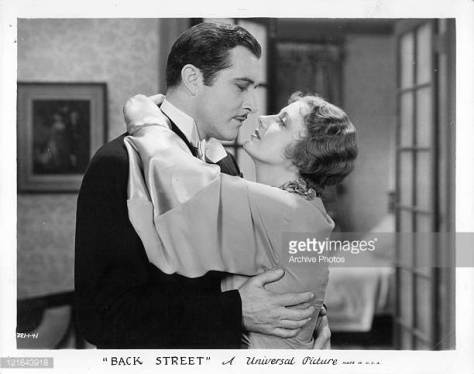
Years pass, and Walter has become a wealthy and prominent financier. When he travels he now brings Ray along, although they must keep their relationship hidden and avoid being seen in public together, meaning Ray spends much of her time alone. Ray is the target of gossip and is hated by Walter’s adult children, who regard Ray as a gold digger.
Walter’s son Dick tells Ray to get out of his family’s life, but his father Walter walks in on the conversation and tells his son to be more understanding or at least to mind his own business. That night, Walter suffers a massive stroke and dies shortly thereafter. Just before Walter dies, he asks Dick to telephone Ray’s number and hears her voice over the phone one last time.
Dick, who now understands his father’s feelings for Ray, goes to see her and offers to continue to support her. He finds her distraught over Walter’s death and also learns that his father had been paying her only a very small amount per month, thus proving that she stayed in the relationship for love, not money. After Dick leaves, Ray dies looking at Walter’s picture.
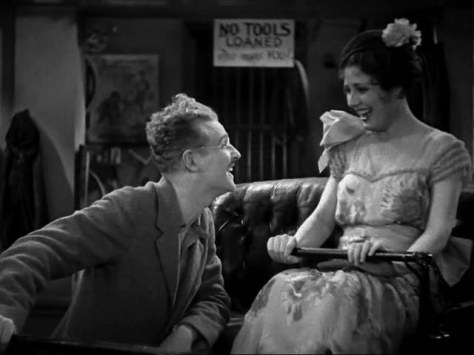
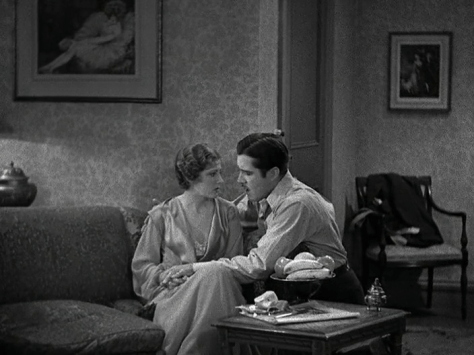
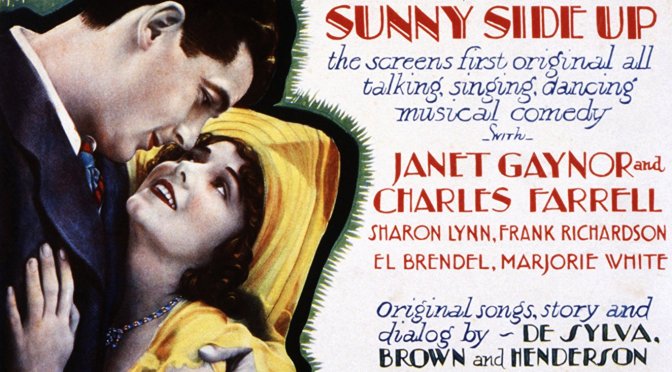
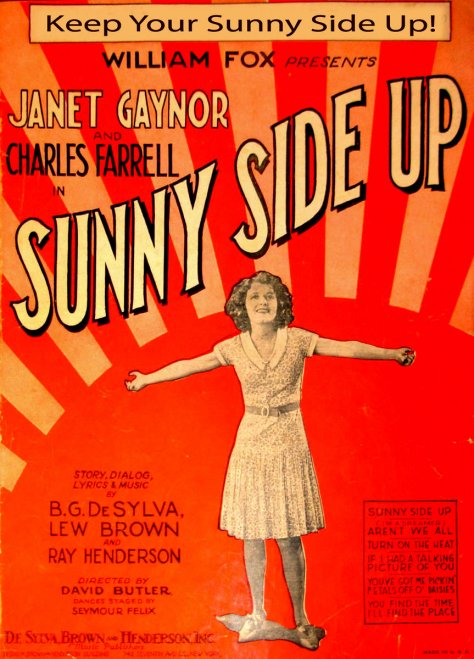
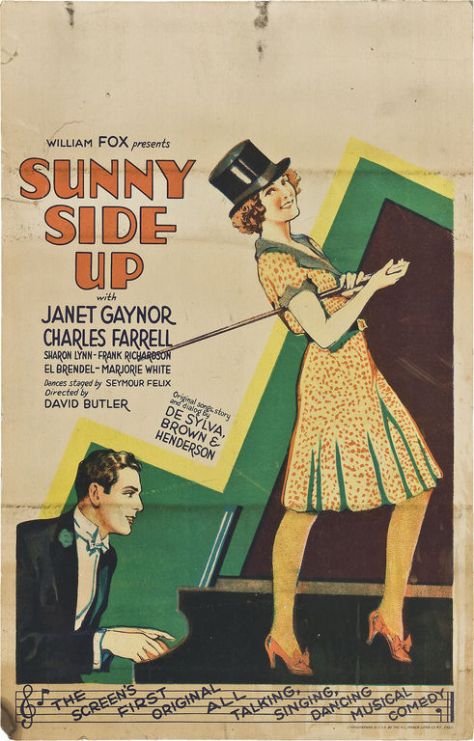
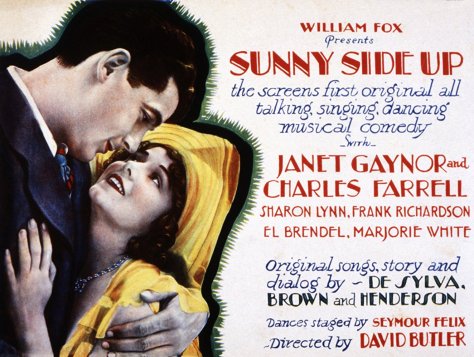
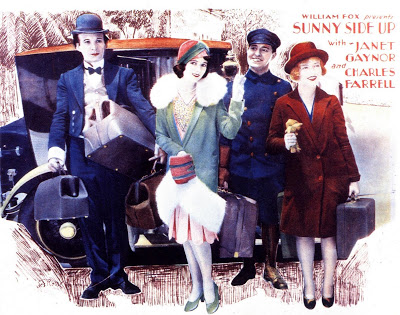
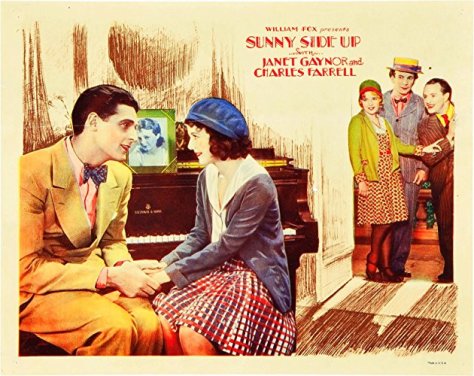
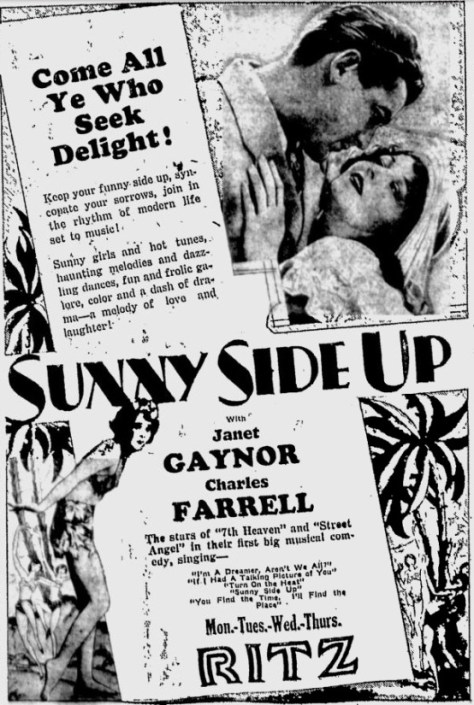
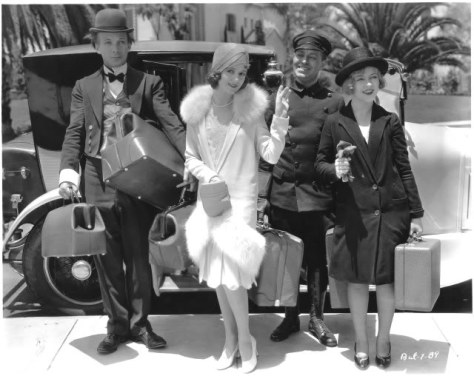
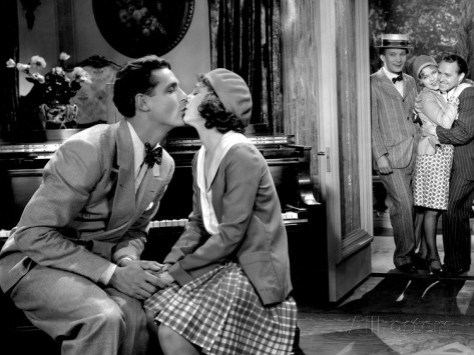
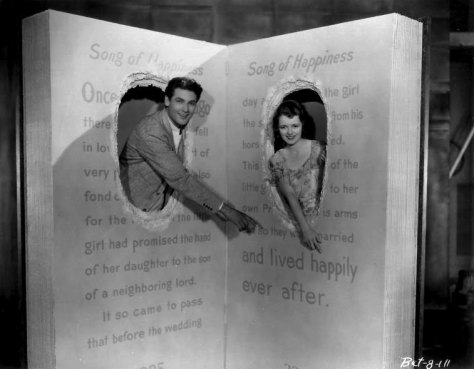
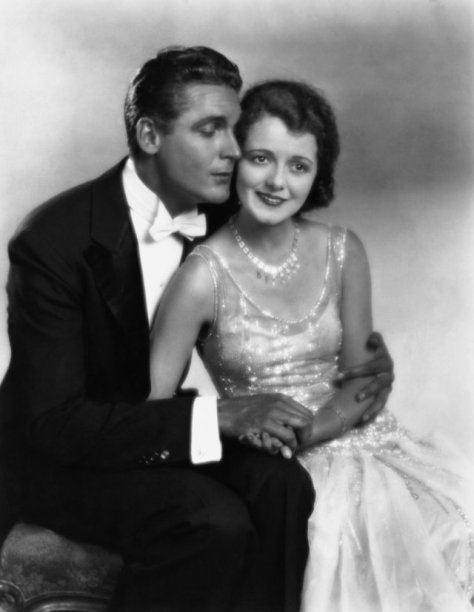
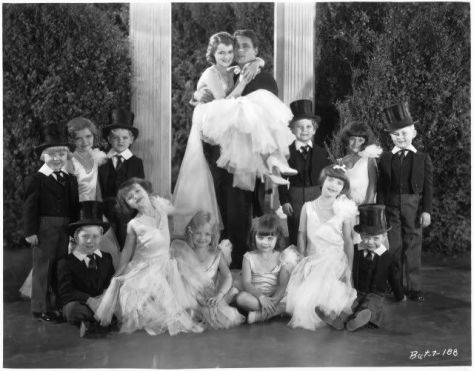
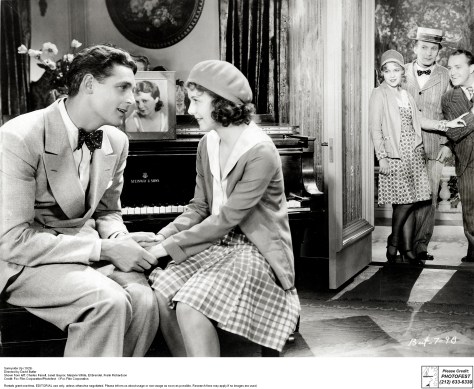
Cast: Janet Gaynor, Charles Farrell, Marjorie White, El Brendel, Mary Forbes, Peter Gawthorne, Sharon Lynn, Frank Richardson, Joe Brown, Henry Armetta, Sherwood Bailey, Jay Berger
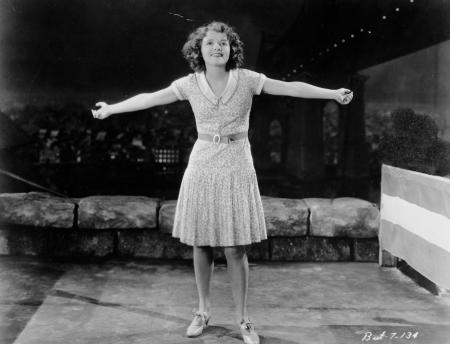
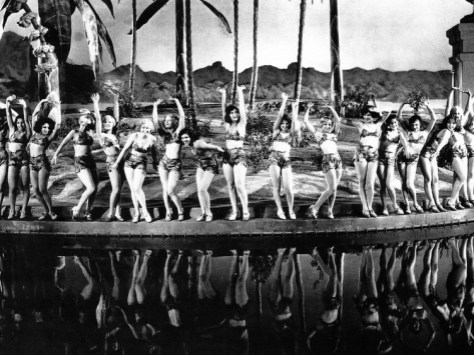
Comic relief is provided by grocer Eric Swenson (El Brendel), above whose shop Molly and her flatmate, Bea Nichols (Marjorie White), live.[3][4] Gaynor performs a charming singing and dancing version of the song “(Keep Your) Sunny Side Up” for a crowd of her neighbors, complete with top hat and cane. Later in the film, a lavish pre-Code dance sequence for the song “Turn on the Heat,” including scantily clad and gyrating island women enticing bananas on trees to abruptly grow and stiffen, with the graphic metaphor lost on no one, occurs without Gaynor’s participation.
The Times and The New York Times both express the opinion that the film, and the singing voices of Gaynor and Farrell, are all tolerable if not exactly worthy of praise. Despite the sugary sentimentality, the film is engaging, while the cinematography and special effects are impressive.[3][4]
Several times throughout the film Gaynor sings the tune “I’m a Dreamer, Aren’t We All?” and, on one occasion, sings it impressively, according to the New York Times.[3] The credits are: words, De Sylva & Brown; music, Ray Henderson.
An early popular recording was by Paul Whiteman and His Orchestra on October 16, 1929 with a vocal group including Bing Crosby[8] and this reached the charts in 1929.[9] The tune was also recorded by John Coltrane in 1958 [10] and included on his album Bahia (1964).
Another song in the film that would later be used as the theme song to the 1988 British sitcom Clarence.
In the 1950s, the song was used as the theme song for Sunnyside Up, a variety program produced by HSV-7 (a television station in Melbourne, Australia_. The song’s melody was later adapted by the Essendon Football Club for its club song, “See the Bombers Fly Up”, written by Kevin Andrews in 1959.[12]
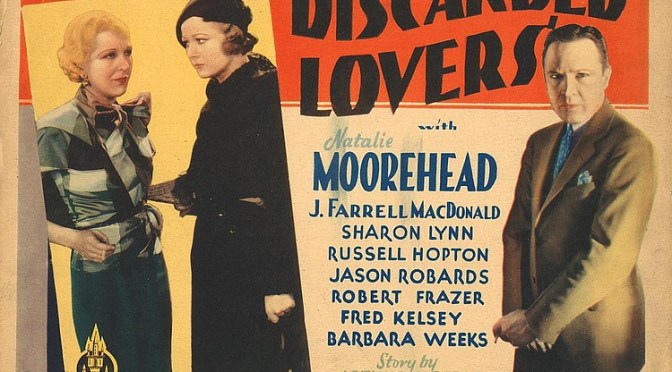
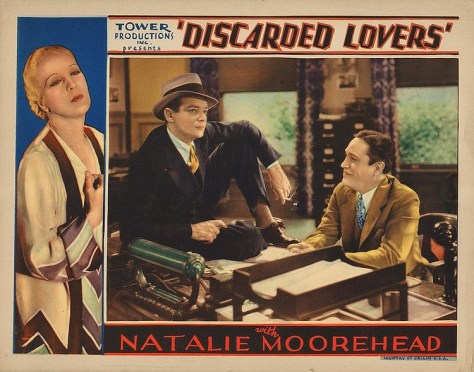
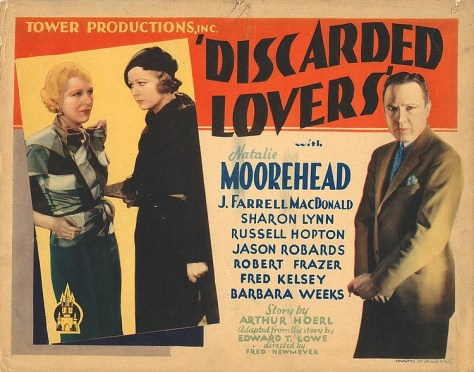
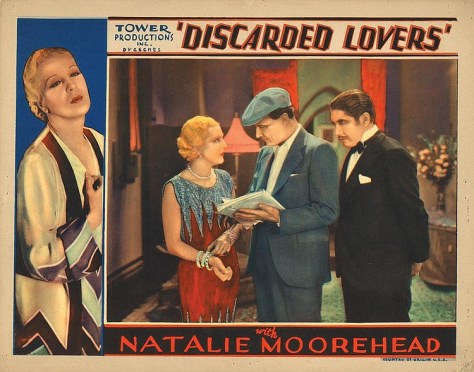
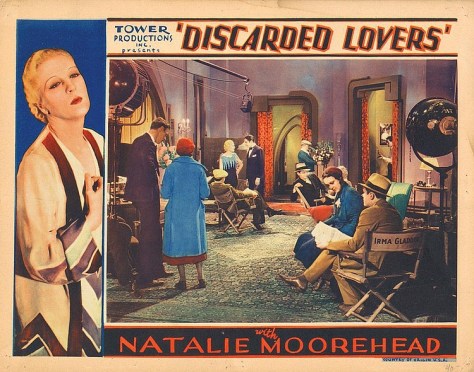
Discarded Lovers is a murder mystery. Early in the film a blonde bombshell movie star is murdered and her body is found in a car.
She had just finished doing the last and final scenes in a film. Irma Gladden was a sexy blonde bombshell who was having many tangled romantic affairs. She was loose and easy. In solving the murder there are the usual friends, police, reporters and employees who administer their help to the police captain and the police sergeant.
In this whodunit suspects abound and include Irma’s husband, a jealous wife, a boy friend and an ex-husband.
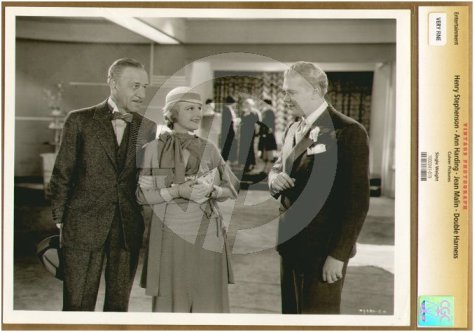
Cast: Ann Harding, William Powell, Lucille Browne, Henry Stephenson, Lilian Bond, George Meeker, Reginald Owen, Kay Hammond, Leigh Allen, Irving Bacon, Lila Chevret, Wong Chung, Jean Malin
69 min
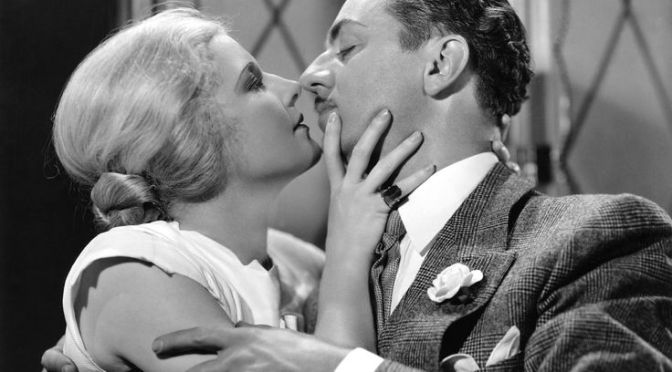
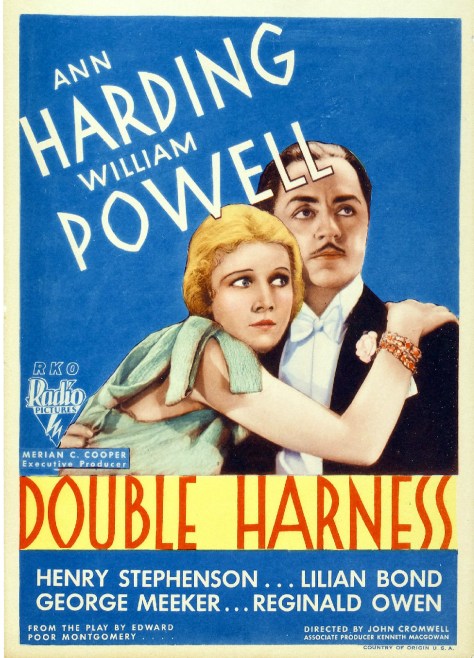
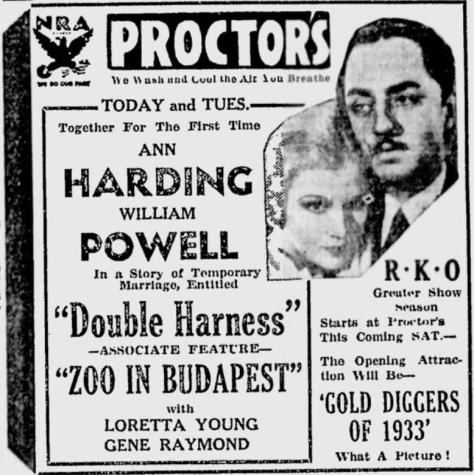
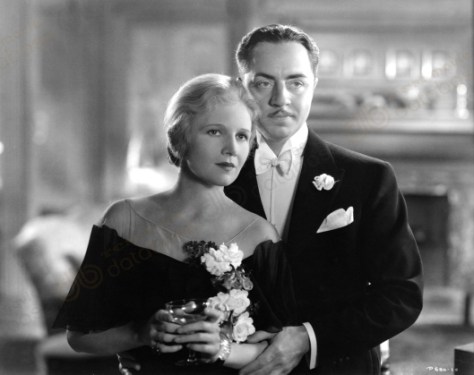
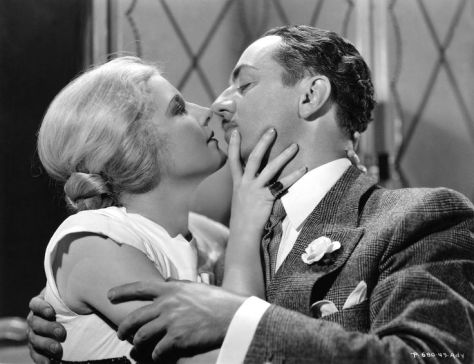
Double Harness (1933) is an American Pre-Code film starring Ann Harding and William Powell. It was based on the play of the same name by Edward Poor Montgomery. A young woman maneuvers a lazy playboy into marrying her.
This was one of several films, all produced by Merian C. Cooper at RKO, that were out of distribution for more than 50 years as a result of a legal settlement that gave Cooper complete ownership of the films. Turner Classic Movies eventually acquired the rights to the films.
When spoiled younger sister Valerie Colby (Lucile Browne) becomes engaged to be married to Dennis Moore (George Meeker), a more level-headed Joan (Ann Harding) decides to do the same, not because she is in love, but in order to make something of herself. She chooses unambitious, wealthy playboy John Fletcher (William Powell), who owns a troubled shipping line.
She eventually spends the night in his apartment. To Joan’s annoyance, over the following months, she finds herself falling in love. When John shows no interest in marrying her, Joan forces the issue. She arranges for her father, Colonel Sam Colby (Henry Stephenson), to find them in a compromising position. John graciously agrees to do the honorable thing and marry Joan. However, on their honeymoon cruise, he lets her know that he expects her to grant him a divorce after a decent interval. They settle on six months.
Joan prods her husband into taking an interest in his family business. To his surprise, he finds that he enjoys it. As the new Postmaster General (Wallis Clark) is a good friend of her father’s, Joan invites him to dinner, hoping to land a government contract for John’s company.
Meanwhile, Valerie goes into debt due to her extravagant spending habits and borrows from her big sister over and over again. Joan gives Valerie all she can afford without touching John’s money. Finally, she pawns a ring for half the latest sum Valerie needs, but tells her that it is the last time.
That same day, John finally realizes that he loves his wife. However, when he goes home, Valerie goes to John behind Joan’s back and cons him into giving her a check. Joan finds out and tears up the check. In her anger, Valerie blurts out how Joan trapped John into marriage.
Disillusioned, he turns to his former paramour, Mrs. Monica Page (Lilian Bond). Joan follows them to Monica’s apartment and confesses all, including the fact that she has fallen in love with him, to no avail. She then tries to salvage her dinner party. To her delight, John shows up and makes it clear that he believes and forgives her.
Gene Malin was cut from the film at the producer’s request.
Preservation status
This is one of the “lost RKO films” owned by Merian C. Cooper and only re-released in April 2007 when Turner Classic Movies acquired the rights and showed all six films on TCM.
Cooper accused RKO of not paying him all the money contractually due for the films he produced in the 1930s. A settlement was reached in 1946, giving Cooper complete ownership of six RKO titles:
According to an interview with a retired RKO executive, shown as a promo on TCM, Cooper withdrew the films, only allowing them to be shown on television in 1955–1956 in New York City.
TCM, which had acquired the rights to the six films after extensive legal negotiations, broadcast them on TCM in April 2007, their first full public exhibition in over 70 years. TCM, in association with the Library of Congress and the Brigham Young University Motion Picture Archive, had searched many film archives throughout the world to find copies of the films in order to create new 35mm prints.[2][3][4]
Reception
According to RKO records, the film made $10,000 in profit.[1]
References
^ Jump up to:abcRichard Jewel, ‘RKO Film Grosses: 1931-1951’, Historical Journal of Film Radio and Television, Vol 14 No 1, 1994 p39
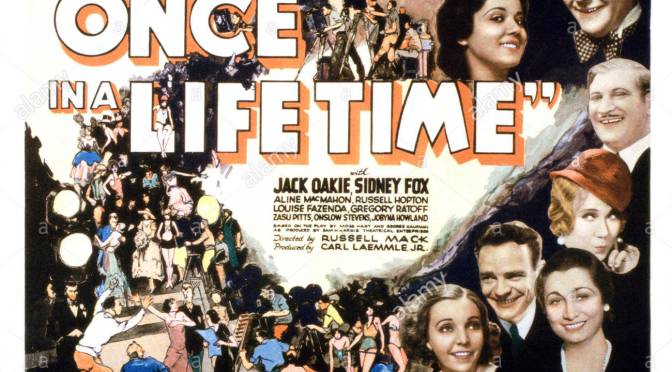
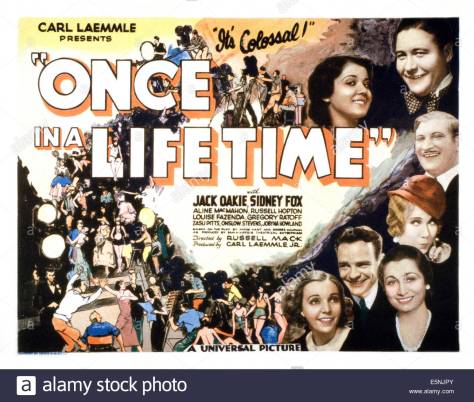
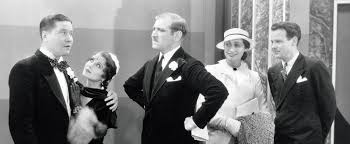
Cast: Jack Oakie, Sidney Fox, Aline MacMahon, Russell Hopton, Louise Fazenda, Zasu Pitts, Gregory Ratoff, Jobyna Howland, Onslow Stevens, Gregory Gaye, Frank LaRue, Walter Brennan, Alan Ladd
The immense success of The Jazz Singer, the first all-talking picture, results in the cancellation of a booking for three song-and-dance vaudeville performers: Jerry Hyland, May Daniels and George Lewis. Jerry, convinced that talkies are the future, decides they will head to Hollywood to break into the fledgling movie industry before others get the same notion.
May comes up with the idea to open a school of elocution to teach actors how to speak on film. On the train there, May encounters an old friend, Helen Hobart, an influential, nationally syndicated columnist. She offers to put them in touch with Herman Glogauer, the head of a major movie studio. George is smitten with another passenger, aspiring young actress Susan Walker.
They discover the movie world to be an eccentric place. George is unexpectedly appointed by Glogauer as supervisor of production, allowing him to promote Susan’s career. Despite his incompetence (or rather because of it), his first picture turns out to be a critical and commercial smash hit, and Susan becomes a star.
Later, a very persuasive salesman gets George to buy 2000 airplanes, which causes Glogauer to fire him. However, air movies become very popular, and George has inadvertently cornered the market. The other studios are desperate to get airplanes from Glogauer at any price, and George is once again considered a genius.
Mordaunt Hall, film critic of The New York Times, gave the film a favorable review, calling it a “merry diversion”.[1] He praised all the main performers, as well as ZaSu Pitts as the studio’s obtuse receptionist.[1]
Jump up^The American Film Institute Catalog Feature Films: 1931-40 by The American Film Institute, c.1993
Jump up^Catalog of Feature Films The American Film Institute Collection and The United Artists Collection at The Library of Congress by The American Film Institute, c.1978
Film Collectors Corner
Watch Once In A Lifetime Now – You Tube Instant Video
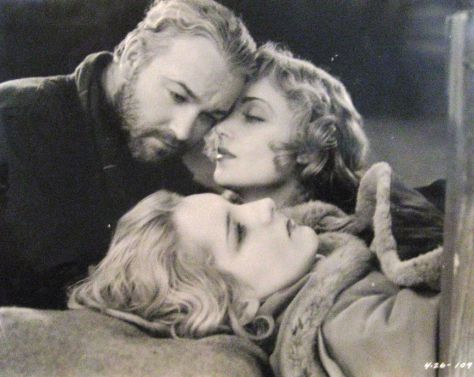
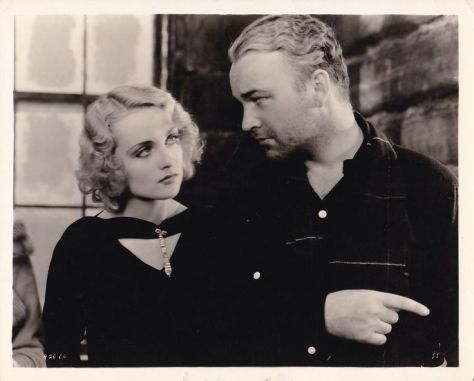
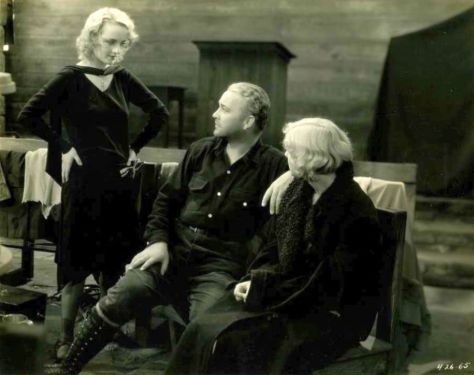
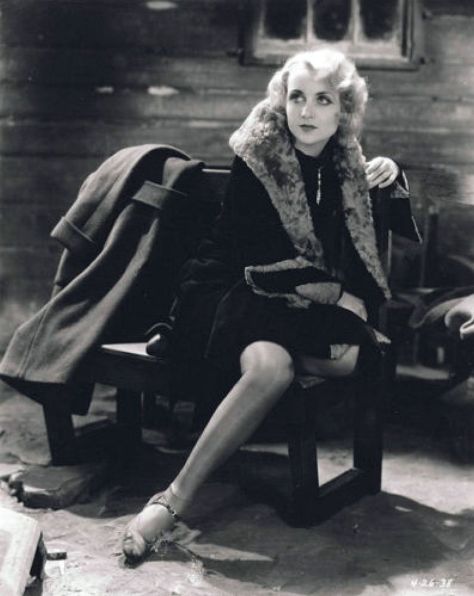
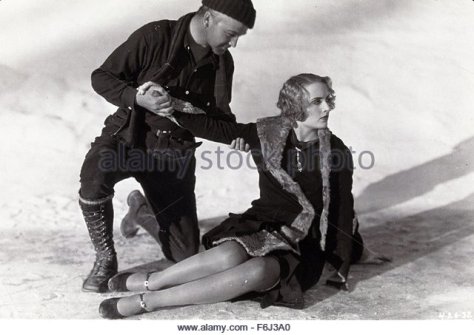
Soon the vehicle gets hopelessly stuck in deep snow forty miles from the nearest town.
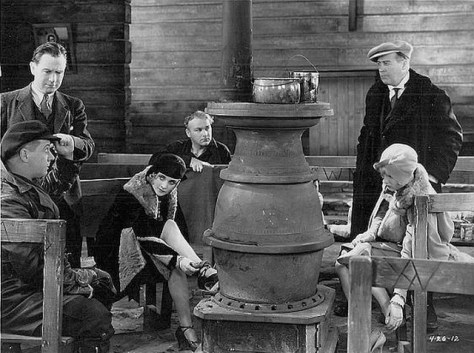
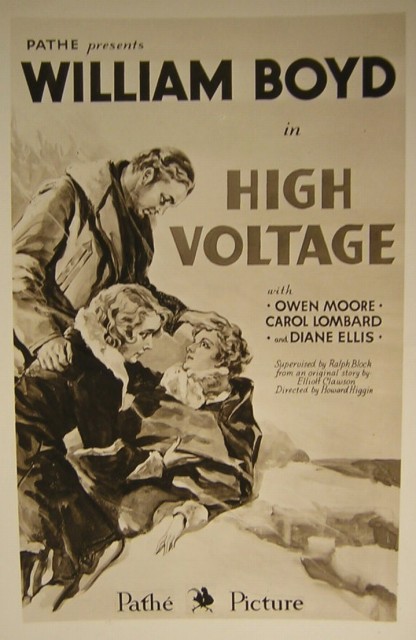
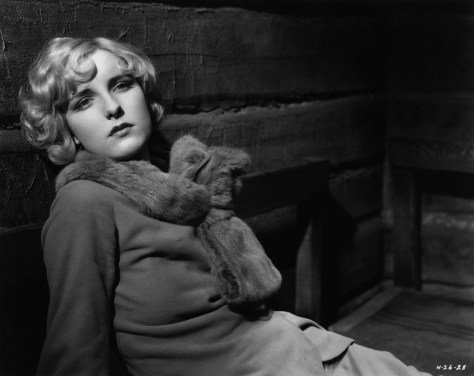
Needing shelter, the driver “Gus” (Billy Bevan) and his four passengers find refuge in an isolated one-room log church. The passengers include “Billie” (Carole Lombard), who is an escaped criminal being escorted back to jail in New York by a deputy sheriff, “Dan Egan” (Owen Moore); a young woman, “The Kid,” (Diane Ellis) on her way to Chicago to meet her boyfriend; and “Hickerson,” a pompous, ill-tempered banker. In the church the group finds “Bill” (William Boyd), a self-described “hobo,” who had found shelter there earlier. Tensions quickly arise in the group over their general plight, petty jealousies, and concerns about how six people are going to share the small supply of food that Bill had brought with him.
Tensions quickly arise in the group over their general plight, petty jealousies, and concerns about how six people are going to share the small supply of food that Bill had brought with him.
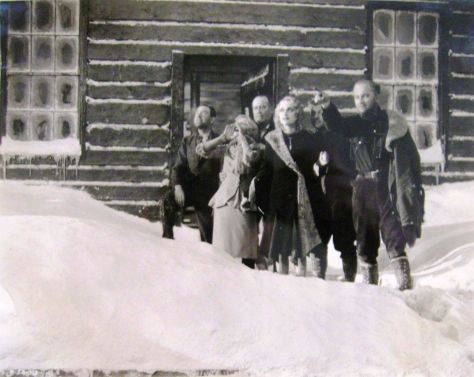
After a few days being stranded, the group sees a passing mail plane high in the sky. They try to attract the pilot’s attention, but he is too far away to see them. More days pass, and the group continues to ration their dwindling supplies and battle the subfreezing temperatures. To keep warm they begin to break up the church’s pews and other furnishings to use as firewood in the room’s potbelly stove.
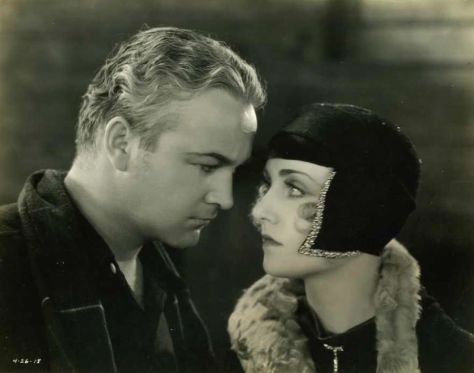
The group’s desperation intensifies, as does a romance between Bill and Billie. Soon Bill confides to her that he too is a wanted criminal, a fugitive from Saint Paul, Minnesota. As conditions worsen, The Kid collapses from hunger and become delirious; and the church’s interior becomes almost bare as more furnishings–even the church’s pulpit and pump organ–are consigned to the stove. Bill and Billie finally commit to leaving to avoid being imprisoned if the group is somehow rescued. They quietly depart during the night, hoping to reach a ranger station ten miles away.
Everyone else is sleeping except Dan, the deputy sheriff, who sees the two leaving; but he does nothing to stop them. After walking a short distance through snowdrifts, Bill and Billie hear and then see a search plane slowly circling overhead at low altitude. Realizing that the others inside the church will not hear the plane’s engine, they rush back and awaken them. The group hurriedly builds a signal fire, which the plane’s pilot sees. He parachutes a box of provisions to them with a note saying that help will be sent immediately.
The next day the group sees a rescue party heading toward the church. While awaiting their rescuers, Dan observes Bill and Billie sitting together on the floor. From his coat pocket Dan pulls out Billie’s extradition papers and a “wanted” notice that includes a photograph of Bill and information about his being a fugitive from Saint Paul. Dan walks over to the stove, now cold from no fires, and tosses both papers into it. Bill and Billie see him discard the papers, and they look at one another. Bill then gets up, retrieves the papers from the stove, gives them back to Dan, and asks him to drop him off in Saint Paul on his way back to New York with Billie.
The opening credits of High Voltage give Carole Lombard’s first name as “Carol,” her preferred spelling for her name up until that time. However, the year after the release of High Voltage she performed in Paramount Pictures‘ production Fast and Loose. In her credits for that film, the studio mistakenly added an “e” to Carol. Lombard liked the spelling, so she decided to keep “Carole” permanently as her screen name.
High Voltage is only one of five films released in 1929 in which William Boyd starred or is featured. His other films that year include Lady of the Pavements,The Leatherneck, The Flying Fool, and His First Command
In the screen credits of High Voltage, Owen Moore’s character “Dan Egan” is identified as “The Detective”; but early in the film Dan shows Bill his badge, which actually identifies him as a New York deputy sheriff.
Diane Ellis, who portrays “The Kid” in High Voltage, would die tragically the year after her performance in this film. In October 1930, she married Stephen C. Millett, a fellow American, in Paris, France. While on their extended honeymoon in India, she contracted an infection and died a week later in Chennai (then Madras) on December 15, 1930, just five days before her twenty-first birthday.
Jump up^High Voltage, “Free Public Domain Movies” listing; May 23, 2008. iMovies. Retrieved March 10, 2017.
Jump up^Several full 63-minute copies of High Voltage are available for viewing on YouTube.
Jump up^In the opening minutes of the film, the exterior signage and route destinations displayed on the bus identify the storyline’s setting as the Sierra Nevada.
Jump up^Gehring, Wes D. (2003). Carole Lombard: The Hoosier Tornado. Indianapolis, Indiana Historical Society Press, 78-79. ISBN978-0-87195-167-0.
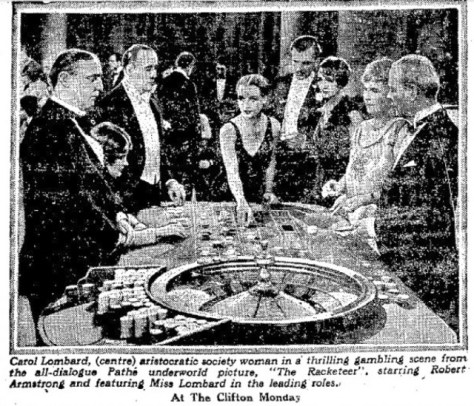
Cast: Carole Lombard, Robert Armstrong, Roland Drew, Paul Hurst, Kit Guard, Al Hill, Robby Dunn, Budd Fine, Hedda Hopper, Jeanette Loff, John Loder, Winter Hall, Robert Parrish
68 min
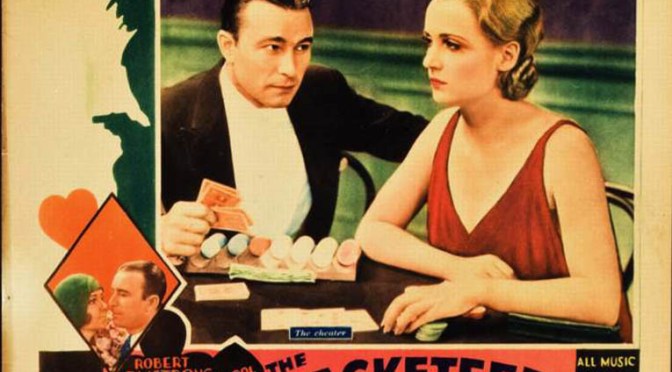
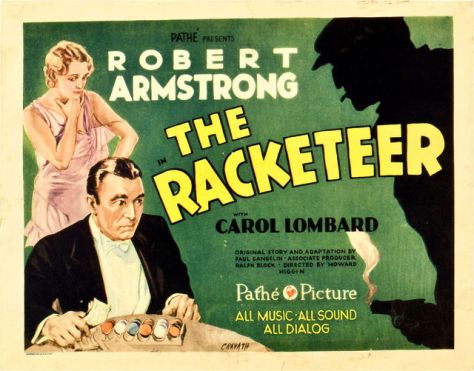
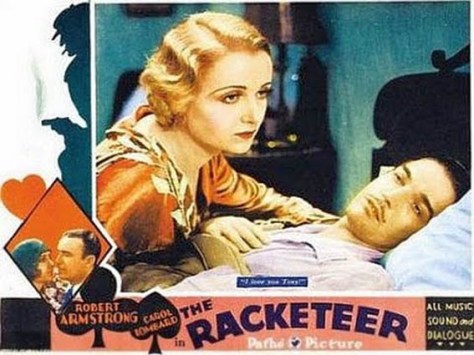
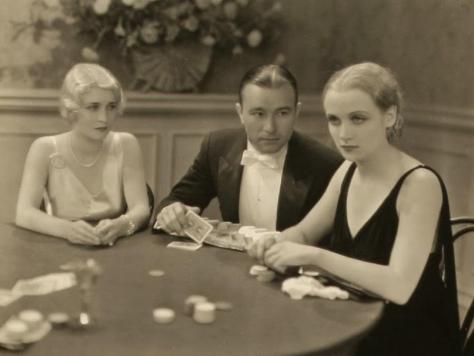
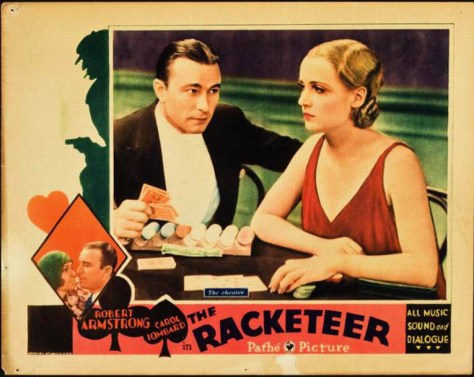
The Racketeer is a 1929 American Pre-Codedrama film. Directed by Howard Higgin, the film is also known as Love’s Conquest in the United Kingdom. It tells the tale of some members of the criminal class in 1920s America, and in particular one man and one woman’s attempts to help him. Gossip columnist Hedda Hopper appears in a minor role. The film is one of the early talkies, and as a result, dialogue is very sparse.
Plot
Mahlon Keene, a suave racketeer, notices Mehaffy, a policeman, arrest a shabby, drunken violinist for vagrancy and bribes him to forget the charge; after Keene and his henchman depart, Rhoda Philbrook appears in a taxi, addresses the musician as “Tony,” and has him driven away. Meanwhile, Keene arranges for a planned robbery to be delayed.
At a charity function, Keene takes an interest in Rhoda when he detects her cheating at cards; she reveals that she has left her husband for the violinist, whom she hopes to regenerate; and for Rhoda’s sake Keene arranges for Tony’s appearance at a concert. When threatened by Weber, a rival, Keene shoots him and, after the concert, bids farewell to Rhoda. The rival gang take revenge on Keene, leaving Tony and Rhoda to a new life together.
Tony, a prosperous Italian vineyardist in California, advertises for a young wife, passing off a photograph of his handsome hired man, Buck, as himself. Lena, a San Francisco waitress, takes up the offer, and though she is disillusioned upon discovering the truth, she goes through with the marriage because of her desire to have a home and partially because of her weakness for Buck, whose efforts to take her away from Tony confirm her love for her husband.
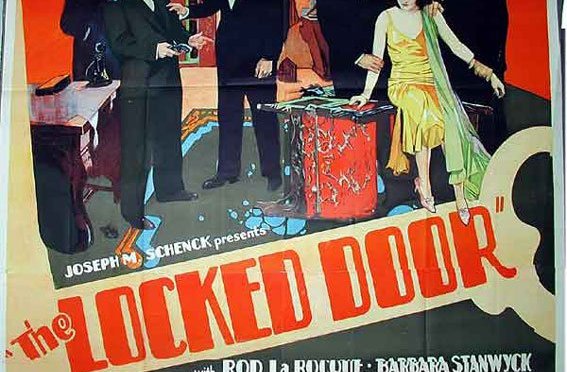
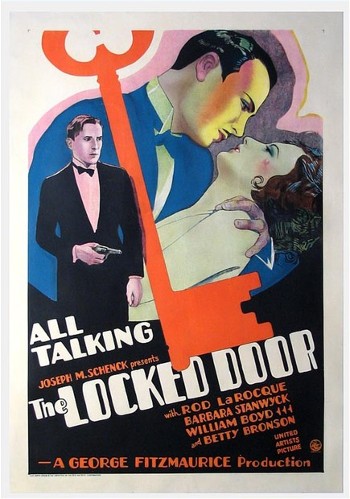
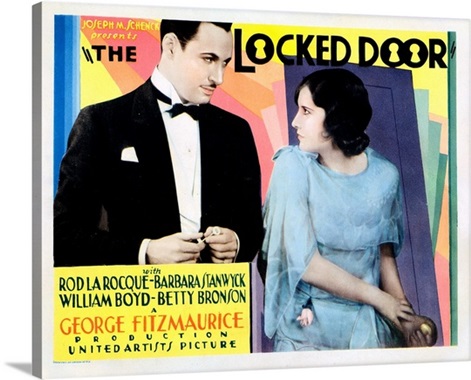
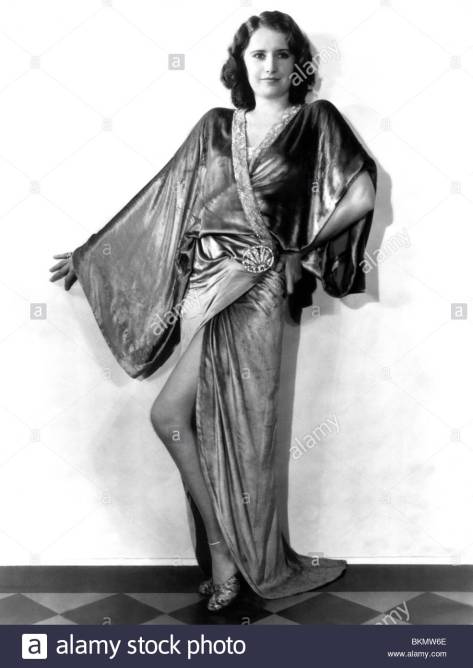
The film is based on the play The Sign on the Door by Channing Pollock.[1] The play was first adapted for the screen in 1921 as The Sign on the Door, starring Norma Talmadge.[2]The Locked Door was Barbara Stanwyck’s second film appearance, first starring role, and first talking picture.
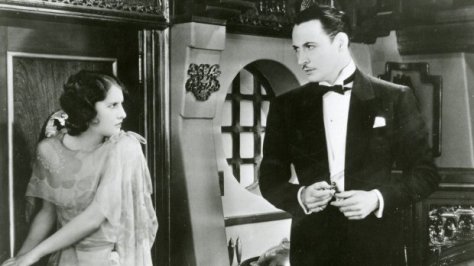
Ann Carter (Barbara Stanwyck), an inexperienced young woman, accepts an invitation to dinner from Frank Devereaux (Rod LaRocque), the son of her employer. The date turns out to be far from what she expects. It is aboard a “rum boat”, a ship that sails beyond the 12 mile limit to get around the restrictions of Prohibition. Worse, Frank turns out to be a cad.
When she tries to leave, he locks the door and tries to force himself on her, tearing her dress. Fortunately, the ship drifts back into U.S. waters and a police raid stops him from going any further. When a photographer takes a picture of the two under arrest, Frank buys it from him.
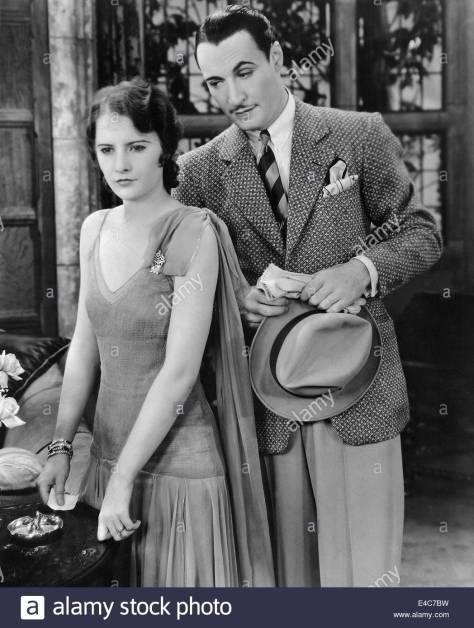
Eighteen months later, Ann is happily married to wealthy Lawrence Reagan (William “Stage” Boyd). They are about to celebrate their first wedding anniversary when Frank resurfaces in Ann’s life, this time as the boyfriend of her naive young sister-in-law, Helen (Betty Bronson). Though both Ann and her husband tell Helen that Frank is no good (Lawrence knows that Frank is having an affair with the wife of one of his friends), it is clear to Ann that Helen does not believe them.
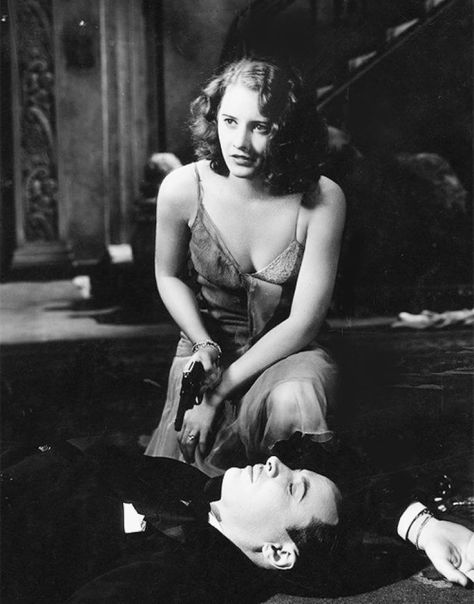
Ann goes to Frank’s apartment to stop him from taking advantage of Helen. She hides when Lawrence shows up unexpectedly. He warns Frank to leave town before Lawrence’s friend catches up with him and shoots him. Frank had already planned to go, but when Lawrence declares that he intends to administer a beating first, Frank draws a gun. He is shot in the ensuing struggle. Lawrence leaves without being seen, unaware that his wife has heard the whole thing.
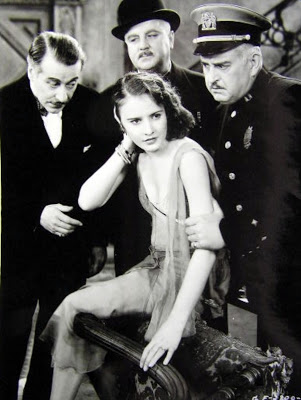
To protect her husband, Ann phones the switchboard operator and reenacts her earlier assault, ending with her firing two shots. When the police arrive, the district attorney (Harry Mestayer) soon pokes holes in her story. Also, the photograph is found, providing a motive for murder. However, Frank is not yet dead; in his last few minutes of life, he explains what really happened, exonerating both Ann and Lawrence.
Jump up^White Munden, Kenneth, ed. (1997). The American Film Institute Catalog of Motion Pictures Produced in the United States: Feature Films, 1921-1930. University of California Press. p. 445. ISBN0-520-20969-9.
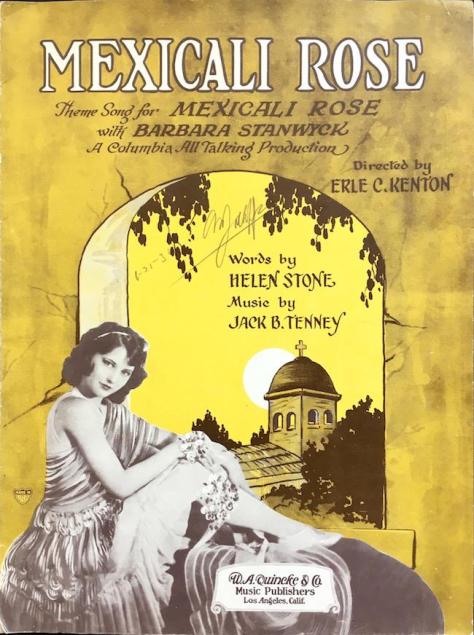
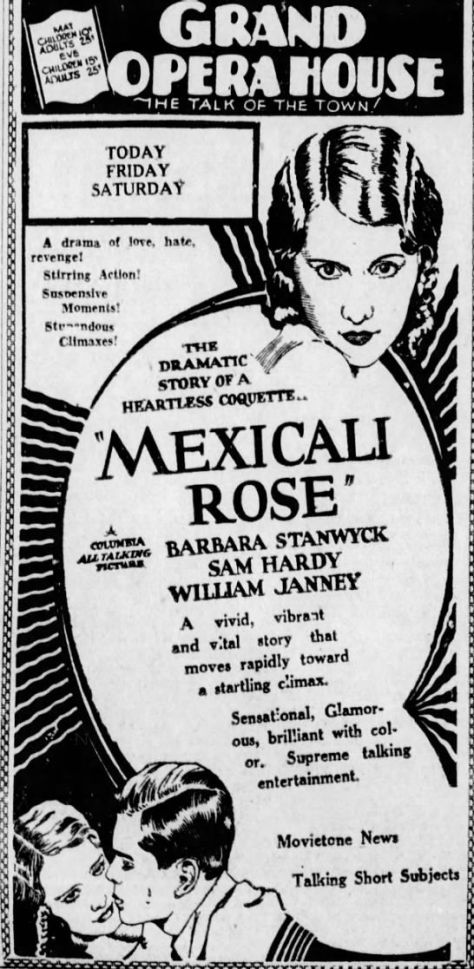
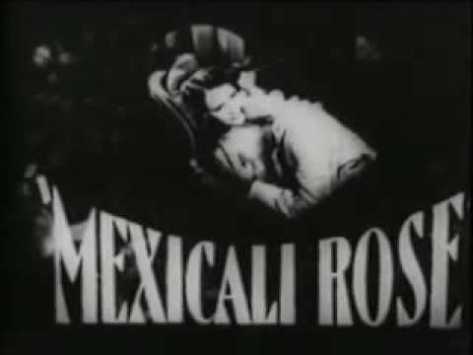
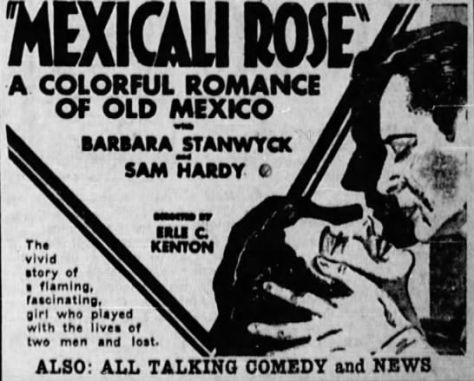
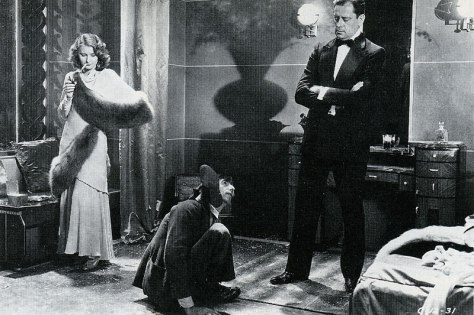
Cast: Barbara Stanwyck, Sam Hardy, William Janney, Louis Nathaneux, Arthur Rankin, Harry J Vejar, Louis King, Julia Bejerano, Frankie Genardi, Greta Granstedt, Dorothy Gulliver, Jerry Miley
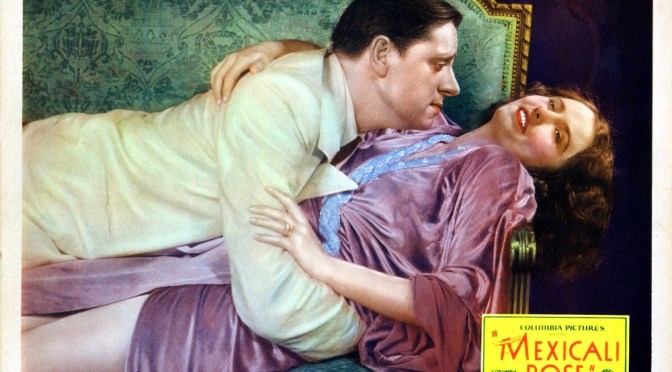
“Happy” Manning returns early from a trip to his Mexican casino, the Mina de Oro (Gold Mine), and to his wife Rose, unaware that she has been unfaithful to him with Joe, the croupier. Happy soon finds out and divorces Rose, but he keeps Joe, as Joe is too valuable an employee to lose.
Afterward, he goes to visit his younger brother and ward, Bob, who is the quarterback of his college football team in California. Bob introduces him to his fiancee Marie (an uncredited Dorothy Gulliver). Bob, believing Happy owns a gold mine, promises to spend his honeymoon there.
When Bob does get married, he sends Happy a telegram that he is coming. Happy’s friend Ortiz offers to exchange his real gold mine for Happy’s casino temporarily. Happy is shocked when Bob introduces his wife: Rose. Happy later tries to buy Rose off, but she turns him down, claiming she genuinely loves Bob. Happy is uncertain if she is lying or not and decides to not tell Bob the truth.
However, it soon becomes clear that she has not changed. Happy blocks her secret late-night rendezvous with an admirer and confronts her. She claims that she loves Happy and that she married Bob to get back at him. She then tells him she is going home. The next day, her body is found at the bottom of a cliff.
Jump up^Catalog of Holdings The American Film Institute Collection and The United Artists Collection at The Library of Congress page 115 c.1978 published by The American Film Institute
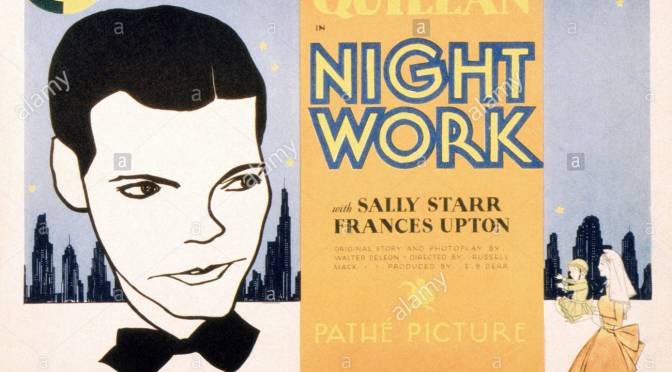
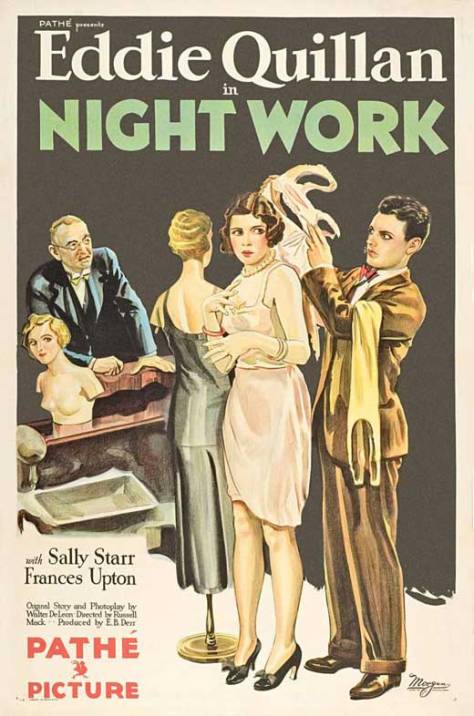
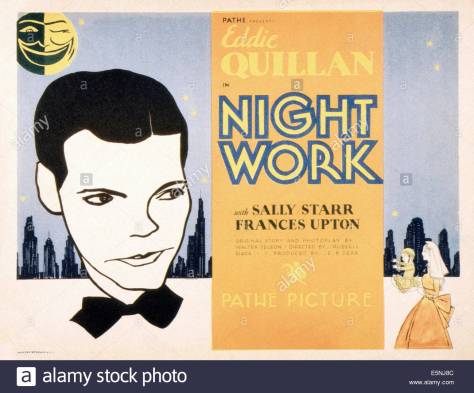
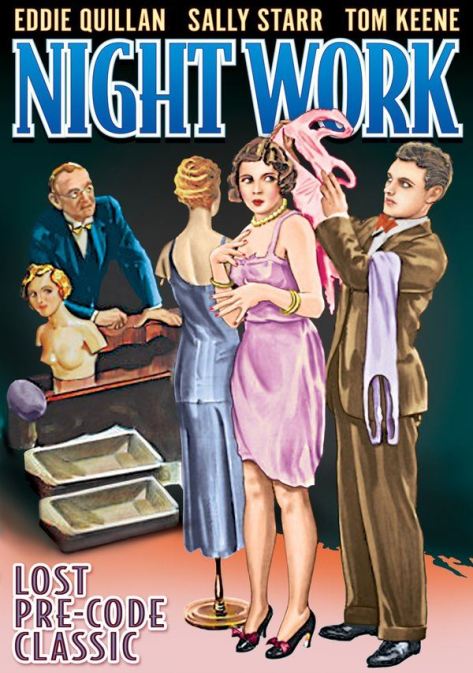
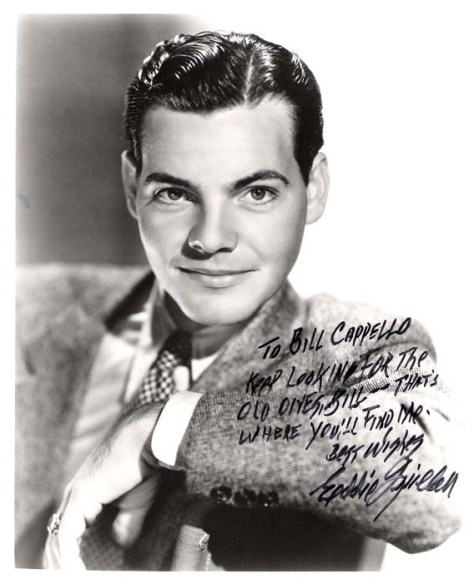
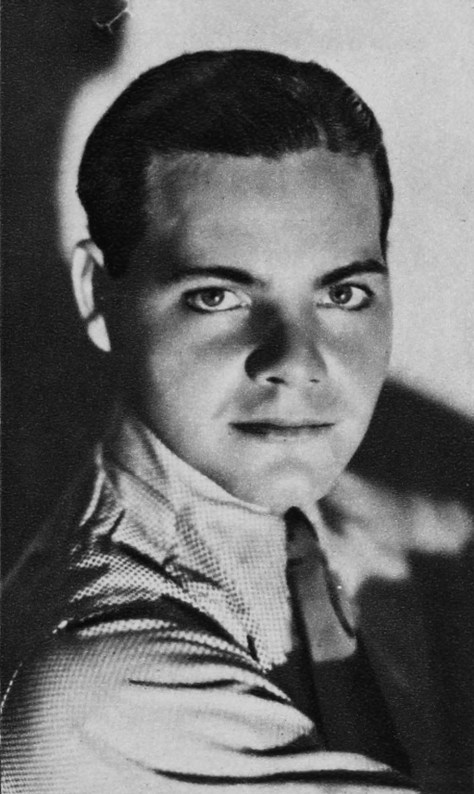
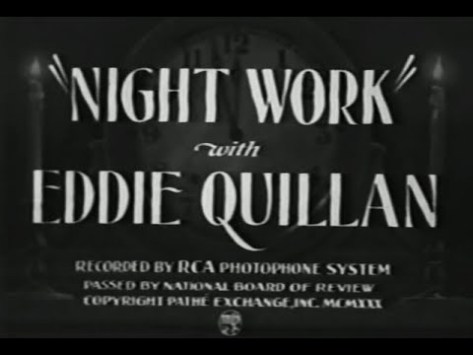
Cast: Eddie Quillan, Sally Starr, Frances Upton, John T Murray, Tom Keene, Ben Bard, Robert McVade, Douglas Scott, Addie McPhaill, Kit Guard, Georgia Caine, Georgie Billings, Charles Clary
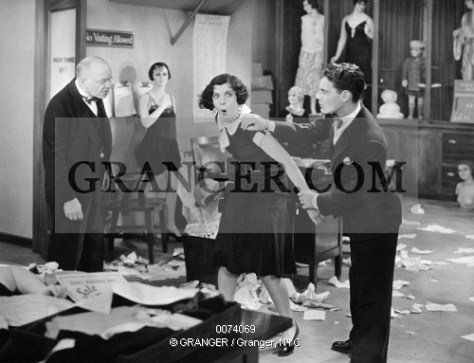
Willie Musher, assistant window-trimmer and jack-of-all-trades at Tracy’s Department Store, consistently shoulders the blame for patrons who deem themselves aggrieved and one day is awarded a $10 bill.
On his way to the bank, he stops to examine a car that is campaigning for funds for an orphans’ home; he holds his bank book in such a way that Mary, a nurse, takes the bill and leaves him a receipt. Later, he is alarmed to learn he has obligated himself to support a baby, but taking an interest in Mary and little Oscar, he gets a job as waiter in a nightclub to support the child. To Willie’s chagrin, he learns that Vanderman, Sr., wants to adopt Oscar, apparently the offspring of his son, Harvey.
Willie dreams of hair-raising stunts to kidnap Oscar; finding that he has been promoted, he proves that Oscar is not Vanderman’s grandson, adopts the boy, and asks Mary to marry him.
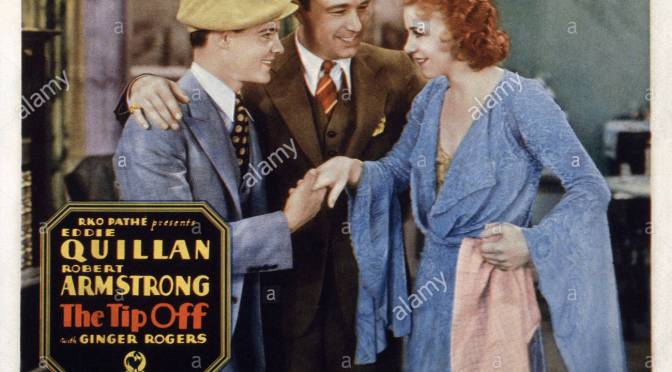
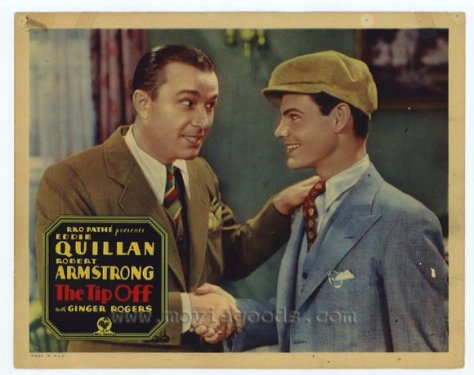
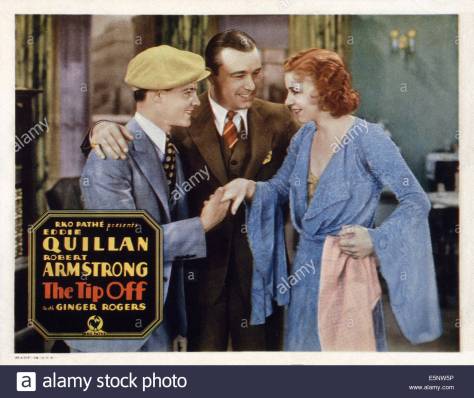
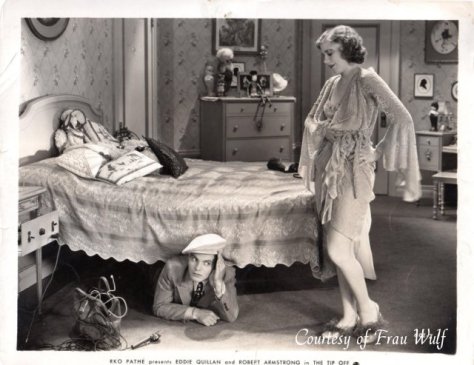
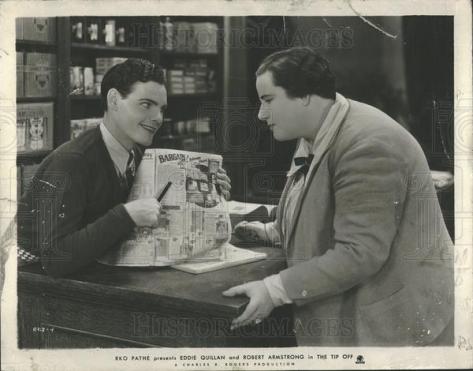
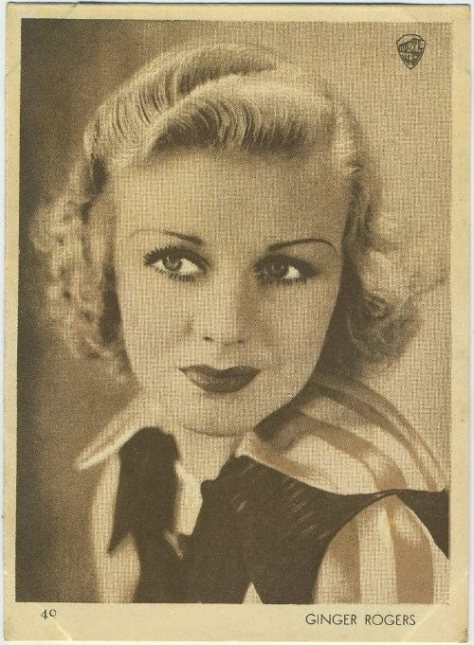
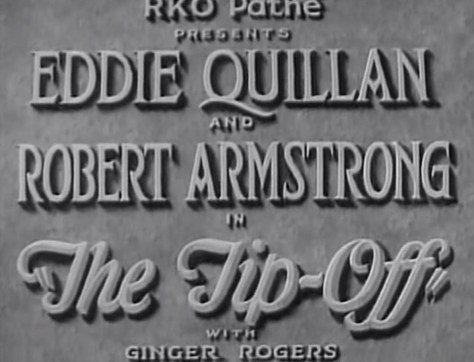
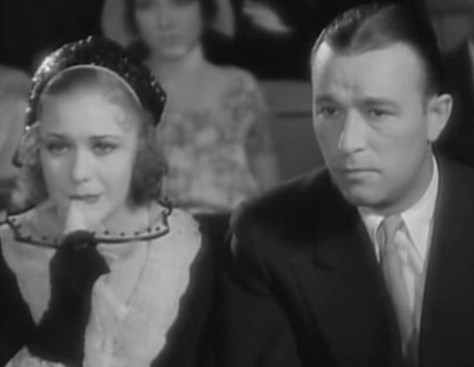
Cast: Eddie Quillan, Robert Armstrong, Ginger Rogers, Joan Peers, Ralf Harolde, Mike Donlin, Ernie Adams, Charles Sellon, Helen Ainsworth, Luis Alberni, Harry Bowen, Dorothy Granger
Young Tommy Jordan (Eddie Quillan) is sent for a repair job. When he arrives at the address he was told, two guys are waiting for him on the street, bringing him somewhere else – without letting him see where – to repair a radio.
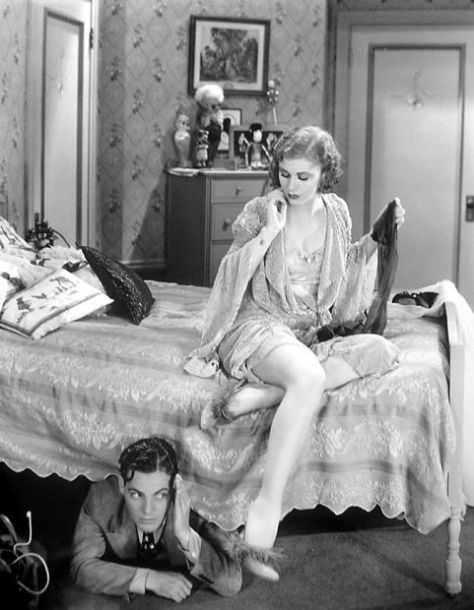
He jokes about “must be a hide-out, that I should not know where I am”, for which he earns a “you’re a smart guy”. When left in the apartment doing his job, he follows a wire and ends up in the bedroom, lying on the floor under the bed. At this point, the telephone rings and a woman comes out of the bathroom and answers.
He is trapped under the bed and can only see her legs. When the lady has finished her conversation, they have to talk and he is told that his great idol Kayo McClure (Robert Armstrong (actor)) a fighter lives in that apartment.
She herself is “famous” Babyface (Ginger Rogers) the woman of McClure. When McClure comes back home, Tommy manages to hide and when Gang leader Nick Vatelli (Ralf Harolde) appears in McClure’s apartment with his men threatening him, Tommy acts as Policeofficers through the radio-microphone, so that they leave the flat. McClure is forever thankful to Tommy and he offers him to help him whenever he needs it. McClure hands him out a ticket to a ball.
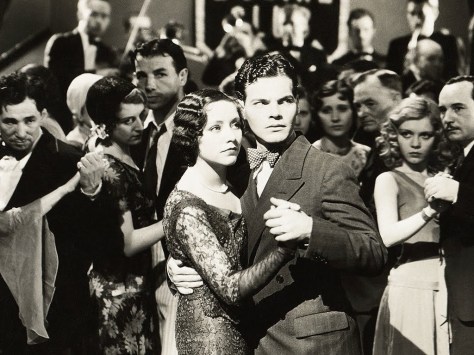
When he gets to the ball there is Baby-Face eager to dance with him. To avoid being mixed up too much with her attracting jealousy of McClure he grabs another girl, that was handy to him, to dance. But this girl is even worse, as she is the fiancé of Nick, Edna Moreno (Joan Peers). Tommy is very fond of her and when Nick appears he finally takes Edna with him to McClure, to hide for a night. The next day Babyface argues with McClure about hiding the kids, threatening to leave him.
Edna leaves the apartment without saying anything. Tommy finds out where she is, and with the help of McClure he saves her from marrying Nick. As the movie ends, Tommy and Edna get married.
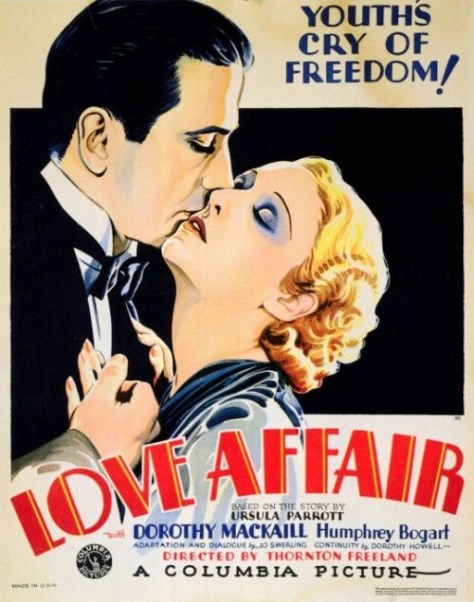
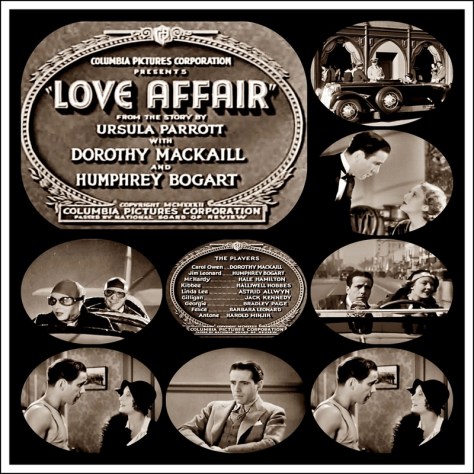
Cast: Dorothy Mackaill, Humphrey Bogart, Hale Hamilton, Halliwell Hobbes, Astrid Allwyn, Jack Kennedy, Bradley Page, Barbara Leonard
68 min
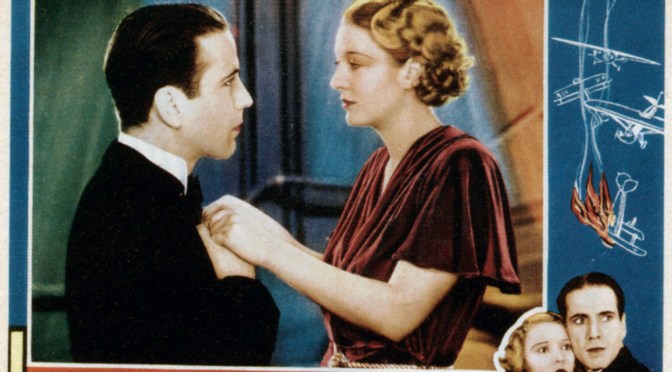
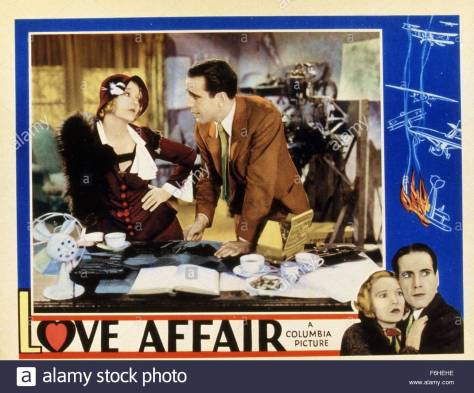
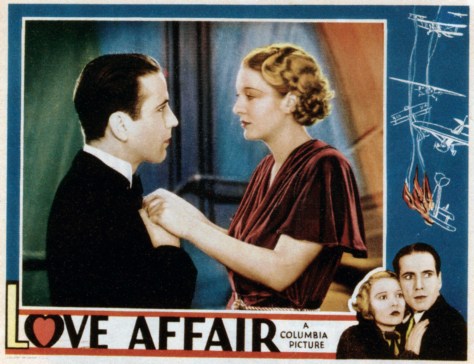
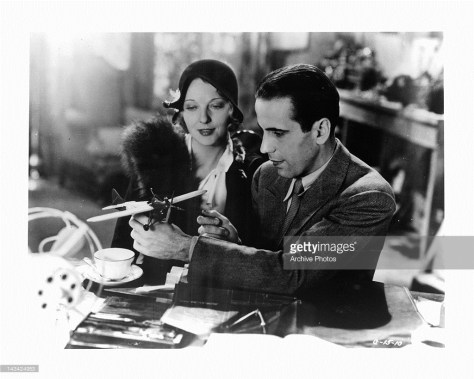
Love Affair is a 1932 American Pre-Code romantic drama film starring Dorothy Mackaill as an adventurous socialite and Humphrey Bogart as the airplane designer she falls for. It is based on the short story of the same name by Ursula Parrott.
Plot
Wealthy socialite Carol Owen (Dorothy Mackaill) decides to take up flying. Gilligan (Jack Kennedy) sets her up with a homely instructor, but she requests dashing Jim Leonard (Humphrey Bogart) instead. Jim has some fun, taking her through some aerobatic maneuvers that leave her queasy, but still game. For revenge, she gives him a lift into town in her sports car, driving at breakneck speeds. They begin seeing each other.
Carol learns that Jim is designing a revolutionary airplane engine, but cannot get any financial backing. She decides to give him a secret helping hand, persuading her skeptical financial manager, Bruce Hardy (Hale Hamilton), to invest in the project. Hardy is only too pleased to oblige, as he has asked Carol numerous times to marry him.
Hardy keeps a mistress on the side, aspiring stage actress Linda Lee (Astrid Allwyn). Unbeknownst to him, she is Jim’s sister and in love with Georgie Keeler (Bradley Page), a Broadway producer. Things become serious between Carol and Jim. He begins neglecting his work and eventually spends the night with her. The next day, he asks her to marry him. She realizes that she is distracting him from making a success of his engine and turns him down.
When Hardy asks Carol once again to marry him, she jokingly tells him she would only consider his offer if she were broke. He then informs her that she is. He has been paying all her bills for the past year. Hoping to help Jim, she agrees to wed Hardy.
Hardy tries to break off his relationship with Linda. This is what Georgie has been waiting for. He has coached Linda to extort $50,000 from Hardy to finance a new play in which Linda will star, but the businessman will only write her a check for $10,000. To try to pressure Hardy, Georgie has Linda lie to Jim about the relationship.
Meanwhile, Carol has second thoughts and goes to break the news to Hardy. Before she can however, Jim shows up and insists that Hardy marry his sister. However, when Hardy shows him the canceled $10,000 check endorsed to Georgie, Jim realizes Linda has deceived him. He apologizes and leaves.
Carol decides to kill herself by crashing an airplane. As she starts to take off, Jim reads the suicide note she left with Gilligan. He manages to cling to the fuselage, work his way gingerly to the cockpit (while the plane is in flight), and reconcile with Carol.
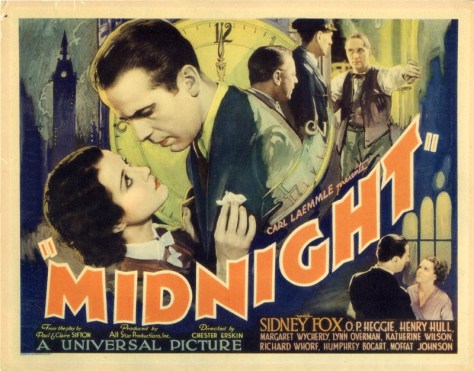
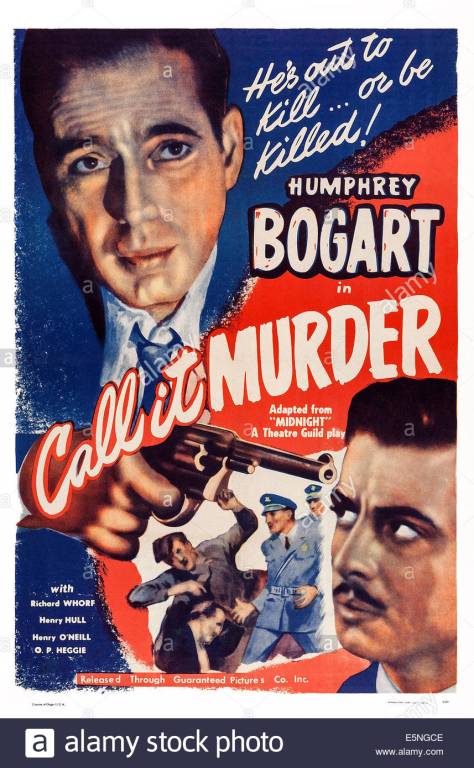
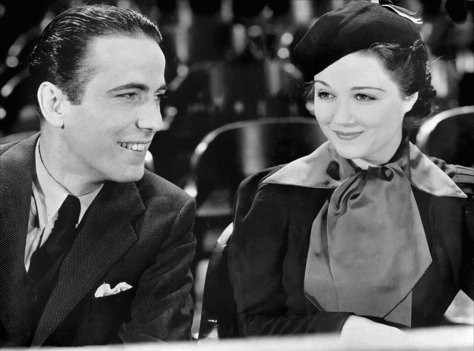
Humphrey Bogart had a small supporting role. The film was re-released as Call It Murder by Screen Guild Productions in 1949 after Bogart became a star; he was given top billing, although he was credited eighth in the original release.
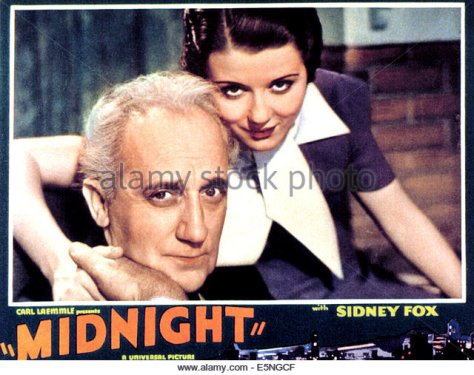
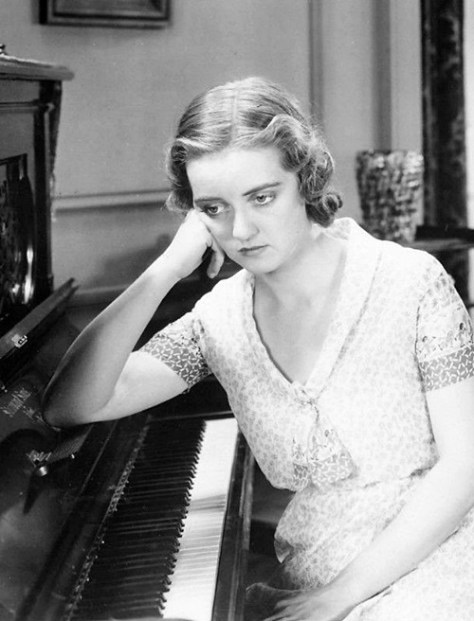
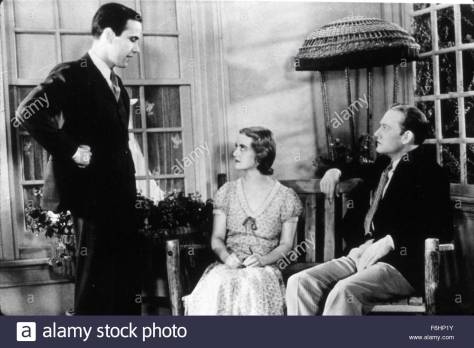
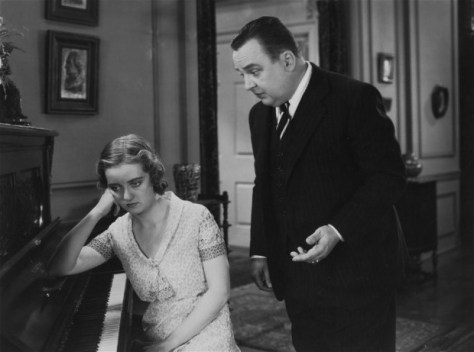
The movie begins at the murder trial of Ethel Saxon, a woman who shot her lover in a crime of passion. During the trial, Edward Weldon, the jury foreman, asks the defendant a question, which essentially leads to a guilty verdict and a death sentence for her.
The rest of film takes place on the evening of the execution, mostly in the Weldon home. Edward is dealing with the consequences of his role as foreman, and his daughter Stella is upset by the departure of her gangster boyfriend, Gar Boni, whom she met during the trial.
The evening culminates at midnight as the switch is pulled at the death house and a gun is fired in a parked car. Moments later, Stella returns home, admitting that she has shot Gar Boni.
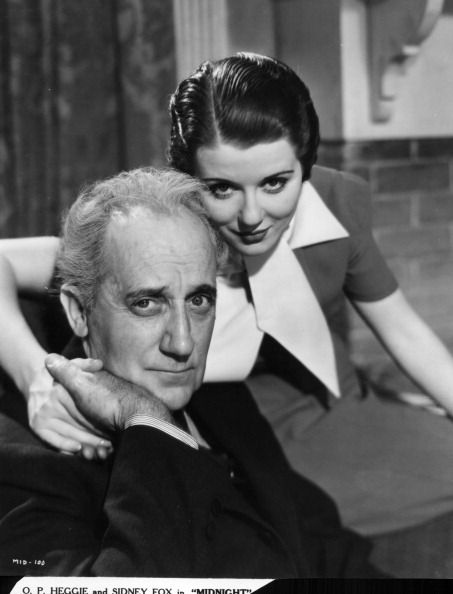
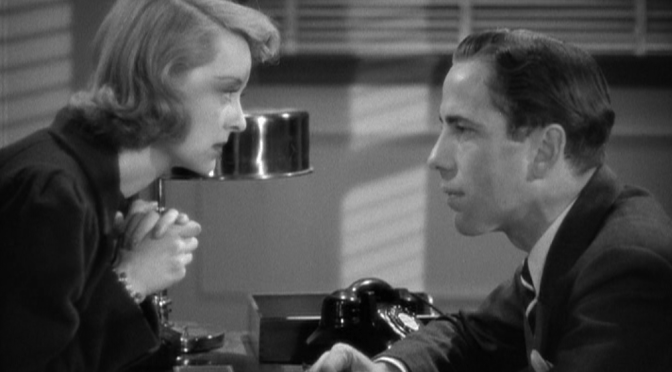
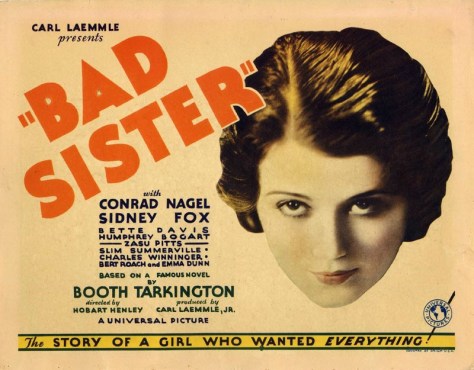
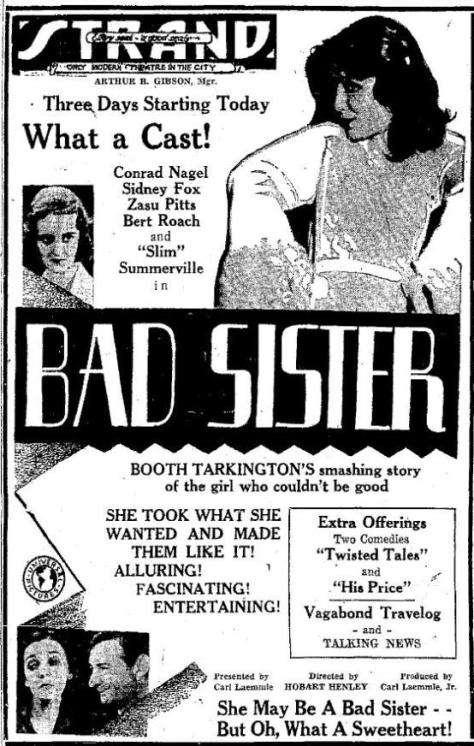
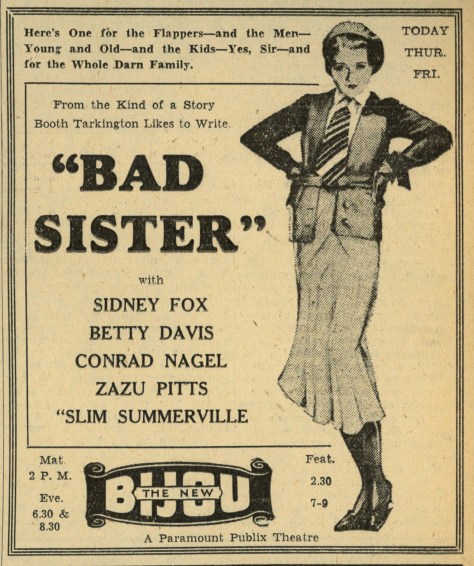
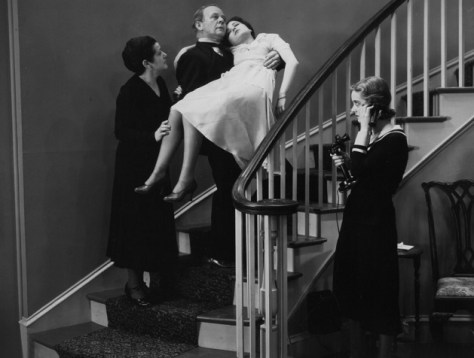
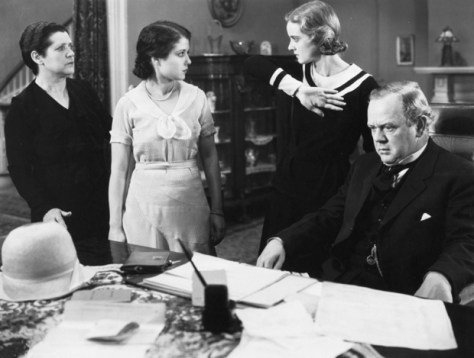
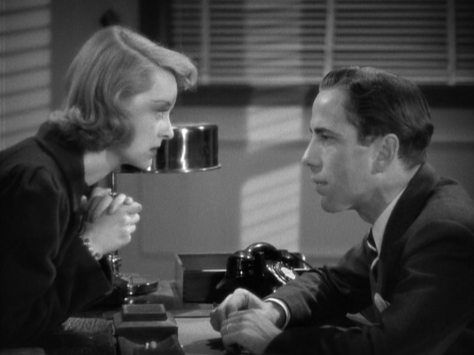
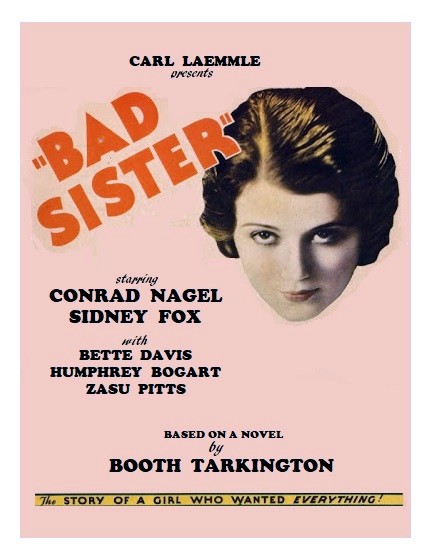
The film marks the screen debut of Bette Davis and Sidney Fox, who was billed over Davis. It also features Humphrey Bogart and ZaSu Pitts in supporting roles. This film has been preserved in the Library of Congress collection.[1][2]
Naive Marianne Madison, bored with her routine life, falls for dashing con artist Valentine Corliss, who has come to her small town looking for fresh marks to swindle.
He soon charms her into faking her wealthy and prominent father’s name on a letter of endorsement, which he presents to the other local merchants, who willingly give him merchandise. He prepares his escape, but not before conning Marianne into becoming his wife.
Following their wedding night in a sleazy hotel, Valentine abandons Marianne. She returns home and begs forgiveness from her jilted fiancé Dick Lindley, but having seen Marianne for who she really is, he turns his attention to her shy younger sister Laura.
Production
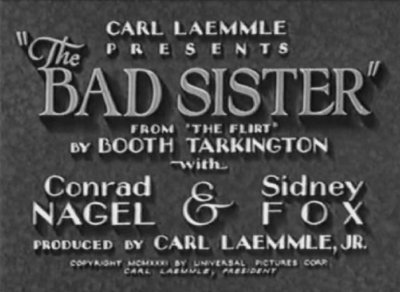
The film originally was called What a Flirt and then Gambling Daughters before being changed to Bad Sister just prior to its theatrical release.[3]
Bette Davis, nervous about her appearance in her first film, consulted with studio makeup chief Jack Pierce, who “surveyed me critically, almost resentfully,” she recalled for an interview in the April 1938 issue of Good Housekeeping. “Your eyelashes are too short, hair’s a nondescript color, and mouth’s too small.
A fat little Dutch girl’s face, and a neck that’s too long,” he told her. He suggested a different shade of lipstick and advised her to use eye shadow, but their meeting left Davis feeling anxious and lacking self-confidence.
After seeing the completed film, producer Carl Laemmle, Jr. commented, “Can you imagine some poor guy going through hell and high water and ending up with her at the fade-out?” [3]
Davis was required to change a baby in one scene, and the fact the infant was a boy was kept secret from her. When she undid the diaper and saw male genitals for the first time in her life, she was so embarrassed her face reddened enough to look deep gray on screen.[3]
Davis and her mother attended a preview of the film in San Bernardino. The actress was reportedly so distressed by her performance that they left before the final credits. Certain her Hollywood career was over, she cried all the way home.[3]
Catalog of Holdings The American Film Institute Collection and The United Artists Collection at The Library of Congress p.11 c.1978 by The American Film Institute
^ Jump up to:abcdStine, Whitney, and Davis, Bette, Mother Goddam: The Story of the Career of Bette Davis. New York: Hawthorn Books 1974. ISBN0-8015-5184-6, pp. 8-11
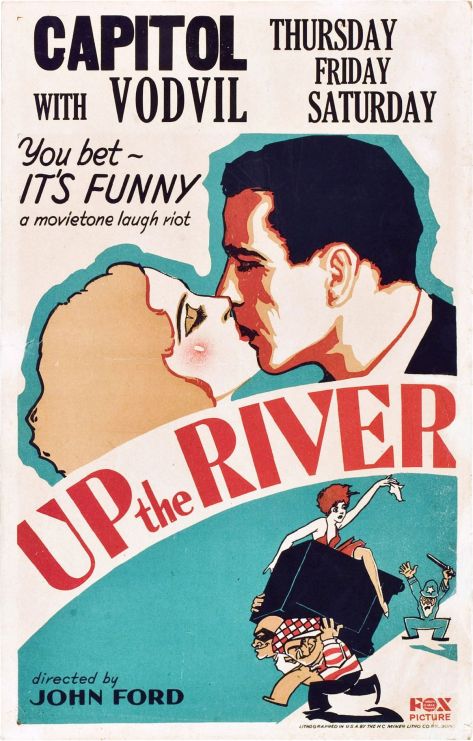
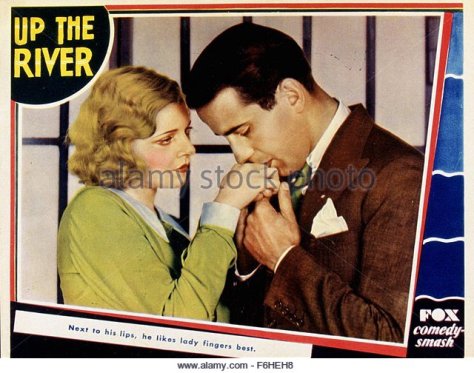
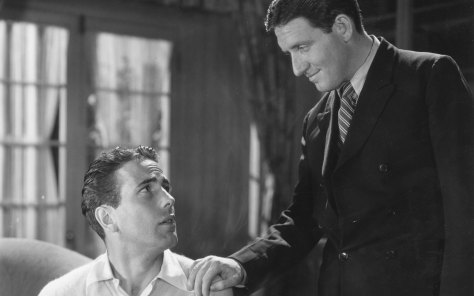
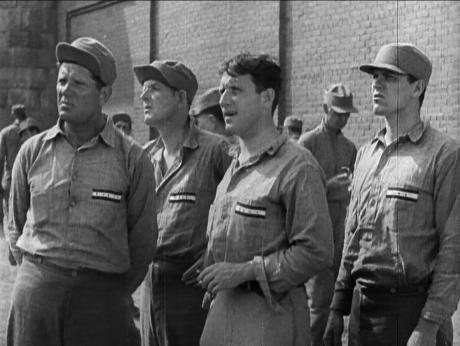
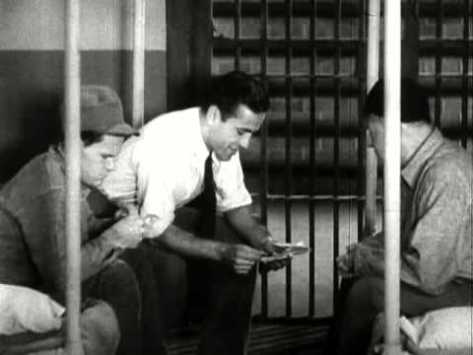
Two convicts, St. Louis (Spencer Tracy) and Dannemora Dan (Warren Hymer) befriend another convict named Steve (Humphrey Bogart), who is in love with woman’s-prison inmate Judy (Claire Luce). Steve is paroled, promising Judy that he will wait for her release five months later. He returns to his hometown in New England and his mother’s home.
However, he is followed there by Judy’s former “employer”, the scam artist Frosby (Gaylord Pendleton). Frosby threatens to expose Steve’s prison record if the latter refuses to go along with a scheme to defraud his neighbors. Steve goes along with it until Frosby defrauds his mother.
Fortunately, at this moment St. Louis and Dannemora Dan have broken out of prison and come to Steve’s aid, taking away a gun he planned to use on the fraudster, instead stealing back bonds stolen by Frosby. They return to prison in time for its annual baseball game against a rival penitentiary. The film closes with St. Louis on the pitcher’s mound with his catcher, Dannemora Dan, presumably ready to lead their team to victory.[1][2]
Tracy had starred in three shorts earlier the same year and Bogart had been an unbilled extra in a silent movie a decade before, as well as starring in two short films in the past two years, but this is the first credited feature film for both actors.
This was the only feature film that Tracy and Bogart ever made together. They tried to make The Desperate Hours in 1955, but neither would consent to second billing, so the role intended for Tracy went to Fredric March instead. It was the only film Bogart made with director John Ford, and Tracy wouldn’t work with Ford again until The Last Hurrah (1958).
Claire Luce (1903–1989) made very few films, but was on Broadway in many plays from 1923–1952. She should not be confused with author/playwright/political activist Clare Boothe Luce (1903–1987).
New England Vintage Film Society, Inc. (2008). Spencer Tracy: The Pre-Code Legacy of a Hollywood Legend. Newton, MA: New England Vintage Film Society. ISBN978-1-4363-4138-7.
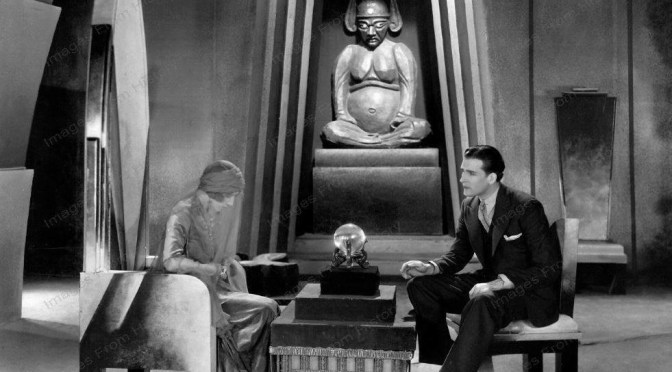
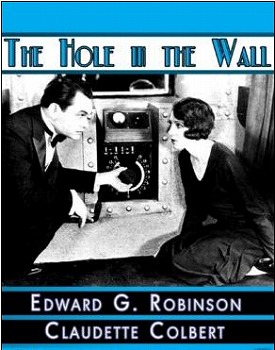
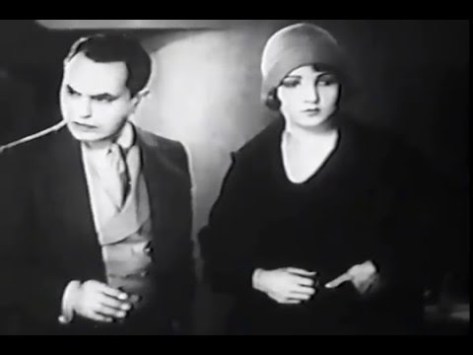
The Hole in the Wall is a 1929 mystery drama film directed by Robert Florey, and starring Claudette Colbert and Edward G. Robinson. This film marks the first appearance of Edward G. Robinson as a gangster.
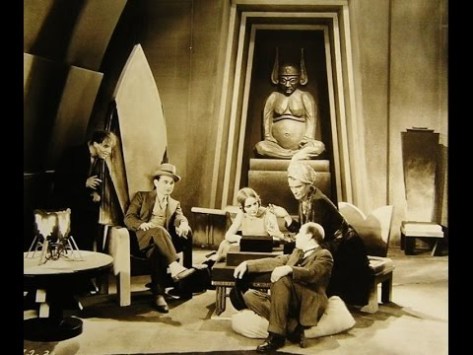
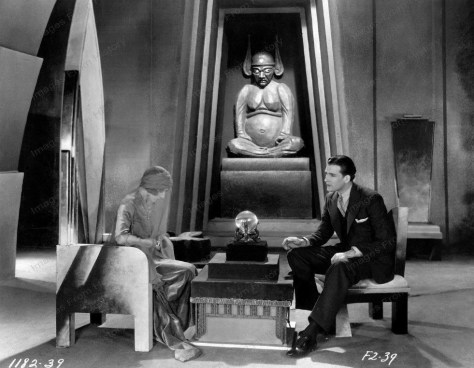
Jean Oliver falls in love with a wealthy young man, and his mother, Mrs. Ramsey, sees to it that she is sent to prison on a trumped-up charge. Time passes. Jean is released from stir and throws in with a band of phony spiritualists, donning the robes of Madame Mystera, a crook recently killed in an accident on the elevated.
Jean quickly proposes that her new companions in crime kidnap the granddaughter of Mrs. Ramsey and hold the child for ransom. The child is taken, but the police arrest the gang. The Fox, crafty leader of the spiritualists, is the only one who knows the whereabouts of the missing child, however, and he trades this information for immunity and a statement from Mrs. Ramsey that Jean had not in fact committed the crime for which she was sent to jail. Jean is freed and reunited with Gordon Grant, her childhood sweetheart, a reporter who has accompanied the police in the raid on the gang.
Film Collectors Corner
Watch The Hole In The Wall Now – You Tube Instant Video
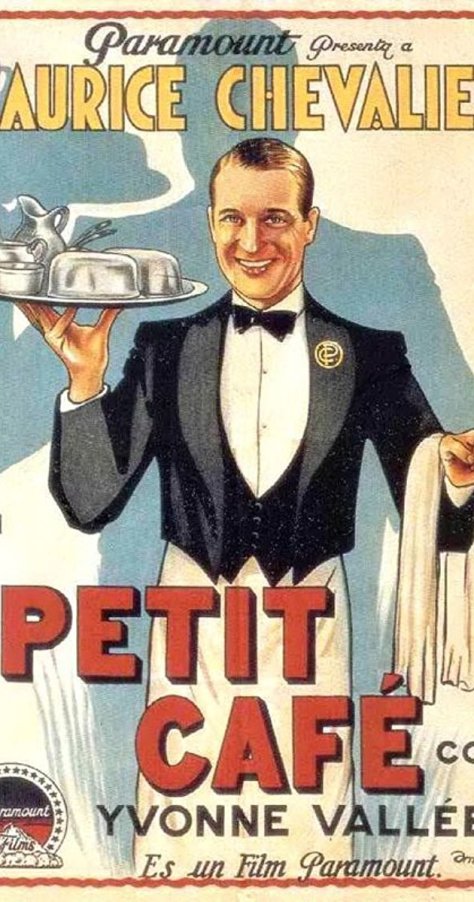
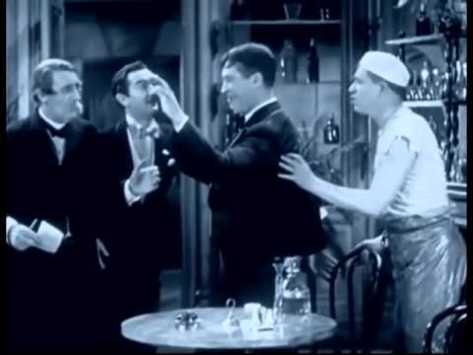
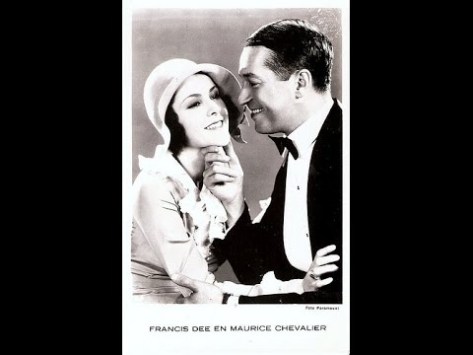
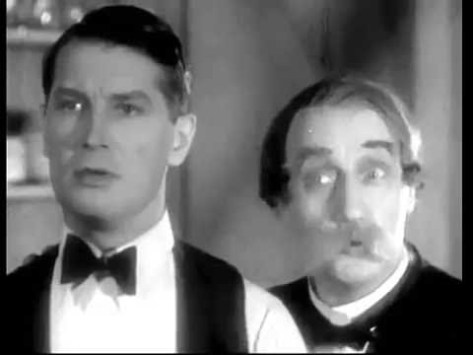
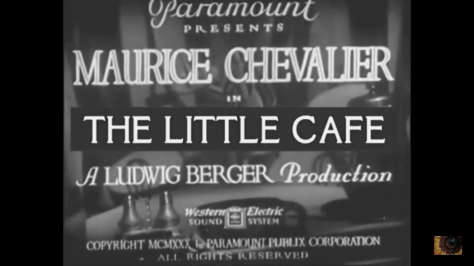
Albert Loriflan, a waiter in a Pariscafe, unexpectedly inherits a large sum of money from a wealthy relative. His unscrupulous boss, Philibert, refuses to release him from his long-term contract in the hope that Albert will buy him off with a large payment. But Albert refuses, and continues to work at the cafe even though he is now very rich. Before long he falls in love with Philibert’s daughter Yvonne.
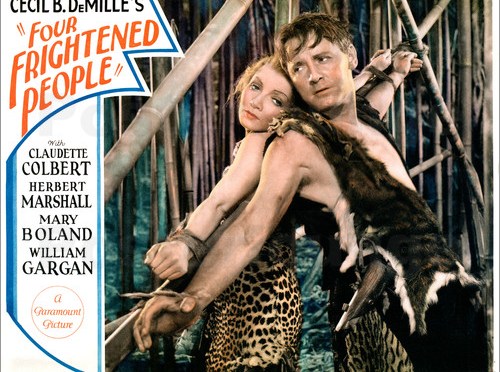
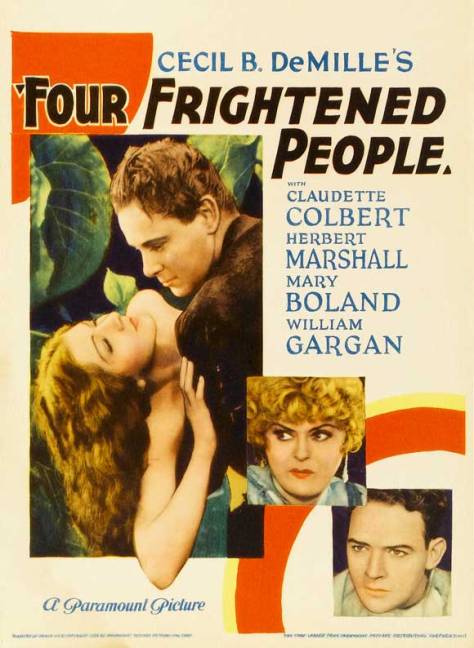
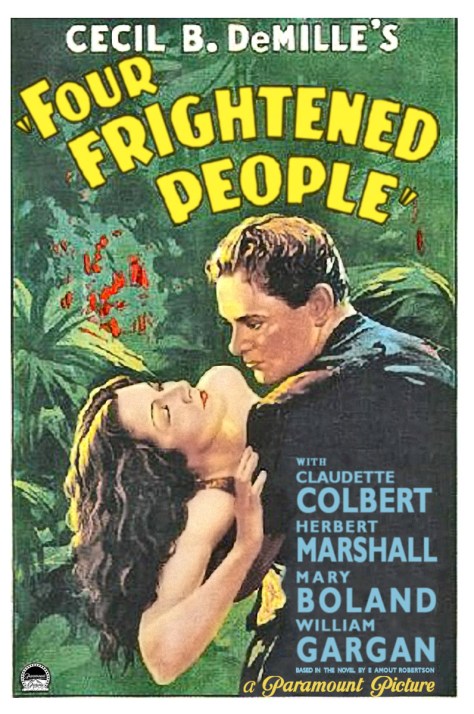
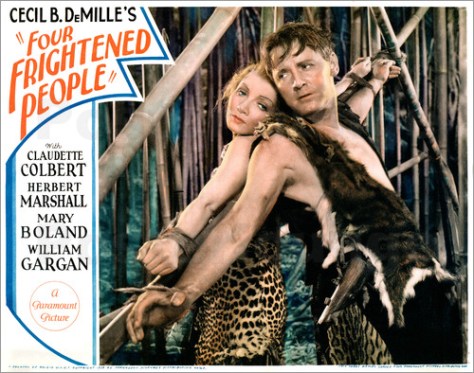
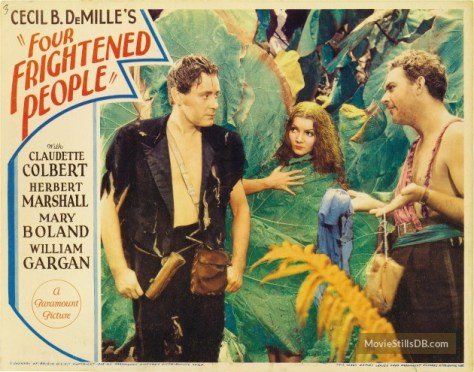
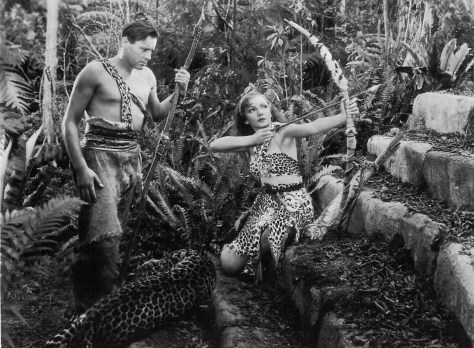
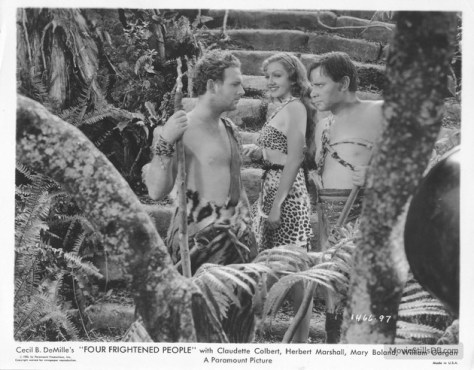
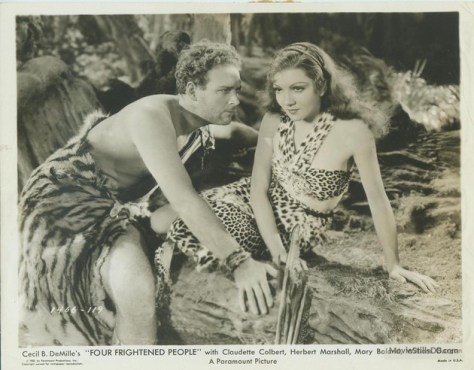
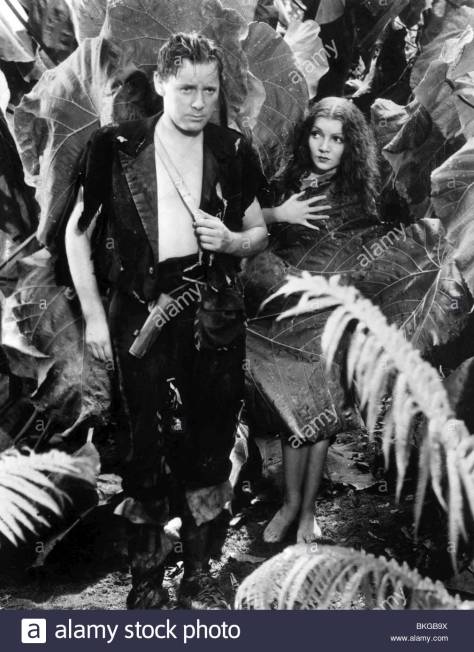
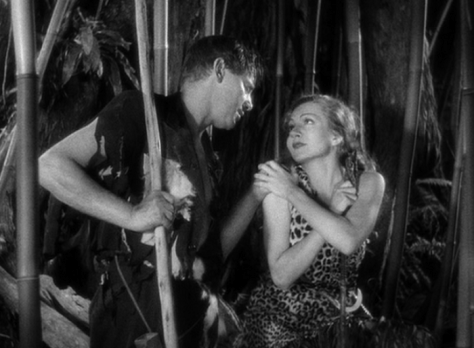
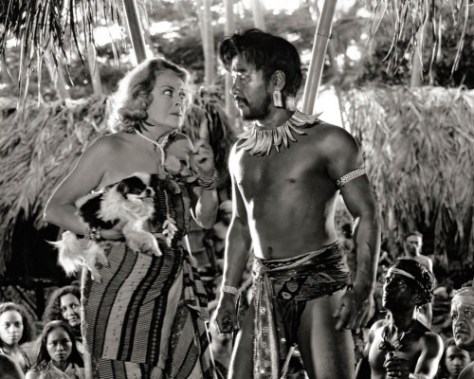
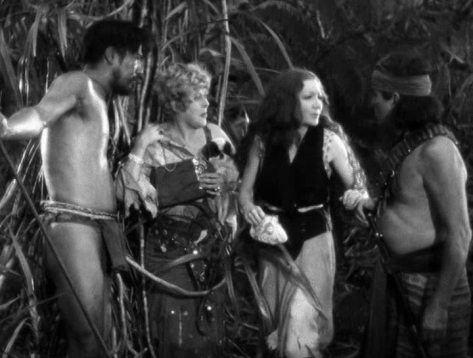
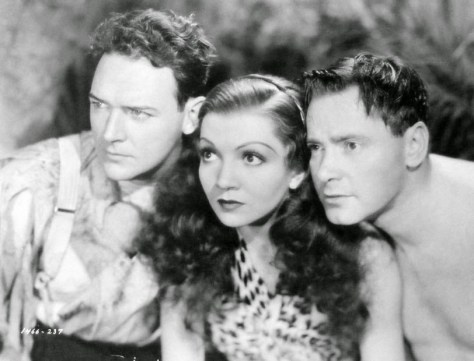
The film tells the story of two men (Marshall and Gargan) and two women (Colbert and Boland), who leave from a plague-ridden ship and reach the Malayan jungle. The relationships between the four people before they enter the jungle are examined and are transformed as they interact with natural phenomena and the natives who populate the jungle. The film also relates how each of the four people carried on in life after they emerged from the jungle.
Double (uncredited) – Mildred Mernie as Claudette Colbert, Bruce Warren as Herbert Marshall, Leota Lorraine as Mary Boland, Carl Mudge as William Gargan, Curley Dresden as Leo Carrillo
Reception
The film was a box office disappointment for Paramount.[1]
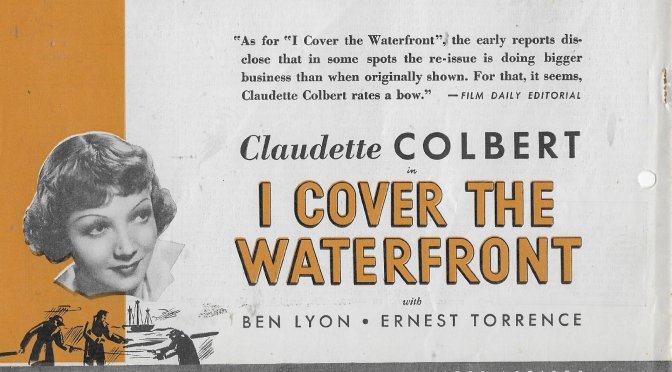
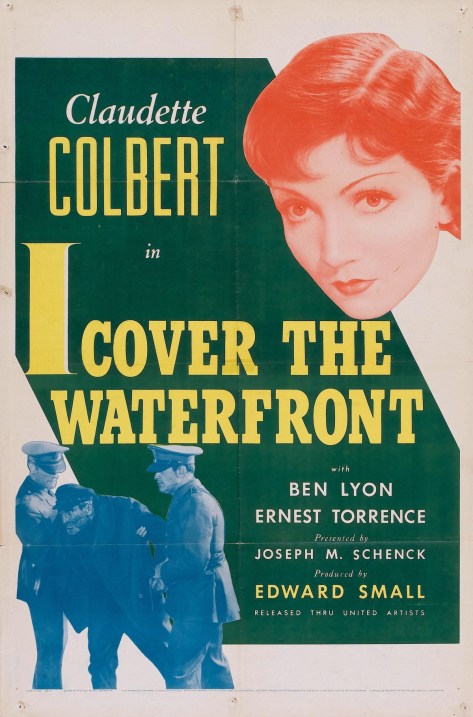
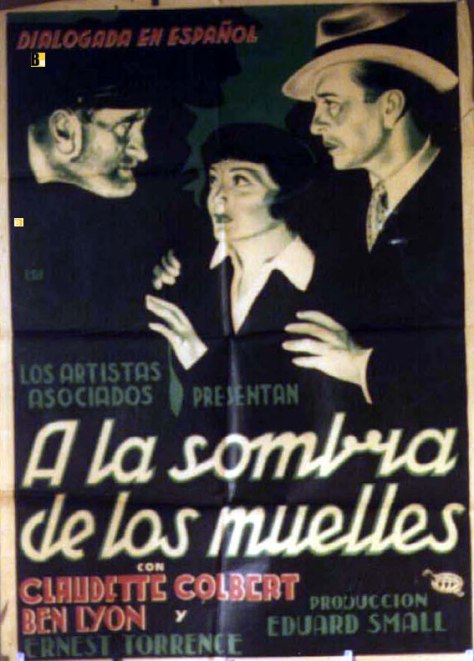
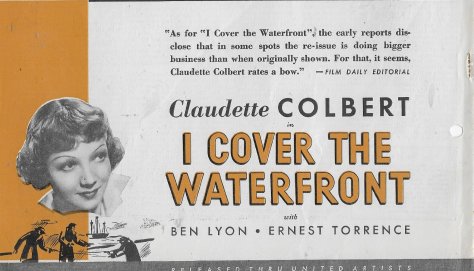
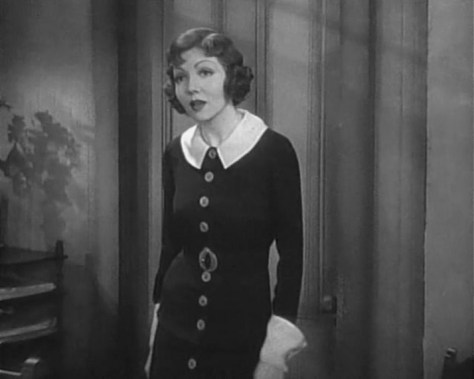
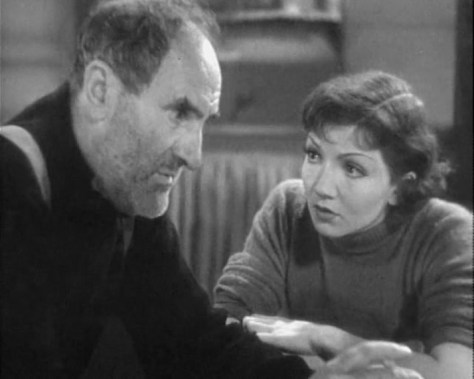
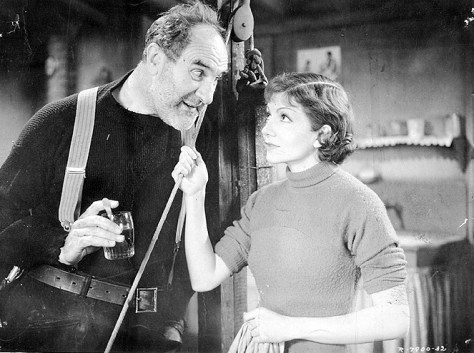
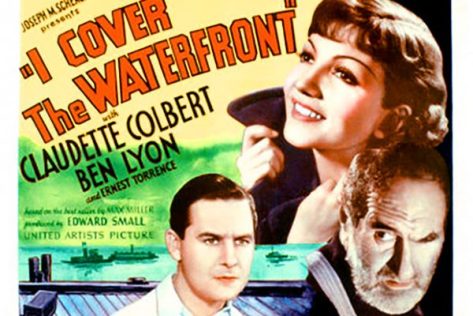
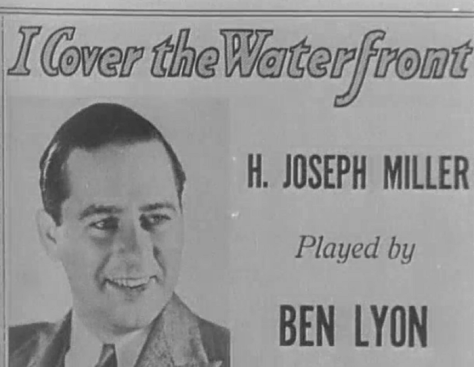
Based on the book of the same name by Max Miller, the film is about a reporter who investigates a waterfront smuggling operation, and becomes romantically involved with the daughter of the man he is investigating.
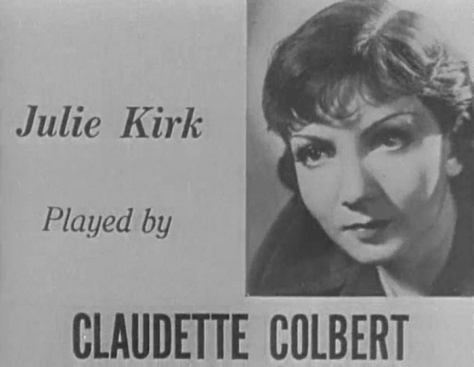
San Diego Standard reporter H. Joseph Miller (Ben Lyon) has been covering the city’s waterfront for the past five years and is fed up with the work. He longs to escape the waterfront life and land a newspaper job back East so he can marry his Vermont sweetheart. Miller is frustrated by the lack of progress of his current assignment investigating the smuggling of Chinese people into the country by a fisherman named Eli Kirk (Ernest Torrence). One morning after wasting a night tracking down bad leads, his editor at the Standard orders him to investigate a report of a girl swimming naked at the beach. There he meets Julie Kirk (Claudette Colbert), the daughter of the man he’s been investigating.
Meanwhile, Eli Kirk and his crew are returning to San Diego with a Chinese passenger when the Coast Guard approaches. Not wanting to be caught with evidence of his smuggling operation, Kirk orders his men to weigh down the Chinaman and lower him overboard to his death. The Coast Guard, accompanied by Miller, board the boat but find nothing. The next day, Miller discovers the Chinaman’s body which was carried in with the tide, and takes it as evidence to his editor, who still remains skeptical of Kirk’s guilt. To get conclusive evidence, Miller tells him he plans to romance Kirk’s daughter Julie in order to break the smuggling operation.
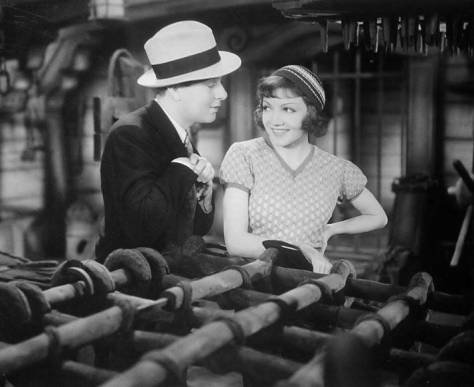
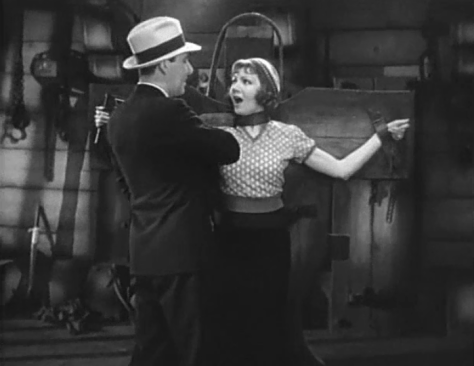
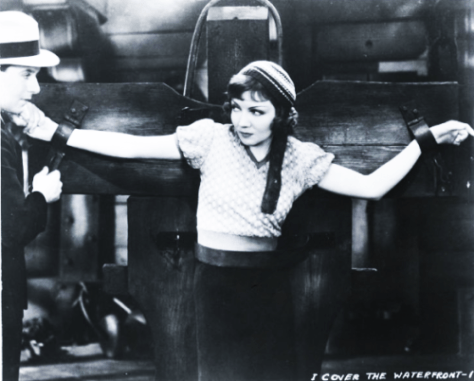
When Kirk returns, he informs Julie that they will need to move on soon—maybe to Singapore—as soon as he can put together enough money for the voyage. One night, Julie discovers her father drunk at a boarding house. Miller, who was there investigating Kirk, helps Julie take her father home. Julie does not discourage Miller’s flirtations, and during the next few weeks they fall in love. She is able to help Miller see the beauty of the waterfront, and inspires him to improve the novel he’s been working for the past five years. While visiting an old Spanish galleon on a date, he playfully restrains her in a torture rack and kisses her passionately—and she returns his passion.
Julie and Miller spend a romantic evening together on the beach, where she reveals that she and her father will be sailing away in the next few days. After spending the night in Miller’s apartment, Julie announces the next morning that she’s decided to stay, hoping that he will stay with her. When Miller learns from her that her father is due to dock at the Chinese settlement that night, he notifies the Coast Guard. At the dock, while the Coast Guard searches the vessel, Miller discovers a Chinaman hidden inside a large shark. When the Coast Guard attempt to arrest Kirk, he flees the scene but is wounded during his escape.
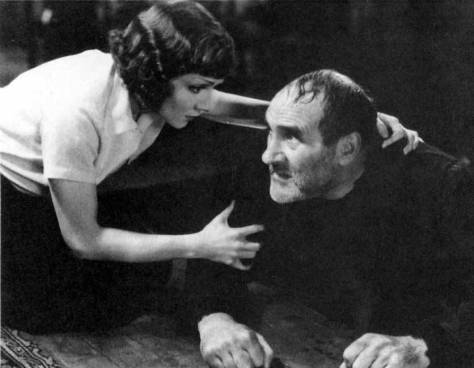
The next morning, Miller’s breaking story is published on the Standard’s front page. When a wounded Kirk makes his way back home, Julie learns that it was Miller who helped the Coast Guard uncover her father’s smuggling operation (of which she was unaware), and that she unknowingly revealed to him his landing location. Soon after, Miller, feeling guilty over the story’s impact to Julie’s life, arrives at her home and apologizes for the hurt he’s caused her, and announces that he loves her. Feeling used by his actions, an angry Julie sends him away.
Later that night, Miller locates Kirk, who shoots him in the arm. Julie arrives to help her father escape, and seeing Miller wounded, she tells her father she cannot leave Miller to die. Seeing that she loves him, Kirk helps her take Miller to safety, after which Kirk dies. Later from his hospital bed, Miller acknowledges in his newspaper column that Kirk saved his life before he died. Sometime later, Miller returns to his apartment, where Julie is waiting to greet him. Noticing that she cleaned and transformed his place into a cozy home, he tells her he finally wrote the ending to his novel, “He marries the girl”. Julie acknowledges, “That’s a swell finish”, and the two embrace.
Rights to the novel were bought by Edward Small and his partner Harry Goets in 1932. They made it through the Reliance Picture Corporation as the first of a six-film deal with United Artists.[2] Reliance co-produced the film with Joseph Schenck’s Art Cinema Corporation.[1]
Filming
I Cover the Waterfront was filmed from mid-February to early March 1933.[1]
In his review for The New York Times, film critic Mordaunt Hall called the film “a stolid and often grim picture”.[5] While Hall felt the drama was not as good as some of director James Cruze’s previous work, the “clever acting of the principals”—especially that of Ernest Torrence—offset some of the film’s shortcomings.[5]
Hall found some of the scenes “more shocking than suspenseful” and felt a broader adaptation of Max Miller’s book may have been more interesting than the focus on the melodramatic series of incidents related to a sinister fisherman.[5]
While acknowledging that “Colbert does well as Julie”, Hall did not find her convincing as a fisherman’s daughter because she does not look the type.[5] Hall reserved his highest praise for Ernest Torrence in his final screen performance.[5] Torrence died on May 15, 1933, shortly after the film was completed.
John Mosher of The New Yorker described the adaptation as a “commonplace screen romance,” but also praised the performance of the late Torrence, writing that he “was at the height of his power … One can foresee that many pictures will be empty things for lack of him.”[6]Variety called it “a moderately entertaining picture … The late Ernest Torrence has the meat part and his performance is in keeping with the standard he had set for himself. A pretty tough assignment they gave him, one in which it was necessary to capture sympathy in face of the worst sort of opposition from the script. He’ll be sorely missed on the screen.”[7]
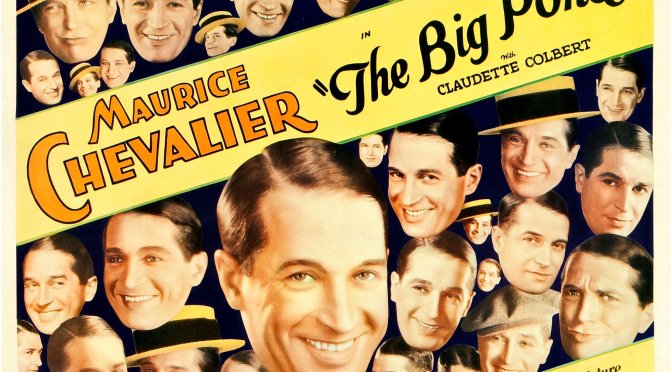
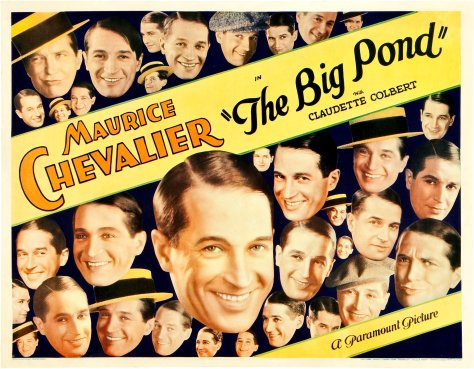
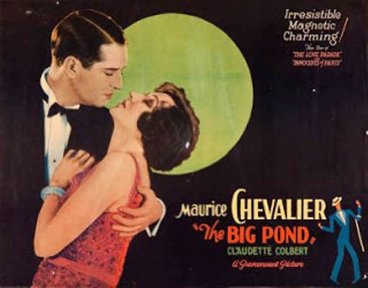
Pierre Mirande (Maurice Chevalier), is a Venetian tour guide from a poor French family who falls in love with Barbara Billings (Claudette Colbert), a wealthy American tourist whose father (George Barbier). Although Barbara loves Pierre as well, her suitor, Ronnie (Frank Lyon) and her father see him as a fortune-hunter. Barbara’s mother (Marion Ballou) persuades her husband to give Pierre a job in his chewing-gum factory in the States. Despite living in a dingy boardinghouse and being given the hardest job in the plant, he manages to captivate his landlady (Andrée Corday) and the maid (Elaine Koch) with his humorous songs. Unfortunately, he falls asleep on the night he is to attend Barbara’s party, and is then fired when he is wrongly accused of spilling rum on some chewing gum samples. He wins back his job, and is promoted as well, when he sells liquor-coated chewing gum as a sales gimmick. Barbara disapproves, and plans to marry Ronnie, but Pierre whisks her away in a speedboat.
Maurice Chevalier was nominated for a 1930 Academy Award for “Best Actor in a Leading Role” for his performance in The Big Pond as well as his performance in The Love Parade (1929).[8]
French version
The French language version of The Big Pond, which was filmed simultaneously with the English version, was called La grande mare. The cast was:
Writer Preston Sturges was fluent in French, but additional dialogue was provided by Jacques Bataille-Henri. The technical credits for the two versions are the same, except the editing for the French version was done by Barney Rogan.[6]
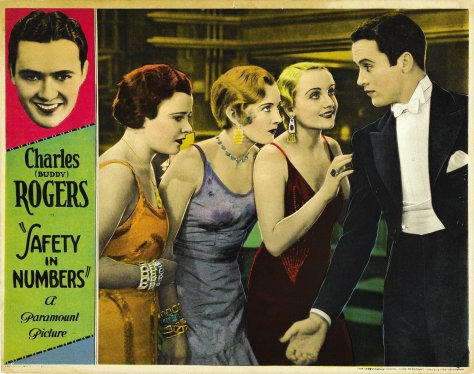
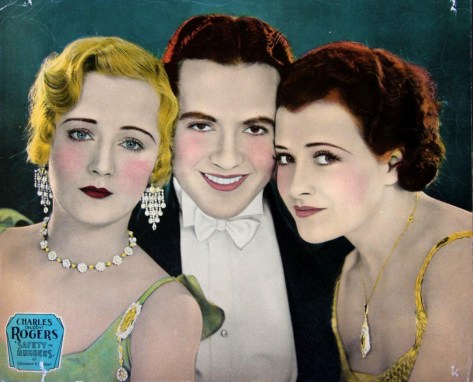
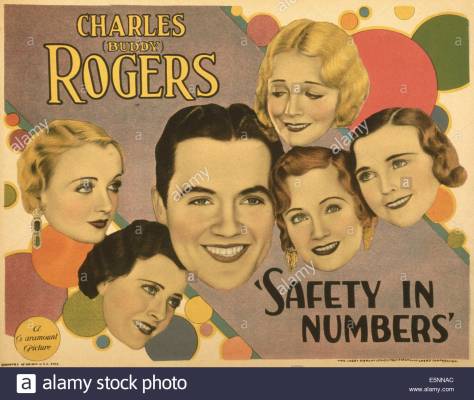
Cast: Charles Buddy Rogers, Kathryn Crawford, Josephine Dunn, Carole Lombard, Roscoe Karns, Richard Tucker, Francis McDonald, Raoul Paoli, Virginia Bruce, Tom London
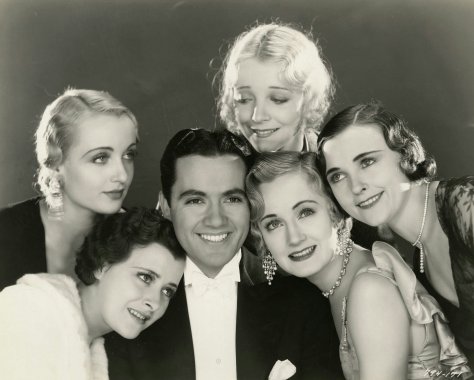
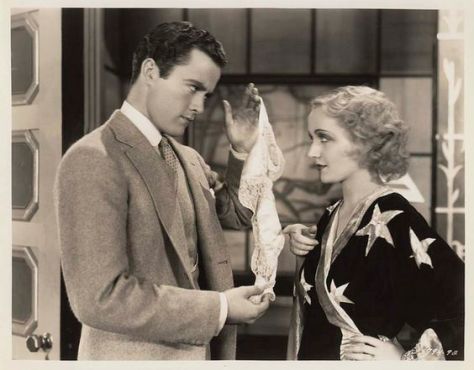
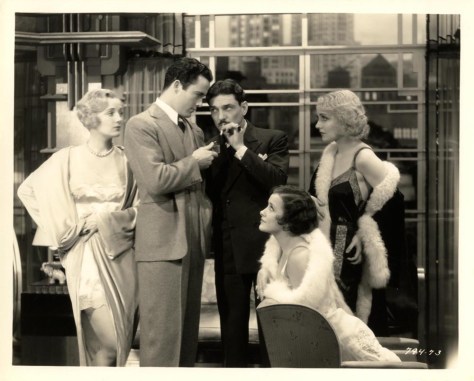
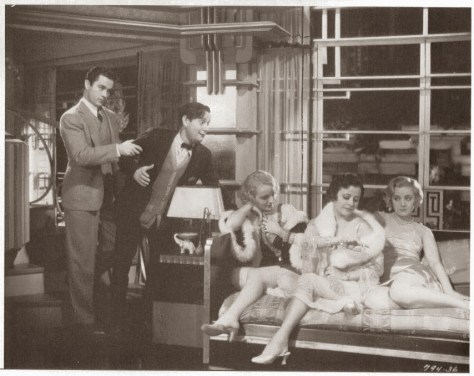
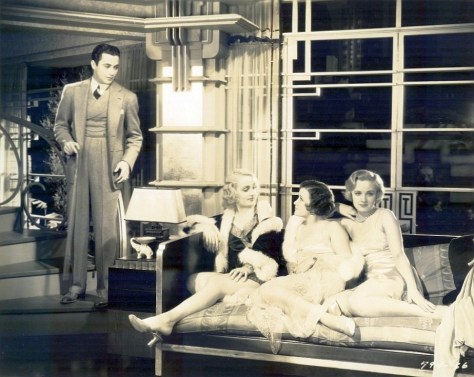
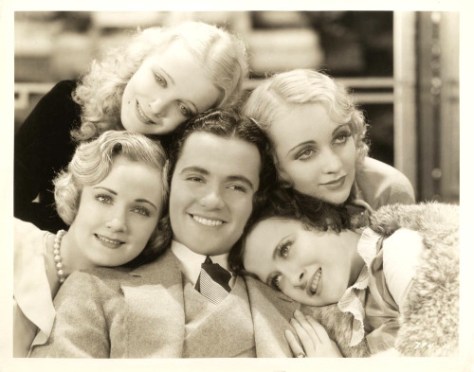
William Butler Reynolds, a 20-year-old San Franciscan with a penchant for dancing and song-writing, is about to inherit a sizable fortune.
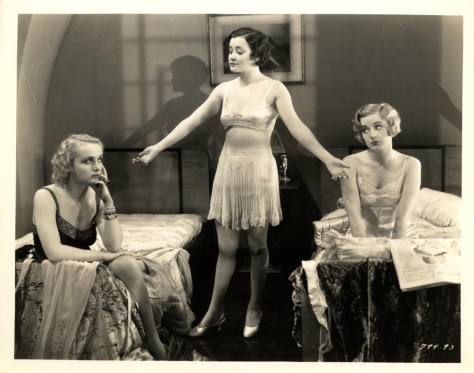
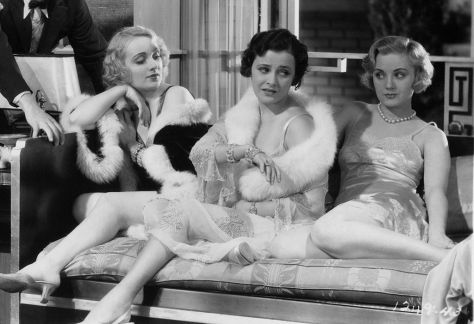
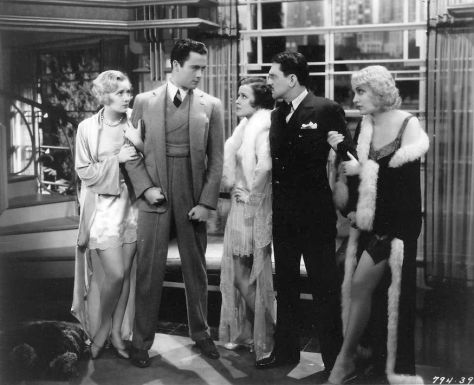
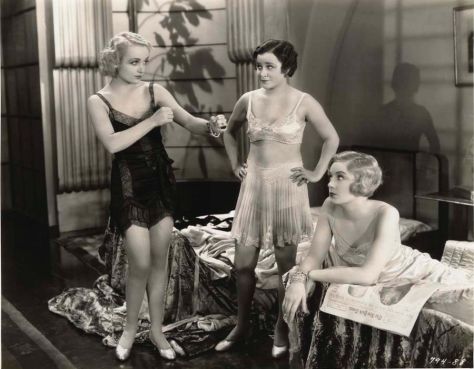
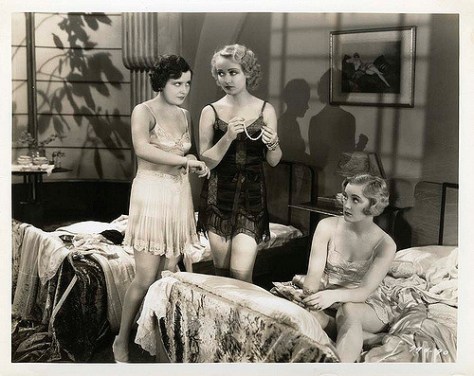
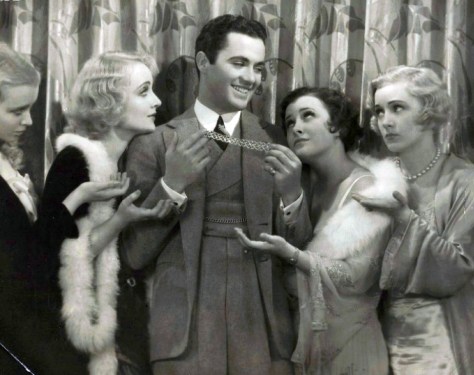
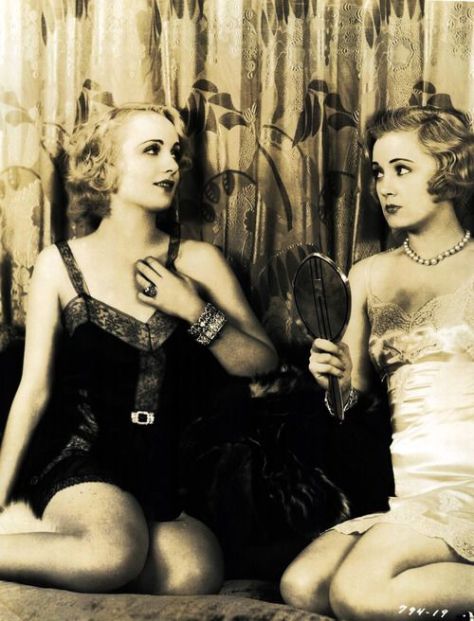
His guardian uncle decides to send him to New York to be educated in the “ways of the world” by three lady friends–Jacqueline, Maxine, and Pauline, Follies girls, who agree not to vamp him though he falls for Jacqueline and is jealous of her admirer, Phil Kempton.
Bill’s inept attempt to promote a song with a producer results in the firing of all three girls; and when Jacqueline then resists his advances, he picks up Alma, a telephone operator, and becomes attentive to Cleo, a Follies vamp, but the girls save him from her wiles. Luckily, the producer accepts the song and rehires the girls; Jacqueline, realizing the sincerity of the boy’s love for her, embarks for Europe with Phil; but Phil realizes the appropriateness of the match and sees to it that the lovers are united.
The reviewer for the Motion Picture Herald wrote, “Here’s that rare combination of intelligent direction, brilliant dialogue, and rich humor. The result is a picture that is entertainment plus.” Mordaunt Hall of The New York Times was less enthusiastic, but praised the musical numbers.[1]
References
^ Jump up to:abOtt, Frederick W. (1972). The Films of Carole Lombard. Secaucus, New Jersey: Citadel Press. pp. 75–77. ISBN978-0806502786.
Film Collectors Corner
Watch Safety in Numbers Now – Instant Video on You Tube

![[icon]](https://en.wikipedia.org/wiki/File:Wiki_letter_w_cropped.svg)













































 Film Dialogue
You must be logged in to post a comment.