Tag Archives: robert ames

Behind Office Doors (1931)


Pre Code Logo 1

Pre Code Hollywood Season: FD Cinematheque

Behind Office Doors (1931)
Behind Closed Doors 6

Director:  Melville W Brown

Cast: Mary Astor, Robert Ames, Ricardo Cortez, Catherine Dale Owen, Kitty Kelly, Edna Murphy, Charles Sellon, William Morris, George McFarlane, Mary Foy

82 min
Behind Closed Doors 1

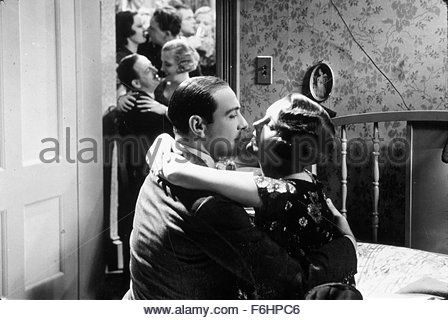
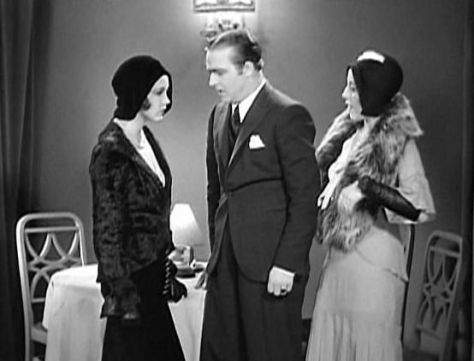
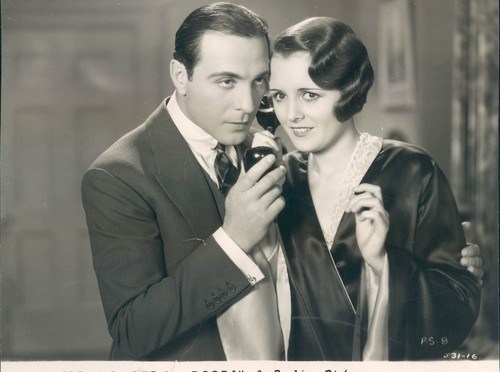
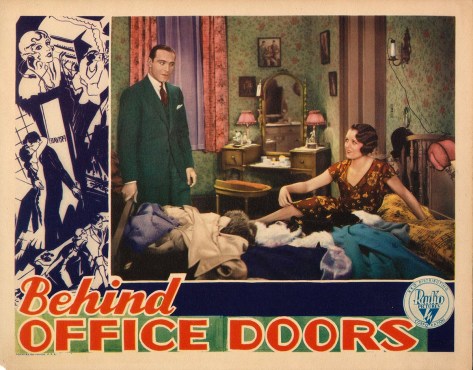
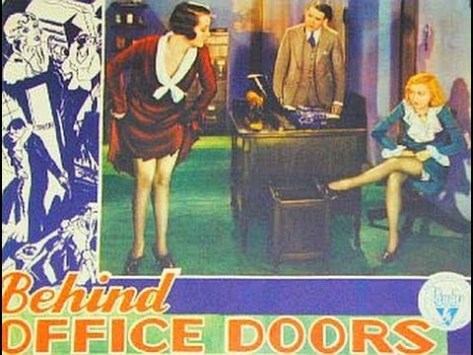
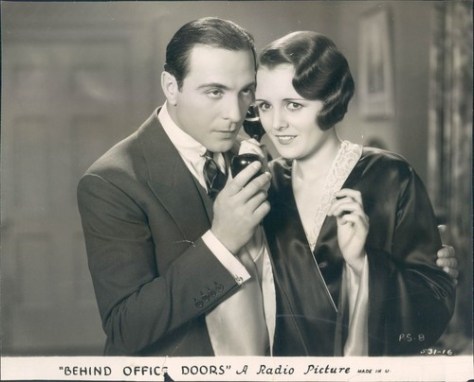
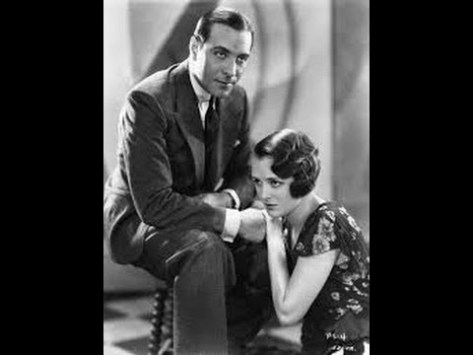
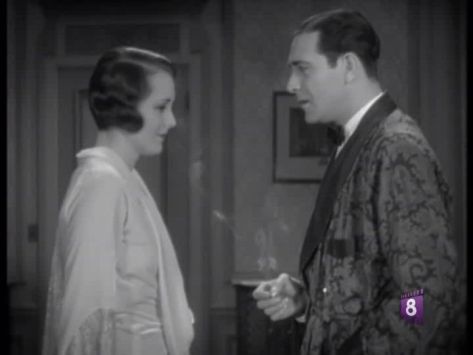
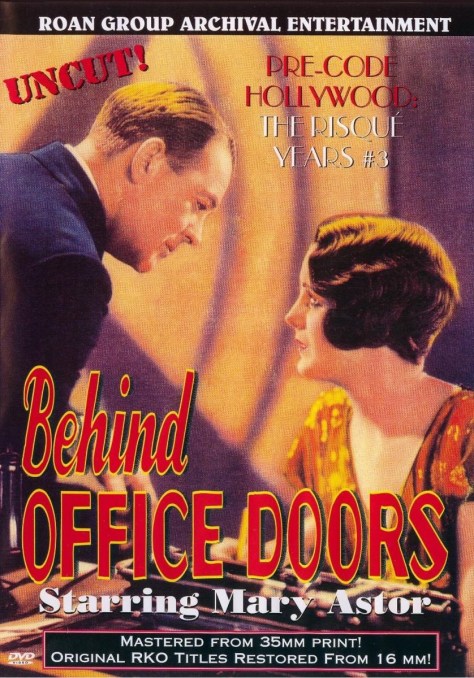
Behind Office Doors is a 1931 Pre-Code American drama film directed by Melville W. Brown, from a screenplay by Carey Wilson and J. Walter Ruben, based on Alan Schultz’s novel, Private Secretary. It starred Mary AstorRobert Ames and Ricardo Cortez, and revolved around the premise of “the woman behind the man”. While not well-received by critics, it did well at the box office.

Plot

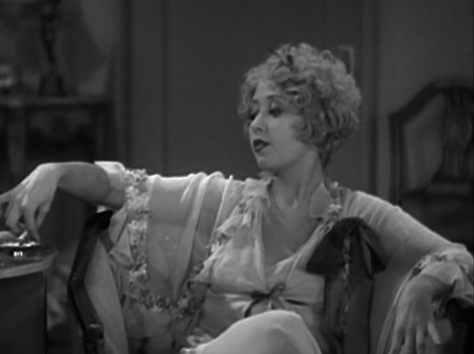
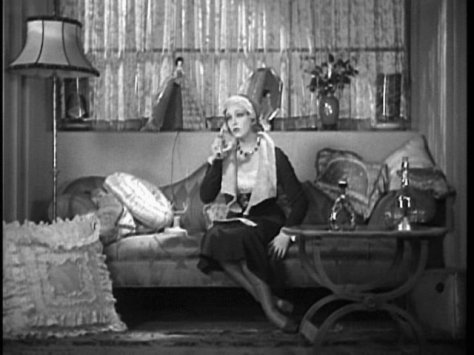
Mary Linden (Mary Astor) is a receptionist at a paper milling company, who is secretly in love with one of the salesmen, James Duneen (Robert Ames).

Her extensive knowledge of the paper industry, the mill and its clients allows her to have input in company operations far outweighing her level as a receptionist. As the current president of the company, Ritter (Charles Sellon), approaches retirement, Mary uses her knowledge and skill of company politics to enable James to make some important sales coups, after which she begins a fifth-column attempt to get him named as the next president. James, for his part, is grateful to her for her help, but is completely oblivious to her romantic interest in him, preferring more of the party girl type.
Behind Closed Doors 4

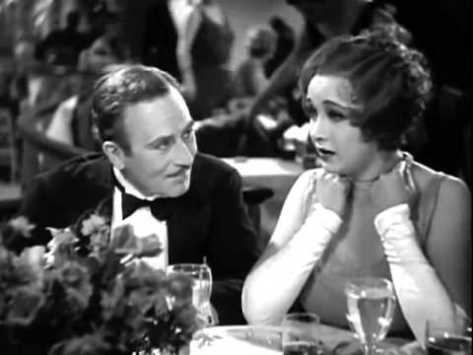
When Ritter does retire, James wins the position, and Mary is promoted to be his personal secretary. Still unaware of her feelings, he hires his latest party girl, Daisy (Edna Murphy), to work in the office, and report to Mary. Mary is upset by this turn of events, but remains faithful to James, assisting him with running the company. In fact, it is her knowledge and acumen which makes the company successful. Mary even spurns the advances of several men, including the wealthy Ronnie Wales (Ricardo Cortez), who, although married, is estranged from his wife and wishes to pursue an affair with Mary.

However, when James becomes engaged to the daughter of a wealthy banker, Ellen May Robinson (Catherine Dale Owen), that is the straw which breaks Mary’s resolve. She resigns from the company, and eventually agrees to go away with Ronnie for an assignation in Atlantic City. Between the time of her resignation, and her agreeing to go away with Ronnie, the paper mill is already suffering terribly from a lack of good

Between the time of her resignation, and her agreeing to go away with Ronnie, the paper mill is already suffering terribly from a lack of good management, since most of James’ success was due to Mary’s guidance. James tracks her down before she can give in to the libidinous advances of Ronnie, and begs Mary to return. She is reluctant, until she discovers that James has broken off the engagement with Ellen, and upon her return to the company she is not only met with a job offer, but also a marriage proposal from James.
Behind Closed Doors 2

Cast

(Cast list as per AFI database)[3]

Behind Closed Doors 3

Soundtrack

  • “Three Little Words”, music by Harry Ruby, lyrics by Bert Kalmar – played as dance music in the nightclub

Reception

While the public seemed to like the film,[4] critics like Mordaunt Hall of The New York Times were less kind, stating that the film “is a witless and interminably dull exhibition on which three capable players, Mary Astor, Robert Ames and Ricardo Cortez, have been sacrifi[c]ed to very little purpose.[5]

Notes

In 1959, the film entered the public domain in the USA due to the copyright claimants failure to renew the copyright registration in the 28th year after production.[6]

The working title for this film was the title of the novel on which it was based, Private Secretary.[3]
Behind Closed Doors 5

References[edit]

  1. Jump up^ “Behind Office Doors, Credits”. Turner Classic Movies. Archived from the original on August 18, 2014. Retrieved August 17, 2014.
  2. Jump up to:a b “Behind Office Doors: Technical Details”. theiapolis.com. Retrieved August 17, 2014.[permanent dead link]
  3. Jump up to:a b c d e f “Behind Office Doors: Detail View”. American Film Institute. Archived from the original on April 2, 2014. Retrieved September 2, 2016.
  4. Jump up^ Jewell, Richard B.; Harbin, Vernon (1982). The RKO Story. New York: Arlington House. p. 34. ISBN 0-517-546566.
  5. Jump up^ Hall, Mordaunt (March 21, 1931). “Behind Office Doors: A Noble Stenographer”New York TimesArchived from the original on March 21, 2014. Retrieved September 2,2016.
  6. Jump up^ Pierce, David (June 2007). “Forgotten Faces: Why Some of Our Cinema Heritage Is Part of the Public Domain”. Film History: an International Journal19 (2): 125–43. ISSN 0892-2160JSTOR 25165419OCLC 15122313doi:10.2979/FIL.2007.19.2.125. See Note #60, pg. 143.
Behind Closed Doors 7

Film Collectors Corner

Watch Behind Closed Doors Now – You Tube Instant Video

Blu Ray

Not released on Blu Ray


DVD

Lady To Love, A (1930)


Pre Code Logo 1

Pre Code Hollywood Season: FD Cinematheque

A Lady To Love (1930)

Lady to Love A 2

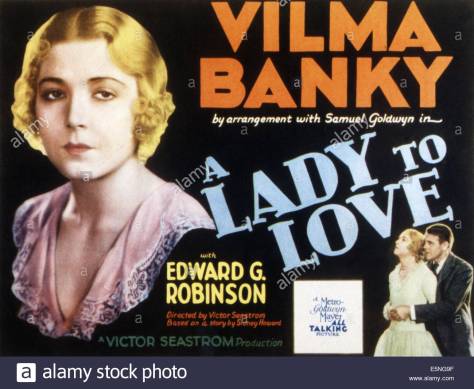
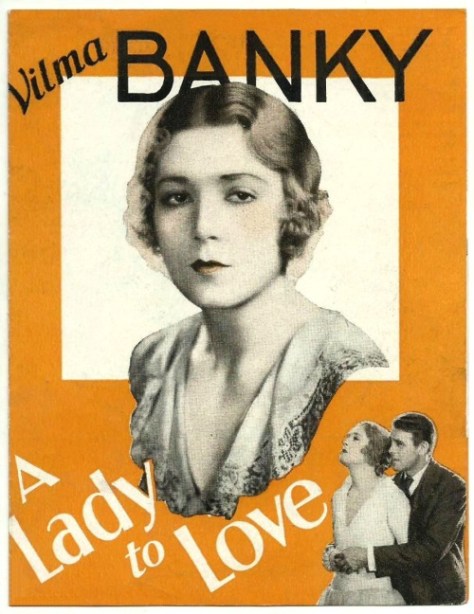
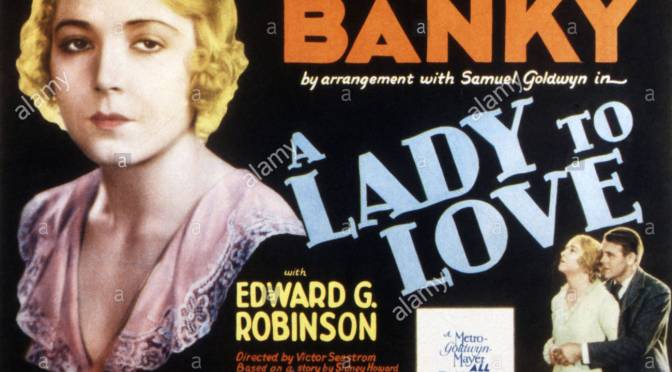
A Lady to Love is a 1930 American drama film directed by Victor Sjöström and written by Sidney Howard. The film stars Vilma BánkyEdward G. RobinsonRobert AmesRichard Carle and Lloyd Ingraham. The film was released on February 28, 1930, by Metro-Goldwyn-Mayer.[1][2]

Plot

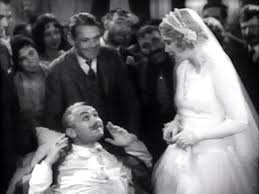
Tony, a prosperous Italian vineyardist in California, advertises for a young wife, passing off a photograph of his handsome hired man, Buck, as himself. Lena, a San Francisco waitress, takes up the offer, and though she is disillusioned upon discovering the truth, she goes through with the marriage because of her desire to have a home and partially because of her weakness for Buck, whose efforts to take her away from Tony confirm her love for her husband.

Lady to Love A 6

Cast

Lady to Love A 3

References[edit]

  1. Jump up^ “A Lady to Love (1930) – Overview – TCM.com”Turner Classic Movies. Retrieved 11 November 2014.
  2. Jump up^ “A Lady To Love”TV Guide. Retrieved 11 November 2014.

Lady to Love A 1

Lady to Love A 4


Film Collectors Corner

Watch A Lady To Love Now – You Tube Instant Video

Blu Ray

Not released on Blu Ray 
 

DVD

Not released on DVD

Millie (1931)


Pre Code Logo 1

Pre Code Hollywood Season: FD Cinematheque

Millie (1931)

Millie 2

Millie 3

Director: John Francis Dillon

Cast: Helen Twelvetrees, Lilyan Tashman, Robert Ames, James Hall, John Halliday, Joan Blondell, Anita Louise, Edmund Breese, Frank McHugh, Charlote Walker, Franklin Parker, Marie Astaire, Carmelita Geraghty

85 min

Millie 1

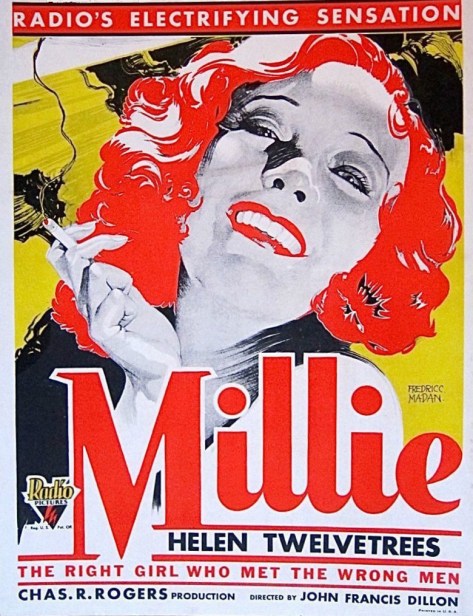
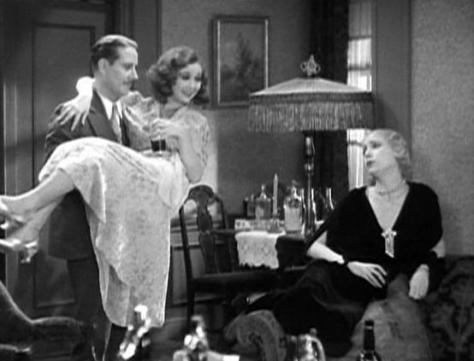
Millie (1931) is a pre-Code drama film directed by John Francis Dillon from a screenplay by Charles Kenyon and Ralph Morgan, based on a novel of the same name by Donald Henderson Clarke. The film was an independent production by Charles R. Rogers, distributed by RKO Radio Pictures, after their acquisition of Pathé Exchange. It starred Helen Twelvetrees in one of her best roles, with a supporting cast which included Lilyan TashmanJames HallJoan BlondellJohn Halliday and Anita Louise.

Plot

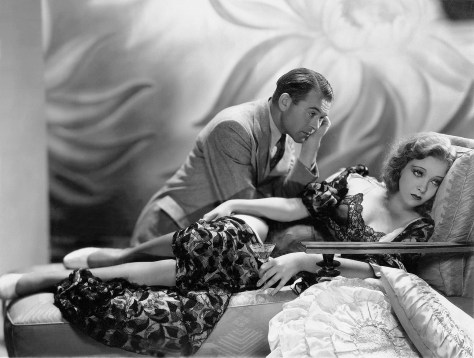
Millie (Helen Twelvetrees) is a naive young woman who marries a wealthy man from New York, Jack Maitland (James Hall). Three years later, unhappy in her marriage due to her husband’s continued infidelity, she asks for and receives a divorce. Because of her pride, she does not want his money, but she also does not want to deprive her daughter of a comfortable lifestyle. She allows Jack and his mother (Charlotte Walker) to retain custody of Millie’s daughter Connie (Anita Louise).

Millie 4

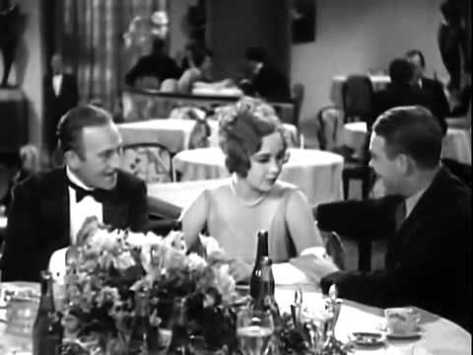
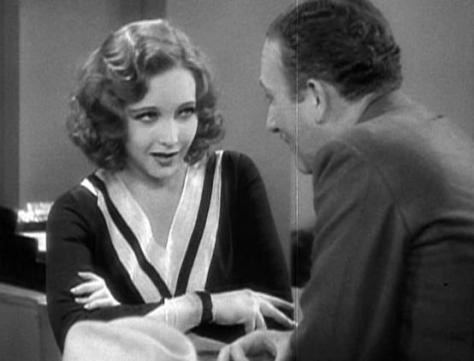
Focusing on her career, she rises through the hierarchy of the hotel where she is employed, shunning the attention of the rich banker Jimmy Damier (John Halliday), preferring the attentions of the reporter Tommy Rock (Robert Ames), although, due to her prior sour relationship, she refuses to marry him. Eventually, Millie is promoted to the head of operations for the hotel.

At the same time, Tommy is offered a lucrative position at the bank by Damier as a favor to Millie. However, at the celebration party, Millie discovers that Tommy, just like Maitland, is cheating on her.

Millie 5

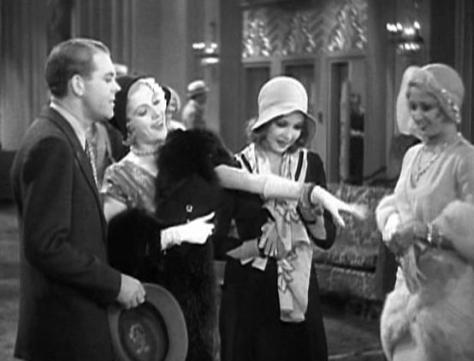
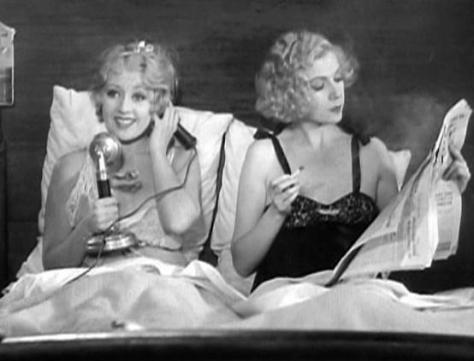
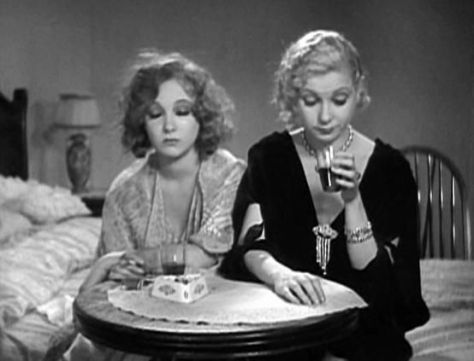
Betrayed a second time, Millie becomes very bitter. With her female cohorts, Helen and Angie (Lilyan Tashman and Joan Blondell, respectively), she becomes a woman who loves a good time, floating from man to man. This goes on for several years, until she hears that Damier has taken an interest in her teen-age daughter, Connie, who bears a striking resemblance to her.

Millie warns Damier to leave her daughter alone, but, although he promises to stay away from Connie, he ignores Millie’s warning and takes Connie to a remote lodge to seduce her. Millie is tipped off, goes to the lodge with a gun, confronts Jimmy and kills him.

Millie 6

In the ensuing murder trial, Millie tries to keep her daughter’s name out of the press and claims not to remember why she shot Jimmy. She says that another woman ran out of the lodge after the shot, but claims that she did not see who the woman was and has no idea as to her identity.

The prosecution thus claims that Millie’s motive was jealousy of Jimmy’s romantic relationship with this unknown other woman. Millie’s friends, however, help to bring out the truth, and when the jury finds out that Millie’s true motive was to protect her daughter from Jimmy’s lascivious intentions, they acquit her. In the end, Millie is reunited with her daughter and her estranged husband’s family.

Millie 8

Cast

(Cast as per AFI‘s database)[2]

Millie 10

Production

Donald Henderson Clarke finished his novel, Millie, during summer 1930.[4] The novel was first offered to Metro-Goldwyn-Mayer, who passed on it due to its racy content.[5] In August of that year, it was reported that Charles R. Rogers had purchased the film rights to the novel, and had signed Charles Kenyon to adapt it into a screenplay, as well as selecting John Francis Dillon to direct.[6]

Although Rogers had signed an agreement to distribute his independent films through RKO, it was reported that he would be overseeing the production on the Universal lot.[7] Even though he was incorrectly identified as “Ralph Murphy”, Ralph Morgan was signed to collaborate with Kenyon on the screenplay adaptation in September.[8]

Millie 7

Less than a week later, Helen Twelvetrees signed on for the titular role;[9] and it was reported that the screenplay adaptation had been completed.[5] Rogers would choose Ernest Haller to shoot the film and sign him for the project in the beginning of October.[10]

In January RKO announced the film would be released in February,[11] and it was released on February 8, 1931.[2]

Millie 11

Notes

The film was an independent production by Charles Rogers, but became the property of RKO when he agreed to become their production chief.[12]

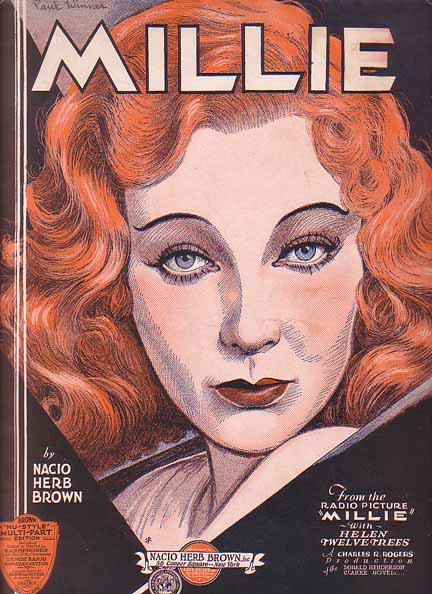
The theme song, “Millie”, had words and music by Nacio Herb Brown.[2]

In 1959, the film entered the public domain in the USA due to the copyright claimants failure to renew the copyright registration in the 28th year after publication.[13]

The film’s tagline was “Torn From Her Arms … Child Of Love A Woman Can Give But Once.”[1]

Millie 12

References

  1. Jump up to:a b “Millie: Technical Details”. theiapolis.com. Retrieved August 11, 2014.
  2. Jump up to:a b c d e f g “Millie: Detail View”. American Film Institute. Archived from the original on September 20, 2015. Retrieved December 30, 2016.
  3. Jump up to:a b “Millie, Credits”. Turner Classic Movies. Archived from the original on August 11, 2014. Retrieved August 11, 2014.
  4. Jump up^ Daly, Phil M. (April 17, 1930). “Along the Rialto”The Film Daily. p. 5.
  5. Jump up to:a b “Rogers Chances “Millie””Variety. September 24, 1930. p. 5.
  6. Jump up^ “Hollywood Flashes”The Film Daily. August 30, 1930. p. 3.
  7. Jump up^ “Don Clarke’s Story To Be First Rogers Film”Motion Picture News. August 23, 1930. p. 26.
  8. Jump up^ “Hollywood Activities”The Film Daily. September 21, 1930. p. 29.
  9. Jump up^ “Hollywood Happenings”The Film Daily. September 24, 1930. p. 6.
  10. Jump up^ Wilk, Ralph (October 12, 1930). “A Little from “Lots””The Film Daily. p. 4.
  11. Jump up^ “”Cimarron” and “Millie” Releases”The Film Daily. January 22, 1931. p. 3.
  12. Jump up^ Jewell, Richard B.; Harbin, Vernon (1982). The RKO Story. New York: Arlington House. p. 32. ISBN 0-517-546566.
  13. Jump up^ Pierce, David (June 2007). “Forgotten Faces: Why Some of Our Cinema Heritage Is Part of the Public Domain”. Film History: An International Journal19 (2): 125–43. ISSN 0892-2160JSTOR 25165419OCLC 15122313doi:10.2979/FIL.2007.19.2.125. See Note #60, pg. 143.

Millie 9

Millie 13

Film Collectors Corner

Watch Millie Now – Instant Video on You Tube

Blu Ray

Not released on Blu Ray
DVD