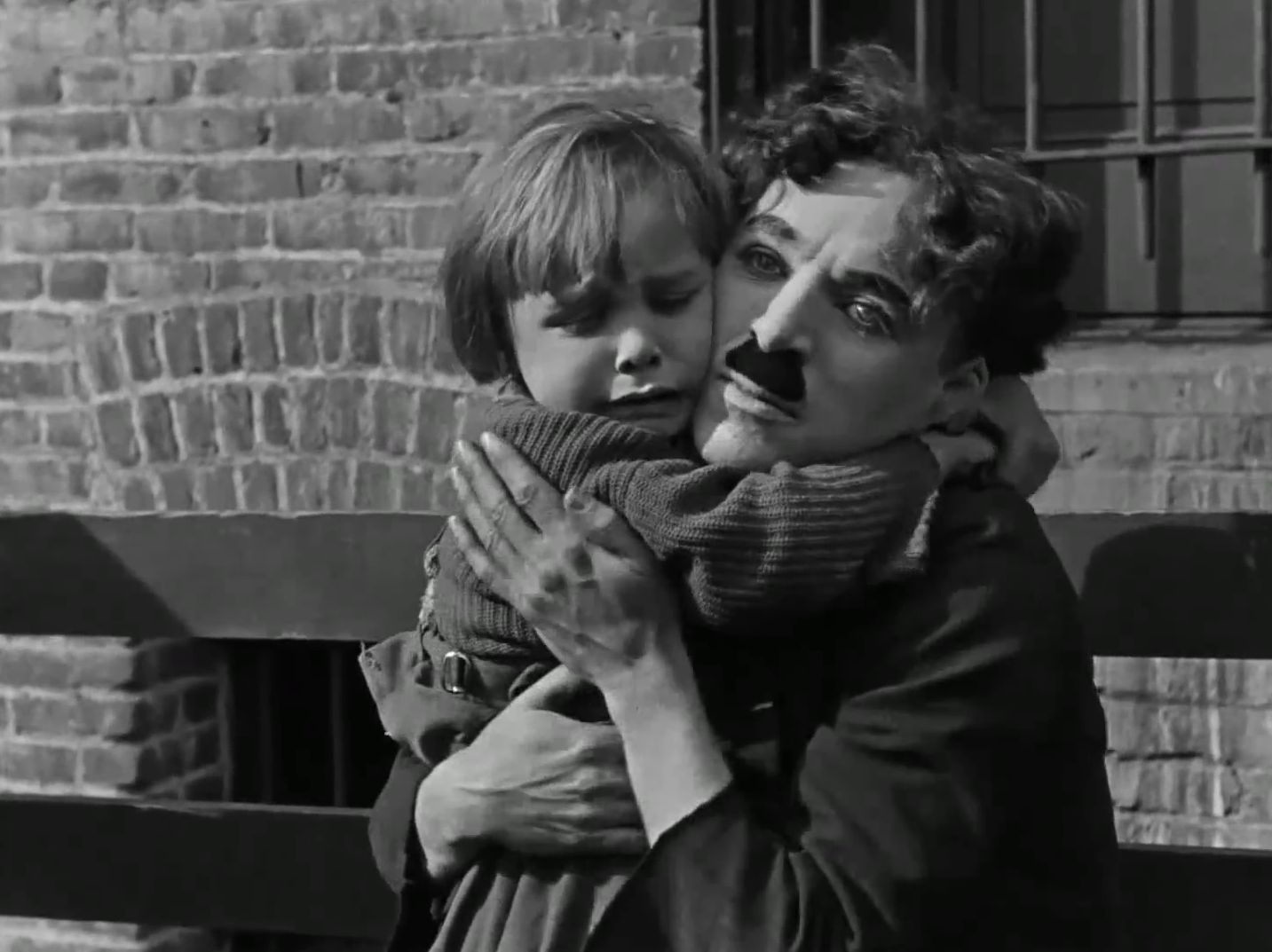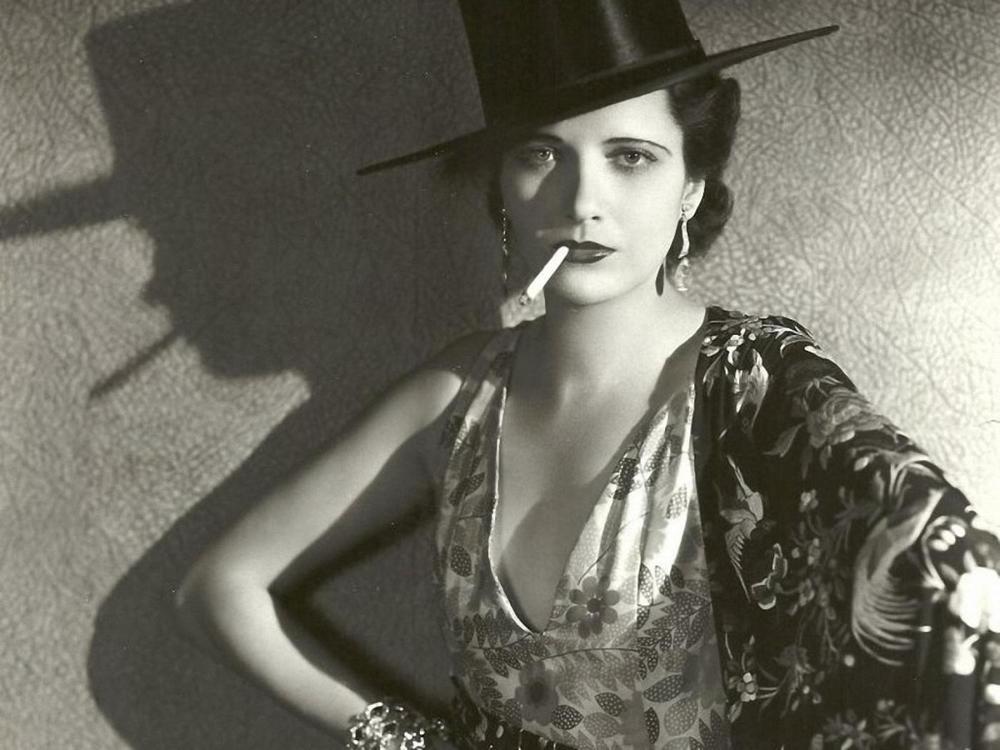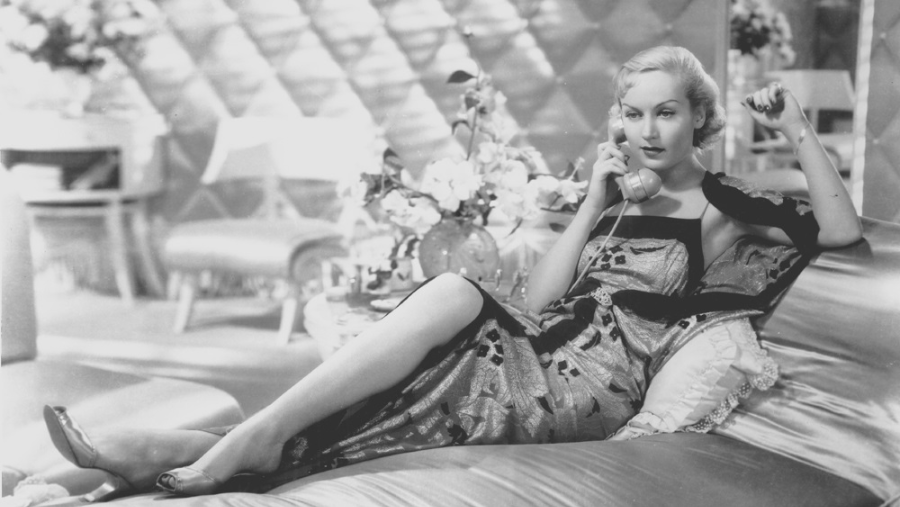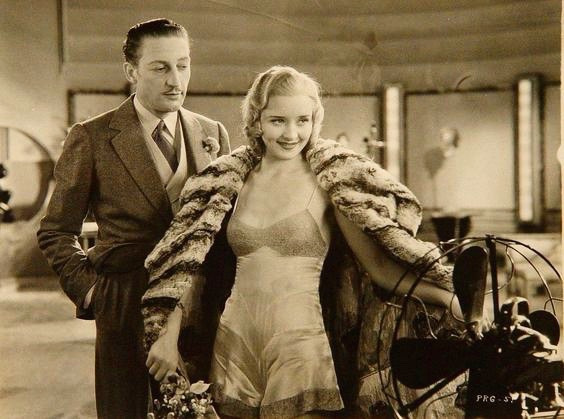
Category Archives: Actors

Mary Astor


mary astor_restored

Prepared by Daniel B Miller

Mary Astor (born Lucile Vasconcellos Langhanke; May 3, 1906 – September 25, 1987) was an American actress.

She is best remembered for her role as Brigid O’Shaughnessy in The Maltese Falcon (1941).

Astor began her long motion picture career as a teenager in the silent movies of the early 1920s. She eventually changed to talkies. At first her voice was considered too masculine and she was off the screen for a year. She appeared in a play with friend Florence Eldridge, and the film offers came in, so she was able to resume her career in talking films.

8982031079_a524bf8482_b

Four years later her career was nearly destroyed due to scandal. In 1936 Astor was later branded an adulterous wife by her ex-husband, in a custody fight over her daughter. Overcoming these stumbling blocks in her private life, Astor went on to greater success on screen, eventually winning an Academy Award for Best Supporting Actress for her performance in The Great Lie  (1941).

Astor was a Metro-Goldwyn-Mayer contract player through most of the 1940s and continued to work in film, television and on stage until her retirement in 1964. Astor was the author of five novels.

Her autobiography was a bestseller, as was her later book, A Life on Film, which was about her career. Director Lindsay Anderson wrote of her in 1990 that “when two or three who love the cinema are gathered together, the name of Mary Astor always comes up, and everybody agrees that she was an actress of special attraction, whose qualities of depth and reality always seemed to illuminate the parts she played”.

Film_actress_Mary_Astor_(SAYRE_2372)

enticement-mary-astor-1925-everett

Early life

Astor was born in Quincy, Illinois, the only child of Otto Ludwig Langhanke (October 2, 1871 – February 3, 1943) and Helen Marie de Vasconcellos (April 19, 1881 – January 18, 1947).

Both of her parents were teachers. Her father, a German man from Berlin, emigrated to the United States in 1891 and became a naturalized U.S. citizen; her American mother was born in Jacksonville, Illinois, and had Irish and Portuguese roots. They married on August 3, 1904 in Lyons, Kansas.

unnamed (24)

Otto Ludwig Langhanke, Mary Astor’s father

Astor’s father taught German at Quincy High School until the U.S. entered World War I. Later on, he took up light farming. Astor’s mother, who had always wanted to be an actress, taught drama and elocution. Astor was home-schooled in academics and was taught to play the piano by her father, who insisted she practice daily. Her piano talents came in handy when she played piano in her films The Great Lie and Meet Me in St. Louis.

cab7b29d4e6ba28a8d254e2332afcefe

In 1919, Astor sent a photograph of herself to a beauty contest in Motion Picture Magazine, becoming a semifinalist. When Astor was 15, the family moved to Chicago, Illinois, with her father teaching German in public schools. Astor took drama lessons and appeared in various amateur stage productions. The following year, she sent another photograph to Motion Picture Magazine, this time becoming a finalist and then runner-up in the national contest. Her father then moved the family to New York City, in order for his daughter to act in motion pictures. He managed her affairs from September 1920 to June 1930.

young-mary-astor-1920-albin-y-linen-x_1_0e2eb090daa49767bb5b3f6da75c77c6

Manhattan photographer, Charles Albin, saw her photograph and asked the young girl with haunting eyes and long auburn hair, whose nickname was “Rusty”, to pose for him. The Albin photographs were seen by Harry Durant of Famous Players-Lasky and Astor was signed to a six-month contract with Paramount Pictures. Her name was changed to “Mary Astor” during a conference between Paramount Pictures chief Jesse Lasky, film producer Walter Wanger, and gossip columnist Louella Parsons.

44791ef8f26028aa648d418e1ab7d8aa--mary-astor-young-and-beautiful

Silent movie career

tumblr_m330uy6pjf1rttw4ro1_500

A 1924 publicity photo of Astor from Stars of the Photoplay

Astor’s first screen test was directed by Lillian Gish, who was so impressed with her recitation of Shakespeare that she shot a thousand feet of her.

She made her debut at age 14 in the 1921 film Sentimental Tommy, but her small part in a dream sequence wound up on the cutting room floor.

MV5BNjAwYjk0MjItYWIwMS00NDNmLTg5YjUtMGVkYTViNzIwMTE3XkEyXkFqcGdeQXVyNDY1NzU5NjY@._V1_

Sentimental_Tommy_(1921)_-_9

Sentimental Tommy (1921)  Dir: John S Robertson

Paramount let her contract lapse. She then appeared in some movie shorts with sequences based on famous paintings. She received critical recognition for the 1921 two-reeler The Beggar Maid. Her first feature-length movie was John Smith (1922), followed that same year by The Man Who Played God. In 1923, she and her parents moved to Hollywood.

The_Beggar_Maid_(1921)_-_1

The_Beggar_Maid_(1921)_-_2

The Beggar Maid (1921)  Dir: Herbert Blache

After appearing in several larger roles at various studios, she was again signed by Paramount, this time to a one-year contract at $500 a week.

After she appeared in several more movies, John Barrymore saw her photograph in a magazine and wanted her cast in his upcoming movie. On loan-out to Warner Bros., she starred with him in Beau Brummel (1924).

MV5BMjc1NTZjYzAtYWIwMS00MzA4LTlhMzEtMWQyMjAzNmQ2NDQ0XkEyXkFqcGdeQXVyMjUxODE0MDY@._V1_

Beau Brummel (1924) Dir: Harry Beaumont 

b

MV5BM2EzNGM3NDQtNzEzNy00MmFlLTk3YWEtOTAwZDMwN2Y5NDNkXkEyXkFqcGdeQXVyODc1NDEwNzQ@._V1_

john-barrymore-and-mary-astor-in-don-juan-1926--album

d362274db4575a6ed7cb4865deb27734

005-john-barrymore-theredlist

Mary Astor and John Barrymore in Beau Brummel (1924) 

The older actor wooed the young actress, but their relationship was severely constrained by Astor’s parents’ unwillingness to let the couple spend time alone together; Mary was only seventeen and legally underage.

It was only after Barrymore convinced the Langhankes that his acting lessons required privacy that the couple managed to be alone at all. Their secret engagement ended largely because of the Langhankes’ interference and Astor’s inability to escape their heavy-handed authority, and because Barrymore became involved with Astor’s fellow WAMPAS Baby Star Dolores Costello, whom he later married.

In 1925, Astor’s parents bought a Moorish style mansion with 1 acre (4,000 m2) of land known as “Moorcrest” in the hills above Hollywood. The Langhankes not only lived lavishly off of Astor’s earnings, but kept her a virtual prisoner inside Moorcrest.

Moorcrest is notable not only for its ornate style, but its place as the most lavish residence associated with the Krotona Colony, a utopian society founded by the Theosophical Society in 1912.

006b393d9c7d4a362d4e00ac0732ced8

Moorcrest Estate

The 6,432-square-foot gated estate was designed by philosophical architect Marie Russak Hotchener and built in 1921, combining Moorish, Gothic and Art Nouveau architectural influences to striking effect

temple_20hill_2020.0.1486865112.0

bba841fbc1909c77f9ed636a7ad49aa4

c596b44252d526579ca86f6ba6924205

18a9fa82c616a21e719529009c566297

article-0-1FCBE05800000578-763_964x641

Mg21Lufl

ff9a7ba0ab83067817fa3b688364c0c1

A8doRaCl

article-0-1FCBE04800000578-558_470x698

article-0-1FCBE0DC00000578-693_470x702

196470925

article-0-1FCBE07800000578-108_964x1424

Built by Marie Russak Hotchener, a Theosophist who had no formal architectural training, the house combines Moorish and Mission Revival styles and contains such Arts and Crafts features as art-glass windows (whose red lotus design Astor called “unfortunate”), and Batchelder tiles.

Moorcrest, which has since undergone a multimillion-dollar renovation, remains standing. Before the Langhankes bought it, it was rented by Charlie Chaplin, whose tenure is memorialized by an art glass window featuring the Little Tramp.

6bdb3057c9b40520608c91b722742855--hollywood-hills-charlie-chaplin

Astor’s parents were not Theosophists, though the family was friendly with both Marie Hotchener and her husband Harry, prominent TS members.

Marie Hotchener negotiated Astor’s right to a $5 a week allowance (at a time when she was making $2,500 a week) and the right to go to work unchaperoned by her mother.

The following year when she was 19, Astor, fed up with her father’s constant physical and psychological abuse as well as his control of her money, climbed from her second floor bedroom window and escaped to a hotel in Hollywood, as recounted in her memoirs.

Marie_Russak

Marie Rusak Hotchener (born Mary Ellen Barnard)

Hotchener facilitated her return by persuading Otto Langhanke to give Astor a savings account with $500 and the freedom to come and go as she pleased.

Nevertheless, she did not gain control of her salary until she was 26 years old, at which point her parents sued her for financial support. Astor settled the case by agreeing to pay her parents $100 a month. Otto Langhanke put Moorcrest up for auction in the early 1930s, hoping to realize more than the $80,000 he had been offered for it; it sold for $25,000.

MV5BNTcxN2M3ZTItYmYyNi00MDU0LTkzMWYtNDFlZjhkZjU1YmZiXkEyXkFqcGdeQXVyMjUxODE0MDY@._V1_

Don Juan (1926)  Dir: Alan Crosland  

tumblr_pmir2eHVQa1ra2pb4_500

MV5BZDQ3MWU0OWEtZDhkNS00N2FiLWFhM2ItZDg0MjY1ZmFiNWYwXkEyXkFqcGdeQXVyMDI2NDg0NQ@@._V1_

Mary Astor in Don Juan (1926)

MV5BOWMwNGM4MmItNTFjMy00MDE0LWJmYzQtMWMzNTA2Njc3MzFiXkEyXkFqcGdeQXVyNjk5MTQ1OTE@._V1_

MV5BYjQyZjUwZmItMzkzZC00ZDU2LTgwMWUtNjAyNDJjZDViNTgwXkEyXkFqcGdeQXVyNDY1NzU5NjY@._V1_

MV5BY2E0NzEyY2QtNWY1ZC00YTc3LWEyNWUtOGMxYWYxY2UxMjI1XkEyXkFqcGdeQXVyMzAwOTU1MTk@._V1_

don-juan-8x10-26-john-barrymore_375_b634f4018d230315543ef8a74f21d9c3

tumblr_n2e9y7KMH61r7ws74o1_500

Mary Astor and John Barrymore in Don Juan (1926)

MV5BM2UwZjQ4MDctN2YxNS00ZDcxLWI3ODMtZDcwZTc3MjdkNzQ0XkEyXkFqcGdeQXVyMDU0Mzg3Nw@@._V1_

Cast and crew of Don Juan (1926)

Astor continued to appear in movies at various studios. When her Paramount contract ended in 1925, she was signed at Warner Bros.

Among her assignments was another role with John Barrymore, this time in Don Juan (1926).

She was named one of the WAMPAS Baby Stars in 1926, along with Mary BrianDolores CostelloJoan CrawfordDolores del RíoJanet Gaynor, and Fay Wray.

unnamed (31)

wampas-baby-stars-1926-joan-crawford_1_c7a226bcfa0fbaf3ed03a3caadb641b3

MV5BNDYyNzI0OWYtZDcxZi00ZmFlLWI3OTQtN2VhZTNjZjVjNzZjXkEyXkFqcGdeQXVyMDMxMjQwMw@@._V1_

WAMPAS Baby Stars of 1926

On loan to Fox Film Corporation, Astor starred in Dressed To Kill (1928), which received good reviews.

lf (17)

Dressed to Kill  (1928)

MV5BZWNkMWE2ODAtMzM4YS00YWRlLTllNWUtM2E0NWE3MDk5NTZmXkEyXkFqcGdeQXVyMTcyODY2NDQ@._V1_

MV5BNjljMGNiNDYtNjJjNy00NWE1LTg3MTktZmQ5NmU4NGE5MWUxXkEyXkFqcGdeQXVyMTcyODY2NDQ@._V1_

Edmund Lowe and Mary Astor in Dressed to Kill (1928)

MV5BYzg2ZWEwMWUtMjgzZi00ZDY2LTkwYjEtNzg5MGUwY2IyMTJiXkEyXkFqcGdeQXVyMTcyODY2NDQ@._V1_

Ben Bard in Dressed t o Kill (1928)

That same year, she starred in the sophisticated comedy Dry Martini at Fox. She later said that, while working on the latter, she “absorbed and assumed something of the atmosphere and emotional climate of the picture.”

She said it offered “a new and exciting point of view; with its specious doctrine of self-indulgence, it rushed into the vacuum of my moral sense and captivated me completely.”

When her Warner Bros. contract ended, she signed a contract with Fox for $3,750 a week. In 1928, she married director Kenneth Hawks at her family home, Moorcrest.

50359479747_3c093270fd_b

Dry Martini (1928)  Dir: Harry D’Arrast  

Mary_Astor-Albert_Conti_in_Dry_Martini

image-w1280 (26)

Mary Astor and Albert Conti in Dry Martini (1928)

MV5BNjM1ODBmYTAtNWYxOC00ODJiLWFkNmQtOTUzZGVlOGExODkyXkEyXkFqcGdeQXVyMTcyODY2NDQ@._V1_

Mary Astor and Matt Moore in Dry Martini (1928)

He gave her a Packard automobile as a wedding present and the couple moved into a home high up on Appian Way, a small hilltop street in Laurel Canyon above the Sunset Strip. Their address was 8803 Appian Way.

Other celebrities who lived at different times on this short street include Errol Flynn and his French wife Lili Damita (8946 Appian Way); Ida Lupino (8761); fashion designer Jean Louis [Berthault] (8761); Ginger Rogers(8782); German composer Rudolf Friml (8782); Gypsy Rose Lee (8815 Appian Way); Carole King (8815); Courteney Cox (8815).

As the film industry made the transition to talkies, Fox gave her a sound test, which she failed because the studio found her voice to be too deep. Though this was probably due to early sound equipment and the inexperience of technicians, the studio released her from her contract and she found herself out of work for eight months in 1929.

6b4e6d9988fd9459c35bb2a737a5a1d0--s-wedding-vintage-weddings

Mary Astor and Kenneth Hawks on their Wedding Day

New beginnings

Astor took voice training and singing lessons in her time off, but no roles were offered. Her acting career was then given a boost by her friend, Florence Eldridge (wife of Fredric March), in whom she confided.

Eldridge, who was to star in the stage play Among the Married at the Majestic Theatre in Downtown Los Angeles, recommended Astor for the second female lead. The play was a success and her voice was deemed suitable, being described as low and vibrant.

She was happy to work again, but her happiness soon ended. On January 2, 1930, while filming sequences for the Fox movie Such Men Are Dangerous, Kenneth Hawks was killed in a mid-air plane crash over the Pacific.

Astor had just finished a matinee performance at the Majestic when Florence Eldridge gave her the news. She was rushed from the theatre to Eldridge’s apartment; a replacement, Doris Lloyd, stepped in for the next show. Astor remained with Eldridge at her apartment for some time, then soon returned to work.

4d0dec61cd17d0a8e1e1083a6c7445bf

Newspaper article on Kenneth Hawks’ death

Shortly after her husband’s death, she debuted in her first “talkie”, Ladies Love Brutes (1930) at Paramount, which co-starred friend Fredric March. 

MV5BM2VhZGM5NzQtYWI1YS00NjJmLTkxMmQtOGMzZTlkNGVjNzczL2ltYWdlXkEyXkFqcGdeQXVyNTA2NDc4OA@@._V1_

Ladies Love Brutes  Dir: Rowland W Lee  (1930)  

lf (24)

George Bancroft and Mary Astor in Ladies Love Brutes (1930)

MV5BN2IyMGRkNGEtNTY2NS00MGQ5LTg5YjgtZGQzYjAxZDQ0MDViXkEyXkFqcGdeQXVyMTcyODY2NDQ@._V1_

Ladies Love Brutes - 1930
Editorial use only. No book cover usage. Mandatory Credit: Photo by Paramount/Kobal/Shutterstock (5858852a) Fredric March, Mary Astor Ladies Love Brutes – 1930 Director: Rowland V. Lee Paramount USA Film Portrait

Mary Astor and Fredric March in Ladies Love Brutes (1930)

While her career picked up, her private life remained difficult. After working on several more movies, she suffered delayed shock over her husband’s death and had a nervous breakdown.

During the months of her illness, she was attended to by Dr. Franklyn Thorpe, whom she married on June 29, 1931.

ecc4eced873a6466564deb3c44d752f5

Mary Astor and Dr Franklyn Thorpe

That year, she starred as Nancy Gibson in Smart Woman, playing a woman determined to retrieve her husband from a gold-digging flirtation.

The clever dialogue, played against the trappings of a lavish mansion, involves another man who is obviously in love with Astor’s character.

This wealthy lord, at the behest of Gibson, attracts the attention of the gold-digger during lazy days at the manor. The husband, initially set upon divorcing Nancy and marrying the intruder “Peggy Preston”, is dismayed to find Peggy attracted to the newcomer because of his extraordinary wealth. All done in a civil, but cunning, manner.

SmartWomanPoster

Smart Woman  Dir: Gregory La Cava  (1931)  

MV5BODIzYzlmMWEtMGNlYS00NDZjLWE3YTUtNzc1NGQyMmIyNGIwXkEyXkFqcGdeQXVyODQzNTYxODQ@._V1_

SmartWoman1931TCM

Mary Astor and Johnny Halliday in Smart Woman (1931)

1e7d35eb8c040d796bbb31473aa4bed8

Mary Astor in Smart Woman (1931) 

In May 1932, the Thorpes purchased a yacht and sailed to Hawaii. Astor was expecting a baby in August, but gave birth in June in Honolulu. The child, a daughter, was named Marylyn Hauoli Thorpe: her first name combined her parents’ names and her middle name is Hawaiian. When they returned to Southern California,

d7ef1d19b5711828d7b8fd11367aa947

Mary Astor with her baby Marylin Hauoli Thorpe in 1932

Astor freelanced and gained the pivotal role of Barbara Willis in MGM‘s Red Dust (1932) with Clark Gable and Jean Harlow.

MV5BODg0YjNjZDQtZTI5Yy00NDY5LWI1YTctNDA0NTEzNGNlOWQ5XkEyXkFqcGdeQXVyMTcyODY2NDQ@._V1_

Red Dust  Dir: Victor Fleming  (1932)  

clark-gable-jean-harlow-mary-astor_1_52933b7e56b41db49d9edcf9b04b9ea5

MV5BZTkzYTNhYzItMjMzOS00Y2FjLWI3MDgtNTZmZDQ1ODc5YjBmXkEyXkFqcGdeQXVyOTg5NzIwMDU@._V1_

You-Must-Red-Dust-Gable-holding-Astor

MV5BYTVhNGRiMDMtZTYyNi00YmJmLWFhOTItOGZmMDI5NzkzNWI0XkEyXkFqcGdeQXVyOTg5NzIwMDU@._V1_

Clark Gable and Mary Astor in Red Dust (1932)

48b6666fd764b56d4149b76ddba3e86c

Jean Harlow and Mary Astor in Red Dust (1932)

In late 1932, Astor signed a featured player contract with Warner Bros. Meanwhile, besides spending lavishly, her parents invested in the stock market, which often turned out unprofitable.

While they remained in Moorcrest, Astor dubbed it a “white elephant”, and she refused to maintain the house. She had to turn to the Motion Picture Relief Fund in 1933 to pay her bills. In 1933, she appeared as the female lead, Hilda Lake, niece of the murder victims, in The Kennel Murder Case, co-starring with William Powell as detective Philo Vance.

50139_1_large

The Kennel Murder Case  Dir: Michael Curtiz  (1933)

MV5BOGJkMzEwYmQtYjE2Mi00MDU1LTliMzEtZmRlZjUwZjk3YjczXkEyXkFqcGdeQXVyMDI3OTIzOA@@._V1_

philo-vance-investiages-2-1

kennel_murder_case_1

p1861_i_v9_ab

03JPKEHR1-articleLarge

Mary Astor and William Powell in The Kennel Murder Case (1933)

Film critic William K. Everson pronounced it a “masterpiece” in the August 1984 issue of Films in Review.

Unhappy with her marriage, she took a break from movie-making in 1933 and went to New York alone. While there, enjoying a whirlwind social life, she met the playwright George Kaufman and they had an affair, which she documented in her diary.

George_S._Kaufman              George S Kauffman

scandals120409_1936_560  Mary Astor Diary

Scandals

A legal battle drew press attention to Astor in 1936. Dr. Franklyn Thorpe divorced Astor in April 1935, and a custody battle resulted over their four-year-old daughter, Marylyn.

branablog5

Los Angeles Examiner 14/07/1936

Thorpe threatened to use Astor’s diary in the proceedings, which told of her affairs with many celebrities, including George S. Kaufman. The diary was never formally offered as evidence during the trial, but Thorpe and his lawyers constantly referred to it, and its notoriety grew. Astor admitted that the diary existed and that she had documented her affair with Kaufman, but maintained that many of the parts that had been referred to were forgeries, following the theft of the diary from her desk.

THE_DIARY_of_MARY_ASTOR__35190 (1)

The diary was deemed inadmissible as a mutilated document, and the trial judge, Goodwin J. Knight, ordered it sealed and impounded. In 1952, by court order, Astor’s diary was removed from the bank vault where it had been sequestered for 16 years and destroyed.

Astor had just begun work as Edith Cortwright, opposite Walter Huston in the title role of Dodsworth as news of the diary became public. Producer Samuel Goldwyn was urged to fire her, as her contract included a morality clause, but Goldwyn refused and the movie was a hit.

dodsworth2

Dodsworth  (1936)  Dir: William Wyler  

Dodsworth-MaryAstorST

MBDDODS EC001
DODSWORTH, Walter Huston, Mary Astor, 1936

g5wwlCbyX5IAGGJIRMgAhQ0Uugw-1200-1200-675-675-crop-000000

dodsworth-mary-astor-1936-everett

MV5BMjE3NDAzMDUyMV5BMl5BanBnXkFtZTcwNzAzMjM4NA@@._V1_
Dodsworth (1936) Directed by William Wyler Shown from left: Walter Huston, Mary Astor

Mary Astor and Walter Huston in Dodsworth (1936)

Mid-career

Ultimately, the scandals caused no harm to Astor’s career, which was actually revitalized because of the custody fight and the wide publicity it generated; Dodsworth (1936), with Walter Huston, was released to rave reviews, and the public’s acceptance assured the studios that she remained a viable commercial property.

In 1937, she returned to the stage in well-received productions of Noël Coward‘s Tonight at 8:30The Astonished Heart, and Still Life. She also began performing regularly on radio.

Some of her best movies were yet to come, including The Prisoner of Zenda (1937), John Ford‘s The Hurricane (1937), Midnight (1939) and Brigham Young (1940).

MV5BODA1YjlmZmEtNWI3MC00ZDQ3LTgxODAtZWQ3NmYyOGYzNzI0L2ltYWdlL2ltYWdlXkEyXkFqcGdeQXVyMjUxODE0MDY@._V1_

The Prisoner of Zenda (1937)  Dir: John Cromwell  

b8a1145679ba645004a2aadd326e4a45

Mary Astor in The Prisoner of Zenda (1937)

MV5BNGYzY2FlYmUtMGQ1Mi00ZGEzLTkxM2QtNGI5NTlhZWZjZTBiXkEyXkFqcGdeQXVyMzAwOTU1MTk@._V1_

ZendaAstorMassey

Mary Astor and Raymond Massey n The Prisoner of Zenda (1937)

The-Prisoner-of-Zenda-1937-Mary-Astor-Ronald-Colman

Mary Astor and Ronald Colman in The Prisoner of Zenda (1937)

Review_83_Photo_2_-_The_Hurricane_(1937)_400_609_90

The Hurricane (1937)  Dir: John Ford – Poster

MV5BMjExNTAyODY1Nl5BMl5BanBnXkFtZTcwNDA0MTI0NA@@._V1_

C Aubrey Smith and Mary Astor in The Hurricane (1937)

MV5BNmFkNDg5M2UtYWVhMS00ZGI5LWFmMzMtNWYxMWM3MjdkNGIxXkEyXkFqcGdeQXVyMDUyOTUyNQ@@._V1_

Raymond Massay and Mary Astor in The Hurricane (1937)

MV5BM2M0NmE3ZDYtNDBhNS00MjVmLWFiMzEtOWY4YzFkYzQ3ZWU2L2ltYWdlL2ltYWdlXkEyXkFqcGdeQXVyNjQzNDI3NzY@._V1_FMjpg_UX1000_

Brigham Young: Frontiersman (1940)  Dir: Henry Hathaway 

brigham-young-mary-astor-1940-tm--everett

Mary Astor in Brigham Young: Frontiersman (1940) 

midnight-1939

Midnight (1939)  Dir: Mitchell Leisen

midnight 2

Mary Astor and John Barrymore in Midnight (1939)

claudette-colbert-francis-lederer-mary-astor-john-barrymore-in-midnight

Claudette Colbert, Francis Lederer, Mary Astor and John Barrymore in Midnight (1939)

midnight-astor-jealous

Francis Lederer and Mary Astor in Midnight (1939)

In John Huston‘s The Maltese Falcon (1941), Astor played scheming temptress Brigid O’Shaughnessy. The film also starred Humphrey Bogart and featured Peter Lorre and Sydney Greenstreet. This was to become her most memorable role.

The_Maltese_Falcon_(1941_film_poster)

The Maltese Falcon (1941)  Dir: John Huston

1-bogie-and-mary-astor-the-maltese-falcon-1940-david-lee-guss

Humphrey Bogart and Mary Astor in The Maltese Falcon (1941) 

director-john-huston-peter-lorre-mary-astor-humphrey-bogart-the-maltese-falcon-1941-david-lee-guss

John Huston, Peter Lorre, Mary Astor and Humphrey Bogart – publicity shot for The Maltese Falcon (1941) 

86e5a5188b04b0a34d0730b821b83f11

Mary Astor and Humphrey Bogart in The Maltese Falcon (1941) 

51wiRYad6eL._AC_Peter Lorre, Mary Astor and Sidney Greenstreet in The Maltese Falcon (1941) 

e8de96c5e503138c4cf9965364e298a2

Mary Astor and Humphrey Bogart in The Maltese Falcon (1941) 

MALTESE FALCON, THE (1941)
Medium shot of Mary Astor as Bridgid O’Shaughnessy/Miss. Wonderly/Miss. LaBlanc and Humphrey Bogart as Sam Spade, who wears hat/fedora.

Mary Astor and Humphrey Bogart in The Maltese Falcon (1941) 

Another noteworthy performance was her Oscar-winning role as Sandra Kovak, the selfish, self-centered concert pianist, who willingly gives up her child, in The Great Lie (1941). George Brent played her intermittent love interest, but the film’s star was Bette Davis.

MV5BMGYzYTFhYWItNzcxZi00NzI4LThjZTYtMWRjYWNhODZmZjgwXkEyXkFqcGdeQXVyNjc0MzMzNjA@._V1_FMjpg_UX1000_

The Great Lie (1941)  Dir: Edmund Goulding

bette-davis-mary-astor-the-great-lie-1941

Bette Davis and Mary Astor in  The Great Lie (1941)  

MV5BODUyNDUyNDgtNmIyMy00OGYyLWEzZTEtODI3OTRmZDdiMTljXkEyXkFqcGdeQXVyMTk2MzI2Ng@@._V1_

Mary Astor in The Great Lie (1941)  

f36121c1cd08e7bb19c28615038beb41

Bette Davis and Mary Astor in  The Great Lie (1941)  

MV5BNmY2NDg5NTEtZDRiYi00YzQzLWI1NGItNzhiMDJmYTQ1OTljXkEyXkFqcGdeQXVyMTk2MzI2Ng@@._V1_

Mary Astor in The Great Lie (1941)

Davis wanted Astor cast in the role after watching her screen test and seeing her play Tchaikovsky‘s Piano Concerto No. 1. She then recruited Astor to collaborate on rewriting the script, which Davis felt was mediocre and needed work to make it more interesting. Astor further followed Davis’s advice and sported a brazenly bobbed hairdo for the role.

The soundtrack of the movie in the scenes where she plays the concerto, with violent hand movements on the piano keyboard, was dubbed by pianist Max Rabinovitch. Davis deliberately stepped back to allow Astor to shine in her key scenes. As a result of her performance, Astor won the Academy Award for Best Supporting Actress, thanking Bette Davis and Tchaikovsky in her acceptance speech. Astor and Davis became good friends.

EJvanIdWsAIdtv8

Bette Davis and Mary Astor in  The Great Lie (1941)  

Astor was not propelled into the upper echelon of movie stars by these successes, however.

She always declined offers of starring in her own right. Not wanting the responsibility of top billing and having to “carry the picture,” she preferred the security of being a featured player.

In 1942, she reunited with Humphrey Bogart and Sydney Greenstreet in John Huston‘s Across the Pacific.

MV5BNDRlYTkwMWQtMGVkMi00MTEzLWEwNzAtMWVhYTVhOWEyNGVmXkEyXkFqcGdeQXVyNDY2MTk1ODk@._V1_

Across the Pacific (1942)  Dir: John Huston

Across-the-Pacific-inside

acrossthepacific1942.2085

6f85ef4a320f84a8038d49c23a704131

MV5BYWQxZDQwN2ItZjViMy00YzExLTg1Y2YtM2M4YTEwOGM3MjZhXkEyXkFqcGdeQXVyOTI2MjI5MQ@@._V1_

3539709784082237218

Humphrey Bogart and Mary Astor in Across the Pacific (1942)  

Though usually cast in dramatic or melodramatic roles, Astor showed a flair for comedy as The Princess Centimillia in the Preston Sturges film, The Palm Beach Story (1942) for Paramount.

MV5BMjU3MTlmNmUtZmMxZS00YTNmLTlkZWQtOTBhYjNkYjkyMWUxXkEyXkFqcGdeQXVyMTMxMTY0OTQ@._V1_

The Palm Beach Story (1942)  Dir: Preston Sturges 

the-palm-beach-story-mary-astor-1942-everett

Mary Astor in The Palm Beach Story (1942)  

MV5BZmYxOTY0ZmYtOTlhMy00NWMxLThhZWMtYjA1MjkxYWUzOGUwXkEyXkFqcGdeQXVyNjA5MTAzODY@._V1_

Mary Astor and Joel McCrea in The Palm Beach Story (1942)  

the-palm-beach-story-mary-astor

Mary Astor, Claudette Colbert and Rudy Vallee in The Palm Beach Story (1942)  

EeA9SB9WAAAYKa6

Joel McCrea, Mary Astor, Claudette Colbert an Rudy Vallee in The Palm Beach Story (1942)   

tpbs12

Joel McCrea, Mary Astor, Claudette Colbert an Rudy Vallee in The Palm Beach Story (1942)   

In February 1943, Astor’s father, Otto Langhanke, died in Cedars of Lebanon Hospital as a result of a heart attack complicated by influenza. His wife and daughter were at his bedside.

That same year, Astor signed a seven-year contract with MGM, a regrettable mistake.

She was kept busy playing what she considered mediocre roles she called “Mothers for Metro.”

After Meet Me in St. Louis (1944), the studio allowed her to debut on Broadway in Many Happy Returns (1945). The play was a failure, but Astor received good reviews. On loan-out to 20th Century Fox, she played a wealthy widow in Claudia and David (1946).

Meet_Me_in_St._Louis_poster

Meet Me in St Louis (1944)  Dir: Vincente Minelli

b21d0662e7a94cfa7223c6d6f921bce9

Tom Drake, Mary Astor and Leon Ames in Meet Me in St Louis (1944)  

MV5BYmZkNzFkYjYtOWJhYi00YzlmLWJkYzItMTJmY2U4OTliMWE0XkEyXkFqcGdeQXVyMzA1MDQ4Mzk@._V1_

Mary Astor and Margaret O’Brien in Meet Me in St Louis (1944)  

DvoGD4SXQAA6Bg_

Lucille Bremer, Mary Astor and Judy Garland in Meet Me in St Louis (1944) 

mary-astor-meet-me-in-st-louis

Mary Astor on the set of Meet Me in St Louis (1944)  

MV5BZGY4ZDI1ZWMtZmVkNi00NzI3LWI2OTMtYmE2ODlkMTU0YmI3XkEyXkFqcGdeQXVyMTIxOTk5MzY@._V1_FMjpg_UX1000_

Claudia and David (1946)  Dir: Walter Lang

claudia-and-david-mary-astor-1946-everett

Mary Astor in Claudia and David (1946)  

MV5BNWFjOTE5YmItOWIwNi00YmM0LWIwZjMtNGZiZTdhMDEyNGZmXkEyXkFqcGdeQXVyMzAwOTU1MTk@._V1_

Mary Astor and Dorothy McGuire in Claudia and David (1946)  

8 (3)

Mary Astor and Robert Taylor in Claudia and David (1946)  

She was also loaned to Paramount to play Fritzi Haller in Desert Fury (1947) playing the tough owner of a saloon and casino in a small mining town.

MV5BOTQyNTYzZjEtYTQ5Mi00OTgxLTliYWQtYzE5Y2VhMGRhYTY3XkEyXkFqcGdeQXVyMDI2NDg0NQ@@._V1_

Desert Fury (1947)  Dir: Lewis Allen

5876bc9a716d2b49101d2eeb7cb735e6

Lisabeth Scott and Mary Astor in Desert Fury (1947) 

MV5BZDY4NGFlZWItM2JiZC00YjI3LTkyZTAtOWJmOTVkNmUxNmVjXkEyXkFqcGdeQXVyNjc2OTM5MTU@._V1_

Burt Lancaster, Lisbeth Scott, John Hodiak and Mary Astor in Desert Fury (1947)  

desert fury mary astor and company

Lisbeth Scott, John Hodiak and Mary Astor in Desert Fury (1947)  

ETCZ8i3WsAALgQj

Mary Astor in Desert Fury (1947)  

MV5BYTM4ZjMxN2QtYmM3Yi00YWVjLWFiMTEtNTljMjFiYWJhZmU2XkEyXkFqcGdeQXVyNjc2OTM5MTU@._V1_

Burt Lancaster, Mary Astor and Lisbeth Scott in Desert Fury (1947)  

Before Helen Langhanke died of a heart ailment in January 1947, Astor said she sat in the hospital room with her mother, who was delirious and did not know her, and listened quietly as Helen told her all about terrible, selfish Lucile.

After her death, Astor said she spent countless hours copying her mother’s diary so she could read it and was surprised to learn how much she was hated. Back at MGM, Astor continued being cast in undistinguished, colorless mother roles. One exception was when she played a prostitute in the film noir Act of Violence (1948).

lf (26)

Act of Violence (1948)  Dir: Fred Zinnemann

MV5BMmI4OWRmOGQtNGIxNS00ZmRmLWIyZTYtMWUyYWI2Mjk5MTExXkEyXkFqcGdeQXVyMzk4OTI2MjM@._V1_

Van Heflin and Mary Astor in Act of Violence (1948) 

act-of-violence-lg

Act of Violence (1948)  Lobby Card

Act of Violence  - 1948
Editorial use only. No book cover usage. Mandatory Credit: Photo by Moviestore/Shutterstock (2389494a) ACT OF VIOLENCE (1948) Mary Astor, Van Heflin Act of Violence – 1948
Act Of Violence - 1948
Editorial use only. No book cover usage. Mandatory Credit: Photo by Mgm/Kobal/Shutterstock (5876856a) Mary Astor, Van Heflin Act Of Violence – 1948 Director: Fred Zinnemann MGM USA Scene Still Acte de violence

MV5BMGMxYjg5ODEtYTc5YS00MDg2LWJhMjQtNDkyM2E3MDIzYzY4XkEyXkFqcGdeQXVyMzk4OTI2MjM@._V1_

Mary Astor and Berry Kroeger in Act of Violence (1948) 

lf (25)

Act of Violence (1948)  Dir: Fred Zinnemann

The last straw came when she was cast as Marmee March in Little Women (1949).

She later described her disappointment with her cast members and the shoot in her memoir My Story: An Autobiography: “The girls all giggled and chattered and made a game of every scene. Taylor was engaged, and in love, and talking on the telephone most of the time (which is fine normally, but not when the production clock is ticking away the company’s money). June Allyson chewed gum constantly and irritatingly, and Maggie O’Brien looked at me as though she were planning something very unpleasant.”

MV5BMzg3YjBkYTMtNzUyNy00Y2MwLWJhZTktNDRmMmRhOTMyMjhhL2ltYWdlL2ltYWdlXkEyXkFqcGdeQXVyMjUxODE0MDY@._V1_

Little Women (1949)  Dir: Mervyn LeRoy

MaryAstor Little Women 1949 Costume Test

Mary Astor in Little Women (1949)  

image-w1280 (27)

Margaret O’Brien, Janet Leigh, Mary Astor, June Alyson and Elisabeth Taylor in Little Women (1949)  

s-l400 (7)

June Alyson and Mary Astor in Little Women (1949) 

f5d3102606b11a6afe317f6ccae6a588

June Alyson and Mary Astor in Little Women (1949) 

3ec2a9cb515dc58fccf924ed8b014fa0

Margaret O’Brien, Janet Leigh, Mary Astor, June Alyson and Elisabeth Taylor in Little Women (1949)  

Astor found no redemption in playing what she considered another humdrum mother and grew despondent. The studio wanted to renew her contract, promising better roles, but she declined the offer.

Middle years

At the same time, Astor’s drinking was growing troublesome. She admitted to alcoholism as far back as the 1930s, but it had never interfered with her work schedule or performance. She hit bottom in 1949 and went into a sanitarium for alcoholics.

In 1951, she made a frantic call to her doctor and said that she had taken too many sleeping pills. She was taken to a hospital and the police reported that she had attempted suicide, this being her third overdose in two years, and the story made headline news. She maintained it had been an accident.

sandra-dee-mary-astor-original-1950s_1_3b5c792c49a36487060c56b082e7ef0d

Mary Astor and Sandra Dee in Stranger in My Arms (1959)

That same year, she joined Alcoholics Anonymous and converted to Roman Catholicism. She credited her recovery to a priest, Peter Ciklic, also a practicing psychologist, who encouraged her to write about her experiences as part of therapy. She also separated from her fourth husband, Thomas Wheelock (a stockbroker she married on Christmas Day 1945), but did not actually divorce him until 1955.

In 1952, she was cast in the leading role of the stage play The Time of the Cuckoo, which was later made into the movie Summertime (1955), and subsequently toured with it. After the tour, Astor lived in New York for four years and worked in the theater and on television.

89131e014dffb16c2964454b3381a363-the-time-of-the-cuckoo-playbill-1952-12-web

Her TV debut was in The Missing Years (1954) for Kraft Television Theatre. She acted frequently in TV during the ensuing years and appeared on many big shows of the time, including The United States Steel HourAlfred Hitchcock PresentsRawhideDr. KildareBurke’s Law, and Ben Casey.

MV5BZmZlYWMzZWUtMDRkYy00NzI1LTk0MjMtMTFjMWM1ZmI1YmYwXkEyXkFqcGdeQXVyODIzMzQ0ODQ@._V1_FMjpg_UX1000_

Mary Astor and Doro Merande in Alfred Hitchcock Presents – Episode: Mrs Herman and Mrs Fenimore (1958)

vlcsnap-2016-06-14-18h53m12s585

Mary Astor in Alfred Hitchcock Presents – Episode: Mrs Herman and Mrs Fenimore (1958)

MV5BOThlMDYyNzAtN2JiNy00Y2Q1LTk3NTEtMGFmZDJmODBlZmFkXkEyXkFqcGdeQXVyMjc3MjgzOTU@._V1_

Mary Astor and Franchot Tone in Alfred Hitchcock Presents – Episode: The Impossible Dream (1959)

1_tFt6eLfXDdadAmiiMLElGw

Mary Astor in Dr Kildare “Operation Lazarus” (Season 1 Episode 33)

MV5BZDY5YTc5YjctMGE1Ni00ZWIzLThhYzYtZDk3NTY3YmRkM2ZmXkEyXkFqcGdeQXVyNDY1NzU5NjY@._V1_

Mary Astor in Rawhide – Episode: Incident Near the Promised Land (1961)

In 1954, she appeared in the episode “Fearful Hour” of the Gary Merrill NBC series Justice in the role of a desperately poor and aging film star who attempts suicide to avoid exposure as a thief. She also played an ex-film star on the Boris Karloff-hosted Thriller, in an episode titled “Rose’s Last Summer.”

mary-astor-thriller-episode-roses_1_91644215985375b4a57222ce3ca87f04

Mary Astor signed still from Thriler – Episode: Rose’s Last Summer (1960)

hqdefault (48)

Mary Astor in Thriler – Episode: Rose’s Last Summer (1960)

thrill.five.drinking

Mary Astor signed still from Thriler – Episode: Rose’s Last Summer (1960)

She starred on Broadway again in The Starcross Story (1954), another failure and returned to Southern California in 1956. She then went on a successful theatre tour of Don Juan in Hell directed by Agnes Moorehead and co-starring Ricardo Montalban.

Astor’s memoirMy Story: An Autobiography, was published in 1959, becoming a sensation in its day and a bestseller. It was the result of Father Ciklic urging her to write. Though she spoke of her troubled personal life, her parents, her marriages, the scandals, her battle with alcoholism, and other areas of her life, she did not mention the movie industry or her career in detail.

mystoryautobiogr00asto_0001

Mary Astor autobiography – My Story: An Autobiography (1959)

In 1971, a second book was published, A Life on Film, where she discussed her career. It too became a bestseller. Astor also tried her hand at fiction, writing the novels The Incredible Charley Carewe (1960), The Image of Kate (1962), which was published in 1964 in a German translation as Jahre und TageThe O’Conners (1964), Goodbye, Darling, be Happy (1965), and A Place Called Saturday (1968).

81jARtozmZL

Mary Astor – My Life on Film (1971)

She appeared in several movies during this time, including A Stranger in My Arms (1959). She made a comeback in Return to Peyton Place (1961) playing Roberta Carter, the domineering mother who insists the “shocking” novel written by Allison Mackenzie should be banned from the school library, and received good reviews for her performance. According to film scholar Gavin Lambert, Astor invented memorable bits of business in her last scene of that film, where Roberta’s vindictive motives are exposed.

16373689_4

peyton-astor-in-court-unnamed

71u+TVtoG8L._AC_SL1500_

6a00d8341c630a53ef0133f5df237d970b

MV5BOTJiZTNhYzgtNWZhYy00NGRkLWFkNzEtZTU5NzVmYzVmOTQzXkEyXkFqcGdeQXVyMzk3NTUwOQ@@._V1_

MV5BYjNiZDRhNGUtZWE2MS00MGQ2LWI2MzEtYjQ4ZDNjZWJjYTdmL2ltYWdlL2ltYWdlXkEyXkFqcGdeQXVyMzk3NTUwOQ@@._V1_

Mary Astor in Return to Peyton Place (1961)

Final years and death

After a trip around the world in 1964, Astor was lured away from her Malibu, California home, where she was gardening and working on her third novel, to make what she decided would be her final film.

hush_hush_sweet_charlotte_1965_french_original_film_art_5000x

Hush, Hush Sweet Charlotte (1964)

She was offered the small role as a key figure, Jewel Mayhew, in the murder mystery Hush… Hush, Sweet Charlotte, starring her friend Bette Davis. She filmed her final scene with Cecil Kellaway at Oak Alley Plantation in southern Louisiana. In A Life on Film, she described her character as “a little old lady, waiting to die.” Astor decided it would serve as her swan song in the movie business. After 109 movies in a career spanning 45 years, she turned in her Screen Actors Guild card and retired.

MV5BNTU2MGI0ZjYtN2RiYi00MGFkLTk0OTQtNTNmMjFiYmQzZDQ2XkEyXkFqcGdeQXVyNjgyNTk4NTY@._V1_

9dc15269922367bfe92dbcf93e595791

Olivia De Havilland, Mary Astor and William Walker in  Hush, Hush Sweet Charlotte (1964)

Astor later moved to Fountain Valley, California, where she lived near her son, Tono del Campo (from her third marriage to Mexican film editor Manuel del Campo), and his family, until 1971.

That same year, suffering from a chronic heart condition, she moved to a small cottage on the grounds of the Motion Picture & Television Country House, the industry’s retirement facility in Woodland Hills, California, where she had a private table when she chose to eat in the resident dining room.

She appeared in the television documentary series Hollywood: A Celebration of the American Silent Film (1980), produced by Kevin Brownlow, in which she discussed her roles during the silent film period. After years of retirement she had been urged to appear in Brownlow’s documentary by a former sister-in-law Bessie Love who also appeared in the series.

MV5BMGQ5NzNlMDEtMGIyYS00ZmZkLTg5NjQtYjA2YjBlZjJhYmI4XkEyXkFqcGdeQXVyMTUyODMyMw@@._V1_

Astor died on September 25, 1987, at age 81, of respiratory failure due to pulmonary emphysema while in the hospital at the Motion Picture House complex.

MaryAstor

Grave of Mary Astor at Holy Cross Cemetery

She is interred in Holy Cross Cemetery in Culver City, California. Astor has a star for motion pictures on the Hollywood Walk of Fame at 6701 Hollywood Boulevard.

mary_astor_motion_pictures

She has been quoted as saying, “There are five stages in the life of an actor: who’s Mary Astor? Get me Mary Astor. Get me a Mary Astor type. Get me a young Mary Astor. Who’s Mary Astor?” Several other actors, among them Jack Elam and Ricardo Montalban, have been quoted as saying this.

Radio appearances

Year Program Episode/source
1941 Gulf Screen Guild Theatre No Time for Comedy[17]

Bibliography

d38c18c10d138d51a0ad20d2ea61fc2b--mary-astor-antigua

References

  1. Jump up to:a b Thomas, Bob (September 26, 1987). “‘Maltese Falcon’ star Astor dies at 81”. Kansas, Salina. The Salina Journal. p. 8. Retrieved February 20, 2016 – via Newspapers.com. open access publication – free to read
  2. Jump up to:a b c d “Mary Astor Not Actress by Accident; Career Planned”. Montana, Butte. The Montana Standard. August 24, 1936. p. 5. Retrieved February 20, 2016 – via Newspapers.com. open access publication – free to read
  3. Jump up^ Lindsay Anderson “Mary Astor”, Sight and Sound, Autumn 1990, reprinted in Paul Ryan (ed) Never Apologise: The Collected Writings, 2004, London: Plexus, pp. 431–36, 431
  4. Jump up^ Distinguished Americans & Canadians of Portuguese Descent
  5. Jump up^ [1]
  6. Jump up to:a b c “Mary Astor Dies at 81 – A ‘Maltese Falcon’ Star”. Los Angeles Times. (September 26, 1987) Accessed on August 14, 2007.
  7. Jump up^ Mary Astor, 81, Is Dead; Star of ‘Maltese Falcon’
  8. Jump up to:a b Mary Astor Profile
  9. Jump up^ Trivia – Mary Astor scandal
  10. Jump up^ Mary Astor, “A Life on Film”, Dell Publishing 1967, New York pp. 125–127
  11. Jump up^ Sorel, Edward (September 14, 2016). “Inside the Trial of Actress Mary Astor, Old Hollywood’s Juiciest Sex ScandalVanity Fair, September 2016, retrieved December 6, 2016.
  12. Jump up^ Justice. The Classic TV Archive. Retrieved February 8, 2011.
  13. Jump up^ Brownlow, Kevin; Gill, David (1980). Hollywood: A Celebration of the American Silent Film. (video). Thames Video Production.
  14. Jump up^ Mary Astor at Find a Grave
  15. Jump up^ “Walk of Fame Stars, Mary Astor”walkoffame.com. Hollywood Chamber of Commerce. Archived from the original on April 3, 2016. Retrieved December 1,2016.
  16. Jump up^ Astor, Mary. A Life on FilmDell Publishing Company, 1969
  17. Jump up^ “Abel, Walter”radioGOLDINdex. Retrieved 26 May 2015.
  18. Jump up^ “Woody Allen Reviews a Graphic Tale of a Scandalous Starlet” by Woody AllenThe New York Times, December 22, 2016

Mary-Astor

External links

7e9cc57b290c0d85e71fc10f1972b0cc

top

bizarre-los-angeles-astor

mary_astor

Mary+Astor+1920s

Rolf_Armstrong_Mary_Astor-3

Charles Chaplin


Chaplin 1

Charles Chaplin

Prepared by Daniel B Miller

Sir Charles Spencer ChaplinKBE (16 April 1889 – 25 December 1977) was an English comic actor, filmmaker, and composer who rose to fame in the era of silent film. Chaplin became a worldwide icon through his screen persona “the Tramp” and is considered one of the most important figures in the history of the film industry.  

His career spanned more than 75 years, from childhood in the Victorian era until a year before his death in 1977, and encompassed both adulation and controversy.

cc_reading_a_magazine_unumbered_big

The Tramp – Charles Chaplin

Chaplin’s childhood in London was one of poverty and hardship. As his father was absent and his mother struggled financially, he was sent to a workhouse twice before the age of nine.

When he was 14, his mother was committed to a mental asylum. Chaplin began performing at an early age, touring music halls and later working as a stage actor and comedian. At 19, he was signed to the prestigious Fred Karno company, which took him to America. Chaplin was scouted for the film industry and began appearing in 1914 for Keystone Studios.

Chaplin 9.jpg

Charles Chaplin and Stan Jefferson Laurel with Fred Karno Company c.1913

He soon developed the Tramp persona and formed a large fan base. Chaplin directed his own films from an early stage and continued to hone his craft as he moved to the EssanayMutual, and First National corporations. By 1918, he was one of the best-known figures in the world.

In 1919, Chaplin co-founded the distribution company United Artists, which gave him complete control over his films. His first feature-length was The Kid (1921), followed by A Woman of Paris (1923), The Gold Rush (1925), and The Circus(1928).

Chaplin 4.jpg

The Kid (Charles Chaplin, 1921) Poster

He refused to move to sound films in the 1930s, instead producing City Lights (1931) and Modern Times (1936) without dialogue. Chaplin became increasingly political, and his next film, The Great Dictator (1940), satirised Adolf Hitler.

The 1940s were a decade marked with controversy for Chaplin, and his popularity declined rapidly. He was accused of communist sympathies, while his involvement in a paternity suit and marriages to much younger women caused scandal.

Chaplin 10.jpg

The Great Dictator (Charles Chaplin, 1940) Poster

An FBI investigation was opened, and Chaplin was forced to leave the United States and settle in Switzerland. He abandoned the Tramp in his later films, which include Monsieur Verdoux (1947), Limelight (1952), A King in New York(1957), and A Countess from Hong Kong (1967).

Chaplin wrote, directed, produced, edited, starred in, and composed the music for most of his films. He was a perfectionist, and his financial independence enabled him to spend years on the development and production of a picture.

His films are characterised by slapstick combined with pathos, typified in the Tramp’s struggles against adversity. Many contain social and political themes, as well as autobiographical elements. In 1972, as part of a renewed appreciation for his work, Chaplin received an Honorary Academy Award for “the incalculable effect he has had in making motion pictures the art form of this century”.

He continues to be held in high regard, with The Gold RushCity LightsModern Times, and The Great Dictator often ranked on industry lists of the greatest films of all time.

Chaplin 11

Charlie Chaplin receives an Honorary Academy Award (1972)

Biography

1889–1913: Early years

Background and childhood hardship

Charles Spencer Chaplin was born on 16 April 1889 to Hannah Chaplin (born Hannah Harriet Pedlingham Hill) and Charles Chaplin Sr.

There is no official record of his birth, although Chaplin believed he was born at East StreetWalworth, in South London. His mother and father had married four years previously, at which time Charles Sr. became the legal carer of Hannah’s illegitimate son, Sydney John Hill.

Chaplin 15.jpg

Charles Chaplin Sr

Chaplin 16

Hannah Chaplin

Chaplin 17

Sidney Chaplin

At the time of his birth, Chaplin’s parents were both music hall entertainers. Hannah, the daughter of a shoemaker, had a brief and unsuccessful career under the stage name Lily Harley, while Charles Sr., a butcher’s son,  was a popular singer.

Although they never divorced, Chaplin’s parents were estranged by around 1891. The following year, Hannah gave birth to a third son – George Wheeler Dryden – fathered by the music hall entertainer Leo Dryden. The child was taken by Dryden at six months old, and did not re-enter Chaplin’s life for 30 years.

Chaplin 18

George Wheeler Dryden


Chaplin’s childhood was fraught with poverty and hardship, making his eventual trajectory “the most dramatic of all the rags to riches stories ever told” according to his authorised biographer David Robinson.

Chaplin’s early years were spent with his mother and brother Sydney in the London district of Kennington; Hannah had no means of income, other than occasional nursing and dressmaking, and Chaplin Sr. provided no financial support.

Chaplin 13

Young Charles Chaplin c 1901

As the situation deteriorated, Chaplin was sent to Lambeth Workhouse when he was seven years old. The council housed him at the Central London District School for paupers, which Chaplin remembered as “a forlorn existence”.

He was briefly reunited with his mother 18 months later, before Hannah was forced to readmit her family to the workhouse in July 1898. The boys were promptly sent to Norwood Schools, another institution for destitute children.

Chaplin 19

Young Charlie as Billy, the page boy, in Sherlock Holmes, 1903

“I was hardly aware of a crisis because we lived in a continual crisis; and, being a boy, I dismissed our troubles with gracious forgetfulness.”

– Chaplin on his childhood

Chaplin 20

Lambeth Workhouse – The Cinema Museum is located there today

In September 1898, Hannah was committed to Cane Hill mental asylum – she had developed a psychosis seemingly brought on by an infection of syphilis and malnutrition. For the two months she was there, Chaplin and his brother Sydney were sent to live with their father, whom the young boys scarcely knew.

Charles Sr. was by then a severe alcoholic, and life there was bad enough to provoke a visit from the National Society for the Prevention of Cruelty to Children. Chaplin’s father died two years later, at 38 years old, from cirrhosis of the liver.

Hannah entered a period of remission but, in May 1903, became ill again. Chaplin, then 14, had the task of taking his mother to the infirmary, from where she was sent back to Cane Hill.

He lived alone for several days, searching for food and occasionally sleeping rough, until Sydney – who had enrolled in the Navy two years earlier – returned. Hannah was released from the asylum eight months later, but in March 1905, her illness returned, this time permanently. “There was nothing we could do but accept poor mother’s fate”, Chaplin later wrote, and she remained in care until her death in 1928.

Chaplin 21

Cane Hill Hospital

Young performer

Between his time in the poor schools and his mother
succumbing to mental illness, Chaplin began to perform on stage. He later recalled making his first amateur appearance at the age of five years, when he took over from Hannah one night in Aldershot.
 
This was an isolated occurrence, but by the time he was nine Chaplin had, with his mother’s encouragement, grown interested in performing.
 
He later wrote: “[she] imbued me with the feeling that I had some sort of talent”. Through his father’s connections, Chaplin became a member of the Eight Lancashire Ladsclog-dancing troupe, with whom he toured English music halls throughout 1899 and 1900. Chaplin worked hard, and the act was popular with audiences, but he was not satisfied with dancing and wished to form a comedy act.
 
 
Chaplin 22
 
Charlie Chaplin performed with The Eight Yorkshire Lads
 
Chaplin 23.jpg
 
The Eight Lancashire Lads pictured in 1899 and featuring a young Charlie Chaplin
 

In the years Chaplin was touring with the Eight Lancashire Lads, his mother ensured that he still attended school but, by age 13, he had abandoned education. He supported himself with a range of jobs, while nursing his ambition to become an actor.

At 14, shortly after his mother’s relapse, he registered with a theatrical agency in London’s West End. The manager sensed potential in Chaplin, who was promptly given his first role as a newsboy in Harry Arthur Saintsbury‘s Jim, a Romance of Cockayne. It opened in July 1903, but the show was unsuccessful and closed after two weeks. Chaplin’s comic performance, however, was singled out for praise in many of the reviews.

Chaplin 24

Charles Chaplin as Sammy in Jim A Romance of Cockayne c 1903

Saintsbury secured a role for Chaplin in Charles Frohman‘s production of Sherlock Holmes, where he played Billy the pageboy in three nationwide tours. His performance was so well received that he was called to London to play the role alongside William Gillette, the original Holmes.

“It was like tidings from heaven”, Chaplin recalled. At 16 years old, Chaplin starred in the play’s West End production at the Duke of York’s Theatre from October to December 1905. He completed one final tour of Sherlock Holmes in early 1906, before leaving the play after more than two-and-a-half years.

Chaplin 25

Charlie Chaplin 1903. Sherlock Holmes poster

Chaplin 26

Young Charlie as Billy, the page boy, in Sherlock Holmes, 1903

Stage comedy and vaudeville

Chaplin soon found work with a new company, and went on tour with his brother – who was also pursuing an acting career – in a comedy sketch called Repairs.

In May 1906, Chaplin joined the juvenile act Casey’s Circus, where he developed popular burlesque pieces and was soon the star of the show. By the time the act finished touring in July 1907, the 18-year-old had become an accomplished comedic performer. He struggled to find more work, however, and a brief attempt at a solo act was a failure.

Chaplin 27

Image of the vaudeville troupe Casey’s Court Circus, with a young Charlie Chaplin

Meanwhile, Sydney Chaplin had joined Fred Karno‘s prestigious comedy company in 1906 and, by 1908, he was one of their key performers.
 
In February, he managed to secure a two-week trial for his younger brother. Karno was initially wary, and considered Chaplin a “pale, puny, sullen-looking youngster” who “looked much too shy to do any good in the theatre.”
 
However, the teenager made an impact on his first night at the London Coliseum and he was quickly signed to a contract. Chaplin began by playing a series of minor parts, eventually progressing to starring roles in 1909.
 
Chaplin 28.jpg
 
Poster for Fred Karno’s Comedy Company with Charles Chaplin
 
In April 1910, he was given the lead in a new sketch, Jimmy the Fearless. It was a big success, and Chaplin received considerable press attention.
 

Karno selected his new star to join the section of the company, one that also included Stan Laurel, that toured North America’s vaudeville circuit.

The young comedian headed the show and impressed reviewers, being described as “one of the best pantomime artists ever seen here”.

Chaplin 32.jpg

Fred Karno Comedy Company Poster – The London Coliseum

His most successful role was a drunk called the “Inebriate Swell”, which drew him significant recognition. The tour lasted 21 months, and the troupe returned to England in June 1912.

Chaplin recalled that he “had a disquieting feeling of sinking back into a depressing commonplaceness” and was, therefore, delighted when a new tour began in October.

Chaplin 31.jpg

Fred Karno’s A Night In A London Club with Charles Chaplin

Chaplin 29

Charles Chaplin with Fred Karno’s Comedy Company

Chaplin 30

Charles Chaplin with Fred Karno’s Comedy Company

Chaplin 33.jpg

Fred Karno, Jr., Chaplin, Arthur Dando, Albert Austin, and Stan Laurel

1914–1917: Entering films

Keystone

Six months into the second American tour, Chaplin was invited to join the New York Motion Picture Company. A representative who had seen his performances thought he could replace Fred Mace, a star of their Keystone Studios who intended to leave.

Chaplin thought the Keystone comedies “a crude mélange of rough and rumble”, but liked the idea of working in films and rationalised: “Besides, it would mean a new life.”

He met with the company and signed a $150-per-week ($3,714 in 2017 dollars) contract in September 1913.

Chaplin 34.jpg
 
Chaplin’s first on-screen appearance in Making A Living (Henry Lehrman, 1914)
 

Chaplin arrived in Los Angeles, home of the Keystone studio, in early December 1913. His boss was Mack Sennett, who initially expressed concern that the 24-year-old looked too young.

He was not used in a picture until late January, during which time Chaplin attempted to learn the processes of filmmaking. The one-reeler Making a Living marked his film acting debut and was released on 2 February 1914. Chaplin strongly disliked the picture, but one review picked him out as “a comedian of the first water”. For his second appearance in front of the camera, Chaplin selected the costume with which he became identified. He described the process in his autobiography:

“I wanted everything to be a contradiction: the pants baggy, the coat tight, the hat small and the shoes large … I added a small moustache, which, I reasoned, would add age without hiding my expression. I had no idea of the character. But the moment I was dressed, the clothes and the makeup made me feel the person he was. I began to know him, and by the time I walked on stage he was fully born.”

Chaplin 35

Charles Chaplin and Mabel Normand in Mabel’s Strange Predicament (Mabel Normand, 1914)

The film was Mabel’s Strange Predicament, but “the Tramp” character, as it became known, debuted to audiences in Kid Auto Races at Venice – shot later than Mabel’s Strange Predicament but released two days earlier.

Chaplin adopted the character as his screen persona and attempted to make suggestions for the films he appeared in. These ideas were dismissed by his directors. During the filming of his eleventh picture, Mabel at the Wheel, he clashed with director Mabel Normand and was almost released from his contract.

Sennett kept him on, however, when he received orders from exhibitors for more Chaplin films. Sennett also allowed Chaplin to direct his next film himself after Chaplin promised to pay $1,500 ($37,141 in 2017 dollars) if the film was unsuccessful.

Chaplin 36.jpg

Charles Chaplin in Kid Auto Races at Venice (Henry Lehrman, 1914) The Tramp’s first screen appearance

Chaplin 37

Charles Chaplin in Mabel at the Wheel (Mabel Normand and Mack Sennett, 1914)

Caught in the Rain, issued 4 May 1914, was Chaplin’s directorial debut and was highly successful.

Thereafter he directed almost every short film in which he appeared for Keystone, at the rate of approximately one per week, a period which he later remembered as the most exciting time of his career. Chaplin’s films introduced a slower form of comedy than the typical Keystone farce, and he developed a large fan base.

In November 1914, he had a supporting role in the first feature length comedy film, Tillie’s Punctured Romance, directed by Sennett and starring Marie Dressler, which was a commercial success and increased his popularity.  When Chaplin’s contract came up for renewal at the end of the year, he asked for $1,000 a week ($24,761 in 2017 dollars) – an amount Sennett refused as too large.

Chaplin 38

Charles Chaplin in Caught in the Rain (Charles Chaplin, 1914) – Chaplin’s Directorial Debut

Chaplin 39.jpg

Charles Chaplin and Marie Dressler in Tillie’s Punctured Romance (Mack Sennett, Charles Bennett, 1914) – Chaplin’s First Feature Film

Chaplin 40

Poster for Tillie’s Punctured Romance (Mack Sennett, Charles Bennett, 1914) – Chaplin’s First Feature Film

Essanay


The Essanay Film Manufacturing Company of Chicago sent Chaplin an offer of $1,250 a week with a signing bonus of $10,000.

He joined the studio in late December 1914, where he began forming a stock company of regular players, including Leo WhiteBud Jamison, Paddy McGuire and Billy Armstrong. He soon recruited a leading lady – Edna Purviance, whom Chaplin met in a cafe and hired on account of her beauty.

She went on to appear in 35 films with Chaplin over eight years;  the pair also formed a romantic relationship that lasted into 1917.

Chaplin 42.jpg

Edna Purviance

Chaplin asserted a high level of control over his pictures and started to put more time and care into each film.

There was a month-long interval between the release of his second production, A Night Out, and his third, The Champion. The final seven of Chaplin’s 14 Essanay films were all produced at this slower pace.

Chaplin 41.jpg

Charles Chaplin in A Night Out (Charles Chaplin, 1915)

Chaplin 43

Poster for The Champion (Charles Chaplin, 1915)

Chaplin also began to alter his screen persona, which had attracted some criticism at Keystone for its “mean, crude, and brutish” nature. The character became more gentle and romantic; The Tramp (April 1915) was considered a particular turning point in his development.

The use of pathos was developed further with The Bank, in which Chaplin created a sad ending. Robinson notes that this was an innovation in comedy films, and marked the time when serious critics began to appreciate Chaplin’s work. At Essanay, writes film scholar Simon Louvish, Chaplin “found the themes and the settings that would define the Tramp’s world.”

Chaplin 44

Charles Chaplin and Edna Purviance in The Tramp (Charles Chaplin, 1915)

Chaplin 45.jpg

Charles Chaplin in The Bank (Charles Chaplin, 1915)

During 1915, Chaplin became a cultural phenomenon. Shops were stocked with Chaplin merchandise, he was featured in cartoons and comic strips, and several songs were written about him. In July, a journalist for Motion Picture Magazine wrote that “Chaplinitis” had spread across America.

As his fame grew worldwide, he became the film industry’s first international star. When the Essanay contract ended in December 1915, Chaplin – fully aware of his popularity – requested a $150,000 signing bonus from his next studio. He received several offers, including UniversalFox, and Vitagraph, the best of which came from the Mutual Film Corporation at $10,000 a week.

Chaplin 46

Charles Chaplin on the cover of Motion Pictures Magazine

Mutual

A contract was negotiated with Mutual that amounted to $670,000 a year, which Robinson says made Chaplin – at 26 years old – one of the highest paid people in the world.

The high salary shocked the public and was widely reported in the press. John R. Freuler, the studio president, explained: “We can afford to pay Mr. Chaplin this large sum annually because the public wants Chaplin and will pay for him.”

Chaplin 47

Albert Austin and Charles Chaplin in The Adventurer (Charles Chaplin, 1917)

Chaplin 48.jpg

Eric Campbell and Charles Chaplin in The Adventurer (Charles Chaplin, 1917)

Mutual gave Chaplin his own Los Angeles studio to work in, which opened in March 1916. He added two key members to his stock company, Albert Austin and Eric Campbell, and produced a series of elaborate two-reelers: The FloorwalkerThe FiremanThe VagabondOne A.M., and The Count. For The Pawnshop, he recruited the actor Henry Bergman, who was to work with Chaplin for 30 years.

Chaplin 49

Charles Chaplin and Eric Campbell in The Floorwalker (Charles Chaplin, 1916)

Behind the Screen and The Rink completed Chaplin’s releases for 1916. The Mutual contract stipulated that he release a two-reel film every four weeks, which he had managed to achieve. With the new year, however, Chaplin began to demand more time. He made only four more films for Mutual over the first ten months of 1917: Easy StreetThe CureThe Immigrant, and The Adventurer.

Easy_Street_ad

big_easy_street_as_the_policeman

Charles Chaplin in Easy Street (1917)

MV5BODNhNmNjYWYtZWJmOS00ZWFlLWE2ZjktMDI2NmYwNzcxOWNiXkEyXkFqcGdeQXVyMDgyNjA5MA@@._V1_

MV5BZjk5YTNkNTgtZGJjMC00ODk3LTgwNmUtYmRkOTAwMGFlODlhXkEyXkFqcGdeQXVyMDgyNjA5MA@@._V1_

Charles Chaplin in The Cure (1917)

CC_The_Immigrant_19171_j27ZTBkVYVhn5Nn5uhhPZg

Charles Chaplin in The Immigrant (1917)

MV5BODM4YmRhOGItNzc1Zi00Mzg2LTg1NDctMWVjN2M2Mjk2YjFjXkEyXkFqcGdeQXVyMDUyOTUyNQ@@._V1_big_the_adventurer_portrait

Charles Chaplin in The Adventurer (1917)

With their careful construction, these films are considered by Chaplin scholars to be among his finest work. Later in life, Chaplin referred to his Mutual years as the happiest period of his career. However, Chaplin also felt that those films became increasingly formulaic over the period of the contract and he was increasingly dissatisfied with the working conditions encouraging that. 

Chaplin was attacked in the British media for not fighting in the First World War. He defended himself, revealing that he would fight for Britain if called and had registered for the American draft, but he was not summoned by either country.

Despite this criticism Chaplin was a favourite with the troops, and his popularity continued to grow worldwide. Harper’s Weekly reported that the name of Charlie Chaplin was “a part of the common language of almost every country”, and that the Tramp image was “universally familiar”.

Shoulder-Arms

Charles Chaplin in Shoulder Arms (1918)

In 1917, professional Chaplin imitators were so widespread that he took legal action,  and it was reported that nine out of ten men who attended costume parties dressed as the Tramp. The same year, a study by the Boston Society for Psychical Research concluded that Chaplin was “an American obsession”.

The actress Minnie Maddern Fiske wrote that “a constantly increasing body of cultured, artistic people are beginning to regard the young English buffoon, Charles Chaplin, as an extraordinary artist, as well as a comic genius”.

1918–1922: First National


Mutual were patient with Chaplin’s decreased rate of output, and the contract ended amicably. With his aforementioned concern about the declining quality of his films because of contract scheduling stipulations, Chaplin’s primary concern in finding a new distributor was independence; Sydney Chaplin, then his business manager, told the press, “Charlie [must] be allowed all the time he needs and all the money for producing [films] the way he wants … It is quality, not quantity, we are after.”

mutual_0123_big

Sidney and Charles Chaplin

In June 1917, Chaplin signed to complete eight films for First National Exhibitors’ Circuit in return for $1 million. He chose to build his own studio, situated on five acres of land off Sunset Boulevard, with production facilities of the highest order. It was completed in January 1918,  and Chaplin was given freedom over the making of his pictures.

charlie chaplin studio hollywood location (3)

Chaplin built this English cottage-style studio in three months beginning in November 1917

A Dog’s Life, released April 1918, was the first film under the new contract. In it, Chaplin demonstrated his increasing concern with story construction and his treatment of the Tramp as “a sort of Pierrot“. The film was described by Louis Delluc as “cinema’s first total work of art”.

Poster_-_A_Dog's_Life_01

The-tramp-and-Scraps-1000

Charles Chaplin in A Dog’s Life (1918)

The-singer-Scraps-and-the-tramp-1000

A Dog’s Life (1918) – Chaplin with Edna Purviance

Chaplin then embarked on the Third Liberty Bond campaign, touring the United States for one month to raise money for the Allies of the First World War.

He also produced a short propaganda film, donated to the government for fund-raising, called The Bond.

maxresdefault (25)

big_bond_35x

The Bond (1918) – Chaplin with Edna Purviance

Chaplin’s next release was war-based, placing the Tramp in the trenches for Shoulder Arms. Associates warned him against making a comedy about the war but, as he later recalled: “Dangerous or not, the idea excited me.”

He spent four months filming the 45-minute-long picture, which was released in October 1918 with great success.

lf (3)

arms19

MV5BODY1YWQzMzktMDRiOS00MGMzLTllODEtMmFmMzMzNGZiZGRiXkEyXkFqcGdeQXVyMDgyNjA5MA@@._V1_

Charles Chaplin in Shoulder Arms (1918)

sa_0013_big

Charles Chaplin on the set of Shoulder Arms (1918)

United Artists, Mildred Harris, and The Kid

After the release of Shoulder Arms, Chaplin requested more money from First National, which was refused.

Frustrated with their lack of concern for quality, and worried about rumours of a possible merger between the company and Famous Players-Lasky, Chaplin joined forces with Douglas FairbanksMary Pickford, and D. W. Griffith to form a new distribution company – United Artists, established in January 1919.

stars-signing-united-artists-contracts-bettmann

Chaplin, Pickford, Fairbanks and Griffith – the signing ceremony

mary-pickford-signing-united-artists-bettmann

The arrangement was revolutionary in the film industry, as it enabled the four partners – all creative artists – to personally fund their pictures and have complete control. Chaplin was eager to start with the new company and offered to buy out his contract with First National. They refused and insisted that he complete the final six films owed.

Before the creation of United Artists, Chaplin married for the first time. The 16-year-old actress Mildred Harris had revealed that she was pregnant with his child, and in September 1918, he married her quietly in Los Angeles to avoid controversy.

MildredPrivatecolletion2

Mildred Harris

Mildred-Harris-and-Charlie-Chaplin

Charles Chaplin with Mildred Harris

syd_0219 (1)

Sidney Chaplin with Mildred Harris 1929

Soon after, the pregnancy was found to be false. Chaplin was unhappy with the union and, feeling that marriage stunted his creativity, struggled over the production of his film Sunnyside. Harris was by then legitimately pregnant, and on 7 July 1919, gave birth to a son. Norman Spencer Chaplin was born malformed and died three days later. The marriage ended in April 1920, with Chaplin explaining in his autobiography that they were “irreconcilably mismated”.

SunnysideCC

Sunnyside (1919) Poster

big_sunnyside_cc_and_nymphes_arms_in_the_air

Charles Chaplin in Sunnyside (1919)

Losing the child, plus his own childhood experiences, are thought to have influenced Chaplin’s film, which turned the Tramp into the caretaker of a young boy.

For this new venture, Chaplin also wished to do more than comedy and, according to Louvish, “make his mark on a changed world.” Filming on The Kid began in August 1919, with four-year-old Jackie Coogan his co-star.

It was developing into a long project, so to placate First National, he halted production and quickly filmed A Day’s Pleasure. The Kid was in production for nine months until May 1920 and, at 68 minutes, it was Chaplin’s longest picture to date. Dealing with issues of poverty and parent–child separation, The Kid was one of the earliest films to combine comedy and drama. It was released in January 1921 with instant success, and, by 1924, had been screened in over 50 countries.

51FVLeptMyL._AC_Charlie-Chaplin-The-Kid--Art-Classics-Poster51aDOFJaFnL._AC_

The Kid (1921) Posters

tramp-and-kid-final-web

The Kid 22

big_The_Kid_after-separation

CHARLIE_CHAPLIN_THE_KID

Charles Chaplin and Jackie Coogan in The Kid (1921)

CC_kid_36_NEG_big

Charles Chaplin and Jackie Coogan on the set of The Kid (1921)

Chaplin spent five months on his next film, the two-reeler The Idle Class. Following its September 1921 release, he chose to return to England for the first time in almost a decade. He then worked to fulfil his First National contract, releasing Pay Day in February 1922. The Pilgrim – his final short film – was delayed by distribution disagreements with the studio, and released a year later.

gettyimages-1137204201-612x612
The Idle Class, poster, Charlie Chaplin (twice), 1921. (Photo by LMPC via Getty Images)

MV5BZGE4ZDUxMTktZGYxNi00MzI1LWE3NWMtZTFmZGEwZjNlYzEyXkEyXkFqcGdeQXVyMDgyNjA5MA@@._V1_

The Idle Class (1921) Poster

The_Idle_Class

The_Idle_Class_(1921)_-_Chaplin_&_Purviance

Charles Chaplin and Edna Purviance in The Idle Class (1921)

1923–1938: Silent features

A Woman of Paris and The Gold Rush

Having fulfilled his First National contract, Chaplin was free to make his first picture as an independent producer. In November 1922, he began filming A Woman of Paris, a romantic drama about ill-fated lovers.

089218833099

MV5BNjU1NTRiMmUtYjU3MC00YWFiLWEyYmUtNTVkMzRmMzIzMjhkXkEyXkFqcGdeQXVyMzg1ODEwNQ@@._V1_

A Woman of Paris (1923) Posters

Chaplin intended it to be a star-making vehicle for Edna Purviance,  and did not appear in the picture himself other than in a brief, uncredited cameo.

He wished the film to have a realistic feel and directed his cast to give restrained performances. In real life, he explained, “men and women try to hide their emotions rather than seek to express them”.

A Woman of Paris premiered in September 1923 and was acclaimed for its innovative, subtle approach. The public, however, seemed to have little interest in a Chaplin film without Chaplin, and it was a box office disappointment. The filmmaker was hurt by this failure – he had long wanted to produce a dramatic film and was proud of the result – and soon withdrew A Woman of Paris from circulation.

MV5BNmQwMzMzMzgtZDQxZi00Yjk3LWI2NzQtZmNmYTY5Nzc1MjBhXkEyXkFqcGdeQXVyMjQ5NzQ4NjM@._V1_

MV5BZjJiMTU2NGQtNWRkNi00ZjExLWExMTUtMmNkNTU0NzRlMTA3XkEyXkFqcGdeQXVyNjUwNzk3NDc@._V1_

A Woman of Paris (1923) magazine promotion

1_qIYTPthfDDHcU7vpLpB81A

Edna Purviance, Carl Miller and Adolphe Menjou in A Woman of Paris (1923)

awop_0008_big

awop_23_big

Edna Purviance and Adolphe Menjou in A Woman of Paris (1923)

awop_0047_big

awop_42a_big

Charles Chaplin directing A Woman of Paris (1923)

Chaplin returned to comedy for his next project. Setting his standards high, he told himself “This next film must be an epic! The Greatest!” Inspired by a photograph of the 1898 Klondike Gold Rush, and later the story of the Donner Party of 1846–47, he made what Geoffrey Macnab calls “an epic comedy out of grim subject matter.”

MV5BZjEyOTE4MzMtNmMzMy00Mzc3LWJlOTQtOGJiNDE0ZmJiOTU4L2ltYWdlXkEyXkFqcGdeQXVyNTAyODkwOQ@@._V1_FMjpg_UX1000_

The Gold Rush (1925) Poster

In The Gold Rush, the Tramp is a lonely prospector fighting adversity and looking for love. With Georgia Hale as his new leading lady, Chaplin began filming the picture in February 1924. Its elaborate production, costing almost $1 million, included location shooting in the Truckee mountains with 600 extras, extravagant sets, and special effects. The last scene was shot May 1925 after 15 months of filming.

24KEHR-superJumbo

Charles Chaplin and Georgia Hale in The Gold Rush (1925)

MV5BMTc4MjA4NDgxOV5BMl5BanBnXkFtZTcwNDQ2NzIwNw@@._V1_

Tom Murray, Charles Chaplin and Mack Swain in The Gold Rush (1925)

MV5BMTYzMDUxNDcwMl5BMl5BanBnXkFtZTcwMjQ2NzIwNw@@._V1_

Charlie-Chaplin-The-Gold-Rush

Charles Chaplin in The Gold Rush (1925)

Chaplin felt The Gold Rush was the best film he had made. It opened in August 1925 and became one of the highest-grossing films of the silent era with a U.S. box-office of $5 million.

 The comedy contains some of Chaplin’s most famous sequences, such as the Tramp eating his shoe and the “Dance of the Rolls”. Macnab has called it “the quintessential Chaplin film”.  Chaplin stated at its release, “This is the picture that I want to be remembered by”.

images-w1400

14792810_DATEBOOK_lasalle_gold-1024x732

gr_712_big

Gold_Rush_117_big

gr_244_big

Charles Chaplin directing The Gold Rush (1925)

Lita Grey and The Circus


Lita_Grey


Lita Grey, whose bitter divorce from Chaplin caused a scandal

While making The Gold Rush, Chaplin married for the second time. Mirroring the circumstances of his first union, Lita Grey was a teenage actress, originally set to star in the film, whose surprise announcement of pregnancy forced Chaplin into marriage. She was 16 and he was 35, meaning Chaplin could have been charged with statutory rape under California law.

gettyimages-517290808-612x612
(Original Caption) Charlie Chaplin is shown with his wife Lita Grey and writer Elinor Glynn.

He therefore arranged a discreet marriage in Mexico on 25 November 1924. Their first son, Charles Spencer Chaplin, Jr., was born on 5 May 1925, followed by Sydney Earl Chaplin on 30 March 1926.

_methode_times_prodmigration_web_bin_850fd715-f39b-35ab-abb9-5a64797e7918

Charles Spencer Chaplin Jr., Lita Grey and Charles Chaplin

gettyimages-515137872-612x612
(Original Caption) Family Separated From Charlie Chaplin. A very recent picture of Mrs. Lita Grey Chaplin, wife of Charles Spence Chaplin, with her two children, Sidney Earl (left) and Charles Spencer Jr., (right), taken at the home of her grandparents, Mr. and Mrs. William Curry at Beverly Hills, California, where she fled after her separation from the movie comedian. Mrs. Chaplin’s lawyers are preparing a divorce suit against the actor; and Charles Chaplin will in turn bring suit for divorce against his wife.
gettyimages-515395636-612x612
(Original Caption) To Visit Illustrious Dad. Children of Charles Chaplin, world famed comic, are seen here with their mother, Lita Grey Chaplin, aboard the liner ILe De France, as they sail from New York, October 26th, for a visit with their father in Europe. Charles, Jr., is on left, with Sydney.
gettyimages-516524484-612x612
(Original Caption) Lita Grey Leaves Charlie Chaplin’s Home! Photo shows Lita Grey, with children, her mother and grandfather at latters home. Great is the wagging of tongues in Hollywood over the fact that Miss Lita grey, wife of the famous comedian –Charlie Chaplin, has left the beautiful Beverly Hills home to go to her mothers, — taking with her the two children. This new photo shows Mrs. Chaplin holding Sidney Earle, Mr. W. E. Curry, her grandfather, Mrs. Spicer, Charlie’s mother-in-law, holding Master Charles Spencer Chaplin.

It was an unhappy marriage, and Chaplin spent long hours at the studio to avoid seeing his wife.

In November 1926, Grey took the children and left the family home.  A bitter divorce followed, in which Grey’s application – accusing Chaplin of infidelity, abuse, and of harbouring “perverted sexual desires” – was leaked to the press. Chaplin was reported to be in a state of nervous breakdown, as the story became headline news and groups formed across America calling for his films to be banned.

gettyimages-515026526-612x612
Smartly garbed in a black coat trimmed with white ermine, and wearing a black and silver toque, Mrs. Lita Chaplin took the stand in Superior Court in Los Angeles, Calif. the other day, and testified that her total household expenses for April amounted to approximately $3,300, and said this amount was necessary to keep her and their two children in the fashion in which they were accustomed to live. Judge Walter Guerin on the bench.

Eager to end the case without further scandal, Chaplin’s lawyers agreed to a cash settlement of $600,000 – the largest awarded by American courts at that time. His fan base was strong enough to survive the incident, and it was soon forgotten, but Chaplin was deeply affected by it.

Before the divorce suit was filed, Chaplin had begun work on a new film, The Circus. He built a story around the idea of walking a tightrope while besieged by monkeys, and turned the Tramp into the accidental star of a circus. 

MV5BM2QwYWQ0MWMtNzcwOC00N2Q2LWE1MDEtZmQxZjhiM2U1YzFhXkEyXkFqcGdeQXVyMTQxNzMzNDI@._V1_

The Circus (1928) Poster

Filming was suspended for 10 months while he dealt with the divorce scandal, and it was generally a trouble-ridden production. Finally completed in October 1927, The Circus was released in January 1928 to a positive reception.  At the 1st Academy Awards, Chaplin was given a special trophy “For versatility and genius in acting, writing, directing and producing The Circus“.

Charlie-Chaplin-Merna-Kennedy-The-Circus

Merna Kennedy and Charles Chaplin in The Circus (1928)

the-circus-charlie-chaplin-900x0-c-default

charlie-chaplin-the-circus-1108x0-c-default

Charles Chaplin in The Circus (1928)

Despite its success, he permanently associated the film with the stress of its production; Chaplin omitted The Circus from his autobiography, and struggled to work on it when he recorded the score in his later years.

G1WtCFyKAkQeCBsMfWN621xsGDFrhr

Henry Bergman and Charles Chaplin in The Circus (1928)

City Lights

NPG-NPG_78_190Chaplin-000001

“I was determined to continue making silent films … I was a pantomimist and in that medium I was unique and, without false modesty, a master.”

—Chaplin explaining his defiance against sound in the 1930s

By the time The Circus was released, Hollywood had witnessed the introduction of sound films.

Chaplin was cynical about this new medium and the technical shortcomings it presented, believing that “talkies” lacked the artistry of silent films. He was also hesitant to change the formula that had brought him such success, and feared that giving the Tramp a voice would limit his international appeal.

He, therefore, rejected the new Hollywood craze and began work on a new silent film. Chaplin was nonetheless anxious about this decision and remained so throughout the film’s production.

MV5BY2I4MmM1N2EtM2YzOS00OWUzLTkzYzctNDc5NDg2N2IyODJmXkEyXkFqcGdeQXVyNzkwMjQ5NzM@._V1_


City Lights (1931) Poster – Regarded as one of Chaplin’s finest works

When filming began at the end of 1928, Chaplin had been working on the story for almost a year. City Lights followed the Tramp’s love for a blind flower girl (played by Virginia Cherrill) and his efforts to raise money for her sight-saving operation.

CharlieChaplinCityLights

Charles Chaplin and Virginia Cherrill in City Lights (1931)

It was a challenging production that lasted 21 months, with Chaplin later confessing that he “had worked himself into a neurotic state of wanting perfection”.  One advantage Chaplin found in sound technology was the opportunity to record a musical score for the film, which he composed himself.

Chaplin finished editing City Lights in December 1930, by which time silent films were an anachronism.  A preview before an unsuspecting public audience was not a success, but a showing for the press produced positive reviews.

Charlie-Chaplin-City-Lights-Harry-Myers

Charles Chaplin and Harry Myers in City Lights (1931)

One journalist wrote, “Nobody in the world but Charlie Chaplin could have done it. He is the only person that has that peculiar something called ‘audience appeal’ in sufficient quality to defy the popular penchant for movies that talk.”  Given its general release in January 1931, City Lights proved to be a popular and financial success – eventually grossing over $3 million.

web-1000-cl_165

Charles Chaplin in City Lights (1931)

The British Film Institute cites it as Chaplin’s finest accomplishment, and the critic James Agee hails the closing scene as “the greatest piece of acting and the highest moment in movies”.  City Lights became Chaplin’s personal favourite of his films and remained so throughout his life.

67d3b38a8657d75b5e4a39c5a02c7884

City Lights.9

City Lights.19

charlie-chaplin-and-virginia-cherrill-in-city-lights-1931--album

web-1000-cl_222

Charles Chaplin and Virginia Cherrill in City Lights (1931)

798ba5e943d6f1469dbec0c7e7baa671

6e2b9fa0be9aaa7ef2b2e94dfaed821b

Charles Chaplin and Winston Churchill on the set of City Lights (1931)

Travels, Paulette Goddard, and Modern Times

City Lights had been a success, but Chaplin was unsure if he could make another picture without dialogue.

He remained convinced that sound would not work in his films, but was also “obsessed by a depressing fear of being old-fashioned.” In this state of uncertainty, early in 1931, the comedian decided to take a holiday and ended up travelling for 16 months.

He spent months travelling Western Europe, including extended stays in France and Switzerland, and spontaneously decided to visit Japan. The day after he arrived in Japan, Prime Minister Inukai Tsuyoshi was assassinated by ultra-nationalists in the May 15 Incident. The group’s original plan had been to provoke a war with the United States by assassinating Chaplin at a welcome reception organised by the prime minister, but the plan had been foiled due to delayed public announcement of the event’s date.

tumblr_nmykgft9nc1tvmqcgo1_1280

Charles Chaplin in Japan 1931

May_15_Incident

15th May Incident

In his autobiography, Chaplin recalled that on his return to Los Angeles, “I was confused and without plan, restless and conscious of an extreme loneliness”. He briefly considered retiring and moving to China.

 Chaplin’s loneliness was relieved when he met 21-year-old actress Paulette Goddard in July 1932, and the pair began a relationship. He was not ready to commit to a film, however, and focused on writing a serial about his travels (published in Woman’s Home Companion).

gettyimages-464485569-594x594
Cover of Woman’s Home Companion magazine, September 1933. Cover shows a picture of Charlie Chaplin accompanied by a splendid Indian bearer carrying a bag of golf clubs, to illustrate the article entirled A Comedian Sees The World. (Photo by Sarah Fabian-Baddiel/Heritage Images/Getty Images)

chm245a003

Woman’s Home Companion (1933)

The trip had been a stimulating experience for Chaplin, including meetings with several prominent thinkers, and he became increasingly interested in world affairs. The state of labour in America troubled him, and he feared that capitalism and machinery in the workplace would increase unemployment levels. It was these concerns that stimulated Chaplin to develop his new film.

MV5BMjE1NTk1Mjg4MF5BMl5BanBnXkFtZTcwMjAxMDIzNw@@._V1_UY1200_CR155,0,630,1200_AL_

Paulette Goddard

Modern Times was announced by Chaplin as “a satire on certain phases of our industrial life.”

Featuring the Tramp and Goddard as they endure the Great Depression, it took ten and a half months to film.  Chaplin intended to use spoken dialogue but changed his mind during rehearsals.

Like its predecessor, Modern Times employed sound effects but almost no speaking. Chaplin’s performance of a gibberish song did, however, give the Tramp a voice for the only time on film. After recording the music, Chaplin released Modern Times in February 1936.

MV5BYjJiZjMzYzktNjU0NS00OTkxLWEwYzItYzdhYWJjN2QzMTRlL2ltYWdlL2ltYWdlXkEyXkFqcGdeQXVyNjU0OTQ0OTY@._V1_

 Modern Times (1936) Poster

b334f7722516c564aeae47bb46b2bd08

Modern Times (1936) Poster

It was his first feature in 15 years to adopt political references and social realism, a factor that attracted considerable press coverage despite Chaplin’s attempts to downplay the issue.  The film earned less at the box-office than his previous features and received mixed reviews, as some viewers disliked the politicising.

Today, Modern Times is seen by the British Film Institute as one of Chaplin’s “great features,” while David Robinson says it shows the filmmaker at “his unrivalled peak as a creator of visual comedy.”

Modern Times Hero
Modern Times (1936) Directed by Charles Chaplin Shown: Charles Chaplin (as A factory worker)

t1larg.charlie.chaplin.modern.times.scene.gi

tumblr_o4p5teNw8C1v928pmo1_1280

annex-chaplin-charlie-modern-times_02

25ae26275df65150458a9a7e6893e657

modern-times-paulette-goddard4

3-charlie-chaplin-in-modern-times-1936--album

MV5BMmYyZWQxZTgtNGY5ZC00YWIwLThhZjAtNWEzYjA1M2Y1OGNkXkEyXkFqcGdeQXVyMzI4Nzk0NjY@._V1_

Chaplin_-_Modern_Times

chaplin-modern-times-1936-charlie-chaplin-6190477.jpg

MV5BYmMyOGFkZTctMGU3MS00OWMxLThjMmItZjlkNjc4ZGQ1YTA5XkEyXkFqcGdeQXVyMzI4Nzk0NjY@._V1_

MV5BNGFjODMwYzMtMzY4Ny00ZjVlLTlmZTAtM2YxYzI2NTJkM2ZhXkEyXkFqcGdeQXVyMzI4Nzk0NjY@._V1_

Charles Chaplin with Paulette Goddard in Modern Times (1936)

Following the release of Modern Times, Chaplin left with Goddard for a trip to the Far East. The couple had refused to comment on the nature of their relationship, and it was not known whether they were married or not.

ch16946001

Chaplin/Goddard relationship was veiled in secrecy throughout their time together

Some time later, Chaplin revealed that they married in Canton during this trip. By 1938, the couple had drifted apart, as both focused heavily on their work, although Goddard was again his leading lady in his next feature film, The Great Dictator.

She eventually divorced Chaplin in Mexico in 1942, citing incompatibility and separation for more than a year.

150059

Charlie-Chaplin-Paulette-Goddard

f7eb18e1f9320b3ce04bd0b3cc5a466c

trav_0496

7a1009a5e984064d462304b5d65f4c62

ENjog6QVAAAHZyH

Charles Chaplin and Paulette Goddard

ch16849001

Chaplin and Goddard divorce

1939–1952: Controversies and fading popularity


The 1940s saw Chaplin face a series of controversies, both in his work and in his personal life, which changed his fortunes and severely affected his popularity in the United States. The first of these was his growing boldness in expressing his political beliefs. Deeply disturbed by the surge of militaristic nationalism in 1930s world politics, Chaplin found that he could not keep these issues out of his work.

1200px-The_Great_Dictator_(1940)_poster

THE_GREAT_DICTATOR_sepia_hi-res-min_1024x1024

The Great Dictator (1940) poster

Parallels between himself and Adolf Hitler had been widely noted: the pair were born four days apart, both had risen from poverty to world prominence, and Hitler wore the same toothbrush moustache as Chaplin. It was this physical resemblance that supplied the plot for Chaplin’s next film, The Great Dictator, which directly satirised Hitler and attacked fascism.

Chaplin spent two years developing the script, and began filming in September 1939 – six days after Britain declared war on Germany.  He had submitted to using spoken dialogue, partly out of acceptance that he had no other choice, but also because he recognised it as a better method for delivering a political message.

EB20070927REVIEWS0870927002AR

Charles Chaplin in The Great Dictator (1940)

gd_p_181_big

27605id_056_w1600

Paulette Goddard and Charles Chaplin in The Great Dictator (1940)

Making a comedy about Hitler was seen as highly controversial, but Chaplin’s financial independence allowed him to take the risk. “I was determined to go ahead,” he later wrote, “for Hitler must be laughed at.” Chaplin replaced the Tramp (while wearing similar attire) with “A Jewish Barber”, a reference to the Nazi party’s belief that he was Jewish.

In a dual performance, he also played the dictator “Adenoid Hynkel”, who parodied Hitler.

91RMRbaUH2L._SL1500_

gd_pub_66

gd_p_41_big

big_great_dictator_academy_print_globe_scene

Charles Chaplin, Jack Oakie and Paulette Goddard in The Great Dictator (1940)

The Great Dictator spent a year in production and was released in October 1940.. The film generated a vast amount of publicity, with a critic for The New York Times calling it “the most eagerly awaited picture of the year”, and it was one of the biggest money-makers of the era.

The ending was unpopular, however, and generated controversy. Chaplin concluded the film with a five-minute speech in which he abandoned his barber character, looked directly into the camera, and pleaded against war and fascism.

Charles J. Maland has identified this overt preaching as triggering a decline in Chaplin’s popularity, and writes, “Henceforth, no movie fan would ever be able to separate the dimension of politics from [his] star image”. The Great Dictator received five Academy Award nominations, including Best PictureBest Original Screenplay and Best Actor.

The-Great-Dictator-2

DICT10A.TIF

gd_p_239bis_big

s-l400

gd_0116

the-great-dictator_chaplin_4

Charles Chaplin, Jack Oakie and Paulette Goddard in The Great Dictator (1940)

The_Great_Dictator_PUB_141_big

Charles Chaplin and Paulette Goddard on the set of The Great Dictator (1940)

Legal troubles and Oona O’Neill

In the mid-1940s, Chaplin was involved in a series of trials that occupied most of his time and significantly affected his public image. 

The troubles stemmed from his affair with an aspirant actress named Joan Barry, with whom he was involved intermittently between June 1941 and the autumn of 1942. Barry, who displayed obsessive behaviour and was twice arrested after they separated, reappeared the following year and announced that she was pregnant with Chaplin’s child. As Chaplin denied the claim, Barry filed a paternity suit against him.

chaplin_court

Charles Chaplin and Joan Barry in Court

The director of the Federal Bureau of Investigation (FBI), J. Edgar Hoover, who had long been suspicious of Chaplin’s political leanings, used the opportunity to generate negative publicity about him. As part of a smear campaign to damage Chaplin’s image, the FBI named him in four indictments related to the Barry case. Most serious of these was an alleged violation of the Mann Act, which prohibits the transportation of women across state boundaries for sexual purposes..

The historian Otto Friedrich has called this an “absurd prosecution” of an “ancient statute”, yet if Chaplin was found guilty, he faced 23 years in jail. Three charges lacked sufficient evidence to proceed to court, but the Mann Act trial began in March 1944. Chaplin was acquitted two weeks later. The case was frequently headline news, with Newsweek calling it the “biggest public relations scandal since the Fatty Arbuckle murder trial in 1921.”

 
7f0bb-fprint
 
 
Charles Chaplin in Court
 
b47a8b14b65eceee3cf20125d4263952
 

Joan Barry with Carol Ann

Barry’s child, Carol Ann, was born in October 1944, and the paternity suit went to court in February 1945. After two arduous trials, in which the prosecuting lawyer accused him of “moral turpitude“, Chaplin was declared to be the father.

Evidence from blood tests which indicated otherwise were not admissible, and the judge ordered Chaplin to pay child support until Carol Ann turned 21. Media coverage of the paternity suit was influenced by the FBI, as information was fed to the prominent gossip columnist Hedda Hopper, and Chaplin was portrayed in an overwhelmingly critical light.

4411-33_1024x1024

image029

61p9PZbNC0L._AC_

image002

98818787_360W

ch13902001

Media coverage of Barry vs Chaplin Court Case

The controversy surrounding Chaplin increased when, two weeks after the paternity suit was filed, it was announced that he had married his newest protégée, 18-year-old Oona O’Neill – daughter of the American playwright Eugene O’Neill.

Chaplin, then 54, had been introduced to her by a film agent seven months earlier. In his autobiography, Chaplin described meeting O’Neill as “the happiest event of my life”, and claimed to have found “perfect love”. Chaplin’s son, Charles Jr., reported that Oona “worshipped” his father.

gettyimages-515578584-1024x1024
(Original Caption) New York, NY: Oona O’Neill (Mrs. Charles Chaplin) when she was 16 years old and a student in New York, waiting for a bus at Madison Avenue. Photograph.

MV5BZTAzNDE4NGItNDkwZi00YzhhLWE1YzYtOWFmMmI1OGUyNWY5XkEyXkFqcGdeQXVyNjUwNzk3NDc@._V1_UY1200_CR162,0,630,1200_AL_

Oona O’Neill

The couple remained married until Chaplin’s death, and had eight children over 18 years: Geraldine Leigh (b. July 1944), Michael John (b. March 1946), Josephine Hannah (b. March 1949), Victoria (b. May 1951), Eugene Anthony (b. August 1953), Jane Cecil (b. May 1957), Annette Emily (b. December 1959), and Christopher James (b. July 1962).

gallery-1492526707-chaplinfamily1964

D9Lh_X5XoAAIUAU

Charles Chaplin, Oona O’Neill and their children

mw236331

017ccd3f-b6f1-41cf-aa91-4600a260dc81_570

oona-oneill-a219d674-376e-404d-87b3-53fe30cc2bb-resize-750

tumblr_mvoahs56bA1rbi5vmo1_400

Charles Chaplin and Oona O’Neill

Monsieur Verdoux and communist accusations


3448357557785326492

Monsieur Verdoux (1947) Poster
 

Chaplin claimed that the Barry trials had “crippled [his] creativeness”, and it was some time before he began working again. In April 1946, he finally began filming a project that had been in development since 1942.

Monsieur Verdoux was a black comedy, the story of a French bank clerk, Verdoux (Chaplin), who loses his job and begins marrying and murdering wealthy widows to support his family. Chaplin’s inspiration for the project came from Orson Welles, who wanted him to star in a film about the French serial killer Henri Désiré Landru. Chaplin decided that the concept would “make a wonderful comedy”, and paid Welles $5,000 for the idea.

mv_p_260

Charles Chaplin in Monsieur Verdoux (1947)

Chaplin again vocalised his political views in Monsieur Verdoux, criticising capitalism and arguing that the world encourages mass killing through wars and weapons of mass destruction.

Because of this, the film met with controversy when it was released in April 1947; Chaplin was booed at the premiere, and there were calls for a boycott. Monsieur Verdoux was the first Chaplin release that failed both critically and commercially in the United States. It was more successful abroad, and Chaplin’s screenplay was nominated at the Academy Awards. He was proud of the film, writing in his autobiography, “Monsieur Verdoux is the cleverest and most brilliant film I have yet made.”

mv_p_16_big

download (30)

unnamed (6)

MV5BM2FlYjc4ZGEtM2Q3MS00ODEwLWI2YjYtOGJmNTQxNDgwZDI3XkEyXkFqcGdeQXVyMTk2MzI2Ng@@._V1_

Charles Chaplin and Martha Raye in Monsieur Verdoux (1947)

The negative reaction to Monsieur Verdoux was largely the result of changes in Chaplin’s public image. Along with damage of the Joan Barry scandal, he was publicly accused of being a communist.

His political activity had heightened during World War II, when he campaigned for the opening of a Second Front to help the Soviet Union and supported various Soviet–American friendship groups.

He was also friendly with several suspected communists, and attended functions given by Soviet diplomats in Los Angeles. In the political climate of 1940s America, such activities meant Chaplin was considered, as Larcher writes, “dangerously progressive and amoral.” The FBI wanted him out of the country, and launched an official investigation in early 1947.

Chairman_Dies_of_House_Committee_investigating_Un-American_activities

The House Committee on Un-American Activities (HCUA), popularly dubbed the House Un-American Activities Committee (HUAC), and from 1969 onwards known as the House Committee on Internal Security, was an investigative committee of the United States House of Representatives.

Chaplin denied being a communist, instead calling himself a “peacemonger”, but felt the government’s effort to suppress the ideology was an unacceptable infringement of civil liberties.

Unwilling to be quiet about the issue, he openly protested against the trials of Communist Party members and the activities of the House Un-American Activities Committee . Chaplin received a subpoena to appear before HUAC but was not called to testify.  As his activities were widely reported in the press, and Cold War fears grew, questions were raised over his failure to take American citizenship .

220px-JohnERankin

954

John E Rankin at HUAC hearing

Calls were made for him to be deported; in one extreme and widely published example, Representative John E. Rankin, who helped establish HUAC, told Congress in June 1947: “[Chaplin’s] very life in Hollywood is detrimental to the moral fabric of America. [If he is deported] … his loathsome pictures can be kept from before the eyes of the American youth. He should be deported and gotten rid of at once.”

Limelight and banning from the United States


MV5BZTg2NmZmM2EtYmFjMi00MGI5LTg3MjItMWEzYzk4ZDgyODA1XkEyXkFqcGdeQXVyMDI2NDg0NQ@@._V1_

Limelight (1952) Poster
 

Limelight (1952) was a serious and autobiographical film for Chaplin: his character, Calvero, is an ex music hallstar (described in this image as a “Tramp Comedian”) forced to deal with his loss of popularity.

Charlie-Chaplin-Buster-Keaton-Limelight

Buster Keaton and Charles Chaplin in Limelight (1952)

Although Chaplin remained politically active in the years following the failure of Monsieur Verdoux,  his next film, about a forgotten vaudeville comedian and a young ballerina in Edwardian London, was devoid of political themes. Limelight was heavily autobiographical, alluding not only to Chaplin’s childhood and the lives of his parents, but also to his loss of popularity in the United States. The cast included various members of his family, including his five oldest children and his half-brother, Wheeler Dryden. 

Limelight-630x910

Claire Bloom and Charles Chaplin in Limelight (1952)

Filming began in November 1951, by which time Chaplin had spent three years working on the story. He aimed for a more serious tone than any of his previous films, regularly using the word “melancholy” when explaining his plans to his co-star Claire Bloom.

Limelight featured a cameo appearance from Buster Keaton, whom Chaplin cast as his stage partner in a pantomime scene. This marked the only time the comedians worked together.

8mesa

MV5BMjcyNjk1NWUtNTAwYi00M2Y1LTgwZmQtZmU3N2ZiNDI1ODhiXkEyXkFqcGdeQXVyNjY0NzAxOTk@._V1_SY1000_CR0,0,1330,1000_AL_

MV5BNDQ3ODQzNzMxNV5BMl5BanBnXkFtZTcwODQ1MzQyNw@@._V1_SY1000_CR0,0,1315,1000_AL_

tumblr_mhzpokKq3a1rix1rwo1_500

limelight3

Charles Chaplin and Buster Keaton in Limelight (1952)

Chaplin decided to hold the world premiere of Limelight in London, since it was the setting of the film. As he left Los Angeles, he expressed a premonition that he would not be returning. At New York, he boarded the RMS Queen Elizabeth with his family on 18 September 1952.

charlie_defence

The next day, attorney general James P. McGranery revoked Chaplin’s re-entry permit and stated that he would have to submit to an interview concerning his political views and moral behaviour in order to re-enter the US.  Although McGranery told the press that he had “a pretty good case against Chaplin”, Maland has concluded, on the basis of the FBI files that were released in the 1980s, that the US government had no real evidence to prevent Chaplin’s re-entry.

Chaplin new york times

Reuters news on Chaplin and the immigration hearing order

It is likely that he would have gained entry if he had applied for it. However, when Chaplin received a cablegram informing him of the news, he privately decided to cut his ties with the United States:

Whether I re-entered that unhappy country or not was of little consequence to me. I would like to have told them that the sooner I was rid of that hate-beleaguered atmosphere the better, that I was fed up of America’s insults and moral pomposity…

Because all of his property remained in America, Chaplin refrained from saying anything negative about the incident to the press.

The scandal attracted vast attention, but Chaplin and his film were warmly received in Europe. In America, the hostility towards him continued, and, although it received some positive reviews, Limelight was subjected to a wide-scale boycott.

Reflecting on this, Maland writes that Chaplin’s fall, from an “unprecedented” level of popularity, “may be the most dramatic in the history of stardom in America”.

chaplin-400x520

1953–1977: European years

Move to Switzerland and A King in New York

“I have been the object of lies and propaganda by powerful reactionary groups who, by their influence and by the aid of America’s yellow press, have created an unhealthy atmosphere in which liberal-minded individuals can be singled out and persecuted. Under these conditions I find it virtually impossible to continue my motion-picture work, and I have therefore given up my residence in the United States.”
 

— Chaplin’s press release regarding his decision not to seek re-entry to the US

Charles_Chaplin_at_Manoir_de_Ban_50s_big

Manoir de Ban, Chaplin’s home in Corsier-sur-Vevey, Switzerland

Chaplin did not attempt to return to the United States after his re-entry permit was revoked, and instead sent his wife to settle his affairs.

The couple decided to settle in Switzerland and, in January 1953, the family moved into their permanent home: Manoir de Ban, a 14-hectare (35-acre) estate overlooking Lake Geneva in Corsier-sur-Vevey.

HIGH8148_945546

Manoir de Ban, Chaplin’s home in Corsier-sur-Vevey, Switzerland

Chaplin put his Beverly Hills house and studio up for sale in March, and surrendered his re-entry permit in April. The next year, his wife renounced her US citizenship and became a British citizen. Chaplin severed the last of his professional ties with the United States in 1955, when he sold the remainder of his stock in United Artists, which had been in financial difficulty since the early 1940s.

Chaplin remained a controversial figure throughout the 1950s, especially after he was awarded the International Peace Prize by the communist-led World Peace Council, and after his meetings with Zhou Enlai and Nikita Khrushchev.

jun-05-1954-charlie-chaplin-receives-5000-prize-of-the-world-peace-E0MBCR

Jun. 05, 1954 – Charlie Chaplin Receives  The ”World Peace Council” Prize

He began developing his first European film, A King in New York, in 1954.  Casting himself as an exiled king who seeks asylum in the United States, Chaplin included several of his recent experiences in the screenplay.

MV5BOWIzMWY4ZDgtNjFhNi00YmM4LThjODEtYWE0MWE4MTEzOTVkXkEyXkFqcGdeQXVyMDI2NDg0NQ@@._V1_

A King in New York (1957)  Poster

His son, Michael, was cast as a boy whose parents are targeted by the FBI, while Chaplin’s character faces accusations of communism. The political satire parodied HUAC and attacked elements of 1950s culture – including consumerism, plastic surgery, and wide-screen cinema. In a review, the playwright John Osborne called it Chaplin’s “most bitter” and “most openly personal” film.

Chaplin founded a new production company, Attica, and used Shepperton Studios for the shooting.  Filming in England proved a difficult experience, as he was used to his own Hollywood studio and familiar crew, and no longer had limitless production time. According to Robinson, this had an effect on the quality of the film. A King in New York was released in September 1957, and received mixed reviews.

a-king-in-new-york-md-web

A King in New York (1957)  Dutch Poster

Chaplin banned American journalists from its Paris première and decided not to release the film in the United States. This severely limited its revenue, although it achieved moderate commercial success in Europe.  A King in New York was not shown in America until 1973.

10-king

big_a_king_of_new_york_afi_pub_40

king in new york-1200-1200-675-675-crop-000000

MV5BMzZkYTViYWEtNWU1MS00MjE3LTlkZmItZTgyNjdmYjY2Zjc5XkEyXkFqcGdeQXVyMzI4Nzk0NjY@._V1_

af1_37_big

A King In New York (1957)

Final works and renewed appreciation

In the last two decades of his career, Chaplin concentrated on re-editing and scoring his old films for re-release, along with securing their ownership and distribution rights.

In an interview he granted in 1959, the year of his 70th birthday, Chaplin stated that there was still “room for the Little Man in the atomic age”. The first of these re-releases was The Chaplin Revue (1959), which included new versions of A Dog’s LifeShoulder Arms, and The Pilgrim.

chaplin revue - cinema quad movie poster (1).jpg
Original Cinema Quad Poster; Movie Poster; Film Poster

Chaplin Revue (1959)  Poster

In America, the political atmosphere began to change and attention was once again directed to Chaplin’s films instead of his views. In July 1962, The New York Times published an editorial stating that “we do not believe the Republic would be in danger if yesterday’s unforgotten little tramp were allowed to amble down the gangplank of a steamer or plane in an American port”.

The same month, Chaplin was invested with the honorary degree of Doctor of Letters by the universities of Oxford and Durham. In November 1963, the Plaza Theater in New York started a year-long series of Chaplin’s films, including Monsieur Verdoux and Limelight, which gained excellent reviews from American critics.

22386364137

Jun. 06, 1962 – Charlie Chaplin Receives Honorary Degree – at Oxford

September 1964 saw the release of Chaplin’s memoirs, My Autobiography, which he had been working on since 1957. The 500-page book, which focused on his early years and personal life, became a worldwide best-seller, despite criticism over the lack of information on his film career.

41+AOQ2Zv0L

My Autobiography by Charles Chaplin – 1st Edition (1964)

Shortly after the publication of his memoirs, Chaplin began work on A Countess from Hong Kong (1967), a romantic comedy based on a script he had written for Paulette Goddard in the 1930s.

MV5BMjgzOTY1YzMtMmEwZi00NDE5LTg3MjUtNjk1NjA1NWU0MTU0XkEyXkFqcGdeQXVyMDI2NDg0NQ@@._V1_

A Countess From Hong Kong (1967)  Poster

Set on an ocean liner, it starred Marlon Brando as an American ambassador and Sophia Loren as a stowaway found in his cabin. The film differed from Chaplin’s earlier productions in several aspects. It was his first to use Technicolor and the widescreen format, while he concentrated on directing and appeared on-screen only in a cameo role as a seasick steward. He also signed a deal with Universal Pictures and appointed his assistant, Jerome Epstein, as the producer.

MV5BMjJiNTRhMzEtYmIwOC00OTI4LTg2MWQtNDQzOGRiNGY2NTA5XkEyXkFqcGdeQXVyNjUwNzk3NDc@._V1_

Marlon Brando and Sophia Loren in A Countess From Hong Kong (1967)

thenewyorker_a-countess-from-hong-kong

Sophia Loren in A Countess From Hong Kong (1967)

big_coumtess_from_hongkong

Marlon Brando and Sophia Loren in A Countess From Hong Kong (1967)

rawImage

Charles Chaplin and Sophia Loren in A Countess From Hong Kong (1967)

a9346a28822200cd7cc731af62f2959d

Marlon Brando and Sophia Loren in A Countess From Hong Kong (1967)

cou010br

Marlon Brando and Sophia Loren in A Countess From Hong Kong (1967)

DU0gXxDW0AIDzl-

Charles Chaplin, Marlon Brando and Sophia Loren in A Countess From Hong Kong (1967)

Chaplin was paid $600,000 director’s fee as well as a percentage of the gross receipts. A Countess from Hong Kong premiered in January 1967, to unfavourable reviews, and was a box-office failure. Chaplin was deeply hurt by the negative reaction to the film, which turned out to be his last.

Chaplin suffered a series of minor strokes in the late 1960s, which marked the beginning of a slow decline in his health. Despite the setbacks, he was soon writing a new film script, The Freak, a story of a winged girl found in South America, which he intended as a starring vehicle for his daughter, Victoria.

image

image (1)

image (2)

The Freak, Charles Chaplin’s script, unfinished project

44wvpdgqmc761

the-freak-3b9b5487-7019-4e44-bd8c-9ae10a55670-resize-750

The Freak – rehearsals

His fragile health prevented the project from being realised. In the early 1970s, Chaplin concentrated on re-releasing his old films, including The Kid and The Circus. In 1971, he was made a Commander of the National Order of the Legion of Honour at the Cannes Film Festival. The following year, he was honoured with a special award by the Venice Film Festival.

Charlie Chaplin Receiving a Medal
04 Nov 1952, Paris, France — Original caption: Gets Medal. Paris, France: Actor Charlie Chaplin receives the Legion of Honor Medal during a meeting of the National Authors’ Society. Andre Marie, French minister of education, makes the presentation. Chaplin’s wife, Oona, looks on at left. — Image by © Bettmann/CORBIS

Venice Film Festival Honors Charles Chaplin in 1972

cc_0038_big


MV5BMjE4OTQ1OTUzOV5BMl5BanBnXkFtZTYwNTkzOTE2._V1_

Chaplin_oscar

charles-chaplin-oona

Chaplin (right) receiving his Honorary Academy Award from Jack Lemmon in 1972. It was the first time he had been to the United States in 20 years.

In 1972, the Academy of Motion Picture Arts and Sciences offered Chaplin an Honorary Award, which Robinson sees as a sign that America “wanted to make amends”. Chaplin was initially hesitant about accepting but decided to return to the US for the first time in 20 years.

The visit attracted a large amount of press coverage and, at the Academy Awards gala, he was given a twelve-minute standing ovation, the longest in the Academy’s history. Visibly emotional, Chaplin accepted his award for “the incalculable effect he has had in making motion pictures the art form of this century”.

Although Chaplin still had plans for future film projects, by the mid-1970s he was very frail. He experienced several further strokes, which made it difficult for him to communicate, and he had to use a wheelchair.

trav_0072_big

His final projects were compiling a pictorial autobiography, My Life in Pictures (1974) and scoring A Woman of Paris for re-release in 1976. He also appeared in a documentary about his life, The Gentleman Tramp (1975), directed by Richard Patterson.] In the 1975 New Year Honours, Chaplin was awarded a knighthood by Queen Elizabeth II, though he was too weak to kneel and received the honour in his wheelchair.

098c9fa4873e523562cbdf8079effa39

The Queen meets Charlie Chaplin at the opening of the British academy of film and television arts. 11th March 1976. 

37eaefbe134e25a54a254277912168ba

Princess Anne jokes with Sir Charles Chaplin after presenting him with an award, London, 1976

Death


Charlie_Chaplin_grave

Chaplin’s grave in Corsier-sur-Vevey, Switzerland

By October 1977, Chaplin’s health had declined to the point that he needed constant care. In the early morning of 25 December 1977, Chaplin died at home after suffering a stroke in his sleep.

He was 88 years old.

The funeral, on 27 December, was a small and private Anglican ceremony, according to his wishes. Chaplin was interred in the Corsier-sur-Vevey cemetery.  Among the film industry’s tributes, director René Clair wrote, “He was a monument of the cinema, of all countries and all times … the most beautiful gift the cinema made to us.” 

Actor Bob Hope declared, “We were lucky to have lived in his time.”

download (35)

charlie-chaplin-funeral

Charles Chaplin’s funeral 27th December 1977

On 1 March 1978, Chaplin’s coffin was dug up and stolen from its grave by two unemployed immigrants, Roman Wardas, from Poland, and Gantcho Ganev, from Bulgaria. The body was held for ransom in an attempt to extort money from Oona Chaplin.

0_0_3797_4634

Newspaper coverage 3rd March 1978 – Daily News

The pair were caught in a large police operation in May, and Chaplin’s coffin was found buried in a field in the nearby village of Noville. It was re-interred in the Corsier cemetery surrounded by reinforced concrete.

Filmmaking

Influences

Chaplin believed his first influence to be his mother, who entertained him as a child by sitting at the window and mimicking passers-by: “it was through watching her that I learned not only how to express emotions with my hands and face, but also how to observe and study people.”

hannahchaplin

Charles Chaplin and his mother Hannah

Chaplin’s early years in music hall allowed him to see stage comedians at work; he also attended the Christmas pantomimes at Drury Lane, where he studied the art of clowning through performers like Dan Leno.

GettyImages-3321205-700x1024

Dan Leno

Chaplin’s years with the Fred Karno company had a formative effect on him as an actor and filmmaker. Simon Louvish writes that the company was his “training ground”, and it was here that Chaplin learned to vary the pace of his comedy.

The concept of mixing pathos with slapstick was learnt from Karno,  who also used elements of absurdity that became familiar in Chaplin’s gags.

2_thumb_2961036

Fred Karno (Born Fredrick John Westcott)

From the film industry, Chaplin drew upon the work of the French comedian Max Linder, whose films he greatly admired. In developing the Tramp costume and persona, he was likely inspired by the American vaudeville scene, where tramp characters were common.

Max_Linder_Silk_Top_Hat

Max Linder

Method

Chaplin never spoke more than cursorily about his filmmaking methods, claiming such a thing would be tantamount to a magician spoiling his own illusion.

Little was known about his working process throughout his lifetime, but research from film historians – particularly the findings of Kevin Brownlow and David Gill that were presented in the three-part documentary Unknown Chaplin (1983) – has since revealed his unique working method.

MV5BMTYxNjYxMjA2MF5BMl5BanBnXkFtZTYwODM4MTg4._V1_

MV5BMTM3NTA2NzEwNF5BMl5BanBnXkFtZTcwNTQ5NzIzMQ@@._V1_

Until he began making spoken dialogue films with The Great Dictator, Chaplin never shot from a completed script. Many of his early films began with only a vague premise – for example “Charlie enters a health spa” or “Charlie works in a pawn shop.”

He then had sets constructed and worked with his stock company to improvise gags and “business” using them, almost always working the ideas out on film.  As ideas were accepted and discarded, a narrative structure would emerge, frequently requiring Chaplin to reshoot an already-completed scene that might have otherwise contradicted the story.

f9b78e608112ffc62f42dcf1a7b2df60

Charles Chaplin on the set of How to Make Movies

Screen_Shot_2013-01-14_at_9.23.20_AM

Charles Chaplin behind the camera

cl_0241_big (1)

Charles chaplin on the set of City Lights

From A Woman of Paris onward Chaplin began the filming process with a prepared plot, but Robinson writes that every film up to Modern Times “went through many metamorphoses and permutations before the story took its final form.”

Producing films in this manner meant Chaplin took longer to complete his pictures than almost any other filmmaker at the time. If he was out of ideas, he often took a break from the shoot, which could last for days, while keeping the studio ready for when inspiration returned.  Delaying the process further was Chaplin’s rigorous perfectionism.

ch0259059

Limelight – Shooting Diary

According to his friend Ivor Montagu, “nothing but perfection would be right” for the filmmaker. Because he personally funded his films, Chaplin was at liberty to strive for this goal and shoot as many takes as he wished. The number was often excessive, for instance 53 takes for every finished take in The Kid. ] For The Immigrant, a 20 minute-short, Chaplin shot 40,000 feet of film – enough for a feature-length.

“No other filmmaker ever so completely dominated every aspect of the work, did every job. If he could have done so, Chaplin would have played every role and (as his son Sydney humorously but perceptively observed) sewn every costume.”
 

Chaplin biographer David Robinson

71FRC5XpKOL

Chaplin Biography – David Robinson

Describing his working method as “sheer perseverance to the point of madness”,  Chaplin would be completely consumed by the production of a picture.  Robinson writes that even in Chaplin’s later years, his work continued “to take precedence over everything and everyone else.”  The combination of story improvisation and relentless perfectionism – which resulted in days of effort and thousands of feet of film being wasted, all at enormous expense – often proved taxing for Chaplin who, in frustration, would lash out at his actors and crew.

chaplin3

Monsieur Verdoux – Chaplin’s Script

chaplin4

Monsieur Verdoux – Chaplin’s Notes

Chaplin exercised complete control over his pictures, to the extent that he would act out the other roles for his cast, expecting them to imitate him exactly.  He personally edited all of his films, trawling through the large amounts of footage to create the exact picture he wanted.  

ch15526001

ch16760001

ch23344001

Andrew Sarris articles on Charles Chaplin

As a result of his complete independence, he was identified by the film historian Andrew Sarris as one of the first auteur filmmakers.

Chaplin did receive help, notably from his long-time cinematographer Roland Totheroh, brother Sydney Chaplin, and various assistant directors such as Harry Crocker and Charles Reisner.

mv_0186

Charles Chaplin and Roland Totheroh

studios_12_big


Charles and Sydney Chaplin

x46

Charles Chaplin, Lady Levinsdale and Harry Crocker on the set of The Circus

tumblr_o79zr4LBx01v928pmo1_1280

Charles Chaplin and Charles Reisner on the set of The Kid

Style and themes


While Chaplin’s comedic style is broadly defined as slapstick, it is considered restrained and intelligent, with the film historian Philip Kemp describing his work as a mix of “deft, balletic physical comedy and thoughtful, situation-based gags”.

7.C-Chaplin

Chaplin diverged from conventional slapstick by slowing the pace and exhausting each scene of its comic potential, with more focus on developing the viewer’s relationship to the characters. Unlike conventional slapstick comedies,

Robinson states that the comic moments in Chaplin’s films centre on the Tramp’s attitude to the things happening to him: the humour does not come from the Tramp bumping into a tree, but from his lifting his hat to the tree in apology.

Dan Kamin writes that Chaplin’s “quirky mannerisms” and “serious demeanour in the midst of slapstick action” are other key aspects of his comedy,  while the surreal transformation of objects and the employment of in-camera trickery are also common features.

the-immigrant_charlie-chaplin_top10films

Charles Chaplin and Edna Purviance in The Immigrant (1917)

Chaplin’s silent films typically follow the Tramp’s efforts to survive in a hostile world. The character lives in poverty and is frequently treated badly, but remains kind and upbeat; defying his social position, he strives to be seen as a gentleman.

As Chaplin said in 1925, “The whole point of the Little Fellow is that no matter how down on his ass he is, no matter how well the jackals succeed in tearing him apart, he’s still a man of dignity.” The Tramp defies authority figures  and “gives as good as he gets”, leading Robinson and Louvish to see him as a representative for the underprivileged – an “everyman turned heroic saviour”.

Hansmeyer notes that several of Chaplin’s films end with “the homeless and lonely Tramp [walking] optimistically … into the sunset … to continue his journey”.

baf841bfceeb4d390d2e3783830674d2

Charles Chaplin and Paulette Goddard in Modern Times (1936)
 
 
“It is paradoxical that tragedy stimulates the spirit of ridicule … ridicule, I suppose, is an attitude of defiance; we must laugh in the face of our helplessness against the forces of nature – or go insane.”
 

—Chaplin explaining why his comedies often make fun of tragic circumstances

The infusion of pathos is a well-known aspect of Chaplin’s work, and Larcher notes his reputation for “[inducing] laughter and tears”. Sentimentality in his films comes from a variety of sources, with Louvish pinpointing “personal failure, society’s strictures, economic disaster, and the elements.”

Chaplin sometimes drew on tragic events when creating his films, as in the case of The Gold Rush (1925), which was inspired by the fate of the Donner Party.  Constance B. Kuriyama has identified serious underlying themes in the early comedies, such as greed (The Gold Rush) and loss (The Kid). Chaplin also touched on controversial issues: immigration (The Immigrant, 1917); illegitimacy (The Kid, 1921); and drug use (Easy Street, 1917).  He often explored these topics ironically, making comedy out of suffering.

easy-street-lg

Charles Chaplin in Easy Street (1917)

Social commentary was a feature of Chaplin’s films from early in his career, as he portrayed the underdog in a sympathetic light and highlighted the difficulties of the poor man. Later, as he developed a keen interest in economics and felt obliged to publicise his views,

Chaplin began incorporating overtly political messages into his films. Modern Times (1936) depicted factory workers in dismal conditions, The Great Dictator (1940) parodied Adolf Hitler and Benito Mussolini and ended in a speech against nationalism, Monsieur Verdoux(1947) criticised war and capitalism, and A King in New York (1957) attacked McCarthyism.


-9039339501060835229

Charles Chaplin and Jack Oakie in The Great Dictator (1940)

Several of Chaplin’s films incorporate autobiographical elements, and the psychologist Sigmund Freud believed that Chaplin “always plays only himself as he was in his dismal youth”.  The Kid is thought to reflect Chaplin’s childhood trauma of being sent into an orphanage, the main characters in Limelight (1952) contain elements from the lives of his parents, and A King in New York references Chaplin’s experiences of being shunned by the United States.

Many of his sets, especially in street scenes, bear a strong similarity to Kennington, where he grew up. Stephen M. Weissman has argued that Chaplin’s problematic relationship with his mentally ill mother was often reflected in his female characters and the Tramp’s desire to save them.


e4b3b3e3ad8234643a3f405a91d50b63

Charles Chaplin and Virginia Cherrill in City Lights (1931)

Regarding the structure of Chaplin’s films, the scholar Gerald Mast sees them as consisting of sketches tied together by the same theme and setting, rather than having a tightly unified storyline.

Visually, his films are simple and economic,with scenes portrayed as if set on a stage. His approach to filming was described by the art director Eugène Lourié: “Chaplin did not think in ‘artistic’ images when he was shooting. He believed that action is the main thing. The camera is there to photograph the actors”. In his autobiography, Chaplin wrote, “Simplicity is best … pompous effects slow up action, are boring and unpleasant … The camera should not intrude.”

This approach has prompted criticism, since the 1940s, for being “old fashioned”, while the film scholar Donald McCaffrey sees it as an indication that Chaplin never completely understood film as a medium.  Kamin, however, comments that Chaplin’s comedic talent would not be enough to remain funny on screen if he did not have an “ability to conceive and direct scenes specifically for the film medium”.

kid_0022_big

Charles Chaplin and Jackie Coogan on the set of The Kid (1921)

Composing


lymancharlie

Charlie with Gus Arnheim (at the piano) and Abe Lyman

Chaplin developed a passion for music as a child and taught himself to play the piano, violin, and cello. He considered the musical accompaniment of a film to be important, and from A Woman of Paris onwards he took an increasing interest in this area. 

With the advent of sound technology, Chaplin began using a synchronised orchestral soundtrack – composed by himself – for City Lights(1931). He thereafter composed the scores for all of his films, and from the late 1950s to his death, he scored all of his silent features and some of his short films.

gd_pub_177_big

Chaplin and Meredith Wilson rehearsing with musicians for The Great Dictator (1940)

As Chaplin was not a trained musician, he could not read sheet music and needed the help of professional composers, such as David RaksinRaymond Rasch and Eric James, when creating his scores.

Musical directors were employed to oversee the recording process, such as Alfred Newman for City Lights. Although some critics have claimed that credit for his film music should be given to the composers who worked with him, Raksin – who worked with Chaplin on Modern Times – stressed Chaplin’s creative position and active participation in the composing process.

moderntimesrecording-1024x704

Happier times on the MODERN TIMES soundstage: Charles Dunworth, inventor of the system of visual cues for synchronization; conductor Alfred Newman; Chaplin; arranger and co-orchestrator David Raksin; recording engineer Paul Neal; and co-orchestrator Edward Powell. Photo by Max Autrey, c. November 1935.

This process, which could take months, would start with Chaplin describing to the composer(s) exactly what he wanted and singing or playing tunes he had improvised on the piano. These tunes were then developed further in a close collaboration among the composer(s) and Chaplin. According to film historian Jeffrey Vance, “although he relied upon associates to arrange varied and complex instrumentation, the musical imperative is his, and not a note in a Chaplin musical score was placed there without his assent.”

Chaplin’s compositions produced three popular songs. “Smile“, composed originally for Modern Times (1936) and later set to lyrics by John Turner and Geoffrey Parsons, was a hit for Nat King Cole in 1954.

Smile-front-cover-recorded-by-nat-ling-cole

Chaplin composed the music, while John Turner and Geoffrey Parsons added the lyrics and title in 1954

For Limelight, Chaplin composed “Terry’s Theme”, which was popularised by Jimmy Young as “Eternally” (1952). Finally, “This Is My Song“, performed by Petula Clark for A Countess from Hong Kong (1967), reached number one on the UK and other European charts. Chaplin also received his only competitive Oscar for his composition work, as the Limelight theme won an Academy Award for Best Original Score in 1973 following the film’s re-release.

charles chaplin Limelight

Exhibitor’s Campaign Book for Limelight (1952)


Legacy

charlie-chaplin-in-the-tramp-1915--album

Chaplin as the Tramp in 1915, cinema’s “most universal icon”


In 1998, the film critic Andrew Sarris called Chaplin “arguably the single most important artist produced by the cinema, certainly its most extraordinary performer and probably still its most universal icon”.

He is described by the British Film Institute as “a towering figure in world culture”,  and was included in Time magazine’s list of the “100 Most Important People of the 20th Century” for the “laughter [he brought] to millions” and because he “more or less invented global recognizability and helped turn an industry into an art”.

The image of the Tramp has become a part of cultural history;  according to Simon Louvish, the character is recognisable to people who have never seen a Chaplin film, and in places where his films are never shown. The critic Leonard Maltin has written of the “unique” and “indelible” nature of the Tramp, and argued that no other comedian matched his “worldwide impact”.

Praising the character, Richard Schickel suggests that Chaplin’s films with the Tramp contain the most “eloquent, richly comedic expressions of the human spirit” in movie history. Memorabilia connected to the character still fetches large sums in auctions: in 2006 a bowler hat and a bamboo cane that were part of the Tramp’s costume were bought for $140,000 in a Los Angeles auction.

s-l400 (3)

IMG-20170202-WA0019-mmd3ljixyd_v_1486078556

unnamed (20)

charlie_chaplin_colection_czech_marionette_1.ec77

Chaplin memorabilia

As a filmmaker, Chaplin is considered a pioneer and one of the most influential figures of the early twentieth century.

He is often credited as one of the medium’s first artists. Film director and critic Mark Cousins has written that Chaplin “changed not only the imagery of cinema, but also its sociology and grammar” and claims that Chaplin was as important to the development of comedy as a genre as D.W. Griffith was to drama.

He was the first to popularise feature-length comedy and to slow down the pace of action, adding pathos and subtlety to it. Although his work is mostly classified as slapstick, Chaplin’s drama A Woman of Paris (1923) was a major influence on Ernst Lubitsch‘s film The Marriage Circle (1924) and thus played a part in the development of “sophisticated comedy”.

1dcbd62aefe19a1106231a48b1c83e0e

Charles Chaplin signing a poster for Woman of Paris (1923

According to David Robinson, Chaplin’s innovations were “rapidly assimilated to become part of the common practice of film craft.” Filmmakers who cited Chaplin as an influence include Federico Fellini (who called Chaplin “a sort of Adam, from whom we are all descended”),

Jacques Tati (“Without him I would never have made a film”), René Clair (“He inspired practically every filmmaker”),  Michael Powell, Billy Wilder, Vittorio De Sica, and Richard Attenborough.  Russian filmmaker Andrei Tarkovsky praised Chaplin as “the only person to have gone down into cinematic history without any shadow of a doubt. The films he left behind can never grow old.”

Welles-and-Chaplin-47-500

Orson Welles and Charles Chaplin

chaplin
10 Nov 1964, Stockholm, Sweden — The Movie-Makers. Stockholm, Sweden: World famous comedian Charlie Chaplin (right) and Swedish film director Ingmar Bergman, two of the great names in the history of motion pictures enjoy a long conversation about movies and other subjects in Chaplin’s room at the Stockholm Grand Hotel. Chaplin was in the Swedish capital in connection with the publication of his autobiography in Scandinavia. — Image by © Bettmann/CORBIS

14020a36255a39e3a1bf8aa0ec1c9389

Charles Chaplin and Walt Disney

Chaplin also strongly influenced the work of later comedians. Marcel Marceau said he was inspired to become a mime artist after watching Chaplin, while the actor Raj Kapoor based his screen persona on the Tramp. Mark Cousins has also detected Chaplin’s comedic style in the French character Monsieur Hulot and the Italian character Totò.  

felix-and-chaplin

Felix the Cat and Charles Chaplin in Felix in Hollywood (1923)

In other fields, Chaplin helped inspire the cartoon characters Felix the Cat and Mickey Mouse, and was an influence on the Dada art movement. As one of the founding members of United Artists, Chaplin also had a role in the development of the film industry. Gerald Mast has written that although UA never became a major company like MGM or Paramount Pictures, the idea that directors could produce their own films was “years ahead of its time”.

3a05190b98f3ac35010ba37958718053

Charles Chaplin, Mickey Mouse and  Douglas Fairbanks – Cinema Poster

In the 21st century, several of Chaplin’s films are still regarded as classics and among the greatest ever made. The 2012 Sight & Sound poll, which compiles “top ten” ballots from film critics and directors to determine each group’s most acclaimed films, saw City Lights rank among the critics’ top 50, Modern Times inside the top 100, and The Great Dictator and The Gold Rush placed in the top 250.

The top 100 films as voted on by directors included Modern Times at number 22, City Lights at number 30, and The Gold Rush at number 91.  Every one of Chaplin’s features received a vote. In 2007, the American Film Institute named City Lights the 11th greatest American film of all time, while The Gold Rush and Modern Times again ranked in the top 100. Books about Chaplin continue to be published regularly, and he is a popular subject for media scholars and film archivists. Many of Chaplin’s film have had a DVD and Blu-Ray release.

811D6u4OVpL._AC_SL1500_

Charles Chaplin Collection – Blu Ray Box Set

Commemoration and tributes

Chaplin’s final home, Manoir de Ban in Corsier-sur-Vevey, Switzerland, has been converted into a museum named “Chaplin’s World“. It opened on 17 April 2016 after 15 years of development, and is described by Reuters as “an interactive museum showcasing the life and works of Charlie Chaplin”.

Chaplin-World.1604021834218

006_Chaplin's World™ © Bubbles Incorporated. Photo C. Recourat

manoir-entree

charlie-chaplin-studio

chaplins-world-02-cr-courtesy

Chaplin’s World, Museum, Manoir de Ban in Corsier-sur-Vevey, Switzerland

On the 128th anniversary of his birth, a record-setting 662 people dressed as the Tramp in an event organised by the museum. Previously, the Museum of the Moving Image in London held a permanent display on Chaplin, and hosted a dedicated exhibition to his life and career in 1988. The London Film Museum hosted an exhibition called Charlie Chaplin – The Great Londoner, from 2010 until 2013.

Electriccinema

Charles Chaplin at MOMI London

London_Film_Museum_-_Charlie_Chaplin_(5755426112)

6712198e1a7f1d48c0f1495d5a7ce751--the-london-doctor-who

Charlie Chaplin – The Great Londoner – London Film Museum 

In London, a statue of Chaplin as the Tramp, sculpted by John Doubleday and unveiled in 1981, is located in Leicester Square. The city also includes a road named after him in central London, “Charlie Chaplin Walk”, which is the location of the BFI IMAX.

There are nine blue plaques memorialising Chaplin in London, Hampshire, and Yorkshire. The Swiss town of Vevey named a park in his honour in 1980 and erected a statue there in 1982. In 2011, two large murals depicting Chaplin on two 14-storey buildings were also unveiled in Vevey. Chaplin has also been honoured by the Irish town of Waterville, where he spent several summers with his family in the 1960s. A statue was erected in 1998; since 2011, the town has been host to the annual Charlie Chaplin Comedy Film Festival, which was founded to celebrate Chaplin’s legacy and to showcase new comic talent.

900

Charles Chaplin Walk – BFI Imax Waterloo,, London

55483796

Chaplin statue in Waterville, Ireland

In other tributes, a minor planet3623 Chaplin – discovered by Soviet astronomer Lyudmila Karachkina in 1981 – is named after Chaplin. Throughout the 1980s, the Tramp image was used by IBM to advertise their personal computers. Chaplin’s 100th birthday anniversary in 1989 was marked with several events around the world, and on 15 April 2011, a day before his 122nd birthday, Google celebrated him with a special Google Doodle video on its global and other country-wide homepages. Many countries, spanning six continents, have honoured Chaplin with a postal stamp.

chdsonderblatta

czechoslovakia-circa-1968-a-stamp-pictures_csp12881887

14938847-chile-circa-1995-a-stamp-printed-in-chile-shows-charles-chaplin-in-the-kid-circa-1995

unnamed (21)

chantigz

2021-02-26-France-Charlie-Chaplin-0

Charlie-s-stamp-charlie-chaplin-7274611-625-587

Charles Chaplin on stamps from around the world

Chaplin’s legacy is managed on behalf of his children by the Chaplin office, located in Paris. The office represents Association Chaplin, founded by some of his children “to protect the name, image and moral rights” to his body of work, Roy Export SAS, which owns the copyright to most of his films made after 1918, and Bubbles Incorporated S.A., which owns the copyrights to his image and name.

archives_copy_big

Charlie Chaplin : Chaplin Project / Cineteca di Bologna

Their central archive is held at the archives of Montreux, Switzerland and scanned versions of its contents, including 83,630 images, 118 scripts, 976 manuscripts, 7,756 letters, and thousands of other documents, are available for research purposes at the Chaplin Research Centre at the Cineteca di Bologna.

The photographic archive, which includes approximately 10,000 photographs from Chaplin’s life and career, is kept at the Musée de l’Elysée in LausanneSwitzerland. The British Film Institute has also established the Charles Chaplin Research Foundation, and the first international Charles Chaplin Conference was held in London in July 2005.

Musée_de_l'Elysée_4

Musée de l’Elysée in LausanneSwitzerland


Statues of Chaplin around the world, located at (left to right)

1. Trenčianske TepliceSlovakia;

2. ChełmżaPoland;

3. WatervilleIreland;

4. LondonUnited Kingdom;

5. Hyderabad, India;

6. AlassioItaly;

7. BarcelonaSpain;

8. VeveySwitzerland

Characterisations

Chaplin is the subject of a biographical filmChaplin (1992) directed by Richard Attenborough, and starring Robert Downey Jr. in the title role. 

CHAPLINSuperHRlogows

Chaplin (1992)  Dir: Richard Attenborough Cinema Poster

He is also a character in the period drama film The Cat’s Meow (2001), played by Eddie Izzard, and in the made-for-television movie The Scarlett O’Hara War (1980), played by Clive Revill. A television series about Chaplin’s childhood, Young Charlie Chaplin, ran on PBS in 1989, and was nominated for an Emmy Award for Outstanding Children’s Program.

MV5BMjY0ZDFlZTQtZWQ5Yi00MGMyLWFkMmQtYzNmNWI1YWMwMDhhXkEyXkFqcGdeQXVyMTIzNTI5NTM1._V1_

Young Charlie Chaplin (1989)  Dir: Baz Taylor Poster

Chaplin’s life has also been the subject of several stage productions. Two musicals, Little Tramp and Chaplin, were produced in the early 1990s. In 2006, Thomas Meehan and Christopher Curtis created another musical, Limelight: The Story of Charlie Chaplin, which was first performed at the La Jolla Playhouse in San Diego in 2010. It was adapted for Broadway two years later, re-titled Chaplin – A Musical. Chaplin was portrayed by Robert McClure in both productions. In 2013, two plays about Chaplin premiered in FinlandChaplin at the Svenska Teatern, and Kulkuri (The Tramp) at the Tampere Workers’ Theatre.

rlimelight_charlie_chaplin

hqdefault (5)

article_aligned@1x

Limelight: The Story of Charlie Chaplin, which was first performed at the La Jolla Playhouse in San Diego in 2010

Chaplin has also been characterised in literary fiction. He is the protagonist of Robert Coover‘s short story “Charlie in the House of Rue” (1980; reprinted in Coover’s 1987 collection A Night at the Movies), and of Glen David Gold‘s Sunnyside (2009), a historical novel set in the First World War period. 

A day in Chaplin’s life in 1909 is dramatised in the chapter entitled “Modern Times” in Alan Moore‘s Jerusalem (2016), a novel set in the author’s home town of Northampton, England.

moorejerusalem

Alan Moore‘s Jerusalem (2016)

Awards and recognition


Chaplin’s star on the Hollywood Walk of Fame, is located at 6755 Hollywood Boulevard. Although the project started in 1958, Chaplin only received his star in 1970 because of his political views.

2e5b5049a503e525aa3c9e50532aa1b6

Chaplin’s star on the Hollywood Walk of Fame

Chaplin received many awards and honours, especially later in life. In the 1975 New Year Honours, he was appointed a Knight Commander of the Most Excellent Order of the British Empire (KBE).

He was also awarded honorary Doctor of Letters degrees by the University of Oxford and the University of Durham in 1962. In 1965, he and Ingmar Bergman were joint winners of the Erasmus Prize and, in 1971, he was appointed a Commander of the National Order of the Legion of Honour by the French government.

ch13206001

charlie-chaplin-receives-honorary-degree-at-oxford-he-waves-his-degree-retro-images-archive

Charles Chaplin receiving his honorary Doctor of Letters degrees by the University of Oxford

From the film industry, Chaplin received a special Golden Lion at the Venice Film Festival in 1972, and a Lifetime Achievement Award from the Lincoln Center Film Society the same year. The latter has since been presented annually to filmmakers as The Chaplin Award. Chaplin was given a star on the Hollywood Walk of Fame in 1972, having been previously excluded because of his political beliefs.


charlie-chaplin

Charles Chaplin receiving his Lifetime Achievement Award from the Lincoln Center Film Society 

Chaplin received three Academy Awards: an Honorary Award for “versatility and genius in acting, writing, directing, and producing The Circus” in 1929, a second Honorary Award for “the incalculable effect he has had in making motion pictures the art form of this century” in 1972, and a Best Score award in 1973 for Limelight (shared with Ray Rasch and Larry Russell). 

He was further nominated in the Best ActorBest Original Screenplay, and Best Picture (as producer) categories for The Great Dictator, and received another Best Original Screenplay nomination for Monsieur Verdoux. In 1976, Chaplin was made a Fellow of the British Academy of Film and Television Arts (BAFTA).

trav_0138

Charles Chaplin was made a Fellow of the British Academy of Film and Television Arts (BAFTA) and met HM the Queen Elisabeth II

Six of Chaplin’s films have been selected for preservation in the National Film Registry by the United States Library of CongressThe Immigrant (1917), The Kid (1921), The Gold Rush (1925), City Lights (1931), Modern Times (1936), and The Great Dictator (1940).

charlie-chaplin-editing-the-kid-900x0-c-default

Filmography

The British Film Institute has compiled an excellent filmography with plenty of information on Chaplin’s films, including detailed descriptions of the very early shorts.

With Keystone Studios

1914

  • Making a Living
  • Kid Auto Races at Venice
  • Mabel’s Strange Predicament
  • A Thief Catcher
  • Between Showers
  • A Film Johnnie
  • Tango Tangles
  • His Favorite Pastime
  • Cruel, Cruel Love
  • The Star Boarder
  • Mabel at the Wheel
  • Twenty Minutes of Love
  • Caught in a Cabaret
  • Caught in the Rain
  • A Busy Day
  • The Fatal Mallet
  • Her Friend the Bandit
  • The Knockout
  • Mabel’s Busy Day
  • Mabel’s Married Life
  • Laughing Gas
  • The Property Man
  • The Face on the Bar Room Floor
  • Recreation
  • The Masquerader
  • His New Profession
  • The Rounders
  • The New Janitor
  • Those Love Pangs
  • Dough and Dynamite
  • Gentlemen of Nerve
  • His Musical Career
  • His Trysting Place
  • Tillie’s Punctured Romance
  • Getting Acquainted
  • His Prehistoric Past

With Essanay Film Manufacturing Company

1915

  • His New Job
  • A Night Out
  • The Champion
  • In the Park
  • A Jitney Elopement
  • The Tramp
  • By the Sea
  • Work
  • A Woman
  • The Bank
  • Shanghaied
  • A Night in the Show

1916

  • Charlie Chaplin’s Burlesque on Carmen
  • Police

Other Essanay titles

  • Triple Trouble (film put together by Essanay from unfinished Chaplin films two years after he had left the company)
  • His Regeneration [not generally considered a ‘Chaplin’ title although he did make a brief appearance]

With Mutual Film Corporation

1916

  • The Floorwalker
  • The Fireman
  • The Vagabond
  • One A.M
  • The Count
  • The Pawnshop
  • Behind the Screen
  • The Rink

1917

  • Easy Street
  • The Cure
  • The Immigrant
  • The Adventurer

With First National

1918

1919

1921

1922

1923

With United Artists

Other Productions

1-portrait-of-charlie-chaplin-george-hoyningen-huen

Sources and research publications

I used a large number of books, periodicals, magazines and on line libraries in order to research the life and the works of Charles Chaplin.

It has taken longer than a year to gather the photographs for this article.

I sincerely hope that reading this illustrated biography and researching the sources will drive you to further viewing and analysis of Chaplin’s work.

There is much to learn from his unsurpassed cinematic genius. 

portrait-of-charlie-chaplin-c-1918-i86898

Notes

Wikipedia references and footnotes

  1. Jump up^ An MI5 investigation in 1952 was unable to find any record of Chaplin’s birth.[3]Chaplin biographer David Robinson notes that it is not surprising that his parents failed to register the birth: “It was easy enough, particularly for music hall artists, constantly moving (if they were lucky) from one town to another, to put off and eventually forget this kind of formality; at that time the penalties were not strict or efficiently enforced.”[2] In 2011 a letter sent to Chaplin in the 1970s came to light which claimed that he had been born in a Gypsy caravan at Black Patch Park in Smethwick, Staffordshire. Chaplin’s son Michael has suggested that the information must have been significant to his father in order for him to retain the letter.[4]Regarding the date of his birth, Chaplin believed it to be 16 April, but an announcement in the 11 May 1889 edition of The Magnet stated it as the 15th.[5]
  2. Jump up^ Sydney was born when Hannah Chaplin was 19. The identity of his biological father is not known for sure, but Hannah claimed it was a Mr. Hawkes.[7]
  3. Jump up^ Hannah became ill in May 1896, and was admitted to hospital. Southwark Council ruled that it was necessary to send the children to a workhouse “owing to the absence of their father and the destitution and illness of their mother”.[15]
  4. Jump up^ According to Chaplin, Hannah had been booed off stage, and the manager chose him – as he was standing in the wings – to go on as her replacement. He remembered confidently entertaining the crowd, and receiving laughter and applause.[27]
  5. Jump up^ The Eight Lancashire Lads were still touring until 1908; the exact time Chaplin left the group is unverified, but based on research, A. J. Marriot believes it was in December 1900.[30]
  6. Jump up^ William Gillette co-wrote the Sherlock Holmes play with Arthur Conan Doyle, and had been starring in it since its New York opening in 1899. He had come to London in 1905 to appear in a new play, Clarice. Its reception was poor, and Gillette decided to add an “after-piece” called The Painful Predicament of Sherlock Holmes. This short play was what Chaplin originally came to London to appear in. After three nights, Gillette chose to close Clarice and replace it with Sherlock Holmes. Chaplin had so pleased Gillette with his performance in The Painful Predicament that he was kept on as Billy for the full play.[38]
  7. Jump up^ Chaplin attempted to be a “Jewish comedian”, but the act was poorly received and he performed it only once.[45]
  8. Jump up^ Robinson notes that “this was not strictly true: the character was to take a year or more to evolve its full dimensions and even then – which was its particular strength – it would evolve during the whole rest of his career”.[65]
  9. Jump up^ After leaving Essanay, Chaplin found himself engaged in a legal battle with the company that lasted until 1922. It began when Essanay extended his last film for them, Burlesque on Carmen, from a two-reeler to a feature film (by adding out-takes and new scenes with Leo White) without his consent. Chaplin applied for an injunction to prevent its distribution, but the case was dismissed in court. In a counter-claim, Essanay alleged that Chaplin had broken his contract by not producing the agreed number of films and sued him for $500,000 in damages. In addition, the company compiled another film, Triple Trouble (1918), from various unused Chaplin scenes and new material shot by White.[91]
  10. Jump up^ The British embassy made a statement saying: “[Chaplin] is of as much use to Great Britain now making big money and subscribing to war loans as he would be in the trenches.”[108]
  11. Jump up^ In her memoirs, Lita Grey later claimed that many of her complaints were “cleverly, shockingly enlarged upon or distorted” by her lawyers.[165]
  12. Jump up^ Chaplin left the United States on 31 January 1931, and returned on 10 June 1932.[193]
  13. Jump up^ Chaplin later said that if he had known the extent of the Nazi Party’s actions he would not have made the film; “Had I known the actual horrors of the German concentration camps, I could not have made The Great Dictator; I could not have made fun of the homicidal insanity of the Nazis.”[218]
  14. Jump up^ Speculation about Chaplin’s racial origin existed from the earliest days of his fame, and it was often reported that he was a Jew. Research has uncovered no evidence of this, and when a reporter asked in 1915 if it was true, Chaplin responded, “I have not that good fortune.” The Nazi Party believed that he was Jewish and banned The Gold Rush on this basis. Chaplin responded by playing a Jew in The Great Dictatorand announced, “I did this film for the Jews of the world.”[223]
  15. Jump up^ Nevertheless, both Winston Churchill and President Roosevelt liked the film, which they saw at private screenings before its release. Roosevelt subsequently invited Chaplin to read the film’s final speech over the radio during his January 1941 inauguration, with the speech becoming a “hit” of the celebration.[231] Chaplin was often invited to other patriotic functions to read the speech to audiences during the years of the war.[231]
  16. Jump up^ In December 1942, Barry broke into Chaplin’s home with a handgun and threatened suicide while holding him at gunpoint. This lasted until the next morning, when Chaplin was able to get the gun from her. Barry broke into Chaplin’s home a second time later that month, and he had her arrested. She was then prosecuted for vagrancy in January 1943 – Barry had been unable to pay her hotel bills, and was found wandering the streets of Beverly Hills after taking an overdose of barbiturates.[235]
  17. Jump up^ According to the prosecutor, Chaplin had violated the act when he paid for Barry’s trip to New York in October 1942, when he was also visiting the city. Both Chaplin and Barry agreed that they had met there briefly, and according to Barry, they had sexual intercourse.[237] Chaplin claimed that the last time he was intimate with Barry was May 1942.[238]
  18. Jump up^ Carol Ann’s blood group was B, Barry’s was A, and Chaplin’s was O. In California at this time, blood tests were not accepted as evidence in legal trials.[243]
  19. Jump up^ Chaplin and O’Neill met on 30 October 1942 and married on 16 June 1943 in Carpinteria, California.[246] Eugene O’Neill disowned his daughter as a result.[247]
  20. Jump up^ Chaplin had already attracted the attention of the FBI long before the 1940s, the first mention of him in their files being from 1922. J. Edgar Hoover first requested that a Security Index Card be filed for Chaplin in September 1946, but the Los Angeles office was slow to react and only began active investigation the next spring.[268] The FBI also requested and received help from MI5, particularly on investigating the false claims that Chaplin had not been born in England but in France or Eastern Europe, and that his real name was Israel Thornstein. The MI5 found no evidence of Chaplin being involved in the Communist Party.[269]
  21. Jump up^ In November 1947, Chaplin asked Pablo Picasso to hold a demonstration outside the US embassy in Paris to protest the deportation proceedings of Hanns Eisler, and in December, he took part in a petition asking for the deportation process to be dropped. In 1948, Chaplin supported the unsuccessful presidential campaign of Henry Wallace; and in 1949 he supported two peace conferences and signed a petition protesting the Peekskill incident.[276]
  22. Jump up^ Limelight was conceived as a novel, which Chaplin wrote but never intended for publication.[280]
  23. Jump up^ Before leaving America, Chaplin had ensured that Oona had access to his assets.[293]
  24. Jump up^ Robinson speculates that Switzerland was probably chosen because it “was likely to be the most advantageous from a financial point of view.”[296]
  25. Jump up^ The honour had already been proposed in 1931 and 1956, but was vetoed after a Foreign Office report raised concerns over Chaplin’s political views and private life. They feared the act would damage the reputation of the British honours system and relations with the United States,[335]
  26. Jump up^ Despite asking for an Anglican funeral, Chaplin appeared to be agnostic. In his autobiography he wrote, “I am not religious in the dogmatic sense … I neither believe nor disbelieve in anything … My faith is in the unknown, in all that we do not understand by reason; I believe that … in the realm of the unknown there is an infinite power for good.”[340]
  27. Jump up^ Stan Laurel, Chaplin’s co-performer at the company, remembered that Karno’s sketches regularly inserted “a bit of sentiment right in the middle of a funny music hall turn.”[348]
  28. Jump up^ Although the film had originally been released in 1952, it did not play for one week in Los Angeles because of its boycott, and thus did not meet the criterion for nomination until it was re-released in 1972.[417]
  29. Jump up^ On his birthday, 16 April, City Lights was screened at a gala at the Dominion Theatre in London, the site of its British premiere in 1931.[458] In Hollywood, a screening of a restored version of How to Make Movies was held at his former studio, and in Japan, he was honoured with a musical tribute. Retrospectives of his work were presented that year at The National Film Theatre in London,[459] the Munich Stadtmuseum[459] and the Museum of Modern Art in New York, which also dedicated a gallery exhibition, Chaplin: A Centennial Celebration, to him.[460]

tumblr_b45e82cab9768302c5ea1967666a2519_58bc00e1_1280

References

Footnotes

  1. Jump up to:a b Cousins, p. 72; Kemp, pp. 8, 22; Gunning, p. 41; Sarris, p. 139; Hansmeyer, p. 3.
  2. Jump up to:a b Robinson, p. 10.
  3. Jump up^ Whitehead, Tom (17 February 2012). “MI5 Files: Was Chaplin Really a Frenchman and Called Thornstein?”The TelegraphArchived from the original on 24 April 2012. Retrieved 11 April 2012.
  4. Jump up^ “Charlie Chaplin Was ‘Born into a Midland Gipsy Family'”Express and Star. 18 February 2011. Archived from the original on 22 February 2012. Retrieved 17 February 2012.
  5. Jump up^ Robinson, p. xxiv.
  6. Jump up^ Robinson, pp. 3–4, 19.
  7. Jump up to:a b Robinson, p. 3.
  8. Jump up^ Robinson, pp. 5–7.
  9. Jump up^ Weissman & (2009), p. 10.
  10. Jump up^ Robinson, pp. 9–10, 12.
  11. Jump up^ Robinson, p. 13.
  12. Jump up^ Robinson, p. 15.
  13. Jump up^ Robinson, p. xv.
  14. Jump up^ Robinson, p. 16.
  15. Jump up^ Robinson, p. 19.
  16. Jump up^ Chaplin, p. 29.
  17. Jump up^ Robinson, pp. 24–26.
  18. Jump up^ Chaplin, p. 10.
  19. Jump up^ Weissman & (2009), pp. 49–50.
  20. Jump up^ Chaplin, pp. 15, 33.
  21. Jump up to:a b Robinson, p. 27.
  22. Jump up^ Robinson, p. 36.
  23. Jump up^ Robinson, p. 40.
  24. Jump up^ Weissman (2009), p. 6; Chaplin, pp. 71–74; Robinson, p. 35.
  25. Jump up^ Robinson, p. 41.
  26. Jump up^ Chaplin, p. 88; Robinson, pp. 55–56.
  27. Jump up^ Robinson, p. 17; Chaplin, p. 18.
  28. Jump up^ Chaplin, p. 41.
  29. Jump up^ Marriot, p. 4.
  30. Jump up^ Marriot, p. 213.
  31. Jump up^ Chaplin, p. 44.
  32. Jump up^ Louvish, p. 19.
  33. Jump up^ Robinson, p. 39.
  34. Jump up^ Chaplin, p. 76.
  35. Jump up^ Robinson, pp. 44–46.
  36. Jump up^ Marriot, pp. 42–44; Robinson, pp. 46–47; Louvish, p. 26.
  37. Jump up^ Robinson, pp. 45, 49–51, 53, 58.
  38. Jump up^ Robinson, pp. 59–60.
  39. Jump up^ Chaplin, p. 89.
  40. Jump up^ Marriot, p. 217.
  41. Jump up^ Robinson, p. 63.
  42. Jump up^ Robinson, pp. 63–64.
  43. Jump up^ Marriot, p. 71.
  44. Jump up^ Robinson, pp. 64–68; Chaplin, p. 94.
  45. Jump up^ Robinson, p. 68; Marriot, pp. 81–84.
  46. Jump up^ Robinson, p. 71; Kamin, p. 12; Marriot, p. 85.
  47. Jump up^ Robinson, p. 76.
  48. Jump up^ Robinson, pp. 76–77.
  49. Jump up^ Marriot, pp. 103, 109.
  50. Jump up^ Marriot, pp. 126–128; Robinson, pp. 84–85.
  51. Jump up^ Robinson, p. 88.
  52. Jump up^ Robinson, pp. 91–92.
  53. Jump up^ Robinson, p. 82; Brownlow, p. 98.
  54. Jump up^ Robinson, p. 95.
  55. Jump up^ Chaplin, pp. 133–134; Robinson, p. 96.
  56. Jump up^ Robinson, p. 102.
  57. Jump up^ Chaplin, pp. 138–139.
  58. Jump up^ Federal Reserve Bank of Minneapolis Community Development Project. “Consumer Price Index (estimate) 1800–”. Federal Reserve Bank of Minneapolis. Retrieved January 2, 2018.
  59. Jump up^ Robinson, p. 103; Chaplin, p. 139.
  60. Jump up^ Robinson, p. 107.
  61. Jump up^ Chaplin, p. 141.
  62. Jump up^ Robinson, p. 108.
  63. Jump up^ Robinson, p. 110.
  64. Jump up^ Chaplin, p. 145.
  65. Jump up^ Robinson, p. 114.
  66. Jump up to:a b c d Robinson, p. 113.
  67. Jump up^ Robinson, p. 120.
  68. Jump up^ Robinson, p. 121.
  69. Jump up^ Robinson, p. 123.
  70. Jump up^ Maland & (1989), p. 5.
  71. Jump up^ Kamin, p. xi.
  72. Jump up^ Chaplin, p. 153.
  73. Jump up^ Robinson, p. 125; Maland (1989), pp. 8–9.
  74. Jump up^ Robinson, pp. 127–128.
  75. Jump up^ Robinson, p. 131.
  76. Jump up^ Robinson, p. 135.
  77. Jump up^ Robinson, pp. 138–139.
  78. Jump up^ Robinson, pp. 141, 219.
  79. Jump up^ Neibaur, p. 23; Chaplin, p. 165; Robinson, pp. 140, 143.
  80. Jump up^ Robinson, p. 143.
  81. Jump up^ Maland & (1989), p. 20.
  82. Jump up^ Maland & (1989), pp. 6, 14–18.
  83. Jump up^ Maland & (1989), pp. 21–24.
  84. Jump up^ Robinson, p. 142; Neibaur, pp. 23–24.
  85. Jump up^ Robinson, p. 146.
  86. Jump up^ Louvish, p. 87.
  87. Jump up^ Robinson, pp. 152–153; Kamin, p. xi; Maland (1989), p. 10.
  88. Jump up^ Maland & (1989), p. 8.
  89. Jump up^ Louvish, p. 74; Sklar, p. 72.
  90. Jump up^ Robinson, p. 149.
  91. Jump up^ Robinson, pp. 149–152.
  92. Jump up^ Robinson, p. 156.
  93. Jump up^ “C. Chaplin, Millionaire-Elect”Photoplay. Chicago, Illinois, USA: Photoplay Publishing Co. IX(6): 58. May 1916. Archived from the original on 17 January 2014.
  94. Jump up^ Robinson, p. 160.
  95. Jump up^ Larcher, p. 29.
  96. Jump up^ Robinson, p. 159.
  97. Jump up^ Robinson, p. 164.
  98. Jump up^ Robinson, pp. 165–166.
  99. Jump up^ Robinson, pp. 169–173.
  100. Jump up^ Robinson, p. 175.
  101. Jump up^ Robinson, pp. 179–180.
  102. Jump up^ Robinson, p. 191.
  103. Jump up^ “”The Happiest Days of My Life”: Mutual”Charlie Chaplin. British Film Institute. Archivedfrom the original on 22 November 2012. Retrieved 28 April 2012.
  104. Jump up^ Brownlow, p. 45; Robinson, p. 191; Louvish, p. 104; Vance (2003), p. 203.
  105. Jump up^ Chaplin, p. 188.
  106. Jump up^ Brownlow, Kevin; Gill, David (1983). Unknown Chaplin. Thames Silent.
  107. Jump up^ Robinson, p. 185.
  108. Jump up^ Robinson, p. 186.
  109. Jump up^ Robinson, p. 187.
  110. Jump up to:a b Robinson, p. 210.
  111. Jump up^ Robinson, pp. 215–216.
  112. Jump up to:a b Robinson, p. 213.
  113. Jump up^ Robinson, p. 221.
  114. Jump up^ Schickel, p. 8.
  115. Jump up^ Chaplin, p. 203; Robinson, pp. 225–226.
  116. Jump up^ Robinson, p. 228.
  117. Jump up to:a b “Independence Won: First National”Charlie Chaplin. British Film Institute. Archived from the original on 24 March 2012. Retrieved 5 May 2012.
  118. Jump up^ Chaplin, p. 208.
  119. Jump up^ Robinson, p. 229.
  120. Jump up^ Robinson, pp. 237, 241.
  121. Jump up^ Robinson, p. 244.
  122. Jump up^ Chaplin, p. 218.
  123. Jump up^ Robinson, pp. 241–245.
  124. Jump up^ Chaplin, pp. 219–220; Balio, p. 12; Robinson, p. 267.
  125. Jump up to:a b Robinson, p. 269.
  126. Jump up^ Chaplin, p. 223.
  127. Jump up^ Robinson, p. 246.
  128. Jump up^ Robinson, p. 248.
  129. Jump up^ Robinson, pp. 246–249; Louvish, p. 141.
  130. Jump up^ Robinson, p. 251.
  131. Jump up^ Chaplin, p. 235; Robinson, p. 259.
  132. Jump up^ Robinson, p. 252; Louvish, p. 148.
  133. Jump up^ Louvish, p. 146.
  134. Jump up^ Robinson, p. 253.
  135. Jump up^ Chaplin, pp. 255–253.
  136. Jump up^ Robinson, p. 261.
  137. Jump up^ Chaplin, pp. 233–234.
  138. Jump up^ Robinson, p. 265.
  139. Jump up^ Robinson, p. 282.
  140. Jump up^ Robinson, pp. 295–300.
  141. Jump up^ Robinson, p. 310.
  142. Jump up^ Robinson, p. 302.
  143. Jump up^ Robinson, pp. 311–312.
  144. Jump up^ Robinson, pp. 319–321.
  145. Jump up^ Robinson, pp. 318–321.
  146. Jump up^ Louvish, p. 193.
  147. Jump up^ Robinson, pp. 302, 322.
  148. Jump up^ Louvish, p. 195.
  149. Jump up^ Kemp, p. 64; Chaplin, p. 299.
  150. Jump up^ Robinson, p. 337.
  151. Jump up^ Robinson, p. 358.
  152. Jump up^ Robinson, pp. 340–345.
  153. Jump up^ Robinson, p. 354.
  154. Jump up^ Robinson, p. 357.
  155. Jump up^ Robinson, p. 358; Kemp, p. 63.
  156. Jump up^ Kemp, pp. 63–64; Robinson, pp. 339, 353; Louvish, p. 200; Schickel, p. 19.
  157. Jump up^ Kemp, p. 64.
  158. Jump up^ Vance & (2003), p. 154.
  159. Jump up^ Robinson, p. 346.
  160. Jump up^ Chaplin and Vance, p. 53; Vance (2003), p. 170.
  161. Jump up^ Robinson, pp. 355, 368.
  162. Jump up^ Robinson, pp. 350, 368.
  163. Jump up^ Robinson, p. 371.
  164. Jump up^ Louvish, p. 220; Robinson, pp. 372–374.
  165. Jump up^ Maland & (1989), p. 96.
  166. Jump up^ Robinson, pp. 372–374; Louvish, pp. 220–221.
  167. Jump up^ Robinson, p. 378.
  168. Jump up^ Maland (1989), pp. 99–105; Robinson, p. 383.
  169. Jump up^ Robinson, p. 360.
  170. Jump up^ Robinson, p. 361.
  171. Jump up^ Robinson, pp. 371, 381.
  172. Jump up^ Louvish, p. 215.
  173. Jump up to:a b Robinson, pp. 382.
  174. Jump up to:a b Pfeiffer, Lee. “The Circus – Film by Chaplin [1928]”Encyclopædia BritannicaArchived from the original on 5 September 2015. Retrieved 9 August 2015.
  175. Jump up^ Brownlow, p. 73; Louvish, p. 224.
  176. Jump up^ Chaplin, p. 322.
  177. Jump up^ Robinson, p. 389; Chaplin, p. 321.
  178. Jump up^ Robinson, p. 465; Chaplin, p. 322; Maland (2007), p. 29.
  179. Jump up to:a b Robinson, p. 389; Maland (2007), p. 29.
  180. Jump up^ Robinson, p. 398; Maland (2007), pp. 33–34, 41.
  181. Jump up^ Robinson, p. 409, records the date filming ended as 22 September 1930.
  182. Jump up to:a b Chaplin, p. 324.
  183. Jump up^ “Chaplin as a composer”. CharlieChaplin.com. Archived from the original on 5 July 2011.
  184. Jump up^ Robinson, p. 410.
  185. Jump up^ Chaplin, p. 325.
  186. Jump up^ Robinson, p. 413.
  187. Jump up^ Maland (2007), pp. 108–110; Chaplin, p. 328; Robinson, p. 415.
  188. Jump up to:a b “United Artists and the Great Features”Charlie Chaplin. British Film Institute. Archivedfrom the original on 6 April 2012. Retrieved 21 June2012.
  189. Jump up^ Maland & (2007), pp. 10–11.
  190. Jump up^ Vance, p. 208.
  191. Jump up^ Chaplin, p. 360.
  192. Jump up^ Louvish, p. 243; Robinson, p. 420.
  193. Jump up^ Robinson, pp. 664–666.
  194. Jump up^ Robinson, pp. 429–441.
  195. Jump up^ Silverberg 2006, pp. 1-2.
  196. Jump up^ Larcher, p. 64.
  197. Jump up^ Chaplin, pp. 372, 375.
  198. Jump up^ Robinson, p. 453; Maland (1989), p. 147.
  199. Jump up^ Robinson, p. 451.
  200. Jump up^ Louvish, p. 256.
  201. Jump up^ Larcher, p. 63; Robinson, pp. 457–458.
  202. Jump up^ Louvish, p. 257.
  203. Jump up^ Robinson, p. 465.
  204. Jump up^ Robinson, p. 466.
  205. Jump up^ Robinson, p. 468.
  206. Jump up^ Robinson, pp. 469–472, 474.
  207. Jump up^ Maland & (1989), p. 150.
  208. Jump up^ Maland & (1989), pp. 144–147.
  209. Jump up^ Maland (1989), p. 157; Robinson, p. 473.
  210. Jump up^ Schneider, p. 125.
  211. Jump up^ Robinson, p. 479.
  212. Jump up^ Robinson, p. 469.
  213. Jump up^ Robinson, p. 483.
  214. Jump up^ Robinson, pp. 509–510.
  215. Jump up^ Robinson, p. 485; Maland (1989), p. 159.
  216. Jump up^ Chaplin, p. 386.
  217. Jump up^ Schickel, p. 28; Maland (1989), pp. 165, 170; Louvish, p. 271; Robinson, p. 490; Larcher, p. 67; Kemp, p. 158.
  218. Jump up to:a b Chaplin, p. 388.
  219. Jump up^ Robinson, p. 496.
  220. Jump up^ Maland & (1989), p. 165.
  221. Jump up^ Maland & (1989), p. 164.
  222. Jump up^ Chaplin, p. 387.
  223. Jump up^ Robinson, pp. 154–155.
  224. Jump up^ Tunzelmann, Alex von (2012-11-22). “Chaplin: a little tramp through Charlie’s love affairs”the Guardian. Retrieved 2018-02-19.
  225. Jump up^ Maland & (1989), pp. 172–173.
  226. Jump up^ Robinson, pp. 505, 507.
  227. Jump up^ Maland & (1989), pp. 169, 178–179.
  228. Jump up^ Maland (1989), p. 176; Schickel, pp. 30–31.
  229. Jump up^ Maland, p. 181; Louvish, p. 282; Robinson, p. 504.
  230. Jump up^ Maland & (1989), pp. 178–179.
  231. Jump up to:a b Gehring, p. 133.
  232. Jump up^ Pfeiffer, Lee. “The Great Dictator”Encyclopædia BritannicaArchived from the original on 6 July 2015. Retrieved 16 March 2013.
  233. Jump up^ Maland & (1989), pp. 197–198.
  234. Jump up^ Maland & (1989), p. 200.
  235. Jump up to:a b Maland & (1989), pp. 198–201.
  236. Jump up^ Nowell-Smith, p. 85.
  237. Jump up to:a b Maland & (1989), pp. 204–205.
  238. Jump up^ Robinson, pp. 523–524.
  239. Jump up^ Friedrich, pp. 190, 393.
  240. Jump up^ Maland & (1989), p. 215.
  241. Jump up^ Maland & (1989), pp. 214–215.
  242. Jump up^ Louvish, p. xiii.
  243. Jump up^ Maland & (1989), pp. 205–206.
  244. Jump up^ Frost, pp. 74–88; Maland (1989), pp. 207–213; Sbardellati and Shaw, p. 508; Friedrich, p. 393.
  245. Jump up^ Louvish, p. 135.
  246. Jump up^ Chaplin, pp. 423–444; Robinson, p. 670.
  247. Jump up^ Sheaffer, pp. 623, 658.
  248. Jump up^ Chaplin, pp. 423, 477.
  249. Jump up^ Robinson, p. 519.
  250. Jump up^ Robinson, pp. 671–675.
  251. Jump up^ Chaplin, p. 426.
  252. Jump up^ Robinson, p. 520.
  253. Jump up^ Chaplin, p. 412.
  254. Jump up^ Robinson, pp. 519–520.
  255. Jump up^ Louvish, p. 304; Sbardellati and Shaw, p. 501.
  256. Jump up^ Louvish, pp. 296–297; Robinson, pp. 538–543; Larcher, p. 77.
  257. Jump up^ Louvish, pp. 296–297; Sbardellati and Shaw, p. 503.
  258. Jump up^ Maland & (1989), pp. 235–245, 250.
  259. Jump up^ Maland & (1989), p. 250.
  260. Jump up^ Louvish, p. 297.
  261. Jump up^ Chaplin, p. 444.
  262. Jump up^ Maland & (1989), p. 251.
  263. Jump up^ Robinson, pp. 538–539; Friedrich, p. 287.
  264. Jump up^ Maland & (1989), p. 253.
  265. Jump up^ Maland & (1989), pp. 221–226, 253–254.
  266. Jump up^ Larcher, p. 75; Sbardellati and Shaw, p. 506; Louvish, p. xiii.
  267. Jump up^ Sbardellati, p. 152.
  268. Jump up to:a b Maland & (1989), pp. 265–266.
  269. Jump up^ Norton-Taylor, Richard (17 February 2012). “MI5 Spied on Charlie Chaplin after the FBI Asked for Help to Banish Him from US”The Guardian. London. Archived from the original on 18 November 2010. Retrieved 17 February 2012.
  270. Jump up^ Louvish, pp. xiv, 310; Chaplin, p. 458; Maland (1989), p. 238.
  271. Jump up^ Robinson, p. 544.
  272. Jump up^ Maland & (1989), pp. 255–256.
  273. Jump up^ Friedrich, p. 286; Maland (1989), p. 261.
  274. Jump up^ Larcher, p. 80; Sbardellati and Shaw, p. 510; Louvish, p. xiii; Robinson, p. 545.
  275. Jump up^ Robinson, p. 545.
  276. Jump up^ Maland & (1989), pp. 256–257.
  277. Jump up^ Maland (1989), pp. 288–290; Robinson, pp. 551–552; Louvish, p. 312.
  278. Jump up^ Maland & (1989), p. 293.
  279. Jump up^ Louvish, p. 317.
  280. Jump up^ Robinson, pp. 549–570.
  281. Jump up^ Robinson, p. 562.
  282. Jump up^ Robinson, pp. 567–568.
  283. Jump up^ Louvish, p. 326.
  284. Jump up^ Robinson, p. 570.
  285. Jump up to:a b c Maland & (1989), p. 280.
  286. Jump up^ Maland (1989), pp. 280–287; Sbardellati and Shaw, pp. 520–521.
  287. Jump up^ Chaplin, p. 455.
  288. Jump up^ Robinson, p. 573.
  289. Jump up^ Louvish, p. 330.
  290. Jump up^ Maland & (1989), pp. 295–298, 307–311.
  291. Jump up^ Maland & (1989), p. 189.
  292. Jump up^ Larcher, p. 89.
  293. Jump up^ Robinson, p. 580.
  294. Jump up^ Dale Bechtel (2002). “Film Legend Found Peace on Lake Geneva”http://www.swissinfo.ch/eng. Vevey. Archived from the original on 9 December 2014. Retrieved 5 December 2014.
  295. Jump up^ Robinson, pp. 580–581.
  296. Jump up^ Robinson, p. 581.
  297. Jump up^ Robinson, pp. 584, 674.
  298. Jump up^ Lynn, pp. 466–467; Robinson, p. 584; Balio, pp. 17–21.
  299. Jump up^ Maland (1989), p. 318; Robinson, p. 584.
  300. Jump up to:a b Robinson, p. 585.
  301. Jump up^ Louvish, pp. xiv–xv.
  302. Jump up^ Louvish, p. 341; Maland (1989), pp. 320–321; Robinson, pp. 588–589; Larcher, pp. 89–90.
  303. Jump up^ Robinson, pp. 587–589.
  304. Jump up^ Epstein, p. 137; Robinson, p. 587.
  305. Jump up^ Lynn, p. 506; Louvish, p. 342; Maland (1989), p. 322.
  306. Jump up^ Robinson, p. 591.
  307. Jump up^ Louvish, p. 347.
  308. Jump up^ Vance & (2003), p. 329.
  309. Jump up to:a b Maland & (1989), p. 326.
  310. Jump up to:a b Robinson, pp. 594–595.
  311. Jump up^ Lynn, pp. 507–508.
  312. Jump up to:a b Robinson, pp. 598–599.
  313. Jump up^ Lynn, p. 509; Maland (1989), p. 330.
  314. Jump up^ Robinson, pp. 602–605.
  315. Jump up^ Robinson, pp. 605–607; Lynn, pp. 510–512.
  316. Jump up to:a b Robinson, pp. 608–609.
  317. Jump up^ Robinson, p. 612.
  318. Jump up^ Robinson, p. 607.
  319. Jump up^ Vance & (2003), p. 330.
  320. Jump up to:a b Epstein, pp. 192–196.
  321. Jump up^ Lynn, p. 518; Maland (1989), p. 335.
  322. Jump up to:a b Robinson, p. 619.
  323. Jump up^ Epstein, p. 203.
  324. Jump up^ Robinson, pp. 620–621.
  325. Jump up to:a b Robinson, p. 621.
  326. Jump up^ Robinson, p. 625.
  327. Jump up^ “Charlie Chaplin Prepares for Return to United States after Two Decades”. A&E Television Networks. Archived from the original on 18 November 2010. Retrieved 7 June 2010.
  328. Jump up^ Maland & (1989), p. 347.
  329. Jump up to:a b Robinson, pp. 623–625.
  330. Jump up^ Robinson, pp. 627–628.
  331. Jump up^ Robinson, p. 626.
  332. Jump up to:a b Thomas, David (26 December 2002). “When Chaplin Played Father”The TelegraphArchived from the original on 15 July 2012. Retrieved 26 June 2012.
  333. Jump up to:a b Robinson, pp. 626–628.
  334. Jump up^ Lynn, pp. 534–536.
  335. Jump up^ Reynolds, Paul (21 July 2002). “Chaplin Knighthood Blocked”. BBC. Archived from the original on 18 November 2010. Retrieved 15 February 2010.
  336. Jump up^ “To be Ordinary Knights Commanders …” The London Gazette (1st supplement). No. 46444. 31 December 1974. p. 8.
  337. Jump up^ “Little Tramp Becomes Sir Charles”New York Daily News. 5 March 1975. Archived from the original on 3 March 2016.
  338. Jump up to:a b Robinson, p. 629.
  339. Jump up^ Vance & (2003), p. 359.
  340. Jump up^ Chaplin, p. 287.
  341. Jump up to:a b Robinson, p. 631.
  342. Jump up to:a b c Robinson, p. 632.
  343. Jump up^ “Yasser Arafat: 10 Other People Who Have Been Exhumed”. BBC. 27 November 2012. Archivedfrom the original on 27 November 2012. Retrieved 27 November 2012.
  344. Jump up^ Robinson, pp. 629–631.
  345. Jump up^ Robinson, p. 18.
  346. Jump up^ Robinson, pp. 71–72; Chaplin, pp. 47–48; Weissman (2009), pp. 82–83, 88.
  347. Jump up^ Louvish, p. 38.
  348. Jump up to:a b c Robinson, pp. 86–87.
  349. Jump up^ A round-table Chaplin Interview Archived 28 August 2016 at the Wayback Machine. in 1952, first broadcast on BBC Radio on 15 October 1952. (In Norwegian)
  350. Jump up^ Lynn, pp. 99–100; Brownlow, p. 22; Louvish, p. 122.
  351. Jump up^ Louvish, pp. 48–49.
  352. Jump up to:a b c Robinson, p. 606.
  353. Jump up^ Brownlow, p. 7.
  354. Jump up to:a b Louvish, p. 103; Robinson, p. 168.
  355. Jump up^ Robinson, pp. 173, 197, 310, 489.
  356. Jump up^ Robinson, p. 169.
  357. Jump up^ Louvish, p. 168; Robinson, pp. 166–170, pp. 489–490; Brownlow, p. 187.
  358. Jump up^ Louvish, p. 182.
  359. Jump up^ Robinson, p. 460.
  360. Jump up^ Louvish, p. 228.
  361. Jump up^ Robinson, pp. 234–235; Cousins, p. 71.
  362. Jump up^ Robinson, pp. 172, 177, 235, 311, 381, 399; Brownlow, pp. 59, 75, 82, 92, 147.
  363. Jump up^ Brownlow, p. 82.
  364. Jump up^ Robinson, pp. 235, 311, 223; Brownlow, p. 82.
  365. Jump up^ Robinson, p. 746; Maland (1989), p. 359.
  366. Jump up^ Robinson, p. 201; Brownlow, p. 192.
  367. Jump up^ Louvish, p. 225.
  368. Jump up^ Brownlow, p. 157; Robinson, pp. 121, 469.
  369. Jump up^ Robinson, p. 600.
  370. Jump up^ Robinson, pp. 371, 362, 469, 613; Brownlow, pp. 56, 136; Schickel, p. 8.
  371. Jump up^ Bloom, p. 101; Brownlow, pp. 59, 98, 138, 154; Robinson, p. 614.
  372. Jump up^ Robinson, pp. 140, 235, 236.
  373. Jump up^ Maland & (1989), p. 353.
  374. Jump up^ “Chaplin’s Writing and Directing Collaborators”. British Film Institute. Archived from the original on 14 February 2012. Retrieved 27 June 2012.
  375. Jump up^ Robinson, p. 212.
  376. Jump up^ Brownlow, p. 30.
  377. Jump up^ Kemp, p. 63.
  378. Jump up to:a b Mast, pp. 83–92.
  379. Jump up^ Kamin, pp. 6–7.
  380. Jump up^ Mast, pp. 83–92; Kamin, pp. 33–34.
  381. Jump up^ Louvish, p. 60.
  382. Jump up^ Kemp, p. 63; Robinson, pp. 211, 352; Hansmeyer, p. 4.
  383. Jump up^ Robinson, p. 203.
  384. Jump up to:a b Weissman & (2009), p. 47.
  385. Jump up^ Dale, p. 17.
  386. Jump up^ Robinson, pp. 455, 485; Louvish, p. 138 (for quote).
  387. Jump up^ Hansmeyer, p. 4.
  388. Jump up to:a b Robinson, pp. 334–335.
  389. Jump up^ Dale, pp. 9, 19, 20; Louvish, p. 203.
  390. Jump up^ Larcher, p. 75.
  391. Jump up^ Louvish, p. 204.
  392. Jump up^ Kuriyama, p. 31.
  393. Jump up^ Louvish, pp. 137, 145.
  394. Jump up^ Robinson, p. 599.
  395. Jump up^ Robinson, p. 456.
  396. Jump up^ Maland & (1989), p. 159.
  397. Jump up^ Larcher, pp. 62–89.
  398. Jump up to:a b c Weissman & (1999), pp. 439–445.
  399. Jump up^ Bloom, p. 107.
  400. Jump up^ Robinson, pp. 588–589.
  401. Jump up^ Mast, pp. 123–128.
  402. Jump up^ Louvish, p. 298; Robinson, p. 592.
  403. Jump up^ Epstein, pp. 84–85; Mast, pp. 83–92; Louvish, p. 185.
  404. Jump up^ Robinson, p. 565.
  405. Jump up^ Chaplin, p. 250.
  406. Jump up^ Brownlow, p. 91; Louvish, p. 298; Kamin, p. 35.
  407. Jump up^ McCaffrey, pp. 82–95.
  408. Jump up^ Kamin, p. 29.
  409. Jump up^ Robinson, p. 411; Louvish, pp. 17–18.
  410. Jump up^ Robinson, p. 411.
  411. Jump up^ Vance & (2000), p. xiii.
  412. Jump up^ Slowik, p. 133.
  413. Jump up to:a b c Raksin and Berg, pp. 47–50.
  414. Jump up to:a b c d Vance, Jeffrey (4 August 2003). “Chaplin the Composer: An Excerpt from Chaplin: Genius of the Cinema”. Variety Special Advertising Supplement, pp. 20–21.
  415. Jump up^ Kamin, p. 198.
  416. Jump up^ Hennessy, Mike (22 April 1967). “Chaplin’s ‘Song’ Catches Fire in Europe”. Billboard, p. 60.
  417. Jump up^ Weston, Jay (10 April 2012). “Charlie Chaplin’s Limelight at the Academy After 60 Years”. The Huffington Post. Archived from the original on 13 May 2013. Retrieved 2 February 2013.
  418. Jump up to:a b Sarris, p. 139.
  419. Jump up^ “Charlie Chaplin”Charlie Chaplin. British Film Institute. Archived from the original on 22 June 2012. Retrieved 7 October 2012.
  420. Jump up^ Quittner, Joshua (8 June 1998). “TIME 100: Charlie Chaplin”. Time Magazine. Archived from the original on 23 May 2011. Retrieved 11 November2013.
  421. Jump up^ Hansmeyer, p. 3.
  422. Jump up^ Louvish, p. xvii.
  423. Jump up^ “Chaplin – First, Last, And Always”. Indiewire. Archived from the original on 25 May 2013. Retrieved 7 October 2012.
  424. Jump up^ Schickel, p. 41.
  425. Jump up^ “Record Price for Chaplin Hat Set”. BBC. Archived from the original on 23 April 2012. Retrieved 7 October 2012.
  426. Jump up^ Schickel, pp. 3–4; Cousins, p. 36; Robinson, pp. 209–211; Kamin, p. xiv.
  427. Jump up^ Cousins, p. 70.
  428. Jump up^ Schickel, pp. 7, 13.
  429. Jump up to:a b Presented by Paul Merton, directed by Tom Cholmondeley (1 June 2006). “Charlie Chaplin”. Silent ClownsBritish Broadcasting CorporationBBC Four.
  430. Jump up^ Thompson, pp. 398–399; Robinson, p. 321; Louvish, p. 185.
  431. Jump up^ Robinson, p. 321.
  432. Jump up^ Brownlow, p. 77.
  433. Jump up to:a b c Mark Cousins (10 September 2011). “Episode 2”. The Story of Film: An Odyssey. Event occurs at 27:51–28:35. Channel 4More4.
  434. Jump up^ Cardullo, pp. 16, 212.
  435. Jump up^ “Attenborough Introduction”Charlie Chaplin. British Film Institute. Archived from the original on 5 November 2013. Retrieved 11 February 2013.
  436. Jump up^ Lasica, Tom (March 1993). “Tarkovsky’s Choice”Sight & SoundBritish Film Institute3 (3). Archived from the original on 14 February 2014. Retrieved 1 February 2014.
  437. Jump up^ Canemaker, pp. 38, 78.
  438. Jump up^ Jackson, pp. 439–444.
  439. Jump up^ Simmons, pp. 8–11.
  440. Jump up^ Mast, p. 100.
  441. Jump up^ “The Greatest Films Poll: Critics Top 250 Films”Sight & Sound. British Film Institute. Archived from the original on 7 February 2016. Retrieved 31 January 2013.
  442. Jump up^ “Directors’ Top 100 Films”. British Film Institute. Archived from the original on 9 February 2016. Retrieved 8 February 2013.
  443. Jump up^ “The Greatest Films Poll: All Films”Sight & Sound. British Film Institute. Archived from the original on 5 February 2016. Retrieved 31 January2013.
  444. Jump up^ “AFI’s 100 Years … 100 Movies – 10th Anniversary Edition”. American Film Institute. Archived from the original on 18 August 2015. Retrieved 8 February2013.
  445. Jump up^ Louvish, p. xvi; Maland, pp. xi, 359, 370.
  446. Jump up^ “DVDs, United States”. Charlie Chaplin. Archived from the original on 24 December 2013. Retrieved 23 December 2013. “DVDs, United Kingdom”. Charlie Chaplin. Archived from the original on 13 March 2014. Retrieved 23 December 2013.
  447. Jump up^ Poullain-Majchrzak, Ania (18 April 2016). “Chaplin’s World museum opens its doors in Switzerland”. Reuters.
  448. Jump up^ “Charlie Chaplins gather in their hundreds to set world record – video”The Guardian. 17 April 2017.
  449. Jump up^ “London Film Museum: About Us”. London Film Museum. Archived from the original on 28 August 2012. Retrieved 22 July 2012.
  450. Jump up to:a b Robinson, p. 677.
  451. Jump up^ “Welcome to IMAX United Kingdom”. IMAX. Archived from the original on 4 June 2015. Retrieved 22 December 2013.
  452. Jump up^ “Charlie Chaplin”Blue Plaque Places. Retrieved 20 July 2017.
  453. Jump up^ “Vevey: Les Tours “Chaplin” Ont Été Inaugurées”. RTS.ch. 8 October 2011. Archivedfrom the original on 28 October 2012. Retrieved 22 July 2012. (In French)
  454. Jump up^ “Charlie Chaplin”. VisitWaterville.ie. Archived from the original on 22 February 2015. Retrieved 22 July 2012.
  455. Jump up^ “The Story”. Charlie Chaplin Comedy Film Festival. Archived from the original on 24 August 2012. Retrieved 22 July 2012.
  456. Jump up^ Schmadel, p. 305.
  457. Jump up^ Maland & (1989), pp. 362–370.
  458. Jump up^ Kamin, Dan (17 April 1989). “Charlie Chaplin’s 100th Birthday Gala a Royal Bash in London”The Pittsburgh Post-Gazette. US. Retrieved 22 July2012.
  459. Jump up to:a b “Chaplin’s Back in The Big Time”New Sunday Times. 16 April 1989. Retrieved 22 July2012.
  460. Jump up^ “The Museum of Modern Art Honors Charles Chaplin’s Contributions to Cinema” (PDF). The Museum of Modern Art Press Release. March 1989. Retrieved 22 July 2012.
  461. Jump up^ “Google Doodles a Video Honouring Charlie Chaplin”CNN-News18. 15 April 2011. Archivedfrom the original on 9 May 2016. Retrieved 15 April2011.
  462. Jump up^ “Charlie Chaplin Stamps”. Blogger. Archivedfrom the original on 2 November 2013. Retrieved 8 February 2013.
  463. Jump up^ “Association Chaplin”. Association Chaplin. Archived from the original on 11 September 2013. Retrieved 13 July 2013.“Interview with Kate Guyonvarch”. Lisa K. Stein. Archived from the original on 27 May 2013. Retrieved 24 July 2013.
  464. Jump up^ “Chaplin Archive”. British Film Institute. Archived from the original on 10 July 2012. Retrieved 11 December 2014.;“Charlie Chaplin Archive”. Cineteca Bologna. Archived from the original on 25 December 2015. Retrieved 11 February 2013.
  465. Jump up^ “Chaplin at the Musée de l’Elysée”. Musée de l’Elysée. Archived from the original on 5 November 2013. Retrieved 12 July 2013.
  466. Jump up^ “The BFI Charles Chaplin Conference July 2005”Charlie Chaplin. British Film Institute. Archived from the original on 5 November 2013. Retrieved 11 February 2013.
  467. Jump up^ “Robert Downey, Jr. profile, Finding Your Roots”. PBS. Archived from the original on 23 November 2015. Retrieved 9 February 2013.
  468. Jump up^ “The Cat’s Meow – Cast”The New York Times. Archived from the original on 24 November 2015. Retrieved 9 November 2013.
  469. Jump up^ “The Scarlett O’Hara War – Cast”. Archived from the original on 24 November 2015. Retrieved 9 November 2013.
  470. Jump up^ “Young Charlie Chaplin Wonderworks”. Emmys. Archived from the original on 9 November 2013. Retrieved 9 November 2013.
  471. Jump up^ “Limelight – The Story of Charlie Chaplin”. La Jolla Playhouse. Archived from the original on 21 July 2013. Retrieved 25 June 2012.
  472. Jump up^ “Chaplin – A Musical”. Barrymore Theatre. Archived from the original on 15 June 2012. Retrieved 25 June 2012.
  473. Jump up^ “Ohjelmisto: Chaplin”. Svenska Teatern. Archived from the original on 13 April 2013. Retrieved 8 February 2013.
  474. Jump up^ “Kulkuri”. Tampereen Työväen Teatteri. Archived from the original on 5 October 2013. Retrieved 2 October 2013.
  475. Jump up^ Ness, Patrick (27 June 2009). “Looking for the Little Tramp”The GuardianArchived from the original on 5 October 2013. Retrieved 25 June 2012.
  476. Jump up^ “Jerusalem by Alan Moore review — Midlands metaphysics”. Financial Times. 17 January 2017. Archived from the original on 13 November 2016.
  477. Jump up^ “Comic Genius Chaplin is Knighted”. BBC. 4 March 1975. Archived from the original on 18 November 2010. Retrieved 15 February 2010.
  478. Jump up^ Robinson, p. 610.
  479. Jump up^ “Tribute to Charlie Chaplin”. Festival de Cannes. Archived from the original on 28 October 2012. Retrieved 25 June 2012.
  480. Jump up^ Robinson, pp. 625–626.
  481. Jump up^ E. Segal, Martin (30 March 2012). “40 Years Ago–The Birth of the Chaplin Award”. Lincoln Center Film Society. Archived from the original on 2 May 2012. Retrieved 25 June 2012.
  482. Jump up^ Williams, p. 311.
  483. Jump up^ “The 13th Academy Awards: Nominees and Winners”. Academy of Motion Picture Arts and Sciences. Archived from the original on 3 March 2012. Retrieved 25 June 2012.
  484. Jump up^ Hastings, Chris (18 April 2009). “Dawn French and Jennifer Saunders to be honoured by Bafta”Sunday Telegraph. London. Archived from the original on 10 October 2010. Retrieved 10 April2017.
  485. Jump up^ “National Film Registry”. Library of Congress. Archived from the original on 28 March 2013. Retrieved 5 November 2013.

charlie-chaplin-portraits-without-mustache-130-birthday-1-5cb7134d06642__700


portrait-of-charlie-chaplin-c-1918-i86898

charlie-chaplin---1915

charlie-chaplin-portraits-without-mustache-130-birthday-11-5cb7136e0d19c__700

CharlieChaplin 1926

charlie-chaplin-portraits-without-mustache-130-birthday-5-5cb7135bdfb7a__700

ChaplinpianoA-2AAAAAAAAAAAAA_v_1326723847

chaplin (1)

cc_51

283371e9891a7d8e05e8db70b0e2dfb5

Jun-15-10


Joan Blondell


Joan Blondell 3

Prepared by Daniel B Miller

Rose Joan Blondell (August 30, 1906 – December 25, 1979) was an American actress who performed in movies and on television for half a century.

After winning a beauty pageant, Blondell embarked upon a film career. Establishing herself as a sexy, wisecracking blonde, she was a Pre-Code staple of Warner Bros. pictures and appeared in more than 100 movies and television productions. She was most active in films during the 1930s, and during this time, she co-starred with Glenda Farrell in nine films, in which the duo portrayed gold-diggers. Blondell continued acting in major film roles for the rest of her life, often in small character roles or supporting television roles. She was nominated for an Academy Award for Best Supporting Actress for her work in The Blue Veil (1951).

Blondell was seen in featured roles in two films — Grease (1978) and The Champ (1979) — released shortly before her death from leukemia.

Joan Blondell 4


Early life

Rose Joan Blondell was born in New York to a vaudeville family; she gave her birthdate as August 30, 1909. Her father, Levi Bluestein, a vaudeville comedian known as Ed Blondell, was born in Poland to a Jewish family in 1866.

He toured for many years starring in Blondell and Fennessy’s stage version of The Katzenjammer Kids. Blondell’s mother was Catherine (known as “Kathryn” or “Katie”) Caine, born in BrooklynKings County, New York (later Brooklyn, New York City) on April 13, 1884, to Irish-American parents. Joan’s younger sister, Gloria Blondell, also an actress, was briefly married to film producer Albert R. Broccoli. The Blondell sisters had a brother, Ed Blondell, Jr.

Joan’s cradle was a property trunk as her parents moved from place to place and she made her first appearance on stage at the age of four months when she was carried on in a cradle as the daughter of Peggy Astaire in The Greatest Love. Her family comprised a vaudeville troupe, the “Bouncing Blondells”.

1_3psrvvb8Av3_UmGn4hFJgQ

Joan had spent a year in Honolulu (1914–15) and six years in Australia and had seen much of the world by the time her family, who had been on tour, settled in DallasTexas, when she was a teenager.

Under the name Rosebud Blondell, she won the 1926 Miss Dallas pageant, was a finalist in an early version of the Miss Universe pageant in May 1926, and placed fourth for Miss America 1926 in Atlantic CityNew Jersey, in September of that same year.

She attended Santa Monica High School, where she acted in school plays and worked as an editor on the yearbook staff. While there (and after high school), she gave her name as Rosebud Blondell, such as when she attended North Texas State Teacher’s College (1926–1927), now the University of North Texas in Denton, where her mother was a local stage actress.

Career


Around 1927, she returned to New York, worked as a fashion model, a circus hand, a clerk in a store, joined a stock company to become an actress, and performed on Broadway.

In 1927, the actress made her Broadway debut with a small role in “The Trial of Mary Dugan.” 

In 1930, she starred with James Cagney in her third play, Penny Arcade on Broadway. Penny Arcade lasted only three weeks, but Al Jolson saw it and bought the rights to the play for $20,000. He then sold the rights to Warner Bros., with the proviso that Blondell and Cagney be cast in the film version, then renamed Sinners’ Holiday (1930).

f8d86587f06058476ff0ffcec25d2061

press-photo-joan-blondell-james_1_2646c6268a648265c41959bafb926e6e

8318fb24b4585b92955c18a6002ca438

133ae29ba74cdaa515530c6eb56b9052

Penny Arcade (1930)

poster-780 (1)

unnamedMV5BYWQ5OTI0MjUtOGJmYi00ZWJkLWEzMjUtM2I5OWFjZjFmMDY5XkEyXkFqcGdeQXVyMjUxODE0MDY@._V1_Blondell_Cagney_Sinners'_Holiday

MV5BYjhhOThiYjctOGZmYS00MzVkLTk2MjQtY2QxMzE1NzlmZTU1XkEyXkFqcGdeQXVyMDUyOTUyNQ@@._V1_

Sinner’s Holiday (1930)

Placed under contract by Warner Bros., she moved to Hollywood, where studio boss Jack L. Warner wanted her to change her name to “Inez Holmes”, but Blondell refused. She began to appear in short subjects and was named as one of the WAMPAS Baby Stars in 1931.

1a9a2604ef8da4a5f1e665194945a5d6

1931 WAMPAS Baby Stars- L to R - Mae Madison, Evelyn Knapp, Marian Marsh, Polly Waters, Joan Blondell, Lilian Bond

Wampas Baby Stars  (1931)

Blondell was paired several more times with James Cagney in films, including The Public Enemy (1931), and she was one-half of a gold-digging duo with Glenda Farrell in nine films.

During the Great Depression, Blondell was one of the highest-paid individuals in the United States. Her stirring rendition of “Remember My Forgotten Man” in the Busby Berkeley production of Gold Diggers of 1933, in which she co-starred with Dick Powell and Ruby Keeler, became an anthem for the frustrations of unemployed people and the government’s failed economic policies.

publicenemy2
 
James-Cagney-Jean-Harlow-The-Public-Enemy
2186399247006f8656728c0202c50ab2
lf (11)
The-Public-Enemy-07

The Public Enemy (1931)

MV5BYzI0N2VmMDYtNDlkNy00NzFhLWFmMDYtOWMxZWZkMjhkYWM5XkEyXkFqcGdeQXVyNjE5MjUyOTM@._V1_SY1000_CR0,0,647,1000_AL_

MV5BZGI2ZGViMzAtYTliOC00NmY1LTljNzctOWRiMjEwYmVkZDQxXkEyXkFqcGdeQXVyMzk3NTUwOQ@@._V1_

gold-diggers-of-1933-1200-1200-675-675-crop-000000

gold-diggers-of-1933-group-picture

4457466755_48ea361493_c

5be9ee75-a687-e911-80f9-005056bbc3d7.636953452683231811

Gold-Diggers-of-1933-940x460

Gold Diggers of 1933

In the years that folowed, Joan Blondell made almost 50 films, with  1930s being the most productive period of her career. Some of the most successful included Night Nurse (1931),  The Greeks had a Word for Them (1932), The Crowd Roars (1932), Three on a Match (1932), Footlight Parade (1933), We’re in the Money (1935), Bullets or Ballots (1936), Three Men on a Horse (1936),  and Stand‐In (1937).

In most of these films she appeared as the wisecracking working girl who was the lead’s best friend. In gangster films and musicals she was mostly the second lead.

Often cast opposite the era’s leading male stars, she appeared  frequently opposite Mr. Cagney (seven times) and Dick Powell (also seven times)

MV5BMmVjNTkzY2UtODIyNS00M2NiLWFkMTEtNmJkMjJmZmM3MzAyXkEyXkFqcGdeQXVyMjUxODE0MDY@._V1_

Night Nurse (1931)

MV5BYjlmYmVhZTctYzgwNS00YjdkLTg5MjQtNGZiM2U1MGRkMjA1XkEyXkFqcGdeQXVyMjUxODE0MDY@._V1_

The Greeks had a Word for Them (1932)

lf (1)

The Crowd Roars (1932)

MV5BMmEzNzEzYTktYjM4MS00ZTY3LTkxZGItZDJmNGIyOTI5YTFmXkEyXkFqcGdeQXVyNjc0MzMzNjA@._V1_

Three on a Match (1932)

69082fb32bfd74dc9b3368794fc22be9

Footlight Parade (1933)

MV5BY2MxMjY0M2UtNDRjNC00ZGFhLTgxYWQtZDcyY2ZhZTMzYWU3XkEyXkFqcGdeQXVyNTY4NjI2OTA@._V1_

We’re in the Money (1935)

lf (2)

Bullets or Ballots (1936)

In 1937, she starred opposite Errol Flynn in The Perfect Specimen. By the end of the decade, she had made nearly 50 films. She left Warner Bros. in 1939.

lf (20)

MV5BYjE2MTFkOGItNmViNi00ZWFmLThmYjItM2ViMmYyM2M2YjRiXkEyXkFqcGdeQXVyMjU4NzU2OTA@._V1_

Perfect-Specimenps2

MV5BNGM3NThjNDktNTg2Ni00Mjc5LWEwM2MtZWM5Y2M4Njg4MDhjL2ltYWdlXkEyXkFqcGdeQXVyMjU4NzU2OTA@._V1_SY1000_CR0,0,1268,1000_AL_

specfeat

Perfect SpecimenFlynn

The Perfect Specimen (1937)

In 1943, Blondell returned to Broadway as the star of Mike Todd’s short-lived production of The Naked Genius, a comedy written by Gypsy Rose Lee.

She was well received in her later films, despite being relegated to character and supporting roles after 1945, when she was billed below the title for the first time in 14 years in Adventure, which starred Clark Gable and Greer Garson.

91wn8cqG9iL._AC_SY500_

8f2a1bfd1d5195eec59e56792092622d

72400566_master

download (10)

89a8240deee8fc09219a42ee200f7c1d

The Naked Genius (1943)

MV5BYjdhNjA2NGItZTZiNy00MmUwLTllYjgtYzRmYzQ2NGQ0ZTUzL2ltYWdlXkEyXkFqcGdeQXVyNjQzNDI3NzY@._V1_

DU6aKsEVQAAHYRQ

MV5BNzlhZDlhZDYtNmJhOS00ODI3LTljMWUtODIxYmM0ZDAxYzdiXkEyXkFqcGdeQXVyMTk2MzI2Ng@@._V1_

c90a909dd3e30aa58b302ac7ea2c4475

7abda93a57758a874440398db2e27699

Adventure (1945)

She was also featured prominently in A Tree Grows in Brooklyn (1945) and Nightmare Alley (1947).

In 1948, she left the screen for three years and concentrated on theater, performing in summer stock and touring with Cole Porter‘s musical, Something for the Boys. She later reprised her role of Aunt Sissy in the musical version of A Tree Grows in Brooklyn for the national tour, starred opposite Tallulah Bankhead in the play Crazy October (which closed on the road) and played the nagging mother, Mae Peterson, in the national tour of Bye Bye Birdie.

MV5BMWY5MWU5YjItYzRkMi00Mzg0LTg5MDktNjExNjcxMTU0YzUzXkEyXkFqcGdeQXVyMzk3NTUwOQ@@._V1_

71mEL8n6xRL._AC_SX522_

MV5BYzdlNTMyOTYtYWQ2MC00NTZkLWIzMzAtYWZlOTA2NDFhYzZjXkEyXkFqcGdeQXVyNjgyNTk4NTY@._V1_SY999_SX999_AL_

5ec075e72deb0e577feb8024eeaa5379

MV5BMmZiMzVjYWEtMWEyYy00ZjAyLWI1NTYtZmZhNTI3YzgxMzBkXkEyXkFqcGdeQXVyMzk3NTUwOQ@@._V1_SX793_CR0,0,793,999_AL_

831913186669526953

A Tree Grows in Brooklyn (1945)

71Qa647f0HL._AC_SY679_

nightmare-alley-2

Dcik4w_UwAAQnoA

MV5BMWUyZmJlMmEtODYzYi00NTg4LWJmYzktZTFjZGUxYzIxMzNhXkEyXkFqcGdeQXVyMDUyOTUyNQ@@._V1_

MV5BZTBhYjRkZTYtZDViMi00NzhlLWI4YjYtNmNiMWFhM2VkMjg5XkEyXkFqcGdeQXVyOTI2MjI5MQ@@._V1_

1_3b5462ab083821684975bbbbbb6ffe53

Nightmare Alley (1947)

triton-offers-orig-50s-way-poster_1_292817c5619a9ffbe57322c70a484a91

9720fc1d88e7b9db3fc18630f27781dd

9930142

5664815_orig

Crazy October (1948) with Tallullah Bankhead and Estelle Winwood

91OoyYCNBnL._AC_SY445_

bye-bye-birdie-1961-m7Vg4

bye-bye-birdie-1961-m536A

6167ab6fdbf32354e6c1bc02ed2afb57

Bye Bye Birdie (1949)

Blondell returned to Hollywood in 1950. Her performance in her next film, The Blue Veil (1951), earned her an Academy Award nomination for Best Actress in a Supporting Role.  She played supporting roles in The Opposite Sex (1956), Desk Set (1957), and Will Success Spoil Rock Hunter? (1957).

She received considerable acclaim for her performance as Lady Fingers in Norman Jewison‘s The Cincinnati Kid (1965), garnering a Golden Globe nomination and National Board of Review win for Best Supporting Actress. John Cassavetes cast her as a cynical, aging playwright in his film Opening Night (1977).

MV5BMjQ1MTM2MjgtY2M5OC00OWUxLWI4ZWUtNmNhM2E1OWNiODA1XkEyXkFqcGdeQXVyMjkxNDk3MjQ@._V1_SY1000_CR0,0,764,1000_AL_

MV5BYmQ1OTVkY2ItNzc5Yy00MDMxLTljMmEtZGNhNjY5NWVmMmQyXkEyXkFqcGdeQXVyMzAwOTU1MTk@._V1_SY1000_CR0,0,829,1000_AL_

MV5BOTg2ZDYxMmQtNjRiMC00YzVhLThkZjYtYTFiZDY1YmEwZTE3XkEyXkFqcGdeQXVyMjkxNDk3MjQ@._V1_SY1000_CR0,0,1491,1000_AL_

2a1d59b87cc02a3069228325920cda30

8eb273a0-e3db-4b66-a821-e33aac027b78

The Blue Veil (1951)

lf (21)

Do8NZIaX4AIqa70

OPPOSITE SEX, THE

6044043433_bec89cf2de_b

4

Do9A0izXoAAehbc

The Opposite Sex (1956)

Blondell was widely seen in two films released not long before her death – Grease (1978), and the remake of The Champ (1979) with Jon Voight and Rick Schroder. She also appeared in two films released after her death – The Glove (1979), and The Woman Inside (1981).


Blondell also guest-starred in various television programs, including three 1963 episodes as the character Aunt Win in the CBS sitcom The Real McCoys, starring Walter Brennan and Richard Crenna.

1688e2eb3efac8e06dd67350fa080ef5

1667025e90437206061f84caebfcd672

Grease (1978)

MV5BZDdmMGNiOGQtOWQzNC00ZDZjLWIxM2ItZTBlNGEwMzM1MGVjXkEyXkFqcGdeQXVyNjc1NTYyMjg@._V1_UY1200_CR77,0,630,1200_AL_

MBDCHAM EC036
THE CHAMP, Joan Blondell, 1979, (c) MGM

The Champ (1979)

MV5BMGQ2ODE3OTgtMmVmMy00Zjg3LTk2ZGItZGNkNWFmNDI0OWNlXkEyXkFqcGdeQXVyNzc5MjA3OA@@._V1_

The Glove (1979)

304358-the-woman-inside-0-230-0-345-crop

The Woman Inside (1981)

Also in 1963, Blondell was cast as the widowed Lucy Tutaine in the episode, “The Train and Lucy Tutaine”, on the syndicated anthology seriesDeath Valley Days, hosted by Stanley Andrews. In the story line, Lucy sues a railroad company, against great odds, for causing the death of her cow. Noah Beery Jr., was cast as Abel.

In 1964, she appeared in the episode “What’s in the Box?” of The Twilight Zone. She guest-starred in the episode “You’re All Right, Ivy” on Jack Palance‘s circus drama, The Greatest Show on Earth, which aired on ABC in the 1963–64 television season. Her co-stars in the segment were Joe E. Brown and Buster Keaton.

The-Twilight-Zone-Whats-in-the-Box-3

MV5BMGM0YjZkZDktNjJmMy00MmIwLTg1MjItNzY5MDcxYmQ5ZGU5XkEyXkFqcGdeQXVyMDgyNjA5MA@@._V1_

What is in the Box – Twilight Zone (1964)

In 1965, she was in the running to replace Vivian Vance as Lucille Ball’s sidekick on the hit CBS television comedy series The Lucy Show. Unfortunately, after filming her second guest appearance as Joan Brenner (Lucy’s new friend from California), Blondell walked off the set right after the episode had completed filming when Ball humiliated her by harshly criticizing her performance in front of the studio audience and technicians.

tumblr_inline_oq76v8BGo91rvl0vd_500

The Lucy Show (1965)

Blondell continued working on television. In 1968, she guest-starred on the CBS sitcom Family Affair, starring Brian Keith. She replaced Bea Benaderet, who was ill, for one episode on the CBS series Petticoat Junction. In that installment, Blondell played FloraBelle Campbell, a lady visitor to Hooterville, who had once dated Uncle Joe (Edgar Buchanan) and Sam Drucker (Frank Cady).

That same year, Blondell co-starred in all 52 episodes of the ABC Western series Here Come the Brides, set in the Pacific Northwest of the 19th century. Her co-stars included singer Bobby Sherman and actor-singer David Soul. Blondell received two consecutive Emmy nominations for outstanding continued performance by an actress in a dramatic series for her role as Lottie Hatfield.

Bobby_Sherman_Joan_Blondell_David_Soul_Here_Come_the_Brides

Here_Come_the_Brides_cast_1968

Blondell_brides_1969

Here Come the Brides (1968)

In 1971, she followed Sada Thompson in the off-Broadway hit The Effect of Gamma Rays on Man-in-the-Moon Marigolds, with a young Swoosie Kurtz playing one of her daughters.


In 1972, she had an ongoing supporting role in the NBC series Banyon as Peggy Revere, who operated a secretarial school in the same building as Banyon’s detective agency. This was a 1930s period action drama starring Robert Forster in the title role. Her students worked in Banyon’s office, providing fresh faces for the show weekly. The series was replaced midseason.

539199

la-1492652692-ss6623xv96-snap-image

Banyon (1972)

In 1974, Blondell played the wife of Tom D’Andrea‘s character in the television film, Bobby Parker and Company, with Ted Bessell in the starring role as the son of Blondell and D’Andrea. Coincidentally, D’Andrea had earlier played Jim Gillis, the television husband of Blondell’s younger sister, Gloria Blondell, in the NBC sitcom The Life of Riley.

Blondell has a motion pictures star on the Hollywood Walk of Fame for her contributions to the film industry. Her star is located at 6311 Hollywood Boulevard. In December 2007, the Museum of Modern Art in New York City mounted a retrospective of Blondell’s films in connection with a new biography by film professor Matthew Kennedy, and theatrical revival houses such as Film Forum in Manhattan have also projected many of her films recently.

nintchdbpict000000444356

She wrote a novel titled Center Door Fancy (New York: Delacorte Press, 1972), which was a thinly disguised autobiography with veiled references to June Allyson and Dick Powell.

91sCYT6KmrL

Center Door Fancy – Joan Blondell Novel (1972)

Personal life

Joan Blondell
circa 1934: Joan Blondell (1903 – 1979), the Hollywood actress signed by Warner Brothers and First National. (Photo by Hulton Archive/Getty Images)


Blondell was married three times, first to cinematographer George Barnes in a private wedding ceremony on January 4, 1933, at the First Presbyterian Church in PhoenixArizona. They had one child, Norman Scott Barnes, who became an accomplished producer, director, and television executive known as Norman Powell. Joan and George divorced in 1936.

17da83d51c72cb18199020e142d049d1

5219376c6ce9e721f7f9ea09b7ec839c

ce27688ecdac4e85ce317b86acdc1f47

Joan Blondell and George Barnes

On September 19, 1936, she married her second husband Dick Powell, an actor, director, and singer. They had a daughter, Ellen Powell, who became a studio hair stylist, and Powell adopted her son by her previous marriage under the name Norman Scott Powell. Blondell and Powell were divorced on July 14, 1944. Blondell was less than friendly with Powell’s next wife, June Allyson, although the two women would later appear together in The Opposite Sex (1956).

joan-blondell-and-dick-powell

4546268230_aa6fceaae2_b

joanblondellwithdickpowell

Joan Blondell and Dick Powell

4ef2c52d2edac4cffcbd8f387be926a7

Dick Powell, Ellen Powell and Joan Blondell
 
MV5BYmEzNTQzNTEtNWM4NC00ZDlmLTgxNDctNDA0N2U0NDIzZThhXkEyXkFqcGdeQXVyMzk3NTUwOQ@@._V1_
 

Joan Blondell and Dick Powell in Stage Struck (1936)

On July 5, 1947, Blondell married her third husband, producer Mike Todd, whom she divorced in 1950. Her marriage to Todd was an emotional and financial disaster.

She once accused him of holding her outside a hotel window by her ankles. He was also a heavy spender who lost hundreds of thousands of dollars gambling (high-stakes bridge was one of his weaknesses) and went through a controversial bankruptcy during their marriage.

b18d4ab7163525e288e22ab6da82a671

887b2efeb3f1f47f61c40446b4ba6929

5240bb99b782c31ba0a0e06059cd8692

Joan Blondell and Mike Todd

An often-repeated myth is that Mike Todd left Blondell for Elizabeth Taylor, when in fact, she had left Todd of her own accord years before he met Taylor.

Death

Blondell died of leukemia in Santa Monica, California, on Christmas Day, 1979, with her children and her sister at her bedside. She is interred in the Forest Lawn Memorial Park Cemetery in Glendale, California.

OLYMPUS DIGITAL CAMERA

Joan Blondell Plate, Forest Lawn Memorial Park Cemetary, Glendale, California

Filmography

Feature films

Year Title Role Notes
1930 The Office Wife Katherine Mudcock [19]
1930 Sinners’ Holiday Myrtle [19]
1931 Other Men’s Women Marie [19]
1931 Millie Angie Wickerstaff [19]
1931 Illicit Helen Dukie Childers [19]
1931 God’s Gift to Women Fifi [19]
1931 The Public Enemy Mamie [19]
1931 My Past Marian Moore [19]
1931 Big Business Girl Pearl [19]
1931 Night Nurse Maloney [19]
1931 The Reckless Hour Myrtle Nichols [19]
1931 Blonde Crazy Ann Roberts [19]
1932 Union Depot Ruth Collins [19]
1932 The Greeks Had a Word for Them Schatze Citroux [19]
1932 The Crowd Roars Anne Scott [19]
1932 The Famous Ferguson Case Maizie Dickson [19]
1932 Make Me a Star Flips Montague [19]
1932 Miss Pinkerton Miss Adams [19]
1932 Big City Blues Vida Fleet [19]
1932 Three on a Match Mary Keaton [19]
1932 Central Park Dot [19]
1933 Lawyer Man Olga Michaels [19]
1933 Broadway Bad Tony Landers [19]
1933 Blondie Johnson Blondie Johnson [19]
1933 Gold Diggers of 1933 Carol King [19]
1933 Goodbye Again Anne Rogers [19]
1933 Footlight Parade Nan Prescott [19]
1933 Havana Widows Mae Knight [19]
1933 Convention City Nancy Lorraine Lost film[19]
1934 I’ve Got Your Number Marie Lawson [19]
1934 He Was Her Man Rose Lawrence [19]
1934 Smarty Vickie Wallace [19]
1934 Dames Mabel Anderson [19]
1934 Kansas City Princess Rosie Sturges [19]
1935 Traveling Saleslady Angela Twitchell [19]
1935 Broadway Gondolier Alice Hughes [19]
1935 We’re in the Money Ginger Stewart [19]
1935 Miss Pacific Fleet Gloria Fay [19]
1936 Colleen Minnie Hawkins [19]
1936 Sons o’ Guns Yvonne [19]
1936 Bullets or Ballots Lee Morgan [19]
1936 Stage Struck Peggy Revere [19]
1936 Three Men on a Horse Mabel [19]
1936 Gold Diggers of 1937 Norma Perry [19]
1937 The King and the Chorus Girl Dorothy Ellis [19]
1937 Back in Circulation Timmy Blake [19]
1937 The Perfect Specimen Mona Carter [19]
1937 Stand-In Lester Plum [19]
1938 There’s Always a Woman Sally Reardon [19]
1939 Off the Record Jane Morgan [19]
1939 East Side of Heaven Mary Wilson [19]
1939 The Kid from Kokomo Doris Harvey [19]
1939 Good Girls Go to Paris Jenny Swanson [19]
1939 The Amazing Mr. Williams Maxine Carroll [19]
1940 Two Girls on Broadway Molly Mahoney [19]
1940 I Want a Divorce Geraldine Brokaw [19]
1941 Topper Returns Gail Richards [19]
1941 Model Wife Joan Keathing Chambers [19]
1941 Three Girls About Town Hope Banner [19]
1942 Lady for a Night Jenny Blake [19]
1942 Cry ‘Havoc’ Grace Lambert [19]
1945 A Tree Grows In Brooklyn Aunt Sissy [19]
1945 Don Juan Quilligan Margie Mossrock [19]
1945 Adventure Helen Melohn [19]
1947 The Corpse Came C.O.D. Rosemary Durant [19]
1947 Nightmare Alley Zeena [19]
1947 Christmas Eve Ann Nelson [19]
1950 For Heaven’s Sake Daphne [19]
1951 The Blue Veil Annie Rawlins Nominated—Academy Award for Best Supporting Actress[19]
1956 The Opposite Sex Edith Potter [19]
1957 Lizzie Aunt Morgan [19]
1957 Desk Set Peg Costello [19]
1957 This Could Be the Night Crystal [19]
1957 Will Success Spoil Rock Hunter? Violet [19]
1961 Angel Baby Mollie Hays [19]
1964 Advance to the Rear Easy Jenny [19]
1965 The Cincinnati Kid Lady Fingers National Board of Review Award for Best Supporting Actress
Nominated—Golden Globe Award for Best Supporting Actress – Motion Picture[19]
1966 Ride Beyond Vengeance Mrs. Lavender [19]
1967 Waterhole #3 Lavinia [19]
1967 Winchester ’73 Larouge TV movie
1967 The Spy in the Green Hat Mrs. “Fingers” Steletto  
1968 Stay Away, Joe Glenda Callahan [19]
1968 Kona Coast Kittibelle Lightfoot [19]
1969 Big Daddy   [19]
1970 The Phynx Ruby [19]
1971 Support Your Local Gunfighter! Jenny [19]
1975 The Dead Don’t Die Levinia TV movie
1976 Won Ton Ton, the Dog Who Saved Hollywood Landlady [19]
1976 Death at Love House Marcella Geffenhart  
1977 The Baron    
1977 Opening Night Sarah Goode Nominated—Golden Globe Award for Best Supporting Actress – Motion Picture[19]
1978 Grease Vi [19]
1979 Battered Edna Thompson NBC TV movie
1979 The Champ Dolly Kenyon [19]
1979 The Glove Mrs. Fitzgerald  
1981 Feud Aunt Coll  

Short films

Year Title Notes
1929 Broadway’s Like That Vitaphone Varieties release 960 (December 1929)
Cast: Ruth EttingHumphrey BogartMary Philips[20]:50
1930 The Devil’s Parade Vitaphone Varieties release 992 (February 1930)
Cast: Sidney Toler[20]:52
1930 The Heart Breaker Vitaphone Varieties release 1012–1013 (March 1930)
Cast: Eddie Foy, Jr.[20]:53
1930 An Intimate Dinner in Celebration of Warner Bros. Silver Jubilee  
1931 How I Play Golf, number 10, “Trouble Shots” Vitaphone release 4801
Cast: Bobby JonesJoe E. BrownEdward G. RobinsonDouglas Fairbanks, Jr.[20]:226
1933 Just Around the Corner  
1934 Hollywood Newsreel  
1941 Meet the Stars #2: Baby Stars  
1965 The Cincinnati Kid Plays According to Hoyle  

Television

Year Title Role Notes
1961 The Untouchables Hannah ‘Lucy’ Wagnall Episode: “The Underground Court”
1963 The Virginian Rosanna Dobie Episode: “To Make This Place Remember”
1963 Wagon Train Ma Bleecker Episode: “The Bleecker Story”
1964 The Twilight Zone Phyllis Britt Episode: “What’s in the Box”
1964 Bonanza Lillian Manfred Episode: “The Pressure Game”
1965 Petticoat Junction season 5 episode 22 Florabelle Campbell
1965 My Three Sons Harriet Blanchard Episode: “Office Mother”
1968–70 Here Come the Brides Lottie Hatfield 52 episodes[21][22]
Nominated—Primetime Emmy Award for Outstanding Lead Actress in a Drama Series (1969–70)
1971 McCloud – ″Top of the World, Ma!″ Ernestine White Episode: “Top of the World, Ma”
1972–73 Banyon Peggy Revere 8 episodes
1979 The Rebels Mrs. Brumple TV movie

Radio broadcasts

Year Program Episode/source
1946 Hollywood Star Time The Lady Eve[23]

1_x7jZXl7UANqQUUZrA4FyWg71zcFk0QCKL._AC_SX522_0345_1_md1joan-blondell-1931b24cd6f43be58c37abfb9807894918bd1_S9tu2CpHgJkrLx2MI58OrQil_570xN.1958800401_82gk2abd5d44639022a45f37eb8691fb539ablondell-1


References

  1. ^ Obituary Variety, December 26, 1979.
  2. Jump up to:a b c d e “Joan Blondell, Actress, Dies at 70; Often Played Wisecracking Blonde”The New York Times. December 26, 1979. Archived from the original on November 20, 2015. Retrieved August 30, 2015.
  3. ^ “[Unknown]”The Republic. Columbus, Indiana. October 7, 1971. p. 26. Archived from the original on February 16, 2018. The Katzenjammer Kids will be presented in Franklin this evening, the company having passed through here this morning on the way to that place. “Eddie Blondell’s true name is Levi Bluestein, and he was a resident of Columbus many years ago, living with his father at the foot of Washington street
  4. ^ “[Unknown]”The Republic. Columbus, Indiana. January 29, 1906. p. 1. Archived from the original on February 16, 2018. No allowance was made for alimony, but Mrs. Blondell seemed to be satisfied. The Blondells, who in private life were Mr. and Mrs. Levi Bluestein, have been annoyed by a case of incompatibility of temper for a long time. They were formerly a member of Katzenjammer Kids’ company….
  5. ^ “Blondell and Fennessy’s hurricane of fun and frolic, The Katzenjammer Kids”loc.gov. United States Library of Congress. Archived from the original on February 16, 2018. Retrieved May 5, 2018.
  6. ^ “[Unknown]”Variety. November 1916. Archived from the original on March 18, 2017. Rowland & Clifford, a western producing firm, have also a production in preparation under the title of ‘The Katzenjammer Kids’, securing the rights from Blondell & Fennessy. Both shows are scheduled to play over the International, with the Hill production to be ready by Jan. 1.
  7. Jump up to:a b c d Kennedy, Matthew (September 28, 2009). “Joan Blondell: A Life Between Takes”University Press of MississippiISBN 9781628461817 – via Google Books.
  8. ^ “Grave Spotlight – Joan Blondell”cemeteryguide.comArchived from the original on January 2, 2016. Retrieved May 5, 2018.
  9. ^ Rathbun, Joe (December 10, 1944). “Joe’s Radio Parade”. Sunday Times Signal. p. 23. Archived from the original on May 4, 2015. Retrieved May 1, 2015 – via Newspapers.com. open access
  10. ^ Punahou School Alumni Directory, 1841–1991. White Plains, New York: Harris Publishing Company, 1991.
  11. ^ Santa Monica High School Yearbook, 1925
  12. ^ “Page 68”The Yucca. North Texas State Teacher’s College. 1927. Retrieved December 2, 2019 – via texashistory.com.
  13. ^ “Lights! Camera! University of North Texas!: Joan Blondell (1906 – 1979)”library.unt.edu. University of North Texas. Retrieved December 2, 2019.
  14. ^ Joan Blondell at the Internet Broadway Database
  15. ^ “The Train and Lucy Tutaine on Death Valley Days. Internet Movie Database. Retrieved February 28, 2019.
  16. ^ “Joan Blondell”iobdb.com.
  17. ^ “Hollywood Walk of Fame – Joan Blondell”walkoffame.com. Hollywood Chamber of Commerce. Archived from the original on December 1, 2017. Retrieved November 21, 2017.
  18. ^ Wilson, Scott (2016). Resting Places: The Burial Sites of More Than 14,000 Famous Persons (3rd ed.). Jefferson, North Carolina: McFarland & Company, Inc. p. 69. ISBN 978-0-7864-7992-4. Retrieved August 2, 2018.
  19. Jump up to:a b c d e f g h i j k l m n o p q r s t u v w x y z aa ab ac ad ae af ag ah ai aj ak al am an ao apaq ar as at au av aw ax ay az ba bb bc bd be bf bg bh bi bj bk bl bm bn bo bp bq br bs bt bubv bw bx by bz ca cb cc cd ce cf cg ch ci cj “Joan Blondell”AFI Catalog of Feature FilmsAmerican Film Institute. Retrieved August 30, 2015.
  20. Jump up to:a b c d Liebman, Roy (2003). Vitaphone Films: A Catalogue of the Features and Shorts. Jefferson, North Carolina: McFarland & Company, Inc. ISBN 978-0786446971.
  21. ^ Here Come the Brides – ‘The Complete 2nd Season’: Shout!’s Street Date, Cost, Packaging Archived November 12, 2011, at the Wayback MachineTVShowsonDVD.com November 7, 2001
  22. ^ Here Come the Brides – Official Press Release, Plus Rear Box Art & Revised Front Art Archived November 14, 2011, at the Wayback MachineTVShowsonDVD.com March 7, 2006
  23. ^ “Joan Blondell In ‘Lady Eve’ On WHP ‘Star Time. Harrisburg Telegraph. September 21, 1946. p. 17. Archived from the original on March 4, 2016. Retrieved October 7, 2015 – via Newspapers.com. open access

Further reading

  • Oderman, Stuart. Talking to the Piano Player 2. BearManor Media, 2009. ISBN 1-59393-320-7
  • Grabman, Sandra. Plain Beautiful: The Life of Peggy Ann Garner. BearManor Media, 2005. ISBN 1-59393-017-8

External links

Kay Francis


tumblr_pv2svjTsbK1qazanuo1_540

Prepared by Daniel B Miller

Kay Francis (January 13, 1905 – August 26, 1968) was an American stage and film actress. After a brief period on Broadway in the late 1920s, she moved to film and achieved her greatest success between 1930 and 1936, when she was the number one female star at the Warner Brothers studio and the highest-paid American film actress. Some of her film-related material and personal papers are available to scholars and researchers in the Wesleyan University Cinema Archives.

lf (13)

kayfrancis11

Early life

Francis was born Katherine Edwina Gibbs in Oklahoma CityOklahoma in 1905. Her parents, Joseph Sprague Gibbs and his actress wife Katharine Clinton Francis, had been married in 1903; however, by the time their daughter was four, Joseph had left the family. Francis inherited her unusual height from her father, who stood 6 feet 4 inches, she was to become Hollywood’s tallest leading lady (5 ft 9 in) in the 1930s.

kay-francis-autographed-photo_1_cf3b0ddfed93719c231842b24758b09e

Young Kay Francis

1118full-kay-francis

While she never discouraged the assumption that her mother was the pioneering American businesswoman who established the “Katharine Gibbs” chain of vocational schools, Francis was actually raised in the hardscrabble theatrical circuit of the period. In reality, her mother had been born in Nova Scotia, Canada, and eventually became a moderately successful actress and singer under the stage name Katharine Clinton.

katherineclinton1

Kay Francis’ mother Catherine Clinton

Young Kay was often out on the road with her mother, and attended Catholic schools when it was affordable, becoming a student at the Institute of the Holy Angels at age five.

After also attending Miss Fuller’s School for Young Ladies in Ossining, New York (1919) and the Cathedral School (1920), she enrolled at the Katharine Gibbs Secretarial School in New York City. At age 17, Kay became engaged to a well-to-do Pittsfield, Massachusetts man, James Dwight Francis.

99319805_1491432769

James Dwight Francis

Their December 1922 marriage at New York’s Saint Thomas Church ended in divorce. Kay and her husband lived in Pittsfield in a house next to and now owned by St. Nicholas Russian Orthodox Church, 1304 North St. 01201.

vintage-kay-francis-art-deco-pre-code_1_7776bbccfefb95eda5a8dd32ca9b0988


Stage career

In the spring of 1925, Francis went to Paris to get a divorce. While there, she was courted by a former Harvard athlete and member of the Boston Bar Association, Bill Gaston. Kay and Bill saw each other only on occasion; he was in Boston and Kay had decided to follow her mother’s footsteps and go on the stage in New York.

She made her Broadway debut as the Player Queen in a modern-dress version of Shakespeare’s Hamlet in November 1925. Francis claimed she got the part by “lying a lot, to the right people”. One of the “right” people was producer Stuart Walker, who hired Kay to join his Portmanteau Theatre Company, and she soon found herself commuting between DaytonIndianapolis, and Cincinnati, playing wisecracking secretaries, saucy French floozies, walk-ons, bit parts, and heavies.

gorgeous-1935-kay-francis-hollywood_1_af7c1e73ef5509e86180d24010f1c201

By February 1927, Francis returned to Broadway in the play Crime. Sylvia Sidney, although a teenager at the time, had the lead in Crime but would later say that Kay stole the show.

After Kay’s divorce from Gaston, she became engaged to a society playboy, Alan Ryan Jr. She promised Alan’s family that she would not return to the stage – a promise that lasted only a few months before she was back on Broadway as an aviator in a Rachel Crothers play, Venus.

kay-francis-big hat

Kay Francis in Mandalay (1934)

Francis was to appear in only one other Broadway production, a play called Elmer the Great in 1928. Written by Ring Lardner and produced by George M. Cohan, the play starred Walter Huston. He was so impressed by Francis that he encouraged her to take a screen test for the Paramount Pictures film Gentlemen of the Press(1929). Francis made this film and the Marx Brothers film The Cocoanuts (1929) at Paramount’s Astoria Studios in Astoria, Queens, New York.

1928-LYCEUM-THEATRE-Program-West-45-St-NYElmer-_1

Elmer the Great – Theatre Booklet (1928)

MV5BODE3ODM2OGQtN2RjMS00MDkyLTgyNGMtNzAxMDFlOWZmMzAxXkEyXkFqcGdeQXVyNjc0MzMzNjA@._V1_UY1200_CR71,0,630,1200_AL_

Gentlemen of the Press (1929)

f33b6de25508e6b1438161be6f6b041a

Article on Kay Francis by Leonard Hall

668a17668c636b6dc3fbbdf4bed33c81

Kay Francis in Gentlemen of the Press (1929)

976bd841139aab5925cd155aed307a62

Kay Francis in Gentlemen of the Press (1929)

MV5BYjJmZWI4Y2UtMzRlYi00MGE1LWIzYTktOTkzNjEwZDU4YmI2XkEyXkFqcGdeQXVyMTcyODY2NDQ@._V1_SY1000_CR0,0,786,1000_AL_

Kay Francis in Gentlemen of the Press (1929)

MV5BYTgyZjI0MWEtOTI3OC00YWM0LTk1NTItZDM5NzQzMDY0NjkwXkEyXkFqcGdeQXVyMjU4NzU2OTA@._V1_

Kay Francis in Gentlemen of the Press (1929)

cb4dc28d65a7a63aa0947959a1f99778

Kay Francis in Gentlemen of the Press (1929)

gentlemen-of-the-press-kay-francis-1929,2403808

Kay Francis in Gentlemen of the Press (1929)

cgc-photo-kay-francis-walter-huston_1_70ca7066a9e9204e7c804901794a8321

Kay Francis in Gentlemen of the Press (1929)

220px-The_Cocoanutsf2d17c779e3db916f583a0539e6c68ff

Kay Francis in The Cocoanuts (1929)

MV5BNDE3MDY5YTItMmY2Zi00NTZhLTkyM2EtNmE5MGZmZmE5MDQ1XkEyXkFqcGdeQXVyNjE5MjUyOTM@._V1_

Kay Francis and the Cast in The Cocoanuts (1929)

171e59680e28c414dbe287cdc4f0b3ee

Kay Francis in The Cocoanuts (1929)


Film career


william-powell-kay-francis-vintage_1_f9235efd8b2eebb5a3fd0303e469733d

William Powell and Kay Francis in Street of Chance (1930)


By that time, major film studios, which had formerly been based in New York, were already well-established in California, and many Broadway actors had been enticed to travel west to Hollywood to make sound films, including Ann HardingAline MacMahonHelen TwelvetreesBarbara StanwyckHumphrey Bogart, and Leslie Howard. Francis, signed to a contract with Paramount Pictures, also made the move and created an immediate impression. She frequently costarred with William Powell and appeared in as many as six to eight movies a year, making a total of 21 films between 1929 and 1931.

Francis’s career flourished in spite of a slight but distinctive speech impediment (she pronounced the letters “r” and “l” as “w”) that gave rise to the nickname “Wavishing Kay Fwancis.”

filmfeaim-1038x576

Kay Francis in Mandalay (1934)

Francis’ career at Paramount changed gears when Warner Bros. promised her star status at a better salary. She appeared in George Cukor‘s Girls About Town (1931) and Twenty-Four Hours (1931). After Francis’ career skyrocketed at Warner Bros., she would return to Paramount for Ernst Lubitsch‘s Trouble in Paradise (1932).

63cdb9c20aab5fd3a5dcc52d947f0e81

Girls About Town (1931) Poster

7639642272_8e25d43ab9_b

Girls About Town (1931) Lobby Card

MV5BYzYzMjI5YjQtMGU0ZC00MWRiLThlNzQtYjdhOWE3MDRiMDQwXkEyXkFqcGdeQXVyMTcyODY2NDQ@._V1_

Girls About Town (1931) Lobby Card

DPBiNUuXcAAnp5F

Girls About Town (1931) Lobby Card

MV5BZThiMWM3NDQtZDg2Zi00OTg4LTg3MTItNDhlNmJmNjhjOGEyXkEyXkFqcGdeQXVyMjUxODE0MDY@._V1_

Girls About Town (1931) Lobby Card


133b8e42d9207fe1857b18cbaa4f48a8 (1)

Kay Francis in Girls About Town (1931) 

1931-kay-francis-risque-pre-code_1_03e3d2d494c206806423cc1d63815f52

Kay Francis in Girls About Town (1931)

eaf2b80661e3c90ff09ae5ae376b873f

Joel McCrea and Kay Francis in Girls About Town (1931)

girlsabouttown1931silverscreen

Premiere of Girls About Town (1931)

1930s-maga-star-kay-francis-joel-mccrea-from-the-movie-girls-about-town-1931-thomas-pollart

Joel McCrea and Kay Francis in Girls About Town (1931)

MV5BYzU3NGFjOTAtNWRmNi00NDJlLWI4MmEtMmRmYmIxZjFiY2U0XkEyXkFqcGdeQXVyMjUxODE0MDY@._V1_

24 Hours AKA The Hours Between (1931) Poster

MV5BMmVlNjNkZWYtZDNhYi00YzFhLTgxY2EtMTEzZjViNDVmNTEzXkEyXkFqcGdeQXVyNjYyNzIwMTk@._V1_ (1)

24 Hours AKA The Hours Between (1931) Lobby Card

gettyimages-1137243892-1024x1024

24 Hours AKA The Hours Between (1931) Poster

lf (14)

24 Hours AKA The Hours Between (1931) Lobby Cards

MV5BMjEwZDRhNDQtMDBjMC00MjVmLWJhNzktMDhiYmE5MzVmZGEzXkEyXkFqcGdeQXVyMjUxODE0MDY@._V1_

24 Hours AKA The Hours Between (1931) Poster

24hours0301

Kay Francis in 24 Hours AKA The Hours Between (1931) 

1_74cb03cb4da5e219d62bae501cfd3bf1

Kay Francis in 24 Hours AKA The Hours Between (1931) 

MV5BZjk2OTMxYzktNzUxNS00NTdiLWJhN2QtNzdkNjgyZjA5M2ZmXkEyXkFqcGdeQXVyMTcyODY2NDQ@._V1_

Clive Brook and Kay Francis in 24 Hours AKA The Hours Between (1931) 

MV5BY2E5ODgyYmQtY2Q0ZS00N2MyLWJhYzktYTliMWEyOWM2OGNiXkEyXkFqcGdeQXVyMDI2NDg0NQ@@._V1_

Trouble in Paradise (1932) Poster

3fded68153c68fd4d5cc2f4c86ed2d63

Herbert Marshall and Kay Francis in Trouble in Paradise (1932)

24-hours-16 (1)

Kay Francis and Miriam Hopkins in Trouble in Paradise (1932)

unnamed (1)

Herbert Marshall, Kay Francis and Ernst Lubitsch on the set of Trouble in Paradise (1932)

MV5BMjI2MzEzMDY3OF5BMl5BanBnXkFtZTgwNjgxMDc5MDI@._V1_SY1000_CR0,0,1315,1000_AL_

Miriam Hopkins, Herbert Marshall and Kay Francis in Trouble in Paradise (1932)

MV5BM2QwZmRhODYtZDk0NS00ZTZiLWI0YzMtYWJjMDU5NTFmMzg2XkEyXkFqcGdeQXVyMTcyODY2NDQ@._V1_

Kay Francis and Herbert Marshall in Trouble in Paradise (1932)

trouble-in-paradise2

Kay Francis, Miriam Hopkins and Herbert Marshall in Trouble in Paradise (1932)

Trouble-in-Paradise

Miriam Hopkins and Herbert Marshall in Trouble in Paradise (1932)

In 1932, Warner Bros. persuaded both Francis and Powell to join the ranks of Warners stars, along with Ruth Chatterton. In exchange, Francis was given roles that allowed her a more sympathetic screen persona than had hitherto been the case—in her first three featured roles she had played a villainess. For example, in The False Madonna (1932), she played a jaded society woman nursing a terminally ill child who learns to appreciate the importance of hearth and home. On December 16, 1931, Francis and her co-stars opened the Paramount Theatre in Oakland, California with a gala preview screening of The False Madonna.

2883216783_6300c320b9

Ruth Chatterton

MV5BNTI0MjM4MDQ0OV5BMl5BanBnXkFtZTgwNzQ2MzU0MjE@._V1_

Cheated AKA The False Madonna AKA The False Idol (1931) Poster

MV5BZTFjZTJiMzktM2Q4MC00NDhhLThmOTMtZDNjNTIxZDE5ZGMwXkEyXkFqcGdeQXVyMjUxODE0MDY@._V1_

Cheated AKA The False Madonna AKA The False Idol (1931) Poster

MV5BZmIxMDk5ZDItODg0OS00MTRmLTk0NWYtYTQxZjFmODZiZTFhXkEyXkFqcGdeQXVyMTcyODY2NDQ@._V1_

William Boyd and Kay Francis in Cheated AKA The False Madonna AKA The False Idol (1931)

falseeeeee

Conway Tearle and Kay Francis in Cheated AKA The False Madonna AKA The False Idol (1931)

MV5BMGYwYTM5ZDMtZjljMS00OWRhLWI1ZTgtNmMwN2NlMTI5OTQ0XkEyXkFqcGdeQXVyMTcyODY2NDQ@._V1_SY1000_CR0,0,1262,1000_AL_

William Boyd, Kay Francis and Conway Tearle in Cheated AKA The False Madonna AKA The False Idol (1931)

61ejRhy4IfL._SY450_

Kay Francis in Cheated AKA The False Madonna AKA The False Idol (1931)

MV5BYzZlNmRhZjEtMWQwNS00NTg4LWEwZDgtNmQ4ZGYwNjkwZWE2XkEyXkFqcGdeQXVyMTcyODY2NDQ@._V1_SX1239_CR0,0,1239,999_AL_

Kay Francis and Conway Tearle in Cheated AKA The False Madonna AKA The False Idol (1931)

20b29a7fb02451a49944fe1668ad50bb

Kay Francis in Cheated AKA The False Madonna AKA The False Idol (1931) Magazine Article


Mainstream successes

From 1932 through 1936, Francis was the queen of the Warners lot and increasingly her films were developed as star vehicles. By the mid-thirties, Francis was one of the highest-paid people in the United States. From the years 1930 to 1937, Francis appeared on the covers of 38 film magazines, the most for any adult performer and second only to Shirley Temple who appeared on 138 covers during that period.

She had married writer-director John Meehan in New York, but soon after her arrival in Hollywood, she consummated an affair with actor and producer Kenneth MacKenna, whom she married in January 1931. When MacKenna’s Hollywood career foundered, he found himself spending more time in New York, and they divorced in 1934.

e1d253f76c85b3ea92b9c102eab5ab0a

John Meehan  

kenneth-mackenna-and-kay-francis-with-a-camera-edward-steichen

Kay Francis and Kenneth MacKenna

She frequently played long-suffering heroines, in films such as I Found Stella ParishSecrets of an Actress, and Comet Over Broadway, displaying to good advantage lavish wardrobes that, in some cases, were more memorable than the characters she played—a fact often emphasized by contemporary film reviewers.

Francis’ clotheshorse reputation often led Warners’ producers to concentrate resources on lavish sets and costumes, designed to appeal to Depression-era female audiences and capitalize on her reputation as the epitome of chic, rather than on scripts.


lf (15)

I Found Stella Parish (1935) Poster

MV5BMGYyMTE1NzMtMmRmNi00MDBjLTk1YTEtOTFhY2EzNDA0OTgxXkEyXkFqcGdeQXVyMjUxODE0MDY@._V1_SY1000_CR0,0,666,1000_AL_

I Found Stella Parish (1935) Poster

MV5BNTBiNTM1MTktNDM3OS00YjhjLTliNTctNDM5Mjg0YzUxMDNjXkEyXkFqcGdeQXVyMDI2NDg0NQ@@._V1_SY1000_CR0,0,700,1000_AL_

I Found Stella Parish (1935) Poster

aa1ca370820fc530ed6e8aaf18c82bd3

Kay Francis in I Found Stella Parish (1935)

MV5BOTdkMzFkYTAtNGY3ZC00ZmM1LThiNDgtODRmZmE0NWYyNzI3XkEyXkFqcGdeQXVyMzk3NTUwOQ@@._V1_SY1000_CR0,0,1287,1000_AL_

Kay Francis and Sybil Jason in I Found Stella Parish (1935)

MV5BMTUwNzYxMjc1NF5BMl5BanBnXkFtZTgwMTgxMDc5MDI@._V1_SY1000_CR0,0,763,1000_AL_

Kay Francis in I Found Stella Parish (1935)

66fa9a8b464ead1a325523f07156ba17

Kay Francis in I Found Stella Parish (1935)

283518d9cef8ee20034e419202941103

Kay Francis in I Found Stella Parish (1935)

secretsofanactressposter1029

Secrets of an Actress (1938) Poster

d6e95209fa51975e785859049bb49f9d

Secrets of an Actress (1938) Poster and Lobby Cards

13141-2520-2520Secrets-2520Of-2520An-2520Actress

Ian Hunter and Kay Francis in Secrets of an Actress (1938) 

MV5BZWQ4ZDQ0M2ItNDUyNC00ZTU4LThjMjMtMDI0MTk3NjIxNzg2L2ltYWdlL2ltYWdlXkEyXkFqcGdeQXVyMTk2MzI2Ng@@._V1_

George Brent and Kay Francis in Secrets of an Actress (1938) 


secrets0509

Kay Francis on the set of Secrets of an Actress (1938) 

MV5BYjcyMDMyYjItZGFkZC00OTkwLWE5YTYtYzkxODgwNWI3YzZmXkEyXkFqcGdeQXVyMjc3MjgzOTU@._V1_SY400_SX711_AL_

Gloria Dickson and George Brent in Secrets of an Actress (1938) 

MV5BMWIzOGIzZDAtYTY0YS00OGIxLTk0ZGUtOGFmZGQyOWY3NGQwL2ltYWdlL2ltYWdlXkEyXkFqcGdeQXVyMTk2MzI2Ng@@._V1_

Secrets of an Actress (1938) Lobby Card

cometoverbroadwayposter0825

Comet Over Broadway (1938) Poster

188c9932eb6a194309a4838321cc324f

Comet Over Broadway (1938) Poster

cometoblobby09151

Comet Over Broadway (1938) Lobby Card

cometoverbroadway

Kay Francis and Ian Hunter in Comet Over Broadway (1938) 

cometoverkaylobby

Comet Over Broadway (1938) Poster

CometOverBroadway1

Kay Francis and Ian Hunter in Comet Over Broadway (1938) 

Eventually, Francis herself became dissatisfied with these vehicles and began openly to feud with Warners, even threatening a lawsuit against them for inferior treatment. This in turn led to her demotion to programmers such as Women in the Wind (1939) and, in the same year, to the termination of her contract.

MV5BODBiNzdmMDUtOWRhMS00ZGViLTkxZDItNmU5ZjQ5NTk1NzYwXkEyXkFqcGdeQXVyNTY4NjI2OTA@._V1_UY1200_CR89,0,630,1200_AL_Women in the Wind (1939) Poster

731c2c99083eb6abf1b65ebba36eedaa

Eve Arden and Kay Francis in Women in the Wind (1939)


womeninthewindmain

Kay Francis and Eve Arden in Women in the Wind (1939)

womenfilmimage

Women in the Wind (1939) Lobby Card

19628

Kay Francis in a promo photograph for Women in the Wind (1939)


“Box Office Poison” and revival


The Independent Theatre Owners Association paid for an advertisement in The Hollywood Reporter in May 1938 that included Francis, along with Greta GarboJoan CrawfordFred AstaireMae WestKatharine Hepburn and others, on a list of stars dubbed “box office poison“.

After her release from Warners, Francis was unable to secure another studio contract. Carole Lombard, one of the most popular stars of the late 1930s and early 1940s (and who had previously been a supporting player in Francis’ 1931 film, Ladies’ Man) tried to bolster Francis’ career by insisting Francis be cast in In Name Only (1939).

MV5BNzcxMDljZjAtZGViNC00MTRkLWJjYjYtZjBjNDQ5MjYwMTgxXkEyXkFqcGdeQXVyMDI2NDg0NQ@@._V1_ (1)

In Name Only (1939) Poster

in-name-only_05

In Name Only (1939) Lobby Card

unnamed (2)

Carole Lombard, Cary Grant and Kay Francis in In Name Only (1939)

0bfc1b484bca1f3469b156f49542ead7

Cary Grant and Kay Francis in In Name Only (1939)

MV5BYWM4YWM3YmEtMzRkYi00NTkwLTgxMDMtOTU1ZGVjNDhhYTExXkEyXkFqcGdeQXVyNzA4ODc3ODU@._V1_

In Name Only (1939) Poster

innmae

Cary Grant, Carole Lombard and Kay Francis in In Name Only (1939)

lf (16)

In Name Only (1939) Lobby Card

MV5BZDM1ZGQxMjMtNDlmMi00NTJkLTlhMzMtMjJlNjJiMTNlZDNjXkEyXkFqcGdeQXVyNDUyNzcwNjU@._V1_SY1000_CR0,0,657,1000_AL_

In Name Only (1939) Poster

In this film, Francis had a supporting role to Lombard and Cary Grant, but recognized that the film offered her an opportunity to engage in some serious acting. After this, she moved to character and supporting parts, playing catty professional women – holding her own against Rosalind Russell in The Feminine Touch, for example – and mothers opposite rising young stars such as Deanna Durbin. Francis did have a lead role in the Bogart gangster film King of the Underworld, released in 1939.

The_Feminine_Touch_poster

The Feminine Touch (1941) Poster

-2902608220799024946

Van Heflin, Rosalind Russell and Don Ameche in The Feminine Touch (1941)

1403881fd553367f2d0909fedcacb558

Kay Francis and Van Heflin in The Feminine Touch (1941)

image-w1280 (1)

Kay Francis and Van Heflin in The Feminine Touch (1941)

hQZlOCOIqDjOlbzexeE0LbbmcBF

Don Ameche and Rosalind Russell in The Feminine Touch (1941)

Feminine-touch

The Feminine Touch (1941) Poster

1d06081e93e9014942e2612769dc94ff

King of the Underworld (1939) Poster

image (2)

Humphrey Bogart and Kay Francis in King of the Underworld (1939)

8ef61c2672d13d78662292ce980193d2--kay-francis-the-underworld

Humphrey Bogart and Kay Francis in King of the Underworld (1939)

MV5BMjM3MzA2NDY3NV5BMl5BanBnXkFtZTgwNDU0NTQ0MjE@._V1_

King of the Underworld (1939) Lobby Card

MV5BZmZkZjUxODktNWRlNy00MzExLWFjZGUtNmNlNDc5MGY5MDk3XkEyXkFqcGdeQXVyMDI2NDg0NQ@@._V1_SX1281_CR0,0,1281,999_AL_

King of the Underworld (1939) Lobby Card

KingoftheUnderworld2

Kay Francis and Humphrey Bogart in King of the Underworld (1939) 

king-of-the-underworld-lg

King of the Underworld (1939) Lobby Card

World War II era


With the start of World War II, Francis did volunteer work, including extensive war-zone touring, which was first chronicled in a book attributed to fellow volunteer Carole LandisFour Jills in a Jeep, which became a popular 1944 film of the same name, with a cavalcade of stars and Martha Raye and Mitzi Mayfair joining Landis and Francis to fill out the complement of Jills.

MV5BMTlkY2Q5N2EtYWEwZi00MjY5LTkyYTktZDU4ODAwNzkzNjk4L2ltYWdlL2ltYWdlXkEyXkFqcGdeQXVyMjc3MjgzOTU@._V1_

Four Jills in a Jeep (1944) Poster

MV5BZDFhNWIyYWEtMGFmNi00OWZkLWEyMDMtOGMzYWZmN2Q1MzY3XkEyXkFqcGdeQXVyMjc3MjgzOTU@._V1_

Four Jills in a Jeep (1944) Lobby Card

MV5BM2ZmMmFhNjItMDA0NS00YTU5LTk2Y2MtM2IzNTk1YzVkYmVlXkEyXkFqcGdeQXVyMjc3MjgzOTU@._V1_

Four Jills in a Jeep (1944) Lobby Card

lobby-card

Four Jills in a Jeep (1944) Lobby Card

MV5BMmQ2ZDQ5MGUtODY1Yy00ZDQwLWI0YzQtMjQ2YjNlYTdmMGYwL2ltYWdlL2ltYWdlXkEyXkFqcGdeQXVyMjc3MjgzOTU@._V1_SY1000_CR0,0,1291,1000_AL_

Four Jills in a Jeep (1944) Lobby Card

MV5BMGQyZTczOWUtNmQ5ZC00M2M1LThkYTQtZDMzZWE2OTljZGQ1XkEyXkFqcGdeQXVyMjc3MjgzOTU@._V1_

Mitzi Mayfair, Carole Landis and Martha Raye in Four Jills in a Jeep (1944)

fourjills1

Kay Francis promoting Four Jills in a Jeep (1944) 

dc4e0acf17c1c41a7b79b426a61efdb0

Kay Francis on the set of Four Jills in a Jeep (1944) 

MV5BNzgwMzZhMTUtYWNmMy00ZmY0LTlhNTQtMDk3MzdlZjIzZTQyL2ltYWdlL2ltYWdlXkEyXkFqcGdeQXVyMjc3MjgzOTU@._V1_

John Harvey and Carole Landis in Four Jills in a Jeep (1944) 

Despite the success of Four Jills, the end of the war found Francis virtually unemployable in Hollywood. She signed a three-film contract with Poverty Row studio Monogram Pictures that gave her production credit as well as star billing.

The results – the films DivorceWife Wanted, and Allotment Wives – had limited releases in 1945 and 1946.

ace6ff9f2bdf67bee91dff5590eecb4f

Divorce (1945) Poster

divorcelobby07

Divorce (1945) Lobby Card

5668080d6dffa7fa77dd0a760380b185

Divorce (1945) Lobby Card

divorce65654

Bruce Talbot and Kay Francis in Divorce (1945) Lobby Card

Wife-Wanted-1946-film-images-86f28086-672a-4d92-8ca9-558cbd1d008

Wife Wanted AKA Shadow of Blackmail (1946) Poster

unnamed (3)

Wife Wanted AKA Shadow of Blackmail (1946) Poster

tumblr_mr4bczl0pD1qd3nk9o1_1280

Wife Wanted AKA Shadow of Blackmail (1946) Lobby Card

unnamed

Wife Wanted AKA Shadow of Blackmail (1946) Poster

MV5BM2YwYzc5YWEtODVlYy00NTIxLWFlM2ItMzYwYzRkNzM0OGVkXkEyXkFqcGdeQXVyNjc0MzMzNjA@._V1_

Allotment Wives AKA Woman in the Case (1945) Poster

ALLOTMENTWIVES

Allotment Wives AKA Woman in the Case (1945) Poster

3962af48a5922f446ca2c94a78f54472--kay-francis

Kay Francis in Allotment Wives AKA Woman in the Case (1945)

ed42c27d5d06fbf89225edf8b81b111a--kay-francis-monograms

Kay Francis and Otto Kruger in Allotment Wives AKA Woman in the Case (1945) 

allotmentwives (1)

Teala Loring and Kay Francis in Allotment Wives AKA Woman in the Case (1945) Poster

Francis spent the remainder of the 1940s on the stage, appearing with some success in State of the Union and touring in various productions of plays old and new, including one, Windy Hill, backed by former Warners colleague Ruth Chatterton. Declining health, aggravated by an accident in 1948 in which she was badly burned by a radiator, hastened her retirement from show business.

59edd870e2014639cfeb656169c65ab8

State of the Union (1947) Programme

d282d3606ba54db8e711ffce84165b14

State of the Union (1947) Programme


Personal life

“”My life? Well, I get up at a quarter to six in the morning if I’m going to wear an evening dress on camera. That sentence sounds a little ga-ga, doesn’t it? But never mind, that’s my life…As long as they pay me my salary, they can give me a broom and I’ll sweep the stage. I don’t give a damn. I want the money…When I die, I want to be cremated so that no sign of my existence is left on this earth. I can’t wait to be forgotten.” – From Kay Francis’s private diaries, c. 1938.
whenlkayrde1

Francis married five times. Her diaries, preserved in an academic collection at Wesleyan University, paint a picture of a woman whose personal life was often in disarray. She regularly socialized with homosexual men, one of whom, Anderson Lawler, was reportedly paid $10,000 by Warner Bros. to accompany her to Europe in 1934.


9a6fa6c9ec004a2f1505796933fdf086

Kay Francis in Mandalay (1934)

In 1966, Francis was diagnosed with breast cancer and underwent a mastectomy, but the cancer had spread and proved fatal. Having no living immediate family members, Francis left more than $1,000,000 to The Seeing Eye, which trains guide dogs for the blind. She died in 1968, aged 63, and her body was immediately cremated; her ashes were scattered.


Kay_Francis_NM530

Partial filmography

Features

10402978_1422291120

Short subjects

MV5BMmVmZWExZTYtMGMzZS00MDU0LWIzZTMtYjU2MTY5YTc2MmZjXkEyXkFqcGdeQXVyMTcyODY2NDQ@._V1_

References

Notes

  1. Jump up^ Obituary Variety, August 28, 1968, page 63.
  2. Jump up^ Osborne, Robert. Introduction to King of the UnderworldTurner Classic Movies(18 September 2008)
  3. Jump up^ “The Wesleyan Cinema Archives”. Wesleyhan.edu. Retrieved 8 September2010.
  4. Jump up^ The 1910 census lists 1905 as her birth year.
  5. Jump up^ enumerated on May 28, 1910 (Ancestry.com)
  6. Jump up^ Kay Francis at the Internet Broadway Database
  7. Jump up^ Hamlet at the Internet Broadway Database
  8. Jump up^ Crime at the Internet Broadway Database
  9. Jump up^ Venus at the Internet Broadway Database
  10. Jump up^ Elmer the Great at the Internet Broadway Database
  11. Jump up^ Slide, Anthony (2010). Inside the Hollywood Fan Magazine: A History of Star Makers, Fabricators, and Gossip Mongers. Jackson: Univ. Press of Mississippi. p. 131. ISBN 978-1-60473-413-3.
  12. Jump up^ “Box-office Busts”Life. p. 13. Retrieved September 8, 2012.
  13. Jump up to:a b “The Kay Francis Papers”. Wesleyan Cinema Archives. Retrieved 16 December 2013.
  14. Jump up^ Mann, William J. (2001). Behind the Screen: How Gays and Lesbians Shaped Hollywood, 1910-1969. New York: Viking. pp. 83–84. ISBN 0670030171.

500full-kay-francis

Bibliography

10954785_1lf (17)MV5BZTliZjJmNzktZWRkNy00NjVjLTgwMDYtYmFhNzljMTM3MTZkXkEyXkFqcGdeQXVyMTcyODY2NDQ@._V1_731full-kay-francisKay-Francis-15vintage-1930s-actress-kay-francis-glamour-still_1_4a6d6090b6b6de04fb00f653f6155f71MV5BOWU2NGM0MjMtNzNlMS00NjE2LWFlNDgtOTJlZTAyYjk0MTY5XkEyXkFqcGdeQXVyMTcyODY2NDQ@._V1_SY1000_CR0,0,1183,1000_AL_BLA_KAY-FRANCIS

Miriam Hopkins


the-best-people-miriam-hopkins-1930-everett

Prepared by Daniel B Miller


Ellen Miriam Hopkins

(October 18, 1902 – October 9, 1972) was an American film and TV actress known for her versatility.

She first signed with Paramount in 1930, working with Ernst Lubitsch and Joel McCrea, among many others. Her long-running feud with Bette Davis was publicized for effect.

Later she became a pioneer of TV drama. Hopkins was a distinguished Hollywood hostess, who moved in intellectual and creative circles.

61UTAvwKGmL._SX425_

Miriam Hopkins in Dr Jekyll and Mr Hyde (1931)

Early life

miriam-hopkins-ca-1926-everett

Hopkins was born in Savannah, Georgia to Homer Hopkins and Ellen Cutler and raised in Bainbridge, near the Alabama border. She had an older sister, Ruby (1900-1990). Her maternal great-grandfather, the fourth mayor of Bainbridge, helped establish St. John’s Episcopal Church, in Bainbridge, where Hopkins sang in the choir.

In 1909, she briefly lived in Mexico. After her parents separated, she moved as a teen with her mother to Syracuse, New York, to be near her uncle, Thomas Cramer Hopkins, head of the Geology Department at Syracuse University.

She attended Goddard Seminary in Barre, Vermont (which later became Goddard College in Plainfield, Vermont) and Syracuse University (in New York). She became estranged from her father, and when in 1922 at the age of 19 she applied for a passport in preparation for a theatrical tour of South America, she listed his address as “unknown.”
portrait-of-miriam-hopkins-edward-steichen

Career

At age 20, Hopkins became a chorus girl in New York City. In 1930, she signed with Paramount Pictures, and made her official film debut in Fast and Loose. Her first great success was in the 1931 horror drama film Dr. Jekyll and Mr. Hyde, in which she portrayed the character Ivy Pearson, a prostitute who becomes entangled with Jekyll and Hyde. Hopkins received rave reviews, but because of the potential controversy of the film and her character, many of her scenes were cut before the official release, reducing her screen time to approximately five minutes.

Fast_and_Loose_poster.jpg

Fast and Loose (1930) Poster

Orig-1930-MIRIAM-HOPKINS-Exquisite-in-Film-Debut...-Pre-Code-FAST-AND-LOOSE

Miriam Hopkins in Fast and Loose (1930)

Miriam Hopkins in Fast and Loose (1930)

dr-jekyll-and-mr-hyde-theater-lobby-poster-1931-daniel-hagerman

Dr Jekyll and Mr Hyde (1931) Poster

gettyimages-1137101068-612x612
Dr. Jekyll And Mr Hyde, lobby card. Dr. Jekyll And Mr Hyde, from left, Miriam Hopkins, Fredric March, Rose Hobart, 1931. (Photo by LMPC via Getty Images)

Dr Jekyll and Mr Hyde (1931) Lobby Card

tumblr_p3mxkzgTEI1wtjp2co1_1280

Dr Jekyll and Mr Hyde (1931) Lobby Card

fredric-march-miriam-hopkins-dr-jekyll-and-mr-hyde-lobby-card-2

Dr Jekyll and Mr Hyde (1931) Lobby Card

Orig-31-FREDRIC-MARCH-MIRIAM-HOPKINS-Pre-Code-Embrace..-DR.-JEKYLL-MR.-HYDE

Fredric March and Miriam Hopkins in Dr Jekyll and Mr Hyde (1931)

133253_resized_800_600_90_896572c5c7fd2492e7fa9a19fb774fca

Fredric March and Miriam Hopkins in Dr Jekyll and Mr Hyde (1931)

dr-jekyll-and-mr-hyde-1931-publicty-still-with-fredric-march-miriam-hopkins-and-rose-hobart-600x469

Fredric March Rose Hobart and Miriam Hopkins in Dr Jekyll and Mr Hyde (1931)

lf (5)

Fredric March and Miriam Hopkins in Dr Jekyll and Mr Hyde (1931)

-5961500607530841776

Fredric March and Miriam Hopkins in Dr Jekyll and Mr Hyde (1931)

z-165-s-fredric-march-miriam-hopkins-rose-hobart-dr-jekyll-and-mr-hyde_600

Fredric March Rose Hobart and Miriam Hopkins in Dr Jekyll and Mr Hyde (1931)

tumblr_md66ytbyR31qk6saio1_1280

Fredric March and Miriam Hopkins in Dr Jekyll and Mr Hyde (1931)

djamh31-teatime2b

Fredric March Rouben Mamoulian and Miriam Hopkins on the set of Dr Jekyll and Mr Hyde (1931)

Nevertheless, her career ascended swiftly thereafter and in 1932 she scored her breakthrough in Ernst Lubitsch‘s Trouble in Paradise, where she proved her charm and wit as a beautiful and jealous pickpocket. During the pre-code Hollywood of the early 1930s, she appeared in The Smiling Lieutenant, The Story of Temple Drake and Design for Living, all of which were box office successes and critically acclaimed.

Trouble_In_Paradise_1024x1024

Trouble in Paradise (1932) Poster

u-g-PH56DF0

Herbert Marshall and Miriam Hopkins in Trouble in Paradise (1932)

u-g-PH56CA0

Miriam Hopkins and Kay Francis in Trouble in Paradise (1932)

61RStOqJU5L._SX355_

Kay Francis, Herbert Marshall and Kay Francis in Trouble in Paradise (1932)

TROUBLE-IN-1932-1-copy

Miriam Hopkins and Herbert Marshall in Trouble in Paradise (1932)

71tIyXQTuoL._SX425_

Trouble in Paradise (1932) Lobby Card

trouble-in-paradise-from-left-herbert-everett

Herbert Marshall and Miriam Hopkins in Trouble in Paradise (1932)

14562196_max

The Smiling Lieutenant (1931) Lobby Card

claudette-colbert-and-ernst-lubitsch-in-the-smiling-lieutenant-1931--album

On the set of The Smiling Lieutenant (1931)

2457355592976461698

The Smiling Lieutenant (1931) Press Book

81y2kDAEBtL._SY445_

The Story of Temple Drake (1933) Poster

141215

The Story of Temple Drake (1933) Lobby Card

u-g-P6U52B0

The Story of Temple Drake (1933) Lobby Card

140939a

Miriam Hopkins and Jack La Rue in The Story of Temple Drake (1933)

140939c

Miriam Hopkins in The Story of Temple Drake (1933)

140939

Miriam Hopkins and Jack La Rue in The Story of Temple Drake (1933)

140939d

Miriam Hopkins in The Story of Temple Drake (1933)

30333116561_3

The Story of Temple Drake (1933) Press Sheet

140939b

Miriam Hopkins in The Story of Temple Drake (1933)

design-for-living-gary-cooper-miriam-hopkins-fredric-march-1933-vintage-film-movie-print-poster.-sizes-a4-a3-a2-a1-002832--5416-p

Design for Living (1933) Poster

51NSfeb-LQL

Design for Living (1933) Poster

lf (6)

Design for Living (1933) Lobby Card

71a274aa-adfe-44d9-9f2f-18b756caa9e8_1.fd4f4dbac5b787ef740bc0fc5e0adf0c

Design for Living (1933) Lobby Card

6095692_1

Design for Living (1933) Lobby Card

9161647523289939291

Gary Cooper and Fredric March in Design for Living (1933)

Design_Living_1933_15

Fredric March, Miriam Hopkins and Gary Cooper in Design for Living (1933)

DesignForLiving3_individual_film

 Gary Cooper, Fredric March and Miriam Hopkins in Design for Living (1933)6095691_1

Design for Living (1933) Lobby Card

Her pre-Code films were considered risqué at the time, with The Story of Temple Drake depicting a rape scene and Design for Living featuring a ménage à trois with Fredric March and Gary Cooper.

She also had success during the remainder of the decade with the romantic comedy The Richest Girl in the World (1934), the historical udrama Becky Sharp (1935), for which she was nominated for the Academy Award for Best Actress, Barbary Coast (1935), These Three (1936) (the first of four films with director William Wyler) and The Old Maid (1939).

91kjlHIWILL._SL1500_

The Richest Girl in the World (1934) Poster

1-the-richest-girl-in-the-world-miriam-everett

Miriam Hopkins in The Richest Girl in the World (1934) 

u-g-Q12P0MR0

Joel McCrea and Miriam Hopkins in The Richest Girl in the World (1934) 

the-richest-girl-in-the-world-miriam-everett

Miriam Hopkins in The Richest Girl in the World (1934)

vintage-movie-posters-becky-sharp-esoterica-art-agency

Becky Sharp (1935) Poster

EK_00652-e1384655156299

Miriam Hopkins in Becky Sharp (1935)

SBM1_014_grande

Becky Sharp (1935) Poster


91DayKqHzvL._RI_

Becky Sharp (1935) Poster

MVA13609

Miriam Hopkins in Becky Sharp (1935) Production Still

u-g-PH30940

Miriam Hopkins in Becky Sharp (1935) 

Miriam_Hopkins_in_BECKY_SHARP_1935_b_w_620x

Miriam Hopkins in Becky Sharp (1935) 

1286324056

Becky Sharp (1935) Magazine Cover 


51RnLddeF1L

Barbary Coast (1935) Poster

6419227880640837551

Barbary Coast AKA Port of Wickedness (1935) Lobby Card

51DT+cnrMxL

Barbary Coast AKA Port of Wickedness (1935) Poster

910XLUKRJTL._SL1500_

Barbary Coast AKA Port of Wickedness (1935) Lobby Card

u-g-P6RLLG0

Miriam Hopkins in Barbary Coast AKA Port of Wickedness (1935)  

1-barbary-coast-miriam-hopkins-1935-everett

Miriam Hopkins in Barbary Coast AKA Port of Wickedness (1935)  

These_Three_1024x1024

These Three (1936) Poster

lf (7)

These Three (1936) Poster

s-l640

These Three (1936) Production Still

these-three-us-poster-from-left-merle-everett

These Three (1936) Poster

lf (8)

These Three (1936) Lobby Cards

YCF1_025_27a581d5-ddd2-46ec-ae56-ce13f59bdfd0_2048x2048

These Three (1936) Poster

lf (9)

The Old Maid (1939) Poster

3aeabe84-c567-40e0-b7de-e5b6c820bd6a_1.aa86e7c5004e07c25bea5e2bf66df54c

Bette Davis, George Brent and Miriam Hopkins in The Old Maid (1939)

51CbG6tFVSL._AC_

The Old Maid (1939) Poster

om85

The Old Maid (1939) Lobby Card

91-txsaficL._SL1500_

The Old Maid (1939) Poster

the-old-maid-from-left-bette-davis-everett

Bette Davis and Miriam Hopkins in The Old Maid (1939) 

-9112482895263330337

Bette Davis, Miriam Hopkins and George Brent in The Old Maid (1939)

22632945779

The Old Maid (1939) Poster

Hopkins was one of the first actresses approached to play the role of Ellie Andrews in It Happened One Night (1934). However, she rejected the part, and Claudette Colbert was cast instead. She did audition for the role of Scarlett O’Hara in Gone with the Wind, having one advantage none of the other candidates had: she was a native Georgian. But the part went to Vivien Leigh. Interestingly, both Colbert and Leigh won Oscars for their performances.

Wilson_Spread2


Hopkins had well-publicized fights with her arch-enemy Bette Davis (Hopkins believed Davis was having an affair with Hopkins’ husband at the time, Anatole Litvak), when they co-starred in their two films The Old Maid (1939) and Old Acquaintance(1943).

Davis admitted to enjoying very much a scene in Old Acquaintance in which she shakes Hopkins forcefully during a scene where Hopkins’ character makes unfounded allegations against Davis’s. There were even press photos taken with both divas in a boxing ring with gloves up and director Vincent Sherman between the two. Davis described Hopkins as a “terribly good actress” but also “terribly jealous” in later interviews.


old-acquaintance-vintage-movie-poster-original-french-small-23x32-7964

Old Acquaintance (1943) Poster 

560x315mv

Miriam Hopkins in Old Acquaintance (1943) 

22632940985

Old Acquaintance (1943) Poster 

-4095174775407939919

Old Acquaintance (1943) Poster 

u-g-PH5L0F0

Miriam Hopkins and Bette Davis in Old Acquaintance (1943) 

s-l640 (1)

Old Acquaintance (1943) Lobby Card

old-acquaintance-bette-davis-miriam-hopkins-1943_u-l-ph4mf10

Bette Davis and Miriam Hopkins in Old Acquaintance (1943) 

afc1675d-c04b-4c93-b68a-b22d4c2d9073_1.38283e94f12ba3fc9f05aec22043dc19

Old Acquaintance (1943) Lobby Card

After Old Acquaintance, Hopkins did not work again in films until The Heiress (1949), where she played the lead character’s aunt. In Mitchell Leisen‘s 1951’s comedy The Mating Season, she gave a comic performance as Gene Tierney‘s character’s mother. She also acted in The Children’s Hour, which is the theatrical basis of her film These Three (1936). In the remake, she played the aunt to Shirley MacLaine, who took Hopkins’ original role.

51HAnE2brDL

The Heiress (1949) Poster

81GrRrEb0YL._SX569_

The Heiress (1949) Lobby Card

51lY2mISAXL

The Heiress (1949) Lobby Card

lf (10)

The Heiress (1949) Lobby Cards

the-mating-season-1951-dvd-gene-tierney-john-lund-660-p

The Mating Season (1951) Poster

Mating-Season-ss1

Gene Tierney and Miriam Hopkins in The Mating Season (1951) 

71qTvvPXaYL._SY500_

The Children’s Hour (1961) Poster

Hopkins was a television pioneer, performing in teleplays in three decades, spanning the late 1940s through the late 1960s, in such programs as The Chevrolet Tele-Theatre (1949), Pulitzer Prize Playhouse (1951), Lux Video Theatre (1951–1955), The Outer Limits (1964) and even an episode of The Flying Nun in 1969.

She has two stars on the Hollywood Walk of Fame: one for motion pictures at 1701 Vine Street, and one for television at 1708 Vine Street.

abc397_grande

Miriam Hopkins

81vh9yTuO2L._SY500_

The Playhouse Theatre Programme


Private life

Hopkins was married and divorced four times: first to actor Brandon Peters, second to aviator, screenwriter Austin Parker, third to the director Anatole Litvak, and fourth to war correspondent Raymond B. Brock. In 1932, Hopkins adopted a son, Michael T. Hopkins (March 29, 1932 – October 5, 2010).

9db9faa40d17927b0a866786243f03ef

Brandon Peters


x3drzyedy4eseyyd

Austin Parker

Litvak,_Anatole

Anatole Litvak

0d94249dc9ded4b071fa04d9028df719

Miriam Hopkins and Anatole Litvak

4e9284b093ba7fca66ceec15d1fffec1

Miriam Hopkins and Anatole Litvak

She was known for hosting elegant parties. John O’Hara, a frequent guest, noted that

most of her guests were chosen from the world of the intellect…Miriam knew them all, had read their work, had listened to their music, had bought their paintings. They were not there because a secretary had given her a list of highbrows.

She was a staunch Democrat who strongly supported the presidency of Franklin D. Roosevelt.

Death

Hopkins died in New York City from a heart attack nine days before her 70th birthday. She is buried in Oak City Cemetery in Bainbridge, Georgia.

300px-Hopkins-5776-1

Miriam Hopkins Grave

Filmography

Miriam Hopkins 5


Year Title Role Notes
1930 Fast and Loose Marion Lenox Hopkins’s film debut
1931 The Smiling Lieutenant Princess Anna The first of three films Hopkins made with Lubitsch
1931 24 Hours Rosie Duggan
1931 Dr. Jekyll and Mr. Hyde Ivy Pearson
1932 Two Kinds of Women Emma Krull
1932 Dancers in the Dark Gloria Bishop
1932 The World and the Flesh Maria Yaskaya
1932 Trouble in Paradise Lily Second film directed by Lubitsch and starring Hopkins
1933 The Story of Temple Drake Temple Drake
1933 The Stranger’s Return Louise Starr
1933 Design for Living Gilda Farrell Third and final film Hopkins and Lubitsch made together
1934 All of Me Lydia Darrow
1934 She Loves Me Not Curly Flagg
1934 The Richest Girl in the World Dorothy Hunter First of five films Hopkins and McCrea made together
1935 Becky Sharp Becky Sharp Nominated – Academy Award for Best Actress
The first feature film made in the three strip Technicolor process
1935 Barbary Coast Mary ‘Swan’ Rutledge Second film starring Hopkins and McCrea
1935 Splendor Phyllis Manning Lorrimore Third film starring Hopkins and McCrea
1936 These Three Martha Dobie The film was adapted from the 1934 play The Children’s Hour by Lillian Hellman.
Fourth film starring Hopkins and McCrea
1936 Men Are Not Gods Ann Williams
1937 The Woman I Love Madame Helene Maury Hopkins married director Anatole Litvak shortly after this film was made.
It is the only film Hopkins made with Paul Muni
1937 Woman Chases Man Virginia Travis Final film Hopkins and McCrea made together
1937 Wise Girl Susan ‘Susie’ Fletcher
1939 The Old Maid Delia Lovell Ralston The first of two films Hopkins made with Bette Davis
1940 Virginia City Julia Hayne Hopkins co-starred with Errol Flynn
1940 Lady with Red Hair Mrs. Leslie Carter
1942 A Gentleman After Dark Flo Melton
1943 Old Acquaintance Millie Drake Second of two films Hopkins made with Bette Davis.
1949 The Heiress Lavinia Penniman Nominated – Golden Globe Award for Best Supporting Actress – Motion Picture
1951 The Mating Season Fran Carleton
1952 The Outcasts of Poker Flat Mrs. Shipton/’The Duchess’
1952 Carrie Julie Hurstwood
1961 The Children’s Hour Lily Mortar Hopkins had starred in the original film adaptation of the play The Children’s Hour entitled These Three in the role of Martha Dobie. In this film Shirley MacLaine played Martha and Miriam Hopkins played her Aunt Lily.
1964 Fanny Hill Mrs. Maude Brown
1966 The Chase Mrs. Reeves Hopkins played the mother of Robert Redford’s character
1970 Savage Intruder Katharine Parker Hopkins’s last film

Short Subjects:

  • “The Home Girl” (1928)
  • “Hollywood on Parade No. B-1” (1933)

glossy-8x10-photo-lot-photos-actress_1_9bb0ccdec4747b897acb1cffbcd9344ce0c3598709b5224d6e42732bd46d1eae--old-hollywood-hollywood-starsmiriam-hopkins-film-weekly-pc

Miriam Hopkins 6

Miriam-Hopkins-sexy-pics15875009_1miriam-hopkins-ernst-lubitsch-actress_1_c34522bfbc6ab5586ac796f514d0dc34miriam-hopkins-1

References

  1. Jump up^ Obituary Variety, October 11, 1972, p. 71.
  2. Jump up^ Virginia, Marriage Records 1936-2014
  3. Jump up^ 1910 United States Federal Census
  4. Jump up^ http://www.episcopalchurch.org/parish/st-johns-episcopal-church-bainbridge-ga
  5. Jump up^ “Miriam Hopkins (1902-1972)”. Georgiaencyclopedia.org. August 28, 2013. Retrieved October 17, 2015.
  6. ^ Jump up to:ab Profile, archives.syr.edu; accessed June 27, 2015.
  7. Jump up^ [Ancestry.com] U.S. Passports Applications, 1795-1925, “Meriam Hopkins, Passport Issue Date 30 January 1922”
  8. Jump up^ Profile, allanellenberger.com; accessed June 27, 2015.
  9. Jump up^ Profile, imdb.com; accessed June 27, 2015.
  10. Jump up^ Wiley, Mason; Damien Bona (1987). Inside Oscar: The Unofficial History of the Academy Awards. Ballantine Books. p. 54. ISBN0-345-34453-7.
  11. Jump up^ Soares, Andre (December 3, 2006). “Miriam Hopkins Biography in the Works”. Alternative Film Guide.
  12. Jump up^ “TimesMachine”. Timesmachine.nytimes.com. Retrieved October 17, 2015.
  13. Jump up^ Michael Janeway (August 22, 2009). The Fall of the House of Roosevelt: Brokers of Ideas and Power from FDR to LBJ. Books.google.com. Retrieved October 17,2015.

581f8496102d7__miriam-hopkins48014010301_92f60f43a7_b15875009_1

Carole Lombard


Prepared by Daniel B Miller

Carole Lombard (born Jane Alice Peters, October 6, 1908 – January 16, 1942) was an American film actress. She was particularly noted for her energetic, often off-beat roles in the screwball comedies of the 1930s. She was the highest-paid star in Hollywood in the late 1930s. She was the second wife of actor Clark Gable.

Lombard was born into a wealthy family in Fort Wayne, Indiana, but was raised in Los Angeles by her single mother. At 12, she was recruited by the film director Allan Dwan and made her screen debut in A Perfect Crime (1921). Eager to become an actress, she signed a contract with the Fox Film Corporation at age 16, but mainly played bit parts.

Carole Lombard in A Perfect Crime (1921)

She was dropped by Fox after a car accident left a scar on her face. Lombard appeared in 15 short comedies for Mack Sennett between 1927 and 1929, and then began appearing in feature films such as High Voltage and The Racketeer. After a successful appearance in The Arizona Kid (1930), she was signed to a contract with Paramount Pictures.

Paramount quickly began casting Lombard as a leading lady, primarily in drama films. Her profile increased when she married William Powell in 1931, but the couple divorced after two years.

A turning point in Lombard’s career came when she starred in Howard Hawks‘ pioneering screwball comedy Twentieth Century (1934). The actress found her niche in this genre, and continued to appear in films such as Hands Across the Table (1935) (forming a popular partnership with Fred MacMurray), My Man Godfrey (1936), for which she was nominated for the Academy Award for Best Actress, and Nothing Sacred (1937).

At this time, Lombard married “the King of Hollywood”, Clark Gable, and the supercouple gained much attention from the media. Keen to win an Oscar, at the end of the decade, Lombard began to move towards more serious roles. Unsuccessful in this aim, she returned to comedy in Alfred Hitchcock‘s Mr. & Mrs. Smith (1941) and Ernst Lubitsch‘s To Be or Not to Be (1942) — her final film role.

Lombard’s career was cut short when she died at the age of 33 in an aircraft crash on Mount Potosi, Nevada while returning from a war bond tour. Today, she is remembered as one of the definitive actresses of the screwball comedy genre and American comedy, and ranks among the American Film Institute‘s greatest female stars of classic Hollywood cinema.

Early years

Childhood

Lombard was born in Fort Wayne, Indiana, on October 6, 1908 at 704 Rockhill Street.

Christened with the name Jane Alice Peters, she was the third child and only daughter of Frederick Christian Peters (1875–1935) and Elizabeth Jayne “Bessie” (Knight) Peters (1876–1942). Her two older brothers, to each of whom she was close, both growing up and in adulthood, were Frederick Charles (1902–1979) and John Stuart (1906–1956).

Lombard’s parents both descended from wealthy families and her early years were lived in comfort, with the biographer Robert Matzen calling it her “silver spoon period”.

The marriage between her parents was strained, however, and in October 1914, her mother took the children and moved to Los Angeles. Although the couple did not divorce, the separation was permanent. Her father’s continued financial support allowed the family to live without worry, if not with the same affluence they had enjoyed in Indiana, and they settled into an apartment near Venice Boulevard in Los Angeles.

At age 12, Lombard had a small role in the film A Perfect Crime (1921).


Described by her biographer Wes Gehring as “a free-spirited tomboy“, the young Lombard was passionately involved in sports and enjoyed watching movies.

At Virgil Junior High School, she participated in tennis, volleyball, and swimming, and won trophies for her achievements in athletics. At the age of 12, this hobby unexpectedly landed Lombard her first screen role. While playing baseball with friends, she caught the attention of the film director Allan Dwan, who later recalled seeing “a cute-looking little tomboy … out there knocking the hell out of the other kids, playing better baseball than they were. And I needed someone of her type for this picture.”

With the encouragement of her mother, Lombard happily took a small role in the melodrama A Perfect Crime (1921). She was on set for two days, playing the sister of Monte Blue. Dwan later commented, “She ate it up”.

Aspiring actress, Fox (1921–26)

A Perfect Crime was not widely distributed, but the brief experience spurred Lombard and her mother to look for more film work. The teenager attended several auditions, but none was successful.

While appearing as the queen of Fairfax High School‘s May Day Carnival at the age of 15, she was scouted by an employee of Charlie Chaplin and offered a screen test to appear in his film The Gold Rush (1925). Lombard was not given the role, but it raised Hollywood’s awareness of the aspiring actress.

Her test was seen by the Vitagraph Film Company, which expressed an interest in signing her to a contract. Although this did not materialize, the condition that she adopt a new first name (“Jane” was considered too dull) lasted with Lombard throughout her career. She selected the name “Carol” after a girl with whom she played tennis in middle school.

In October 1924, shortly after these disappointments, 16-year-old Lombard was signed to a contract with the Fox Film Corporation. How this came about is uncertain: in her lifetime, it was reported that a director for the studio scouted her at a dinner party, but more recent evidence suggests that Lombard’s mother contacted Louella Parsons, the gossip columnist, who then got her a screen test.

According to the biographer Larry Swindell, Lombard’s beauty convinced Winfield Sheehan, head of the studio, to sign her to a $75-per-week contract.

The teenager abandoned her schooling to embark on this new career. Fox was happy to use the name Carol, but unlike Vitagraph, disliked her surname. From this point, she became “Carol Lombard”, the new name taken from a family friend.

The majority of Lombard’s appearances with Fox were bit parts in low-budget Westerns and adventure films. She later commented on her dissatisfaction with these roles: “All I had to do was simper prettily at the hero and scream with terror when he battled with the villain.” She fully enjoyed the other aspects of film work, however, such as photo shoots, costume fittings, and socializing with actors on the studio set. Lombard embraced the flapper lifestyle and became a regular at the Coconut Grove nightclub, where she won several Charleston dance competitions.

In March 1925, Fox gave Lombard a leading role in the drama Marriage in Transit, opposite Edmund Lowe. Her performance was well received, with a reviewer for Motion Picture News writing that she displayed “good poise and considerable charm.”

Despite this, the studio heads were unconvinced that Lombard was leading lady material, and her one-year contract was not renewed. Gehring has suggested that a facial scar she obtained in an automobile accident was a factor in this decision. Fearing that the scar — which ran across her cheek — would ruin her career, the 17-year-old had an early plastic surgery procedure to make it less visible. For the remainder of her career, Lombard learned to hide the mark with make-up and careful lighting.

Breakthrough

Sennett and Pathé (1927–29)

Lombard in the comedy short Run, Girl, Run (1928), from her time as a “Mack Sennett girl”

After a year without work, Lombard obtained a screen test for the “King of Comedy” Mack Sennett. She was offered a contract, and although she initially had reservations about performing in slapstick comedies, the actress joined his company as one of the “Sennett Bathing Beauties“.

She appeared in 15 short films between September 1927 and March 1929, and greatly enjoyed her time at the studio. It gave Lombard her first experiences in comedy and provided valuable training for her future work in the genre. In 1940, she called her Sennett years “the turning point of [my] acting career.”

Sennett’s productions were distributed by Pathé Exchange, and the company began casting Lombard in feature films. She had prominent roles in Show Folks and Ned McCobb’s Daughter (both 1928), where reviewers observed that she made a “good impression” and was “worth watching”.

The following year, Pathé elevated Lombard from a supporting player to a leading lady. Her success in Raoul Walsh‘s picture Me, Gangster (also 1928), opposite June Collyer and Don Terry on his film debut, finally eased the pressure her family had been putting on her to succeed. In Howard Higgin‘s High Voltage (1929), her first talking picture, she played a criminal in the custody of a deputy sheriff, both of whom are among bus passengers stranded in deep snow.

Her next film, the comedy Big News (1929), cast her opposite Robert Armstrong and was a critical and commercial success. Lombard was reunited with Armstrong for the crime drama The Racketeer, released in late 1929. The review in Film Daily wrote, “Carol Lombard proves a real surprise, and does her best work to date. In fact, this is the first opportunity she has had to prove that she has the stuff to go over.”

Paramount, Powell marriage (1930–33)


Lombard returned to Fox for a one-off role in the western The Arizona Kid (1930). It was a big release for the studio, starring the popular actor Warner Baxter, in which Lombard received third billing. Following the success of the film, Paramount Pictures recruited Lombard and signed her to a $350-per-week contract (gradually increasing to $3,500 per week by 1936). They cast her in the Buddy Rogers comedy Safety in Numbers (also 1930), and one critic observed of her work, “Lombard proves [to be] an ace comedienne.”

For her second assignment, Fast and Loose (also 1930) with Miriam Hopkins, Paramount mistakenly credited the actress as “Carole Lombard”. She decided she liked this spelling and it became her permanent screen name.

Lombard appeared in five films released during 1931, beginning with the Frank Tuttle comedy It Pays to Advertise. Her next two films, Man of the World and Ladies Man, both featured William Powell, Paramount’s top male star.

Lombard had been a fan of the actor before they met, attracted to his good looks and debonair screen persona, and they were soon in a relationship.

The differences between the pair have been noted by biographers: she was 22, carefree, and famously foul-mouthed, while he was 38, intellectual, and sophisticated. Despite their disparate personalities, Lombard married Powell on June 6, 1931, at her Beverly Hills home. Talking to the media, she argued for the benefits of “love between two people who are diametrically different”, claiming that their relationship allowed for a “perfect see-saw love”.

With William Powell, her husband from June 1931 to August 1933


The marriage to Powell increased Lombard’s fame, while she continued to please critics with her work in Up Pops the Devil and I Take this Woman (both 1931).

In reviews for the latter film, which co-starred Gary Cooper, several critics predicted that Lombard was set to become a major star. She went on to appear in five films throughout 1932. No One Man and Sinners in the Sun were not successful, but Edward Buzzell‘s romantic picture Virtue was well received.

After featuring in the drama No More Orchids, Lombard was cast as the wife of a con artist in No Man of Her Own. Her co-star for the picture was Clark Gable, who was rapidly becoming one of Hollywood’s top stars. The film was a critical and commercial success, and Wes Gehring writes that it was “arguably Lombard’s finest film appearance” to that point.

No Man of Her Own 1

It was the only picture that Gable and Lombard, future husband and wife, made together.

There was no romantic interest at this time however, as she recounted to Garson Kanin: “[we] did all kinds of hot love scenes … and I never got any kind of tremble out of him at all”. In August 1933, Lombard and Powell divorced after 26 months of marriage, although they remained very good friends until the end of Lombard’s life. At the time, she blamed it on their careers, but in a 1936 interview, she admitted that this “had little to do with the divorce. We were just two completely incompatible people”.

She appeared in five films that year, beginning with the drama From Hell to Heaven and continuing with Supernatural, her only horror vehicle. After a small role in The Eagle and the Hawk, a war film starring Fredric March and Cary Grant, she starred in two melodramas: Brief Moment, which critics enjoyed, and White Woman, where she was paired with Charles Laughton.

From Hell To Heaven 2From Hell To Heaven 10

Hollywood star

Screwball beginnings (1934–35)

Twentieth Century 1
Lombard made four comedies with Fred MacMurray, beginning with Hands Across the Table (1935).

The year 1934 marked a high point in Lombard’s career. She began with Wesley Ruggles‘s musical drama Bolero, where George Raft and she showcased their dancing skills in an extravagantly staged performance to Maurice Ravel‘s “Boléro“.

Before filming began, she was offered the lead female role in It Happened One Night, but turned it down because of scheduling conflicts with this production. Bolero was favorably received, while her next film, the musical comedy We’re Not Dressing with Bing Crosby, was a box-office hit.

Lombard was then recruited by the director Howard Hawks, to star in his screwball comedy film Twentieth Century  which proved a watershed in her career and made her a major star. Hawks had seen the actress inebriated at a party, where he found her to be “hilarious and uninhibited and just what the part needed”, and she was cast opposite John Barrymore.

In Twentieth Century, Lombard played an actress who is pursued by her former mentor, a flamboyant Broadway impresario.

Hawks and Barrymore were unimpressed with her work in rehearsals, finding that she was “acting” too hard and giving a stiff performance. The director encouraged Lombard to relax, be herself, and act on her instincts.

She responded well to this tutoring, and reviews for the film commented on her unexpectedly “fiery talent” — “a Lombard like no Lombard you’ve ever seen”. The Los Angeles Times critic felt that she was “entirely different” from her formerly cool, “calculated” persona, adding, “she vibrates with life and passion, abandon and diablerie”.

The next films in which Lombard appeared were Henry Hathaway‘s Now and Forever (1934), featuring Gary Cooper and the new child star Shirley Temple, and Lady by Choice (1934), which was a critical and commercial success.

T

The Gay Bride (1934) placed her opposite Chester Morris in a gangster comedy, but this outing was panned by critics.

A

After reuniting with George Raft for another dance picture, Rumba (1935), Lombard was given the opportunity to repeat the screwball success of Twentieth Century. In Mitchell Leisen‘s Hands Across the Table (1935), she portrayed a manicurist in search of a rich husband, played by Fred MacMurray.

Critics praised the film, and Photoplay’s reviewer stated that Lombard had reaffirmed her talent for the genre. It is remembered as one of her best films, and the pairing of Lombard and MacMurray proved so successful that they made three more pictures together.

MV5BYTM1MTgxMTQtNWQxZi00OTNmLTk4YTgtZmYwOWE5MTBiNzQ0XkEyXkFqcGdeQXVyNjUwMzI2NzU@._V1_MV5BODA5MDg1ZTQtZWQzNy00OWE1LWI2ZDYtMDYxNzY4M2ZmMzM1XkEyXkFqcGdeQXVyMzk3NTUwOQ@@._V1_SY1000_CR0,0,823,1000_AL_MV5BY2FjYzgyYTgtYzgwNy00YTBlLTk4YmEtYzQwNWMwMGEwZTZlXkEyXkFqcGdeQXVyMzk3NTUwOQ@@._V1_SY1000_CR0,0,772,1000_AL_artworks-000486053475-x860os-t500x500

Continued success (1936–37)

Lombard’s first film of 1936 was Love Before Breakfast, described by Gehring as “The Taming of the Shrew, screwball style”.

MV5BNTI4NGE1MGMtOGRhMC00NjNmLWE3NjYtN2NiZDMyZWM4MTM1XkEyXkFqcGdeQXVyMjUxODE0MDY@._V1_lf (3)lf (2)Love-Before-Breakfast-1love-before-breakfast-carole-lombard-preston-foster-1936_u-l-p7zqko0Love-Before-Breakfast-2MV5BYjQxZjUwZmMtYzZiMy00NjM3LWE5YWEtYjc1NDMzZjFiMDM2XkEyXkFqcGdeQXVyMDI2NDg0NQ@@._V1_


In William K. Howard‘s The Princess Comes Across, her second comedy with MacMurray, she played a budding actress who wins a film contract by masquerading as a Swedish princess. The performance was considered a satire of Greta Garbo, and was widely praised by critics.


MV5BNDFkOGJjOGYtOGM4My00MjRmLWJkZDQtMGQyYzcwOWY4N2NlXkEyXkFqcGdeQXVyMjUxODE0MDY@._V1_princess-comes-across-posterMV5BMzQzOWQ0OTUtNjhkZC00MmFlLThhZmQtMWFmNmI5ZTAzNGFkXkEyXkFqcGdeQXVyMjUxODE0MDY@._V1_SY1000_CR0,0,384,1000_AL_PrincessComesAcross1936.87155_070620170901MV5BNGViMzMwM2QtZjZiYy00YzkyLWI5N2QtMDFlNWQxMTc0YzFlXkEyXkFqcGdeQXVyMTk2MzI2Ng@@._V1_Princess-Comes-Across-3-620x400Annex - Lombard, Carole (Princess Comes Across, The)_NRFPT_01MV5BMTcyOTY2MTc5M15BMl5BanBnXkFtZTYwMjI4Mjc2._V1_MV5BMmY0MDIzNjItZTQ0NC00ODQ2LTg4MzktMDRmOWFhN2E2MzIxXkEyXkFqcGdeQXVyMTk2MzI2Ng@@._V1_

Lombard’s success continued as she was recruited by Universal Studios to star in the screwball comedy My Man Godfrey (1936).

William Powell, who was playing the eponymous Godfrey, insisted on her being cast as the female lead; despite their divorce, the pair remained friendly and Powell felt she would be perfect in the role of Irene, a zany heiress who employs a “forgotten man” as the family butler.

The film was directed by Gregory LaCava, who knew Lombard personally and advised that she draw on her “eccentric nature” for the role. She worked hard on the performance, particularly with finding the appropriate facial expressions for Irene. My Man Godfrey was released to great acclaim and was a box office hit.

It received six nominations at the 9th Academy Awards, including Lombard for Best Actress. Biographers cite it as her finest performance, and Frederick Ott says it “clearly established [her] as a comedienne of the first rank.”

MV5BODQ4YjE0ZWItNGE0OC00NTViLWFiNmEtZDE0YWViMDc2MTY0XkEyXkFqcGdeQXVyMjUxODE0MDY@._V1_MV5BOGY1ZGNmNGUtODg2Zi00OGI4LTg2NTktZjM2NTE4N2IzNTI1XkEyXkFqcGdeQXVyMjUxODE0MDY@._V1_godfreymy-man-godfrey-1200-1200-675-675-crop-000000My-Man-Godfrey-1936My-Man-Godfrey-1936-644x356SIJA038 EC223MV5BMTQ1NTAyMDgzNF5BMl5BanBnXkFtZTgwNTQ1NzIwMjE@._V1_

By 1937, Lombard was one of Hollywood’s most popular actresses, and also the highest-paid star in Hollywood following the deal which Myron Selznick negotiated with Paramount that brought her $450,000, more than five times the salary of the U.S. President.

As her salary was widely reported in the press, Lombard stated that 80% of her earnings went in taxes, but that she was happy to help improve her country. The comments earned her much positive publicity, and President Franklin D. Roosevelt sent her a personal letter of thanks.

Her first release of the year was Leisen’s Swing High, Swing Low, a third pairing with MacMurray. The film focused on a romance between two cabaret performers, and was a critical and commercial success. It had been primarily a drama, with occasional moments of comedy, but for her next project, Lombard returned to the screwball genre. Producer David O. Selznick was eager to make a comedy with the actress, impressed by her work in My Man Godfrey, and hired Ben Hecht to write an original screenplay for her.

137890MV5BOTU3ZDk2YmItOTIwNS00NTJiLTg4ZTgtMzUyODBkODM4OTU2XkEyXkFqcGdeQXVyMjUxODE0MDY@._V1_SY1000_CR0,0,693,1000_AL_swinghighswinglowstill222A_Swing-High7ed44cb8942ce2e7d294e0c2fbe2a7b6--carole-lombard-swingsdc54d40ca30a83259cd11e39baee8510MV5BODllNTA3NjItOTkxYS00ZDY2LWJjMGEtY2I2MzY1ZDdjMGE5XkEyXkFqcGdeQXVyMjUxODE0MDY@._V1_Swing_High,_Swing_Low_(1937)_1


Nothing Sacred, directed by William Wellman and co-starring Fredric March, satirized the journalism industry and “the gullible urban masses”, with Lombard playing a small-town girl who pretends to be dying and finds her story exploited by a New York reporter. Marking her only appearance in Technicolor, the film was highly praised and was one of Lombard’s personal favorites.


poster2WRCLIT67250421bb6173311592be5e5c182ac6a6e60nothing_sacred_1937LEAD Technologies Inc. V1.0122632940383Carole-Lombard

Lombard continued with screwball comedies, next starring in what Swindell calls one of her “wackiest” films, True Confession (1937). She played a compulsive liar who wrongly confesses to murder. Lombard loved the script and was excited about the project, which reunited her with John Barrymore and was her final appearance with MacMurray. Her prediction that it “smacked of a surefire success” proved accurate, as critics responded positively and it was popular at the box office.


MV5BNmUwZWEwYTQtYjBmNi00MWU4LWFlZWUtN2ZlMDg5NDI2NDg5XkEyXkFqcGdeQXVyNTEwNDcxNDc@._V1_hqdefault (2)MV5BMjQ5ZTNhZDItYzU5Yy00MmVhLTg3MDYtNTgwZmZkMzFlYTIyXkEyXkFqcGdeQXVyMjUxODE0MDY@._V1_johnbarrymore2ccarolelombardintrueconfession2819372928carole26co29MV5BODY4MmRlNWQtYTM1Yi00OTYzLTg5ZDYtOTdkYTgxZGM2ZDg1XkEyXkFqcGdeQXVyMTE2NzA0Ng@@._V1_truelombard-macmurray-break-confession_zpsc489100f5b109063166ebb8a21cae9cc436a83c7lf (4)


Gable marriage, dramatic efforts 


True Confession was the last film Lombard made on her Paramount contract, and she remained an independent performer for the rest of her career.

Her next film was made at Warner Bros., where she played a famous actress in Mervyn LeRoy‘s Fools for Scandal (1938). The comedy met with scathing reviews and was a commercial failure, with Swindell calling it “one of the most horrendous flops of the thirties”. Fools for Scandal was the only film Lombard made in 1938.

MV5BMzZmMmFiN2QtY2QzYy00MDE2LWI2ODgtYWFjYWQyYzIzZGVlXkEyXkFqcGdeQXVyMjUxODE0MDY@._V1_MV5BNmM2MGZjN2ItN2NjMi00YzRjLTkwOTgtMTY4MzA1MmE0ZjAyXkEyXkFqcGdeQXVyMjUxODE0MDY@._V1_MV5BZmNkM2M5YjAtZGRmNS00NTM5LTgzMmYtYTI2NDgzZTU3ZmU5XkEyXkFqcGdeQXVyMjUxODE0MDY@._V1_51uvS6K-BlL._SX385_fools-3MV5BMjllMWE2MjYtYmE4YS00MmZmLTg4YzUtNzY1MTZlNDQ5NmZjXkEyXkFqcGdeQXVyMjUxODE0MDY@._V1_816088efcb6d534e7ec4602d5119197123435_1_front

By this time, she was devoted to a relationship with Clark Gable. Four years after their teaming on No Man of Her Own, the pair had reunited at a Hollywood party and began a romance early in 1936. The media took great interest in their partnership and frequently questioned if they would wed. Gable was separated from his wife, Rhea Langham, but she did not want to grant him a divorce.

Clark-Gable-Carole-Lombard-02ClarkGableCaroleLombardWoodySmallimg30000749A

As his relationship with Lombard became serious, Langham eventually agreed to a settlement worth half a million dollars. The divorce was finalized in March 1939, and Gable and Lombard eloped in Kingman, Arizona, on March 29.

The couple — both lovers of the outdoors — bought a 20-acre ranch in Encino, California, where they kept barnyard animals and enjoyed hunting trips. Almost immediately, Lombard wanted to start a family, but her attempts failed; after two miscarriages and numerous trips to fertility specialists, she was unable to have children. In early 1938, Lombard officially joined the Bahá’í Faith, of which her mother had been a member since 1922.

While continuing with a slower work-rate, Lombard decided to move away from comedies and return to dramatic roles.


She appeared in a second David O. Selznick production, Made for Each Other (1939), which paired her with James Stewart to play a couple facing domestic difficulties. Reviews for the film were highly positive, and praised Lombard’s dramatic effort; financially, it was a disappointment.

Carole Lombard and James StewartMV5BNWYxYmI4YmMtMWRjOS00MzlmLWE4NzMtMzkyYWI1NDBlYTJmXkEyXkFqcGdeQXVyMjU5OTg5NDc@._V1_d4cec30e265a13d2ae7db1ef26faf410MV5BNDQyOTNiZmMtN2NlYy00NzNkLWJhOGItNTQzOWVhNjVmZjkwXkEyXkFqcGdeQXVyMjUxODE0MDY@._V1_made-for-each-other-1939-film-3b8d4fbc-98bc-4927-b96e-dcffc99c7d1-resize-750made-for-each-other-james-stewart-carole-lombard-1939_u-l-ph4jrh0MV5BYTVmOWNiODQtZjVkZC00MzZhLThkNzItNWE1OTA0YTA1MDAxXkEyXkFqcGdeQXVyMjUxODE0MDY@._V1_SY1000_CR0,0,766,1000_AL_


Lombard’s next appearance came opposite Cary Grant in the John Cromwellromance In Name Only (1939), a credit she personally negotiated with RKO Radio Pictures upon hearing of the script and Grant’s involvement.

The role mirrored her recent experiences, as she played a woman in love with a married man whose wife refuses to divorce. She was paid $150,000 for the film, continuing her status as one of Hollywood’s highest-paid actresses, and it was a moderate success. Lombard was eager to win an Academy Award, and selected her next project — from several possible scripts — with the expectation that it would bring her the trophy.

Vigil in the Night (1940), directed by George Stevens, featured Lombard as a nurse who faces a series of personal difficulties.

MV5BYWM4YWM3YmEtMzRkYi00NTkwLTgxMDMtOTU1ZGVjNDhhYTExXkEyXkFqcGdeQXVyNzA4ODc3ODU@._V1_innameonlyInNameOnlyLobby2Lombard, Grant, Francis In Name OnlyMV5BNzcxMDljZjAtZGViNC00MTRkLWJjYjYtZjBjNDQ5MjYwMTgxXkEyXkFqcGdeQXVyMDI2NDg0NQ@@._V1_


Although the performance was praised, she did not get her nomination, as the sombre mood of the picture turned audiences away and box-office returns were poor. Despite the realization that she was best suited to comedies, Lombard completed one more drama: They Knew What They Wanted (1940), co-starring Charles Laughton, which was mildly successful.

220px-SpanishVigilintheNightposterMV5BZmE5ZTQ0Y2YtNWRkNy00ZmUzLTgzYmQtZDYwOWY5NjAyMTgyXkEyXkFqcGdeQXVyMjUxODE0MDY@._V1_MV5BZTZmZmVmMjUtNmEyNS00ZTA2LWJiYmItMDQyOTg5Mzc1ZDM1XkEyXkFqcGdeQXVyMjUxODE0MDY@._V1_cl9MV5BMzg3MTBmNTUtMTRmYi00Y2ZhLWFmMWQtZjc3MTgwZjU3ZTZhXkEyXkFqcGdeQXVyMzk3NTUwOQ@@._V1_e0f3263e346ab40182714670e2231ad8--anne-shirley-carole-lombard

MV5BY2I2NDRjMmMtMzUzNy00YzM2LWIzZmEtNDM4OGY4MTVjYTkzXkEyXkFqcGdeQXVyMjUxODE0MDY@._V1_SY1000_CR0,0,1273,1000_AL_94b14b7243adf4a213e4e041bfaaa15cDjlivBlX4AEr8Su1ff12ac31b8b8392a0894e9ccce78641MV5BNjlkZTgxMGMtMDBjNC00M2RjLWJiYzAtYmQ4ZWQ2N2FjMDU4XkEyXkFqcGdeQXVyMjUxODE0MDY@._V1_MV5BNzk2OWVlOTYtYWQzMi00YWJhLWI3OTItMTBmZmNkOTMzM2IwXkEyXkFqcGdeQXVyMTE2NzA0Ng@@._V1_SY1000_SX798_AL_

Final roles (1941–1942)

Accepting that “my name doesn’t sell tickets to serious pictures”, Lombard returned to comedy for the first time in three years to film Mr. & Mrs. Smith (1941), about a couple who learns that their marriage is invalid, with Robert Montgomery.

Lombard was influential in bringing Alfred Hitchcock, whom she knew through David O. Selznick, to direct one of his most atypical films. It was a commercial success, as audiences were happy with what Swindell calls “the belated happy news … that Carole Lombard was a screwball once more.”

MV5BMzI4YWIyOTMtZjI0ZS00ZjI5LTg3MDAtMWI0YmY2OThjMGI3XkEyXkFqcGdeQXVyNjc0MzMzNjA@._V1_mr_and_mrs_smith_-_h_-_1941Mr.-and-Mrs.-Smith-194193c3b2b64d4c8b255958f41afa85b782mr-and-mrs-smith-4MV5BZmVmMDNlZjUtYzkyNi00OTk2LWE1MTYtYTA0ZjBjYzU4OGZhXkEyXkFqcGdeQXVyMDU2NjgyMg@@._V1_SY1000_CR0,0,1220,1000_AL_112331_640

It was nearly a year before Lombard committed to another film, as she focused instead on her home and marriage. Determined that her next film be “an unqualified smash hit”, she was also careful in selecting a new project.

Through her agent, Lombard heard of Ernst Lubitsch‘s upcoming film: To Be or Not to Be (1942), a dark comedy that satirized the Nazi takeover of Poland.

The actress had long wanted to work with Lubitsch, her favorite comedy director, and felt that the material — although controversial — was a worthy subject. Lombard accepted the role of actress Maria Tura, despite it being a smaller part than she was used to, and was given top billing over the film’s lead, Jack Benny. Filming took place in the fall of 1941, and was reportedly one of the happiest experiences of Lombard’s career.

mv5bmmiymzaymtatzgvkms00mzvhlwfjyjetnzflntmxnmjjzmyyxkeyxkfqcgdeqxvymjuxode0mdy-_v1_bfi-00m-eji-to-be-or-not-to-betobeornot-1200-1200-675-675-crop-000000film-to-be-or-not-to-be-jeu-dangereux2Jack-Benny-To-Be-or-Not-toto-be-or-not-to-be-1942tb7to-be-or-not-to-be-2tobe1u-g-PH510U0

Death

image016


When the U.S. entered World War II at the end of 1941, Lombard traveled to her home state of Indiana for a war bond rally with her mother, Bess Peters, and Clark Gable’s press agent, Otto Winkler.

Lombard was able to raise over $2 million ($35 million in 2016) in defense bonds in a single evening. Her party had initially been scheduled to return to Los Angeles by train, but Lombard was anxious to reach home more quickly and wanted to fly by a scheduled airline.


170111-carole-lombarde-plane-crash-02

Her mother and Winkler were both afraid of flying and insisted they follow their original travel plans. Lombard suggested they flip a coin; they agreed and Lombard won the toss.

In the early morning hours of January 16, 1942, Lombard, her mother, and Winkler boarded a Transcontinental and Western AirDouglas DST (Douglas Sleeper Transport) aircraft to return to California.

After refueling in Las Vegas, TWA Flight 3 took off at 7:07 p.m. and around 13 minutes later, crashed into “Double Up Peak” near the 8,300-foot (2,530 m) level of Potosi Mountain, 32 statute miles (51 km) southwest of Las Vegas. All 22 aboard, Lombard and her mother included, plus fifteen army servicemen, were killed instantly.


web1_crash-site-1_7748301c00807c88eaa4f2eda6cb01917b89dc2Flight 3 accident photo 2DSCN1202a

Aftermath


Gable was flown to Las Vegas after learning of the tragedy to claim the bodies of his wife, mother-in-law, and Winkler, who aside from being his press agent, had been a close friend.

Lombard’s funeral was January 21 at Forest Lawn Memorial Park Cemetery in Glendale, California. She was interred beside her mother under the name of Carole Lombard Gable.


hymanbernardh2Carole_Lombard_Grave


Despite remarrying twice following her death, Gable chose to be interred beside Lombard when he died in 1960.

Lombard’s final film, To Be or Not to Be (1942), directed by Ernst Lubitsch and co-starring Jack Benny, a satire about Nazism and World War II, was in post-production at the time of her death.

The film’s producers decided to cut part of the film in which Lombard’s character asks, “What can happen on a plane?” out of respect for the circumstances surrounding her death.

When the film was released, it received mixed reviews, particularly about its controversial content, but Lombard’s performance was hailed as the perfect send-off to one of 1930s Hollywood’s most important stars.

ernst-lubitsch-directed-to-be-or-not-to-be-1942-foreign-poster-david-lee-guss


At the time of her death, Lombard had been scheduled to star in the film They All Kissed the Bride; when production started, she was replaced by Joan Crawford.

Crawford donated all of her salary for the film to the Red Cross, which had helped extensively in the recovery of bodies from the air crash. Shortly after Lombard’s death, Gable, who was inconsolable and devastated by his loss, joined the United States Army Air Forces.

Lombard had asked him to do that numerous times after the United States had entered World War II. After officer training, Gable headed a six-man motion picture unit attached to a B-17 bomb group in England to film aerial gunners in combat, flying five missions himself.

915y+v4djBL._AC_SL1500_

In December 1943, the United States Maritime Commission announced that a Liberty ship named after Carole Lombard would be launched. Gable attended the launch of the SS Carole Lombard on January 15, 1944, the two-year anniversary of Lombard’s record-breaking war bond drive.

The ship was involved in rescuing hundreds of survivors from sunken ships in the Pacific and returning them to safety.In 1962, Mrs. Jill Winkler Rath, widow of publicist Otto Winkler, filed a $100,000 lawsuit against the $2,000,000 estate of Clark Gable in connection with Winkler’s death in the plane crash with Carole Lombard.

418EXETFgTL

The suit was dismissed in Los Angeles Superior Court. Mrs. Rath, in her action, claimed Gable promised to provide financial aid for her if she would not bring suit against the airline involved.

Mrs. Rath stated she later learned that Gable settled his claim against the airline for $10. He did so because he did not want to repeat his grief in court and subsequently provided her no financial aid in his will.

Assessment and legacy

Author Robert D. Matzen has cited Lombard as “among the most commercially successful and admired film personalities in Hollywood in the 1930s”, and feminist writer June Sochen believes that Lombard “demonstrated great knowledge of the mechanics of film making”.

George Raft, her co-star in Bolero, was extremely fond of the actress, remarking “I truly loved Carole Lombard. She was the greatest girl that ever lived and we were the best of pals. Completely honest and outspoken, she was liked by everyone”.


george-raft-carole-lombard-bolero-1934-directed-by-wesley-ruggles_u-l-q10t3f10

Lombard was particularly noted for the zaniness of her performances, described as a “natural prankster, a salty tongued straight-shooter, a feminist precursor and one of the few stars who was beloved by the technicians and studio functionaries who worked with her”.

Life magazine noted that her film personality transcended to real life, “her conversation, often brilliant, is punctuated by screeches, laughs, growls, gesticulations and the expletives of a sailor’s parrot”.

21-carole-lombard--album

Graham Greene praised the “heartbreaking and nostalgic melodies” of her faster-than-thought delivery. “Platinum blonde, with a heart-shaped face, delicate, impish features and a figure made to be swathed in silver lamé, Lombard wriggled expressively through such classics of hysteria as Twentieth Century and My Man Godfrey.”

In 1999, the American Film Institute ranked Lombard 23rd on its list of the 25 greatest American female screen legends of classic Hollywood cinema, and she has a star on the Hollywood Walk of Fame, at 6930 Hollywood Blvd. Lombard received one Academy Award for Best Actress nomination, for My Man Godfrey.

VIGIL IN THE NIGHT, Carole Lombard, 1940

Actresses who have portrayed her in films include Jill Clayburgh in Gable and Lombard (1976), Sharon Gless in Moviola: The Scarlett O’Hara War (1980), Denise Crosby in Malice in Wonderland (1985), Anastasia Hille in RKO 281 (1999) and Vanessa Gray in Lucy (2003).

Lombard’s Fort Wayne childhood home has been designated a historic landmark. The city named the nearby bridge over the St. Mary’s River the Carole Lombard Memorial Bridge.


Filmography

Carole Lombard 24

References

Notes

  1. Jump up^ The automobile accident happened in 1925; Lombard was in a car with a friend, stopped at a red light, when the car in front of them rolled backward, hit their car, and caused the windshield to shatter.[21]
  2. Jump up^ In her lifetime, the media reported that Lombard added the extra “e” to Carol at the advice of a numerologist.[37] She denied this to Garson Kanin, saying, “That’s a lot of bunk.”[38] Some of the Mack Sennett shorts had already used the spelling “Carole”, but this is thought to have been an accident.[37] Her name was not consistently billed and reported with this spelling until 1930.[39] She legally changed her name to “Carole Lombard” in 1936.[40]
  3. Jump up^ At the time, Lombard was married to Powell (and told Kanin she was “on my ear about a different number at that time”)[51] while Gable was married to Rhea Langham and having an affair with Joan Crawford.[52]
  4. Jump up^ It Happened One Night went on to be a major success and won five Academy Awards, including Best Picture and Best Actress for Claudette Colbert in the role that Lombard would have played.[58]
  5. Jump up^ Hawks recalled, “She acted like a schoolgirl … and she was stiff, she would try to imagine a character and then act according to her imaginings instead of being herself.” When he felt that Lombard had overcome this in a scene, he said to Barrymore, “you’ve just seen a girl that’s probably going to be a big star, and if we can just keep her from acting, we’ll have a hell of a picture.”[64]
  6. Jump up^ At the Academy Awards ceremony, Lombard was announced as the nominee with the second-highest number of votes. The award went to Luise Rainer for The Great Ziegfeld.[76]
  7. Jump up^ Gable had to give Langham $350,000 in cash plus additional property, leading to a total settlement worth more than half a million.[97] The expense of the divorce contributed to Gable’s agreement to portray Rhett Butler in Gone With the Wind.[98]
  8. Jump up^ Rumors at this time stated that Gable and Lombard were experiencing marital difficulties; in 1941, they put their home up for sale, but soon took it off the market, which was taken as evidence that they had separated and then reconciled. Lombard was also eager to get pregnant, but had difficulty conceiving.[116]
  9. Jump up^ The Douglas DST or Douglas Sleeper Transport was an airliner with either 24 passenger seats in daytime operation or fitted out with 16 sleeper bunks in the cabin.[120]

Carole Lombard 25

Citations

  1. Jump up^ Indiana, Birth Certificates, 1907-1940
  2. Jump up^ Gehring 2003, p. 19.
  3. Jump up^ Matzen 1988, p. 1; Gehring 2003, p. 19.
  4. ^ Jump up to:a b Gehring 2003, p. 23.
  5. ^ Jump up to:a b Ott 1972, p. 16.
  6. Jump up^ Gehring 2003, p. 25.
  7. Jump up^ Gehring 2003, p. 20.
  8. ^ Jump up to:a b Gehring 2003, pp. 27–28.
  9. Jump up^ Ott 1972, p. 17.
  10. Jump up^ Matzen 1988, p. 5.
  11. Jump up^ Gehring 2003, p. 29.
  12. Jump up^ Gehring 2003, pp. 39–41.
  13. ^ Jump up to:a b c Matzen 1988, p. 6.
  14. Jump up^ Gehring 2003, pp. 44–45.
  15. Jump up^ Swindell 1975, p. 40.
  16. ^ Jump up to:a b Gehring 2003, p. 46.
  17. Jump up^ Matzen 1988, p. 6; Gehring 2003, p. 47.
  18. Jump up^ Ott 1972, pp. 18; 49.
  19. Jump up^ Matzen 1988, p. 6; Ott 1972, p. 19.
  20. Jump up^ Gehring 2003, pp. 48–50.
  21. Jump up^ Gehring 2003, p. 49.
  22. Jump up^ Gehring 2003, pp. 53–54.
  23. Jump up^ Ott 1972, pp. 55–60.
  24. Jump up^ Ott 1972, p. 20; Gehring 2003, p. 53.
  25. Jump up^ Gehring 2003, pp. 57–58; Ott 1972, p. 20.
  26. Jump up^ Gehring 2003, p. 59.
  27. Jump up^ Gehring 2003, p. 61.
  28. Jump up^ Ott 1972, pp. 65–66.
  29. Jump up^ Gehring 2003, p. 65.
  30. Jump up^ “Carole Gets Her Own Way”. Silver Screen. May–October 1934. Retrieved November 26, 2014.
  31. Jump up^ Ott 1972, p. 22.
  32. Jump up^ Gehring 2003, p. 65; Ott 1972, p. 22.
  33. Jump up^ Ott 1972, p. 72.
  34. Jump up^ Gehring 2003, pp. 68–69.
  35. Jump up^ Ott 1972, p. 23.
  36. Jump up^ Gehring 2003, p. 77.
  37. ^ Jump up to:a b c Gehring 2003, pp. 78–79.
  38. Jump up^ Kanin 1974, p. 59.
  39. Jump up^ Ott 1972, p. 46.
  40. Jump up^ Swindell 1975, p. 205.
  41. ^ Jump up to:a b Gehring 2003, p. 83.
  42. ^ Jump up to:a b Gehring 2003, p. 85.
  43. Jump up^ Gehring 2003, p. 83; Matzen 1988, p. 11.
  44. ^ Jump up to:a b Gehring 2003, p. 87.
  45. ^ Jump up to:a b Ott 1972, p. 24.
  46. Jump up^ Gehring 2003, pp. 90–91.
  47. Jump up^ Gehring 2003, p. 91.
  48. ^ Jump up to:a b Ott 1972, p. 25.
  49. Jump up^ Swindell 1975, p. 197; Gehring 2003, p. 98.
  50. Jump up^ Gehring 2003, pp. 97–100; 102 (for quote).
  51. ^ Jump up to:a b Kanin 1974, p. 61.
  52. Jump up^ Gehring 2003, p. 101.
  53. Jump up^ Gehring 2003, pp. 92–93.
  54. Jump up^ Gehring 2003, pp. 102; 105.
  55. ^ Jump up to:a b Gehring 2003, p. 110.
  56. Jump up^ Ott 1972, p. 26.
  57. Jump up^ MacBride 2000, p. 303.
  58. Jump up^ Gehring 2003, p. 103.
  59. Jump up^ Hawks 2005, p. 147.
  60. Jump up^ Ott 1972, p. 26; Gehring 2003, p. 111.
  61. Jump up^ Gehring 2003, pp. 121, 123; Ott 1972, p. 28.
  62. Jump up^ Bogdanovich 2012, p. 466.
  63. Jump up^ Gehring 2003, p. 118.
  64. ^ Jump up to:a b Ott 1972, p. 27.
  65. Jump up^ Ott 1972, pp. 120–121.
  66. Jump up^ Gehring 2003, p. 117.
  67. Jump up^ Gehring 2003, pp. 122–123.
  68. ^ Jump up to:a b Ott 1972, p. 28.
  69. Jump up^ Ott 1972, p. 133; Gehring 2003, p. 127.
  70. Jump up^ Gehring 2003, p. 127.
  71. Jump up^ Gehring 2003, p. 135.
  72. Jump up^ Gehring 2003, p. 136–137.
  73. Jump up^ Gehring 2003, pp. 132, 93–95.
  74. Jump up^ Gehring 2003, pp. 133, 137, 139.
  75. Jump up^ Gehring 2003, p. 140.
  76. Jump up^ Gehring 2003, p. 168.
  77. Jump up^ Ott 1972, p. 29; Gehring 2003, pp. 140–142.
  78. Jump up^ Haver 1980, p. 214; Swindell 1975, p. 220.
  79. Jump up^ Swindell 1975, p. 201.
  80. Jump up^ Ott 1972, p. 9.
  81. Jump up^ Haver 1980, p. 214.
  82. Jump up^ Swindell 1975, p. 232.
  83. Jump up^ Gehring 2003, p. 153.
  84. Jump up^ Gehring 2003, p. 154–156.
  85. Jump up^ Gehring 2003, p. 158.
  86. Jump up^ Haver 1980, pp. 214–215.
  87. Jump up^ Ott 1972, pp. 30, 148–149.
  88. Jump up^ Gehring 2003, pp. 154, 161–162.
  89. Jump up^ Swindell 1975, p. 226.
  90. Jump up^ Gehring 2003, pp. 163–166; Swindell 1975, pp. 225, 228.
  91. Jump up^ Ott 1972, p. 30.
  92. Jump up^ Swindell 1975, p. 237; Gehring 2003, pp. 174–175.
  93. Jump up^ Swindell 1975, pp. 236–237; Gehring 2003, pp. 173.
  94. Jump up^ Swindell 1975, pp. 191–194.
  95. Jump up^ Swindell 1975, pp. 200, 205; Gehring 2003, pp. 168.
  96. Jump up^ Swindell 1975, pp. 199, 213.
  97. Jump up^ Swindell 1975, p. 238.
  98. Jump up^ Gehring 2003, p. 180.
  99. Jump up^ Gehring 2003, p. 184.
  100. Jump up^ Ott 1972, pp. 31–32.
  101. Jump up^ E. J. Manning: The Fixers – Eddie Mannix, Howard Strickling and the MGM Publicity Machine, p. 200. Retrieved November 8, 2014.
  102. Jump up^ Matzen, Robert. “The Weaver”. Retrieved September 6, 2015.
  103. Jump up^ Gehring 2003, pp. 175, 181.
  104. Jump up^ Ott 1972, pp. 158–159.
  105. Jump up^ Swindell 1975, p. 246; Gehring 2003, pp. 181–183; 189; Ott 1972, p. 160.
  106. Jump up^ Swindell 1975, pp. 252–253.
  107. Jump up^ Gehring 2003, pp. 188–189; Swindell 1975.
  108. Jump up^ Swindell 1975, pp. 258, 260.
  109. Jump up^ Swindell 1975, p. 261.
  110. Jump up^ Gehring 2003, pp. 190, 200; Swindell 1975, p. 261, 271.
  111. Jump up^ Swindell 1975, p. 272.
  112. Jump up^ Swindell 1975, p. 274.
  113. Jump up^ Swindell 1975, p. 279.
  114. Jump up^ Swindell 1975, p. 280.
  115. Jump up^ Swindell 1975, p. 283.
  116. Jump up^ Swindell 1975, pp. 284–287.
  117. ^ Jump up to:a b Swindell 1975, pp. 290–291.
  118. Jump up^ Gehring 2003, pp. 215–216.
  119. Jump up^ Kulzer, Dina-Marie. “Carole Lombard: Lovable Madcap.” Classic Hollywood Bios.
  120. Jump up^ “Sleeping Car of the Air Has Sixteen Sleeping Berths”. Popular Mechanics, January 1936.
  121. Jump up^ Cohen 1991, p. 347.
  122. Jump up^ “Clark Gable joins search for plane wreckage holding fate of Carole Lombard and 21 others”. Spokane Daily Chronicle. (Washington). United Press. January 17, 1942. p. 1.
  123. ^ Jump up to:a b “Carole Lombard”. findagrave.com, December 30, 2012.
  124. Jump up^ Brooks Brooks 2006, p. 104.
  125. Jump up^ Ford 2011, p. 41.
  126. Jump up^ “Tribute to Carole Lombard” (December 29, 1943).The Stars and Stripes, p. 4.
  127. Jump up^ “WIDOW GETS ZERO”. Variety 226.10 (May 2, 1962): 5.
  128. Jump up^ “Woman Suing Gable Estate For $100,000”. The Hartford Courant. August 18, 1961.
  129. Jump up^ Matzen 1988.
  130. Jump up^ Sochen 1999, p. 95.
  131. Jump up^ Yablonsky 2000, p. 95.
  132. Jump up^ Balio 1995, p. 276; Mitchell 2001, p. 16.
  133. ^ Jump up to:a b Gordon, Jim (May 1, 2005). “Fort Wayne home to ‘Profane Angel'”. The Post-Tribune, accessed via HighBeam Research (subscription required). Retrieved April 4, 2014.
  134. Jump up^ LIFE. Time Inc. October 17, 1938. p. 50. ISSN 0024-3019.
  135. Jump up^ Koenig, Rhoda (June 24, 2005). “The Queen of Comedy”. The Independent. Retrieved December 28, 2013.
  136. Jump up^ “America’s greatest legends” (PDF). American Film Institute. Retrieved April 4,2014.
  137. Jump up^ Shearer 2006, p. 533.
  138. Jump up^ Erens 1988, p. 361.
  139. Jump up^ Gallo, Phil (May 1, 2003). “Review:’Lucy'”. Variety. Retrieved April 4, 2014.

Carole Lombard 28

Bibliography

Adam, Beverly Two Lovers: the love story of Carole Lombard and Russ Columbo. Createspace, November, 2016. ISBN 9781532756719

Carole Lombard 26

Other links

Marian Marsh


Prepared by Daniel B Miller

Marian Marsh (October 17, 1913 – November 9, 2006) was a Trinidad-born American film actress, and later, environmentalist.

Early life

Violet Ethelred Krauth was born on October 17, 1913 in Trinidad, British West Indies (now Trinidad and Tobago), the youngest of four children of a German chocolate manufacturer and his FrenchEnglish wife.

Due to World War I, Violet’s father moved his family to Boston, Massachusetts. By the time she was ten, the family had relocated to Hollywood, California. Her older sister, an actress who went by the name of Jean Fenwick, landed a job as a contract player with FBO Studios.

Jean Fenwick

Violet attended Le Conte Junior High School and Hollywood High School. In 1928 Violet was approached by silent screen actress Nance O’Neil who offered her speech and movement lessons, and with her sister Jean’s help, Violet soon entered the movies. She secured a contract with Pathé where she was featured in many short subjects under the name Marilyn Morgan.

Marian Marsh as Marilyn Morgan

Marian Marsh as Marilyn Morgan

She was seen in a small roles in Howard Hughes‘s classic Hell’s Angels (1930) and Eddie Cantor‘s lavish Technicolor musical Whoopee! (1930). Not long afterwards, she was signed by Warner Bros. and her name was changed to Marian Marsh.

Marian Marsh and Howard Hughes

Marian Marsh in Whoopee (1930)

Hollywood success

In 1931, after appearing in a number of short films, Marsh landed one of her most important roles in Svengali opposite John Barrymore. Marsh was chosen by Barrymore, himself, for the role of “Trilby”. Barrymore, who had selected her partly because she resembled his wife, coached her performance throughout the picture’s filming. Svengali was based on the 1894 novel Trilby written by George du Maurier. A popular play, likewise entitled Trilby, followed in 1895.

Marian Marsh and John Barrymore in Svengali (1931)

Marian Marsh and John Barrymore in Svengali (1931)

In the film version, Marsh plays the artist’s model Trilby, who is transformed into a great opera star by the sinister hypnotist, Svengali. The word “Svengali'” has entered the English language, defining a person who, with sometimes evil intent, tries to persuade another to do what he desires.

Marsh was awarded the title of WAMPAS Baby Stars in August 1931 even before her second movie with Warner Brothers was released. With her ability to project warmth, sincerity and inner strength on the screen along with critical praise and the audience’s approval of Svengali, she continued to star in a string of successful films for Warner Bros. including Five Star Final (1931) with Edward G. Robinson, The Mad Genius (1931) with Barrymore, The Road to Singapore (1931) with William Powell, The Sport Parade (1932) with Joel McCrea Beauty and the Boss (1932) with Warren William, and Under 18 (again with William).

In 1932, in the midst of a grueling work schedule, Marsh left Warner Bros. and took several film offers in Europe which lasted until 1934. She enjoyed working in England and Germany, as well as vacationing several times in Paris. Back in the United States, she appeared as the heroine, Elnora, in a popular adaptation of the perennial favorite A Girl of the Limberlost (1934).

In 1935, Marsh signed a two-year pact with Columbia Pictures. During this time, she starred in such films as Josef von Sternberg‘s classic Crime and Punishment(1935) with Peter Lorre, The Black Room (1935) regarded as one of Boris Karloff‘s best horror films of the decade, and The Man Who Lived Twice (1936) with Ralph Bellamy.

When her contract expired in 1936, Marsh once again freelanced; appearing steadily in movies for RKO Radio Pictures where she made Saturday’s Heroes with Van Heflin, and for Paramount Pictures where she played a young woman caught up in a mystery in The Great Gambini (1937). She appeared with comic Joe E. Brown in When’s Your Birthday? (1937), and Richard Arlen in Missing Daughters (1939). In the 1940s, Marsh played the wife in Gentleman from Dixie (1941) and, in her last screen appearance, Marsh portrayed the daughter in House of Errors (1942) which starred veteran silent film actor, Harry Langdon.

In the late 1950s, she appeared with John Forsythe in an episode of his TV series Bachelor Father and in an episode of the TV series Schlitz Playhouse of Stars before retiring in 1959.

Personal life

Marsh married a stockbroker named Albert Scott on March 29, 1938 and had two children with him. They divorced in 1959. In 1960, Marsh married Cliff Henderson, an aviation pioneer and entrepreneur whom she had met in the early 1930s. They moved to Palm Desert, California, a town Henderson founded in the 1940s.

In the 1960s Marsh founded Desert Beautiful, a non-profit, all volunteer conservation organization to promote environmental and beautification programs.

Cliff Henderson died in 1984 and Marsh remained in Palm Desert until her death, aged 93. She is buried at Desert Memorial Park in Cathedral City, California.

Legacy

  • October 17, 2015 was designated as Marian Marsh-Henderson Day by the city of Palm Desert, California.

Partial filmography

References

Una Merkel


Prepared by Daniel B Miller

Una Merkel (December 10, 1903 – January 2, 1986) was an American stage, film, radio, and television actress.

Merkel was born in Kentucky and acted on stage in New York in the 1920s. She went to Hollywood in 1930 and became a popular film actress. Two of her best-known performances are in the films 42nd Street and Destry Rides Again. She won a Tony award in 1956, and was nominated for an Academy Award in 1961.

Una Merkel in 42nd Street promo

Una Merkel with Marlene Dietrich in Destry Rides Again

Life and career

Una Merkel was born in Covington, Kentucky, to Arno Merkel and Bessie Phares but in her early childhood, she lived in many of the Southern United States due to her father’s job as a traveling salesman.

At the age of 15, her parents and she moved to Philadelphia. They stayed there a year or so before settling in New York City, where she began attending the Alviene School of Dramatic Art.

Una Merkel aged 4

Because of her strong resemblance to actress Lillian Gish, Merkel was offered a part as Gish’s youngest sister in a silent film called World Shadows.

Unfortunately, the public never saw the film because funding for it dried up, and it was never completed. Merkel went on to appear in a few silent films during the silent era, several of them for the Lee Bradford Corporation. She also appeared in the two-reel Love’s Old Sweet Song (1923), which was made by Lee DeForest in his Phonofilm sound-on-film process and starred Louis Wolheim and Helen Weir.

Not making much of a mark in films, Merkel turned her attention to the theater and found work in several important plays on Broadway. Her biggest triumph was in Coquette (1927), which starred her idol, Helen Hayes.

Invited to Hollywood by famous director D. W. Griffith to play Ann Rutledge in his Abraham Lincoln (1930), Merkel was a big success in the “talkies”. During the 1930s, she became a popular second lead in a number of films, usually playing the wisecracking best friend of the heroine, supporting actresses such as Jean Harlow, Carole Lombard, Loretta Young, and Eleanor Powell.

Una Merkel with Walter Huston in Abraham Lincoln

With her Kewpie-doll looks, strong Southern accent, and wry line delivery, Merkel enlivened scores of films in the 1930s. She even had the distinction of playing Sam Spade‘s secretary in the original 1931 version of The Maltese Falcon. Merkel was a Metro-Goldwyn-Mayer contract player from 1932 to 1938, appearing in as many as 12 films in a year, often on loan-out to other studios. She was also often cast as leading lady to a number of actors in their starring pictures, including Jack Benny, Harold Lloyd, Franchot Tone, and Charles Butterworth.

Una Merkel with Ricardo Cortez in The Maltese Falcon

In 42nd Street (1933), Merkel played a streetwise show girl who was Ginger Rogers‘ character’s buddy. In the famous “Shuffle Off to Buffalo” number, Merkel and Rogers sang the verse: “Matrimony is baloney. She’ll be wanting alimony in a year or so./Still they go and shuffle, shuffle off to Buffalo.” Merkel appeared in both the 1934 and the 1952 film versions of The Merry Widow, playing different roles in each.

One of her most famous roles was in the Western comedy Destry Rides Again (1939) in which her character, Lily Belle, gets into a famous “cat-fight” with Frenchie (Marlene Dietrich) over the possession of her husband’s trousers, won by Frenchie in a crooked card game. She played the elder daughter to the W. C. Fields character, Egbert Sousé, in the 1940 film The Bank Dick. Her film career went into decline during the 1940s, although she continued working in smaller productions. In 1950, she was leading lady to William Bendix in the baseball comedy Kill the Umpire, which was a surprise hit.

42nd Street Promo

Una Merkel and Ernst Lubitsch on the set of The Merry Widow

She made a comeback as a middle-aged woman playing mothers and maiden aunts, and in 1956 won a Tony Award for her role on Broadway in The Ponder Heart. She had a major part in the MGM 1959 film The Mating Game as Paul Douglas‘ wife and Debbie Reynolds‘s mother, and was nominated for an Academy Award for Best Supporting Actress in Summer and Smoke (1961). She was also featured as Brian Keith‘s housekeeper, Verbena, in the Walt Disney comedy The Parent Trap in 1961. Her final film role was opposite Elvis Presley in Spinout.

Una Merkel and Elvis Presley 1950s

Personal life

On March 5, 1945, Merkel was nearly killed when her mother Bessie, with whom she was sharing an apartment in New York City, committed suicide by gassing herself. Merkel was overcome by the five gas jets her mother had turned on in their kitchen and was found unconscious in her bedroom.

On March 4, 1952, nearly seven years to the day that Merkel’s mother committed suicide, Merkel overdosed on sleeping pills. She was found unconscious by a nurse who was caring for her at the time and remained in a coma for a day.

Merkel was a lifelong practicing Methodist.

Marriage

Merkel was married once and had no children. She married North American Aviation executive Ronald L. Burla in 1932. They separated in April 1944. Merkel filed for divorce on December 19, 1946 in Miami, and it was granted in March 1947.

Death

On January 2, 1986, Merkel died in Los Angeles at the age of 82. She is buried near her parents, Arno and Bessie Merkel, in Highland Cemetery in Fort Mitchell, Kentucky.

For her contribution to the motion picture industry, Una Merkel has a star on the Hollywood Walk of Fame (6230 Hollywood Boulevard). In 1991, a historical marker was dedicated to her in her hometown of Covington, KY.

Filmography

Features

Short subjects

References

  1. Jump up^ Kentucky. Birth Records, 1847-1911
  2. Jump up^ Reid, Alexander (5 January 1986), “Una Merket Dies at Age of 82; From Silent Films to a Tony”, The New York Times, p. 24
  3. ^ Jump up to:a b “Una Merkel Lies In Coma After Pill Overdose”. Star-News. Wilmington, North Carolina. March 4, 1952. p. 4. Retrieved March 22, 2015.
  4. Jump up^ “Una Merkel in Death Escape”. Lodi News-Sentinel. Lodi, California. March 6, 1945. p. 8. Retrieved March 22, 2015.
  5. Jump up^ “Una Merkel Recovering”. The Sydney Morning Herald. Sydney, Australia. March 6, 1952. p. 3. Retrieved March 22, 2015.
  6. Jump up^ kyumc.org/events/detail/1806
  7. Jump up^ “About FUMC”. First United Methodist Church, Eunice, Louisiana.
  8. ^ Jump up to:a b Folkart, Burt A. (January 4, 1986). “Una Merkel, Movie, Stage Actress, Dies”. latimes.com. Retrieved March 22, 2015.
  9. Jump up^ “Divorce Is Sought By Una Merkel”. Pittsburgh Post-Gazette. Pittsburgh, Pennsylvania. December 3, 1946. p. 2. Retrieved March 22, 2015.
  10. ^ Jump up to:a b “Una Merkel Files Suit on Back Alimony”. Los Angeles Times. Los Angeles, California. November 6, 1947. p. 2.
  11. Jump up^ “Actress Una Merkel dies”. The Evening News. Newburgh, New York. January 5, 1986. p. 2A. Retrieved March 22, 2015.
  12. Jump up^ Tenkotte, Paul A.; Claypool, James C., eds. (2015). The Encyclopedia of Northern Kentucky. University Press of Kentucky. p. 615. ISBN 0-813-15996-2.
  13. Jump up^ “Hollywood Star Walk: Una Merkel”. latimes.com. Retrieved March 22, 2015.

Further reading

  • Kinder, Larry Sean. Una Merkel: The Actress With Sassy Wit and Southern Charm. Albany, GA: BearManor Media, 2016.

Buster Keaton


Buster Keaton 5

Prepared by Daniel B Miller

Joseph Frank “Buster” Keaton (October 4, 1895 – February 1, 1966)[1] was an American actor, comedian, film director, producer, screenwriter, and stunt performer.[2]

He was best known for his silent films, in which his trademark was physical comedy with a consistently stoicdeadpan expression, earning him the nickname “The Great Stone Face”.[3][4]

Critic Roger Ebert wrote of Keaton’s “extraordinary period from 1920 to 1929, [when] he worked without interruption on a series of films that make him, arguably, the greatest actor–director in the history of the movies”.[4]

His career declined afterward with a dispiriting loss of his artistic independence when he was hired by Metro-Goldwyn-Mayer and he descended into alcoholism, ruining his family life. He recovered in the 1940s, remarried, and revived his career to a degree as an honored comic performer for the rest of his life, earning an Academy Honorary Award.

Buster Keaton 6

Buster Keaton in Sherlock Jr (Buster Keaton, 1924)

Many of Keaton’s films from the 1920s, such as Sherlock Jr. (1924), The General (1926), and The Cameraman (1928), remain highly regarded,[5] with the second of these three widely viewed as his masterpiece.[6][7][8]

Among its strongest admirers was Orson Welles, who stated that The General was cinema’s highest achievement in comedy, and perhaps the greatest film ever made.[9] Keaton was recognized as the seventh-greatest film director by Entertainment Weekly,[10] and in 1999, the American Film Institute ranked him the 21st greatest male star of classic Hollywood cinema.[11]

Buster Keaton 3

Buster Keaton in The General (Clyde Bruckman, Buster Keaton, 1926)

Buster Keaton 7

Buster Keaton in The Cameraman (Edward Sedgwick, Buster Keaton, 1928)

Buster Keaton 8

Career

Early life in vaudeville

Keaton was born into a vaudeville family in Piqua, Kansas,[12] the small town where his mother, Myra Keaton (néeCutler), was when she went into labor.

Buster Keaton 19

Buster Keaton 6 months old

He was named “Joseph” to continue a tradition on his father’s side (he was sixth in a line bearing the name Joseph Keaton)[1] and “Frank” for his maternal grandfather, who disapproved of his parents’ union.

Later, Keaton changed his middle name to “Francis”.[1] His father was Joseph Hallie “Joe” Keaton, who owned a traveling show with Harry Houdini called the Mohawk Indian Medicine Company, which performed on stage and sold patent medicine on the side.[citation needed]

Buster Keaton 14

Buster Keaton 3 years old

According to a frequently repeated story, which may be apocryphal,[13] Keaton acquired the nickname “Buster” at about 18 months of age. Keaton told interviewer Fletcher Markle that Houdini was present one day when the young Keaton took a tumble down a long flight of stairs without injury.

After the infant sat up and shook off his experience, Houdini remarked, “That was a real buster!” According to Keaton, in those days, the word “buster” was used to refer to a spill or a fall that had the potential to produce injury. After this, Keaton’s father began to use the nickname to refer to the youngster. Keaton retold the anecdote over the years, including a 1964 interview with the CBC‘s Telescope.[14]

Buster Keaton 11

Buster Keaton Aged 5 ready for a performance with his parents on stage – in The Three Keatons

At the age of three, Keaton began performing with his parents in The Three Keatons. He first appeared on stage in 1899 in Wilmington, Delaware.

The act was mainly a comedy sketch. Myra played the saxophone to one side, while Joe and Buster performed on center stage. The young Keaton would goad his father by disobeying him, and the elder Keaton would respond by throwing him against the scenery, into the orchestra pit, or even into the audience.

Buster Keaton 13

The Three Keatons – Joe, Myra and Buster Keaton

A suitcase handle was sewn into Keaton’s clothing to aid with the constant tossing.

The act evolved as Keaton learned to take trick falls safely; he was rarely injured or bruised on stage. This knockabout style of comedy led to accusations of child abuse, and occasionally, arrest.

However, Buster Keaton was always able to show the authorities that he had no bruises or broken bones. He was eventually billed as “The Little Boy Who Can’t Be Damaged”, with the overall act being advertised as “The Roughest Act That Was Ever in the History of the Stage”.[15]

Buster Keaton as a child with his parents Joe and Myra

The Three Keatons – Joe, Myra and Buster Keaton

Decades later, Keaton said that he was never hurt by his father and that the falls and physical comedy were a matter of proper technical execution. In 1914, Keaton told the Detroit News: “The secret is in landing limp and breaking the fall with a foot or a hand. It’s a knack. I started so young that landing right is second nature with me. Several times I’d have been killed if I hadn’t been able to land like a cat. Imitators of our act don’t last long, because they can’t stand the treatment.[15]

Buster Keaton 12

Buster Keaton in one of his early roles with The Three Keatons

Keaton claimed he was having so much fun that he would sometimes begin laughing as his father threw him across the stage. Noticing that this drew fewer laughs from the audience, he adopted his famous deadpan expression whenever he was working.[16]

The act ran up against laws banning child performers in vaudeville. According to one biographer, Keaton was made to go to school while performing in New York, but only attended for part of one day.

Buster Keaton 20

Keaton Family Portrait – Joe, Myra, Louise, Harry and Buster

Despite tangles with the law and a disastrous tour of music halls in the United Kingdom, Keaton was a rising star in the theater. Keaton stated that he learned to read and write late, and was taught by his mother.

By the time he was 21, his father’s alcoholism threatened the reputation of the family act,[15] so Keaton and his mother, Myra, left for New York, where Buster Keaton’s career swiftly moved from vaudeville to film.[17]

Buster Keaton 17

Keaton Family Portrait – Joe, Myra, Harry and Buster Keaton

Buster Keaton 16

Buster Keaton with his brother Harry

Buster Keaton 18

Keaton Children – Harry, Louise and Buster Keaton

Buster Keaton 21

Buster Keaton portrait in his early performance outfit

Buster Keaton 22

Buster Keaton – early stage roles with The Three Keatons

Keaton served in the United States Army in France with the 40th Infantry Division during World War I. His unit remained intact and was not broken up to provide replacements, as happened to some other late-arriving divisions. During his time in uniform, he suffered an ear infection that permanently impaired his hearing.[18][19]

Buster Keaton 23

Buster Keaton in the Middle with the 40th Division Sunshine Players – WW1


Silent film 

Buster Keaton 24

Buster Keaton at 21, making his first film “The Butcher Boy” (Roscoe Arbuckle, 1917)

Buster Keaton  25.jpg

In February 1917, Keaton met Roscoe “Fatty” Arbuckle at the Talmadge Studios in New York City, where Arbuckle was under contract to Joseph M. Schenck.
Joe Keaton disapproved of films, and Buster also had reservations about the medium. During his first meeting with Arbuckle, he asked to borrow one of the cameras to get a feel for how it worked. He took the camera back to his hotel room and dismantled and reassembled it. With this rough understanding of the mechanics of the moving pictures, he returned the next day, camera in hand, asking for work.
He was hired as a co-star and gag man, making his first appearance in The Butcher Boy. Keaton later claimed that he was soon Arbuckle’s second director and his entire gag department. He appeared in a total of 14 Arbuckle shorts, running into 1920. They were popular, and contrary to Keaton’s later reputation as “The Great Stone Face”, he often smiled and even laughed in them.
Buster Keaton 26
Roscoe “Fatty” Arbuckle, Buster Keaton, Al St. John and Alice Lake in The Cook (Roscoe Arbuckle, 1918)
Keaton and Arbuckle became close friends, and Keaton was one of few people, along with Charlie Chaplin, to defend Arbuckle’s character during accusations that he was responsible for the death of actress Virginia Rappe. (Arbuckle was eventually acquitted, with an apology from the jury for the ordeal he had undergone.)[20]

In 1920, The Saphead was released, in which Keaton had his first starring role in a full-length feature. It was based on a successful play, The New Henrietta, which had already been filmed once, under the title The Lamb, with Douglas Fairbanks playing the lead. Fairbanks recommended Keaton to take the role for the remake five years later, since the film was to have a comic slant.

Buster Keaton  27.jpg

Poster for The Saphead, Buster Keaton’s first starring role in a full feature film (Herbert Blache, Winchell Smith, 1920)

After Keaton’s successful work with Arbuckle, Schenck gave him his own production unit, Buster Keaton Comedies. He made a series of two-reel comedies, including One Week (1920), The Playhouse (1921), Cops (1922), and The Electric House (1922). Keaton then moved to full-length features.

Buster Keaton  28.jpg

Poster for One Week (Edward F Cline, Buster Keaton, 1920)

Buster Keaton  29.jpg

Buster Keaton and cast on the set of One Week (Edward F Cline, Buster Keaton, 1920)

Buster Keaton 30

Poster for The Playhouse (Edward C Cline, Buster Keaton 1921)

Buster Keaton 31

Buster Keaton in The Playhouse (Edward C Cline, Buster Keaton 1921)

Buster Keaton 32

Lobby card for Cops (Edward S Cline, Buster Keaton, 1922)

Buster Keaton 33

Buster Keaton in Cops (Edward S Cline, Buster Keaton, 1922)

Buster Keaton 34

Swedish film poster for The Electric House (Edward F Cline, Buster Keaton, 1922)

Buster Keaton  35.jpg

Buster Keaton in The Electric House (Edward F Cline, Buster Keaton, 1922)

Keaton’s writers included Clyde Bruckman, Joseph Mitchell, and Jean Havez, but the most ingenious gags were generally conceived by Keaton himself.
Comedy director Leo McCarey, recalling the freewheeling days of making slapstick comedies, said, “All of us tried to steal each other’s gagmen. But we had no luck with Keaton, because he thought up his best gags himself and we couldn’t steal him![21] The more adventurous ideas called for dangerous stunts, performed by Keaton at great physical risk.
Buster Keaton 36
Buster Keaton discussing gags with Clyde Bruckman on the set
Buster Keaton 37
Buster Keaton and Charles Chaplin meet with executives of the Balboa Film Studio
During the railroad water-tank scene in Sherlock Jr., Keaton broke his neck when a torrent of water fell on him from a water tower, but he did not realize it until years afterward. A scene from Steamboat Bill, Jr. required Keaton to run into the shot and stand still on a particular spot.
Then, the facade of a two-story building toppled forward on top of Keaton. Keaton’s character emerged unscathed, due to a single open window. The stunt required precision, because the prop house weighed two tons, and the window only offered a few inches of clearance around Keaton’s body. The sequence furnished one of the most memorable images of his career.[22]
Buster Keaton 38
 Buster Keaton on the set of Steamboat Bill Jr. (Charles Reisner, Buster Keaton, 1928)

Aside from Steamboat Bill, Jr. (1928), Keaton’s most enduring feature-length films include Our Hospitality (1923), The Navigator (1924), Sherlock Jr. (1924), Seven Chances (1925), The Cameraman (1928), and The General (1926).

Buster Keaton 39 Poster for Our Hospitality (John G Blystone, Buster Keaton, 1923)
Buster Keaton 40
Buster Keaton with Natalie Talmage in Our Hospitality (John G Blystone, Buster Keaton, 1923)
Buster Keaton 43
French poster for The Navigator (Donald Crisp, Buster Keaton, 1924)
Buster Keaton 42
Buster Keaton and Kathryn McGuire in The Navigator (Donald Crisp, Buster Keaton, 1924)
Buster Keaton 44
Poster for Sherlock Jr. (Buster Keaton, 1924)
Buster Keaton 46
Buster Keaton in Sherlock Jr. (Buster Keaton, 1924)
Buster Keaton 47
Poster for Seven Chances (Buster Keaton, 1925)
Buster Keaton 48
Buster Keaton and Ruth Dwyer Seven Chances (Buster Keaton, 1925)
Buster Keaton 49
Poster for The Cameraman (Edward Sedgwick, Buster Keaton, 1928)
Buster Keaton 50
Buster Keaton in The Cameraman (Edward Sedgwick, Buster Keaton, 1928)
The General, set during the American Civil War, combined physical comedy with Keaton’s love of trains, including an epic locomotive chase. Employing picturesque locations, the film’s storyline reenacted an actual wartime incident. Though it would come to be regarded as Keaton’s greatest achievement, the film received mixed reviews at the time. It was too dramatic for some filmgoers expecting a lightweight comedy, and reviewers questioned Keaton’s judgment in making a comedic film about the Civil War, even while noting it had a “few laughs.”[23]
Buster Keaton 51
Poster for The General (Clyde Bruckman, Buster Keaton, 1926)
It was an expensive misfire, and Keaton was never entrusted with total control over his films again.

His distributor, United Artists, insisted on a production manager who monitored expenses and interfered with certain story elements. Keaton endured this treatment for two more feature films, and then exchanged his independent setup for employment at Hollywood’s biggest studio, Metro-Goldwyn-Mayer (MGM). Keaton’s loss of independence as a filmmaker coincided with the coming of sound films (although he was interested in making the transition) and mounting personal problems, and his career in the early sound era was hurt as a result.[24]


Buster Keaton in The General (Clyde Bruckman, Buster Keaton, 1926)

Sound era and television

Keaton signed with Metro-Goldwyn-Mayer in 1928, a business decision that he would later call the worst of his life. He realized too late that the studio system MGM represented would severely limit his creative input.

For instance, the studio refused his request to make his early project, Spite Marriage, as a sound film and after the studio converted, he was obliged to adhere to dialogue-laden scripts. However, MGM did allow Keaton some creative participation on his last originally developed/written silent film The Cameraman, 1928, which was his first project under contract with them, but hired Edward Sedgwick as the official director.

Buster Keaton 52

Buster Keaton, Jimmy Durante and Polly Moran in The Passionate Plumber (Edward Sedgwick, 1932)


Keaton was forced to use a stunt double during some of the more dangerous scenes, something he had never done in his heyday, as MGM wanted badly to protect its investment. “Stuntmen don’t get laughs,” Keaton had said.

Some of his most financially successful films for the studio were during this period. MGM tried teaming the laconic Keaton with the rambunctious Jimmy Durante in a series of films, The Passionate PlumberSpeak Easily, and What! No Beer?[25] The latter would be Keaton’s last starring feature in his home country. The films proved popular. (Thirty years later, both Keaton and Durante had cameo roles in It’s a Mad Mad Mad Mad World, albeit not in the same scenes.)

Buster Keaton  53.jpg

Buster Keaton and Jimmy Durante in Speak Easily (Edward Sedgwick, 1932)

In the first Keaton pictures with sound, he and his fellow actors would shoot each scene three times: one in English, one in Spanish, and one in either French or German. The actors would phonetically memorize the foreign-language scripts a few lines at a time and shoot immediately after. This is discussed in the TCM documentary Buster Keaton: So Funny it Hurt, with Keaton complaining about having to shoot lousy films not just once, but three times.

Keaton was so demoralized during the production of 1933’s What! No Beer? that MGM fired him after the filming was complete, despite the film being a resounding hit. In 1934, Keaton accepted an offer to make an independent film in Paris, Le Roi des Champs-Élysées. During this period, he made another film, in England, The Invader (released in the United States as An Old Spanish Custom in 1936).[25]

Buster Keaton  54.jpg

Buster Keaton and Jimmy Durante in What-No Beer? (Edward Sedgwick, 1933)

Buster Keaton 55

Buster Keaton in Le Roi Des Champs-Elysees (Max Nosseck, 1934)

Buster Keaton 56

Buster Keaton and Lupita Tovar in The Invader or An Old Spanish Custom (Edwin Greenfield, 1936)

Educational Pictures

Upon Keaton’s return to Hollywood, he made a screen comeback in a series of 16 two-reel comedies for Educational Pictures. Most of these are simple visual comedies, with many of the gags supplied by Keaton himself, often recycling ideas from his family vaudeville act and his earlier films.[26] The high point in the Educational series is Grand Slam Opera, featuring Buster in his own screenplay as an amateur-hour contestant. When the series lapsed in 1937, Keaton returned to MGM as a gag writer, including the Marx Brothers films At the Circus (1939) and Go West (1940), and providing material for Red Skelton.[27] He also helped and advised Lucille Ball in her comedic work in films and television.[28]

Columbia Pictures[edit]

In 1939, Columbia Pictures hired Keaton to star in ten two-reel comedies, running for two years. The director was usually Jules White, whose emphasis on slapstickand farce made most of these films resemble White’s Three Stooges comedies.

Keaton’s personal favorite was the series’ debut entry, Pest from the West, a shorter, tighter remake of Keaton’s little-viewed 1935 feature The Invader; it was directed not by White but by Del Lord, a veteran director for Mack Sennett.

Buster Keaton 57

Buster Keaton in Pest From the West (Del Lord, 1939)

Moviegoers and exhibitors welcomed Keaton’s Columbia comedies, proving that the comedian had not lost his appeal. However, taken as a whole, Keaton’s Columbia shorts rank as the worst comedies he made, an assessment he concurred with in his autobiography.[29] The final entry was She’s Oil Mine, and Keaton swore he would never again “make another crummy two-reeler.”[29]

Buster Keaton  58.jpg

Buster Keaton in She’s Oil Mine (Jules White, 1941)

1940s and feature films

Keaton’s personal life had stabilized with his 1940 marriage, and now he was taking life a little easier, abandoning Columbia for the less strenuous field of feature films.

Throughout the 1940s, Keaton played character roles in both “A” and “B” features. He made his last starring feature El Moderno Barba Azul (1946) in Mexico; the film was a low budget production, and it may not have been seen in the United States until its release on VHS in the 1980s, under the title Boom in the Moon.

Buster Keaton 59

Buster Keaton in Boom in the Moon (Jaime Salvador, 1946)

Critics rediscovered Keaton in 1949 and producers occasionally hired him for bigger “prestige” pictures. He had cameos in such films as In the Good Old Summertime (1949), Sunset Boulevard (1950), and Around the World in 80 Days (1956). In In The Good Old Summertime, Keaton personally directed the stars Judy Garland and Van Johnson in their first scene together where they bump into each other on the street.

Buster Keaton  60.jpg

Buster Keaton and Judy Garland in In the Good Old Summertime (Robert Z Leonard, 1949)

Buster Keaton  61.jpg

Buster Keaton and Gloria Swanson on the set of Sunset Boulevard (Billy Wilder, 1950)

Buster Keaton 62

Buster Keaton in Around the World in 80 Days (Michael Anderson and John Farrow, 1956)

Keaton invented comedy bits where Johnson keeps trying to apologize to a seething Garland, but winds up messing up her hairdo and tearing her dress.

Keaton also had a cameo as Jimmy, appearing near the end of the film It’s a Mad, Mad, Mad, Mad World (1963). Jimmy assists Spencer Tracy‘s character, Captain C. G. Culpepper, by readying Culpepper’s ultimately-unused boat for his abortive escape. (The restored version of that film, released in 2013, contains a restored scene where Jimmy and Culpeper talk on the telephone.

Buster Keaton 63

Buster Keaton in It’s A Mad, Mad, Mad, Mad World (Stanley Kramer, 1963)

Lost after the comedy epic’s “roadshow” exhibition, the audio of that scene was discovered, and combined with still pictures to recreate the scene.) Keaton was given more screen time in A Funny Thing Happened on the Way to the Forum (1966). The appearance, since it was released after his death, was his posthumous swansong.

Buster Keaton  64.jpg

Buster Keaton, Zero Mostel and Jack Gilford in A Funny Things Happened on the Way to the Forum (Richard Lester, 1966)

Keaton also appeared in a comedy routine about two inept stage musicians in Charlie Chaplin‘s Limelight (1952), recalling the vaudeville of The Playhouse. With the exception of Seeing Stars, a minor publicity film produced in 1922, Limelight was the only time in which the two would ever appear together on film.

In 1949, comedian Ed Wynn invited Keaton to appear on his CBS Television comedy-variety show, The Ed Wynn Show, which was televised live on the West Coast. Kinescopes were made for distribution of the programs to other parts of the country since there was no transcontinental coaxial cable until September 1951.

Buster Keaton 65

Buster Keaton and Charles Chaplin in Limelight (Charles Chaplin, 1952)

1950s–1960s and television

In 1950, Keaton had a successful television series, The Buster Keaton Show, which was broadcast live on a local Los Angeles station.

Life with Buster Keaton (1951), an attempt to recreate the first series on film and so allowing the program to be broadcast nationwide, was less well received. He also appeared in the early television series Faye Emerson’s Wonderful Town.

Buster Keaton  66.jpg

Buster Keaton with a television camera at the Hesse State Radio studios in Frankfurt in February, 1962

A theatrical feature film, The Misadventures of Buster Keaton, was fashioned from the series. Keaton said he cancelled the filmed series himself because he was unable to create enough fresh material to produce a new show each week. Keaton also appeared on Ed Wynn’s variety show. At the age of 55, he successfully recreated one of the stunts of his youth, in which he propped one foot onto a table, then swung the second foot up next to it, and held the awkward position in midair for a moment before crashing to the stage floor. I’ve Got a Secret host Garry Moore recalled, “I asked (Keaton) how he did all those falls, and he said, ‘I’ll show you’. He opened his jacket and he was all bruised. So that’s how he did it—it hurt—but you had to care enough not to care.”

Buster Keaton 67

The Misadventures of Buster Keaton (Arthur Hilton, 1950)

Unlike his contemporary Harold Lloyd, who kept his films from being televised, Keaton’s periodic television appearances helped to revive interest in his silent films in the 1950s and 1960s. In 1954, Keaton played his first television dramatic role in “The Awakening”, an episode of the syndicated anthology series Douglas Fairbanks, Jr., Presents. About this time, he also appeared on NBC‘s The Martha Raye Show.

Buster Keaton 68

Buster Keaton in The Awakening / Douglas Fairbanks Jr Presents (1954)

Keaton as a time traveller in a 1961 episode of The Twilight Zone, “Once Upon a Time

Also in 1954, Keaton and his wife Eleanor met film programmer Raymond Rohauer, with whom the couple would develop a business partnership to re-release Keaton’s films. Around the same time, after buying the comedian’s house, the actor James Mason found numerous cans of Keaton’s films.

Among the re-discovered films was Keaton’s long-lost classic The Boat.[30] The Coronet Theatre art house in Los Angeles, with which Rohauer was involved, was showing The General, which “Buster hadn’t seen … in years and he wanted me to see it,” Eleanor Keaton said in 1987. “Raymond recognized Buster and their friendship started.”

Buster Keaton 69

Buster Keaton and Raymond Rohauer in 1950’s

[31] Rohauer in that same article recalls, “I was in the projection room. l got a ring that Buster Keaton was in the lobby. I go down and there he is with Eleanor. The next day I met with him at his home. I didn’t realize we were going to join forces. But I realized he had this I-don’t-care attitude about his stuff.

He said, ‘It’s valueless. I don’t own the rights.'”[31] Keaton had prints of the features Three AgesSherlock Jr.Steamboat Bill, Jr.College (missing one reel) and the shorts “The Boat” and “My Wife’s Relations“, which Keaton and Rohauer then transferred to safety stock from deteriorating nitrate film stock.

Unknown to them at the time, MGM also had saved some of Keaton’s work: all his 1920–1926 features and his first eight two-reel shorts.[31]

On April 3, 1957, Keaton was surprised by Ralph Edwards for the weekly NBC program This Is Your Life. The half-hour program, which also promoted the release of the biographical film The Buster Keaton Story with Donald O’Connor, summarized Keaton’s life and career up to that point.[32]

Buster Keaton 70

Poster for The Buster Keaton Story (Sidney Sheldon, 1957)

In December 1958, Keaton was a guest star as Charlie, a hospital janitor who provides gifts to sick children, in the episode “A Very Merry Christmas” of The Donna Reed Show on ABC. He returned to the program in 1965 in the episode “Now You See It, Now You Don’t”. The 1958 episode has been included in the DVD release of Donna Reed‘s television programs.[33] One of the show’s cast-members, Paul Peterson, recalled that Keaton “put together an incredible physical skit. His skills were amazing. I never saw anything like it before or since.”[34]

Buster Keaton 71

Buster Keaton on Donna Reed Show (1958)

In August 1960, Keaton played mute King Sextimus the Silent in the national touring company of the Broadway musical Once Upon A Mattress. Eleanor Keaton was cast in the chorus. After a few days, Keaton warmed to the rest of the cast with his “utterly delicious sense of humor”, according to Fritzi Burr, who played opposite him as his wife Queen Aggravain. When the tour landed in Los Angeles, Keaton invited the cast and crew to a spaghetti party at his Woodland Hills home, and entertained them by singing vaudeville songs.[35]

In 1960, Keaton returned to MGM for the final time, playing a lion tamer in a 1960 adaptation of Mark Twain‘s The Adventures of Huckleberry Finn. Much of the film was shot on location on the Sacramento River, which doubled for the Mississippi River setting of Twain’s original book.[36]

Buster Keaton 72

The Adventures of Huckleberry Finn (Michael Curtiz, 1960)

In 1961, he starred in The Twilight Zone episode “Once Upon a Time“, which included both silent and sound sequences. Keaton played time-traveller Mulligan, who travelled from 1890 to 1960, then back, by means of a special helmet.

In January 1962, he worked with comedian Ernie Kovacs on a television pilot tentatively titled “Medicine Man,” shooting scenes for it on January 12, 1962—the day before Kovacs died in a car crash. “Medicine Man” was completed but not aired.[37] It can, however, be viewed, under its alternative title A Pony For Chris on an Ernie Kovacs DVD set.

Buster Keaton 73

Buster Keaton in The Twilight Zone (1961)

Keaton also found steady work as an actor in TV commercials, including a series of silent ads for Simon Pure Beer made in 1962 by Jim Mohr in Buffalo, New York in which he revisited some of the gags from his silent film days.[38]

In 1964, Keaton appeared with Joan Blondell and Joe E. Brown in the final episode of The Greatest Show on Earth, a circus drama starring Jack Palance.

In November, 1965, he appeared on the CBS television special A Salute To Stan Laurel which was a tribute to the late comedian (and friend of Keaton) who had died earlier that year.

Buster Keaton  74.jpg

A Salute to Stan Laurel – Harvey Korman, Lucille Ball and Buster Keaton (1965)

The program was produced as a benefit for the Motion Picture Relief Fund and featured a range of celebrities, including Dick Van DykeDanny KayePhil SilversGregory PeckCesar Romero, and Lucille Ball. In one segment, Ball and Keaton do a silent sketch on a park bench with the two clowns wrestling over an oversized newspaper, until a policeman (played by Harvey Korman) breaks up the fun. The skit called “A Day in the Park” was filmed and broadcast in color. It marked the only time Ball and Keaton worked together in front of a camera.[39]

Keaton starred in four films for American International Pictures: 1964’s Pajama Party and 1965’s Beach Blanket BingoHow to Stuff a Wild Bikini and Sergeant Deadhead. As he had done in the past, Keaton also provided gags for the four AIP films in which he appeared. Those films’ director, William Asher, who cast Keaton, recalled,

I always loved Buster Keaton. I thought, what a wonderful person to look on and react to these young kids and to view them as the audience might, to shake his head at their crazy antics. … He loved it. He would bring me bits and routines. He’d say, ‘How about this?’ and it would just be this wonderful, inventive stuff. A lot of the audience seemed to be seeing Buster for the first time. Once the kids in the cast became aware of who he was, they all respected him and were crazy about him. And the other comics who came in—Paul LyndeDon RicklesBuddy Hackett—they hit it off with him great.[40]

Buster Keaton 75

Buster Keaton in Pajama Party (Don Weis, 1964)

In 1965, Keaton starred in the short film The Railrodder for the National Film Board of Canada. Wearing his traditional pork pie hat, he travelled from one end of Canada to the other on a motorized handcar, performing gags similar to those in films he made 50 years before. The film is also notable for being Keaton’s last silent screen performance. The Railrodder was made in tandem with a behind-the-scenes documentary about Keaton’s life and times, called Buster Keaton Rides Again, also made for the National Film Board, which is twice the length of the short film.[41]

Buster Keaton 76

Buster Keaton in The Railroader (Gerald Potterton, Buster Keaton, 1965)

He played the central role in Samuel Beckett‘s Film (1965), directed by Alan Schneider; he had previously declined the role of Lucky in the first American stage production of Waiting for Godot, having found Beckett’s writing baffling.[citation needed] Also in 1965, he traveled to Italy to play a role in Due Marines e un Generale, co-starring alongside the famous Italian comedian duo of Franco Franchi and Ciccio Ingrassia. In 1987 Italian singer-songwriters Claudio Lolli and Francesco Gucciniwrote a song, “Keaton”, about his work on that film.[citation needed]

notfilm010.onsetbeckettschneiderkeaton

Buster Keaton and Samuel Beckett on the set of Film (Alan Schneider, 1965)

Keaton’s last commercial film appearance was in A Funny Thing Happened on the Way to the Forum (1966), which was filmed in Spain in September–November 1965.

He amazed the cast and crew by doing many of his own stunts, although Thames Television said his increasingly ill health did force the use of a stunt double for some scenes. His final appearance on film was a 1965 safety film produced in Toronto, Canada, by the Construction Safety Associations of Ontario in collaboration with Perini, Ltd. (now Tutor Perini Corporation), The Scribe. Keaton plays a lowly janitor at a newspaper. He intercepts a request from the editor to visit a construction site adjacent to the newspaper headquarters to investigate possible safety violations. Keaton died shortly after completing the film.[42]

MEP2913150

Buster Keaton and Richard Lester on the set of A Funny Thing Has Happened on the Way to the Forum (Richard Lester, 1966)

Style and themes

Use of parody

Keaton started experimenting with parody during his vaudeville years, where most frequently his performances involved impressions and burlesques of other performers’ acts. Most of these parodies targeted acts with which Keaton had shared the bill.[43] When Keaton transposed his experience in vaudeville to film, in many works he parodied melodramas.[43] Other favourite targets were cinematic plots, structures and devices.[44]

Buster Keaton in The Frozen North (1922)

Buster Keaton in The Frozen North (Edward F Cline, Buster Keaton, 1922)


One of his most biting parodies is The Frozen North (1922), a satirical take on William S. Hart‘s Western melodramas, like Hell’s Hinges (1916) and The Narrow Trail (1917). Keaton parodied the tired formula of the melodramatic transformation from bad guy to good guy, through which went Hart’s character, known as “the good badman”.[45]

He wears a small version of Hart’s campaign hat from the Spanish–American War and a six-shooter on each thigh, and during the scene in which he shoots the neighbor and her husband, he reacts with thick glycerin tears, a trademark of Hart’s.[46] Audiences of the 1920s recognized the parody and thought the film hysterically funny. However, Hart himself was not amused by Keaton’s antics, particularly the crying scene, and did not speak to Buster for two years after he had seen the film.[47] The film’s opening intertitles give it its mock-serious tone, and are taken from “The Shooting of Dan McGrew” by Robert W. Service.[47]

Buster Keaton 80

Lobby card for The Playhouse (Edward F Cline, Buster Keaton, 1921)

In The Playhouse (1921), he parodied his contemporary Thomas H. Ince, Hart’s producer, who indulged in over-crediting himself in his film productions. The short also featured the impression of a performing monkey which was likely derived from a co-biller’s act (called Peter the Great).[43] Three Ages (1923), his first feature-length film, is a parody of D. W. Griffith‘s Intolerance (1916), from which it replicates the three inter-cut shorts structure.[43] Three Ages also featured parodies of Bible stories, like those of Samson and Daniel.[45] Keaton directed the film, along with Edward F. Cline.

Buster Keaton 81

Buster Keaton and Margaret Leahy in the Roman Age segment of Three Ages (Edward F Cline, Buster Keaton, 1923)

Body language

The traditional Buster stance requires that he remain upstanding, full of backbone, looking ahead… [in The General] he clambers onto the roof of his locomotive and leans gently forward to scan the terrain, with the breeze in his hair and adventure zipping toward him around the next bend.

It is the anglethat you remember: the figure perfectly straight but tilted forward, like the Spirit of Ecstasy on the hood of a Rolls-Royce… [in The Three Ages], he drives a low-grade automobile over a bump in the road, and the car just crumbles beneath him. Rerun it on video, and you can see Buster riding the collapse like a surfer, hanging onto the steering wheel, coming beautifully to rest as the wave of wreckage breaks.”[51]

Buster Keaton 82

Film critic David Thomson later described Keaton’s style of comedy: “Buster plainly is a man inclined towards a belief in nothing but mathematics and absurdity … like a number that has always been searching for the right equation. Look at his face—as beautiful but as inhuman as a butterfly—and you see that utter failure to identify sentiment.”[49]

Gilberto Perez commented on “Keaton’s genius as an actor to keep a face so nearly deadpan and yet render it, by subtle inflections, so vividly expressive of inner life. His large, deep eyes are the most eloquent feature; with merely a stare, he can convey a wide range of emotions, from longing to mistrust, from puzzlement to sorrow.”[50] Critic Anthony Lane also noted Keaton’s body language:

Film historian Jeffrey Vance wrote:

Buster Keaton’s comedy endures not just because he had a face that belongs on Mount Rushmore, at once hauntingly immovable and classically American, but because that face was attached to one of the most gifted actors and directors who ever graced the screen. Evolved from the knockabout upbringing of the vaudeville stage, Keaton’s comedy is a whirlwind of hilarious, technically precise, adroitly executed, and surprising gags, very often set against a backdrop of visually stunning set pieces and locations—all this masked behind his unflinching, stoic veneer.”[52]

Keaton has inspired full academic study.[53]

Buster Keaton 83

Personal life


On May 31, 1921, Keaton married Natalie Talmadge, sister-in-law of his boss, Joseph Schenck, and sister of actresses Norma Talmadge and Constance Talmadge.

She co-starred with Keaton in Our Hospitality. The couple had two sons, Joseph, aka Buster Keaton Jr. (June 2, 1922 – February 14, 2007),[54] and Robert Talmadge Keaton (February 3, 1924 – July 19, 2009),[55] later both surnamed Talmadge.[56] After the birth of Robert, the relationship began to suffer.[13]

Buster Keaton 84

Buster Keaton and Norma Talmage wedding day

Buster Keaton 86

Buster Keaton and Norma Talmage wedding day

Buster Keaton 85

Buster Keaton, Norma Talmage and their children

Influenced by her family, Talmadge decided not to have more children, and this led to the couple staying in separate bedrooms. Her financial extravagance (she would spend up to a third of his salary on clothes) was another factor in the breakdown of the marriage. Keaton dated actress Dorothy Sebastian beginning in the 1920s and Kathleen Key[57] in the early 1930s.

After attempts at reconciliation, Talmadge divorced Keaton in 1932, taking his entire fortune and refusing to allow any contact between Keaton and his sons, whose last name she had changed to Talmadge. Keaton was reunited with them about a decade later when his older son turned 18. With the failure of his marriage and the loss of his independence as a filmmaker, Keaton lapsed into a period of alcoholism.[13]

Buster Keaton 87

Entrance to Buster Keaton Estate

In 1926, Keaton spent $300,000 to build a 10,000-square-foot (930 m2) home in Beverly Hills designed by architect Gene Verge, Sr., which was later owned by James Mason and Cary Grant.[58] Keaton’s “Italian Villa” can be seen in Keaton’s film Parlor, Bedroom and Bath. Keaton later said, “I took a lot of pratfalls to build that dump.”

The house suffered approximately $10,000 worth of damage from a fire in the nursery and dining room in 1931. Keaton was not at home at the time, and his wife and children escaped unharmed, staying at the home of Tom Mix until the following morning.[59]

Keaton was at one point briefly institutionalized; according to the TCM documentary So Funny it Hurt, Keaton escaped a straitjacket with tricks learned from Harry Houdini.

In 1933, he married his nurse, Mae Scriven, during an alcoholic binge about which he afterwards claimed to remember nothing (Keaton himself later called that period an “alcoholic blackout”). Scriven herself would later claim that she didn’t know Keaton’s real first name until after the marriage.

Buster Keaton 88

Buster Keaton and Mae Scriven

The singular event that triggered Scriven filing for divorce in 1935 was her finding Keaton with Leah Clampitt Sewell (libertine wife of millionaire Barton Sewell) on July 4 the same year in a hotel in Santa Barbara.[60] When they divorced in 1936, it was again at great financial cost to Keaton.[61]

On May 29, 1940, Keaton married Eleanor Norris (July 29, 1918 – October 19, 1998), who was 23 years his junior. She has been credited by Jeffrey Vance with saving Keaton’s life by stopping his heavy drinking and helping to salvage his career.[62]

Buster Keaton 89

Eleanor Norris and Buster Keaton applying for their marriage license May 1940

The marriage lasted until his death. Between 1947 and 1954, they appeared regularly in the Cirque Medrano in Paris as a double act. She came to know his routines so well that she often participated in them on TV revivals.


Buster Keaton 90

Eleanor Norris and Buster Keaton

Death

Keaton died of lung cancer on February 1, 1966, aged 70, in Woodland Hills, California.[63] Despite being diagnosed with cancer in January 1966, he was never told that he was terminally ill or that he had cancer; Keaton thought that he was recovering from a severe case of bronchitis.

Confined to a hospital during his final days, Keaton was restless and paced the room endlessly, desiring to return home. In a British television documentary about his career, his widow Eleanor told producers of Thames Television that Keaton was up out of bed and moving around, and even played cards with friends who came to visit the day before he died.[64]

Keaton was interred at the Forest Lawn Memorial Park Cemetery in Hollywood HillsCalifornia.

Buster Keaton 91

Influence and legacy

Buster Keaton  93.jpg

Keaton’s star on the Hollywood Walk of Fame


Keaton was presented with a 1959 Academy Honorary Award at the 32nd Academy Awards, held in April 1960.[65] Keaton has two stars on the Hollywood Walk of Fame: 6619 Hollywood Boulevard (for motion pictures); and 6225 Hollywood Boulevard (for television).

Buster Keaton 94

Buster Keaton receives honorary Academy Award Apr 4, 1960

Jacques Tati is described as “taking a page from Buster Keaton’s playbook.”[66]

A 1957 film biography, The Buster Keaton Story, starring Donald O’Connor as Keaton was released.[27] The screenplay, by Sidney Sheldon, who also directed the film, was loosely based on Keaton’s life but contained many factual errors and merged his three wives into one character.[67] A 1987 documentary, Buster Keaton: A Hard Act to Follow, directed by Kevin Brownlowand David Gill, won two Emmy Awards.[68]

Buster Keaton 95

Poster for The Buster Keaton Story (Sidney Sheldon, 1957)

The International Buster Keaton Society was founded on October 4, 1992 – Buster’s birthday. Dedicated to bringing greater public attention to Keaton’s life and work, the membership includes many individuals from the television and film industry: actors, producers, authors, artists, graphic novelists, musicians, and designers, as well as those who simply admire the magic of Buster Keaton. The Society’s nickname, the “Damfinos,” draws its name from a boat in Buster’s 1921 comedy, “The Boat.”

In 1994, caricaturist Al Hirschfeld penned a series of silent film stars for the United States Post Office, including Rudolph Valentino and Keaton.[69] Hirschfeld said that modern film stars were more difficult to depict, that silent film comedians such as Laurel and Hardy and Keaton “looked like their caricatures”.[70]

Buster Keaton 96

Buster Keaton by Al Hirschfeld

Keaton’s physical comedy is cited by Jackie Chan in his autobiography documentary Jackie Chan: My Story as being the primary source of inspiration for his own brand of self-deprecating physical comedy.

Comedian Richard Lewis stated that Keaton was his prime inspiration, and spoke of having a close friendship with Keaton’s widow Eleanor. Lewis was particularly moved by the fact that Eleanor said his eyes looked like Keaton’s.[71]

At the time of Eleanor Keaton’s death, she was working closely with film historian Jeffrey Vance to donate her papers and photographs to the Academy of Motion Picture Arts and Sciences.[72][73] The book Buster Keaton Remembered, by Eleanor Keaton and Vance, published after her death, was favorably reviewed.[74][75][76]

Buster Keaton 97

The book Buster Keaton Remembered, by Eleanor Keaton and Vance

In 2012, Kino Lorber released The Ultimate Buster Keaton Collection, a 14-disc Blu-ray box set of Keaton’s work, including 11 of his feature films.[77]

keatoncover

Kino Lorber released The Ultimate Buster Keaton Collection 2012

Pork pie hats

Keaton designed and modified his own pork pie hats during his career. In 1964, he told an interviewer that in making “this particular pork pie”, he “started with a good Stetson and cut it down”, stiffening the brim with sugar water.[78]

The hats were often destroyed during Keaton’s wild film antics; some were given away as gifts and some were snatched by souvenir hunters. Keaton said he was lucky if he used only six hats in making a film. Keaton estimated that he and his wife Eleanor made thousands of the hats during his career. Keaton observed that during his silent period, such a hat cost him around two dollars; at the time of his interview, he said, they cost almost $13.[78]

Buster Keaton 99


Filmography

Starring Roscoe Arbuckle, featuring Buster Keaton

Release date Title Credited as Notes
Writer Director Role
April 23, 1917 The Butcher Boy Buster
June 25, 1917 The Rough House Yes Yes Gardener / Delivery Boy / Cop Co-directed and co-written by Roscoe Arbuckle
August 20, 1917 His Wedding Night Delivery boy
September 30, 1917 Oh Doctor! Junior Holepoke
October 29, 1917 Coney Island Rival / Cop with mustache
December 10, 1917 A Country Hero Vaudeville artist No copies are known to exist
January 20, 1918 Out West Sheriff / Saloon owner
March 18, 1918 The Bell Boy Bellboy
May 13, 1918 Moonshine Revenue agent
July 6, 1918 Good Night, Nurse! Dr. Hampton / Woman with umbrella
September 15, 1918 The Cook Waiter
September 7, 1919 Back Stage Stagehand
October 26, 1919 The Hayseed Manager, general store
January 11, 1920 The Garage Mechanic / Fireman

Starring Buster Keaton

Release date Title Credited as Notes
Writer Director Role
September 1, 1920 One Week Yes Yes The groom
October 27, 1920 Convict 13 Yes Yes Gardener / Golfer turned prisoner / Guard
December 22, 1920 Neighbors Yes Yes The boy
December 22, 1920 The Scarecrow Yes Yes Farmhand
February 10, 1921 The Haunted House Yes Yes Bank clerk
March 14, 1921 Hard Luck Yes Yes Suicidal boy
April 12, 1921 The High Sign Yes Yes Our hero
May 18, 1921 The Goat Yes Yes Buster Keaton
October 6, 1921 The Playhouse Yes Yes Audience / Orchestra / Mr. Brown – First Minstrel / Second Minstrel / Interlocutors / Stagehand
November 10, 1921 The Boat Yes Yes The boat builder
January 1922 The Paleface Yes Yes Little Chief Paleface
March 1922 Cops Yes Yes The young man
May 1922 My Wife’s Relations Yes Yes The husband
July 21, 1922 The Blacksmith Yes Yes Blacksmith’s assistant
August 28, 1922 The Frozen North Yes Yes The bad man
October 1922 The Electric House Yes Yes
November 1922 Daydreams Yes Yes The young man
January 22, 1923 The Balloonatic Yes Yes The young man
March 1923 The Love Nest Yes Yes Buster Keaton

Starring Buster Keaton, for Educational Pictures

Release date Title Credited as Notes
Writer Director Role
March 16, 1934 The Gold Ghost Yes Wally
May 25, 1934 Allez Oop Yes Elmer
January 11, 1935 Palooka from Paducah Jim Diltz
February 22, 1935 One Run Elmer Yes Elmer
March 15, 1935 Hayseed Romance Elmer Dolittle
May 3, 1935 Tars and Stripes Yes Apprentice seaman Elmer Doolittle
August 9, 1935 The E-Flat Man Elmer
October 25, 1935 The Timid Young Man Milton
January 3, 1936 Three on a Limb Elmer Brown
February 21, 1936 Grand Slam Opera Yes Yes Elmer Butts
August 21, 1936 Blue Blazes Yes Elmer
October 9, 1936 The Chemist Elmer Triple
November 20, 1936 Mixed Magic Yes Elmer “Happy” Butterworth
January 8, 1937 Jail Bait
February 12, 1937 Ditto The forgotten man
March 26, 1937 Love Nest on Wheels Yes Elmer

Starring Buster Keaton, for Columbia Pictures

Release date Title Credited as Notes
Writer Director Role
June 16, 1939 Pest from the West Yes Sir
August 11, 1939 Mooching Through Georgia Yes Homer Cobb
January 19, 1940 Nothing But Pleasure Clarence Plunkett
March 22, 1940 Pardon My Berth Marks Elmer – Newspaper Copyboy
June 28, 1940 The Taming of the Snood Buster Keaton
September 20, 1940 The Spook Speaks Buster
December 13, 1940 His Ex Marks the Spot Buster – the husband
February 21, 1941 So You Won’t Squawk Eddie
September 18, 1941 General Nuisance Peter Lamar – Jr.
November 20, 1941 She’s Oil Mine Buster Waters, plumber

Starring Buster Keaton, for independent producers

Release date Title Credited as Notes
Writer Director Role
October 15, 1952 Paradise for Buster Buster
October 2, 1965 The Railrodder The man
January 8, 1965 Film The man
January 8, 1966 The Scribe Journalist

Feature films

Starring Buster Keaton

With Buster Keaton, in featured or cameo roles

Television appearances

References

  1. Jump up to:a b c Meade, Marion (1997). Buster Keaton: Cut to the Chase. Da Capo. p. 16. ISBN 0-306-80802-1.
  2. Jump up^ Obituary Variety, February 2, 1966, page 63.
  3. Jump up^ Barber, Nicholas (8 January 2014). “Deadpan but alive to the future: Buster Keaton the revolutionary”The Independent. Retrieved 3 November 2015.
  4. Jump up to:a b Ebert, Roger (November 10, 2002). “The Films of Buster Keaton”Archived from the original on November 3, 2015. Retrieved January 28, 2016.
  5. Jump up^ “Buster Keaton’s Acclaimed Films”. They Shoot Pictures, Don’t They. Retrieved September 29, 2016.
  6. Jump up^ Sight & Sound Critics’ Poll (2002): Top Films of All Time”Sight & Sound via Mubi.comArchived from the original on January 29, 2016. Retrieved January 29,2016.
  7. Jump up^ “Votes for The General (1924)”. British Film Institute. Retrieved September 29,2016.
  8. Jump up^ Andrew, Geoff (January 23, 2014). “The General: the greatest comedy of all time?”Sight & SoundArchived from the original on September 6, 2015. Retrieved January 28, 2016.
  9. Jump up^ Orson Welles interview, from the Kino Nov 10, 2009 Blu-Ray edition of The General
  10. Jump up^ “The 50 Greatest Directors and Their 100 Best Movies”Entertainment Weekly. April 19, 1996. p. 2. Archived from the original on June 26, 2015. Retrieved January 28, 2016.
  11. Jump up^ “AFI Recognizes the 50 Greatest American Screen Legends” (Press release). American Film Institute. June 16, 1999. Archived from the original on January 13, 2013. Retrieved August 31, 2013.
  12. Jump up^ Stokes, Keith (ed.). “Buster Keaton Museum”. KansasTravel.org. Archivedfrom the original on January 16, 2016. Retrieved February 17, 2010.
  13. Jump up to:a b c McGee, Scott. “Buster Keaton: Sundays in October”Turner Classic Movies. Retrieved October 19, 2017. Note: Source misspells Keaton’s frequent appellation as “Great Stoneface”.
  14. Jump up^ Telescope: Deadpan an interview with Buster Keaton, 1964 interview of Buster and Eleanor Keaton by Fletcher Markle for the CBC.
  15. Jump up to:a b c “Part I: A Vaudeville Childhood”International Buster Keaton SocietyArchived from the original on January 8, 2015. Retrieved February 17, 2010.
  16. Jump up^ “Buster Keaton”. Archive.sensesofcinema.com. February 1, 1966. Archived from the original on February 2, 2010. Retrieved February 17, 2010.
  17. Jump up^ “Part II:The Flickers”. International Buster Keaton Society. October 13, 1924. Archived from the original on March 3, 2015. Retrieved February 17, 2010.
  18. Jump up^ Martha R. Jett. “My Career at the Rear / Buster Keaton in World War I”. worldwar1.com.
  19. Jump up^ Master Sergeant Jim Ober. “Buster Keaton: Comedian, Soldier”California State Military Museum.
  20. Jump up^ Yallop, David (1976). The Day the Laughter Stopped. New York: St. Martin’s Press. ISBN 978-0-312-18410-0.
  21. Jump up^ Maltin, Leonard, The Great Movie Comedians, Bell Publishing, 1978
  22. Jump up^ “Reviews : The General/Steamboat Bill Jr”. The DVD Journal. Retrieved February 17, 2010.
  23. Jump up^ “Moving Pictures: Buster Keaton’s ‘General’ Pulls In To PFA. Category: Arts & Entertainment from The Berkeley Daily Planet – Friday November 10, 2006”. Berkeleydaily.org. Retrieved February 17, 2010.
  24. Jump up^ “Buster-Keaton.com”. Buster-Keaton.com. Retrieved February 17, 2010.
  25. Jump up to:a b Everson, William K. American Silent Film. New York: Oxford University Press, 1978. p. 274-5.
  26. Jump up^ Gill, David, Brownlow, Kevin (1987). Buster Keaton: A Hard Act to Follow. Thames Television. pp. Episode three.
  27. Jump up to:a b Knopf, Robert The Theater and Cinema of Buster Keaton By p.34
  28. Jump up^ Kathleen Brady (May 31, 2014). “Lucille The Life of Lucille Ball – Kathleen Brady”kathleenbrady.net.
  29. Jump up to:a b Okuda, Ted; Watz, Edward (1986). The Columbia Comedy Shorts. McFarland & Company, Inc., Publishers. p. 139. ISBN 0-89950-181-8.
  30. Jump up^ “The House Next Door: 5 for the Day: James Mason”. http://www.slantmagazine.com. August 24, 2009. Retrieved July 15, 2014.
  31. Jump up to:a b c Lovece, Frank (June 1987). “Where’s Buster? Despite Renewed Interest, Only a Handful of Buster Keaton’s Classic Comedies Are on Tape”VideoArchived from the original on August 31, 2013. Retrieved August 31, 2013.
  32. Jump up^ “Series Details”. Cinema.ucla.edu. Retrieved February 17, 2010.
  33. Jump up^ “”The Donna Reed Show” A Very Merry Christmas (1958)”. Us.imdb.com. Retrieved February 17, 2010.
  34. Jump up^ Peterson, Paul, The Fall of Buster Keaton (2010, Scarecrow Press)
  35. Jump up^ Meade, Marion (1997). Buster Keaton: Cut to the Chase. Da Capo. p. 284. ISBN 0-306-80802-1.
  36. Jump up^ Crowther, Bosley (August 4, 1960). “The Adventures of Huckleberry Finn (1960)”The New York Times.
  37. Jump up^ Spiro, J. D. (February 8, 1962). “Ernie Kovacs’ Last Interview”The Milwaukee Journal. Retrieved October 16, 2010.
  38. Jump up^ “Buster Keaton For Simon Pure Beer – Brookston Beer Bulletin”Brookston Beer Bulletin. 2015-10-04. Retrieved 2016-10-11.
  39. Jump up^ This is mentioned on p. 202 in The Lucy Book by Geoffrey Mark Fidelman (Renaissance Books).
  40. Jump up^ Lovece, Frank (February 1987). “Beach Blanket Buster”VideoArchived from the original on August 31, 2013. Retrieved August 31, 2013.
  41. Jump up^ “Buster Keaton Rides Again: Return of ‘The Great Stone Face'”DangerousMinds.
  42. Jump up^ Buster Keaton: A Hard Act to Follow, Chap. 3, Thames Television, 1987
  43. Jump up to:a b c d Knopf, Robert The Theater and Cinema of Buster Keaton By p.27
  44. Jump up^ Mast, Gerald (1979) The Comic Mind: Comedy and the Moviesp.135
  45. Jump up to:a b Balducci, Anthony (2011) The Funny Parts: A History of Film Comedy Routines and Gags p.231
  46. Jump up^ “Laurel & Hardy”google.com.
  47. Jump up to:a b Keaton, Eleanor, and Vance, Jeffrey. Buster Keaton Remembered, H.N. Abrams, 2001, pp. 95
  48. Jump up^ “Interview with Buster Keaton”Studs Terkel Radio Archive. Retrieved September 29, 2016.
  49. Jump up^ Thomson, David, Have you Seen…?, Alfred A. Knopf Publishing, 2008, p. 767.
  50. Jump up^ Perez Gilberto ‘The Material Ghost—On Keaton and Chaplin’ 1998
  51. Jump up^ Lane, Anthony, Nobody’s Perfect, Knopf Publishing, 2002, pgs. 560–561
  52. Jump up^ Vance, Jeffrey. “Introduction.” Keaton, Eleanor and Jeffrey Vance. Buster Keaton Remembered. Harry N. Abrams, 2001, pg. 33. ISBN 0-8109-4227-5
  53. Jump up^ Trahair, Lisa. “The Narrative-Machine: Buster Keaton’s Cinematic Comedy, Deleuze’s Recursion Function and the Operational Aesthetic”. 2004. http://www.sensesofcinema.com/2004/33/keaton_deleuze/
  54. Jump up^ James Talmadge at the United States Social Security Death Index via FamilySearch.org. Retrieved on December 7, 2015.
  55. Jump up^ Robert Talmadge at the United States Social Security Death Index via FamilySearch.org. Retrieved on December 7, 2015.
  56. Jump up^ Cox, Melissa Talmadge, in Bible, Karie (May 6, 2004). “Interviews: Melissa Talmadge Cox (Buster Keaton’s Granddaughter)”Archived from the original on December 8, 2015. Retrieved December 7, 2015My Dad was christened Joseph Talmadge Keaton.
  57. Jump up^ McPherson, Edward, Buster Keaton: Tempest in a Flat Hat, 2005
  58. Jump up^ The City of Beverly Hills: Historic Resources Inventory (1985–1986)
  59. Jump up^ “Mrs. Keaton, Children Rescued from Blaze”The Pittsburgh Press. January 11, 1930. Retrieved 4 August 2012.
  60. Jump up^ “Buster Keaton’s Second Wife Sues Him for Divorce”Reading Eagle. July 18, 1935. Retrieved 7 May 2012.
  61. Jump up^ Dardis, Tom, Buster Keaton: The Man Who Wouldn’t Lie Down, 1996
  62. Jump up^ Vance, Jeffrey. “Introduction.” Keaton, Eleanor and Jeffrey Vance. Buster Keaton Remembered. Harry N. Abrams, 2001, pg. 29. ISBN 0-8109-4227-5
  63. Jump up^ “Buster Keaton, 70, Dies on Coast. Poker-Faced Comedian of Films”The New York Times. February 2, 1966. Retrieved July 4, 2008Buster Keaton, the poker-faced comic whose studies in exquisite frustration amused two generations of film audiences, died of lung cancer today at his home in suburban Woodland Hills.
  64. Jump up^ Turner Classic Movies.
  65. Jump up^ “Buster Keaton”Turner Classic MoviesArchived from the original on May 28, 2016. Retrieved January 21, 2018.
  66. Jump up^ “Vladamir Nabokov”jacquestati.com.
  67. Jump up^ Erickson, Hal. “The Buster Keaton Story”All Movie Guide / Rovi via The New York Times. Retrieved February 17, 2010.
  68. Jump up^ “Buster Keaton: A Hard Act to Follow (American Masters)”. Emmys.com. Retrieved June 22, 2014.
  69. Jump up^ Associated Press, Polly Anderson, January 20, 2003. “Famed Caricaturist Al Hirschfeld Dies”.
  70. Jump up^ Leopold, David. Hirschfeld’s Hollywood, Academy of Motion Picture Arts and Sciences, p. 20.
  71. Jump up^ TCM voice-over, October 2011, “Buster Keaton Month”.
  72. Jump up^ “Buster Keaton Papers”Academy of Motion Picture Arts and Sciences. Retrieved January 10, 2015.
  73. Jump up^ Kehr, Dave (August 24, 2001). “At the Movies > Keaton Close-Up”The New York Times. Retrieved January 10, 2015.
  74. Jump up^ Loos, Ted (April 8, 2001). “A Hat Comes With It”The New York Times. Retrieved January 10, 2015.
  75. Jump up^ Lax, Eric (August 2, 2001). “The Genius and Pain of a Stone-Faced Comic”Los Angeles Times. Retrieved January 10, 2015.
  76. Jump up^ Hames, James (May 25, 2001). “Review: ‘Buster Keaton Remembered'”Variety. Retrieved January 10, 2015.
  77. Jump up^ Rafferty, Terrence (January 2013). “DVD Classics: Laugh Out Loud”DGA Quarterly. Winter. Retrieved 12 January 2013.
  78. Jump up to:a b How To Make A Porkpie Hat. Buster Keaton, interviewed in 1964 at the Movieland Wax Museum by Henry Gris”. Busterkeaton.com. Retrieved February 17, 2010.

Further reading

  • Agee, James, “Comedy’s Greatest Era” from Life (September 5, 1949), reprinted in Agee on Film (1958) McDowell, Obolensky, (2000) Modern Library
  • Keaton, Buster (with Charles Samuels), My Wonderful World of Slapstick (1960) Doubleday, (1982) Da Capo Press ISBN 0-306-80178-7
  • Blesh, RudiKeaton (1966) The Macmillan Company ISBN 0-02-511570-7
  • Lahue, Kalton C., World of Laughter: The Motion Picture Comedy Short, 1910–1930 (1966) University of Oklahoma Press
  • Lebel, Jean-Patrick (fr)Buster Keaton (1967) A.S. Barnes
  • Brownlow, Kevin, “Buster Keaton” from The Parade’s Gone By (1968) Alfred A. Knopf, (1976) University of California Press
  • McCaffrey, Donald W., 4 Great Comedians: Chaplin, Lloyd, Keaton, Langdon (1968) A.S. Barnes
  • Robinson, DavidBuster Keaton (1969) Indiana University Press, in association with British Film Institute
  • Robinson, David, The Great Funnies: A History of Film Comedy (1969) E.P. Dutton
  • Durgnat, Raymond, “Self-Help with a Smile” from The Crazy Mirror: Hollywood Comedy and the American Image (1970) Dell
  • Maltin, LeonardSelected Short Subjects (first published as The Great Movie Shorts, 1972) Crown Books, (revised 1983) Da Capo Press
  • Gilliatt, Penelope, “Buster Keaton” from Unholy Fools: Wits, Comics, Disturbers of the Peace (1973) Viking
  • Mast, GeraldThe Comic Mind: Comedy and the Movies (1973, 2nd ed. 1979) University of Chicago Press
  • Kerr, WalterThe Silent Clowns (1975) Alfred A. Knopf, (1990) Da Capo Press ISBN 0-394-46907-0
  • Anobile, Richard J. (ed.), The Best of Buster: Classic Comedy Scenes Direct from the Films of Buster Keaton (1976) Crown Books
  • Yallop, DavidThe Day the Laughter Stopped: The True Story of Fatty Arbuckle (1976) St. Martin’s Press
  • Byron, Stuart and Weis, Elizabeth (eds.), The National Society of Film Critics on Movie Comedy (1977) Grossman/Viking
  • Moews, Daniel, Keaton: The Silent Features Close Up (1977) University of California Press
  • Everson, William K.American Silent Film (1978) Oxford University Press
  • Maltin, Leonard, The Great Movie Comedians (1978) Crown Books
  • Dardis, TomKeaton: The Man Who Wouldn’t Lie Down (1979) Scribners, (2004) Limelight Editions
  • Benayoun, RobertThe Look of Buster Keaton (1983) St. Martin’s Press
  • Staveacre, Tony, Slapstick!: The Illustrated Story (1987) Angus & Robertson Publishers
  • Edmonds, Andy, Frame-Up!: The Shocking Scandal That Destroyed Hollywood’s Biggest Comedy Star Roscoe “Fatty” Arbuckle (1992) Avon Books
  • Kline, Jim, The Complete Films of Buster Keaton (1993) Carol Pub. Group
  • Meade, MarionBuster Keaton: Cut to the Chase (1995) HarperCollins
  • Rapf, Joanna E. and Green, Gary L., Buster Keaton: A Bio-Bibliography (1995) Greenwood Press
  • Oldham, Gabriella, Keaton’s Silent Shorts: Beyond the Laughter (1996) Southern Illinois University Press
  • Horton, Andrew, Buster Keaton’s Sherlock Jr. (1997) Cambridge University Press
  • Bengtson, John, Silent Echoes: Discovering Early Hollywood Through the Films of Buster Keaton (1999) Santa Monica Press
  • Knopf, Robert, The Theater and Cinema of Buster Keaton (1999) Princeton University Press ISBN 0-691-00442-0
  • Keaton, Eleanor and Vance, Jeffrey Buster Keaton Remembered (2001) Harry N. Abrams ISBN 0-8109-4227-5
  • Mitchell, Glenn, A–Z of Silent Film Comedy (2003) B.T. Batsford Ltd.
  • McPherson, Edward, Buster Keaton: Tempest in a Flat Hat (2005) Newmarket Press ISBN 1-55704-665-4
  • Neibaur, James L., Arbuckle and Keaton: Their 14 Film Collaborations (2006) McFarland & Co.
  • Neibaur, James L., The Fall of Buster Keaton: His Films for MGM, Educational Pictures, and Columbia (2010) Scarecrow Press
  • Neibaur, James L. and Terri Niemi,Buster Keaton’s Silent Shorts (2013) Scarecrow Press
  • Oderman, Stuart, Roscoe “Fatty” Arbuckle: A Biography of the Silent Film Comedian (2005) McFarland & Co.
  • Keaton, Buster, Buster Keaton: Interviews (Conversations with Filmmakers Series) (2007) University Press of Mississippi
  • Brighton, Catherine, Keep Your Eye on the Kid: The Early Years of Buster Keaton (2008) Roaring Brook Press (An illustrated children’s book about Keaton’s career)
  • Smith, Imogen Sara, Buster Keaton: The Persistence of Comedy (2008) Gambit Publishing ISBN 978-0-9675917-4-2
  • Carroll, Noel, Comedy Incarnate: Buster Keaton, Physical Humor, and Bodily Coping (2009) Wiley-Blackwell

Buster Keaton 100

Buster Keaton 101

Buster Keaton  102.jpg

Harold Lloyd


Harold Lloyd 1

Prepared by Daniel B Miller

Harold Clayton Lloyd Sr. (April 20, 1893 – March 8, 1971) was an American actor, comedian, director, producer, screenwriter, and stunt performer who is best known for his silent comedy films.[1]

Lloyd ranks alongside Charlie Chaplin and Buster Keaton as one of the most popular and influential film comedians of the silent film era. Lloyd made nearly 200 comedy films, both silent and “talkies“, between 1914 and 1947. He is best known for his bespectacled “Glasses” character,[2][3] a resourceful, success-seeking go-getter who was perfectly in tune with 1920s-era United States.

Harold Lloyd 2

His films frequently contained “thrill sequences” of extended chase scenes and daredevil physical feats, for which he is best remembered today. Lloyd hanging from the hands of a clock high above the street (in reality a trick shot) in Safety Last! (1923) is one of the most enduring images in all of cinema.[4]

Lloyd did many dangerous stunts himself, despite having injured himself in August 1919 while doing publicity pictures for the Roach studio. An accident with a bomb mistaken as a prop resulted in the loss of the thumb and index finger of his right hand[5] (the injury was disguised on future films with the use of a special prosthetic glove, though the glove often did not go unnoticed).

Although Lloyd’s individual films were not as commercially successful as Chaplin’s on average, he was far more prolific (releasing 12 feature films in the 1920s while Chaplin released just four), and made more money overall ($15.7 million to Chaplin’s $10.5 million).[citation needed]

Harold Lloyd  3.jpg

Early life

Harold Clayton Lloyd was born on April 20, 1893 in Burchard, Nebraska, the son of James Darsie Lloyd and Sarah Elisabeth Fraser. His paternal great-grandparents were Welsh.[6]

In 1910, after his father had several business ventures fail, Lloyd’s parents divorced and his father moved with his son to San Diego, California. Lloyd had acted in theater since a child, but in California he began acting in one-reel film comedies around 1912.

Harold Lloyd 4

Young Harold Lloyd

Career

Silent shorts and features

Lloyd worked with Thomas Edison‘s motion picture company, and his first role was a small part as a Yaqui Indian in the production of The Old Monk’s Tale.

Harold Lloyd 5

Harold Lloyd in The Old Monk’s Tale (J.Searle Dawley, 1913)

At the age of 20, Lloyd moved to Los Angeles, and took up roles in several Keystone comedies. He was also hired by Universal Studios as an extra and soon became friends with aspiring filmmaker Hal Roach.[7]

Lloyd began collaborating with Roach who had formed his own studio in 1913. Roach and Lloyd created “Lonesome Luke”, similar to and playing off the success of Charlie Chaplin films.[8]

Hal Roach 1

Hal Roach

Harold Lloyd 6

Harold Lloyd as Lonesome Luke

Harold Lloyd 7

Harold Lloyd as Lonesome Luke

Harold Lloyd 8

Harold Lloyd as Lonesome Luke

Lloyd hired Bebe Daniels as a supporting actress in 1914; the two of them were involved romantically and were known as “The Boy” and “The Girl”. In 1919, she left Lloyd to pursue her dramatic aspirations. Later that year, Lloyd replaced Daniels with Mildred Davis, whom he would later marry. Lloyd was tipped off by Hal Roach to watch Davis in a movie. Reportedly, the more Lloyd watched Davis the more he liked her. Lloyd’s first reaction in seeing her was that “she looked like a big French doll”.[9]

Bebe Daniels 2

Bebe Daniels

Bebe Daniels 1

Bebe Daniels

Bebe Daniels 3

Bebe Daniels

Harold Lloyd 11

Harold Lloyd and Bebe Daniels in Look Pleasant, Please (Alfred J Goulding, 1918)

Harold Lloyd 10

The Rolin Film Company – 1915

Bebe Daniels (1rst row, middle), Harold Lloyd (2nd Row, middle – in Lonesome Luke costume), Snub Pollard to his left, Hal Roach (3rd row, middle)

Harold Lloyd 9

Harold Lloyd and Bebe Daniels

By 1918, Lloyd and Roach had begun to develop his character beyond an imitation of his contemporaries. Harold Lloyd would move away from tragicomic personas, and portray an everyman with unwavering confidence and optimism.

The persona Lloyd referred to as his “Glass” character[10] (often named “Harold” in the silent films) was a much more mature comedy character with greater potential for sympathy and emotional depth, and was easy for audiences of the time to identify with.

The “Glass” character is said to have been created after Roach suggested that Harold was too handsome to do comedy without some sort of disguise. To create his new character Lloyd donned a pair of lensless horn-rimmed eyeglasses but wore normal clothing;[3] previously, he had worn a fake mustache and ill-fitting clothes as the Chaplinesque “Lonesome Luke”.

Harold Lloyd 12

Harold Lloyd – The Glass Character

“When I adopted the glasses,” he recalled in a 1962 interview with Harry Reasoner, “it more or less put me in a different category because I became a human being. He was a kid that you would meet next door, across the street, but at the same time I could still do all the crazy things that we did before, but you believed them. They were natural and the romance could be believable.”

Unlike most silent comedy personae, “Harold” was never typecast to a social class, but he was always striving for success and recognition. Within the first few years of the character’s debut, he had portrayed social ranks ranging from a starving vagrant in From Hand to Mouth to a wealthy socialite in Captain Kidd’s Kids.

Harold Lloyd 13

Harold Lloyd and Peggy Cartwright in From Hand to Mouth (Alfred J Goulding, Hal Roach, 1919)

Harold Lloyd 14

Poster for Captain Kidd’s Kids (Hal Roach, 1919)


Lloyd’s career was not all laughs, however. In August 1919, while filming Haunted Spooks (Alfred J Goulding, Hal Roach, 1919) posing for some promotional still photographs in the Los Angeles Witzel Photography Studio, he was seriously injured holding a prop bomb thought merely to be a smoke pot.

It exploded and mangled his hand, causing him to lose a thumb and forefinger. The blast was severe enough that the cameraman and prop director nearby were also seriously injured.

Harold Lloyd 15

Harold Lloyd and Mildred Davis in Haunted Spooks (Alfred J Goulding, Hal Roach, 1919)

Lloyd was in the act of lighting a cigarette from the fuse of the bomb when it exploded, also badly burning his face and chest and injuring his eye. Despite the proximity of the blast to his face, he retained his sight. As he recalled in 1930, “I thought I would surely be so disabled that I would never be able to work again. I didn’t suppose that I would have one five-hundredth of what I have now. Still I thought, ‘Life is worth while. Just to be alive.’ I still think so.”[11]

Beginning in 1921, Roach and Lloyd moved from shorts to feature-length comedies. These included the acclaimed Grandma’s Boy, which (along with Chaplin’s The Kid) pioneered the combination of complex character development and film comedy, the highly popular Safety Last!(1923), which cemented Lloyd’s stardom (and is the oldest film on the American Film Institute‘s List of 100 Most Thrilling Movies), and Why Worry? (1923).

Harold Lloyd  16.jpg

Poster for Grandma’s Boy (Fred C Newmayer, 1922)

Harold Lloyd 17

Harold Lloyd and Dick Sutherland in Grandma’s Boy (Fred C Newmayer, 1922)

Harold Lloyd 18

Poster for Safety Last (Fred C Newmeyer, 1923)

Harold Lloyd 3

Harold Lloyd in Safety Last (Fred C Newmeyer, 1923)

Harold Lloyd 19

Harold Lloyd in Why Worry? (Fred C Newmeyer, 1923)

Harold Lloyd 20

Harold Lloyd in Why Worry? (Fred C Newmeyer, 1923)

Lloyd and Roach parted ways in 1924, and Lloyd became the independent producer of his own films.

These included his most accomplished mature features Girl ShyThe Freshman (his highest-grossing silent feature), The Kid Brother, and Speedy, his final silent film. Welcome Danger (1929) was originally a silent film but Lloyd decided late in the production to remake it with dialogue.

All of these films were enormously successful and profitable, and Lloyd would eventually become the highest paid film performer of the 1920s.[12] They were also highly influential and still find many fans among modern audiences, a testament to the originality and film-making skill of Lloyd and his collaborators. From this success, he became one of the wealthiest and most influential figures in early Hollywood.

Harold Lloyd 22

Harold Lloyd and Jobyna Ralston (Fred C Newmeyer, 1924)

Harold Lloyd 21

Harold Lloyd and Jobyna Ralston (Fred C Newmeyer, 1924)

Harold Lloyd 23

Poster for The Freshman (Fred C Newmeyer, 1925)

Harold Lloyd 25

Harold Lloyd in The Freshman (Fred C Newmeyer, 1925)

Harold Lloyd 26

Poster for The Kid Brother (Ted Wilde, Harold Lloyd, 1927)

Harold Lloyd 27

Harold Lloyd and Jobyna Ralston in The Kid Brother (Ted Wilde, Harold Lloyd, 1927)

Harold Lloyd 28

Lobby card for Speedy (Ted Wilde, 1928)

Harold Lloyd 29

Harold Lloyd and Ann Christy in Speedy (Ted Wilde, 1928)

Harold Lloyd 30

Poster for Welcome Danger (Clyde Bruckman, Malcolm St.Clair, 1929)

Harold Lloyd 31

Harold Lloyd and Barbara Kent on the set of Welcome Danger (Clyde Bruckman, Malcolm St.Clair, 1929)

Talkies and transition

In 1924, Lloyd formed his own independent film production company, the Harold Lloyd Film Corporation, with his films distributed by Pathé and later Paramount and Twentieth Century-Fox. Lloyd was a founding member of the Academy of Motion Picture Arts and Sciences.

Harold Lloyd 32

 Harold Lloyd

Released a few weeks before the start of the Great DepressionWelcome Danger was a huge financial success, with audiences eager to hear Lloyd’s voice on film. Lloyd’s rate of film releases, which had been one or two a year in the 1920s, slowed to about one every two years until 1938.

Harold Lloyd 33

Promotional poster for Welcome Danger (Clyde Bruckman, Malcolm St.Clair, 1929)

The films released during this period were: Feet First, with a similar scenario to Safety Last which found him clinging to a skyscraper at the climax; Movie Crazy with Constance CummingsThe Cat’s-Paw, which was a dark political comedy and a big departure for Lloyd; and The Milky Way, which was Lloyd’s only attempt at the fashionable genre of the screwball comedy film.

Harold Lloyd 34

Lobby card for Feet First (Clyde Bruckman, Harold Lloyd, 1930)

Harold Lloyd 35

Poster for Movie Crazy (Clyde Bruckman, Harold Lloyd, 1932)

Harold Lloyd 36

Lobby card for The Cat’s Paw (Sam Taylor, Harold Lloyd, 1934)

Harold Lloyd 37

Lobby card for The Milky Way (Leo McCarey, Ray McCarey, 1936)

To this point the films had been produced by Lloyd’s company. However, his go-getting screen character was out of touch with Great Depression movie audiences of the 1930s. As the length of time between his film releases increased, his popularity declined, as did the fortunes of his production company. His final film of the decade, Professor Beware, was made by the Paramount staff, with Lloyd functioning only as actor and partial financier.

Harold Lloyd 38

Lobby card for Professor Beware (Elliott Nugent, 1938)

On March 23, 1937, Lloyd sold the land of his studio, Harold Lloyd Motion Picture Company, to The Church of Jesus Christ of Latter-day Saints. The location is now the site of the Los Angeles California Temple.[13]

Lloyd produced a few comedies for RKO Radio Pictures in the early 1940s but otherwise retired from the screen until 1947. He returned for an additional starring appearance in The Sin of Harold Diddlebock, an ill-fated homage to Lloyd’s career, directed by Preston Sturges and financed by Howard Hughes.

Harold Lloyd  40.jpg

Lobby card for The Sin of Harold Diddlebock AKA Mad Wednesday (Preston Sturges, 1947)

This film had the inspired idea of following Harold’s Jazz Age, optimistic character from The Freshman into the Great Depression years. Diddlebock opened with footage from The Freshman (for which Lloyd was paid a royalty of $50,000, matching his actor’s fee) and Lloyd was sufficiently youthful-looking to match the older scenes quite well.

Lloyd and Sturges had different conceptions of the material and fought frequently during the shoot; Lloyd was particularly concerned that while Sturges had spent three to four months on the script of the first third of the film, “the last two thirds of it he wrote in a week or less”.

The finished film was released briefly in 1947, then shelved by producer Hughes. Hughes issued a recut version of the film in 1951 through RKO under the title Mad Wednesday. Such was Lloyd’s disdain that he sued Howard Hughes, the California Corporation and RKO for damages to his reputation “as an outstanding motion picture star and personality”, eventually accepting a $30,000 settlement.

Harold Lloyd 41

German poster for The Sin of Harold Diddlebock AKA Mad Wednesday (Preston Sturges, 1947)

Radio and retirement

In October 1944, Lloyd emerged as the director and host of The Old Gold Comedy Theater, an NBC radio anthology series, after Preston Sturges, who had turned the job down, recommended him for it. The show presented half-hour radio adaptations of recently successful film comedies, beginning with Palm Beach Story with Claudette Colbert and Robert Young.

Harold Lloyd 42

Rehearsing the script for “The Palm Beach Story” are Robert Young, Harold Lloyd and Claudette Colbert – The Old Gold Comedy Theatre

Some saw The Old Gold Comedy Theater as being a lighter version of Lux Radio Theater, and it featured some of the best-known film and radio personalities of the day, including Fred AllenJune AllysonLucille BallRalph BellamyLinda DarnellSusan HaywardHerbert MarshallDick PowellEdward G. RobinsonJane Wyman, and Alan Young.

But the show’s half-hour format—which meant the material might have been truncated too severely—and Lloyd’s sounding somewhat ill at ease on the air for much of the season (though he spent weeks training himself to speak on radio prior to the show’s premiere, and seemed more relaxed toward the end of the series run) may have worked against it.

The Old Gold Comedy Theater ended in June 1945 with an adaptation of Tom, Dick and Harry, featuring June Allyson and Reginald Gardiner and was not renewed for the following season. Many years later, acetate discs of 29 of the shows were discovered in Lloyd’s home, and they now circulate among old-time radio collectors.

Harold Lloyd 43

Harold Lloyd and Dick Powell – The Old Gold Comedy Theatre

Lloyd remained involved in a number of other interests, including civic and charity work. Inspired by having overcome his own serious injuries and burns, he was very active as a Freemason and Shriner with the Shriners Hospital for Crippled Children.

He was a Past Potentate of Al-Malaikah Shrine in Los Angeles, and was eventually selected as Imperial Potentate of the Shriners of North America for the year 1949–50.[14] At the installation ceremony for this position on July 25, 1949, 90,000 people were present at Soldier Field, including then sitting U.S. President Harry S Truman, also a 33° Scottish Rite Mason.[15] In recognition of his services to the nation and Freemasonry, Bro. Lloyd was invested with the Rank and Decoration of Knight Commander Court of Honour in 1955 and coroneted an Inspector General Honorary, 33°, in 1965.

Harold Lloyd 44

Harold Lloyd in 1946, when he was appointed to the Shriners’ publicity committee

He appeared as himself on several television shows during his retirement, first on Ed Sullivan‘s variety show Toast of the Town June 5, 1949, and again on July 6, 1958. He appeared as the Mystery Guest on What’s My Line? on April 26, 1953, and twice on This Is Your Life: on March 10, 1954 for Mack Sennett, and again on December 14, 1955, on his own episode. During both appearances, Lloyd’s hand injury can clearly be seen.[16]

Harold Lloyd  46.jpg

Harold Lloyd on This is Your Life in 1950’s

Lloyd studied colors and microscopy, and was very involved with photography, including 3D photography and color film experiments. Some of the earliest 2-color Technicolor tests were shot at his Beverly Hills home (These are included as extra material in the Harold Lloyd Comedy Collection DVD Box Set).

Harold Lloyd 47

Harold Lloyd’s 3 D Photography Album

He became known for his nude photographs of models, such as Bettie Page and stripper Dixie Evans, for a number of men’s magazines. He also took photos of Marilyn Monroe lounging at his pool in a bathing suit, which were published after her death. In 2004, his granddaughter Suzanne produced a book of selections from his photographs, Harold Lloyd’s Hollywood Nudes in 3D! (ISBN 1-57912-394-5).

Harold Lloyd 48

Harold Lloyd’s 3 D Photography Album

Lloyd also provided encouragement and support for a number of younger actors, such as Debbie ReynoldsRobert Wagner, and particularly Jack Lemmon, whom Harold declared as his own choice to play him in a movie of his life and work.

Harold Lloyd 49

Marilyn Monroe photographed by Harold Lloyd

Harold Lloyd 50

Marilyn Monroe photographed by Harold Lloyd during a photo session with Philippe Halsman, 1952

Harold Lloyd 51

Marilyn Monroe photographed by Harold Lloyd

Renewed interest

Lloyd kept copyright control of most of his films and re-released them infrequently after his retirement.

Lloyd did not grant cinematic release because most theaters could not accommodate an organist, and Lloyd did not wish his work to be accompanied by a pianist: “I just don’t like pictures played with pianos.

We never intended them to be played with pianos.” Similarly, his features were never shown on television as Lloyd’s price was high: “I want $300,000 per picture for two showings. That’s a high price, but if I don’t get it, I’m not going to show it. They’ve come close to it, but they haven’t come all the way up”.

As a consequence, his reputation and public recognition suffered in comparison with Chaplin and Keaton, whose work has generally been more available. Lloyd’s film character was so intimately associated with the 1920s era that attempts at revivals in 1940s and 1950s were poorly received, when audiences viewed the 1920s (and silent film in particular) as old-fashioned.

Harold Lloyd 52

Harold Lloyd and Mildred Davis in 1935

In the early 1960s, Lloyd produced two compilation films, featuring scenes from his old comedies, Harold Lloyd’s World of Comedy and The Funny Side of Life.

The first film was premiered at the 1962 Cannes Film Festival, where Lloyd was fêted as a major rediscovery. The renewed interest in Lloyd helped restore his status among film historians.

Throughout his later years he screened his films for audiences at special charity and educational events, to great acclaim, and found a particularly receptive audience among college audiences: “Their whole response was tremendous because they didn’t miss a gag; anything that was even a little subtle, they got it right away.”

Harold Lloyd 53

Lobby cards for Harold Lloyd’s World of Comedy (Harold Lloyd, 1962)

Harold Lloyd 54

Poster for The Funny Side of Life (Harry Kerwin, 1963)

Following his death, and after extensive negotiations, most of his feature films were leased to Time-Life Films in 1974.

As Tom Dardis confirms: “Time-Life prepared horrendously edited musical-sound-track versions of the silent films, which are intended to be shown on TV at sound speed [24 frames per second], and which represent everything that Harold feared would happen to his best films”.[citation needed]

Time-Life released the films as half-hour television shows, with two clips per show. These were often near-complete versions of the early two-reelers, but also included extended sequences from features such as Safety Last! (terminating at the clock sequence) and Feet First (presented silent, but with Walter Scharf‘s score from Lloyd’s own 1960s re-release).

Harold Lloyd 55

Belgian poster for Safety Last (Fred C Newmeyer, Sam Taylor, 1923)

Time-Life released several of the feature films more or less intact, also using some of Scharf’s scores which had been commissioned by Lloyd. The Time-Life clips series included a narrator rather than intertitles. Various narrators were used internationally: the English-language series was narrated by Henry Corden.

The Time-Life series was frequently repeated by the BBC in the United Kingdom during the 1980s, and in 1990 a Thames Television documentary, Harold Lloyd: The Third Genius was produced by Kevin Brownlow and David Gill, following two similar series based on Charlie Chaplin and Buster Keaton.[17] Composer Carl Davis wrote a new score for Safety Last! which he performed live during a showing of the film with the Royal Scottish National Orchestra to great acclaim in 1993.[18]

Harold Lloyd 56

Harold Lloyd, The Third Genius (Kevin Brownlow, David Gill, 1990)

Harold Lloyd 58

Harold Lloyd, The Third Genius (Kevin Brownlow, David Gill, 1990) – VHS Release

The Brownlow and Gill documentary was shown as part of the PBS series American Masters, and created a renewed interest in Lloyd’s work in the United States, but the films were largely unavailable.

In 2002, the Harold Lloyd Trust re-launched Harold Lloyd with the publication of the book Harold Lloyd: Master Comedian by Jeffrey Vance and Suzanne Lloyd[19][20] and a series of feature films and short subjects called “The Harold Lloyd Classic Comedies” produced by Jeffrey Vance and executive produced by Suzanne Lloyd for Harold Lloyd Entertainment.

Harold Lloyd - by Witzel

The new cable television and home video versions of Lloyd’s great silent features and many shorts were remastered with new orchestral scores by Robert Israel. These versions are frequently shown on the Turner Classic Movies(TCM) cable channel.

A DVD collection of these restored or remastered versions of his feature films and important short subjects was released by New Line Cinema in partnership with the Harold Lloyd Trust in 2005, along with theatrical screenings in the US, Canada, and Europe. Criterion Collection has subsequently acquired the home video rights to the Lloyd library, and have released Safety Last!,[21] The Freshman,[22] and Speedy.[23]

Harold Lloyd 60

Safety Last – Criterion Collection Blu Ray Special Edition

Harold Lloyd 61

The Freshman – Criterion Collection – Dual Format Edition

Harold Lloyd 62

The Freshman – Criterion Collection – Blu Ray Special Edition

In the June 2006 Los Angeles Chamber Orchestra Silent Film Gala program book for Safety Last!, film historian Jeffrey Vance stated that Robert A. Golden, Lloyd’s assistant director, routinely doubled for Harold Lloyd between 1921 and 1927. According to Vance, Golden doubled Lloyd in the bit with Harold shimmy shaking off the building’s ledge after a mouse crawls up his trousers.[24]

Harold Lloyd 63

Harold Lloyd Comedy Collection – DVD Release

Personal life

Harold Lloyd 65
Harold Lloyd and Mildred Davis in a publicity photo for High And Dizzy (Hal Roach, 1920)
Harold Lloyd 66
Harold Lloyd, Mildred Davis and Douglas Fairbanks 

They had two children together: Gloria Lloyd (1923-2012)[26][27] and Harold Clayton Lloyd Jr. (1931–1971).[28] They also adopted Gloria Freeman (1924—1986) in September 1930, whom they renamed Marjorie Elizabeth Lloyd but was known as “Peggy” for most of her life.

Lloyd discouraged Davis from continuing her acting career. He later relented but by that time her career momentum was lost. Davis died from a heart attack in 1969, two years before Lloyd’s death.

Though her real age was a guarded secret, a family spokesperson at the time indicated she was 66 years old. Lloyd’s son was gay and, according to Annette D’Agostino Lloyd (no relation) in the book Harold Lloyd: Master Comedian, Harold Sr. took this in good spirit. Harold Jr. died from complications of a stroke three months after his father.

Harold Lloyd 70

Harold Lloyd and Mildred Davis

Harold Lloyd 67

Harold Lloyd 68

Harold Lloyd 69

The Lloyds in 1936. From left to right: Peggy and Harold Jr., Harold, Gloria, and Mildred

In 1925, at the height of his movie career, Lloyd entered into Freemasonry at the Alexander Hamilton Lodge No. 535 of Hollywood, advancing quickly through both the York Rite and Scottish Rite, and then joined Al Malaikah Shrine in Los Angeles. He took the degrees of the Royal Arch with his father. In 1926, he became a 32° Scottish Rite Mason in the Valley of Los Angeles, California. He was vested with the Rank and Decoration of Knight Commander Court of Honor (KCCH) and eventually with the Inspector General Honorary, 33rd degree.


Harold Lloyd 72

Harold Lloyd and Freemasons

Harold Lloyd 71

Harold Lloyd at Al Malaikah Shrine in Los Angeles

Lloyd’s Beverly Hills home, “Greenacres“, was built in 1926–1929, with 44 rooms, 26 bathrooms, 12 fountains, 12 gardens, and a nine-hole golf course. A portion of Lloyd’s personal inventory of his silent films (then estimated to be worth $2 million) was destroyed in August 1943 when his film vault caught fire. Seven firemen were overcome while inhaling chlorine gas from the blaze.

Lloyd himself was saved by his wife, who dragged him to safety outdoors after he collapsed at the door of the film vault. The fire spared the main house and outbuildings. After attempting to maintain the home as a museum of film history, as Lloyd had wished, the Lloyd family sold it to a developer in 1975.

Harold Lloyd  74.jpg

Harold Lloyd house fire

Harold Lloyd 73

Harold Lloyd Estate

The grounds were subsequently subdivided but the main house and the estate’s principal gardens remain and are frequently used for civic fundraising events and as a filming location, appearing in films like Westworld and The Loved One. It is listed on the National Register of Historic Places.

Greenacres was built in the 1920s in Beverly Hills, one of Los Angeles’ all-white planned communities.[29] The area had restrictive covenants prohibiting non-whites (this also included Jews[30]) from living there unless they were in the employment of a white resident (typically as a domestic servant).[31]:57

In 1940, Lloyd supported a neighborhood improvement association in Beverly Hills that attempted to enforce the all-white covenant in court after a number of black actors and businessmen had begun buying properties in the area.

However, in his decision, federal judge Thurmond Clarke dismissed the action stating that it was time that “members of the Negro race are accorded, without reservations or evasions, the full rights guaranteed to them under the 14th amendment.”[32] In 1948 the United States Supreme Court declared in Shelley v. Kraemer that all racially restrictive covenants in the United States were unenforceable.[33]

Death

Lloyd died at age 77 from prostate cancer on March 8, 1971, at his Greenacres home in Beverly Hills, California.[12][34][35]

He was interred in a crypt in the Great Mausoleum at Forest Lawn Memorial Park Cemetery in Glendale, California.[36] His former co-star Bebe Daniels died eight days after him and his son Harold Lloyd Jr.died three months after him.[citation needed]

Harold Lloyd  75.jpg

The crypt of Harold Lloyd, in the Great Mausoleum, Forest Lawn Glendale

Honors

In 1927, his was only the fourth concrete ceremony at Grauman’s Chinese Theatre, preserving his handprints, footprints, and autograph, along with the outline of his famed glasses (which were actually a pair of sunglasses with the lenses removed).[37][38] The ceremony took place directly in front of the Hollywood Masonic Temple, which was the meeting place of the Masonic lodge to which he belonged.[39]

Harold Lloyd 76

Harold Lloyd hand and foot prints

Lloyd was honoured in 1960 for his contribution to motion pictures with a star on the Hollywood Walk of Fame located at 1503 Vine Street.[40] In 1994, he was honoured with his image on a United States postage stamp designed by caricaturist Al Hirschfeld.[41][42]

Harold Lloyd 77

In 1953, Lloyd received an Academy Honorary Award for being a “master comedian and good citizen”. The second citation was a snub to Chaplin, who at that point had fallen foul of McCarthyism and had his entry visa to the United States revoked. Regardless of the political overtones, Lloyd accepted the award in good spirit.

Harold Lloyd 78

Filmography

Harold Lloyd 79

See also

References

  1. Jump up^ Obituary Variety, March 10, 1971, page 55.
  2. Jump up^ Austerlitz, Saul (2010). Another Fine Mess: A History of American Film Comedy. Chicago Review Press. p. 28. ISBN 1569767637.
  3. Jump up to:a b D’Agostino Lloyd, Annette. “Why Harold Lloyd Is Important”. haroldlloyd.com. Retrieved November 12, 2013.
  4. Jump up^ Slide, Anthony (September 27, 2002). Silent Players: A Biographical and Autobiographical Study of 100 Silent Film Actors and Actresses. Univ. Press of Kentucky. p. 221. ISBN 978-0813122496.
  5. Jump up^ An American Comedy; Lloyd and Stout; 1928; page 129
  6. Jump up^ “Comedy in the 1920’s – 1950’s”alphadragondesign.com. Retrieved April 13,2015.
  7. Jump up^ “Encyclopedia of the Great Plains – Lloyd, Harold (1893-1971)”unl.edu. Retrieved April 13, 2015.
  8. Jump up^ “Hal Roach article”Silentsaregolden.com. Retrieved 2016-07-21.
  9. Jump up^ Pawlak, Debra Ann (January 15, 2011). Bringing Up Oscar: The Story of the Men and Women Who Founded the Academy. New York: Pegasus Books. p. 62. ISBN 978-1605981376.
  10. Jump up^ “Harold Lloyd biography”. haroldlloyd.com. Retrieved November 12, 2013.
  11. Jump up^ Hall, Gladys (October 1930). “Discoveries About Myself”Motion Picture Magazine. New York: Brewster Publications. Retrieved October 23, 2015.
  12. Jump up to:a b “Died”Time. March 22, 1971. Retrieved June 8, 2008Harold Lloyd, 77, comedian whose screen image of horn-rimmed incompetence made him Hollywood’s highest-paid star in the 1920s; of cancer; in Hollywood. He usually played a feckless Mr. Average who triumphed over misfortune. ‘My character represented the white-collar middle class that felt frustrated but was always fighting to overcome its shortcomings,’ he once explained. Lloyd usually did his own stunt work, as in Safety Last (1923), in which he dangled from a clock high above the street; he was protected only by a wooden platform two floors below.
  13. Jump up^ “Los Angeles California Temple”The Church of Jesus Christ of Latter-day Saints. Retrieved June 8, 2008The land for the Los Angeles California Temple was purchased from Harold Lloyd Motion Picture Company on March 23, 1937.
  14. Jump up^ “Harold LLoyd” Archived January 22, 2009, at the Wayback Machine. “In 1949, Harold’s face graced the cover of TIME Magazine as the Imperial Potentate of the Ancient Arabic Order of the Nobles of the Mystic Shrine, their highest-ranking position. He devoted an entire year to visiting 130 temples across the country giving speeches for over 700,000 Shriners. The last twenty years of his life he worked tirelessly for the twenty-two Shriner Hospitals for Children and in the 1960s, he was named President and Chairman of the Board.”
  15. Jump up^ Lloyd, Harold. “Phoenix Masonry Masonic Museum”Masonic Research. Phoenix Masonry. Retrieved July 29, 2012.
  16. Jump up^ “Harold Lloyd”IMDB. Retrieved June 8, 2008.
  17. Jump up^ Documentary: Harold Lloyd — The Third Genius.
  18. Jump up^ https://issuu.com/fm_fortissimo/docs/faber_silents_catalogue_2016
  19. Jump up^ Loos, Ted (2002-07-21). “Books in Brief – Nonfiction – A Matter of Attitude”New York Times. Retrieved 2016-07-21.
  20. Jump up^ “Behind the Laughter”latimes. Retrieved April 13, 2015.
  21. Jump up^ “Safety Last!”The Criterion Collection. Retrieved April 13, 2015.
  22. Jump up^ “The Freshman”The Criterion Collection. Retrieved April 13, 2015.
  23. Jump up^ “Speedy”The Criterion Collection. Retrieved 2017-05-19.
  24. Jump up^ “”Safety Last!: Notes on the Making of the Film” : Los Angeles Chamber Orchestra Silent Film Gala program book, June 3, 2006 revised and reprinted as “Safety Last!” San Francisco Silent Film Festival program book, July 18–21, 2013″Silentfilm.org. Retrieved 2016-07-21.
  25. Jump up^ Los Angeles, California, County Marriages 1850-1952
  26. Jump up^ “Gloria Lloyd, daughter of Harold Lloyd, dies”Variety. February 11, 2012. Retrieved 2012-02-11.
  27. Jump up^ Brownlow, Kevin (27 February 2012). “Obituaries: Gloria Lloyd: Actress who had a gilded life as Harold Lloyd’s daughter”The Independent. Retrieved 2015-09-30.
  28. Jump up^ “Harold Lloyd Jr. Dies. Actor, Son of Comedy Star”The New York Times. June 10, 1971. Retrieved June 8, 2008.
  29. Jump up^ James W. Loewen (September 29, 2005). Sundown Towns: A Hidden Dimension Of American Racism. The New Press. p. 112. ISBN 978-1-59558-674-2. Retrieved August 19, 2012.
  30. Jump up^ Andrew Wiese (December 15, 2005). Places of Their Own: African American Suburbanization in the Twentieth Century. University of Chicago Press. p. 42. ISBN 978-0-226-89625-0. Retrieved August 19, 2012.
  31. Jump up^ Michael Gross (November 1, 2011). Unreal Estate: Money, Ambition, and the Lust for Land in Los Angeles. Random House Digital, Inc. ISBN 978-0-7679-3265-3. Retrieved August 17, 2012.
  32. Jump up^ Stephen Grant Meyer (October 1, 2001). As Long As They Don’t Move Next Door: Segregation and Racial Conflict in American Neighborhoods. Rowman & Littlefield. p. 76. ISBN 978-0-8476-9701-4. Retrieved August 19, 2012.
  33. Jump up^ Steve Sheppard (April 1, 2007). The History of Legal Education in the United States: Commentaries And Primary Sources. The Lawbook Exchange, Ltd. p. 948n. ISBN 978-1-58477-690-1. Retrieved August 19, 2012.
  34. Jump up^ “Harold Lloyd, Bespectacled Film Comic, Dies of Cancer at 77”Los Angeles Times. March 9, 1971. Retrieved June 8, 2008Comedian Harold Lloyd, 77, who bumbled through more than 300 films as a bespectacled victim of life’s difficulties, died of cancer Monday at his Beverly Hills home.
  35. Jump up^ Illson, Murray (March 9, 1971). “Horn-Rims His Trademark; Harold Lloyd, Screen Comedian, Dies at 77”The New York Times. Retrieved June 8, 2008A pair of inexpensive, horn-rimmed eyeglass frames without lenses, the shy expression of a somewhat bewildered adolescent and a single-track ambition made Harold Clayton Lloyd the highest-paid screen actor in Hollywood’s golden age of the nineteen twenties.
  36. Jump up^ Harold Lloyd at Find a Grave
  37. Jump up^ “Harold Lloyd’s Prints At Mann’s Chinese Theatre”Getty Images. Retrieved 2017-06-27.
  38. Jump up^ Bengtson, John (2011-05-21). “Harold Lloyd – lasting impressions at Grauman’s Chinese”Chaplin-Keaton-Lloyd film locations (and more). Retrieved 2017-06-27.
  39. Jump up^ Ridenour, Al (2002-05-02). “A Chamber of Secrets”Los Angeles Times. pp. 1–2. ISSN 0458-3035. Retrieved 2017-06-27.
  40. Jump up^ “Harold Lloyd | Hollywood Walk of Fame”http://www.walkoffame.com. Retrieved 2017-06-27.
  41. Jump up^ Hirschfeld, Al (2015). The Hirschfeld Century: Portrait of an Artist and His Age. New York: Alfred A. Knopf. pp. 291, 293. ISBN 9781101874974OCLC 898029267.
  42. Jump up^ McAllister, Bill (1994-04-15). “Hirschfeld’s ‘Silent’ Stars”The Washington PostISSN 0190-8286. Retrieved 2017-06-27.

harold lloyd - pub still for feet first 1930

Further reading

  • Agee, James (2000) [1958]. “Comedy’s Greatest Era” from Life magazine (9/5/1949), reprinted in Agee on FilmMcDowell, Obolensky, Modern Library.
  • Bengtson, John. (2011). Silent Visions: Discovering Early Hollywood and New York Through the Films of Harold Lloyd. Santa Monica Press. ISBN 978-1-59580-057-2.
  • Brownlow, Kevin (1976) [1968]. “Harold Lloyd” from The Parade’s Gone By. Alfred A. Knopf, University of California Press.
  • Byron, Stuart; Weis, Elizabeth (1977). The National Society of Film Critics on Movie Comedy. Grossman/Viking.
  • Cahn, William (1964). Harold Lloyd’s World of Comedy. Duell, Sloane & Pearce.
  • D’Agostino, Annette M. (1994). Harold Lloyd: A Bio-Bibliography. Greenwood Press. ISBN 0-313-28986-7.
  • Dale, Alan (2002). Comedy is a Man in Trouble: Slapstick In American Movies. University of Minnesota Press.
  • Dardis, Tom (1983). Harold Lloyd: The Man on the Clock. Viking. ISBN 0-14-007555-0.
  • Durgnat, Raymond (1970). “Self-Help with a Smile” from The Crazy Mirror: Hollywood Comedy and the American Image. Dell.
  • Everson, William K. (1978). American Silent Film. Oxford University Press.
  • Gilliatt, Penelope (1973). “Physicists” from Unholy Fools: Wits, Comics, Disturbers of the Peace. Viking.
  • Hayes, Suzanne Lloyd (ed.), (1992). 3-D Hollywood with Photography by Harold Lloyd. Simon & Schuster.
  • Kerr, Walter (1990) [1975]. The Silent Clowns. Alfred A. Knopf, Da Capo Press.
  • Lacourbe, Roland (1970). Harold Lloyd. Paris: Editions Seghers.
  • Lahue, Kalton C. (1966). World of Laughter: The Motion Picture Comedy Short, 1910–1930. University of Oklahoma Press.
  • Lloyd, Annette D’Agostino (2003). The Harold Lloyd Encyclopedia. McFarland & Company. ISBN 0-7864-1514-2.
  • Lloyd, Annette D’Agostino (2009). Harold Lloyd: Magic in a Pair of Horn-Rimmed Glasses. BearManor Media. ISBN 978-1-59393-332-6.
  • Lloyd, Harold; Stout, W. W. (1971) [1928]. An American Comedy. Dover.
  • Lloyd, Suzanne (2004). Harold Lloyd’s Hollywood Nudes in 3-D. Black Dog & Leventhal. ISBN 978-1-57912-394-9.
  • Maltin, Leonard (1978). The Great Movie Comedians. Crown Publishers.
  • Mast, Gerald (1979) [1973]. The Comic Mind: Comedy and the Movies. University of Chicago Press.
  • McCaffrey, Donald W. (1968). 4 Great Comedians: Chaplin, Lloyd, Keaton, Langdon. A.S. Barnes.
  • McCaffrey, Donald W. (1976). Three Classic Silent Screen Comedies Starring Harold Lloyd. Associated University Presses. ISBN 0-8386-1455-8.
  • Mitchell, Glenn (2003). A–Z of Silent Film Comedy. B.T. Batsford Ltd.
  • Reilly, Adam (1977). Harold Lloyd: The King of Daredevil Comedy. Macmillan. ISBN 0-02-601940-X.
  • Robinson, David (1969). The Great Funnies: A History of Film Comedy. E.P. Dutton.
  • Schickel, Richard (1974). Harold Lloyd: The Shape of Laughter. New York Graphic Society. ISBN 0-8212-0595-1.
  • Vance, Jeffrey; Lloyd, Suzanne (2002). Harold Lloyd: Master Comedian. Harry N Abrams. ISBN 0-8109-1674-6.

Harold Lloyd 81

Harold Lloyd 82

Harold Lloyd  83.jpg

Harold Lloyd 85

Harold Lloyd 86

Harold Lloyd 87

Harold Lloyd 88

Harold Lloyd 89

safetylast61

Harold Lloyd 91

Roscoe ”Fatty” Arbuckle


Roscoe Arbuckle 4

Prepared by Daniel B Miller

Roscoe Conkling “Fatty” Arbuckle (March 24, 1887 – June 29, 1933) was an American silent film actor, comedian, director, and screenwriter.

Starting at the Selig Polyscope Company he eventually moved to Keystone Studios, where he worked with Mabel Normand and Harold Lloyd. He mentored Charlie Chaplin and discovered Buster Keaton and Bob Hope. Arbuckle was one of the most popular silent stars of the 1910s, and soon became one of the highest paid actors in Hollywood, signing a contract in 1920 with Paramount Pictures for US$1 million (equivalent to approximately $14,000,000 in 2017 dollars[1]).

Between November 1921 and April 1922, Arbuckle was the defendant in three widely publicized trials for the rape and manslaughter of actress Virginia Rappe. Rappe had fallen ill at a party hosted by Arbuckle at the St. Francis Hotel in San Francisco in September 1921; she died four days later. Arbuckle was accused by Rappe’s acquaintance of raping and accidentally killing Rappe. After the first two trials, which resulted in hung juries, Arbuckle was acquitted in the third trial and received a formal written statement of apology from the jury.

Roscoe Arbuckle 2

Roscoe Arbuckle Trial – Chicago Herald Examiner Newspaper Coverage

Despite Arbuckle’s acquittal, the scandal has mostly overshadowed his legacy as a pioneering comedian. Following the trials, his films were banned and he was publicly ostracized. Although the ban on his films was lifted within a year, Arbuckle only worked sparingly through the 1920s. He later worked as a film director under the alias William Goodrich. He was finally able to return to acting, making short two-reel comedies in 1932 for Warner Bros.

He died in his sleep of a heart attack in 1933 at age 46, reportedly on the same day he signed a contract with Warner Brothers to make a feature film.[2]

Roscoe Arbuckle 5


Early life

Roscoe Conkling Arbuckle was born on March 24, 1887 in Smith Center, Kansas, one of nine children of Mary E. “Mollie” Gordon (d. February 19, 1898) and William Goodrich Arbuckle.[3] He weighed in excess of 13 lb (5.9 kg) at birth and, as both parents had slim builds, his father believed the child was not his. Consequently, he named the baby after a politician (and notorious philanderer) whom he despised, Republican senator Roscoe Conkling of New York. The birth was traumatic for Mollie and resulted in chronic health problems that contributed to her death 12 years later.[4] When Arbuckle was nearly two his family moved to Santa Ana, California.[5]

Roscoe Arbuckle 7

Young Roscoe Arbuckle

Arbuckle had a “wonderful” singing voice and was extremely agile. At the age of eight, with his mother’s encouragement, he first performed on stage with Frank Bacon’s company during their stopover in Santa Ana.[5]

Arbuckle enjoyed performing and continued on until his mother’s death in 1899 when he was 12.

Roscoe Arbuckle 6

Young Roscoe Arbuckle in his stage performance outfit 

His father, who had always treated him harshly,[6] now refused to support him and Arbuckle got work doing odd jobs in a hotel. Arbuckle was in the habit of singing while he worked and was overheard by a customer who was a professional singer.

The customer invited him to perform in an amateur talent show. The show consisted of the audience judging acts by clapping or jeering with bad acts pulled off the stage by a shepherd’s crook. Arbuckle sang, danced, and did some clowning around, but did not impress the audience. He saw the crook emerge from the wings and to avoid it somersaulted into the orchestra pit in obvious panic. The audience went wild, and he not only won the competition but began a career in vaudeville.[4]

Roscoe Arbuckle 8

Roscoe Arbuckle – from vaudeville to motion pictures

Career

In 1904, Sid Grauman invited Arbuckle to sing in his new Unique Theater in San Francisco, beginning a long friendship between the two.[7][8] He then joined the Pantages Theatre Group touring the West Coast of the United States and in 1906 played the Orpheum Theater in Portland, Oregon in a vaudeville troupe organized by Leon Errol. Arbuckle became the main act and the group took their show on tour.[9]

Roscoe Arbuckle 9

The Pantages Theatre Group at the Savoy Theatre, Palace Grand Theatre, Yukon

On August 6, 1908, Arbuckle married Minta Durfee (1889–1975), the daughter of Charles Warren Durfee and Flora Adkins.

Durfee starred in many early comedy films, often with Arbuckle.[10][11] They made a strange couple, as Minta was short and petite while Arbuckle tipped the scales at 300 lbs.[4] Arbuckle then joined the Morosco Burbank Stock vaudeville company and went on a tour of China and Japan returning in early 1909.[12]

Roscoe Arbuckle 66

Roscoe Arbuckle and Minta Durfee in a promotional photo for an early Mack Sennett film

Roscoe Arbuckle 11

Roscoe Arbuckle and Minta Durfee in Fatty’s Chance Acquaintance (Roscoe Arbuckle, 1915)

Arbuckle began his film career with the Selig Polyscope Company in July 1909 when he appeared in Ben’s Kid.

Arbuckle appeared sporadically in Selig one-reelers until 1913, moved briefly to Universal Pictures and became a star in producer-director Mack Sennett‘s Keystone Cops comedies (However, according to the Motion Picture Studio Directory for 1919 and 1921, Arbuckle began his screen career with Keystone in 1913 as an extra for $3 a day (equivalent to approximately $74 in 2017 dollars[1]), working his way up through the acting ranks to become a lead player and director.)

Keystone Cops

Roscoe Arbuckle in Mack Sennett’s Keystone Cops

Although his large size was undoubtedly part of his comedic appeal Arbuckle was self-conscious about his weight and refused to use it to get “cheap” laughs. For example, he would not allow himself to be stuck in a doorway or chair.[citation needed]

Arbuckle was a talented singer. After famed operatic tenor Enrico Caruso heard him sing, he urged the comedian to “…give up this nonsense you do for a living, with training you could become the second greatest singer in the world.”[13]

Roscoe Arbuckle 13

Roscoe Arbuckle in Mack Sennett’s Keystone Cops

Screen comedian


Despite his physical size, Arbuckle was remarkably agile and acrobatic. Director Mack Sennett, when recounting his first meeting with Arbuckle, noted that he “skipped up the stairs as lightly as Fred Astaire“; and, “without warning went into a feather light step, clapped his hands and did a backward somersault as graceful as a girl tumbler”.

His comedies are noted as rollicking and fast-paced, have many chase scenes, and feature sight gags. Arbuckle was fond of the “pie in the face“, a comedy cliché that has come to symbolize silent-film-era comedy itself. The earliest known pie thrown in film was in the June 1913 Keystone one-reeler A Noise from the Deep, starring Arbuckle and frequent screen partner Mabel Normand.

Roscoe Arbuckle 14

Roscoe Arbuckle and Mabel Normand in A Noise from the Deep (Mack Sennett, 1913)

Roscoe Arbuckle 15

Roscoe Arbuckle and Mabel Normand in  Fatty’s Wine Party (Roscoe Arbuckle, 1914)

In 1914, Paramount Pictures made the then-unheard-of offer of US$1,000-a-day plus 25% of all profits and complete artistic control to make movies with Arbuckle and Normand. The movies were so lucrative and popular that in 1918 they offered Arbuckle a three-year, $3 million contract (equivalent to about $49,000,000 in 2017 dollars[1]).[14]

Roscoe Arbuckle 16

Roscoe Arbuckle and Mabel Normand in Fatty and Mabel Adrift (Roscoe Arbuckle, 1916)

By 1916, Arbuckle was experiencing serious health problems. An infection that developed on his leg became a carbuncle so severe that doctors considered amputation. Although Arbuckle was able to keep his leg, he became addicted to the pain killer morphine.

Following his recovery, Arbuckle started his own film company, Comique, in partnership with Joseph Schenck. Although Comique produced some of the best short pictures of the silent era, in 1918 Arbuckle transferred his controlling interest in the company to Buster Keaton and accepted Paramount’s $3 million offer to make up to 18 feature films over three years.[4]

Roscoe Arbuckle 19

Roscoe Arbuckle and Buster Keaton in Good Night, Nurse! (Roscoe Arbuckle, 1918)

Roscoe Arbuckle 18

Roscoe Arbuckle and Buster Keaton in Coney Island (Roscoe Arbuckle, 1917)

Roscoe Arbuckle 17

Roscoe Arbuckle and Buster Keaton in The Garage (Roscoe Arbuckle, 1920)

Arbuckle disliked his screen nickname. “Fatty” had also been Arbuckle’s nickname since school; “It was inevitable”, he said. He weighed 185lb (13st 3lb, 84kg) when he was 12. Fans also called Roscoe “The Prince of Whales” and “The Balloonatic”.

However, the name Fatty identifies the character that Arbuckle portrayed on-screen (usually a naive hayseed)—not Arbuckle himself. When Arbuckle portrayed a female, the character was named “Miss Fatty”, as in the film Miss Fatty’s Seaside Lovers.

Arbuckle discouraged anyone from addressing him as “Fatty” off-screen, and when they did so his usual response was, “I’ve got a name, you know.”[15]

Roscoe Arbuckle 20

Roscoe Arbuckle in Miss Fatty’s Seaside Lovers (Roscoe Arbuckle, 1915)

Scandal

This 1922 Vanity Fair caricature by Ralph Barton[16] shows the famous people who, he imagined, left work each day in Hollywood; use cursor to identify individual figures.

On September 5, 1921, Arbuckle took a break from his hectic film schedule and, despite suffering from second-degree burns to both buttocks from an accident on set, drove to San Francisco with two friends, Lowell Sherman and Fred Fishback.

Lowell Sherman 1

Lowell Sherman

Fread Fishbach 1

Fred Fishbach (on the left) with Fred Hibbard and Edith Roberts

The three checked into three rooms at the St. Francis Hotel: 1219 for Arbuckle and Fishback to share, 1221 for Sherman, and 1220 designated as a party room.

Several women were invited to the suite. During the carousing, a 26-year-old aspiring actress named Virginia Rappe was found seriously ill in room 1219 and was examined by the hotel doctor, who concluded her symptoms were mostly caused by intoxication, and gave her morphine to calm her. Rappe was not hospitalized until two days after the incident.[2]

Virginia Rappe 1

Virginia Rappe

Virginia Rappe 2

Virginia Rappe

Virginia Rappe 3

Virginia Rappe

Virginia Rappe 4

 Suite 1221 of St. Francis Hotel shortly after Arbuckle’s party

Virginia Rappe suffered from chronic cystitis,[17] a condition that liquor irritated dramatically. Her heavy drinking habits and the poor quality of the era’s bootleg alcohol could leave her in severe physical distress.

She developed a reputation for over-imbibing at parties, then drunkenly tearing at her clothes from the resulting physical pain. But by the time of the St. Francis Hotel party, her reproductive health was a greater concern. Despite reports trying to paint her in a bad light, the autopsy revealed she never had any abortion nor was pregnant.

At the hospital, Rappe’s companion at the party, Bambina Maude Delmont, told Rappe’s doctor that Arbuckle had raped her friend.

Roscoe Arbuckle 21

Roscoe Arbuckle Trial

Roscoe Arbuckle 22

Roscoe Arbuckle Trial

Roscoe Arbuckle 23

Police photos of Roscoe Arbuckle

The doctor examined Rappe but found no evidence of rape. Rappe died one day after her hospitalization of peritonitis, caused by a ruptured bladder. Delmont then told police that Arbuckle raped Rappe, and the police concluded that the impact Arbuckle’s overweight body had on Rappe eventually caused her bladder to rupture.[2]

Rappe’s manager Al Semnacker (at a later press conference) accused Arbuckle of using a piece of ice to simulate sex with her, which led to the injuries.[18] By the time the story was reported in newspapers, the object had evolved into being a Coca-Cola or champagne bottle, instead of a piece of ice. In fact, witnesses testified that Arbuckle rubbed the ice on Rappe’s stomach to ease her abdominal pain. Arbuckle denied any wrongdoing. Delmont later made a statement incriminating Arbuckle to the police in an attempt to extort money from Arbuckle’s attorneys.[19]

Roscoe Arbuckle 24

Newspaper coverage of the Arbuckle trial

Roscoe Arbuckle 25

Newspaper coverage of the Arbuckle trial

Roscoe Arbuckle 26

Newspaper coverage of the Arbuckle trial

Arbuckle’s trial was a major media event; William Randolph Hearst‘s nationwide newspaper chain exploited the situation with exaggerated and sensationalized stories.

The story was fueled by yellow journalism, with the newspapers portraying him as a gross lecher who used his weight to overpower innocent girls. Hearst was gratified by the profits he accrued during the Arbuckle scandal, and later said that it had “sold more newspapers than any event since the sinking of the Lusitania.[20]Morality groups called for Arbuckle to be sentenced to death. The resulting scandal destroyed Arbuckle’s career and his personal life.

Roscoe Arbuckle 27

Newspaper coverage of the Arbuckle trial and sensationalist reporting

Arbuckle was regarded by those who knew him closely as a good-natured man who was shy with women; he has been described as “the most chaste man in pictures”.[4] However, studio executives, fearing negative publicity by association, ordered Arbuckle’s industry friends and fellow actors (whose careers they controlled) not to publicly speak up for him.

Charlie Chaplin, who was in Britain at the time, told reporters that he could not (and would not) believe Roscoe Arbuckle had anything to do with Virginia Rappe’s death; having known Arbuckle since they both worked at Keystone in 1914, Chaplin “knew Roscoe to be a genial, easy-going type who would not harm a fly.”[21]

Roscoe Arbuckle 28

Roscoe Arbuckle and Charles Chaplin

Roscoe Arbuckle 29

Roscoe Arbuckle and Buster Keaton

Buster Keaton reportedly did make one public statement in support of Arbuckle’s innocence which earned him a mild reprimand from the studio where he worked.

Film actor William S. Hart, who had never met or worked with Arbuckle, made a number of damaging public statements in which he presumed that Arbuckle was guilty. Arbuckle later wrote a premise for a film parodying Hart as a thief, bully, and wife beater, which Keaton purchased from him.

The following year in 1922, Keaton co-wrote, directed and starred in The Frozen North, the resulting film, and as a result, Hart refused to speak to Keaton for many years.[22][23]

William S Hart 1

William S Hart

Buster Keaton 1

Buster Keaton in The Frozen North (Edward F Cline and Buster Keaton, 1922)

Trials

The prosecutor, San Francisco District Attorney Matthew Brady, an intensely ambitious man who planned to run for governor, made public pronouncements of Arbuckle’s guilt and pressured witnesses to make false statements. Brady at first used Delmont as his star witness during the indictment hearing.[2]

The defense had also obtained a letter from Delmont admitting to a plan to extort payment from Arbuckle. In view of Delmont’s constantly changing story, her testimony would have ended any chance of going to trial.

Ultimately, the judge found no evidence of rape. After hearing testimony from one of the party guests, Zey Prevon, that Rappe told her “Roscoe hurt me” on her deathbed, the judge decided that Arbuckle could be charged with first-degree murder. Brady had originally planned to seek the death penalty. The charge was later reduced to manslaughter.[2]

Roscoe Arbuckle 33


First trial

On September 17, 1921, Arbuckle was arrested and arraigned on the charges of manslaughter, but arranged bail after nearly three weeks in jail.

The trial began November 14, 1921, in the city courthouse in San Francisco.[2] Arbuckle’s defense lawyer was Gavin McNab, a professional and competent local attorney that Arbuckle hired as his lead defense counsel.

The principal witness was Ms. Zey Prevon, a guest at the party.[24] At the beginning of the trial Arbuckle told his already-estranged wife, Minta Durfee, that he did not harm Rappe; she believed him and appeared regularly in the courtroom to support him. Public feeling was so negative that she was later shot at while entering the courthouse.[20]

Brady’s first witnesses during the trial included Betty Campbell, a model, who attended the September 5 party and testified that she saw Arbuckle with a smile on his face hours after the alleged rape occurred; Grace Hultson, a local hospital nurse who testified it was very likely that Arbuckle raped Rappe and bruised her body in the process; and Dr. Edward Heinrich, a local criminologist who claimed he found Arbuckle’s fingerprints smeared with Rappe’s blood on room 1219’s bathroom door.

Roscoe Arbuckle 34

Dr. Arthur Beardslee, the hotel doctor who had examined Rappe, testified that an external force seemed to have damaged the bladder. During cross-examination, Betty Campbell, however, revealed that Brady threatened to charge her with perjury if she did not testify against Arbuckle. Dr. Heinrich’s claim to have found fingerprints was cast into doubt after McNab produced the St. Francis hotel maid, who testified that she had cleaned the room before the investigation even took place and did not find any blood on the bathroom door.

Dr. Beardslee admitted that Rappe had never mentioned being assaulted while he was treating her. McNab was furthermore able to get Nurse Hultson to admit that the rupture of Rappe’s bladder could very well have been a result of cancer, and that the bruises on her body could also have been a result of the heavy jewelry she was wearing that evening.[2] During the defense stage of the trial, McNab called various pathology experts who testified that although Rappe’s bladder had ruptured, there was evidence of chronic inflammation and no evidence of any pathological changes preceding the rupture; in other words, there was no external cause for the rupture.[citation needed]

Roscoe Arbuckle 35

Roscoe Arbuckle and his defence team in the Courtroom

On November 28, Arbuckle testified as the defense’s final witness. Arbuckle was simple, direct, and unflustered in both direct and cross examination. In his testimony, Arbuckle claimed that Rappe (whom he testified that he had known for five or six years) came into the party room (1220) around noon that day, and that some time afterward Mae Taub (daughter-in-law of Billy Sunday) asked him for a ride into town, so he went to his room (1219) to change his clothes and discovered Rappe in the bathroom vomiting in the toilet.

Arbuckle then claimed Rappe told him she felt ill and asked to lie down, and that he carried her into the bedroom and asked a few of the party guests to help treat her. When Arbuckle and a few of the guests re-entered the room, they found Rappe on the floor near the bed tearing at her clothing and going into violent convulsions. To calm Rappe down, they placed her in a bathtub of cool water. Arbuckle and Fischbach then took her to room 1227 and called the hotel manager and doctor. After the doctor declared that Rappe was just drunk, Arbuckle then drove Taub to town.

Roscoe Arbuckle 38

During the whole trial, the prosecution presented medical descriptions of Rappe’s bladder as evidence that she had an illness. In his testimony, Arbuckle denied he had any knowledge of Rappe’s illness. During cross-examination, Assistant District Attorney Leo Friedman aggressively grilled Arbuckle over the fact that he refused to call a doctor when he found Rappe sick, and argued that he refused to do so because he knew of Rappe’s illness and saw a perfect opportunity to rape and kill her.

Arbuckle calmly maintained that he never physically hurt or sexually assaulted Rappe in any way during the September 5 party, and he also claimed that he never made any inappropriate sexual advances against any woman in his life. After over two weeks of testimony with 60 prosecution and defense witnesses, including 18 doctors who testified about Rappe’s illness, the defense rested. On December 4, 1921, the jury returned five days later deadlocked after nearly 44 hours of deliberation with a 10–2 not guilty verdict, and a mistrial was declared.[2]

Arbuckle’s attorneys later concentrated their attention on one woman named Helen Hubbard who had told jurors that she would vote guilty “until hell freezes over”. She refused to look at the exhibits or read the trial transcripts, having made up her mind in the courtroom. Hubbard’s husband was a lawyer who did business with the D.A.’s office,[25] and expressed surprise that she was not challenged when selected for the jury pool.

Roscoe Arbuckle 39

Roscoe Arbuckle Trial – Newspaper Coverage

While much attention was paid to Hubbard after the trial, some other jury members felt Arbuckle was guilty but not beyond a reasonable doubt, and various jurors joined Hubbard in voting to convict, including – repeatedly at the end – Thomas Kilkenny.

Arbuckle researcher Joan Myers describes the political climate and the media attention to the presence of women on juries (which had only been legal for four years at the time), and how Arbuckle’s defense immediately singled out Hubbard as a villain; Myers also records Hubbard’s account of the jury foreman August Fritze’s attempts to bully her into changing her vote. While Hubbard offered explanations on her vote whenever challenged, Kilkenny remained silent and quickly faded from the media spotlight after the trial ended.[26]

Second trial

The second trial began January 11, 1922, with a new jury, but with the same legal defense and prosecution as well as the same presiding judge.

The same evidence was presented, but this time one of the witnesses, Zey Prevon, testified that Brady had forced her to lie. Another witness who testified during the first trial, a former security guard named Jesse Norgard, who worked at Culver Studios where Arbuckle worked, testified that Arbuckle had once shown up at the studio and offered him a cash bribe in exchange for the key to Rappe’s dressing room. The comedian supposedly said he wanted it to play a joke on the actress. Norgard said he refused to give him the key.

Roscoe Arbuckle 36

Roscoe Arbuckle Trial – Second Trial Jury

During cross-examination, Norgard’s testimony was called into question when he was revealed to be an ex-convict who was currently charged with sexually assaulting an eight-year-old girl, and who was also looking for a sentence reduction from Brady in exchange for his testimony. Further, in contrast to the first trial, Rappe’s history of promiscuity and heavy drinking was detailed. The second trial also discredited some major evidence such as the identification of Arbuckle’s fingerprints on the hotel bedroom door: Heinrich took back his earlier testimony from the first trial and testified that the fingerprint evidence was likely faked. The defense was so convinced of an acquittal that Arbuckle was not called to testify. Arbuckle’s lawyer, McNab, made no closing argument to the jury. However, some jurors interpreted the refusal to let Arbuckle testify as a sign of guilt. After over 40 hours of deliberation, the jury returned February 3, deadlocked with a 10–2 not guilty verdict, resulting in another mistrial.[2]

Third trial

By the time of the third trial, Arbuckle’s films had been banned, and newspapers had been filled for the past seven months with stories of alleged Hollywood orgies, murder, and sexual perversion. Delmont was touring the country giving one-woman shows as “The woman who signed the murder charge against Arbuckle”, and lecturing on the evils of Hollywood.

Roscoe Arbuckle 37

Roscoe Arbuckle Trial – Third Trial

The third trial began March 13, 1922, and this time the defense took no chances. McNab took an aggressive defense, completely tearing apart the prosecution’s case with long and aggressive examination and cross-examination of each witness. McNab also managed to get in still more evidence about Virginia Rappe’s lurid past and medical history. Another hole in the prosecution’s case was opened because Zey Prevon, a key witness, was out of the country after fleeing police custody and unable to testify.[2]

As in the first trial, Arbuckle testified as the final witness and again maintained his denials in his heartfelt testimony about his version of the events at the hotel party. During closing statements, McNab reviewed how flawed the case was against Arbuckle from the very start and how District Attorney Brady fell for the outlandish charges of Maude Delmont, whom McNab described as “the complaining witness who never witnessed”.

Roscoe Arbuckle 40

The jury began deliberations April 12, and took only six minutes to return with a unanimous not guilty verdict—five of those minutes were spent writing a formal statement of apology to Arbuckle for putting him through the ordeal; a dramatic move in American justice. The jury statement as read by the jury foreman stated:

Acquittal is not enough for Roscoe Arbuckle. We feel that a great injustice has been done him. We feel also that it was only our plain duty to give him this exoneration, under the evidence, for there was not the slightest proof adduced to connect him in any way with the commission of a crime. He was manly throughout the case and told a straightforward story on the witness stand, which we all believed. The happening at the hotel was an unfortunate affair for which Arbuckle, so the evidence shows, was in no way responsible. We wish him success and hope that the American people will take the judgment of fourteen men and woman who have sat listening for thirty-one days to evidence, that Roscoe Arbuckle is entirely innocent and free from all blame.

Roscoe Arbuckle 41

Roscoe Arbuckle in Court

After the reading of the apology statement, the jury foreman personally handed the statement to Arbuckle who kept it as a treasured memento for the rest of his life. Then, one by one, the entire 12-person jury plus the two jury alternates walked up to Arbuckle’s defense table where they shook his hand and/or embraced and personally apologized to him. The entire jury even proudly posed in a photo op with Arbuckle for photographers after the verdict and apology.

Some experts later concluded that Rappe’s bladder might also have ruptured as a result of an abortion she might have had a short time before the September 5 party. Rappe’s organs had been destroyed and it was now impossible to test for pregnancy. Because alcohol was consumed at the party, Arbuckle was forced to plead guilty to one count of violating the Volstead Act, and had to pay a $500 fine. At the time of his acquittal, Arbuckle owed over $700,000 (equivalent to approximately $10,200,000 in 2017 dollars[1]) in legal fees to his attorneys for the three criminal trials, and he was forced to sell his house and all of his cars to pay some of the debt.[2]

The scandal and trials had greatly damaged his popularity among the general public, and in spite of the acquittal and the apology, his reputation was not restored, and the effects of the scandal continued. Will H. Hays, who served as the head of the newly formed Motion Pictures Producers and Distributors of America (MPPDA) Hollywood censor board, cited Arbuckle as an example of the poor morals in Hollywood. On April 18, 1922, six days after Arbuckle’s acquittal, Hays banned Roscoe Arbuckle from ever working in U.S. movies again. He had also requested that all showings and bookings of Arbuckle films be cancelled, and exhibitors complied.

Will Hays  3.jpg

Will Hays – On April 18, 1922, six days after Arbuckle’s acquittal, Hays banned Roscoe Arbuckle from ever working in U.S. movies again

In December of the same year, under public pressure, Hays elected to lift the ban. However, Arbuckle was still unable to secure work as an actor.[2] Most exhibitors still declined to show Arbuckle’s films, several of which now have no copies known to have survived intact.

One of Arbuckle’s feature-length films known to survive is Leap Year, which Paramount declined to release in the United States due to the scandal.[27] It was eventually released in Europe.[28] With Arbuckle’s films now banned, in March 1922, Buster Keaton signed an agreement to give Arbuckle 35 percent of all future profits from his company, Buster Keaton Productions, to ease his financial situation.[23]

Roscoe Arbuckle 43

Roscoe Arbuckle in Leap Year (James Cruze/Roscoe Arbuckle, 1924)

Similar concurrent scandals

Although it was regarded as Hollywood’s first major scandal,[2] the Arbuckle case was one of five major Paramount-related scandals of the period. In 1920, silent film actress Olive Thomas died after accidentally drinking mercury bichloride, which her husband, matinee idol Jack Pickford, had been using as a topical treatment for syphilis; there were rumors that it had been a suicide.[29]

Olive Thomas 1

Olive Thomas

Jack Pickford 1

Jack Pickford

In February 1922, the murder of director William Desmond Taylor severely damaged the careers of actresses Mary Miles Minter and former Arbuckle screen partner Mabel Normand. In 1923, actor/director Wallace Reid‘s dependency on morphine resulted in his death.[30] In 1924, actor/writer/director Thomas H. Ince died mysteriously, aboard William Randolph Hearst’s yacht.[31]

William Desmond Taylor 1William Desmond Hurst

Mary Miles Minter  5.jpg

Mary Miles Minter

Mabel Normand 1.jpg

Mabel Normand

Wallace Reid 1

Wallace Reid

Thomas H Ince 1

Thomas H Ince

Aftermath

After the trials, Hollywood shunned Arbuckle, and he could no longer find work. A secondary effect, for archive history, was the determined destruction of copies of films starring Arbuckle.[32]

In November 1923, Minta Durfee filed for divorce, charging grounds of desertion.[33] The divorce was granted the following January.[34]

Minta Durfee 1

Minta Durfee, Roscoe Arbuckle’s first wife

They had been separated since 1921, though Durfee always claimed he was the nicest man in the world and that they were still friends.[35] After a brief reconciliation, Durfee again filed for divorce, this time while in Paris, in December 1924.[36]

Arbuckle married Doris Deane on May 16, 1925.[37]

Roscoe Arbuckle 46

Roscoe Arbuckle and Doris Deane wedding ceremony

Arbuckle tried returning to filmmaking, but industry resistance to distributing his pictures continued to linger after his acquittal.

He retreated into alcoholism. In the words of his first wife, “Roscoe only seemed to find solace and comfort in a bottle”. Buster Keaton attempted to help Arbuckle by giving him work on his films. Arbuckle wrote the story for a Keaton short called Daydreams (1922).

Daydreams  1.jpg

Daydreams (Edward S Cline/Buster Keaton, 1922)

Arbuckle allegedly co-directed scenes in Keaton’s Sherlock, Jr. (1924), but it is unclear how much of this footage remained in the film’s final cut.

In 1925, Carter Dehaven made the short Character Studies. Arbuckle appeared alongside Buster Keaton, Harold LloydRudolph ValentinoDouglas Fairbanks, and Jackie Coogan.[38]

Character Studies 1

Character Studies (Carter Dehaven,1926)

The same year, in Photoplays August issue, James R. Quirk wrote “I would like to see Roscoe Arbuckle make a comeback to the screen.” He also said “The American nation prides itself upon its spirit of fair play. We like the whole world to look upon America as the place where every man gets a square deal. Are you sure Roscoe Arbuckle is getting one today? I’m not.”[39]

William Goodrich pseudonym

Eventually, Arbuckle worked as a director under the alias William Goodrich. According to author David Yallop in The Day the Laughter Stopped (a biography of Arbuckle with special attention to the scandal and its aftermath), Arbuckle’s father’s full name was William Goodrich Arbuckle.

Another tale credited Keaton, an inveterate punster, with suggesting that Arbuckle become a director under the alias “Will B. Good”. The pun being too obvious, Arbuckle adopted the more formal pseudonym “William Goodrich”.[40] Keaton himself told this story during a recorded interview with Kevin Brownlow in the 1960s.[41]

Roscoe Arbuckle 47

Roscoe Arbuckle as William Goodrich

Between 1924 and 1932, Arbuckle directed a number of comedy shorts under the pseudonym for Educational Pictures, which featured lesser-known comics of the day. Louise Brooks, who played the ingenue in Windy Riley Goes Hollywood (1931), told Kevin Brownlow of her experiences in working with Arbuckle:

He made no attempt to direct this picture. He just sat in his director’s chair like a dead man. He had been very nice and sweetly dead ever since the scandal that ruined his career. But it was such an amazing thing for me to come in to make this broken-down picture, and to find my director was the great Roscoe Arbuckle. Oh, I thought he was magnificent in films. He was a wonderful dancer—a wonderful ballroom dancer, in his heyday. It was like floating in the arms of a huge doughnut—really delightful.[20]

Roscoe Arbuckle 48

Windy Riley Goes Hollywood (William Goodrich – Roscoe Arbuckle, 1931)

Among the more visible directorial projects under the Goodrich pseudonym was the Eddie Cantor feature Special Delivery (1927), which was released by Paramount and co-starred William Powell and Jobyna Ralston. His highest-profile project was arguably The Red Mill, also released in 1927, a Marion Davies vehicle.

Roscoe Arbuckle 49

Special Delivery (William Goodrich – Roscoe Arbuckle, 1927)

Red Mill 1

The Red Mill (William Goodrich – Roscoe Arbuckle, 1927)

Second divorce and third marriage

In 1929, Doris Deane sued for divorce in Los Angeles, charging desertion and cruelty.[42]

On June 21, 1931, Roscoe married Addie Oakley Dukes McPhail (later Addie Oakley Sheldon, 1905–2003) in Erie, Pennsylvania.[43]

Roscoe Arbuckle 50

Roscoe Arbuckle and Addie McPhail after their wedding ceremony

Brief comeback and death

In 1932, Arbuckle signed a contract with Warner Bros. to star under his own name in a series of six two-reel comedies, to be filmed at the Vitagraph studios in Brooklyn.

These six short films constitute the only recordings of his voice. Silent-film comedian Al St. John (Arbuckle’s nephew) and actors Lionel Stander and Shemp Howard appeared with Arbuckle. The films were very successful in America,[43] although when Warner Bros. attempted to release the first one (Hey, Pop!) in the United Kingdom, the British Board of Film Censors cited the 10-year-old scandal and refused to grant an exhibition certificate.[44]

Roscoe Arbuckle 51

Hey, Pop! (Alfred J.Goulding, 1932)

On June 28, 1933, Arbuckle had finished filming the last of the two-reelers (four of which had already been released). The next day he signed a contract with Warners to star in a feature-length film.[45] That night he went out with friends to celebrate his first wedding anniversary and the new Warner contract when he reportedly said: “This is the best day of my life.”

He suffered a heart attack later that night and died in his sleep.[9] He was 46. His widow Addie requested that his body be cremated as that was Arbuckle’s wish.[46]

Roscoe Arbuckle 32

Roscoe Arbuckle’s death report

Roscoe Arbuckle 52

Legacy

Many of Arbuckle’s films, including the feature Life of the Party (1920), survive only as worn prints with foreign-language inter-titles. Little or no effort was made to preserve original negatives and prints during Hollywood’s first two decades.

Roscoe Arbuckle 53

The Life of the Party (Joseph Henabery, 1920)

By the early 21st century, some of Arbuckle’s short subjects (particularly those co-starring Chaplin or Keaton) had been restored, released on DVD, and even screened theatrically. Arbuckle’s early influence on American slapstick comedy is widely recognised.[47]

For his contributions to the film industry, Arbuckle has a motion pictures star on the Hollywood Walk of Fame located at 6701 Hollywood Boulevard.[48]

Roscoe Arbuckle 54

Roscoe Arbuckle – Walk of Fame

In popular culture

The James Ivory film The Wild Party (1975) has been repeatedly but incorrectly cited as a film dramatization of the Arbuckle–Rappe scandal.

In fact it is loosely based on the 1926 poem by Joseph Moncure March.[49] In this film, James Coco portrays a heavy-set silent-film comedian named Jolly Grimm whose career is on the skids, but who is desperately planning a comeback.

Raquel Welch portrays his mistress, who ultimately goads him into shooting her. This film was loosely based on the misconceptions surrounding the Arbuckle scandal, yet it bears almost no resemblance to the documented facts of the case.[50]

Wild Party 1

The Wild Party (James Ivory, 1975)

In Ken Russell‘s 1977 biopic ValentinoRudolph Nureyev as a pre-movie star Rudolph Valentino dances in a nightclub before a grossly overweight, obnoxious, and hedonistic celebrity called “Mr. Fatty” (played by William Hootkins), a caricature of Arbuckle rooted in the public view of him created in popular press coverage of the Rappe rape trial.

In the scene, Valentino picks up starlet (Jean Acker played by Carol Kane) off a table in which she is sitting in front of Fatty and dances with her, enraging the spoiled star, who becomes apoplectic.[51]

Valentino 1

Valentino (Ken Russel, 1977)

The caricature of Arbuckle as a boor continued to be promulgated in the seventies by film writers such as Kenneth Anger in his seminal work Hollywood Babylon.

In an episode of the Mathnet segment of the children’s public-television television series Square One Television (Season 2, Episode 1, “The Case of the Willing Parrot,” presented in five sections over the course of a week of the overall show), fictitious deceased celebrity Roscoe “Fatty” Tissue was written as a parody of Arbuckle.

Before his death in 1997, comedian Chris Farley expressed interest in starring as Arbuckle in a biography film. According to the 2008 biography The Chris Farley Show: A Biography in Three Acts, Farley and screenwriter David Mamet agreed to work together on what would have been Farley’s first dramatic role.[52]

In 2007, director Kevin Connor planned a film, The Life of the Party, based on Arbuckle’s life. It was to star Chris Kattan and Preston Lacy.[53] However the project was shelved.[54] Like Farley, comedians John Belushi and John Candy also considered playing Arbuckle, but each of them died before a biopic was made. Farley’s film was signed with Vince Vaughn as his co-star.[55]

In 2005, jazz trumpet player Dave Douglas released the album “Keystone”, dedicated to the work of Roscoe Arbuckle. It contains a DVD which features the movie Fatty and Mabel Adrift (1916/ Keystone – Triangle), starring Roscoe Arbuckle, Mable Normand, Al St. John, and Luke the Dog.

Roscoe Arbuckle 55

Dave Douglas, Keystone (2005)

In April and May 2006, the Museum of Modern Art in New York City mounted a 56-film, month-long retrospective of all of Arbuckle’s known surviving work, running the entire series twice.[56]

Arbuckle is the subject of a 2004 novel titled I, Fatty by author Jerry StahlThe Day the Laughter Stopped by David Yallop and Frame-Up! The Untold Story of Roscoe “Fatty” Arbuckle by Andy Edmonds are other books on Arbuckle’s life.[57] The 1963 novel, Scandal in Eden by Garet Rogers,[58] is a fictionalized version of the Arbuckle scandal.

Roscoe Arbuckle 56

The Day the Laughter Stopped (David Yallop, 1976)

Fatty Arbuckle’s was an American-themed restaurant chain in the UK prominent during the 1980s and named after Arbuckle.

Stoneface, a 2012 play by Vanessa Claire Stewart about Buster Keaton, depicts Keaton’s and Arbuckle’s friendship and professional relationship.

Arbuckle is played by actor Brett Ashy in the motion picture Return to Babylon (2013).

The scandal is described during the climax of the film Middle Man.

Filmography

Roscoe Arbuckle 1

Actor

Roscoe Arbuckle 57

Director

Roscoe Arbuckle, Fatty Roscoe Arbuckle, Fatty Roscoe 'Fatty' Arbuckle

Vitagraph shorts

See also

References

  1. Jump up to:a b c d Federal Reserve Bank of Minneapolis Community Development Project. “Consumer Price Index (estimate) 1800–”. Federal Reserve Bank of Minneapolis. Retrieved January 2, 2018.
  2. Jump up to:a b c d e f g h i j k l m Noe, Denise. “Fatty Arbuckle and the Death of Virginia Rappe”Crime Library at truTV. Archived from the original on September 17, 2008. Retrieved July 3, 2008.
  3. Jump up^ “Year: 1900; Census Place: Santa Clara, Santa Clara, California; Roll: 111; Page: 7A; Enumeration District: 0077; FHL microfilm: 1240111”Ancestry.com. Retrieved 10 April 2016.
  4. Jump up to:a b c d e Ellis, Chris & Julie (April 10, 2005). The Mammoth Book of Celebrity Murder: Murder played out in the spotlight of maximum publicity. Constable & Robertson. ISBN 978-0786715688. Retrieved 2015-01-30. (Subscription required (help)).
  5. Jump up to:a b Lowrey, Carolyn (1920). The First One Hundred Noted Men and Women of the Screen. New York: Moffat, Yard & Co. p. 6. Retrieved January 30, 2015.
  6. Jump up^ “Roscoe Always Jolly But Weak: Stepmother”. San Jose: The Evening News. September 12, 1921. pp. 1–2. Retrieved January 30, 2015.
  7. Jump up^ Saperstein, Susan. “Grauman’s Theaters”. San Jose, California Guides. Retrieved June 5, 2011.
  8. Jump up^ “She Must Use 7 Mirrors”The Evening News. January 31, 1905. p. 3. Retrieved January 30, 2015.
  9. Jump up to:a b “Dies in His Sleep. Film Comedian, Central Figure in Coast Tragedy in 1921, Long Barred From Screen. On Eve of his Comeback. Succumbs at 46 After He and Wife Had Celebrated Their First Wedding Anniversary”The New York Times. June 30, 1933. Retrieved January 30, 2015. (Subscription required (help)). Roscoe C. (Fatty) Arbuckle, film comedian, died of a heart attack at 3 o’clock … Roscoe Conkling Arbuckle was born at Smith Centre, Kansas, on March 24, 1887.
  10. Jump up^ “Minta Durfee, actress, 85, Dies; Former Wife of Fatty Arbuckle”The New York Times. September 12, 1975. Retrieved January 30, 2015. (Subscription required (help)). Minta Durfee, the actress who was married to Roscoe (Fatty) Arbuckle and became Charlie Chaplin’s first motionpicture leading lady, died Tuesday in Woodland Hills, a Los Angeles suburb.
  11. Jump up^ Del Olmo, Frank (September 12, 1975). “Fatty Arbuckle’s First Wife Dies”Los Angeles Times. Retrieved July 3, 2008.
  12. Jump up^ Long, Bruce (April 1995). “Roscoe “Fatty” Arbuckle”Taylorology. Retrieved January 30, 2015.
  13. Jump up^ Nichols, Peter M. (April 13, 2001). “HOME VIDEO; Arbuckle Shorts, Fresh and Frisky”The New York Times. Retrieved January 30, 2015.
  14. Jump up^ Rosenberg, Jennifer. “Fatty Arbuckle Scandal”About.com. Retrieved January 30, 2015.
  15. Jump up^ “Interesting facts about Roscoe Arbuckle”. Arbucklemania. Retrieved January 30, 2015Alice Lake called him Arbie. To Mabel Normand he was Big Otto, after an elephant in the Selig Studio Zoo near Keystone. Buster Keaton called him Chief. Fred Mace called him Crab. And for some unexplained reason fellow comic Charlie Murray referred to him as My Child the Fat. His three wives always called him Roscoe
  16. Jump up^ “When the Five O’Clock Whistle Blows in Hollywood”Vanity Fair. September 1922. Retrieved 27 June 2017.
  17. Jump up^ “Testify Regarding Early Life of Virginia Rappe”The Lewiston Daily Sun. October 31, 1921. Retrieved January 30, 2015.
  18. Jump up^ Hopkins, Ernest J. (September 25, 1921). “Miss Rappe’s Manager Tells Worst He Knows of Arbuckle”The Pittsburgh Press. p. 3. Retrieved January 30, 2015.
  19. Jump up^ Sheerin, Jude (September 4, 2011). “‘Fatty’ Arbuckle and Hollywood’s first scandal”BBC News. Retrieved January 30, 2015.
  20. Jump up to:a b c Felix, Wanda (Fall 1995). “Fatty”The Review of Arts, Literature, Philosophy and the Humanities (4). Retrieved January 30, 2015.
  21. Jump up^ Chaplin, Charles: My Autobiography, p. 270 (Simon and Schuster, 1964).
  22. Jump up^ Neibaur, James (2013). Buster Keaton’s Silent Shorts: 1920–1923Rowman & Littlefield. pp. 185–186. ISBN 978-0810887411. (Subscription required (help)).
  23. Jump up to:a b Meade, Marion (August 22, 1997). Buster Keaton: Cut to the Chase. Chapter 12 “Cops”: DaCapo Press. ISBN 978-0306808029. (Subscription required (help)).
  24. Jump up^ Daily Mirror headlines, October 1, 1921
  25. Jump up^ Fine, Gary Allen (April 1, 2001). Difficult Reputations: Collective Memories of the Evil, Inept, and Controversial. University of Chicago Press. p. 151. ISBN 978-0226249414.
  26. Jump up^ Myers, Joan (March 18, 2009). “The Case of the Vanishing Juror”Feminism 3.0. Retrieved January 30, 2015.
  27. Jump up^ Oderman 2005, p. 199.
  28. Jump up^ Edmonds, Andy (January 1991). Frame-Up!: The Untold Story of Roscoe “Fatty” Arbuckle. William Morrow & Co. p. 302. ISBN 978-0688091293. (Subscription required (help)).
  29. Jump up^ Whitfield, Eileen (August 31, 2007). Pickford: The Woman Who Made Hollywood. University Press of Kentucky. p. 224. ISBN 978-0813191799. Retrieved January 30, 2015.
  30. Jump up^ Braudy, Leo (March 15, 2011). The Hollywood Sign: Fantasy and Reality of an American Icon. Yale University Press. p. 62. ISBN 978-0300156607. Retrieved January 30, 2015.
  31. Jump up^ Mikkelson, Barbara (August 18, 2007). “Give Louella An Ince; She’ll Take A Column”Snopes.com. Retrieved January 30, 2015.
  32. Jump up^ Humphreys, Sally; Humphreys, Geraint (February 1, 2011). Century of Scandal. Haynes Publishing. ISBN 978-1-844259-50-2.
  33. Jump up^ “Milestones: November 12, 1923”Time. November 12, 1923. Retrieved January 30, 2015. (Subscription required (help)).
  34. Jump up^ “Milestones: January 7, 1924”Time. January 7, 1924. Retrieved January 30,2015. (Subscription required (help)).
  35. Jump up^ “Excerpts of Interview with Minta Durfee Arbuckle by Don Schneider and Stephen Normand”The Movie Museum. Retrieved January 30, 2015.
  36. Jump up^ “Milestones: December 8, 1924”Time. June 29, 1931. Retrieved January 30,2015.
  37. Jump up^ Donnelley, Paul (2003). Fade to Black: A Book of Movie Obituaries. Music Sales Group. p. 37. ISBN 978-1849382465. Retrieved January 30, 2015.
  38. Jump up^ Leider, Emily W. (May 6, 2003). Dark Lover: The Life and Death of Rudolph Valentino. New York: Farrar, Straus and Giroux. p. 198. ISBN 978-0374282394. Retrieved January 30, 2015.
  39. Jump up^ Quirk, James R. (August 1925). “Speaking of Pictures”Photoplay. New York: Photoplay Publishing Company. Retrieved August 20, 2015.
  40. Jump up^ Oderman 2005, p. 201.
  41. Jump up^ Sweeney, Kevin W. (2007). Buster Keaton Interviews. Jackson: University Press of Mississippi. pp. 192–193. ISBN 1578069637.
  42. Jump up^ “Milestones September 8, 1929”Time. September 30, 1929. Retrieved January 30, 2015Sued for Divorce. By Mrs. Doris Deane Arbuckle minor cinemactress, Roscoe Conkling (“Fatty”) Arbuckle, onetime cinema funnyman; at Los Angeles; for the second time. Grounds: desertion, cruelty.
  43. Jump up to:a b Oderman 2005 p.212
  44. Jump up^ Liebman, Roy (1998). From Silents To Sound: A Biographical Encyclopedia Of Performers Who Made the Transition To Talking Pictures. McFarland. p. 5. ISBN 978-0786403820. (Subscription required (help)).
  45. Jump up^ “Arbuckle, Star Film Comedian, Dies in Sleep”St. Petersburg TimesAssociated Press. July 1, 1933. Retrieved January 30, 2015.
  46. Jump up^ Chermak, Steven M.; Bailey, Frankie Y., eds. (October 30, 2007). Crimes and Trials of the Century: From the Black Sox scandal to the Attica prison riots, Volume 1. Glenwood. p. 69. ISBN 978-0313341106.
  47. Jump up^ Eagan, Daniel (November 26, 2011). “More on Fatty Arbuckle: His Films and His Legacy”Smithsonian. Retrieved January 30, 2015.
  48. Jump up^ King, Susan; Welkos, Robert (April 12, 2001). “Hollywood Star Walk: Roscoe Arbuckle”Los Angeles Times. Retrieved January 30, 2015.
  49. Jump up^ Long, Robert Emmet (December 11, 2006). James Ivory in Conversation: How Merchant Ivory Makes Its Movies. University of California Press. p. 126. ISBN 978-0520249998.
  50. Jump up^ Mayo, Mike (February 1, 2008). American Murder: Criminals, Crimes and the Media. Visible Ink Press. p. 12. ISBN 978-1578591916. Retrieved January 30,2015.
  51. Jump up^ “Valentino. 1977. Rudolph Nureyev Dances”. YouTube. Retrieved December 24,2014.
  52. Jump up^ Farley, Tom; Colby, Tanner (May 6, 2008). The Chris Farley Show: A Biography in Three Acts. Penguin. p. 262. ISBN 978-1616804589. Retrieved January 30, 2015.
  53. Jump up^ King, Susan (November 15, 2007). “Screening Room”Los Angeles Times. Retrieved January 30, 2015.
  54. Jump up^ Schanie, Andrew (2010). Movie Confidential: Sex, Scandal, Murder and Mayhem in the Film Industry. Clerisy Press. p. 19. ISBN 978-1578603541.
  55. Jump up^ Bovsun, Mara (September 1, 2012). “Roscoe ‘Fatty’ Arbuckle, acquitted for murder of Virginia Rappe in 1922, never recovered from all the bad press”Daily News. Retrieved August 12, 2015.
  56. Jump up^ “Rediscovering Roscoe: The Careers of “Fatty” Arbuckle”. moma.org.
  57. Jump up^ Paulus, Tom; King, Rob, eds. (April 21, 2010). Slapstick Comedy. Routledge. p. 86. ISBN 978-0415801799.
  58. Jump up^ Rogers, Garet (1963). Scandal in Eden. Dial Press. Retrieved May 15, 2015.

Roscoe Arbuckle 59

Further reading

  • Atkins, Ace (2009). Devil’s Garden. New York: G.P. Putnam’s Sons. ISBN 978-0-399-15536-9.
  • Edmonds, Andy (1991). Frame-Up!: The Untold Story of Roscoe “Fatty” Arbuckle. New York: William Morrow & Company. ISBN 978-0-688-09129-3.
  • Merritt, Greg (2013). Room 1219: The Life of Fatty Arbuckle, the Mysterious Death of Virginia Rappe, and the Scandal That Changed Hollywood. Chicago: Chicago Review Press. ISBN 978-1-613-74792-6.
  • Neibaur, James L. (December 2006). Arbuckle and Keaton: Their 14 Film Collaborations. Jefferson, NC: McFarland & Company. ISBN 0-7864-2831-7.
  • Oderman, Stuart (2005). Roscoe “Fatty” Arbuckle: A Biography of the Silent Film Comedian, 1887–1933. Jefferson, NC: McFarland & Company. ISBN 978-0-899-50872-6.
  • Stahl, Jerry (2004). I, Fatty: A Novel. New York: Bloomsbury USA. ISBN 978-1-582-34247-4.
  • Yallop, David (1976). The Day the Laughter Stopped. New York: St. Martin’s Press. ISBN 978-0-312-18410-0.
  • The New York Times; September 12, 1921; pg. 1. “San Francisco, California; September 11, 1921. “Roscoe (“Fatty”) Arbuckle was arrested late last night on a charge of murder as a result of the death of Virginia Rappe, film actress, after a party in Arbuckle’s rooms at the Hotel St. Francis. Arbuckle is still in jail tonight despite efforts by his lawyers to find some way to obtain his liberty.”
  • The New York Times; September 13, 1921; pg. 1. “San Francisco, California; September 12, 1921. “The Grand Jury met tonight at 7:30 o’clock to hear the testimony of witnesses rounded up by Matthew Brady (District Attorney) of San Francisco to support his demand for the indictment of Roscoe (“Fatty”) Arbuckle for the murder of Miss Virginia Rappe.”
  • Ki LongfellowChina BluesEio Books 2012, ISBN 0-9759255-7-1 Includes historical discussion of the merits of the Arbuckle case.

Roscoe Arbuckle 60

Roscoe Arbuckle 61

Roscoe Arbuckle 62

Roscoe Arbuckle  63.jpg

Roscoe Arbuckle 64

Roscoe Arbuckle 65

Charley Chase


Charley Chase 10

Prepared by Daniel B Miller

Charley Chase (born Charles Joseph Parrott, October 20, 1893 – June 20, 1940) was an American comedian, actor, screenwriter and film director, best known for his work in Hal Roach short film comedies. He was the older brother of comedian/director James Parrott.

Life and career

Born Charles Joseph Parrott in Baltimore, Maryland, Charley Chase began performing in vaudeville as a teenager and started his career in films by working at the Christie Film Company in 1912.

He then moved to Keystone Studios, where he began appearing in bit parts in the Mack Sennett films, including those of Charlie Chaplin.

His New Profession 2

Poster for His New Profession (Charles Chaplin, 1914) with Charles Chaplin and Charley Chase

His New Profession 3

His New Profession (Charles Chaplin, 1914) with Charles Chaplin and Charley Chase

His New Profession 1

His New Profession (Charles Chaplin, 1914) with Charles Chaplin and Charley Chase

By 1915 he was playing juvenile leads in the Keystones, and directing some of the films as Charles Parrott. His Keystone credentials were good enough to get him steady work as a comedy director with other companies; he directed many of Chaplin imitator Billy West‘s comedies, which featured a young Oliver Hardy as villain.

Hobbo, The 1

Charley Chase, Billy West and Oliver Hardy in The Hobbo (Arvid L Gillstrom, 1917)

Playmates 1

Charley Chase, Billy West and Oliver Hardy in Playmates (Charley Chase, 1918)

He worked at L-KO Kompany during its final months of existence. Then in 1920, Chase began working as a film director for Hal Roach Studios.

Among his notable early works for Roach was supervising the first entries in the Our Gang series, as well as directing several films starring Lloyd Hamilton; like many other silent comedians, Chase is reported to have regarded Hamilton’s work as a major influence on that of his own. Chase became director-general of the Hal Roach studio in late 1921, supervising the production of all the Roach series except the Harold Lloyd comedies.

Our Gang 1

Charley Chase and Our Gang 1920s – Hal Roach Studios

Moonshine 1

Moonshine (Charley Chase, 1920) Charley Chase with Lloyd Hamilton

Following Lloyd’s departure from the studio in 1923, Chase moved back in front of the camera with his own series of shorts, adopting the screen name Charley Chase.

Chase was a master of the comedy of embarrassment, and he played either hapless young businessmen or befuddled husbands in dozens of situation comedies. His screen persona was that of a pleasant young man with a dapper mustache and ordinary street clothes; this set him apart from the clownish makeups and crazy costumes used by his contemporaries. His earliest Roach shorts cast him as a hard-luck fellow named “Jimmie Jump” in one-reel (10-minute) comedies.

April Fool 1

Charley Chase as Jimmy Jump in April Fool (Ralph Ceder, 1924)

The first Chase series was successful and expanded to two reels (20 minutes); this would become the standard length for Chase comedies, apart from a few three-reel featurettes later.

Direction of the Chase series was taken over by Leo McCarey, who in collaboration with Chase formed the comic style of the series—an emphasis on characterization and farce instead of knockabout slapstick. Some of Chase’s starring shorts of the 1920s, particularly Mighty Like a MooseCrazy Like a FoxFluttering Hearts, and Limousine Love, are often considered to be among the finest in silent comedy.

Chase remained the guiding hand behind the films, assisting anonymously with the directing, writing, and editing.

Mighty Like A Moose 1

Mighty Like A Moose (Leo McCarey, 1926) with Charley Chase, and Vivien Oakland

Mighty Like A Moose 2

Mighty Like A Moose (Leo McCarey, 1926) with Charley Chase, and Vivien Oakland

Crazy Like A Fox 1

Crazy Like A Fox (Leo McCarey, 1926) Charley Chase with Martha Sleeper 

Crazy Like A Fox 2

Crazy Like A Fox (Leo McCarey, 1926) Charley Chase with William Blaisdell

Fluttering Hearts 1

Fluttering Hearts (James Parrot, 1927) Charley Chase with Oliver Hardy and Martha Sleeper

Fluttering Hearts 2

Fluttering Hearts (James Parrot, 1927) Charley Chase with Martha Sleeper and Eugene Paltette

Limousine Love 1

Limousine Love (Fred Guiol, 1928) Charley Chase with Viola Richard 

Limousine Love 2

Limousine Love (Fred Guiol, 1928) Charley Chase 

Chase moved with ease into sound films in 1929, and became one of the most popular film comedians of the period.

He continued to be very prolific in the talkie era, often putting his fine singing voice on display and including his humorous, self-penned songs in his comedy shorts. The two-reeler The Pip from Pittsburg, released in 1931 and co-starring Thelma Todd, is one of the most celebrated Charley Chase comedies of the sound era.

Pip from Pittsburg The 1

The Pip From Pittsburg (James Parrott, 1931) Charley Chase with Thelma Todd 

Pip from Pittsburg The 2

The Pip From Pittsburg (James Parrott, 1931) Charley Chase with Dorothy Granger and Carlton Griffin

Throughout the decade, the Charley Chase shorts continued to stand alongside Laurel and Hardy and Our Gang as the core output of the Roach studio. Chase was featured in the Laurel and Hardy feature Sons of the Desert; Laurel and Hardy made cameo appearances as hitchhikers in Chase’s On the Wrong Trek.

Sons of the Desert 1

Sons of the Desert (William A Seiter, 1933) Charley Chase with Stan Laurel and  Oliver Hardy

Sons of the Desert 2

Sons of the Desert (William A Seiter, 1933) Charley Chase with Stan Laurel and Oliver Hardy

On the Wrong Trek was supposed to be the final Charley Chase short subject; by 1936 producer Hal Roach was now concentrating on making ambitious feature films.

On the Wrong Treck 1

On the Wrong Treck (Charley Chase and Harold Law, 1936) Charley Chase with Rosina Lawrence

Chase played a character role in the Patsy Kelly feature Kelly the Second, and starred in a feature-length comedy called Bank Night, lampooning the popular Bank Night phenomenon of the 1930s.

Chase’s feature was plagued with a host of production problems and legalities, and the film was drastically edited down to two reels and finally released as one last Charley Chase short, Neighborhood House. Chase was then dismissed from the Roach studio.

Kelly the Second 1

Kelly the Second (Gus Meins, 1936) Poster

Neighborhood House 1

Neighborhood House (Charley Chase and Harold Law 1936) Charley Chase

Later years and death

In 1937, Chase began working at Columbia Pictures, where he spent the rest of his career starring in his own series of two-reel comedies, as well as producing and directing other Columbia comedies, including those of The Three Stooges and Andy Clyde.

He directed the Stooges’ classic Violent Is the Word for Curly (1938); although he is often credited with writing the film’s song “Swinging the Alphabet“,[4] the tune actually originates with 19th-century songwriter Septimus Winner.

Violent is the Word For Curly 1

Violent is the Word For Curly (Charley Chase, 1938) Charley Chase with Three Stooges 

Recent research asserts that the Chase family’s maid introduced the song to Chase and taught it to his daughters. Chase’s own shorts at Columbia favored broader sight gags and more slapstick than his earlier, subtler work, although he does sing in two of the Columbias, The Grand Hooter and The Big Squirt (both 1937).

Many of Chase’s Columbia short subjects were strong enough to be remade in the 1940s with other comedians; Chase’s The Heckler (1940) was remade with Shemp Howardas Mr. Noisy (1946) while The Nightshirt Bandit (1938) was remade with Andy Clyde as Go Chase Yourself (1948) and again in 1956 as Pardon My Nightshirt.

Charley Chase 12

Charley Chase 11

Charley Chase promotional material 1920s

Chase reportedly suffered from depression and alcoholism for most of his professional career, and his tumultuous lifestyle began to take a serious toll on his health. His hair had turned prematurely gray, and he dyed it jet-black for his Columbia comedies.

His younger brother, comedy writer-director James Parrott, had personal problems resulting from a drug treatment, and died in 1939. Chase was devastated. He had refused to give his brother money to support his drug habit, and friends knew he felt responsible for Parrott’s death.

James Parrott 1

James Parrott with Stan Laurel and Oliver Hardy

He coped with the loss by throwing himself into his work and by drinking more heavily than ever, despite doctors’ warnings. The stress ultimately caught up with him; just over a year after his brother’s death, Charley Chase died of a heart attack in Hollywood, California on June 20, 1940. He is interred in the Forest Lawn Memorial Park Cemetery near his wife Bebe Eltinge in Glendale, California. Brother James Parrott is also interred at Forest Lawn.

For his contribution to the motion picture industry, Charley Chase received a star on the Hollywood Walk of Fame at 6630 Hollywood Boulevard on February 8, 1960.

Charley Chase 13

Renewed interest

Since the 1990s, there has been a revival of interest in the films of Charley Chase, due in large part to the increased availability of his comedies. An extensive website researching his life and work, The World of Charley Chase, was created in 1996, and a biography, Smile When the Raindrops Fall, was published in 1998.

Charley Chase 14

Smile When The Raindrops Fall was the theme song of Whispering Whoopee, a two-reeler from 1930, starring Charley Chase

Chase’s sound comedies for Hal Roach were briefly televised in the late 1990s on the short-lived American cable network the Odyssey Channel. Retrospectives of Chase’s work organized by The Silent Clowns Film Series were held in 1999, 2001, 2006, and 2008 in New York City.

A marathon of selected Charley Chase shorts from the silent era was broadcast in 2005 on the American cable television network Turner Classic Movies. In late 2006, Turner Classic Movies began to air Charley Chase’s sound-era comedies. In January 2011, several of his sound shorts were featured during Turner Classic Movies’ tribute to Hal Roach Studios.

Charley Chase 3

In 2007, Mighty Like a Moose (1926) was selected for inclusion in the Library of Congress’s National Film Registry, solidifying its reputation as one of the most celebrated comedies of the silent era and cementing Chase’s status as a pioneer of early film comedy.

Kino International released two Charley Chase DVD volumes in 2004 and 2005 for their Slapstick Symposium series. The films came from archives and collectors around the world. In July 2009, VCI Entertainment released Becoming Charley Chase, a DVD boxed set of Charley Chase’s early silent films.

Charley Chase 15

Kino Lorber Charley Chase Collection on DVD

Columbia Pictures has prepared digital restorations of its twenty Charley Chase shorts, in the same manner as its Buster Keaton DVD restorations. On January 1, 2013 Sony Home Entertainment released Charley Chase Shorts Volume 1, part of its “Columbia Choice Collection” MOD DVD-R library. The 1-disc release contains eight of Chase’s starring shorts, and one Smith & Dale short which he directed, A Nag in the Bag (1938). On November 5, 2013 Sony Home Entertainment released Charley Chase Shorts Volume 2, another in their MOD DVD-R series, which contained the remaining twelve Chase shorts.

Charley Chase 1

Charley Chase MGM promotional photo

Selected filmography

Charley Chase 16

Release poster for Why Men Work (Leo McCarey, 1924)

See also

References

  1. Jump up^ Anthony, Brian and Edmonds, Andy (1998). Smile When the Raindrops Fall: The Story of Charley Chase. The Scarecrow Press, Inc., 23. ISBN 0-8108-3377-8
  2. Jump up^ Lahue, Kalton C. and Gill, Samuel (1970). Clown Princes and Court Jesters. A.S. Barnes and Company, 94.
  3. Jump up^ Solan, Yair. “Many Big Squawks.” The World of Charley Chase. “Archived copy”. Archived from the original on 2010-01-26. Retrieved 2009-07-12.
  4. Jump up^ Okuda, Ted and Watz, Edward (1986). The Columbia Comedy Shorts: Two-Reel Hollywood Film Comedies, 1933–1958. McFarland & Company, Inc., 27. ISBN 0-7864-0577-5.
  5. Jump up^ Finegan, Richard. “Swingin’ the Alphabet Composer Finally Identified.” The Three Stooges Journal (Winter 2005): 4.
  6. Jump up^ “Charley Chase (1893–1940) – Find A Grave Memorial”http://www.findagrave.com. Retrieved 2016-06-28.
  7. Jump up^ “BeBe Chase (1888–1948) – Find A Grave Memorial”http://www.findagrave.com. Retrieved 2016-06-28.
  8. Jump up^ “James Parrott (1897–1939) – Find A Grave Memorial”http://www.findagrave.com. Retrieved 2016-06-28.
  9. Jump up^ “Charley Chase | Hollywood Walk of Fame”http://www.walkoffame.com. Retrieved 2016-06-28.
  10. Jump up^ “Charley Chase”latimes.com. Retrieved 2016-06-28.
  11. Jump up^ “National Film Registry 2007.” https://www.loc.gov/film/nfr2007.html
  12. Jump up^ ARABIAN TIGHTS(1933)“, Turner Classic Movies

Charley Chase 4

Charley Chase 6

Charley Chase 7

Charley Chase

Loretta Young


Loretta Young 4

Loretta Young 1

Loretta Young 27

Prepared by Daniel B Miller

Loretta Young (January 6, 1913 – August 12, 2000) was an American actress and singer.

Starting as a child actress, she had a long and varied career in film from 1917 to 1953. She won the 1948 Academy Award for Best Actress for her role in the 1947 film The Farmer’s Daughter and received an Oscar nomination for her role in Come to the Stable in 1949.

Young moved to the relatively new medium of television, where she had a dramatic anthology seriesThe Loretta Young Show, from 1953 to 1961. The series earned three Emmy Awards and was rerun successfully on daytime TV and later in syndication.

In the 1980s, Young returned to the small screen and won a Golden Globe for her role in Christmas Dove in 1986. Young, a devout Roman Catholic,[1][2] worked with various Catholic charities after her acting career.[1][3]

Loretta Young 25

Loretta Young 15

Loretta Young 6

Early life

Loretta Young 32

Loretta Young

She was born Gretchen Young in Salt Lake City, Utah, the daughter of Gladys (née Royal) and John Earle Young.[4][5] At confirmation, she took the name Michaela. When she was two years old, her parents separated, and when she was three, her family and she moved to Hollywood. Her sisters Polly Ann and Elizabeth Jane (better known as Sally Blane) and she worked as child actresses, but of the three, Gretchen was the most successful.

Primrose Ring The 1

The Primrose Ring (Robert Z Leonard, 1917) – Loretta Young’s First Film Role

Young’s first role was at the age of three, in the silent film The Primrose Ring. During her high-school years, she was educated at Ramona Convent Secondary School. She was signed to a contract by John McCormick (1893–1961), the husband and manager of the actress Colleen Moore, who saw the young girl’s potential.[6] The name Loretta was given to her by Moore, who later explained that it was the name of her favorite doll.[7]

Loretta Young 39

Loretta Young aged 14

Loretta Young 36

Loretta Young aged 15

Loretta Young 37

Loretta Young aged 15

Loretta Young 35

Loretta Young aged 14

Career

Film

Young was billed as Gretchen Young in the silent film Sirens of the Sea (1917). She was first billed as Loretta Young in 1928, in The Whip Woman. That same year, she co-starred with Lon Chaney in the MGM film Laugh, Clown, Laugh. The next year, she was named one of the WAMPAS Baby Stars.[8]

Sirens of the Sea 1

Sirens of the Sea (Allen Holubar, 1917) billed as Gretchen Young

Whip Woman The 1

The Whip Woman (Allan Dwan, 1928) first billed as Loretta Young

Laugh Clown Laugh 1

Laugh Clown Laugh (Herbert Brenon, 1928) Loretta Young with Lon Chaney

Her silent films were followed up by a string of very successful Pre Code features. They included The Squall (Alexander Korda, 1929), Three Girls Lost (Sidney Lanfield, 1931), The Right of Way (Frank Lloyd, 1931), Platinum Blonde (Frank Capra, 1931), The Way of Life AKA They Call It Sin (Thornton Freeland, 1932), Taxi (Roy Del Ruth, 1932), Play Girl (Ray Enright, 1932), Working Wives AKA Week-End Marriage (Thornton Freeland, 1932), The Devil’s In Love (William Dieterle, 1933).

Young excelled in two seminal Pre Code films – Heroes for Sale (William Wellman, 1933) and Employees’ Entrance (Roy Del Ruth, 1933) and her deeply emotional performances helped her in becoming a major studio star.

Squall 1

Loretta Young in Squall (Alexander Korda, 1929)

Loretta Young with John Wayne in Three Girls Lost (Sidney Lanfield, 1931)

Loretta Young with Conrad Nagel in The Right Of Way (Frank Lloyd, 1931)

Loretta Young with Robert Williams and Jean Harlow in Platinum Blonde (Frank Capra, 1931)

Loretta Young with George Brent and Una Merkel in They Call It Sin AKA The Way of Life (Thornton Freeland, 1932)

Loretta Young with James Cagney in Taxi (Roy Del Ruth,1932)

Loretta Young with Norman Foster and Winnie Lightner in Play Girl (Ray Enright, 1932)

Loretta Young with Norman Foster and Aline MacMahon in Working Wives AKA Week-End Marriage (Thornton Freeland, 1932)

Loretta Young with Victor Jory and Vivienne Osborne in The Devil’s In Love (William Dieterle, 1933)

Loretta Young with Richard Barthelmess and Aline MacMahon in Heroes For Sale (William Wellman, 1933)


Loretta Young with Warren William and Wallace Ford in Employees’ Entrance (Roy Del Ruth, 1933)

In 1930, when she was 17, she eloped with the 26-year-old actor Grant Withers; they were married in Yuma, Arizona. The marriage was annulled the next year, just as their second movie together (ironically entitled Too Young to Marry) was released.

Loretta Young 40

Loretta Young and Grant Withers

Loretta Young 42

The Second Floor Mystery (Roy Del Ruth, 1930) Loretta Young and Grant Withers

Loretta Young 43

Loretta Young and Grant Withers

In 1935, she co-starred with Clark Gable and Jack Oakie in the film version of Jack London’s The Call of the Wild, directed by William Wellman.

Call of the Wild, The 1

Loretta Young and Clark Gable in Call of the Wild  (William Wellman, 1935)

Call of the Wild, The 3

Loretta Young and Clark Gable in Call of the Wild  (William Wellman, 1935)

1935, THE CALL OF THE WILD

Loretta Young and Clark Gable in Call of the Wild  (William Wellman, 1935)

Call of the Wild, The 4

Loretta Young and Clark Gable in Call of the Wild  (William Wellman, 1935)

During World War II, Young made Ladies Courageous (1944; reissued as Fury in the Sky), the fictionalized story of the Women’s Auxiliary Ferrying Squadron. It depicted a unit of female pilots who flew bomber planes from the factories to their final destinations. Young made as many as eight movies a year.

Ladies Courageous 1

Ladies Courageous AKA Fury in the Sky (John Rawlins, 1944)

Ladies Courageous AKA Fury in the Sky (John Rawlins, 1944)

In 1947, she won an Oscar for her performance in The Farmer’s Daughter. That same year, she co-starred with Cary Grant and David Niven in The Bishop’s Wife, a perennial favorite. In 1949, she received another Academy Award nomination for Come to the Stable. In 1953, she appeared in her last theatrical film, It Happens Every Thursday, a Universal comedy about a New York couple who move to California to take over a struggling weekly newspaper; her costar was John Forsythe.

Loretta Young 45

Loretta Young with her Academy Award for The Farmer’s Daughter (HC Potter, 1947

Loretta Young in The Farmer’s Daughter (HC Potter, 1947)

Loretta Young in The Bishop’s Wife (Henry Koster, 1947)

Loretta Young in Come to the Stable (Henry Koster, 1949)

Loretta Young in It Happens Every Thursday (Joseph Pevney, 1953)

Television

Young hosted and starred in the well-received half-hour anthology television series Letter to Loretta (soon retitled The Loretta Young Show), which was originally broadcast from 1953 to 1961.

Loretta Young 46

She earned three Emmy awards for the program. Her trademark was a dramatic entrance through a living-room door in various high-fashion evening gowns. She returned at the program’s conclusion to offer a brief passage from the Bible or a famous quote that reflected upon the evening’s story.

(Young’s introductions and concluding remarks were not rerun on television because she legally stipulated that they not be, as she did not want the dresses she wore in those segments to make the program seem dated.) The program ran in prime time on NBC for eight years, the longest-running primetime network program hosted by a woman up to that time.[citation needed]

Loretta Young 47

Ancient Egypt Photograph – The Loretta Young Show, Aka Letter To by Everett

The program was based on the premise that each drama was in answer to a question asked in her fan mail. The title was changed to The Loretta Young Show during the first season (as of the episode of February 14, 1954), and the “letter” concept was dropped at the end of the second season. Towards the end of the second season, Young was hospitalized as a result of overwork, which required a number of guest hosts and guest stars; her first appearance in the 1955–56 season was for the Christmas show. From then on, Young appeared in only about half of each season’s shows as an actress and served as the program’s host for the remainder.

Minus Young’s introductions and conclusions, the series was rerun as the Loretta Young Theatre in daytime by NBC from 1960 to 1964. It also appeared in syndicationinto the early 1970s, before being withdrawn.

Loretta Young 48

In the 1962–1963 television season, Young appeared as Christine Massey, a freelance magazine writer and the mother of seven children, in The New Loretta Young Show, on CBS. It fared poorly in the ratings on Monday evenings against ABC‘s Ben Casey. It was dropped after one season of 26 episodes.[citation needed]

In the 1990s, selected episodes from Young’s personal collection, with the opening and closing segments (and original title) intact, were released on home video, and frequently were shown on cable television.[citation needed]

Loretta Young 50

On the set of The Loretta Young Show

Awards

In 1988, she received the Women in Film Crystal Award for outstanding women, who through their endurance and the excellence of their work, helped to expand the role of women in the entertainment industry.[9]

Young has two stars on the Hollywood Walk of Fame, one for her work in television, at 6135 Hollywood Boulevard, and the other for her work in motion pictures, at 6100 Hollywood Boulevard.[10] In 2011, a Golden Palm Star on the Walk of Stars, in Palm Springs, California, was dedicated to her.[11]

Loretta Young 2

Loretta Young 11

Loretta Young 13

Personal life

Young was married to the actor Grant Withers from 1930 to 1931.

From September 1933 to June 1934, she had a public affair with Spencer Tracy, her co-star in Man’s Castle.[12] She married the producer Tom Lewis in 1940; they divorced bitterly in the mid-1960s.

Lewis died in 1988. They had two sons, Peter Lewis (of the San Francisco rock band Moby Grape) and Christopher Lewis, a film director. Young married the fashion designer Jean Louis in 1993. He died in 1997. Young was godmother to Marlo Thomas (daughter of the TV star Danny Thomas).[13]

Loretta Young 51

With Grant Withers in Too Young To Marry  (Mervyn LeRoy, 1931)

Loretta Young 52

With Spencer Tracy in Man’s Castle (Frank Borzage, 1933)

Loretta Young 53

With Tom Lewis on their wedding day

Loretta Young 54

With Tom Lewis and children

Loretta Young 55

With her last husband Jean Louis 

Pregnancy by Clark Gable

Young and Clark Gable were the romantic leads of the 1935 Twentieth Century Pictures film The Call of the Wild, which was filmed early in that year. Young was then 22 years old, while Gable was 34 and married (to Maria “Ria” Franklin Prentiss Lucas Langham). During the filming, Gable impregnated Young.

Loretta Young 56

Loretta Young with Clark Gable

For the next 80 years, those who knew of Gable’s paternity widely assumed the pregnancy to be the result of an affair between the two. However, in 2015, Linda Lewis, Young’s daughter-in-law (and Christopher Lewis’s wife) stated publicly that, in 1998, Young told Lewis that Gable had raped her and that, though the two had flirted on set, there had been no affair and no intimate contact save for that one incident.[14]

Young had not revealed the information before to anyone. According to Lewis, Young only stated it after having learned of the concept of date rape; she had previously always believed that it was a woman’s job to fend off men’s amorous advances and had felt the fact that Gable had been able to force himself on her was thus a moral failing on her part.[14]

Loretta Young 57

Loretta Young with Clark Gable

Young, her sisters and her mother came up with a plan to hide the pregnancy and then pass off the child as an adopted child.[14] Young did not want to damage her career or Gable’s, and she knew that, if Twentieth Century Pictures found out about the pregnancy, they would try to pressure her to have an abortion, which Young, a devout Catholic, considered a mortal sin.[14]

When the pregnancy began to show, Young went on a “vacation” to England, and several months later returned to California. Shortly before the birth, she gave an interview from her bed, covered in blankets, stating that her long movie absence was due to a condition she had had since childhood. Young gave birth to Judith Young on November 6, 1935, in a house that she and her mother owned in Venice, California. Young named Judith after St. Jude, because he was the patron saint of (among other things) difficult situations.[14]

Loretta Young 33

Loretta Young and her daughter Judith

Three weeks later, Young returned to moviemaking. After several months of living in the house in Venice, Judy was transferred to St. Elizabeth’s, an orphanage outside Los Angeles. When she was 19 months old, her grandmother picked her up, and Young announced to gossip columnist Louella Parsons that she had adopted the infant.

Few in Hollywood were fooled by the ruse, and the child’s true parentage was widely rumored in entertainment circles. Young refused to confirm or comment publicly on the rumors until 1999, when Joan Wester Anderson wrote Young’s authorized biography. In interviews with Anderson for the book, Young stated that Judy was her biological child and the product of a brief affair with Gable.[15] The child was raised as Judy Lewis,[16] taking the last name of Young’s second husband.

Loretta Young 58

Loretta Young and Judith Lewis in 1960s

Judy Lewis wrote in her autobiography, Uncommon Knowledge, that some people made fun of her because of the prominent ears she had inherited from her father. She states that at seven she had an operation to “pin back” her large ears and that her mother always had her wear bonnets as a child.

In 1958, Lewis’s future husband, Joseph Tinney, told her “everybody” knew that Gable was her biological father. The only time she remembered Gable visiting her was once at her home when she was a teenager; she had no idea he was her biological father.

Loretta Young and Judy Lewis 60

Loretta Young, Clark Gable and Judy Lewis

Several years later he appeared on The Loretta Young Show after Young had been in hospital for several months. Lewis was an assistant and was right behind her mother when she noticed Gable. They never had a relationship, and she never saw him again.[17]Several years later, after becoming a mother herself, Lewis finally confronted her mother, who privately admitted the truth, stating that Judy was “a walking mortal sin.”[18]

Linda Lewis said the family stayed silent about the date rape claim until after both Loretta Young and Judy Lewis had died.[14]

Loretta Young and Judy Lewis 59

Judy Lewis

Politics

Young was a lifelong Republican.[19] In 1952, she appeared in radio, print, and magazine ads in support of Dwight D. Eisenhower in his campaign for President.

She attended his inauguration in 1953, along with Anita LouiseLouella ParsonsJane RussellDick PowellJune Allyson, and Lou Costello, among others.

She was a vocal supporter of Richard Nixon and Ronald Reagan in their presidential campaigns in 1968 and 1980, respectively.[20] Young was also an active member of the Hollywood Republican Committee, with her close friend Irene Dunne and Ginger RogersWilliam HoldenGeorge MurphyFred Astaire, and John Wayne.[21]

Loretta Young 64

Loretta Young with John Wayne, Lew Cody and Joan Marsh – promo for Three Girls Lost (Sidney Lanfield, 1931)


Later life

From the time of Young’s retirement in the 1960s until not long before her death, she devoted herself to volunteer work for charities and churches with her friends of many years: Jane WymanIrene Dunne, and Rosalind Russell.[22] She was a member of the Good Shepherd Parish and the Catholic Motion Picture Guild in Beverly Hills, California.[23] Young briefly came out of retirement to star in two television films, Christmas Eve (1986) and Lady in the Corner (1989).

Loretta Young and Judy Lewis 65

Loretta Young with Judy Lewis attending a charitable event

She won a Golden Globe Award for the former and was nominated again for the latter.[24]

In 1972, a jury in Los Angeles awarded Young $550,000 in a lawsuit against NBC for breach of contract. Filed in 1966, the suit contended that NBC had allowed foreign television outlets to rerun old episodes of The Loretta Young Show without excluding, as agreed by the parties, the opening segment in which Young made her entrance. Young testified that her image had been damaged by portraying her in “outdated gowns.” She had sought damages of $1.9 million.[25]

Loretta Young and Judy Lewis 66

Loretta Young in Christmas Eve (1986)


Loretta Young and Judy Lewis 67

Loretta Young in Lady in the Corner (1989)

Death

Young died of ovarian cancer on August 12, 2000, at the home of her half-sister, Georgiana Montalbán[26] (the wife of the actor Ricardo Montalban), in Santa Monica, California.

She was interred in the family plot in the Holy Cross Cemetery in Culver City, California. Her ashes were buried in the grave of her mother, Gladys Belzer.[27][28] Her elder sisters had both died from cancer, as did her daughter, Judy Lewis, on November 25, 2011, at the age of 76.

Loretta Young and Judy Lewis 68

Loretta Young 29

Loretta Young 28

LORETTA YOUNG  ACTRESS 01 May 1952 CTC4878 Allstar/Cinetext/

Filmography

Year Title Role Notes
1917 The Primrose Ring Fairy Lost; uncredited
1917 Sirens of the Sea Child As Gretchen Young
1919 The Only Way Child on operating table
1921 White and Unmarried Child Uncredited
1921 The Sheik Arab child Extant; uncredited
1927 Naughty but Nice Bit part Lost; uncredited
1927 Her Wild Oat Bit by ping pong table Extant; uncredited
1928 The Whip Woman The Girl Lost
1928 Laugh, Clown, Laugh Simonetta Extant; made at MGM
1928 The Magnificent Flirt Denise Laverne Lost; made at Paramount Pictures
1928 The Head Man Carol Watts Lost
1928 Scarlet Seas Margaret Barbour Lost (Vitaphone track of music and effects survives)
1929 Seven Footprints to Satan One of Satan’s victims Extant; uncredited
1929 The Squall Irma Extant, in Library of Congress
1929 The Girl in the Glass Cage Gladys Cosgrove Lost
1929 Fast Life Patricia Mason Stratton Lost (Vitaphone soundtrack discs at UCLA Film and Television)
1929 The Careless Age Muriel Lost
1929 The Forward Pass Patricia Carlyle Lost
1929 The Show of Shows “Meet My Sister” number Extant, in Library of Congress
1930 Loose Ankles Ann Harper Berry Extant, in Library of Congress
1930 The Man from Blankley’s Margery Seaton Lost (Vitaphone soundtrack discs at UCLA Film and Television)
1930 Show Girl in Hollywood Extant, in Library of Congress; uncredited
1930 The Second Floor Mystery Marion Ferguson Extant, in Library of Congress
1930 Road to Paradise Mary Brennan/Margaret Waring Extant, in Library of Congress
1930 Warner Bros. Jubilee Dinner Herself Short subject
1930 Kismet Marsinah Lost (Vitaphone soundtrack discs at UCLA Film and Television)
1930 War Nurse Nurse Extant; made at MGM; uncredited (Young’s scenes deleted)
1930 The Truth About Youth Phyllis Ericson Extant, in Library of Congress
1930 The Devil to Pay! Dorothy Hope Extant; produced by Samuel Goldwyn; released by United Artists
1931 How I Play Golf, by Bobby Jones No. 8: “The Brassie” Herself Short subject
1931 Beau Ideal Isobel Brandon Extant; made at RKO
1931 The Right of Way Rosalie Evantural Extant, in Library of Congress
1931 The Stolen Jools Herself Short subject
1931 Three Girls Lost Norene McMann Extant
1931 Too Young to Marry Elaine Bumpstead Extant, in Library of Congress
1931 Big Business Girl Claie “Mac” McIntyre Extant, in Library of Congress
1931 I Like Your Nerve Diane Forsythe Extant, in Library of Congress
1931 The Ruling Voice Gloria Bannister Extant, in Library of Congress
1931 Platinum Blonde Gallagher
1932 Taxi! Sue Riley Nolan Extant, in Library of Congress
1932 The Hatchet Man Sun Toya San Extant, in Library of Congress; original title The Honorable Mr. Wong
1932 Play-Girl Buster “Bus” Green Dennis Extant, in Library of Congress
1932 Week-End Marriage Lola Davis Hayes Extant, in Library of Congress
1932 Life Begins Grace Sutton Extant, in Library of Congress
1932 They Call It Sin Marion Cullen Extant, in Library of Congress[29]
1933 Employees’ Entrance Madeleine Walters West Extant, in Library of Congress
1933 Grand Slam Marcia Stanislavsky Extant, in Library of Congress
1933 Zoo in Budapest Eve Extant
1933 The Life of Jimmy Dolan Peggy Extant, in Library of Congress
1933 Heroes for Sale Ruth Loring Holmes Extant, in Library of Congress
1933 Midnight Mary Mary Martin
1933 She Had to Say Yes Florence “Flo” Denny Extant, in Library of Congress
1933 The Devil’s in Love Margot Lesesne Extant
1933 Man’s Castle Trina Extant
1934 The House of Rothschild Julie Rothschild
1934 Born to Be Bad Letty Strong
1934 Bulldog Drummond Strikes Back Lola Field
1934 Caravan Countess Wilma
1934 The White Parade June Arden
1935 Clive of India Margaret Maskelyne Clive
1935 Shanghai Barbara Howard
1935 The Call of the Wild Claire Blake
1935 The Crusades Berengaria, Princess of Navarre
1935 Hollywood Extra Girl Herself Short subject
1936 The Unguarded Hour Lady Helen Dudley Dearden
1936 Private Number Ellen Neal
1936 Ramona Ramona
1936 Ladies in Love Susie Schmidt
1937 Love Is News Toni Gateson
1937 Café Metropole Laura Ridgeway
1937 Love Under Fire Myra Cooper
1937 Wife, Doctor and Nurse Ina Heath Lewis
1937 Second Honeymoon Vicky
1938 Four Men and a Prayer Miss Lynn Cherrington
1938 Three Blind Mice Pamela Charters
1938 Suez Countess Eugenie de Montijo
1938 Kentucky Sally Goodwin
1939 Wife, Husband and Friend Doris Borland
1939 The Story of Alexander Graham Bell Mrs. Mabel Hubbard Bell
1939 Eternally Yours Anita
1940 The Doctor Takes a Wife June Cameron
1940 He Stayed for Breakfast Marianna Duval
1941 The Lady from Cheyenne Annie Morgan
1941 The Men in Her Life Lina Varsavina
1941 Bedtime Story Jane Drake
1942 A Night to Remember Nancy Troy
1943 China Carolyn Grant
1943 Show Business at War Herself Short subject
1944 Ladies Courageous Roberta Harper Famously “a clef” biopic of the WWII WASPs, pioneering women pilots
1944 And Now Tomorrow Emily Blair
1945 Along Came Jones Cherry de Longpre
1946 The Stranger Mary Longstreet
1947 The Perfect Marriage Maggie Williams
1947 The Farmer’s Daughter Katrin “Katy” Holstrum Academy Award for Best Actress
1947 The Bishop’s Wife Julia Brougham
1948 Rachel and the Stranger Rachel Harvey
1949 The Accused Dr. Wilma Tuttle
1949 Mother Is a Freshman Abigail Fortitude Abbott
1949 Come to the Stable Sister Margaret Nominated for Academy Award for Best Actress
1950 Key to the City Clarissa Standish
1951 You Can Change the World Herself Short subject
1951 Cause for Alarm! Ellen Jones
1951 Half Angel Nora Gilpin
1951 Screen Snapshots: Hollywood Awards Herself Short subject
1952 Paula Paula Rogers
1952 Because of You Christine Carroll Kimberly
1953 It Happens Every Thursday Jane MacAvoy
1986 Christmas Eve Amanda Kingsley
1989 Lady in the Corner Grace Guthrie
1994 Life Along the Mississippi Narrator (voice)

Radio appearances

Year Program Episode/source
1940 The Campbell Playhouse Theodora Goes Wild[30]
1945 Cavalcade of America Children, This Is Your Father[30]
1947 Family Theater “Flight from Home”[30]
1950 Suspense “Lady Killer”[30]
1952 Lux Radio Theatre Come to the Stable[31]
1952 Family Theater “Heritage of Home”[32]

Loretta Young-1940

Loretta Young.tif

Loretta Young 19

Loretta Young 12

See also

References

  1. Jump up to:a b Laufenberg, Norbert B. (2005). Entertainment Celebrities. Trafford Publishing. p. 863. ISBN 1-4120-5335-8.
  2. Jump up^ Davis, Ronald L. (2001). Duke: The Life and Image of John Wayne. University of Oklahoma Press. p. 47. ISBN 0-8061-3329-5.
  3. Jump up^ Lowe, Denise (2005). An Encyclopedic Dictionary of Women In Early American Films, 1895–1930. Psychology Press. p. 585. ISBN 0-7890-1843-8.
  4. Jump up^ Leading Ladies The 50 Most Unforgettable Actresses of the Studio Era. New York: Chronicle, 2006
  5. Jump up^ Spicer, Christopher J. “Clark Gable: Biography, Filmography, Bibliography”. Books.google.ca. p. 113. Retrieved 2015-09-30.
  6. Jump up^ “Loretta Young”. Loretta Young. Retrieved 2015-09-30.
  7. Jump up^ “Loretta Young Biography”. Bookrags.com. 2010-11-02. Retrieved 2015-09-30.
  8. Jump up^ Lowe, Denise (2005). An Encyclopedic Dictionary of Women in Early American Films, 1895–1930. Routledge. p. 67. ISBN 0-7890-1843-8.
  9. Jump up^ [1] Archived June 30, 2011, at the Wayback Machine.
  10. Jump up^ “Walk of Fame Stars: Loretta Young”. Hollywood Chamber of Commerce. Archived from the original on April 3, 2016. Retrieved October 13, 2016.
  11. Jump up^ “Palm Springs Walk of Stars by Date Dedicated” (PDF). Palmspringswalkofstars.com. Archived from the original (PDF) on 2012-10-13. Retrieved 2015-09-30.
  12. Jump up^ Curtis (2011), p. 210 for the beginning of the affair, pp. 213 and 215 for the public nature of the relationship, p. 235 for the breakup.
  13. Jump up^ “Loretta Young – (Movie Promo) by Marlo Thomas”. Tcm.com. Retrieved 2015-09-30.
  14. Jump up to:a b c d e f Petersen, Anne Helen. “Clark Gable Accused of Raping Co-Star”. BuzzFeed. Retrieved 2015-09-30.
  15. Jump up^ Anderson, Joan Wester (November 2000). Forever Young: The Life, Loves, and Enduring Faith of a Hollywood Legend: The Authorized Biography of Loretta Young. Thomas More Publishing. ISBN 978-0883474679.
  16. Jump up^ アンジェリカルートとは. “アンジェリカルートとは”. Judy–lewis.com. Retrieved 2015-09-30.
  17. Jump up^ Lewis, Judy (May 1994). Uncommon KnowledgePocket BooksISBN 978-0671700195.
  18. Jump up^ Interview with Judy Lewis. Girl 27 (documentary), 2007.
  19. Jump up^ Dick, Bernard. Hollywood Madonna: Loretta Young. pp. 197– 201.
  20. Jump up^ Dick, Bernard. Hollywood Madonna: Loretta Young. p. 202.
  21. Jump up^ Epstein, Edward (1986). Loretta Young: An Extraordinary Life. pp. 215–16.
  22. Jump up^ “Classic Hollywood 101: The BFF’s of Classic Hollywood”. Classichollywood101.blogspot.com. 2010-07-09. Retrieved 2015-09-30.
  23. Jump up^ “Our History | Church of the Good Shepherd”. Goodshepherdbh.org. Retrieved 2015-09-30.
  24. Jump up^ “Awards for Loretta Young”. IMDb.com. Retrieved 2015-09-30.
  25. Jump up^ “Loretta Young Wins $559,000 Damages”. Oakland Tribune. January 18, 1972. p. 12.
  26. Jump up^ “Elegant Beauty Loretta Young Dies”. bbc.co.uk. 2000-08-12. Retrieved 2 May2010.
  27. Jump up^ Gary Wayne. “Holy Cross Cemetery, Part 2: Stars’ Graves”. Seeing-stars.com. Retrieved 2015-09-30.
  28. Jump up^ Loretta Young at Find a Grave
  29. Jump up^ They Call It Sin at the American Film Institute Catalog
  30. Jump up to:a b c d “Those Were the Days”. Nostalgia Digest39 (1): 32–41. Winter 2013.
  31. Jump up^ Kirby, Walter (March 23, 1952). “Better Radio Programs for the Week”. Decatur Daily Review. p. 44. Retrieved May 21, 2015 – via Newspapers.com. open access publication – free to read
  32. Jump up^ Kirby, Walter (February 17, 1952). “Better Radio Programs for the Week”. Decatur Daily Review. p. 40. Retrieved June 1, 2015 – via Newspapers.com. open access publication – free to read

Loretta Young 6

Loretta Young 7

Loretta Young 8

Loretta Young 44

Loretta Young 49

Loretta Young and Judy Lewis 63

Barbara Stanwyck


Barbara Stanwyck 7

Prepared by Daniel B Miller

Barbara Stanwyck (born Ruby Catherine Stevens; July 16, 1907 – January 20, 1990) was an American actress, model and dancer.

She was a film and television star, known during her 60-year career as a consummate and versatile professional with a strong, realistic screen presence, and a favorite of directors including Cecil B. DeMilleFritz Lang, and Frank Capra.

After a short but notable career as a stage actress in the late 1920s, she made 85 films in 38 years in Hollywood, before turning to television.

Barbara Stanwyck 9

Orphaned at the age of four and partially raised in foster homes, by 1944 Stanwyck had become the highest-paid woman in the United States.

She was nominated for the Academy Award for Best Actress four times, for Stella Dallas (1937), Ball of Fire (1941), Double Indemnity (1944) and Sorry, Wrong Number (1948). For her television work, she won three Emmy Awards, for The Barbara Stanwyck Show (1961), The Big Valley (1966) and The Thorn Birds (1983).

Her performance in The Thorn Birds also won her a Golden Globe. She received an Honorary Oscar at the 1982 Academy Award ceremony and the Golden Globe Cecil B. DeMille Award in 1986. She was also the recipient of honorary lifetime awards from the American Film Institute (1987), the Film Society of Lincoln Center (1986), the Los Angeles Film Critics Association (1981) and the Screen Actors Guild (1967).

Stanwyck received a star on the Hollywood Walk of Fame in 1960, and was ranked as the 11th greatest female star of classic American cinema by the American Film Institute.[1]

Barbara Stanwyck 4

As Sugarpuss O’Shea in Ball of Fire (Howard Hawks, 1941) Promo

Barbara Stanwyck 10

In her most celebrated role as Phyllis Dietrichson in Double Indemnity ( Billy Wilder, 1942)

Contents

Barbara Stanwyck 11

As Barbara O’Neill in Ten Cents A Dance ( Lionel Barrymore and Edward Buzzell, 1931)

Early life

Barbara Stanwyck was born Ruby Catherine Stevens on July 16, 1907, in Brooklyn, New York.[2]

She was the fifth child of Byron E. and Catherine Ann Stevens. Her parents were working-class. Her father was a native of Massachusetts and her mother was an immigrant from Nova Scotia.[3][4]

Barbara Stanwyck 12

Ruby Catherine Stevens aged 3 in 1910

Ruby was of English and Scottish ancestry, by her father and mother, respectively.[2] When Ruby was four, her mother died of complications from a miscarriage after a drunken stranger accidentally knocked her off a moving streetcar.[5]

Barbara Stanwyck 13

Ruby and Mildred in 1910

Two weeks after the funeral, Byron Stevens joined a work crew digging the Panama Canal and was never seen again.[6] Ruby and her brother Byron were raised by their elder sister Mildred, who was nineteen years older than Ruby.[6][7] When Mildred got a job as a showgirl, Ruby and Byron were placed in a series of foster homes (as many as four in a year), from which young Ruby often ran away.[8][Note 1]

Barbara Stanwyck 14

Ruby aged 5 in 1912

“I knew that after fourteen I’d have to earn my own living, but I was willing to do that … I’ve always been a little sorry for pampered people, and of course, they’re ‘very’ sorry for me.”
Barbara Stanwyck, 1937[10]

Ruby toured with Mildred during the summers of 1916 and 1917, and practiced her sister’s routines backstage.[9]Watching the movies of Pearl White, whom Ruby idolized, also influenced her drive to be a performer.[11]

Barbara Stanwyck 18

Ruby Stevens in her mid teens

At the age of 14, she dropped out of school to take a job wrapping packages at a department store in Brooklyn.[12] Ruby never attended high school, “although early biographical thumbnail sketches had her attending Brooklyn’s famous Erasmus Hall High School.”[13]

Soon afterward, she took a job filing cards at the Brooklyn telephone office for $14 a week, which allowed her to become financially independent.[14] She disliked both jobs; her real goal was to enter show business, even as her sister Mildred discouraged the idea.

Barbara Stanwyck 19

Ruby Stevens in her late teens

She then took a job cutting dress patterns for Vogue magazine, but because customers complained about her work, she was fired.[10] Her next job was as a typist for the Jerome H. Remick Music Company, a job she reportedly enjoyed. However, her continuing ambition was to work in show business, and her sister finally gave up trying to dissuade her.[15]

Barbara Stanwyck 24

Ruby Stevens in 1922

Ziegfeld girl and Broadway success

Barbara Stanwyck 26

Ruby Stevens performing with Ziegfeld Girls 1920s

In 1923, a few months before her 16th birthday, Ruby auditioned for a place in the chorus at the Strand Roof, a night club over the Strand Theatre in Times Square.[16]

A few months later, she obtained a job as a dancer in the 1922 and 1923 seasons of the Ziegfeld Follies, dancing at the New Amsterdam Theater. “I just wanted to survive and eat and have a nice coat,” Stanwyck said.[17][18]

Ruby Stevens as a Ziegfeld Girl (c. 1924)


Ruby Stevens from Ziegfeld Girl to Broadway (c. 1927)

For the next several years, she worked as a chorus girl, performing from midnight to seven a.m. at nightclubs owned by Texas Guinan. She also occasionally served as a dance instructor at a speakeasy for gays and lesbians owned by Guinan.[19]

Texas Guinan 1

Mary Louise Cecilia Guinan AKA Texas Guinan

One of her good friends during those years was pianist Oscar Levant, who described her as being “wary of sophisticates and phonies.”[17]

Billy LaHiff, who owned a popular pub frequented by showpeople, introduced Ruby in 1926 to impresario Willard Mack.[20]

Oscar Levant 2

Barbara Stanwyck’s best friend during the Ziegfield years, pianist Oscar Levant

Mack was casting his play The Noose, and LaHiff suggested that the part of the chorus girl be played by a real one. Mack agreed, and after a successful audition gave the part to Ruby.[21] She co-starred with Rex Cherryman and Wilfred Lucas.[22] As initially staged, the play was not a success.[23]

In an effort to improve it, Mack decided to expand Ruby’s part to include more pathos.[24] The Noose re-opened on October 20, 1926, and became one of the most successful plays of the season, running on Broadway for nine months and 197 performances.[18] At the suggestion of either Mack or David Belasco, Ruby changed her name to Barbara Stanwyck by combining the first name of her character, Barbara Frietchie, with the last name of another actress in the play, Jane Stanwyck.[23]

Barbara Stanwyck with Mae Clarke The Noose 15

Ruby Stevens with her new stage name as Barbara Stanwyck with Mae Clarke, Dorothy Shepherd and Erenay in The Noose on Broadway 1926

Barbara Stanwyck in The Noose on Broadway, 1926

Stanwyck became a Broadway star soon afterward, when she was cast in her first leading role in Burlesque (1927). She received rave reviews, and it was a huge hit.[25] Film actor Pat O’Brien would later say on a talk show in the 1960s, “The greatest Broadway show I ever saw was a play in the 1920s called ‘Burlesque’.” In Arthur Hopkins‘ autobiography, To a Lonely Boy, he described how he came to cast Stanwyck:

After some search for the girl, I interviewed a nightclub dancer who had just scored in a small emotional part in a play that did not run (The Noose). She seemed to have the quality I wanted, a sort of rough poignancy. She at once displayed more sensitive, easily expressed emotion than I had encountered since Pauline Lord. She and (Hal) Skelly were the perfect team, and they made the play a great success. I had great plans for her, but the Hollywood offers kept coming. There was no competing with them. She became a picture star. She is Barbara Stanwyck.

He also called Stanwyck “The greatest natural actress of our time,” noting with sadness, “One of the theater’s great potential actresses was embalmed in celluloid.”[26]

Barbara Stanwyck in Burlesque on Broadway,  1927

Around this time, Stanwyck was given a screen test by producer Bob Kane for his upcoming 1927 silent film Broadway Nights. She lost the lead role because she could not cry in the screen test, but was given a minor part as a fan dancer. This was Stanwyck’s first film appearance.[27]

While playing in Burlesque, Stanwyck was introduced to her future husband, actor Frank Fay, by Oscar Levant.[28] Stanwyck and Fay were married on August 26, 1928, and soon moved to Hollywood.[8]

Barbara Stanwyck 52

Barbara Stanwyck’s first screen appearance was as a fan dancer in Broadway Nights (Joseph C Boyle, 1927)

Barbara Stanwyck 54

Broadway Nights (Joseph C Boyle, 1927)

Barbara Stanwyck 55

Barbara Stanwyck and Frank Fay (c 1928), The Billy Rose Theatre Collection, The New York Public Library for the Performing Arts 

Barbara Stanwyck 56

Barbara Stanwyck and Frank Fay (c 1929)

Film career

Barbara Stanwyck 57

Barbara Stanwyck with Rod La Rocque in The Locked Door (1927)


Stanwyck’s first sound film was The Locked Door (1929), followed by Mexicali Rose, released in the same year.

Neither film was successful; nonetheless, Frank Capra chose Stanwyck for his Ladies of Leisure (1930).[18]

Numerous prominent roles followed, among them the children’s nurse who saves two little girls from being gradually starved to death by Clark Gable‘s vicious character in Night Nurse (1931); So Big!, as a valiant Midwest farm woman (1932); Shopworn 1932; the ambitious woman from “the wrong side of the tracks” in Baby Face (1933); the self-sacrificing title character in Stella Dallas (1937); Molly Monahan in Union Pacific (1939) with Joel McCreaMeet John Doe, as an ambitious newspaperwoman with Gary Cooper (1941); the con artist who falls for her intended victim (played by Henry Fonda) in The Lady Eve (1941); the extremely successful, independent doctor Helen Hunt in You Belong to Me (1941), also with Fonda; a nightclub performer who gives a professor (played by Gary Cooper) a better understanding of “modern English” in the comedy Ball of Fire (1941); the woman who talks an infatuated insurance salesman (Fred MacMurray) into killing her husband in Double Indemnity (1944); the columnist caught up in white lies and a holiday romance in Christmas in Connecticut (1945); and the doomed wife in Sorry, Wrong Number (1948). She also played a doomed concert pianist in The Other Love (1947); the piano music was played by Ania Dorfmann, who drilled Stanwyck for three hours a day until she was able to move her arms and hands to match the music.[29]

Stanwyck was reportedly one of the many actresses considered for the role of Scarlett O’Hara in Gone with the Wind(1939), although she did not receive a screen test. In 1944 she was the highest-paid woman in the United States.[18]

Barbara Stanwyck in her first screen role as Ann Carter in The Locked Door (George Fitzmaurice, 1929)

Barbara Stanwyck as Mexicali Rose in Mexicali Rose AKA The Girl From Mexico (Erle C Kenton, 1929)

Barbara Stanwyck as Kay Arnold in Ladies of Leisure (Frank Capra, 1930) her major Hollywood breakthrough

Barbara Stanwyck as Kay Arnold in Ladies of Leisure (Frank Capra, 1930) her major Hollywood breakthrough

Barbara Stanwyck as Lora Hart in her second big Hollywood hit Night Nurse (William Wellman, 1931)


Barbara Stanwyck as Lora Hart in her second big Hollywood hit Night Nurse (William Wellman, 1931)


Barbara Stanwyck as Florence Fallon in The Miracle Woman (Frank Capra, 1931)


Barbara Stanwyck as Lulu in Forbidden (Frank Capra, 1932)

Barbara Stanwyck as Megan in The Bitter Tea Of General Yen (Frank Capra, 1932)

Barbara Stanwyck in one of her most controversial roles as Lily in Baby Face (Alfred E Green, 1933)

Barbara Stanwyck in one of her most controversial roles as Lily in Baby Face (Alfred E Green, 1933)

Barbara Stanwyck as Nan Taylor in Ladies They Talk About (Howard Bretherton and William Keighley, 1933)

Barbara Stanwyck as Shelby Barret Wyatt in The Woman in Red (Robert Florey, 1935)

Barbara Stanwyck as Kitty Lane in Shopworn (Nick Grinde, 1932)

Barbara Stanwyck as Drue Van Allen in Red Salute/Runaway Daughter/ Arms and the Girl (Sidney Lanfield, 1935)


Barbara Stanwyck as Annie Oakley in Annie Oakley (George Stevens, 1935)


Barbara Stanwyck as Stella Dallas in Stella Dallas (King Vidor, 1937)

Barbara Stanwyck as Mollie Monahan in Union Pacific (Cecil B DeMille,1939)

Barbara Stanwyck as Mollie Monahan in Union Pacific (Cecil B DeMille,1939)


Barbara Stanwyck as Ann Mitchell in Meet John Doe (Frank Capra,1941)

Barbara Stanwyck as Ann Mitchell in Meet John Doe (Frank Capra,1941)

Barbara Stanwyck as Jean in The Lady Eve (Preston Sturges, 1941)


Barbara Stanwyck as Sugarpuss O’Shea in Ball of Fire (Howard Hawks,1941) 

Barbara Stanwyck as Sugarpuss O’Shea in Ball of Fire (Howard Hawks,1941) Promo

Barbara Stanwyck as Sugarpuss O’Shea in Ball of Fire (Howard Hawks,1941) 

Barbara Stanwyck as Deborah Hoople aka Dixie Daisy in Lady of Burlesque (William Wellman, 1943)


Barbara Stanwyck as Deborah Hoople aka Dixie Daisy in Lady of Burlesque (William Wellman, 1943)

Barbara Stanwyck in her most celebrated role as Phyllis Dietrichson in Double Indemnity (Billy Wilder, 1944)


Barbara Stanwyck in her most celebrated role as Phyllis Dietrichson in Double Indemnity (Billy Wilder, 1944)

Barbara Stanwyck in her most celebrated role as Phyllis Dietrichson in Double Indemnity (Billy Wilder, 1944)

Barbara Stanwyck in her most celebrated role as Phyllis Dietrichson in Double Indemnity (Billy Wilder, 1944)


Barbara Stanwyck as Martha Ivers in The Strange Love of Martha Ivers (Lewis Milestone,1946)

Barbara Stanwyck as Martha Ivers in The Strange Love of Martha Ivers (Lewis Milestone,1946)

Barbara Stanwyck as Karen Duncan in The Other Love (Andre DeToth, 1947)

Barbara Stanwyck as Karen Duncan in The Other Love (Andre DeToth, 1947)


Barbara Stanwyck as Leona Stevenson in Sorry Wrong Number (Anatole Litvak, 1948)

Barbara Stanwyck as Jessie Bourne in East Side, West Side (Mervyn LeRoy, 1949)

Barbara Stanwyck as Jessie Bourne in East Side, West Side (Mervyn LeRoy, 1949)


Barbara Stanwyck as Vance Jeffords in The Furies (Anthony Mann, 1950)


Barbara Stanwyck as Thelma Jordon in The File on Thelma Jordon (Robert Siodmak, 1950)


Barbara Stanwyck as Thelma Jordon in The File on Thelma Jordon (Robert Siodmak, 1950)

Barbara Stanwyck as Helen Ferguson/Patrice Harkness in No Man of Her Own (Mitchell Leisen, 1950)


Barbara Stanwyck as Mae Doyle D’Amato in Clash by Night (Fritz Lang, 1952)


Barbara Stanwyck as Mae Doyle D’Amato in Clash by Night (Fritz Lang, 1952)


Barbara Stanwyck as Julia Sturges in Titanic (Jean Negulesco, 1953)


Barbara Stanwyck as Helen Stilwin in Jeopardy (John Sturges, 1953)


Barbara Stanwyck as Naomi Murdoch in All I Desire (Douglas Sirk, 1953)


Barbara Stanwyck as Norma Miller Vale in There’s Always Tomorrow (Douglas Sirk, 1955)


Barbara Stanwyck as Gwen Moore in Escape From Burma (Allan Dwan, 1955)


Barbara Stanwyck as Jessica Drummond in 40 Guns (Samuel Fuller, 1957)


“That is the kind of woman that makes whole civilizations topple.”
Kathleen Howard of Stanwyck’s character in Ball of Fire[30]


Pauline Kael, describing Stanwyck’s acting, wrote: “[She] seems to have an intuitive understanding of the fluid physical movements that work best on camera” and in reference to her early 1930s film work, “[E]arly talkies sentimentality … only emphasizes Stanwyck’s remarkable modernism.”[31]

Double Indemnity 23

Barbara Stanwyck with Fred MacMurray as Phyllis Dietrichson in Double Indemnity (Billy Wilder, 1944)

Many of her roles involved strong characters. In Double Indemnity, Stanwyck brought out the cruel nature of the “grim, unflinching murderess,” marking her as the “most notorious femme” in the film noir genre.[32] Yet, Stanwyck was known for her accessibility and kindness to the backstage crew on any film set.

She knew the names of their wives and children. Frank Capra said of Stanwyck: “She was destined to be beloved by all directors, actors, crews and extras. In a Hollywood popularity contest she would win first prize hands down.”[33]


Barbara Stanwyck with Frank Capra   71.jpg

Barbara Stanwyck with Frank Capra on the set of Forbidden (Frank Capra, 1932)

A consummate professional, when aged 50 she performed a stunt in Forty Guns. Her character had to fall off her horse and, her foot caught in the stirrup, be dragged by the galloping animal. This was so dangerous the movie’s professional stunt person refused to do it.[34] Her professionalism on film sets led her to be named an Honorary Member of the Hollywood Stuntmen’s Hall of Fame.[35]

Stanwyck played alongside Elvis Presley as a carnival owner in the movie Roustabout in 1964.

Barbara Stanwyck with Elvis 72

Barbara Stanwyck with Elvis Presley on the set of Rustabout (John Rich, 1964)

William Holden and Stanwyck were friends of long standing. When Stanwyck and Holden were presenting the Best Sound Oscar for 1977, Holden paused to pay a special tribute to her for saving his career when Holden was cast in the lead for Golden Boy (1939).

After a series of unsteady daily performances, he was about to be fired, but Stanwyck staunchly defended him, successfully standing up to the film producers. Shortly after Holden’s death, Stanwyck recalled the moment when receiving her honorary Oscar: “A few years ago I stood on this stage with William Holden as a presenter. I loved him very much, and I miss him. He always wished that I would get an Oscar. And so tonight, my golden boy, you got your wish.”[36]

Barbara Stanwyck with William Holden 72

Barbara Stanwyck and William Holden in Golden Boy (Rouben Mamoulian, 1939)

Television career

When Stanwyck’s film career declined in 1957, she moved to television. Her 1961 series The Barbara Stanwyck Show was not a ratings success but earned her an Emmy Award.[18] The Western series The Big Valley, which ran from 1965 to 1969 on ABC, made her one of the most popular actresses on television, winning her another Emmy.[18] She was billed as “Miss Barbara Stanwyck”. The story of her 1940 movie Remember the Night was used in an episode titled “Judgement in Heaven” (Season 1, Episode 15).

Barbara Stanwyck Judgement in Heaven 73

Barbara Stanwyck in Barbara Stanwyck Show – Judgement in Heaven (1965)

She also appeared in the television series The Untouchables with Robert Stack (1962–63), and in four episodes of Wagon Train as three different characters (1961–64).

Barbara Stanwyck The Untouchables 72

Barbara Stanwyck and Robert Stack on the set of The Untouchables (1962-63)

Barbara Stanwyck Wagon Train 72

Barbara Stanwyck in Wagon Train (1961-64)

Years later, Stanwyck earned her third Emmy for The Thorn Birds.[18] In 1985 she made three guest appearances in the primetime soap opera Dynasty prior to the launch of its short-lived spin-off series, The Colbys, in which she starred alongside Charlton HestonStephanie Beacham and Katharine Ross.

Unhappy with the experience, Stanwyck remained with the series for only one season (it lasted for two), and her role as Constance Colby Patterson would prove to be her last.[18] Earl Hamner Jr. (producer of The Waltons) had initially wanted Stanwyck for the lead role of Angela Channing in the 1980s soap opera Falcon Crest, but she turned it down and the role went to her best friend, Jane Wyman.

Barbara Stanwyck Thorn Birds 72

Barbara Stanwyck and Richard Chamberlain in Thorn Birds (1983)

Barbara Stanwyck Dynasty 74

Barbara Stanwyck in Dynasty / The Colbys – 3 Episodes (1981)

Personal life

Marriages and relationships

While playing in The Noose, Stanwyck reportedly fell in love with her married co-star, Rex Cherryman.[8]

Cherryman had become ill early in 1928 and his doctor advised him to take a sea voyage to Paris where he and Stanwyck had arranged to meet. While still at sea, he died of septic poisoning at the age of 31.[37]

Barbara Stanwyck with Rex Cherryman 75

Barbara Stanwyck and Rex Cherryman on the set of The Noose (1927)


On August 26, 1928, Stanwyck married her Burlesque co-star, Frank Fay. She and Fay later claimed they disliked each other at first, but became close after Cherryman’s death.[8] A botched abortion at the age of 15 had resulted in complications which left Stanwyck unable to have children, according to her biographer.[38]

After moving to Hollywood, the couple adopted a ten-month-old son on December 5, 1932. They named him Dion, later amending the name to Anthony Dion, nicknamed “Tony”. The marriage was a troubled one. Fay’s successful career on Broadway did not translate to the big screen, whereas Stanwyck achieved Hollywood stardom.

Fay was reportedly physically abusive to his young wife, especially when he was inebriated.[39][40] Some claim that this union was the basis for A Star Is Born.[41] The couple divorced on December 30, 1935. Stanwyck won custody of their adoptive son, whom she had raised with a strict authoritarian hand and demanding expectations.[42] Stanwyck and her son were estranged after his childhood, meeting only a few times after he became an adult. The child whom she had adopted in infancy “resembled her in just one respect: both were, effectively, orphans.”[43]

Barbara Stanwyck with Frank Fay 76

Barbara Stanwyck and Frank Fay (1932)

In 1936, while making the film His Brother’s Wife (1936), Stanwyck became involved with her co-star, Robert Taylor. Rather than a torrid romance, their relationship was more one of mentor and pupil. Stanwyck served as support and adviser to the younger Taylor, who had come from a small Nebraska town; she guided his career, and acclimated him to the sophisticated Hollywood culture.

Barbara Stanwyck with Robert Taylor 76

Barbara Stanwyck and Robert Taylor on their wedding day (1939)

The couple began living together, sparking newspaper reports about the two. Stanwyck was hesitant to remarry after the failure of her first marriage. However, their 1939 marriage was arranged with the help of Taylor’s studio Metro-Goldwyn-Mayer, a common practice in Hollywood’s golden ageLouis B. Mayer had insisted on the two stars marrying and went as far as presiding over arrangements at the wedding.[44][45]

She and Taylor enjoyed time together outdoors during the early years of their marriage, and owned acres of prime West Los Angeles property. Their large ranch and home in the Mandeville Canyon section of Brentwood, Los Angeles, is still referred to by the locals as the old “Robert Taylor ranch.”[46]

Barbara Stanwyck with Robert Taylor 77

Barbara Stanwyck and Robert Taylor

Stanwyck and Taylor mutually decided in 1950 to divorce, and after his insistence, she proceeded with the official filing of the papers.[47] There have been many rumors regarding the cause of their divorce, but after World War II, Taylor had attempted to create a life away from Hollywood, and Stanwyck did not share that goal.[48]

Taylor had romantic affairs, and there were unsubstantiated rumors about Stanwyck having had affairs as well. After the divorce, they acted together in Stanwyck’s last feature film, The Night Walker (1964). She never remarried and cited Taylor as the love of her life, according to her friend and Big Valley co-star Linda Evans. She took his death in 1969 very hard, and took a long break from film and television work.[49]

Barbara Stanwyck with Robert Taylor 78

Barbara Stanwyck and Robert Taylor

Barbara Stanwyck Robert Taylor funeral 79

Barbara Stanwyck at Robert Taylor’s Funeral (1969)

Stanwyck was one of the best-liked actresses in Hollywood and was friends with many of her fellow actors (as well as crew members of her films and TV shows), including Joel McCrea and his wife Frances DeeGeorge BrentRobert PrestonHenry Fonda (who had a lifelong crush on her[citation needed]), James StewartLinda EvansJoan CrawfordJack Benny and his wife Mary LivingstoneWilliam HoldenGary CooperFred MacMurray, and many others.[50]

Barbara Stanwyck with Joel McCrea 80

Barbara Stanwyck and Joel McCrea in Banjo On My Knee (1936)

Barbara Stanwyck with Henry Fonda 81

Barbara Stanwyck and Henry Fonda in The Lady Eve (1941)

Barbara Stanwyck with Robert Preston 82

Barbara Stanwyck and Robert Preston in Union Pacific (1939)

Barbara Stanwyck with George Brent 84

Barbara Stanwyck and George Brent in My Reputation (1946)

Barbara Stanwyck with James Stewart 86

Barbara Stanwyck with James Stewart

Barbara Stanwyck with Gary Cooper 85

Barbara Stanwyck with Gary Cooper in Ball of Fire (1941)

Barbara Stanwyck with Fred McMurray 86

Barbara Stanwyck with Fred McMurray in Remember the Night (1940)

Stanwyck had a romantic affair with actor Robert Wagner, whom she met on the set of Titanic (1953). Wagner, who was 22, and Stanwyck, who was 45 at the beginning of the relationship, had a four-year romance, which is described in Wagner’s memoir Pieces of My Heart (2008).[51] Stanwyck ended the relationship.[52] In the 1950s, Stanwyck reportedly also had a one-night stand with the much younger Farley Granger, which he wrote about in his autobiography Include Me Out: My Life from Goldwyn to Broadway (2007).[53][54][55]

Barbara Stanwyck with Robert Wagner 87

Barbara Stanwyck with Robert Wagner in Titanic (1953)

Political views

Stanwyck opposed the presidency of Franklin Delano Roosevelt.

She felt that if someone from her disadvantaged background had risen to success, others should be able to prosper without government intervention or assistance.[56] For Stanwyck, indisputably, “hard work with the prospect of rich reward was the American way.” Stanwyck became an early member of the Motion Picture Alliance for the Preservation of American Ideals (MPA) after its founding in 1944.

Barbara Stanwyck and MPA 88

SCREEN ACTOR ADOLPHE MENJOU (RIGHT) IS SWORN IN TO TESTIFY BEFORE HUAC. MENJOU WAS A ACTIVE MEMBER OF THE ‘MOTION PICTURE ALLIANCE FOR THE PRESERVATION OF AMERICAN IDEALS’, AN ANTI-COMMUNIST GROUP WHOSE MEMBERS INCLUDED JOHN WAYNE AND BARBARA STANWYCK. AT THE HUAC TABLE, (L-R): J. PARNEL THOMAS, RICHARD NIXON, A MOVIE CAMERAMAN, AND RICHARD VAIL. OCT. 21, 1947.

The mission of this group was to “… combat … subversive methods [used in the industry] to undermine and change the American way of life.” [57][58] It opposed both communist and fascist influences in Hollywood. She publicly supported the investigations of the House Un-American Activities Committee, her husband Robert Taylor appearing to testify as a friendly witness.[59]

Stanwyck shared conservative Republican affiliation with such contemporaries as Walt DisneyHedda HopperRandolph ScottRobert YoungWard BondWilliam HoldenGinger RogersJimmy StewartGeorge MurphyGary CooperBing CrosbyJohn WayneWalter BrennanShirley TempleBob HopeAdolphe MenjouHelen Hayes, director Frank Capra and her Double Indemnity co-star, Fred MacMurray.[60][61][62]

Barbara Stanwyck HUC Hearing 90

HUC Hearing in 1944

She was a fan of Objectivist author Ayn Rand, having persuaded Jack L. Warner at Warner Bros. to buy the rights to The Fountainhead before it was a best-seller, and writing to the author of her admiration of Atlas Shrugged.[56][63]

Barbara Stanwyck and The Fountainhead 91

Religion

Stanwyck was originally a Protestant and was baptized in June 1916 by the Reverend J. Frederic Berg of the Protestant Dutch Reformed Church.[64]

She converted to Roman Catholicism when she married her first husband, Frank Fay.[65]

Brother

Her elder brother, Malcolm Byron Stevens (1905-1964), also became a prolific actor, though a much less successful one. According to IMDb, as Bert L. Stevens, he played hundreds of parts in film and television, but was only credited in two television episodes.[66] He appeared in two films that starred his famous sibling: The File on Thelma Jordon and No Man of Her Own, both released in 1950. He and actress Caryl Lincoln married in 1934 and remained together until his death from a heart attack. They had one son, Brian.

Barbara Stanwyck with Bert Stevens Brother 92

Malcolm Byron Stevens / Bert L Stevens

Later years and death

Stanwyck’s retirement years were active, with charity work outside the limelight. She was awakened in the middle of the night inside her home in the exclusive Trousdale section of Beverly Hills in 1981 by an intruder, who hit her on the head with his flashlight, then forced her into a closet while he robbed her of $40,000 in jewels.[67]

The following year, in 1982, while filming The Thorn Birds, the inhalation of special-effects smoke on the set may have caused her to contract bronchitis, which was compounded by her cigarette habit; she was a smoker from the age of nine until four years before her death.[68]

Barbara Stanwyck in Thorn Birds 94

Barbara Stanwyck with Richard Chamberlain in The Thorn Birds (1983)

Stanwyck died on January 20, 1990, aged 82, of congestive heart failure and chronic obstructive pulmonary disease (COPD) at Saint John’s Health Center in Santa Monica, California. She had indicated that she wanted no funeral service.[69] In accordance with her wishes, her remains were cremated and the ashes scattered from a helicopter over Lone Pine, California, where she had made some of her western films.[70][71]

Barbara Stanwyck Death Certificate 96

Barbara Stanwyck Death Certificate

Barbara Stanwyck 98

Barbara Stanwyck in Shopworn – promotional shot (Nick Grinde, 1932)

Filmography

Radio appearances

Barbara Stanwyck

Barbara Stanwyck in Lady of Burlesque (1943)

Awards and nominations

Year Association Category Work Result Ref.
1938 Academy Awards Best Actress in a Leading Role Stella Dallas Nominated [75]
1942 Academy Awards Best Actress in a Leading Role Ball of Fire Nominated [75]
1945 Academy Awards Best Actress in a Leading Role Double Indemnity Nominated [75]
1949 Academy Awards Best Actress in a Leading Role Sorry, Wrong Number Nominated [75]
1960 Hollywood Walk of Fame Motion Pictures, 1751 Vine Street Won [76]
1961 Emmy Awards Outstanding Performance by an Actress in a Series The Barbara Stanwyck Show Won [77]
1966 Emmy Awards Outstanding Continued Performance by an Actress in a Leading Role The Big Valley Won [77]
1966 Golden Globe Awards Best TV Star – Female The Big Valley Nominated [78]
1967 Emmy Awards Outstanding Continued Performance by an Actress in a Leading Role The Big Valley Nominated [77]
1967 Golden Globe Awards Best TV Star – Female The Big Valley Nominated [78]
1967 Screen Actors Guild Life Achievement Won [79]
1968 Emmy Awards Outstanding Continued Performance by an Actress in a Leading Role The Big Valley Nominated [77]
1968 Golden Globe Awards Best TV Star – Female The Big Valley Nominated [78]
1973 Hall of Great Western Performers Won [80]
1981 Film Society of Lincoln Center Gala Tribute Won [75]
1981 Los Angeles Film Critics Association Career Achievement Won [81]
1982 Academy Awards Honorary Award Won [81]
1983 Emmy Awards Outstanding Lead Actress in a Limited Series The Thorn Birds Won [81]
1984 Golden Globe Awards Best Performance by an Actress in a Supporting Role The Thorn Birds Won [78]
1986 Golden Globe Awards Cecil B. DeMille Award Won [78]
1987 American Film Institute Life Achievement Won [82]

Stanwyck, Barbara (Lady of Burlesque)_01

Barbara Stanwyck in Lady of Burlesque (1943)

References

Notes

  1. Jump up^ Ruby attended various public schools in Brooklyn, where she received uniformly poor grades and routinely picked fights with the other students.[9]

Citations

  1. Jump up^ “”AFI’s 100 Years…100 Stars.””. Archived from the original on October 20, 2006. Retrieved October 23, 2006. American Film Institute. Retrieved: November 17, 2011.
  2. Jump up to:a b Madsen 1994, p. 8.
  3. Jump up^ Callahan 2012, pp. 5–6.
  4. Jump up^ “Ruby Catherine Stevens “Barbara Stanwyck.” Rootsweb; retrieved April 17, 2012.
  5. Jump up^ Callahan 2012, p. 6.
  6. Jump up to:a b Madsen 1994, p. 9.
  7. Jump up^ Mildred G. Smith New York, New York City Municipal Deaths, 7 May 1931
  8. Jump up to:a b c d Nassour and Snowberger 2000.[page needed]
  9. Jump up to:a b Madsen 1994, p. 10.
  10. Jump up to:a b Madsen 1994, p. 12.
  11. Jump up^ Callahan 2012, p. 222.
  12. Jump up^ Prono 2008, p. 240.
  13. Jump up^ Madsen 1994, p. 11.
  14. Jump up^ Madsen 1994, pp. 11–12.
  15. Jump up^ Madsen 1994, pp. 12–13.
  16. Jump up^ Madsen 1994, p. 13.
  17. Jump up to:a b Callahan 2012, p. 9.
  18. Jump up to:a b c d e f g h Prono 2008, p. 241.
  19. Jump up^ Madsen 1994, pp. 17–18.
  20. Jump up^ Madsen 1994, p. 21.
  21. Jump up^ Madsen 1994, p. 22.
  22. Jump up^ Wayne 2009, p. 17.
  23. Jump up to:a b Madsen 1994, p. 26.
  24. Jump up^ Madsen 1994, p. 25.
  25. Jump up^ Smith 1985, p. 8.
  26. Jump up^ Hopkins 1937[page needed]
  27. Jump up^ “Barbara Stanwyck.” Arabella-and-co.com. Retrieved: June 19, 2012.
  28. Jump up^ Wayne 2009, p. 20.
  29. Jump up^ “Overview: ‘The Other Love’ (1947).” Turner Classic movies.. Retrieved: October 27, 2014.
  30. Jump up^ Beifuss, John. “A Century of Stanwyck.” Archived June 15, 2011, at the Wayback MachineThe Commercial Appeal (Memphis, Tennessee), July 16, 2007.
  31. Jump up^ Kael, Pauline. “Quotation of review of the film Ladies of Leisure.” 5001 Nights At The Movies, 1991, p. 403.
  32. Jump up^ Hannsberry 2009, p. 3.
  33. Jump up^ Eyman, Scott. “The Lady Stanwyck”. The Palm Beach Post (Florida), July 15, 2007, p. 1J. Retrieved via Access World News: June 16, 2009.
  34. Jump up^ “Barbara Stanwyck: Forty Guns”. TCM.com. Retrieved November 22, 2016.
  35. Jump up^ “Hollywood Stuntmen’s Hall of Fame”. stuntmen.org. Retrieved 7 April 2017.
  36. Jump up^ Capua 2009, p. 165.
  37. Jump up^ Madsen 1994, p. 32.
  38. Jump up^ Wilson 2013, p. 51.
  39. Jump up^ Wayne 2009, p. 37.
  40. Jump up^ Callahan 2012, pp. 36, 38.
  41. Jump up^ Prono 2008, p. 242.
  42. Jump up^ Callahan 2012, p. 85.
  43. Jump up^ Corliss, Richard. “That Old Feelin’: Ruby in the Rough.” Time magazine, August 12, 2001.
  44. Jump up^ Callahan 2012, p. 75.
  45. Jump up^ Wayne 2009, p. 76.
  46. Jump up^ “The 10 most expensive homes in the US: 2005.” Forbes (2005); retrieved November 17, 2011.
  47. Jump up^ Wayne 2009, p. 87.
  48. Jump up^ Callahan 2012, pp. 87, 164.
  49. Jump up^ Callahan 2012, p. 77.
  50. Jump up^ Wayne 2009, pp. 146, 166.
  51. Jump up^ Wagner and Eyman 2008, p. 64.
  52. Jump up^ King, Susan. “Wagner Memoir Tells of Wood Death, Stanwyck Affair.” San Jose Mercury News (California) October 5, 2008, p. 6D. Retrieved: via Access World News: June 16, 2009.
  53. Jump up^ Granger and Calhoun 2007, p. 131.
  54. Jump up^ Callahan 2012, p. 163.
  55. Jump up^ Wayne 2009, p. 166.
  56. Jump up to:a b Wilson 2013, p. 266.
  57. Jump up^ Ross 2011, p. 108.
  58. Jump up^ Wilson 2013, p. 858.
  59. Jump up^ Frost 2011, p. 127.
  60. Jump up^ Diorio 1984, p. 202.
  61. Jump up^ Barbara Stanwyck biography, imdb.com; retrieved November 17, 2011.
  62. Jump up^ Metzger 1989, p. 27.
  63. Jump up^ Peikoff 1997, pp. 403, 497.
  64. Jump up^ Wilson 2013, p. 23.
  65. Jump up^ Wilson 2013, p. 123.
  66. Jump up^ Bert L. Stevens on IMDb
  67. Jump up^ Stark, John (November 25, 1985). “Ball of Fire: Barbara Stanwyck”People. Retrieved November 22, 2016.
  68. Jump up^ Stark, John (February 5, 1990). “Barbara Stanwyck, ‘A Stand-Up Dame'”. People.com. Retrieved December 24, 2010.
  69. Jump up^ Flint, Peter B. (January 22, 1990). “Barbara Stanwyck, Actress, Dead at 82”The New York Times. p. D11. Retrieved November 22, 2016.
  70. Jump up^ Callahan (2012), p. 220.
  71. Jump up^ Wilson, Scott. Resting Places: The Burial Sites of More Than 14,000 Famous Persons, 3d ed.: 2 (Kindle Location 44716). McFarland & Company, Inc., Publishers. Kindle Edition
  72. Jump up^ “Barbara Stanwyck Filmography.” American Film Institute. Retrieved: August 14, 2014.
  73. Jump up^ Wilson 2013, pp. 869–887.
  74. Jump up to:a b Kirby, Walter. “Better Radio Programs for the Week.” The Decatur Daily Review (via Newspapers.com), March 2, 1952, p. 42. Retrieved: May 28, 2015.
  75. Jump up to:a b c d e “Barbara Stanwyck Awards.” The New York Times. Retrieved: August 15, 2014.
  76. Jump up^ “Barbara Stanwyck.” Hollywood Walk of Fame. Retrieved: August 15, 2014.
  77. Jump up to:a b c d “Barbara Stanwyck Awards.” Classic Movie People. Retrieved: August 15, 2014.
  78. Jump up to:a b c d e “Barbara Stanwyck.” Golden Globes. Retrieved: August 15, 2014.
  79. Jump up^ “4th Life Achievement Recipient, 1966 .” Screen Actors Guild Awards. Retrieved: August 15, 2014.
  80. Jump up^ “Great Western Performers.” National Cowboy Museum. Retrieved: August 15, 2014.
  81. Jump up to:a b c “Barbara Stanwyck Awards.” AllMovie. Retrieved: August 15, 2014.
  82. Jump up^ “15th AFI Life Achievement Award.” American Film Institute. Retrieved: August 15, 2014.

Barbara Stanwyck_Connelly_01

Bibliography

  • Bachardy, Don. Stars in My Eyes. Madison, Wisconsin: University of Wisconsin Press, 2000. ISBN0-299-16730-5.
  • Balio, Tino. Grand design: Hollywood as a Modern Business Enterprise, 1930–1939. Berkeley, California: University of California Press, 1995. ISBN0-520-20334-8.
  • Bosworth, Patricia. Jane Fonda: The Private Life of a Public Woman. New York: Houghton, Mifflin, Harcourt, 2011. ISBN978-0-547-15257-8.
  • Callahan, Dan. Barbara Stanwyck: The Miracle Woman. Jackson, Mississippi: University Press of Mississippi, 2012. ISBN978-1-61703-183-0.
  • Capua, Michelangelo. William Holden: A Biography. Jefferson, North Carolina: McFarland Press, 2010. ISBN978-0-7864-4440-3.
  • Carman, Emily (2015). Independent Stardom: Freelance Women in the Hollywood Studio System. University of Texas Press. ISBN 978-1477307816.
  • Chierichetti, David and Edith Head. Edith Head: The Life and Times of Hollywood’s Celebrated Costume Designer. New York: HarperCollins, 2003. ISBN0-06-056740-6.
  • Diorio, Al. Barbara Stanwyck: A Biography. New York: Coward, McCann, 1984. ISBN978-0-698-11247-6.
  • Frost, Jennifer. Hedda Hopper’s Hollywood: Celebrity Gossip and American Conservatism. New York: NYU Press, 2011. ISBN978-0-81472-823-9.
  • Granger, Farley and Robert Calhoun. Include Me Out: My Life from Goldwyn to Broadway. New York: St. Martin’s Press, 2007. ISBN978-0-312-35773-3.
  • Hall, Dennis. American Icons: An Encyclopedia of the People, Places, and Things that have Shaped our Culture. Westport, Connecticut: Greenwood Publishing Group, 2006. ISBN0-275-98429-X.
  • Hannsberry, Karen Burroughs. Femme Noir: Bad Girls of Film. Jefferson, North Carolina: McFarland Press, 2009. ISBN978-0-7864-4682-7.
  • Hirsch, Foster. The Dark Side of the Screen: Film Noir. New York: Da Capo Press, 2008. ISBN0-306-81772-1.
  • Hopkins, Arthur. To a Lonely Boy. New York: Doubleday, Doran & Co., First edition 1937.
  • Kael, Pauline. 5001 Nights At The Movies. New York: Henry Holt, 1991. ISBN978-0-8050-1367-2.
  • Lesser, Wendy. His Other Half: Men Looking at Women Through Art. Boston: Harvard University Press, 1992. ISBN0-674-39211-6.
  • Madsen, Axel. Stanwyck: A Biography. New York: HarperCollins, 1994. ISBN0-06-017997-X.
  • Metzger, Robert P. Reagan: American Icon. Philadelphia: University of Pennsylvania Press, 1989. ISBN978-0-8122-1302-7.
  • Muller, Eddie. Dark City: The Lost World of Film Noir. New York: St. Martin’s Griffin, 1998. ISBN0-312-18076-4.
  • Nassour, Ellis and Beth A. Snowberger. “Stanwyck, Barbara”. American National Biography Online (subscription only), February 2000. Retrieved: July 1, 2009.
  • Peikoff, Leonard. Letters of Ayn Rand. New York: Plume, 1997. ISBN978-0-452-27404-4.
  • “The Rumble: An Off-the-Ball Look at Your Favorite Sports Celebrities.”New York Post, December 31, 2006. Retrieved: June 16, 2009.
  • Ross, Steven J. Hollywood Left and Right: How Movie Stars Shaped American Politics. Oxford, UK: Oxford University Press, 2011. ISBN978-0-19997-553-2.
  • Schackel, Sandra. “Barbara Stanwyck: Uncommon Heroine.” Back in the Saddle: Essays on Western Film and Television Actors. Jefferson, North Carolina: McFarland Publishing, 1998. ISBN0-7864-0566-X.
  • Smith, Ella. Starring Miss Barbara Stanwyck. New York: Random House, 1985. ISBN978-0-517-55695-5.
  • Thomson, David. Gary Cooper (Great Stars). New York: Faber & Faber, 2010. ISBN978-0-86547-932-6.
  • Wagner, Robert and Scott Eyman. Pieces of My Heart: A Life. New York: HarperEntertainment, 2008. ISBN978-0-06-137331-2.
  • Wayne, Jane. Life and Loves of Barbara Stanwyck. London: JR Books Ltd, 2009. ISBN978-1-906217-94-5.
  • Wilson, Victoria. A Life of Barbara Stanwyck: Steel-True 1907–1940. New York: Simon & Schuster, 2013. ISBN978-0-684-83168-8.

Barbara Stanwyck_Connelly_02

Barbara Stanwyck_Connelly_03

Barbara Stanwyck - by George Hurrell 1941 - Meet John DoeBarbara Stanwyck - by George Hurrell c1941 - Ball Of FireBarbara Stanwyck - by George Hurrell c1941Barbara StanwyckBarbara Stanwyck

Barbara Stanwyck with Fred MacMurray 97

Mary Pickford – Hollywood Pioneer


Mary Pickford – Hollywood Pioneer

Mary Pickford 3

Prepared by Daniel B Miller

Gladys Louise Smith (April 8, 1892 – May 29, 1979), known professionally as Mary Pickford, was a prolific Canadian-American film actress and producer. She was a co-founder of both the Pickford-Fairbanks Studio (along with Douglas Fairbanks) and, later, the United Artists film studio (with Fairbanks, Charlie Chaplin and D.W. Griffith), and one of the original 36 founders of the Academy of Motion Picture Arts and Sciences who present the yearly “Oscar” award ceremony.

Known in her prime as “America’s Sweetheart” and the “girl with the curls”, Pickford was one of the Canadian pioneers in early Hollywood and a significant figure in the development of film acting. Pickford was one of the earliest stars to be billed under her name (film performers up until that time were usually unbilled), and was one of the most popular actresses of the 1910s and 1920s, earning the nickname “Queen of the Movies”.

She was awarded the second ever Academy Award for Best Actress for her first sound-film role in Coquette (1929) and also received an honorary Academy Award in 1976. In consideration of her contributions to American cinema, the American Film Institute ranked Pickford as 24th in its 1999 list of greatest female stars of classic Hollywood Cinema.

Mary Pickford Season is screening in our Cinematheque Live. Join us in viewing those rare classic films

https://filmdialogueone.wordpress.com/category/cinematheque-live/

Mary Pickford - Ziegfeld - c. 1920s - by Alfred Cheney Johnston

An Introduction to Mary Pickford by Mary Pickford Foundation – on Film Dialogue YouTube Channel 

Mary Pickford Foundation Copyright

Early life 

Mary Pickford 9

Mary Pickford was born Gladys Louise Smith in 1892 (although she would later claim 1893 or 1894 as her year of birth) at 211 University Avenue, Toronto, Ontario.
Her father, John Charles Smith, was the son of English Methodist immigrants, and worked a variety of odd jobs. Her mother, Charlotte Hennessey, was of Irish Catholic descent and worked for a time as a seamstress.
She had two younger siblings, Charlotte, called “Lottie” (born 1893), and John Charles, called “Jack” (born 1896), who also became actors.
Mary Pickford 8
To please her husband’s relatives, Pickford’s mother baptized her children as Methodists, the faith of their father.
John Charles Smith was an alcoholic; he abandoned the family and died on February 11, 1898, from a fatal blood clot caused by a workplace accident when he was a purser with Niagara Steamship.
Mary Pickford 7

When Gladys was age four, her household was under infectious quarantine, a public health measure. Their devoutly Catholic maternal grandmother (Catherine Faeley Hennessey) asked a visiting Roman Catholic priest to baptize the children. Pickford was at this time baptized as Gladys Marie Smith.

Mary Pickford 6

Charlotte Smith began taking in boarders after being widowed. One of these was a theatrical stage manager. At his suggestion, Gladys (age 7) was given two small roles, one as a boy and the other as a girl, in a stock company production of The Silver King at Toronto’s Princess Theatre. She subsequently acted in many melodramas with Toronto’s Valentine Company, finally playing the major child role in their version of The Silver King.

She capped her short career in Toronto with the starring role of Little Eva in their production of Uncle Tom’s Cabin, adapted from the 1852 novel by United States writer and abolitionist Harriet Beecher Stowe. Stowe’s novel was, coincidentally, based on the memoirs of another Ontarian, Josiah Henson.

Mary Pickford 5

Career

Mary Pickford 15

Mary Pickford on stage 1905

Early years

By the early 1900s, theatre had become a family enterprise. Gladys, her mother and two younger siblings toured the United States by rail, performing in third-rate companies and plays.
After six impoverished years, Pickford allowed one more summer to land a leading role on Broadway, planning to quit acting if she failed. In 1906 Gladys, Lottie and Jack Smith supported singer Chauncey Olcott on Broadway in Edmund Burke.
Mary Pickford 14
Mary Pickford in 1908

Gladys finally landed a supporting role in a 1907 Broadway play, The Warrens of Virginia. The play was written by William C. DeMille, whose brother, Cecil, appeared in the cast. David Belasco, the producer of the play, insisted that Gladys Smith assumes the stage name Mary Pickford. After completing the Broadway run and touring the play, however, Pickford was again out of work.

Mary Pickford 10

Mary Pickford on stage in The Warrens of Virginia 1907

Mary Pickford 11

The Warrens of Virginia newspaper advert 1907

Mary Pickford 16

The Warrens of Virgina Belasco Theatre Poster 1907

Mary Pickford 12

Mary Pickford promotional photo for The Warrens of Virgina – Belasco Theatre

On April 19, 1909, the Biograph Company director D. W. Griffith screen-tested her at the company’s New York studio for a role in the nickelodeon film, Pippa Passes. The role went to someone else but Griffith was immediately taken with Pickford.

She quickly grasped that movie acting was simpler than the stylized stage acting of the day. Most Biograph actors earned $5 a day but, after Pickford’s single day in the studio, Griffith agreed to pay her $10 a day against a guarantee of $40 a week.

Mary Pickford 19

Mary Pickford in one of her first film roles in DW Griffith’s The Lonely Villa 1909 – Biograph Productions

Pickford, like all actors at Biograph, played both bit parts and leading roles, including mothers, ingenues, charwomen, spitfires, slaves, Native Americans, spurned women, and a prostitute. As Pickford said of her success at Biograph:

“I played scrubwomen and secretaries and women of all nationalities … I decided that if I could get into as many pictures as possible, I’d become known, and there would be a demand for my work.”

Mary Pickford 20

Biograph Offices in 1909

She appeared in 51 films in 1909 – almost one a week. While at Biograph, she suggested to Florence La Badie to “try pictures”, invited her to the studio and later introduced her to D. W. Griffith, who launched La Badie’s career.

Mary Pickford 22

Mary Pickford in DW Griffith’s The Country Doctor 1909

Mary Pickford 23

Mary Pickford in DW Griffith’s The Hessian Renegades 1909

Mary Pickford 24

Mary Pickford in DW Griffith’s The Violin Maker Of Cremona 1909

Mary Pickford 21

Mary Pickford in DW Griffith’s Willful Peggy 1910

In January 1910, Pickford traveled with a Biograph crew to Los Angeles. Many other film companies wintered on the West Coast, escaping the weak light and short days that hampered winter shooting in the East. Pickford added to her 1909 Biographs (Sweet and Twenty, They Would Elope, and To Save Her Soul, to name a few) with films made in California.

Actors were not listed in the credits in Griffith’s company. Audiences noticed and identified Pickford within weeks of her first film appearance. Exhibitors in turn capitalized on her popularity by advertising on sandwich boards that a film featuring “The Girl with the Golden Curls”, “Blondilocks”, or “The Biograph Girl” was inside.

Mary Pickford 25

Mary Pickford in DW Griffith’s They Would Elope 1909

Mary Pickford 26

Mary Pickford in DW Griffith’s To Save Her Soul 1909

Pickford left Biograph in December 1910. The following year, she starred in films at Carl Laemmle‘s Independent Moving Pictures Company (IMP). IMP was absorbed into Universal Pictures in 1912, along with Majestic. Unhappy with their creative standards, Pickford returned to work with Griffith in 1912. Some of her best performances were in his films, such as Friends, The Mender of Nets, Just Like a Woman, and The Female of the Species. That year Pickford also introduced Dorothy and Lillian Gish (both friends from her days in touring melodrama) to Griffith. Both became major silent stars, in comedy and tragedy, respectively. Pickford made her last Biograph picture, The New York Hat, in late 1912.

Mary Pickford 27

Mary Pickford in DW Griffith’s Friends 1912

Mary Pickford 28

Film Poster for Mary Pickford in DW Griffith’s The Mender of the Nets 1912

Mary Pickford 29

Mary Pickford in DW Griffith’s The New York Hat 1912

Mary Pickford 30

Mary Pickford in DW Griffith’s The Female of the Species (1912)

She returned to Broadway in the David Belasco production of A Good Little Devil (1912). This was a major turning point in her career. Pickford, who had always hoped to conquer the Broadway stage, discovered how deeply she missed film acting. In 1913, she decided to work exclusively in film. The previous year, Adolph Zukor had formed Famous Players in Famous Plays. It was later known as Famous Players-Lasky and then Paramount Pictures, one of the first American feature film companies.

Pickford left the stage to join Zukor’s roster of stars. Zukor believed film’s potential lay in recording theatrical players in replicas of their most famous stage roles and productions.
Zukor first filmed Pickford in a silent version of A Good Little Devil. The film, produced in 1913, showed the play’s Broadway actors reciting every line of dialogue, resulting in a stiff film that Pickford later called “one of the worst [features] I ever made … it was deadly”. Zukor agreed; he held the film back from distribution for a year.
Mary Pickford 31
Poster for A Good Little Devil (1914) with Mary Pickford

Pickford’s work in material written for the camera by that time had attracted a strong following. Comedy-dramas, such as In the Bishop’s Carriage (1913), Caprice (1913), and especially Hearts Adrift (1914), made her irresistible to moviegoers.

Hearts Adrift was so popular that Pickford asked for the first of her many publicized pay raises based on the profits and reviews. The film marked the first time Pickford’s name was featured above the title on movie marquees. Tess of the Storm Country was released five weeks later.

Biographer Kevin Brownlow observed that the film “sent her career into orbit and made her the most popular actress in America, if not the world”.

Mary Pickford 32

Poster for In the Bishop’s Carriage (1913) with Mary Pickford

Mary Pickford 33

Poster for Caprice (1913) with Mary Pickford

Mary Pickford 34

Poster for Hearts Adrift (1914) with Mary Pickford

Mary Pickford 35

Mary Pickford in Tess of the Storm Country (1914)

Her appeal was summed up two years later by the February 1916 issue of Photoplay as “luminous tenderness in a steel band of gutter ferocity”. Only Charlie Chaplin, who reportedly slightly surpassed Pickford’s popularity in 1916, had a similarly spellbinding pull with critics and the audience.

Each enjoyed a level of fame far exceeding that of other actors. Throughout the 1910s and 1920s, Pickford was believed to be the most famous woman in the world, or, as a silent-film journalist described her, “the best known woman who has ever lived, the woman who was known to more people and loved by more people than any other woman that has been in all history”.

Mary Pickford 36

Silent film superstars: Fairbanks, Pickford and Chaplin

Stardom

Mary Pickford 37

Adolph Zukor with Mary Pickford and her mother, Mrs. Charlotte Smith in 1916

Pickford starred in 52 features throughout her career. On June 24, 1916, Pickford signed a new contract with Zukor that granted her full authority over production of the films in which she starred, and a record-breaking salary of $10,000 a week.

In addition, Pickford’s compensation was half of a film’s profits, with a guarantee of $1,040,000 (US$ 17,330,000 in 2017). Occasionally, she played a child, in films such as The Poor Little Rich Girl (1917), Rebecca of Sunnybrook Farm (1917), Daddy-Long-Legs (1919) and Pollyanna (1920). Pickford’s fans were devoted to these “little girl” roles, but they were not typical of her career.

Mary Pickford 38

Mary Pickford in The Poor Little Rich Girl (1917)

Mary Pickford 39

Mary Pickford in Rebecca of Sunnybrook Farm (1917)

Mary Pickford 40

Mary Pickford in Daddy Long Legs (1919)

Mary Pickford 41

Mary Pickford in Polyanna ( 1920)

In August 1918, Pickford’s contract expired and, when refusing Zukor’s terms for a renewal, she was offered $250,000 to leave the motion picture business. She declined, and went to First National Pictures, which agreed to her terms.

In 1919, Pickford, along with D.W. Griffith, Charlie Chaplin, and Douglas Fairbanks, formed the independent film production company United Artists. Through United Artists, Pickford continued to produce and perform in her own movies; she could also distribute them as she chose. In 1920, Pickford’s film Pollyanna grossed around $1,100,000.

The following year, Pickford’s film Little Lord Fauntleroy was also a success, and in 1923, Rosita grossed over $1,000,000 as well. During this period, she also made Little Annie Rooney (1925), another film in which Pickford played a child, Sparrows (1926), which blended the Dickensian with newly minted German expressionist style, and My Best Girl (1927), a romantic comedy featuring her future husband Buddy Rogers.

Mary Pickford 42

Mary Pickford signing United Artists documents – with Douglas Fairbanks, Charles Chaplin and DW Griffith

Mary Pickford 44

Mary Pickford in Little Lord Fauntleroy (1921)

Mary Pickford 45

Mary Pickford in Rosita (1927)

Mary Pickford 46

Mary Pickford in Little Annie Rooney (1925)

Mary Pickford 47

Mary Pickford in Sparrows (1926)

The arrival of sound was her undoing. Pickford underestimated the value of adding sound to movies, claiming that “adding sound to movies would be like putting lipstick on the Venus de Milo“.

She played a reckless socialite in Coquette (1929), a role for which her famous ringlets were cut into a 1920s’ bob. Pickford had already cut her hair in the wake of her mother’s death in 1928. Fans were shocked at the transformation. 

Pickford’s hair had become a symbol of female virtue, and when she cut it, the act made front-page news in The New York Times and other papers. Coquette was a success and won her an Academy Award for Best Actress, although this was highly controversial.

The public failed to respond to her in the more sophisticated roles. Like most movie stars of the silent era, Pickford found her career fading as talkies became more popular among audiences.

Mary Pickford 43

Mary Pickford in Coquette (1929)

Her next film, The Taming of The Shrew, made with husband Douglas Fairbanks, was not well received at the box office. Established Hollywood actors were panicked by the impending arrival of the talkies.

On March 29, 1928, The Dodge Brothers Hour was broadcast from Pickford’s bungalow, featuring Fairbanks, Chaplin, Norma Talmadge, Gloria Swanson, John Barrymore, D.W. Griffith, and Dolores del Rio, among others. They spoke on the radio show to prove that they could meet the challenge of talking movies.

Mary Pickford 48

Mary Pickford and Douglas Fairbanks in The Taming of the Shrew (1929)

But the transition came as Pickford was in her late 30s, no longer able to play the children, teenage spitfires, and feisty young women so adored by her fans, and was not suited for the glamorous and vampish heroines of early sound.

In 1933, Pickford underwent a Technicolor screen test for an animated/live action film version of Alice in Wonderland, but Walt Disney discarded the project when Paramount released its own version of the book. Only one Technicolor still of her screen test still exists.

Mary Pickford Technicolor test for The Black Pirate 1926 – Courtesy of George Eastman House – watch it on Film Dialogue YouTube Channel

She retired from acting in 1933; her last acting film was released in 1934. She continued to produce for others, however, including Sleep, My Love (1948; with Claudette Colbert) and Love Happy (1949), with the Marx Brothers).

Mary Pickford 49

Mary Pickford behind the camera
Mary Pickford talking about her life and career – CBC Radio Interview May 25th 1959 – on Film Dialogue You Tube Channel

The Film Industry

Mary Pickford 50

Pickford, Fairbanks and Chapling promoting the sale of Liberty Bonds

Pickford used her stature in the movie industry to promote a variety of causes. Although her image depicted fragility and innocence, Pickford proved to be a worthy businesswoman who took control of her career in a cutthroat industry.

During World War I, she promoted the sale of Liberty Bonds, making an intensive series of fund-raising speeches that kicked off in Washington, D.C., where she sold bonds alongside Charles Chaplin, Douglas Fairbanks, Theda Bara, and Marie Dressler.

Five days later she spoke on Wall Street to an estimated 50,000 people. Though Canadian-born, she was a powerful symbol of Americana, kissing the American flag for cameras and auctioning one of her world-famous curls for $15,000. In a single speech in Chicago she sold an estimated five million dollars’ worth of bonds. She was christened the U.S. Navy’s official “Little Sister”; the Army named two cannons after her and made her an honorary colonel.

 At the end of World War I, Pickford conceived of the Motion Picture Relief Fund, an organization to help financially needy actors.
Leftover funds from her work selling Liberty Bonds were put toward its creation, and in 1921, the Motion Picture Relief Fund (MPRF) was officially incorporated, with Joseph Schenck voted its first president and Pickford its vice president.
In 1932, Pickford spearheaded the “Payroll Pledge Program”, a payroll-deduction plan for studio workers who gave one-half of one percent of their earnings to the MPRF. As a result, in 1940, the Fund was able to purchase land and build the Motion Picture Country House and Hospital, in Woodland Hills, California.

Mary Pickford 51

Charles Chaplin, Darryl Zanuck, Samuel Goldwyn, Douglas Fairbanks, Joseph Schenck and Mary Pickford

An astute businesswoman, Pickford became her own producer within three years of her start in features. According to her Foundation, “she oversaw every aspect of the making of her films, from hiring talent and crew to overseeing the script, the shooting, the editing, to the final release and promotion of each project”.

She demanded (and received) these powers in 1916, when she was under contract to Zukor’s Famous Players In Famous Plays (later Paramount). Zukor acquiesced to her refusal to participate in block-booking, the widespread practice of forcing an exhibitor to show a bad film of the studio’s choosing to also be able to show a Pickford film. In 1916, Pickford’s films were distributed, singly, through a special distribution unit called Artcraft. The Mary Pickford Corporation was briefly Pickford’s motion-picture production company.

Mary Pickford 52

Mary Pickford with her crew members

In 1919, she increased her power by co-founding United Artists (UA) with Charlie Chaplin, D. W. Griffith, and her soon-to-be husband, Douglas Fairbanks. Before UA’s creation, Hollywood studios were vertically integrated, not only producing films but forming chains of theaters.
Distributors (also part of the studios) arranged for company productions to be shown in the company’s movie venues. Filmmakers relied on the studios for bookings; in return they put up with what many considered creative interference.

United Artists broke from this tradition. It was solely a distribution company, offering independent film producers access to its own screens as well as the rental of temporarily unbooked cinemas owned by other companies. Pickford and Fairbanks produced and shot their films after 1920 at the jointly owned Pickford-Fairbanks studio on Santa Monica Boulevard.

The producers who signed with UA were true independents, producing, creating and controlling their work to an unprecedented degree. As a co-founder, as well as the producer and star of her own films, Pickford became the most powerful woman who has ever worked in Hollywood. By 1930, Pickford’s acting career had largely faded.

Mary Pickford 53

Al Jolson, Mary Pickford, Ronald Colman, Gloria Swanson, Douglas Fairbanks, Joseph Schenck, Charlie Chaplin, Samuel Goldwyn and Eddie Cantor

After retiring three years later, however, she continued to produce films for United Artists. She and Chaplin remained partners in the company for decades. Chaplin left the company in 1955, and Pickford followed suit in 1956, selling her remaining shares for three million dollars.

Madge Bellamy on Mary Pickford, Charlie Chaplin and United Artists – Radio Interview – on Film Dialogue YouTube Channel

Personal life

Mary Pickford 54

Pickford was married three times. She married Owen Moore, an Irish-born silent film actor, on January 7, 1911. It is rumored she became pregnant by Moore in the early 1910s and had a miscarriage or an abortion.

Some accounts suggest this resulted in her later inability to have children. The couple had numerous marital problems, notably Moore’s alcoholism, insecurity about living in the shadow of Pickford’s fame, and bouts of domestic violence. The couple lived together on-and-off for several years.

Mary Pickford 55

Mary Pickford with Owen Moore 1917

Pickford became secretly involved in a relationship with Douglas Fairbanks. They toured the U.S. together in 1918 to promote Liberty Bond sales for the World War I effort. Around this time, Pickford also suffered from the flu during the 1918 flu pandemic. Pickford divorced Moore on March 2, 1920, after she agreed to his $100,000 demand for a settlement.

She married Fairbanks just days later on March 28, 1920. They went to Europe for their honeymoon; fans in London and in Paris caused riots trying to get to the famous couple. The couple’s triumphant return to Hollywood was witnessed by vast crowds who turned out to hail them at railway stations across the United States.

Mary Pickford 56

Mary Pickford and Douglas Fairbanks wedding day

The Mark of Zorro (1920) and a series of other swashbucklers gave the popular Fairbanks a more romantic, heroic image. Pickford continued to epitomize the virtuous but fiery girl next door.

Even at private parties, people instinctively stood up when Pickford entered a room; she and her husband were often referred to as “Hollywood royalty”. Their international reputations were broad. Foreign heads of state and dignitaries who visited the White House often asked if they could also visit Pickfair, the couple’s mansion in Beverly Hills.

Mary Pickford 57

Mary Pickford and Douglas Fairbanks at Pickfair

PickfordwDougslide-1

Dinners at Pickfair included a number of notable guests. Charlie Chaplin, Fairbanks’ best friend, was often present. Other guests included George Bernard Shaw, Albert Einstein, Elinor Glyn, Helen Keller, H. G. Wells, Lord Mountbatten, Fritz Kreisler, Amelia Earhart, F. Scott Fitzgerald, Noël Coward, Max Reinhardt, Baron Nishi, Vladimir Nemirovich-Danchenko, Sir Arthur Conan Doyle, Austen Chamberlain, Sir Harry Lauder, and Meher Baba, among others.

guests-at-pickfair-picture-id644191830

Special guests at Pickfair: Natalie Talmage, William S Hart, Charles Chaplin, Mary Pickford’s mother, Joseph Schenck, Sidney ChaplinRudolph Valentino and others

WFP-BARRY03

Mary Pickford with Frances Goldwyn, Samuel Goldwyn, John Abbott and Mary Pickford

9a6e1cab79471f420e5fcbdfb34c3029

Mary Pickford with Paulette Goddard, Charlie Chaplin, Maria Christina Marconi and her husband Guglielmo Marconi at Pickfair 

The public nature of Pickford’s second marriage strained it to the breaking point. Both she and Fairbanks had little time off from producing and acting in their films. They were also constantly on display as America’s unofficial ambassadors to the world, leading parades, cutting ribbons, and making speeches.

When their film careers both began to flounder at the end of the silent era, Fairbanks’ restless nature prompted him to overseas travel (something which Pickford did not enjoy). When Fairbanks’ romance with Sylvia, Lady Ashley became public in the early 1930s, he and Pickford separated.

They divorced January 10, 1936. Fairbanks’ son by his first wife, Douglas Fairbanks Jr., claimed his father and Pickford long regretted their inability to reconcile.

134255-004-8A803276

Mary Pickford and Douglas Fairbanks

On June 24, 1937, Pickford married her third and last husband, actor and band leader Buddy Rogers. They adopted two children: Roxanne (born 1944, adopted 1944) and Ronald Charles (born 1937, adopted 1943, a.k.a. Ronnie Pickford Rogers).

As a PBS American Experience documentary noted, Pickford’s relationship with her children was tense. She criticized their physical imperfections, including Ronnie’s small stature and Roxanne’s crooked teeth. Both children later said their mother was too self-absorbed to provide real maternal love. In 2003, Ronnie recalled that “Things didn’t work out that much, you know. But I’ll never forget her. I think that she was a good woman.”

65086b5818f22cfbc9ec8149fe4cb695.jpg

Buddy Rogers and Mary Pickford wedding with Charles Chaplin and Paulette Goddard, 24th June 1937

Mary Pickford – Selection of Radio Interviews – 1938 – 1968 – on Film Dialogue YouTube Channel

Later years

article-2430410-09903903000005DC-496_634x485-1

Mary Pickford later in life

After retiring from the screen, Pickford became an alcoholic, as her father had been. Her mother Charlotte died of breast cancer in March 1928. Her siblings, Lottie and Jack, both died of alcohol-related causes. These deaths, her divorce from Fairbanks, and the end of silent films left Pickford deeply depressed. Her relationship with her children, Roxanne and Ronald, was turbulent at best.
Pickford withdrew and gradually became a recluse, remaining almost entirely at Pickfair and allowing visits only from Lillian Gish, her stepson Douglas Fairbanks, Jr., and few other people.
She appeared in court in 1959, in a matter pertaining to her co-ownership of North Carolina TV station WSJS-TV. The court date coincided with the date of her 67th birthday; under oath, when asked to give her age, Pickford replied: “I’m 21, going on 20.”
FJ.11468-300x239
Mary Pickford visiting WSJS TV – 30th September 1953

In the mid-1960s, Pickford often received visitors only by telephone, speaking to them from her bedroom. Buddy Rogers often gave guests tours of Pickfair, including views of a genuine western bar Pickford had bought for Douglas Fairbanks, and a portrait of Pickford in the drawing room. A print of this image now hangs in the Library of Congress.

In addition to her Oscar as best actress for Coquette (1929), Mary Pickford received an Academy Honorary Award in 1976 for lifetime achievement. The Academy sent a TV crew to her house to record her short statement of thanks – offering the public a very rare glimpse into Pickfair Manor.

hqdefault-3

Mary Pickford receiving an Academy Honorary Award in 1976

Pickford had become an American citizen upon her marriage to Fairbanks in 1920. Toward the end of her life, Pickford made arrangements with the Department of Citizenship to regain her Canadian citizenship because she wished to “die as a Canadian”. Her request was approved and she became a dual Canadian-American citizen.

People Pickford Oscar

Mary Pickford with her Academy Honorary Award

Mary Pickford Documentary – American Hollywood History Documentary – watch it on Film Dialogue YouTube Channel

Death

MaryPickford

The tomb of actress Mary Pickford in the Garden of Memory, Forest Lawn Glendale

On May 29, 1979, Pickford died at a Santa Monica, California, hospital of complications from a cerebral hemorrhage she had suffered the week before. She was interred in the Garden of Memory of the

She was interred in the Garden of Memory of the Forest Lawn Memorial Park cemetery in Glendale, California.

51ea8fee74d8c029686efbc190fd84fc

Mary Pickford’s tomb in the Garden of Memory, Forest Lawn Glendale

Legacy

 440px-Grauman's_Chinese_Theatre,_mary_pickford
Pickford’s handprints and footprints at Grauman’s Chinese Theatre in Hollywood, California

Pickford-Center-2-1000x525

Pickford Center for Motion Picture Study in Hollywood, California

You can watch many Mary Pickford documentary clips and audio recordings – on our YouTube Channel

https://www.youtube.com/filmdialogueone

  • Pickford was awarded a star in the category of motion pictures on the Hollywood Walk of Fame at 6280 Hollywood Blvd.
  • Her handprints and footprints are displayed at Grauman’s Chinese Theatre in Hollywood, California.
  • Pickford Film Center in Bellingham, Washington is a three-screen, two-venue art house cinema dedicated to showing the best in independent, foreign and documentary film and world class performing arts in high definition.
  • The Pickford Center for Motion Picture Study at 1313 Vine Street in Hollywood, constructed by the Academy of Motion Picture Arts and Sciences, opened in 1948 as a radio and television studio facility.
  • The Mary Pickford Theater at the James Madison Memorial Building of the Library of Congress is named in her honor.
  • The Mary Pickford Auditorium at Claremont McKenna College is named in her honor.
  • A first-run movie theatre in Cathedral City, California, is called The Mary Pickford Theatre. The theater is a grand one with several screens and is built in the shape of a Spanish Cathedral, complete with bell tower and three-story lobby. The lobby contains a historic display with original artifacts belonging to Pickford and Buddy Rogers, her last husband. Among them are a rare and spectacular beaded gown she wore in the film Dorothy Vernon of Haddon Hall (1924) designed by Mitchell Leisen, her special Oscar, and a jewelry box.
  • The 1980 stage musical The Biograph Girl, about the silent film era, features the character of Pickford.
  • In 2007, the Academy of Motion Picture Arts and Sciences sued the estate of the deceased Buddy Rogers’ second wife, Beverly Rogers, in order to stop the public sale of one of Pickford’s Oscars.
  • A bust and historical plaque marks her birthplace in Toronto, now the site of the Hospital for Sick Children. The plaque was unveiled by her husband Buddy Rogers in 1973. The bust by artist Eino Gira was added ten years later. Her date of birth on the plaque is April 8, 1893. This can only be assumed to be because her date of birth was never registered – and throughout her life, beginning as a child, she led many people to believe that she was a year younger so she would appear to be more of an acting prodigy and continue to be cast in younger roles, which were more plentiful in the theatre.
  • The family home had been demolished in 1943, and many of the bricks delivered to Pickford in California. Proceeds from the sale of the property were donated by Pickford to build a bungalow in East York, Ontario, then a Toronto suburb. The bungalow was the first prize in a lottery in Toronto to benefit war charities, and Pickford unveiled the home on May 26, 1943.
  • In 1993, a Golden Palm Star on the Palm Springs Walk of Stars was dedicated to her.

stock-photo-toronto-canada-june-walk-of-fame-mary-pickford-star-on-the-sidewalk-of-david-pecaut-square-442549135

 Pickford’s star on the Walk of Fame in Toronto
  • Pickford received a posthumous star on Canada’s Walk of Fame in Toronto in 1999.
  • Pickford was featured on a Canadian postage stamp in 2006.
  • From January 2011 until July 2011, the Toronto International Film Festival exhibited a collection of Mary Pickford memorabilia in the Canadian Film Gallery of the TIFF Bell LightBox building.
  • In February 2011, the Spadina Museum, dedicated to the 1920s and 1930s era in Toronto, staged performances of Sweetheart: The Mary Pickford Story, a one-woman musical based on the life and career of Pickford.
  • In 2013, a copy of an early Pickford film that was thought to be lost (Their First Misunderstanding) was found by Peter Massie, a carpenter tearing down an abandoned barn in New Hampshire. It was donated to Keene State College and is currently undergoing restoration by the Library of Congress for exhibition. The film is notable as being the first in which Pickford was credited by name.
  • On August 29, 2014, while presenting Behind The Scenes (1914) at Cinecon, film historian Jeffrey Vance announced he is working with the Mary Pickford Foundation on what will be her official biography.
  • The Google Doodle of April 8, 2017 commemorates Mary Pickford’s 125th birthday.

Mary-Pickford-Tea-Party-held-in-September-1928

Filmography

See also

2BB5912600000578-3213623-No_Merchandising_Editorial_Use_Only_No_Book_Cover_Usage_Mandator-m-23_1440773238971

Mary Pickford with Charles Chaplin and Douglas Fairbanks

Mary Pickford Season is screening in our Cinematheque Live. Join us in viewing those rare classic films

https://filmdialogueone.wordpress.com/category/cinematheque-live/

Notes

A. ^ 211 University Avenue at the time of Mary Pickford’s birth was at the corner of University Avenue and Elm Street, now the location of the Hospital for Sick Children. University Avenue was later extended south of Queen Street and the addresses renumbered.

References

  1. ^ Jump up to:a b c d e f g h i j k l m n Whitfield, Eileen: Pickford: the Woman Who Made Hollywood (1997), pp. 8, 25, 28, 115, 125, 126, 131, 300, 376. University Press of Kentucky; ISBN 0-8131-2045-4
  2. Jump up^ Photoplay, Volume 18, Issues 2–6. Macfadden Publications. 1920. p. 99.
  3. Jump up^ Obituary Variety, May 30, 1979.
  4. Jump up^ Baldwin, Douglas; Baldwin, Patricia (2000). The 1930s. Weigl. p. 12. ISBN 1-896990-64-9.
  5. Jump up^ Flom, Eric L. (2009). Silent Film Stars on the Stages of Seattle: A History of Performances by Hollywood Notables. McFarland. p. 226. ISBN 0-7864-3908-4.
  6. ^ Jump up to:a b Sonneborn, Liz (2002). A to Z of American Women in the Performing Arts. Infobase. p. 166. ISBN 1-4381-0790-0.
  7. Jump up^ Kevin Brownlow (1968). The Parade’s Gone by ... University of California Press. p. 123. ISBN 9780520030688. I was baptized Gladys Marie by a French priest — Gladys Marie Smith. David Belasco settled on Pickford after I told him the various names in my family…
  8. Jump up^ Gladys Smith (Mary Pickford) was baptized in the Catholic faith at the age of four at her home by a visiting priest, books.google.com; accessed May 19, 2014
  9. Jump up^ name=”Whitfield”
  10. Jump up^ “Josiah Henson Historical Plaque”.
  11. Jump up^ Pictorial History of the American Theatre 1860–1985 by Daniel C. Blum, c. 1985
  12. ^ Jump up to:a b “Mary Pickford at Filmbug.”. Filmbug. Retrieved January 24, 2007.
  13. Jump up^ Mary Pickford, Sunshine and Shadow, Doubleday & Co., 1955, p. 10.
  14. Jump up^ Zonarich, Gene (2013-08-03). “FLORENCE LA BADIE, BECOMING”. 11 East 14th Street. Retrieved 2017-04-08.
  15. Jump up^ “Mary Pickford at Golden Silents.”. Golden Silents.com. Retrieved January 15, 2007.
  16. ^ Jump up to:a b c Brownlow, Kevin (May 1, 1999). Mary Pickford Rediscovered. Harry N. Abrams. pp. 86, 93. ISBN 978-0810943742.
  17. Jump up^ “Mary Pickford, Filmmaker” (PDF). Retrieved February 25, 2010.
  18. Jump up^ Lane, Christina (January 29, 2002). Mary Pickford. St. James Encyclopedia of Pop Culture. Retrieved January 11, 2009.
  19. Jump up^ “Timeline: Mary Pickford”. American Experience. PBS. July 23, 2004. Retrieved January 11, 2009.
  20. Jump up^ Balio 1985, p. 159
  21. Jump up^ The New York Times, October 29, 1925
  22. ^ Jump up to:a b c “Timeline: Mary Pickford”. American Experience. PBS. July 23, 2004. Retrieved January 11, 2009.
  23. Jump up^ People & Events: Mary Pickford, Fan Culture, PBS.org; accessed December 4, 2015.
  24. ^ Jump up to:a b c The Long Decline, PBS,org; accessed December 4, 2015.
  25. Jump up^ Andre Soares. “Mary Pickford Oscar Controversy”. Alt Film Guide.
  26. Jump up^ “Douglas Fairbanks profile”, pbs.org; accessed May 19, 2014.
  27. Jump up^ Ramon, David (1997). The Dodge Brothers Hour. Clío. ISBN 968-6932-35-6.
  28. Jump up^ McDonald, Paul (2000). The Star System: Hollywood’s Production of Popular Identities. London, UK: Wallflower. p. 33. ISBN 978-1-903364-02-4.
  29. ^ Jump up to:a b c d “Mary Pickford biography”. Retrieved January 24, 2007.
  30. Jump up^ Peggy Dymond Leavey, Mary Pickford: Canada’s Silent Siren, America’s Sweetheart. Dundurn Press (2011), pp. 80–81
  31. Jump up^ Kirsty Duncan (19 August 2006). Hunting the 1918 Flu: One Scientist’s Search for a Killer Virus. University of Toronto Press. p. 16. ISBN 978-0-8020-9456-8. Retrieved January 12, 2013.
  32. Jump up^ Peggy Dymond Leavey, Mary Pickford: Canada’s Silent Siren, America’s Sweetheart. Dundurn Press (2011), p. 110
  33. Jump up^ Sergei Bertensson; Paul Fryer; Anna Shoulgat (2004). In Hollywood with Nemirovich-Danchenko, 1926–1927: the memoirs of Sergei Bertensson. Scarecrow Press. pp. 47–. ISBN 978-0-8108-4988-4. Retrieved July 19, 2010.
  34. Jump up^ “Buddy Rogers, Mary Pickford and Their Children”. American Experience. Retrieved August 26, 2007.
  35. Jump up^ “Mary Pickford “Going On 20″ (Or Is It 66?)”, The Ottawa Citizen, April 11, 1959, p. 18
  36. Jump up^ The 48th Annual Academy Awards. March 29, 1976.
  37. Jump up^ “Mary Pickford Files TV Bid”. Billboard. Nielsen Business Media, Inc.: 14 April 30, 1949. ISSN 0006-2510.
  38. Jump up^ Colombo, John Robert (2011). Fascinating Canada: A Book of Questions and Answers. Dundurn. p. 20. ISBN 1-554-88923-5.
  39. Jump up^ “City, fans honor Mary Pickford”. The Leader-Post. May 18, 1983. pp. D–8. Retrieved November 26, 2012.
  40. Jump up^ “Mary Pickford Is Dead At 86”. The Palm Beach Post. May 30, 1979. Retrieved 26 November 2012.[dead link]
  41. Jump up^ “Mary Pickford – Hollywood Walk of Fame”.
  42. Jump up^ Siderious, Christina (September 1, 2007). “The Oscar goes to … Court”. The Seattle Times.; September 1, 2007.
  43. Jump up^ “Mary Pickford Historical Plaque”. Retrieved February 3, 2011.
  44. Jump up^ Filey, Mike (2002). A Toronto Album 2: More Glimpses of the City That Was. Dundurn Press Ltd. p. 9.
  45. Jump up^ “ARCHIVED – Mary Pickford – Celebrating Women’s Achievements”. Collectionscanada.gc.ca. Retrieved February 15, 2014.
  46. Jump up^ “Yardwork at the Mary Pickford Bungalow”. Retrieved February 3, 2011.
  47. Jump up^ “Palm Springs Walk of Stars by date dedicated”(PDF). Retrieved February 15, 2014.
  48. Jump up^ “Canadians in Hollywood”. Canada Post. May 26, 2006.
  49. Jump up^ “TIFF: Films – Winter Calendar”. Toronto International Film Festival. Retrieved February 3, 2011.
  50. Jump up^ “America’s Sweetheart Home in Toronto”. Torontoist. Retrieved November 16, 2016.
  51. Jump up^ “Lost Mary Pickford movie discovered in N.H. barn”. CBS News. September 24, 2013. Retrieved February 15, 2014.
  52. Jump up^ “Mary Pickford Film ‘Their First Misunderstanding’ Found In Barn Is Restored”. Huffingtonpost.com. September 24, 2013. Retrieved February 15, 2014.

d5476488d585ef9ccd3d890d2bf03423

Further reading

f1266_it2235_1924

Mary Pickford and her husband Douglas Fairbanks on a visit to Toronto in the 1920s

Theda Bara


Theda Bara 3

Prepared by Daniel B Miller
Theda Bara
Theda Bara 16
Born Theodosia Burr Goodman
July 29, 1885
Cincinnati, Ohio, U.S.
Died April 7, 1955 (aged 69)
Los Angeles, California, U.S.
Cause of death Stomach cancer
Resting place Forest Lawn Memorial Park Cemetery, Glendale
Nationality American
Education Walnut Hills High School
Alma mater University of Cincinnati
Occupation Actress
Years active 1908–1926
Spouse(s) Charles Brabin (1921–1955)

Theda Bara (/ˈθdə ˈbærə/[1]thee-də barr; born Theodosia Burr Goodman, July 29, 1885 – April 7, 1955) was an American silent film and stage actress.

Bara was one of the most popular actresses of the silent era, and one of cinema’s earliest sex symbols. Her femme fatale roles earned her the nickname The Vamp (short for vampire).

Bara made more than 40 films between 1914 and 1926, but most were lost in the 1937 Fox vault fire. After her marriage to Charles Brabin in 1921, she made two more feature films and retired from acting in 1926 having never appeared in a sound film. She died of stomach cancer on April 7, 1955, at the age of 69.

Theda Bara 25

Early life

Theda Bara 12

She was born Theodosia Burr Goodman in the Avondale section of Cincinnati, Ohio. Her father was Bernard Goodman (1853–1936),[2] a prosperous Jewish tailor born in Poland. Her mother, Pauline Louise Françoise (née de Coppett; 1861–1957), was born in Switzerland.[3] Bernard and Pauline married in 1882.

She had two siblings: Marque (1888–1954)[4] and Esther (1897–1965),[2] who also became a film actress as Lori Bara and married Francis W. Getty of London in 1920. She was named after the daughter of US Vice President Aaron Burr.[5]

Bara attended Walnut Hills High School graduating in 1903. After attending the University of Cincinnati for two years, she worked mainly in theater productions, but did explore other projects.

After moving to New York City in 1908, she made her Broadway debut in The Devil (1908).

Career

Theda Bara 17

Theda Bara in A Fool There Was (1915)
Theda Bara 18
Bara in The She-Devil (1918)

Most of Bara’s early films were shot around the East Coast, primarily at the Fox Studios in Fort Lee, New Jersey.[6]

Bara lived with her family in New York City during this time. The rise of Hollywood as the center of the American film industry forced her to relocate to Los Angeles to film the epic Cleopatra (1917), which became one of Bara’s biggest hits.

No known prints of Cleopatra exist today, but numerous photographs of Bara in costume as the Queen of the Nile have survived.

Theda Bara 27

Between 1915 and 1919, Bara was Fox studio’s biggest star, but tired of being typecast as a vamp, she allowed her five-year contract with Fox to expire. Her final Fox film was The Lure of Ambition (1919). In 1920, she turned briefly to the stage, appearing on Broadway in The Blue Flame.

Bara’s fame drew large crowds to the theater, but her acting was savaged by critics.[7] Her career suffered without Fox studio’s support, and she did not make another film until The Unchastened Woman (1925) for Chadwick Pictures Corporation. Bara retired after making only one more film, the short comedy Madame Mystery (1926), made for Hal Roach and directed by Stan Laurel, in which she parodied her vamp image.

At the height of her fame, Bara earned $4,000 per week. She was one of the most popular movie stars, ranking behind only Charlie Chaplin and Mary Pickford.[8]

Bara’s best-known roles were as the “vamp”, although she attempted to avoid typecasting by playing wholesome heroines in films such as Under Two Flags and Her Double Life. She also appeared as Juliet in a version of Shakespeare‘s Romeo and Juliet.

Although Bara took her craft seriously, she was too successful as an exotic “wanton woman” to develop a more versatile career.

Image and name

Theda Bara 19

Bara in one of her famous risqué costumes, in Cleopatra (1917)


The origin of Bara’s stage name is disputed; The Guinness Book of Movie Facts and Feats says it came from director Frank Powell, who learned Theda had a relative named Barranger, and that “Theda” was a childhood nickname.

In promoting the 1917 film Cleopatra, Fox Studio publicists noted that the name was an anagram of Arab death, and her press agents claimed inaccurately that she was “the daughter of an Arab sheik and a French woman, born in the Sahara.”[9][10] In 1917 the Goodman family legally changed its surname to Bara.[2]

Bara is often cited as the first sex symbol[11] of the movies.[12] She was well known for wearing very revealing costumes in her films. Such outfits were banned from Hollywood films after the Production Code started in 1930, and then was more strongly enforced in 1934.

It was popular at that time to promote an actress as mysterious, with an exotic background. The studios promoted Bara with a massive publicity campaign, billing her as the Egyptian-born daughter of a French actress and an Italian sculptor.

Theda Bara 26

Theda Bara in The Siren’s Song (1919)

They claimed she had spent her early years in the Sahara Desert under the shadow of the Sphinx, then moved to France to become a stage actress. (In fact, Bara had never been to Egypt or France.)

They called her the Serpent of the Nile and encouraged her to discuss mysticism and the occult in interviews. Some film historians point to this as the birth of two Hollywood phenomena: the studio publicity department and the press agent, which would later evolve into the public relations person.

Marriage and retirement

Theda Bara 4

Bara married British-born American film director Charles Brabin in 1921. They honeymooned in Nova Scotia at The Pines Hotel in Digby, Nova Scotia, and later purchased a 400 hectares (990 acres) property down the coast from Digby at Harbourville overlooking the Bay of Fundy, eventually building a summer home they called Baranook.[13]

They had no children. Bara resided in a villa-style home, which served as the “honors villa” at Xavier University in Cincinnati, Ohio. Demolition of the home began in July 2011.[14]

Theda Bara 24

In 1936, she appeared on Lux Radio Theatre during a broadcast version of The Thin Man with William Powell and Myrna Loy. She did not appear in the play but instead announced her plans to make a movie comeback,[15][16] which never materialized. She appeared on radio again in 1939 as a guest on Texaco Star Theatre.

These may be the only recordings of her voice ever made.

In 1949, producer Buddy DeSylva and Columbia Pictures expressed interest in making a movie of Bara’s life, to star Betty Hutton, but the project never materialized.[17]

Theda Bara 23

Death

Theda Bara 20

Niche of Theda Bara, in the Great Mausoleum, Forest Lawn Glendale.


On April 7, 1955, Bara died of stomach cancer in Los Angeles, California. She was interred as Theda Bara Brabin in Forest Lawn Memorial Park Cemetery in Glendale, California.

Legacy 

Theda Bara 1

For her contribution to the film industry, Theda Bara has a star on the Hollywood Walk of Fame.

Bara is one of the most famous completely silent stars – she never appeared in a sound film, lost or otherwise. A 1937 fire at Fox’s nitrate film storage vaults in New Jersey destroyed most of that studio’s silent films.

Bara made more than forty films between 1914 and 1926, but complete prints of only six still exist:The Stain (1914), A Fool There Was (1915), East Lynne (1916), The Unchastened Woman (1925), and two short comedies for Hal Roach.

Theda Bara 28

Theda Bara poster for East Lynne (1916)

Theda Bara 29

Theda Bara in East Lynne (1916)

Theda Bara 30

Theda Bara in The Unchastened Woman (1925) Lobby Card

Theda Bara 31

Theda Bara in The Unchastened Woman (1925)

In addition to these, a few of her films remain in fragments including Cleopatra (just a few seconds of footage), a clip thought to be from The Soul of Buddha, and a few other unidentified clips featured in a French documentary, Theda Bara et William Fox (2001).

Most of the clips can be seen in the documentary The Woman with the Hungry Eyes (2006). As to vamping, critics stated that her portrayal of calculating, coldhearted women was morally instructive to men. Bara responded by saying, “I will continue doing vampires as long as people sin.”[18]

In 1994, she was honored with her image on a United States postage stamp designed by caricaturist Al Hirschfeld.

The Fort Lee Film Commission dedicated Main Street and Linwood Avenue in Fort Lee, New Jersey, as “Theda Bara Way” in May 2006 to honor Bara, who made many of her films at the Fox Studio on Linwood and Main.

Theda Bara Interview for LUX Radio in 1936