Cast: Robert Armstrong, Carole Lombard, Louis Payne, Wade Boteler, Charles Sellon, Sam Hardy, Tom Kennedy, Warner Richmond, Helen Ainsworth, Herbert Clark, George Gabby Hayes, Vernon Steele, Lew Ayres, Lynton Brent
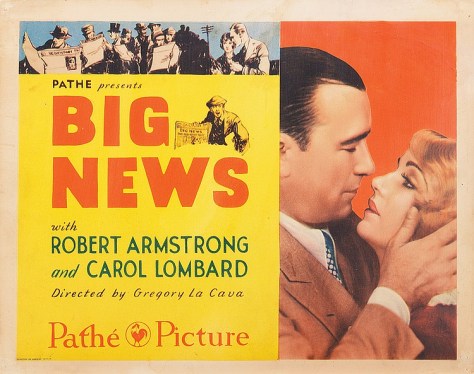
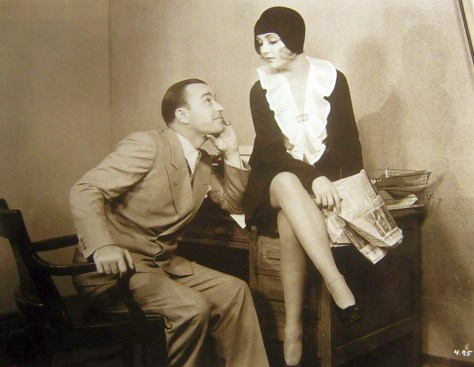
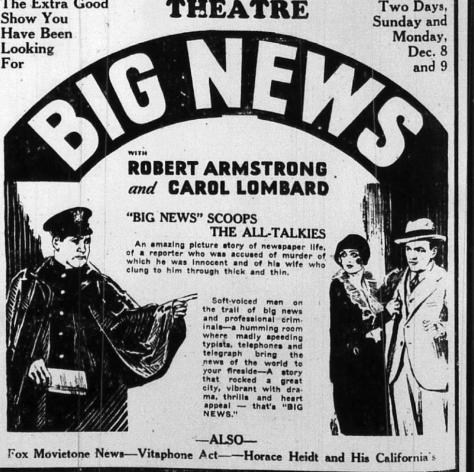
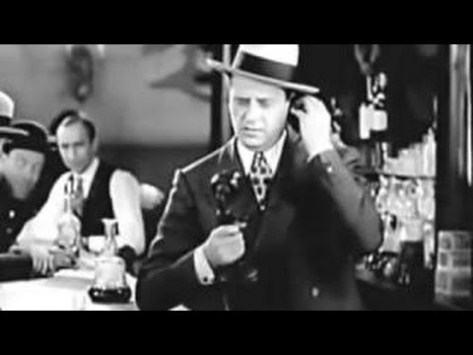
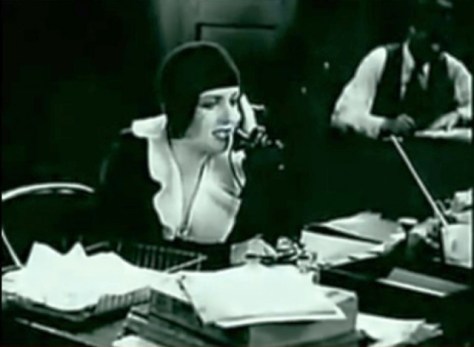
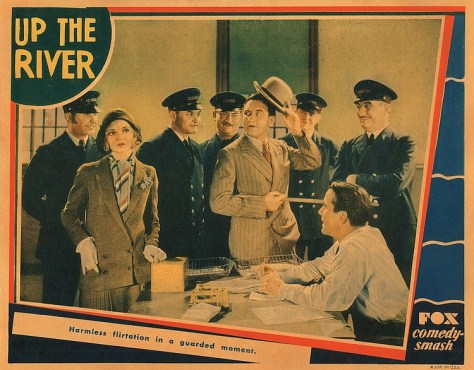
Steve Banks (Armstrong) is a hard-drinking newspaper reporter. His wife Margaret (Lombard), a reporter for a rival paper, threatens to divorce him if he doesn’t quit the drinking that is compromising his career. Steve pursues a story about drug dealers even when his editor fires him. When the editor is murdered, Steve is accused of the killing.
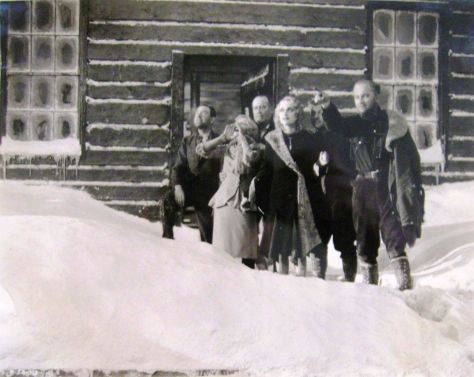
Soon the vehicle gets hopelessly stuck in deep snow forty miles from the nearest town.
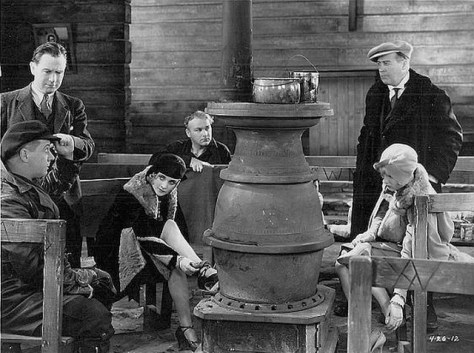
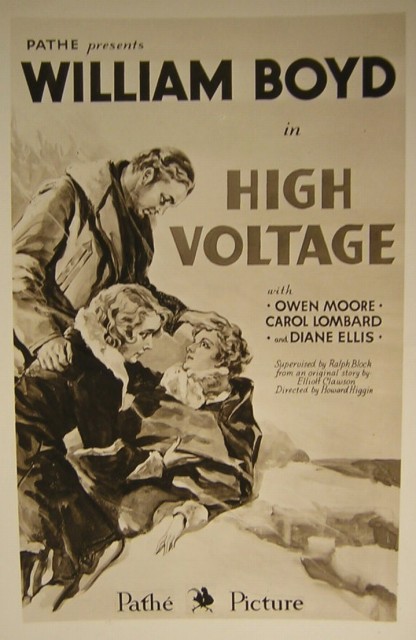
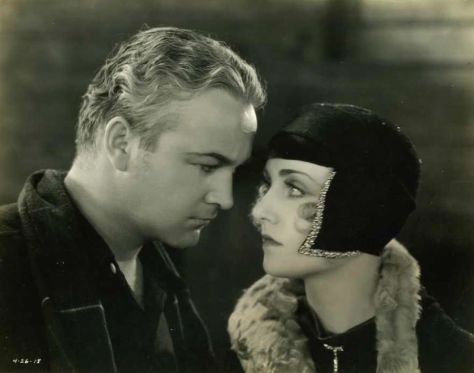
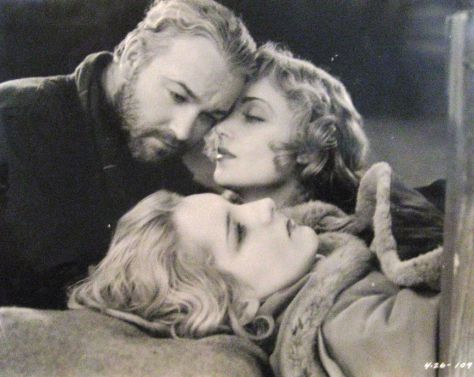
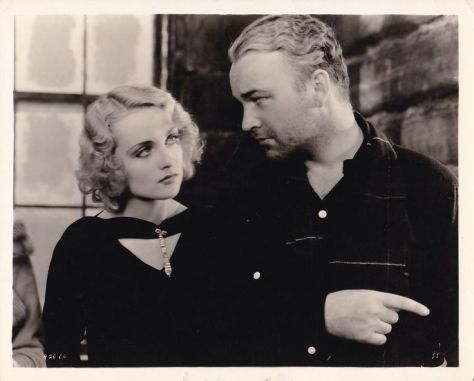
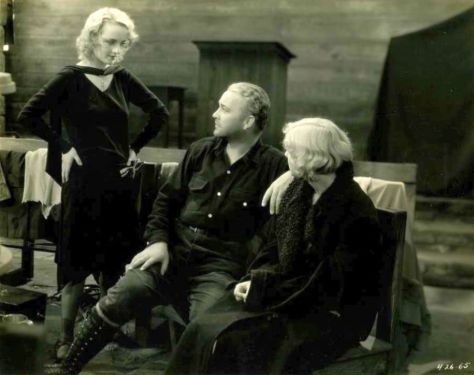
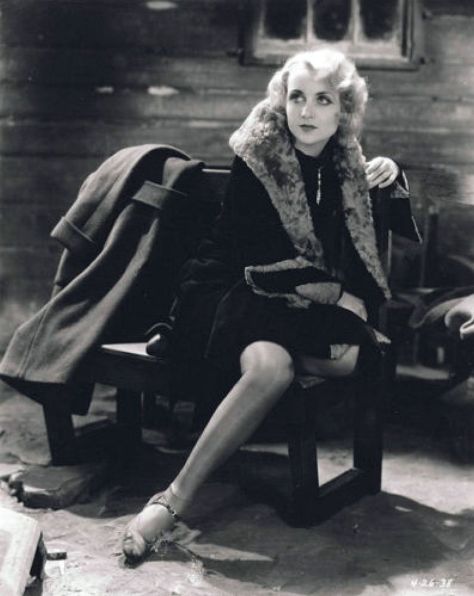
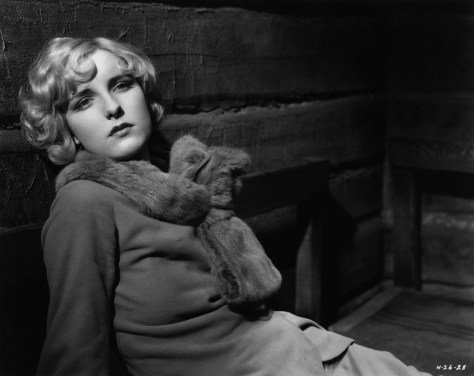
Needing shelter, the driver “Gus” (Billy Bevan) and his four passengers find refuge in an isolated one-room log church. The passengers include “Billie” (Carole Lombard), who is an escaped criminal being escorted back to jail in New York by a deputy sheriff, “Dan Egan” (Owen Moore); a young woman, “The Kid,” (Diane Ellis) on her way to Chicago to meet her boyfriend; and “Hickerson,” a pompous, ill-tempered banker. In the church the group finds “Bill” (William Boyd), a self-described “hobo,” who had found shelter there earlier. Tensions quickly arise in the group over their general plight, petty jealousies, and concerns about how six people are going to share the small supply of food that Bill had brought with him.
Tensions quickly arise in the group over their general plight, petty jealousies, and concerns about how six people are going to share the small supply of food that Bill had brought with him.
After a few days being stranded, the group sees a passing mail plane high in the sky. They try to attract the pilot’s attention, but he is too far away to see them. More days pass, and the group continues to ration their dwindling supplies and battle the subfreezing temperatures. To keep warm they begin to break up the church’s pews and other furnishings to use as firewood in the room’s potbelly stove.
The group’s desperation intensifies, as does a romance between Bill and Billie. Soon Bill confides to her that he too is a wanted criminal, a fugitive from Saint Paul, Minnesota. As conditions worsen, The Kid collapses from hunger and become delirious; and the church’s interior becomes almost bare as more furnishings–even the church’s pulpit and pump organ–are consigned to the stove. Bill and Billie finally commit to leaving to avoid being imprisoned if the group is somehow rescued. They quietly depart during the night, hoping to reach a ranger station ten miles away.
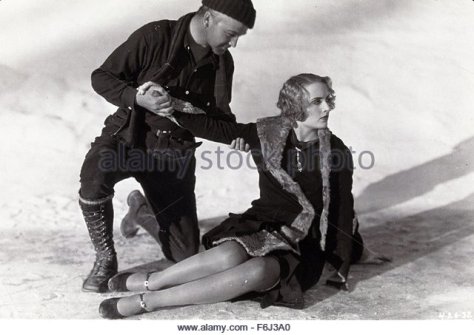
Everyone else is sleeping except Dan, the deputy sheriff, who sees the two leaving; but he does nothing to stop them. After walking a short distance through snowdrifts, Bill and Billie hear and then see a search plane slowly circling overhead at low altitude. Realizing that the others inside the church will not hear the plane’s engine, they rush back and awaken them. The group hurriedly builds a signal fire, which the plane’s pilot sees. He parachutes a box of provisions to them with a note saying that help will be sent immediately.
The next day the group sees a rescue party heading toward the church. While awaiting their rescuers, Dan observes Bill and Billie sitting together on the floor. From his coat pocket Dan pulls out Billie’s extradition papers and a “wanted” notice that includes a photograph of Bill and information about his being a fugitive from Saint Paul. Dan walks over to the stove, now cold from no fires, and tosses both papers into it. Bill and Billie see him discard the papers, and they look at one another. Bill then gets up, retrieves the papers from the stove, gives them back to Dan, and asks him to drop him off in Saint Paul on his way back to New York with Billie.
The opening credits of High Voltage give Carole Lombard’s first name as “Carol,” her preferred spelling for her name up until that time. However, the year after the release of High Voltage she performed in Paramount Pictures‘ production Fast and Loose. In her credits for that film, the studio mistakenly added an “e” to Carol. Lombard liked the spelling, so she decided to keep “Carole” permanently as her screen name.
High Voltage is only one of five films released in 1929 in which William Boyd starred or is featured. His other films that year include Lady of the Pavements,The Leatherneck, The Flying Fool, and His First Command
In the screen credits of High Voltage, Owen Moore’s character “Dan Egan” is identified as “The Detective”; but early in the film Dan shows Bill his badge, which actually identifies him as a New York deputy sheriff.
Diane Ellis, who portrays “The Kid” in High Voltage, would die tragically the year after her performance in this film. In October 1930, she married Stephen C. Millett, a fellow American, in Paris, France. While on their extended honeymoon in India, she contracted an infection and died a week later in Chennai (then Madras) on December 15, 1930, just five days before her twenty-first birthday.
Jump up^High Voltage, “Free Public Domain Movies” listing; May 23, 2008. iMovies. Retrieved March 10, 2017.
Jump up^Several full 63-minute copies of High Voltage are available for viewing on YouTube.
Jump up^In the opening minutes of the film, the exterior signage and route destinations displayed on the bus identify the storyline’s setting as the Sierra Nevada.
Jump up^Gehring, Wes D. (2003). Carole Lombard: The Hoosier Tornado. Indianapolis, Indiana Historical Society Press, 78-79. ISBN978-0-87195-167-0.
Cast: Carole Lombard, Robert Armstrong, Roland Drew, Paul Hurst, Kit Guard, Al Hill, Robby Dunn, Budd Fine, Hedda Hopper, Jeanette Loff, John Loder, Winter Hall, Robert Parrish
68 min
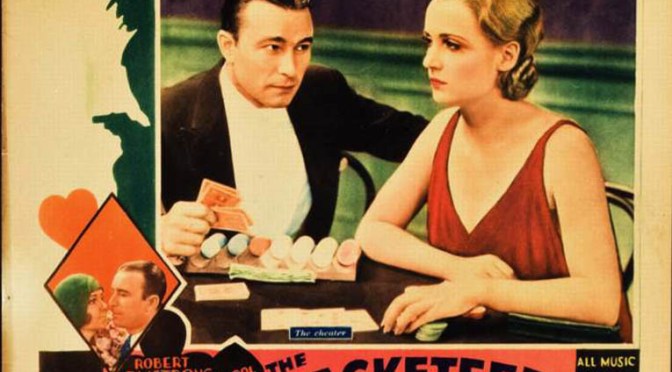
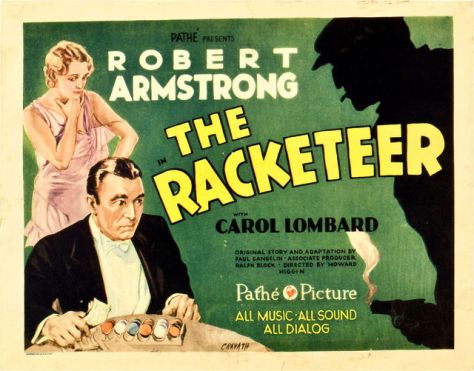
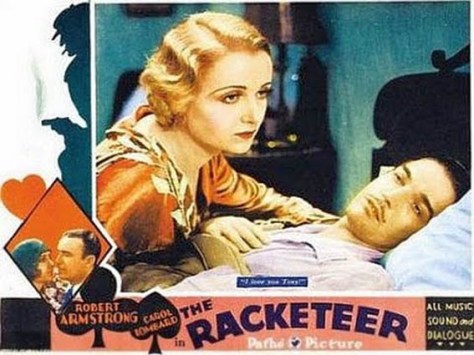
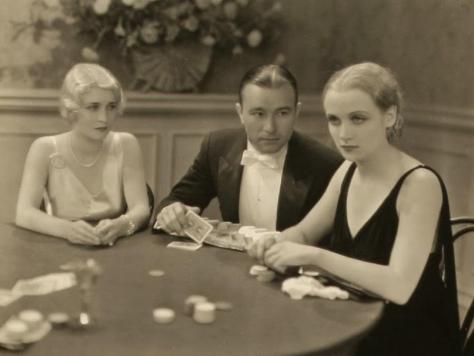
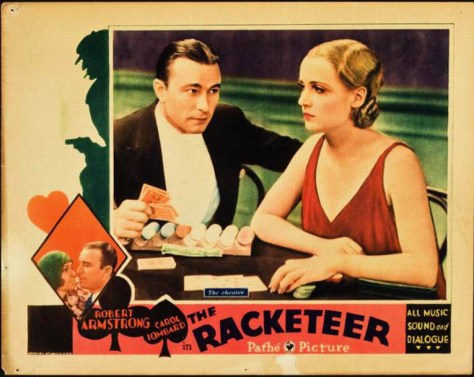
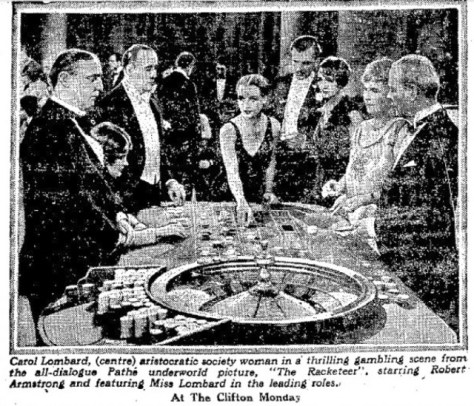
The Racketeer is a 1929 American Pre-Codedrama film. Directed by Howard Higgin, the film is also known as Love’s Conquest in the United Kingdom. It tells the tale of some members of the criminal class in 1920s America, and in particular one man and one woman’s attempts to help him. Gossip columnist Hedda Hopper appears in a minor role. The film is one of the early talkies, and as a result, dialogue is very sparse.
Plot
Mahlon Keene, a suave racketeer, notices Mehaffy, a policeman, arrest a shabby, drunken violinist for vagrancy and bribes him to forget the charge; after Keene and his henchman depart, Rhoda Philbrook appears in a taxi, addresses the musician as “Tony,” and has him driven away. Meanwhile, Keene arranges for a planned robbery to be delayed.
At a charity function, Keene takes an interest in Rhoda when he detects her cheating at cards; she reveals that she has left her husband for the violinist, whom she hopes to regenerate; and for Rhoda’s sake Keene arranges for Tony’s appearance at a concert. When threatened by Weber, a rival, Keene shoots him and, after the concert, bids farewell to Rhoda. The rival gang take revenge on Keene, leaving Tony and Rhoda to a new life together.
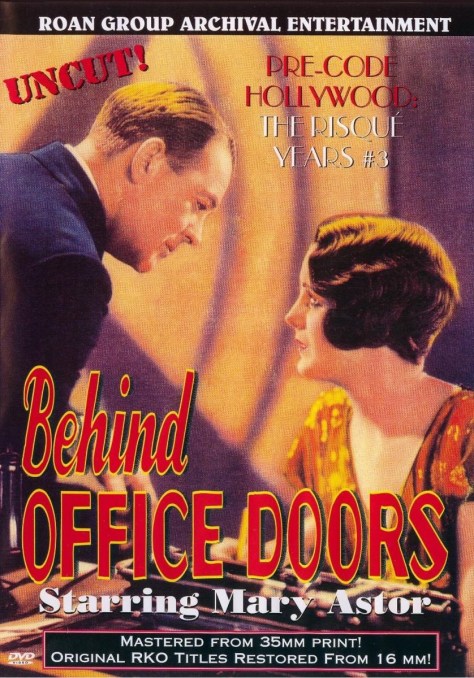
Cast: Mary Astor, Robert Ames, Ricardo Cortez, Catherine Dale Owen, Kitty Kelly, Edna Murphy, Charles Sellon, William Morris, George McFarlane, Mary Foy
Mary Linden (Mary Astor) is a receptionist at a paper milling company, who is secretly in love with one of the salesmen, James Duneen (Robert Ames).
Her extensive knowledge of the paper industry, the mill and its clients allows her to have input in company operations far outweighing her level as a receptionist. As the current president of the company, Ritter (Charles Sellon), approaches retirement, Mary uses her knowledge and skill of company politics to enable James to make some important sales coups, after which she begins a fifth-column attempt to get him named as the next president. James, for his part, is grateful to her for her help, but is completely oblivious to her romantic interest in him, preferring more of the party girl type.
When Ritter does retire, James wins the position, and Mary is promoted to be his personal secretary. Still unaware of her feelings, he hires his latest party girl, Daisy (Edna Murphy), to work in the office, and report to Mary. Mary is upset by this turn of events, but remains faithful to James, assisting him with running the company. In fact, it is her knowledge and acumen which makes the company successful. Mary even spurns the advances of several men, including the wealthy Ronnie Wales (Ricardo Cortez), who, although married, is estranged from his wife and wishes to pursue an affair with Mary.
However, when James becomes engaged to the daughter of a wealthy banker, Ellen May Robinson (Catherine Dale Owen), that is the straw which breaks Mary’s resolve. She resigns from the company, and eventually agrees to go away with Ronnie for an assignation in Atlantic City. Between the time of her resignation, and her agreeing to go away with Ronnie, the paper mill is already suffering terribly from a lack of good
Between the time of her resignation, and her agreeing to go away with Ronnie, the paper mill is already suffering terribly from a lack of good management, since most of James’ success was due to Mary’s guidance. James tracks her down before she can give in to the libidinous advances of Ronnie, and begs Mary to return. She is reluctant, until she discovers that James has broken off the engagement with Ellen, and upon her return to the company she is not only met with a job offer, but also a marriage proposal from James.
“Three Little Words”, music by Harry Ruby, lyrics by Bert Kalmar – played as dance music in the nightclub
Reception
While the public seemed to like the film,[4] critics like Mordaunt Hall of The New York Times were less kind, stating that the film “is a witless and interminably dull exhibition on which three capable players, Mary Astor, Robert Ames and Ricardo Cortez, have been sacrifi[c]ed to very little purpose.[5]
Tony, a prosperous Italian vineyardist in California, advertises for a young wife, passing off a photograph of his handsome hired man, Buck, as himself. Lena, a San Francisco waitress, takes up the offer, and though she is disillusioned upon discovering the truth, she goes through with the marriage because of her desire to have a home and partially because of her weakness for Buck, whose efforts to take her away from Tony confirm her love for her husband.
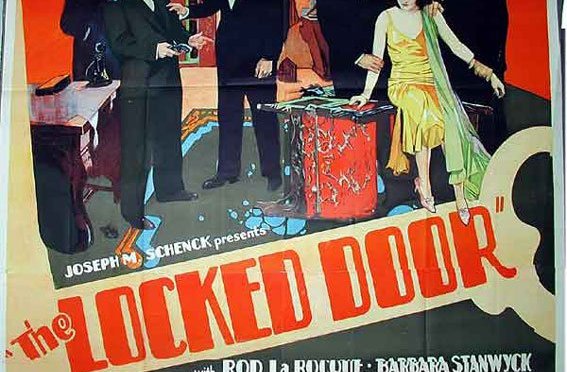
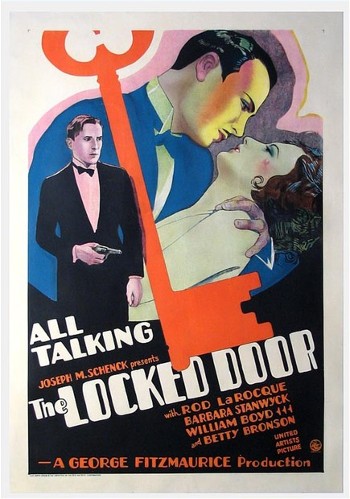
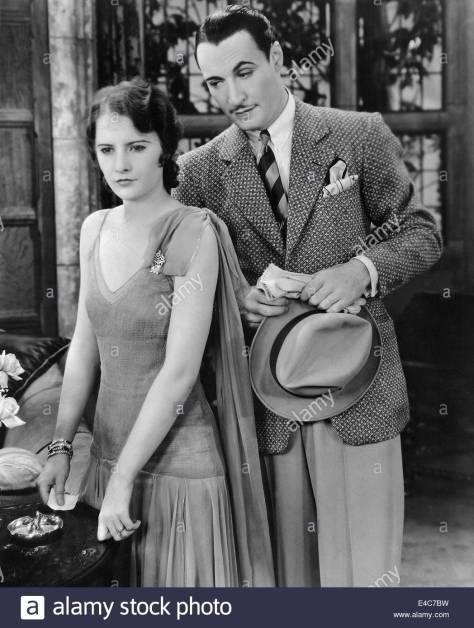
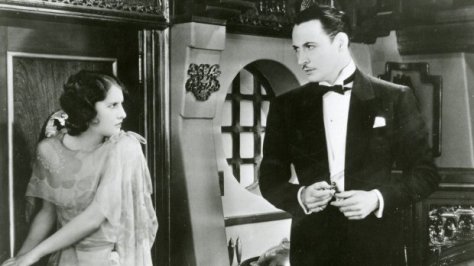
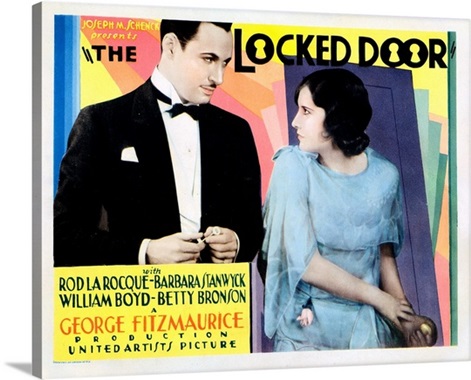
The film is based on the play The Sign on the Door by Channing Pollock.[1] The play was first adapted for the screen in 1921 as The Sign on the Door, starring Norma Talmadge.[2]The Locked Door was Barbara Stanwyck’s second film appearance, first starring role, and first talking picture.
Ann Carter (Barbara Stanwyck), an inexperienced young woman, accepts an invitation to dinner from Frank Devereaux (Rod LaRocque), the son of her employer. The date turns out to be far from what she expects. It is aboard a “rum boat”, a ship that sails beyond the 12 mile limit to get around the restrictions of Prohibition. Worse, Frank turns out to be a cad.
When she tries to leave, he locks the door and tries to force himself on her, tearing her dress. Fortunately, the ship drifts back into U.S. waters and a police raid stops him from going any further. When a photographer takes a picture of the two under arrest, Frank buys it from him.
Eighteen months later, Ann is happily married to wealthy Lawrence Reagan (William “Stage” Boyd). They are about to celebrate their first wedding anniversary when Frank resurfaces in Ann’s life, this time as the boyfriend of her naive young sister-in-law, Helen (Betty Bronson). Though both Ann and her husband tell Helen that Frank is no good (Lawrence knows that Frank is having an affair with the wife of one of his friends), it is clear to Ann that Helen does not believe them.
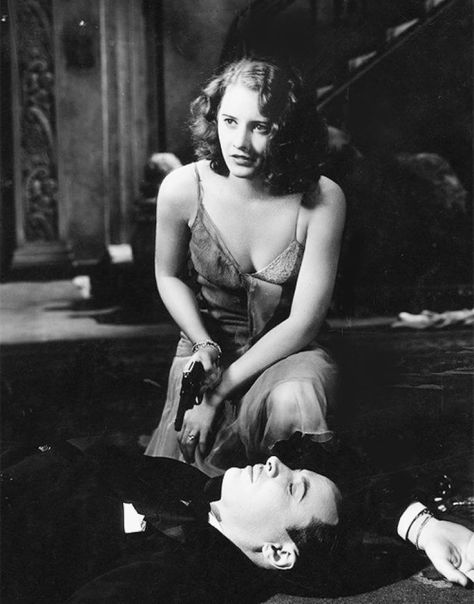
Ann goes to Frank’s apartment to stop him from taking advantage of Helen. She hides when Lawrence shows up unexpectedly. He warns Frank to leave town before Lawrence’s friend catches up with him and shoots him. Frank had already planned to go, but when Lawrence declares that he intends to administer a beating first, Frank draws a gun. He is shot in the ensuing struggle. Lawrence leaves without being seen, unaware that his wife has heard the whole thing.
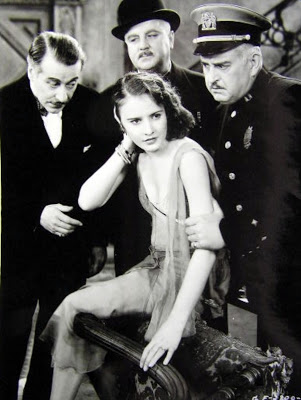
To protect her husband, Ann phones the switchboard operator and reenacts her earlier assault, ending with her firing two shots. When the police arrive, the district attorney (Harry Mestayer) soon pokes holes in her story. Also, the photograph is found, providing a motive for murder. However, Frank is not yet dead; in his last few minutes of life, he explains what really happened, exonerating both Ann and Lawrence.
Jump up^White Munden, Kenneth, ed. (1997). The American Film Institute Catalog of Motion Pictures Produced in the United States: Feature Films, 1921-1930. University of California Press. p. 445. ISBN0-520-20969-9.
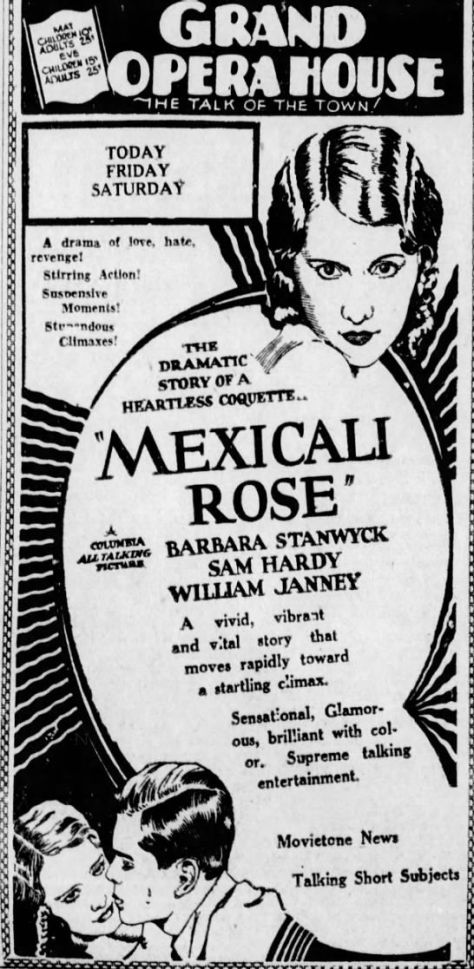
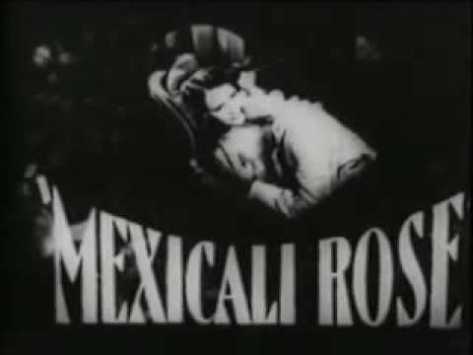
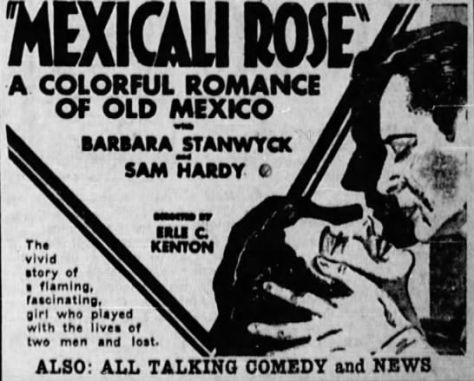
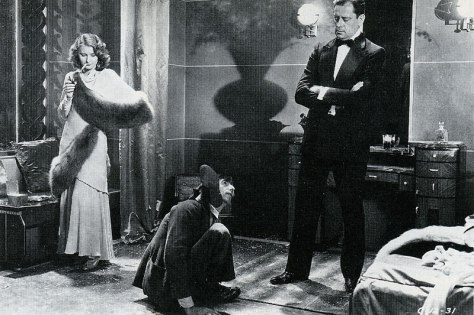
Cast: Barbara Stanwyck, Sam Hardy, William Janney, Louis Nathaneux, Arthur Rankin, Harry J Vejar, Louis King, Julia Bejerano, Frankie Genardi, Greta Granstedt, Dorothy Gulliver, Jerry Miley
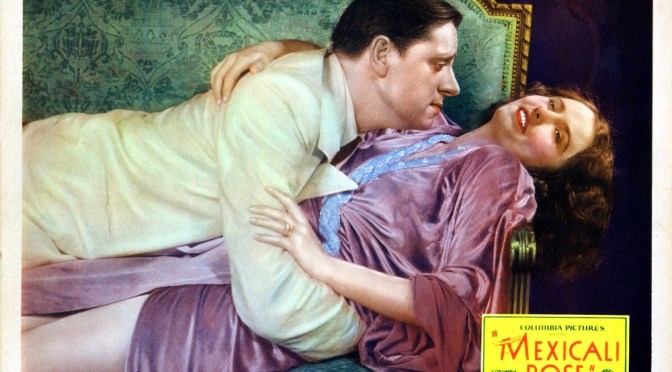
“Happy” Manning returns early from a trip to his Mexican casino, the Mina de Oro (Gold Mine), and to his wife Rose, unaware that she has been unfaithful to him with Joe, the croupier. Happy soon finds out and divorces Rose, but he keeps Joe, as Joe is too valuable an employee to lose.
Afterward, he goes to visit his younger brother and ward, Bob, who is the quarterback of his college football team in California. Bob introduces him to his fiancee Marie (an uncredited Dorothy Gulliver). Bob, believing Happy owns a gold mine, promises to spend his honeymoon there.
When Bob does get married, he sends Happy a telegram that he is coming. Happy’s friend Ortiz offers to exchange his real gold mine for Happy’s casino temporarily. Happy is shocked when Bob introduces his wife: Rose. Happy later tries to buy Rose off, but she turns him down, claiming she genuinely loves Bob. Happy is uncertain if she is lying or not and decides to not tell Bob the truth.
However, it soon becomes clear that she has not changed. Happy blocks her secret late-night rendezvous with an admirer and confronts her. She claims that she loves Happy and that she married Bob to get back at him. She then tells him she is going home. The next day, her body is found at the bottom of a cliff.
Jump up^Catalog of Holdings The American Film Institute Collection and The United Artists Collection at The Library of Congress page 115 c.1978 published by The American Film Institute
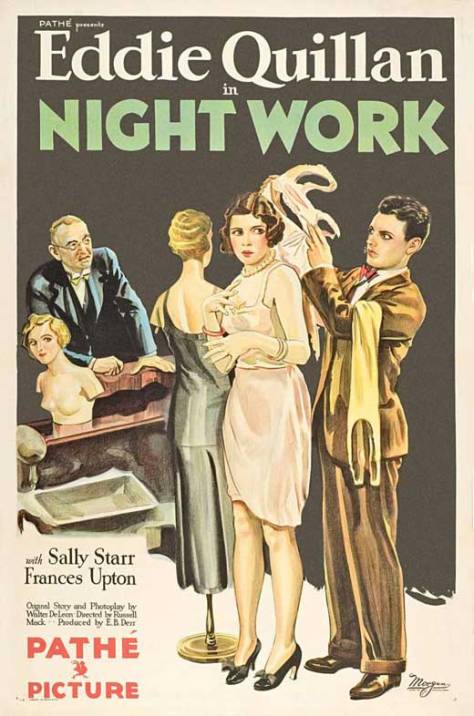
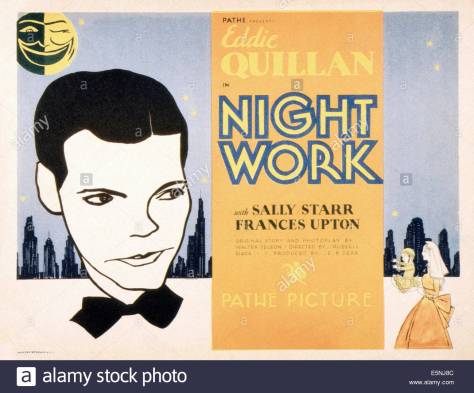
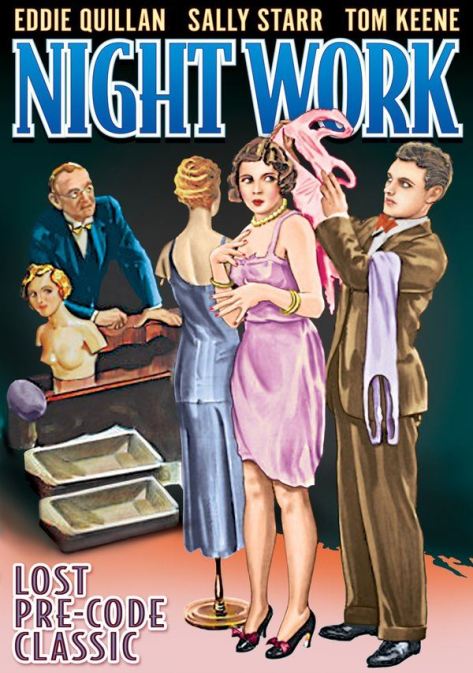
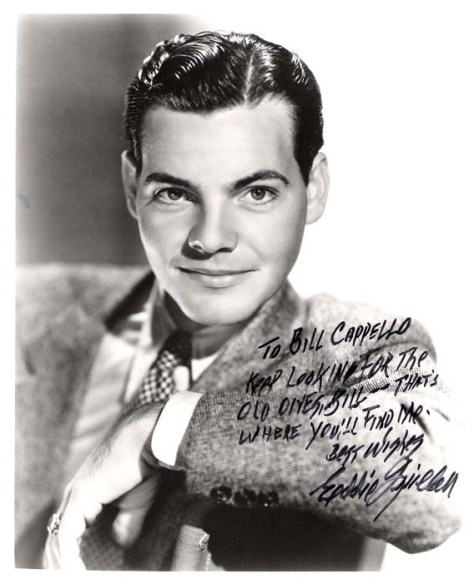
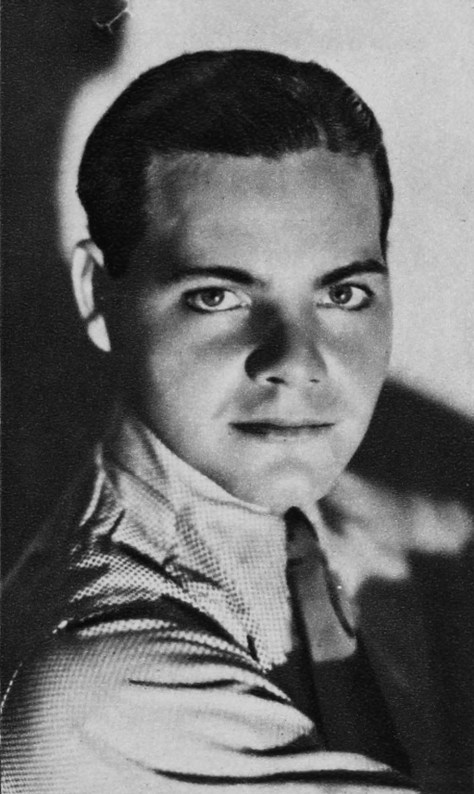
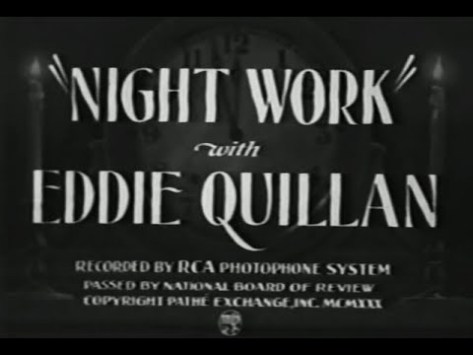
Cast: Eddie Quillan, Sally Starr, Frances Upton, John T Murray, Tom Keene, Ben Bard, Robert McVade, Douglas Scott, Addie McPhaill, Kit Guard, Georgia Caine, Georgie Billings, Charles Clary
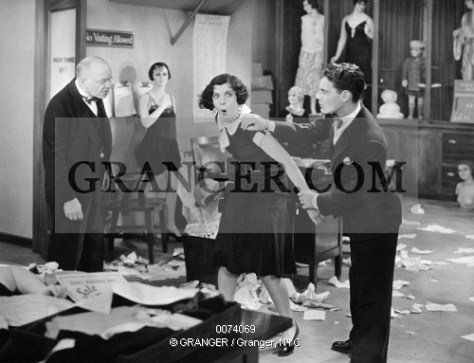
Willie Musher, assistant window-trimmer and jack-of-all-trades at Tracy’s Department Store, consistently shoulders the blame for patrons who deem themselves aggrieved and one day is awarded a $10 bill.
On his way to the bank, he stops to examine a car that is campaigning for funds for an orphans’ home; he holds his bank book in such a way that Mary, a nurse, takes the bill and leaves him a receipt. Later, he is alarmed to learn he has obligated himself to support a baby, but taking an interest in Mary and little Oscar, he gets a job as waiter in a nightclub to support the child. To Willie’s chagrin, he learns that Vanderman, Sr., wants to adopt Oscar, apparently the offspring of his son, Harvey.
Willie dreams of hair-raising stunts to kidnap Oscar; finding that he has been promoted, he proves that Oscar is not Vanderman’s grandson, adopts the boy, and asks Mary to marry him.
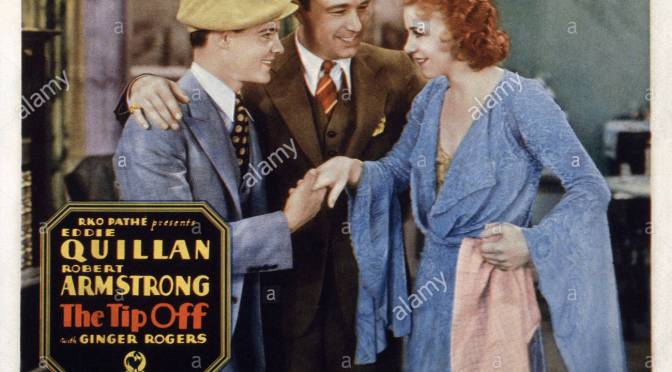
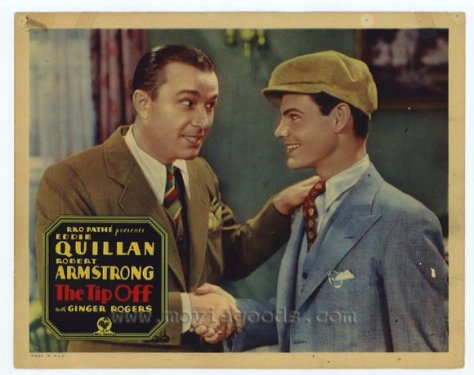
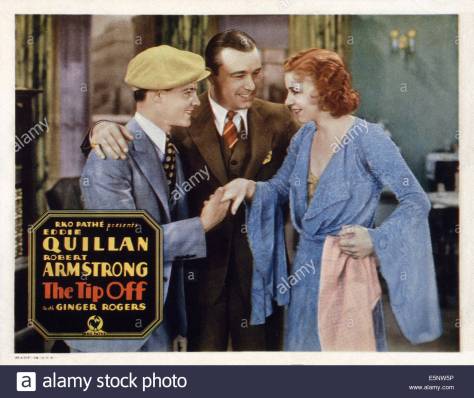
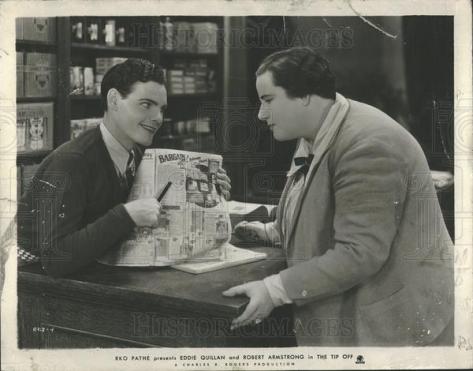
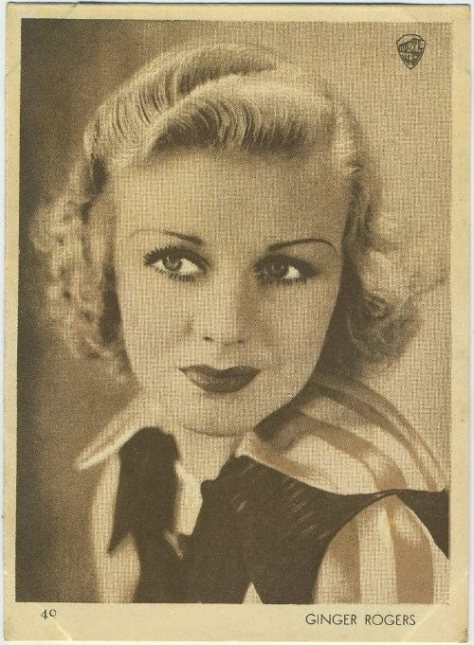
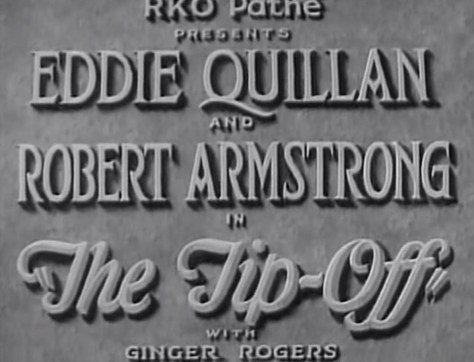
Cast: Eddie Quillan, Robert Armstrong, Ginger Rogers, Joan Peers, Ralf Harolde, Mike Donlin, Ernie Adams, Charles Sellon, Helen Ainsworth, Luis Alberni, Harry Bowen, Dorothy Granger
Young Tommy Jordan (Eddie Quillan) is sent for a repair job. When he arrives at the address he was told, two guys are waiting for him on the street, bringing him somewhere else – without letting him see where – to repair a radio.
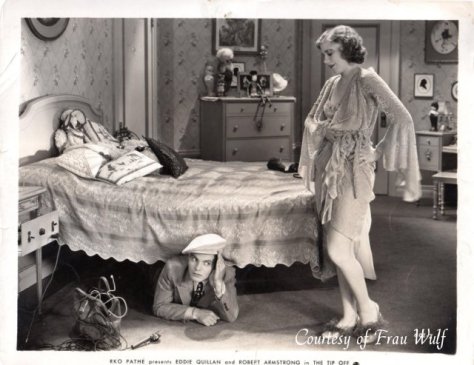
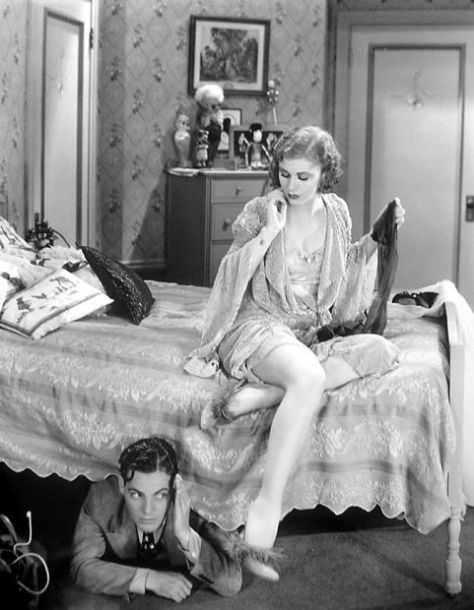
He jokes about “must be a hide-out, that I should not know where I am”, for which he earns a “you’re a smart guy”. When left in the apartment doing his job, he follows a wire and ends up in the bedroom, lying on the floor under the bed. At this point, the telephone rings and a woman comes out of the bathroom and answers.
He is trapped under the bed and can only see her legs. When the lady has finished her conversation, they have to talk and he is told that his great idol Kayo McClure (Robert Armstrong (actor)) a fighter lives in that apartment.
She herself is “famous” Babyface (Ginger Rogers) the woman of McClure. When McClure comes back home, Tommy manages to hide and when Gang leader Nick Vatelli (Ralf Harolde) appears in McClure’s apartment with his men threatening him, Tommy acts as Policeofficers through the radio-microphone, so that they leave the flat. McClure is forever thankful to Tommy and he offers him to help him whenever he needs it. McClure hands him out a ticket to a ball.
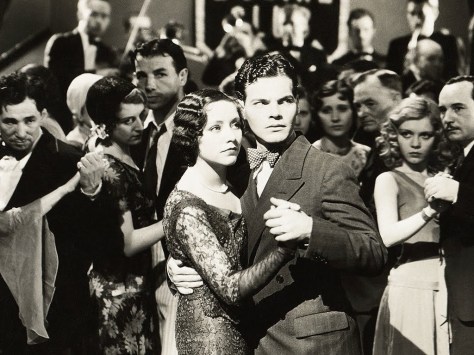
When he gets to the ball there is Baby-Face eager to dance with him. To avoid being mixed up too much with her attracting jealousy of McClure he grabs another girl, that was handy to him, to dance. But this girl is even worse, as she is the fiancé of Nick, Edna Moreno (Joan Peers). Tommy is very fond of her and when Nick appears he finally takes Edna with him to McClure, to hide for a night. The next day Babyface argues with McClure about hiding the kids, threatening to leave him.
Edna leaves the apartment without saying anything. Tommy finds out where she is, and with the help of McClure he saves her from marrying Nick. As the movie ends, Tommy and Edna get married.
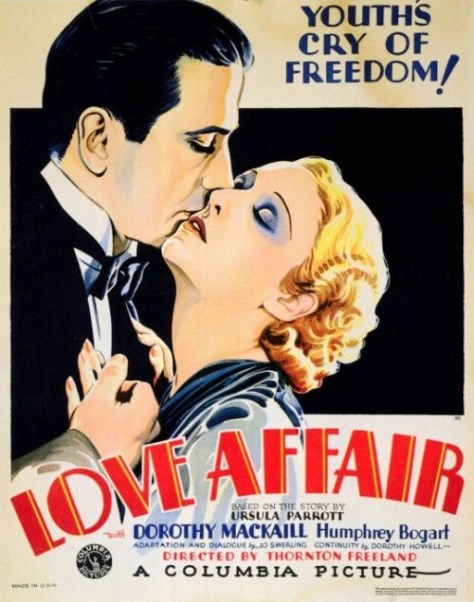
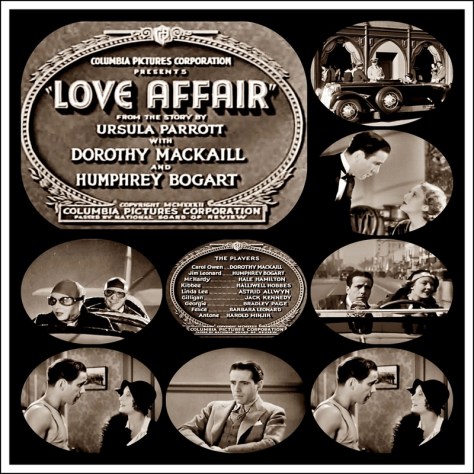
Cast: Dorothy Mackaill, Humphrey Bogart, Hale Hamilton, Halliwell Hobbes, Astrid Allwyn, Jack Kennedy, Bradley Page, Barbara Leonard
68 min
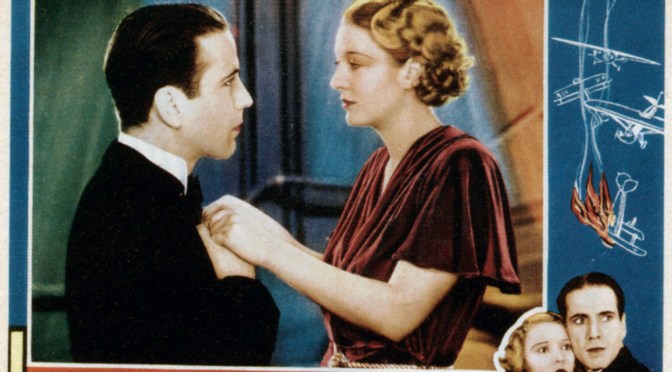
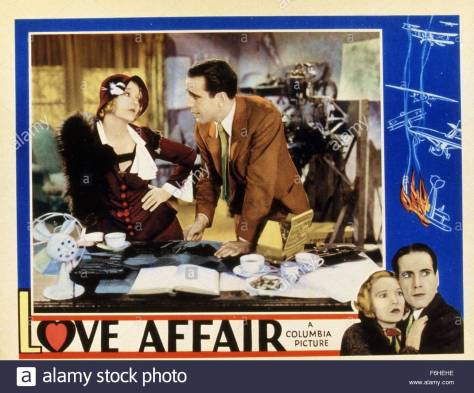
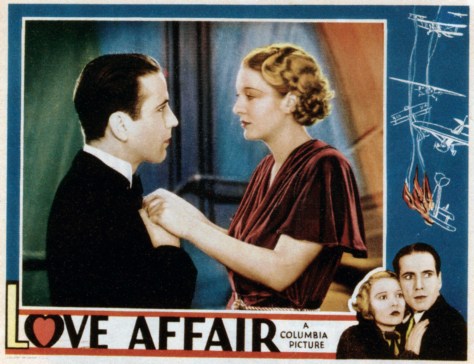
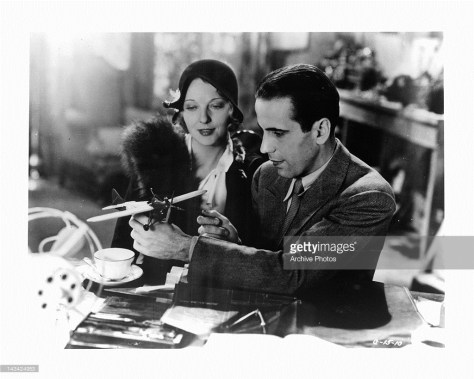
Love Affair is a 1932 American Pre-Code romantic drama film starring Dorothy Mackaill as an adventurous socialite and Humphrey Bogart as the airplane designer she falls for. It is based on the short story of the same name by Ursula Parrott.
Plot
Wealthy socialite Carol Owen (Dorothy Mackaill) decides to take up flying. Gilligan (Jack Kennedy) sets her up with a homely instructor, but she requests dashing Jim Leonard (Humphrey Bogart) instead. Jim has some fun, taking her through some aerobatic maneuvers that leave her queasy, but still game. For revenge, she gives him a lift into town in her sports car, driving at breakneck speeds. They begin seeing each other.
Carol learns that Jim is designing a revolutionary airplane engine, but cannot get any financial backing. She decides to give him a secret helping hand, persuading her skeptical financial manager, Bruce Hardy (Hale Hamilton), to invest in the project. Hardy is only too pleased to oblige, as he has asked Carol numerous times to marry him.
Hardy keeps a mistress on the side, aspiring stage actress Linda Lee (Astrid Allwyn). Unbeknownst to him, she is Jim’s sister and in love with Georgie Keeler (Bradley Page), a Broadway producer. Things become serious between Carol and Jim. He begins neglecting his work and eventually spends the night with her. The next day, he asks her to marry him. She realizes that she is distracting him from making a success of his engine and turns him down.
When Hardy asks Carol once again to marry him, she jokingly tells him she would only consider his offer if she were broke. He then informs her that she is. He has been paying all her bills for the past year. Hoping to help Jim, she agrees to wed Hardy.
Hardy tries to break off his relationship with Linda. This is what Georgie has been waiting for. He has coached Linda to extort $50,000 from Hardy to finance a new play in which Linda will star, but the businessman will only write her a check for $10,000. To try to pressure Hardy, Georgie has Linda lie to Jim about the relationship.
Meanwhile, Carol has second thoughts and goes to break the news to Hardy. Before she can however, Jim shows up and insists that Hardy marry his sister. However, when Hardy shows him the canceled $10,000 check endorsed to Georgie, Jim realizes Linda has deceived him. He apologizes and leaves.
Carol decides to kill herself by crashing an airplane. As she starts to take off, Jim reads the suicide note she left with Gilligan. He manages to cling to the fuselage, work his way gingerly to the cockpit (while the plane is in flight), and reconcile with Carol.
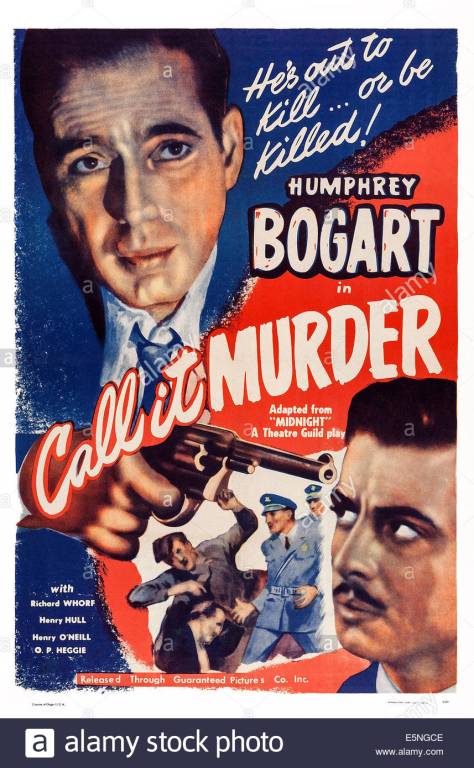
Humphrey Bogart had a small supporting role. The film was re-released as Call It Murder by Screen Guild Productions in 1949 after Bogart became a star; he was given top billing, although he was credited eighth in the original release.
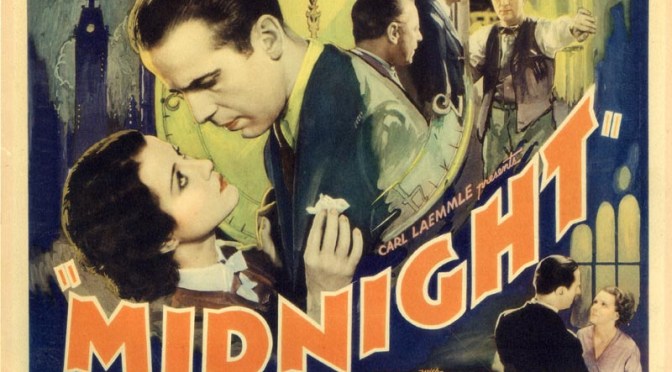
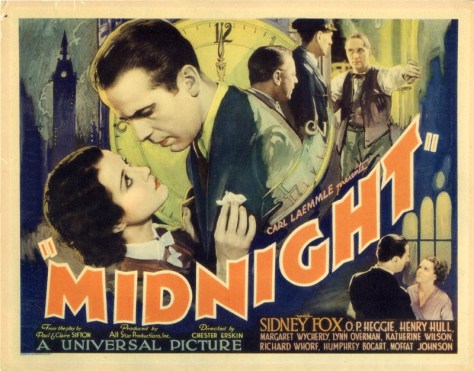
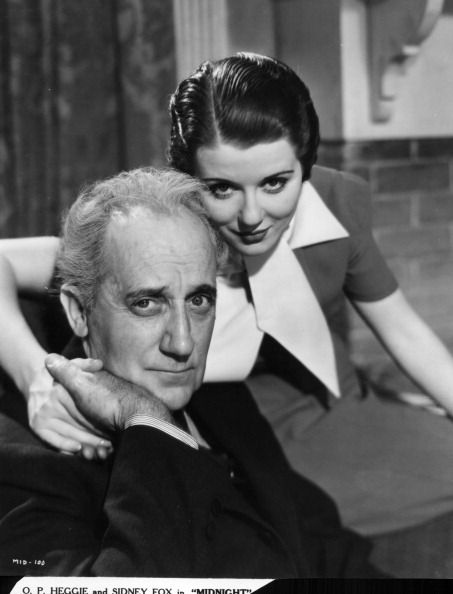
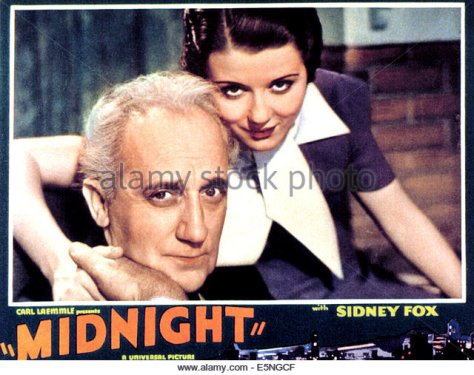
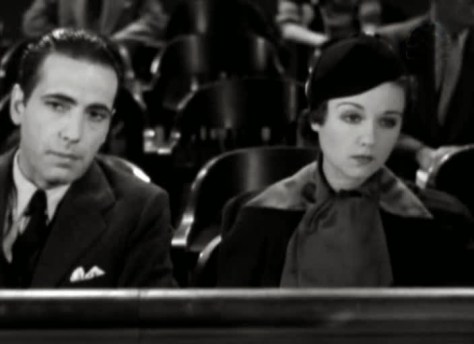
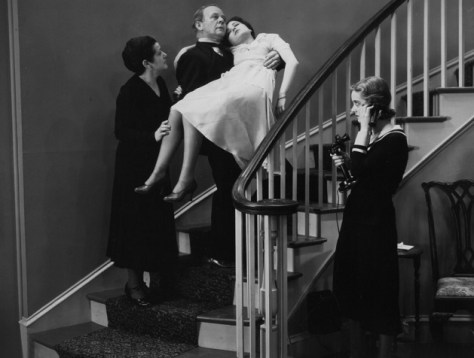
The movie begins at the murder trial of Ethel Saxon, a woman who shot her lover in a crime of passion. During the trial, Edward Weldon, the jury foreman, asks the defendant a question, which essentially leads to a guilty verdict and a death sentence for her.
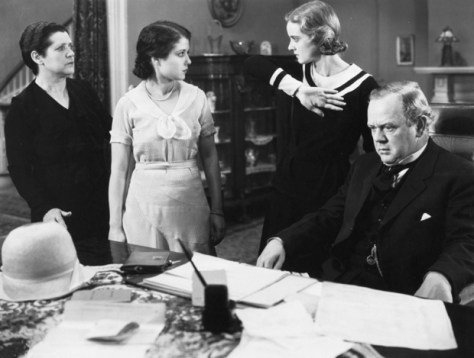
The rest of film takes place on the evening of the execution, mostly in the Weldon home. Edward is dealing with the consequences of his role as foreman, and his daughter Stella is upset by the departure of her gangster boyfriend, Gar Boni, whom she met during the trial.
The evening culminates at midnight as the switch is pulled at the death house and a gun is fired in a parked car. Moments later, Stella returns home, admitting that she has shot Gar Boni.
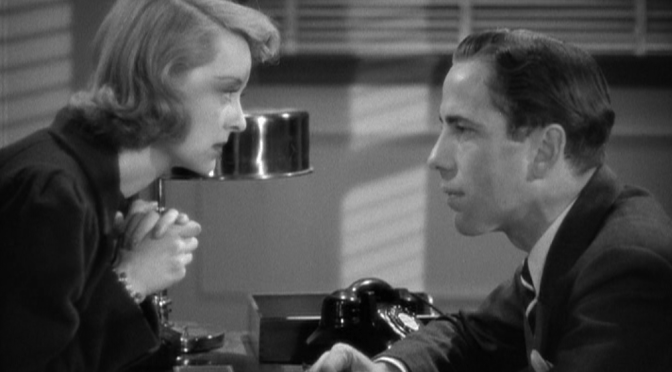
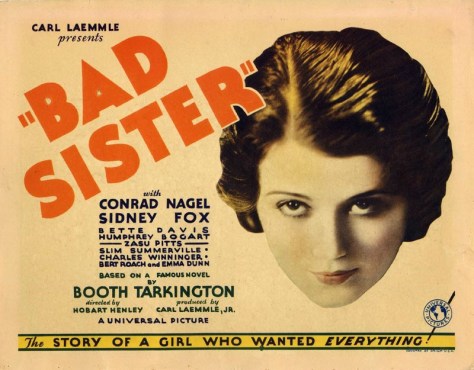
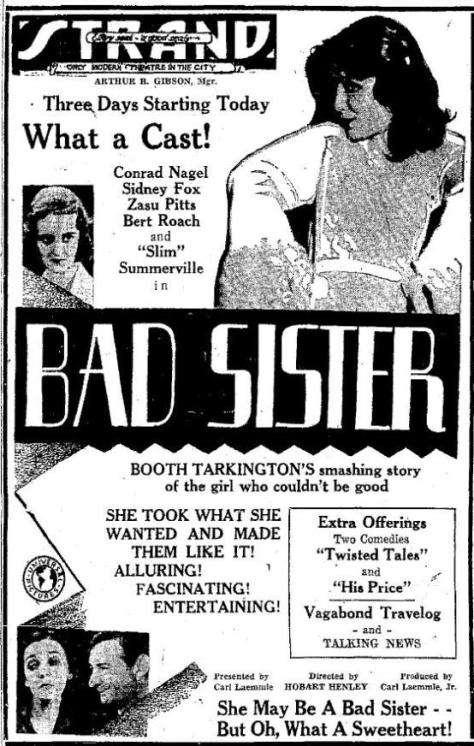
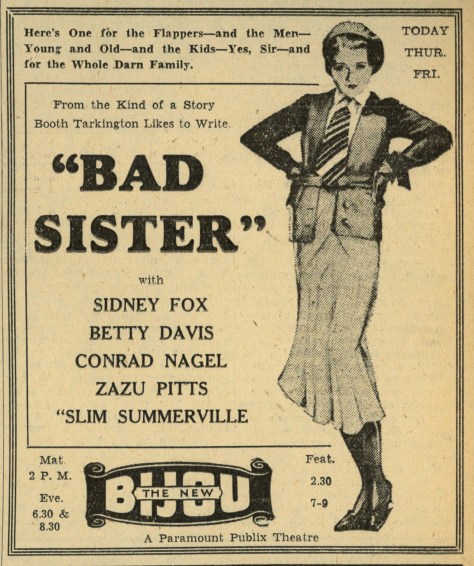
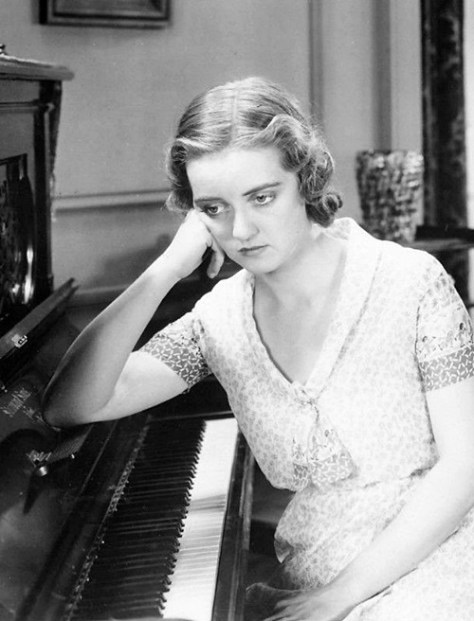
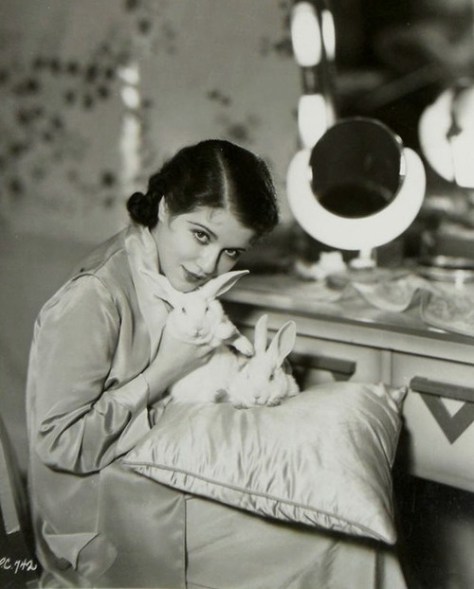
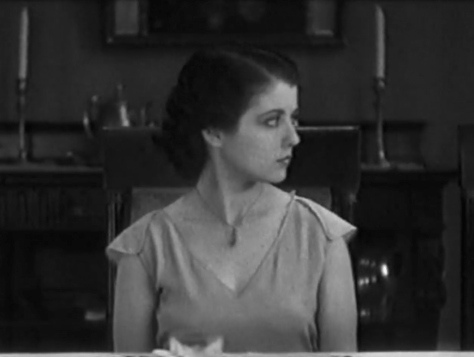
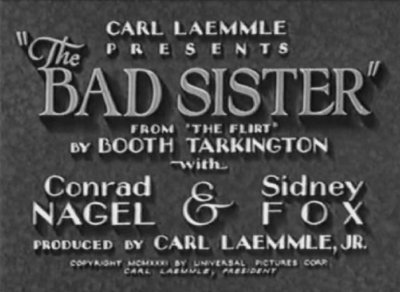
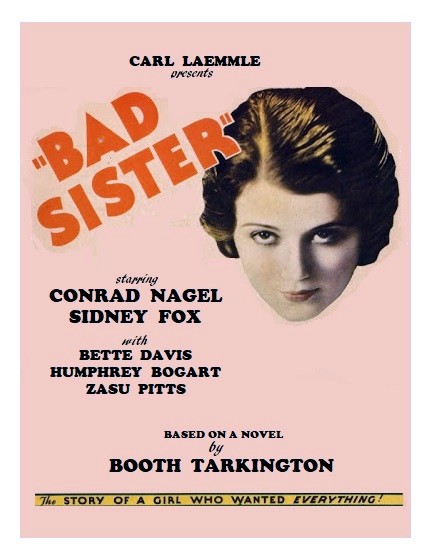
The film marks the screen debut of Bette Davis and Sidney Fox, who was billed over Davis. It also features Humphrey Bogart and ZaSu Pitts in supporting roles. This film has been preserved in the Library of Congress collection.[1][2]
Naive Marianne Madison, bored with her routine life, falls for dashing con artist Valentine Corliss, who has come to her small town looking for fresh marks to swindle.
He soon charms her into faking her wealthy and prominent father’s name on a letter of endorsement, which he presents to the other local merchants, who willingly give him merchandise. He prepares his escape, but not before conning Marianne into becoming his wife.
Following their wedding night in a sleazy hotel, Valentine abandons Marianne. She returns home and begs forgiveness from her jilted fiancé Dick Lindley, but having seen Marianne for who she really is, he turns his attention to her shy younger sister Laura.
Production
The film originally was called What a Flirt and then Gambling Daughters before being changed to Bad Sister just prior to its theatrical release.[3]
Bette Davis, nervous about her appearance in her first film, consulted with studio makeup chief Jack Pierce, who “surveyed me critically, almost resentfully,” she recalled for an interview in the April 1938 issue of Good Housekeeping. “Your eyelashes are too short, hair’s a nondescript color, and mouth’s too small.
A fat little Dutch girl’s face, and a neck that’s too long,” he told her. He suggested a different shade of lipstick and advised her to use eye shadow, but their meeting left Davis feeling anxious and lacking self-confidence.
After seeing the completed film, producer Carl Laemmle, Jr. commented, “Can you imagine some poor guy going through hell and high water and ending up with her at the fade-out?” [3]
Davis was required to change a baby in one scene, and the fact the infant was a boy was kept secret from her. When she undid the diaper and saw male genitals for the first time in her life, she was so embarrassed her face reddened enough to look deep gray on screen.[3]
Davis and her mother attended a preview of the film in San Bernardino. The actress was reportedly so distressed by her performance that they left before the final credits. Certain her Hollywood career was over, she cried all the way home.[3]
Catalog of Holdings The American Film Institute Collection and The United Artists Collection at The Library of Congress p.11 c.1978 by The American Film Institute
^ Jump up to:abcdStine, Whitney, and Davis, Bette, Mother Goddam: The Story of the Career of Bette Davis. New York: Hawthorn Books 1974. ISBN0-8015-5184-6, pp. 8-11
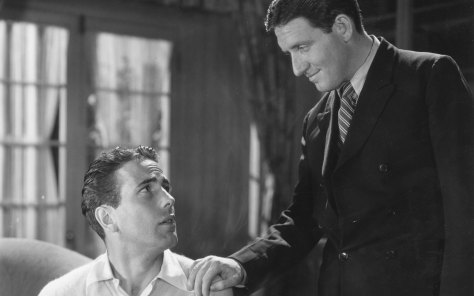
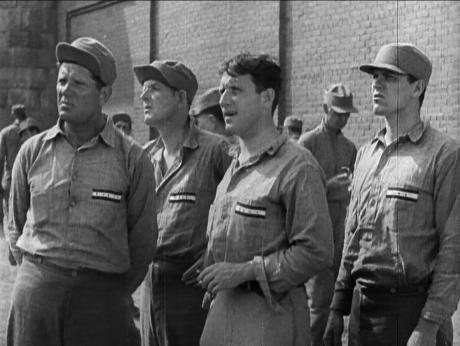
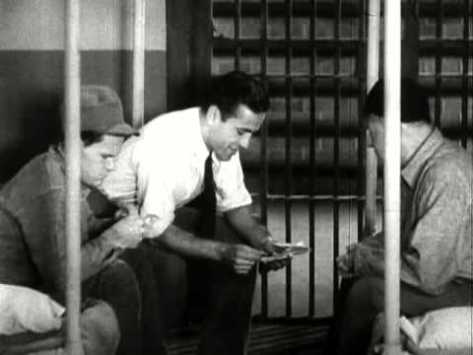
Two convicts, St. Louis (Spencer Tracy) and Dannemora Dan (Warren Hymer) befriend another convict named Steve (Humphrey Bogart), who is in love with woman’s-prison inmate Judy (Claire Luce). Steve is paroled, promising Judy that he will wait for her release five months later. He returns to his hometown in New England and his mother’s home.
However, he is followed there by Judy’s former “employer”, the scam artist Frosby (Gaylord Pendleton). Frosby threatens to expose Steve’s prison record if the latter refuses to go along with a scheme to defraud his neighbors. Steve goes along with it until Frosby defrauds his mother.
Fortunately, at this moment St. Louis and Dannemora Dan have broken out of prison and come to Steve’s aid, taking away a gun he planned to use on the fraudster, instead stealing back bonds stolen by Frosby. They return to prison in time for its annual baseball game against a rival penitentiary. The film closes with St. Louis on the pitcher’s mound with his catcher, Dannemora Dan, presumably ready to lead their team to victory.[1][2]
Tracy had starred in three shorts earlier the same year and Bogart had been an unbilled extra in a silent movie a decade before, as well as starring in two short films in the past two years, but this is the first credited feature film for both actors.
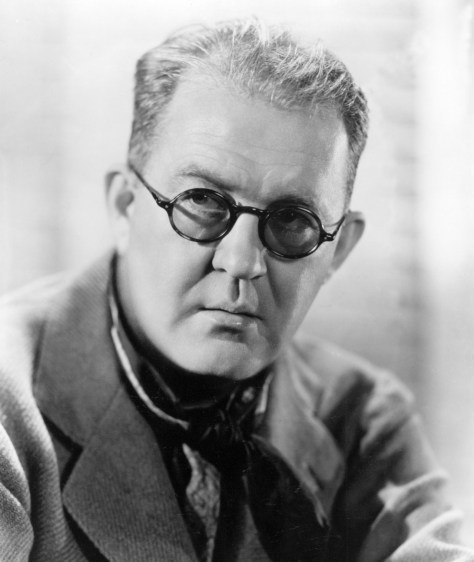
This was the only feature film that Tracy and Bogart ever made together. They tried to make The Desperate Hours in 1955, but neither would consent to second billing, so the role intended for Tracy went to Fredric March instead. It was the only film Bogart made with director John Ford, and Tracy wouldn’t work with Ford again until The Last Hurrah (1958).
Claire Luce (1903–1989) made very few films, but was on Broadway in many plays from 1923–1952. She should not be confused with author/playwright/political activist Clare Boothe Luce (1903–1987).
New England Vintage Film Society, Inc. (2008). Spencer Tracy: The Pre-Code Legacy of a Hollywood Legend. Newton, MA: New England Vintage Film Society. ISBN978-1-4363-4138-7.
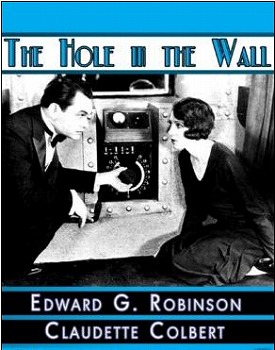
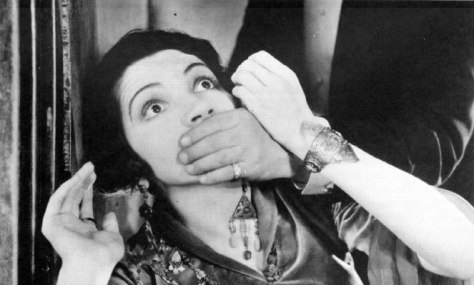
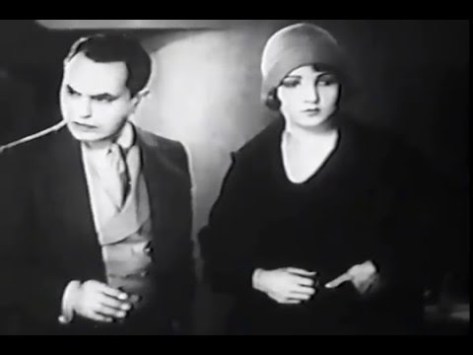
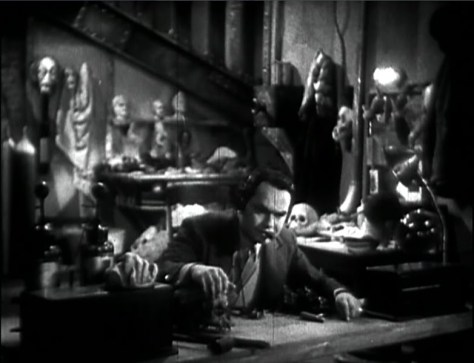
The Hole in the Wall is a 1929 mystery drama film directed by Robert Florey, and starring Claudette Colbert and Edward G. Robinson. This film marks the first appearance of Edward G. Robinson as a gangster.
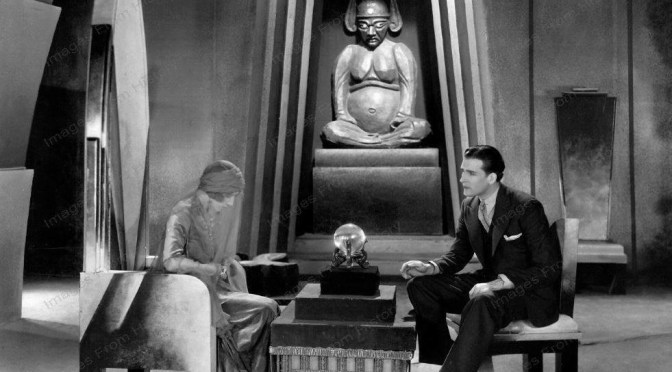
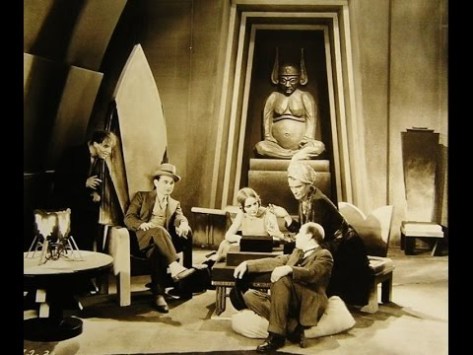
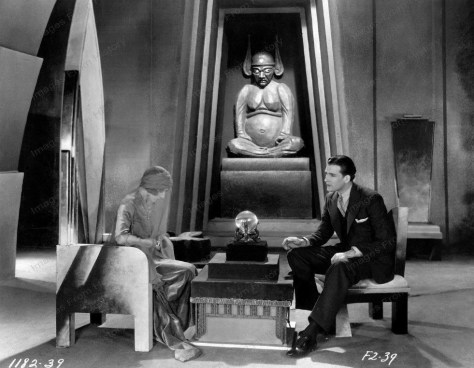
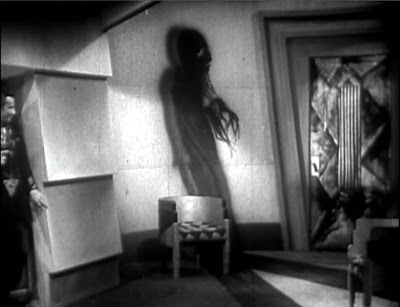
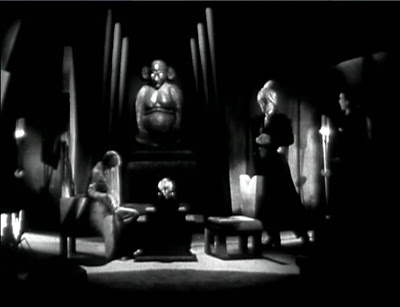
Jean Oliver falls in love with a wealthy young man, and his mother, Mrs. Ramsey, sees to it that she is sent to prison on a trumped-up charge. Time passes. Jean is released from stir and throws in with a band of phony spiritualists, donning the robes of Madame Mystera, a crook recently killed in an accident on the elevated.
Jean quickly proposes that her new companions in crime kidnap the granddaughter of Mrs. Ramsey and hold the child for ransom. The child is taken, but the police arrest the gang. The Fox, crafty leader of the spiritualists, is the only one who knows the whereabouts of the missing child, however, and he trades this information for immunity and a statement from Mrs. Ramsey that Jean had not in fact committed the crime for which she was sent to jail. Jean is freed and reunited with Gordon Grant, her childhood sweetheart, a reporter who has accompanied the police in the raid on the gang.
Film Collectors Corner
Watch The Hole In The Wall Now – You Tube Instant Video
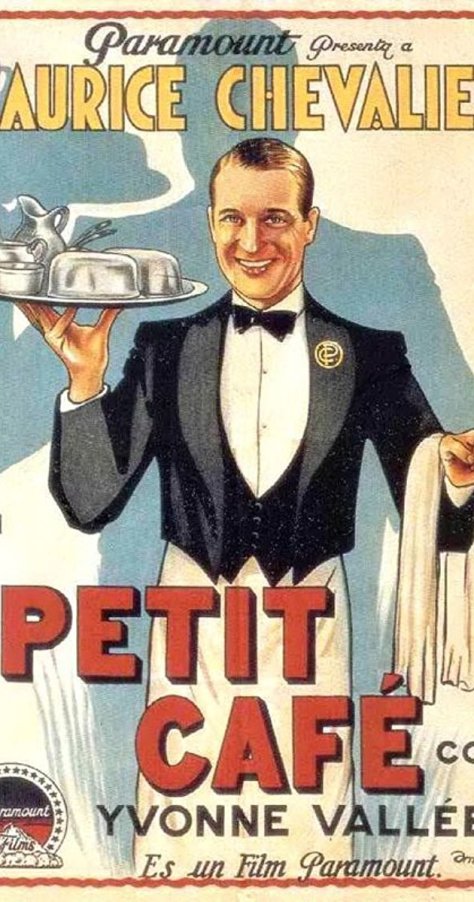
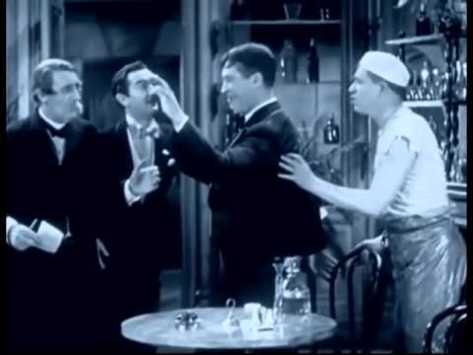
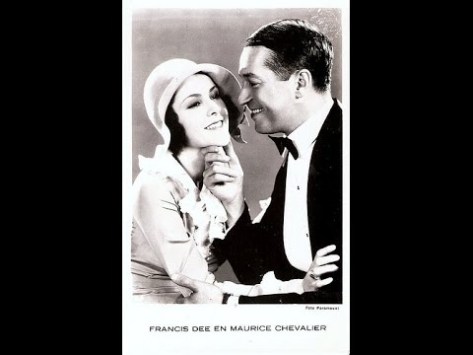
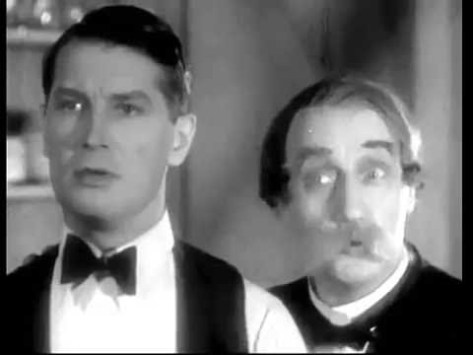
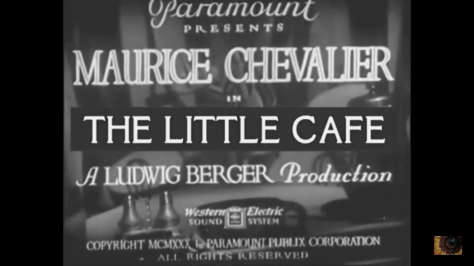
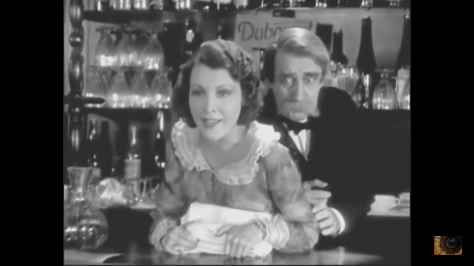
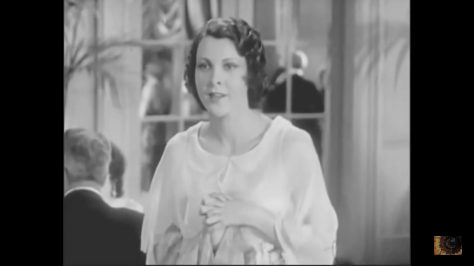
Albert Loriflan, a waiter in a Pariscafe, unexpectedly inherits a large sum of money from a wealthy relative. His unscrupulous boss, Philibert, refuses to release him from his long-term contract in the hope that Albert will buy him off with a large payment. But Albert refuses, and continues to work at the cafe even though he is now very rich. Before long he falls in love with Philibert’s daughter Yvonne.
























 Film Dialogue
You must be logged in to post a comment.