

Prepared by Daniel B Miller
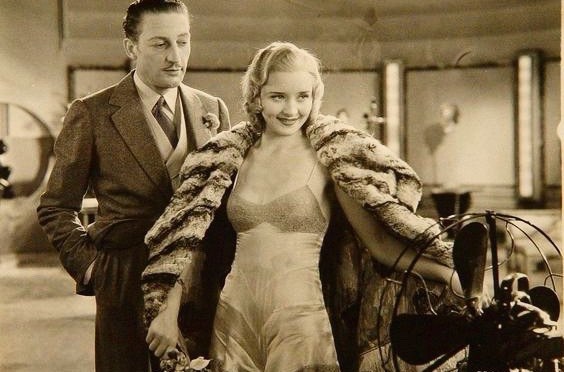
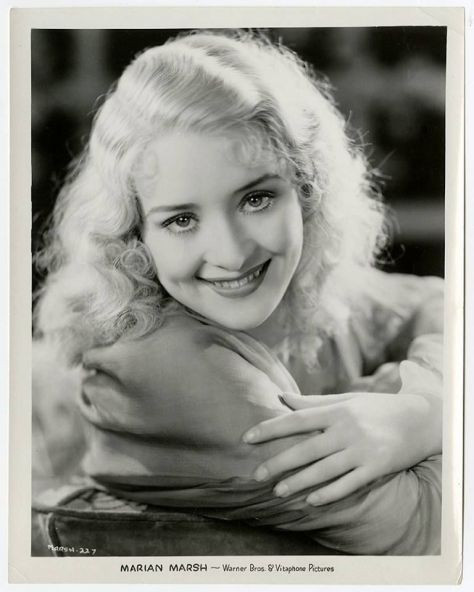
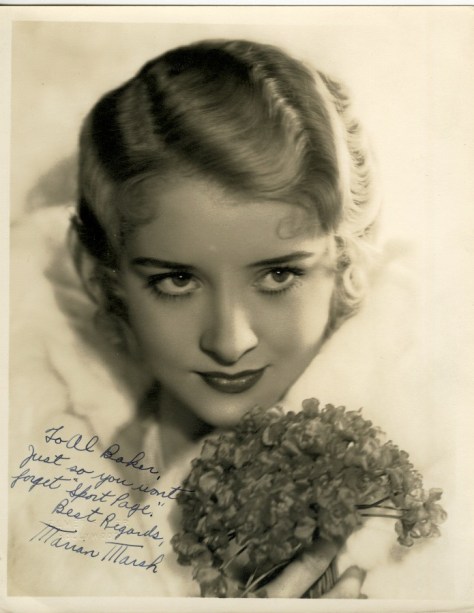
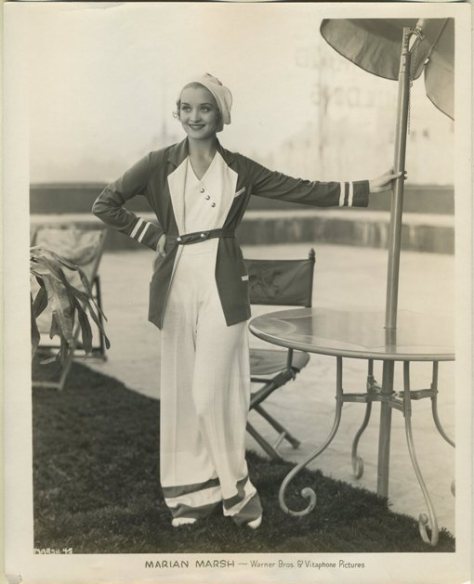
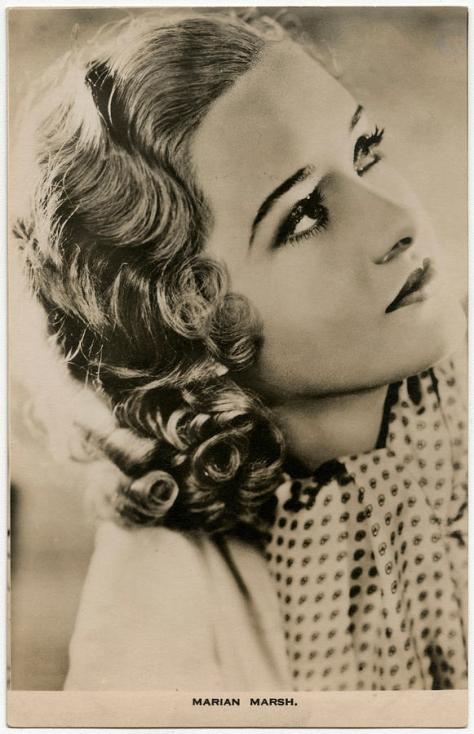
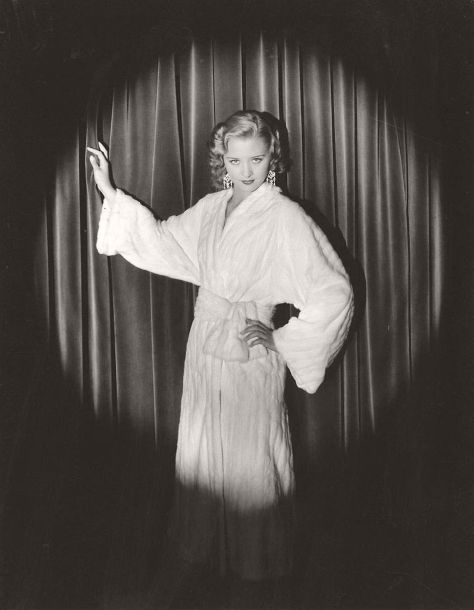
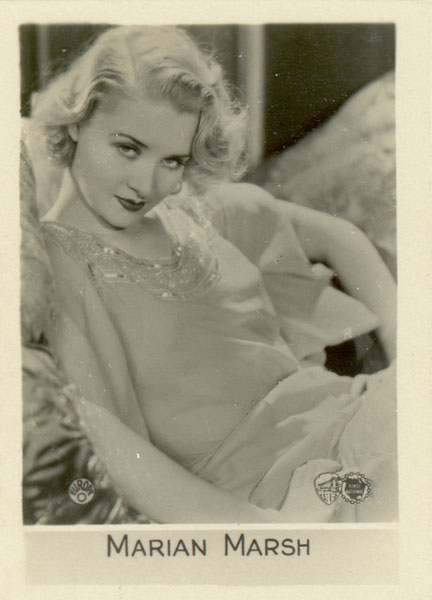
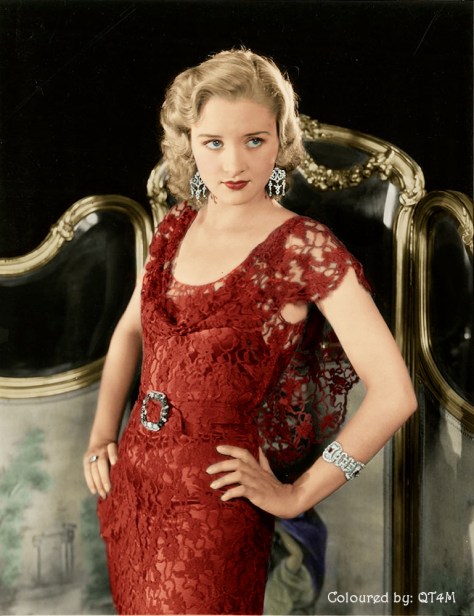
Marian Marsh (October 17, 1913 – November 9, 2006) was a Trinidad-born American film actress, and later, environmentalist.
Contents
Early life
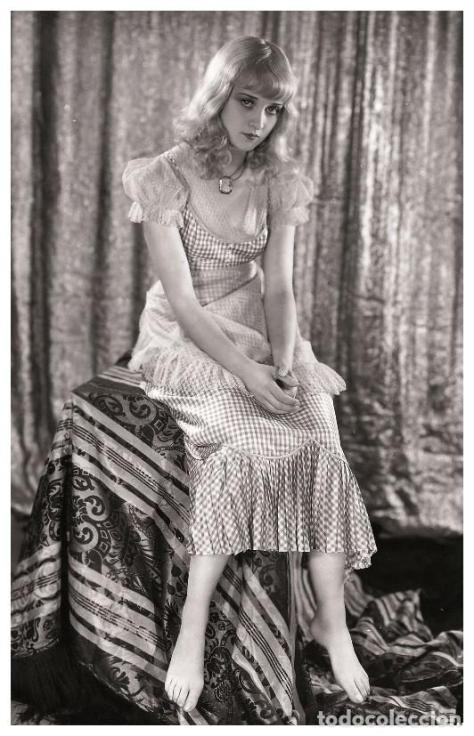
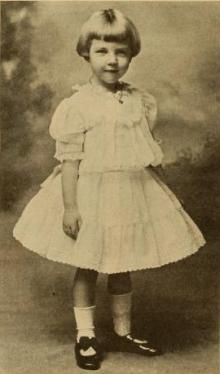
Violet Ethelred Krauth was born on October 17, 1913 in Trinidad, British West Indies (now Trinidad and Tobago), the youngest of four children of a German chocolate manufacturer and his French–English wife.
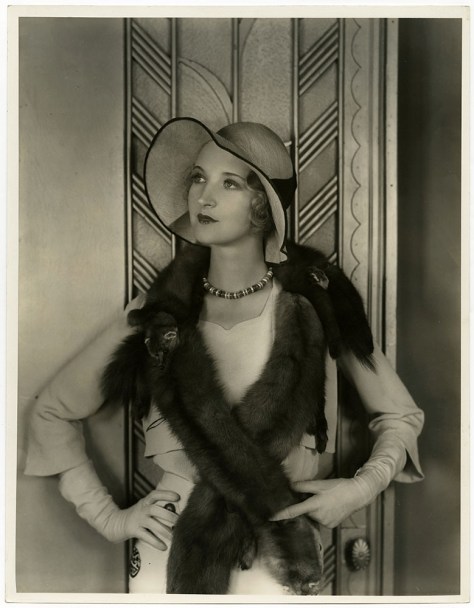
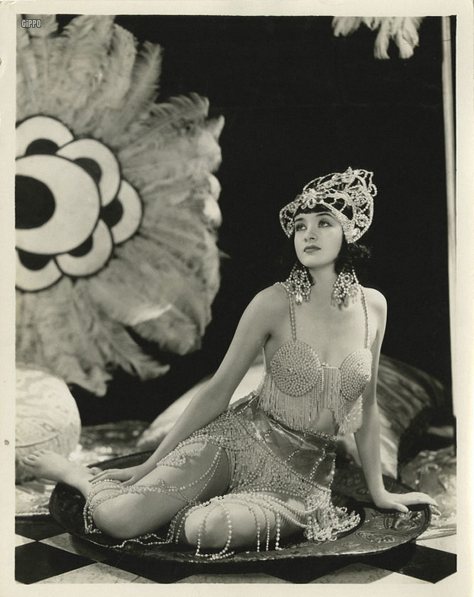
Due to World War I, Violet’s father moved his family to Boston, Massachusetts. By the time she was ten, the family had relocated to Hollywood, California. Her older sister, an actress who went by the name of Jean Fenwick, landed a job as a contract player with FBO Studios.
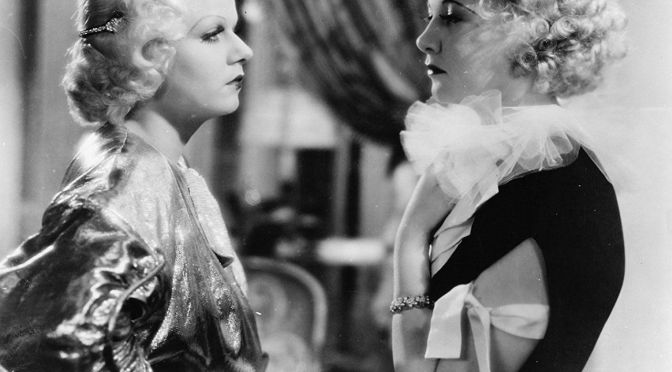
Jean Fenwick
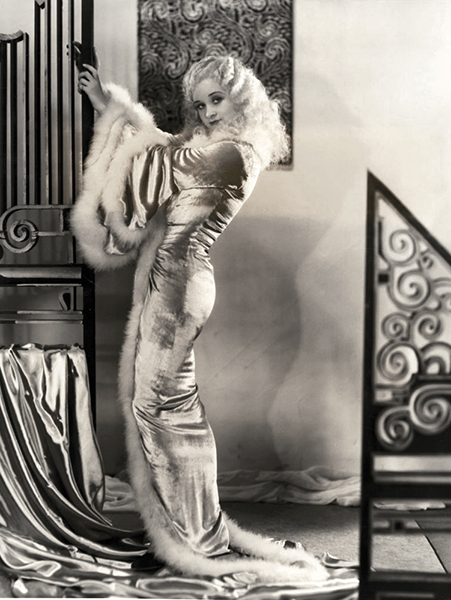
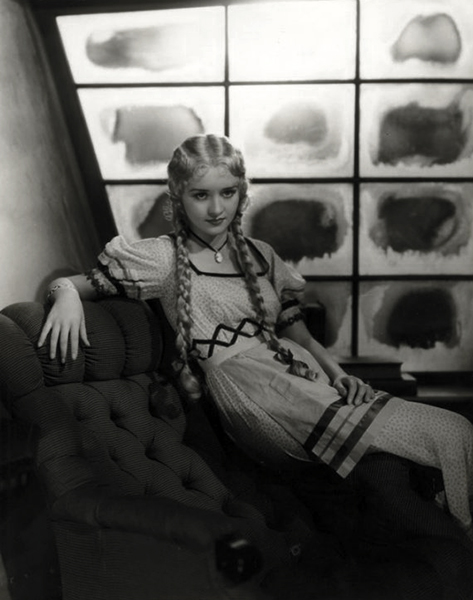
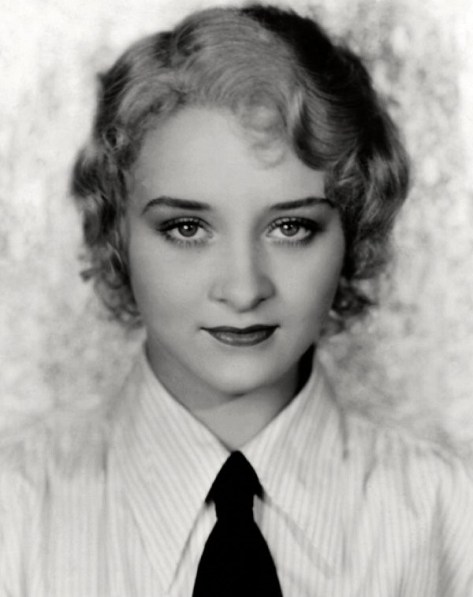
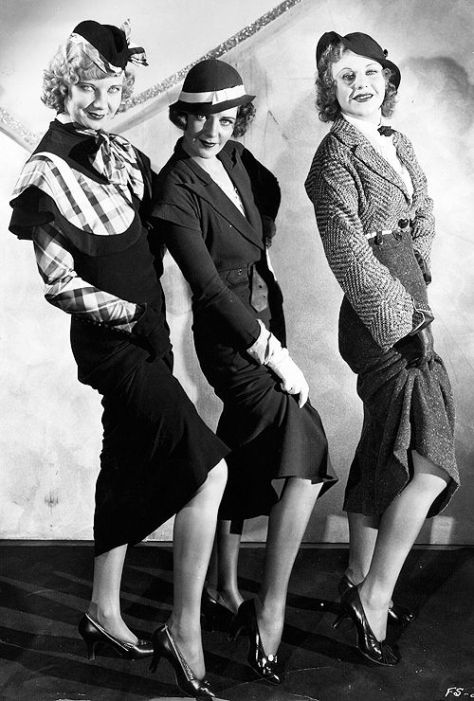
Violet attended Le Conte Junior High School and Hollywood High School. In 1928 Violet was approached by silent screen actress Nance O’Neil who offered her speech and movement lessons, and with her sister Jean’s help, Violet soon entered the movies. She secured a contract with Pathé where she was featured in many short subjects under the name Marilyn Morgan.
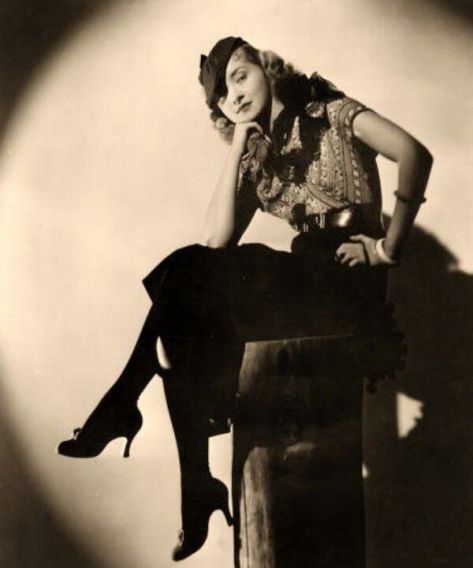
Marian Marsh as Marilyn Morgan

Marian Marsh as Marilyn Morgan
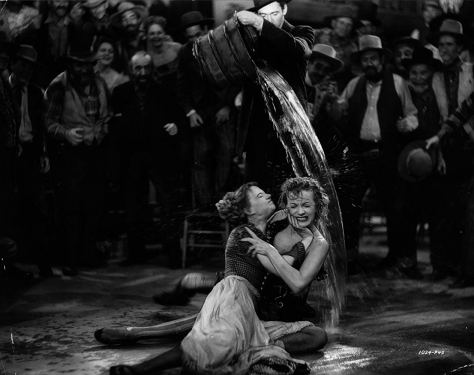
She was seen in a small roles in Howard Hughes‘s classic Hell’s Angels (1930) and Eddie Cantor‘s lavish Technicolor musical Whoopee! (1930). Not long afterwards, she was signed by Warner Bros. and her name was changed to Marian Marsh.
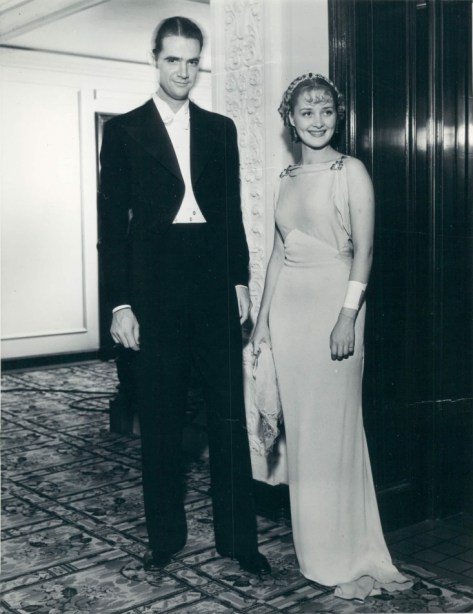
Marian Marsh and Howard Hughes

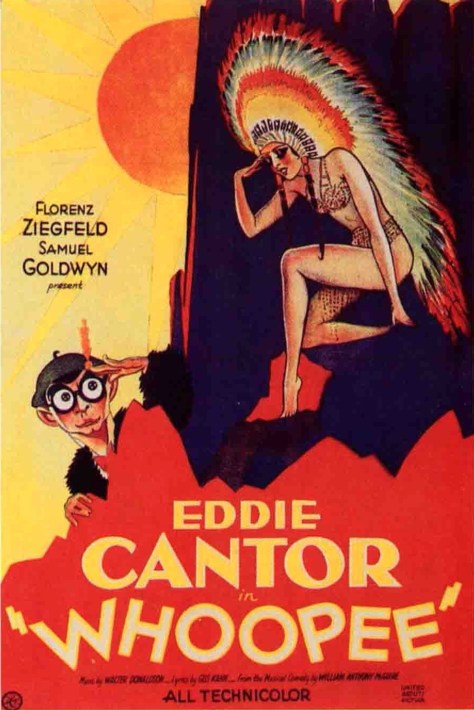
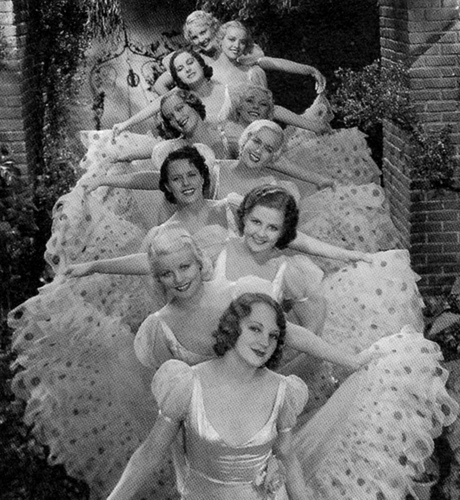
Marian Marsh in Whoopee (1930)
Hollywood success
In 1931, after appearing in a number of short films, Marsh landed one of her most important roles in Svengali opposite John Barrymore. Marsh was chosen by Barrymore, himself, for the role of “Trilby”. Barrymore, who had selected her partly because she resembled his wife, coached her performance throughout the picture’s filming. Svengali was based on the 1894 novel Trilby written by George du Maurier. A popular play, likewise entitled Trilby, followed in 1895.
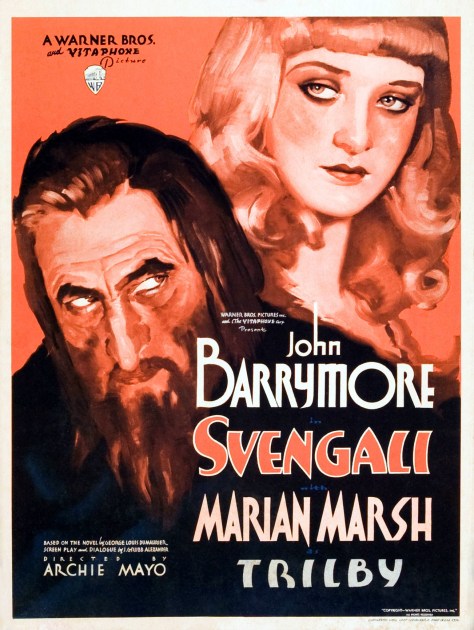
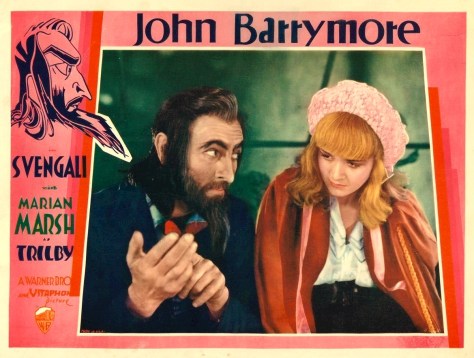
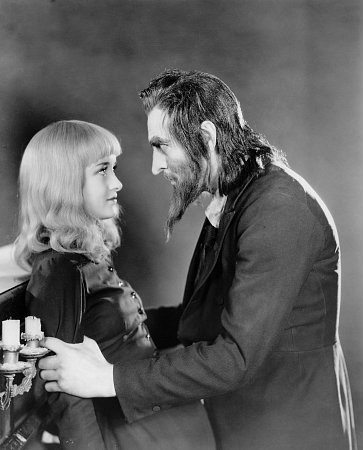
Marian Marsh and John Barrymore in Svengali (1931)
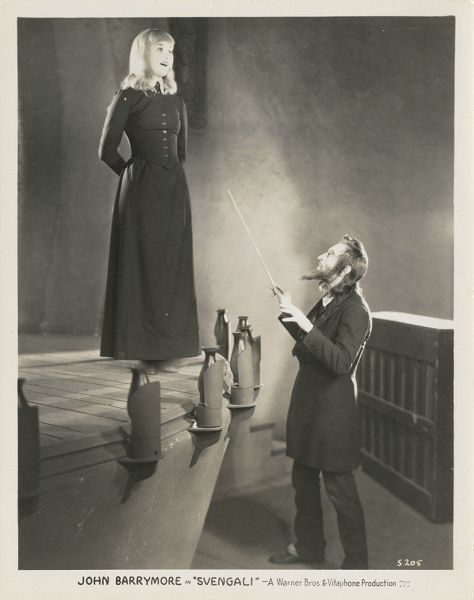
Marian Marsh and John Barrymore in Svengali (1931)
In the film version, Marsh plays the artist’s model Trilby, who is transformed into a great opera star by the sinister hypnotist, Svengali. The word “Svengali'” has entered the English language, defining a person who, with sometimes evil intent, tries to persuade another to do what he desires.
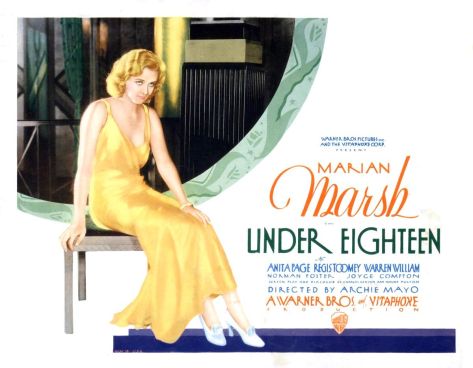
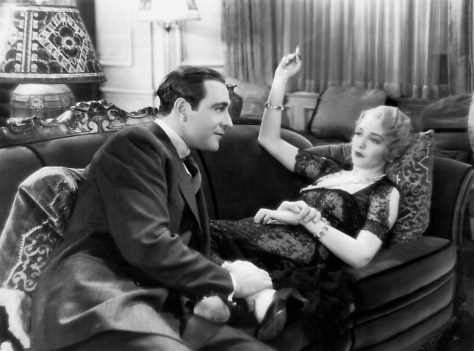
Marsh was awarded the title of WAMPAS Baby Stars in August 1931 even before her second movie with Warner Brothers was released. With her ability to project warmth, sincerity and inner strength on the screen along with critical praise and the audience’s approval of Svengali, she continued to star in a string of successful films for Warner Bros. including Five Star Final (1931) with Edward G. Robinson, The Mad Genius (1931) with Barrymore, The Road to Singapore (1931) with William Powell, The Sport Parade (1932) with Joel McCrea Beauty and the Boss (1932) with Warren William, and Under 18 (again with William).
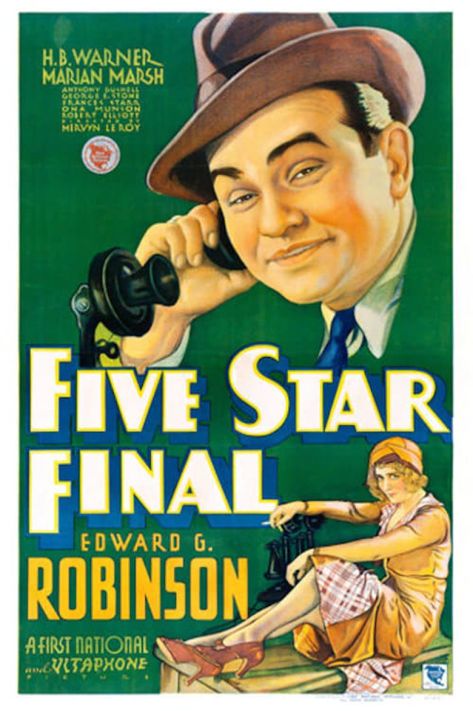
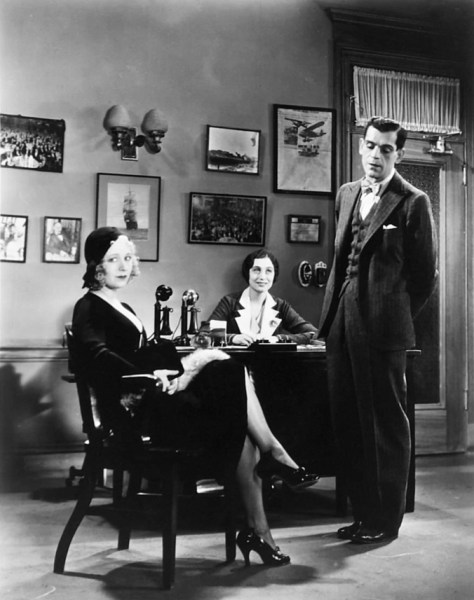
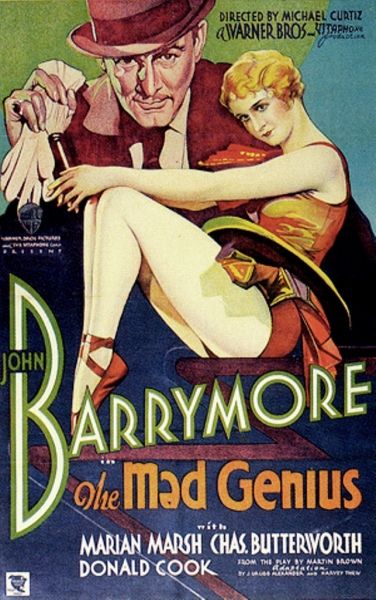
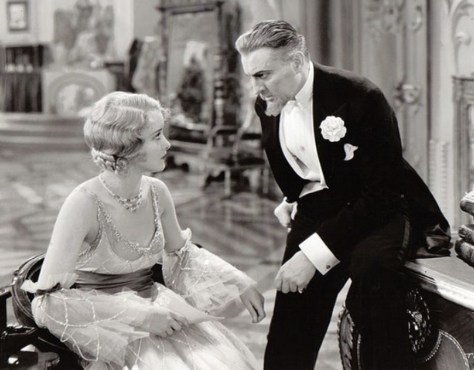
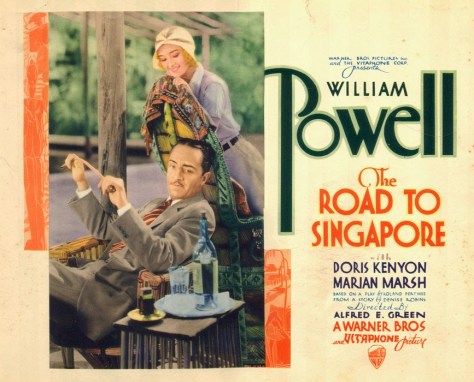
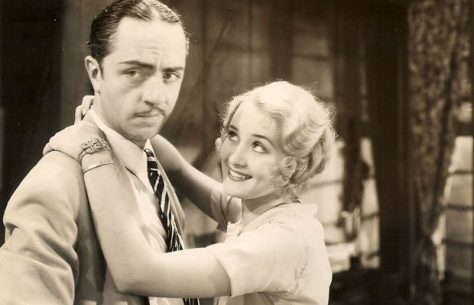
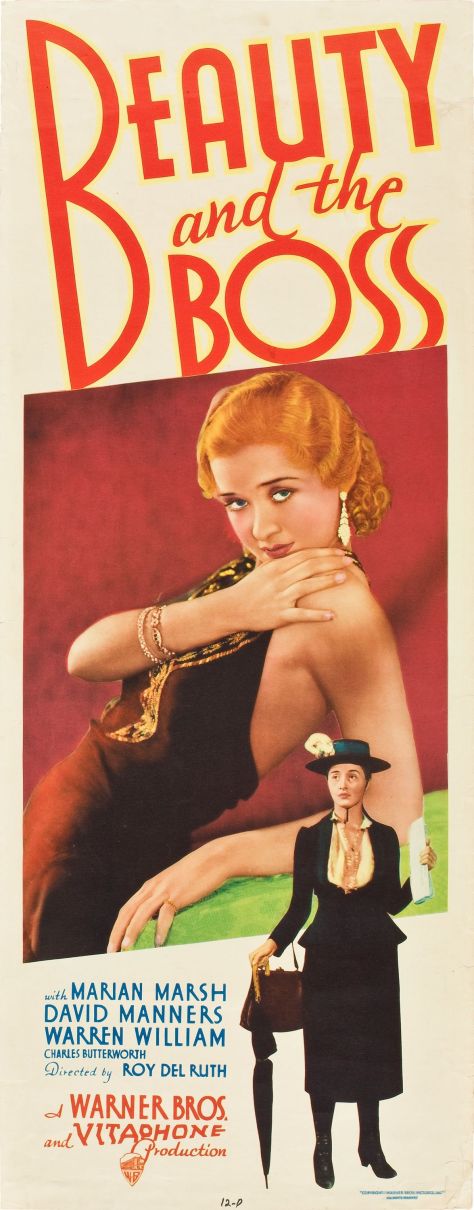

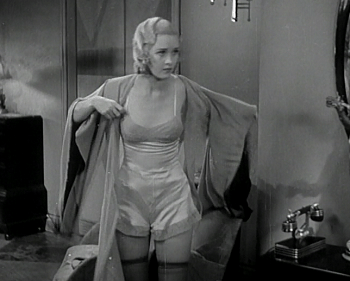
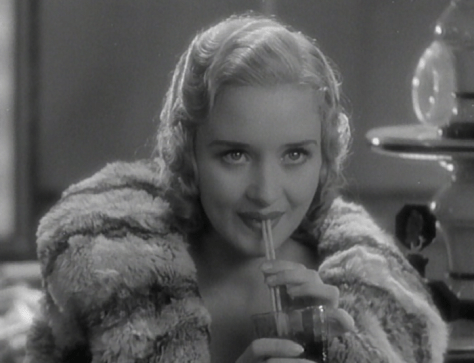
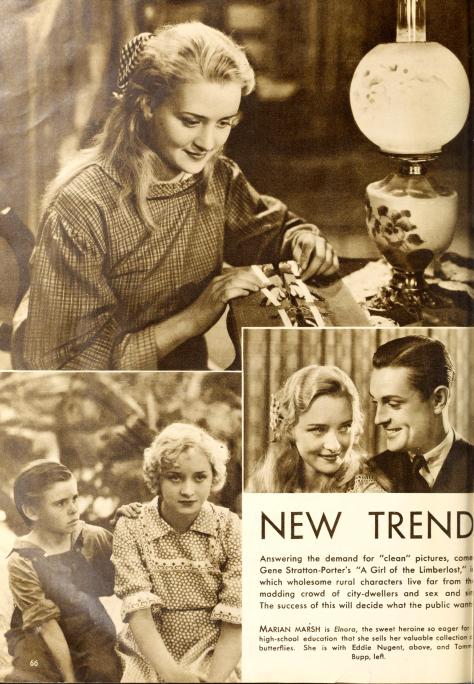
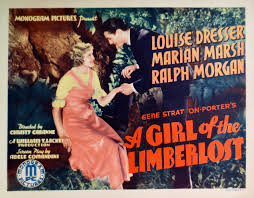
In 1932, in the midst of a grueling work schedule, Marsh left Warner Bros. and took several film offers in Europe which lasted until 1934. She enjoyed working in England and Germany, as well as vacationing several times in Paris. Back in the United States, she appeared as the heroine, Elnora, in a popular adaptation of the perennial favorite A Girl of the Limberlost (1934).

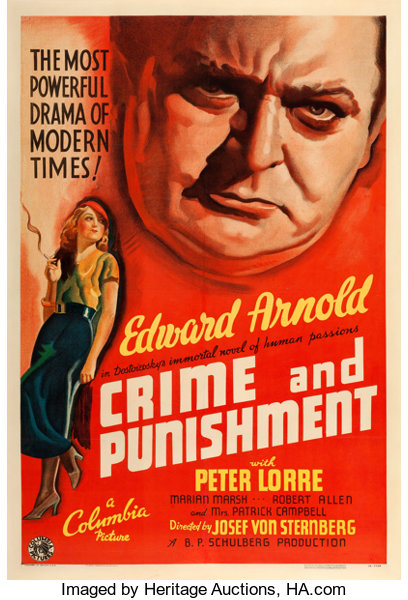
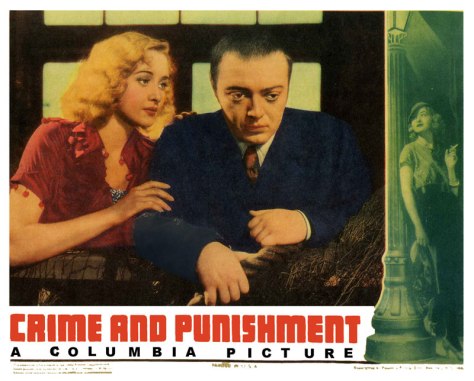
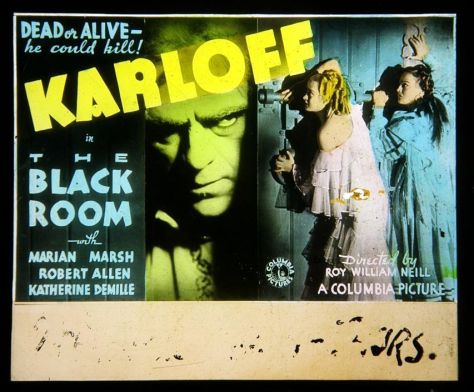
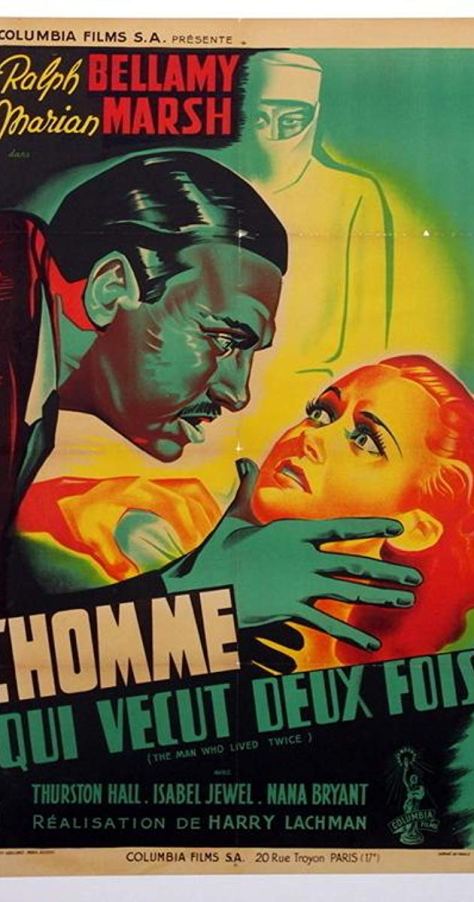
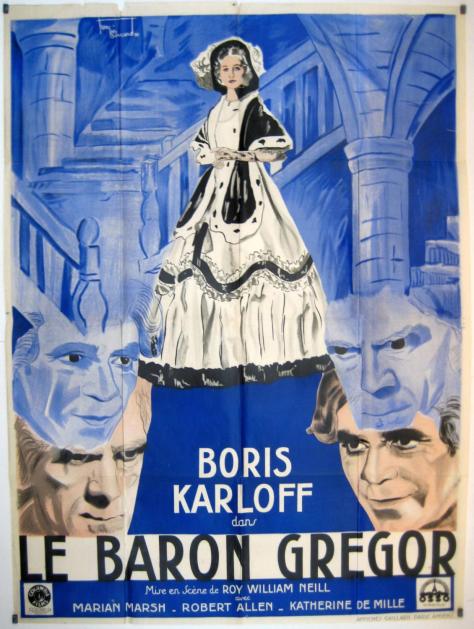
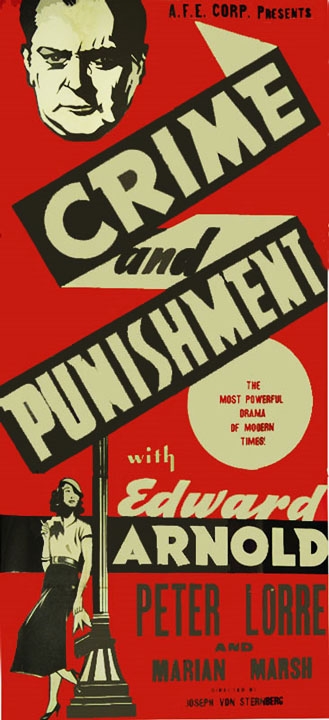
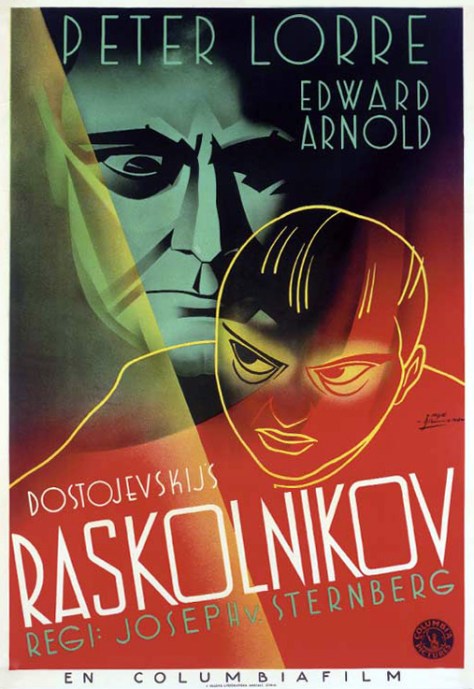
In 1935, Marsh signed a two-year pact with Columbia Pictures. During this time, she starred in such films as Josef von Sternberg‘s classic Crime and Punishment(1935) with Peter Lorre, The Black Room (1935) regarded as one of Boris Karloff‘s best horror films of the decade, and The Man Who Lived Twice (1936) with Ralph Bellamy.
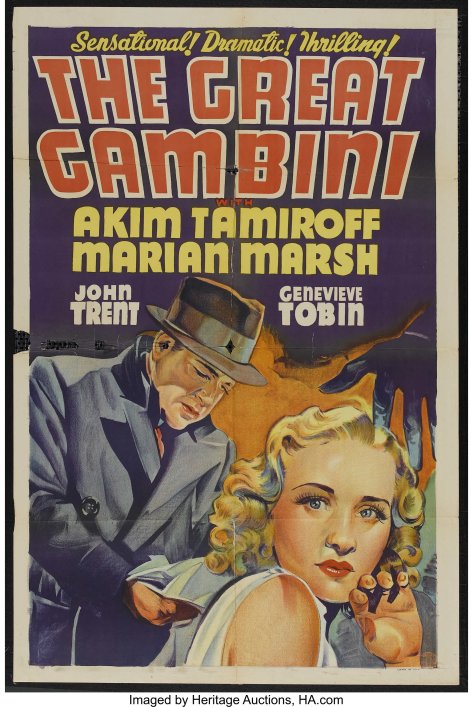
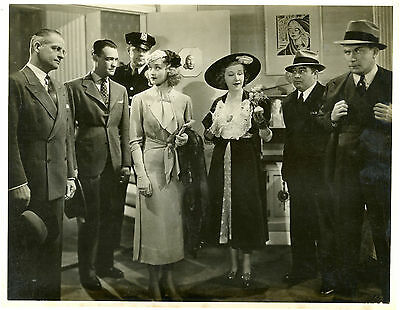
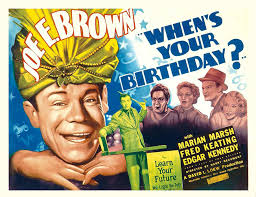
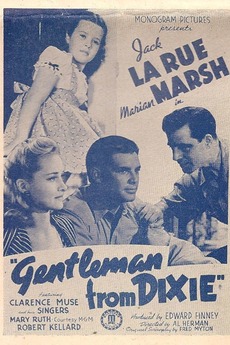
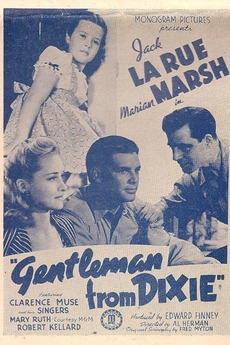
When her contract expired in 1936, Marsh once again freelanced; appearing steadily in movies for RKO Radio Pictures where she made Saturday’s Heroes with Van Heflin, and for Paramount Pictures where she played a young woman caught up in a mystery in The Great Gambini (1937). She appeared with comic Joe E. Brown in When’s Your Birthday? (1937), and Richard Arlen in Missing Daughters (1939). In the 1940s, Marsh played the wife in Gentleman from Dixie (1941) and, in her last screen appearance, Marsh portrayed the daughter in House of Errors (1942) which starred veteran silent film actor, Harry Langdon.
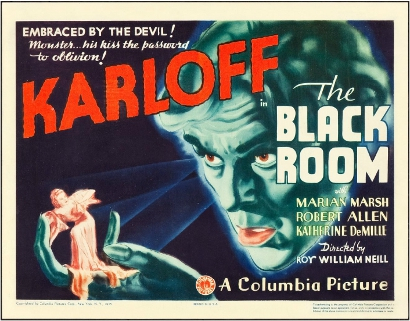
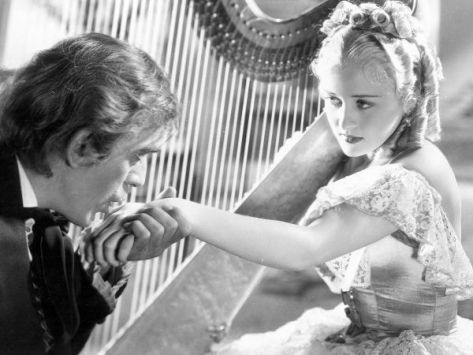
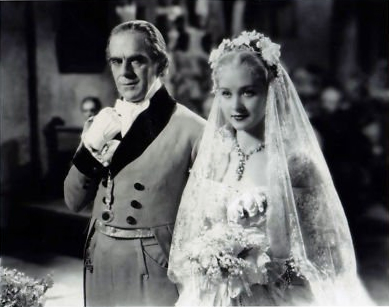

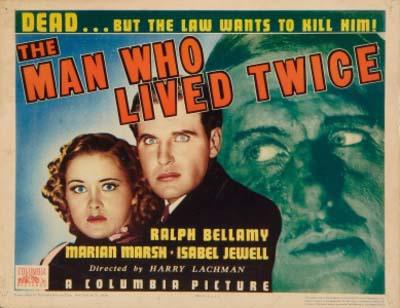

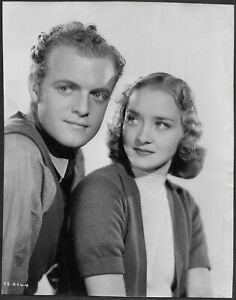
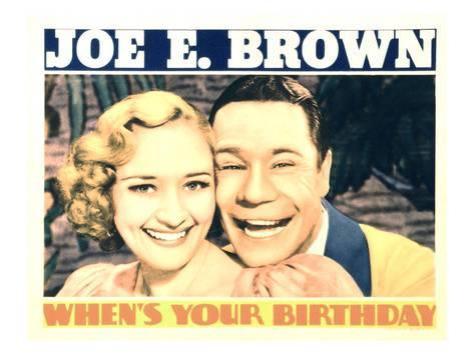
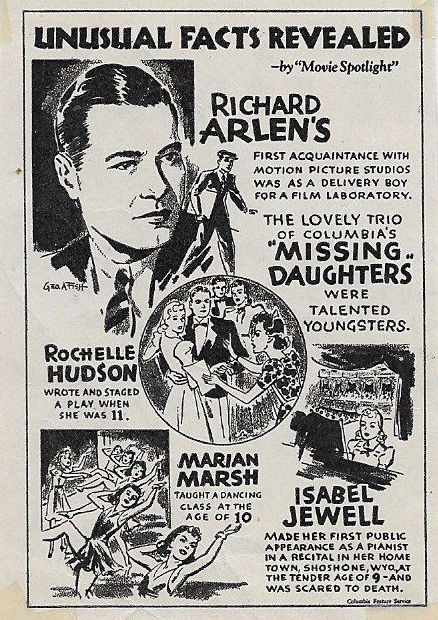
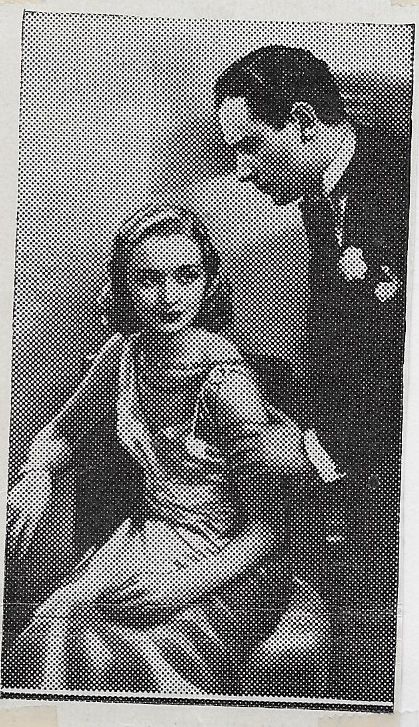
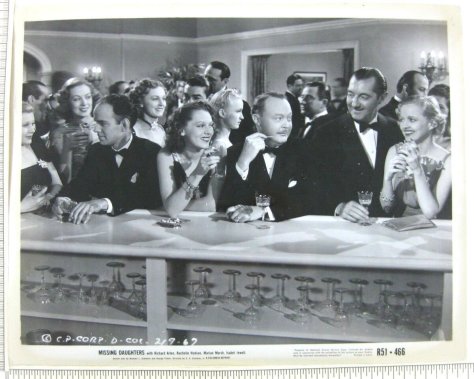
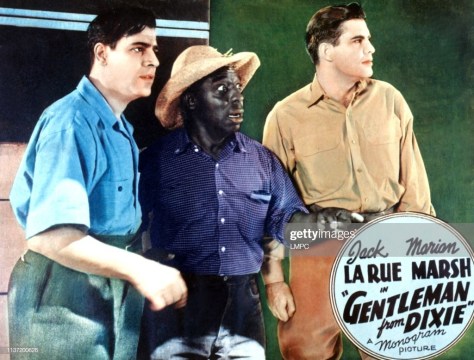
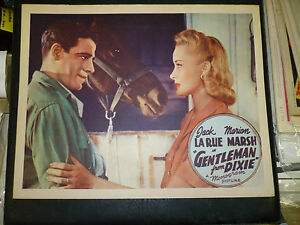
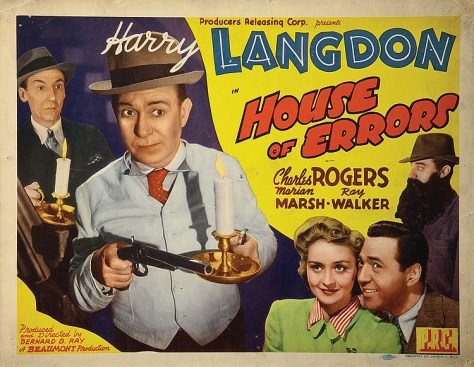
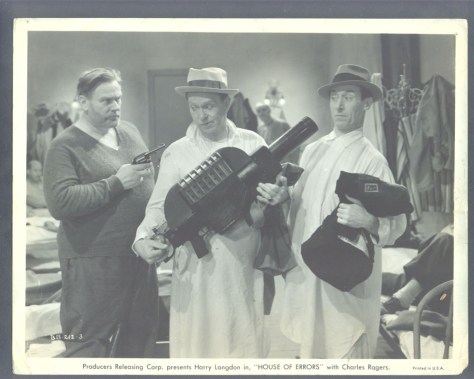
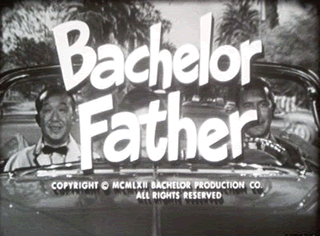
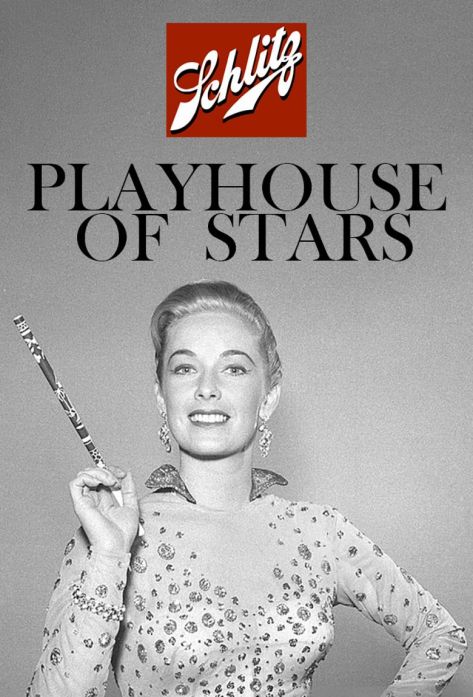
In the late 1950s, she appeared with John Forsythe in an episode of his TV series Bachelor Father and in an episode of the TV series Schlitz Playhouse of Stars before retiring in 1959.
Personal life
 |
This section needs additional citations for verification. (November 2016) (Learn how and when to remove this template message) |
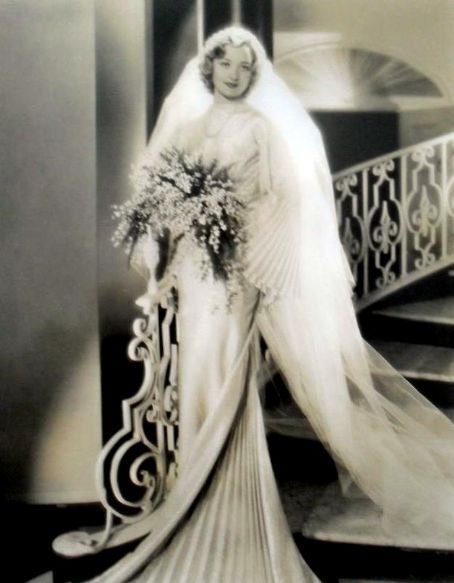
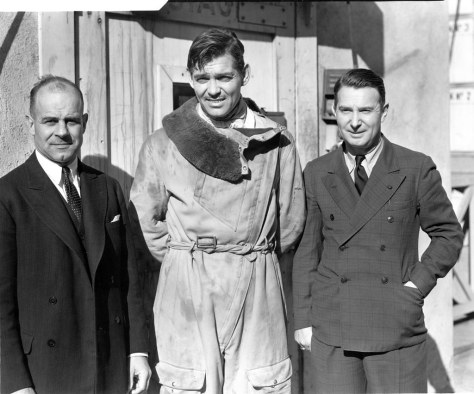
Marsh married a stockbroker named Albert Scott on March 29, 1938 and had two children with him. They divorced in 1959. In 1960, Marsh married Cliff Henderson, an aviation pioneer and entrepreneur whom she had met in the early 1930s. They moved to Palm Desert, California, a town Henderson founded in the 1940s.
In the 1960s Marsh founded Desert Beautiful, a non-profit, all volunteer conservation organization to promote environmental and beautification programs.
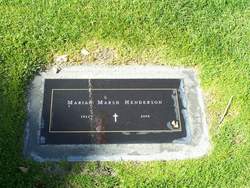
Cliff Henderson died in 1984 and Marsh remained in Palm Desert until her death, aged 93. She is buried at Desert Memorial Park in Cathedral City, California.
Legacy
- October 17, 2015 was designated as Marian Marsh-Henderson Day by the city of Palm Desert, California.
Partial filmography
- The Sophomore (1929)
- Hell’s Angels (1930) as Girl Selling Kisses
- Whoopee! (1930) as Harriett Underwood
- The Naughty Flirt (1931) as Kay’s Friend
- Svengali (1931) as Triby O’Farrell
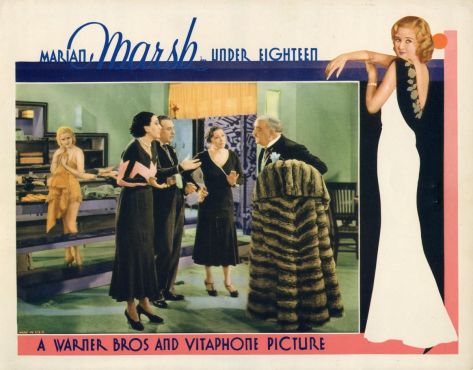
- Under Eighteen (1931) as Margie Evans
- Five Star Final (1931) as Jenny Townsend
- The Road to Singapore (1931) as Rene March
- The Mad Genius (1931) as Nana Carlova
- Strange Justice (1932) as Rose
- Beauty and the Boss (1932) as Susie Sachs
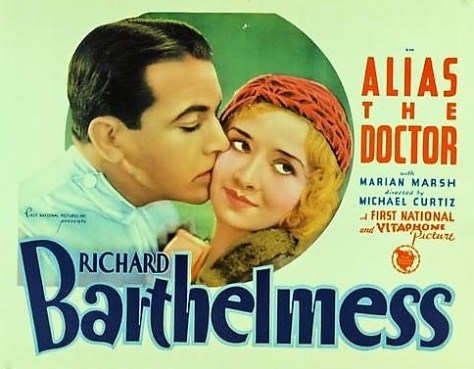
- Alias the Doctor (1932) as Lotti Brenner
- The Sport Parade (1932) as Irene Stewart
- A Man of Sentiment (1933) as Julia Wilkens
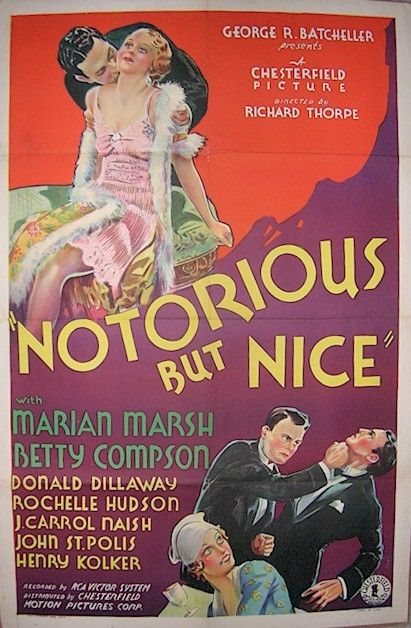
- Notorious But Nice (1933) as Jenny Jones
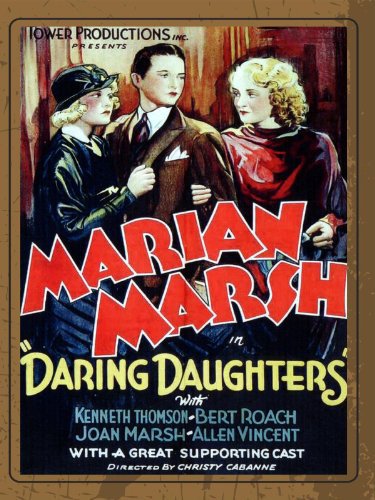
- Daring Daughters (1933) as Terry Cummings
- The Eleventh Commandment (1933) as Corrine Ross
- Love at Second Sight (1934)
- A Girl of the Limberlost (1934) as Elnora Comstock
- I Like It That Way (1934) as Joan Anderson
- Over the Garden Wall (1934) as Mary
- The Prodigal Son (1934) as Miss Lillian Comstock
- The Girl Thief (1934) as Juliet
- The Black Room (1935) as Thea Hassel
- Unknown Woman (1935) as Helen Griffith
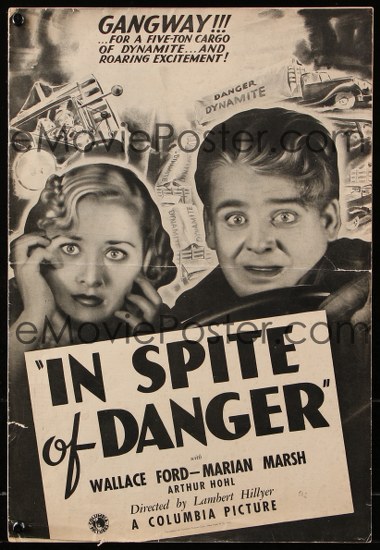
- In Spite of Danger (1935) as Sally Sullivan
- Crime and Punishment (1935) as Sonya
- Come Closer, Folks (1936) as Peggy Woods
- The Man Who Lived Twice (1936)
- Counterfeit as Verna Maxwell
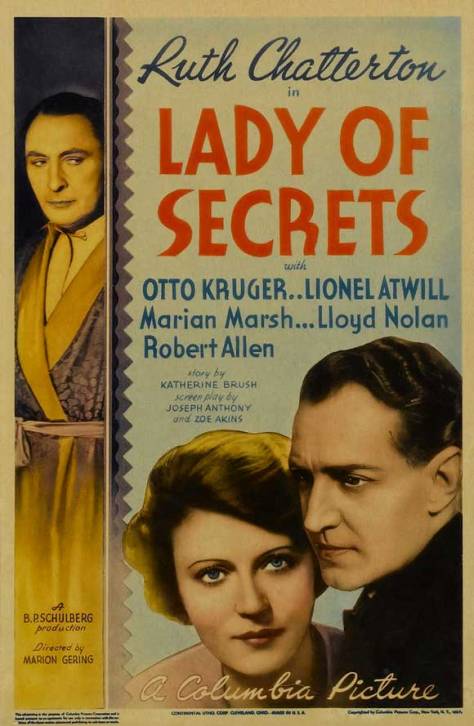
- Lady of Secrets (1936) as Joan
- Saturday’s Heroes (1937) as Frances Thomas
- Youth on Parole (1937) as ‘Bobbie’ Blake
- The Great Gambini (1937) as Ann Randall
- When’s Your Birthday? (1937) as Jerry Grant
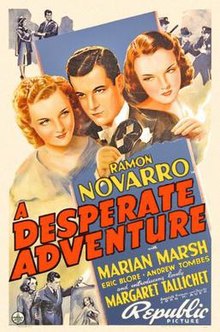
- A Desperate Adventure (1938) as Ann Carrington
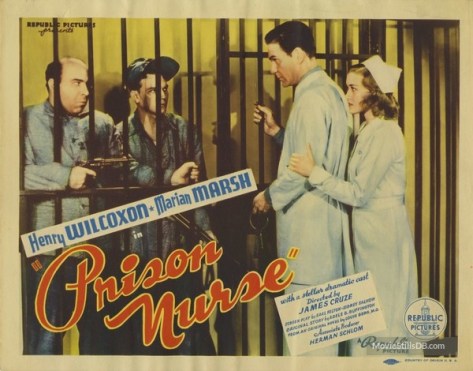
- Prison Nurse (1938) as Judy
- Missing Daughters (1939) as Josie Lamonte
- Fugitive from a Prison Camp (1940) as Ann Baldwin
- Gentlemen from Dixie (1941) as Margaret Terrill
- Murder by Invitation (1941) as Nora O’Brien
- House of Errors (1942) as Florence Randall








References
- ^ Jump up to:a b Marian Marsh at Find a Grave
- Jump up^ bio on Marian Marsh; by Hans J. Wollstein
- Jump up^ “Marian Marsh: Biography”. IMDb. Retrieved 2015-03-03.
- Jump up^ Marsh, Marian. “Marian Marsh – Forever Trilby, Biography of the 1930s Screen Beauty”. immortalemphemera. Retrieved 2015-03-03.







 Film Dialogue
You must be logged in to post a comment.