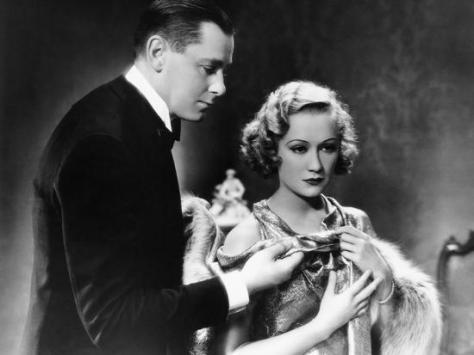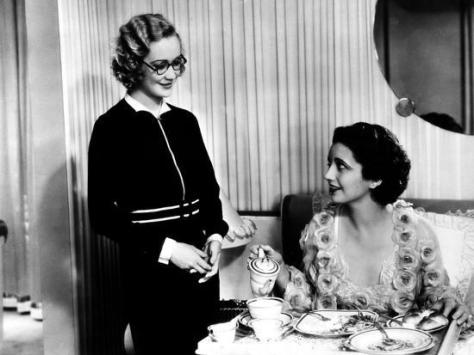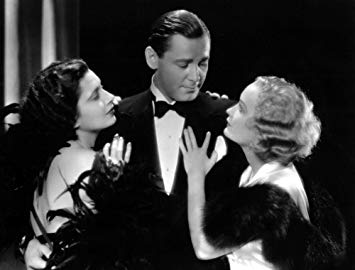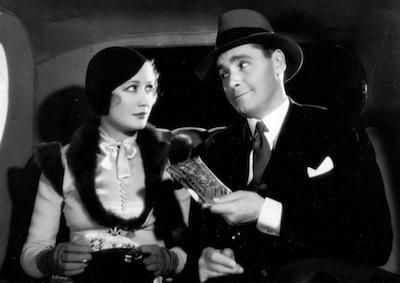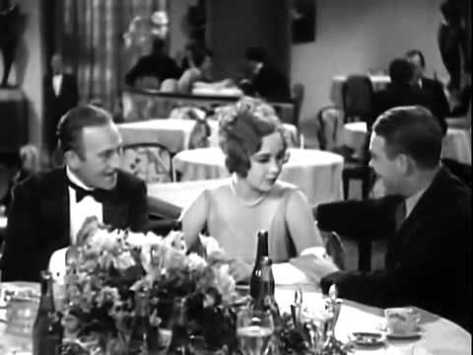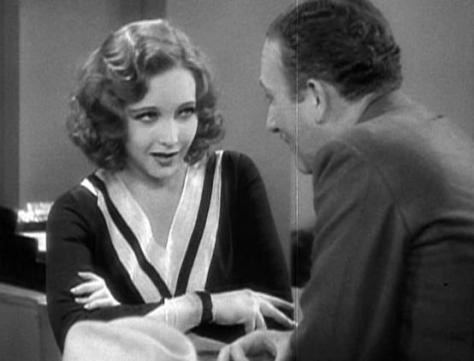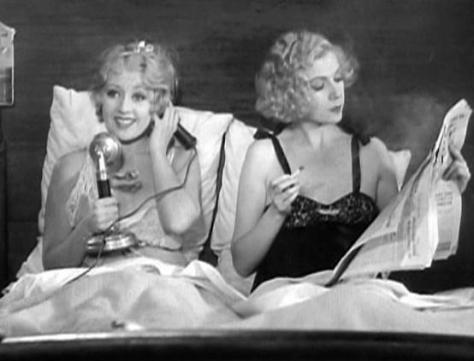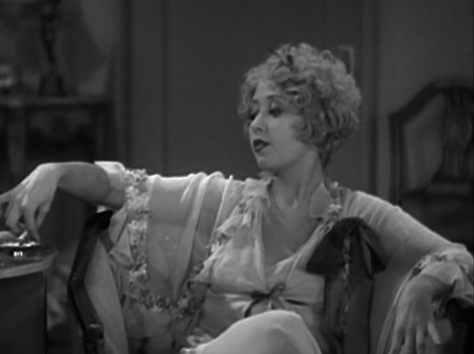
Tag Archives: greatest stars

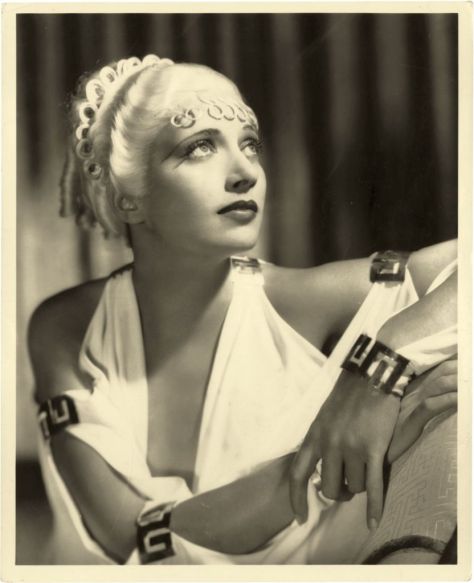
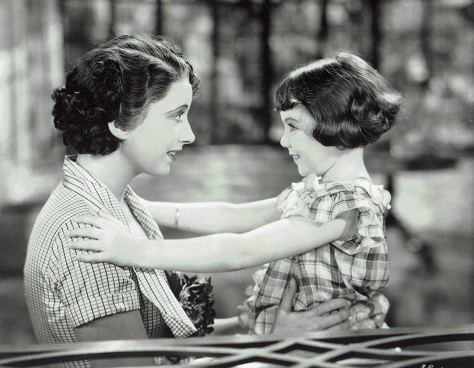
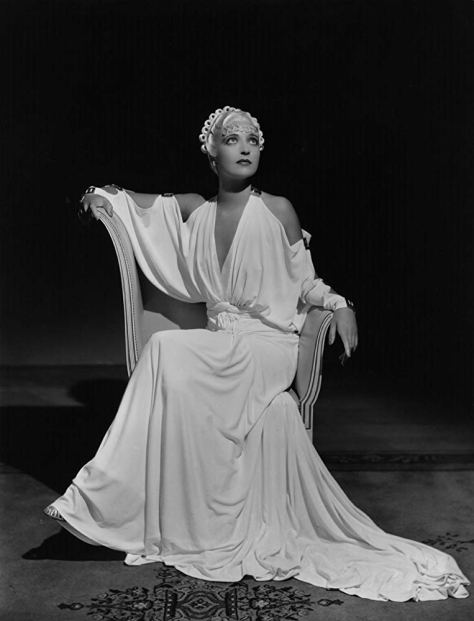
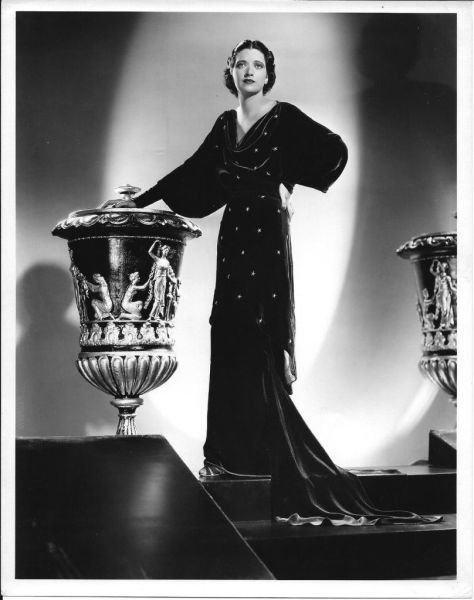
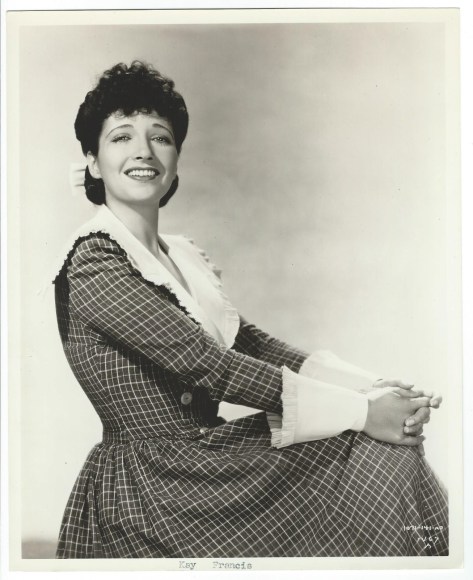
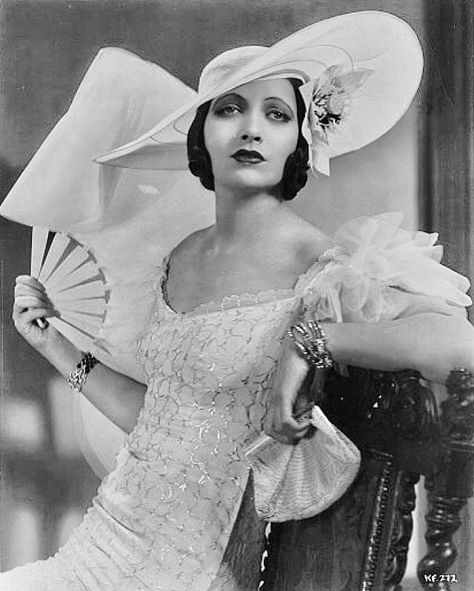
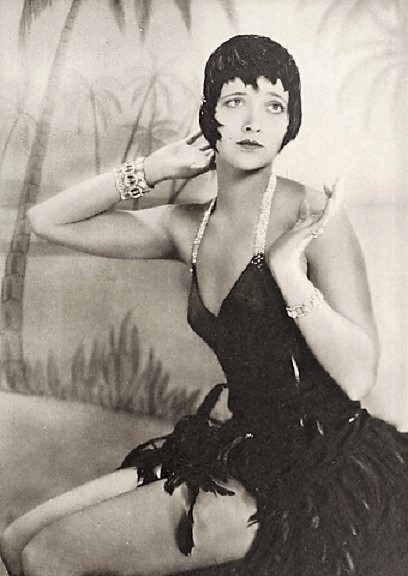
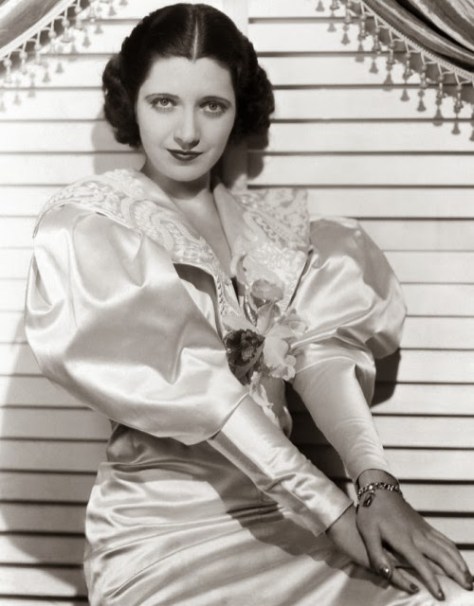
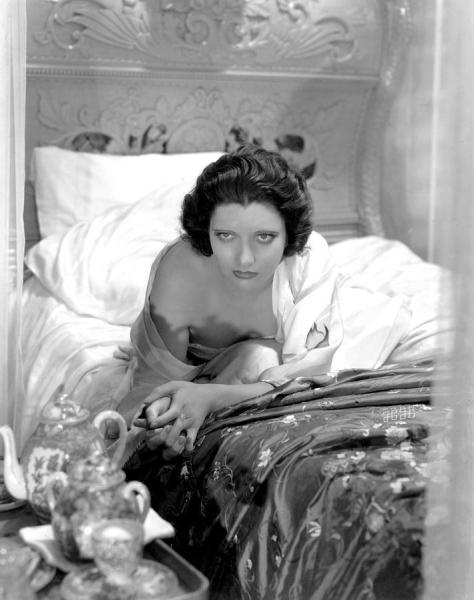
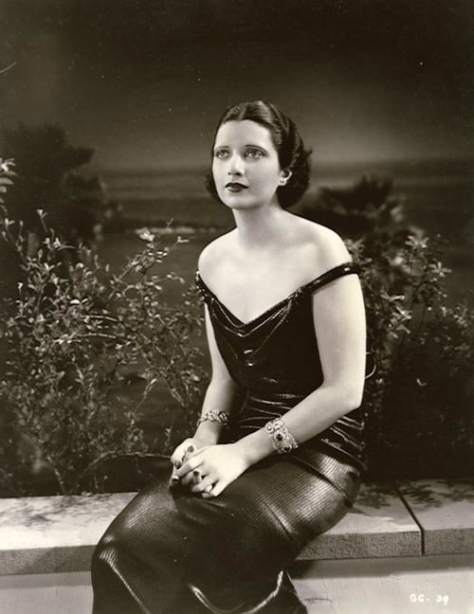
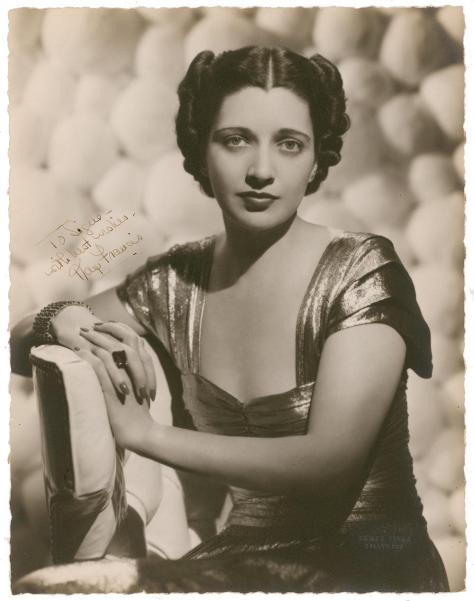
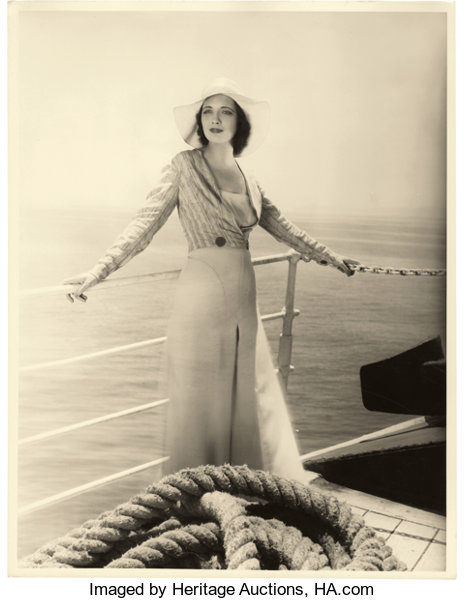
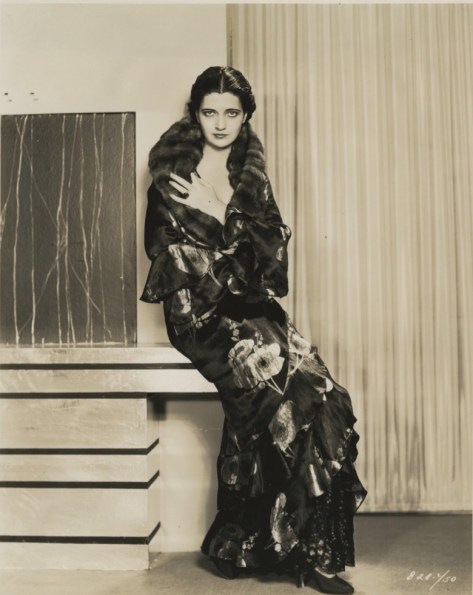
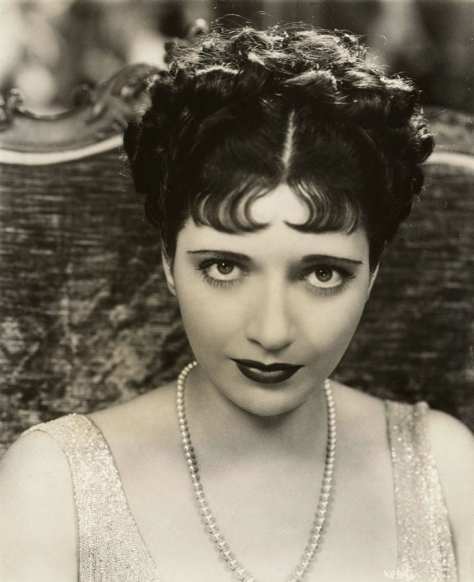
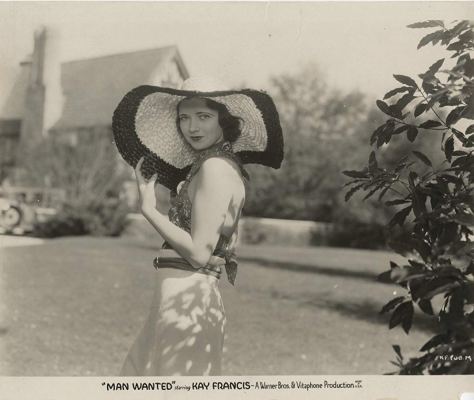
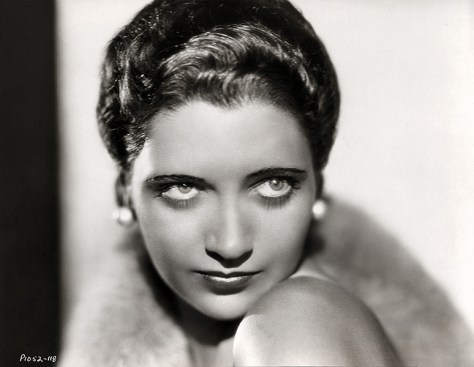
Kay Francis


tumblr_pv2svjTsbK1qazanuo1_540

Prepared by Daniel B Miller

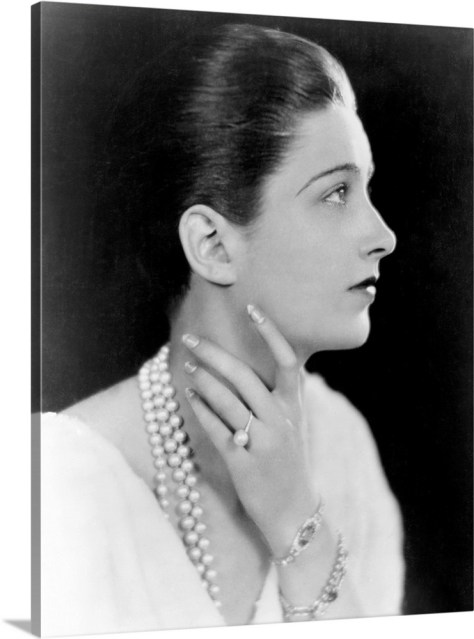
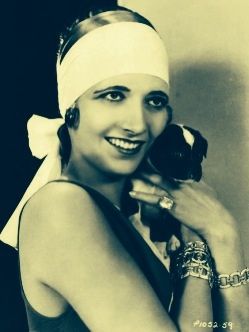
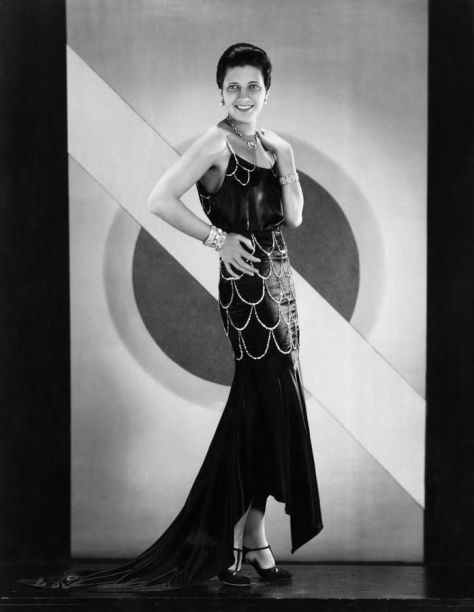
Kay Francis (January 13, 1905 – August 26, 1968) was an American stage and film actress. After a brief period on Broadway in the late 1920s, she moved to film and achieved her greatest success between 1930 and 1936, when she was the number one female star at the Warner Brothers studio and the highest-paid American film actress. Some of her film-related material and personal papers are available to scholars and researchers in the Wesleyan University Cinema Archives.

lf (13)

kayfrancis11

Early life

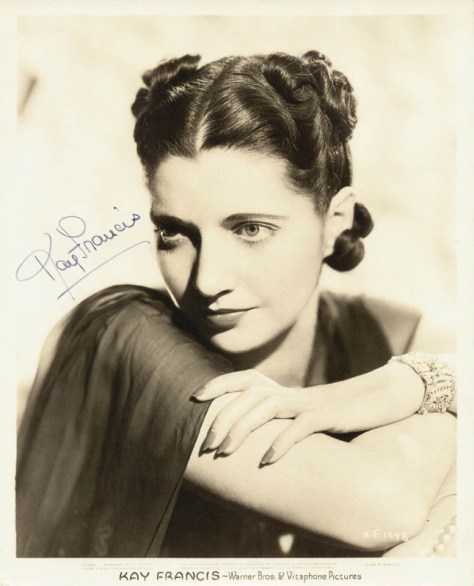
Francis was born Katherine Edwina Gibbs in Oklahoma CityOklahoma in 1905. Her parents, Joseph Sprague Gibbs and his actress wife Katharine Clinton Francis, had been married in 1903; however, by the time their daughter was four, Joseph had left the family. Francis inherited her unusual height from her father, who stood 6 feet 4 inches, she was to become Hollywood’s tallest leading lady (5 ft 9 in) in the 1930s.

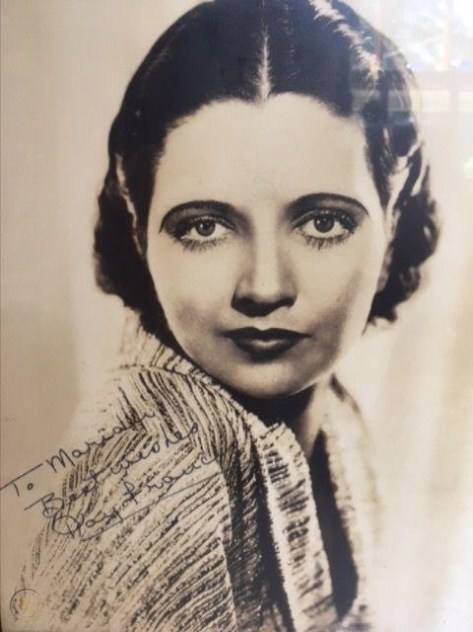
kay-francis-autographed-photo_1_cf3b0ddfed93719c231842b24758b09e

Young Kay Francis

1118full-kay-francis

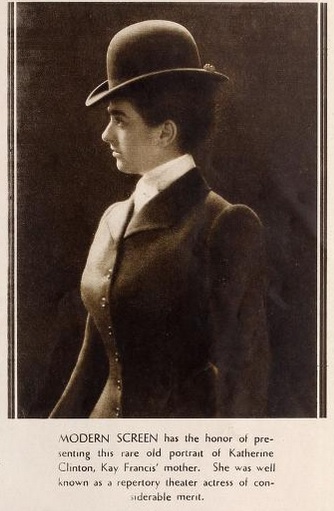
While she never discouraged the assumption that her mother was the pioneering American businesswoman who established the “Katharine Gibbs” chain of vocational schools, Francis was actually raised in the hardscrabble theatrical circuit of the period. In reality, her mother had been born in Nova Scotia, Canada, and eventually became a moderately successful actress and singer under the stage name Katharine Clinton.

katherineclinton1

Kay Francis’ mother Catherine Clinton

Young Kay was often out on the road with her mother, and attended Catholic schools when it was affordable, becoming a student at the Institute of the Holy Angels at age five.

After also attending Miss Fuller’s School for Young Ladies in Ossining, New York (1919) and the Cathedral School (1920), she enrolled at the Katharine Gibbs Secretarial School in New York City. At age 17, Kay became engaged to a well-to-do Pittsfield, Massachusetts man, James Dwight Francis.

99319805_1491432769

James Dwight Francis

Their December 1922 marriage at New York’s Saint Thomas Church ended in divorce. Kay and her husband lived in Pittsfield in a house next to and now owned by St. Nicholas Russian Orthodox Church, 1304 North St. 01201.

vintage-kay-francis-art-deco-pre-code_1_7776bbccfefb95eda5a8dd32ca9b0988


Stage career

In the spring of 1925, Francis went to Paris to get a divorce. While there, she was courted by a former Harvard athlete and member of the Boston Bar Association, Bill Gaston. Kay and Bill saw each other only on occasion; he was in Boston and Kay had decided to follow her mother’s footsteps and go on the stage in New York.

She made her Broadway debut as the Player Queen in a modern-dress version of Shakespeare’s Hamlet in November 1925. Francis claimed she got the part by “lying a lot, to the right people”. One of the “right” people was producer Stuart Walker, who hired Kay to join his Portmanteau Theatre Company, and she soon found herself commuting between DaytonIndianapolis, and Cincinnati, playing wisecracking secretaries, saucy French floozies, walk-ons, bit parts, and heavies.

gorgeous-1935-kay-francis-hollywood_1_af7c1e73ef5509e86180d24010f1c201

By February 1927, Francis returned to Broadway in the play Crime. Sylvia Sidney, although a teenager at the time, had the lead in Crime but would later say that Kay stole the show.

After Kay’s divorce from Gaston, she became engaged to a society playboy, Alan Ryan Jr. She promised Alan’s family that she would not return to the stage – a promise that lasted only a few months before she was back on Broadway as an aviator in a Rachel Crothers play, Venus.

kay-francis-big hat

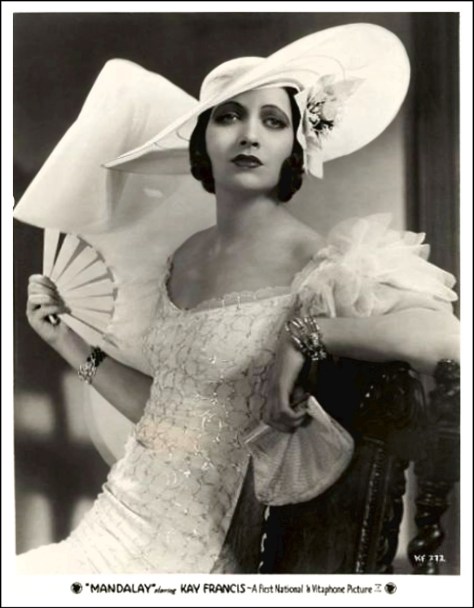
Kay Francis in Mandalay (1934)

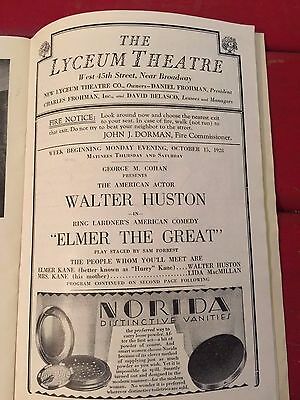
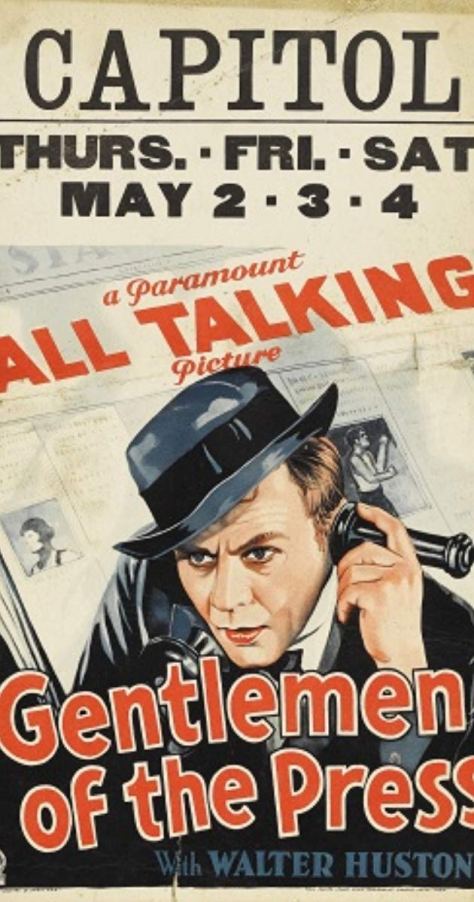
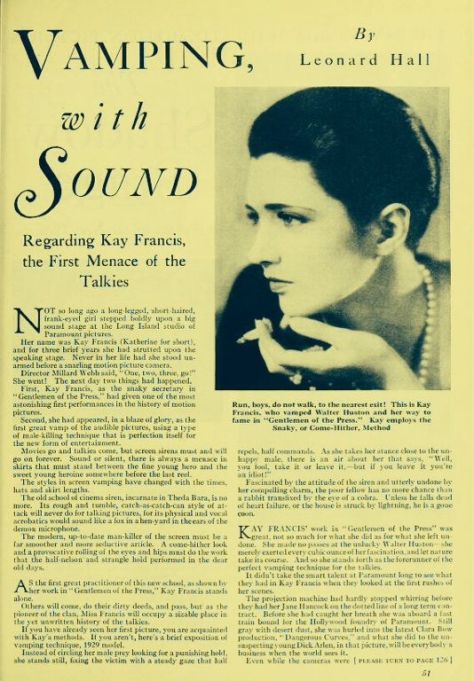
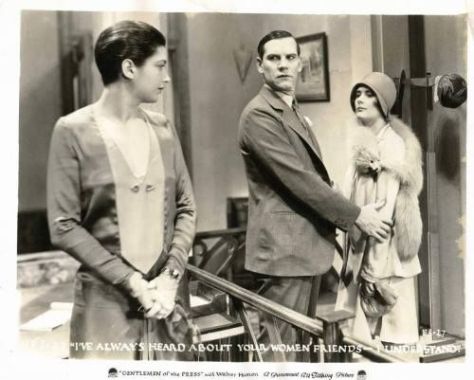
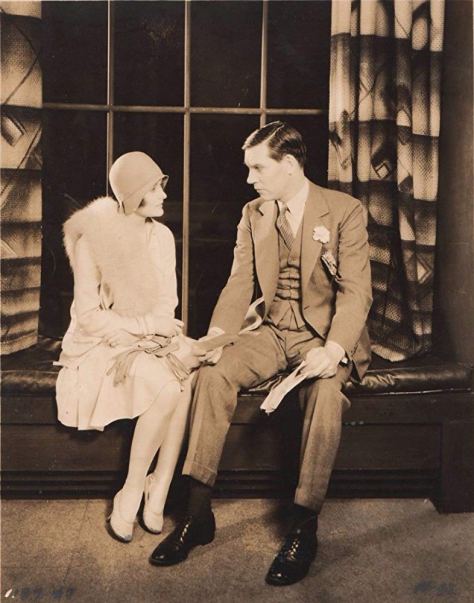
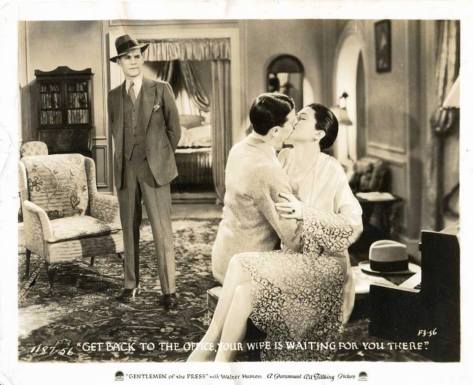
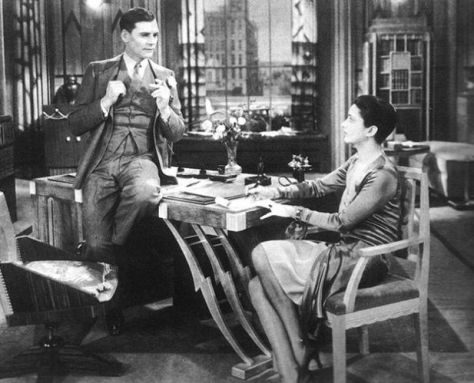
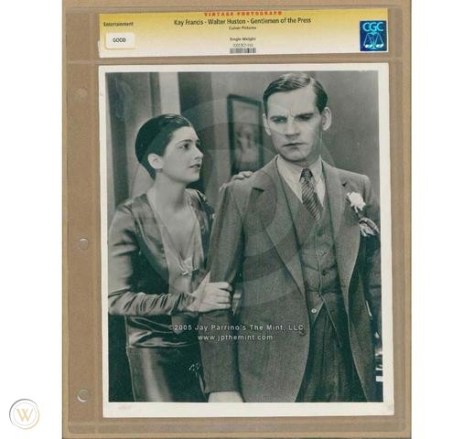
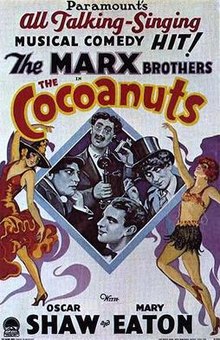
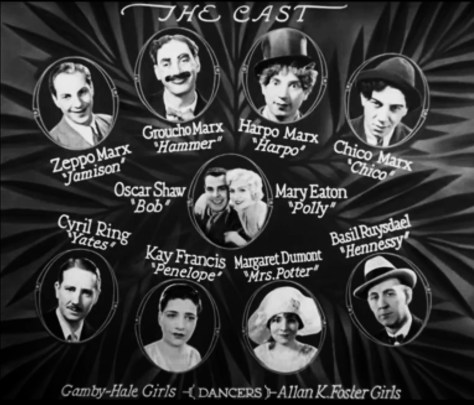
Francis was to appear in only one other Broadway production, a play called Elmer the Great in 1928. Written by Ring Lardner and produced by George M. Cohan, the play starred Walter Huston. He was so impressed by Francis that he encouraged her to take a screen test for the Paramount Pictures film Gentlemen of the Press(1929). Francis made this film and the Marx Brothers film The Cocoanuts (1929) at Paramount’s Astoria Studios in Astoria, Queens, New York.

1928-LYCEUM-THEATRE-Program-West-45-St-NYElmer-_1

Elmer the Great – Theatre Booklet (1928)

MV5BODE3ODM2OGQtN2RjMS00MDkyLTgyNGMtNzAxMDFlOWZmMzAxXkEyXkFqcGdeQXVyNjc0MzMzNjA@._V1_UY1200_CR71,0,630,1200_AL_

Gentlemen of the Press (1929)

f33b6de25508e6b1438161be6f6b041a

Article on Kay Francis by Leonard Hall

668a17668c636b6dc3fbbdf4bed33c81

Kay Francis in Gentlemen of the Press (1929)

976bd841139aab5925cd155aed307a62

Kay Francis in Gentlemen of the Press (1929)

MV5BYjJmZWI4Y2UtMzRlYi00MGE1LWIzYTktOTkzNjEwZDU4YmI2XkEyXkFqcGdeQXVyMTcyODY2NDQ@._V1_SY1000_CR0,0,786,1000_AL_

Kay Francis in Gentlemen of the Press (1929)

MV5BYTgyZjI0MWEtOTI3OC00YWM0LTk1NTItZDM5NzQzMDY0NjkwXkEyXkFqcGdeQXVyMjU4NzU2OTA@._V1_

Kay Francis in Gentlemen of the Press (1929)

cb4dc28d65a7a63aa0947959a1f99778

Kay Francis in Gentlemen of the Press (1929)

gentlemen-of-the-press-kay-francis-1929,2403808

Kay Francis in Gentlemen of the Press (1929)

cgc-photo-kay-francis-walter-huston_1_70ca7066a9e9204e7c804901794a8321

Kay Francis in Gentlemen of the Press (1929)

220px-The_Cocoanutsf2d17c779e3db916f583a0539e6c68ff

Kay Francis in The Cocoanuts (1929)

MV5BNDE3MDY5YTItMmY2Zi00NTZhLTkyM2EtNmE5MGZmZmE5MDQ1XkEyXkFqcGdeQXVyNjE5MjUyOTM@._V1_

Kay Francis and the Cast in The Cocoanuts (1929)

171e59680e28c414dbe287cdc4f0b3ee

Kay Francis in The Cocoanuts (1929)


Film career


william-powell-kay-francis-vintage_1_f9235efd8b2eebb5a3fd0303e469733d

William Powell and Kay Francis in Street of Chance (1930)


By that time, major film studios, which had formerly been based in New York, were already well-established in California, and many Broadway actors had been enticed to travel west to Hollywood to make sound films, including Ann HardingAline MacMahonHelen TwelvetreesBarbara StanwyckHumphrey Bogart, and Leslie Howard. Francis, signed to a contract with Paramount Pictures, also made the move and created an immediate impression. She frequently costarred with William Powell and appeared in as many as six to eight movies a year, making a total of 21 films between 1929 and 1931.

Francis’s career flourished in spite of a slight but distinctive speech impediment (she pronounced the letters “r” and “l” as “w”) that gave rise to the nickname “Wavishing Kay Fwancis.”

filmfeaim-1038x576

Kay Francis in Mandalay (1934)

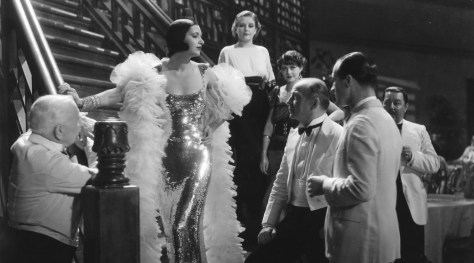
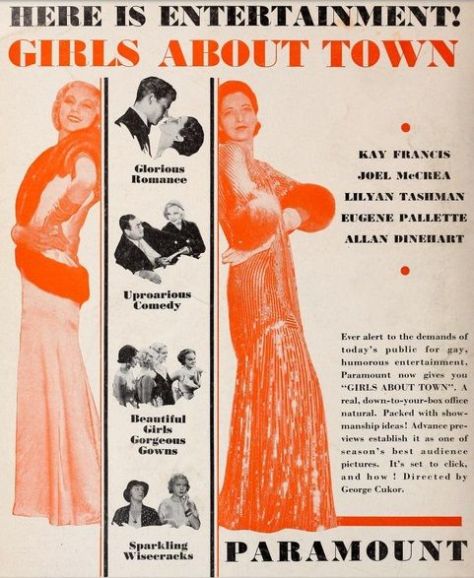
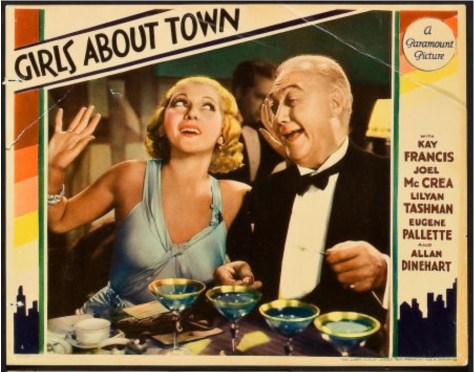
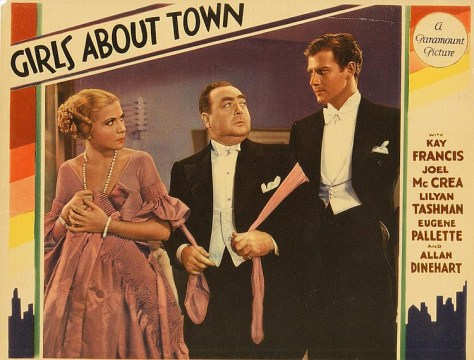
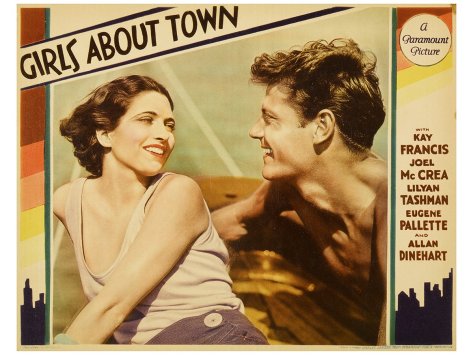
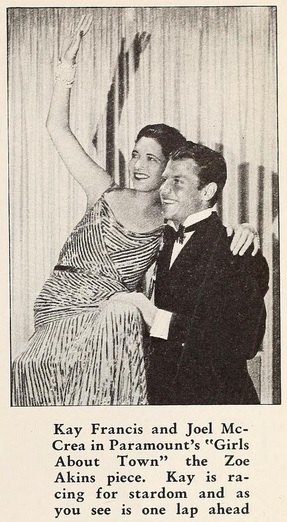
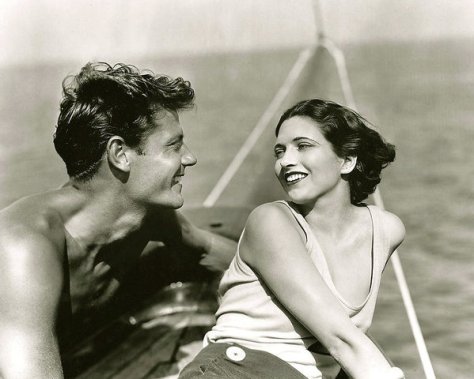
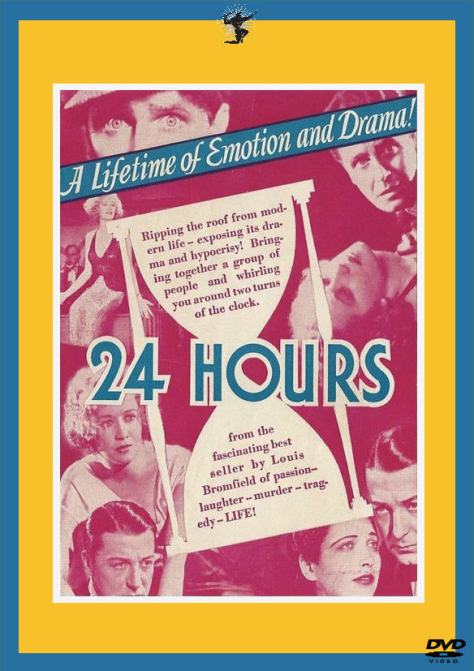
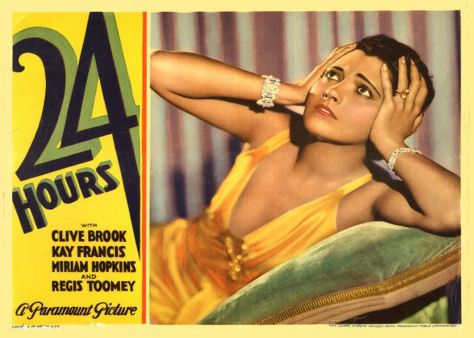
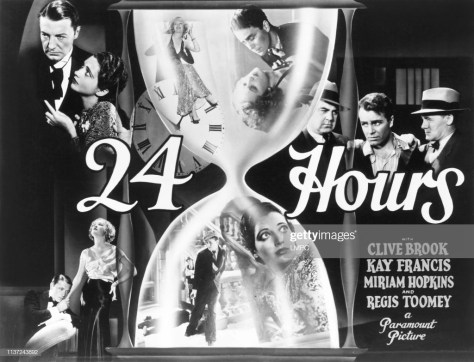
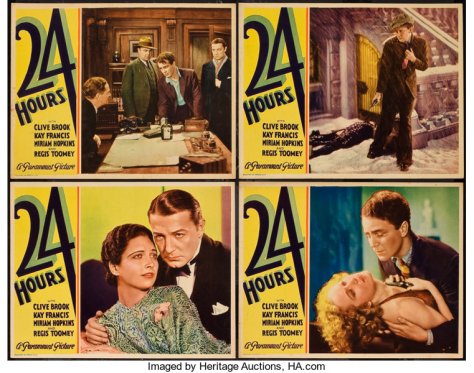
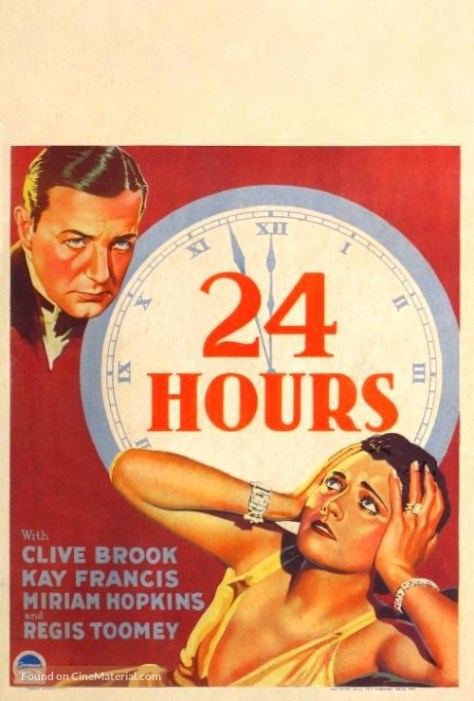
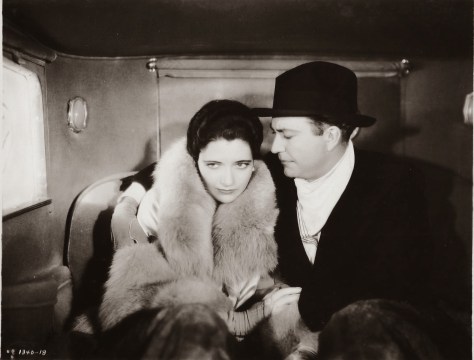
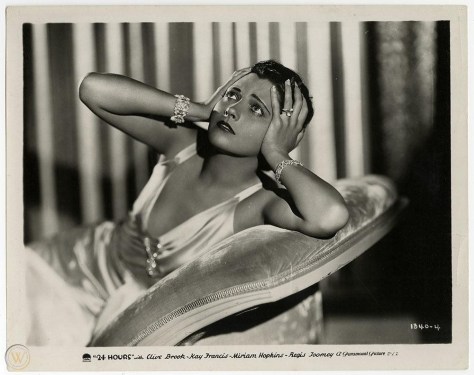
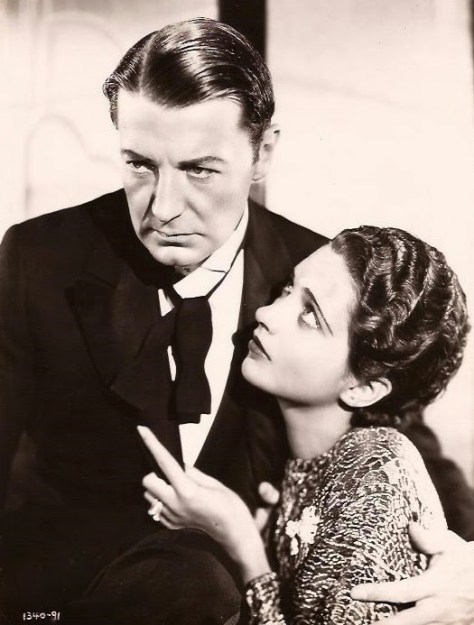
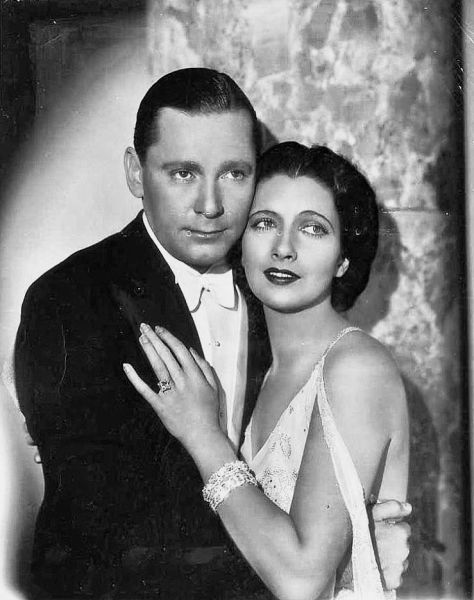
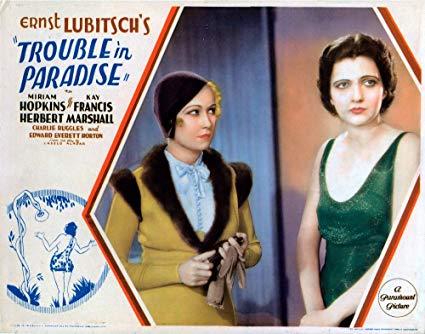
Francis’ career at Paramount changed gears when Warner Bros. promised her star status at a better salary. She appeared in George Cukor‘s Girls About Town (1931) and Twenty-Four Hours (1931). After Francis’ career skyrocketed at Warner Bros., she would return to Paramount for Ernst Lubitsch‘s Trouble in Paradise (1932).

63cdb9c20aab5fd3a5dcc52d947f0e81

Girls About Town (1931) Poster

7639642272_8e25d43ab9_b

Girls About Town (1931) Lobby Card

MV5BYzYzMjI5YjQtMGU0ZC00MWRiLThlNzQtYjdhOWE3MDRiMDQwXkEyXkFqcGdeQXVyMTcyODY2NDQ@._V1_

Girls About Town (1931) Lobby Card

DPBiNUuXcAAnp5F

Girls About Town (1931) Lobby Card

MV5BZThiMWM3NDQtZDg2Zi00OTg4LTg3MTItNDhlNmJmNjhjOGEyXkEyXkFqcGdeQXVyMjUxODE0MDY@._V1_

Girls About Town (1931) Lobby Card


133b8e42d9207fe1857b18cbaa4f48a8 (1)

Kay Francis in Girls About Town (1931) 

1931-kay-francis-risque-pre-code_1_03e3d2d494c206806423cc1d63815f52

Kay Francis in Girls About Town (1931)

eaf2b80661e3c90ff09ae5ae376b873f

Joel McCrea and Kay Francis in Girls About Town (1931)

girlsabouttown1931silverscreen

Premiere of Girls About Town (1931)

1930s-maga-star-kay-francis-joel-mccrea-from-the-movie-girls-about-town-1931-thomas-pollart

Joel McCrea and Kay Francis in Girls About Town (1931)

MV5BYzU3NGFjOTAtNWRmNi00NDJlLWI4MmEtMmRmYmIxZjFiY2U0XkEyXkFqcGdeQXVyMjUxODE0MDY@._V1_

24 Hours AKA The Hours Between (1931) Poster

MV5BMmVlNjNkZWYtZDNhYi00YzFhLTgxY2EtMTEzZjViNDVmNTEzXkEyXkFqcGdeQXVyNjYyNzIwMTk@._V1_ (1)

24 Hours AKA The Hours Between (1931) Lobby Card

gettyimages-1137243892-1024x1024

24 Hours AKA The Hours Between (1931) Poster

lf (14)

24 Hours AKA The Hours Between (1931) Lobby Cards

MV5BMjEwZDRhNDQtMDBjMC00MjVmLWJhNzktMDhiYmE5MzVmZGEzXkEyXkFqcGdeQXVyMjUxODE0MDY@._V1_

24 Hours AKA The Hours Between (1931) Poster

24hours0301

Kay Francis in 24 Hours AKA The Hours Between (1931) 

1_74cb03cb4da5e219d62bae501cfd3bf1

Kay Francis in 24 Hours AKA The Hours Between (1931) 

MV5BZjk2OTMxYzktNzUxNS00NTdiLWJhN2QtNzdkNjgyZjA5M2ZmXkEyXkFqcGdeQXVyMTcyODY2NDQ@._V1_

Clive Brook and Kay Francis in 24 Hours AKA The Hours Between (1931) 

MV5BY2E5ODgyYmQtY2Q0ZS00N2MyLWJhYzktYTliMWEyOWM2OGNiXkEyXkFqcGdeQXVyMDI2NDg0NQ@@._V1_

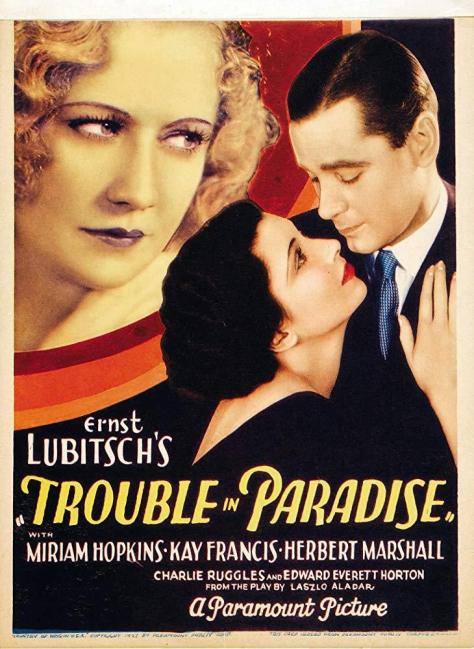
Trouble in Paradise (1932) Poster

3fded68153c68fd4d5cc2f4c86ed2d63

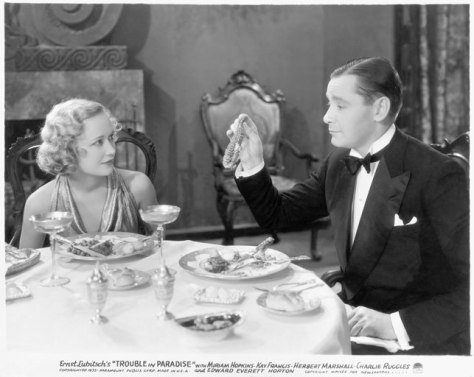
Herbert Marshall and Kay Francis in Trouble in Paradise (1932)

24-hours-16 (1)

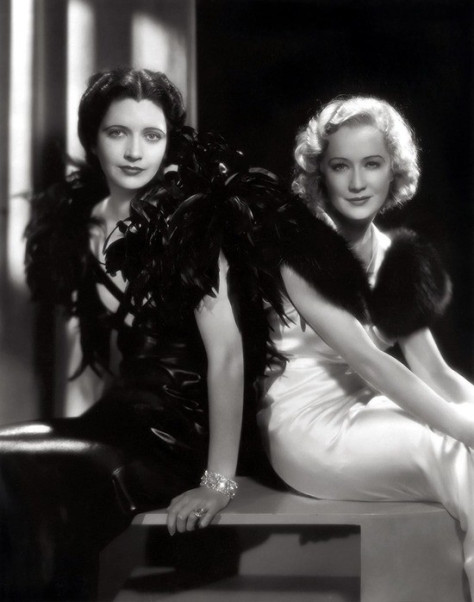
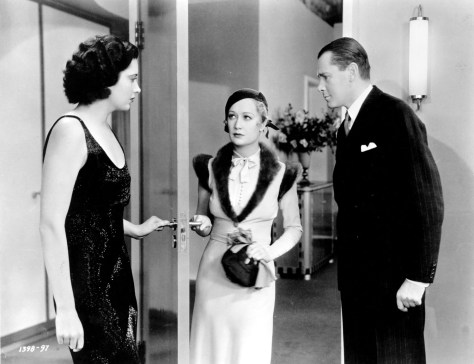
Kay Francis and Miriam Hopkins in Trouble in Paradise (1932)

unnamed (1)

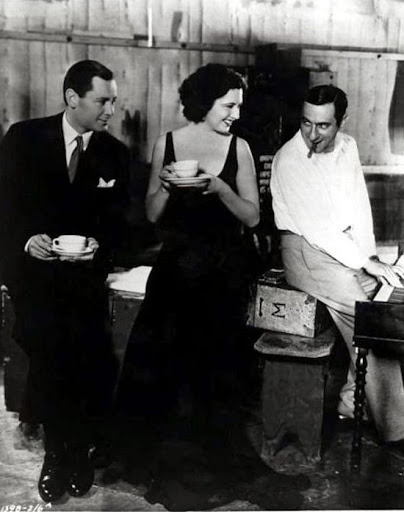
Herbert Marshall, Kay Francis and Ernst Lubitsch on the set of Trouble in Paradise (1932)

MV5BMjI2MzEzMDY3OF5BMl5BanBnXkFtZTgwNjgxMDc5MDI@._V1_SY1000_CR0,0,1315,1000_AL_

Miriam Hopkins, Herbert Marshall and Kay Francis in Trouble in Paradise (1932)

MV5BM2QwZmRhODYtZDk0NS00ZTZiLWI0YzMtYWJjMDU5NTFmMzg2XkEyXkFqcGdeQXVyMTcyODY2NDQ@._V1_

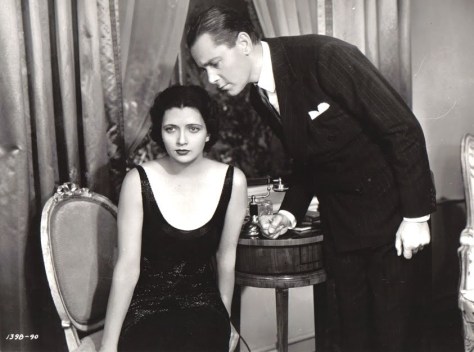
Kay Francis and Herbert Marshall in Trouble in Paradise (1932)

trouble-in-paradise2

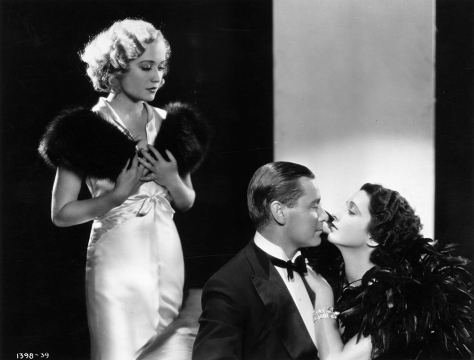
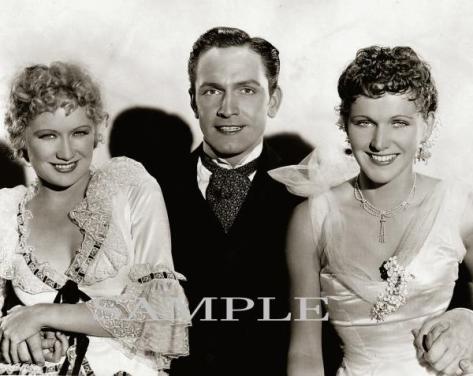
Kay Francis, Miriam Hopkins and Herbert Marshall in Trouble in Paradise (1932)

Trouble-in-Paradise

Miriam Hopkins and Herbert Marshall in Trouble in Paradise (1932)

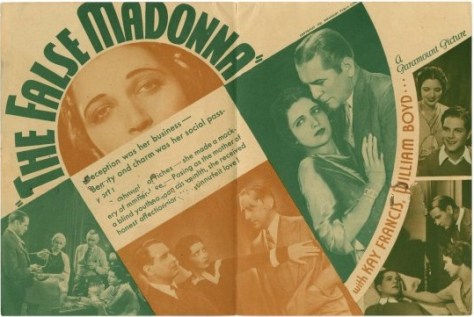
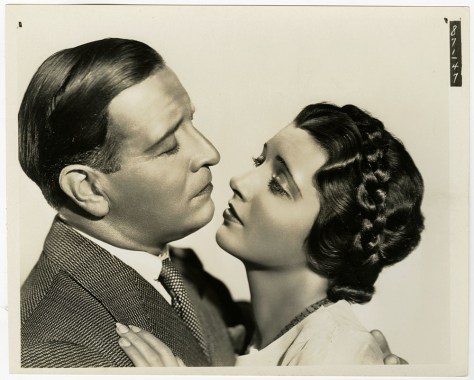
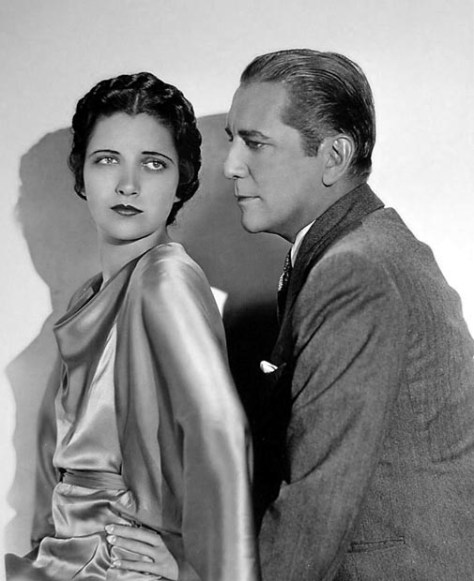
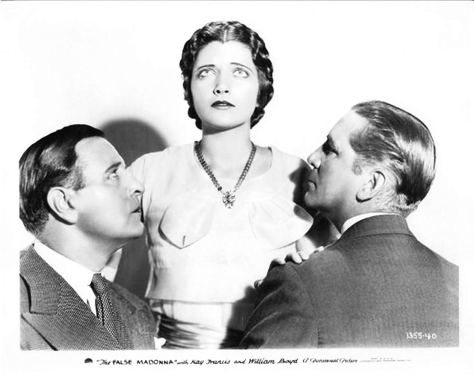
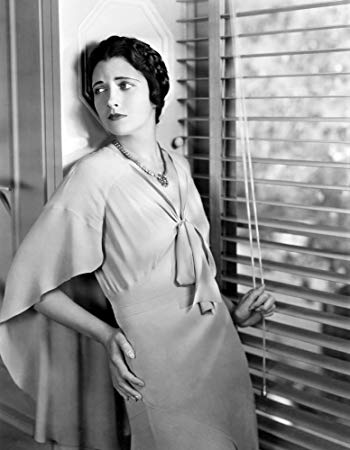
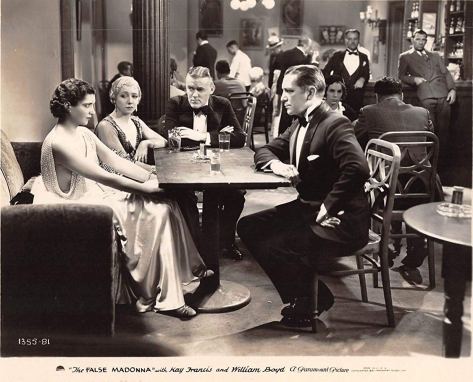
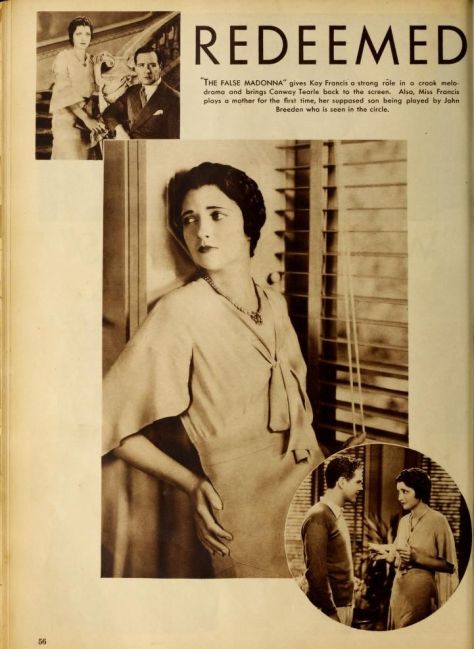
In 1932, Warner Bros. persuaded both Francis and Powell to join the ranks of Warners stars, along with Ruth Chatterton. In exchange, Francis was given roles that allowed her a more sympathetic screen persona than had hitherto been the case—in her first three featured roles she had played a villainess. For example, in The False Madonna (1932), she played a jaded society woman nursing a terminally ill child who learns to appreciate the importance of hearth and home. On December 16, 1931, Francis and her co-stars opened the Paramount Theatre in Oakland, California with a gala preview screening of The False Madonna.

2883216783_6300c320b9

Ruth Chatterton

MV5BNTI0MjM4MDQ0OV5BMl5BanBnXkFtZTgwNzQ2MzU0MjE@._V1_

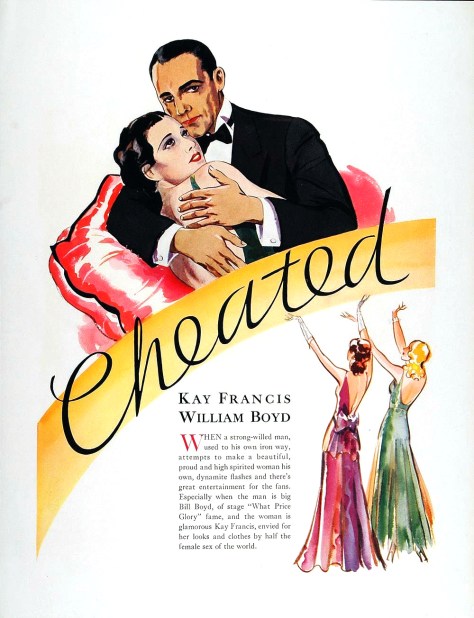
Cheated AKA The False Madonna AKA The False Idol (1931) Poster

MV5BZTFjZTJiMzktM2Q4MC00NDhhLThmOTMtZDNjNTIxZDE5ZGMwXkEyXkFqcGdeQXVyMjUxODE0MDY@._V1_

Cheated AKA The False Madonna AKA The False Idol (1931) Poster

MV5BZmIxMDk5ZDItODg0OS00MTRmLTk0NWYtYTQxZjFmODZiZTFhXkEyXkFqcGdeQXVyMTcyODY2NDQ@._V1_

William Boyd and Kay Francis in Cheated AKA The False Madonna AKA The False Idol (1931)

falseeeeee

Conway Tearle and Kay Francis in Cheated AKA The False Madonna AKA The False Idol (1931)

MV5BMGYwYTM5ZDMtZjljMS00OWRhLWI1ZTgtNmMwN2NlMTI5OTQ0XkEyXkFqcGdeQXVyMTcyODY2NDQ@._V1_SY1000_CR0,0,1262,1000_AL_

William Boyd, Kay Francis and Conway Tearle in Cheated AKA The False Madonna AKA The False Idol (1931)

61ejRhy4IfL._SY450_

Kay Francis in Cheated AKA The False Madonna AKA The False Idol (1931)

MV5BYzZlNmRhZjEtMWQwNS00NTg4LWEwZDgtNmQ4ZGYwNjkwZWE2XkEyXkFqcGdeQXVyMTcyODY2NDQ@._V1_SX1239_CR0,0,1239,999_AL_

Kay Francis and Conway Tearle in Cheated AKA The False Madonna AKA The False Idol (1931)

20b29a7fb02451a49944fe1668ad50bb

Kay Francis in Cheated AKA The False Madonna AKA The False Idol (1931) Magazine Article


Mainstream successes

From 1932 through 1936, Francis was the queen of the Warners lot and increasingly her films were developed as star vehicles. By the mid-thirties, Francis was one of the highest-paid people in the United States. From the years 1930 to 1937, Francis appeared on the covers of 38 film magazines, the most for any adult performer and second only to Shirley Temple who appeared on 138 covers during that period.

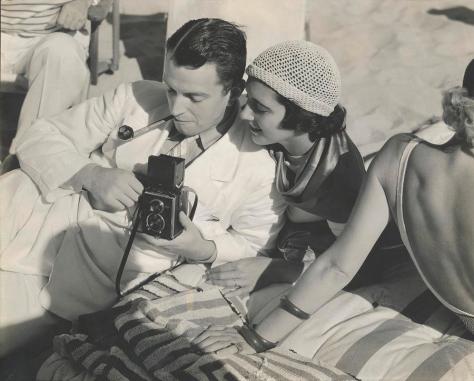
She had married writer-director John Meehan in New York, but soon after her arrival in Hollywood, she consummated an affair with actor and producer Kenneth MacKenna, whom she married in January 1931. When MacKenna’s Hollywood career foundered, he found himself spending more time in New York, and they divorced in 1934.

e1d253f76c85b3ea92b9c102eab5ab0a

John Meehan  

kenneth-mackenna-and-kay-francis-with-a-camera-edward-steichen

Kay Francis and Kenneth MacKenna

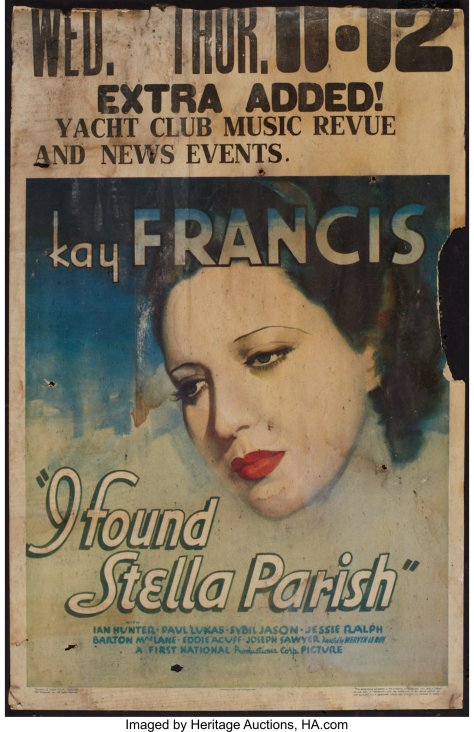
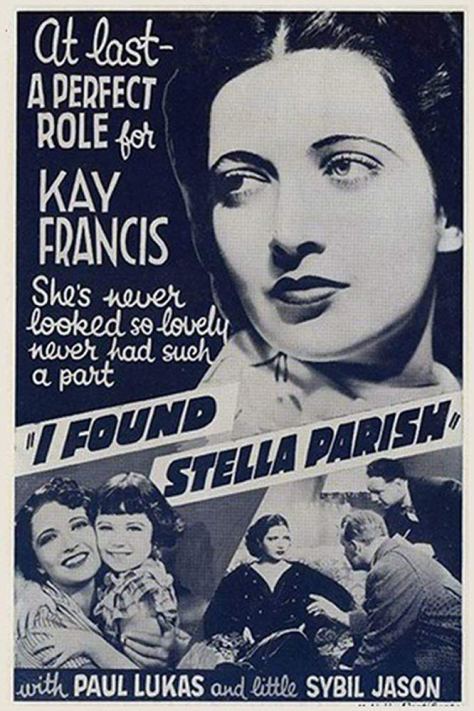
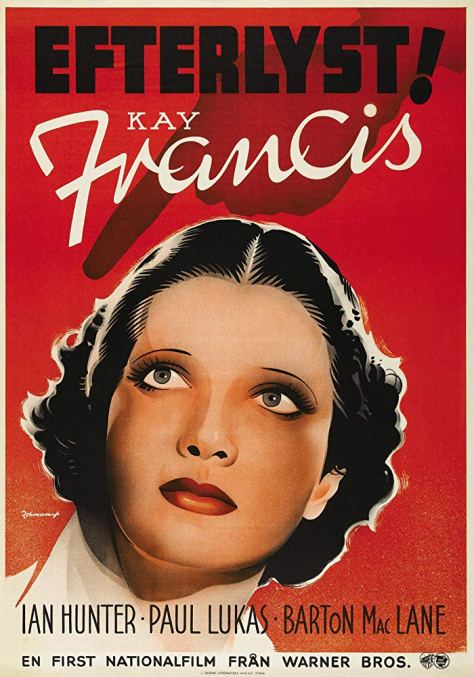
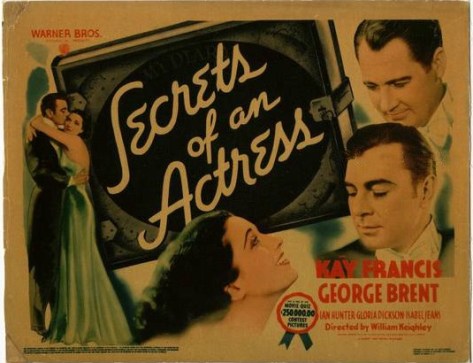
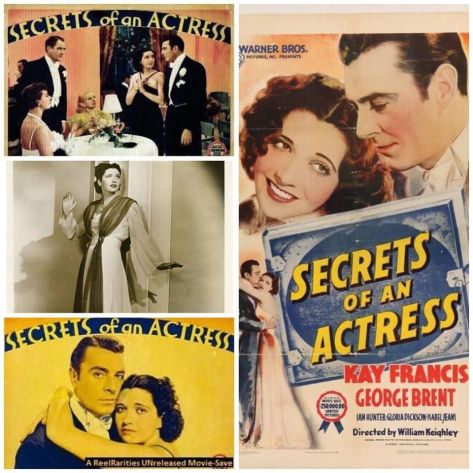
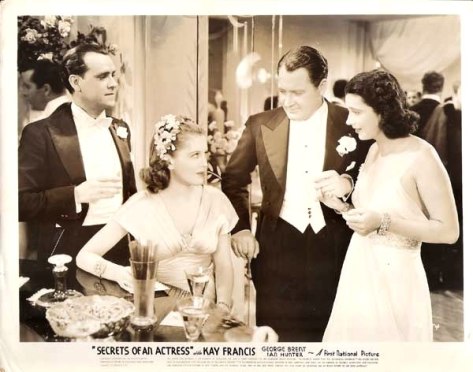
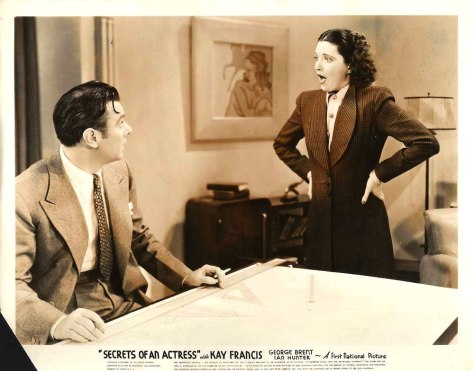
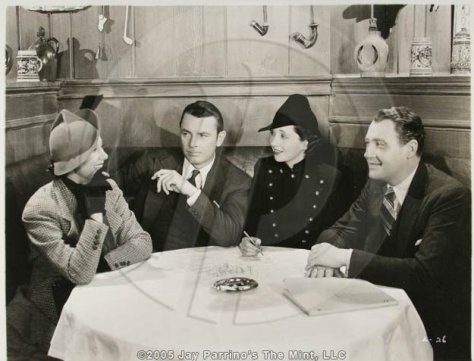
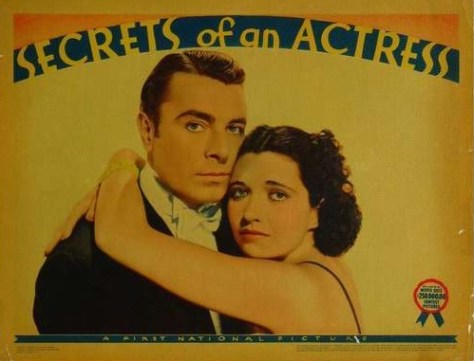
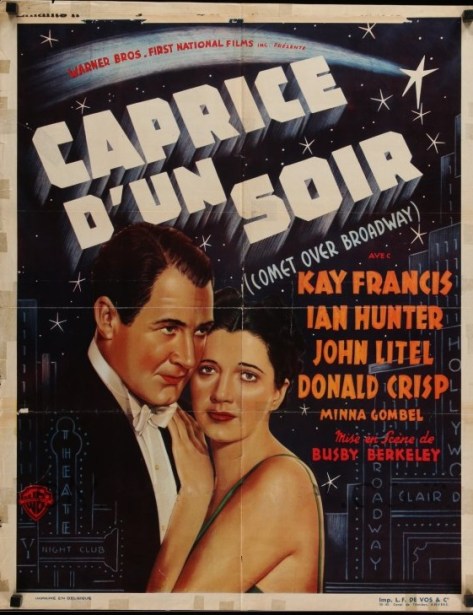
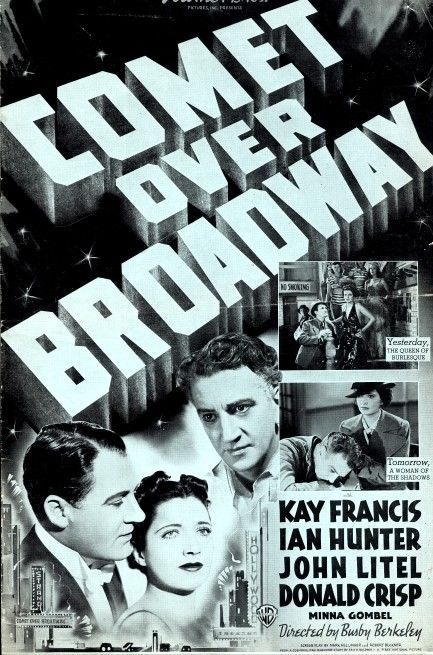
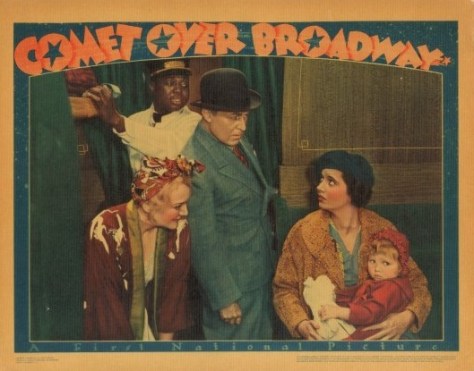
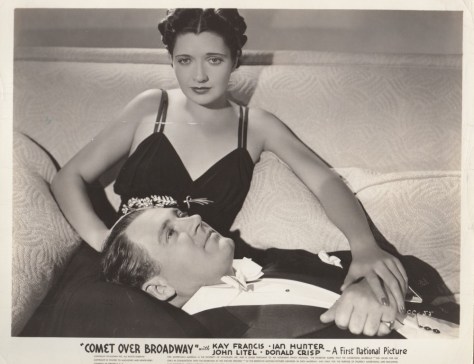
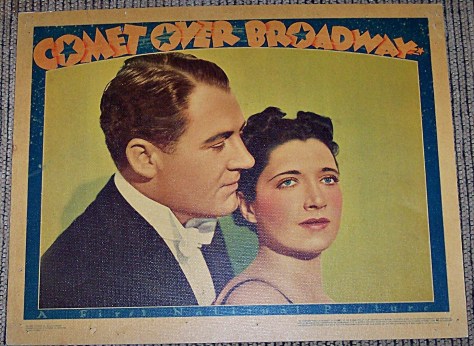
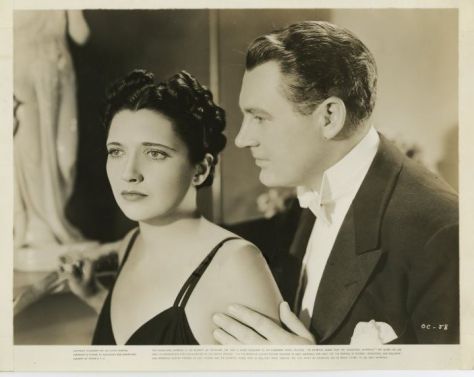
She frequently played long-suffering heroines, in films such as I Found Stella ParishSecrets of an Actress, and Comet Over Broadway, displaying to good advantage lavish wardrobes that, in some cases, were more memorable than the characters she played—a fact often emphasized by contemporary film reviewers.

Francis’ clotheshorse reputation often led Warners’ producers to concentrate resources on lavish sets and costumes, designed to appeal to Depression-era female audiences and capitalize on her reputation as the epitome of chic, rather than on scripts.


lf (15)

I Found Stella Parish (1935) Poster

MV5BMGYyMTE1NzMtMmRmNi00MDBjLTk1YTEtOTFhY2EzNDA0OTgxXkEyXkFqcGdeQXVyMjUxODE0MDY@._V1_SY1000_CR0,0,666,1000_AL_

I Found Stella Parish (1935) Poster

MV5BNTBiNTM1MTktNDM3OS00YjhjLTliNTctNDM5Mjg0YzUxMDNjXkEyXkFqcGdeQXVyMDI2NDg0NQ@@._V1_SY1000_CR0,0,700,1000_AL_

I Found Stella Parish (1935) Poster

aa1ca370820fc530ed6e8aaf18c82bd3

Kay Francis in I Found Stella Parish (1935)

MV5BOTdkMzFkYTAtNGY3ZC00ZmM1LThiNDgtODRmZmE0NWYyNzI3XkEyXkFqcGdeQXVyMzk3NTUwOQ@@._V1_SY1000_CR0,0,1287,1000_AL_

Kay Francis and Sybil Jason in I Found Stella Parish (1935)

MV5BMTUwNzYxMjc1NF5BMl5BanBnXkFtZTgwMTgxMDc5MDI@._V1_SY1000_CR0,0,763,1000_AL_

Kay Francis in I Found Stella Parish (1935)

66fa9a8b464ead1a325523f07156ba17

Kay Francis in I Found Stella Parish (1935)

283518d9cef8ee20034e419202941103

Kay Francis in I Found Stella Parish (1935)

secretsofanactressposter1029

Secrets of an Actress (1938) Poster

d6e95209fa51975e785859049bb49f9d

Secrets of an Actress (1938) Poster and Lobby Cards

13141-2520-2520Secrets-2520Of-2520An-2520Actress

Ian Hunter and Kay Francis in Secrets of an Actress (1938) 

MV5BZWQ4ZDQ0M2ItNDUyNC00ZTU4LThjMjMtMDI0MTk3NjIxNzg2L2ltYWdlL2ltYWdlXkEyXkFqcGdeQXVyMTk2MzI2Ng@@._V1_

George Brent and Kay Francis in Secrets of an Actress (1938) 


secrets0509

Kay Francis on the set of Secrets of an Actress (1938) 

MV5BYjcyMDMyYjItZGFkZC00OTkwLWE5YTYtYzkxODgwNWI3YzZmXkEyXkFqcGdeQXVyMjc3MjgzOTU@._V1_SY400_SX711_AL_

Gloria Dickson and George Brent in Secrets of an Actress (1938) 

MV5BMWIzOGIzZDAtYTY0YS00OGIxLTk0ZGUtOGFmZGQyOWY3NGQwL2ltYWdlL2ltYWdlXkEyXkFqcGdeQXVyMTk2MzI2Ng@@._V1_

Secrets of an Actress (1938) Lobby Card

cometoverbroadwayposter0825

Comet Over Broadway (1938) Poster

188c9932eb6a194309a4838321cc324f

Comet Over Broadway (1938) Poster

cometoblobby09151

Comet Over Broadway (1938) Lobby Card

cometoverbroadway

Kay Francis and Ian Hunter in Comet Over Broadway (1938) 

cometoverkaylobby

Comet Over Broadway (1938) Poster

CometOverBroadway1

Kay Francis and Ian Hunter in Comet Over Broadway (1938) 

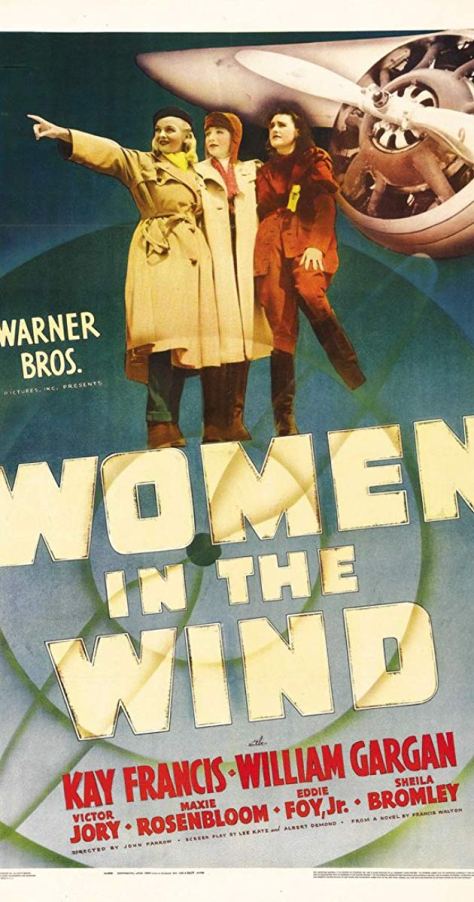
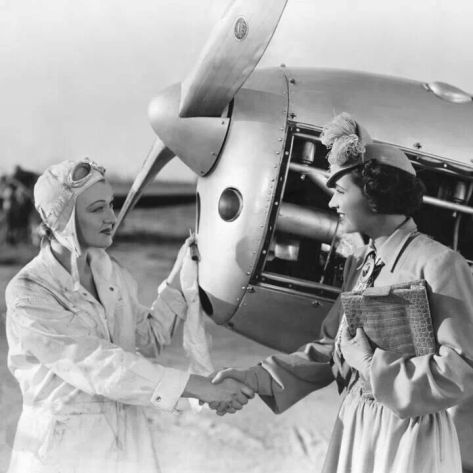
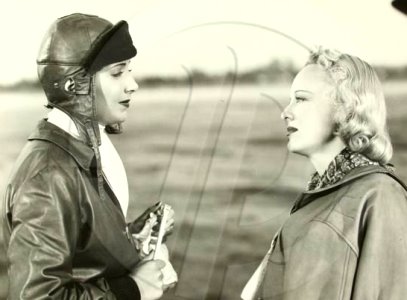
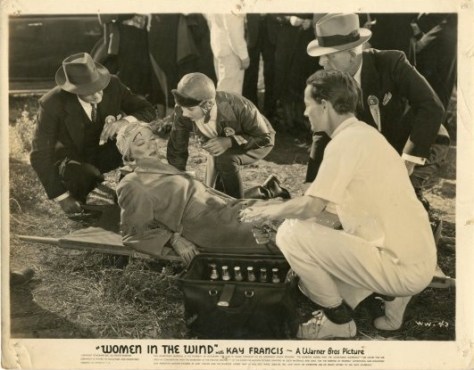
Eventually, Francis herself became dissatisfied with these vehicles and began openly to feud with Warners, even threatening a lawsuit against them for inferior treatment. This in turn led to her demotion to programmers such as Women in the Wind (1939) and, in the same year, to the termination of her contract.

MV5BODBiNzdmMDUtOWRhMS00ZGViLTkxZDItNmU5ZjQ5NTk1NzYwXkEyXkFqcGdeQXVyNTY4NjI2OTA@._V1_UY1200_CR89,0,630,1200_AL_Women in the Wind (1939) Poster

731c2c99083eb6abf1b65ebba36eedaa

Eve Arden and Kay Francis in Women in the Wind (1939)


womeninthewindmain

Kay Francis and Eve Arden in Women in the Wind (1939)

womenfilmimage

Women in the Wind (1939) Lobby Card

19628

Kay Francis in a promo photograph for Women in the Wind (1939)


“Box Office Poison” and revival


The Independent Theatre Owners Association paid for an advertisement in The Hollywood Reporter in May 1938 that included Francis, along with Greta GarboJoan CrawfordFred AstaireMae WestKatharine Hepburn and others, on a list of stars dubbed “box office poison“.

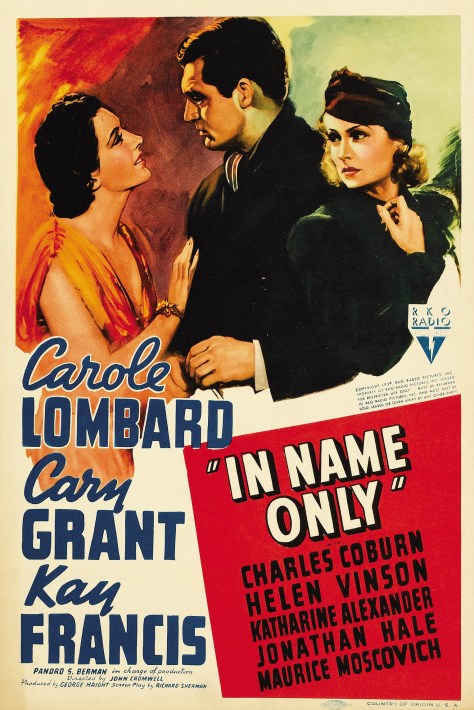
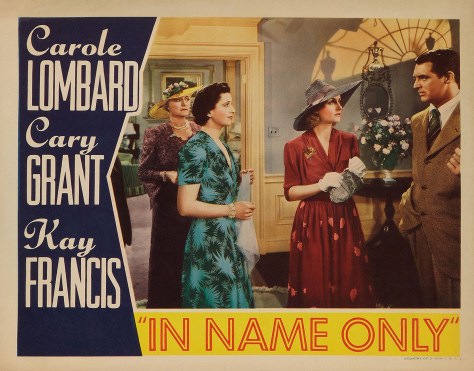
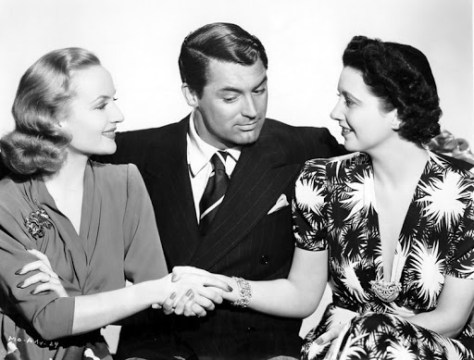
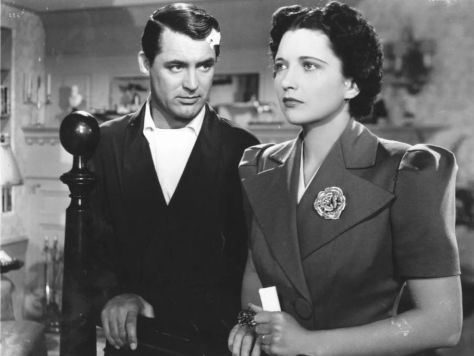
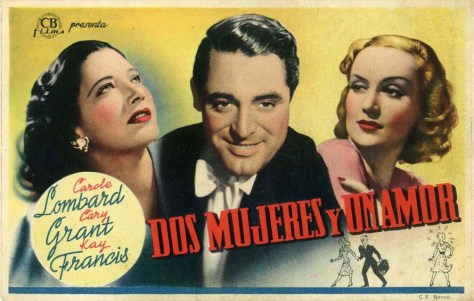
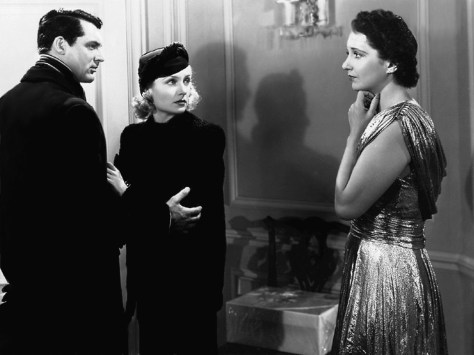
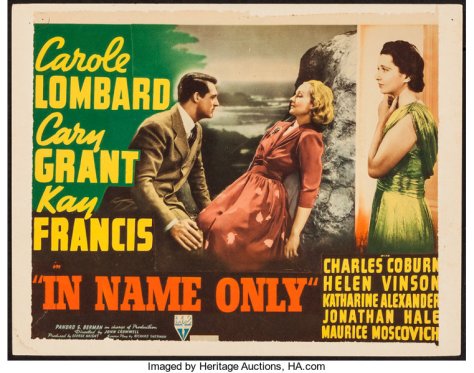
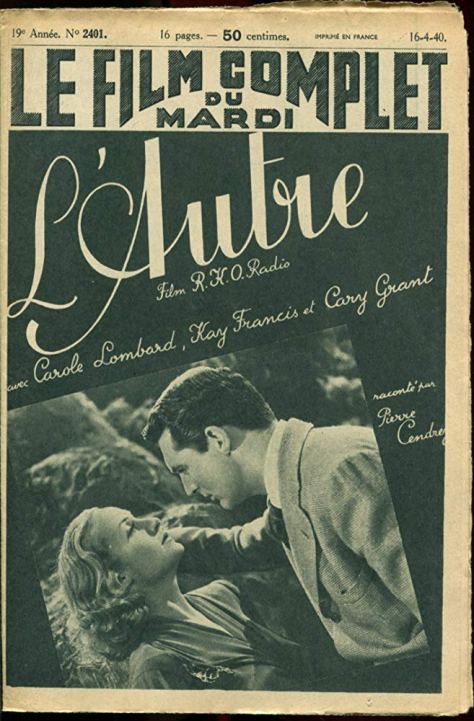
After her release from Warners, Francis was unable to secure another studio contract. Carole Lombard, one of the most popular stars of the late 1930s and early 1940s (and who had previously been a supporting player in Francis’ 1931 film, Ladies’ Man) tried to bolster Francis’ career by insisting Francis be cast in In Name Only (1939).

MV5BNzcxMDljZjAtZGViNC00MTRkLWJjYjYtZjBjNDQ5MjYwMTgxXkEyXkFqcGdeQXVyMDI2NDg0NQ@@._V1_ (1)

In Name Only (1939) Poster

in-name-only_05

In Name Only (1939) Lobby Card

unnamed (2)

Carole Lombard, Cary Grant and Kay Francis in In Name Only (1939)

0bfc1b484bca1f3469b156f49542ead7

Cary Grant and Kay Francis in In Name Only (1939)

MV5BYWM4YWM3YmEtMzRkYi00NTkwLTgxMDMtOTU1ZGVjNDhhYTExXkEyXkFqcGdeQXVyNzA4ODc3ODU@._V1_

In Name Only (1939) Poster

innmae

Cary Grant, Carole Lombard and Kay Francis in In Name Only (1939)

lf (16)

In Name Only (1939) Lobby Card

MV5BZDM1ZGQxMjMtNDlmMi00NTJkLTlhMzMtMjJlNjJiMTNlZDNjXkEyXkFqcGdeQXVyNDUyNzcwNjU@._V1_SY1000_CR0,0,657,1000_AL_

In Name Only (1939) Poster

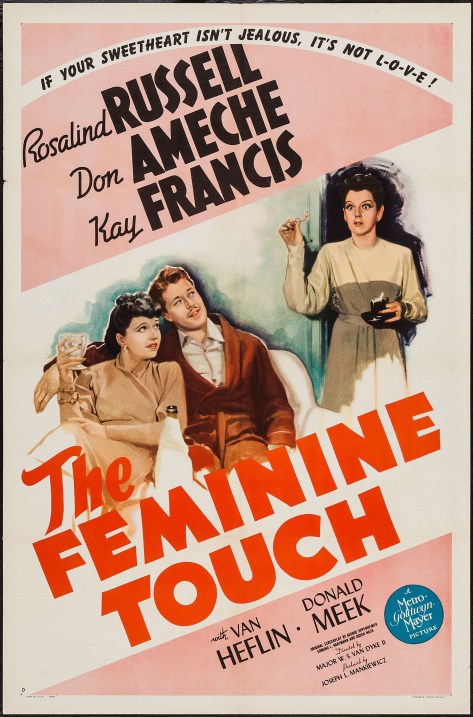
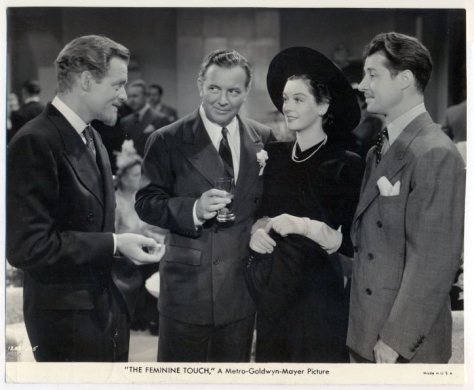
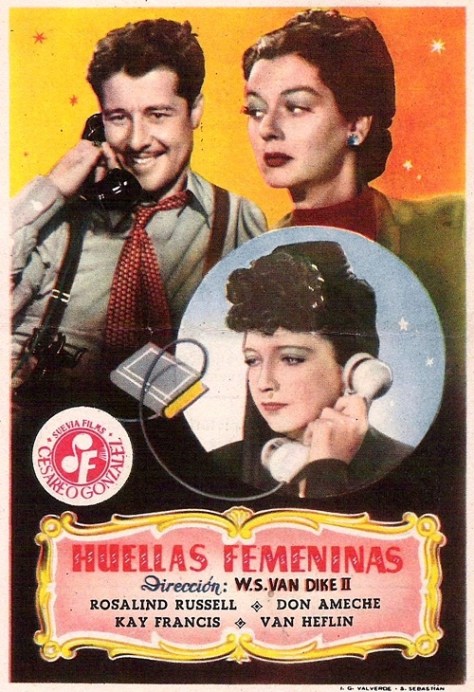
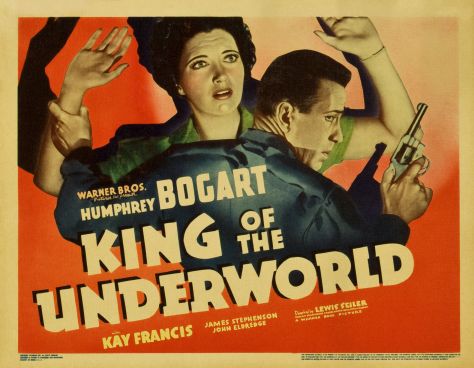
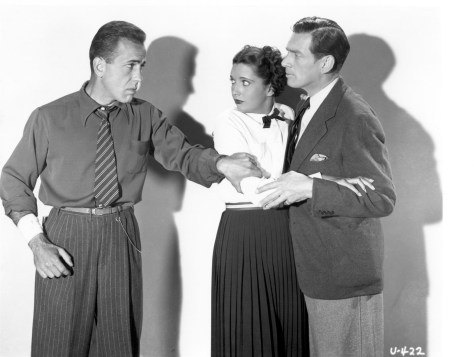
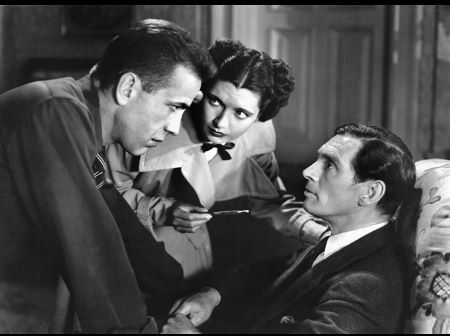
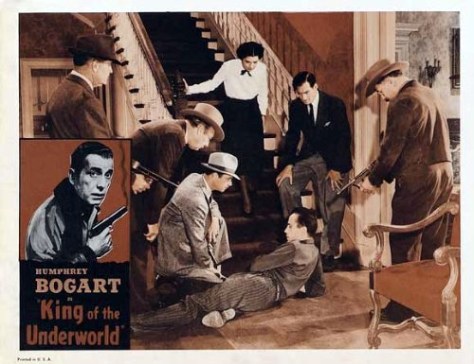
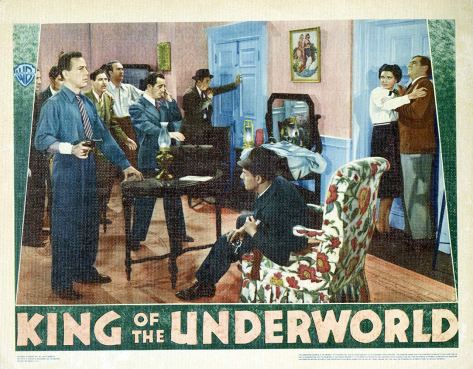
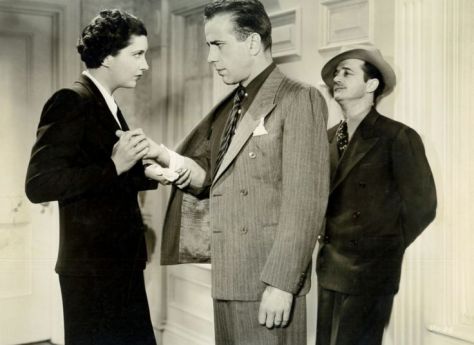
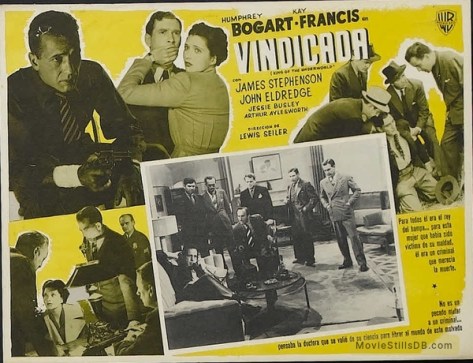
In this film, Francis had a supporting role to Lombard and Cary Grant, but recognized that the film offered her an opportunity to engage in some serious acting. After this, she moved to character and supporting parts, playing catty professional women – holding her own against Rosalind Russell in The Feminine Touch, for example – and mothers opposite rising young stars such as Deanna Durbin. Francis did have a lead role in the Bogart gangster film King of the Underworld, released in 1939.

The_Feminine_Touch_poster

The Feminine Touch (1941) Poster

-2902608220799024946

Van Heflin, Rosalind Russell and Don Ameche in The Feminine Touch (1941)

1403881fd553367f2d0909fedcacb558

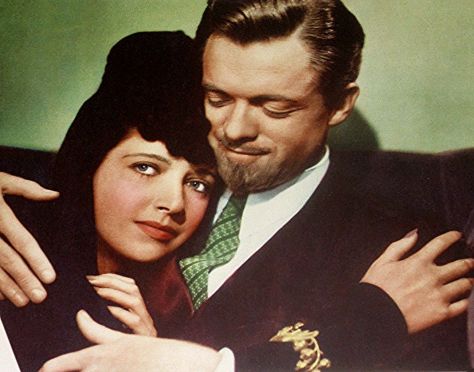
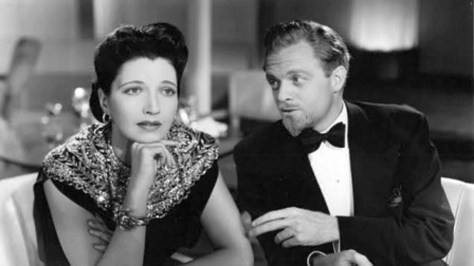
Kay Francis and Van Heflin in The Feminine Touch (1941)

image-w1280 (1)

Kay Francis and Van Heflin in The Feminine Touch (1941)

hQZlOCOIqDjOlbzexeE0LbbmcBF

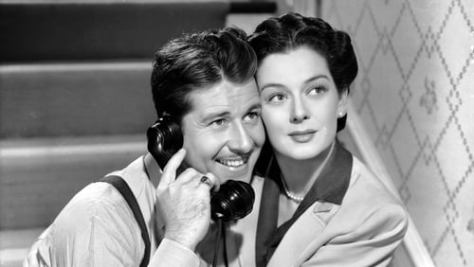
Don Ameche and Rosalind Russell in The Feminine Touch (1941)

Feminine-touch

The Feminine Touch (1941) Poster

1d06081e93e9014942e2612769dc94ff

King of the Underworld (1939) Poster

image (2)

Humphrey Bogart and Kay Francis in King of the Underworld (1939)

8ef61c2672d13d78662292ce980193d2--kay-francis-the-underworld

Humphrey Bogart and Kay Francis in King of the Underworld (1939)

MV5BMjM3MzA2NDY3NV5BMl5BanBnXkFtZTgwNDU0NTQ0MjE@._V1_

King of the Underworld (1939) Lobby Card

MV5BZmZkZjUxODktNWRlNy00MzExLWFjZGUtNmNlNDc5MGY5MDk3XkEyXkFqcGdeQXVyMDI2NDg0NQ@@._V1_SX1281_CR0,0,1281,999_AL_

King of the Underworld (1939) Lobby Card

KingoftheUnderworld2

Kay Francis and Humphrey Bogart in King of the Underworld (1939) 

king-of-the-underworld-lg

King of the Underworld (1939) Lobby Card

World War II era


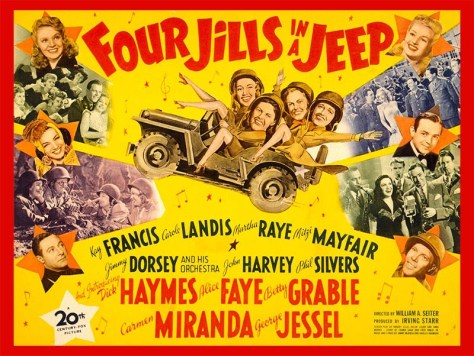
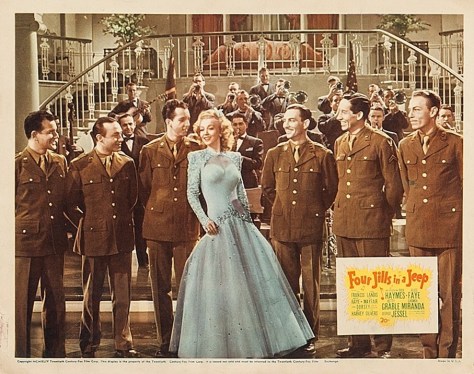
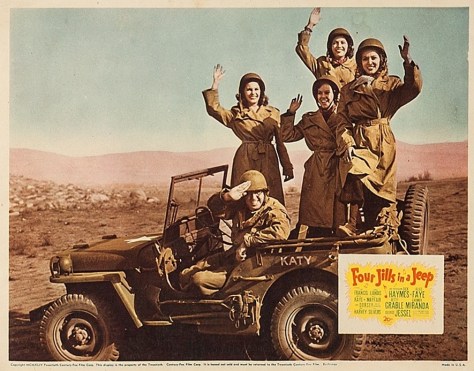
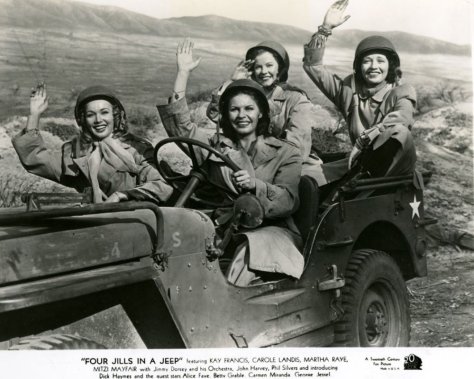
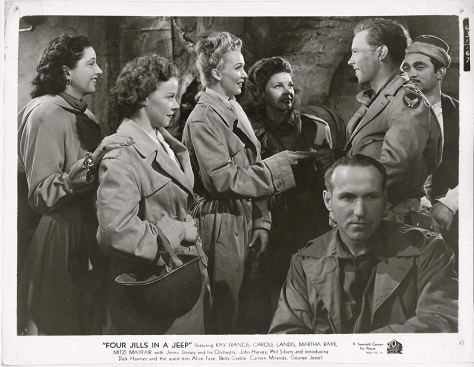
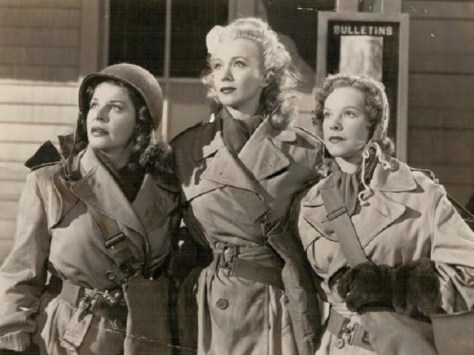
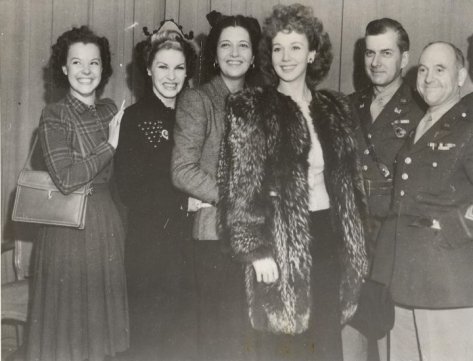
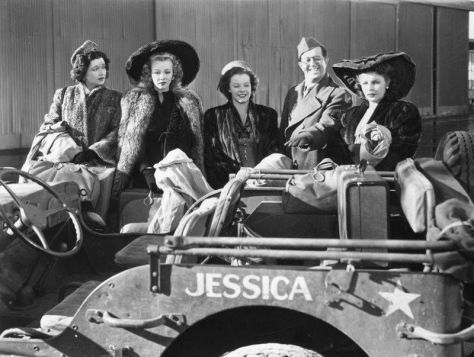
With the start of World War II, Francis did volunteer work, including extensive war-zone touring, which was first chronicled in a book attributed to fellow volunteer Carole LandisFour Jills in a Jeep, which became a popular 1944 film of the same name, with a cavalcade of stars and Martha Raye and Mitzi Mayfair joining Landis and Francis to fill out the complement of Jills.

MV5BMTlkY2Q5N2EtYWEwZi00MjY5LTkyYTktZDU4ODAwNzkzNjk4L2ltYWdlL2ltYWdlXkEyXkFqcGdeQXVyMjc3MjgzOTU@._V1_

Four Jills in a Jeep (1944) Poster

MV5BZDFhNWIyYWEtMGFmNi00OWZkLWEyMDMtOGMzYWZmN2Q1MzY3XkEyXkFqcGdeQXVyMjc3MjgzOTU@._V1_

Four Jills in a Jeep (1944) Lobby Card

MV5BM2ZmMmFhNjItMDA0NS00YTU5LTk2Y2MtM2IzNTk1YzVkYmVlXkEyXkFqcGdeQXVyMjc3MjgzOTU@._V1_

Four Jills in a Jeep (1944) Lobby Card

lobby-card

Four Jills in a Jeep (1944) Lobby Card

MV5BMmQ2ZDQ5MGUtODY1Yy00ZDQwLWI0YzQtMjQ2YjNlYTdmMGYwL2ltYWdlL2ltYWdlXkEyXkFqcGdeQXVyMjc3MjgzOTU@._V1_SY1000_CR0,0,1291,1000_AL_

Four Jills in a Jeep (1944) Lobby Card

MV5BMGQyZTczOWUtNmQ5ZC00M2M1LThkYTQtZDMzZWE2OTljZGQ1XkEyXkFqcGdeQXVyMjc3MjgzOTU@._V1_

Mitzi Mayfair, Carole Landis and Martha Raye in Four Jills in a Jeep (1944)

fourjills1

Kay Francis promoting Four Jills in a Jeep (1944) 

dc4e0acf17c1c41a7b79b426a61efdb0

Kay Francis on the set of Four Jills in a Jeep (1944) 

MV5BNzgwMzZhMTUtYWNmMy00ZmY0LTlhNTQtMDk3MzdlZjIzZTQyL2ltYWdlL2ltYWdlXkEyXkFqcGdeQXVyMjc3MjgzOTU@._V1_

John Harvey and Carole Landis in Four Jills in a Jeep (1944) 

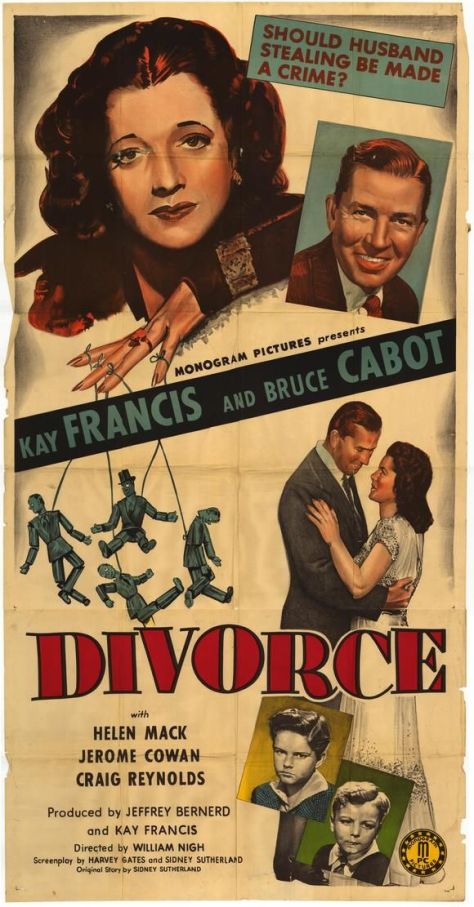
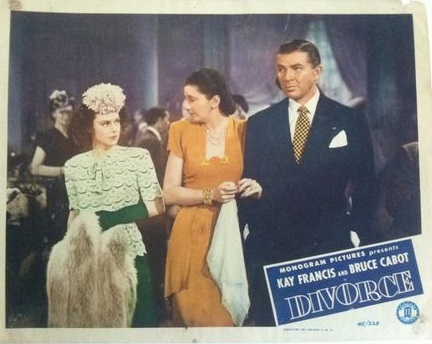
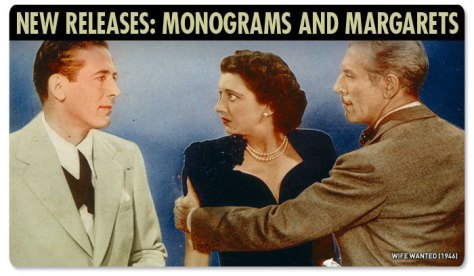
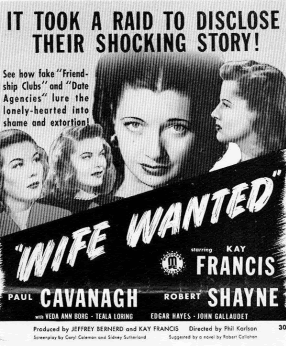
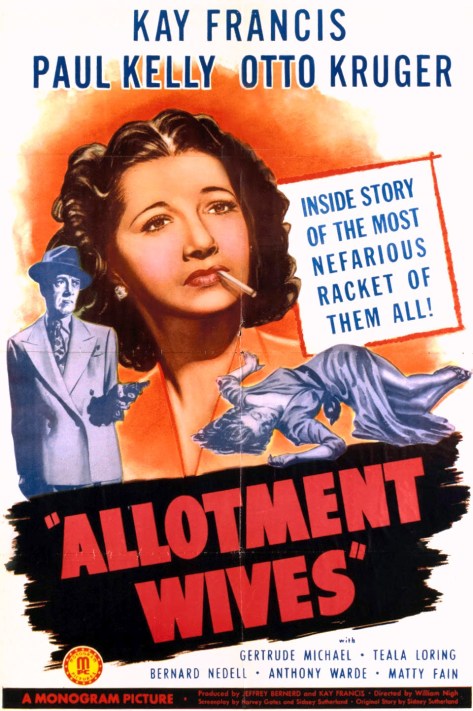
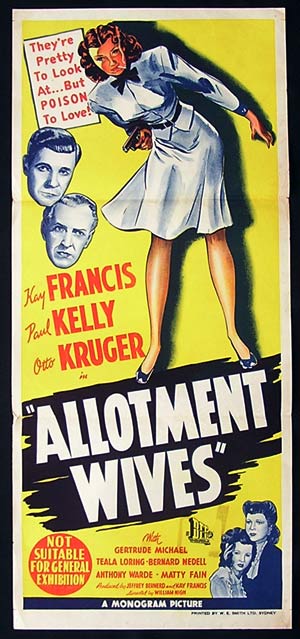
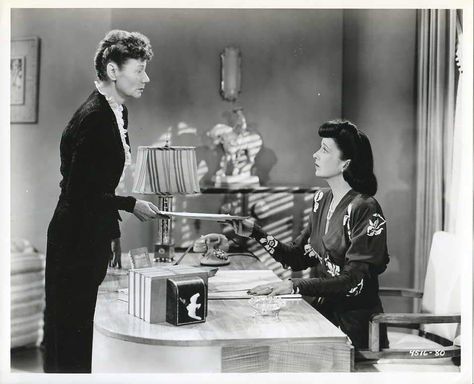
Despite the success of Four Jills, the end of the war found Francis virtually unemployable in Hollywood. She signed a three-film contract with Poverty Row studio Monogram Pictures that gave her production credit as well as star billing.

The results – the films DivorceWife Wanted, and Allotment Wives – had limited releases in 1945 and 1946.

ace6ff9f2bdf67bee91dff5590eecb4f

Divorce (1945) Poster

divorcelobby07

Divorce (1945) Lobby Card

5668080d6dffa7fa77dd0a760380b185

Divorce (1945) Lobby Card

divorce65654

Bruce Talbot and Kay Francis in Divorce (1945) Lobby Card

Wife-Wanted-1946-film-images-86f28086-672a-4d92-8ca9-558cbd1d008

Wife Wanted AKA Shadow of Blackmail (1946) Poster

unnamed (3)

Wife Wanted AKA Shadow of Blackmail (1946) Poster

tumblr_mr4bczl0pD1qd3nk9o1_1280

Wife Wanted AKA Shadow of Blackmail (1946) Lobby Card

unnamed

Wife Wanted AKA Shadow of Blackmail (1946) Poster

MV5BM2YwYzc5YWEtODVlYy00NTIxLWFlM2ItMzYwYzRkNzM0OGVkXkEyXkFqcGdeQXVyNjc0MzMzNjA@._V1_

Allotment Wives AKA Woman in the Case (1945) Poster

ALLOTMENTWIVES

Allotment Wives AKA Woman in the Case (1945) Poster

3962af48a5922f446ca2c94a78f54472--kay-francis

Kay Francis in Allotment Wives AKA Woman in the Case (1945)

ed42c27d5d06fbf89225edf8b81b111a--kay-francis-monograms

Kay Francis and Otto Kruger in Allotment Wives AKA Woman in the Case (1945) 

allotmentwives (1)

Teala Loring and Kay Francis in Allotment Wives AKA Woman in the Case (1945) Poster

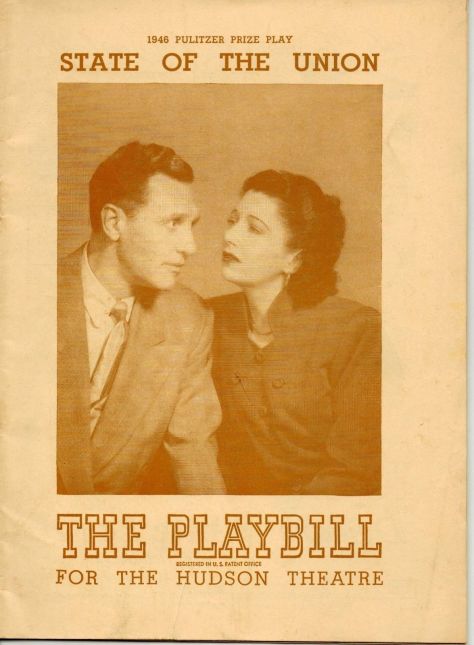
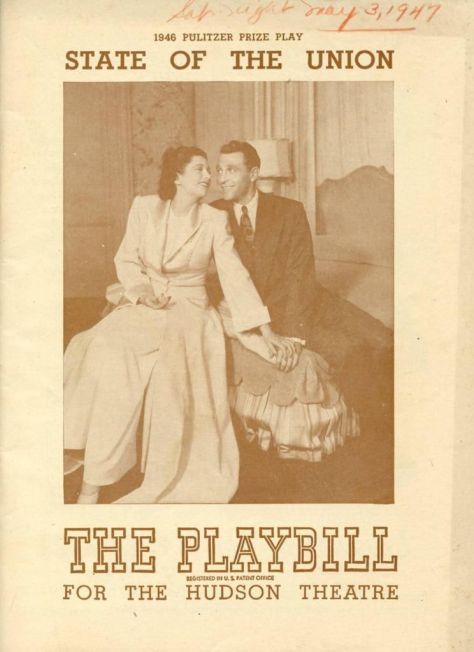
Francis spent the remainder of the 1940s on the stage, appearing with some success in State of the Union and touring in various productions of plays old and new, including one, Windy Hill, backed by former Warners colleague Ruth Chatterton. Declining health, aggravated by an accident in 1948 in which she was badly burned by a radiator, hastened her retirement from show business.

59edd870e2014639cfeb656169c65ab8

State of the Union (1947) Programme

d282d3606ba54db8e711ffce84165b14

State of the Union (1947) Programme


Personal life

“”My life? Well, I get up at a quarter to six in the morning if I’m going to wear an evening dress on camera. That sentence sounds a little ga-ga, doesn’t it? But never mind, that’s my life…As long as they pay me my salary, they can give me a broom and I’ll sweep the stage. I don’t give a damn. I want the money…When I die, I want to be cremated so that no sign of my existence is left on this earth. I can’t wait to be forgotten.” – From Kay Francis’s private diaries, c. 1938.
whenlkayrde1

Francis married five times. Her diaries, preserved in an academic collection at Wesleyan University, paint a picture of a woman whose personal life was often in disarray. She regularly socialized with homosexual men, one of whom, Anderson Lawler, was reportedly paid $10,000 by Warner Bros. to accompany her to Europe in 1934.


9a6fa6c9ec004a2f1505796933fdf086

Kay Francis in Mandalay (1934)

In 1966, Francis was diagnosed with breast cancer and underwent a mastectomy, but the cancer had spread and proved fatal. Having no living immediate family members, Francis left more than $1,000,000 to The Seeing Eye, which trains guide dogs for the blind. She died in 1968, aged 63, and her body was immediately cremated; her ashes were scattered.


Kay_Francis_NM530

Partial filmography

Features

10402978_1422291120

Short subjects

MV5BMmVmZWExZTYtMGMzZS00MDU0LWIzZTMtYjU2MTY5YTc2MmZjXkEyXkFqcGdeQXVyMTcyODY2NDQ@._V1_

References

Notes

  1. Jump up^ Obituary Variety, August 28, 1968, page 63.
  2. Jump up^ Osborne, Robert. Introduction to King of the UnderworldTurner Classic Movies(18 September 2008)
  3. Jump up^ “The Wesleyan Cinema Archives”. Wesleyhan.edu. Retrieved 8 September2010.
  4. Jump up^ The 1910 census lists 1905 as her birth year.
  5. Jump up^ enumerated on May 28, 1910 (Ancestry.com)
  6. Jump up^ Kay Francis at the Internet Broadway Database
  7. Jump up^ Hamlet at the Internet Broadway Database
  8. Jump up^ Crime at the Internet Broadway Database
  9. Jump up^ Venus at the Internet Broadway Database
  10. Jump up^ Elmer the Great at the Internet Broadway Database
  11. Jump up^ Slide, Anthony (2010). Inside the Hollywood Fan Magazine: A History of Star Makers, Fabricators, and Gossip Mongers. Jackson: Univ. Press of Mississippi. p. 131. ISBN 978-1-60473-413-3.
  12. Jump up^ “Box-office Busts”Life. p. 13. Retrieved September 8, 2012.
  13. Jump up to:a b “The Kay Francis Papers”. Wesleyan Cinema Archives. Retrieved 16 December 2013.
  14. Jump up^ Mann, William J. (2001). Behind the Screen: How Gays and Lesbians Shaped Hollywood, 1910-1969. New York: Viking. pp. 83–84. ISBN 0670030171.

500full-kay-francis

Bibliography

10954785_1lf (17)MV5BZTliZjJmNzktZWRkNy00NjVjLTgwMDYtYmFhNzljMTM3MTZkXkEyXkFqcGdeQXVyMTcyODY2NDQ@._V1_731full-kay-francisKay-Francis-15vintage-1930s-actress-kay-francis-glamour-still_1_4a6d6090b6b6de04fb00f653f6155f71MV5BOWU2NGM0MjMtNzNlMS00NjE2LWFlNDgtOTJlZTAyYjk0MTY5XkEyXkFqcGdeQXVyMTcyODY2NDQ@._V1_SY1000_CR0,0,1183,1000_AL_BLA_KAY-FRANCIS

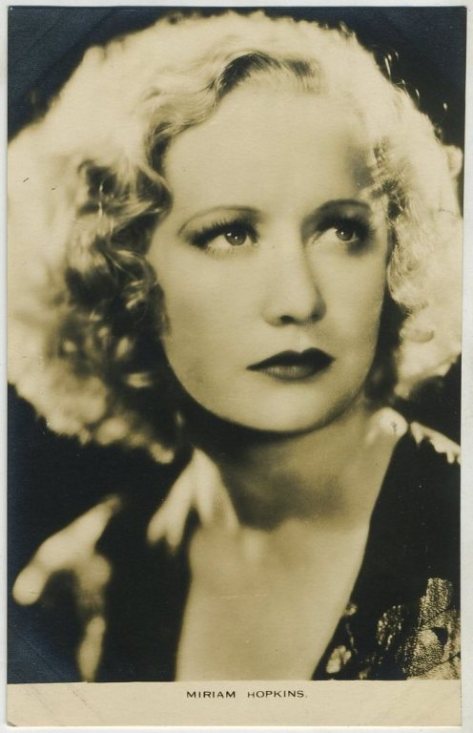
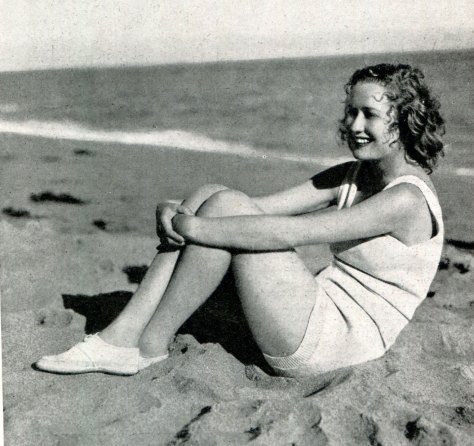
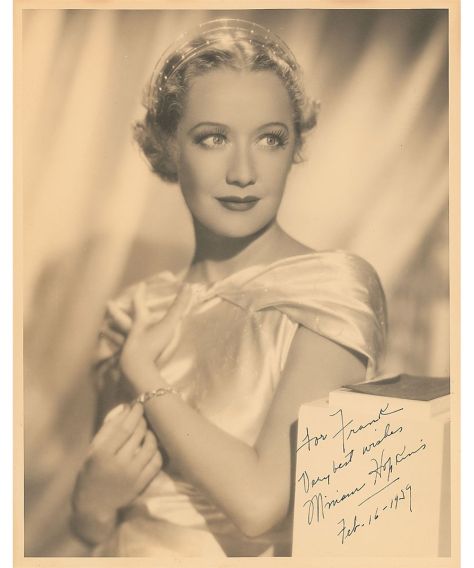
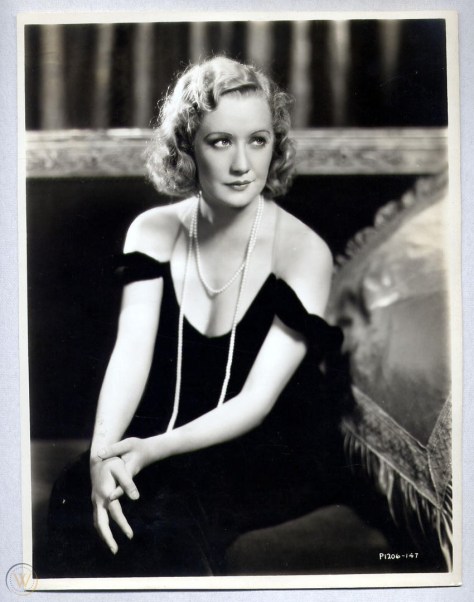
Miriam Hopkins


the-best-people-miriam-hopkins-1930-everett

Prepared by Daniel B Miller


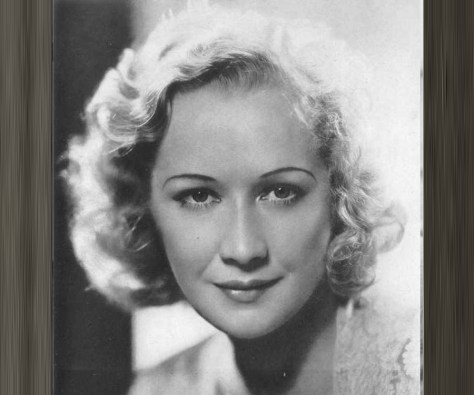
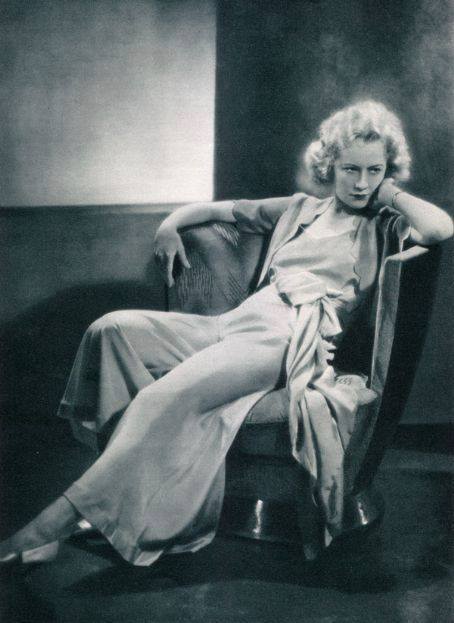
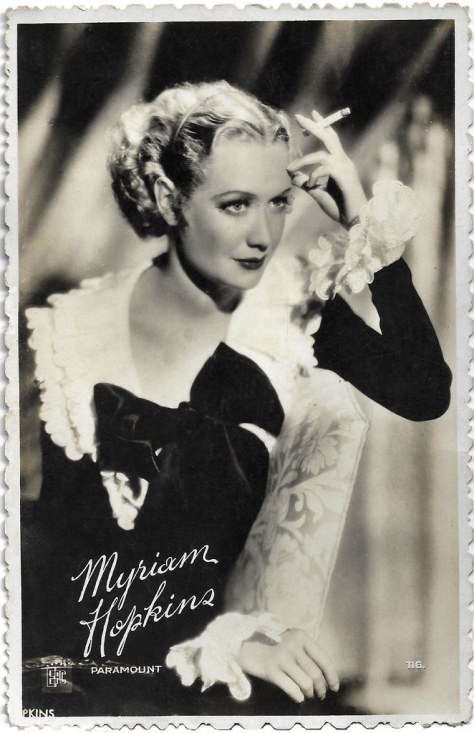
Ellen Miriam Hopkins

(October 18, 1902 – October 9, 1972) was an American film and TV actress known for her versatility.

She first signed with Paramount in 1930, working with Ernst Lubitsch and Joel McCrea, among many others. Her long-running feud with Bette Davis was publicized for effect.

Later she became a pioneer of TV drama. Hopkins was a distinguished Hollywood hostess, who moved in intellectual and creative circles.

61UTAvwKGmL._SX425_

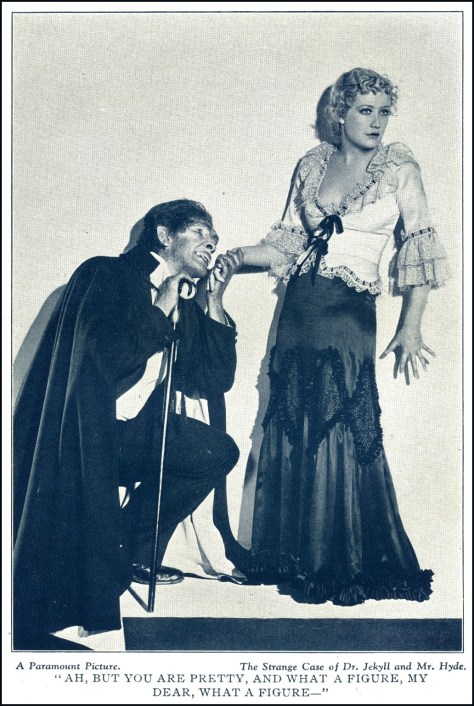
Miriam Hopkins in Dr Jekyll and Mr Hyde (1931)

Early life

miriam-hopkins-ca-1926-everett

Hopkins was born in Savannah, Georgia to Homer Hopkins and Ellen Cutler and raised in Bainbridge, near the Alabama border. She had an older sister, Ruby (1900-1990). Her maternal great-grandfather, the fourth mayor of Bainbridge, helped establish St. John’s Episcopal Church, in Bainbridge, where Hopkins sang in the choir.

In 1909, she briefly lived in Mexico. After her parents separated, she moved as a teen with her mother to Syracuse, New York, to be near her uncle, Thomas Cramer Hopkins, head of the Geology Department at Syracuse University.

She attended Goddard Seminary in Barre, Vermont (which later became Goddard College in Plainfield, Vermont) and Syracuse University (in New York). She became estranged from her father, and when in 1922 at the age of 19 she applied for a passport in preparation for a theatrical tour of South America, she listed his address as “unknown.”
portrait-of-miriam-hopkins-edward-steichen

Career

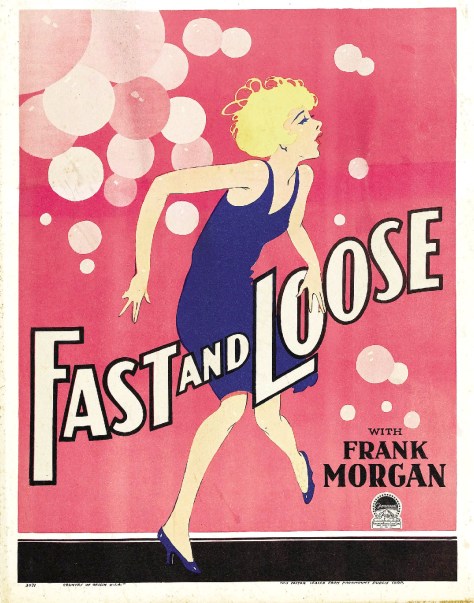
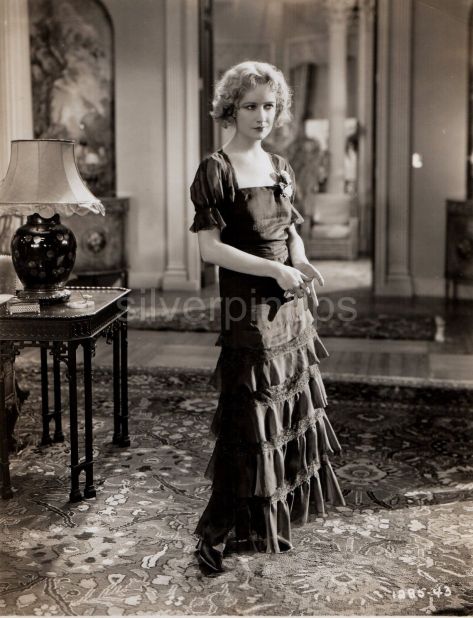
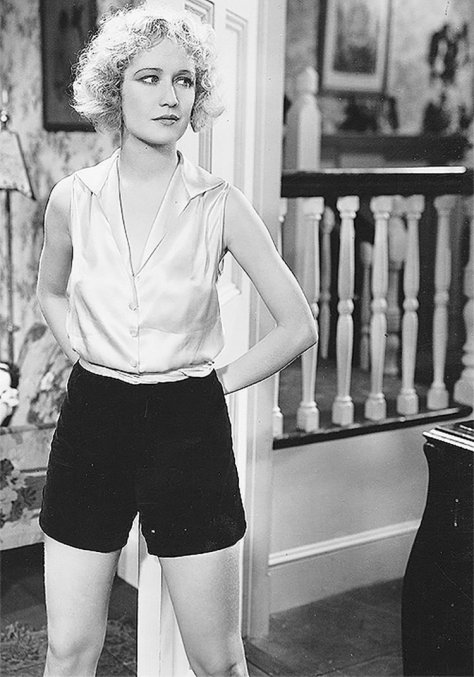
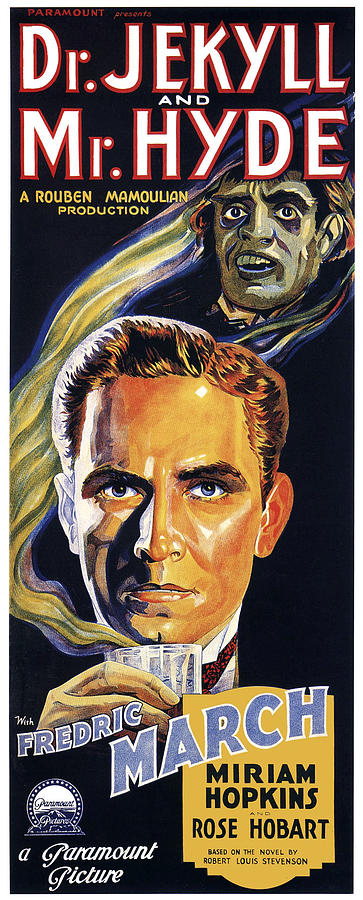
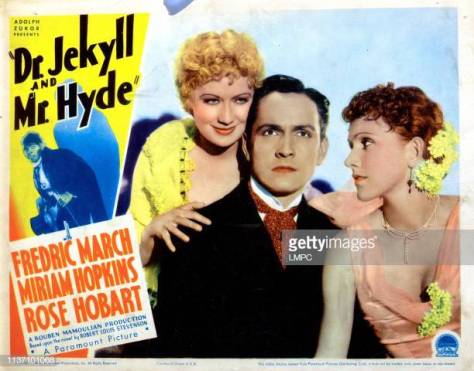
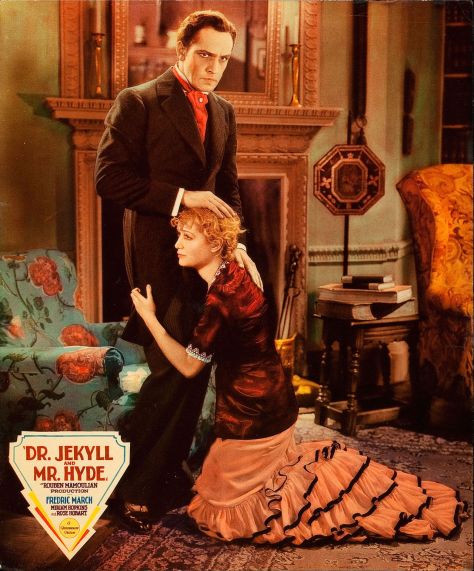
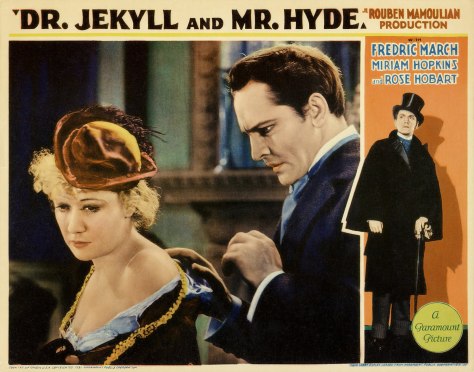
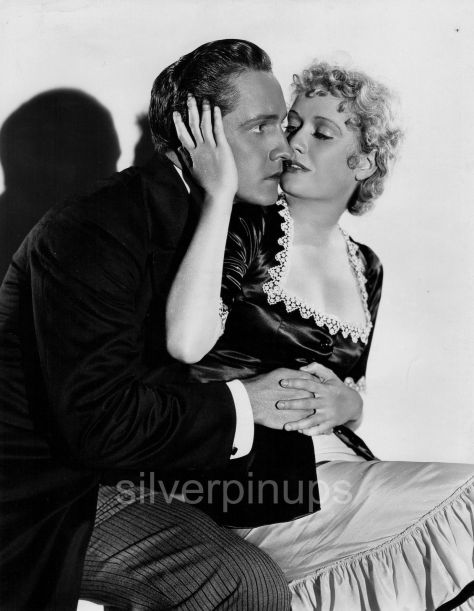
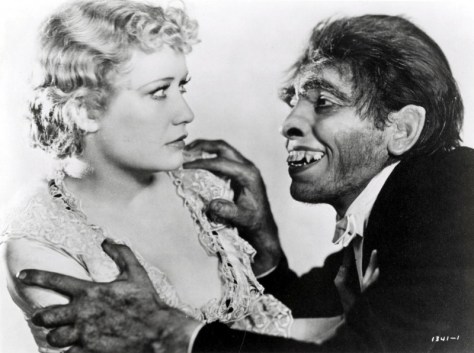
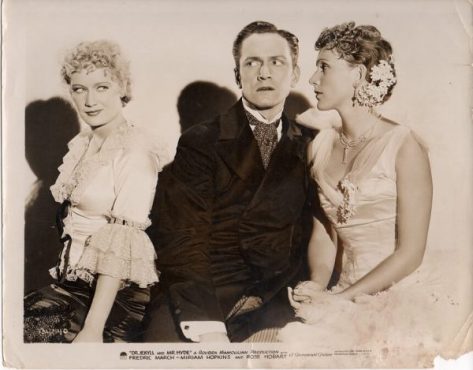
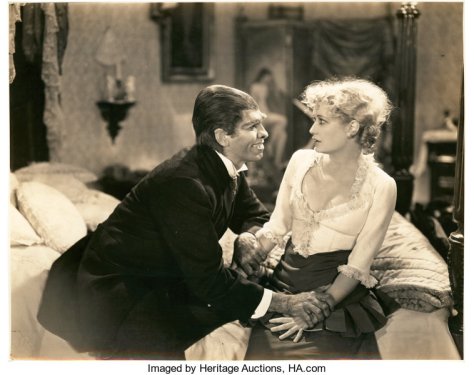
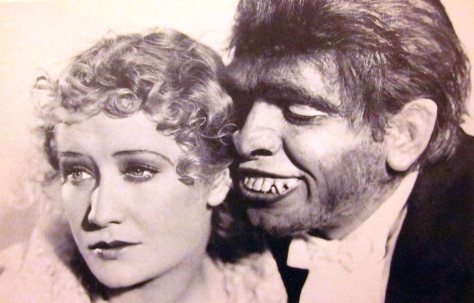
At age 20, Hopkins became a chorus girl in New York City. In 1930, she signed with Paramount Pictures, and made her official film debut in Fast and Loose. Her first great success was in the 1931 horror drama film Dr. Jekyll and Mr. Hyde, in which she portrayed the character Ivy Pearson, a prostitute who becomes entangled with Jekyll and Hyde. Hopkins received rave reviews, but because of the potential controversy of the film and her character, many of her scenes were cut before the official release, reducing her screen time to approximately five minutes.

Fast_and_Loose_poster.jpg

Fast and Loose (1930) Poster

Orig-1930-MIRIAM-HOPKINS-Exquisite-in-Film-Debut...-Pre-Code-FAST-AND-LOOSE

Miriam Hopkins in Fast and Loose (1930)

Miriam Hopkins in Fast and Loose (1930)

dr-jekyll-and-mr-hyde-theater-lobby-poster-1931-daniel-hagerman

Dr Jekyll and Mr Hyde (1931) Poster

gettyimages-1137101068-612x612
Dr. Jekyll And Mr Hyde, lobby card. Dr. Jekyll And Mr Hyde, from left, Miriam Hopkins, Fredric March, Rose Hobart, 1931. (Photo by LMPC via Getty Images)

Dr Jekyll and Mr Hyde (1931) Lobby Card

tumblr_p3mxkzgTEI1wtjp2co1_1280

Dr Jekyll and Mr Hyde (1931) Lobby Card

fredric-march-miriam-hopkins-dr-jekyll-and-mr-hyde-lobby-card-2

Dr Jekyll and Mr Hyde (1931) Lobby Card

Orig-31-FREDRIC-MARCH-MIRIAM-HOPKINS-Pre-Code-Embrace..-DR.-JEKYLL-MR.-HYDE

Fredric March and Miriam Hopkins in Dr Jekyll and Mr Hyde (1931)

133253_resized_800_600_90_896572c5c7fd2492e7fa9a19fb774fca

Fredric March and Miriam Hopkins in Dr Jekyll and Mr Hyde (1931)

dr-jekyll-and-mr-hyde-1931-publicty-still-with-fredric-march-miriam-hopkins-and-rose-hobart-600x469

Fredric March Rose Hobart and Miriam Hopkins in Dr Jekyll and Mr Hyde (1931)

lf (5)

Fredric March and Miriam Hopkins in Dr Jekyll and Mr Hyde (1931)

-5961500607530841776

Fredric March and Miriam Hopkins in Dr Jekyll and Mr Hyde (1931)

z-165-s-fredric-march-miriam-hopkins-rose-hobart-dr-jekyll-and-mr-hyde_600

Fredric March Rose Hobart and Miriam Hopkins in Dr Jekyll and Mr Hyde (1931)

tumblr_md66ytbyR31qk6saio1_1280

Fredric March and Miriam Hopkins in Dr Jekyll and Mr Hyde (1931)

djamh31-teatime2b

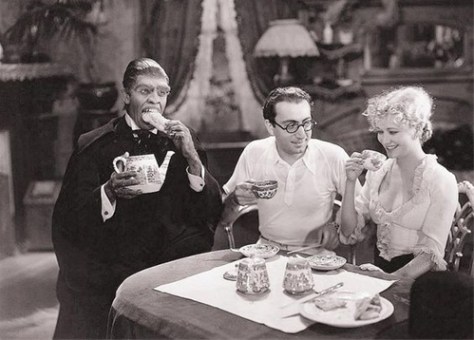
Fredric March Rouben Mamoulian and Miriam Hopkins on the set of Dr Jekyll and Mr Hyde (1931)

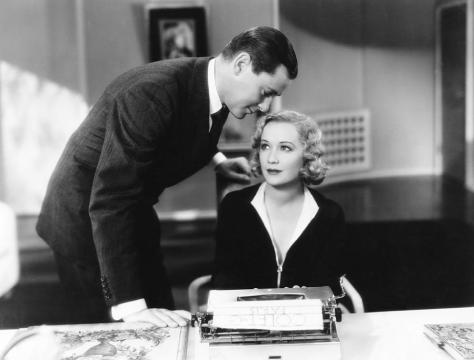
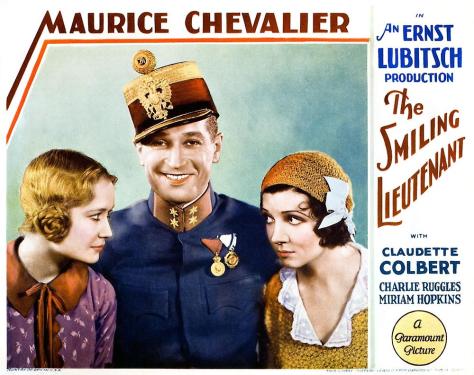
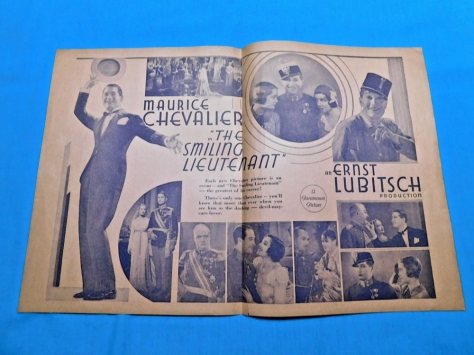
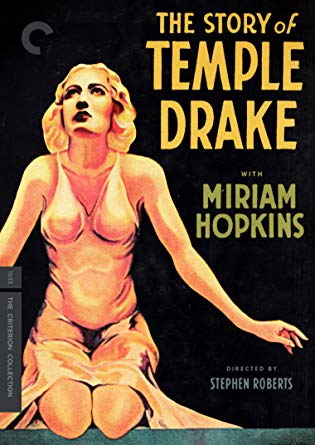
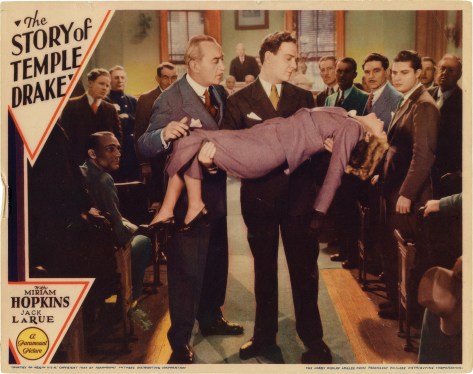
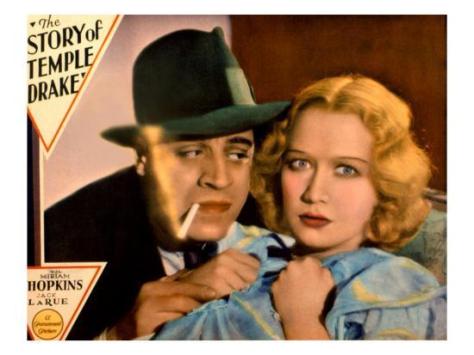
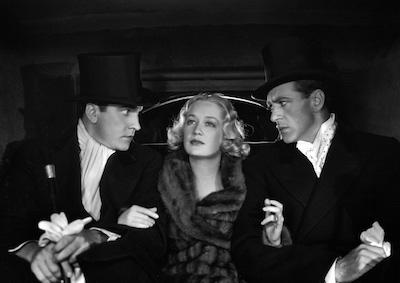
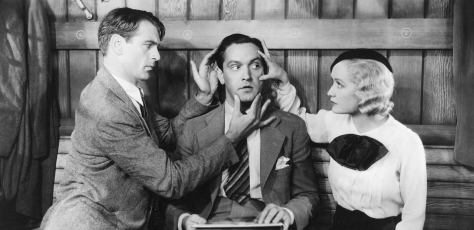
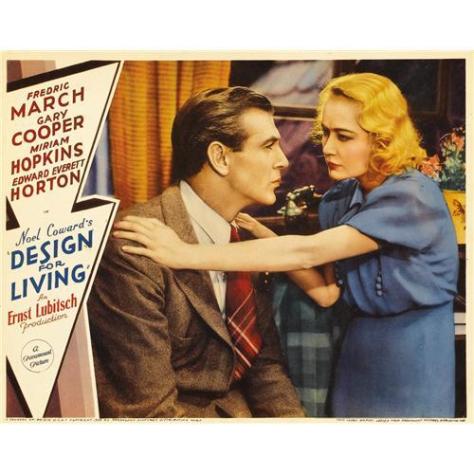
Nevertheless, her career ascended swiftly thereafter and in 1932 she scored her breakthrough in Ernst Lubitsch‘s Trouble in Paradise, where she proved her charm and wit as a beautiful and jealous pickpocket. During the pre-code Hollywood of the early 1930s, she appeared in The Smiling Lieutenant, The Story of Temple Drake and Design for Living, all of which were box office successes and critically acclaimed.

Trouble_In_Paradise_1024x1024

Trouble in Paradise (1932) Poster

u-g-PH56DF0

Herbert Marshall and Miriam Hopkins in Trouble in Paradise (1932)

u-g-PH56CA0

Miriam Hopkins and Kay Francis in Trouble in Paradise (1932)

61RStOqJU5L._SX355_

Kay Francis, Herbert Marshall and Kay Francis in Trouble in Paradise (1932)

TROUBLE-IN-1932-1-copy

Miriam Hopkins and Herbert Marshall in Trouble in Paradise (1932)

71tIyXQTuoL._SX425_

Trouble in Paradise (1932) Lobby Card

trouble-in-paradise-from-left-herbert-everett

Herbert Marshall and Miriam Hopkins in Trouble in Paradise (1932)

14562196_max

The Smiling Lieutenant (1931) Lobby Card

claudette-colbert-and-ernst-lubitsch-in-the-smiling-lieutenant-1931--album

On the set of The Smiling Lieutenant (1931)

2457355592976461698

The Smiling Lieutenant (1931) Press Book

81y2kDAEBtL._SY445_

The Story of Temple Drake (1933) Poster

141215

The Story of Temple Drake (1933) Lobby Card

u-g-P6U52B0

The Story of Temple Drake (1933) Lobby Card

140939a

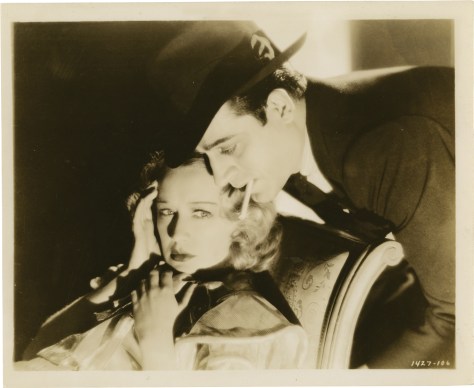
Miriam Hopkins and Jack La Rue in The Story of Temple Drake (1933)

140939c

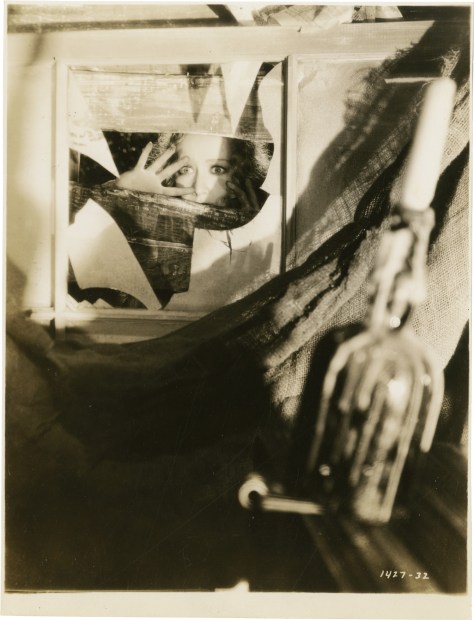
Miriam Hopkins in The Story of Temple Drake (1933)

140939

Miriam Hopkins and Jack La Rue in The Story of Temple Drake (1933)

140939d

Miriam Hopkins in The Story of Temple Drake (1933)

30333116561_3

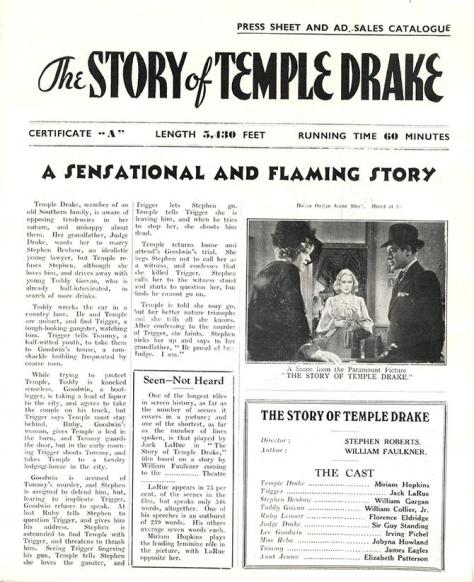
The Story of Temple Drake (1933) Press Sheet

140939b

Miriam Hopkins in The Story of Temple Drake (1933)

design-for-living-gary-cooper-miriam-hopkins-fredric-march-1933-vintage-film-movie-print-poster.-sizes-a4-a3-a2-a1-002832--5416-p

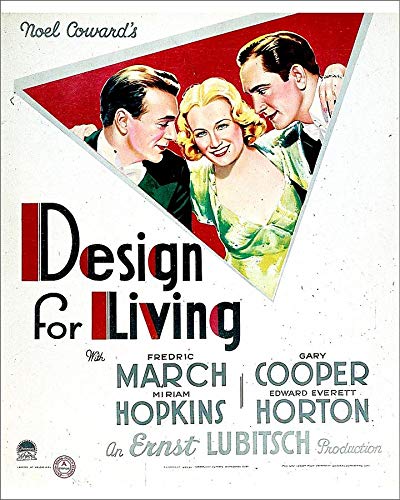
Design for Living (1933) Poster

51NSfeb-LQL

Design for Living (1933) Poster

lf (6)

Design for Living (1933) Lobby Card

71a274aa-adfe-44d9-9f2f-18b756caa9e8_1.fd4f4dbac5b787ef740bc0fc5e0adf0c

Design for Living (1933) Lobby Card

6095692_1

Design for Living (1933) Lobby Card

9161647523289939291

Gary Cooper and Fredric March in Design for Living (1933)

Design_Living_1933_15

Fredric March, Miriam Hopkins and Gary Cooper in Design for Living (1933)

DesignForLiving3_individual_film

 Gary Cooper, Fredric March and Miriam Hopkins in Design for Living (1933)6095691_1

Design for Living (1933) Lobby Card

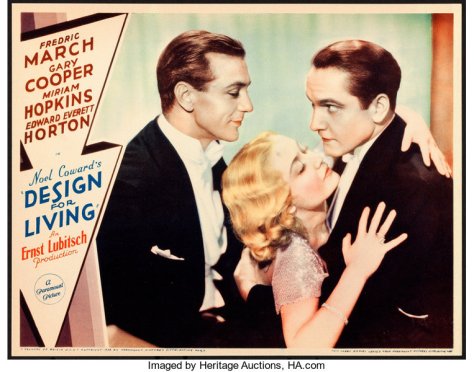
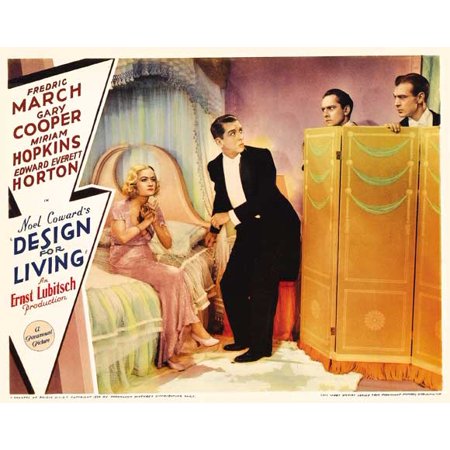
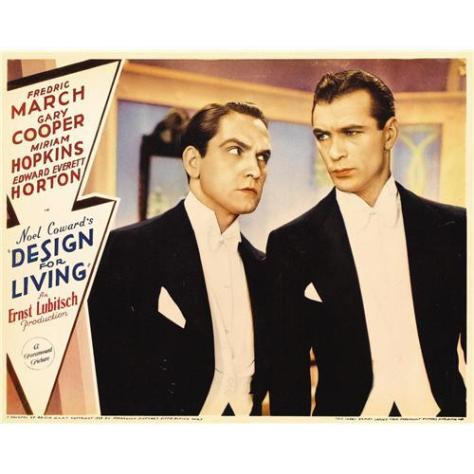
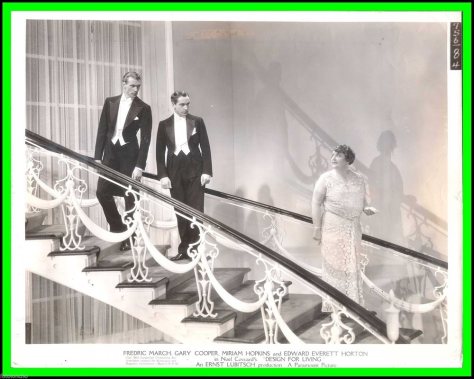
Her pre-Code films were considered risqué at the time, with The Story of Temple Drake depicting a rape scene and Design for Living featuring a ménage à trois with Fredric March and Gary Cooper.

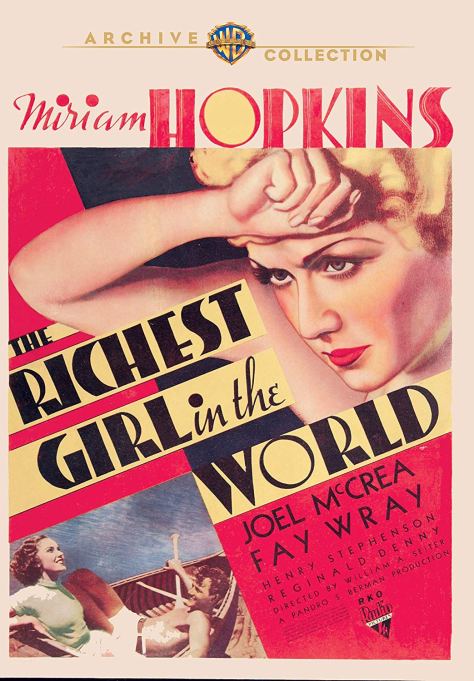
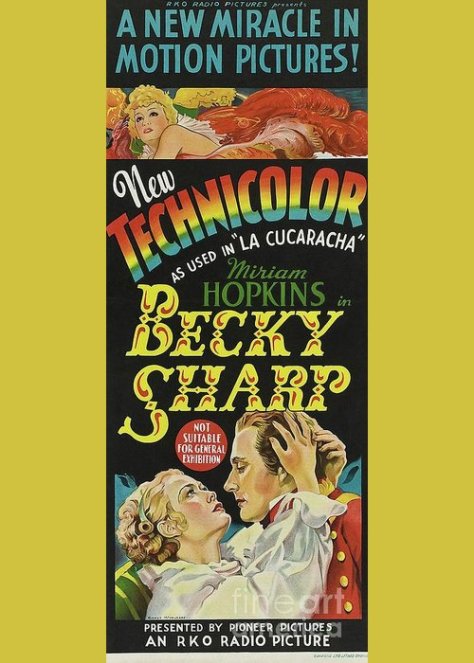
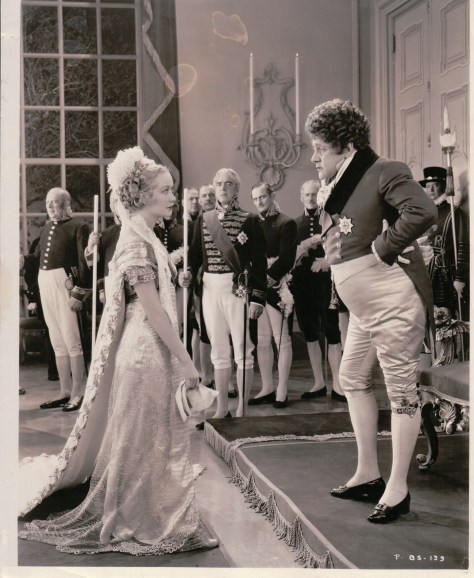
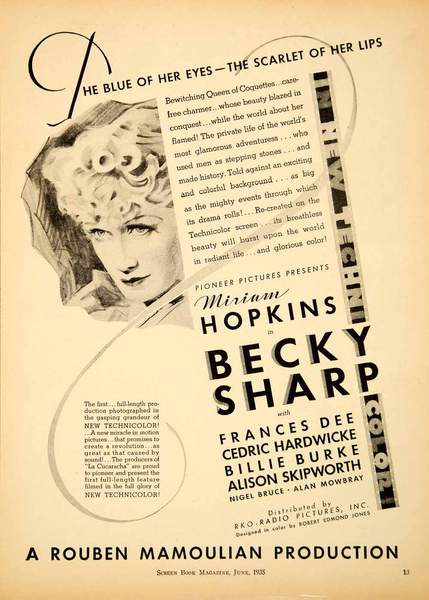
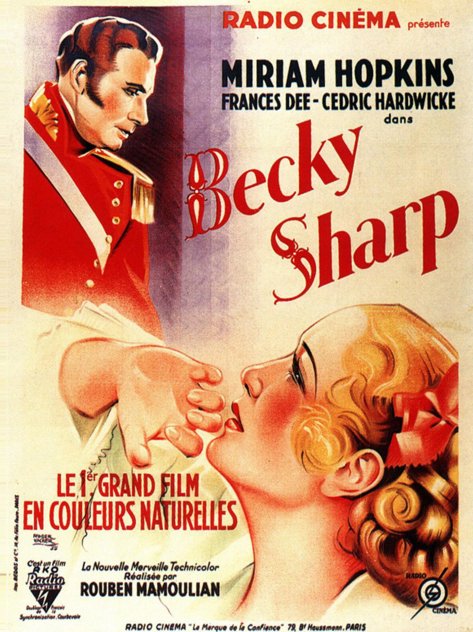
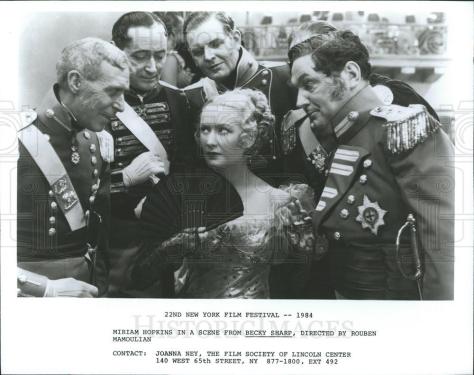
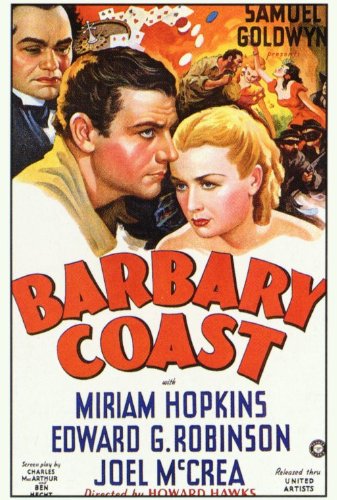
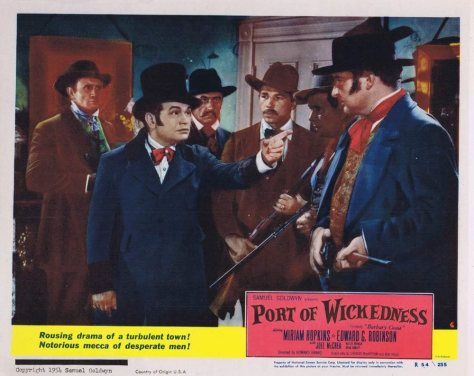
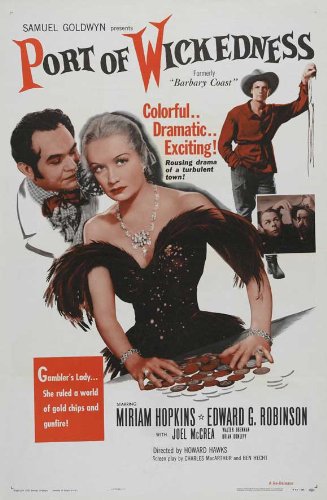
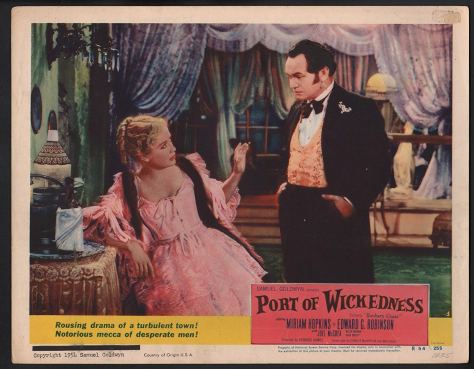
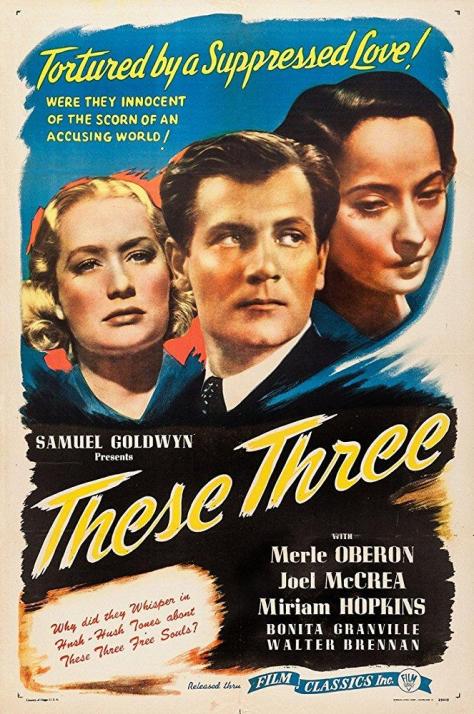
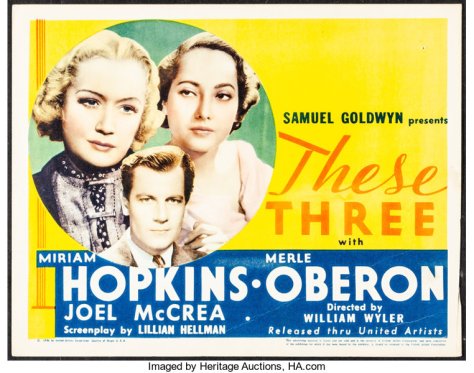
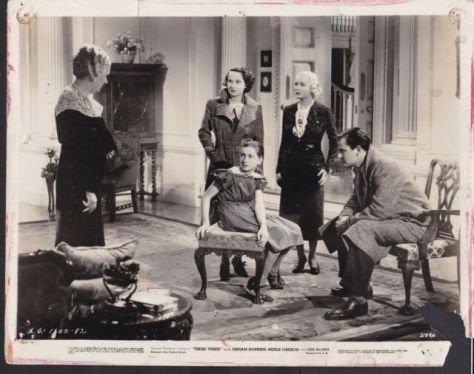
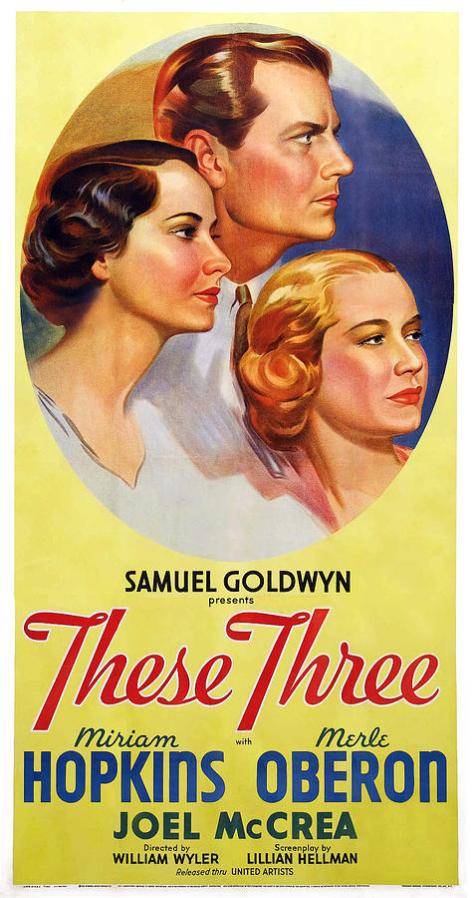
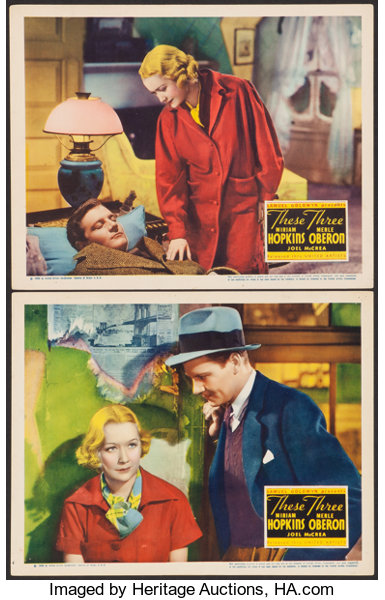
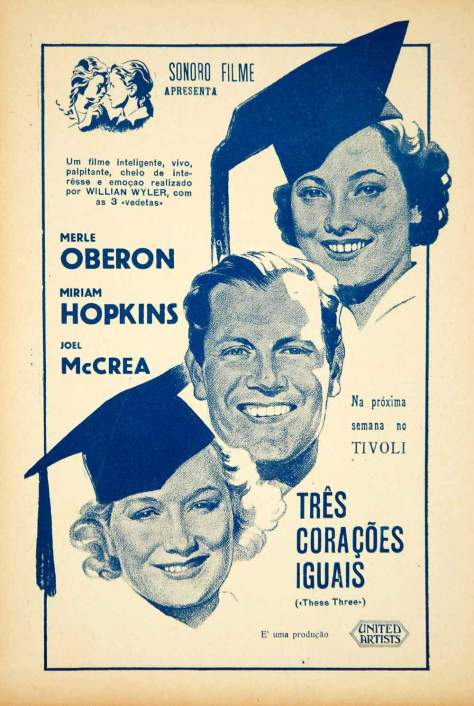
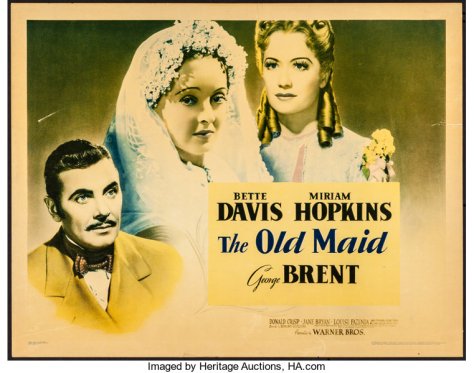
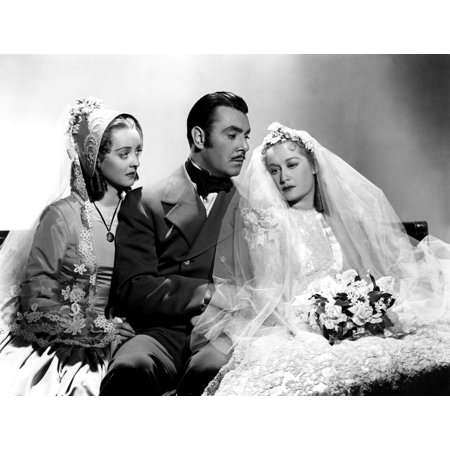
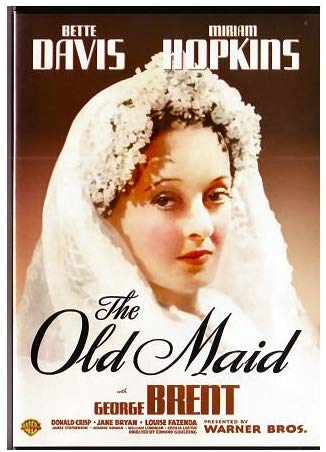
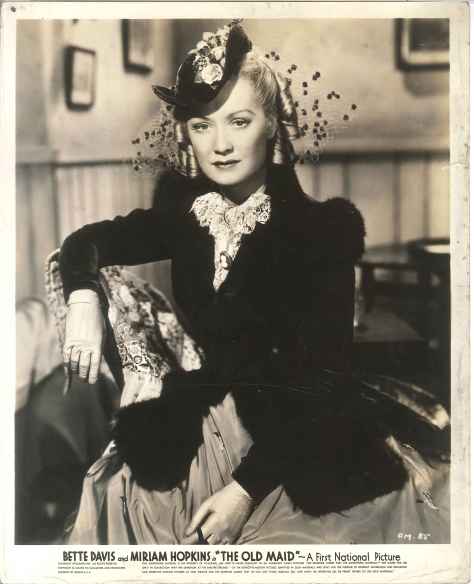
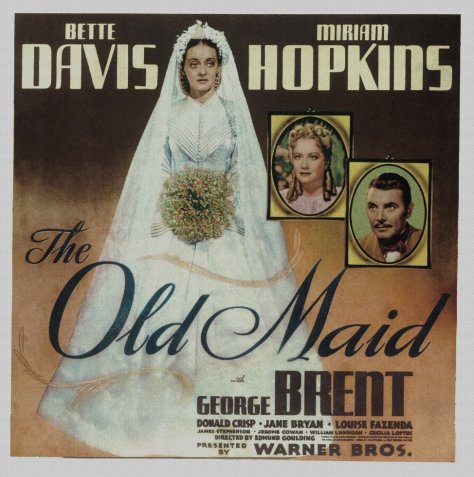
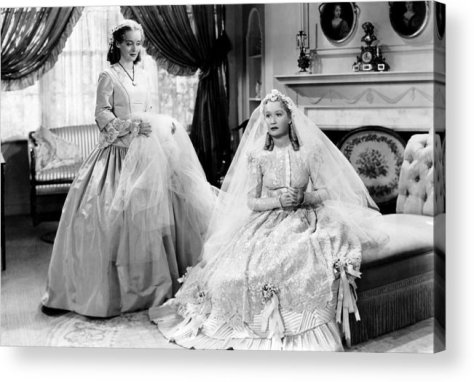
She also had success during the remainder of the decade with the romantic comedy The Richest Girl in the World (1934), the historical udrama Becky Sharp (1935), for which she was nominated for the Academy Award for Best Actress, Barbary Coast (1935), These Three (1936) (the first of four films with director William Wyler) and The Old Maid (1939).

91kjlHIWILL._SL1500_

The Richest Girl in the World (1934) Poster

1-the-richest-girl-in-the-world-miriam-everett

Miriam Hopkins in The Richest Girl in the World (1934) 

u-g-Q12P0MR0

Joel McCrea and Miriam Hopkins in The Richest Girl in the World (1934) 

the-richest-girl-in-the-world-miriam-everett

Miriam Hopkins in The Richest Girl in the World (1934)

vintage-movie-posters-becky-sharp-esoterica-art-agency

Becky Sharp (1935) Poster

EK_00652-e1384655156299

Miriam Hopkins in Becky Sharp (1935)

SBM1_014_grande

Becky Sharp (1935) Poster


91DayKqHzvL._RI_

Becky Sharp (1935) Poster

MVA13609

Miriam Hopkins in Becky Sharp (1935) Production Still

u-g-PH30940

Miriam Hopkins in Becky Sharp (1935) 

Miriam_Hopkins_in_BECKY_SHARP_1935_b_w_620x

Miriam Hopkins in Becky Sharp (1935) 

1286324056

Becky Sharp (1935) Magazine Cover 


51RnLddeF1L

Barbary Coast (1935) Poster

6419227880640837551

Barbary Coast AKA Port of Wickedness (1935) Lobby Card

51DT+cnrMxL

Barbary Coast AKA Port of Wickedness (1935) Poster

910XLUKRJTL._SL1500_

Barbary Coast AKA Port of Wickedness (1935) Lobby Card

u-g-P6RLLG0

Miriam Hopkins in Barbary Coast AKA Port of Wickedness (1935)  

1-barbary-coast-miriam-hopkins-1935-everett

Miriam Hopkins in Barbary Coast AKA Port of Wickedness (1935)  

These_Three_1024x1024

These Three (1936) Poster

lf (7)

These Three (1936) Poster

s-l640

These Three (1936) Production Still

these-three-us-poster-from-left-merle-everett

These Three (1936) Poster

lf (8)

These Three (1936) Lobby Cards

YCF1_025_27a581d5-ddd2-46ec-ae56-ce13f59bdfd0_2048x2048

These Three (1936) Poster

lf (9)

The Old Maid (1939) Poster

3aeabe84-c567-40e0-b7de-e5b6c820bd6a_1.aa86e7c5004e07c25bea5e2bf66df54c

Bette Davis, George Brent and Miriam Hopkins in The Old Maid (1939)

51CbG6tFVSL._AC_

The Old Maid (1939) Poster

om85

The Old Maid (1939) Lobby Card

91-txsaficL._SL1500_

The Old Maid (1939) Poster

the-old-maid-from-left-bette-davis-everett

Bette Davis and Miriam Hopkins in The Old Maid (1939) 

-9112482895263330337

Bette Davis, Miriam Hopkins and George Brent in The Old Maid (1939)

22632945779

The Old Maid (1939) Poster

Hopkins was one of the first actresses approached to play the role of Ellie Andrews in It Happened One Night (1934). However, she rejected the part, and Claudette Colbert was cast instead. She did audition for the role of Scarlett O’Hara in Gone with the Wind, having one advantage none of the other candidates had: she was a native Georgian. But the part went to Vivien Leigh. Interestingly, both Colbert and Leigh won Oscars for their performances.

Wilson_Spread2


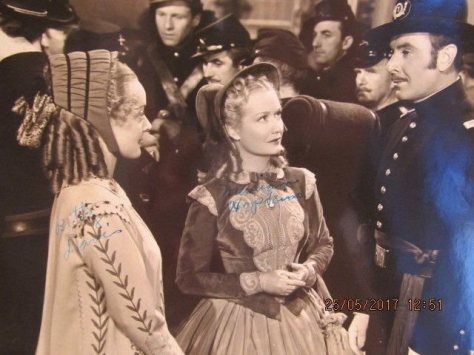
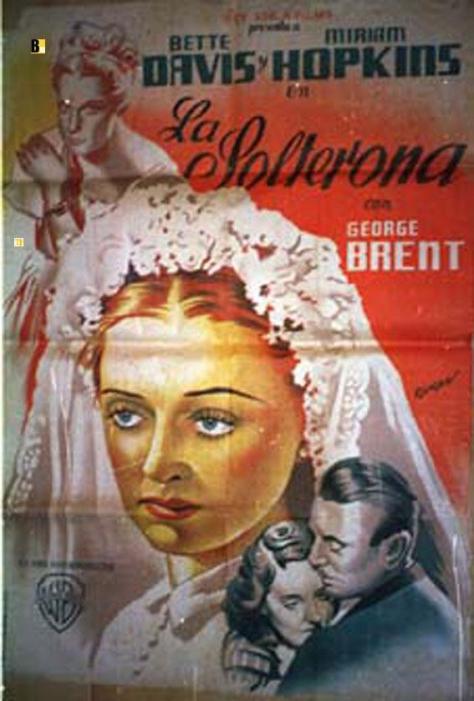
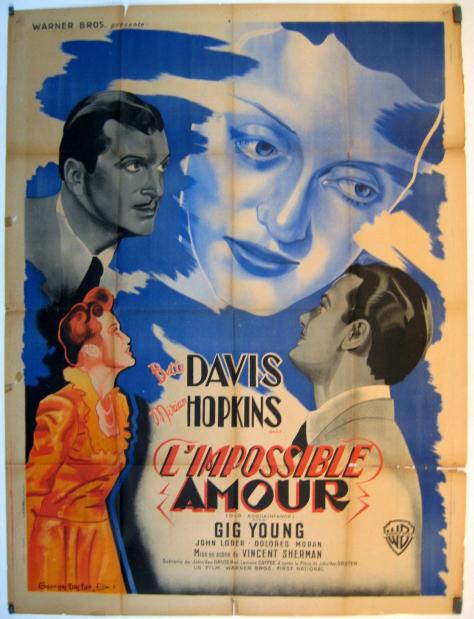
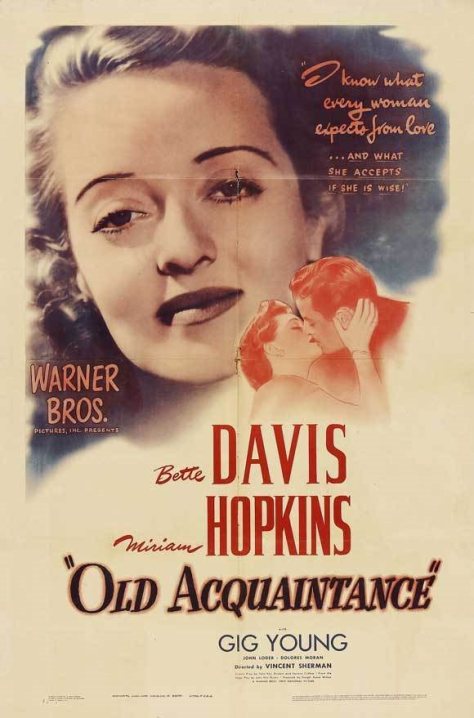
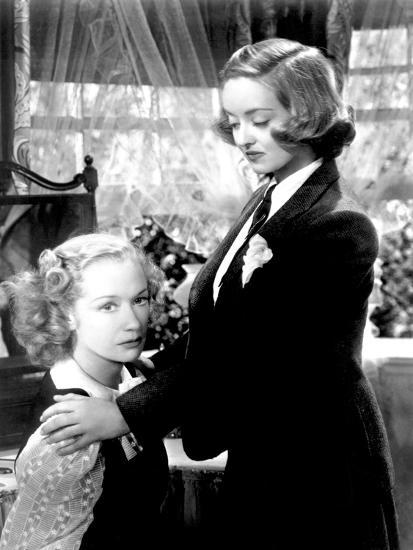
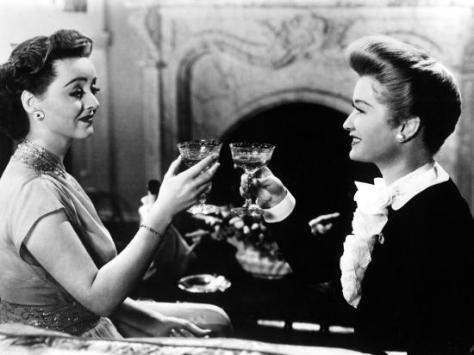
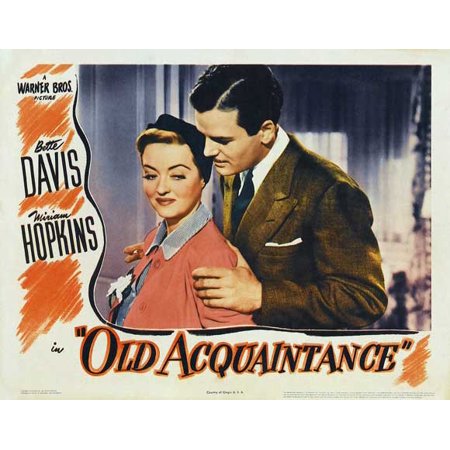
Hopkins had well-publicized fights with her arch-enemy Bette Davis (Hopkins believed Davis was having an affair with Hopkins’ husband at the time, Anatole Litvak), when they co-starred in their two films The Old Maid (1939) and Old Acquaintance(1943).

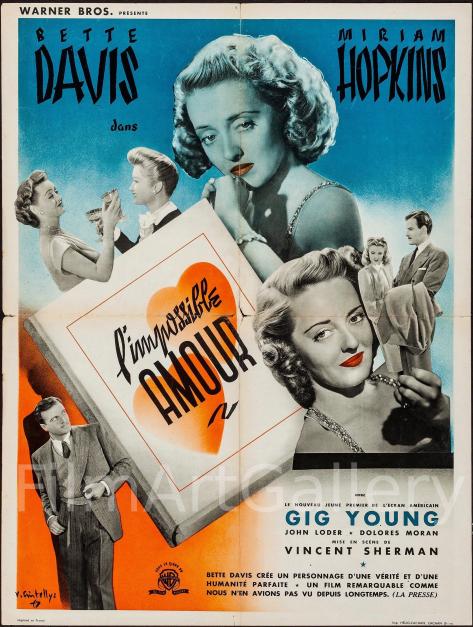
Davis admitted to enjoying very much a scene in Old Acquaintance in which she shakes Hopkins forcefully during a scene where Hopkins’ character makes unfounded allegations against Davis’s. There were even press photos taken with both divas in a boxing ring with gloves up and director Vincent Sherman between the two. Davis described Hopkins as a “terribly good actress” but also “terribly jealous” in later interviews.


old-acquaintance-vintage-movie-poster-original-french-small-23x32-7964

Old Acquaintance (1943) Poster 

560x315mv

Miriam Hopkins in Old Acquaintance (1943) 

22632940985

Old Acquaintance (1943) Poster 

-4095174775407939919

Old Acquaintance (1943) Poster 

u-g-PH5L0F0

Miriam Hopkins and Bette Davis in Old Acquaintance (1943) 

s-l640 (1)

Old Acquaintance (1943) Lobby Card

old-acquaintance-bette-davis-miriam-hopkins-1943_u-l-ph4mf10

Bette Davis and Miriam Hopkins in Old Acquaintance (1943) 

afc1675d-c04b-4c93-b68a-b22d4c2d9073_1.38283e94f12ba3fc9f05aec22043dc19

Old Acquaintance (1943) Lobby Card

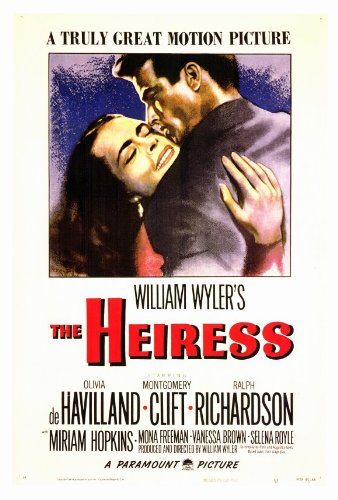
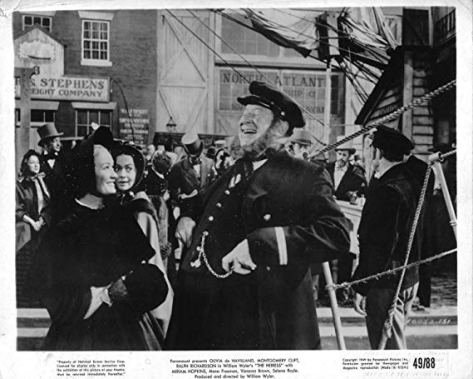
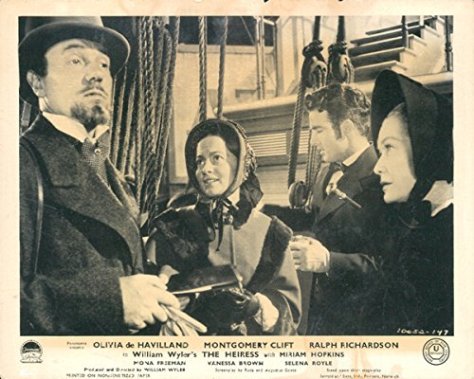
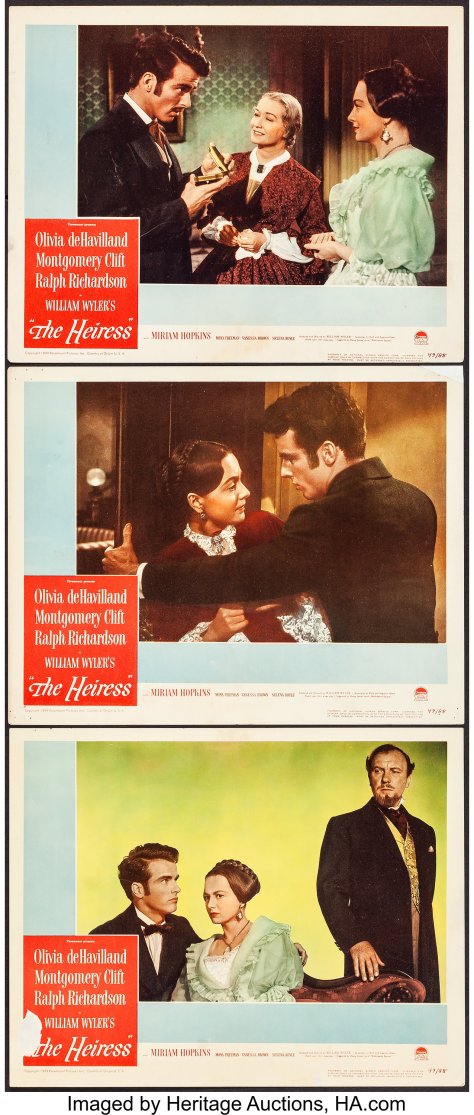
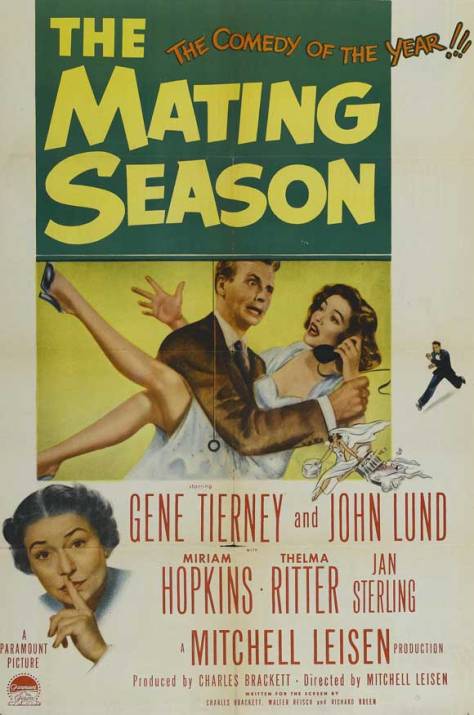
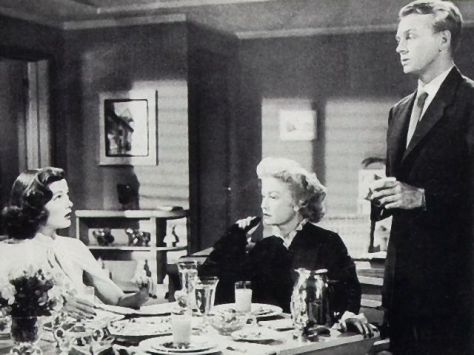
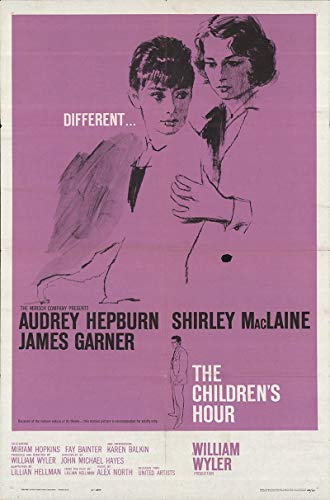
After Old Acquaintance, Hopkins did not work again in films until The Heiress (1949), where she played the lead character’s aunt. In Mitchell Leisen‘s 1951’s comedy The Mating Season, she gave a comic performance as Gene Tierney‘s character’s mother. She also acted in The Children’s Hour, which is the theatrical basis of her film These Three (1936). In the remake, she played the aunt to Shirley MacLaine, who took Hopkins’ original role.

51HAnE2brDL

The Heiress (1949) Poster

81GrRrEb0YL._SX569_

The Heiress (1949) Lobby Card

51lY2mISAXL

The Heiress (1949) Lobby Card

lf (10)

The Heiress (1949) Lobby Cards

the-mating-season-1951-dvd-gene-tierney-john-lund-660-p

The Mating Season (1951) Poster

Mating-Season-ss1

Gene Tierney and Miriam Hopkins in The Mating Season (1951) 

71qTvvPXaYL._SY500_

The Children’s Hour (1961) Poster

Hopkins was a television pioneer, performing in teleplays in three decades, spanning the late 1940s through the late 1960s, in such programs as The Chevrolet Tele-Theatre (1949), Pulitzer Prize Playhouse (1951), Lux Video Theatre (1951–1955), The Outer Limits (1964) and even an episode of The Flying Nun in 1969.

She has two stars on the Hollywood Walk of Fame: one for motion pictures at 1701 Vine Street, and one for television at 1708 Vine Street.

abc397_grande

Miriam Hopkins

81vh9yTuO2L._SY500_

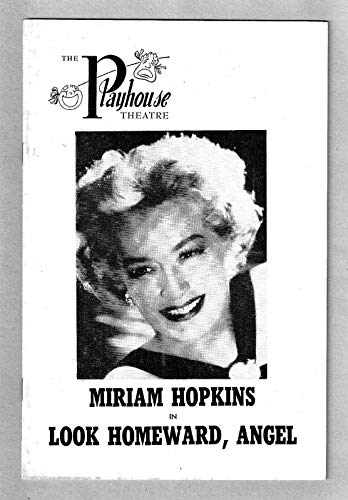
The Playhouse Theatre Programme


Private life

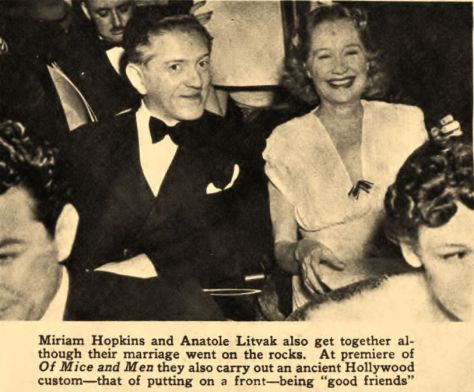
Hopkins was married and divorced four times: first to actor Brandon Peters, second to aviator, screenwriter Austin Parker, third to the director Anatole Litvak, and fourth to war correspondent Raymond B. Brock. In 1932, Hopkins adopted a son, Michael T. Hopkins (March 29, 1932 – October 5, 2010).

9db9faa40d17927b0a866786243f03ef

Brandon Peters


x3drzyedy4eseyyd

Austin Parker

Litvak,_Anatole

Anatole Litvak

0d94249dc9ded4b071fa04d9028df719

Miriam Hopkins and Anatole Litvak

4e9284b093ba7fca66ceec15d1fffec1

Miriam Hopkins and Anatole Litvak

She was known for hosting elegant parties. John O’Hara, a frequent guest, noted that

most of her guests were chosen from the world of the intellect…Miriam knew them all, had read their work, had listened to their music, had bought their paintings. They were not there because a secretary had given her a list of highbrows.

She was a staunch Democrat who strongly supported the presidency of Franklin D. Roosevelt.

Death

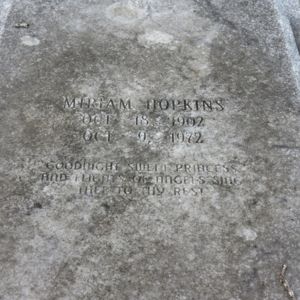
Hopkins died in New York City from a heart attack nine days before her 70th birthday. She is buried in Oak City Cemetery in Bainbridge, Georgia.

300px-Hopkins-5776-1

Miriam Hopkins Grave

Filmography

Miriam Hopkins 5


Year Title Role Notes
1930 Fast and Loose Marion Lenox Hopkins’s film debut
1931 The Smiling Lieutenant Princess Anna The first of three films Hopkins made with Lubitsch
1931 24 Hours Rosie Duggan
1931 Dr. Jekyll and Mr. Hyde Ivy Pearson
1932 Two Kinds of Women Emma Krull
1932 Dancers in the Dark Gloria Bishop
1932 The World and the Flesh Maria Yaskaya
1932 Trouble in Paradise Lily Second film directed by Lubitsch and starring Hopkins
1933 The Story of Temple Drake Temple Drake
1933 The Stranger’s Return Louise Starr
1933 Design for Living Gilda Farrell Third and final film Hopkins and Lubitsch made together
1934 All of Me Lydia Darrow
1934 She Loves Me Not Curly Flagg
1934 The Richest Girl in the World Dorothy Hunter First of five films Hopkins and McCrea made together
1935 Becky Sharp Becky Sharp Nominated – Academy Award for Best Actress
The first feature film made in the three strip Technicolor process
1935 Barbary Coast Mary ‘Swan’ Rutledge Second film starring Hopkins and McCrea
1935 Splendor Phyllis Manning Lorrimore Third film starring Hopkins and McCrea
1936 These Three Martha Dobie The film was adapted from the 1934 play The Children’s Hour by Lillian Hellman.
Fourth film starring Hopkins and McCrea
1936 Men Are Not Gods Ann Williams
1937 The Woman I Love Madame Helene Maury Hopkins married director Anatole Litvak shortly after this film was made.
It is the only film Hopkins made with Paul Muni
1937 Woman Chases Man Virginia Travis Final film Hopkins and McCrea made together
1937 Wise Girl Susan ‘Susie’ Fletcher
1939 The Old Maid Delia Lovell Ralston The first of two films Hopkins made with Bette Davis
1940 Virginia City Julia Hayne Hopkins co-starred with Errol Flynn
1940 Lady with Red Hair Mrs. Leslie Carter
1942 A Gentleman After Dark Flo Melton
1943 Old Acquaintance Millie Drake Second of two films Hopkins made with Bette Davis.
1949 The Heiress Lavinia Penniman Nominated – Golden Globe Award for Best Supporting Actress – Motion Picture
1951 The Mating Season Fran Carleton
1952 The Outcasts of Poker Flat Mrs. Shipton/’The Duchess’
1952 Carrie Julie Hurstwood
1961 The Children’s Hour Lily Mortar Hopkins had starred in the original film adaptation of the play The Children’s Hour entitled These Three in the role of Martha Dobie. In this film Shirley MacLaine played Martha and Miriam Hopkins played her Aunt Lily.
1964 Fanny Hill Mrs. Maude Brown
1966 The Chase Mrs. Reeves Hopkins played the mother of Robert Redford’s character
1970 Savage Intruder Katharine Parker Hopkins’s last film

Short Subjects:

  • “The Home Girl” (1928)
  • “Hollywood on Parade No. B-1” (1933)

glossy-8x10-photo-lot-photos-actress_1_9bb0ccdec4747b897acb1cffbcd9344ce0c3598709b5224d6e42732bd46d1eae--old-hollywood-hollywood-starsmiriam-hopkins-film-weekly-pc

Miriam Hopkins 6

Miriam-Hopkins-sexy-pics15875009_1miriam-hopkins-ernst-lubitsch-actress_1_c34522bfbc6ab5586ac796f514d0dc34miriam-hopkins-1

References

  1. Jump up^ Obituary Variety, October 11, 1972, p. 71.
  2. Jump up^ Virginia, Marriage Records 1936-2014
  3. Jump up^ 1910 United States Federal Census
  4. Jump up^ http://www.episcopalchurch.org/parish/st-johns-episcopal-church-bainbridge-ga
  5. Jump up^ “Miriam Hopkins (1902-1972)”. Georgiaencyclopedia.org. August 28, 2013. Retrieved October 17, 2015.
  6. ^ Jump up to:ab Profile, archives.syr.edu; accessed June 27, 2015.
  7. Jump up^ [Ancestry.com] U.S. Passports Applications, 1795-1925, “Meriam Hopkins, Passport Issue Date 30 January 1922”
  8. Jump up^ Profile, allanellenberger.com; accessed June 27, 2015.
  9. Jump up^ Profile, imdb.com; accessed June 27, 2015.
  10. Jump up^ Wiley, Mason; Damien Bona (1987). Inside Oscar: The Unofficial History of the Academy Awards. Ballantine Books. p. 54. ISBN0-345-34453-7.
  11. Jump up^ Soares, Andre (December 3, 2006). “Miriam Hopkins Biography in the Works”. Alternative Film Guide.
  12. Jump up^ “TimesMachine”. Timesmachine.nytimes.com. Retrieved October 17, 2015.
  13. Jump up^ Michael Janeway (August 22, 2009). The Fall of the House of Roosevelt: Brokers of Ideas and Power from FDR to LBJ. Books.google.com. Retrieved October 17,2015.

581f8496102d7__miriam-hopkins48014010301_92f60f43a7_b15875009_1

Buster Keaton


Buster Keaton 5

Prepared by Daniel B Miller

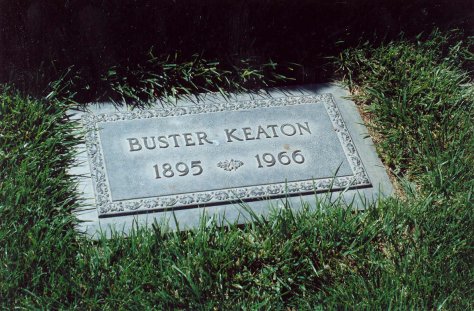
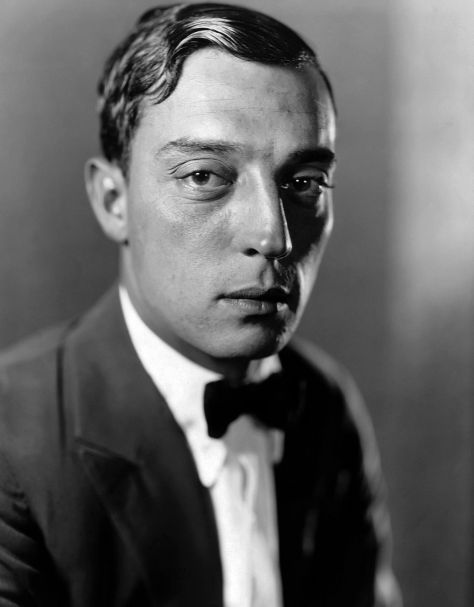
Joseph Frank “Buster” Keaton (October 4, 1895 – February 1, 1966)[1] was an American actor, comedian, film director, producer, screenwriter, and stunt performer.[2]

He was best known for his silent films, in which his trademark was physical comedy with a consistently stoicdeadpan expression, earning him the nickname “The Great Stone Face”.[3][4]

Critic Roger Ebert wrote of Keaton’s “extraordinary period from 1920 to 1929, [when] he worked without interruption on a series of films that make him, arguably, the greatest actor–director in the history of the movies”.[4]

His career declined afterward with a dispiriting loss of his artistic independence when he was hired by Metro-Goldwyn-Mayer and he descended into alcoholism, ruining his family life. He recovered in the 1940s, remarried, and revived his career to a degree as an honored comic performer for the rest of his life, earning an Academy Honorary Award.
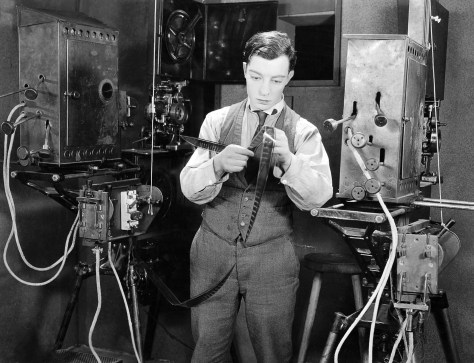
Buster Keaton 6

Buster Keaton in Sherlock Jr (Buster Keaton, 1924)

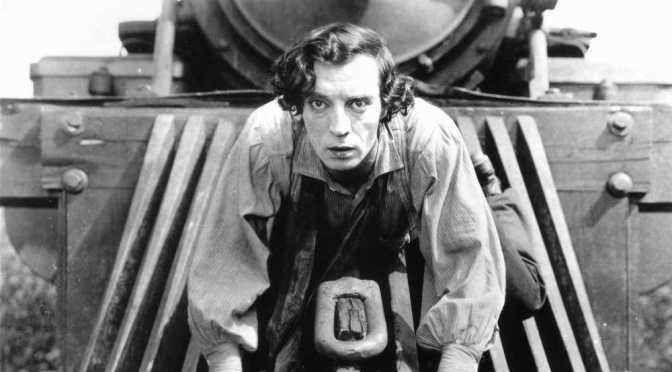
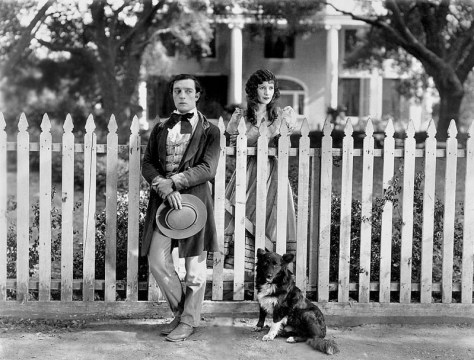
Many of Keaton’s films from the 1920s, such as Sherlock Jr. (1924), The General (1926), and The Cameraman (1928), remain highly regarded,[5] with the second of these three widely viewed as his masterpiece.[6][7][8]

Among its strongest admirers was Orson Welles, who stated that The General was cinema’s highest achievement in comedy, and perhaps the greatest film ever made.[9] Keaton was recognized as the seventh-greatest film director by Entertainment Weekly,[10] and in 1999, the American Film Institute ranked him the 21st greatest male star of classic Hollywood cinema.[11]
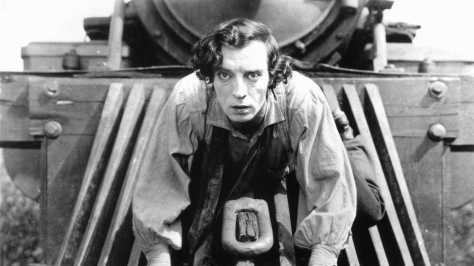
Buster Keaton 3

Buster Keaton in The General (Clyde Bruckman, Buster Keaton, 1926)
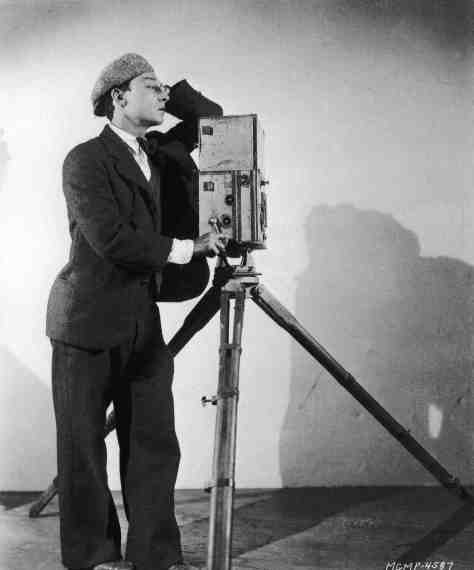
Buster Keaton 7

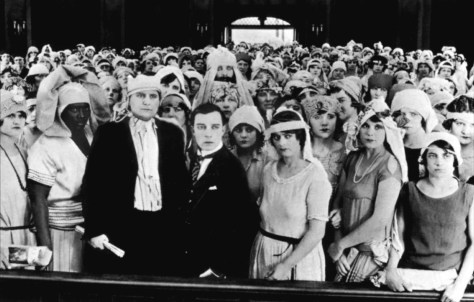
Buster Keaton in The Cameraman (Edward Sedgwick, Buster Keaton, 1928)

Buster Keaton 8

Career

Early life in vaudeville

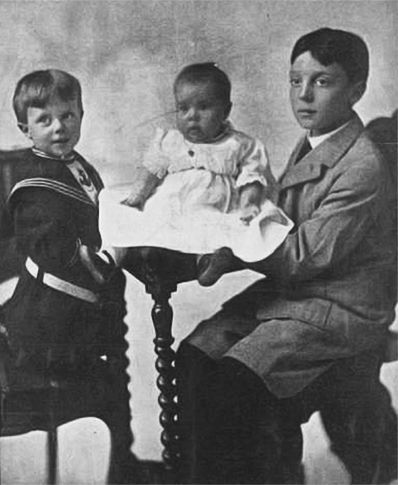
Keaton was born into a vaudeville family in Piqua, Kansas,[12] the small town where his mother, Myra Keaton (néeCutler), was when she went into labor.
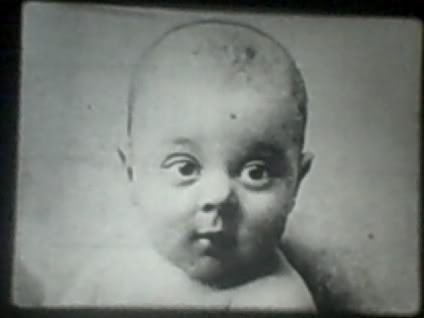
Buster Keaton 19

Buster Keaton 6 months old

He was named “Joseph” to continue a tradition on his father’s side (he was sixth in a line bearing the name Joseph Keaton)[1] and “Frank” for his maternal grandfather, who disapproved of his parents’ union.

Later, Keaton changed his middle name to “Francis”.[1] His father was Joseph Hallie “Joe” Keaton, who owned a traveling show with Harry Houdini called the Mohawk Indian Medicine Company, which performed on stage and sold patent medicine on the side.[citation needed]
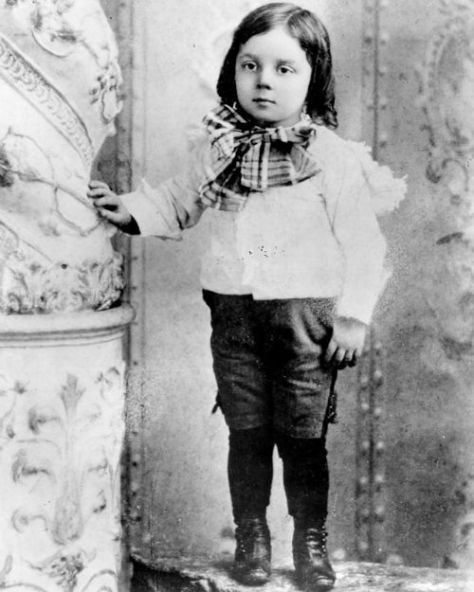
Buster Keaton 14

Buster Keaton 3 years old

According to a frequently repeated story, which may be apocryphal,[13] Keaton acquired the nickname “Buster” at about 18 months of age. Keaton told interviewer Fletcher Markle that Houdini was present one day when the young Keaton took a tumble down a long flight of stairs without injury.

After the infant sat up and shook off his experience, Houdini remarked, “That was a real buster!” According to Keaton, in those days, the word “buster” was used to refer to a spill or a fall that had the potential to produce injury. After this, Keaton’s father began to use the nickname to refer to the youngster. Keaton retold the anecdote over the years, including a 1964 interview with the CBC‘s Telescope.[14]
Buster Keaton 11

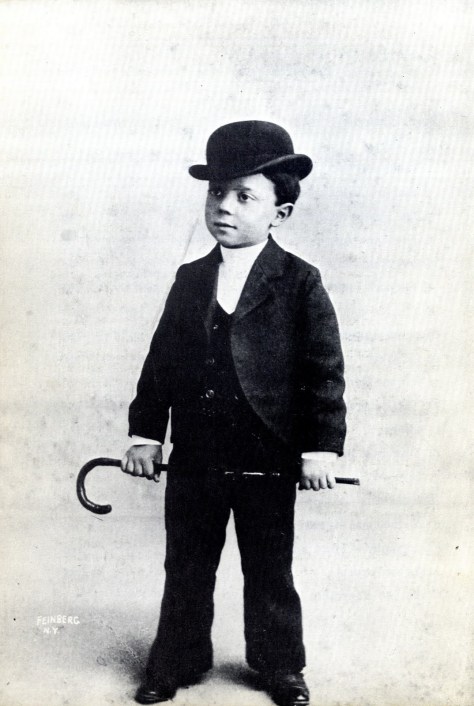
Buster Keaton Aged 5 ready for a performance with his parents on stage – in The Three Keatons

At the age of three, Keaton began performing with his parents in The Three Keatons. He first appeared on stage in 1899 in Wilmington, Delaware.

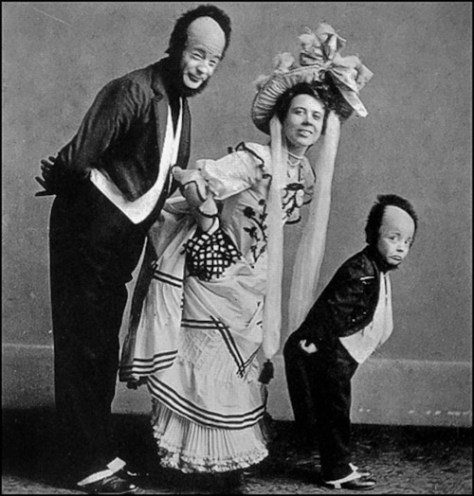
The act was mainly a comedy sketch. Myra played the saxophone to one side, while Joe and Buster performed on center stage. The young Keaton would goad his father by disobeying him, and the elder Keaton would respond by throwing him against the scenery, into the orchestra pit, or even into the audience.
Buster Keaton 13

The Three Keatons – Joe, Myra and Buster Keaton

A suitcase handle was sewn into Keaton’s clothing to aid with the constant tossing.

The act evolved as Keaton learned to take trick falls safely; he was rarely injured or bruised on stage. This knockabout style of comedy led to accusations of child abuse, and occasionally, arrest.

However, Buster Keaton was always able to show the authorities that he had no bruises or broken bones. He was eventually billed as “The Little Boy Who Can’t Be Damaged”, with the overall act being advertised as “The Roughest Act That Was Ever in the History of the Stage”.[15]
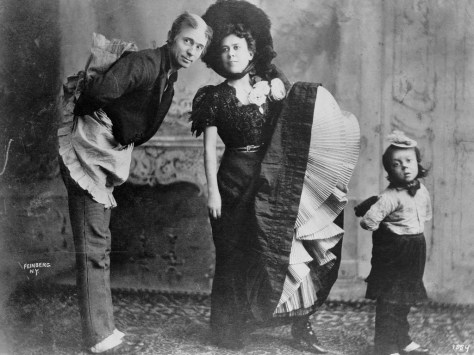
Buster Keaton as a child with his parents Joe and Myra

The Three Keatons – Joe, Myra and Buster Keaton

Decades later, Keaton said that he was never hurt by his father and that the falls and physical comedy were a matter of proper technical execution. In 1914, Keaton told the Detroit News: “The secret is in landing limp and breaking the fall with a foot or a hand. It’s a knack. I started so young that landing right is second nature with me. Several times I’d have been killed if I hadn’t been able to land like a cat. Imitators of our act don’t last long, because they can’t stand the treatment.[15]
Buster Keaton 12

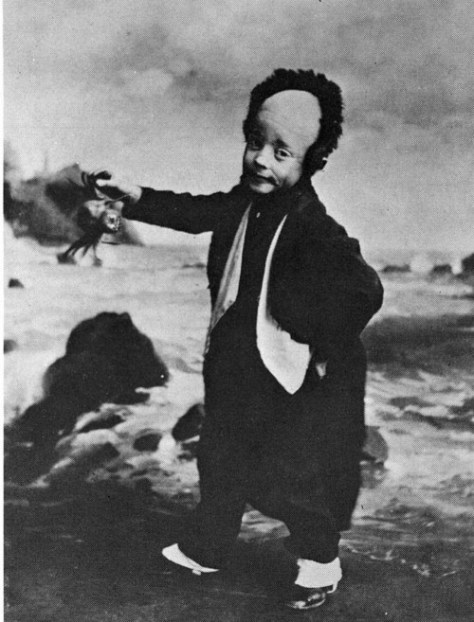
Buster Keaton in one of his early roles with The Three Keatons

Keaton claimed he was having so much fun that he would sometimes begin laughing as his father threw him across the stage. Noticing that this drew fewer laughs from the audience, he adopted his famous deadpan expression whenever he was working.[16]

The act ran up against laws banning child performers in vaudeville. According to one biographer, Keaton was made to go to school while performing in New York, but only attended for part of one day.
Buster Keaton 20

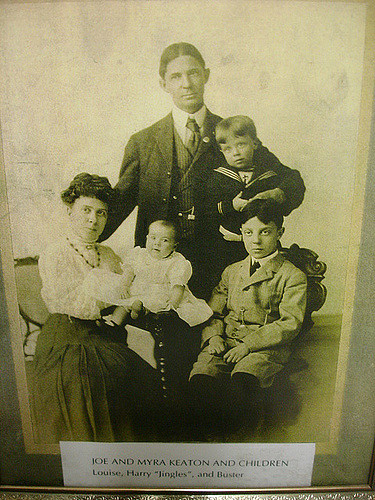
Keaton Family Portrait – Joe, Myra, Louise, Harry and Buster

Despite tangles with the law and a disastrous tour of music halls in the United Kingdom, Keaton was a rising star in the theater. Keaton stated that he learned to read and write late, and was taught by his mother.

By the time he was 21, his father’s alcoholism threatened the reputation of the family act,[15] so Keaton and his mother, Myra, left for New York, where Buster Keaton’s career swiftly moved from vaudeville to film.[17]
Buster Keaton 17

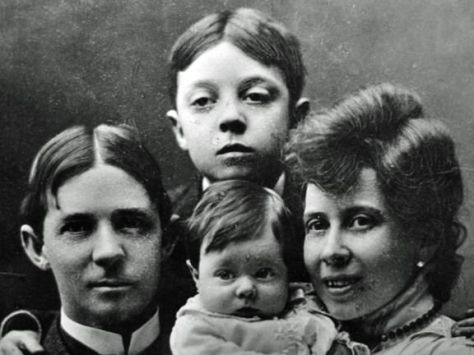
Keaton Family Portrait – Joe, Myra, Harry and Buster Keaton
Buster Keaton 16

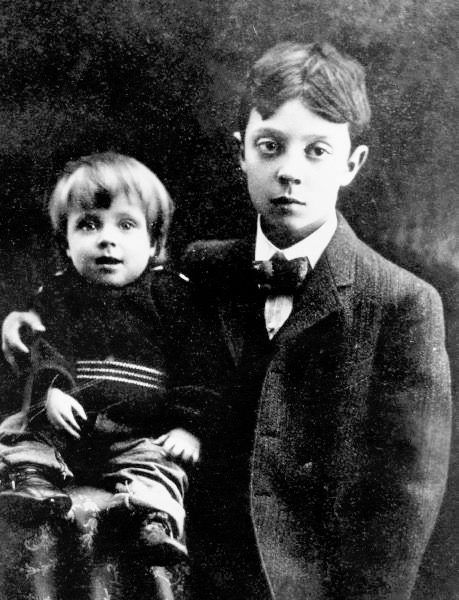
Buster Keaton with his brother Harry

Buster Keaton 18

Keaton Children – Harry, Louise and Buster Keaton
Buster Keaton 21

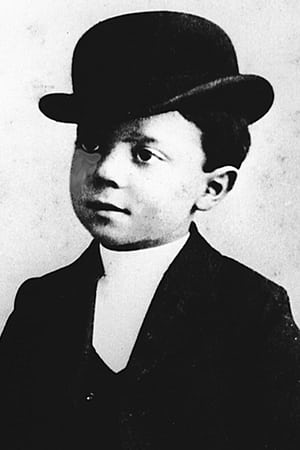
Buster Keaton portrait in his early performance outfit
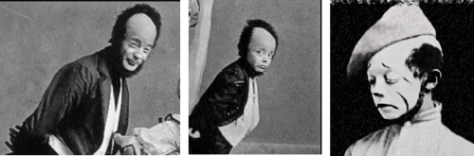
Buster Keaton 22

Buster Keaton – early stage roles with The Three Keatons

Keaton served in the United States Army in France with the 40th Infantry Division during World War I. His unit remained intact and was not broken up to provide replacements, as happened to some other late-arriving divisions. During his time in uniform, he suffered an ear infection that permanently impaired his hearing.[18][19]
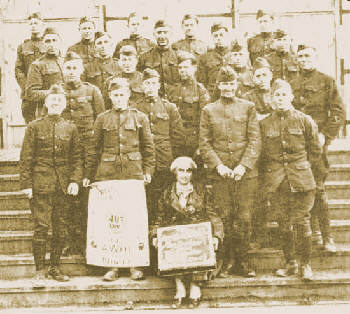
Buster Keaton 23

Buster Keaton in the Middle with the 40th Division Sunshine Players – WW1


Silent film 
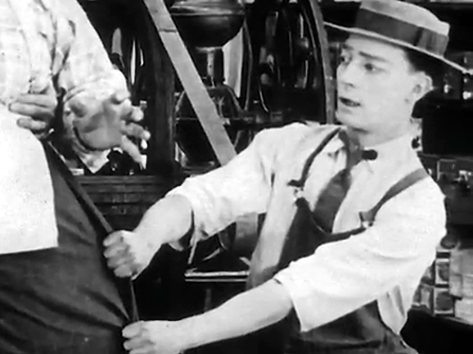
Buster Keaton 24

Buster Keaton at 21, making his first film “The Butcher Boy” (Roscoe Arbuckle, 1917)
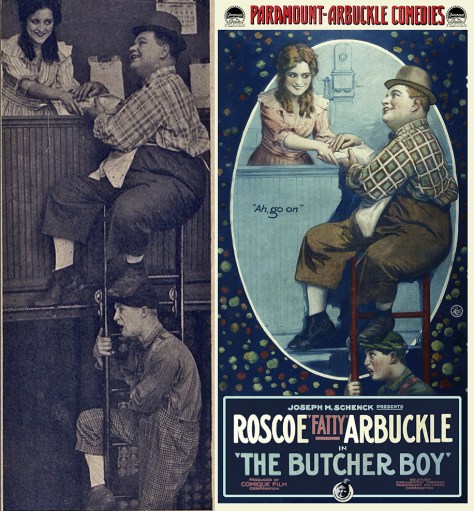
Buster Keaton  25.jpg

In February 1917, Keaton met Roscoe “Fatty” Arbuckle at the Talmadge Studios in New York City, where Arbuckle was under contract to Joseph M. Schenck.
Joe Keaton disapproved of films, and Buster also had reservations about the medium. During his first meeting with Arbuckle, he asked to borrow one of the cameras to get a feel for how it worked. He took the camera back to his hotel room and dismantled and reassembled it. With this rough understanding of the mechanics of the moving pictures, he returned the next day, camera in hand, asking for work.
He was hired as a co-star and gag man, making his first appearance in The Butcher Boy. Keaton later claimed that he was soon Arbuckle’s second director and his entire gag department. He appeared in a total of 14 Arbuckle shorts, running into 1920. They were popular, and contrary to Keaton’s later reputation as “The Great Stone Face”, he often smiled and even laughed in them.
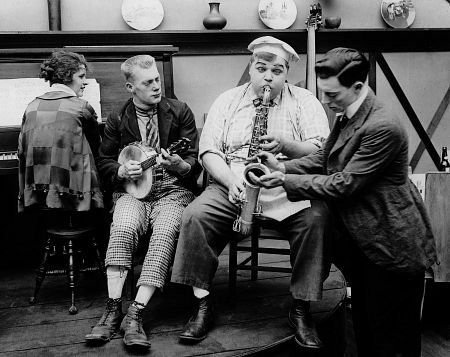
Buster Keaton 26
Roscoe “Fatty” Arbuckle, Buster Keaton, Al St. John and Alice Lake in The Cook (Roscoe Arbuckle, 1918)
Keaton and Arbuckle became close friends, and Keaton was one of few people, along with Charlie Chaplin, to defend Arbuckle’s character during accusations that he was responsible for the death of actress Virginia Rappe. (Arbuckle was eventually acquitted, with an apology from the jury for the ordeal he had undergone.)[20]

In 1920, The Saphead was released, in which Keaton had his first starring role in a full-length feature. It was based on a successful play, The New Henrietta, which had already been filmed once, under the title The Lamb, with Douglas Fairbanks playing the lead. Fairbanks recommended Keaton to take the role for the remake five years later, since the film was to have a comic slant.
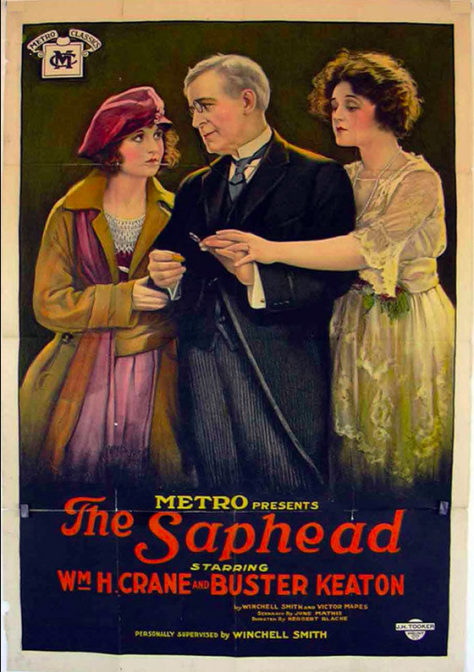
Buster Keaton  27.jpg

Poster for The Saphead, Buster Keaton’s first starring role in a full feature film (Herbert Blache, Winchell Smith, 1920)

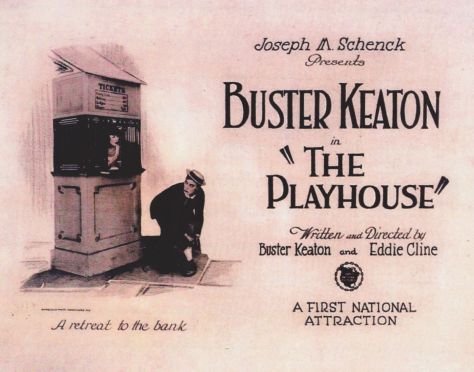
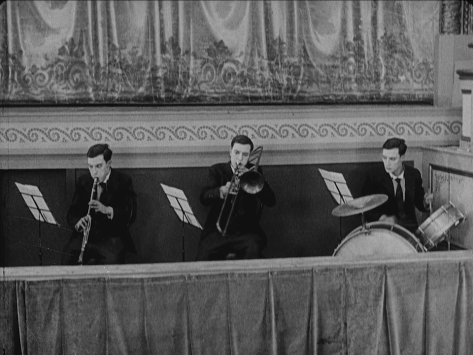
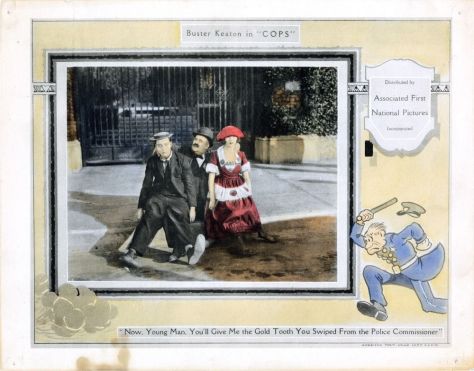
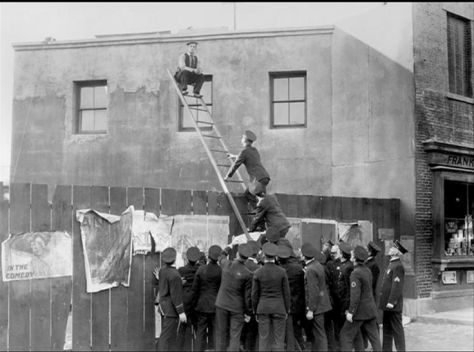
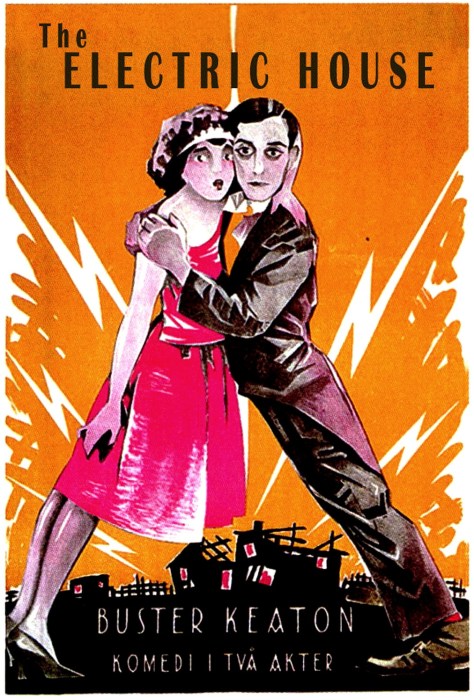
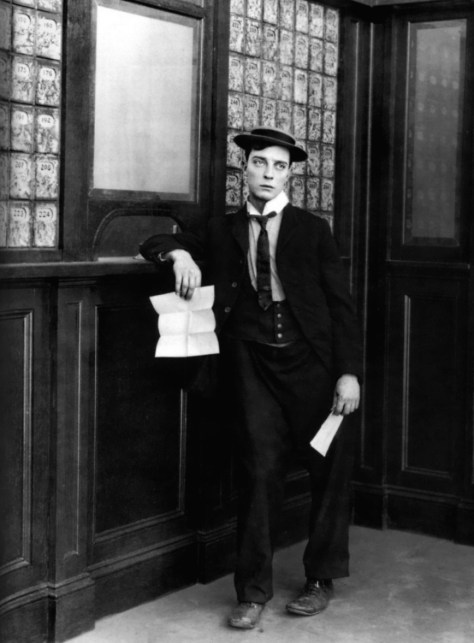
After Keaton’s successful work with Arbuckle, Schenck gave him his own production unit, Buster Keaton Comedies. He made a series of two-reel comedies, including One Week (1920), The Playhouse (1921), Cops (1922), and The Electric House (1922). Keaton then moved to full-length features.
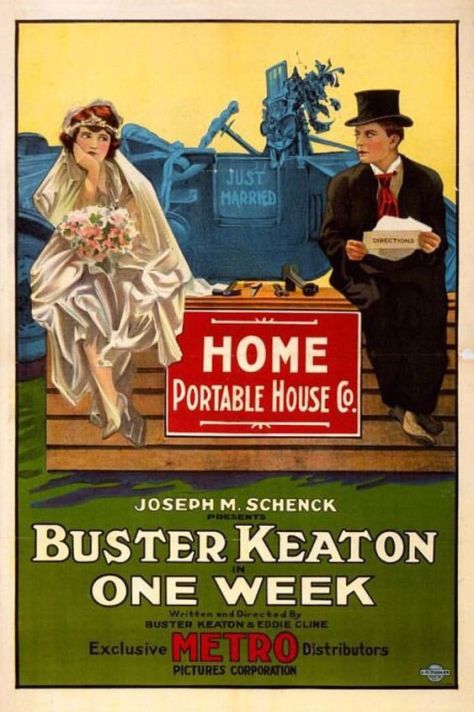
Buster Keaton  28.jpg

Poster for One Week (Edward F Cline, Buster Keaton, 1920)
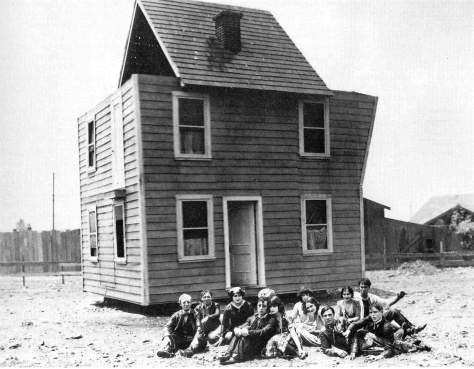
Buster Keaton  29.jpg

Buster Keaton and cast on the set of One Week (Edward F Cline, Buster Keaton, 1920)
Buster Keaton 30

Poster for The Playhouse (Edward C Cline, Buster Keaton 1921)
Buster Keaton 31

Buster Keaton in The Playhouse (Edward C Cline, Buster Keaton 1921)
Buster Keaton 32

Lobby card for Cops (Edward S Cline, Buster Keaton, 1922)
Buster Keaton 33

Buster Keaton in Cops (Edward S Cline, Buster Keaton, 1922)
Buster Keaton 34

Swedish film poster for The Electric House (Edward F Cline, Buster Keaton, 1922)
Buster Keaton  35.jpg

Buster Keaton in The Electric House (Edward F Cline, Buster Keaton, 1922)

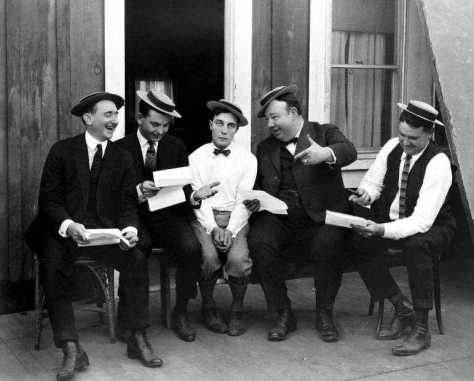
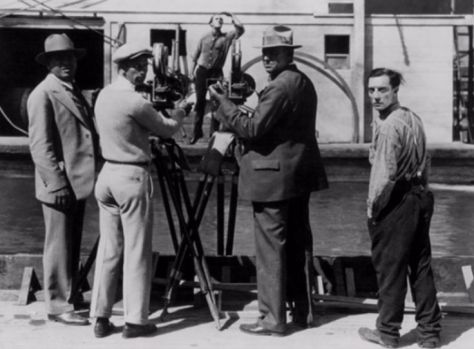
Keaton’s writers included Clyde Bruckman, Joseph Mitchell, and Jean Havez, but the most ingenious gags were generally conceived by Keaton himself.
Comedy director Leo McCarey, recalling the freewheeling days of making slapstick comedies, said, “All of us tried to steal each other’s gagmen. But we had no luck with Keaton, because he thought up his best gags himself and we couldn’t steal him![21] The more adventurous ideas called for dangerous stunts, performed by Keaton at great physical risk.
Buster Keaton 36
Buster Keaton discussing gags with Clyde Bruckman on the set
Buster Keaton 37
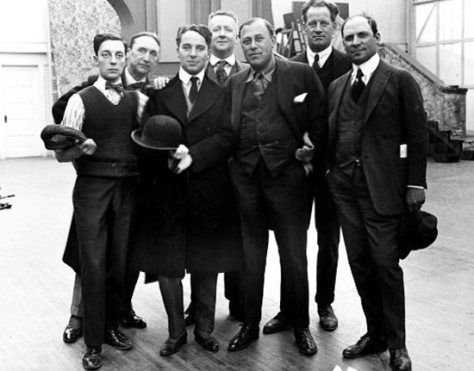
Buster Keaton and Charles Chaplin meet with executives of the Balboa Film Studio
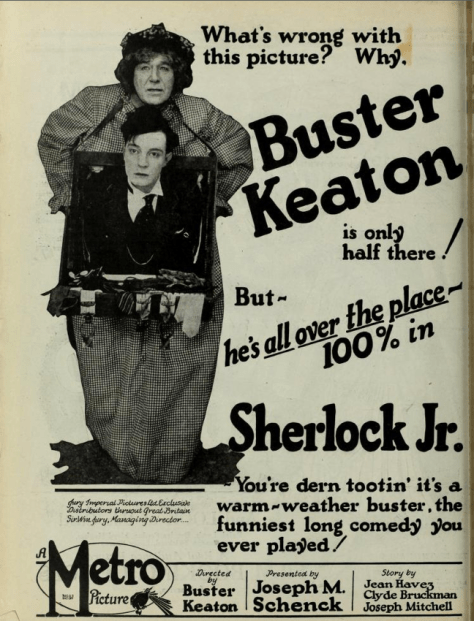
During the railroad water-tank scene in Sherlock Jr., Keaton broke his neck when a torrent of water fell on him from a water tower, but he did not realize it until years afterward. A scene from Steamboat Bill, Jr. required Keaton to run into the shot and stand still on a particular spot.
Then, the facade of a two-story building toppled forward on top of Keaton. Keaton’s character emerged unscathed, due to a single open window. The stunt required precision, because the prop house weighed two tons, and the window only offered a few inches of clearance around Keaton’s body. The sequence furnished one of the most memorable images of his career.[22]
Buster Keaton 38
 Buster Keaton on the set of Steamboat Bill Jr. (Charles Reisner, Buster Keaton, 1928)

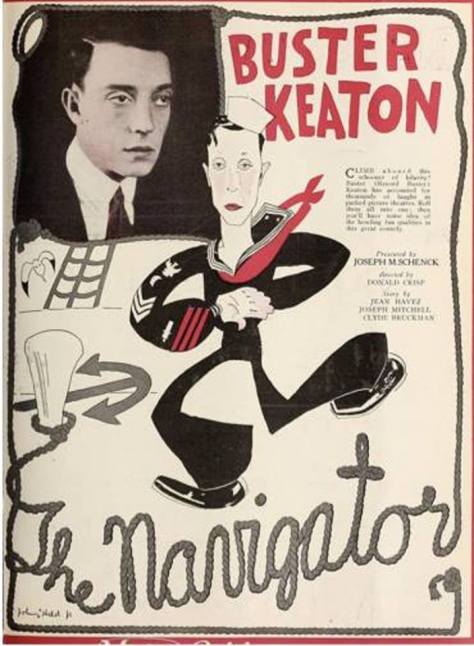
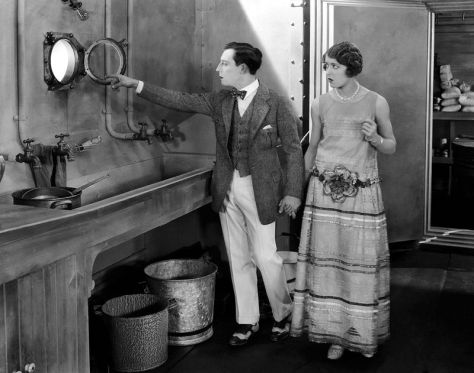
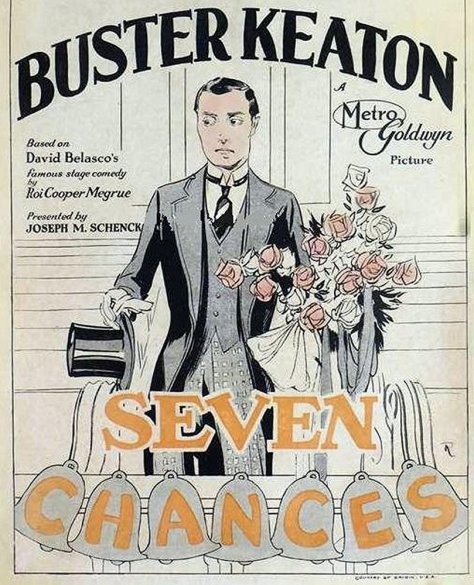
Aside from Steamboat Bill, Jr. (1928), Keaton’s most enduring feature-length films include Our Hospitality (1923), The Navigator (1924), Sherlock Jr. (1924), Seven Chances (1925), The Cameraman (1928), and The General (1926).
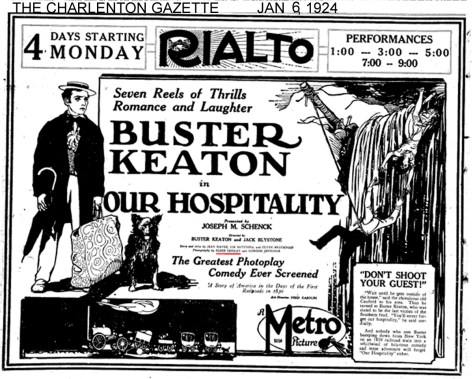
Buster Keaton 39 Poster for Our Hospitality (John G Blystone, Buster Keaton, 1923)
Buster Keaton 40
Buster Keaton with Natalie Talmage in Our Hospitality (John G Blystone, Buster Keaton, 1923)
Buster Keaton 43
French poster for The Navigator (Donald Crisp, Buster Keaton, 1924)
Buster Keaton 42
Buster Keaton and Kathryn McGuire in The Navigator (Donald Crisp, Buster Keaton, 1924)
Buster Keaton 44
Poster for Sherlock Jr. (Buster Keaton, 1924)
Buster Keaton 46
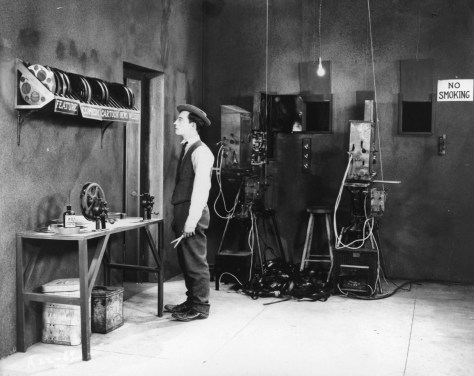
Buster Keaton in Sherlock Jr. (Buster Keaton, 1924)
Buster Keaton 47
Poster for Seven Chances (Buster Keaton, 1925)
Buster Keaton 48
Buster Keaton and Ruth Dwyer Seven Chances (Buster Keaton, 1925)
Buster Keaton 49
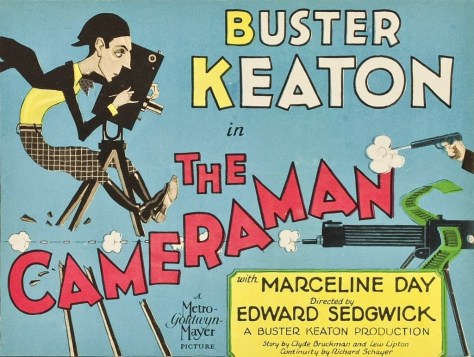
Poster for The Cameraman (Edward Sedgwick, Buster Keaton, 1928)
Buster Keaton 50
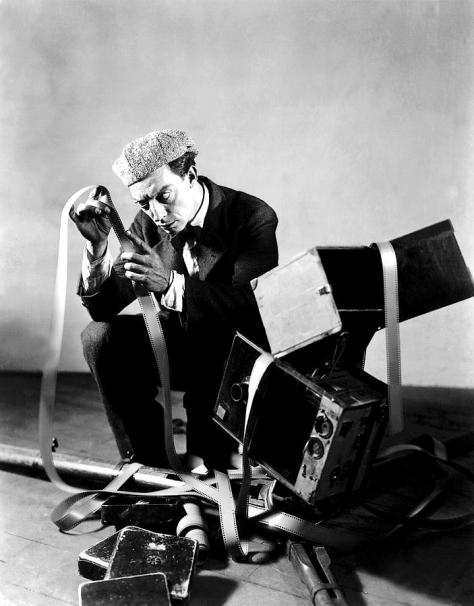
Buster Keaton in The Cameraman (Edward Sedgwick, Buster Keaton, 1928)
The General, set during the American Civil War, combined physical comedy with Keaton’s love of trains, including an epic locomotive chase. Employing picturesque locations, the film’s storyline reenacted an actual wartime incident. Though it would come to be regarded as Keaton’s greatest achievement, the film received mixed reviews at the time. It was too dramatic for some filmgoers expecting a lightweight comedy, and reviewers questioned Keaton’s judgment in making a comedic film about the Civil War, even while noting it had a “few laughs.”[23]
Buster Keaton 51
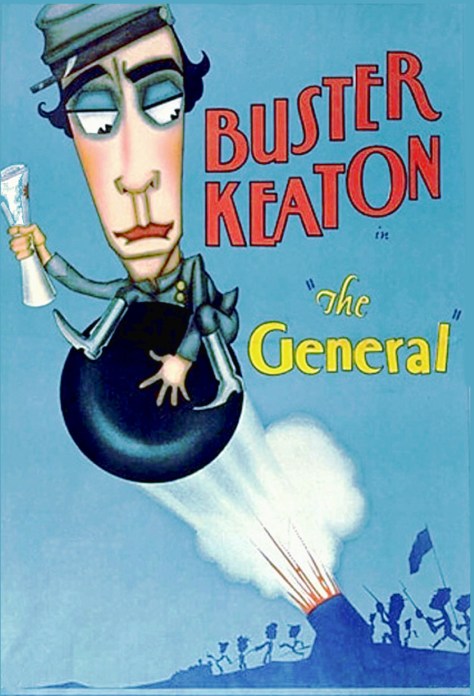
Poster for The General (Clyde Bruckman, Buster Keaton, 1926)
It was an expensive misfire, and Keaton was never entrusted with total control over his films again.

His distributor, United Artists, insisted on a production manager who monitored expenses and interfered with certain story elements. Keaton endured this treatment for two more feature films, and then exchanged his independent setup for employment at Hollywood’s biggest studio, Metro-Goldwyn-Mayer (MGM). Keaton’s loss of independence as a filmmaker coincided with the coming of sound films (although he was interested in making the transition) and mounting personal problems, and his career in the early sound era was hurt as a result.[24]


Buster Keaton in The General (Clyde Bruckman, Buster Keaton, 1926)

Sound era and television

Keaton signed with Metro-Goldwyn-Mayer in 1928, a business decision that he would later call the worst of his life. He realized too late that the studio system MGM represented would severely limit his creative input.

For instance, the studio refused his request to make his early project, Spite Marriage, as a sound film and after the studio converted, he was obliged to adhere to dialogue-laden scripts. However, MGM did allow Keaton some creative participation on his last originally developed/written silent film The Cameraman, 1928, which was his first project under contract with them, but hired Edward Sedgwick as the official director.
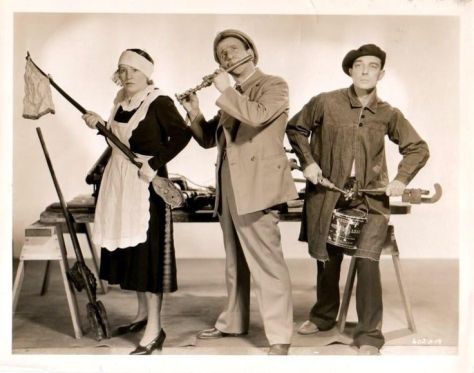
Buster Keaton 52

Buster Keaton, Jimmy Durante and Polly Moran in The Passionate Plumber (Edward Sedgwick, 1932)


Keaton was forced to use a stunt double during some of the more dangerous scenes, something he had never done in his heyday, as MGM wanted badly to protect its investment. “Stuntmen don’t get laughs,” Keaton had said.

Some of his most financially successful films for the studio were during this period. MGM tried teaming the laconic Keaton with the rambunctious Jimmy Durante in a series of films, The Passionate PlumberSpeak Easily, and What! No Beer?[25] The latter would be Keaton’s last starring feature in his home country. The films proved popular. (Thirty years later, both Keaton and Durante had cameo roles in It’s a Mad Mad Mad Mad World, albeit not in the same scenes.)
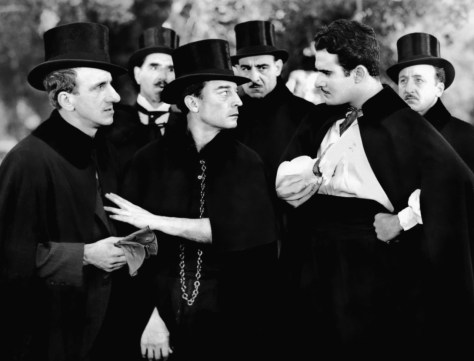
Buster Keaton  53.jpg

Buster Keaton and Jimmy Durante in Speak Easily (Edward Sedgwick, 1932)

In the first Keaton pictures with sound, he and his fellow actors would shoot each scene three times: one in English, one in Spanish, and one in either French or German. The actors would phonetically memorize the foreign-language scripts a few lines at a time and shoot immediately after. This is discussed in the TCM documentary Buster Keaton: So Funny it Hurt, with Keaton complaining about having to shoot lousy films not just once, but three times.

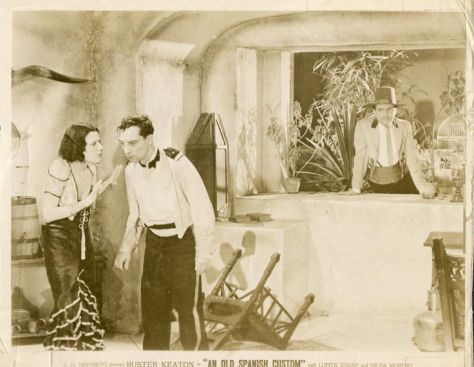
Keaton was so demoralized during the production of 1933’s What! No Beer? that MGM fired him after the filming was complete, despite the film being a resounding hit. In 1934, Keaton accepted an offer to make an independent film in Paris, Le Roi des Champs-Élysées. During this period, he made another film, in England, The Invader (released in the United States as An Old Spanish Custom in 1936).[25]
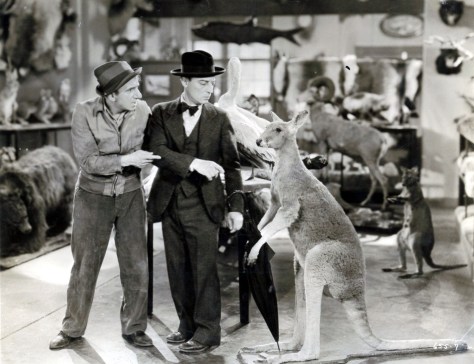
Buster Keaton  54.jpg

Buster Keaton and Jimmy Durante in What-No Beer? (Edward Sedgwick, 1933)
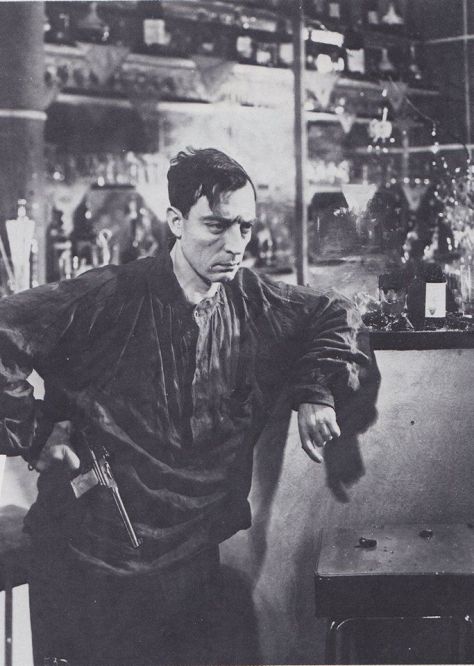
Buster Keaton 55

Buster Keaton in Le Roi Des Champs-Elysees (Max Nosseck, 1934)
Buster Keaton 56

Buster Keaton and Lupita Tovar in The Invader or An Old Spanish Custom (Edwin Greenfield, 1936)

Educational Pictures

Upon Keaton’s return to Hollywood, he made a screen comeback in a series of 16 two-reel comedies for Educational Pictures. Most of these are simple visual comedies, with many of the gags supplied by Keaton himself, often recycling ideas from his family vaudeville act and his earlier films.[26] The high point in the Educational series is Grand Slam Opera, featuring Buster in his own screenplay as an amateur-hour contestant. When the series lapsed in 1937, Keaton returned to MGM as a gag writer, including the Marx Brothers films At the Circus (1939) and Go West (1940), and providing material for Red Skelton.[27] He also helped and advised Lucille Ball in her comedic work in films and television.[28]

Columbia Pictures[edit]

In 1939, Columbia Pictures hired Keaton to star in ten two-reel comedies, running for two years. The director was usually Jules White, whose emphasis on slapstickand farce made most of these films resemble White’s Three Stooges comedies.

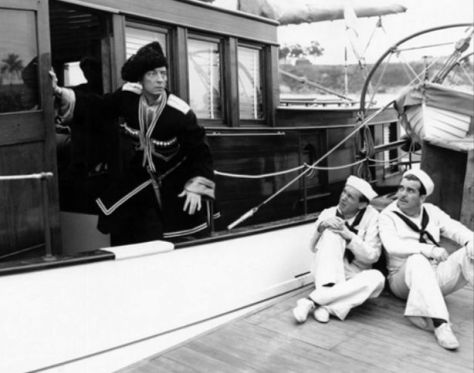
Keaton’s personal favorite was the series’ debut entry, Pest from the West, a shorter, tighter remake of Keaton’s little-viewed 1935 feature The Invader; it was directed not by White but by Del Lord, a veteran director for Mack Sennett.
Buster Keaton 57

Buster Keaton in Pest From the West (Del Lord, 1939)

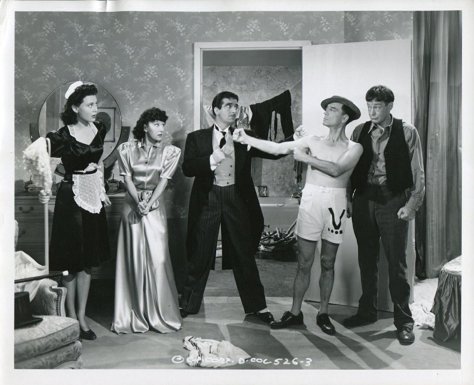
Moviegoers and exhibitors welcomed Keaton’s Columbia comedies, proving that the comedian had not lost his appeal. However, taken as a whole, Keaton’s Columbia shorts rank as the worst comedies he made, an assessment he concurred with in his autobiography.[29] The final entry was She’s Oil Mine, and Keaton swore he would never again “make another crummy two-reeler.”[29]
Buster Keaton  58.jpg

Buster Keaton in She’s Oil Mine (Jules White, 1941)

1940s and feature films

Keaton’s personal life had stabilized with his 1940 marriage, and now he was taking life a little easier, abandoning Columbia for the less strenuous field of feature films.

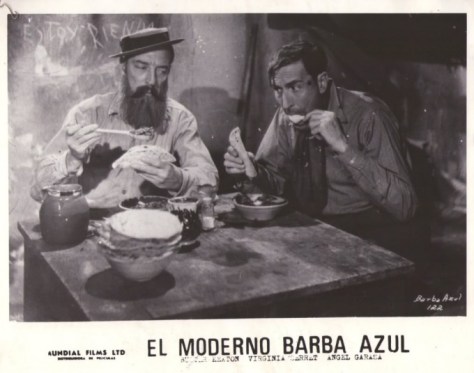
Throughout the 1940s, Keaton played character roles in both “A” and “B” features. He made his last starring feature El Moderno Barba Azul (1946) in Mexico; the film was a low budget production, and it may not have been seen in the United States until its release on VHS in the 1980s, under the title Boom in the Moon.
Buster Keaton 59

Buster Keaton in Boom in the Moon (Jaime Salvador, 1946)

Critics rediscovered Keaton in 1949 and producers occasionally hired him for bigger “prestige” pictures. He had cameos in such films as In the Good Old Summertime (1949), Sunset Boulevard (1950), and Around the World in 80 Days (1956). In In The Good Old Summertime, Keaton personally directed the stars Judy Garland and Van Johnson in their first scene together where they bump into each other on the street.
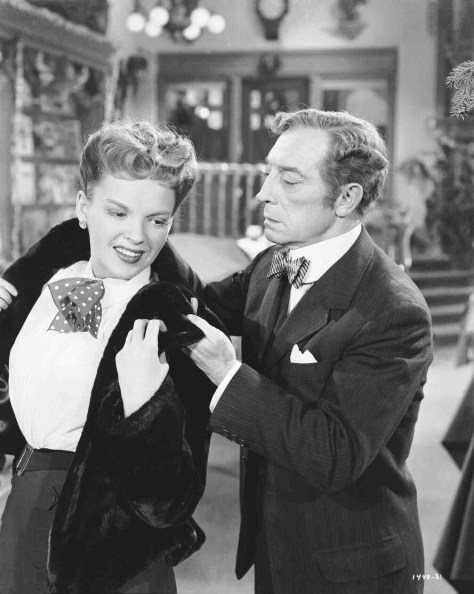
Buster Keaton  60.jpg

Buster Keaton and Judy Garland in In the Good Old Summertime (Robert Z Leonard, 1949)
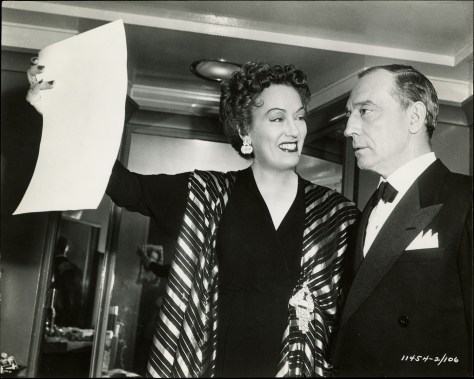
Buster Keaton  61.jpg

Buster Keaton and Gloria Swanson on the set of Sunset Boulevard (Billy Wilder, 1950)
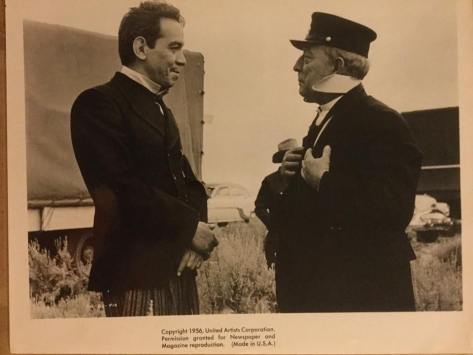
Buster Keaton 62

Buster Keaton in Around the World in 80 Days (Michael Anderson and John Farrow, 1956)

Keaton invented comedy bits where Johnson keeps trying to apologize to a seething Garland, but winds up messing up her hairdo and tearing her dress.

Keaton also had a cameo as Jimmy, appearing near the end of the film It’s a Mad, Mad, Mad, Mad World (1963). Jimmy assists Spencer Tracy‘s character, Captain C. G. Culpepper, by readying Culpepper’s ultimately-unused boat for his abortive escape. (The restored version of that film, released in 2013, contains a restored scene where Jimmy and Culpeper talk on the telephone.
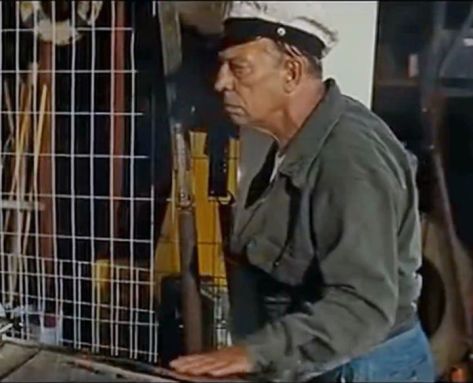
Buster Keaton 63

Buster Keaton in It’s A Mad, Mad, Mad, Mad World (Stanley Kramer, 1963)

Lost after the comedy epic’s “roadshow” exhibition, the audio of that scene was discovered, and combined with still pictures to recreate the scene.) Keaton was given more screen time in A Funny Thing Happened on the Way to the Forum (1966). The appearance, since it was released after his death, was his posthumous swansong.
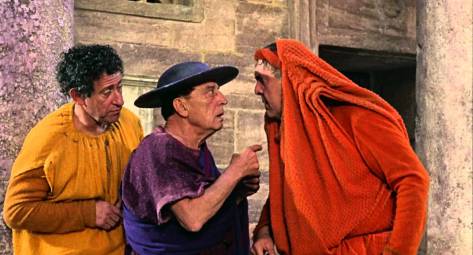
Buster Keaton  64.jpg

Buster Keaton, Zero Mostel and Jack Gilford in A Funny Things Happened on the Way to the Forum (Richard Lester, 1966)

Keaton also appeared in a comedy routine about two inept stage musicians in Charlie Chaplin‘s Limelight (1952), recalling the vaudeville of The Playhouse. With the exception of Seeing Stars, a minor publicity film produced in 1922, Limelight was the only time in which the two would ever appear together on film.

In 1949, comedian Ed Wynn invited Keaton to appear on his CBS Television comedy-variety show, The Ed Wynn Show, which was televised live on the West Coast. Kinescopes were made for distribution of the programs to other parts of the country since there was no transcontinental coaxial cable until September 1951.
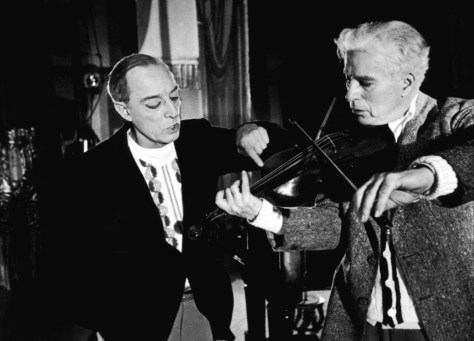
Buster Keaton 65

Buster Keaton and Charles Chaplin in Limelight (Charles Chaplin, 1952)

1950s–1960s and television

In 1950, Keaton had a successful television series, The Buster Keaton Show, which was broadcast live on a local Los Angeles station.

Life with Buster Keaton (1951), an attempt to recreate the first series on film and so allowing the program to be broadcast nationwide, was less well received. He also appeared in the early television series Faye Emerson’s Wonderful Town.
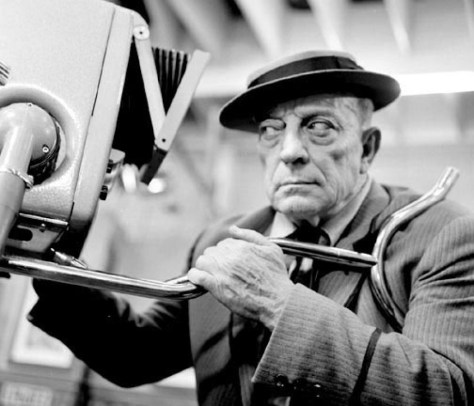
Buster Keaton  66.jpg

Buster Keaton with a television camera at the Hesse State Radio studios in Frankfurt in February, 1962

A theatrical feature film, The Misadventures of Buster Keaton, was fashioned from the series. Keaton said he cancelled the filmed series himself because he was unable to create enough fresh material to produce a new show each week. Keaton also appeared on Ed Wynn’s variety show. At the age of 55, he successfully recreated one of the stunts of his youth, in which he propped one foot onto a table, then swung the second foot up next to it, and held the awkward position in midair for a moment before crashing to the stage floor. I’ve Got a Secret host Garry Moore recalled, “I asked (Keaton) how he did all those falls, and he said, ‘I’ll show you’. He opened his jacket and he was all bruised. So that’s how he did it—it hurt—but you had to care enough not to care.”
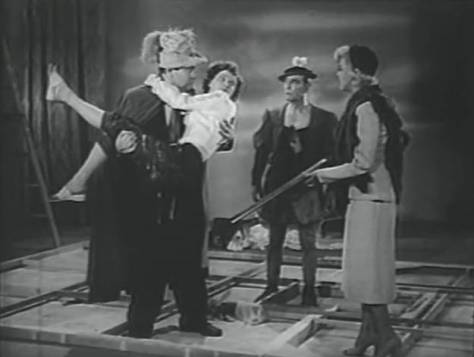
Buster Keaton 67

The Misadventures of Buster Keaton (Arthur Hilton, 1950)

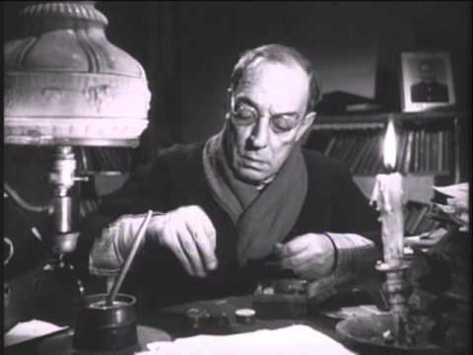
Unlike his contemporary Harold Lloyd, who kept his films from being televised, Keaton’s periodic television appearances helped to revive interest in his silent films in the 1950s and 1960s. In 1954, Keaton played his first television dramatic role in “The Awakening”, an episode of the syndicated anthology series Douglas Fairbanks, Jr., Presents. About this time, he also appeared on NBC‘s The Martha Raye Show.
Buster Keaton 68

Buster Keaton in The Awakening / Douglas Fairbanks Jr Presents (1954)

Keaton as a time traveller in a 1961 episode of The Twilight Zone, “Once Upon a Time

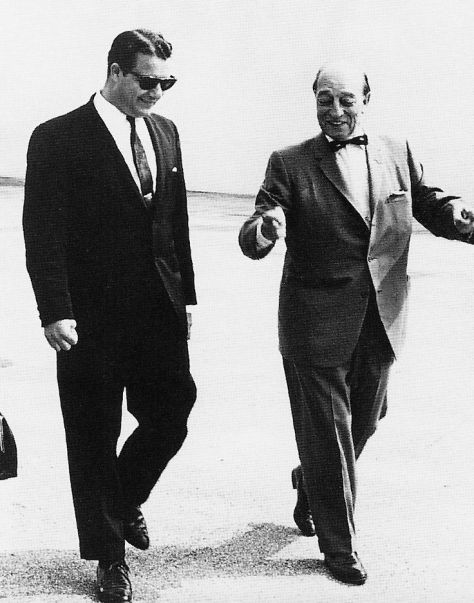
Also in 1954, Keaton and his wife Eleanor met film programmer Raymond Rohauer, with whom the couple would develop a business partnership to re-release Keaton’s films. Around the same time, after buying the comedian’s house, the actor James Mason found numerous cans of Keaton’s films.

Among the re-discovered films was Keaton’s long-lost classic The Boat.[30] The Coronet Theatre art house in Los Angeles, with which Rohauer was involved, was showing The General, which “Buster hadn’t seen … in years and he wanted me to see it,” Eleanor Keaton said in 1987. “Raymond recognized Buster and their friendship started.”
Buster Keaton 69

Buster Keaton and Raymond Rohauer in 1950’s

[31] Rohauer in that same article recalls, “I was in the projection room. l got a ring that Buster Keaton was in the lobby. I go down and there he is with Eleanor. The next day I met with him at his home. I didn’t realize we were going to join forces. But I realized he had this I-don’t-care attitude about his stuff.

He said, ‘It’s valueless. I don’t own the rights.'”[31] Keaton had prints of the features Three AgesSherlock Jr.Steamboat Bill, Jr.College (missing one reel) and the shorts “The Boat” and “My Wife’s Relations“, which Keaton and Rohauer then transferred to safety stock from deteriorating nitrate film stock.

Unknown to them at the time, MGM also had saved some of Keaton’s work: all his 1920–1926 features and his first eight two-reel shorts.[31]

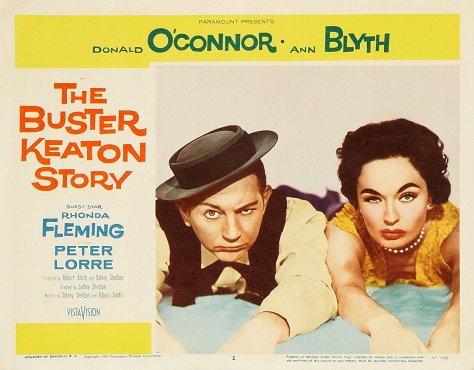
On April 3, 1957, Keaton was surprised by Ralph Edwards for the weekly NBC program This Is Your Life. The half-hour program, which also promoted the release of the biographical film The Buster Keaton Story with Donald O’Connor, summarized Keaton’s life and career up to that point.[32]
Buster Keaton 70

Poster for The Buster Keaton Story (Sidney Sheldon, 1957)

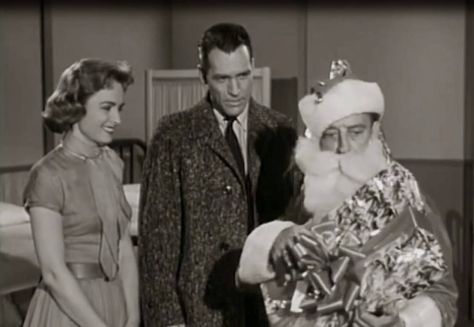
In December 1958, Keaton was a guest star as Charlie, a hospital janitor who provides gifts to sick children, in the episode “A Very Merry Christmas” of The Donna Reed Show on ABC. He returned to the program in 1965 in the episode “Now You See It, Now You Don’t”. The 1958 episode has been included in the DVD release of Donna Reed‘s television programs.[33] One of the show’s cast-members, Paul Peterson, recalled that Keaton “put together an incredible physical skit. His skills were amazing. I never saw anything like it before or since.”[34]
Buster Keaton 71

Buster Keaton on Donna Reed Show (1958)

In August 1960, Keaton played mute King Sextimus the Silent in the national touring company of the Broadway musical Once Upon A Mattress. Eleanor Keaton was cast in the chorus. After a few days, Keaton warmed to the rest of the cast with his “utterly delicious sense of humor”, according to Fritzi Burr, who played opposite him as his wife Queen Aggravain. When the tour landed in Los Angeles, Keaton invited the cast and crew to a spaghetti party at his Woodland Hills home, and entertained them by singing vaudeville songs.[35]

In 1960, Keaton returned to MGM for the final time, playing a lion tamer in a 1960 adaptation of Mark Twain‘s The Adventures of Huckleberry Finn. Much of the film was shot on location on the Sacramento River, which doubled for the Mississippi River setting of Twain’s original book.[36]
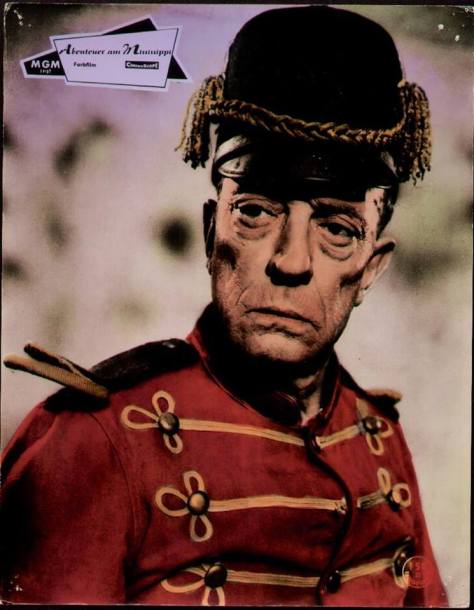
Buster Keaton 72

The Adventures of Huckleberry Finn (Michael Curtiz, 1960)

In 1961, he starred in The Twilight Zone episode “Once Upon a Time“, which included both silent and sound sequences. Keaton played time-traveller Mulligan, who travelled from 1890 to 1960, then back, by means of a special helmet.

In January 1962, he worked with comedian Ernie Kovacs on a television pilot tentatively titled “Medicine Man,” shooting scenes for it on January 12, 1962—the day before Kovacs died in a car crash. “Medicine Man” was completed but not aired.[37] It can, however, be viewed, under its alternative title A Pony For Chris on an Ernie Kovacs DVD set.
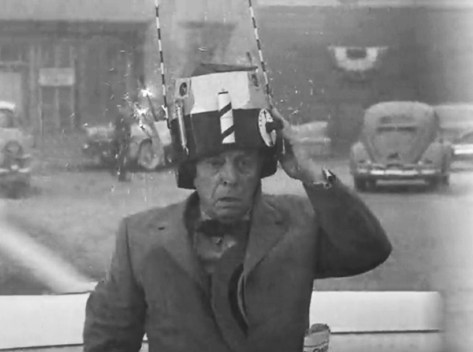
Buster Keaton 73

Buster Keaton in The Twilight Zone (1961)

Keaton also found steady work as an actor in TV commercials, including a series of silent ads for Simon Pure Beer made in 1962 by Jim Mohr in Buffalo, New York in which he revisited some of the gags from his silent film days.[38]

In 1964, Keaton appeared with Joan Blondell and Joe E. Brown in the final episode of The Greatest Show on Earth, a circus drama starring Jack Palance.

In November, 1965, he appeared on the CBS television special A Salute To Stan Laurel which was a tribute to the late comedian (and friend of Keaton) who had died earlier that year.
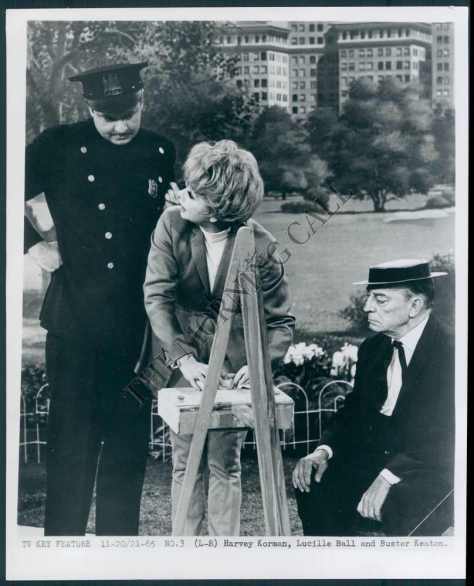
Buster Keaton  74.jpg

A Salute to Stan Laurel – Harvey Korman, Lucille Ball and Buster Keaton (1965)

The program was produced as a benefit for the Motion Picture Relief Fund and featured a range of celebrities, including Dick Van DykeDanny KayePhil SilversGregory PeckCesar Romero, and Lucille Ball. In one segment, Ball and Keaton do a silent sketch on a park bench with the two clowns wrestling over an oversized newspaper, until a policeman (played by Harvey Korman) breaks up the fun. The skit called “A Day in the Park” was filmed and broadcast in color. It marked the only time Ball and Keaton worked together in front of a camera.[39]

Keaton starred in four films for American International Pictures: 1964’s Pajama Party and 1965’s Beach Blanket BingoHow to Stuff a Wild Bikini and Sergeant Deadhead. As he had done in the past, Keaton also provided gags for the four AIP films in which he appeared. Those films’ director, William Asher, who cast Keaton, recalled,

I always loved Buster Keaton. I thought, what a wonderful person to look on and react to these young kids and to view them as the audience might, to shake his head at their crazy antics. … He loved it. He would bring me bits and routines. He’d say, ‘How about this?’ and it would just be this wonderful, inventive stuff. A lot of the audience seemed to be seeing Buster for the first time. Once the kids in the cast became aware of who he was, they all respected him and were crazy about him. And the other comics who came in—Paul LyndeDon RicklesBuddy Hackett—they hit it off with him great.[40]
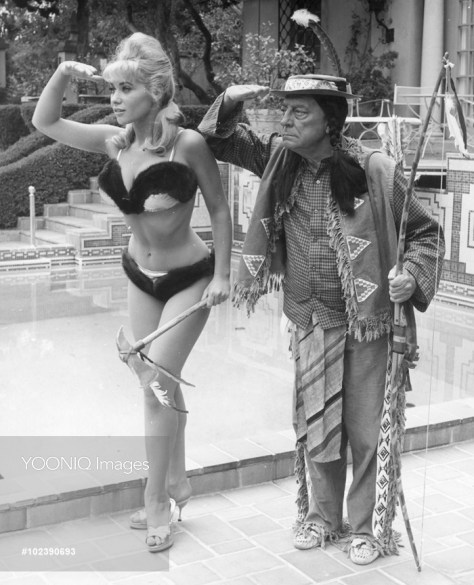
Buster Keaton 75

Buster Keaton in Pajama Party (Don Weis, 1964)

In 1965, Keaton starred in the short film The Railrodder for the National Film Board of Canada. Wearing his traditional pork pie hat, he travelled from one end of Canada to the other on a motorized handcar, performing gags similar to those in films he made 50 years before. The film is also notable for being Keaton’s last silent screen performance. The Railrodder was made in tandem with a behind-the-scenes documentary about Keaton’s life and times, called Buster Keaton Rides Again, also made for the National Film Board, which is twice the length of the short film.[41]
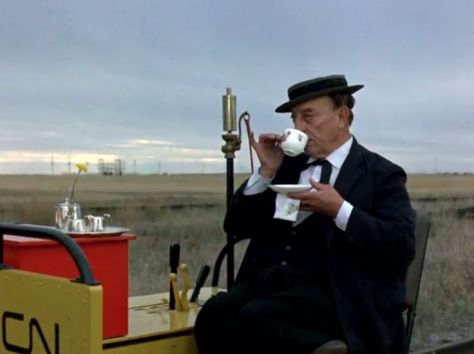
Buster Keaton 76

Buster Keaton in The Railroader (Gerald Potterton, Buster Keaton, 1965)

He played the central role in Samuel Beckett‘s Film (1965), directed by Alan Schneider; he had previously declined the role of Lucky in the first American stage production of Waiting for Godot, having found Beckett’s writing baffling.[citation needed] Also in 1965, he traveled to Italy to play a role in Due Marines e un Generale, co-starring alongside the famous Italian comedian duo of Franco Franchi and Ciccio Ingrassia. In 1987 Italian singer-songwriters Claudio Lolli and Francesco Gucciniwrote a song, “Keaton”, about his work on that film.[citation needed]
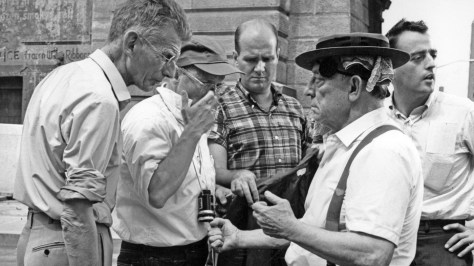
notfilm010.onsetbeckettschneiderkeaton

Buster Keaton and Samuel Beckett on the set of Film (Alan Schneider, 1965)

Keaton’s last commercial film appearance was in A Funny Thing Happened on the Way to the Forum (1966), which was filmed in Spain in September–November 1965.

He amazed the cast and crew by doing many of his own stunts, although Thames Television said his increasingly ill health did force the use of a stunt double for some scenes. His final appearance on film was a 1965 safety film produced in Toronto, Canada, by the Construction Safety Associations of Ontario in collaboration with Perini, Ltd. (now Tutor Perini Corporation), The Scribe. Keaton plays a lowly janitor at a newspaper. He intercepts a request from the editor to visit a construction site adjacent to the newspaper headquarters to investigate possible safety violations. Keaton died shortly after completing the film.[42]
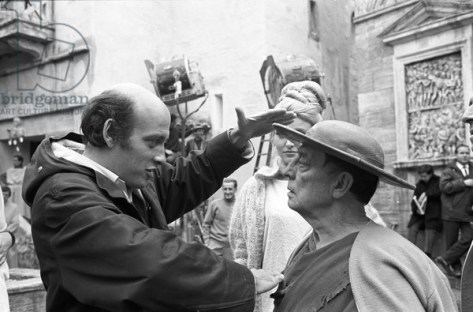
MEP2913150

Buster Keaton and Richard Lester on the set of A Funny Thing Has Happened on the Way to the Forum (Richard Lester, 1966)

Style and themes

Use of parody

Keaton started experimenting with parody during his vaudeville years, where most frequently his performances involved impressions and burlesques of other performers’ acts. Most of these parodies targeted acts with which Keaton had shared the bill.[43] When Keaton transposed his experience in vaudeville to film, in many works he parodied melodramas.[43] Other favourite targets were cinematic plots, structures and devices.[44]
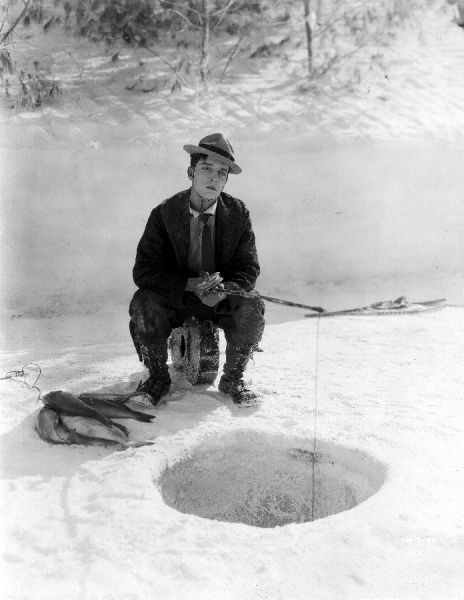
Buster Keaton in The Frozen North (1922)

Buster Keaton in The Frozen North (Edward F Cline, Buster Keaton, 1922)


One of his most biting parodies is The Frozen North (1922), a satirical take on William S. Hart‘s Western melodramas, like Hell’s Hinges (1916) and The Narrow Trail (1917). Keaton parodied the tired formula of the melodramatic transformation from bad guy to good guy, through which went Hart’s character, known as “the good badman”.[45]

He wears a small version of Hart’s campaign hat from the Spanish–American War and a six-shooter on each thigh, and during the scene in which he shoots the neighbor and her husband, he reacts with thick glycerin tears, a trademark of Hart’s.[46] Audiences of the 1920s recognized the parody and thought the film hysterically funny. However, Hart himself was not amused by Keaton’s antics, particularly the crying scene, and did not speak to Buster for two years after he had seen the film.[47] The film’s opening intertitles give it its mock-serious tone, and are taken from “The Shooting of Dan McGrew” by Robert W. Service.[47]
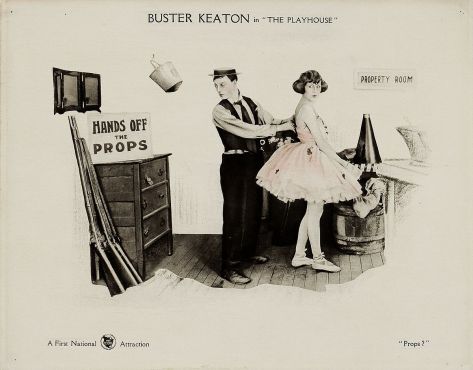
Buster Keaton 80

Lobby card for The Playhouse (Edward F Cline, Buster Keaton, 1921)

In The Playhouse (1921), he parodied his contemporary Thomas H. Ince, Hart’s producer, who indulged in over-crediting himself in his film productions. The short also featured the impression of a performing monkey which was likely derived from a co-biller’s act (called Peter the Great).[43] Three Ages (1923), his first feature-length film, is a parody of D. W. Griffith‘s Intolerance (1916), from which it replicates the three inter-cut shorts structure.[43] Three Ages also featured parodies of Bible stories, like those of Samson and Daniel.[45] Keaton directed the film, along with Edward F. Cline.
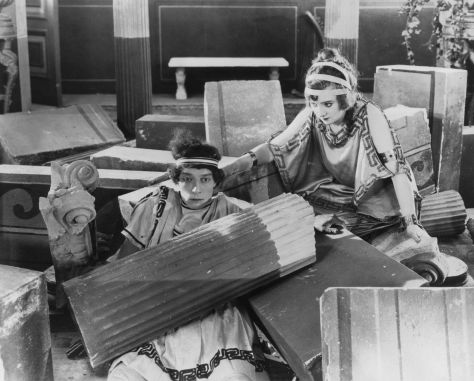
Buster Keaton 81

Buster Keaton and Margaret Leahy in the Roman Age segment of Three Ages (Edward F Cline, Buster Keaton, 1923)

Body language

The traditional Buster stance requires that he remain upstanding, full of backbone, looking ahead… [in The General] he clambers onto the roof of his locomotive and leans gently forward to scan the terrain, with the breeze in his hair and adventure zipping toward him around the next bend.

It is the anglethat you remember: the figure perfectly straight but tilted forward, like the Spirit of Ecstasy on the hood of a Rolls-Royce… [in The Three Ages], he drives a low-grade automobile over a bump in the road, and the car just crumbles beneath him. Rerun it on video, and you can see Buster riding the collapse like a surfer, hanging onto the steering wheel, coming beautifully to rest as the wave of wreckage breaks.”[51]
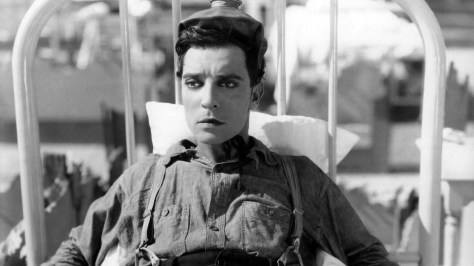
Buster Keaton 82

Film critic David Thomson later described Keaton’s style of comedy: “Buster plainly is a man inclined towards a belief in nothing but mathematics and absurdity … like a number that has always been searching for the right equation. Look at his face—as beautiful but as inhuman as a butterfly—and you see that utter failure to identify sentiment.”[49]

Gilberto Perez commented on “Keaton’s genius as an actor to keep a face so nearly deadpan and yet render it, by subtle inflections, so vividly expressive of inner life. His large, deep eyes are the most eloquent feature; with merely a stare, he can convey a wide range of emotions, from longing to mistrust, from puzzlement to sorrow.”[50] Critic Anthony Lane also noted Keaton’s body language:

Film historian Jeffrey Vance wrote:

Buster Keaton’s comedy endures not just because he had a face that belongs on Mount Rushmore, at once hauntingly immovable and classically American, but because that face was attached to one of the most gifted actors and directors who ever graced the screen. Evolved from the knockabout upbringing of the vaudeville stage, Keaton’s comedy is a whirlwind of hilarious, technically precise, adroitly executed, and surprising gags, very often set against a backdrop of visually stunning set pieces and locations—all this masked behind his unflinching, stoic veneer.”[52]

Keaton has inspired full academic study.[53]
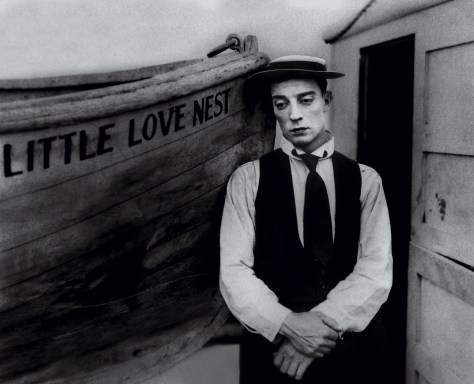
Buster Keaton 83

Personal life


On May 31, 1921, Keaton married Natalie Talmadge, sister-in-law of his boss, Joseph Schenck, and sister of actresses Norma Talmadge and Constance Talmadge.

She co-starred with Keaton in Our Hospitality. The couple had two sons, Joseph, aka Buster Keaton Jr. (June 2, 1922 – February 14, 2007),[54] and Robert Talmadge Keaton (February 3, 1924 – July 19, 2009),[55] later both surnamed Talmadge.[56] After the birth of Robert, the relationship began to suffer.[13]
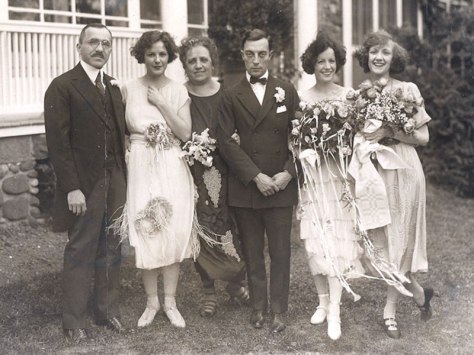
Buster Keaton 84

Buster Keaton and Norma Talmage wedding day
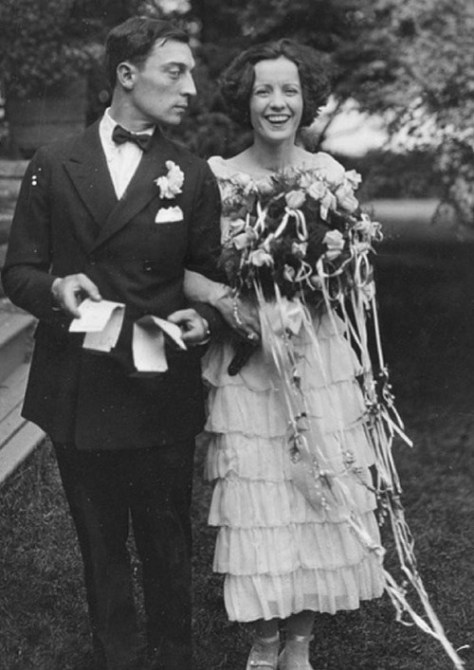
Buster Keaton 86

Buster Keaton and Norma Talmage wedding day
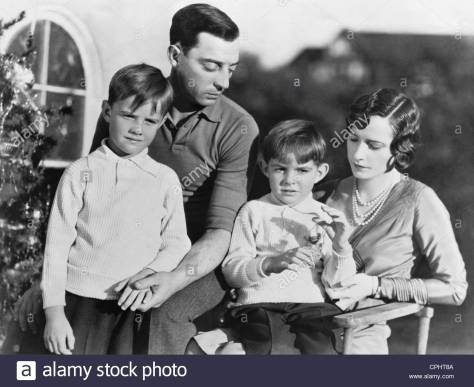
Buster Keaton 85

Buster Keaton, Norma Talmage and their children

Influenced by her family, Talmadge decided not to have more children, and this led to the couple staying in separate bedrooms. Her financial extravagance (she would spend up to a third of his salary on clothes) was another factor in the breakdown of the marriage. Keaton dated actress Dorothy Sebastian beginning in the 1920s and Kathleen Key[57] in the early 1930s.

After attempts at reconciliation, Talmadge divorced Keaton in 1932, taking his entire fortune and refusing to allow any contact between Keaton and his sons, whose last name she had changed to Talmadge. Keaton was reunited with them about a decade later when his older son turned 18. With the failure of his marriage and the loss of his independence as a filmmaker, Keaton lapsed into a period of alcoholism.[13]

Buster Keaton 87

Entrance to Buster Keaton Estate

In 1926, Keaton spent $300,000 to build a 10,000-square-foot (930 m2) home in Beverly Hills designed by architect Gene Verge, Sr., which was later owned by James Mason and Cary Grant.[58] Keaton’s “Italian Villa” can be seen in Keaton’s film Parlor, Bedroom and Bath. Keaton later said, “I took a lot of pratfalls to build that dump.”

The house suffered approximately $10,000 worth of damage from a fire in the nursery and dining room in 1931. Keaton was not at home at the time, and his wife and children escaped unharmed, staying at the home of Tom Mix until the following morning.[59]

Keaton was at one point briefly institutionalized; according to the TCM documentary So Funny it Hurt, Keaton escaped a straitjacket with tricks learned from Harry Houdini.

In 1933, he married his nurse, Mae Scriven, during an alcoholic binge about which he afterwards claimed to remember nothing (Keaton himself later called that period an “alcoholic blackout”). Scriven herself would later claim that she didn’t know Keaton’s real first name until after the marriage.
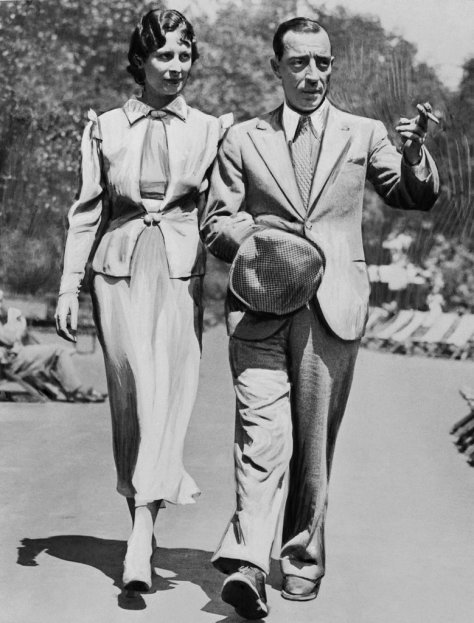
Buster Keaton 88

Buster Keaton and Mae Scriven

The singular event that triggered Scriven filing for divorce in 1935 was her finding Keaton with Leah Clampitt Sewell (libertine wife of millionaire Barton Sewell) on July 4 the same year in a hotel in Santa Barbara.[60] When they divorced in 1936, it was again at great financial cost to Keaton.[61]

On May 29, 1940, Keaton married Eleanor Norris (July 29, 1918 – October 19, 1998), who was 23 years his junior. She has been credited by Jeffrey Vance with saving Keaton’s life by stopping his heavy drinking and helping to salvage his career.[62]
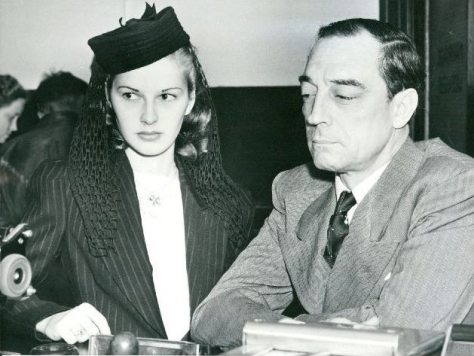
Buster Keaton 89

Eleanor Norris and Buster Keaton applying for their marriage license May 1940

The marriage lasted until his death. Between 1947 and 1954, they appeared regularly in the Cirque Medrano in Paris as a double act. She came to know his routines so well that she often participated in them on TV revivals.


Buster Keaton 90

Eleanor Norris and Buster Keaton

Death

Keaton died of lung cancer on February 1, 1966, aged 70, in Woodland Hills, California.[63] Despite being diagnosed with cancer in January 1966, he was never told that he was terminally ill or that he had cancer; Keaton thought that he was recovering from a severe case of bronchitis.

Confined to a hospital during his final days, Keaton was restless and paced the room endlessly, desiring to return home. In a British television documentary about his career, his widow Eleanor told producers of Thames Television that Keaton was up out of bed and moving around, and even played cards with friends who came to visit the day before he died.[64]

Keaton was interred at the Forest Lawn Memorial Park Cemetery in Hollywood HillsCalifornia.

Buster Keaton 91

Influence and legacy

Buster Keaton  93.jpg

Keaton’s star on the Hollywood Walk of Fame


Keaton was presented with a 1959 Academy Honorary Award at the 32nd Academy Awards, held in April 1960.[65] Keaton has two stars on the Hollywood Walk of Fame: 6619 Hollywood Boulevard (for motion pictures); and 6225 Hollywood Boulevard (for television).
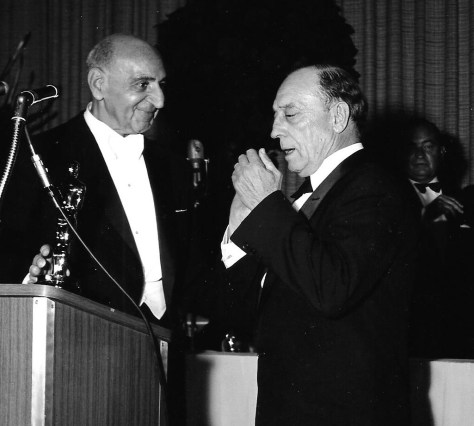
Buster Keaton 94

Buster Keaton receives honorary Academy Award Apr 4, 1960

Jacques Tati is described as “taking a page from Buster Keaton’s playbook.”[66]

A 1957 film biography, The Buster Keaton Story, starring Donald O’Connor as Keaton was released.[27] The screenplay, by Sidney Sheldon, who also directed the film, was loosely based on Keaton’s life but contained many factual errors and merged his three wives into one character.[67] A 1987 documentary, Buster Keaton: A Hard Act to Follow, directed by Kevin Brownlowand David Gill, won two Emmy Awards.[68]
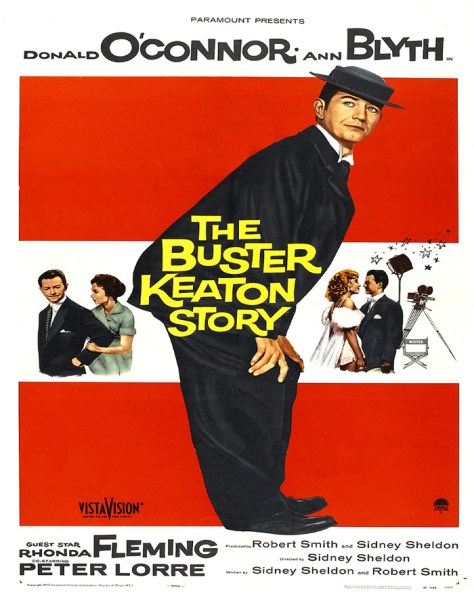
Buster Keaton 95

Poster for The Buster Keaton Story (Sidney Sheldon, 1957)

The International Buster Keaton Society was founded on October 4, 1992 – Buster’s birthday. Dedicated to bringing greater public attention to Keaton’s life and work, the membership includes many individuals from the television and film industry: actors, producers, authors, artists, graphic novelists, musicians, and designers, as well as those who simply admire the magic of Buster Keaton. The Society’s nickname, the “Damfinos,” draws its name from a boat in Buster’s 1921 comedy, “The Boat.”

In 1994, caricaturist Al Hirschfeld penned a series of silent film stars for the United States Post Office, including Rudolph Valentino and Keaton.[69] Hirschfeld said that modern film stars were more difficult to depict, that silent film comedians such as Laurel and Hardy and Keaton “looked like their caricatures”.[70]
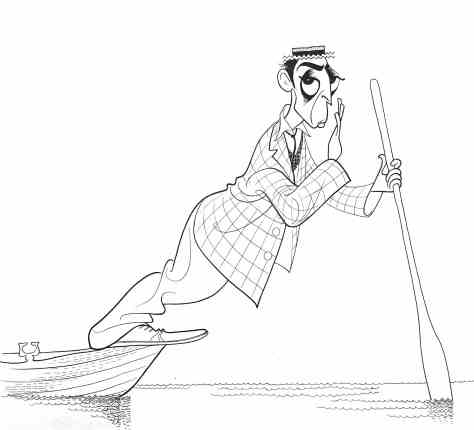
Buster Keaton 96

Buster Keaton by Al Hirschfeld

Keaton’s physical comedy is cited by Jackie Chan in his autobiography documentary Jackie Chan: My Story as being the primary source of inspiration for his own brand of self-deprecating physical comedy.

Comedian Richard Lewis stated that Keaton was his prime inspiration, and spoke of having a close friendship with Keaton’s widow Eleanor. Lewis was particularly moved by the fact that Eleanor said his eyes looked like Keaton’s.[71]

At the time of Eleanor Keaton’s death, she was working closely with film historian Jeffrey Vance to donate her papers and photographs to the Academy of Motion Picture Arts and Sciences.[72][73] The book Buster Keaton Remembered, by Eleanor Keaton and Vance, published after her death, was favorably reviewed.[74][75][76]
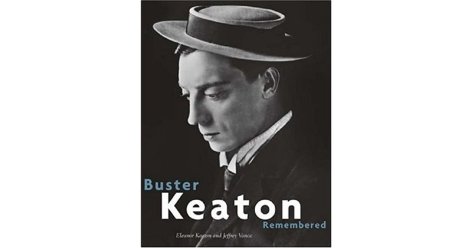
Buster Keaton 97

The book Buster Keaton Remembered, by Eleanor Keaton and Vance

In 2012, Kino Lorber released The Ultimate Buster Keaton Collection, a 14-disc Blu-ray box set of Keaton’s work, including 11 of his feature films.[77]

keatoncover

Kino Lorber released The Ultimate Buster Keaton Collection 2012

Pork pie hats

Keaton designed and modified his own pork pie hats during his career. In 1964, he told an interviewer that in making “this particular pork pie”, he “started with a good Stetson and cut it down”, stiffening the brim with sugar water.[78]

The hats were often destroyed during Keaton’s wild film antics; some were given away as gifts and some were snatched by souvenir hunters. Keaton said he was lucky if he used only six hats in making a film. Keaton estimated that he and his wife Eleanor made thousands of the hats during his career. Keaton observed that during his silent period, such a hat cost him around two dollars; at the time of his interview, he said, they cost almost $13.[78]
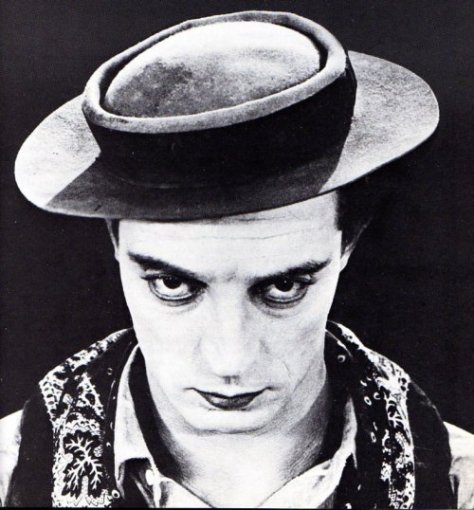
Buster Keaton 99


Filmography

Starring Roscoe Arbuckle, featuring Buster Keaton

Release date Title Credited as Notes
Writer Director Role
April 23, 1917 The Butcher Boy Buster
June 25, 1917 The Rough House Yes Yes Gardener / Delivery Boy / Cop Co-directed and co-written by Roscoe Arbuckle
August 20, 1917 His Wedding Night Delivery boy
September 30, 1917 Oh Doctor! Junior Holepoke
October 29, 1917 Coney Island Rival / Cop with mustache
December 10, 1917 A Country Hero Vaudeville artist No copies are known to exist
January 20, 1918 Out West Sheriff / Saloon owner
March 18, 1918 The Bell Boy Bellboy
May 13, 1918 Moonshine Revenue agent
July 6, 1918 Good Night, Nurse! Dr. Hampton / Woman with umbrella
September 15, 1918 The Cook Waiter
September 7, 1919 Back Stage Stagehand
October 26, 1919 The Hayseed Manager, general store
January 11, 1920 The Garage Mechanic / Fireman

Starring Buster Keaton

Release date Title Credited as Notes
Writer Director Role
September 1, 1920 One Week Yes Yes The groom
October 27, 1920 Convict 13 Yes Yes Gardener / Golfer turned prisoner / Guard
December 22, 1920 Neighbors Yes Yes The boy
December 22, 1920 The Scarecrow Yes Yes Farmhand
February 10, 1921 The Haunted House Yes Yes Bank clerk
March 14, 1921 Hard Luck Yes Yes Suicidal boy
April 12, 1921 The High Sign Yes Yes Our hero
May 18, 1921 The Goat Yes Yes Buster Keaton
October 6, 1921 The Playhouse Yes Yes Audience / Orchestra / Mr. Brown – First Minstrel / Second Minstrel / Interlocutors / Stagehand
November 10, 1921 The Boat Yes Yes The boat builder
January 1922 The Paleface Yes Yes Little Chief Paleface
March 1922 Cops Yes Yes The young man
May 1922 My Wife’s Relations Yes Yes The husband
July 21, 1922 The Blacksmith Yes Yes Blacksmith’s assistant
August 28, 1922 The Frozen North Yes Yes The bad man
October 1922 The Electric House Yes Yes
November 1922 Daydreams Yes Yes The young man
January 22, 1923 The Balloonatic Yes Yes The young man
March 1923 The Love Nest Yes Yes Buster Keaton

Starring Buster Keaton, for Educational Pictures

Release date Title Credited as Notes
Writer Director Role
March 16, 1934 The Gold Ghost Yes Wally
May 25, 1934 Allez Oop Yes Elmer
January 11, 1935 Palooka from Paducah Jim Diltz
February 22, 1935 One Run Elmer Yes Elmer
March 15, 1935 Hayseed Romance Elmer Dolittle
May 3, 1935 Tars and Stripes Yes Apprentice seaman Elmer Doolittle
August 9, 1935 The E-Flat Man Elmer
October 25, 1935 The Timid Young Man Milton
January 3, 1936 Three on a Limb Elmer Brown
February 21, 1936 Grand Slam Opera Yes Yes Elmer Butts
August 21, 1936 Blue Blazes Yes Elmer
October 9, 1936 The Chemist Elmer Triple
November 20, 1936 Mixed Magic Yes Elmer “Happy” Butterworth
January 8, 1937 Jail Bait
February 12, 1937 Ditto The forgotten man
March 26, 1937 Love Nest on Wheels Yes Elmer

Starring Buster Keaton, for Columbia Pictures

Release date Title Credited as Notes
Writer Director Role
June 16, 1939 Pest from the West Yes Sir
August 11, 1939 Mooching Through Georgia Yes Homer Cobb
January 19, 1940 Nothing But Pleasure Clarence Plunkett
March 22, 1940 Pardon My Berth Marks Elmer – Newspaper Copyboy
June 28, 1940 The Taming of the Snood Buster Keaton
September 20, 1940 The Spook Speaks Buster
December 13, 1940 His Ex Marks the Spot Buster – the husband
February 21, 1941 So You Won’t Squawk Eddie
September 18, 1941 General Nuisance Peter Lamar – Jr.
November 20, 1941 She’s Oil Mine Buster Waters, plumber

Starring Buster Keaton, for independent producers

Release date Title Credited as Notes
Writer Director Role
October 15, 1952 Paradise for Buster Buster
October 2, 1965 The Railrodder The man
January 8, 1965 Film The man
January 8, 1966 The Scribe Journalist

Feature films

Starring Buster Keaton

With Buster Keaton, in featured or cameo roles

Television appearances

References

  1. Jump up to:a b c Meade, Marion (1997). Buster Keaton: Cut to the Chase. Da Capo. p. 16. ISBN 0-306-80802-1.
  2. Jump up^ Obituary Variety, February 2, 1966, page 63.
  3. Jump up^ Barber, Nicholas (8 January 2014). “Deadpan but alive to the future: Buster Keaton the revolutionary”The Independent. Retrieved 3 November 2015.
  4. Jump up to:a b Ebert, Roger (November 10, 2002). “The Films of Buster Keaton”Archived from the original on November 3, 2015. Retrieved January 28, 2016.
  5. Jump up^ “Buster Keaton’s Acclaimed Films”. They Shoot Pictures, Don’t They. Retrieved September 29, 2016.
  6. Jump up^ Sight & Sound Critics’ Poll (2002): Top Films of All Time”Sight & Sound via Mubi.comArchived from the original on January 29, 2016. Retrieved January 29,2016.
  7. Jump up^ “Votes for The General (1924)”. British Film Institute. Retrieved September 29,2016.
  8. Jump up^ Andrew, Geoff (January 23, 2014). “The General: the greatest comedy of all time?”Sight & SoundArchived from the original on September 6, 2015. Retrieved January 28, 2016.
  9. Jump up^ Orson Welles interview, from the Kino Nov 10, 2009 Blu-Ray edition of The General
  10. Jump up^ “The 50 Greatest Directors and Their 100 Best Movies”Entertainment Weekly. April 19, 1996. p. 2. Archived from the original on June 26, 2015. Retrieved January 28, 2016.
  11. Jump up^ “AFI Recognizes the 50 Greatest American Screen Legends” (Press release). American Film Institute. June 16, 1999. Archived from the original on January 13, 2013. Retrieved August 31, 2013.
  12. Jump up^ Stokes, Keith (ed.). “Buster Keaton Museum”. KansasTravel.org. Archivedfrom the original on January 16, 2016. Retrieved February 17, 2010.
  13. Jump up to:a b c McGee, Scott. “Buster Keaton: Sundays in October”Turner Classic Movies. Retrieved October 19, 2017. Note: Source misspells Keaton’s frequent appellation as “Great Stoneface”.
  14. Jump up^ Telescope: Deadpan an interview with Buster Keaton, 1964 interview of Buster and Eleanor Keaton by Fletcher Markle for the CBC.
  15. Jump up to:a b c “Part I: A Vaudeville Childhood”International Buster Keaton SocietyArchived from the original on January 8, 2015. Retrieved February 17, 2010.
  16. Jump up^ “Buster Keaton”. Archive.sensesofcinema.com. February 1, 1966. Archived from the original on February 2, 2010. Retrieved February 17, 2010.
  17. Jump up^ “Part II:The Flickers”. International Buster Keaton Society. October 13, 1924. Archived from the original on March 3, 2015. Retrieved February 17, 2010.
  18. Jump up^ Martha R. Jett. “My Career at the Rear / Buster Keaton in World War I”. worldwar1.com.
  19. Jump up^ Master Sergeant Jim Ober. “Buster Keaton: Comedian, Soldier”California State Military Museum.
  20. Jump up^ Yallop, David (1976). The Day the Laughter Stopped. New York: St. Martin’s Press. ISBN 978-0-312-18410-0.
  21. Jump up^ Maltin, Leonard, The Great Movie Comedians, Bell Publishing, 1978
  22. Jump up^ “Reviews : The General/Steamboat Bill Jr”. The DVD Journal. Retrieved February 17, 2010.
  23. Jump up^ “Moving Pictures: Buster Keaton’s ‘General’ Pulls In To PFA. Category: Arts & Entertainment from The Berkeley Daily Planet – Friday November 10, 2006”. Berkeleydaily.org. Retrieved February 17, 2010.
  24. Jump up^ “Buster-Keaton.com”. Buster-Keaton.com. Retrieved February 17, 2010.
  25. Jump up to:a b Everson, William K. American Silent Film. New York: Oxford University Press, 1978. p. 274-5.
  26. Jump up^ Gill, David, Brownlow, Kevin (1987). Buster Keaton: A Hard Act to Follow. Thames Television. pp. Episode three.
  27. Jump up to:a b Knopf, Robert The Theater and Cinema of Buster Keaton By p.34
  28. Jump up^ Kathleen Brady (May 31, 2014). “Lucille The Life of Lucille Ball – Kathleen Brady”kathleenbrady.net.
  29. Jump up to:a b Okuda, Ted; Watz, Edward (1986). The Columbia Comedy Shorts. McFarland & Company, Inc., Publishers. p. 139. ISBN 0-89950-181-8.
  30. Jump up^ “The House Next Door: 5 for the Day: James Mason”. http://www.slantmagazine.com. August 24, 2009. Retrieved July 15, 2014.
  31. Jump up to:a b c Lovece, Frank (June 1987). “Where’s Buster? Despite Renewed Interest, Only a Handful of Buster Keaton’s Classic Comedies Are on Tape”VideoArchived from the original on August 31, 2013. Retrieved August 31, 2013.
  32. Jump up^ “Series Details”. Cinema.ucla.edu. Retrieved February 17, 2010.
  33. Jump up^ “”The Donna Reed Show” A Very Merry Christmas (1958)”. Us.imdb.com. Retrieved February 17, 2010.
  34. Jump up^ Peterson, Paul, The Fall of Buster Keaton (2010, Scarecrow Press)
  35. Jump up^ Meade, Marion (1997). Buster Keaton: Cut to the Chase. Da Capo. p. 284. ISBN 0-306-80802-1.
  36. Jump up^ Crowther, Bosley (August 4, 1960). “The Adventures of Huckleberry Finn (1960)”The New York Times.
  37. Jump up^ Spiro, J. D. (February 8, 1962). “Ernie Kovacs’ Last Interview”The Milwaukee Journal. Retrieved October 16, 2010.
  38. Jump up^ “Buster Keaton For Simon Pure Beer – Brookston Beer Bulletin”Brookston Beer Bulletin. 2015-10-04. Retrieved 2016-10-11.
  39. Jump up^ This is mentioned on p. 202 in The Lucy Book by Geoffrey Mark Fidelman (Renaissance Books).
  40. Jump up^ Lovece, Frank (February 1987). “Beach Blanket Buster”VideoArchived from the original on August 31, 2013. Retrieved August 31, 2013.
  41. Jump up^ “Buster Keaton Rides Again: Return of ‘The Great Stone Face'”DangerousMinds.
  42. Jump up^ Buster Keaton: A Hard Act to Follow, Chap. 3, Thames Television, 1987
  43. Jump up to:a b c d Knopf, Robert The Theater and Cinema of Buster Keaton By p.27
  44. Jump up^ Mast, Gerald (1979) The Comic Mind: Comedy and the Moviesp.135
  45. Jump up to:a b Balducci, Anthony (2011) The Funny Parts: A History of Film Comedy Routines and Gags p.231
  46. Jump up^ “Laurel & Hardy”google.com.
  47. Jump up to:a b Keaton, Eleanor, and Vance, Jeffrey. Buster Keaton Remembered, H.N. Abrams, 2001, pp. 95
  48. Jump up^ “Interview with Buster Keaton”Studs Terkel Radio Archive. Retrieved September 29, 2016.
  49. Jump up^ Thomson, David, Have you Seen…?, Alfred A. Knopf Publishing, 2008, p. 767.
  50. Jump up^ Perez Gilberto ‘The Material Ghost—On Keaton and Chaplin’ 1998
  51. Jump up^ Lane, Anthony, Nobody’s Perfect, Knopf Publishing, 2002, pgs. 560–561
  52. Jump up^ Vance, Jeffrey. “Introduction.” Keaton, Eleanor and Jeffrey Vance. Buster Keaton Remembered. Harry N. Abrams, 2001, pg. 33. ISBN 0-8109-4227-5
  53. Jump up^ Trahair, Lisa. “The Narrative-Machine: Buster Keaton’s Cinematic Comedy, Deleuze’s Recursion Function and the Operational Aesthetic”. 2004. http://www.sensesofcinema.com/2004/33/keaton_deleuze/
  54. Jump up^ James Talmadge at the United States Social Security Death Index via FamilySearch.org. Retrieved on December 7, 2015.
  55. Jump up^ Robert Talmadge at the United States Social Security Death Index via FamilySearch.org. Retrieved on December 7, 2015.
  56. Jump up^ Cox, Melissa Talmadge, in Bible, Karie (May 6, 2004). “Interviews: Melissa Talmadge Cox (Buster Keaton’s Granddaughter)”Archived from the original on December 8, 2015. Retrieved December 7, 2015My Dad was christened Joseph Talmadge Keaton.
  57. Jump up^ McPherson, Edward, Buster Keaton: Tempest in a Flat Hat, 2005
  58. Jump up^ The City of Beverly Hills: Historic Resources Inventory (1985–1986)
  59. Jump up^ “Mrs. Keaton, Children Rescued from Blaze”The Pittsburgh Press. January 11, 1930. Retrieved 4 August 2012.
  60. Jump up^ “Buster Keaton’s Second Wife Sues Him for Divorce”Reading Eagle. July 18, 1935. Retrieved 7 May 2012.
  61. Jump up^ Dardis, Tom, Buster Keaton: The Man Who Wouldn’t Lie Down, 1996
  62. Jump up^ Vance, Jeffrey. “Introduction.” Keaton, Eleanor and Jeffrey Vance. Buster Keaton Remembered. Harry N. Abrams, 2001, pg. 29. ISBN 0-8109-4227-5
  63. Jump up^ “Buster Keaton, 70, Dies on Coast. Poker-Faced Comedian of Films”The New York Times. February 2, 1966. Retrieved July 4, 2008Buster Keaton, the poker-faced comic whose studies in exquisite frustration amused two generations of film audiences, died of lung cancer today at his home in suburban Woodland Hills.
  64. Jump up^ Turner Classic Movies.
  65. Jump up^ “Buster Keaton”Turner Classic MoviesArchived from the original on May 28, 2016. Retrieved January 21, 2018.
  66. Jump up^ “Vladamir Nabokov”jacquestati.com.
  67. Jump up^ Erickson, Hal. “The Buster Keaton Story”All Movie Guide / Rovi via The New York Times. Retrieved February 17, 2010.
  68. Jump up^ “Buster Keaton: A Hard Act to Follow (American Masters)”. Emmys.com. Retrieved June 22, 2014.
  69. Jump up^ Associated Press, Polly Anderson, January 20, 2003. “Famed Caricaturist Al Hirschfeld Dies”.
  70. Jump up^ Leopold, David. Hirschfeld’s Hollywood, Academy of Motion Picture Arts and Sciences, p. 20.
  71. Jump up^ TCM voice-over, October 2011, “Buster Keaton Month”.
  72. Jump up^ “Buster Keaton Papers”Academy of Motion Picture Arts and Sciences. Retrieved January 10, 2015.
  73. Jump up^ Kehr, Dave (August 24, 2001). “At the Movies > Keaton Close-Up”The New York Times. Retrieved January 10, 2015.
  74. Jump up^ Loos, Ted (April 8, 2001). “A Hat Comes With It”The New York Times. Retrieved January 10, 2015.
  75. Jump up^ Lax, Eric (August 2, 2001). “The Genius and Pain of a Stone-Faced Comic”Los Angeles Times. Retrieved January 10, 2015.
  76. Jump up^ Hames, James (May 25, 2001). “Review: ‘Buster Keaton Remembered'”Variety. Retrieved January 10, 2015.
  77. Jump up^ Rafferty, Terrence (January 2013). “DVD Classics: Laugh Out Loud”DGA Quarterly. Winter. Retrieved 12 January 2013.
  78. Jump up to:a b How To Make A Porkpie Hat. Buster Keaton, interviewed in 1964 at the Movieland Wax Museum by Henry Gris”. Busterkeaton.com. Retrieved February 17, 2010.

Further reading

  • Agee, James, “Comedy’s Greatest Era” from Life (September 5, 1949), reprinted in Agee on Film (1958) McDowell, Obolensky, (2000) Modern Library
  • Keaton, Buster (with Charles Samuels), My Wonderful World of Slapstick (1960) Doubleday, (1982) Da Capo Press ISBN 0-306-80178-7
  • Blesh, RudiKeaton (1966) The Macmillan Company ISBN 0-02-511570-7
  • Lahue, Kalton C., World of Laughter: The Motion Picture Comedy Short, 1910–1930 (1966) University of Oklahoma Press
  • Lebel, Jean-Patrick (fr)Buster Keaton (1967) A.S. Barnes
  • Brownlow, Kevin, “Buster Keaton” from The Parade’s Gone By (1968) Alfred A. Knopf, (1976) University of California Press
  • McCaffrey, Donald W., 4 Great Comedians: Chaplin, Lloyd, Keaton, Langdon (1968) A.S. Barnes
  • Robinson, DavidBuster Keaton (1969) Indiana University Press, in association with British Film Institute
  • Robinson, David, The Great Funnies: A History of Film Comedy (1969) E.P. Dutton
  • Durgnat, Raymond, “Self-Help with a Smile” from The Crazy Mirror: Hollywood Comedy and the American Image (1970) Dell
  • Maltin, LeonardSelected Short Subjects (first published as The Great Movie Shorts, 1972) Crown Books, (revised 1983) Da Capo Press
  • Gilliatt, Penelope, “Buster Keaton” from Unholy Fools: Wits, Comics, Disturbers of the Peace (1973) Viking
  • Mast, GeraldThe Comic Mind: Comedy and the Movies (1973, 2nd ed. 1979) University of Chicago Press
  • Kerr, WalterThe Silent Clowns (1975) Alfred A. Knopf, (1990) Da Capo Press ISBN 0-394-46907-0
  • Anobile, Richard J. (ed.), The Best of Buster: Classic Comedy Scenes Direct from the Films of Buster Keaton (1976) Crown Books
  • Yallop, DavidThe Day the Laughter Stopped: The True Story of Fatty Arbuckle (1976) St. Martin’s Press
  • Byron, Stuart and Weis, Elizabeth (eds.), The National Society of Film Critics on Movie Comedy (1977) Grossman/Viking
  • Moews, Daniel, Keaton: The Silent Features Close Up (1977) University of California Press
  • Everson, William K.American Silent Film (1978) Oxford University Press
  • Maltin, Leonard, The Great Movie Comedians (1978) Crown Books
  • Dardis, TomKeaton: The Man Who Wouldn’t Lie Down (1979) Scribners, (2004) Limelight Editions
  • Benayoun, RobertThe Look of Buster Keaton (1983) St. Martin’s Press
  • Staveacre, Tony, Slapstick!: The Illustrated Story (1987) Angus & Robertson Publishers
  • Edmonds, Andy, Frame-Up!: The Shocking Scandal That Destroyed Hollywood’s Biggest Comedy Star Roscoe “Fatty” Arbuckle (1992) Avon Books
  • Kline, Jim, The Complete Films of Buster Keaton (1993) Carol Pub. Group
  • Meade, MarionBuster Keaton: Cut to the Chase (1995) HarperCollins
  • Rapf, Joanna E. and Green, Gary L., Buster Keaton: A Bio-Bibliography (1995) Greenwood Press
  • Oldham, Gabriella, Keaton’s Silent Shorts: Beyond the Laughter (1996) Southern Illinois University Press
  • Horton, Andrew, Buster Keaton’s Sherlock Jr. (1997) Cambridge University Press
  • Bengtson, John, Silent Echoes: Discovering Early Hollywood Through the Films of Buster Keaton (1999) Santa Monica Press
  • Knopf, Robert, The Theater and Cinema of Buster Keaton (1999) Princeton University Press ISBN 0-691-00442-0
  • Keaton, Eleanor and Vance, Jeffrey Buster Keaton Remembered (2001) Harry N. Abrams ISBN 0-8109-4227-5
  • Mitchell, Glenn, A–Z of Silent Film Comedy (2003) B.T. Batsford Ltd.
  • McPherson, Edward, Buster Keaton: Tempest in a Flat Hat (2005) Newmarket Press ISBN 1-55704-665-4
  • Neibaur, James L., Arbuckle and Keaton: Their 14 Film Collaborations (2006) McFarland & Co.
  • Neibaur, James L., The Fall of Buster Keaton: His Films for MGM, Educational Pictures, and Columbia (2010) Scarecrow Press
  • Neibaur, James L. and Terri Niemi,Buster Keaton’s Silent Shorts (2013) Scarecrow Press
  • Oderman, Stuart, Roscoe “Fatty” Arbuckle: A Biography of the Silent Film Comedian (2005) McFarland & Co.
  • Keaton, Buster, Buster Keaton: Interviews (Conversations with Filmmakers Series) (2007) University Press of Mississippi
  • Brighton, Catherine, Keep Your Eye on the Kid: The Early Years of Buster Keaton (2008) Roaring Brook Press (An illustrated children’s book about Keaton’s career)
  • Smith, Imogen Sara, Buster Keaton: The Persistence of Comedy (2008) Gambit Publishing ISBN 978-0-9675917-4-2
  • Carroll, Noel, Comedy Incarnate: Buster Keaton, Physical Humor, and Bodily Coping (2009) Wiley-Blackwell
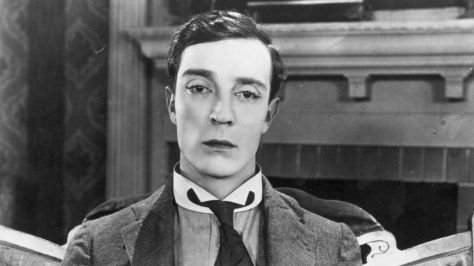
Buster Keaton 100

Buster Keaton 101

Buster Keaton  102.jpg

Saturday Night Kid, The (1929)


Pre Code Logo 1

Pre Code Hollywood Season: FD Cinematheque

The Saturday Night Kid (1929)

Saturday Night Kid The 1

Saturday Night Kid The 3

Saturday Night Kid The  5.jpg

Director: A Edward Sutherland

Cast: Clara Bow, Jean Arthur, James Hall, Jean Arthur, Edna May Arthur, Charles Sellon, Ethel Wales, Jean Harlow

63 min

The Saturday Night Kid is a 1929 American Pre-Code romantic comedy film about two sisters and the man they both want. It stars Clara BowJean ArthurJames Hall, and in her first credited role, Jean Harlow. The film was based on the play Love ‘Em and Leave ‘Em (1926) by George Abbott and John V. A. Weaver. The movie still survives. The film was preserved by the UCLA Film & Television Archive with funding by Clara Bow biographer David Stenn.

Saturday Night Kid The 2

Plot

Set in May 1929, the film focuses on two sisters – Mayme (Clara Bow) and Janie (Jean Arthur) – as they share an apartment in New York City. In daytime, they work as salesgirls at the Ginsberg’s department store, and at night they vie for the attention of their colleague Bill (James Hall) and fight over Janie’s selfish and reckless behavior, such as stealing Mayme’s clothes and hitchhiking to work with strangers.

Bill prefers Mayme over Janie and constantly shows his affection for her. This upsets Janie, who schemes to break up the couple.

One day at work, Bill is promoted to floorwalker, while Janie is made treasurer of the benefit pageant. Mayme, however, is not granted a promotion, but gets heavily criticized for constantly being late at work by the head of personnel, Miss Streeter (Edna May Oliver).

Saturday Night Kid The 4

Cast

Saturday Night Kid The 9

Saturday Night Kid The 6

Saturday Night Kid The 7

Saturday Night Kid The 11

Saturday Night Kid The 10

Saturday Night Kid The 12

Film Collectors Corner

Watch The Saturday Night Kid Now – You Tube Instant Video

Blu Ray

Not released on Blu Ray


DVD

It Pays To Advertise (1931)


Pre Code Logo 1

Pre Code Hollywood Season: FD Cinematheque

It Pays To Advertise (1931)


It Pays To Advertise 1

It Pays To Advertise 5

Director: Frank Tuttle

Cast: Norman Foster, Carole Lombard, Richard Skeets Gallagher, Eugene Pallette, Lucien Littlefield, Judith Wood, Louise Brooks, Morgan Wallace, Tom Kennedy, Frank Tuttle

63 min

It Pays to Advertise is a 1931 American pre-Code comedy film, based on the play of the same name by Roi Cooper Megrue and Walter C. Hackett, starring Norman Foster and Carole Lombard, and directed by Frank Tuttle.[1]

Plot

Rodney Martin sets up a soap business to rival his father. With the help of an advertising expert and his secretary, Mary, he develops a successful marketing campaign. His father ends up buying the company from him, while Rodney and Mary fall in love.[2]

It Pays To Advertise 2

Cast

It Pays To Advertise 7

Reception

The film received positive reviews. Photoplay wrote that it has “plenty of speed and lots of laughs”, and praised the “perfect cast”.[2]

It Pays To Advertise 3

References

  1. Jump up^ The AFI Catalog of Feature Films:..It Pays to Advertise
  2. Jump up to:a b Ott, Frederick W. (1972). The Films of Carole Lombard. Secaucus, New Jersey: Citadel Press. pp. 80–81. ISBN 978-0806502786.

It Pays To Advertise 4

It Pays To Advertise 6

It Pays To Advertise 8

It Pays To Advertise 9

Film Collectors Corner

Watch It Pays To Advertise Now – You Tube Instant Video


Blu Ray

Not released on Blu Ray


DVD

Not released on DVD


Virtue (1932)


Pre Code Logo 1

Pre Code Hollywood Season: FD Cinematheque

Virtue (1932)

Virtue 12

Actresses Carole Lombard and Shirley Grey in Virtue

Director: Edward Buzzell

Cast: Carle Lombard, Pat O’Brien, Ward Bond, Shirley Grey, Mayo Methot, Jack LaRue, Williard Robertson, Jessie Arnold

68 min

Virtue is a 1932 Pre-Code American romance film starring Carole Lombard and Pat O’Brien.

Plot

New York City streetwalker Mae (Carole Lombard) is placed on a train by a policeman and told not to come back. However, she gets off, taking the cab of Jimmy Doyle (Pat O’Brien), who doesn’t think much of women. She slips away without paying the fare. Her friend and fellow prostitute, Lil (Mayo Methot), advises her to find honest work.

Virtue 11

The next day, Mae goes to the cab company to pay Jimmy. They start arguing, but they are attracted to each other. He gets her a job as a waitress. By coincidence, Gert (Shirley Grey), another former prostitute who knows her, also works at the restaurant.

Jimmy and Mae soon marry, but Mae doesn’t tell her new husband about her past. After a honeymoon at Coney Island, the happy couple are met at Mae’s apartment by a policeman who mistakes Jimmy for Mae’s latest “client”. Jimmy shows him their marriage license to clear up the trouble, then leaves to think things over. He returns the next day, ready to try to make the marriage work.

Virtue 6

Jimmy has saved $420 of the $500 he needs to become a partner in Flannagan’s gas station. However, Gert begs Mae to lend her $200 for a doctor. Despite her misgivings, Mae gives it to her. The next day, she learns that Gert has lied to her. When Jimmy tells her that the gas station owner needs money and is willing to settle for what he already has, Mae begins searching desperately for Gert.

Mae finally finds her and slaps her around until she promises to get her the money the next night. However, Gert has given the money to her boyfriend Toots (Jack La Rue), who is also Lil’s pimp. When Gert tries to steal the $200 from his wallet, Toots catches her and accidentally kills her. He hides the body, then watches from hiding as Mae shows up, finds the money and leaves.

Virtue 9

The police arrest Mae for the crime because she left her bag behind in Gert’s apartment. However, a distrusting Jimmy had been following Mae and knows a man was with Gert. He learns that it was Toots, but when he confronts him, Lil gives Toots an alibi. Jimmy goes to the district attorney to report what he knows. Lil convinces Toots to go to the district attorney to lodge a complaint against Jimmy. Lil reveals herself to be Mae’s true friend, admitting that Toots lied and exonerating Mae.

Jimmy goes to the gas station to tell Flannagan he no longer wants to buy into the partnership. He sees Mae pumping gas under a Doyle & Flannagan sign. They argue and reconcile.

Virtue 5

Cast (in credits order)

Virtue 10

Virtue 7

Virtue 4

Virtue 3

Virtue 2

Film Collectors Corner

Watch Virtue Now – You Tube Instant Video

Blu Ray

Not released on Blu Ray


DVD


Indiscreet (1931)


Pre Code Logo 1

Pre Code Hollywood Season: FD Cinematheque

Indiscreet (1931)

Indiscreet 11

Director: Leo McCarey

Cast: Gloria Swanson, Ben Lyon, Monroe Owsley, Barbara Kent, Arthur Lake, Maude Eburne, Henry Kolker, Nella Walker

92 min

Indiscreet is a 1931 American pre-Code comedy film directed by Leo McCarey and starring Gloria Swanson and Ben Lyon. The screenplay by Buddy G. DeSylvaLew Brown, and Ray Henderson, based on their story Obey That Impulse, originally was written as a full-fledged musical, but only two songs – “If You Haven’t Got Love” and “Come to Me” – remained when the film was released.[1] The film is available on DVD.

Indiscreet 1

Indiscreet 3

Plot

The plot of the United Artists release centers on fashion designer Geraldine Trent (Swanson), who takes up with novelistTony Blake (Lyon) after leaving her former beau Jim Woodward because of his many indiscretions with other women.

Tony has indicated he has no interest in dating a woman with a past, so Geraldine remains mum about her affair with Jim, until her younger sister Joan arrives and announces she’s engaged—to Jim. Madcap complications ensue as Geraldine tries to keep her secret from Tony while convincing her sister to rid herself of her womanizing fiancé in favor of simple country boy Buster Collins.[2]

Indiscreet 4

Cast (in credits order)

Indiscreet 5

Principal production credits

Indiscreet 7

Critical reception

In May 1931 in The New York Times, film critic Mordaunt Hall gave Indiscreet a mixed review:

It may have its off moments so far as the few serious incidents are concerned, but when it stoops to farce, there is no denying its jollity . . . on the whole, it is a well-worked out entertainment, wherein gusts of merriment cause one to overlook its occasional flaws . . . Now and again the film sobers up, but the director and the authors have solved a way of inoculating it with further mirth, and even at the end there is a streak of fun that is almost Chaplinesque.[3]

Indiscreet 8

References

  1. Jump up^ Indiscreet at the New York Film Annex
  2. Jump up^ The AFI Catalog of Feature Films:Indiscreet
  3. Jump up^ Hall, Mordaunt (1931). “THE SCREEN; A Merry Miss Swanson”, film review, The New York Times, May 7, 1931; retrieved October 6, 2017.

Indiscreet 9

Indiscreet 11

Indiscreet 12

Indiscreet 13

Indiscreet 14

Indiscreet 16

Indiscreet 17

Film Collectors Corner

Watch Indiscreet Now – You Tube Instant Video

Blu Ray

Not released on Blu Ray

DVD

I Cover the Waterfront (1933)


Pre Code Logo 1

Pre Code Hollywood Season: FD Cinematheque

I Cover the Waterfront (1933)

I Cover the Waterfront  1.jpg

I Cover the Waterfront 3

Director: James Cruze

Cast: Ben Lyon, Claudette Colbert, Ernest Torrence, Hobart Cavanaugh, Maurice Black, Purnell Platt, Harry Beresford, Wilfred Lucas,  Rosita Marstini

75 min

I Cover the Waterfront 4

I Cover the Waterfront is a 1933 American Pre-Code romantic drama film directed by James Cruze and starring Ben LyonClaudette ColbertErnest Torrence, and Hobart Cavanaugh.

Based on the book of the same name by Max Miller, the film is about a reporter who investigates a waterfront smuggling operation, and becomes romantically involved with the daughter of the man he is investigating.

I Cover the Waterfront 5

Plot

San Diego Standard reporter H. Joseph Miller (Ben Lyon) has been covering the city’s waterfront for the past five years and is fed up with the work. He longs to escape the waterfront life and land a newspaper job back East so he can marry his Vermont sweetheart. Miller is frustrated by the lack of progress of his current assignment investigating the smuggling of Chinese people into the country by a fisherman named Eli Kirk (Ernest Torrence). One morning after wasting a night tracking down bad leads, his editor at the Standard orders him to investigate a report of a girl swimming naked at the beach. There he meets Julie Kirk (Claudette Colbert), the daughter of the man he’s been investigating.

I Cover the Waterfront  6.jpg

Meanwhile, Eli Kirk and his crew are returning to San Diego with a Chinese passenger when the Coast Guard approaches. Not wanting to be caught with evidence of his smuggling operation, Kirk orders his men to weigh down the Chinaman and lower him overboard to his death. The Coast Guard, accompanied by Miller, board the boat but find nothing. The next day, Miller discovers the Chinaman’s body which was carried in with the tide, and takes it as evidence to his editor, who still remains skeptical of Kirk’s guilt. To get conclusive evidence, Miller tells him he plans to romance Kirk’s daughter Julie in order to break the smuggling operation.

When Kirk returns, he informs Julie that they will need to move on soon—maybe to Singapore—as soon as he can put together enough money for the voyage. One night, Julie discovers her father drunk at a boarding house. Miller, who was there investigating Kirk, helps Julie take her father home. Julie does not discourage Miller’s flirtations, and during the next few weeks they fall in love. She is able to help Miller see the beauty of the waterfront, and inspires him to improve the novel he’s been working for the past five years. While visiting an old Spanish galleon on a date, he playfully restrains her in a torture rack and kisses her passionately—and she returns his passion.

I Cover the Waterfront 7

Julie and Miller spend a romantic evening together on the beach, where she reveals that she and her father will be sailing away in the next few days. After spending the night in Miller’s apartment, Julie announces the next morning that she’s decided to stay, hoping that he will stay with her. When Miller learns from her that her father is due to dock at the Chinese settlement that night, he notifies the Coast Guard. At the dock, while the Coast Guard searches the vessel, Miller discovers a Chinaman hidden inside a large shark. When the Coast Guard attempt to arrest Kirk, he flees the scene but is wounded during his escape.

The next morning, Miller’s breaking story is published on the Standard’s front page. When a wounded Kirk makes his way back home, Julie learns that it was Miller who helped the Coast Guard uncover her father’s smuggling operation (of which she was unaware), and that she unknowingly revealed to him his landing location. Soon after, Miller, feeling guilty over the story’s impact to Julie’s life, arrives at her home and apologizes for the hurt he’s caused her, and announces that he loves her. Feeling used by his actions, an angry Julie sends him away.

I Cover the Waterfront 8

Later that night, Miller locates Kirk, who shoots him in the arm. Julie arrives to help her father escape, and seeing Miller wounded, she tells her father she cannot leave Miller to die. Seeing that she loves him, Kirk helps her take Miller to safety, after which Kirk dies. Later from his hospital bed, Miller acknowledges in his newspaper column that Kirk saved his life before he died. Sometime later, Miller returns to his apartment, where Julie is waiting to greet him. Noticing that she cleaned and transformed his place into a cozy home, he tells her he finally wrote the ending to his novel, “He marries the girl”. Julie acknowledges, “That’s a swell finish”, and the two embrace.
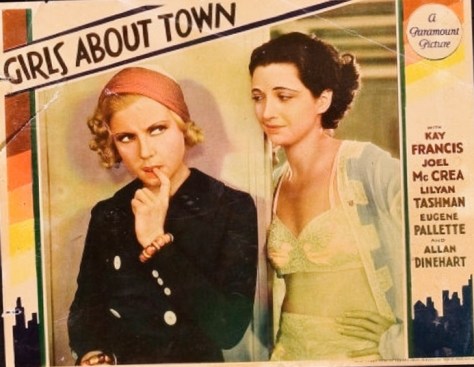
I Cover the Waterfront 9

Cast

I Cover the Waterfront 10

Production

Screenplay

Rights to the novel were bought by Edward Small and his partner Harry Goets in 1932. They made it through the Reliance Picture Corporation as the first of a six-film deal with United Artists.[2] Reliance co-produced the film with Joseph Schenck’s Art Cinema Corporation.[1]

Filming

I Cover the Waterfront was filmed from mid-February to early March 1933.[1]

Soundtrack

The film’s title song, “I Cover the Waterfront“, appears in the film only as an instrumental.[3] Written by Johnny Green and Edward Heyman, the song went on to become a jazz standard recorded by many artists, including Billie HolidayLouis ArmstrongFrank SinatraThe Ink Spots, and Ella Fitzgerald, among others.[4]

I Cover the Waterfront 11

Critical response

In his review for The New York Times, film critic Mordaunt Hall called the film “a stolid and often grim picture”.[5] While Hall felt the drama was not as good as some of director James Cruze’s previous work, the “clever acting of the principals”—especially that of Ernest Torrence—offset some of the film’s shortcomings.[5]

Hall found some of the scenes “more shocking than suspenseful” and felt a broader adaptation of Max Miller’s book may have been more interesting than the focus on the melodramatic series of incidents related to a sinister fisherman.[5]

I Cover the Waterfront 13

While acknowledging that “Colbert does well as Julie”, Hall did not find her convincing as a fisherman’s daughter because she does not look the type.[5] Hall reserved his highest praise for Ernest Torrence in his final screen performance.[5] Torrence died on May 15, 1933, shortly after the film was completed.
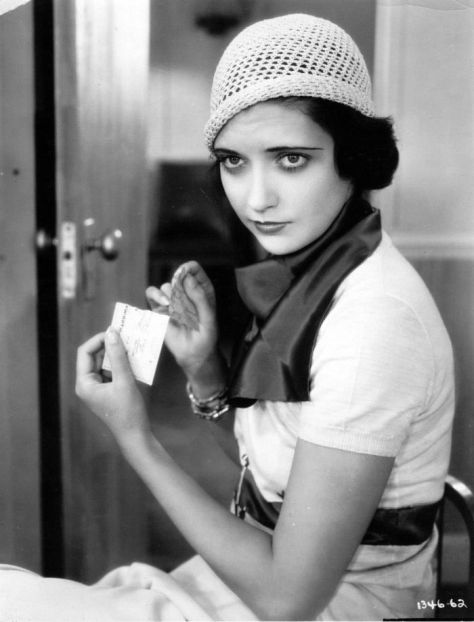
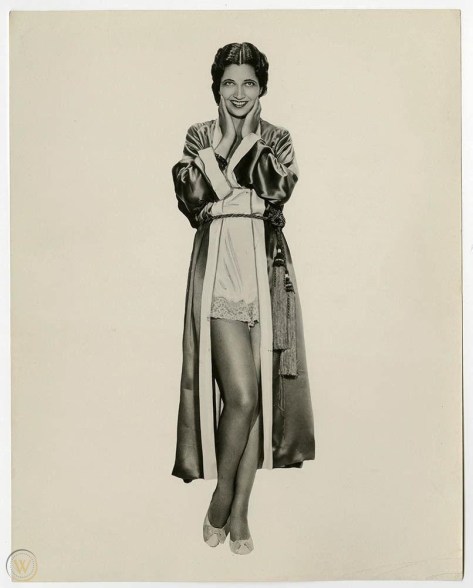
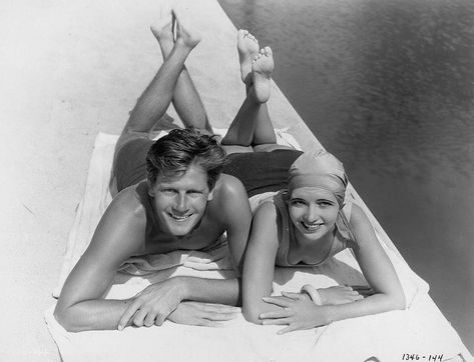
John Mosher of The New Yorker described the adaptation as a “commonplace screen romance,” but also praised the performance of the late Torrence, writing that he “was at the height of his power … One can foresee that many pictures will be empty things for lack of him.”[6] Variety called it “a moderately entertaining picture … The late Ernest Torrence has the meat part and his performance is in keeping with the standard he had set for himself. A pretty tough assignment they gave him, one in which it was necessary to capture sympathy in face of the worst sort of opposition from the script. He’ll be sorely missed on the screen.”[7]

I Cover the Waterfront 14

Remakes

I Cover the Waterfront was remade in 1961 by Edward Small as Secret of Deep Harbor.[3]

See also

References[edit]

  1. Jump up to:a b c “I Cover the Waterfront”American Film Institute. Retrieved June 10, 2016.
  2. Jump up^ Babcock, Muriel (September 24, 1932). “Notable Novel to be Filmed”. The New York Times. p. A7.
  3. Jump up to:a b “I Cover the Waterfront: Notes”. Turner Classic Movies. Retrieved May 18, 2014.
  4. Jump up^ “I Cover the Waterfront”. Discogs. Retrieved May 18, 2014.
  5. Jump up to:a b c d e Hall, Mordaunt (May 18, 1933). “The Late Ernest Torrence in His Last Picture…”The New York Times. Retrieved May 18, 2014.
  6. Jump up^ Mosher, John (May 27, 1933). “The Current Cinema”. The New Yorker. New York: F-R Publishing Corp. p. 49.
  7. Jump up^ “I Cover the Waterfront”. Variety. New York: Variety, Inc. May 23, 1933. p. 15.

I Cover the Waterfront 15

I Cover the Waterfront 16

Film Collectors Corner

Watch I Cover the Waterfront Now – Instant Video on You Tube

Blu Ray

Not released on Blu Ray

DVD

Safety In Numbers (1930)


Pre Code Logo 1

Pre Code Hollywood Season: FD Cinematheque

Safety In Numbers (1930)

Safety in Numbers 1

Safety in Numbers 2

Director: Victor Schertzinger

Cast: Charles Buddy Rogers, Kathryn Crawford, Josephine Dunn, Carole Lombard, Roscoe Karns, Richard Tucker, Francis McDonald, Raoul Paoli, Virginia Bruce, Tom London

80 min

Safety in Numbers 3

Safety in Numbers is a 1930 American Pre-Code musical comedy film. Directed by Victor Schertzinger, it stars Buddy Rogers, and features Kathryn CrawfordJosephine Dunn, and Carole Lombard (in one of her early roles).

Plot

William Butler Reynolds, a 20-year-old San Franciscan with a penchant for dancing and song-writing, is about to inherit a sizable fortune.

Safety in Numbers 4

His guardian uncle decides to send him to New York to be educated in the “ways of the world” by three lady friends–Jacqueline, Maxine, and Pauline, Follies girls, who agree not to vamp him though he falls for Jacqueline and is jealous of her admirer, Phil Kempton.

Bill’s inept attempt to promote a song with a producer results in the firing of all three girls; and when Jacqueline then resists his advances, he picks up Alma, a telephone operator, and becomes attentive to Cleo, a Follies vamp, but the girls save him from her wiles. Luckily, the producer accepts the song and rehires the girls; Jacqueline, realizing the sincerity of the boy’s love for her, embarks for Europe with Phil; but Phil realizes the appropriateness of the match and sees to it that the lovers are united.

Safety in Numbers 14


Cast

Safety in Numbers 21

Safety in Numbers 24

Reception

The reviewer for the Motion Picture Herald wrote, “Here’s that rare combination of intelligent direction, brilliant dialogue, and rich humor. The result is a picture that is entertainment plus.” Mordaunt Hall of The New York Times was less enthusiastic, but praised the musical numbers.[1]

Safety in Numbers 5

References

  1. Jump up to:a b Ott, Frederick W. (1972). The Films of Carole Lombard. Secaucus, New Jersey: Citadel Press. pp. 75–77. ISBN 978-0806502786.

Safety in Numbers 6

Safety in Numbers 7

Safety in Numbers 9

Safety in Numbers 8

Safety in Numbers 10

Safety in Numbers 11

Safety in Numbers 13

Safety in Numbers 15

Safety in Numbers 16

Safety in Numbers 19

Safety in Numbers 20

Safety in Numbers 23

Safety in Numbers 22

Safety in Numbers 18


Film Collectors Corner

Watch Safety in Numbers Now – Instant Video on You Tube


Blu Ray

Not released on Blu Ray


DVD

Not released on DVD


Millie (1931)


Pre Code Logo 1

Pre Code Hollywood Season: FD Cinematheque

Millie (1931)

Millie 2

Millie 3

Director: John Francis Dillon

Cast: Helen Twelvetrees, Lilyan Tashman, Robert Ames, James Hall, John Halliday, Joan Blondell, Anita Louise, Edmund Breese, Frank McHugh, Charlote Walker, Franklin Parker, Marie Astaire, Carmelita Geraghty

85 min

Millie 1

Millie (1931) is a pre-Code drama film directed by John Francis Dillon from a screenplay by Charles Kenyon and Ralph Morgan, based on a novel of the same name by Donald Henderson Clarke. The film was an independent production by Charles R. Rogers, distributed by RKO Radio Pictures, after their acquisition of Pathé Exchange. It starred Helen Twelvetrees in one of her best roles, with a supporting cast which included Lilyan TashmanJames HallJoan BlondellJohn Halliday and Anita Louise.

Plot

Millie (Helen Twelvetrees) is a naive young woman who marries a wealthy man from New York, Jack Maitland (James Hall). Three years later, unhappy in her marriage due to her husband’s continued infidelity, she asks for and receives a divorce. Because of her pride, she does not want his money, but she also does not want to deprive her daughter of a comfortable lifestyle. She allows Jack and his mother (Charlotte Walker) to retain custody of Millie’s daughter Connie (Anita Louise).

Millie 4

Focusing on her career, she rises through the hierarchy of the hotel where she is employed, shunning the attention of the rich banker Jimmy Damier (John Halliday), preferring the attentions of the reporter Tommy Rock (Robert Ames), although, due to her prior sour relationship, she refuses to marry him. Eventually, Millie is promoted to the head of operations for the hotel.

At the same time, Tommy is offered a lucrative position at the bank by Damier as a favor to Millie. However, at the celebration party, Millie discovers that Tommy, just like Maitland, is cheating on her.

Millie 5

Betrayed a second time, Millie becomes very bitter. With her female cohorts, Helen and Angie (Lilyan Tashman and Joan Blondell, respectively), she becomes a woman who loves a good time, floating from man to man. This goes on for several years, until she hears that Damier has taken an interest in her teen-age daughter, Connie, who bears a striking resemblance to her.

Millie warns Damier to leave her daughter alone, but, although he promises to stay away from Connie, he ignores Millie’s warning and takes Connie to a remote lodge to seduce her. Millie is tipped off, goes to the lodge with a gun, confronts Jimmy and kills him.

Millie 6

In the ensuing murder trial, Millie tries to keep her daughter’s name out of the press and claims not to remember why she shot Jimmy. She says that another woman ran out of the lodge after the shot, but claims that she did not see who the woman was and has no idea as to her identity.

The prosecution thus claims that Millie’s motive was jealousy of Jimmy’s romantic relationship with this unknown other woman. Millie’s friends, however, help to bring out the truth, and when the jury finds out that Millie’s true motive was to protect her daughter from Jimmy’s lascivious intentions, they acquit her. In the end, Millie is reunited with her daughter and her estranged husband’s family.

Millie 8

Cast

(Cast as per AFI‘s database)[2]

Millie 10

Production

Donald Henderson Clarke finished his novel, Millie, during summer 1930.[4] The novel was first offered to Metro-Goldwyn-Mayer, who passed on it due to its racy content.[5] In August of that year, it was reported that Charles R. Rogers had purchased the film rights to the novel, and had signed Charles Kenyon to adapt it into a screenplay, as well as selecting John Francis Dillon to direct.[6]

Although Rogers had signed an agreement to distribute his independent films through RKO, it was reported that he would be overseeing the production on the Universal lot.[7] Even though he was incorrectly identified as “Ralph Murphy”, Ralph Morgan was signed to collaborate with Kenyon on the screenplay adaptation in September.[8]

Millie 7

Less than a week later, Helen Twelvetrees signed on for the titular role;[9] and it was reported that the screenplay adaptation had been completed.[5] Rogers would choose Ernest Haller to shoot the film and sign him for the project in the beginning of October.[10]

In January RKO announced the film would be released in February,[11] and it was released on February 8, 1931.[2]

Millie 11

Notes

The film was an independent production by Charles Rogers, but became the property of RKO when he agreed to become their production chief.[12]

The theme song, “Millie”, had words and music by Nacio Herb Brown.[2]

In 1959, the film entered the public domain in the USA due to the copyright claimants failure to renew the copyright registration in the 28th year after publication.[13]

The film’s tagline was “Torn From Her Arms … Child Of Love A Woman Can Give But Once.”[1]

Millie 12

References

  1. Jump up to:a b “Millie: Technical Details”. theiapolis.com. Retrieved August 11, 2014.
  2. Jump up to:a b c d e f g “Millie: Detail View”. American Film Institute. Archived from the original on September 20, 2015. Retrieved December 30, 2016.
  3. Jump up to:a b “Millie, Credits”. Turner Classic Movies. Archived from the original on August 11, 2014. Retrieved August 11, 2014.
  4. Jump up^ Daly, Phil M. (April 17, 1930). “Along the Rialto”The Film Daily. p. 5.
  5. Jump up to:a b “Rogers Chances “Millie””Variety. September 24, 1930. p. 5.
  6. Jump up^ “Hollywood Flashes”The Film Daily. August 30, 1930. p. 3.
  7. Jump up^ “Don Clarke’s Story To Be First Rogers Film”Motion Picture News. August 23, 1930. p. 26.
  8. Jump up^ “Hollywood Activities”The Film Daily. September 21, 1930. p. 29.
  9. Jump up^ “Hollywood Happenings”The Film Daily. September 24, 1930. p. 6.
  10. Jump up^ Wilk, Ralph (October 12, 1930). “A Little from “Lots””The Film Daily. p. 4.
  11. Jump up^ “”Cimarron” and “Millie” Releases”The Film Daily. January 22, 1931. p. 3.
  12. Jump up^ Jewell, Richard B.; Harbin, Vernon (1982). The RKO Story. New York: Arlington House. p. 32. ISBN 0-517-546566.
  13. Jump up^ Pierce, David (June 2007). “Forgotten Faces: Why Some of Our Cinema Heritage Is Part of the Public Domain”. Film History: An International Journal19 (2): 125–43. ISSN 0892-2160JSTOR 25165419OCLC 15122313doi:10.2979/FIL.2007.19.2.125. See Note #60, pg. 143.

Millie 9

Millie 13

Film Collectors Corner

Watch Millie Now – Instant Video on You Tube

Blu Ray

Not released on Blu Ray

DVD

Little Princess, The (1917)


Mary Pickford 1

Mary Pickford Season: FD Cinematheque

The Little Princess (1917)

Director: Marshall Neilan, Howard Hawks

Cast: Mary Pickford, Norman Kerry, Katherine Griffith, Anne Schaefer, Zasu Pitts, WE Lawrence, Theodore Roberts, Gertrude Short, Gustav von Seyffertitz, Loretta Blake, George A McDaniel, Edythe Chapman, Josephine Hutchinson, Joan Marsh, Joe Murphy

62 min

A Little Princess is a 1917 American silent film directed by Marshall Neilan based upon the novel A Little Princess by Frances Hodgson Burnett. This version is notable for having been adapted by famed female screenwriter Frances Marion.[1]

Marshall Neilan 1

Marshall Neilan

Howard Hawks 1 Howard Hawks

Contents

Plot 

As described in a film magazine,[2] Sara Crewe (Pickford) is treated as a little princess at the Minchin boarding school for children until it is learned that her father has lost his entire fortune, and she is made a slavey (a household servant). She and Becky (Pitts), another slavey, become close friends who share their joys and sorrows.

Little Princess The 9

Christmastime draws near and the girls watch the preparations wistfully. Their loneliness arouses the sympathy of a servant of the rich Mr. Carrisford. On the night before Christmas he prepares a spread for the slaveys in their attic. He calls his master Mr. Carrisford (von Seyffertitz) to watch their joy, but both are witness to the slaveys being abused and whipped by Miss Minchin (Griffith). Carrisford interferes and learns that Sara is the daughter of his best friend. He adopts Sara and Becky and in their new home they have a real Christmas.
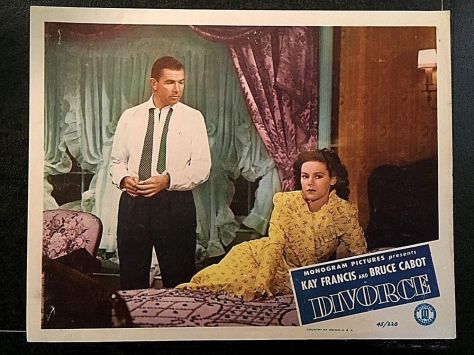
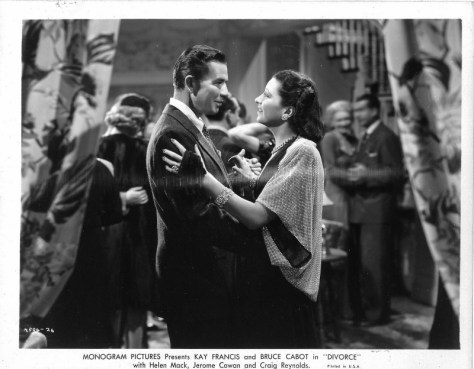
Little Princess The 4

The film opens with Sarah’s father moving back to London after serving in the British Army in India. She is opposed to leaving the luxurious life of an officer’s child with a large house and many servants, and is initially shy when enrolled in Miss Minchin’s School. Her reputation as “the little princess” precedes her and the other girls are fascinated with her tales of life in India. The girls sneak into Sarah’s room at night to listen to her stories. One night, she tells “Ali Baba and the Forty Thieves” which becomes a story within a story with elaborate exotic sets and costumes.
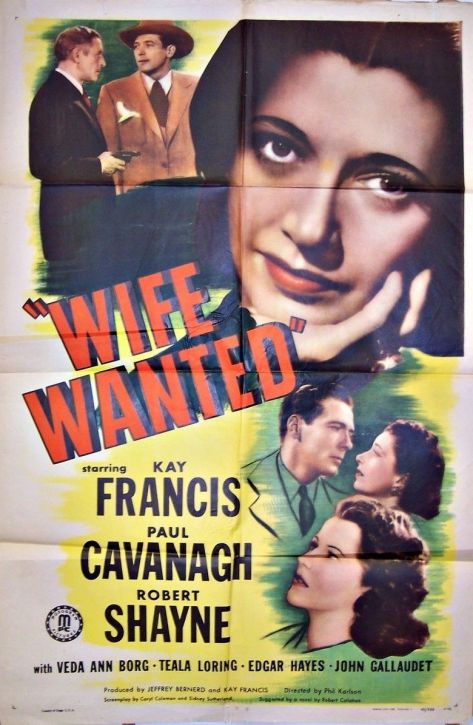
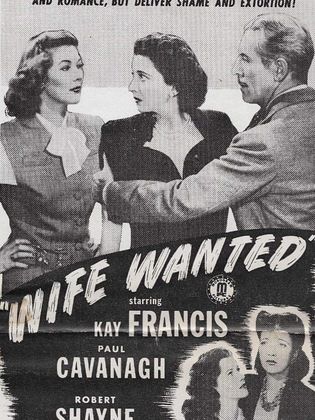
Little Princess The 10

Cast

References

  1. Jump up^ Progressive Silent Film List: A Little Princess at silentera.com
  2. Jump up^ “Reviews: A Little Princess. Exhibitors Herald. New York: Exhibitors Herald Company. 5 (22): 29. November 24, 1917.

Little Princess The 8

Love Light, The (1921)


Mary Pickford 1

Mary Pickford Season: FD Cinematheque

Love Light, The (1921)

Director: Frances Marion

Cast: Mary Pickford, Evelyn Dumo, Raymond Bloomer, Fred Thompson, Albert Prisco, George Regas, Eddie Phillips, Jean De Briac

89 min

Love Light The 1

Love Light The 2

Love Light The 3

Love Light The 5


Love Light The 11

Plot

Based upon a summary in a film publication,[2] Angela (Pickford), an Italian girl, bids goodbye to her second brother, who is the youngest, as he goes off to join the troops. Then comes news that her older brother has been killed in the war. Giovanni (Bloomer), who loves Angela, tries to comfort her, and then he too is called. Left alone, Angela is made a keeper of the lighthouse. Joseph (Thomson) arrives and says that he is an American and a deserter. They are later secretly married. One night he has Angela flash him a “love” signal using the lighthouse.
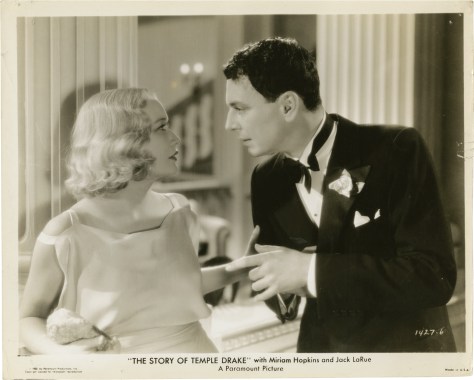
Love Light The 12

The next morning an Italian ship carrying wounded men is reported as having been destroyed at midnight, the hour when the signal was sent. Angela steals some chocolate from Tony (Regas) for Joseph to take with him. When she arrives home, she hears Joseph murmur in his sleep “Gott mitt uns,” and it dawns on her that her husband is a German spy. Tony traces the theft to her, and after he says that her wounded brother had been on the ship, she realizes that it was the signal that sent her brother to his death. She gives up Joseph, who still proclaims his love for her. Joseph breaks away from his jailers and plunges over a cliff to his death. Later, with her and Joseph’s baby, Angela is happy with her old sweetheart Giovanni, who has returned from the war blind.
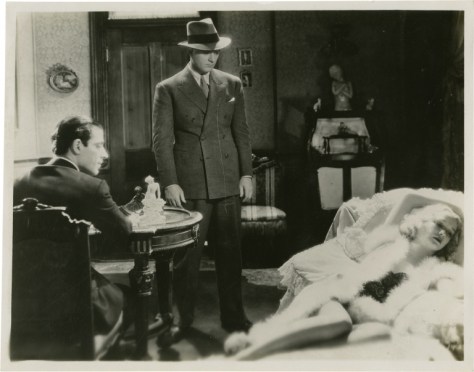
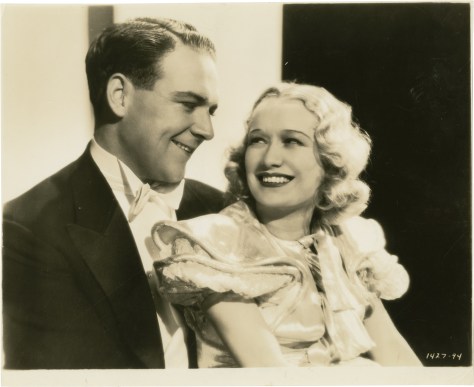
Love Light The 13

Cast

Reception

Photoplay published a very critical review by Burns Mantle. He wrote, in summary, “The Love Light is a poor picture in the sense of being quite unworthy of the star’s talents. The story is developed without reasonable logic and filmed with only the value of the pictures in mind. The Love Light’s one value to my mind is that it takes the nation’s sweetheart out of curls and short frocks and makes a woman of her.”[3]

Love Light The 10

See also

References[

  1. Jump up^ Progressive Silent Film List: The Love Light at silentera.com
  2. Jump up^ “The Love Light: They’re Going to Like the Production and Mary Too”. Film Daily. New York City: Wyd’s Films and Film Folks, Inc. 15 (14): 7. Jan 16, 1921. Retrieved 2014-03-05.
  3. Jump up^ Mantle, Burns (April 1921). “The Shadow Stage”. Photoplay. New York: Photoplay Publishing Co.

Love Light The 6