
Prepared by Daniel B Miller
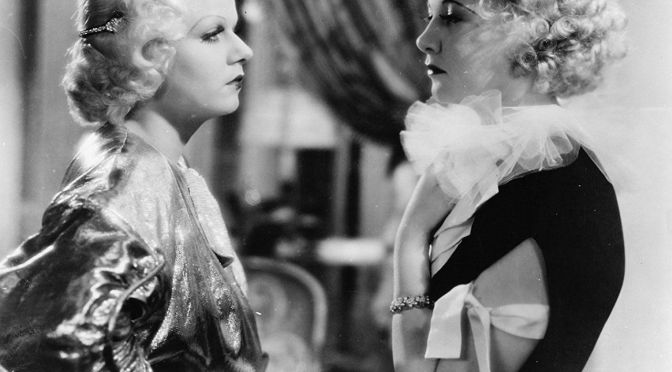
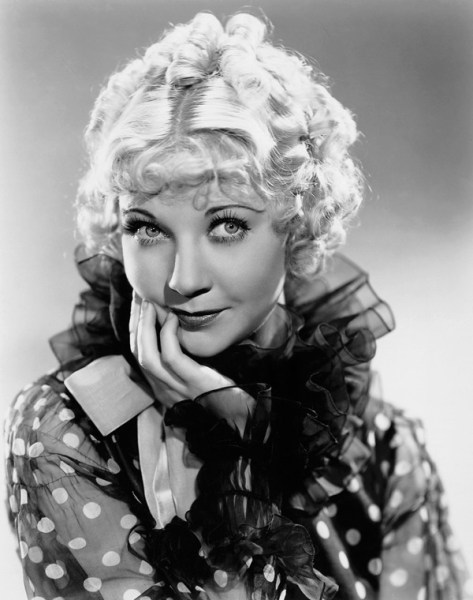
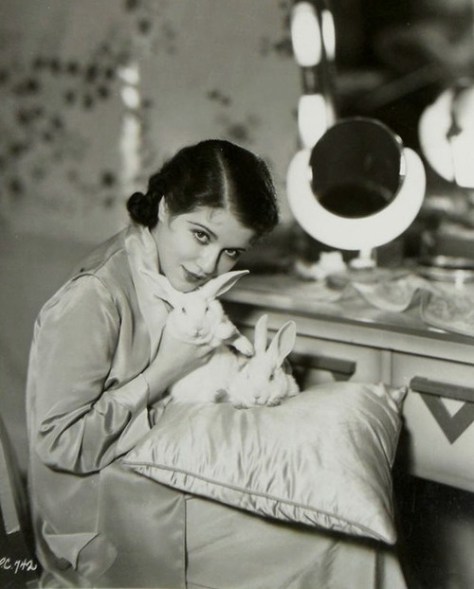
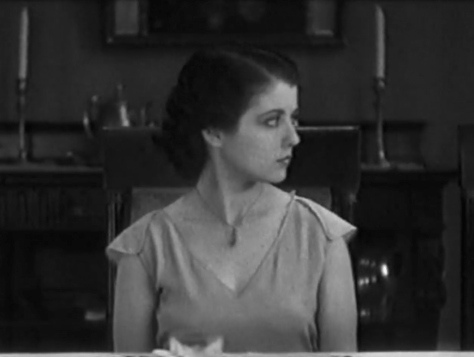
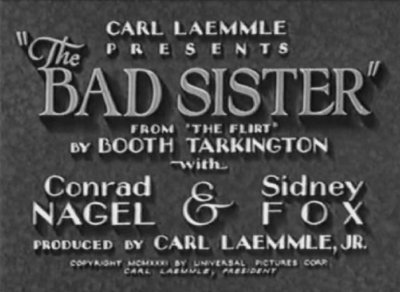
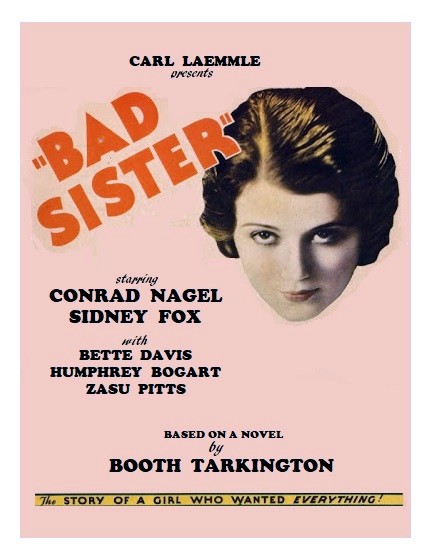
Una Merkel (December 10, 1903 – January 2, 1986) was an American stage, film, radio, and television actress.
Merkel was born in Kentucky and acted on stage in New York in the 1920s. She went to Hollywood in 1930 and became a popular film actress. Two of her best-known performances are in the films 42nd Street and Destry Rides Again. She won a Tony award in 1956, and was nominated for an Academy Award in 1961.
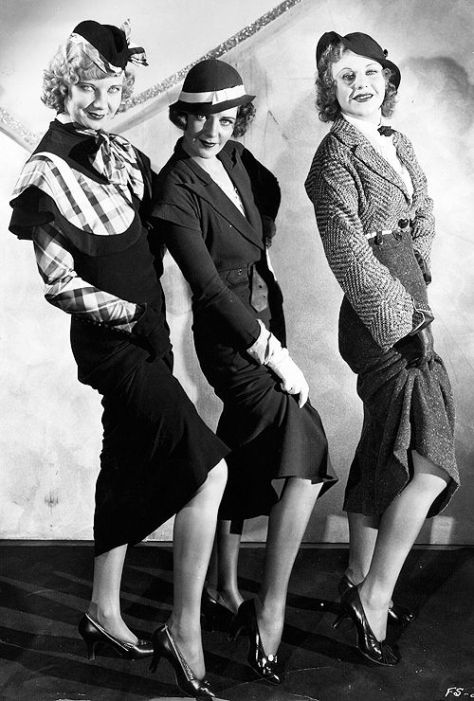
Una Merkel in 42nd Street promo
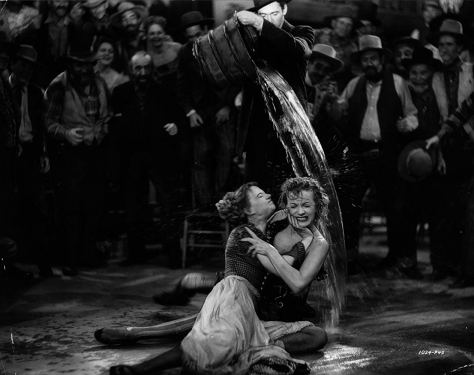
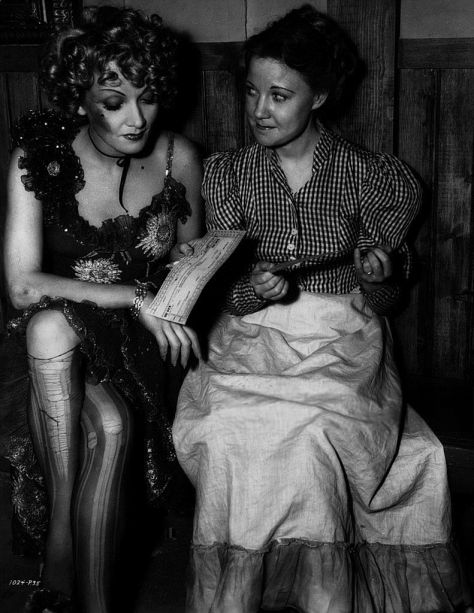
Una Merkel with Marlene Dietrich in Destry Rides Again
Contents

Life and career
Una Merkel was born in Covington, Kentucky, to Arno Merkel and Bessie Phares but in her early childhood, she lived in many of the Southern United States due to her father’s job as a traveling salesman.
At the age of 15, her parents and she moved to Philadelphia. They stayed there a year or so before settling in New York City, where she began attending the Alviene School of Dramatic Art.
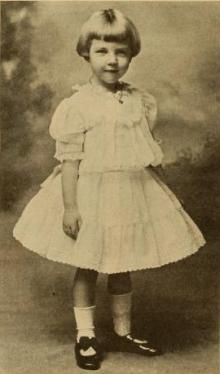
Una Merkel aged 4
Because of her strong resemblance to actress Lillian Gish, Merkel was offered a part as Gish’s youngest sister in a silent film called World Shadows.
Unfortunately, the public never saw the film because funding for it dried up, and it was never completed. Merkel went on to appear in a few silent films during the silent era, several of them for the Lee Bradford Corporation. She also appeared in the two-reel Love’s Old Sweet Song (1923), which was made by Lee DeForest in his Phonofilm sound-on-film process and starred Louis Wolheim and Helen Weir.
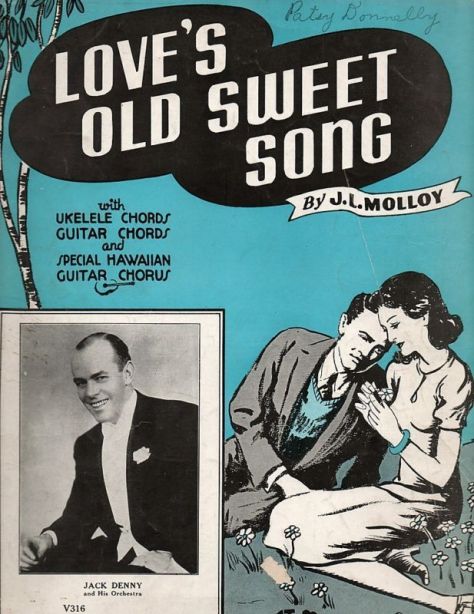
Not making much of a mark in films, Merkel turned her attention to the theater and found work in several important plays on Broadway. Her biggest triumph was in Coquette (1927), which starred her idol, Helen Hayes.
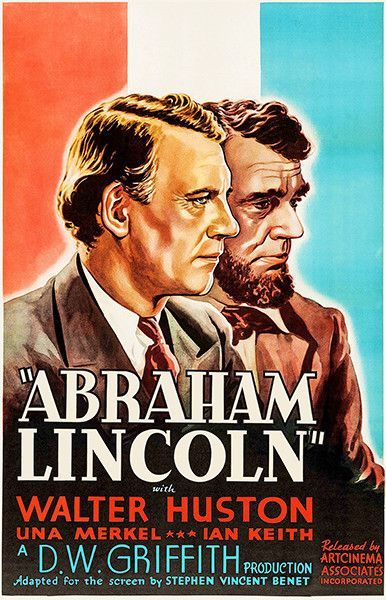
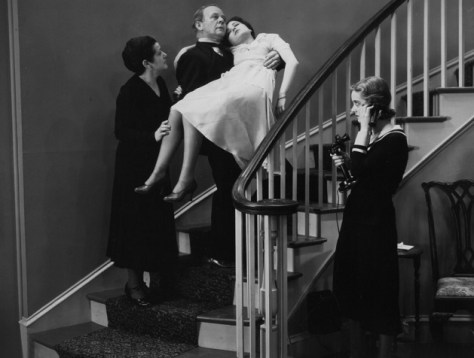
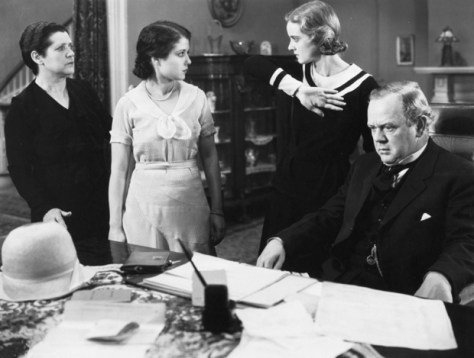
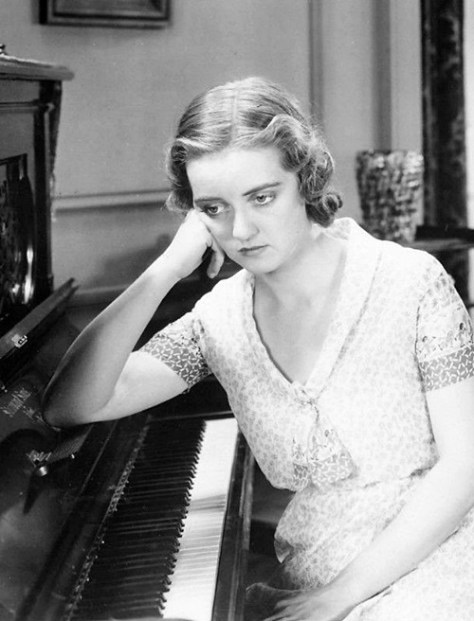
Invited to Hollywood by famous director D. W. Griffith to play Ann Rutledge in his Abraham Lincoln (1930), Merkel was a big success in the “talkies”. During the 1930s, she became a popular second lead in a number of films, usually playing the wisecracking best friend of the heroine, supporting actresses such as Jean Harlow, Carole Lombard, Loretta Young, and Eleanor Powell.
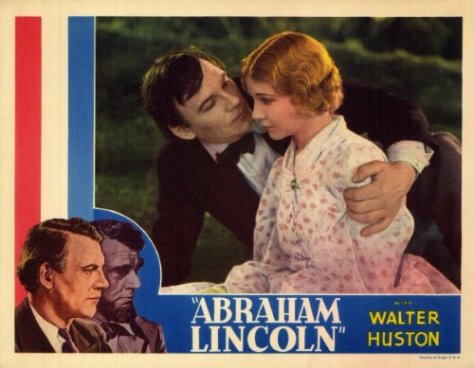
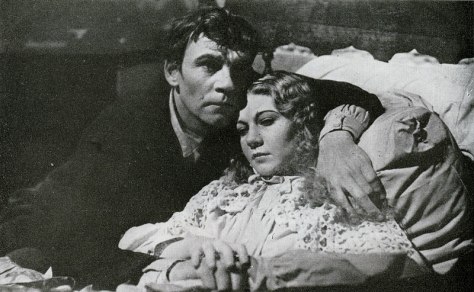
Una Merkel with Walter Huston in Abraham Lincoln
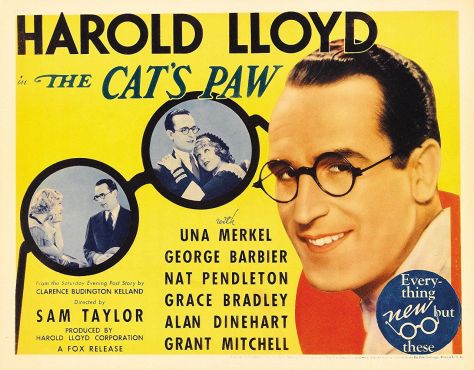
With her Kewpie-doll looks, strong Southern accent, and wry line delivery, Merkel enlivened scores of films in the 1930s. She even had the distinction of playing Sam Spade‘s secretary in the original 1931 version of The Maltese Falcon. Merkel was a Metro-Goldwyn-Mayer contract player from 1932 to 1938, appearing in as many as 12 films in a year, often on loan-out to other studios. She was also often cast as leading lady to a number of actors in their starring pictures, including Jack Benny, Harold Lloyd, Franchot Tone, and Charles Butterworth.
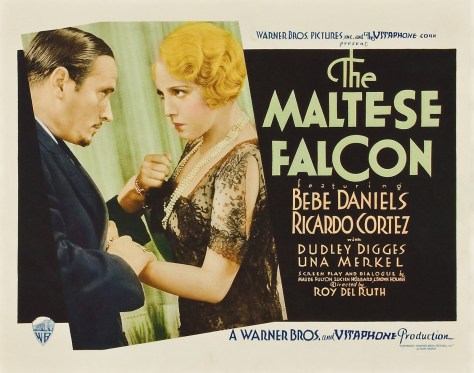
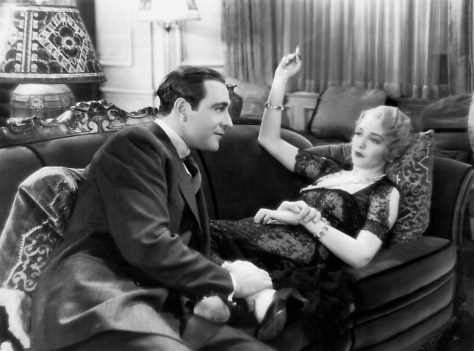
Una Merkel with Ricardo Cortez in The Maltese Falcon
In 42nd Street (1933), Merkel played a streetwise show girl who was Ginger Rogers‘ character’s buddy. In the famous “Shuffle Off to Buffalo” number, Merkel and Rogers sang the verse: “Matrimony is baloney. She’ll be wanting alimony in a year or so./Still they go and shuffle, shuffle off to Buffalo.” Merkel appeared in both the 1934 and the 1952 film versions of The Merry Widow, playing different roles in each.
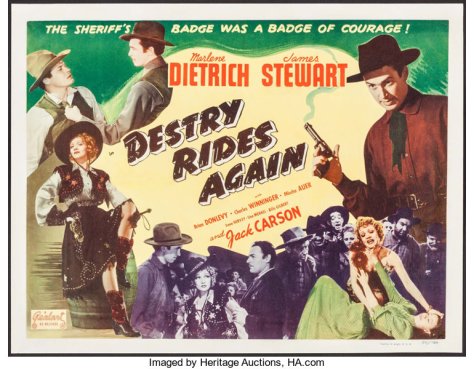
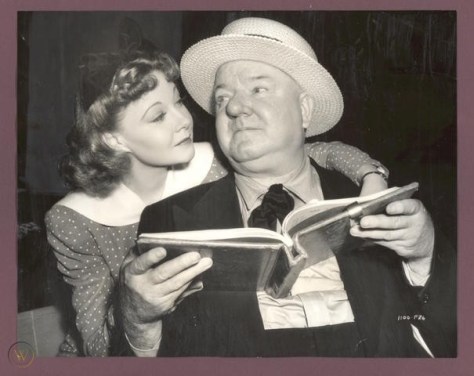
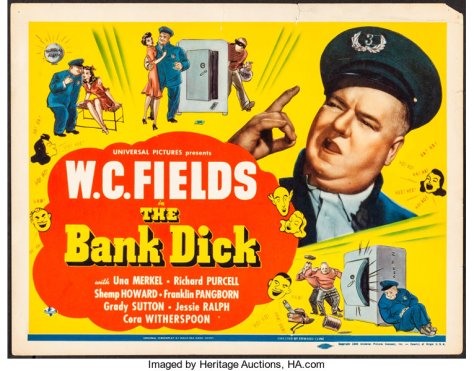
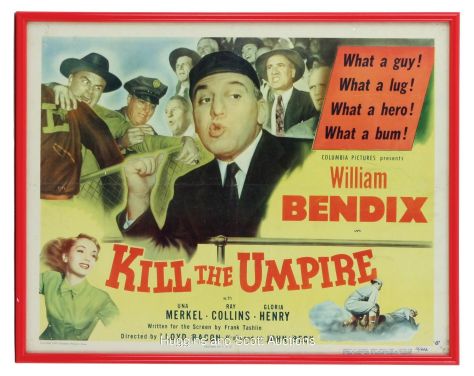
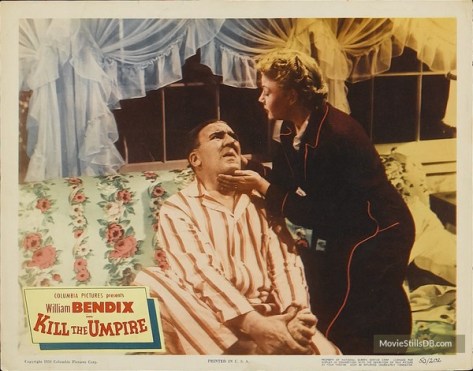
One of her most famous roles was in the Western comedy Destry Rides Again (1939) in which her character, Lily Belle, gets into a famous “cat-fight” with Frenchie (Marlene Dietrich) over the possession of her husband’s trousers, won by Frenchie in a crooked card game. She played the elder daughter to the W. C. Fields character, Egbert Sousé, in the 1940 film The Bank Dick. Her film career went into decline during the 1940s, although she continued working in smaller productions. In 1950, she was leading lady to William Bendix in the baseball comedy Kill the Umpire, which was a surprise hit.
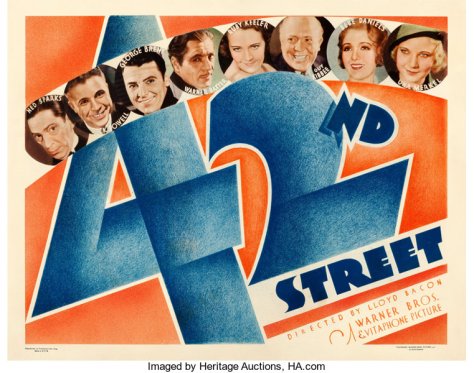

42nd Street Promo

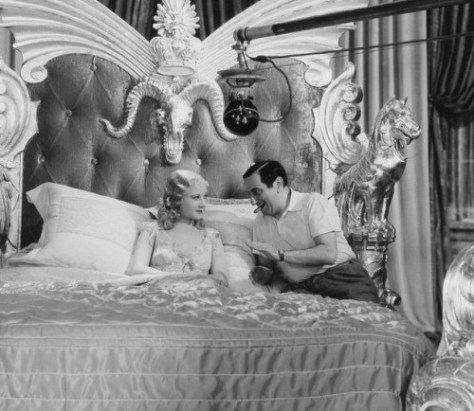
Una Merkel and Ernst Lubitsch on the set of The Merry Widow
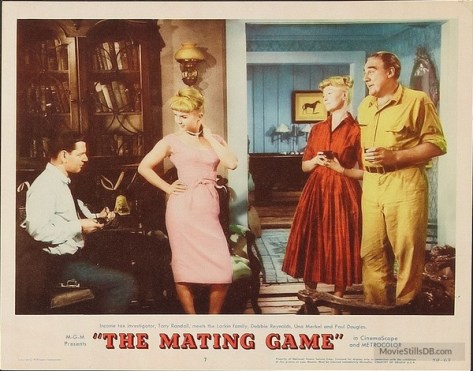
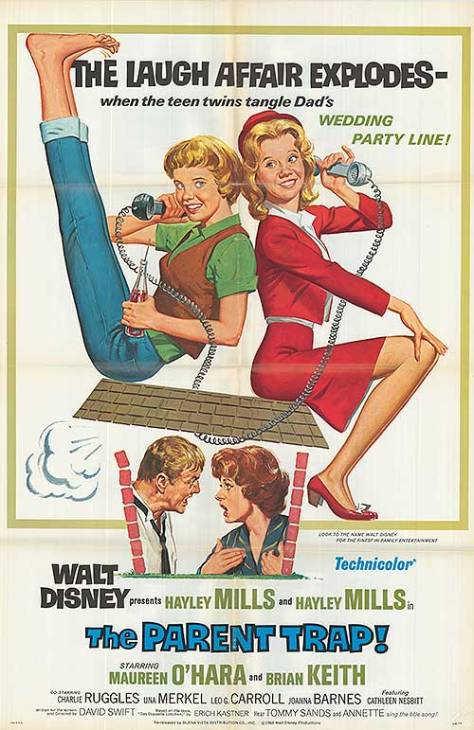
She made a comeback as a middle-aged woman playing mothers and maiden aunts, and in 1956 won a Tony Award for her role on Broadway in The Ponder Heart. She had a major part in the MGM 1959 film The Mating Game as Paul Douglas‘ wife and Debbie Reynolds‘s mother, and was nominated for an Academy Award for Best Supporting Actress in Summer and Smoke (1961). She was also featured as Brian Keith‘s housekeeper, Verbena, in the Walt Disney comedy The Parent Trap in 1961. Her final film role was opposite Elvis Presley in Spinout.
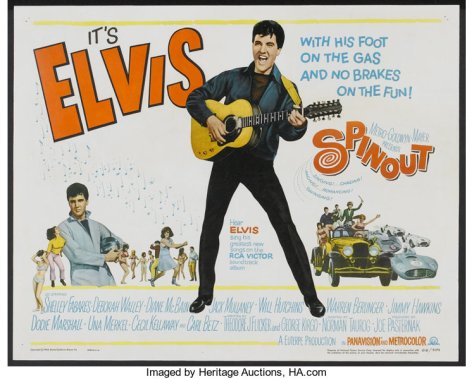
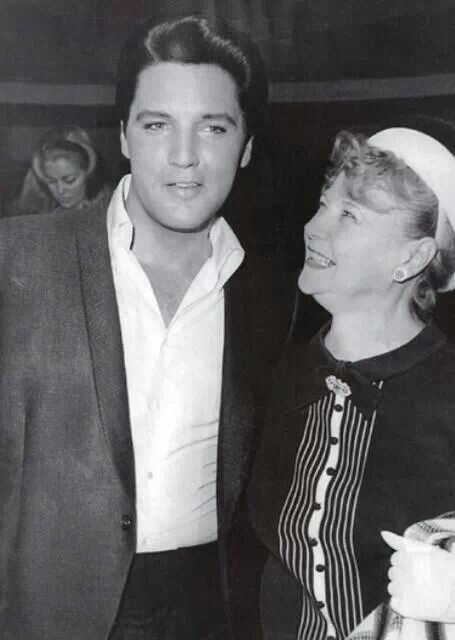
Una Merkel and Elvis Presley 1950s
Personal life
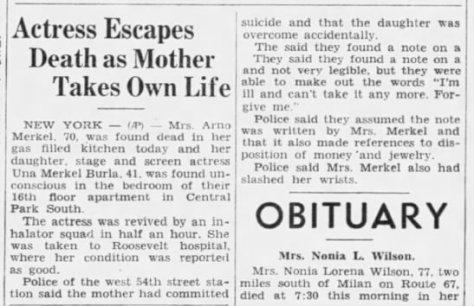
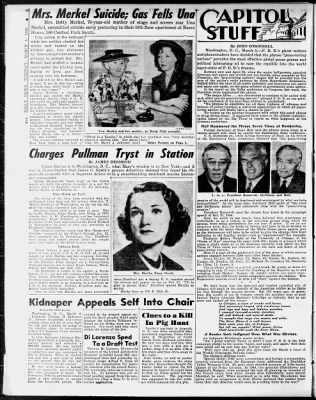
On March 5, 1945, Merkel was nearly killed when her mother Bessie, with whom she was sharing an apartment in New York City, committed suicide by gassing herself. Merkel was overcome by the five gas jets her mother had turned on in their kitchen and was found unconscious in her bedroom.
On March 4, 1952, nearly seven years to the day that Merkel’s mother committed suicide, Merkel overdosed on sleeping pills. She was found unconscious by a nurse who was caring for her at the time and remained in a coma for a day.
Merkel was a lifelong practicing Methodist.
Marriage
Merkel was married once and had no children. She married North American Aviation executive Ronald L. Burla in 1932. They separated in April 1944. Merkel filed for divorce on December 19, 1946 in Miami, and it was granted in March 1947.
Death
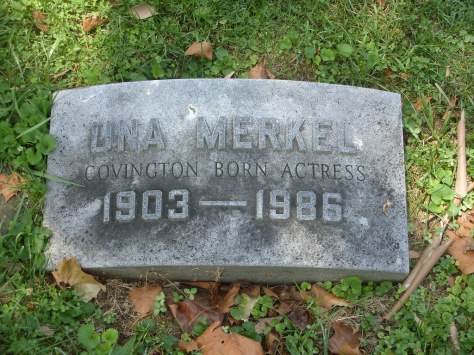
On January 2, 1986, Merkel died in Los Angeles at the age of 82. She is buried near her parents, Arno and Bessie Merkel, in Highland Cemetery in Fort Mitchell, Kentucky.
For her contribution to the motion picture industry, Una Merkel has a star on the Hollywood Walk of Fame (6230 Hollywood Boulevard). In 1991, a historical marker was dedicated to her in her hometown of Covington, KY.
Filmography
Features
- The Fifth Horseman (1924)
- Abraham Lincoln (1930)
- The Eyes of the World (1930)
- The Bat Whispers (1930)
- Command Performance (1931)
- Don’t Bet on Women (1931)
- Six Cylinder Love (1931)
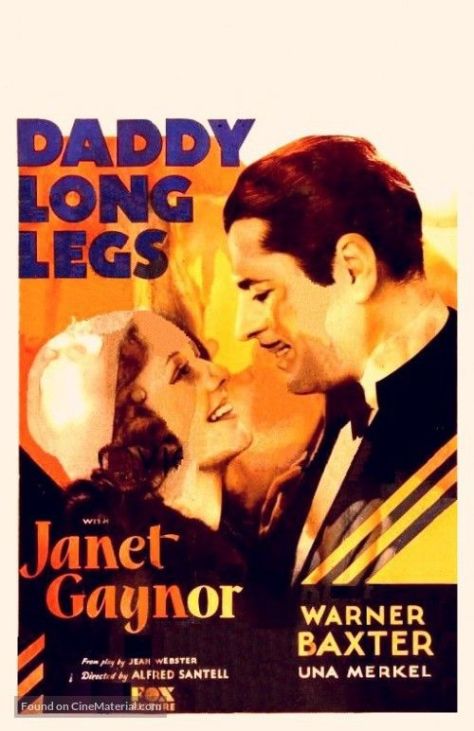
- Daddy Long Legs (1931)
- The Maltese Falcon (1931)
- The Bargain (1931)
- Wicked (1931)
- The Secret Witness (1931)
- Private Lives (1931)
- She Wanted a Millionaire (1932)
- Impatient Maiden (1932)
- Man Wanted (1932)
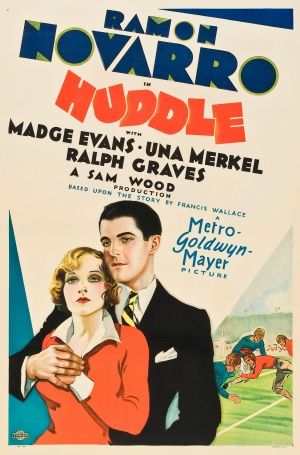
- Huddle (1932)
- Red-Headed Woman (1932)
- They Call It Sin (1932)
- Men Are Such Fools (1932)
- Whistling in the Dark (1933)
- 42nd Street (1933)
- The Secret of Madame Blanche (1933)
- Clear All Wires! (1933)
- Reunion in Vienna (1933)
- Midnight Mary (1933)
- Her First Mate (1933)
- Broadway to Hollywood (1933)
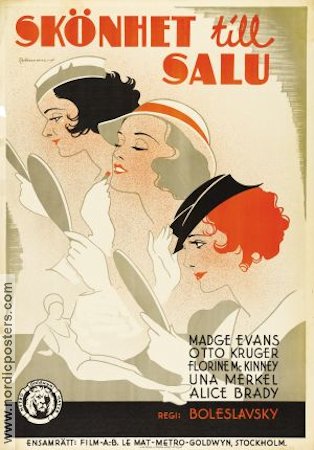
- Beauty for Sale (1933)
- Bombshell (1933)
- Day of Reckoning (1933)
- The Women in His Life (1933)
- This Side of Heaven (1934)
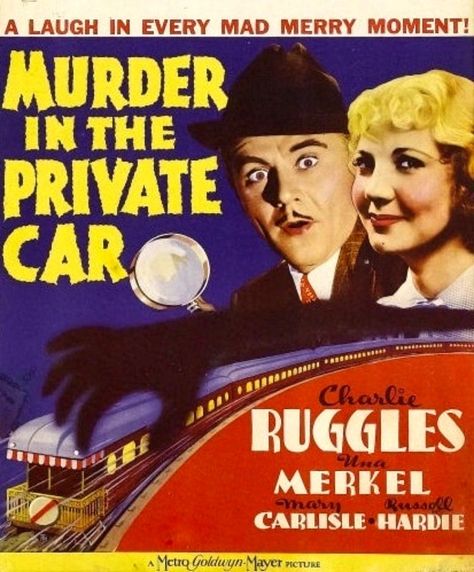
- Murder in the Private Car (1934)
- Paris Interlude (1934)
- The Cat’s-Paw (1934)
- Bulldog Drummond Strikes Back (1934)
- Have a Heart (1934)
- The Merry Widow (1934)
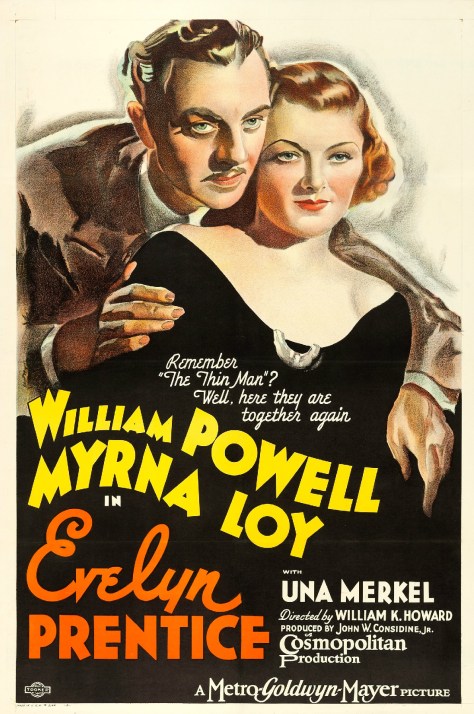
- Evelyn Prentice (1934)
- Biography of a Bachelor Girl (1935)
- The Night Is Young (1935)
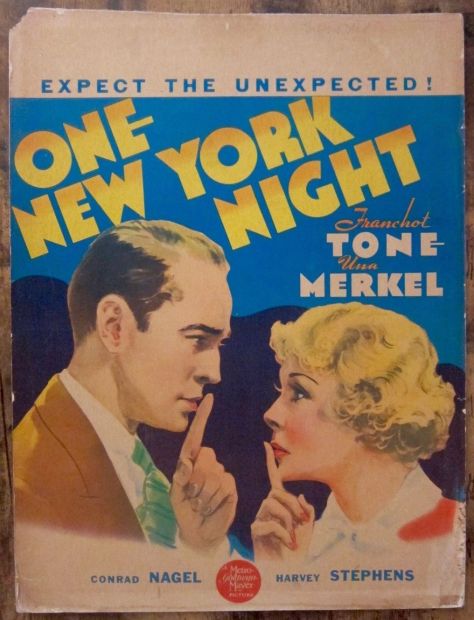
- One New York Night (1935)
- Baby Face Harrington (1935)
- Murder in the Fleet (1935)
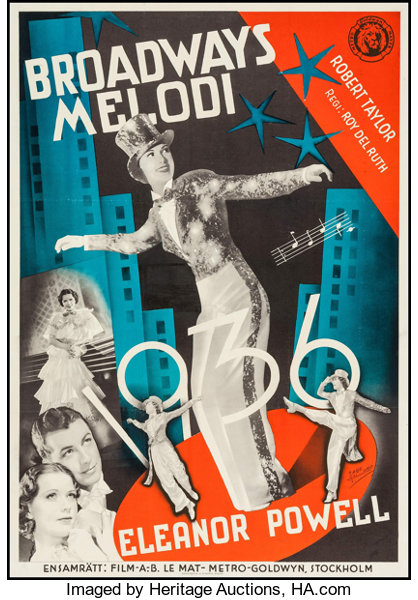
- Broadway Melody of 1936 (1935)
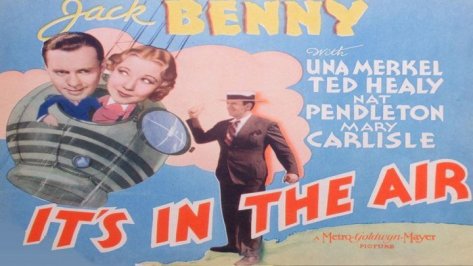
- It’s in the Air (1935)
- Riffraff (1936)
- Speed (1936)
- We Went to College (1936)
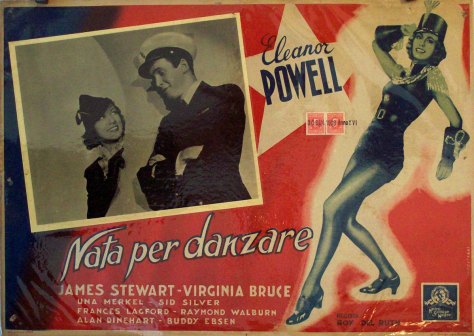
- Born to Dance (1936)
- Don’t Tell the Wife (1937)
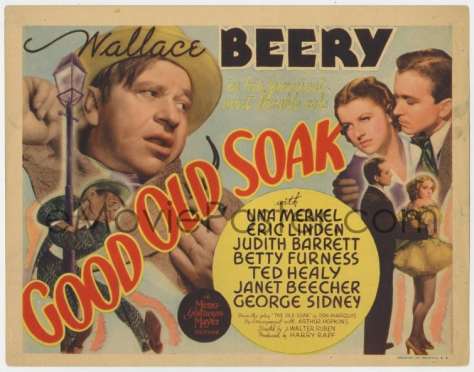
- The Good Old Soak (1937)
- Saratoga (1937)
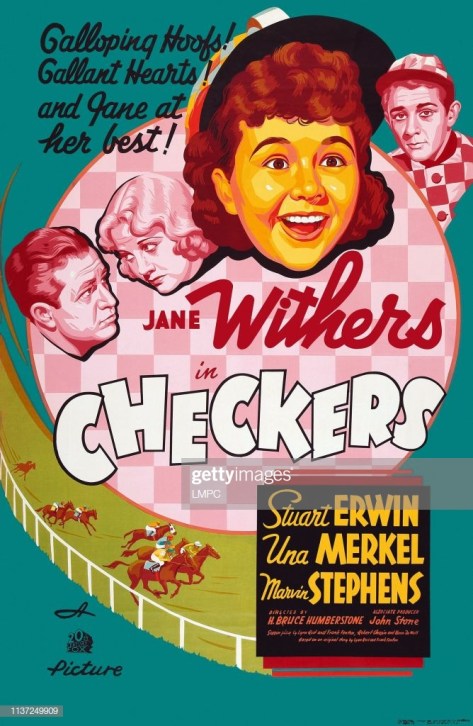
- Checkers (1937)
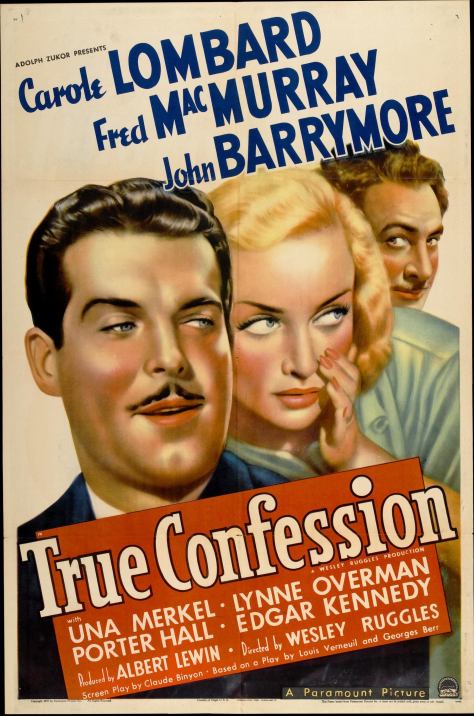
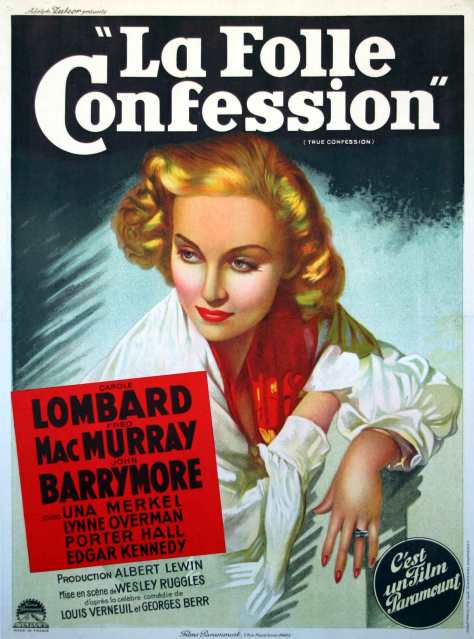
- True Confession (1937)
- Four Girls in White (1939)
- Some Like It Hot (1939)
- On Borrowed Time (1939)
- Destry Rides Again (1939)
- Comin’ Round the Mountain (1940)
- Sandy Gets Her Man (1940)
- The Bank Dick (1940)
- Double Date (1941)
- Road to Zanzibar (1941)
- Cracked Nuts (1941)
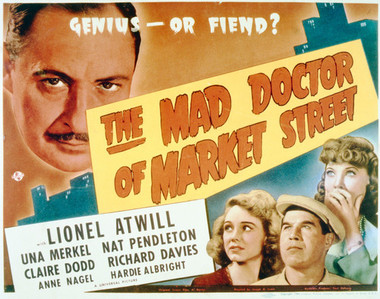
- The Mad Doctor of Market Street (1942)
- Twin Beds (1942)
- This Is the Army (1943)
- Sweethearts of the U.S.A. (1944)
- It’s a Joke, Son! (1947)
- The Bride Goes Wild (1948)
- Man from Texas (1948)
- Kill the Umpire (1950)
- My Blue Heaven (1950)
- Emergency Wedding (1950)
- Rich, Young and Pretty (1951)
- A Millionaire for Christy (1951)
- Golden Girl (1951)
- With a Song in My Heart (1952)
- The Merry Widow (1952)
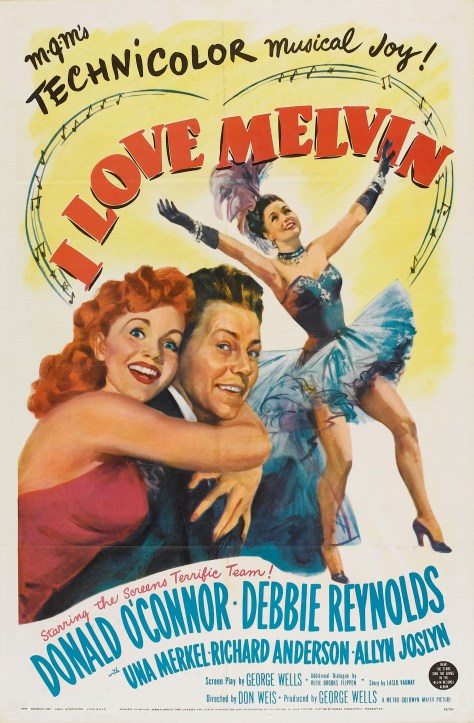
- I Love Melvin (1953)
- The Kentuckian (1955)
- Vertigo (1956), uncredited
- The Kettles in the Ozarks (1956)
- Bundle of Joy (1956)
- The Fuzzy Pink Nightgown (1957)
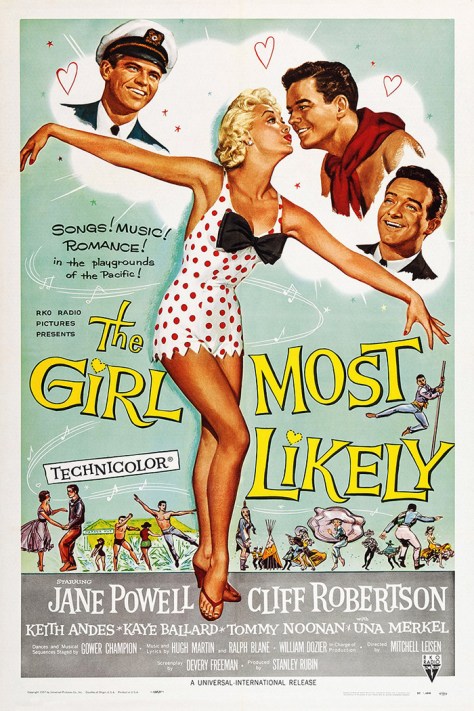
- The Girl Most Likely (1957)
- The Mating Game (1959)
- The Parent Trap (1961)
- Summer and Smoke (1961)
- Summer Magic (1963)
- A Tiger Walks (1964)
- Spinout (1966)
Short subjects
- Love’s Old Sweet Song (1923) two-reeler made in Phonofilm early sound process
- Menu (1933)
- Hollywood Goes to Town (1938)
- Quack Service (1943)
- To Heir Is Human (1944)

References
- Jump up^ Kentucky. Birth Records, 1847-1911
- Jump up^ Reid, Alexander (5 January 1986), “Una Merket Dies at Age of 82; From Silent Films to a Tony”, The New York Times, p. 24
- ^ Jump up to:a b “Una Merkel Lies In Coma After Pill Overdose”. Star-News. Wilmington, North Carolina. March 4, 1952. p. 4. Retrieved March 22, 2015.
- Jump up^ “Una Merkel in Death Escape”. Lodi News-Sentinel. Lodi, California. March 6, 1945. p. 8. Retrieved March 22, 2015.
- Jump up^ “Una Merkel Recovering”. The Sydney Morning Herald. Sydney, Australia. March 6, 1952. p. 3. Retrieved March 22, 2015.
- Jump up^ kyumc.org/events/detail/1806
- Jump up^ “About FUMC”. First United Methodist Church, Eunice, Louisiana.
- ^ Jump up to:a b Folkart, Burt A. (January 4, 1986). “Una Merkel, Movie, Stage Actress, Dies”. latimes.com. Retrieved March 22, 2015.
- Jump up^ “Divorce Is Sought By Una Merkel”. Pittsburgh Post-Gazette. Pittsburgh, Pennsylvania. December 3, 1946. p. 2. Retrieved March 22, 2015.
- ^ Jump up to:a b “Una Merkel Files Suit on Back Alimony”. Los Angeles Times. Los Angeles, California. November 6, 1947. p. 2.
- Jump up^ “Actress Una Merkel dies”. The Evening News. Newburgh, New York. January 5, 1986. p. 2A. Retrieved March 22, 2015.
- Jump up^ Tenkotte, Paul A.; Claypool, James C., eds. (2015). The Encyclopedia of Northern Kentucky. University Press of Kentucky. p. 615. ISBN 0-813-15996-2.
- Jump up^ “Hollywood Star Walk: Una Merkel”. latimes.com. Retrieved March 22, 2015.
Further reading
- Kinder, Larry Sean. Una Merkel: The Actress With Sassy Wit and Southern Charm. Albany, GA: BearManor Media, 2016.

 Film Dialogue
You must be logged in to post a comment.