Category Archives: Pre Code Films

Dixiana (1930)


Pre Code Logo 1

Pre Code Hollywood Season: FD Cinematheque

Dixiana (1930)

Director: Luther Reed 

Cast: Bebe Daniels, Everett Marshall, Bert Wheeler, Robert Woolsey, Joseph Cawthorn, Jobyna Howland, Dorothy Lee, Ralf Harolde, Bill Robinson

100 min

Dixiana 1

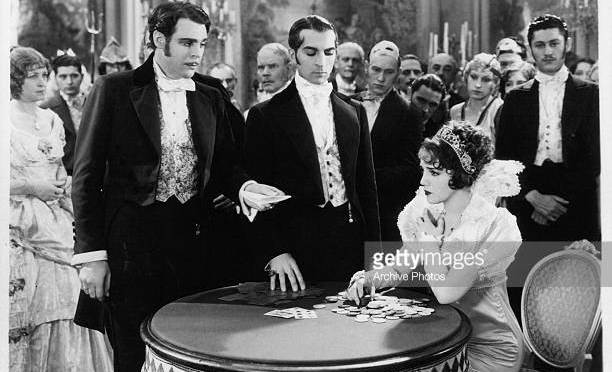
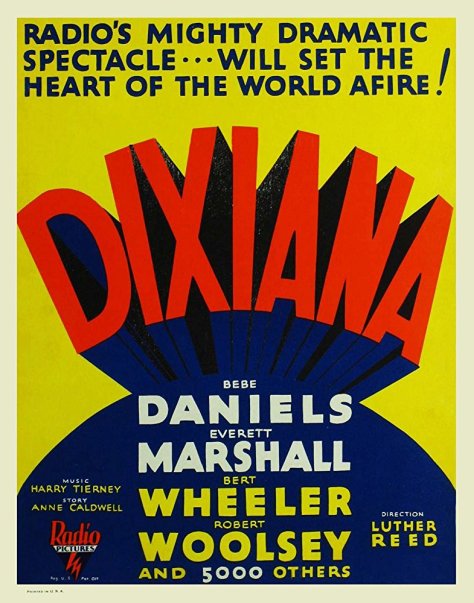
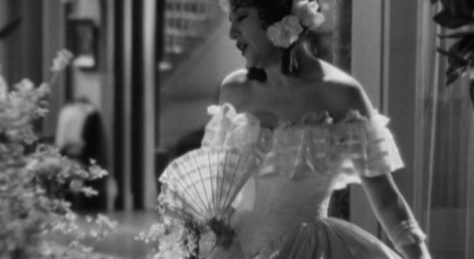
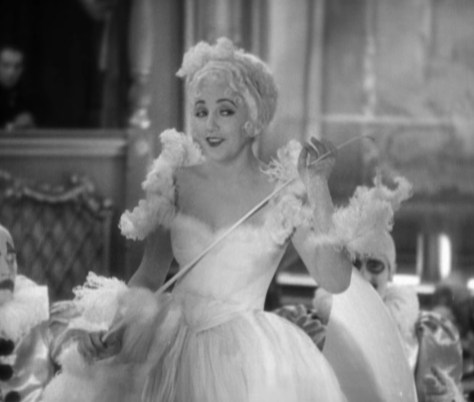
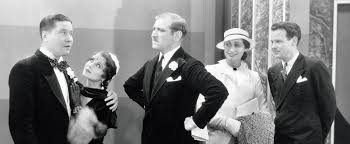
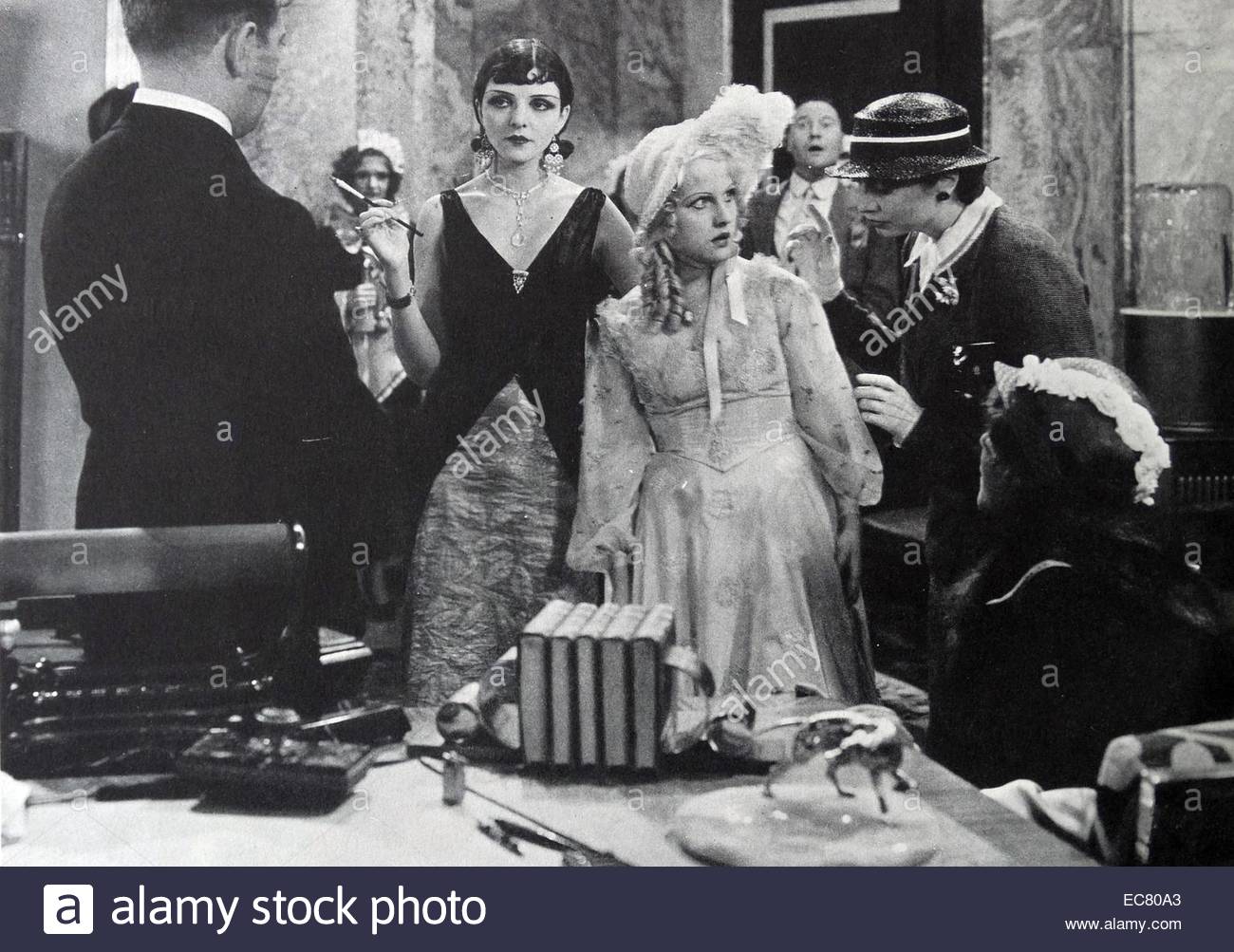
Dixiana (1930) is a lavish American pre-code comedy, musical film directed by Luther Reed and produced and distributed by RKO Radio Pictures.

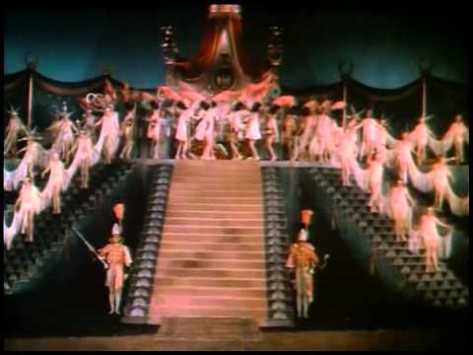
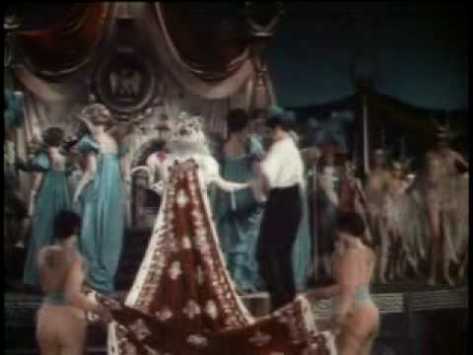
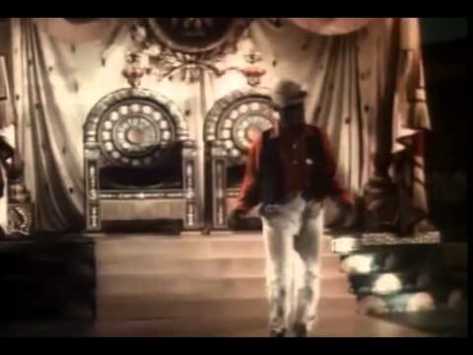
The final twenty minutes of the picture were photographed in Technicolor. The film stars Bebe DanielsEverett MarshallBert Wheeler, Robert WoolseyJoseph CawthornJobyna HowlandRalf HaroldeBill “Bojangles” Robinson (in his film debut) and Dorothy Lee.

The script was adapted by Luther Reed from a story by Anne Caldwell. The Technicolor sequences were considered lost for years but were re-discovered in 1988 and subsequently included in the restored DVD. At the end of 1958, the film entered the public domain (in the USA) due to RKO’s failure to renew their copyright registration in the 28th year after publication.[3]

This is the film in which composer Max Steiner received his first screen credit for orchestration. Additionally, it was Wheeler & Woolsey‘s third film; however, as they were not yet an official “team”, they were still billed separately.

Dixiana 8

Plot

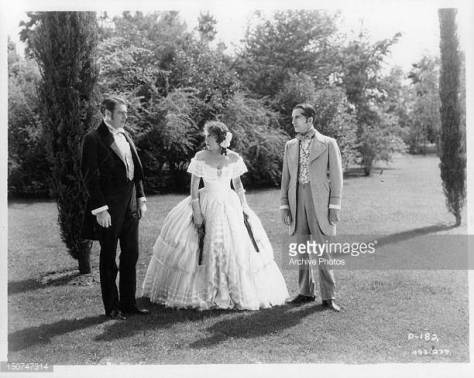
Dixiana Caldwell and her friends, Peewee and Ginger, are circus performers in the antebellum South. When Dixiana falls in love with a young Southern aristocrat, Carl Van Horn, she leaves the circus where she is employed and, with Peewee and Ginger, accompanies Carl to his family’s plantation in order to meet Van Horn’s family. At first thrilled with the news of their impending nuptials, Carl’s father and stepmother, Cornelius and Birdie Van Horn, throw a lavish party for the couple. However, Peewee and Ginger inadvertently disclose Dixiana’s background as a circus performer, creating a scandal for the elder Van Horns.

Dixiana 7

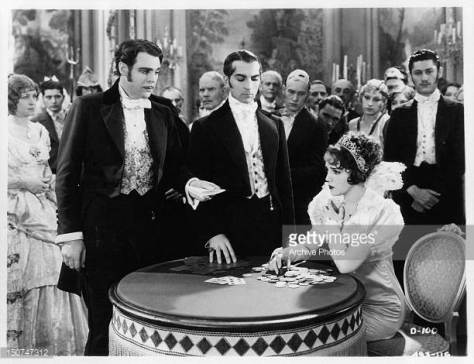
Asked by the stepmother to leave in disgrace, Dixiana and her friends return to New Orleans, seeking to gain re-employment from her former employer at the Cayetano Circus Theatre, but they are regretfully refused by him, due to way she had departed. Desperate, she takes employment at a local gambling hall, run by Royal Montague, who also has personal designs on Dixiana. As part of his plan, he intends to financially ruin Carl and his family and use Dixiana to accomplish that purpose.

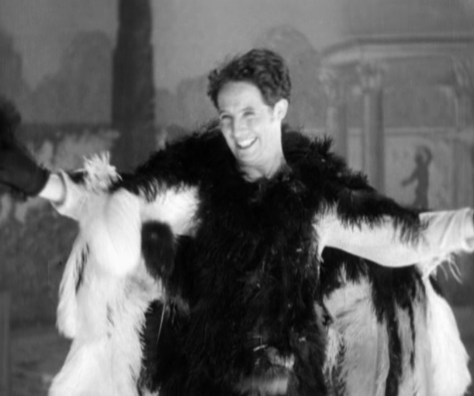
Things come to a head when Dixiana is crowned Queen of the Mardi Gras. When Montague absconds with her, Carl challenges him to a duel, but, when a disguised Dixiana shows up in his stead, she tricks Montague into revealing his nefarious plans. Carl and Dixiana are reunited.[4]

Dixiana 11

Cast

(Cast list as per AFI database)[1]

Dixiana 10

Reception

Reviewer Mordaunt Hall of the New York Times wrote of the singing, “…one wishes there was more of it and less of the somewhat futile attempt at a story” and noted that Bill Robinson “…gives an excellent exhibition of tap dancing, which won a genuine round of applause” and concluded, “The early glimpses of the circus theatre … lead one to expect more than one is apt to get out of this production.”[5]

The film reunited the director and most of the cast of RKO’s most successful film of the year before, Rio Rita, but lackluster performances and direction, as well as a glut of movie musicals led to the film being one of RKO’s biggest disappointments of 1930. The film lost an estimated $300,000.[2][6]

Dixiana 9

References

  1. Jump up to:a b “Dixiana: Detail View”. American Film Institute. Archived from the original on August 6, 2014. Retrieved September 20, 2016.
  2. Jump up to:a b c Richard Jewel, ‘RKO Film Grosses: 1931-1951’, Historical Journal of Film Radio and Television, Vol 14 No 1, 1994 p57
  3. Jump up^ Pierce, David (June 2007). “Forgotten Faces: Why Some of Our Cinema Heritage Is Part of the Public Domain”. Film History: An International Journal19 (2): 125–43. doi:10.2979/FIL.2007.19.2.125ISSN 0892-2160JSTOR 25165419OCLC 15122313.
  4. Jump up^ Bradley, Edwin M. (January 1, 2004). “Chapter 7: 1929-1930”. The First Hollywood Musicals: A Critical Filmography of 171 Features, 1927 through 1932. Jefferson, North Carolina: McFarland & Company. pp. 192–195. Retrieved 2015-02-08.
  5. Jump up^ Mordaunt Hall (September 5, 1930). “The Screen: Dixiana (1930)”. New York Times.
  6. Jump up^ Jewell, Richard B.; Harbin, Vernon (1982). The RKO Story. New York: Arlington House. p. 29. ISBN 0-517-546566.

Dixiana 4

Dixiana 6

Color end sequence in Dixiana (1930)

Dixiana 12

Dixiana 13

Dixiana 14

Film Collectors Corner

Watch Dixiana Now – You Tube Instant Video

Blu Ray

Not released on Blu Ray

DVD

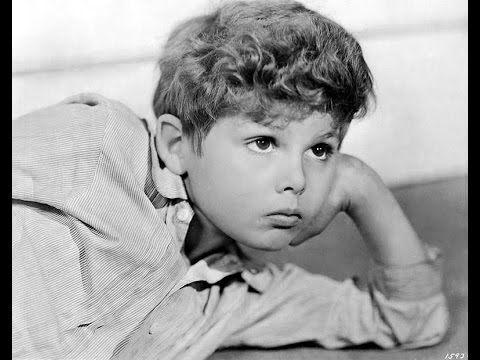
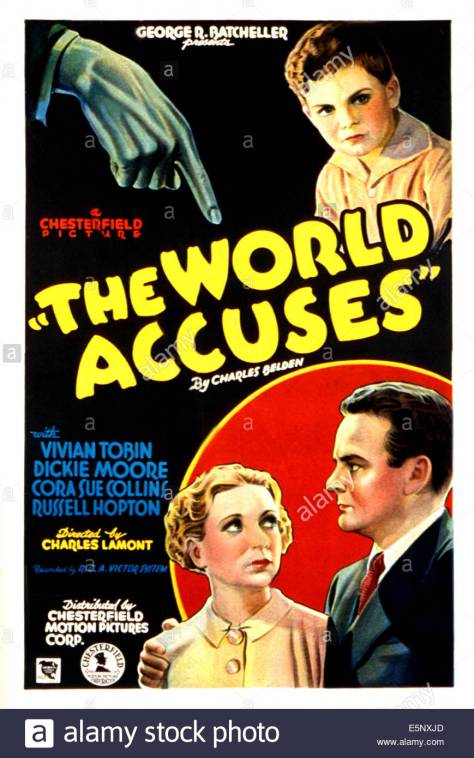
World Accuses, The (1934)


Pre Code Logo 1

Pre Code Hollywood Season: FD Cinematheque

World Accuses, The (1934)

World Accuses The 1

Director: Charles Lamont

Cast: Vivian Tobin, Dickie Moore, Cora Sue Collins, Russel Hopton, Harold Huber, Mary Carr, Paul Fix, Sarah Edwards, Robert Eliott

62 min


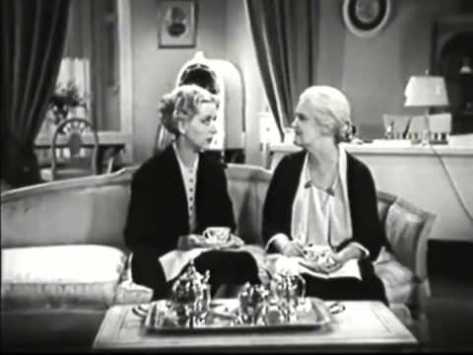
The World Accuses is a 1934 American drama film directed by Charles Lamont and starring Vivian TobinDickie Mooreand Cora Sue Collins.[1]

Cast

World Accuses The 3

References

  1. Jump up^ Pitts p.86

Bibliography

  • Michael R. Pitts. Poverty Row Studios, 1929–1940: An Illustrated History of 55 Independent Film Companies, with a Filmography for Each. McFarland & Company, 2005.

World Accuses The 4

World Accuses The 5

Film Collectors Corner

Watch The World Accuses Now – You Tube Instant Video


Blu Ray

Not released on Blu Ray


DVD

Behold My Wife (1934)


Pre Code Logo 1

Pre Code Hollywood Season: FD Cinematheque

Behold My Wife (1934)

Behold My Wife 3

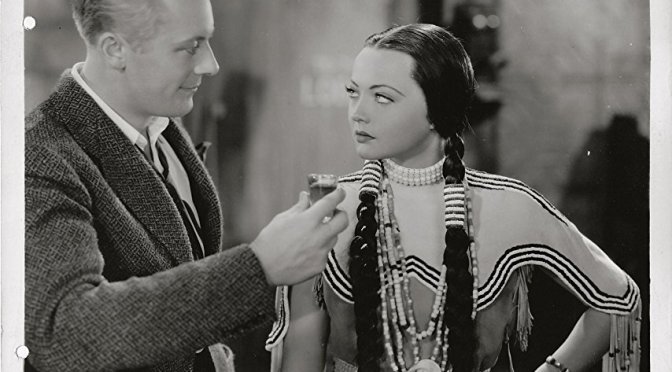
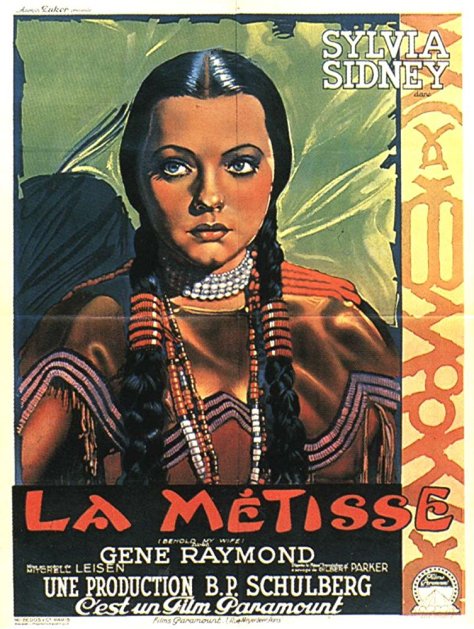
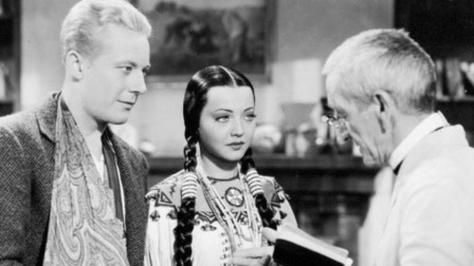
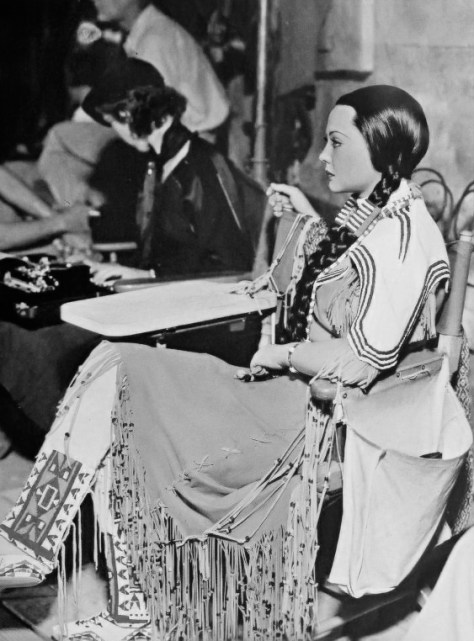
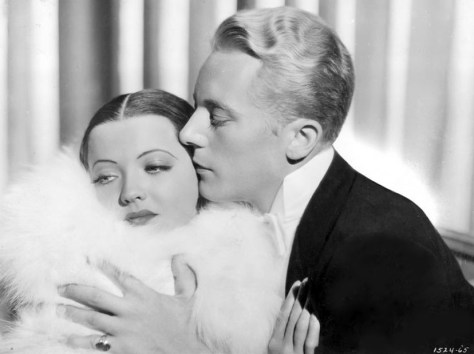
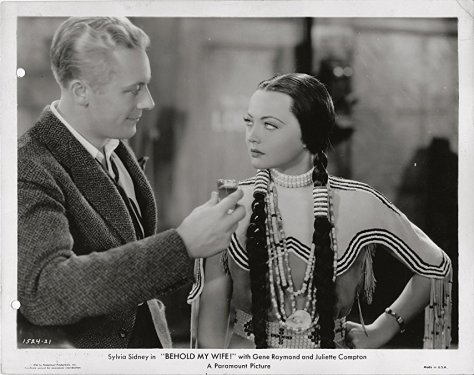
Behold My Wife! is a 1934 drama film directed by Mitchell Leisen. It stars Sylvia Sidney and Gene Raymond.[1] Based on a novel by Sir Gilbert Parker, The Translation of a Savage,[2] the story had been filmed before in the silent era in 1920 as Behold My Wife! starring Mabel Julienne Scott and Milton Sills.

Behold My Wife 1

Director: Mitchell Leisen

Cast: Sylvia Sidney, Gene Raymond, Laura Hope Crews, H B Warner, Juliette Compton, Monroe Owsley, Ann Sheridan, Charlotte Granville, Kenneth Thomson

79 min


Contents

Behold My Wife 2

Cast

Rest of cast listed alphabetically:

Behold My Wife 4

Plot

Michael Carter (Gene Raymond) a young socialite returns drunk home telling the butler, that he will marry the next day. The butler talks to his parents and the next morning his sister Diana (Juliette Compton) pays a visit to see the young lady Mary White (Ann Sheridan) and to tell he a story about the brother having left for France, he always falls in love promises to marry and than leaves. Mary White can’t believe it, but at his home nobody lets her talk to him.Diana offers her a cheque and a ticket to California.

But when she walks out, triumphant about her victory, she hears a scream and the body of Mary White has landed under the window on the hard street. When returning home she tries to make up a strategy for Michael, this one notices that they have strange behavior, unless they tell him what happened. In his despair about the loss of Mary White and his own family thinking about being disgraced by him, he takes the car and drives from one state to another drinking at every station he stops.

At one bar he meets an Apache Man, very tall and very drunk and he invites him to drink from his bottle as the barman knowing him, don’t want to give him any. A little Woman comes into the bar and tries to tear away the Indian. But Mr. Carter still wants to have him on his side drinking. The indian girl Tonita (Sylvia Sidney), tells Carter he is no good and other things, meantime the drunken indian pulls out his pistol and starts shooting at bottles and things. Carter wants to shoot as well and tries to take away the pistol from the indian. In the fight he is shot in the shoulder. Tonita operates him from the bullet, to save her indian friend, and Carter asks her to marry him, as he thinks to disgrace his family. At the station the family is awaiting him with a lot of reporters and newspaper men. All the town knows about Michael and Tonita.

Behold My Wife 5

The family at first desperate is again guided by Carter’s sister Diana. She proposes her parents to give a big reception ball for the newly weds and invite every important person in town. The evening of the ball she sneaks in Tonita’s room and convinces her to wear a beautiful night dress, whereas Michael wanted to dress her in her indian clothes to make a scandal. Tonita descends the stairs, beautiful and everybody is allured by her presence. She even answers to impertinent people, and finally wins them all. Michael is furious because he feels his family triumphs always over him. She is introduced to Mr. Prentice, the secret lover of Diana. When Tonita finds Michael, he tells her about his rage against his family. She realizes that he married her only because of his fight against his family and leaves him going away with Prentice. Diana follows them in his apartment and tells Prentice she left her husband to stay with him. He doesn’t want her back, as he says she is no good. Diana finds a revolver and shoots him.

Tonita proposes to take the blame as she hasn’t any reason to live any more. And while she goes to the police station to give herself up, Michael comes to Prentice’s apartment to search for her. He finds the body of Prentice, and while the police officers arrive to see if the girl told the truth, Michael hides in a closet. Through a noise he makes, they find him and he confesses that he did it. At the police station, the inspector tells him that his wife said that she did it. When left alone, he tells her that she has to shut her mouth and let them think he did it, as she was said to claim guilt to save him. The scene ends up being the one love scene between Michael and Tonita, while the police officers are enthusiastic about their new bugging device through which they can hear even their kisses.

Behold My Wife 6

References

Film Collectors Corner

Watch Behold My Wife Now – You Tube Instant Video

Blu Ray

Not released on Blu Ray 

DVD

Indiscreet (1931)


Pre Code Logo 1

Pre Code Hollywood Season: FD Cinematheque

Indiscreet (1931)

Indiscreet 11

Director: Leo McCarey

Cast: Gloria Swanson, Ben Lyon, Monroe Owsley, Barbara Kent, Arthur Lake, Maude Eburne, Henry Kolker, Nella Walker

92 min

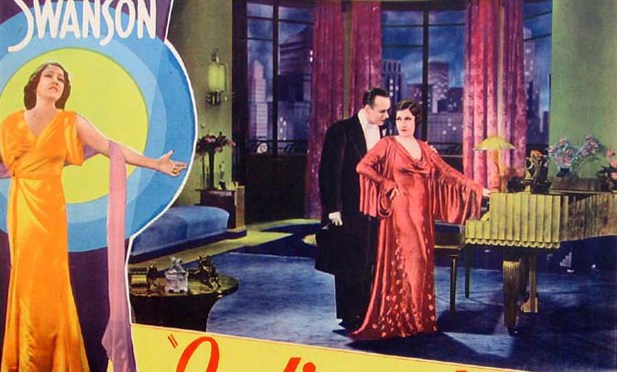
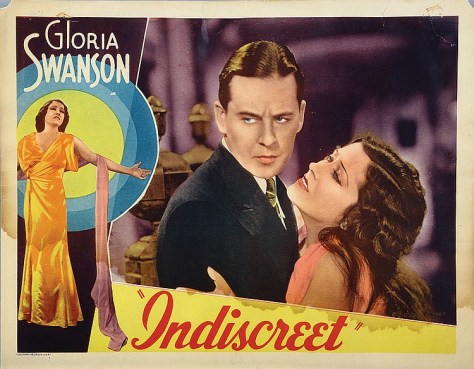
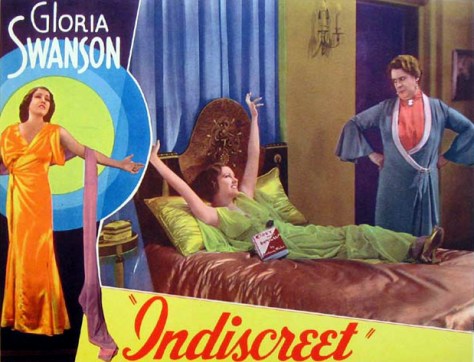
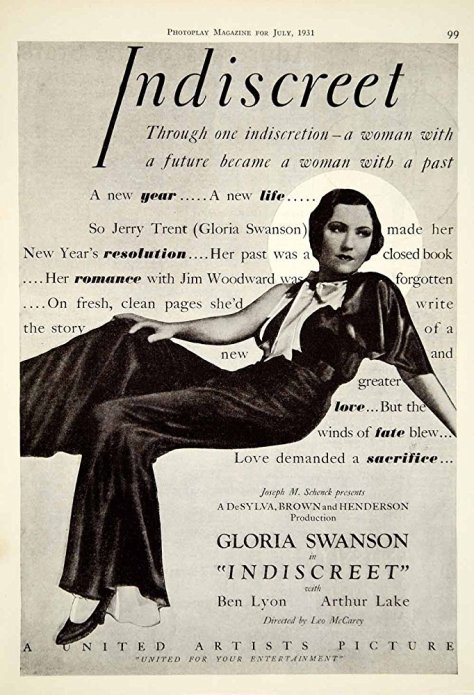
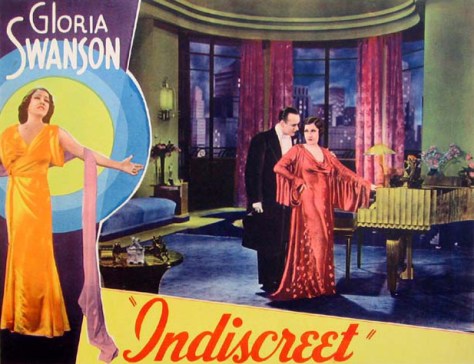
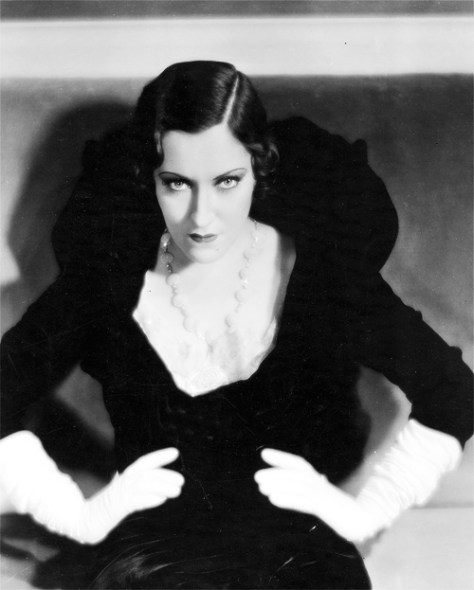
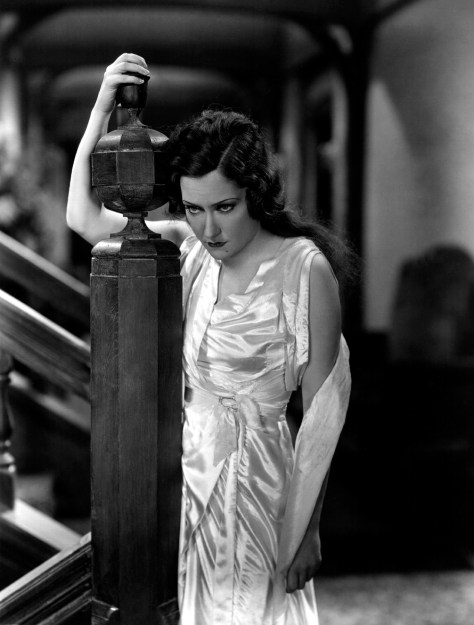
Indiscreet is a 1931 American pre-Code comedy film directed by Leo McCarey and starring Gloria Swanson and Ben Lyon. The screenplay by Buddy G. DeSylvaLew Brown, and Ray Henderson, based on their story Obey That Impulse, originally was written as a full-fledged musical, but only two songs – “If You Haven’t Got Love” and “Come to Me” – remained when the film was released.[1] The film is available on DVD.

Indiscreet 1

Indiscreet 3

Plot

The plot of the United Artists release centers on fashion designer Geraldine Trent (Swanson), who takes up with novelistTony Blake (Lyon) after leaving her former beau Jim Woodward because of his many indiscretions with other women.

Tony has indicated he has no interest in dating a woman with a past, so Geraldine remains mum about her affair with Jim, until her younger sister Joan arrives and announces she’s engaged—to Jim. Madcap complications ensue as Geraldine tries to keep her secret from Tony while convincing her sister to rid herself of her womanizing fiancé in favor of simple country boy Buster Collins.[2]

Indiscreet 4

Cast (in credits order)

Indiscreet 5

Principal production credits

Indiscreet 7

Critical reception

In May 1931 in The New York Times, film critic Mordaunt Hall gave Indiscreet a mixed review:

It may have its off moments so far as the few serious incidents are concerned, but when it stoops to farce, there is no denying its jollity . . . on the whole, it is a well-worked out entertainment, wherein gusts of merriment cause one to overlook its occasional flaws . . . Now and again the film sobers up, but the director and the authors have solved a way of inoculating it with further mirth, and even at the end there is a streak of fun that is almost Chaplinesque.[3]

Indiscreet 8

References

  1. Jump up^ Indiscreet at the New York Film Annex
  2. Jump up^ The AFI Catalog of Feature Films:Indiscreet
  3. Jump up^ Hall, Mordaunt (1931). “THE SCREEN; A Merry Miss Swanson”, film review, The New York Times, May 7, 1931; retrieved October 6, 2017.

Indiscreet 9

Indiscreet 11

Indiscreet 12

Indiscreet 13

Indiscreet 14

Indiscreet 16

Indiscreet 17

Film Collectors Corner

Watch Indiscreet Now – You Tube Instant Video

Blu Ray

Not released on Blu Ray

DVD

Thirteenth Guest, The (1932)


Pre Code Logo 1

Pre Code Hollywood Season: FD Cinematheque

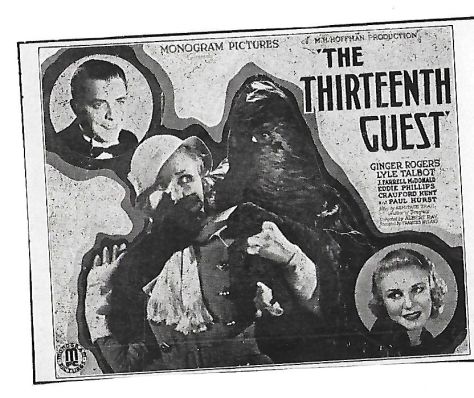
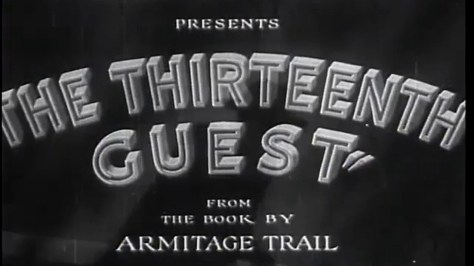
The Thirteenth Guest (1932) AKA Lady Beware

Thirteenth Guest The 1

Director: Albert Ray 

Cast: Ginger Rogers, Lyle Talbot, J Farrell MacDonald, Paul Hurst, Erville Anderson, Ethel Wales, James Eagles, Eddie Phillips

69 min

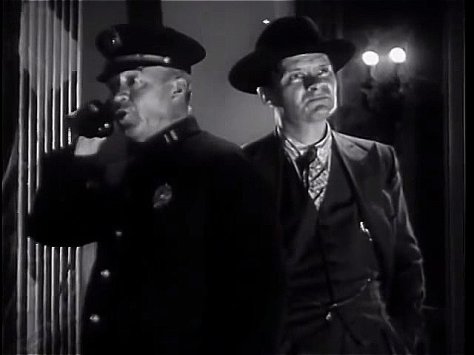
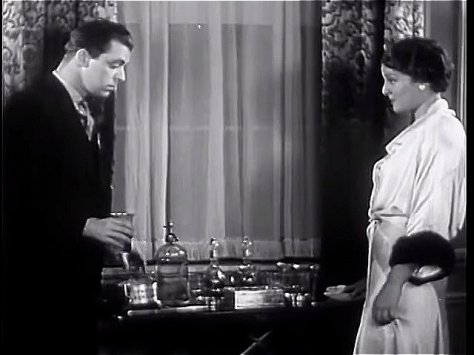
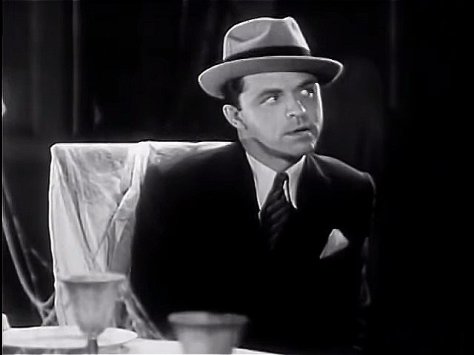
The Thirteenth Guest is a 1932 American pre-Code mystery comedy thriller film, released on August 9, 1932. The film is also known as Lady Beware in the United Kingdom.

It is based on the 1929 novel by crime fiction writer Armitage Trail[1] best known for writing the novel Scarface,[2] on which the 1932 movie was based. The novel was again brought to the silver in screen in 1943 as Mystery of the 13th Guest.[3]

Thirteenth Guest The 2

Plot summary

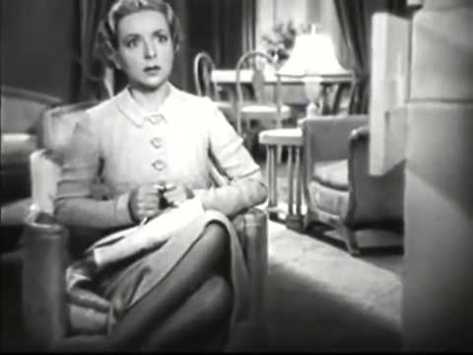
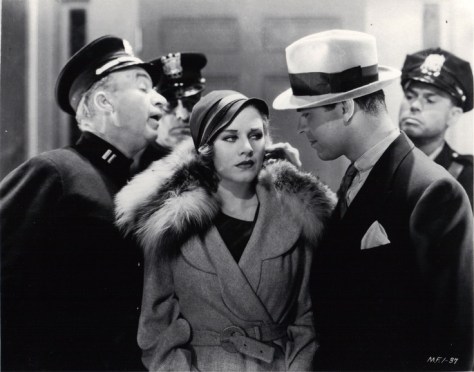
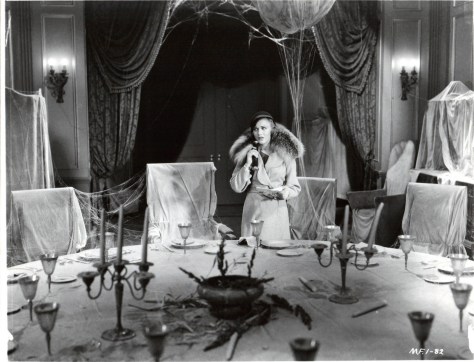
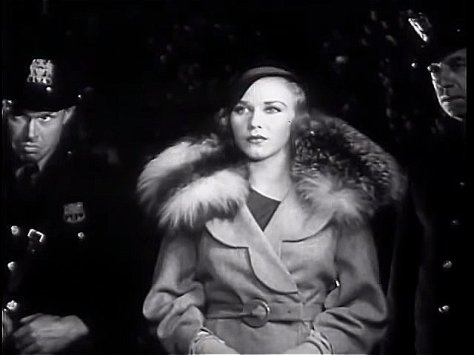
Marie Morgan (Ginger Rogers) has been lured to an old abandoned house by a false note from a friend, and is in jeopardy although she doesn’t yet realize it. As she sits at the table inside, she thinks back to the banquet held there 13 years earlier, when she was a little girl.

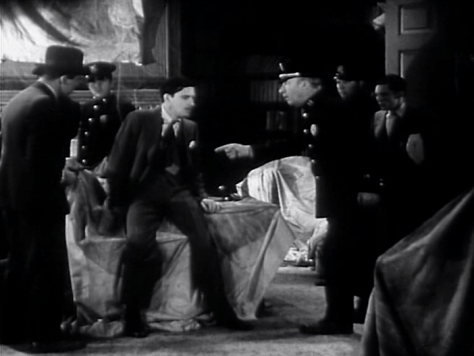
Only 12 of 13 guests had attended, and the manor’s owner, the Morgan family patriarch, who was then dying, has since passed on. The chance to claim the bulk of the estate fortune has resulted in an ongoing campaign of murder by someone targeting the original 12 guests, whose dead bodies are being left at the table in the same seats they had occupied originally.

Thirteenth Guest The 3

Cast

Complete credited cast:
Ginger Rogers Ginger Rogers
Lela / Marie Morgan
Lyle Talbot Lyle Talbot
Phil Winston
J. Farrell MacDonald J. Farrell MacDonald
Police Capt. Ryan
Paul Hurst Paul Hurst
Detective Grump
Erville Alderson Erville Alderson
Uncle John Adams
Ethel Wales Ethel Wales
Aunt Jane Thornton
James Eagles James Eagles
Harold ‘Bud’ Morgan
Crauford Kent Crauford Kent
Dr. Sherwood (as Craufurd Kent)
Eddie Phillips Eddie Phillips
Thor Jensen
Frances Rich Frances Rich
Marjorie Thornton
Phillips Smalley Phillips Smalley
Uncle Dick Thornton

See also

References

  1.  Trail, Armitage (1929). The Thirteenth Guest (First ed.). Whitman. ASIN B000KD7C8U.
  2. Jump up^ Trail, Armitage (1930). Scarface (1ST ed.). D.J. Clode. ASIN B00085TELI.
  3. Jump up^ The Thirteenth Guest, msnbc.com; accessed August 3, 2015.

Thirteenth Guest The 4

Thirteenth Guest The 5

Thirteenth Guest The 6

Thirteenth Guest The 7

Thirteenth Guest The 8

Thirteenth Guest The 9

Thirteenth Guest The 10

Film Collectors Corner

Watch The Thirteenth Guest Now – You Tube Instant Video

Blu Ray

Not released on Blu Ray


DVD

Klondike (1932)


Pre Code Logo 1

Pre Code Hollywood Season: FD Cinematheque

Klondike (1932) AKA The Doctor’s Sacrifice 

Klondike 1

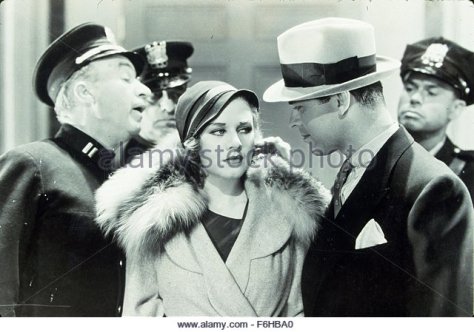
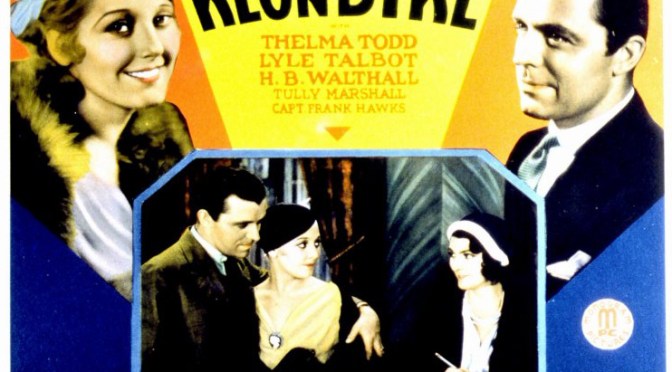
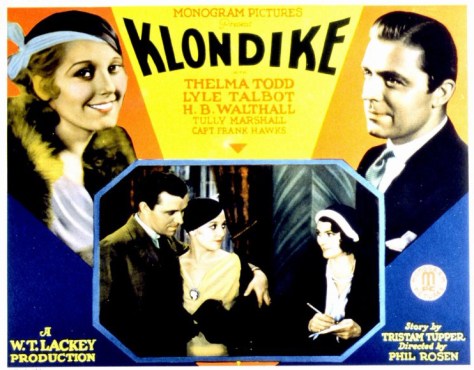
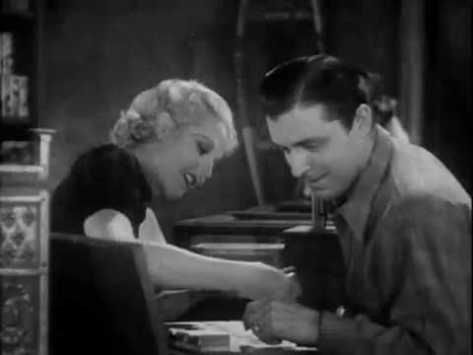
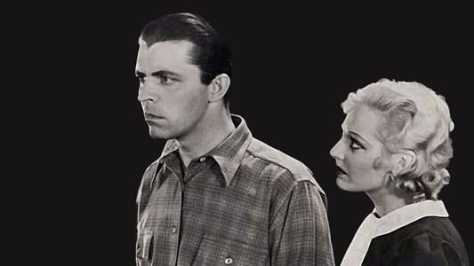
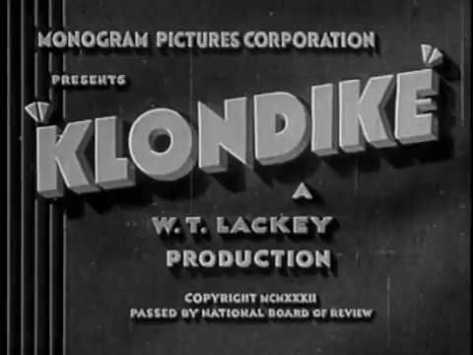
Klondike is a 1932 American Pre-Code film directed by Phil Rosen. The film is also known as The Doctor’s Sacrifice in the United Kingdom. It was silent film star Priscilla Dean‘s final film.

Klondike 2

Plot summary

A doctor, Lyle Talbot as Dr. Robert Cromwell, is charged with murder, when a patient dies, after an experimental operation to remove a brain tumor.

His pilot friend, Frank Hawks as Donald Evans, convinces him to start a new life; and, they plot their course, across the Bering Strait. The weather blows them off course; and, they end up in Alaska.

Klondike 3

There the doctor is faced with a new dilemma. Mark, Henry B. Walthall as Mark Armstrong, the Father of Jim, Jason Robards Sr. as Jim Armstrong, a man crippled by a similar brain tumor, begs the doctor to attempt the operation. When the doctor refuses, he accuses him of wanting his son to die, because he’s in love with Jim’s fiancée, Thelma Todd as Klondike.

“Doc” acquiesces, at Klondike’s insistence. Although, having none of the facilities of a hospital. He believes that the operation is less likely to succeed, the longer it is delayed.

The operation seems to be a partial success. But, now, Jim will do anything to keep “Doc” from taking Klondike back to the States with him, even using his genius, with electricity, to electrocute him.[1]

Klondike 4

Cast

Klondike 5

Production

The film was remade as Klondike Fury (1942).[2]

References

  1. Jump up^ “The Doctor’s Sacrifice (1932) : Plot Summary”. IMDb.com. Retrieved 2015-11-05.
  2. Jump up^ “Klondike Fury (1942)”. IMDb.com. Retrieved 2015-11-05.

Klondike 6

Klondike 7

Klondike 8

Film Collectors Corner

Watch Klondike Now – You Tube Instant Video

Blu Ray

Not released on Blu Ray


DVD


Probation (1932)


Pre Code Logo 1

Pre Code Hollywood Season: FD Cinematheque

Probation (1930) AKA Second Chances

Probation 2

Director: Richard Thorpe

Cast: Clara Kimball Young, Betty Grable, John Darrow, Sally Blane, J Farrell MacDonald, Eddie Phillips, David Rollins

67 min

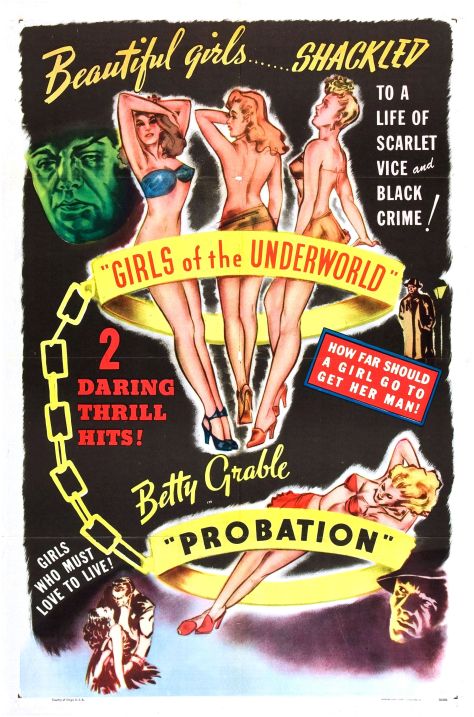
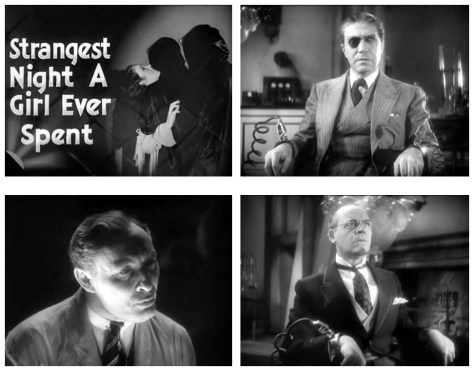
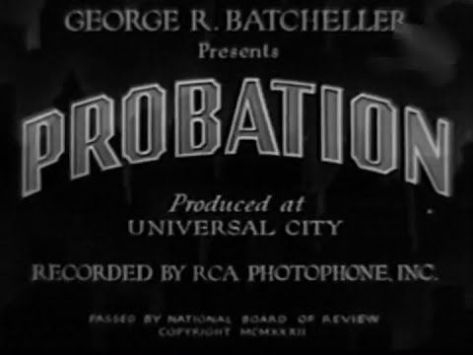
Probation (also known as Second Chances) is an American Pre-Code 1932 film directed by Richard Thorpe and starring Clara Kimball Young and Betty Grable.[1] The film was distributed by the Chesterfield Motion Pictures Corporation.

Probation 3

Synopsis

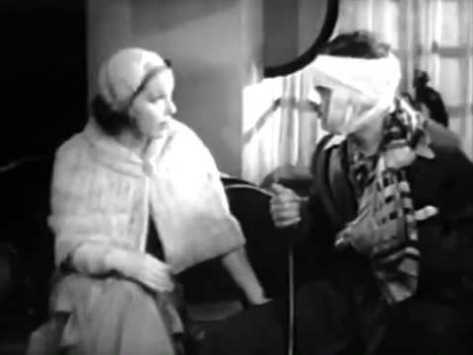
Ruth (Betty Grable) is a minor who is running with an uptown, older man; Ruth’s brother Nick, (John Darrow), is unaware of kid sisters activities.

Ruth is turned into the Juvenile authorities by the well meaning Mrs. Humphries, (Clara Kimball Young). Nick finds the man in their apartment and proceeds to be arrested for beating up the man, who runs away before Nick is arrested.

Nick is taken to Night Court and remanded to the custody of the judges, (J. Farrell MacDonald), niece, Janet, for six months as her chauffeur. Janet, (Sally Blane), is the fiancé of Allen, (Eddie Phillips), who is coincidentally the man who was beaten up by Nick.

Betty Grable is on the verge of becoming a superstar, in the 1940s.[2][3]

Probation 5

Cast

Probation 4

References

Jump up^ “Probation”. IMDB.Jump up^ “Probation”. American Film Institute. Retrieved 30 July 2013.Jump up
Probation 7

Probation 6

Film Collectors Corner

Watch Prohibition Now – You Tube Instant Video

Blu Ray

Not released on Blu Ray

DVD

Danger Lights (1930)


Pre Code Logo 1

Pre Code Hollywood Season: FD Cinematheque

Danger Lights (1930)

Danger Lights 1

Director: George B Seitz

Cast: Louis Wolheim, Robert Armstrong, Jean Arthur, Hugh Herbert, Frank Sheridan, Robert Edeson, Alan Roscoe, Willam P Barley

74 min

Danger Lights 10

Danger Lights 11

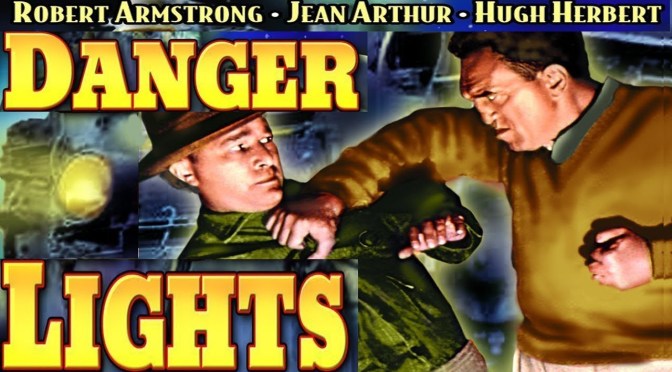
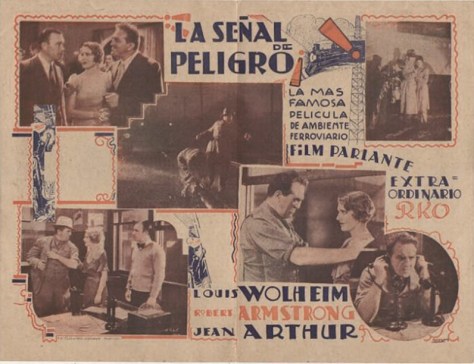
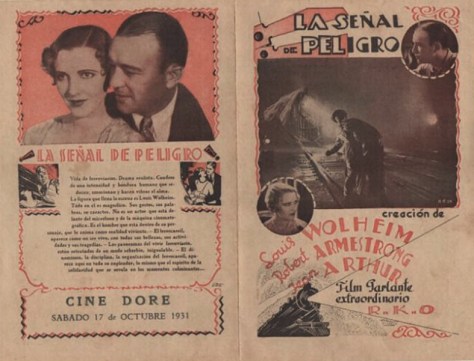
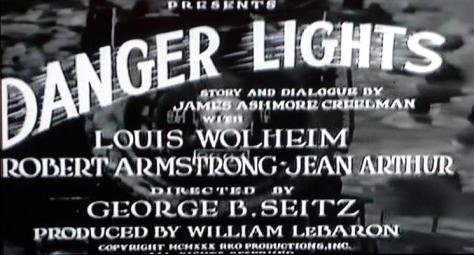
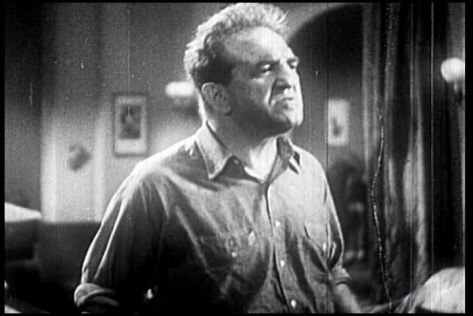
Danger Lights is a 1930 American Pre-Code drama film, directed by George B. Seitz, from a screenplay by James Ashmore Creelman. It stars Louis WolheimRobert Armstrong, and Jean Arthur.

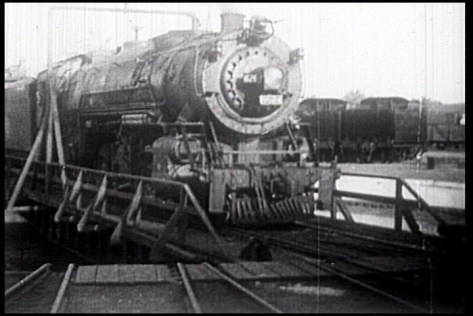
The plot concerns railroading on the Chicago, Milwaukee, St. Paul and Pacific Railroad, and the movie was largely filmed along that railroad’s lines in Montana. The railway yard in Miles City, Montana was a primary setting, while rural scenes were shot along the railway line through Sixteen Mile Canyon, Montana. Additional footage was shot in Chicago, Illinois. The film was the first ever shot in the new Spoor-Berggren Natural Vision Process.

Danger Lights 2

Synopsis

Louis Wolheim plays the boss of the railroad yard in Miles City, Montana. The film opens with a landslide across the tracks in Montana, and a repair crew is dispatched to clear the tracks. Several hobos are lounging nearby and are put to work helping the repair crew. One of the hobos, played by Robert Armstrong, is discovered to have been a former railroad engineer who lost his job due to insubordination. He is given a new job for the railroad by the yard boss, but quickly falls in love with the boss’s fiancée, played by Jean Arthur.

Jealousy grows between the two over the affections of Arthur with both of them attempting to win her in marriage. Things come to a head during a fight in the railroad yard between the two, during which Wolheim is hit by a train and injured. To save his life, Armstrong must transport him in record time to Chicago for surgery.

Danger Lights 4

Cast

Danger Lights 6

Notes

Danger Lights was filmed during a period when some movie studios were experimenting with various widescreen film formats. As part of this trend, two versions of the film were created. One used standard 35mm film and Academy ratio, the other used an experimental 65mm widescreen format at a 2:1 aspect ratio. This latter process was called “Natural Vision” and was invented by film pioneers George Kirke Spoor and P. John Berggren. The Natural Vision print of the film was reportedly screened at only two theaters (the only two with the equipment necessary to show the film), the State Lake Theater in Chicago and the Mayfair Theater in New York, and no copies of it are known to exist today. Danger Lights would be the only film created using this process, and the entire effort to move to wide screen would be shelved for several decades due to the increased costs of both production and presentation.[1][2][3]

Danger Lights 7

Historically significant footage

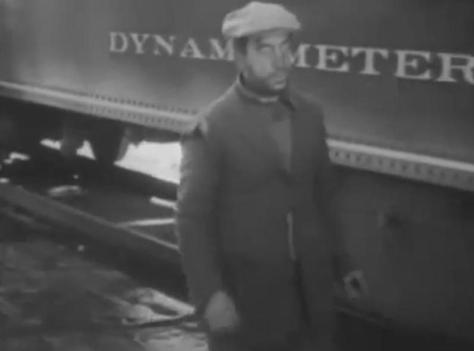
Danger Lights features rare footage of a tug of war between two steam locomotives, actual documentary footage of the activities in the Miles City yard, and what is believed to be the only motion picture footage of a dynamometer car from the steam railroad era in the USA. Similar footage may have existed in MGM’s Thunder(1929), with Lon Chaney but that film is now lost.

The portion of the film that was filmed in Montana was part of the electrified Rocky Mountain Division of the railroad, with the 3000 volt direct current trolley and the 100,000 volt alternating current “highline” plainly visible in several shots. Despite the fact that the railroad often touted the power and reliability of its straight electric locomotives, none are seen in the film.

Danger Lights 3

In 1958, the film entered the public domain in the USA due to the copyright claimants failure to renew the copyright registration in the 28th year after publication.[4]

Danger Lights was edited down to 55 minutes for television broadcast; this version is freely available for download. In 2009 Alpha Video released the original 74 minute version[1] on DVD.

References

  1. Jump up to:a b c d e “Danger Lights: Detail View”. American Film Institute. Retrieved April 16, 2014.
  2. Jump up^ Coles, David (March 2001). “Magnified Grandeur”. The 70mm Newsletter. Retrieved August 6, 2014.
  3. Jump up^ Jewell, Richard B.; Harbin, Vernon (1982). The RKO Story. New York: Arlington House. p. 30. ISBN 0-517-546566.
  4. Jump up^ Pierce, David (June 2007). “Forgotten Faces: Why Some of Our Cinema Heritage Is Part of the Public Domain”. Film History: an International Journal19 (2): 125–43. doi:10.2979/FIL.2007.19.2.125ISSN 0892-2160JSTOR 25165419OCLC 15122313. See Note #60, pg. 143

Danger Lights 8

Danger Lights 9

Film Collectors Corner

Watch Danger Lights Now – Amazon Instant Video

Blu Ray

Not released on Blu Ray

DVD


Barbara Stanwyck


Barbara Stanwyck 7

Prepared by Daniel B Miller

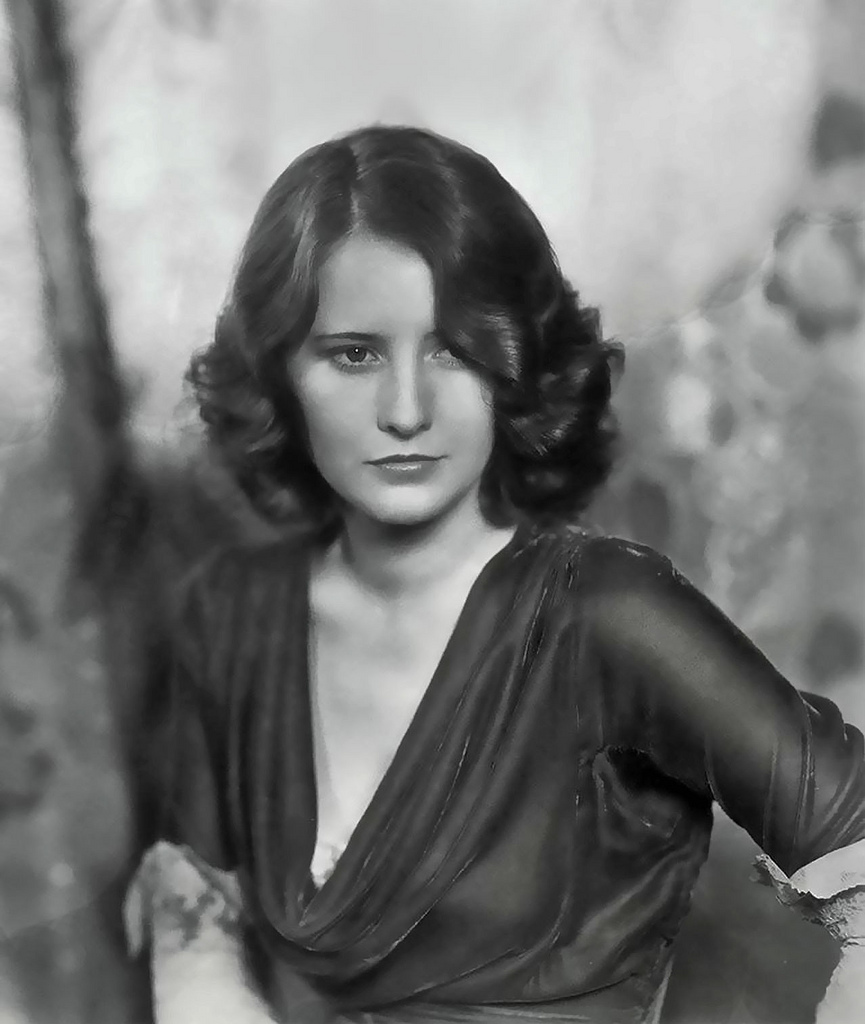
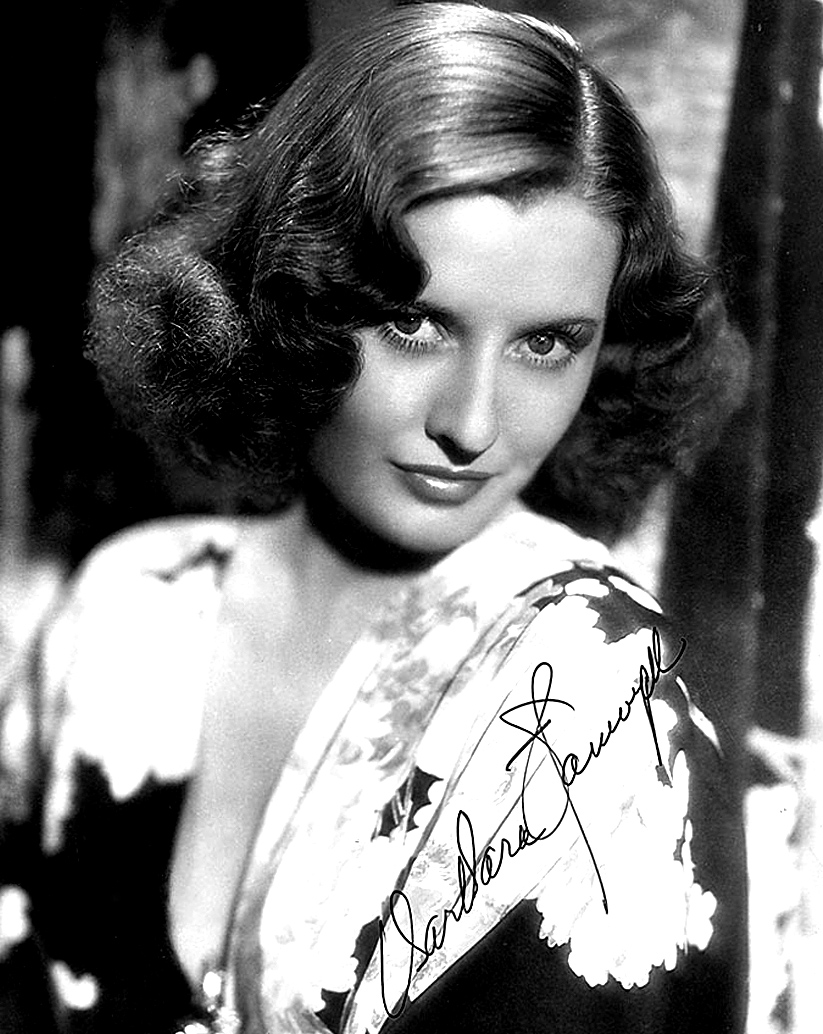
Barbara Stanwyck (born Ruby Catherine Stevens; July 16, 1907 – January 20, 1990) was an American actress, model and dancer.

She was a film and television star, known during her 60-year career as a consummate and versatile professional with a strong, realistic screen presence, and a favorite of directors including Cecil B. DeMilleFritz Lang, and Frank Capra.

After a short but notable career as a stage actress in the late 1920s, she made 85 films in 38 years in Hollywood, before turning to television.

Barbara Stanwyck 9

Orphaned at the age of four and partially raised in foster homes, by 1944 Stanwyck had become the highest-paid woman in the United States.

She was nominated for the Academy Award for Best Actress four times, for Stella Dallas (1937), Ball of Fire (1941), Double Indemnity (1944) and Sorry, Wrong Number (1948). For her television work, she won three Emmy Awards, for The Barbara Stanwyck Show (1961), The Big Valley (1966) and The Thorn Birds (1983).

Her performance in The Thorn Birds also won her a Golden Globe. She received an Honorary Oscar at the 1982 Academy Award ceremony and the Golden Globe Cecil B. DeMille Award in 1986. She was also the recipient of honorary lifetime awards from the American Film Institute (1987), the Film Society of Lincoln Center (1986), the Los Angeles Film Critics Association (1981) and the Screen Actors Guild (1967).

Stanwyck received a star on the Hollywood Walk of Fame in 1960, and was ranked as the 11th greatest female star of classic American cinema by the American Film Institute.[1]
Barbara Stanwyck 4

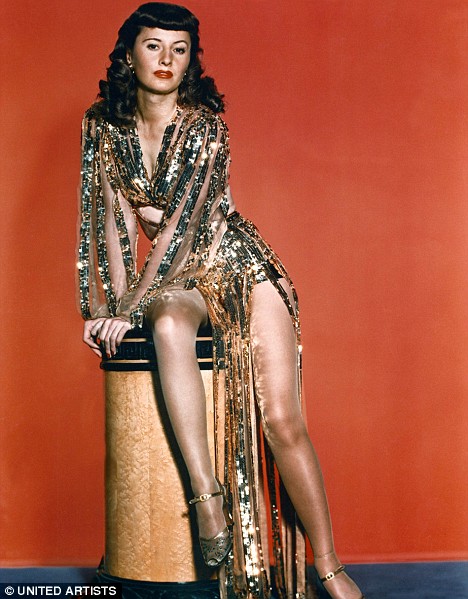
As Sugarpuss O’Shea in Ball of Fire (Howard Hawks, 1941) Promo

Barbara Stanwyck 10

In her most celebrated role as Phyllis Dietrichson in Double Indemnity ( Billy Wilder, 1942)

Contents
Barbara Stanwyck 11

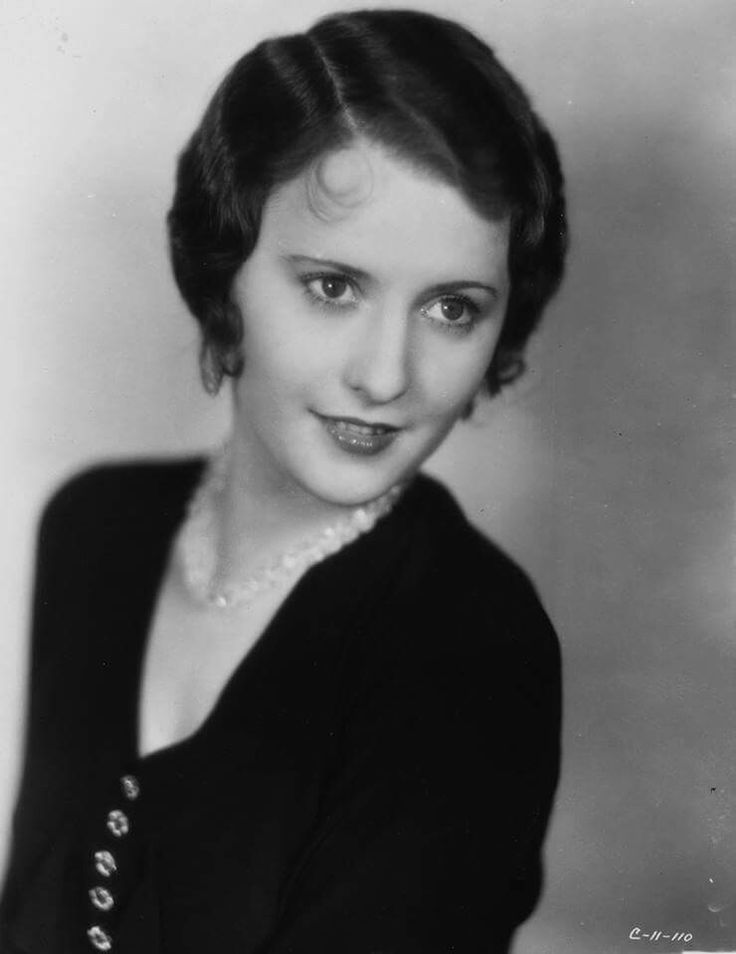
As Barbara O’Neill in Ten Cents A Dance ( Lionel Barrymore and Edward Buzzell, 1931)

Early life

Barbara Stanwyck was born Ruby Catherine Stevens on July 16, 1907, in Brooklyn, New York.[2]

She was the fifth child of Byron E. and Catherine Ann Stevens. Her parents were working-class. Her father was a native of Massachusetts and her mother was an immigrant from Nova Scotia.[3][4]
Barbara Stanwyck 12

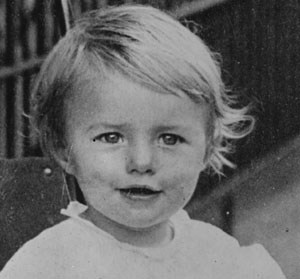
Ruby Catherine Stevens aged 3 in 1910

Ruby was of English and Scottish ancestry, by her father and mother, respectively.[2] When Ruby was four, her mother died of complications from a miscarriage after a drunken stranger accidentally knocked her off a moving streetcar.[5]
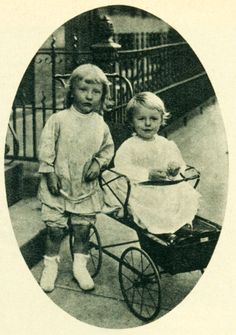
Barbara Stanwyck 13

Ruby and Mildred in 1910

Two weeks after the funeral, Byron Stevens joined a work crew digging the Panama Canal and was never seen again.[6] Ruby and her brother Byron were raised by their elder sister Mildred, who was nineteen years older than Ruby.[6][7] When Mildred got a job as a showgirl, Ruby and Byron were placed in a series of foster homes (as many as four in a year), from which young Ruby often ran away.[8][Note 1]
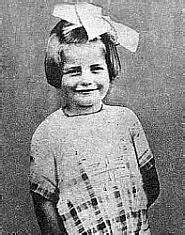
Barbara Stanwyck 14

Ruby aged 5 in 1912

“I knew that after fourteen I’d have to earn my own living, but I was willing to do that … I’ve always been a little sorry for pampered people, and of course, they’re ‘very’ sorry for me.”
Barbara Stanwyck, 1937[10]

Ruby toured with Mildred during the summers of 1916 and 1917, and practiced her sister’s routines backstage.[9]Watching the movies of Pearl White, whom Ruby idolized, also influenced her drive to be a performer.[11]
Barbara Stanwyck 18

Ruby Stevens in her mid teens

At the age of 14, she dropped out of school to take a job wrapping packages at a department store in Brooklyn.[12] Ruby never attended high school, “although early biographical thumbnail sketches had her attending Brooklyn’s famous Erasmus Hall High School.”[13]

Soon afterward, she took a job filing cards at the Brooklyn telephone office for $14 a week, which allowed her to become financially independent.[14] She disliked both jobs; her real goal was to enter show business, even as her sister Mildred discouraged the idea.
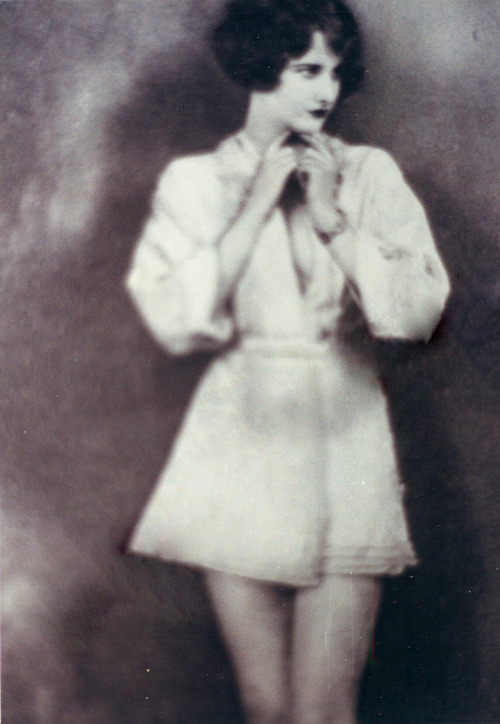
Barbara Stanwyck 19

Ruby Stevens in her late teens

She then took a job cutting dress patterns for Vogue magazine, but because customers complained about her work, she was fired.[10] Her next job was as a typist for the Jerome H. Remick Music Company, a job she reportedly enjoyed. However, her continuing ambition was to work in show business, and her sister finally gave up trying to dissuade her.[15]
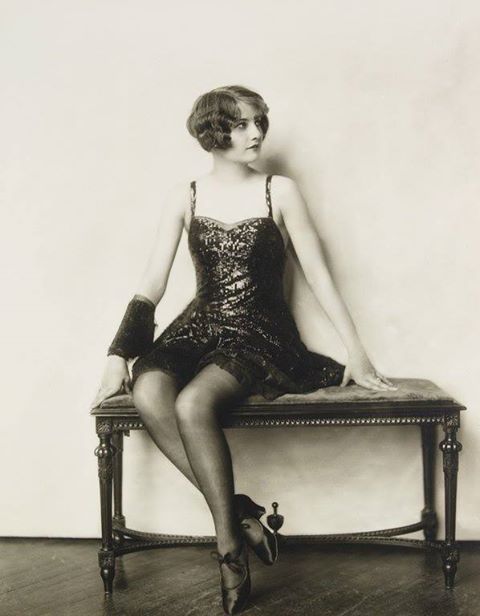
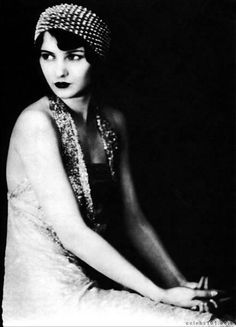
Barbara Stanwyck 24

Ruby Stevens in 1922

Ziegfeld girl and Broadway success
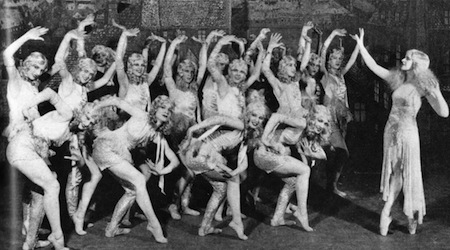
Barbara Stanwyck 26

Ruby Stevens performing with Ziegfeld Girls 1920s

In 1923, a few months before her 16th birthday, Ruby auditioned for a place in the chorus at the Strand Roof, a night club over the Strand Theatre in Times Square.[16]

A few months later, she obtained a job as a dancer in the 1922 and 1923 seasons of the Ziegfeld Follies, dancing at the New Amsterdam Theater. “I just wanted to survive and eat and have a nice coat,” Stanwyck said.[17][18]

Ruby Stevens as a Ziegfeld Girl (c. 1924)


Ruby Stevens from Ziegfeld Girl to Broadway (c. 1927)

For the next several years, she worked as a chorus girl, performing from midnight to seven a.m. at nightclubs owned by Texas Guinan. She also occasionally served as a dance instructor at a speakeasy for gays and lesbians owned by Guinan.[19]
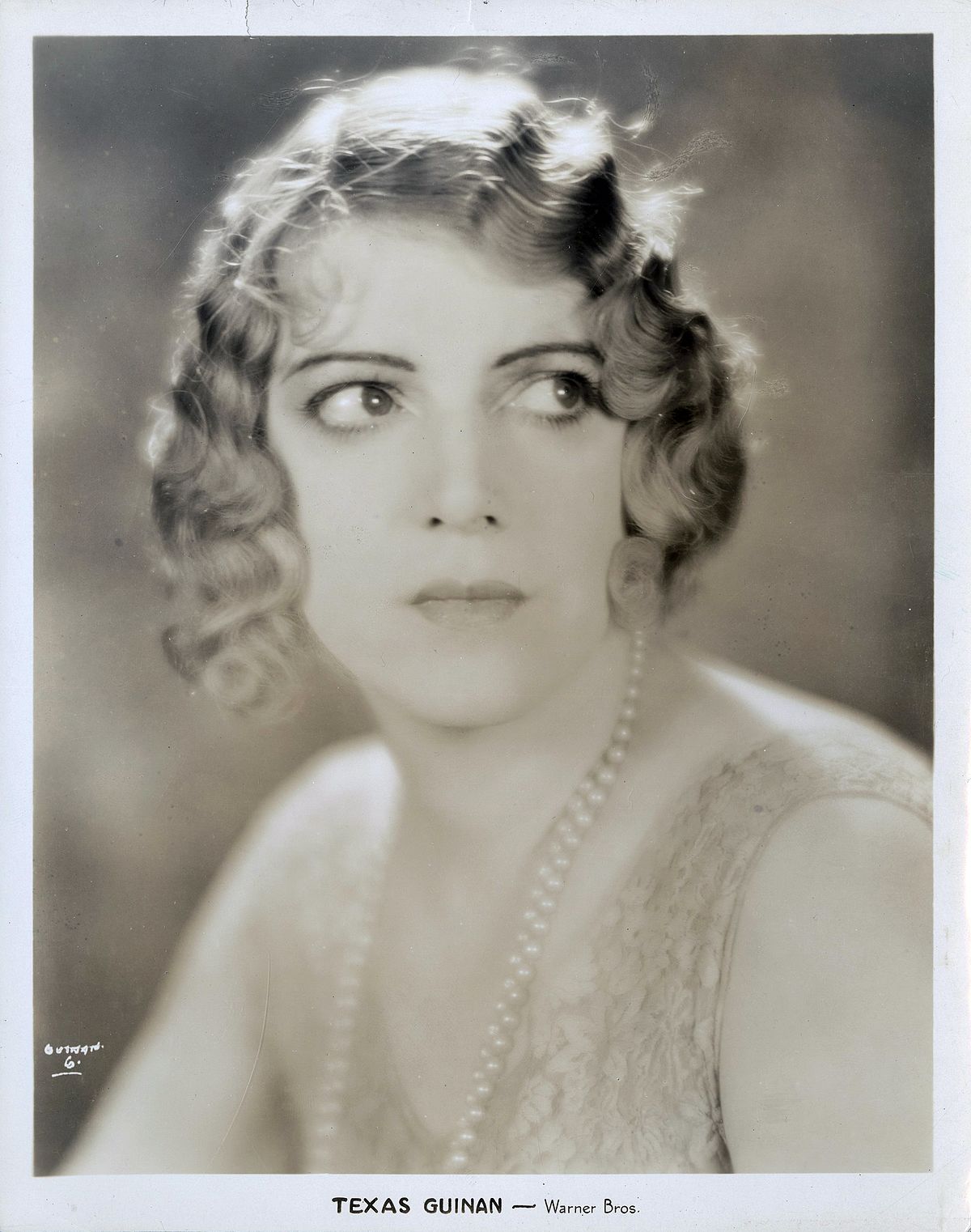
Texas Guinan 1

Mary Louise Cecilia Guinan AKA Texas Guinan

One of her good friends during those years was pianist Oscar Levant, who described her as being “wary of sophisticates and phonies.”[17]

Billy LaHiff, who owned a popular pub frequented by showpeople, introduced Ruby in 1926 to impresario Willard Mack.[20]
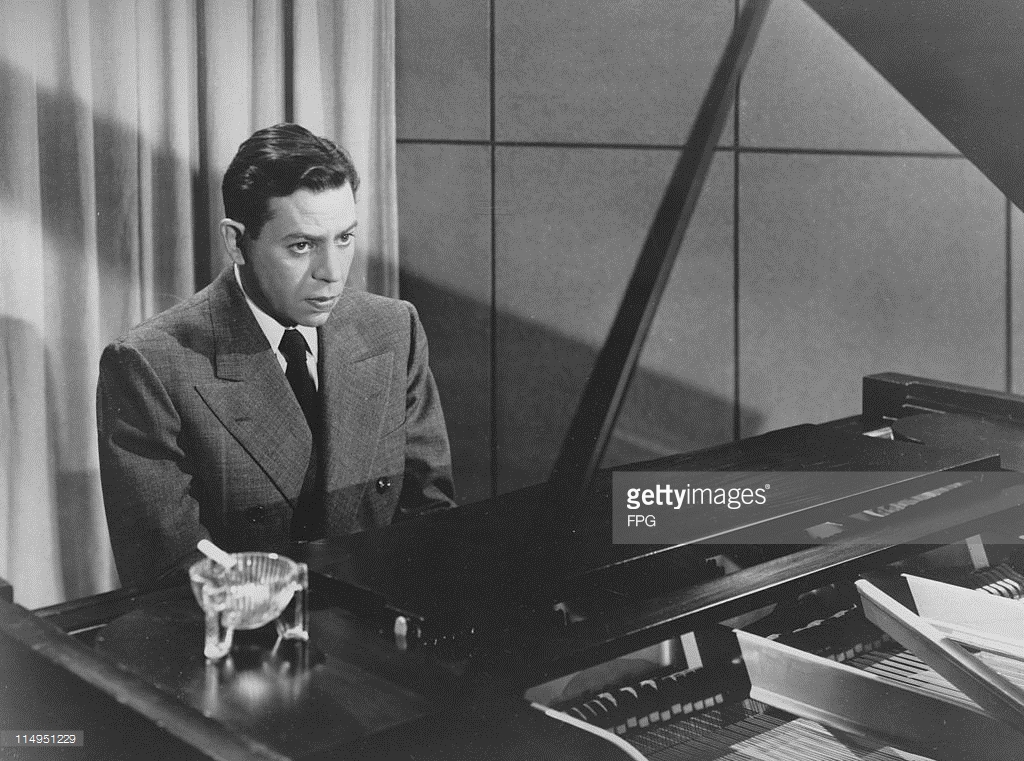
Oscar Levant 2

Barbara Stanwyck’s best friend during the Ziegfield years, pianist Oscar Levant

Mack was casting his play The Noose, and LaHiff suggested that the part of the chorus girl be played by a real one. Mack agreed, and after a successful audition gave the part to Ruby.[21] She co-starred with Rex Cherryman and Wilfred Lucas.[22] As initially staged, the play was not a success.[23]

In an effort to improve it, Mack decided to expand Ruby’s part to include more pathos.[24] The Noose re-opened on October 20, 1926, and became one of the most successful plays of the season, running on Broadway for nine months and 197 performances.[18] At the suggestion of either Mack or David Belasco, Ruby changed her name to Barbara Stanwyck by combining the first name of her character, Barbara Frietchie, with the last name of another actress in the play, Jane Stanwyck.[23]
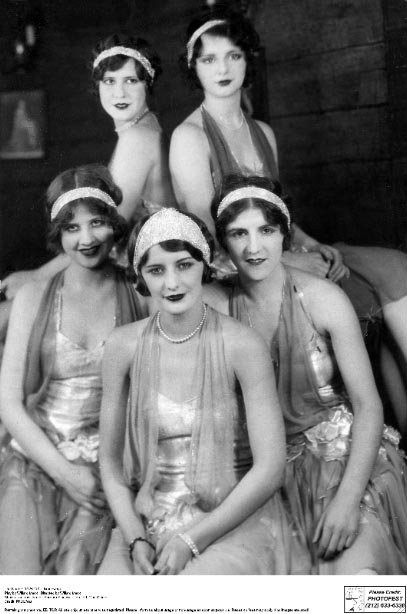
Barbara Stanwyck with Mae Clarke The Noose 15

Ruby Stevens with her new stage name as Barbara Stanwyck with Mae Clarke, Dorothy Shepherd and Erenay in The Noose on Broadway 1926

Barbara Stanwyck in The Noose on Broadway, 1926

Stanwyck became a Broadway star soon afterward, when she was cast in her first leading role in Burlesque (1927). She received rave reviews, and it was a huge hit.[25] Film actor Pat O’Brien would later say on a talk show in the 1960s, “The greatest Broadway show I ever saw was a play in the 1920s called ‘Burlesque’.” In Arthur Hopkins‘ autobiography, To a Lonely Boy, he described how he came to cast Stanwyck:

After some search for the girl, I interviewed a nightclub dancer who had just scored in a small emotional part in a play that did not run (The Noose). She seemed to have the quality I wanted, a sort of rough poignancy. She at once displayed more sensitive, easily expressed emotion than I had encountered since Pauline Lord. She and (Hal) Skelly were the perfect team, and they made the play a great success. I had great plans for her, but the Hollywood offers kept coming. There was no competing with them. She became a picture star. She is Barbara Stanwyck.

He also called Stanwyck “The greatest natural actress of our time,” noting with sadness, “One of the theater’s great potential actresses was embalmed in celluloid.”[26]

Barbara Stanwyck in Burlesque on Broadway,  1927

Around this time, Stanwyck was given a screen test by producer Bob Kane for his upcoming 1927 silent film Broadway Nights. She lost the lead role because she could not cry in the screen test, but was given a minor part as a fan dancer. This was Stanwyck’s first film appearance.[27]

While playing in Burlesque, Stanwyck was introduced to her future husband, actor Frank Fay, by Oscar Levant.[28] Stanwyck and Fay were married on August 26, 1928, and soon moved to Hollywood.[8]
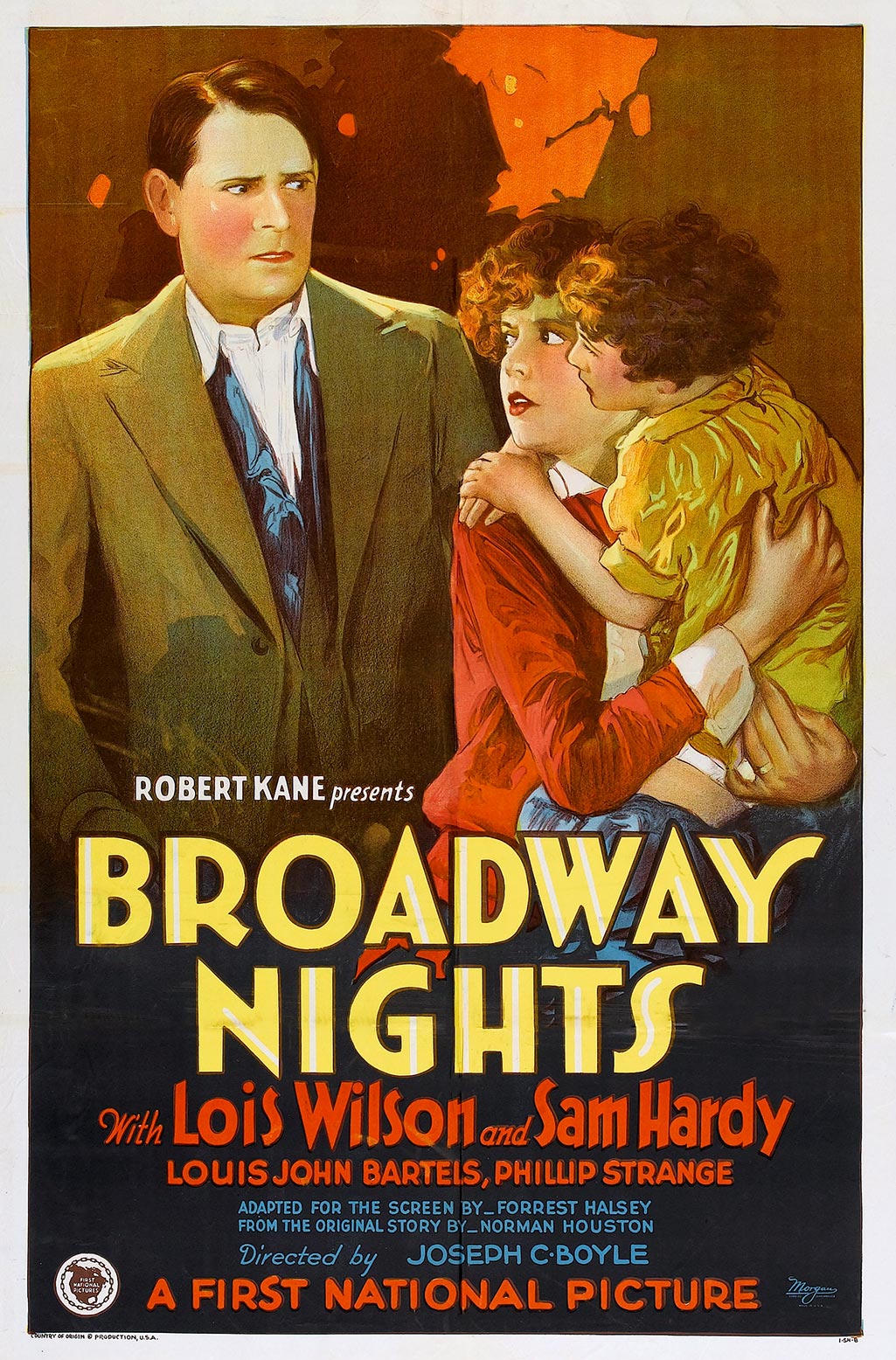
Barbara Stanwyck 52

Barbara Stanwyck’s first screen appearance was as a fan dancer in Broadway Nights (Joseph C Boyle, 1927)
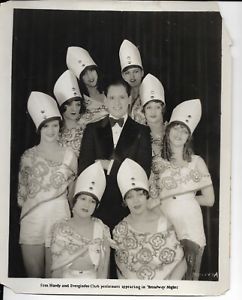
Barbara Stanwyck 54

Broadway Nights (Joseph C Boyle, 1927)
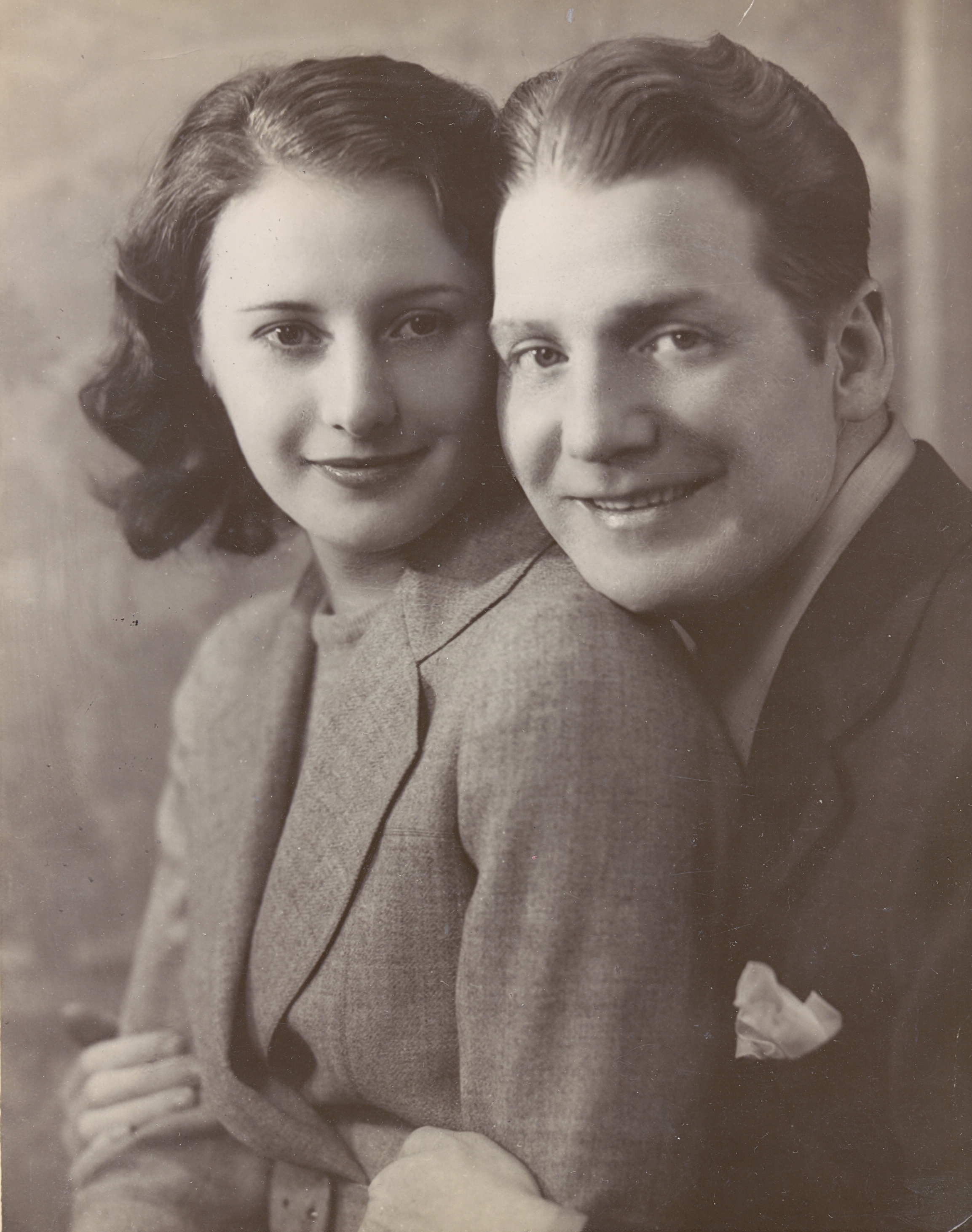
Barbara Stanwyck 55

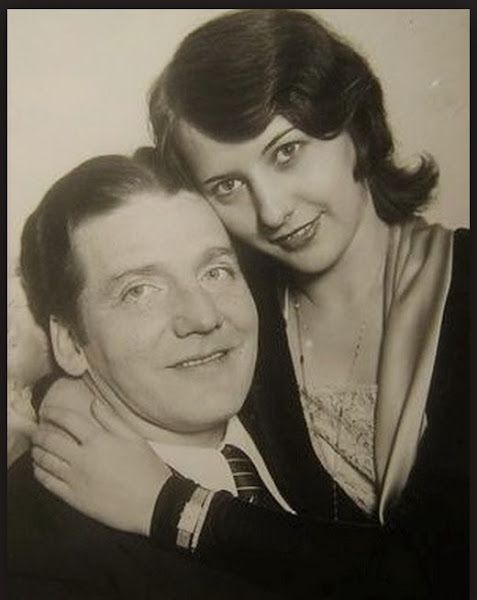
Barbara Stanwyck and Frank Fay (c 1928), The Billy Rose Theatre Collection, The New York Public Library for the Performing Arts 
Barbara Stanwyck 56

Barbara Stanwyck and Frank Fay (c 1929)

Film career

Barbara Stanwyck 57

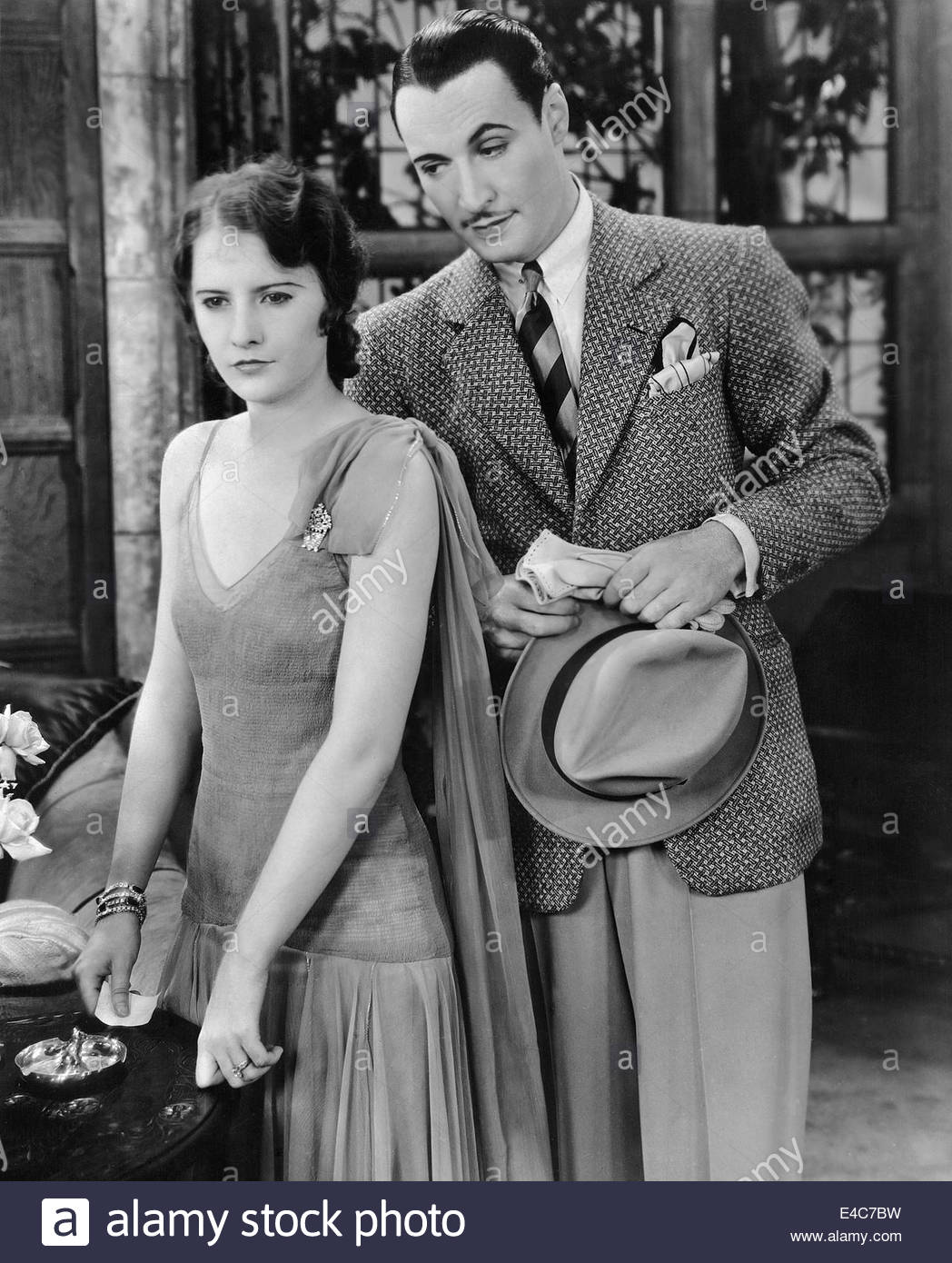
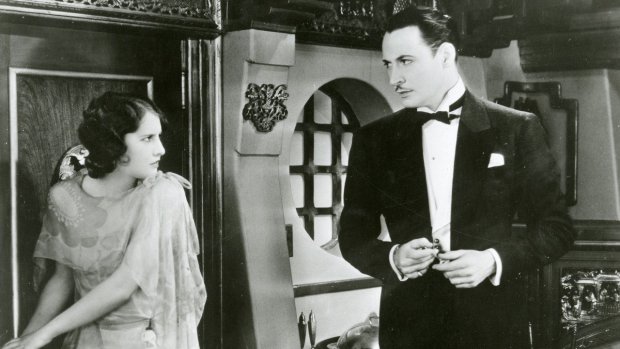
Barbara Stanwyck with Rod La Rocque in The Locked Door (1927)


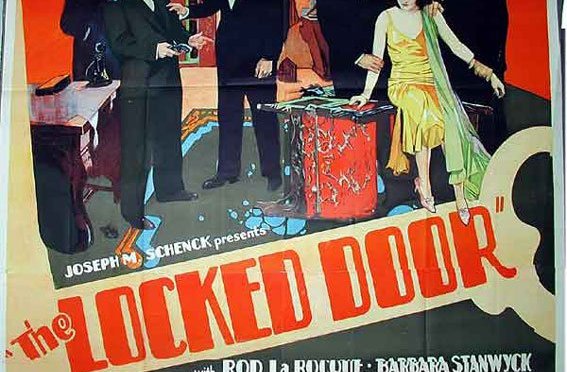
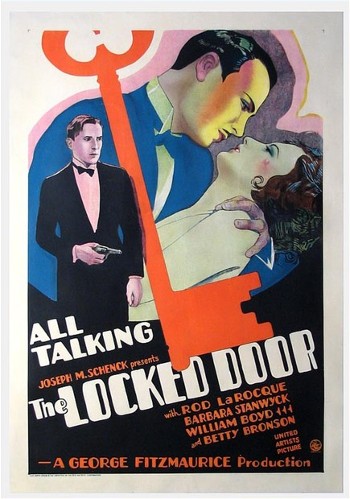
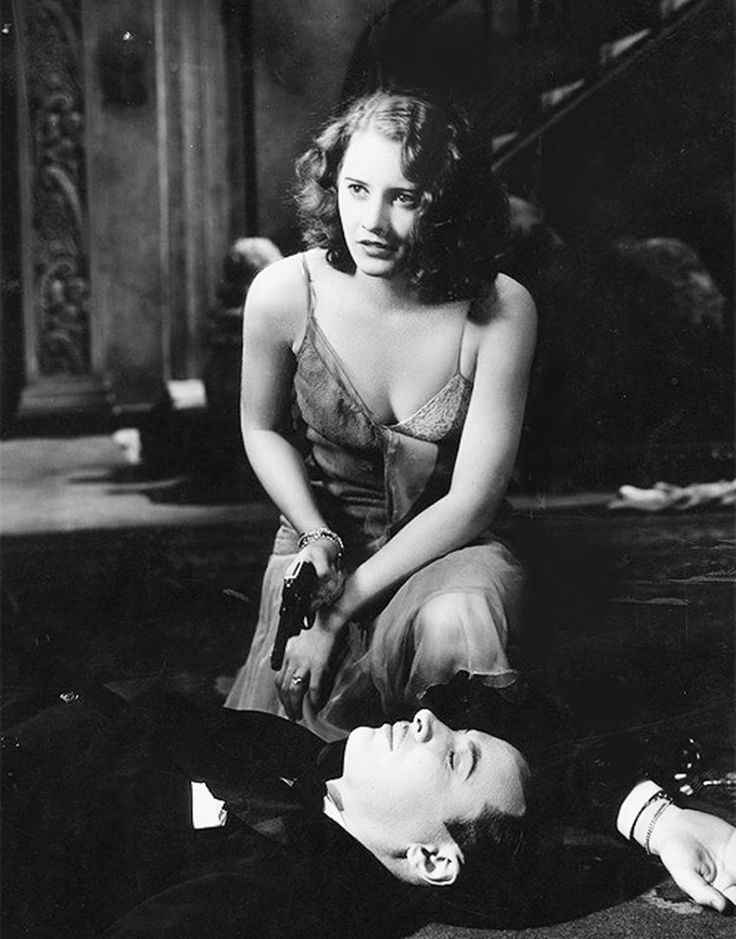
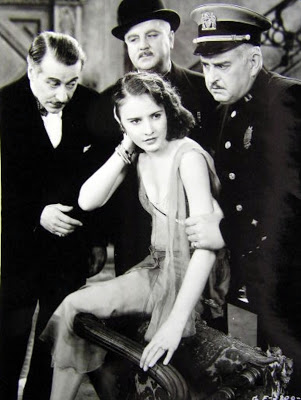
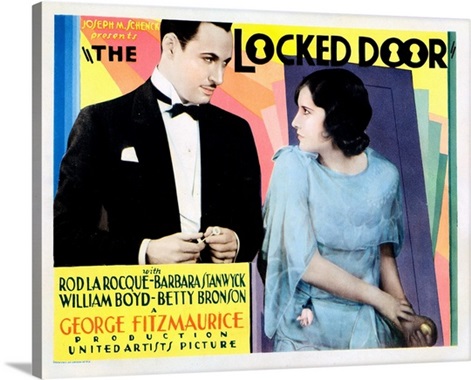
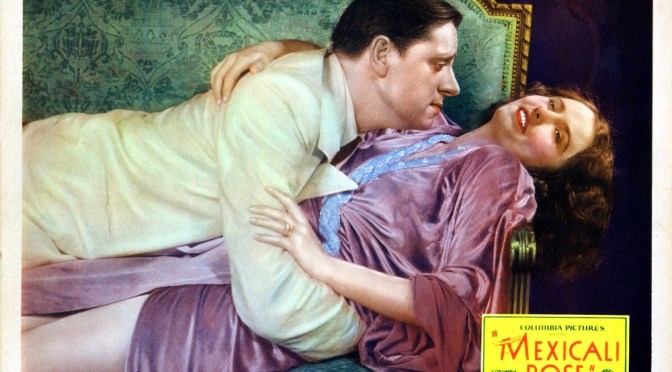
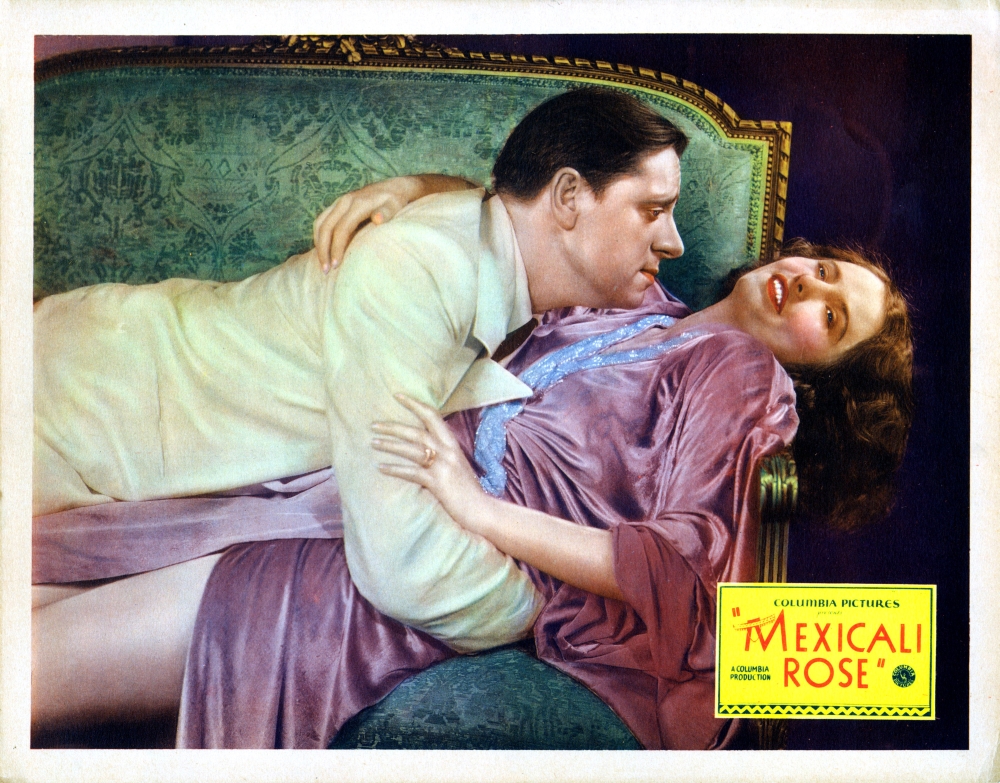
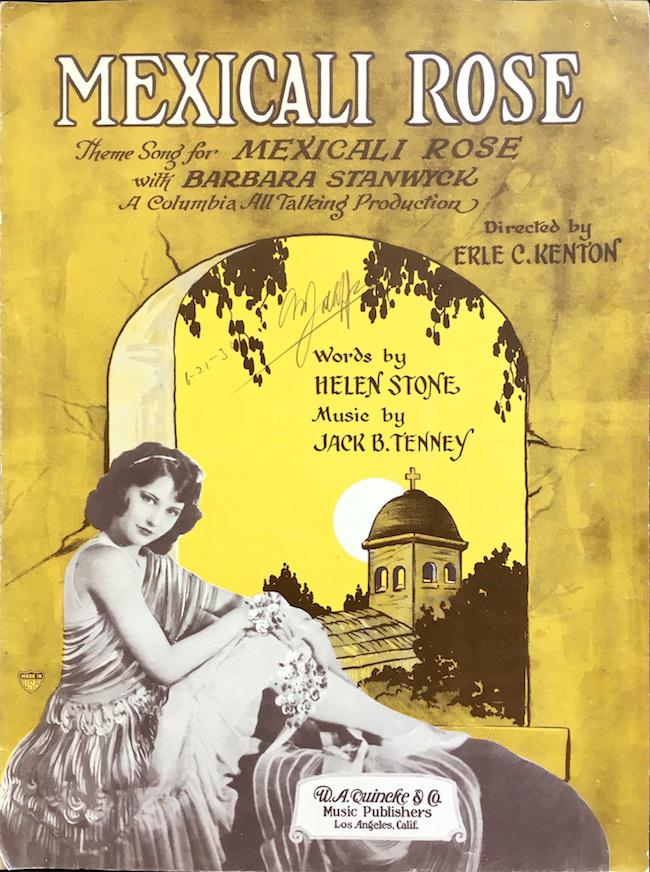
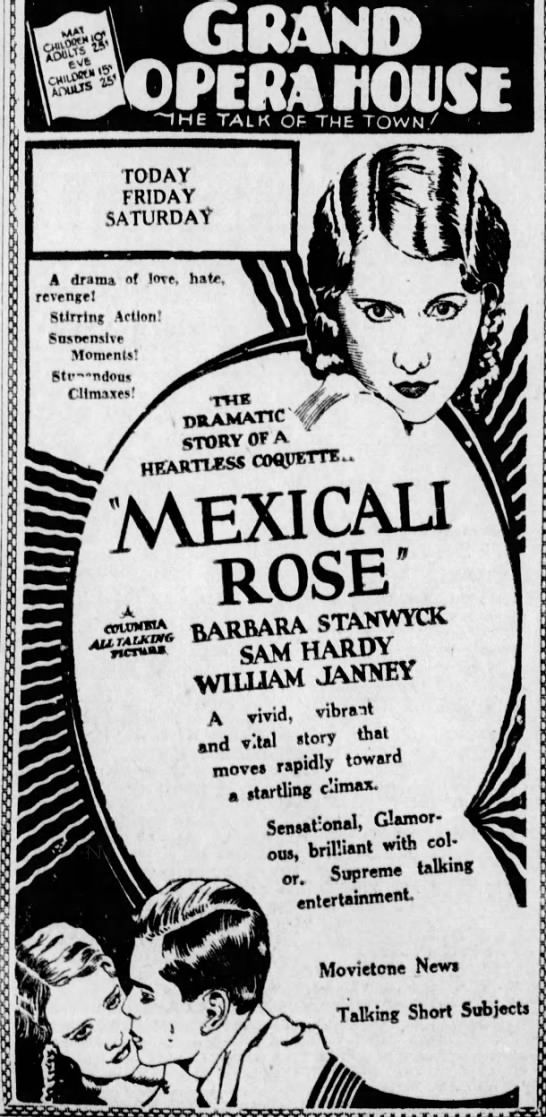
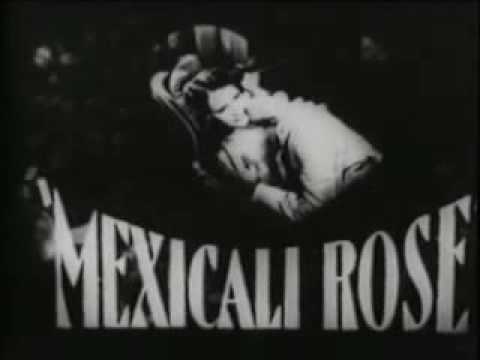
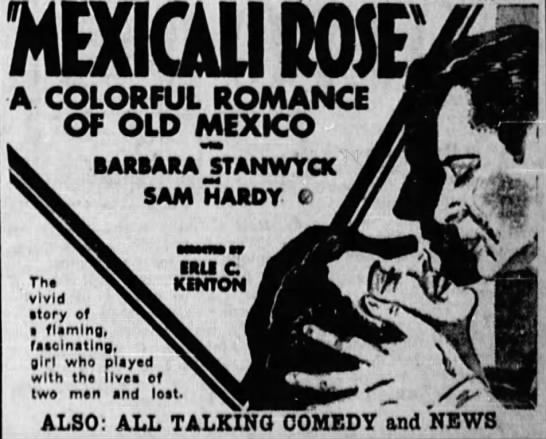
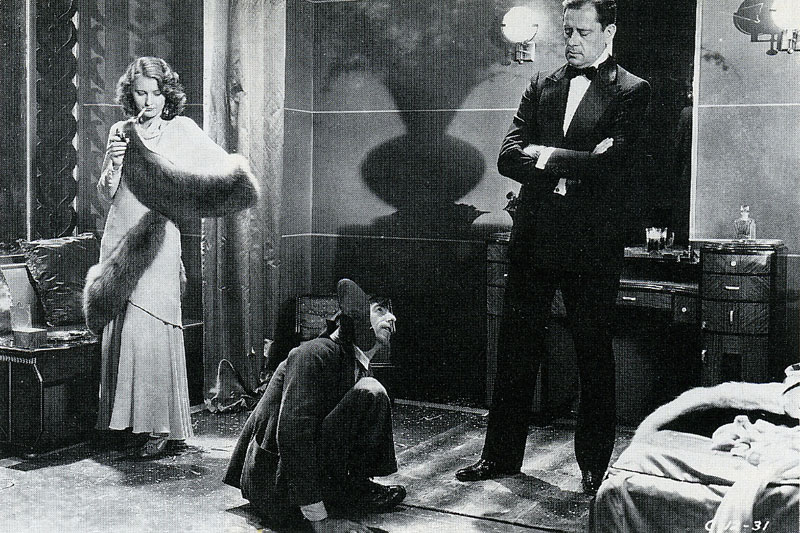
Stanwyck’s first sound film was The Locked Door (1929), followed by Mexicali Rose, released in the same year.

Neither film was successful; nonetheless, Frank Capra chose Stanwyck for his Ladies of Leisure (1930).[18]

Numerous prominent roles followed, among them the children’s nurse who saves two little girls from being gradually starved to death by Clark Gable‘s vicious character in Night Nurse (1931); So Big!, as a valiant Midwest farm woman (1932); Shopworn 1932; the ambitious woman from “the wrong side of the tracks” in Baby Face (1933); the self-sacrificing title character in Stella Dallas (1937); Molly Monahan in Union Pacific (1939) with Joel McCreaMeet John Doe, as an ambitious newspaperwoman with Gary Cooper (1941); the con artist who falls for her intended victim (played by Henry Fonda) in The Lady Eve (1941); the extremely successful, independent doctor Helen Hunt in You Belong to Me (1941), also with Fonda; a nightclub performer who gives a professor (played by Gary Cooper) a better understanding of “modern English” in the comedy Ball of Fire (1941); the woman who talks an infatuated insurance salesman (Fred MacMurray) into killing her husband in Double Indemnity (1944); the columnist caught up in white lies and a holiday romance in Christmas in Connecticut (1945); and the doomed wife in Sorry, Wrong Number (1948). She also played a doomed concert pianist in The Other Love (1947); the piano music was played by Ania Dorfmann, who drilled Stanwyck for three hours a day until she was able to move her arms and hands to match the music.[29]

Stanwyck was reportedly one of the many actresses considered for the role of Scarlett O’Hara in Gone with the Wind(1939), although she did not receive a screen test. In 1944 she was the highest-paid woman in the United States.[18]

Barbara Stanwyck in her first screen role as Ann Carter in The Locked Door (George Fitzmaurice, 1929)

Barbara Stanwyck as Mexicali Rose in Mexicali Rose AKA The Girl From Mexico (Erle C Kenton, 1929)

Barbara Stanwyck as Kay Arnold in Ladies of Leisure (Frank Capra, 1930) her major Hollywood breakthrough

Barbara Stanwyck as Kay Arnold in Ladies of Leisure (Frank Capra, 1930) her major Hollywood breakthrough

Barbara Stanwyck as Lora Hart in her second big Hollywood hit Night Nurse (William Wellman, 1931)


Barbara Stanwyck as Lora Hart in her second big Hollywood hit Night Nurse (William Wellman, 1931)


Barbara Stanwyck as Florence Fallon in The Miracle Woman (Frank Capra, 1931)


Barbara Stanwyck as Lulu in Forbidden (Frank Capra, 1932)

Barbara Stanwyck as Megan in The Bitter Tea Of General Yen (Frank Capra, 1932)

Barbara Stanwyck in one of her most controversial roles as Lily in Baby Face (Alfred E Green, 1933)

Barbara Stanwyck in one of her most controversial roles as Lily in Baby Face (Alfred E Green, 1933)

Barbara Stanwyck as Nan Taylor in Ladies They Talk About (Howard Bretherton and William Keighley, 1933)

Barbara Stanwyck as Shelby Barret Wyatt in The Woman in Red (Robert Florey, 1935)

Barbara Stanwyck as Kitty Lane in Shopworn (Nick Grinde, 1932)

Barbara Stanwyck as Drue Van Allen in Red Salute/Runaway Daughter/ Arms and the Girl (Sidney Lanfield, 1935)


Barbara Stanwyck as Annie Oakley in Annie Oakley (George Stevens, 1935)


Barbara Stanwyck as Stella Dallas in Stella Dallas (King Vidor, 1937)

Barbara Stanwyck as Mollie Monahan in Union Pacific (Cecil B DeMille,1939)

Barbara Stanwyck as Mollie Monahan in Union Pacific (Cecil B DeMille,1939)


Barbara Stanwyck as Ann Mitchell in Meet John Doe (Frank Capra,1941)

Barbara Stanwyck as Ann Mitchell in Meet John Doe (Frank Capra,1941)

Barbara Stanwyck as Jean in The Lady Eve (Preston Sturges, 1941)


Barbara Stanwyck as Sugarpuss O’Shea in Ball of Fire (Howard Hawks,1941) 

Barbara Stanwyck as Sugarpuss O’Shea in Ball of Fire (Howard Hawks,1941) Promo

Barbara Stanwyck as Sugarpuss O’Shea in Ball of Fire (Howard Hawks,1941) 

Barbara Stanwyck as Deborah Hoople aka Dixie Daisy in Lady of Burlesque (William Wellman, 1943)


Barbara Stanwyck as Deborah Hoople aka Dixie Daisy in Lady of Burlesque (William Wellman, 1943)

Barbara Stanwyck in her most celebrated role as Phyllis Dietrichson in Double Indemnity (Billy Wilder, 1944)


Barbara Stanwyck in her most celebrated role as Phyllis Dietrichson in Double Indemnity (Billy Wilder, 1944)

Barbara Stanwyck in her most celebrated role as Phyllis Dietrichson in Double Indemnity (Billy Wilder, 1944)

Barbara Stanwyck in her most celebrated role as Phyllis Dietrichson in Double Indemnity (Billy Wilder, 1944)


Barbara Stanwyck as Martha Ivers in The Strange Love of Martha Ivers (Lewis Milestone,1946)

Barbara Stanwyck as Martha Ivers in The Strange Love of Martha Ivers (Lewis Milestone,1946)

Barbara Stanwyck as Karen Duncan in The Other Love (Andre DeToth, 1947)

Barbara Stanwyck as Karen Duncan in The Other Love (Andre DeToth, 1947)


Barbara Stanwyck as Leona Stevenson in Sorry Wrong Number (Anatole Litvak, 1948)

Barbara Stanwyck as Jessie Bourne in East Side, West Side (Mervyn LeRoy, 1949)

Barbara Stanwyck as Jessie Bourne in East Side, West Side (Mervyn LeRoy, 1949)


Barbara Stanwyck as Vance Jeffords in The Furies (Anthony Mann, 1950)


Barbara Stanwyck as Thelma Jordon in The File on Thelma Jordon (Robert Siodmak, 1950)


Barbara Stanwyck as Thelma Jordon in The File on Thelma Jordon (Robert Siodmak, 1950)

Barbara Stanwyck as Helen Ferguson/Patrice Harkness in No Man of Her Own (Mitchell Leisen, 1950)


Barbara Stanwyck as Mae Doyle D’Amato in Clash by Night (Fritz Lang, 1952)


Barbara Stanwyck as Mae Doyle D’Amato in Clash by Night (Fritz Lang, 1952)


Barbara Stanwyck as Julia Sturges in Titanic (Jean Negulesco, 1953)


Barbara Stanwyck as Helen Stilwin in Jeopardy (John Sturges, 1953)


Barbara Stanwyck as Naomi Murdoch in All I Desire (Douglas Sirk, 1953)


Barbara Stanwyck as Norma Miller Vale in There’s Always Tomorrow (Douglas Sirk, 1955)


Barbara Stanwyck as Gwen Moore in Escape From Burma (Allan Dwan, 1955)


Barbara Stanwyck as Jessica Drummond in 40 Guns (Samuel Fuller, 1957)


“That is the kind of woman that makes whole civilizations topple.”
Kathleen Howard of Stanwyck’s character in Ball of Fire[30]


Pauline Kael, describing Stanwyck’s acting, wrote: “[She] seems to have an intuitive understanding of the fluid physical movements that work best on camera” and in reference to her early 1930s film work, “[E]arly talkies sentimentality … only emphasizes Stanwyck’s remarkable modernism.”[31]
Double Indemnity 23

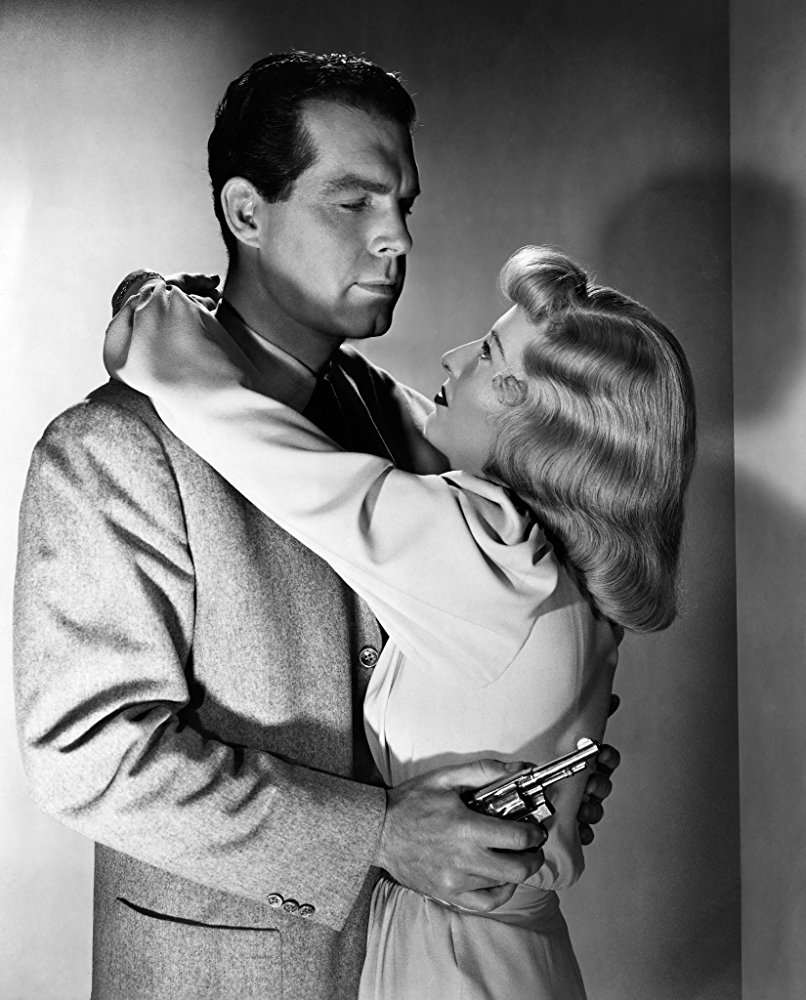
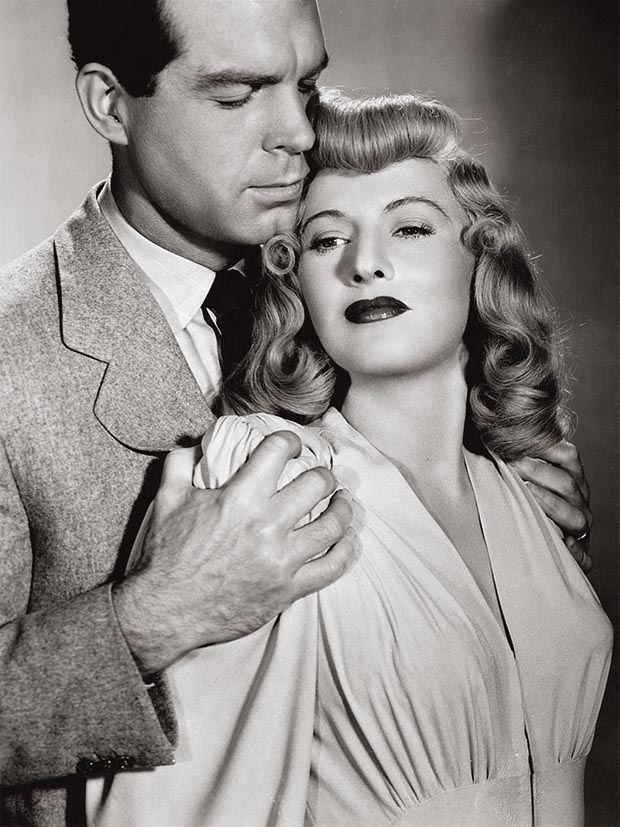
Barbara Stanwyck with Fred MacMurray as Phyllis Dietrichson in Double Indemnity (Billy Wilder, 1944)

Many of her roles involved strong characters. In Double Indemnity, Stanwyck brought out the cruel nature of the “grim, unflinching murderess,” marking her as the “most notorious femme” in the film noir genre.[32] Yet, Stanwyck was known for her accessibility and kindness to the backstage crew on any film set.

She knew the names of their wives and children. Frank Capra said of Stanwyck: “She was destined to be beloved by all directors, actors, crews and extras. In a Hollywood popularity contest she would win first prize hands down.”[33]
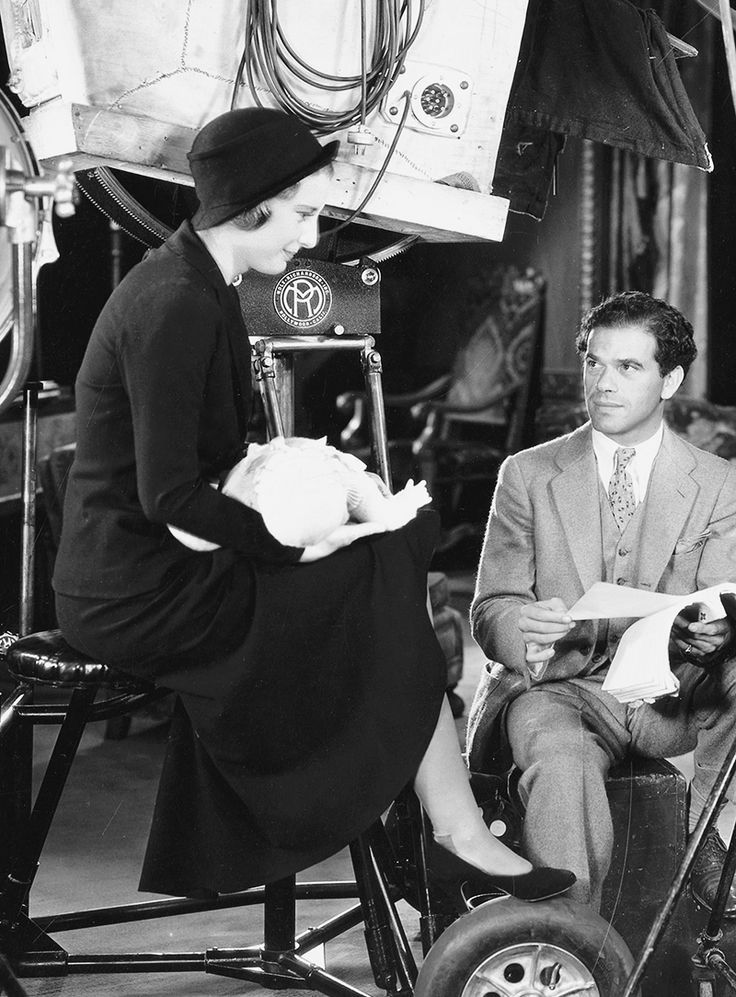
 

Barbara Stanwyck with Frank Capra   71.jpg

Barbara Stanwyck with Frank Capra on the set of Forbidden (Frank Capra, 1932)

A consummate professional, when aged 50 she performed a stunt in Forty Guns. Her character had to fall off her horse and, her foot caught in the stirrup, be dragged by the galloping animal. This was so dangerous the movie’s professional stunt person refused to do it.[34] Her professionalism on film sets led her to be named an Honorary Member of the Hollywood Stuntmen’s Hall of Fame.[35]

Stanwyck played alongside Elvis Presley as a carnival owner in the movie Roustabout in 1964.
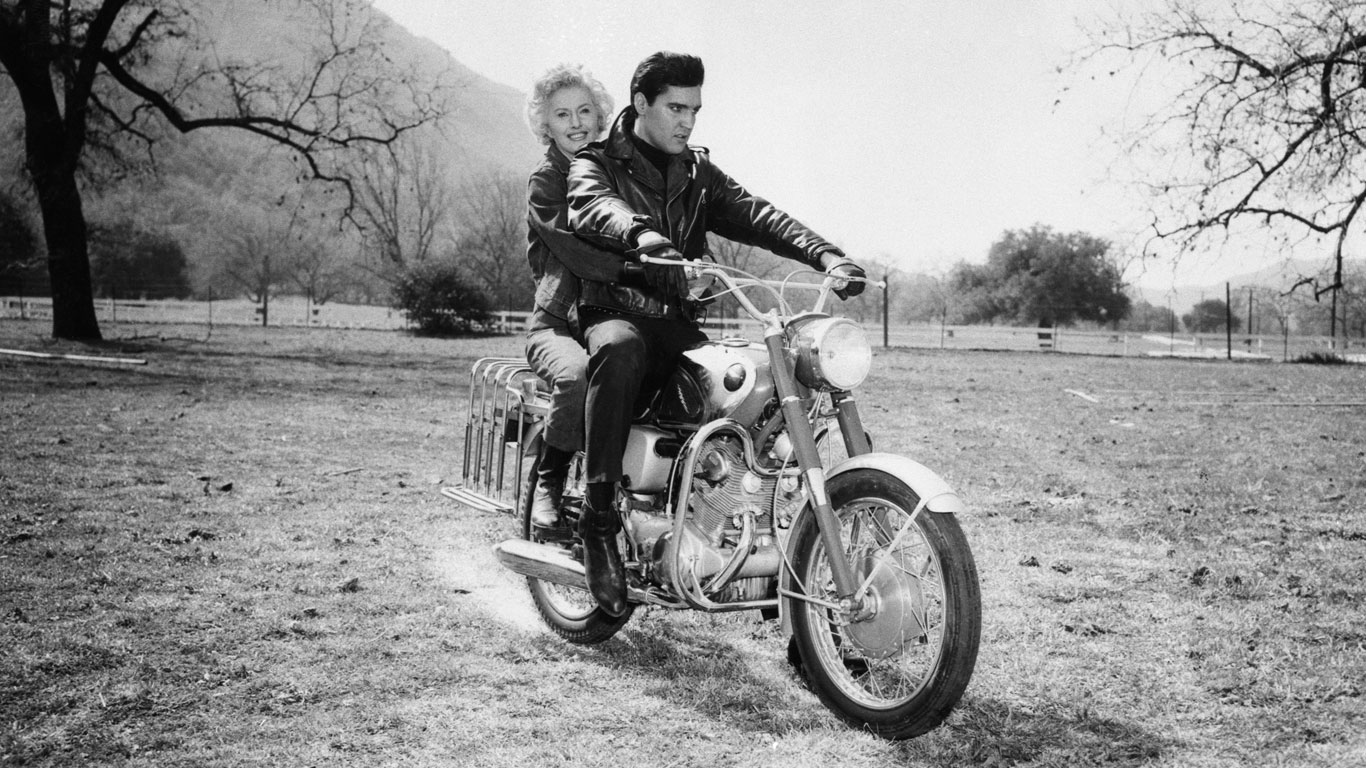
Barbara Stanwyck with Elvis 72

Barbara Stanwyck with Elvis Presley on the set of Rustabout (John Rich, 1964)

William Holden and Stanwyck were friends of long standing. When Stanwyck and Holden were presenting the Best Sound Oscar for 1977, Holden paused to pay a special tribute to her for saving his career when Holden was cast in the lead for Golden Boy (1939).

After a series of unsteady daily performances, he was about to be fired, but Stanwyck staunchly defended him, successfully standing up to the film producers. Shortly after Holden’s death, Stanwyck recalled the moment when receiving her honorary Oscar: “A few years ago I stood on this stage with William Holden as a presenter. I loved him very much, and I miss him. He always wished that I would get an Oscar. And so tonight, my golden boy, you got your wish.”[36]
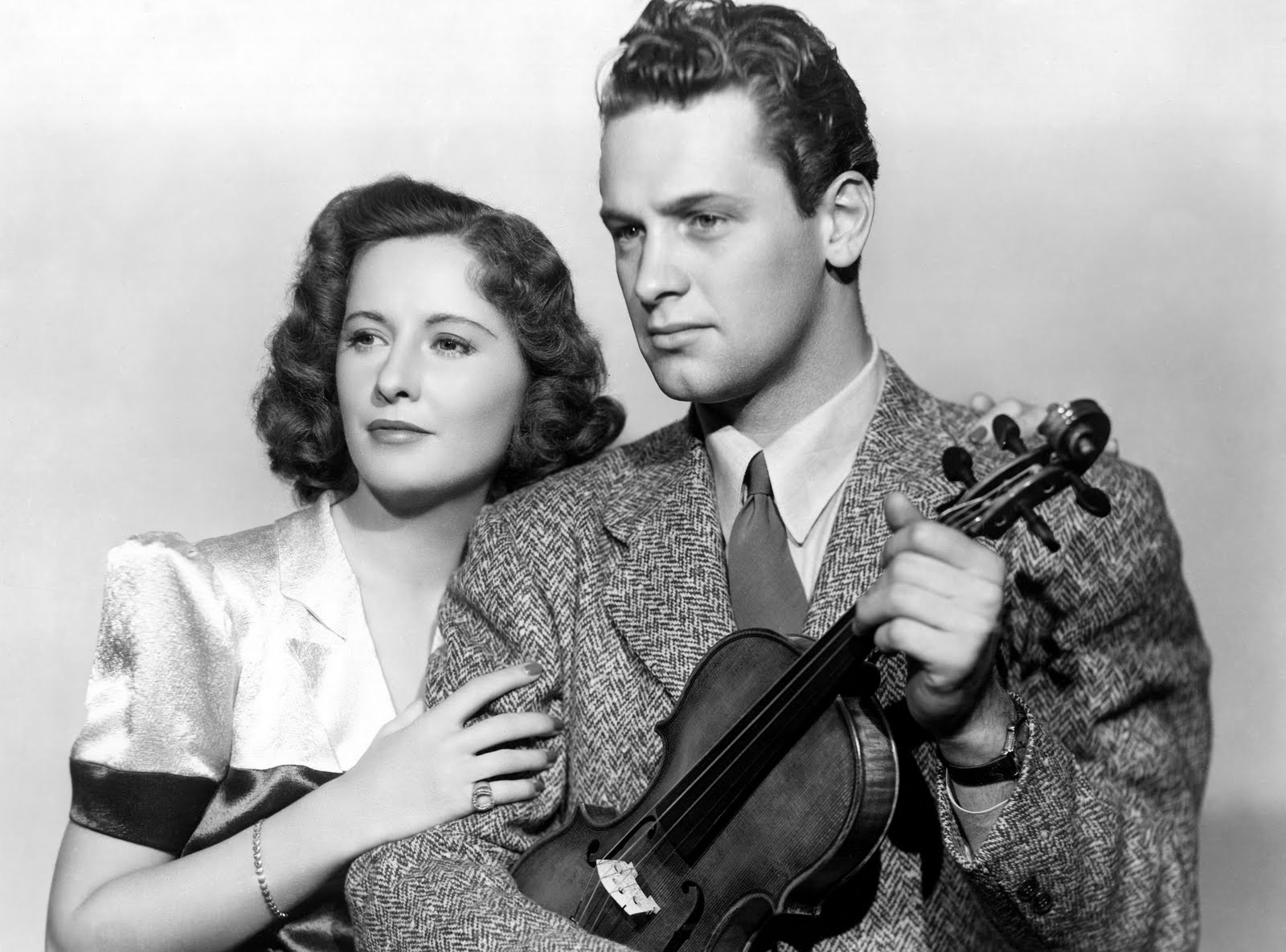
Barbara Stanwyck with William Holden 72

Barbara Stanwyck and William Holden in Golden Boy (Rouben Mamoulian, 1939)

Television career

When Stanwyck’s film career declined in 1957, she moved to television. Her 1961 series The Barbara Stanwyck Show was not a ratings success but earned her an Emmy Award.[18] The Western series The Big Valley, which ran from 1965 to 1969 on ABC, made her one of the most popular actresses on television, winning her another Emmy.[18] She was billed as “Miss Barbara Stanwyck”. The story of her 1940 movie Remember the Night was used in an episode titled “Judgement in Heaven” (Season 1, Episode 15).
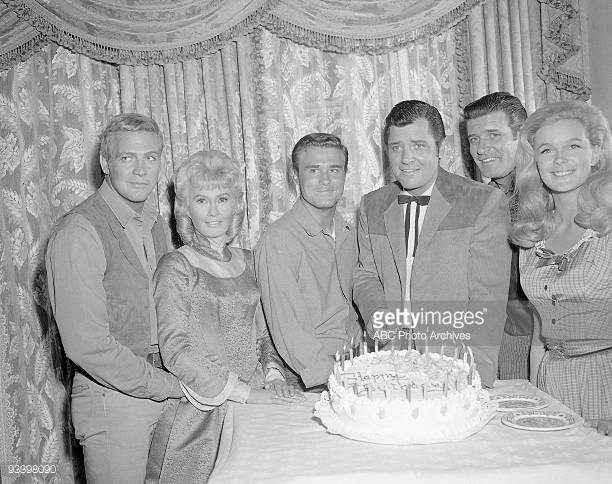
Barbara Stanwyck Judgement in Heaven 73

Barbara Stanwyck in Barbara Stanwyck Show – Judgement in Heaven (1965)

She also appeared in the television series The Untouchables with Robert Stack (1962–63), and in four episodes of Wagon Train as three different characters (1961–64).
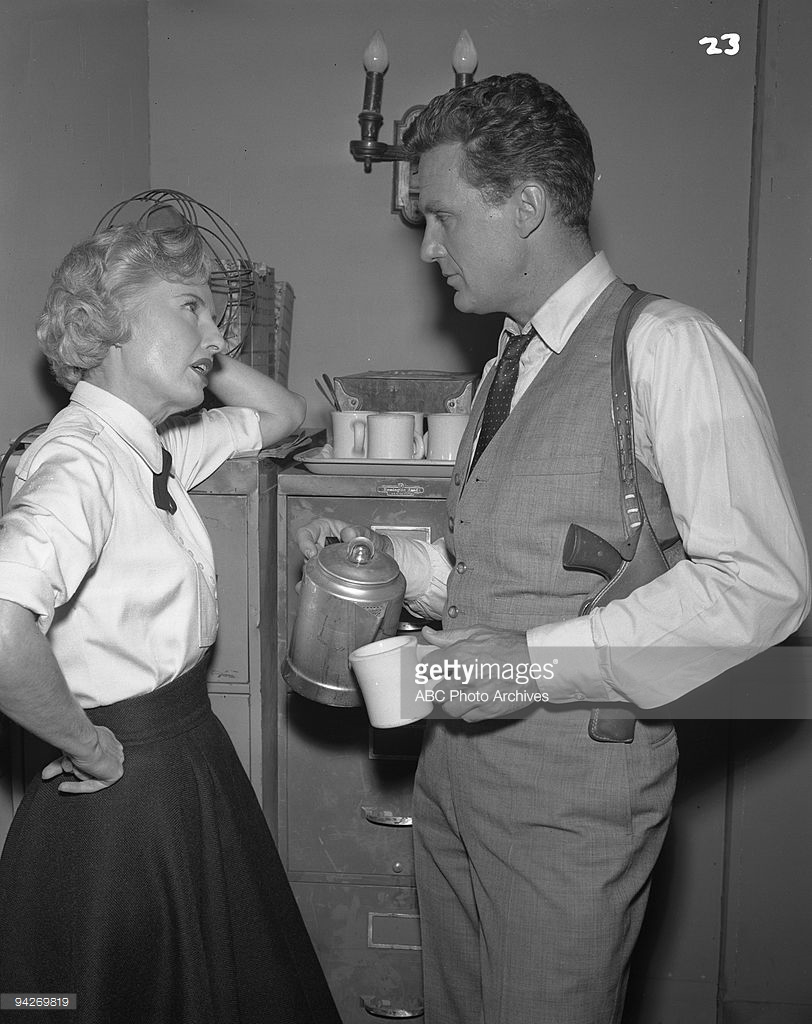
Barbara Stanwyck The Untouchables 72

Barbara Stanwyck and Robert Stack on the set of The Untouchables (1962-63)
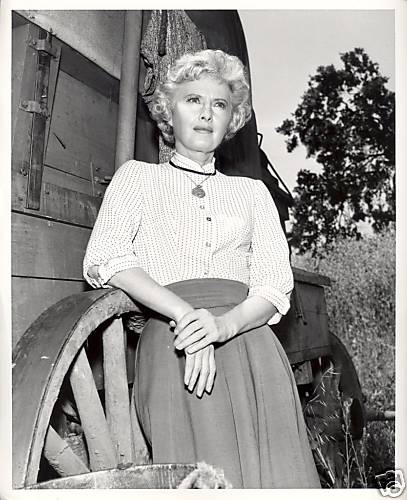
Barbara Stanwyck Wagon Train 72

Barbara Stanwyck in Wagon Train (1961-64)

Years later, Stanwyck earned her third Emmy for The Thorn Birds.[18] In 1985 she made three guest appearances in the primetime soap opera Dynasty prior to the launch of its short-lived spin-off series, The Colbys, in which she starred alongside Charlton HestonStephanie Beacham and Katharine Ross.

Unhappy with the experience, Stanwyck remained with the series for only one season (it lasted for two), and her role as Constance Colby Patterson would prove to be her last.[18] Earl Hamner Jr. (producer of The Waltons) had initially wanted Stanwyck for the lead role of Angela Channing in the 1980s soap opera Falcon Crest, but she turned it down and the role went to her best friend, Jane Wyman.
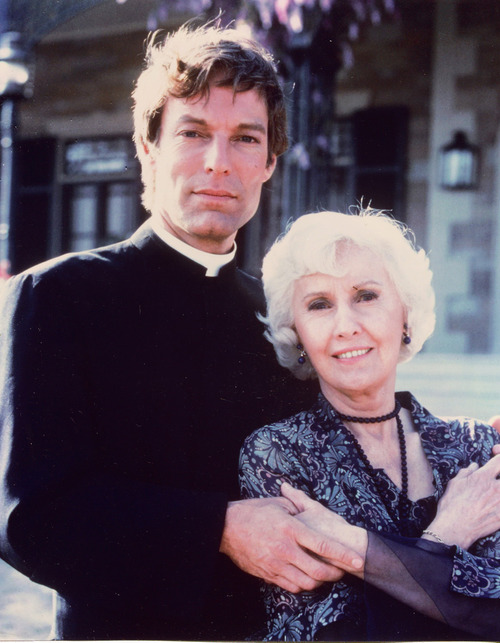
Barbara Stanwyck Thorn Birds 72

Barbara Stanwyck and Richard Chamberlain in Thorn Birds (1983)
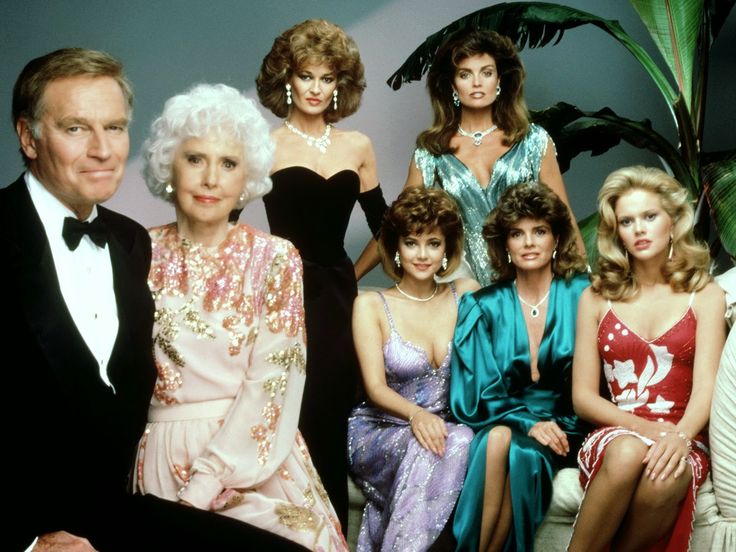
Barbara Stanwyck Dynasty 74

Barbara Stanwyck in Dynasty / The Colbys – 3 Episodes (1981)

Personal life

Marriages and relationships

While playing in The Noose, Stanwyck reportedly fell in love with her married co-star, Rex Cherryman.[8]

Cherryman had become ill early in 1928 and his doctor advised him to take a sea voyage to Paris where he and Stanwyck had arranged to meet. While still at sea, he died of septic poisoning at the age of 31.[37]
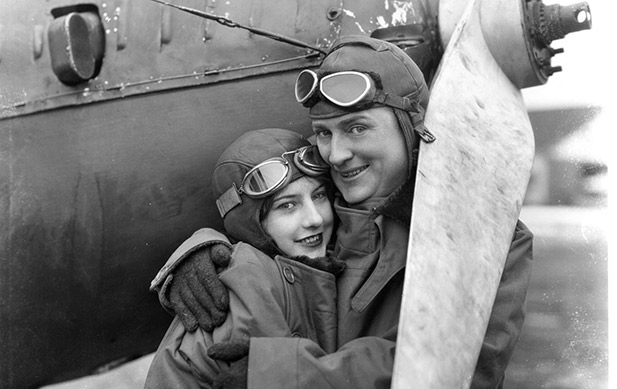
Barbara Stanwyck with Rex Cherryman 75

Barbara Stanwyck and Rex Cherryman on the set of The Noose (1927)


On August 26, 1928, Stanwyck married her Burlesque co-star, Frank Fay. She and Fay later claimed they disliked each other at first, but became close after Cherryman’s death.[8] A botched abortion at the age of 15 had resulted in complications which left Stanwyck unable to have children, according to her biographer.[38]

After moving to Hollywood, the couple adopted a ten-month-old son on December 5, 1932. They named him Dion, later amending the name to Anthony Dion, nicknamed “Tony”. The marriage was a troubled one. Fay’s successful career on Broadway did not translate to the big screen, whereas Stanwyck achieved Hollywood stardom.

Fay was reportedly physically abusive to his young wife, especially when he was inebriated.[39][40] Some claim that this union was the basis for A Star Is Born.[41] The couple divorced on December 30, 1935. Stanwyck won custody of their adoptive son, whom she had raised with a strict authoritarian hand and demanding expectations.[42] Stanwyck and her son were estranged after his childhood, meeting only a few times after he became an adult. The child whom she had adopted in infancy “resembled her in just one respect: both were, effectively, orphans.”[43]
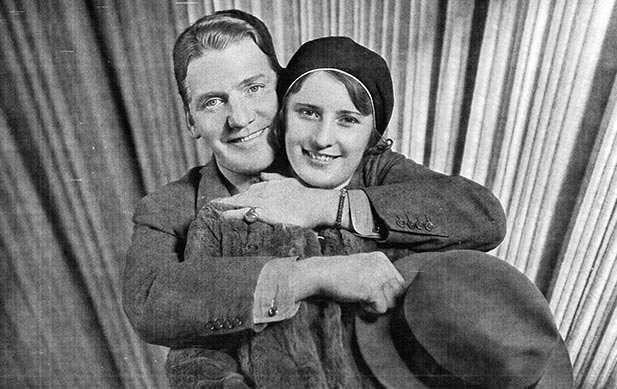
Barbara Stanwyck with Frank Fay 76

Barbara Stanwyck and Frank Fay (1932)

In 1936, while making the film His Brother’s Wife (1936), Stanwyck became involved with her co-star, Robert Taylor. Rather than a torrid romance, their relationship was more one of mentor and pupil. Stanwyck served as support and adviser to the younger Taylor, who had come from a small Nebraska town; she guided his career, and acclimated him to the sophisticated Hollywood culture.
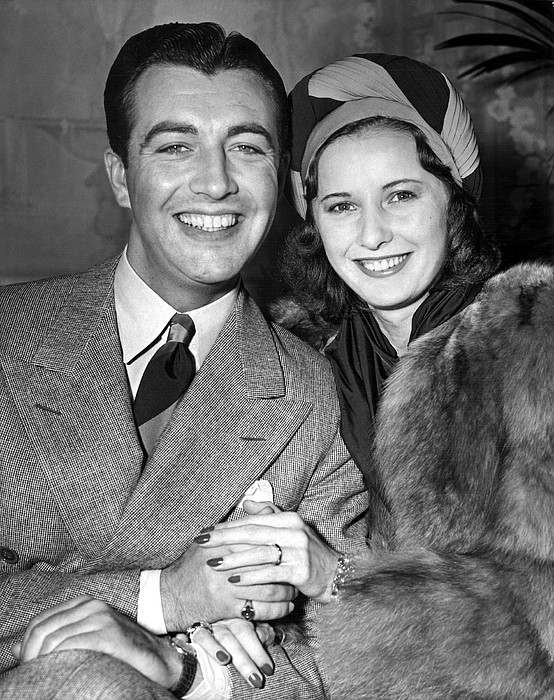
Barbara Stanwyck with Robert Taylor 76

Barbara Stanwyck and Robert Taylor on their wedding day (1939)

The couple began living together, sparking newspaper reports about the two. Stanwyck was hesitant to remarry after the failure of her first marriage. However, their 1939 marriage was arranged with the help of Taylor’s studio Metro-Goldwyn-Mayer, a common practice in Hollywood’s golden ageLouis B. Mayer had insisted on the two stars marrying and went as far as presiding over arrangements at the wedding.[44][45]

She and Taylor enjoyed time together outdoors during the early years of their marriage, and owned acres of prime West Los Angeles property. Their large ranch and home in the Mandeville Canyon section of Brentwood, Los Angeles, is still referred to by the locals as the old “Robert Taylor ranch.”[46]
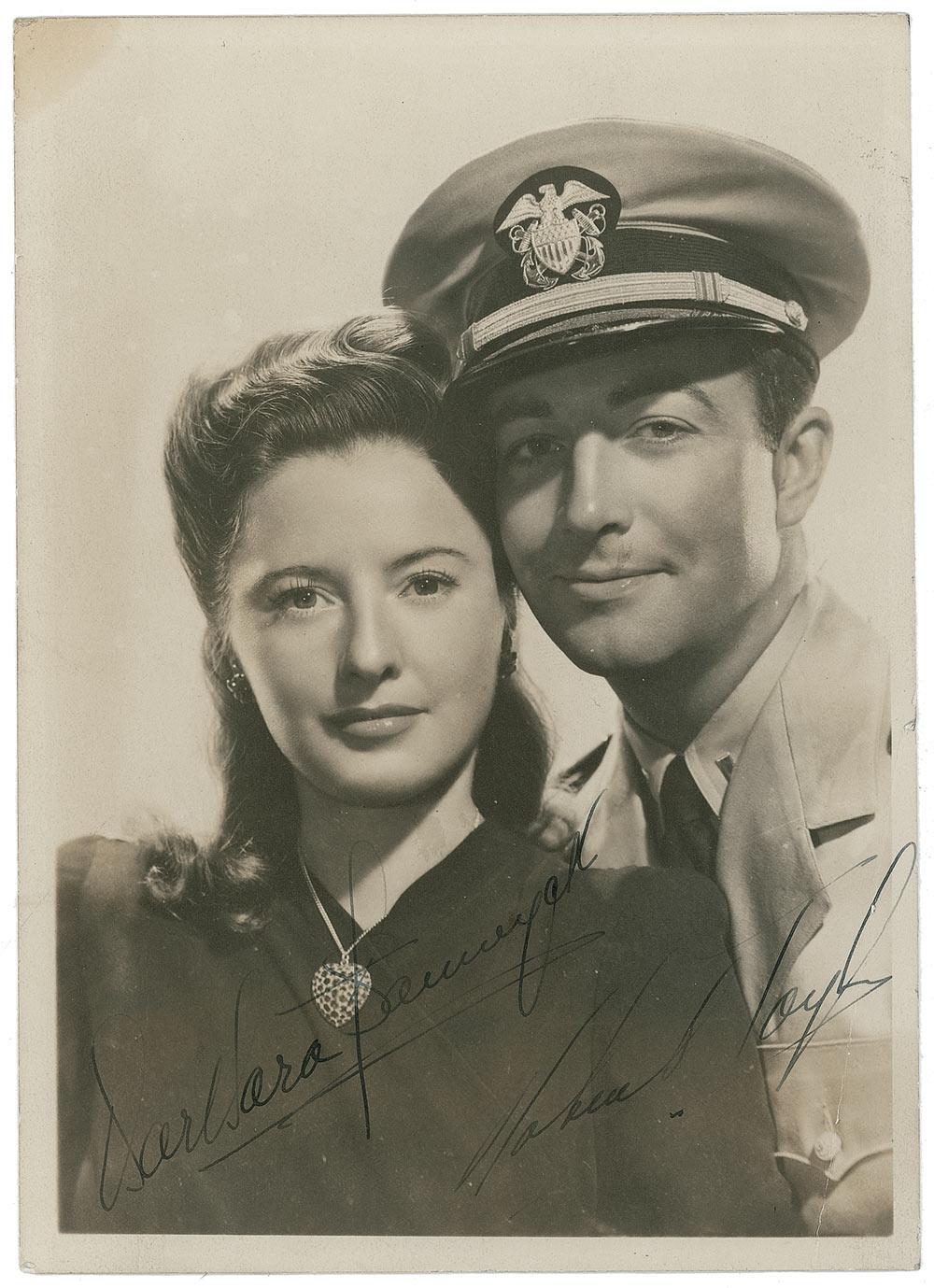
Barbara Stanwyck with Robert Taylor 77

Barbara Stanwyck and Robert Taylor

Stanwyck and Taylor mutually decided in 1950 to divorce, and after his insistence, she proceeded with the official filing of the papers.[47] There have been many rumors regarding the cause of their divorce, but after World War II, Taylor had attempted to create a life away from Hollywood, and Stanwyck did not share that goal.[48]

Taylor had romantic affairs, and there were unsubstantiated rumors about Stanwyck having had affairs as well. After the divorce, they acted together in Stanwyck’s last feature film, The Night Walker (1964). She never remarried and cited Taylor as the love of her life, according to her friend and Big Valley co-star Linda Evans. She took his death in 1969 very hard, and took a long break from film and television work.[49]
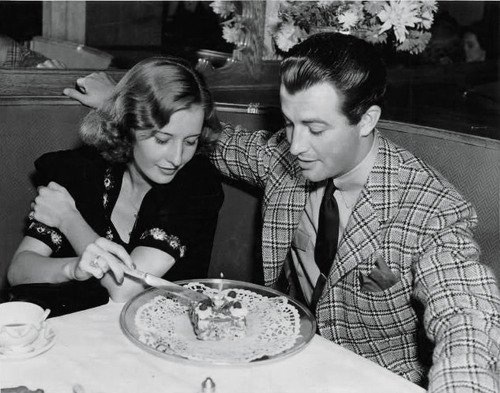
Barbara Stanwyck with Robert Taylor 78

Barbara Stanwyck and Robert Taylor

Barbara Stanwyck Robert Taylor funeral 79

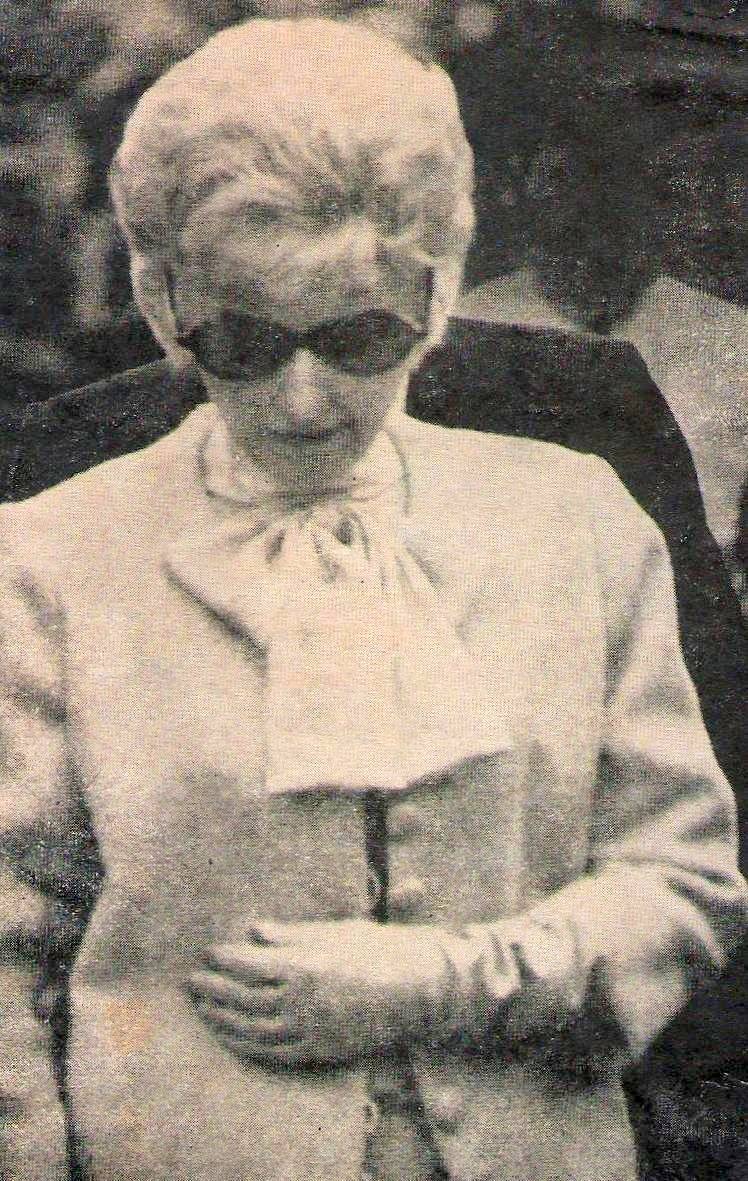
Barbara Stanwyck at Robert Taylor’s Funeral (1969)

Stanwyck was one of the best-liked actresses in Hollywood and was friends with many of her fellow actors (as well as crew members of her films and TV shows), including Joel McCrea and his wife Frances DeeGeorge BrentRobert PrestonHenry Fonda (who had a lifelong crush on her[citation needed]), James StewartLinda EvansJoan CrawfordJack Benny and his wife Mary LivingstoneWilliam HoldenGary CooperFred MacMurray, and many others.[50]

Barbara Stanwyck with Joel McCrea 80

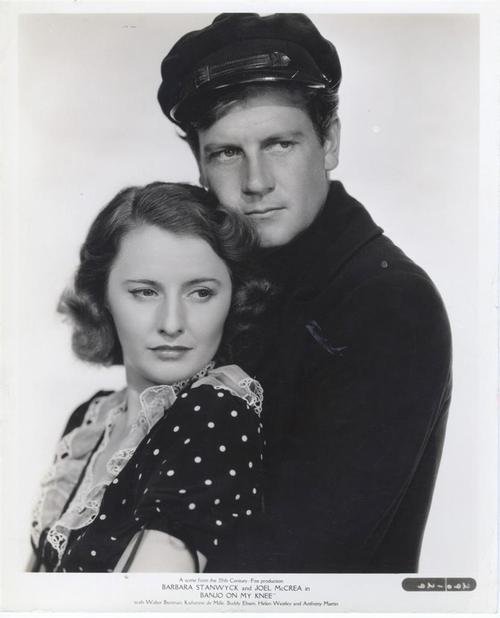
Barbara Stanwyck and Joel McCrea in Banjo On My Knee (1936)
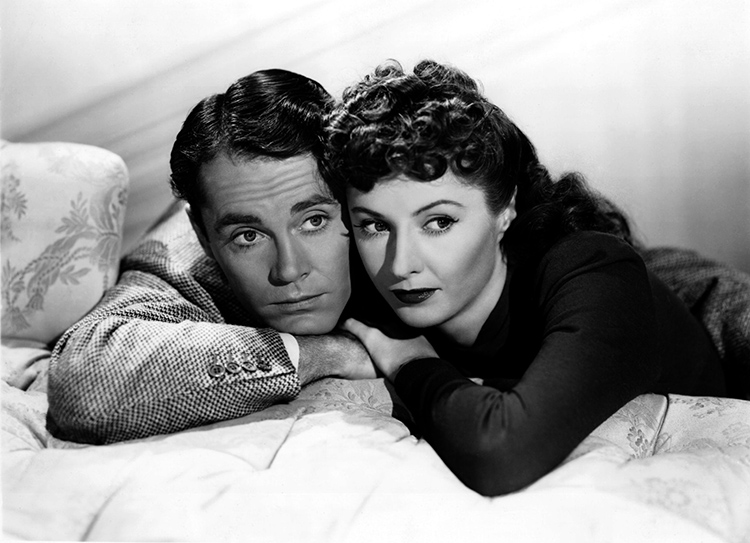
Barbara Stanwyck with Henry Fonda 81

Barbara Stanwyck and Henry Fonda in The Lady Eve (1941)
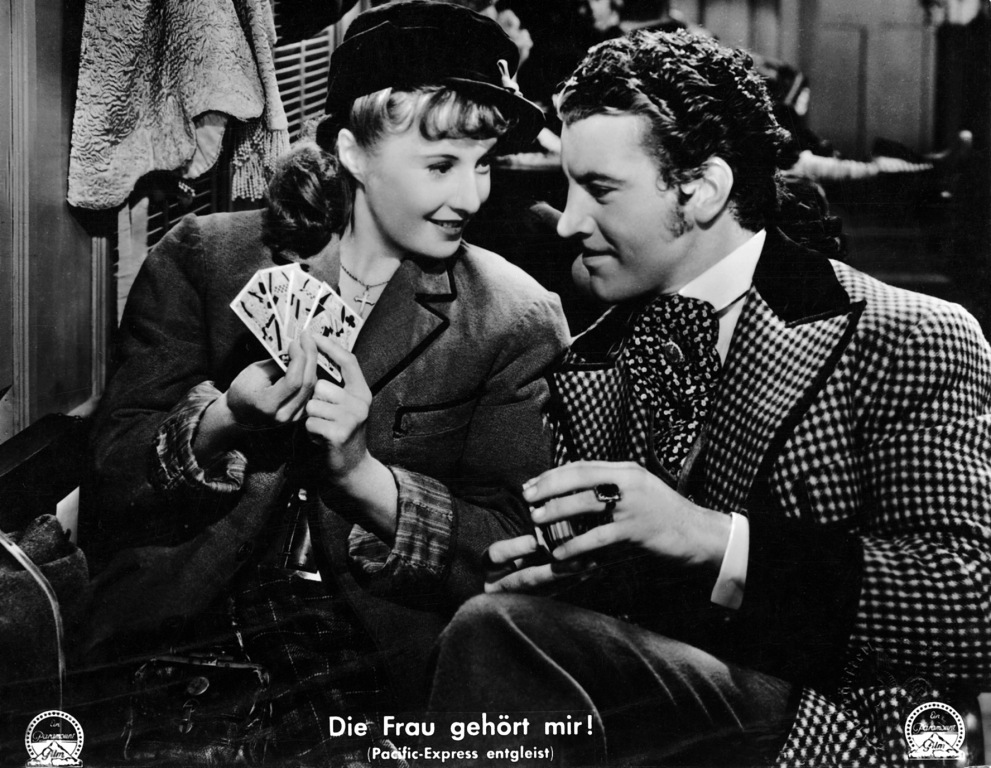
Barbara Stanwyck with Robert Preston 82

Barbara Stanwyck and Robert Preston in Union Pacific (1939)

Barbara Stanwyck with George Brent 84

Barbara Stanwyck and George Brent in My Reputation (1946)
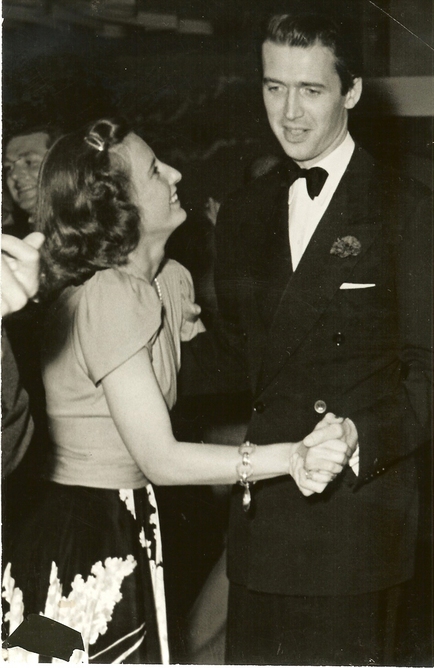
Barbara Stanwyck with James Stewart 86
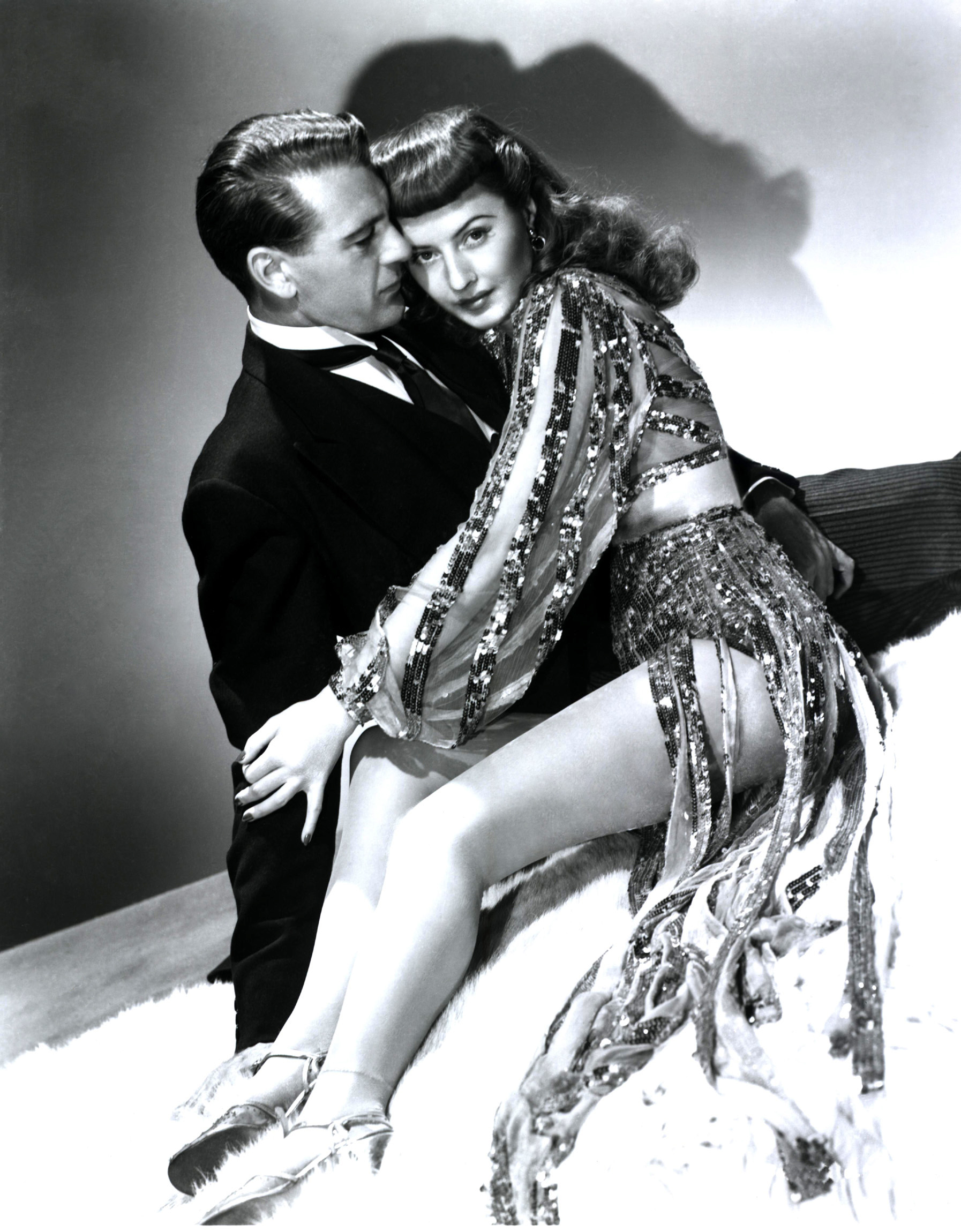
Barbara Stanwyck with James Stewart

Barbara Stanwyck with Gary Cooper 85

Barbara Stanwyck with Gary Cooper in Ball of Fire (1941)
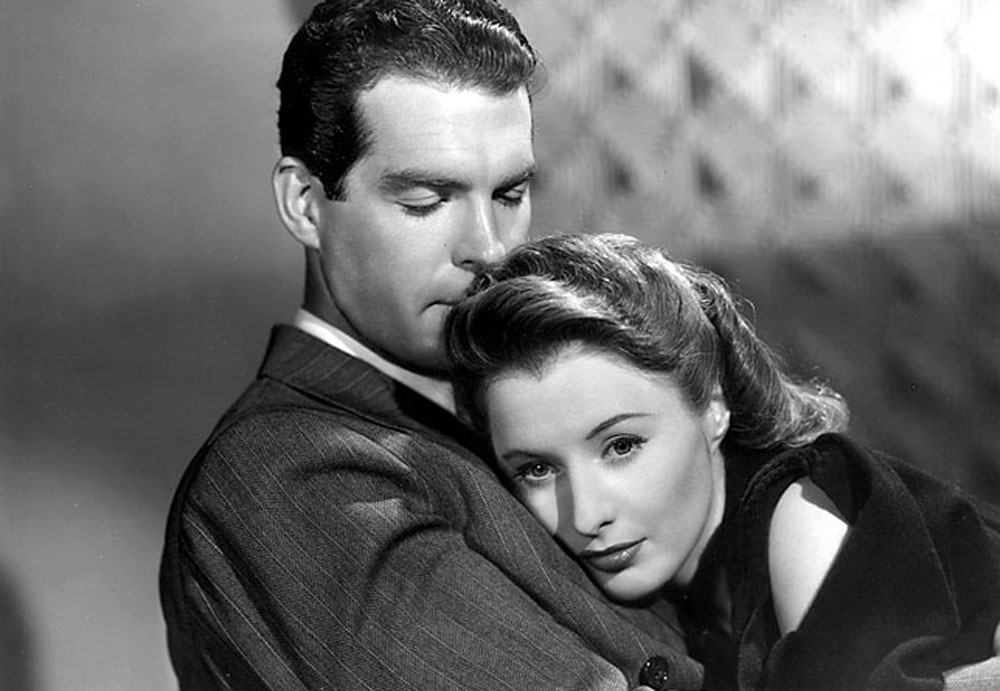
Barbara Stanwyck with Fred McMurray 86

Barbara Stanwyck with Fred McMurray in Remember the Night (1940)

Stanwyck had a romantic affair with actor Robert Wagner, whom she met on the set of Titanic (1953). Wagner, who was 22, and Stanwyck, who was 45 at the beginning of the relationship, had a four-year romance, which is described in Wagner’s memoir Pieces of My Heart (2008).[51] Stanwyck ended the relationship.[52] In the 1950s, Stanwyck reportedly also had a one-night stand with the much younger Farley Granger, which he wrote about in his autobiography Include Me Out: My Life from Goldwyn to Broadway (2007).[53][54][55]
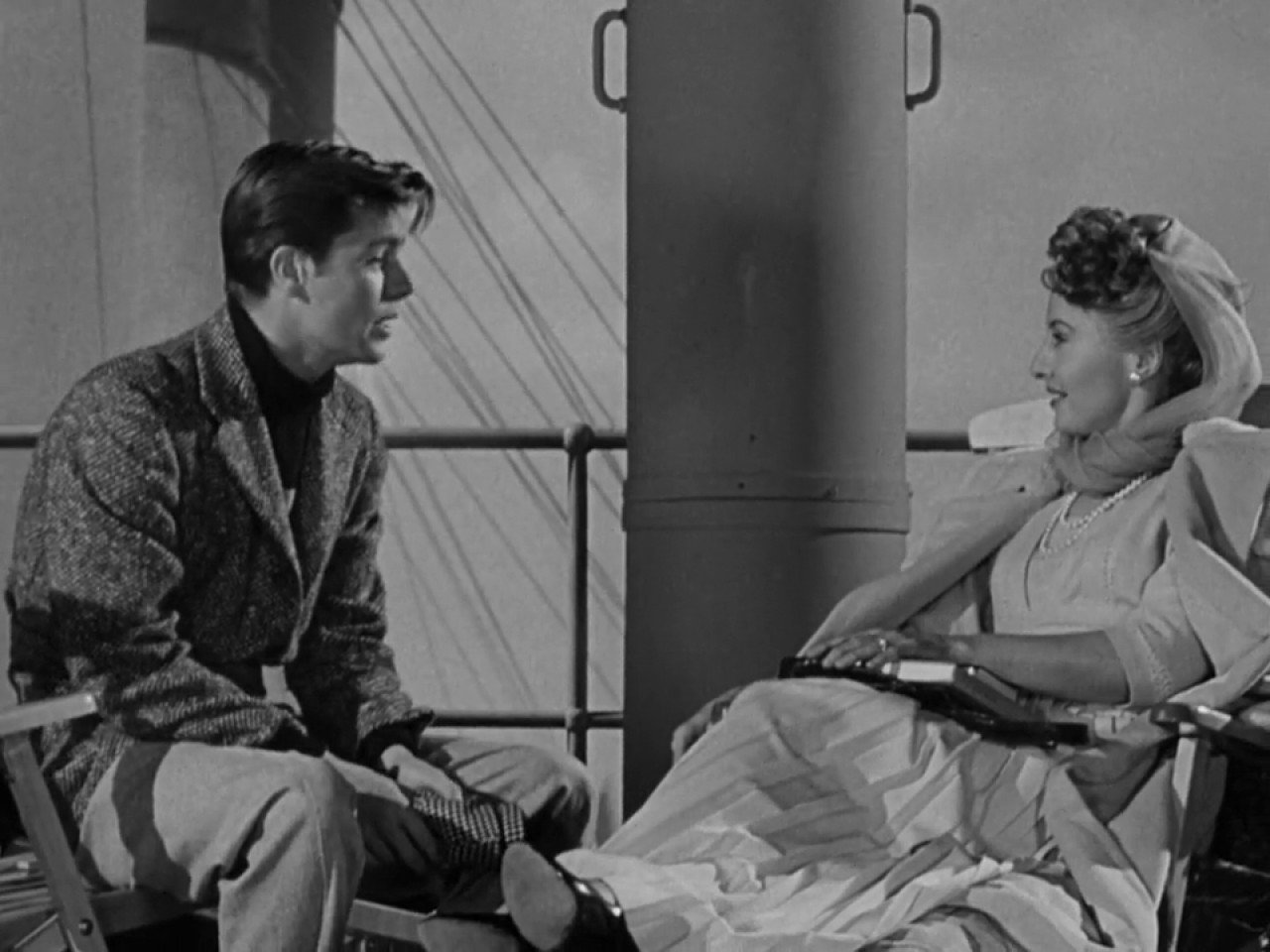
Barbara Stanwyck with Robert Wagner 87

Barbara Stanwyck with Robert Wagner in Titanic (1953)

Political views

Stanwyck opposed the presidency of Franklin Delano Roosevelt.

She felt that if someone from her disadvantaged background had risen to success, others should be able to prosper without government intervention or assistance.[56] For Stanwyck, indisputably, “hard work with the prospect of rich reward was the American way.” Stanwyck became an early member of the Motion Picture Alliance for the Preservation of American Ideals (MPA) after its founding in 1944.
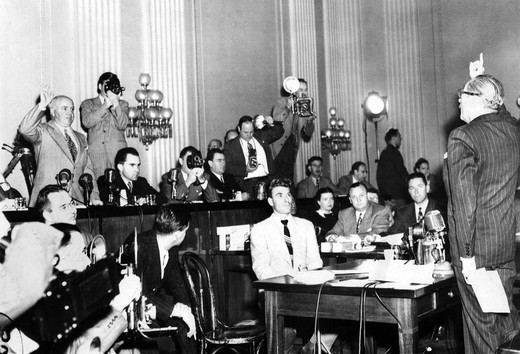
Barbara Stanwyck and MPA 88

SCREEN ACTOR ADOLPHE MENJOU (RIGHT) IS SWORN IN TO TESTIFY BEFORE HUAC. MENJOU WAS A ACTIVE MEMBER OF THE ‘MOTION PICTURE ALLIANCE FOR THE PRESERVATION OF AMERICAN IDEALS’, AN ANTI-COMMUNIST GROUP WHOSE MEMBERS INCLUDED JOHN WAYNE AND BARBARA STANWYCK. AT THE HUAC TABLE, (L-R): J. PARNEL THOMAS, RICHARD NIXON, A MOVIE CAMERAMAN, AND RICHARD VAIL. OCT. 21, 1947.

The mission of this group was to “… combat … subversive methods [used in the industry] to undermine and change the American way of life.” [57][58] It opposed both communist and fascist influences in Hollywood. She publicly supported the investigations of the House Un-American Activities Committee, her husband Robert Taylor appearing to testify as a friendly witness.[59]

Stanwyck shared conservative Republican affiliation with such contemporaries as Walt DisneyHedda HopperRandolph ScottRobert YoungWard BondWilliam HoldenGinger RogersJimmy StewartGeorge MurphyGary CooperBing CrosbyJohn WayneWalter BrennanShirley TempleBob HopeAdolphe MenjouHelen Hayes, director Frank Capra and her Double Indemnity co-star, Fred MacMurray.[60][61][62]
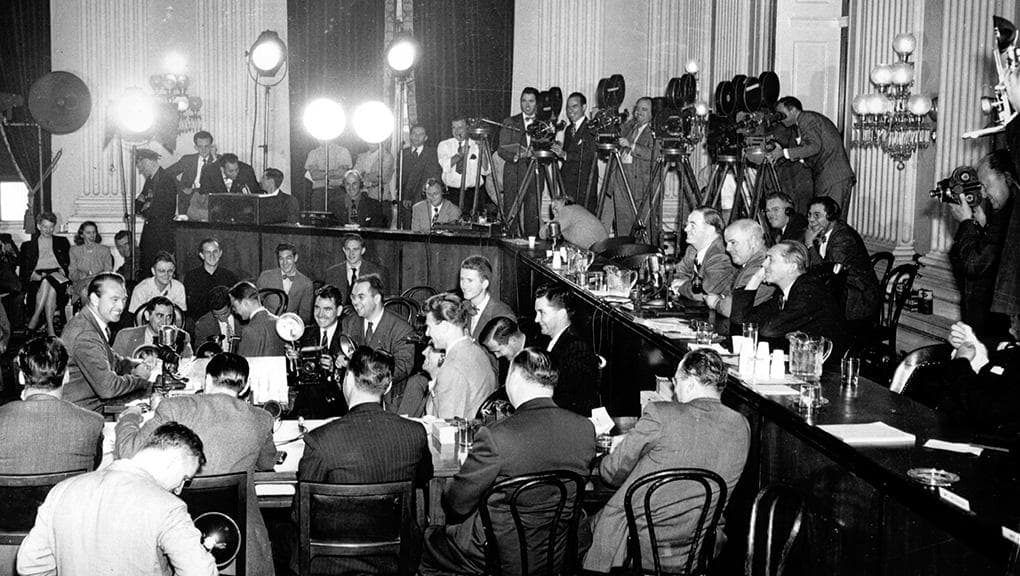
Barbara Stanwyck HUC Hearing 90

HUC Hearing in 1944

She was a fan of Objectivist author Ayn Rand, having persuaded Jack L. Warner at Warner Bros. to buy the rights to The Fountainhead before it was a best-seller, and writing to the author of her admiration of Atlas Shrugged.[56][63]
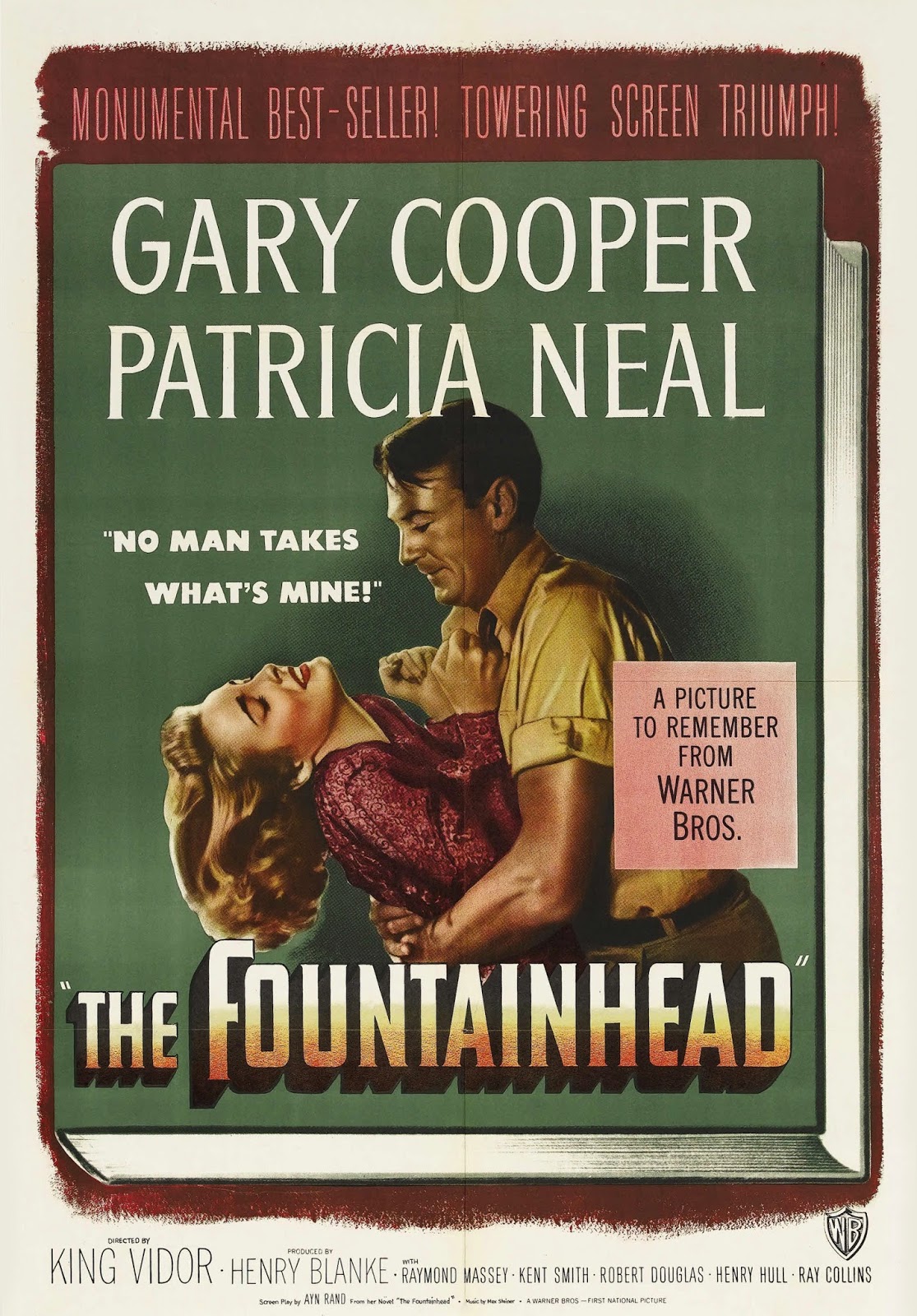
Barbara Stanwyck and The Fountainhead 91

Religion

Stanwyck was originally a Protestant and was baptized in June 1916 by the Reverend J. Frederic Berg of the Protestant Dutch Reformed Church.[64]

She converted to Roman Catholicism when she married her first husband, Frank Fay.[65]

Brother

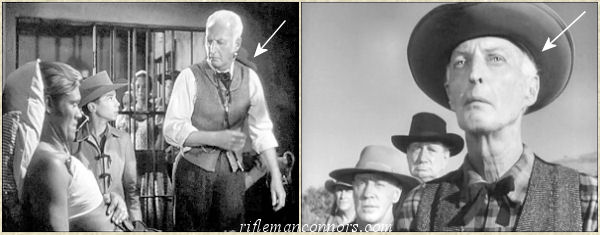
Her elder brother, Malcolm Byron Stevens (1905-1964), also became a prolific actor, though a much less successful one. According to IMDb, as Bert L. Stevens, he played hundreds of parts in film and television, but was only credited in two television episodes.[66] He appeared in two films that starred his famous sibling: The File on Thelma Jordon and No Man of Her Own, both released in 1950. He and actress Caryl Lincoln married in 1934 and remained together until his death from a heart attack. They had one son, Brian.
Barbara Stanwyck with Bert Stevens Brother 92

Malcolm Byron Stevens / Bert L Stevens

Later years and death

Stanwyck’s retirement years were active, with charity work outside the limelight. She was awakened in the middle of the night inside her home in the exclusive Trousdale section of Beverly Hills in 1981 by an intruder, who hit her on the head with his flashlight, then forced her into a closet while he robbed her of $40,000 in jewels.[67]

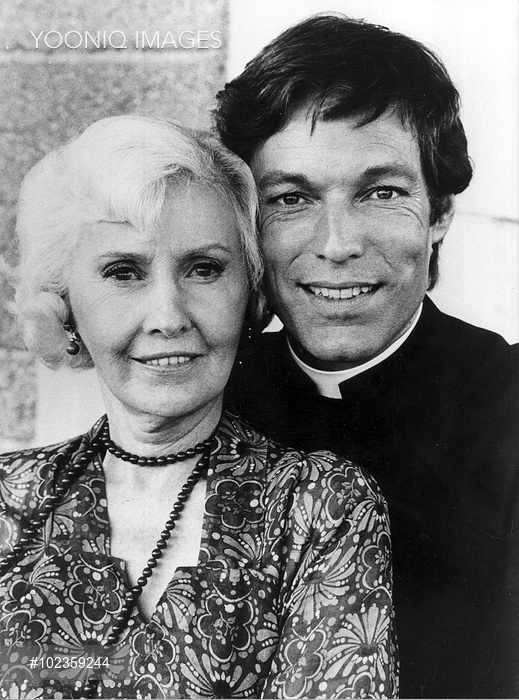
The following year, in 1982, while filming The Thorn Birds, the inhalation of special-effects smoke on the set may have caused her to contract bronchitis, which was compounded by her cigarette habit; she was a smoker from the age of nine until four years before her death.[68]
Barbara Stanwyck in Thorn Birds 94

Barbara Stanwyck with Richard Chamberlain in The Thorn Birds (1983)

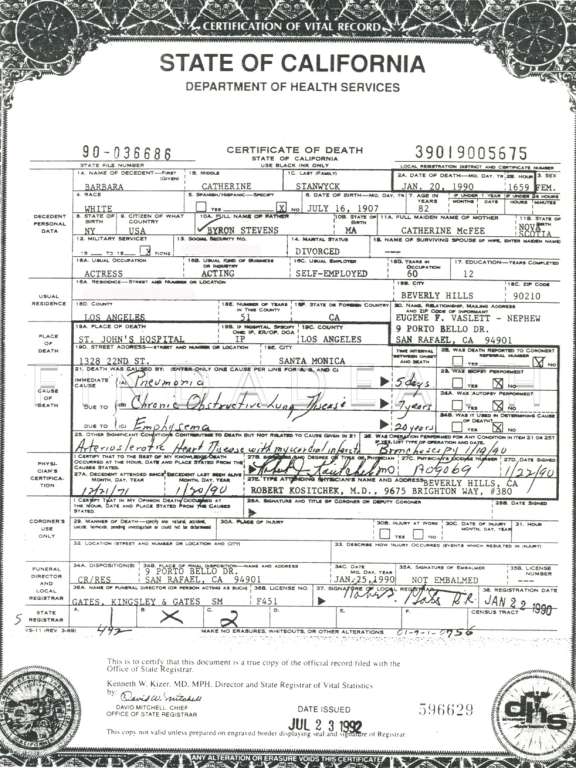
Stanwyck died on January 20, 1990, aged 82, of congestive heart failure and chronic obstructive pulmonary disease (COPD) at Saint John’s Health Center in Santa Monica, California. She had indicated that she wanted no funeral service.[69] In accordance with her wishes, her remains were cremated and the ashes scattered from a helicopter over Lone Pine, California, where she had made some of her western films.[70][71]
Barbara Stanwyck Death Certificate 96
Barbara Stanwyck Death Certificate

Barbara Stanwyck 98

Barbara Stanwyck in Shopworn – promotional shot (Nick Grinde, 1932)

Filmography

Radio appearances

Barbara Stanwyck

Barbara Stanwyck in Lady of Burlesque (1943)

Awards and nominations

Year Association Category Work Result Ref.
1938 Academy Awards Best Actress in a Leading Role Stella Dallas Nominated [75]
1942 Academy Awards Best Actress in a Leading Role Ball of Fire Nominated [75]
1945 Academy Awards Best Actress in a Leading Role Double Indemnity Nominated [75]
1949 Academy Awards Best Actress in a Leading Role Sorry, Wrong Number Nominated [75]
1960 Hollywood Walk of Fame Motion Pictures, 1751 Vine Street Won [76]
1961 Emmy Awards Outstanding Performance by an Actress in a Series The Barbara Stanwyck Show Won [77]
1966 Emmy Awards Outstanding Continued Performance by an Actress in a Leading Role The Big Valley Won [77]
1966 Golden Globe Awards Best TV Star – Female The Big Valley Nominated [78]
1967 Emmy Awards Outstanding Continued Performance by an Actress in a Leading Role The Big Valley Nominated [77]
1967 Golden Globe Awards Best TV Star – Female The Big Valley Nominated [78]
1967 Screen Actors Guild Life Achievement Won [79]
1968 Emmy Awards Outstanding Continued Performance by an Actress in a Leading Role The Big Valley Nominated [77]
1968 Golden Globe Awards Best TV Star – Female The Big Valley Nominated [78]
1973 Hall of Great Western Performers Won [80]
1981 Film Society of Lincoln Center Gala Tribute Won [75]
1981 Los Angeles Film Critics Association Career Achievement Won [81]
1982 Academy Awards Honorary Award Won [81]
1983 Emmy Awards Outstanding Lead Actress in a Limited Series The Thorn Birds Won [81]
1984 Golden Globe Awards Best Performance by an Actress in a Supporting Role The Thorn Birds Won [78]
1986 Golden Globe Awards Cecil B. DeMille Award Won [78]
1987 American Film Institute Life Achievement Won [82]

Stanwyck, Barbara (Lady of Burlesque)_01

Barbara Stanwyck in Lady of Burlesque (1943)

References

Notes

  1. Jump up^ Ruby attended various public schools in Brooklyn, where she received uniformly poor grades and routinely picked fights with the other students.[9]

Citations

  1. Jump up^ “”AFI’s 100 Years…100 Stars.””. Archived from the original on October 20, 2006. Retrieved October 23, 2006. American Film Institute. Retrieved: November 17, 2011.
  2. Jump up to:a b Madsen 1994, p. 8.
  3. Jump up^ Callahan 2012, pp. 5–6.
  4. Jump up^ “Ruby Catherine Stevens “Barbara Stanwyck.” Rootsweb; retrieved April 17, 2012.
  5. Jump up^ Callahan 2012, p. 6.
  6. Jump up to:a b Madsen 1994, p. 9.
  7. Jump up^ Mildred G. Smith New York, New York City Municipal Deaths, 7 May 1931
  8. Jump up to:a b c d Nassour and Snowberger 2000.[page needed]
  9. Jump up to:a b Madsen 1994, p. 10.
  10. Jump up to:a b Madsen 1994, p. 12.
  11. Jump up^ Callahan 2012, p. 222.
  12. Jump up^ Prono 2008, p. 240.
  13. Jump up^ Madsen 1994, p. 11.
  14. Jump up^ Madsen 1994, pp. 11–12.
  15. Jump up^ Madsen 1994, pp. 12–13.
  16. Jump up^ Madsen 1994, p. 13.
  17. Jump up to:a b Callahan 2012, p. 9.
  18. Jump up to:a b c d e f g h Prono 2008, p. 241.
  19. Jump up^ Madsen 1994, pp. 17–18.
  20. Jump up^ Madsen 1994, p. 21.
  21. Jump up^ Madsen 1994, p. 22.
  22. Jump up^ Wayne 2009, p. 17.
  23. Jump up to:a b Madsen 1994, p. 26.
  24. Jump up^ Madsen 1994, p. 25.
  25. Jump up^ Smith 1985, p. 8.
  26. Jump up^ Hopkins 1937[page needed]
  27. Jump up^ “Barbara Stanwyck.” Arabella-and-co.com. Retrieved: June 19, 2012.
  28. Jump up^ Wayne 2009, p. 20.
  29. Jump up^ “Overview: ‘The Other Love’ (1947).” Turner Classic movies.. Retrieved: October 27, 2014.
  30. Jump up^ Beifuss, John. “A Century of Stanwyck.” Archived June 15, 2011, at the Wayback MachineThe Commercial Appeal (Memphis, Tennessee), July 16, 2007.
  31. Jump up^ Kael, Pauline. “Quotation of review of the film Ladies of Leisure.” 5001 Nights At The Movies, 1991, p. 403.
  32. Jump up^ Hannsberry 2009, p. 3.
  33. Jump up^ Eyman, Scott. “The Lady Stanwyck”. The Palm Beach Post (Florida), July 15, 2007, p. 1J. Retrieved via Access World News: June 16, 2009.
  34. Jump up^ “Barbara Stanwyck: Forty Guns”. TCM.com. Retrieved November 22, 2016.
  35. Jump up^ “Hollywood Stuntmen’s Hall of Fame”. stuntmen.org. Retrieved 7 April 2017.
  36. Jump up^ Capua 2009, p. 165.
  37. Jump up^ Madsen 1994, p. 32.
  38. Jump up^ Wilson 2013, p. 51.
  39. Jump up^ Wayne 2009, p. 37.
  40. Jump up^ Callahan 2012, pp. 36, 38.
  41. Jump up^ Prono 2008, p. 242.
  42. Jump up^ Callahan 2012, p. 85.
  43. Jump up^ Corliss, Richard. “That Old Feelin’: Ruby in the Rough.” Time magazine, August 12, 2001.
  44. Jump up^ Callahan 2012, p. 75.
  45. Jump up^ Wayne 2009, p. 76.
  46. Jump up^ “The 10 most expensive homes in the US: 2005.” Forbes (2005); retrieved November 17, 2011.
  47. Jump up^ Wayne 2009, p. 87.
  48. Jump up^ Callahan 2012, pp. 87, 164.
  49. Jump up^ Callahan 2012, p. 77.
  50. Jump up^ Wayne 2009, pp. 146, 166.
  51. Jump up^ Wagner and Eyman 2008, p. 64.
  52. Jump up^ King, Susan. “Wagner Memoir Tells of Wood Death, Stanwyck Affair.” San Jose Mercury News (California) October 5, 2008, p. 6D. Retrieved: via Access World News: June 16, 2009.
  53. Jump up^ Granger and Calhoun 2007, p. 131.
  54. Jump up^ Callahan 2012, p. 163.
  55. Jump up^ Wayne 2009, p. 166.
  56. Jump up to:a b Wilson 2013, p. 266.
  57. Jump up^ Ross 2011, p. 108.
  58. Jump up^ Wilson 2013, p. 858.
  59. Jump up^ Frost 2011, p. 127.
  60. Jump up^ Diorio 1984, p. 202.
  61. Jump up^ Barbara Stanwyck biography, imdb.com; retrieved November 17, 2011.
  62. Jump up^ Metzger 1989, p. 27.
  63. Jump up^ Peikoff 1997, pp. 403, 497.
  64. Jump up^ Wilson 2013, p. 23.
  65. Jump up^ Wilson 2013, p. 123.
  66. Jump up^ Bert L. Stevens on IMDb
  67. Jump up^ Stark, John (November 25, 1985). “Ball of Fire: Barbara Stanwyck”People. Retrieved November 22, 2016.
  68. Jump up^ Stark, John (February 5, 1990). “Barbara Stanwyck, ‘A Stand-Up Dame'”. People.com. Retrieved December 24, 2010.
  69. Jump up^ Flint, Peter B. (January 22, 1990). “Barbara Stanwyck, Actress, Dead at 82”The New York Times. p. D11. Retrieved November 22, 2016.
  70. Jump up^ Callahan (2012), p. 220.
  71. Jump up^ Wilson, Scott. Resting Places: The Burial Sites of More Than 14,000 Famous Persons, 3d ed.: 2 (Kindle Location 44716). McFarland & Company, Inc., Publishers. Kindle Edition
  72. Jump up^ “Barbara Stanwyck Filmography.” American Film Institute. Retrieved: August 14, 2014.
  73. Jump up^ Wilson 2013, pp. 869–887.
  74. Jump up to:a b Kirby, Walter. “Better Radio Programs for the Week.” The Decatur Daily Review (via Newspapers.com), March 2, 1952, p. 42. Retrieved: May 28, 2015.
  75. Jump up to:a b c d e “Barbara Stanwyck Awards.” The New York Times. Retrieved: August 15, 2014.
  76. Jump up^ “Barbara Stanwyck.” Hollywood Walk of Fame. Retrieved: August 15, 2014.
  77. Jump up to:a b c d “Barbara Stanwyck Awards.” Classic Movie People. Retrieved: August 15, 2014.
  78. Jump up to:a b c d e “Barbara Stanwyck.” Golden Globes. Retrieved: August 15, 2014.
  79. Jump up^ “4th Life Achievement Recipient, 1966 .” Screen Actors Guild Awards. Retrieved: August 15, 2014.
  80. Jump up^ “Great Western Performers.” National Cowboy Museum. Retrieved: August 15, 2014.
  81. Jump up to:a b c “Barbara Stanwyck Awards.” AllMovie. Retrieved: August 15, 2014.
  82. Jump up^ “15th AFI Life Achievement Award.” American Film Institute. Retrieved: August 15, 2014.

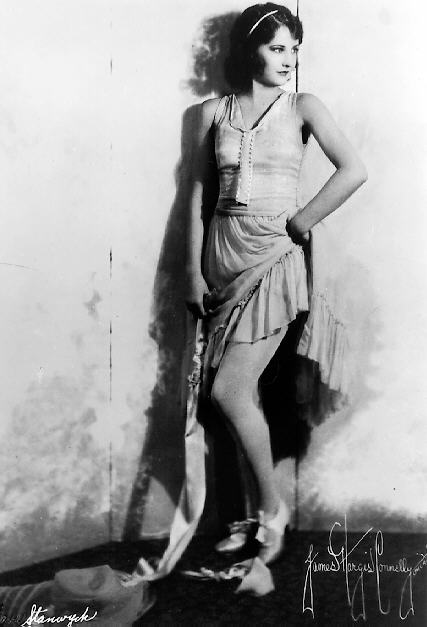
Barbara Stanwyck_Connelly_01

Bibliography

  • Bachardy, Don. Stars in My Eyes. Madison, Wisconsin: University of Wisconsin Press, 2000. ISBN0-299-16730-5.
  • Balio, Tino. Grand design: Hollywood as a Modern Business Enterprise, 1930–1939. Berkeley, California: University of California Press, 1995. ISBN0-520-20334-8.
  • Bosworth, Patricia. Jane Fonda: The Private Life of a Public Woman. New York: Houghton, Mifflin, Harcourt, 2011. ISBN978-0-547-15257-8.
  • Callahan, Dan. Barbara Stanwyck: The Miracle Woman. Jackson, Mississippi: University Press of Mississippi, 2012. ISBN978-1-61703-183-0.
  • Capua, Michelangelo. William Holden: A Biography. Jefferson, North Carolina: McFarland Press, 2010. ISBN978-0-7864-4440-3.
  • Carman, Emily (2015). Independent Stardom: Freelance Women in the Hollywood Studio System. University of Texas Press. ISBN 978-1477307816.
  • Chierichetti, David and Edith Head. Edith Head: The Life and Times of Hollywood’s Celebrated Costume Designer. New York: HarperCollins, 2003. ISBN0-06-056740-6.
  • Diorio, Al. Barbara Stanwyck: A Biography. New York: Coward, McCann, 1984. ISBN978-0-698-11247-6.
  • Frost, Jennifer. Hedda Hopper’s Hollywood: Celebrity Gossip and American Conservatism. New York: NYU Press, 2011. ISBN978-0-81472-823-9.
  • Granger, Farley and Robert Calhoun. Include Me Out: My Life from Goldwyn to Broadway. New York: St. Martin’s Press, 2007. ISBN978-0-312-35773-3.
  • Hall, Dennis. American Icons: An Encyclopedia of the People, Places, and Things that have Shaped our Culture. Westport, Connecticut: Greenwood Publishing Group, 2006. ISBN0-275-98429-X.
  • Hannsberry, Karen Burroughs. Femme Noir: Bad Girls of Film. Jefferson, North Carolina: McFarland Press, 2009. ISBN978-0-7864-4682-7.
  • Hirsch, Foster. The Dark Side of the Screen: Film Noir. New York: Da Capo Press, 2008. ISBN0-306-81772-1.
  • Hopkins, Arthur. To a Lonely Boy. New York: Doubleday, Doran & Co., First edition 1937.
  • Kael, Pauline. 5001 Nights At The Movies. New York: Henry Holt, 1991. ISBN978-0-8050-1367-2.
  • Lesser, Wendy. His Other Half: Men Looking at Women Through Art. Boston: Harvard University Press, 1992. ISBN0-674-39211-6.
  • Madsen, Axel. Stanwyck: A Biography. New York: HarperCollins, 1994. ISBN0-06-017997-X.
  • Metzger, Robert P. Reagan: American Icon. Philadelphia: University of Pennsylvania Press, 1989. ISBN978-0-8122-1302-7.
  • Muller, Eddie. Dark City: The Lost World of Film Noir. New York: St. Martin’s Griffin, 1998. ISBN0-312-18076-4.
  • Nassour, Ellis and Beth A. Snowberger. “Stanwyck, Barbara”. American National Biography Online (subscription only), February 2000. Retrieved: July 1, 2009.
  • Peikoff, Leonard. Letters of Ayn Rand. New York: Plume, 1997. ISBN978-0-452-27404-4.
  • “The Rumble: An Off-the-Ball Look at Your Favorite Sports Celebrities.”New York Post, December 31, 2006. Retrieved: June 16, 2009.
  • Ross, Steven J. Hollywood Left and Right: How Movie Stars Shaped American Politics. Oxford, UK: Oxford University Press, 2011. ISBN978-0-19997-553-2.
  • Schackel, Sandra. “Barbara Stanwyck: Uncommon Heroine.” Back in the Saddle: Essays on Western Film and Television Actors. Jefferson, North Carolina: McFarland Publishing, 1998. ISBN0-7864-0566-X.
  • Smith, Ella. Starring Miss Barbara Stanwyck. New York: Random House, 1985. ISBN978-0-517-55695-5.
  • Thomson, David. Gary Cooper (Great Stars). New York: Faber & Faber, 2010. ISBN978-0-86547-932-6.
  • Wagner, Robert and Scott Eyman. Pieces of My Heart: A Life. New York: HarperEntertainment, 2008. ISBN978-0-06-137331-2.
  • Wayne, Jane. Life and Loves of Barbara Stanwyck. London: JR Books Ltd, 2009. ISBN978-1-906217-94-5.
  • Wilson, Victoria. A Life of Barbara Stanwyck: Steel-True 1907–1940. New York: Simon & Schuster, 2013. ISBN978-0-684-83168-8.
Barbara Stanwyck_Connelly_02

Barbara Stanwyck_Connelly_03

Barbara Stanwyck - by George Hurrell 1941 - Meet John DoeBarbara Stanwyck - by George Hurrell c1941 - Ball Of FireBarbara Stanwyck - by George Hurrell c1941Barbara StanwyckBarbara Stanwyck

Barbara Stanwyck with Fred MacMurray 97

Back Street (1932)


Pre Code Logo 1

Pre Code Hollywood Season: FD Cinematheque

Back Street (1932)

Back Street 2

Director: John M Stahl

Cast: Irene Dunne, John Boles, June Clyde, George Meeker, Zasu Pitts, Shirley Grey, Doris Lloyd, William Bakewell, Arletta Duncan, Maude Turner Gordon, Walter Catlett, James Donlan, Jane Darwell, Betty Blyth, Russell Hopton, Gloria Stuart

93 min

Back Street 3

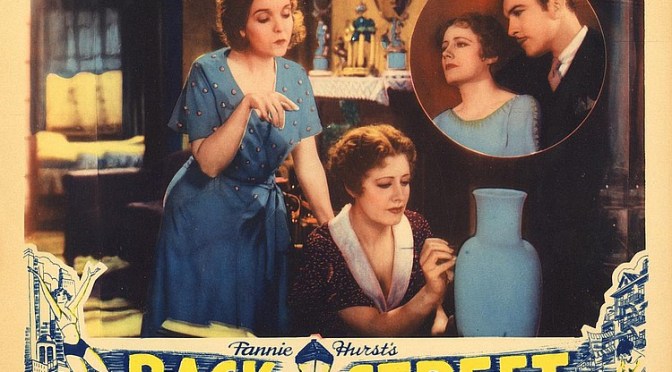
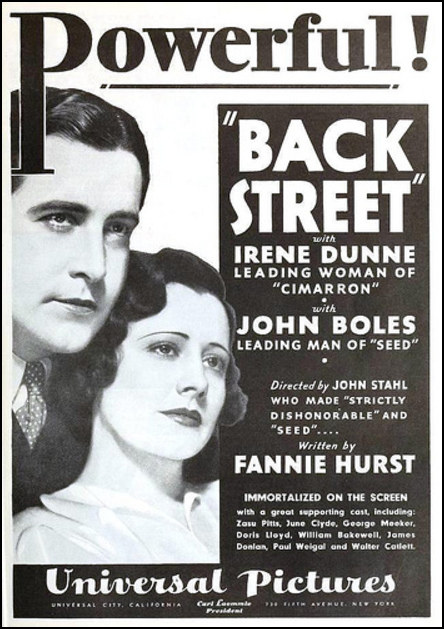
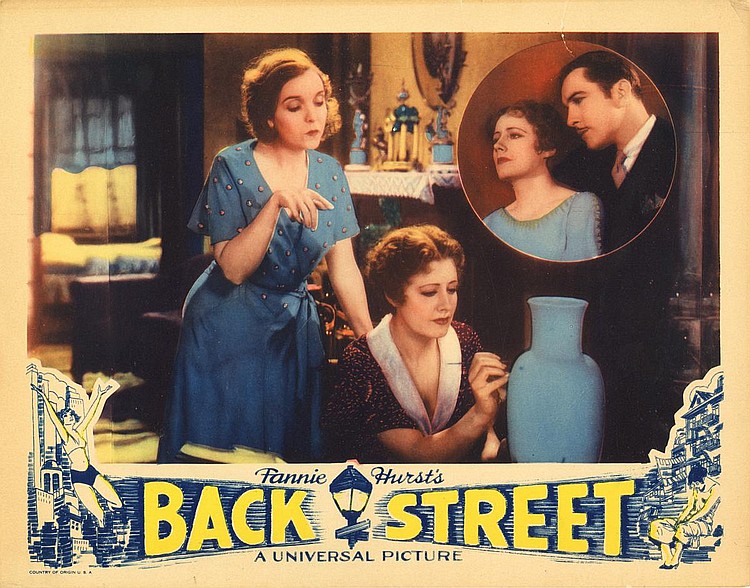
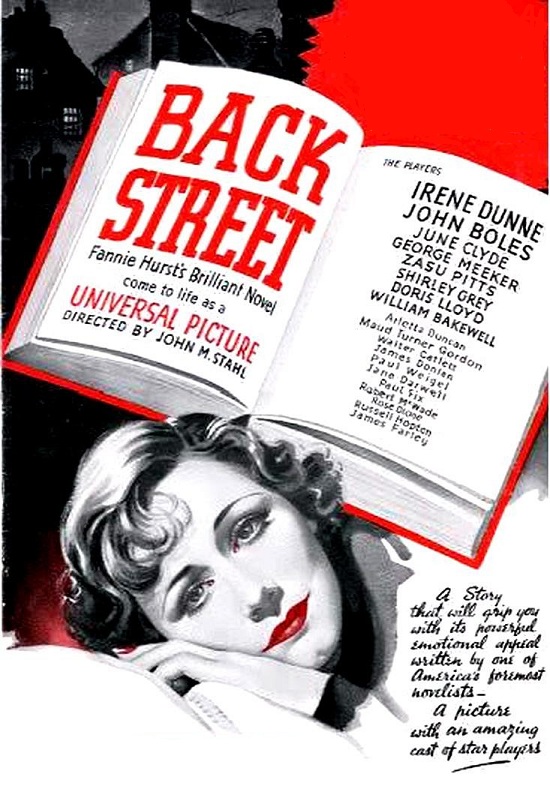
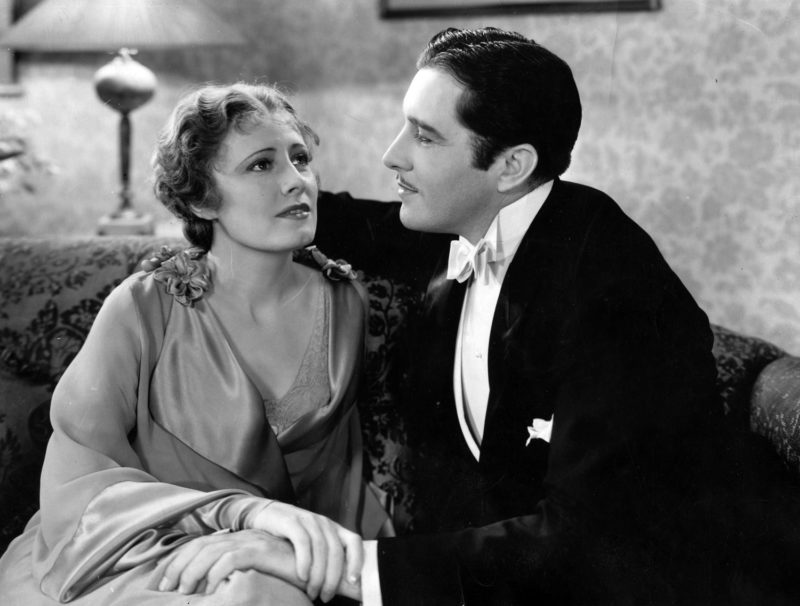
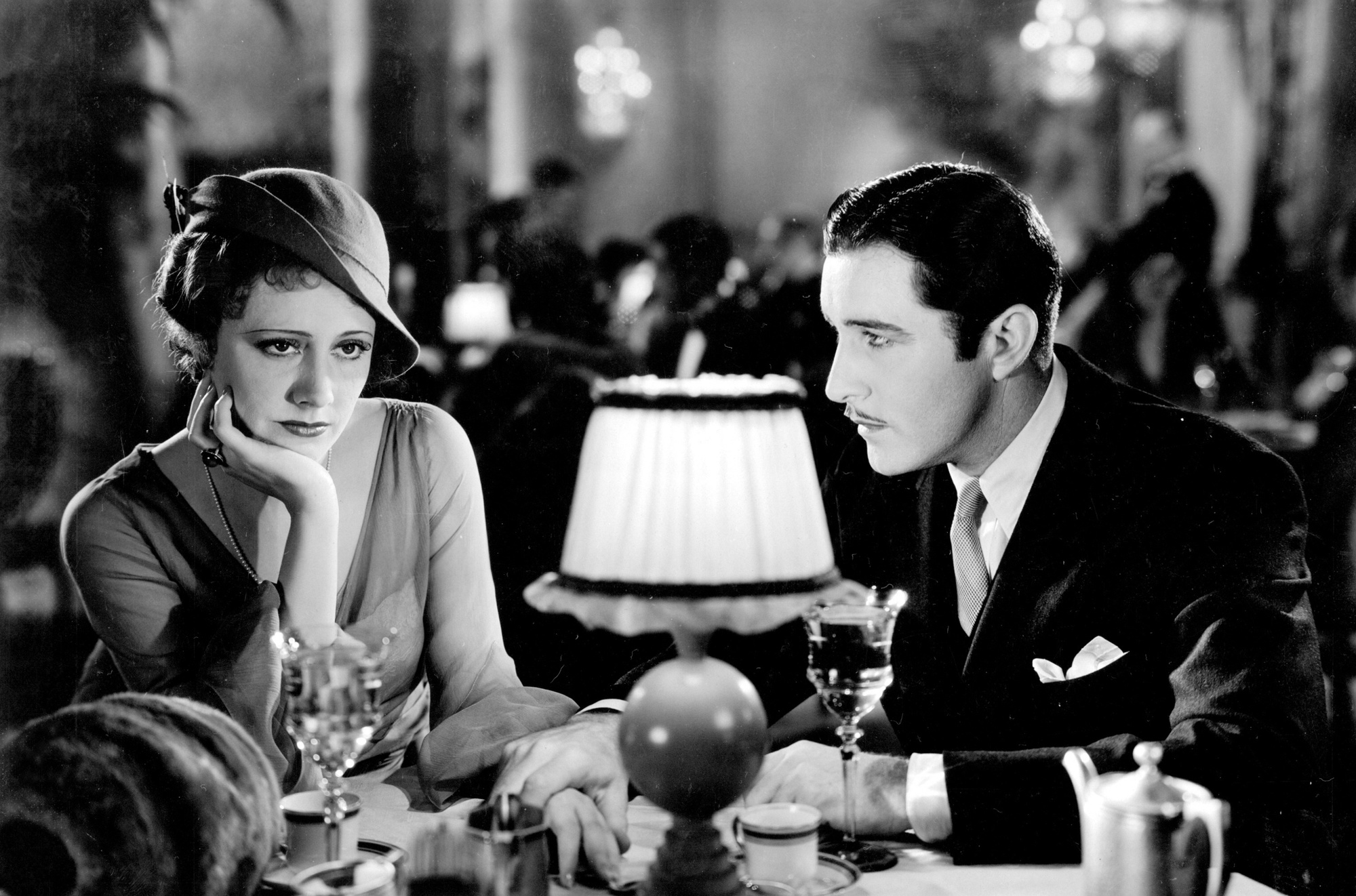
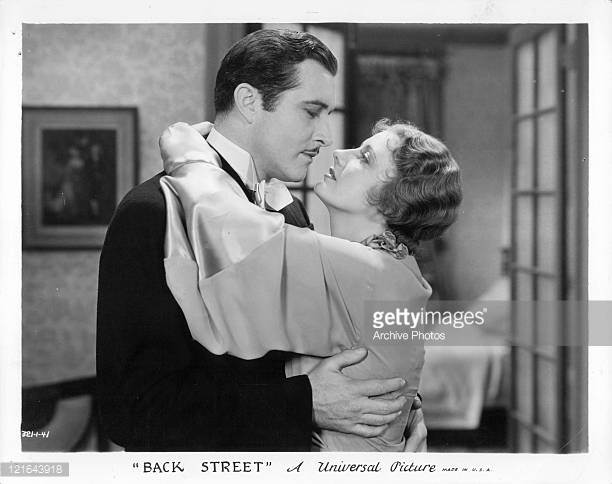
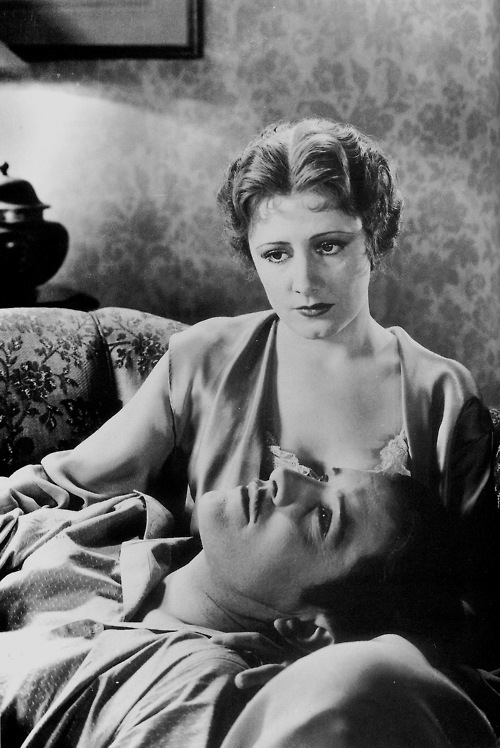
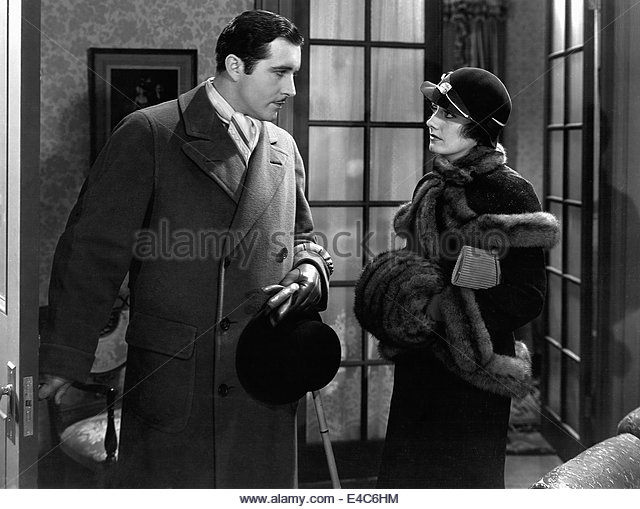
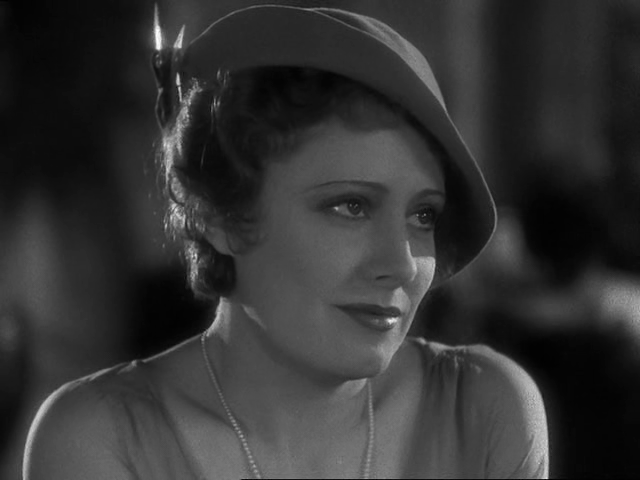
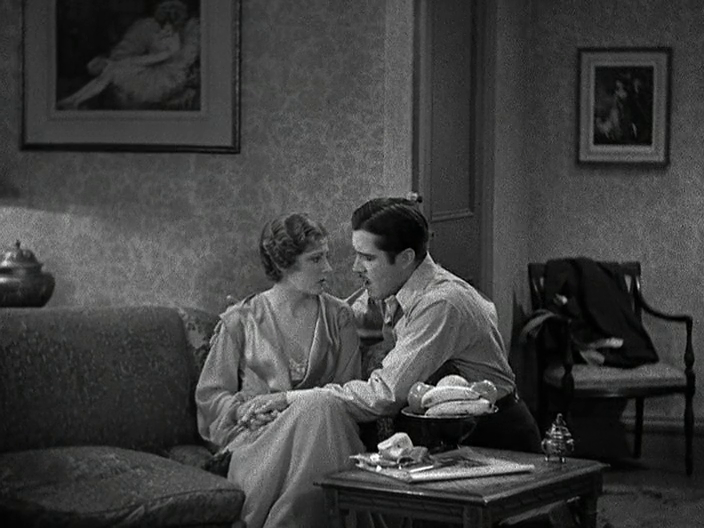
Back Street is a 1932 American Pre-Code drama film directed by John M. Stahl and starring Irene Dunne and John Boles.

Based on the best-selling novel of the same name by Fannie Hurst, it tells the story of a woman who spends her life as the secret mistress of a wealthy married man.

This was the first of three film versions of Hurst’s novel; remakes were released in 1941 and 1961.

Back Street 4

Plot

In early 1900s Cincinnati, young and beautiful Ray Schmidt (Irene Dunne) works in her father’s shop by day and stays out late drinking beer and dancing with various men by night, although her stepmother disapproves. Ray dates for fun, mostly going out with traveling salesmen passing through town, and neither she nor her dates are interested in any permanent attachment. An exception is Kurt Shendler, who owns a bicycle shop near Mr. Schmidt’s shop and aspires to get into the automobile business. Kurt is in love with Ray and asks her to marry him, but she refuses because while she likes Kurt, she doesn’t return his romantic feelings.

Back Street 7

While visiting the train station with Kurt, Ray meets Walter Saxel (John Boles) and the two fall for each other at first sight. Walter soon confesses to Ray that he is actually engaged to another woman in town, Corinne, who comes from a wealthy background and whose mother is friends with his own mother. Nevertheless he has fallen in love with Ray, and asks her to meet him at a local band concert that he will be attending with his mother.

Walter hopes to introduce Ray to his mother and perhaps get her approval of the relationship. On the day of the concert, Ray is late arriving because her younger half-sister Freda is suicidal over her boyfriend, Hugo, leaving town. Freda begs Ray to go after Hugo and stop him, threatening to throw herself out a window if Ray does not help.

Back Street 6

By the time Ray has dealt with Freda’s situation and gotten to the concert, it is over, and Ray cannot find Walter or his mother in the departing crowds. Walter, thinking she stood him up, writes her an angry letter and marries Corinne.

Several years later, Walter, now a rising young financier on Wall Street, runs into Ray who is single and working in New York City. The two renew their acquaintance and realize they still love each other, although Walter is still married and has two children. Walter sets Ray up in an inexpensive apartment and gets her to give up her job so she will be free to see him when he has time.

Back Street 10

However, his work, family and social commitments sometimes keep him away for long periods of time, causing Ray to feel lonely and isolated. After Walter takes an extended trip to Europe with his wife, leaving Ray alone with insufficient money to live on, she breaks up with him and accepts a proposal from Kurt, who has become a rich automobile manufacturer. Walter goes to Cincinnati to convince her not to marry Kurt and they resume their previous relationship.

Years pass, and Walter has become a wealthy and prominent financier. When he travels he now brings Ray along, although they must keep their relationship hidden and avoid being seen in public together, meaning Ray spends much of her time alone. Ray is the target of gossip and is hated by Walter’s adult children, who regard Ray as a gold digger.

Back Street 11

Walter’s son Dick tells Ray to get out of his family’s life, but his father Walter walks in on the conversation and tells his son to be more understanding or at least to mind his own business. That night, Walter suffers a massive stroke and dies shortly thereafter. Just before Walter dies, he asks Dick to telephone Ray’s number and hears her voice over the phone one last time.

Dick, who now understands his father’s feelings for Ray, goes to see her and offers to continue to support her. He finds her distraught over Walter’s death and also learns that his father had been paying her only a very small amount per month, thus proving that she stayed in the relationship for love, not money. After Dick leaves, Ray dies looking at Walter’s picture.

Back Street 12

Cast

Back Street 8

Back Street 9

Back Street 5

Film Collectors Corner

Watch Back Street Now – You Tube Instant Video

Blu Ray

Not released on Blu Ray

DVD

Sunnyside Up (1929)


Pre Code Logo 1

Pre Code Hollywood Season: FD Cinematheque

Sunnyside Up (1929)

Sunnyside Up 1

Director: David Butler

Cast: Janet Gaynor, Charles Farrell, Marjorie White, El Brendel, Mary Forbes, Peter Gawthorne, Sharon Lynn, Frank Richardson, Joe Brown, Henry Armetta, Sherwood Bailey, Jay Berger 

121 min

Sunnyside Up 11

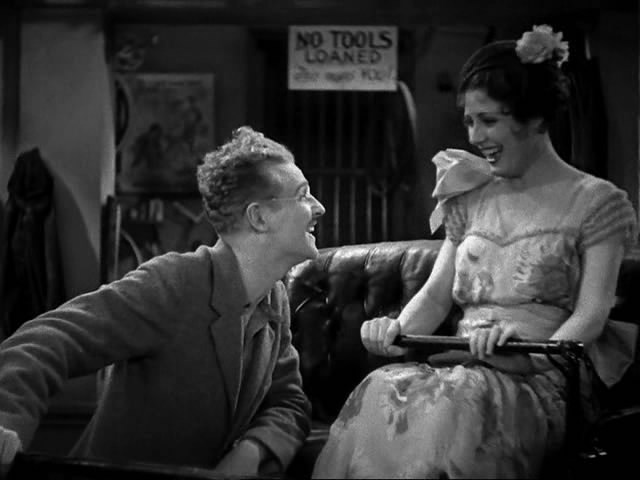
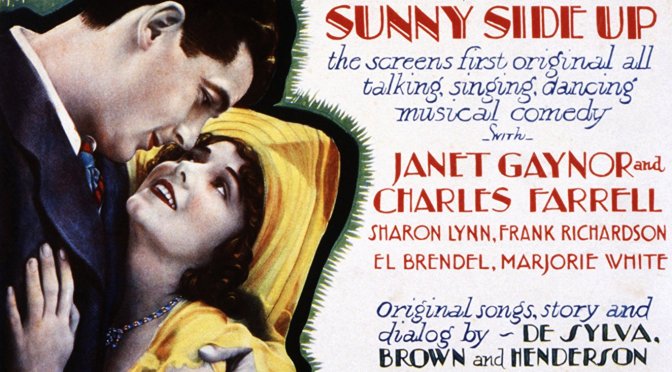
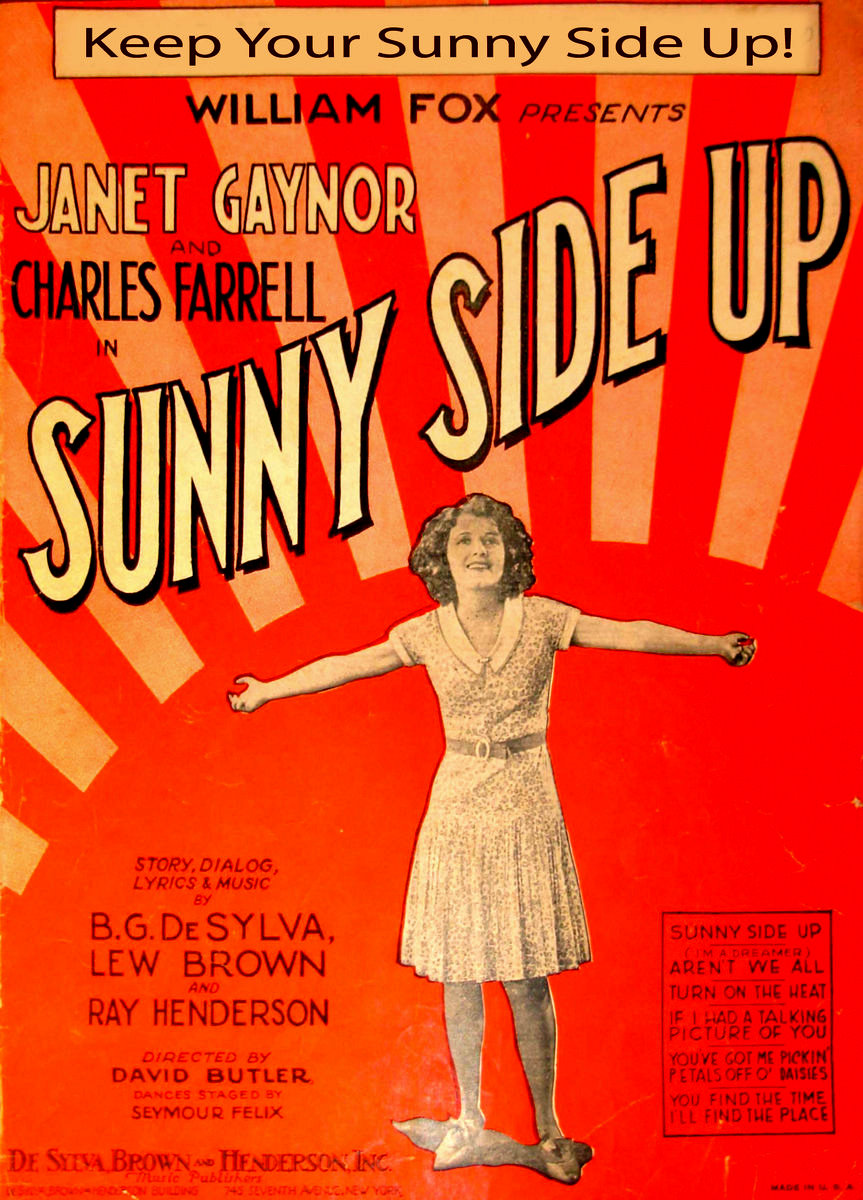
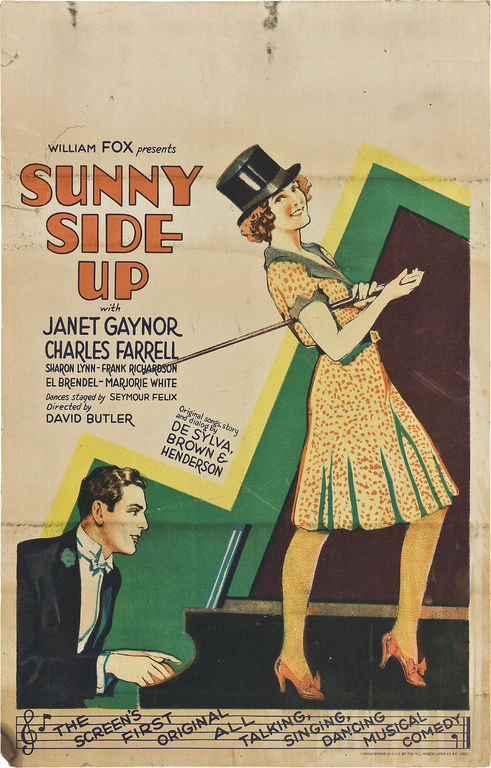
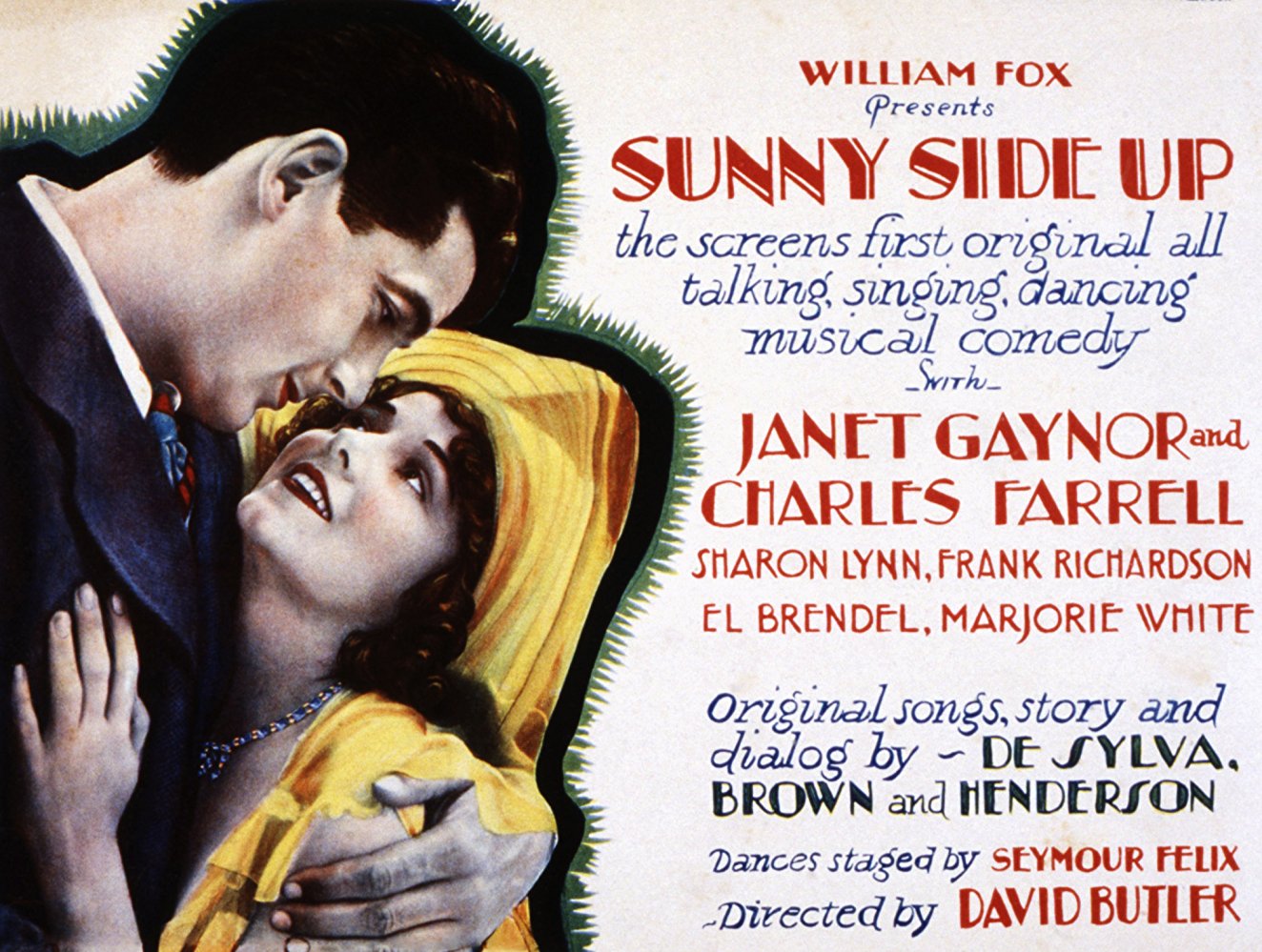
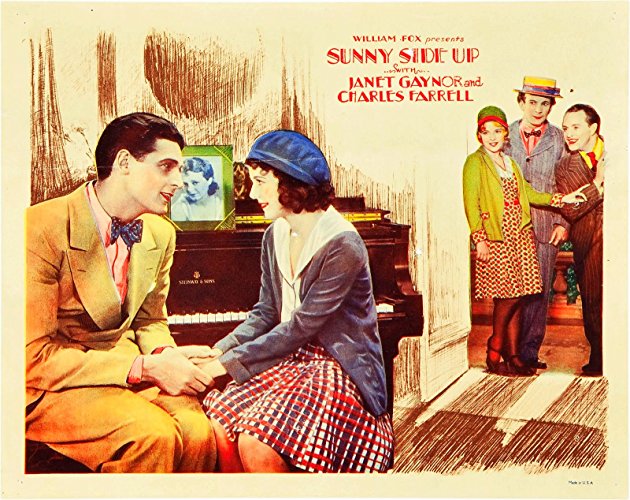
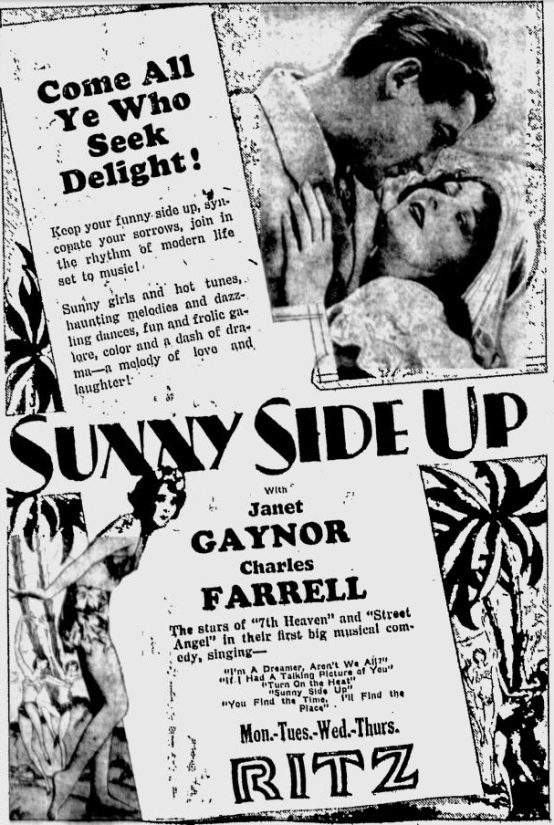
Sunny Side Up is a 1929 American Pre-Code Fox Movietone musical film starring Janet Gaynor and Charles Farrell, with original songs, story, and dialogue by B. G. DeSylvaLew Brown and Ray Henderson. The romantic comedy/musical premiered on October 3, 1929 at the Gaiety Theatre in New York City.[3] The film was directed by David Butler, had (now-lost) Multicolor sequences, and a running time of 121 minutes.

Sunnyside Up 2

Plot

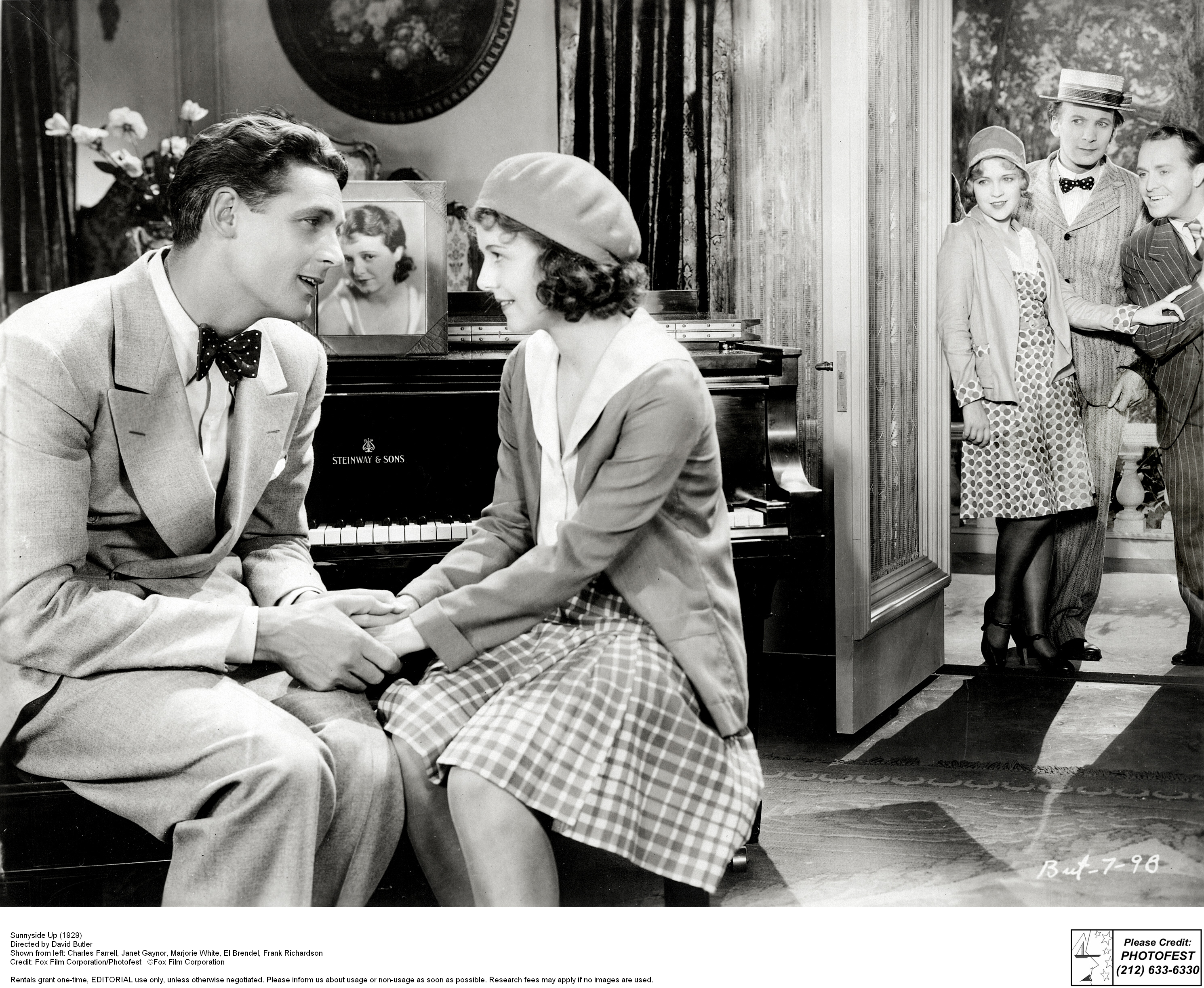
The film centres around a Will-they won’t-they romance. Wealthy Jack Cromwell from Long Island runs off to New York City on account of his fiancee‘s relentless flirting. He attends an Independence Dayblock party where Molly Carr, from Yorkville, Manhattan, falls in love with him.
Sunnyside Up 3
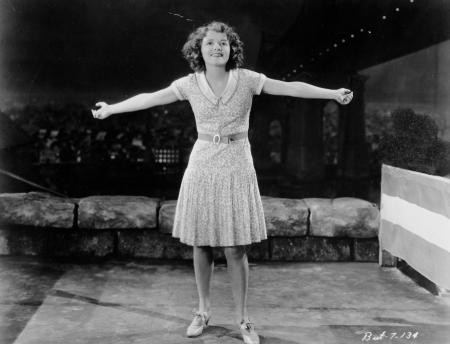
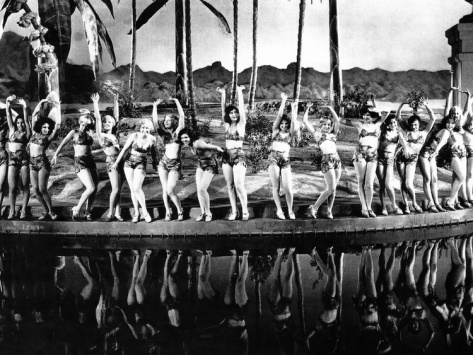
Comic relief is provided by grocer Eric Swenson (El Brendel), above whose shop Molly and her flatmate, Bea Nichols (Marjorie White), live.[3][4] Gaynor performs a charming singing and dancing version of the song “(Keep Your) Sunny Side Up” for a crowd of her neighbors, complete with top hat and cane. Later in the film, a lavish pre-Code dance sequence for the song “Turn on the Heat,” including scantily clad and gyrating island women enticing bananas on trees to abruptly grow and stiffen, with the graphic metaphor lost on no one, occurs without Gaynor’s participation.

Gaynor and Farrell made almost a dozen films together, including Frank Borzage‘s classics Seventh Heaven (1927), Street Angel (1928), and Lucky Star (1929). Gaynor won the first Academy Award for Best Actress for the first two and F. W. Murnau’s Sunrise.

Sunnyside Up 4

Cast

Sunnyside Up 5

Reception

The Times and The New York Times both express the opinion that the film, and the singing voices of Gaynor and Farrell, are all tolerable if not exactly worthy of praise. Despite the sugary sentimentality, the film is engaging, while the cinematography and special effects are impressive.[3][4]

Footage from Sunny Side Up was included in the comedy film It Came from Hollywood, which parodied B movies.[5]

Sunnyside Up 7
The film is recognized by American Film Institute in these lists:

Music

I’m A Dreamer, Aren’t We All?

Several times throughout the film Gaynor sings the tune “I’m a Dreamer, Aren’t We All?” and, on one occasion, sings it impressively, according to the New York Times.[3] The credits are: words, De Sylva & Brown; music, Ray Henderson.

Sunnyside Up 9

The song was punned by the Marx Brothers in the film Animal Crackers (1930). Groucho asks his brother to “play the song about Montreal“. Chico asks, “Montreal?, and Groucho replies, “I’m a dreamer, Montreal.” The pun has been much-recycled [7] not least in Stewart Parker‘s award-winning play I’m a Dreamer, Montreal.

An early popular recording was by Paul Whiteman and His Orchestra on October 16, 1929 with a vocal group including Bing Crosby[8] and this reached the charts in 1929.[9] The tune was also recorded by John Coltrane in 1958 [10] and included on his album Bahia (1964).

Sunnyside Up 10

Turn on the Heat

Another song in the film. This one would be used in the Pooch the Pup cartoon Hot and Cold (1933).[11]

(Keep Your) Sunny Side Up

Another song in the film that would later be used as the theme song to the 1988 British sitcom Clarence.

In the 1950s, the song was used as the theme song for Sunnyside Up, a variety program produced by HSV-7 (a television station in Melbourne, Australia_. The song’s melody was later adapted by the Essendon Football Club for its club song, “See the Bombers Fly Up”, written by Kevin Andrews in 1959.[12]

Sunnyside Up 12

See also

References

  1. Jump up^ Quigley Publishing Company “The All Time Best Sellers”, International Motion Picture Almanac 1937-38 (1938) p 942 accessed April 19, 2014
  2. Jump up^ “WHICH CINEMA FILMS HAVE EARNED THE MOST MONEY SINCE 1914?”The Argus (Melbourne, Vic.: 1848-1956). Melbourne, Vic.: National Library of Australia. March 4, 1944. p. 3 Supplement: The Argus Weekend magazine. Retrieved August 6, 2012.
  3. Jump up to:a b c d NY Times October 4, 1929 Movie Review
  4. Jump up to:a b The Times, December 30, 1929, New Gallery Cinema “Sunny Side Up”
  5. Jump up^ “Collage of 10 worst films now a movie of its own”, Lodi News-Sentinel, November 25, 1982. (p.8).
  6. Jump up^ “AFI’s Greatest Movie Musicals Nominees” (PDF). Retrieved 2016-08-13.
  7. Jump up^ Glenn Mitchell, The Marx Brothers encyclopedia (Reynolds & Hearn, 2003) ISBN 1-903111-49-8
  8. Jump up^ “A Bing Crosby Discography”BING magazine. International Club Crosby. Retrieved August 30, 2017.

  9. Jump up^ Whitburn, Joel (1986). Joel Whitburn’s Pop Memories 1890-1954. Wisconsin, USA: Record Research Inc. p. 452. ISBN 0-89820-083-0.
  10. Jump up^ The Complete Prestige Recordings
  11. Jump up^ “The Walter Lantz Cartune Encyclopedia: 1933”. The Walter Lantz Cartune Encyclopedia. Retrieved 2011-10-31.
  12. Jump up^ History behind every AFl club theme song

Sunnyside Up 13

Sunnyside Up 14

Sunnyside Up 15

Sunnyside Up 8


Film Collectors Corner

Watch Sunnyside Up Now – You Tube Instant Video


Blu Ray

Not released on Blu Ray


DVD

Not released on DVD

Discarded Lovers (1933)


Pre Code Logo 1

Pre Code Hollywood Season: FD Cinematheque

Discarded Lovers (1932)

Discarded Lovers 1

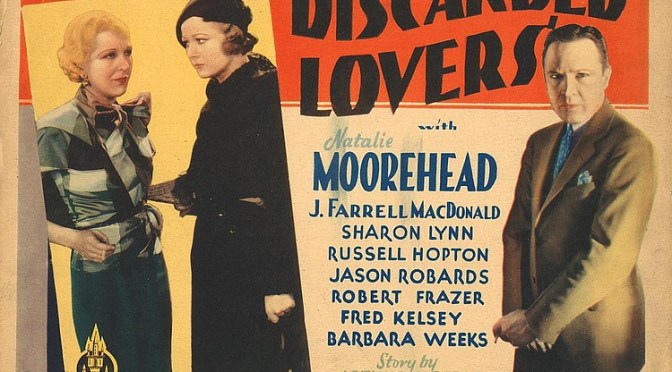
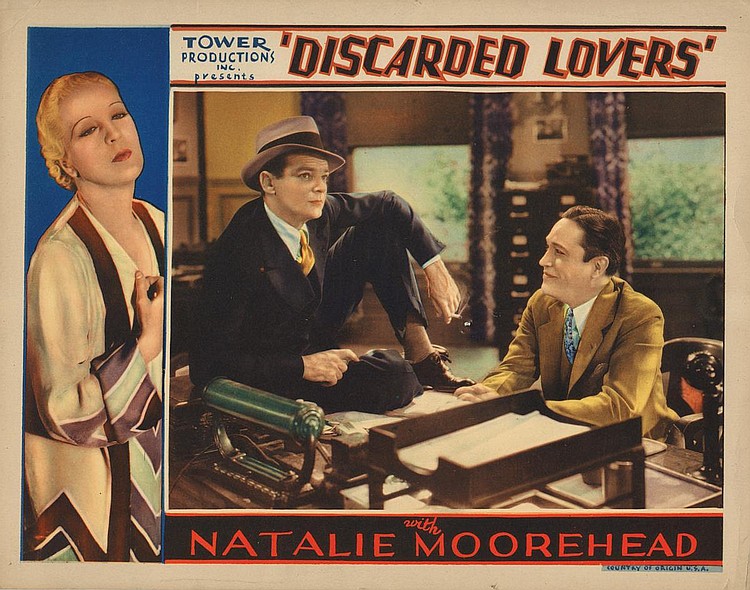
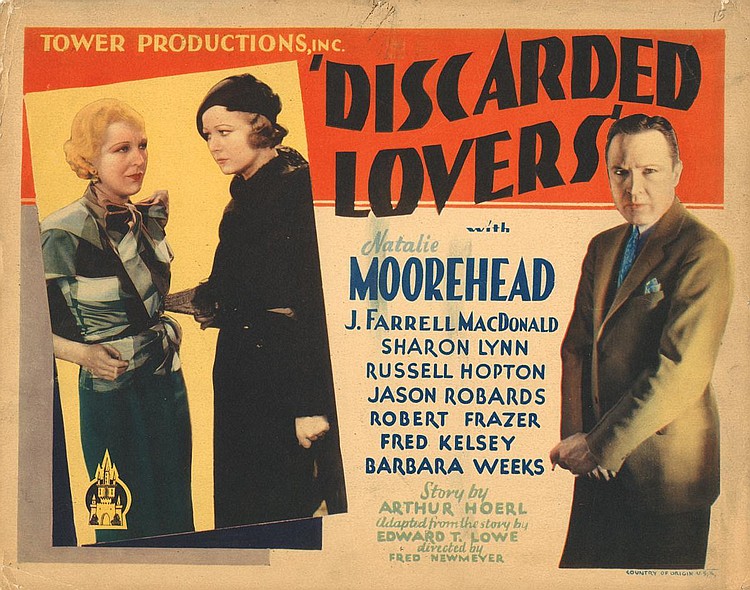
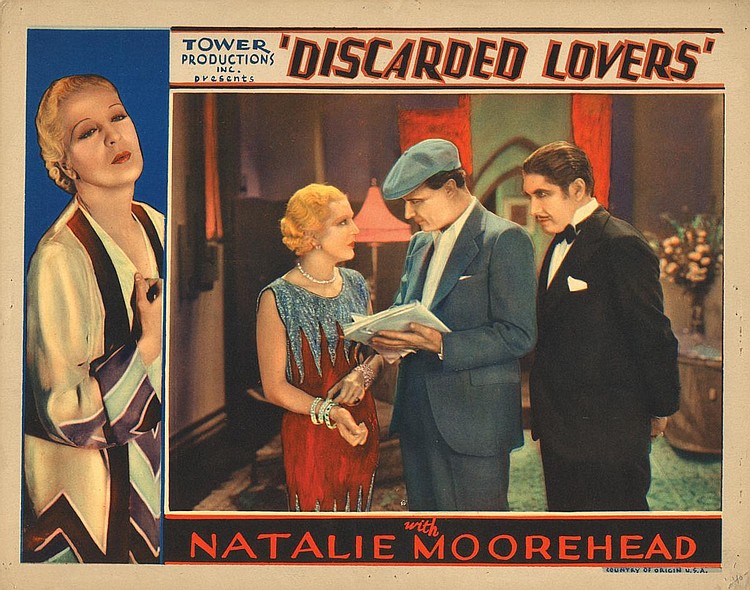
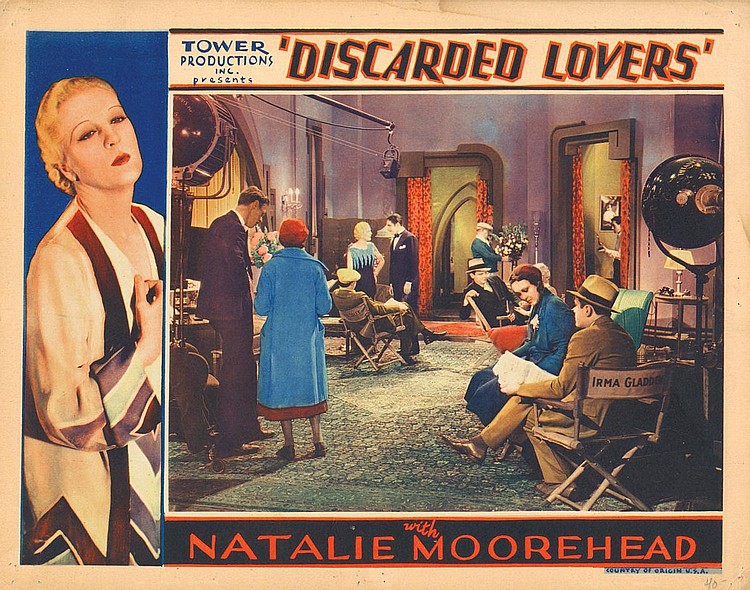
Discarded Lovers is a 1932 American Pre-Code mystery film directed by Fred C. Newmeyer.

Plot summary

Discarded Lovers is a murder mystery. Early in the film a blonde bombshell movie star is murdered and her body is found in a car.

She had just finished doing the last and final scenes in a film. Irma Gladden was a sexy blonde bombshell who was having many tangled romantic affairs. She was loose and easy. In solving the murder there are the usual friends, police, reporters and employees who administer their help to the police captain and the police sergeant.

In this whodunit suspects abound and include Irma’s husband, a jealous wife, a boy friend and an ex-husband.

Discarded Lovers 2

Cast

Discarded Lovers 3

Discarded Lovers 5

Discarded Lovers 7

Film Collectors Corner

Watch Discarded Lovers Now – You Tube Instant Video

Blu Ray

Not released on Blu Ray

DVD

Double Harness (1933)


Pre Code Logo 1

Pre Code Hollywood Season: FD Cinematheque

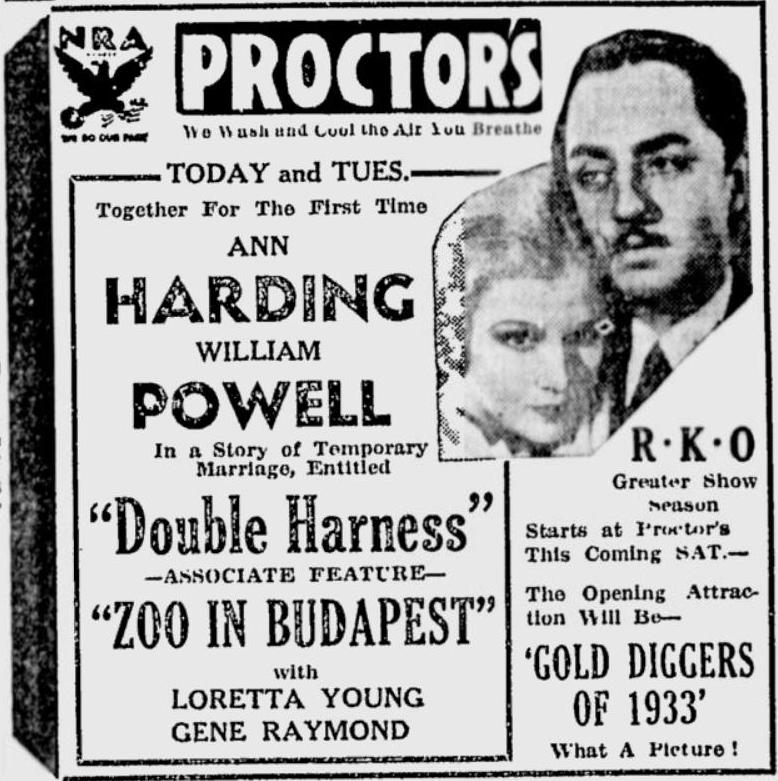
Double Harness (1933)

Double Harness  1.jpg

Director: John Cromwell

Cast: Ann Harding, William Powell, Lucille Browne, Henry Stephenson, Lilian Bond, George Meeker, Reginald Owen, Kay Hammond, Leigh Allen, Irving Bacon, Lila Chevret, Wong Chung, Jean Malin

69 min 

Double Harness 4

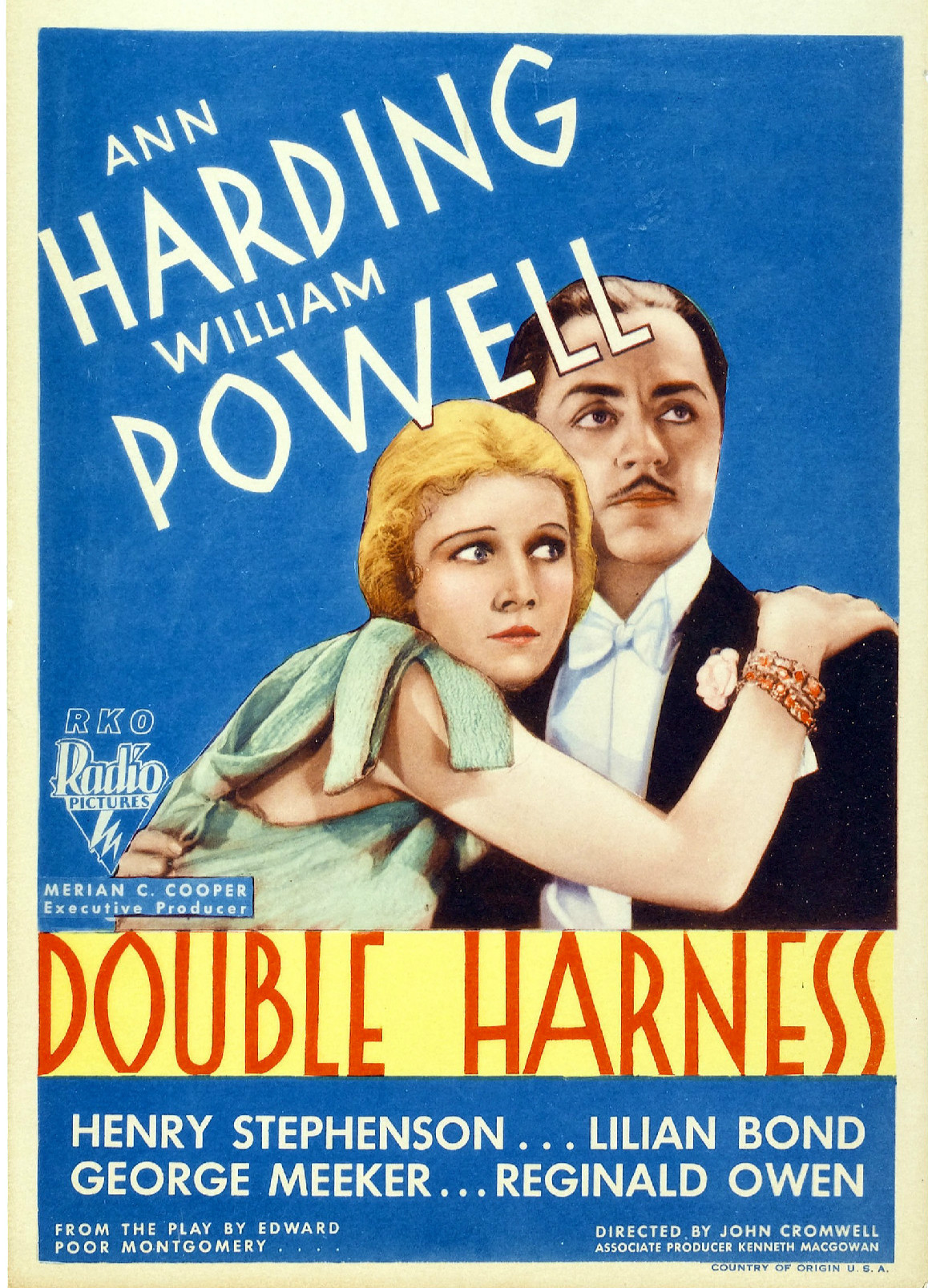
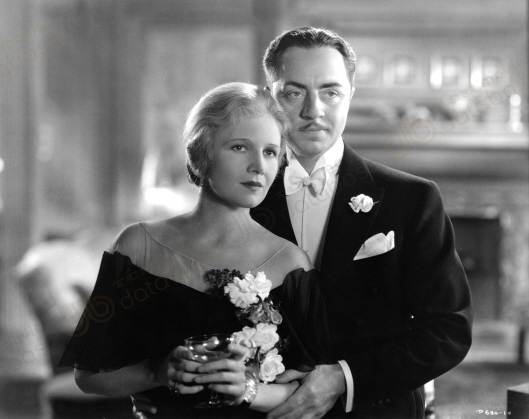
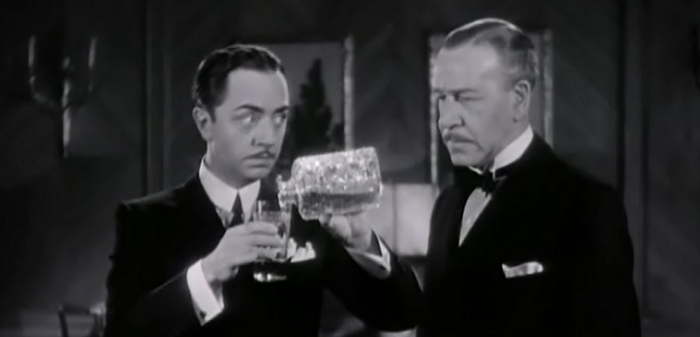
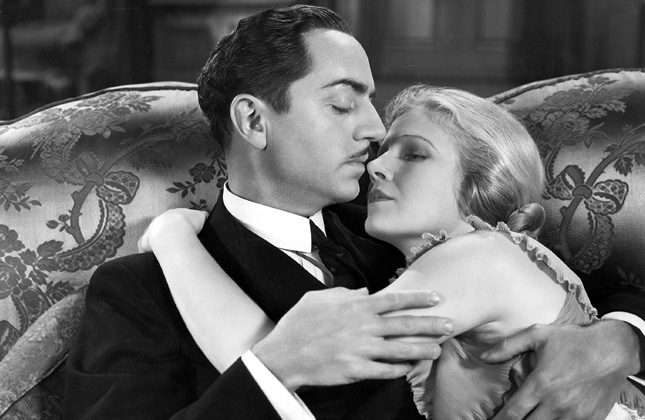
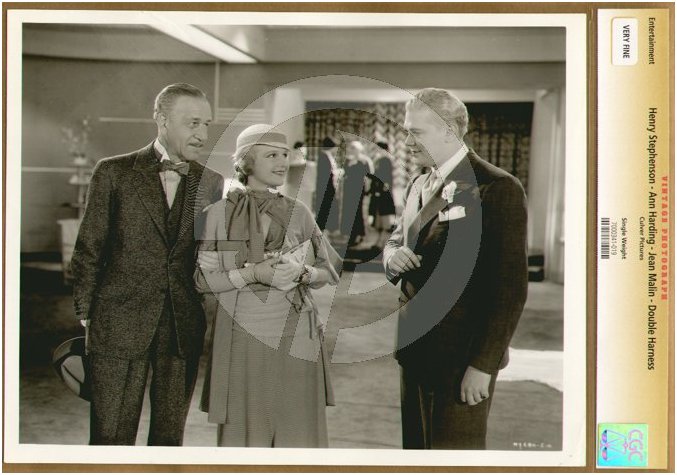
Double Harness (1933) is an American Pre-Code film starring Ann Harding and William Powell. It was based on the play of the same name by Edward Poor Montgomery. A young woman maneuvers a lazy playboy into marrying her.

This was one of several films, all produced by Merian C. Cooper at RKO, that were out of distribution for more than 50 years as a result of a legal settlement that gave Cooper complete ownership of the films. Turner Classic Movies eventually acquired the rights to the films.

Plot

When spoiled younger sister Valerie Colby (Lucile Browne) becomes engaged to be married to Dennis Moore (George Meeker), a more level-headed Joan (Ann Harding) decides to do the same, not because she is in love, but in order to make something of herself. She chooses unambitious, wealthy playboy John Fletcher (William Powell), who owns a troubled shipping line.

She eventually spends the night in his apartment. To Joan’s annoyance, over the following months, she finds herself falling in love. When John shows no interest in marrying her, Joan forces the issue. She arranges for her father, Colonel Sam Colby (Henry Stephenson), to find them in a compromising position. John graciously agrees to do the honorable thing and marry Joan. However, on their honeymoon cruise, he lets her know that he expects her to grant him a divorce after a decent interval. They settle on six months.

Double Harness 2

Joan prods her husband into taking an interest in his family business. To his surprise, he finds that he enjoys it. As the new Postmaster General (Wallis Clark) is a good friend of her father’s, Joan invites him to dinner, hoping to land a government contract for John’s company.

Meanwhile, Valerie goes into debt due to her extravagant spending habits and borrows from her big sister over and over again. Joan gives Valerie all she can afford without touching John’s money. Finally, she pawns a ring for half the latest sum Valerie needs, but tells her that it is the last time.

Double Harness 3

That same day, John finally realizes that he loves his wife. However, when he goes home, Valerie goes to John behind Joan’s back and cons him into giving her a check. Joan finds out and tears up the check. In her anger, Valerie blurts out how Joan trapped John into marriage.

Disillusioned, he turns to his former paramour, Mrs. Monica Page (Lilian Bond). Joan follows them to Monica’s apartment and confesses all, including the fact that she has fallen in love with him, to no avail. She then tries to salvage her dinner party. To her delight, John shows up and makes it clear that he believes and forgives her.

Double Harness 6

Cast

Double Harness 5

Preservation status

This is one of the “lost RKO films” owned by Merian C. Cooper and only re-released in April 2007 when Turner Classic Movies acquired the rights and showed all six films on TCM.

Cooper accused RKO of not paying him all the money contractually due for the films he produced in the 1930s. A settlement was reached in 1946, giving Cooper complete ownership of six RKO titles:

Double Harness 7

According to an interview with a retired RKO executive, shown as a promo on TCM, Cooper withdrew the films, only allowing them to be shown on television in 1955–1956 in New York City.

TCM, which had acquired the rights to the six films after extensive legal negotiations, broadcast them on TCM in April 2007, their first full public exhibition in over 70 years. TCM, in association with the Library of Congress and the Brigham Young University Motion Picture Archive, had searched many film archives throughout the world to find copies of the films in order to create new 35mm prints.[2][3][4]

Double Harness 8

Reception

According to RKO records, the film made $10,000 in profit.[1]

References

  1. Jump up to:a b c Richard Jewel, ‘RKO Film Grosses: 1931-1951’, Historical Journal of Film Radio and Television, Vol 14 No 1, 1994 p39
  2. Jump up^ Fristoe, Roger. “Rafter Romance” (TCM article)
  3. Jump up^ Osborne, RobertTurner Classic Movies broadcast on April 4 and 11, 2007.
  4. Jump up^ Eder, Bruce “Rafter Romance” (AMG review)

Double Harness 9

Double Harness 10

Film Collectors Corner

Watch Double Harness Now – You Tube Instant Video

Blu Ray

Not released on Blu Ray


DVD


Once in A Lifetime (1932)


Pre Code Logo 1

Pre Code Hollywood Season: FD Cinematheque

Once In A Lifetime (1932)

Once in A Lifetime  1.jpg

Director: Russell Mack

Cast: Jack Oakie, Sidney Fox, Aline MacMahon, Russell Hopton, Louise Fazenda, Zasu Pitts, Gregory Ratoff, Jobyna Howland, Onslow Stevens, Gregory Gaye, Frank LaRue, Walter Brennan, Alan Ladd

91 min

Once in a Lifetime is a 1932 American pre-Code comedy film based on Once in a Lifetime by George S. Kaufman and Moss Hart.[1] The film was produced and distributed by Universal Pictures, directed by Russell Mack and stars Jack OakieSidney Fox and Aline MacMahon.[2]

It is preserved at the Library of Congress.[3]

Plot

Once in A Lifetime  2.jpg

The immense success of The Jazz Singer, the first all-talking picture, results in the cancellation of a booking for three song-and-dance vaudeville performers: Jerry Hyland, May Daniels and George Lewis. Jerry, convinced that talkies are the future, decides they will head to Hollywood to break into the fledgling movie industry before others get the same notion.

May comes up with the idea to open a school of elocution to teach actors how to speak on film. On the train there, May encounters an old friend, Helen Hobart, an influential, nationally syndicated columnist. She offers to put them in touch with Herman Glogauer, the head of a major movie studio. George is smitten with another passenger, aspiring young actress Susan Walker.

They discover the movie world to be an eccentric place. George is unexpectedly appointed by Glogauer as supervisor of production, allowing him to promote Susan’s career. Despite his incompetence (or rather because of it), his first picture turns out to be a critical and commercial smash hit, and Susan becomes a star.

Later, a very persuasive salesman gets George to buy 2000 airplanes, which causes Glogauer to fire him. However, air movies become very popular, and George has inadvertently cornered the market. The other studios are desperate to get airplanes from Glogauer at any price, and George is once again considered a genius.

Once in A Lifetime  4.jpg

Cast

Once in A Lifetime 4

Reception

Mordaunt Hall, film critic of The New York Times, gave the film a favorable review, calling it a “merry diversion”.[1] He praised all the main performers, as well as ZaSu Pitts as the studio’s obtuse receptionist.[1]

References

  1. Jump up to:a b c Mordaunt Hall (October 29, 1932). “Jack Oakie, Aline MacMahon and Others in a Film of the Hart-Kaufman Satire on Hollywood.”The New York Times.
  2. Jump up^ The American Film Institute Catalog Feature Films: 1931-40 by The American Film Institute, c.1993
  3. Jump up^ Catalog of Feature Films The American Film Institute Collection and The United Artists Collection at The Library of Congress by The American Film Institute, c.1978

Once in A Lifetime 6


Film Collectors Corner

Watch Once In A Lifetime Now – You Tube Instant Video


Blu Ray

Not released on Blu Ray


DVD

Not released on DVD

Her Man (1930)


Pre Code Logo 1

Pre Code Hollywood Season: FD Cinematheque

Her Man (1930)

Her Man 1

Director: Tay Garnett

Cast: Helen Twelvetrees, Phillips Holmes, Marjorie Rambeau, James Gleason, Ricardo Cortez, Harry Sweet, Thelma Todd, Hank Mann, Slim Summerville, Franklin Pangborn, Stanley Fields 

85 min

Her Man 3

Her Man is a 1930 American pre-Code drama film produced and distributed by Pathé Exchange and directed by Tay Garnett.[1] It starred Phillips HolmesHelen Twelvetrees and Marjorie Rambeau. The film is a slightly disguised version of the stage play Frankie and Johnny.[2]

At least one copy is preserved at the Library of Congress.[3] The original camera negative has been scanned and restored at 4K resolution by Sony Pictures Entertainment, in partnership with the Film Foundation and RT features.

Her Man 2

Plot

At the Thalia, a dancehall in Havana, Frankie, a showgirl, takes the part of Annie, who has been compelled to return to Havana from the States.

She gets into an altercation with a patron who accuses her of stealing his bankroll, but Johnnie, her “business” partner, arrives in time to protect her. Red, another rival for her love, quarrels with Johnnie and is killed in the ensuing struggle, witnessed only by Annie. Later, Frankie is attracted by the singing of Dan Keefe, a sailor, on a spree with his buddies, who protects her; she tells him of her longing to quit the life she is leading. Although disgusted with her double-dealing,

Dan stays behind and takes Frankie to church for the first time. She confesses that she loves him and plans to elope with him to the States. Johnnie and his henchmen plot to kill Dan, but Johnnie is accidentally killed; Frankie and Dan escape and sail to their happiness.

Her Man 5

Cast

Her Man 4

References

  1. The AFI Catalog of Feature Films:Her Man Retrieved June 4, 2015
  2. Jump up^ Frankie and Johnny on Broadway September 25, 1930(opening), Republic Theatre; IBDb.com
  3. Jump up^ Catalog of Holdings The American Film Institute Collection and The United Artists Collection at The Library of Congress p.78 c.1978 by The AFI


Her Man 7

Her Man 6

Her Man 10

Her Man 11

Her Man 9

Her Man 12

Her Man 8


Film Collectors Corner

Watch Her Man Now – You Tube Instant Video


Blu Ray

Not released on Blu Ray 


DVD

Not released on DVD


Big News (1929)


Pre Code Logo 1

Pre Code Hollywood Season: FD Cinematheque

Big News (1929)

Big News 2

Director: Gregory La Cava

Cast: Robert Armstrong, Carole Lombard, Louis Payne, Wade Boteler, Charles Sellon, Sam Hardy, Tom Kennedy, Warner Richmond,  Helen Ainsworth, Herbert Clark, George Gabby Hayes, Vernon Steele, Lew Ayres, Lynton Brent

75 min

Big News 4

Big News is a 1929 American pre-Code film directed by Gregory La Cava, released by Pathé Exchange, and starring Robert Armstrong and Carole Lombard, billed as “Carol Lombard”.

Cast

Big News 6

Plot

Steve Banks (Armstrong) is a hard-drinking newspaper reporter. His wife Margaret (Lombard), a reporter for a rival paper, threatens to divorce him if he doesn’t quit the drinking that is compromising his career. Steve pursues a story about drug dealers even when his editor fires him. When the editor is murdered, Steve is accused of the killing.

Preservation status

The film exists in a 16mm reduction print.[1]

References

Big News 8

Big News 7

Big News 9

Film Collectors Corner

Watch Big News Now – Amazon Instant Video

Blu Ray

Not released on Blu Ray

DVD

High Voltage (1929)


Pre Code Logo 1

Pre Code Hollywood Season: FD Cinematheque

High Voltage (1929)

High Voltage 6

Director: Howard Higgin

Cast: Carole Lombard, William Boyd, Diane Ellis, Owen Moore, Phillips Smalley, Billy Bevan

63 min

High Voltage 2

High Voltage (1929) is an American pre-Code film produced by Pathé Exchange and directed by Howard Higgin.

The film stars William Boyd, Diane Ellis, Owen Moore, Phillips Smalley, Billy Bevan, and Carole Lombard in her feature-length “talkie” debut, billed as “Carol Lombard.”

This film is in the public domain.

High Voltage 4

Plot

The film begins with a bus driving along a snow-covered roadway in the Sierra Nevada between Nevada City, California, and Reno, Nevada.

Soon the vehicle gets hopelessly stuck in deep snow forty miles from the nearest town.

Needing shelter, the driver “Gus” (Billy Bevan) and his four passengers find refuge in an isolated one-room log church. The passengers include “Billie” (Carole Lombard), who is an escaped criminal being escorted back to jail in New York by a deputy sheriff, “Dan Egan” (Owen Moore); a young woman, “The Kid,” (Diane Ellis) on her way to Chicago to meet her boyfriend; and “Hickerson,” a pompous, ill-tempered banker. In the church the group finds “Bill” (William Boyd), a self-described “hobo,” who had found shelter there earlier. Tensions quickly arise in the group over their general plight, petty jealousies, and concerns about how six people are going to share the small supply of food that Bill had brought with him.

High Voltage 3

Tensions quickly arise in the group over their general plight, petty jealousies, and concerns about how six people are going to share the small supply of food that Bill had brought with him.

After a few days being stranded, the group sees a passing mail plane high in the sky. They try to attract the pilot’s attention, but he is too far away to see them. More days pass, and the group continues to ration their dwindling supplies and battle the subfreezing temperatures. To keep warm they begin to break up the church’s pews and other furnishings to use as firewood in the room’s potbelly stove.

The group’s desperation intensifies, as does a romance between Bill and Billie. Soon Bill confides to her that he too is a wanted criminal, a fugitive from Saint Paul, Minnesota. As conditions worsen, The Kid collapses from hunger and become delirious; and the church’s interior becomes almost bare as more furnishings–even the church’s pulpit and pump organ–are consigned to the stove. Bill and Billie finally commit to leaving to avoid being imprisoned if the group is somehow rescued. They quietly depart during the night, hoping to reach a ranger station ten miles away.

High Voltage 5

Everyone else is sleeping except Dan, the deputy sheriff, who sees the two leaving; but he does nothing to stop them. After walking a short distance through snowdrifts, Bill and Billie hear and then see a search plane slowly circling overhead at low altitude. Realizing that the others inside the church will not hear the plane’s engine, they rush back and awaken them. The group hurriedly builds a signal fire, which the plane’s pilot sees. He parachutes a box of provisions to them with a note saying that help will be sent immediately.

The next day the group sees a rescue party heading toward the church. While awaiting their rescuers, Dan observes Bill and Billie sitting together on the floor. From his coat pocket Dan pulls out Billie’s extradition papers and a “wanted” notice that includes a photograph of Bill and information about his being a fugitive from Saint Paul. Dan walks over to the stove, now cold from no fires, and tosses both papers into it. Bill and Billie see him discard the papers, and they look at one another. Bill then gets up, retrieves the papers from the stove, gives them back to Dan, and asks him to drop him off in Saint Paul on his way back to New York with Billie.

High Voltage 7

Cast

William Boyd as “The Boy” (Bill)

“Carol” Lombard as “The Girl” (Billie Davis)

Owen Moore as “The Detective” (Dan Egan)

Phillips Smalley as “The Banker” (J. Milton Hendrickson)

Billy Bevan as “The Driver” (Gus)

Diane Ellis as “The Kid”

High Voltage 8

Cast notes

  • The opening credits of High Voltage give Carole Lombard’s first name as “Carol,” her preferred spelling for her name up until that time. However, the year after the release of High Voltage she performed in Paramount Pictures‘ production Fast and Loose. In her credits for that film, the studio mistakenly added an “e” to Carol. Lombard liked the spelling, so she decided to keep “Carole” permanently as her screen name.
  • In the screen credits of High Voltage, Owen Moore’s character “Dan Egan” is identified as “The Detective”; but early in the film Dan shows Bill his badge, which actually identifies him as a New York deputy sheriff.
  • Diane Ellis, who portrays “The Kid” in High Voltage, would die tragically the year after her performance in this film. In October 1930, she married Stephen C. Millett, a fellow American, in Paris, France. While on their extended honeymoon in India, she contracted an infection and died a week later in Chennai (then Madras) on December 15, 1930, just five days before her twenty-first birthday.

High Voltage 9

References

  1. Jump up^ “High Voltage”. The New York Times.
  2. Jump up^ The AFI Catalog of Feature Films: High Voltage
  3. Jump up^ High Voltage, “Free Public Domain Movies” listing; May 23, 2008. iMovies. Retrieved March 10, 2017.
  4. Jump up^ Several full 63-minute copies of High Voltage are available for viewing on YouTube.
  5. Jump up^ In the opening minutes of the film, the exterior signage and route destinations displayed on the bus identify the storyline’s setting as the Sierra Nevada.
  6. Jump up^ Gehring, Wes D. (2003). Carole Lombard: The Hoosier Tornado. Indianapolis, Indiana Historical Society Press, 78-79. ISBN 978-0-87195-167-0.
  7. Jump up^ “William Boyd,”, Internet Movie Database (IMDb). Retrieved March 10, 2017.
  8. Jump up^ The full 63-minute film High Voltage is available for viewing on YouTube.
  9. Jump up^ “Diane Ellis,” IMDb. Retrieved March 10, 2017.
  10. Jump up^ “Diane Ellis,” Redirectify. Retrieved March 10, 2017.

High Voltage 10

High Voltage 12

High Voltage 13

High Voltage 12

Film Collectors Corner

Watch High Voltage Now – You Tube Instant Video

Blu Ray

Not released on Blu Ray

DVD

Racketeer, The (1929)


Pre Code Logo 1

Pre Code Hollywood Season: FD Cinematheque

The Racketeer AKA Love’s Conquest (1929)

Racketeer The 1

Director: Howard Higgin

Cast: Carole Lombard, Robert Armstrong, Roland Drew, Paul Hurst, Kit Guard, Al Hill, Robby Dunn, Budd Fine, Hedda Hopper, Jeanette Loff, John Loder, Winter Hall, Robert Parrish

68 min

Racketeer The 2

The Racketeer is a 1929 American Pre-Code drama film. Directed by Howard Higgin, the film is also known as Love’s Conquest in the United Kingdom. It tells the tale of some members of the criminal class in 1920s America, and in particular one man and one woman’s attempts to help him. Gossip columnist Hedda Hopper appears in a minor role. The film is one of the early talkies, and as a result, dialogue is very sparse.

Plot

Mahlon Keene, a suave racketeer, notices Mehaffy, a policeman, arrest a shabby, drunken violinist for vagrancy and bribes him to forget the charge; after Keene and his henchman depart, Rhoda Philbrook appears in a taxi, addresses the musician as “Tony,” and has him driven away. Meanwhile, Keene arranges for a planned robbery to be delayed.

At a charity function, Keene takes an interest in Rhoda when he detects her cheating at cards; she reveals that she has left her husband for the violinist, whom she hopes to regenerate; and for Rhoda’s sake Keene arranges for Tony’s appearance at a concert. When threatened by Weber, a rival, Keene shoots him and, after the concert, bids farewell to Rhoda. The rival gang take revenge on Keene, leaving Tony and Rhoda to a new life together.

Racketeer The 6

Cast

Racketeer The 3

Racketeer The 8

Racketeer The 7

Racketeer The 6

Film Collectors Corner

Watch The Racketeer Now – Amazon Instant Video

Blu Ray

Not released on Blu Ray


DVD

Behind Office Doors (1931)


Pre Code Logo 1

Pre Code Hollywood Season: FD Cinematheque

Behind Office Doors (1931)

Behind Closed Doors 6

Director:  Melville W Brown

Cast: Mary Astor, Robert Ames, Ricardo Cortez, Catherine Dale Owen, Kitty Kelly, Edna Murphy, Charles Sellon, William Morris, George McFarlane, Mary Foy

82 min

Behind Closed Doors 1

Behind Office Doors is a 1931 Pre-Code American drama film directed by Melville W. Brown, from a screenplay by Carey Wilson and J. Walter Ruben, based on Alan Schultz’s novel, Private Secretary. It starred Mary AstorRobert Ames and Ricardo Cortez, and revolved around the premise of “the woman behind the man”. While not well-received by critics, it did well at the box office.

Plot

Mary Linden (Mary Astor) is a receptionist at a paper milling company, who is secretly in love with one of the salesmen, James Duneen (Robert Ames).

Her extensive knowledge of the paper industry, the mill and its clients allows her to have input in company operations far outweighing her level as a receptionist. As the current president of the company, Ritter (Charles Sellon), approaches retirement, Mary uses her knowledge and skill of company politics to enable James to make some important sales coups, after which she begins a fifth-column attempt to get him named as the next president. James, for his part, is grateful to her for her help, but is completely oblivious to her romantic interest in him, preferring more of the party girl type.

Behind Closed Doors 4

When Ritter does retire, James wins the position, and Mary is promoted to be his personal secretary. Still unaware of her feelings, he hires his latest party girl, Daisy (Edna Murphy), to work in the office, and report to Mary. Mary is upset by this turn of events, but remains faithful to James, assisting him with running the company. In fact, it is her knowledge and acumen which makes the company successful. Mary even spurns the advances of several men, including the wealthy Ronnie Wales (Ricardo Cortez), who, although married, is estranged from his wife and wishes to pursue an affair with Mary.

However, when James becomes engaged to the daughter of a wealthy banker, Ellen May Robinson (Catherine Dale Owen), that is the straw which breaks Mary’s resolve. She resigns from the company, and eventually agrees to go away with Ronnie for an assignation in Atlantic City. Between the time of her resignation, and her agreeing to go away with Ronnie, the paper mill is already suffering terribly from a lack of good

Between the time of her resignation, and her agreeing to go away with Ronnie, the paper mill is already suffering terribly from a lack of good management, since most of James’ success was due to Mary’s guidance. James tracks her down before she can give in to the libidinous advances of Ronnie, and begs Mary to return. She is reluctant, until she discovers that James has broken off the engagement with Ellen, and upon her return to the company she is not only met with a job offer, but also a marriage proposal from James.

Behind Closed Doors 2

Cast

(Cast list as per AFI database)[3]

Behind Closed Doors 3

Soundtrack

  • “Three Little Words”, music by Harry Ruby, lyrics by Bert Kalmar – played as dance music in the nightclub

Reception

While the public seemed to like the film,[4] critics like Mordaunt Hall of The New York Times were less kind, stating that the film “is a witless and interminably dull exhibition on which three capable players, Mary Astor, Robert Ames and Ricardo Cortez, have been sacrifi[c]ed to very little purpose.[5]

Notes

In 1959, the film entered the public domain in the USA due to the copyright claimants failure to renew the copyright registration in the 28th year after production.[6]

The working title for this film was the title of the novel on which it was based, Private Secretary.[3]

Behind Closed Doors 5

References[edit]

  1. Jump up^ “Behind Office Doors, Credits”. Turner Classic Movies. Archived from the original on August 18, 2014. Retrieved August 17, 2014.
  2. Jump up to:a b “Behind Office Doors: Technical Details”. theiapolis.com. Retrieved August 17, 2014.[permanent dead link]
  3. Jump up to:a b c d e f “Behind Office Doors: Detail View”. American Film Institute. Archived from the original on April 2, 2014. Retrieved September 2, 2016.
  4. Jump up^ Jewell, Richard B.; Harbin, Vernon (1982). The RKO Story. New York: Arlington House. p. 34. ISBN 0-517-546566.
  5. Jump up^ Hall, Mordaunt (March 21, 1931). “Behind Office Doors: A Noble Stenographer”New York TimesArchived from the original on March 21, 2014. Retrieved September 2,2016.
  6. Jump up^ Pierce, David (June 2007). “Forgotten Faces: Why Some of Our Cinema Heritage Is Part of the Public Domain”. Film History: an International Journal19 (2): 125–43. ISSN 0892-2160JSTOR 25165419OCLC 15122313doi:10.2979/FIL.2007.19.2.125. See Note #60, pg. 143.

Behind Closed Doors 7

Film Collectors Corner

Watch Behind Closed Doors Now – You Tube Instant Video

Blu Ray

Not released on Blu Ray


DVD

Lady To Love, A (1930)


Pre Code Logo 1

Pre Code Hollywood Season: FD Cinematheque

A Lady To Love (1930)

Lady to Love A 2

A Lady to Love is a 1930 American drama film directed by Victor Sjöström and written by Sidney Howard. The film stars Vilma BánkyEdward G. RobinsonRobert AmesRichard Carle and Lloyd Ingraham. The film was released on February 28, 1930, by Metro-Goldwyn-Mayer.[1][2]

Plot

Tony, a prosperous Italian vineyardist in California, advertises for a young wife, passing off a photograph of his handsome hired man, Buck, as himself. Lena, a San Francisco waitress, takes up the offer, and though she is disillusioned upon discovering the truth, she goes through with the marriage because of her desire to have a home and partially because of her weakness for Buck, whose efforts to take her away from Tony confirm her love for her husband.

Lady to Love A 6

Cast

Lady to Love A 3

References[edit]

  1. Jump up^ “A Lady to Love (1930) – Overview – TCM.com”Turner Classic Movies. Retrieved 11 November 2014.
  2. Jump up^ “A Lady To Love”TV Guide. Retrieved 11 November 2014.

Lady to Love A 1

Lady to Love A 4


Film Collectors Corner

Watch A Lady To Love Now – You Tube Instant Video

Blu Ray

Not released on Blu Ray 


DVD

Not released on DVD

Locked Door, The (1929)


Pre Code Logo 1

Pre Code Hollywood Season: FD Cinematheque

The Locked Door (1929)

Barbara Stanwyck 58

Barbara Stanwyck 57

Director: George Fitzmaurice

Cast: Rod LaRocque, Barbara Stanwyck, William Stage Boyd, Betty Bronson, Harry Subbs, Mack Swain, ZaSu Pitts, George Bunny

74 min

The Locked Door is a 1929 American pre-Code drama film directed by George Fitzmaurice and starring Rod LaRocqueBarbara StanwyckWilliam “Stage” Boyd, and Betty Bronson.

The film is based on the play The Sign on the Door by Channing Pollock.[1] The play was first adapted for the screen in 1921 as The Sign on the Door, starring Norma Talmadge.[2] The Locked Door was Barbara Stanwyck’s second film appearance, first starring role, and first talking picture.

Barbara Stanwyck 62

Plot

Ann Carter (Barbara Stanwyck), an inexperienced young woman, accepts an invitation to dinner from Frank Devereaux (Rod LaRocque), the son of her employer. The date turns out to be far from what she expects. It is aboard a “rum boat”, a ship that sails beyond the 12 mile limit to get around the restrictions of Prohibition. Worse, Frank turns out to be a cad.

When she tries to leave, he locks the door and tries to force himself on her, tearing her dress. Fortunately, the ship drifts back into U.S. waters and a police raid stops him from going any further. When a photographer takes a picture of the two under arrest, Frank buys it from him.

Barbara Stanwyck 59

Eighteen months later, Ann is happily married to wealthy Lawrence Reagan (William “Stage” Boyd). They are about to celebrate their first wedding anniversary when Frank resurfaces in Ann’s life, this time as the boyfriend of her naive young sister-in-law, Helen (Betty Bronson). Though both Ann and her husband tell Helen that Frank is no good (Lawrence knows that Frank is having an affair with the wife of one of his friends), it is clear to Ann that Helen does not believe them.

Ann goes to Frank’s apartment to stop him from taking advantage of Helen. She hides when Lawrence shows up unexpectedly. He warns Frank to leave town before Lawrence’s friend catches up with him and shoots him. Frank had already planned to go, but when Lawrence declares that he intends to administer a beating first, Frank draws a gun. He is shot in the ensuing struggle. Lawrence leaves without being seen, unaware that his wife has heard the whole thing.

Barbara Stanwyck 60

To protect her husband, Ann phones the switchboard operator and reenacts her earlier assault, ending with her firing two shots. When the police arrive, the district attorney (Harry Mestayer) soon pokes holes in her story. Also, the photograph is found, providing a motive for murder. However, Frank is not yet dead; in his last few minutes of life, he explains what really happened, exonerating both Ann and Lawrence.

Cast

Barbara Stanwyck 63

References

  1. Jump up^ White Munden, Kenneth, ed. (1997). The American Film Institute Catalog of Motion Pictures Produced in the United States: Feature Films, 1921-1930. University of California Press. p. 445. ISBN 0-520-20969-9.
  2. Jump up^ White Munden 1997 pp.715-716

Barbara Stanwyck 64


Film Collectors Corner

Watch The Locked Room Now – You Tube Instant Video


Blu Ray

Not released on Blu Ray


DVD

Not released on Blu Ray


Mexicali Rose (1929)


Pre Code Logo 1

Pre Code Hollywood Season: FD Cinematheque

Mexicali Rose AKA The Girl From Mexico (1929)

MSDMERO EC001

Mexicali Rose 2

Director: Erle C Kenton

Cast: Barbara Stanwyck, Sam Hardy, William Janney, Louis Nathaneux, Arthur Rankin, Harry J Vejar, Louis King, Julia Bejerano, Frankie Genardi, Greta Granstedt, Dorothy Gulliver, Jerry Miley

60 min


Mexicali Rose is a 1929 American pre-Code romantic drama film directed by Erle C. Kenton and starring Barbara Stanwyck and Sam Hardy.[1]

A silent and sound version are preserved at the Library of Congress.[2]

Mexicali Rose 6

Plot

“Happy” Manning returns early from a trip to his Mexican casino, the Mina de Oro (Gold Mine), and to his wife Rose, unaware that she has been unfaithful to him with Joe, the croupier. Happy soon finds out and divorces Rose, but he keeps Joe, as Joe is too valuable an employee to lose.

Afterward, he goes to visit his younger brother and ward, Bob, who is the quarterback of his college football team in California. Bob introduces him to his fiancee Marie (an uncredited Dorothy Gulliver). Bob, believing Happy owns a gold mine, promises to spend his honeymoon there.

Mexicali Rose 8

When Bob does get married, he sends Happy a telegram that he is coming. Happy’s friend Ortiz offers to exchange his real gold mine for Happy’s casino temporarily. Happy is shocked when Bob introduces his wife: Rose. Happy later tries to buy Rose off, but she turns him down, claiming she genuinely loves Bob. Happy is uncertain if she is lying or not and decides to not tell Bob the truth.

However, it soon becomes clear that she has not changed. Happy blocks her secret late-night rendezvous with an admirer and confronts her. She claims that she loves Happy and that she married Bob to get back at him. She then tells him she is going home. The next day, her body is found at the bottom of a cliff.

Mexicali Rose 10

Cast

Mexicali Rose 7

References

  1. Jump up^ Brennan, Sandra. “Mexicali Rose”AllMovie. Retrieved January 26, 2014.
  2. Jump up^ Catalog of Holdings The American Film Institute Collection and The United Artists Collection at The Library of Congress page 115 c.1978 published by The American Film Institute

Mexicali Rose 11

Mexicali Rose 4

Mexicali Rose 1

Mexicali Rose 9

Film Collectors Corner

Watch Mexicali Rose Now – You Tube Instant Video


Blu Ray

Not released on Blu Ray 


DVD

Not released on DVD


Night Work (1930)


Pre Code Logo 1

Pre Code Hollywood Season: FD Cinematheque

Night Work (1930)

Night Work 1

Night Work 2

Night Work 3

Director: Russel Mack

Cast: Eddie Quillan, Sally Starr, Frances Upton, John T Murray, Tom Keene, Ben Bard, Robert McVade, Douglas Scott, Addie McPhaill, Kit Guard, Georgia Caine, Georgie Billings, Charles Clary

93 min

Night Work is a Pre Code comedy directed by Russel Mack, released in 1930 and starring Eddie Quillan, Sally Starr and Frances Upton.

Plot

Willie Musher, assistant window-trimmer and jack-of-all-trades at Tracy’s Department Store, consistently shoulders the blame for patrons who deem themselves aggrieved and one day is awarded a $10 bill.

On his way to the bank, he stops to examine a car that is campaigning for funds for an orphans’ home; he holds his bank book in such a way that Mary, a nurse, takes the bill and leaves him a receipt. Later, he is alarmed to learn he has obligated himself to support a baby, but taking an interest in Mary and little Oscar, he gets a job as waiter in a nightclub to support the child. To Willie’s chagrin, he learns that Vanderman, Sr., wants to adopt Oscar, apparently the offspring of his son, Harvey.

Willie dreams of hair-raising stunts to kidnap Oscar; finding that he has been promoted, he proves that Oscar is not Vanderman’s grandson, adopts the boy, and asks Mary to marry him.

Night Work 11


Cast

Eddie Quillan Eddie Quillan
Sally Starr Sally Starr
Mary
Frances Upton Frances Upton
Aggie
John T. Murray John T. Murray
Calloway
Tom Keene Tom Keene
Harvey Vanderman (as George Duryea)
Ben Bard Ben Bard
Pinkie
Robert McWade Robert McWade
Phil Reisman
Douglas Scott Douglas Scott
Oscar, the Orphan
Addie McPhail Addie McPhail
Trixie
Kit Guard Kit Guard
Squint
Georgia Caine Georgia Caine
Mrs. Ten Eyck
Georgie Billings Georgie Billings
Buster (as George Billings)
Charles Clary Charles Clary
Mr. Vanderman
Tom Dugan Tom Dugan
Johnny Harris
Arthur Hoyt Arthur Hoyt
George Twining


Night Work 9

Night Work 4

Night Work 5

Night Work 6

Night Work 7

Night Work 8

Night Work 10

Film Collectors Corner

Watch Night Work Now – You Tube Instant Video


Blu Ray

Not released on Blu Ray


DVD

Not released on DVD


Tip Off, The (1931)


Pre Code Logo 1

Pre Code Hollywood Season: FD Cinematheque

The Tip Off (1931)

Tip Off The 1

Tip Off The 2

Director: Albert S Rogell

Cast: Eddie Quillan, Robert Armstrong, Ginger Rogers, Joan Peers, Ralf Harolde, Mike Donlin, Ernie Adams, Charles Sellon, Helen Ainsworth, Luis Alberni, Harry Bowen, Dorothy Granger

71 min

Tip Off The 3

The Tip-Off is a 1931 American Pre-Code comedy film directed by Albert S. Rogell and written by Earl Baldwin. The film stars Eddie QuillanRobert ArmstrongGinger Rogers, Joan Peers and Ralf Harolde.[1][2] The film was released on October 16, 1931, by RKO Pictures.

Plot

Young Tommy Jordan (Eddie Quillan) is sent for a repair job. When he arrives at the address he was told, two guys are waiting for him on the street, bringing him somewhere else – without letting him see where – to repair a radio.

He jokes about “must be a hide-out, that I should not know where I am”, for which he earns a “you’re a smart guy”. When left in the apartment doing his job, he follows a wire and ends up in the bedroom, lying on the floor under the bed. At this point, the telephone rings and a woman comes out of the bathroom and answers.

Tip Off The 4

He is trapped under the bed and can only see her legs. When the lady has finished her conversation, they have to talk and he is told that his great idol Kayo McClure (Robert Armstrong (actor)) a fighter lives in that apartment.

She herself is “famous” Babyface (Ginger Rogers) the woman of McClure. When McClure comes back home, Tommy manages to hide and when Gang leader Nick Vatelli (Ralf Harolde) appears in McClure’s apartment with his men threatening him, Tommy acts as Policeofficers through the radio-microphone, so that they leave the flat. McClure is forever thankful to Tommy and he offers him to help him whenever he needs it. McClure hands him out a ticket to a ball.

Tip Off The 6

When he gets to the ball there is Baby-Face eager to dance with him. To avoid being mixed up too much with her attracting jealousy of McClure he grabs another girl, that was handy to him, to dance. But this girl is even worse, as she is the fiancé of Nick, Edna Moreno (Joan Peers). Tommy is very fond of her and when Nick appears he finally takes Edna with him to McClure, to hide for a night. The next day Babyface argues with McClure about hiding the kids, threatening to leave him.

Edna leaves the apartment without saying anything. Tommy finds out where she is, and with the help of McClure he saves her from marrying Nick. As the movie ends, Tommy and Edna get married.

Tip Off The 6

Cast

References

  1. Jump up^ “The Tip-Off (1931) – Overview”Turner Classic Movies. Retrieved September 9, 2014.
  2. Jump up^ “The Tip-Off Trailer, Reviews and Schedule for The Tip-Off”TV Guide. Retrieved September 9, 2014.

Tip Off The 7

Tip Off The 8

Tip Off The 9

Tip Off The 10


Film Collectors Corner

Watch The Tip Off Now – You Tube Instant Video

Blu Ray

Not released on Blu Ray 


DVD

Not released on DVD

Love Affair (1932)


Pre Code Logo 1

Pre Code Hollywood Season: FD Cinematheque

Love Affair (1932)

Love Affair 4

Love Affair 1

Director: Thornton Freeland

Cast: Dorothy Mackaill, Humphrey Bogart, Hale Hamilton, Halliwell Hobbes, Astrid Allwyn, Jack Kennedy, Bradley Page, Barbara Leonard

68 min

Love Affair 2

Love Affair is a 1932 American Pre-Code romantic drama film starring Dorothy Mackaill as an adventurous socialite and Humphrey Bogart as the airplane designer she falls for. It is based on the short story of the same name by Ursula Parrott.

Plot

Wealthy socialite Carol Owen (Dorothy Mackaill) decides to take up flying. Gilligan (Jack Kennedy) sets her up with a homely instructor, but she requests dashing Jim Leonard (Humphrey Bogart) instead. Jim has some fun, taking her through some aerobatic maneuvers that leave her queasy, but still game. For revenge, she gives him a lift into town in her sports car, driving at breakneck speeds. They begin seeing each other.

Carol learns that Jim is designing a revolutionary airplane engine, but cannot get any financial backing. She decides to give him a secret helping hand, persuading her skeptical financial manager, Bruce Hardy (Hale Hamilton), to invest in the project. Hardy is only too pleased to oblige, as he has asked Carol numerous times to marry him.

MMDLOAF EC003

Hardy keeps a mistress on the side, aspiring stage actress Linda Lee (Astrid Allwyn). Unbeknownst to him, she is Jim’s sister and in love with Georgie Keeler (Bradley Page), a Broadway producer. Things become serious between Carol and Jim. He begins neglecting his work and eventually spends the night with her. The next day, he asks her to marry him. She realizes that she is distracting him from making a success of his engine and turns him down.

When Hardy asks Carol once again to marry him, she jokingly tells him she would only consider his offer if she were broke. He then informs her that she is. He has been paying all her bills for the past year. Hoping to help Jim, she agrees to wed Hardy.

Love Affair 5

Hardy tries to break off his relationship with Linda. This is what Georgie has been waiting for. He has coached Linda to extort $50,000 from Hardy to finance a new play in which Linda will star, but the businessman will only write her a check for $10,000. To try to pressure Hardy, Georgie has Linda lie to Jim about the relationship.

Meanwhile, Carol has second thoughts and goes to break the news to Hardy. Before she can however, Jim shows up and insists that Hardy marry his sister. However, when Hardy shows him the canceled $10,000 check endorsed to Georgie, Jim realizes Linda has deceived him. He apologizes and leaves.

Carol decides to kill herself by crashing an airplane. As she starts to take off, Jim reads the suicide note she left with Gilligan. He manages to cling to the fuselage, work his way gingerly to the cockpit (while the plane is in flight), and reconcile with Carol.

Love Affair 6

Cast

Love Affair 7

Film Collectors Corner

Watch Love Affair Now – You Tube Instant Video

Blu Ray

Not released on Blu Ray


DVD