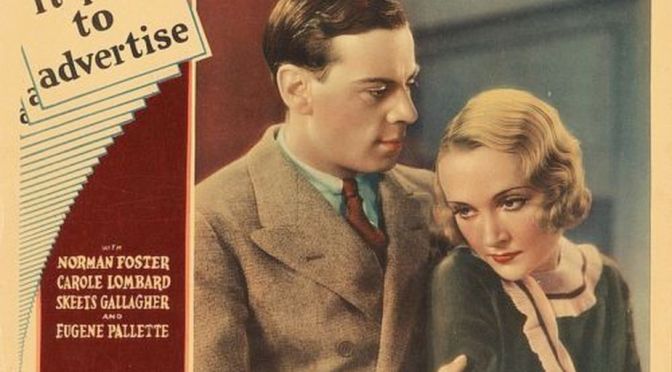
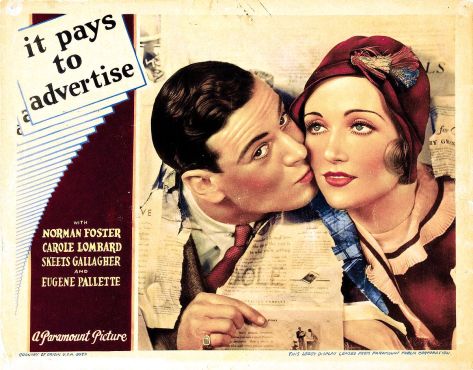
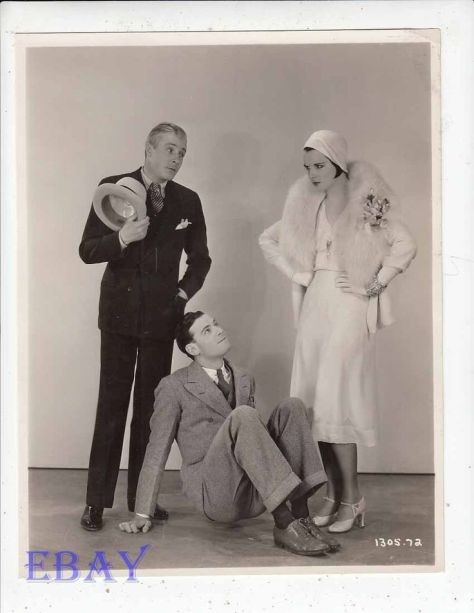
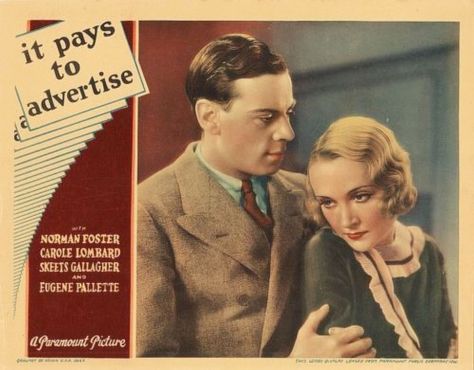
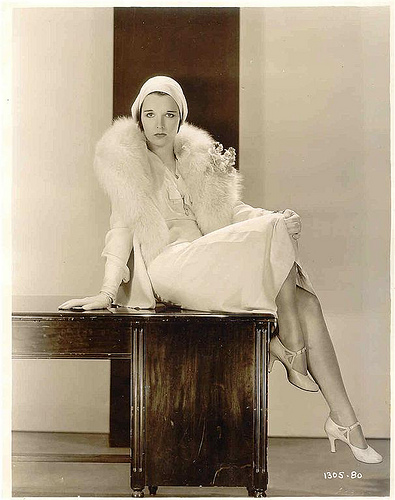
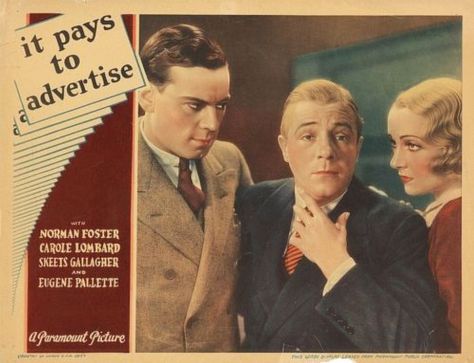
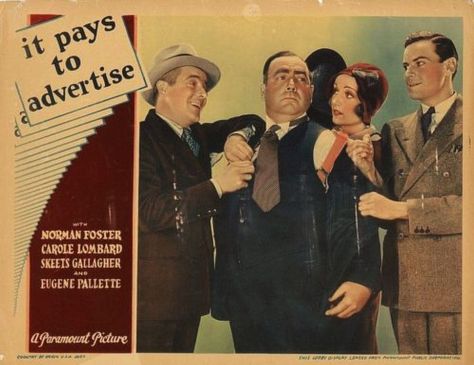
Cast: Norman Foster, Carole Lombard, Richard Skeets Gallagher, Eugene Pallette, Lucien Littlefield, Judith Wood, Louise Brooks, Morgan Wallace, Tom Kennedy, Frank Tuttle
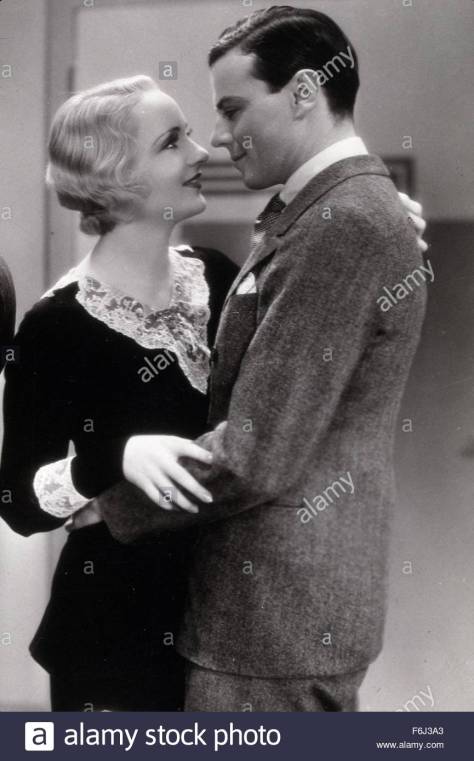
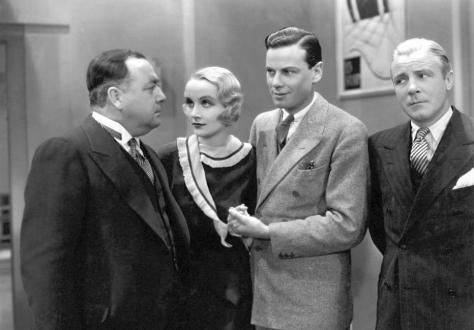
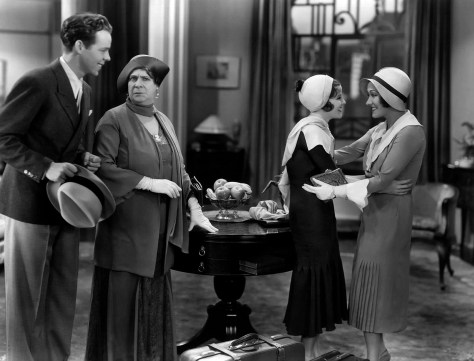
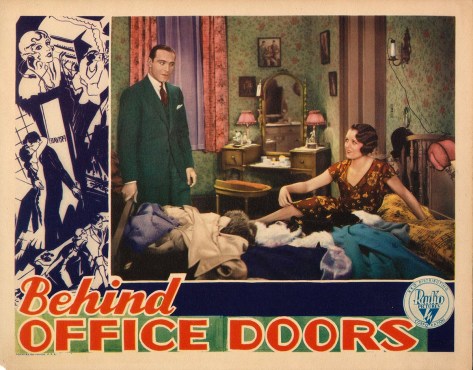
Rodney Martin sets up a soap business to rival his father. With the help of an advertising expert and his secretary, Mary, he develops a successful marketing campaign. His father ends up buying the company from him, while Rodney and Mary fall in love.[2]
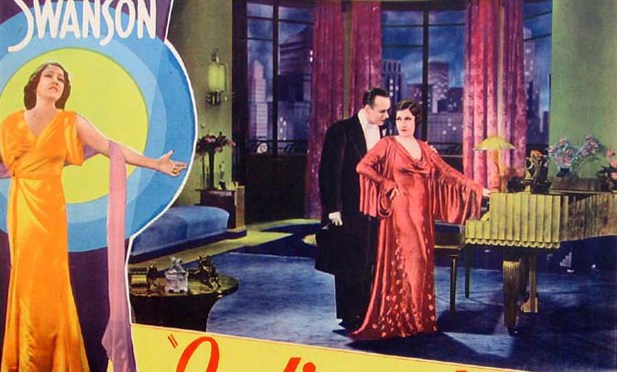
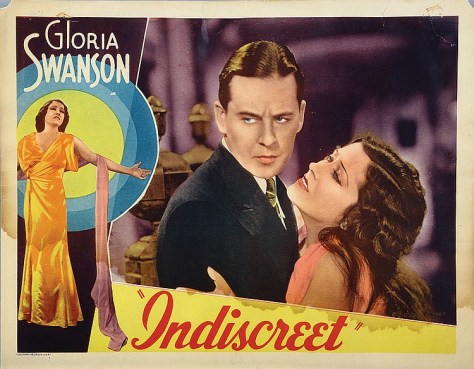
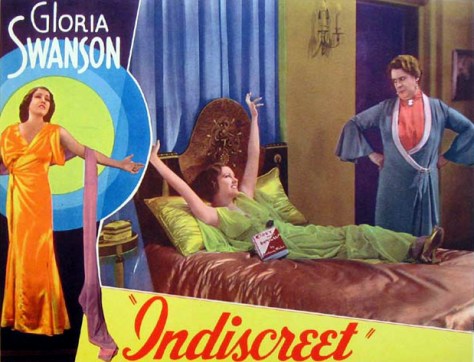
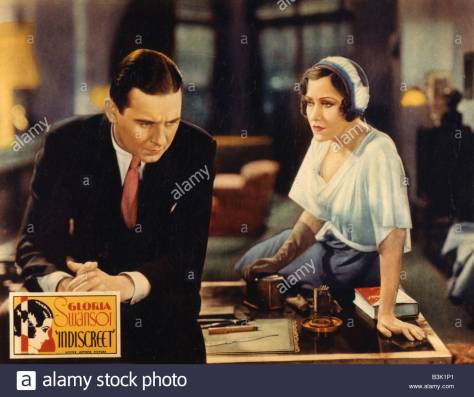
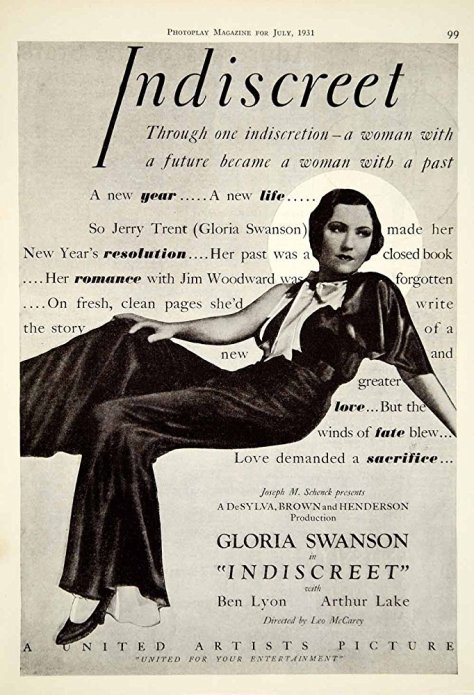
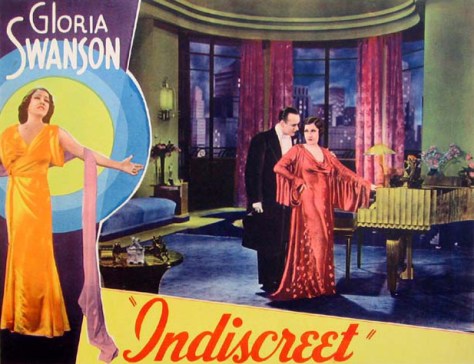
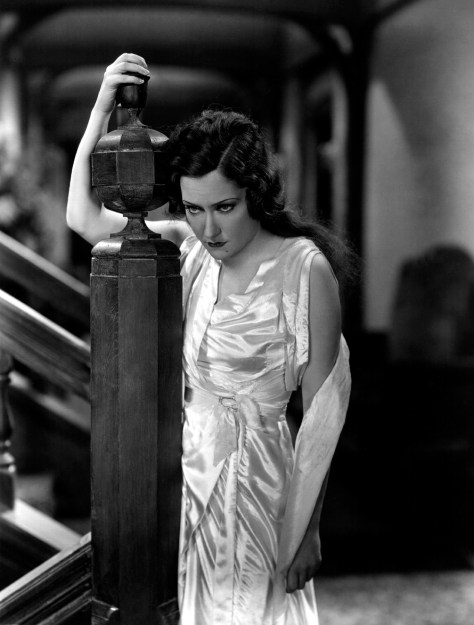
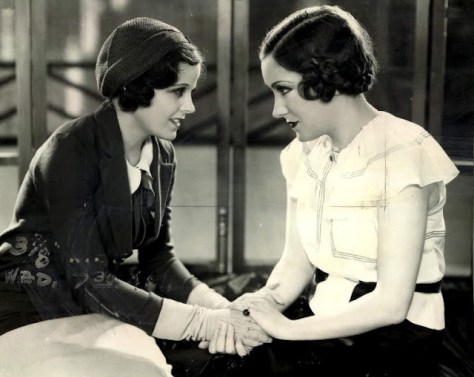
The plot of the United Artists release centers on fashion designer Geraldine Trent (Swanson), who takes up with novelistTony Blake (Lyon) after leaving her former beau Jim Woodward because of his many indiscretions with other women.
Tony has indicated he has no interest in dating a woman with a past, so Geraldine remains mum about her affair with Jim, until her younger sister Joan arrives and announces she’s engaged—to Jim. Madcap complications ensue as Geraldine tries to keep her secret from Tony while convincing her sister to rid herself of her womanizing fiancé in favor of simple country boy Buster Collins.[2]
It may have its off moments so far as the few serious incidents are concerned, but when it stoops to farce, there is no denying its jollity . . . on the whole, it is a well-worked out entertainment, wherein gusts of merriment cause one to overlook its occasional flaws . . . Now and again the film sobers up, but the director and the authors have solved a way of inoculating it with further mirth, and even at the end there is a streak of fun that is almost Chaplinesque.[3]
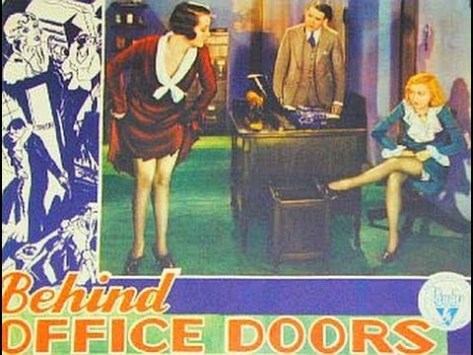
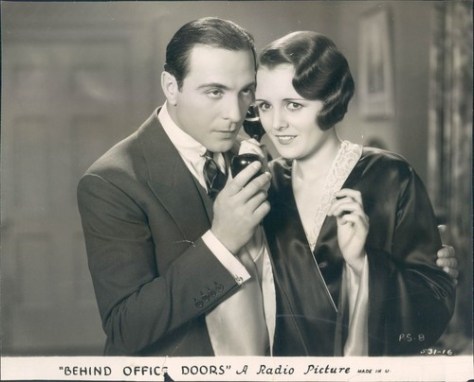
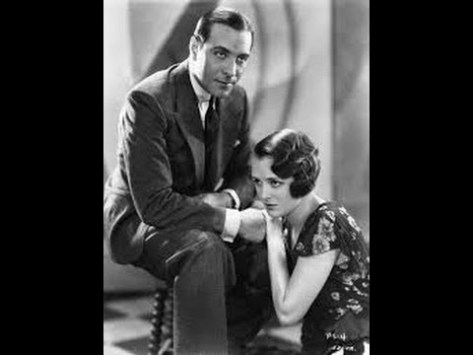
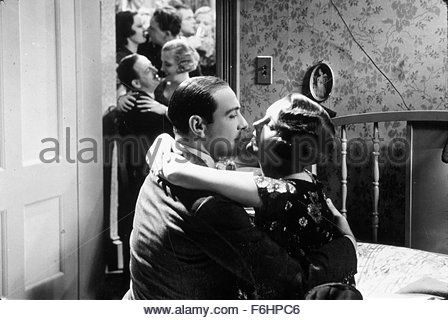
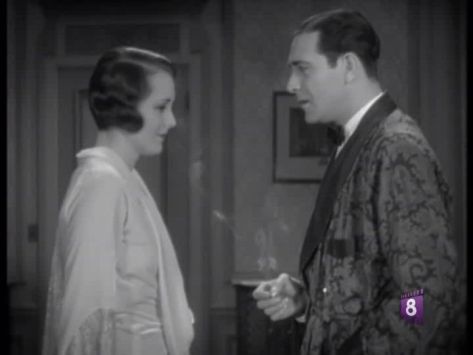
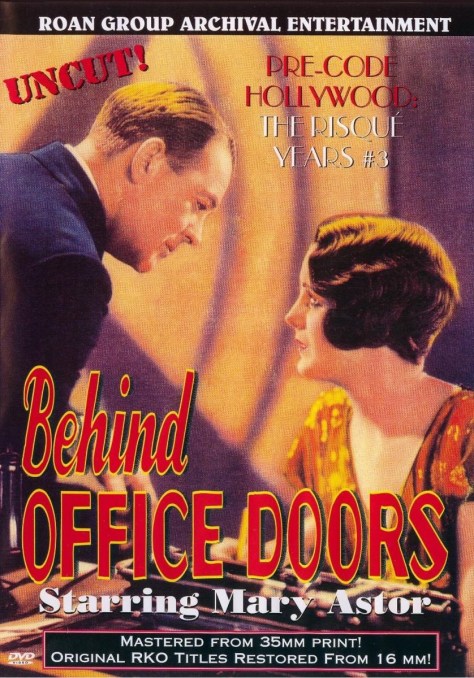
Cast: Mary Astor, Robert Ames, Ricardo Cortez, Catherine Dale Owen, Kitty Kelly, Edna Murphy, Charles Sellon, William Morris, George McFarlane, Mary Foy
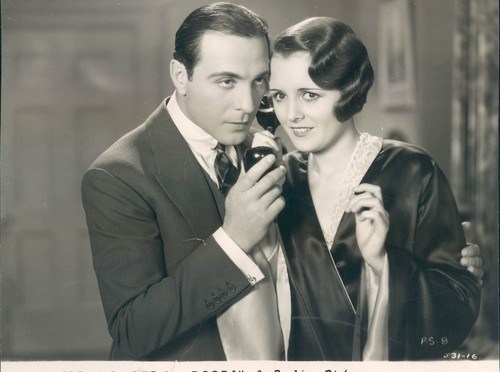
Mary Linden (Mary Astor) is a receptionist at a paper milling company, who is secretly in love with one of the salesmen, James Duneen (Robert Ames).
Her extensive knowledge of the paper industry, the mill and its clients allows her to have input in company operations far outweighing her level as a receptionist. As the current president of the company, Ritter (Charles Sellon), approaches retirement, Mary uses her knowledge and skill of company politics to enable James to make some important sales coups, after which she begins a fifth-column attempt to get him named as the next president. James, for his part, is grateful to her for her help, but is completely oblivious to her romantic interest in him, preferring more of the party girl type.
When Ritter does retire, James wins the position, and Mary is promoted to be his personal secretary. Still unaware of her feelings, he hires his latest party girl, Daisy (Edna Murphy), to work in the office, and report to Mary. Mary is upset by this turn of events, but remains faithful to James, assisting him with running the company. In fact, it is her knowledge and acumen which makes the company successful. Mary even spurns the advances of several men, including the wealthy Ronnie Wales (Ricardo Cortez), who, although married, is estranged from his wife and wishes to pursue an affair with Mary.
However, when James becomes engaged to the daughter of a wealthy banker, Ellen May Robinson (Catherine Dale Owen), that is the straw which breaks Mary’s resolve. She resigns from the company, and eventually agrees to go away with Ronnie for an assignation in Atlantic City. Between the time of her resignation, and her agreeing to go away with Ronnie, the paper mill is already suffering terribly from a lack of good
Between the time of her resignation, and her agreeing to go away with Ronnie, the paper mill is already suffering terribly from a lack of good management, since most of James’ success was due to Mary’s guidance. James tracks her down before she can give in to the libidinous advances of Ronnie, and begs Mary to return. She is reluctant, until she discovers that James has broken off the engagement with Ellen, and upon her return to the company she is not only met with a job offer, but also a marriage proposal from James.
“Three Little Words”, music by Harry Ruby, lyrics by Bert Kalmar – played as dance music in the nightclub
Reception
While the public seemed to like the film,[4] critics like Mordaunt Hall of The New York Times were less kind, stating that the film “is a witless and interminably dull exhibition on which three capable players, Mary Astor, Robert Ames and Ricardo Cortez, have been sacrifi[c]ed to very little purpose.[5]





 Film Dialogue
You must be logged in to post a comment.