Tag Archives: early technicolor

Dixiana (1930)


Pre Code Logo 1

Pre Code Hollywood Season: FD Cinematheque

Dixiana (1930)

Director: Luther Reed 

Cast: Bebe Daniels, Everett Marshall, Bert Wheeler, Robert Woolsey, Joseph Cawthorn, Jobyna Howland, Dorothy Lee, Ralf Harolde, Bill Robinson

100 min
Dixiana 1

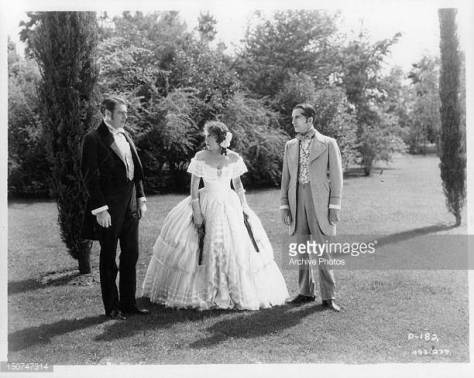
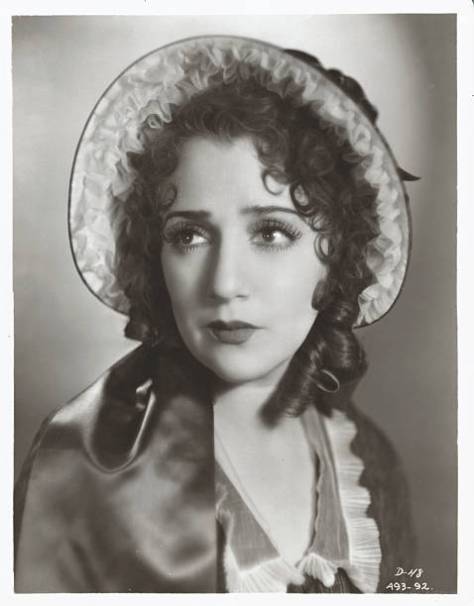
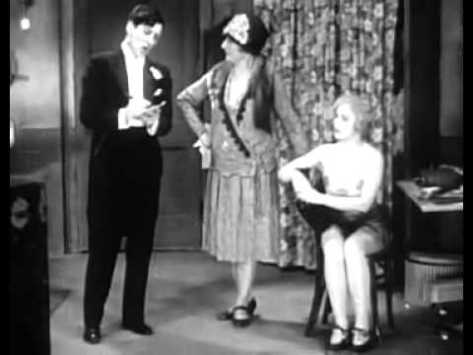
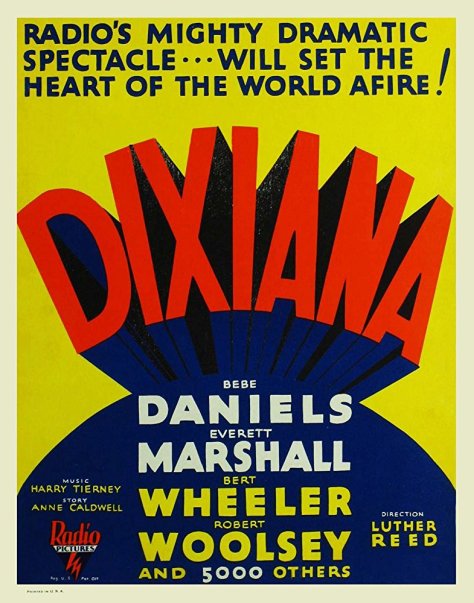
Dixiana (1930) is a lavish American pre-code comedy, musical film directed by Luther Reed and produced and distributed by RKO Radio Pictures.

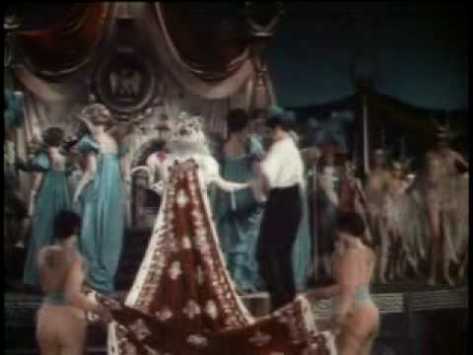
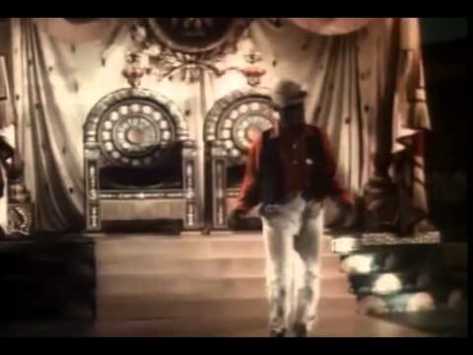
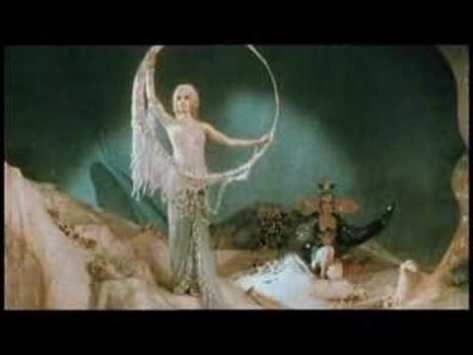
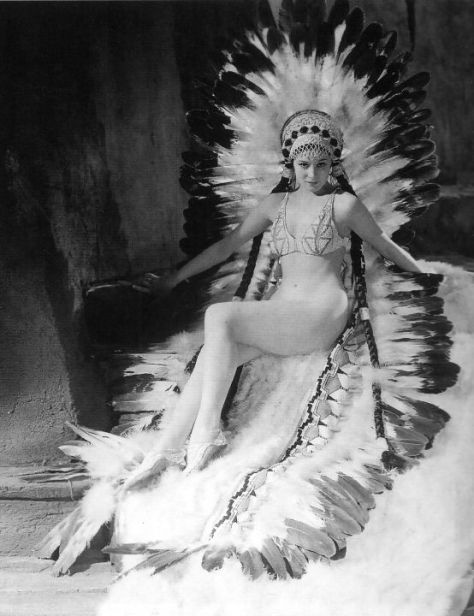
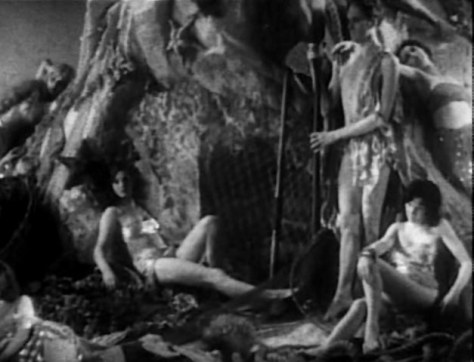
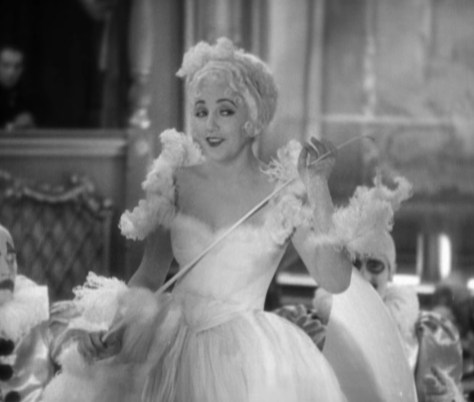
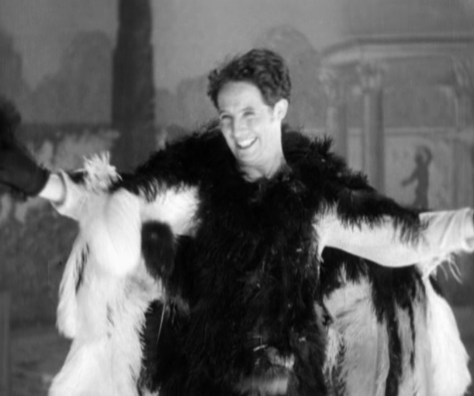
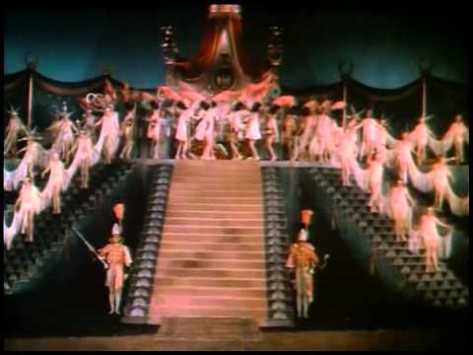
The final twenty minutes of the picture were photographed in Technicolor. The film stars Bebe DanielsEverett MarshallBert Wheeler, Robert WoolseyJoseph CawthornJobyna HowlandRalf HaroldeBill “Bojangles” Robinson (in his film debut) and Dorothy Lee.

The script was adapted by Luther Reed from a story by Anne Caldwell. The Technicolor sequences were considered lost for years but were re-discovered in 1988 and subsequently included in the restored DVD. At the end of 1958, the film entered the public domain (in the USA) due to RKO’s failure to renew their copyright registration in the 28th year after publication.[3]

This is the film in which composer Max Steiner received his first screen credit for orchestration. Additionally, it was Wheeler & Woolsey‘s third film; however, as they were not yet an official “team”, they were still billed separately.

Dixiana 8

Plot

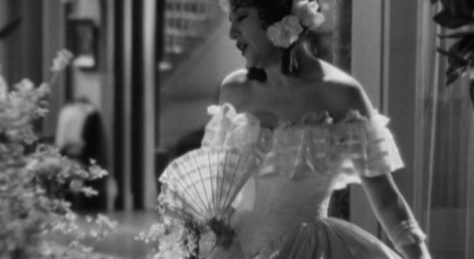
Dixiana Caldwell and her friends, Peewee and Ginger, are circus performers in the antebellum South. When Dixiana falls in love with a young Southern aristocrat, Carl Van Horn, she leaves the circus where she is employed and, with Peewee and Ginger, accompanies Carl to his family’s plantation in order to meet Van Horn’s family. At first thrilled with the news of their impending nuptials, Carl’s father and stepmother, Cornelius and Birdie Van Horn, throw a lavish party for the couple. However, Peewee and Ginger inadvertently disclose Dixiana’s background as a circus performer, creating a scandal for the elder Van Horns.
Dixiana 7

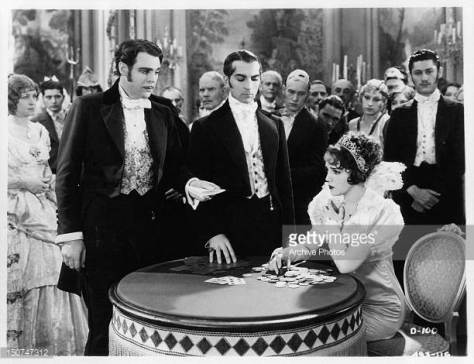
Asked by the stepmother to leave in disgrace, Dixiana and her friends return to New Orleans, seeking to gain re-employment from her former employer at the Cayetano Circus Theatre, but they are regretfully refused by him, due to way she had departed. Desperate, she takes employment at a local gambling hall, run by Royal Montague, who also has personal designs on Dixiana. As part of his plan, he intends to financially ruin Carl and his family and use Dixiana to accomplish that purpose.

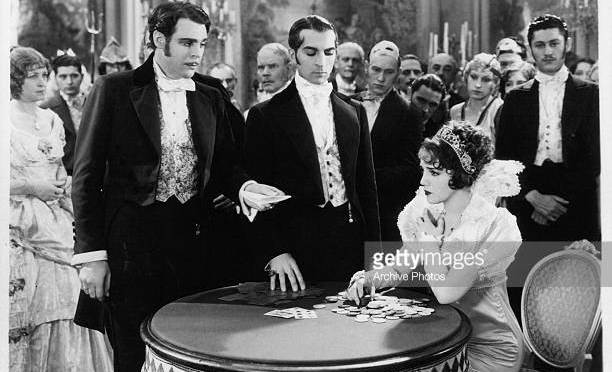
Things come to a head when Dixiana is crowned Queen of the Mardi Gras. When Montague absconds with her, Carl challenges him to a duel, but, when a disguised Dixiana shows up in his stead, she tricks Montague into revealing his nefarious plans. Carl and Dixiana are reunited.[4]
Dixiana 11

Cast

(Cast list as per AFI database)[1]

Dixiana 10

Reception

Reviewer Mordaunt Hall of the New York Times wrote of the singing, “…one wishes there was more of it and less of the somewhat futile attempt at a story” and noted that Bill Robinson “…gives an excellent exhibition of tap dancing, which won a genuine round of applause” and concluded, “The early glimpses of the circus theatre … lead one to expect more than one is apt to get out of this production.”[5]

The film reunited the director and most of the cast of RKO’s most successful film of the year before, Rio Rita, but lackluster performances and direction, as well as a glut of movie musicals led to the film being one of RKO’s biggest disappointments of 1930. The film lost an estimated $300,000.[2][6]
Dixiana 9

References

  1. Jump up to:a b “Dixiana: Detail View”. American Film Institute. Archived from the original on August 6, 2014. Retrieved September 20, 2016.
  2. Jump up to:a b c Richard Jewel, ‘RKO Film Grosses: 1931-1951’, Historical Journal of Film Radio and Television, Vol 14 No 1, 1994 p57
  3. Jump up^ Pierce, David (June 2007). “Forgotten Faces: Why Some of Our Cinema Heritage Is Part of the Public Domain”. Film History: An International Journal19 (2): 125–43. doi:10.2979/FIL.2007.19.2.125ISSN 0892-2160JSTOR 25165419OCLC 15122313.
  4. Jump up^ Bradley, Edwin M. (January 1, 2004). “Chapter 7: 1929-1930”. The First Hollywood Musicals: A Critical Filmography of 171 Features, 1927 through 1932. Jefferson, North Carolina: McFarland & Company. pp. 192–195. Retrieved 2015-02-08.
  5. Jump up^ Mordaunt Hall (September 5, 1930). “The Screen: Dixiana (1930)”. New York Times.
  6. Jump up^ Jewell, Richard B.; Harbin, Vernon (1982). The RKO Story. New York: Arlington House. p. 29. ISBN 0-517-546566.
Dixiana 4

Dixiana 6

Color end sequence in Dixiana (1930)
Dixiana 12

Dixiana 13

Dixiana 14

Film Collectors Corner

Watch Dixiana Now – You Tube Instant Video

Blu Ray

Not released on Blu Ray

DVD

Glorifying the American Girl (1929)


Pre Code Logo 1

Pre Code Hollywood Season: FD Cinematheque

Glorifying the American Girl (1929)

Glorifying the American Girl 1

Glorifying the American Girl 2

Glorifying the American Girl 3

Director: Millard Webb

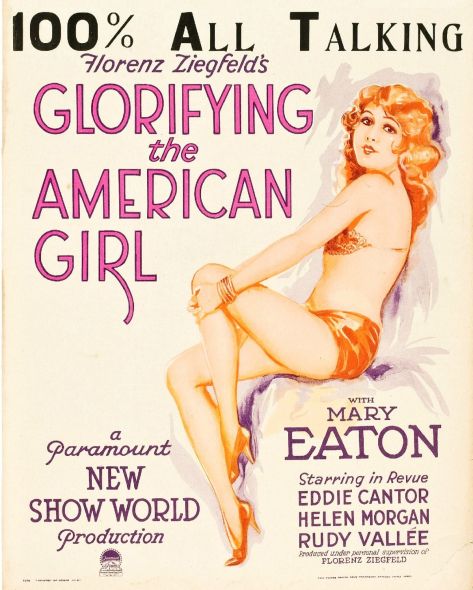
Cast: Mary Eaton, Eddie Cantor, Helen Morgan, Rudy Vallee, Dan Healy, Kaye Renard, Edward Crandall, Gloria Shea, Sarah Edwards, Billie Burke, Noah Beery, Irving Berlin, Johnny Weissmuller, Adolph Zukor, Texas Guinan

95 min

Glorifying the American Girl 4

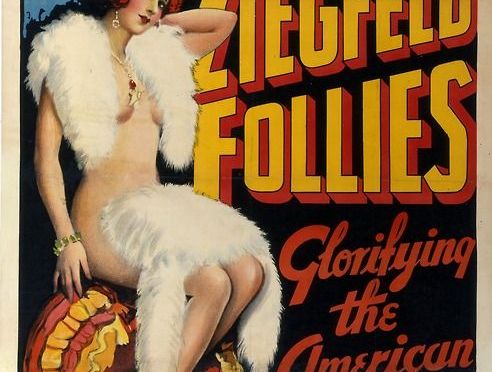
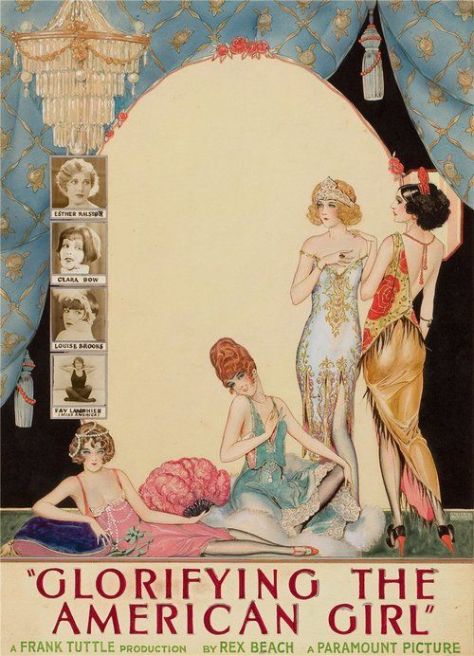
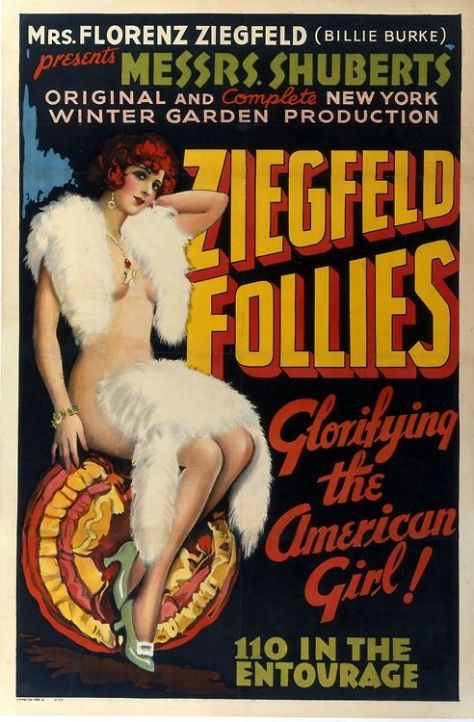
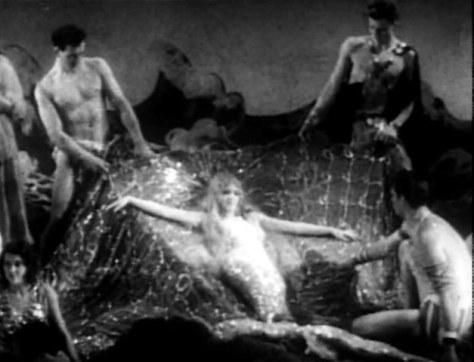
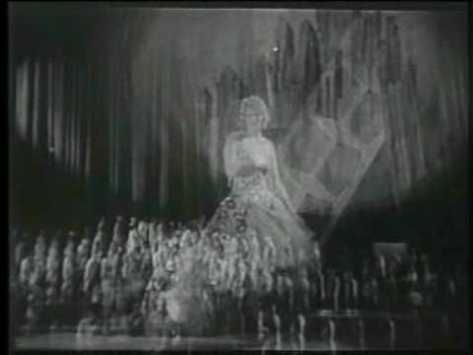
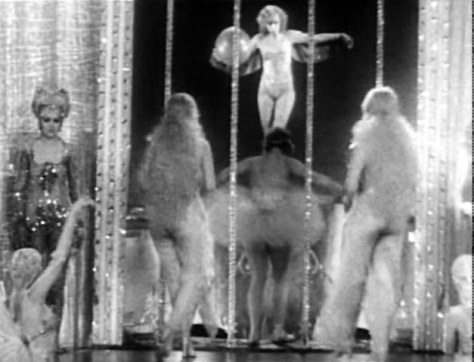
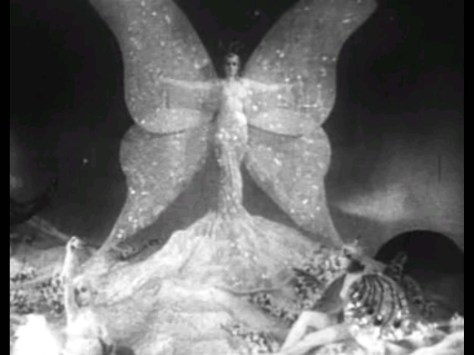
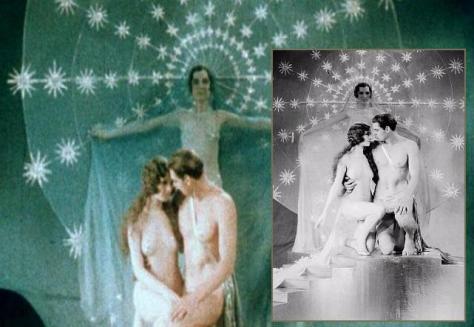
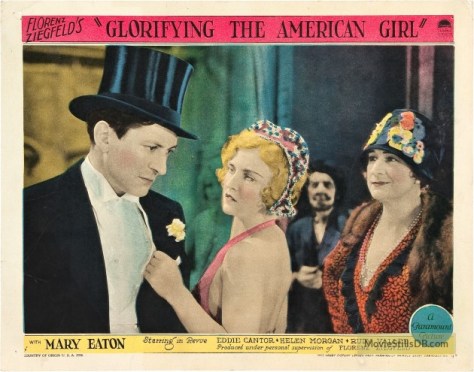
Glorifying the American Girl is a 1929 American Pre-Codemusical comedy film produced by Florenz Ziegfeld that highlights Ziegfeld Follies performers. The last third of the film (which was filmed in early Technicolor) is basically a Follies production, with cameo appearances by Rudy ValleeHelen Morgan, and Eddie Cantor.

Rex Beach was paid $35,000 for the original story.[1][2]

The script for the film was written by J.P. McEvoy and Millard Webb and directed by John W. Harkrider and Millard Webb. The songs were written by Irving BerlinWalter DonaldsonRudolf Friml, James E. Hanley, Larry Spier and Dave Stamper. The film is in the public domain, and many prints exhibited on television are in black-and-white only, and do not include pre-Code material, such as nudity.

Glorifying the American Girl 6

Plot

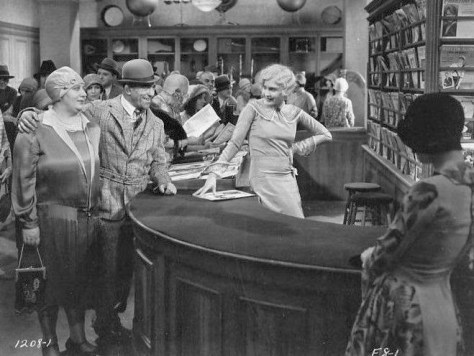
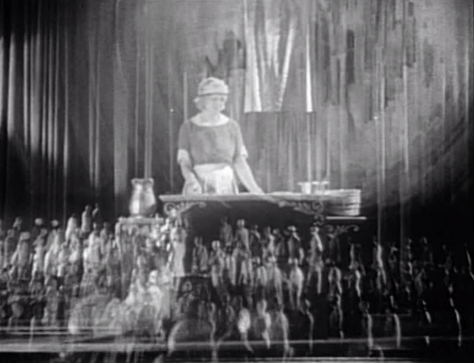
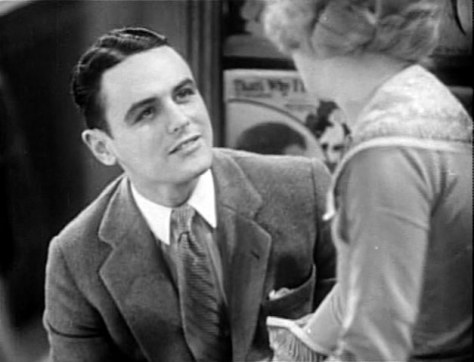
The plot involves a young woman (Mary Eaton) who wants to be in the Follies, but in the meantime is making ends meet by working at a department store‘s sheet music department, where she sings the latest hits.

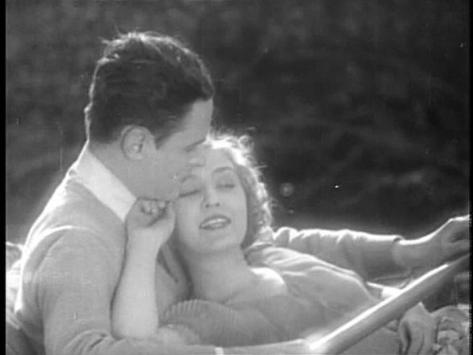
She is accompanied on piano by her childhood boyfriend (Edward Crandall), who is in love with her, despite her single-minded interest in her career. When a vaudeville performer (Dan Healy) asks her to join him as his new partner, she sees it as an opportunity to make her dream come true.

Upon arriving in New York City, our heroine finds out that her new partner is only interested in sleeping with her and makes this a condition of making her a star. Soon, however, she is discovered by a representative of Ziegfeld.

Glorifying the American Girl 8

Cast

Glorifying the American Girl 9

Cameo Appearances

Glorifying the American Girl 17

Production

  • This Pre-Code movie is notable for being the first talkie to use the word “damn” (that credit usually goes to either Pygmalion or Gone with the Wind). The word is used on at least one occasion by Sarah Edwards as well as multiple times in the skit involving Eddie Cantor, Louis Sorin and Lew Hearn. (The word was also used twice in the movie Coquette, released in April of the same year.)
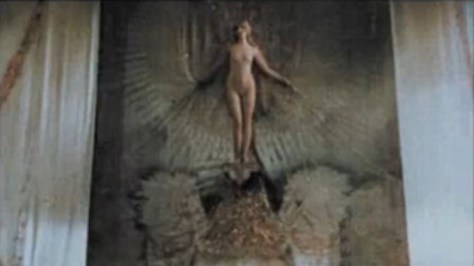
  • The revue sequence contains virtual nudity and revealing costumes.
  • Both Paramount and EMKA failed to renew the copyright and the film is now in the public domain.[citation needed] EMKA’s successor, Universal Studios, continues to hold the original film elements; though technically the EMKA library is part of NBC Universal Television, successor to Universal Television and MCA Television (EMKA was a subsidiary of MCA).

Glorifying the American Girl 10

Preservation

The black-and-white prints currently shown on television, with a cut-down running time of 87 minutes, were made in the 1950s and have a number of sequences cut due to their Pre-Code content, i.e. nudity, etc. The film was restored, to the length of 96 minutes, with the original Technicolor sequences, by the UCLA Film and Television Archive.[3]

Glorifying the American Girl 12

Miscellany

Glorifying the American Girl 13

Soundtrack

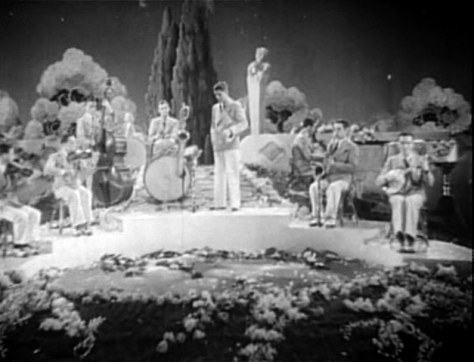
The film begins with a medley of hits from Ziegfeld productions, including “Tulip Time”, “A Pretty Girl Is Like a Melody“, “Sally, Won’t You Come Back?”, and “No Foolin’.” The band at the picnic plays “Bye Bye Blackbird” and “Side by Side.”

Glorifying the American Girl 11

  • “No Foolin'”
Music by Rudolf Friml and James F. Hanley
Lyrics by Gene Buck and Irving Caesar
Sung by Mary Eaton
  • “Baby Face”
Music by Harry Akst
Lyrics by Benny Davis
Sung by Mary Eaton
  • “I’ll Be There”
Music by Larry Spier, J. Fred Coots, and Lou Davis
Sung by Mary Eaton and played on the piano several times by Edward Crandall
  • “Spooning with the One You Love”
Performed by Dan Healy and Kaye Renard

Glorifying the American Girl 14

Music by Irving Berlin
Played by a band while the acrobats are performing
  • “Sam, the Old Accordion Man”
Music by Walter Donaldson
Danced to by Dan Healy and Mary Eaton at the picnic and later onstage
  • “Hot Feet”
Music by Jimmy McHugh
Danced to by Dan Healy and Mary Eaton
  • “I’m Just a Vagabond Lover”
Music by Rudy Vallée and Leon Zimmerman
Performed by Rudy Vallée and His Connecticut Yankees

Glorifying the American Girl 15

  • “What Wouldn’t I Do for That Man?”
Music by Jay Gorney
Lyrics by E.Y. Harburg
Performed by Helen Morgan
  • “There Must Be Somebody Waiting For Me”
Music by Walter Donaldson
Performed by Mary Eaton and chorus in the finale. Played by pianist while Eaton dances en pointe. Played during opening credits.

Glorifying the American Girl 16

See also

References

  1. Jump up^ Beach, Rex (1940). Personal Exposures. New York: Harper & Brothers. p. 205.
  2. Jump up^ H.J. (January 7, 1950). “Miner and Novelist”The Age. Retrieved August 1, 2015.
  3. Jump up^ Feature films preserved by UCLA (1977-2012)

Glorifying the American Girl 19

Glorifying the American Girl 20

Glorifying the American Girl 21

Film Collectors Corner

Watch Glorifying the American Girl Now – Amazon Instant Video

Blu Ray

Not released on Blu Ray 


DVD