Tag Archives: greatest film stars

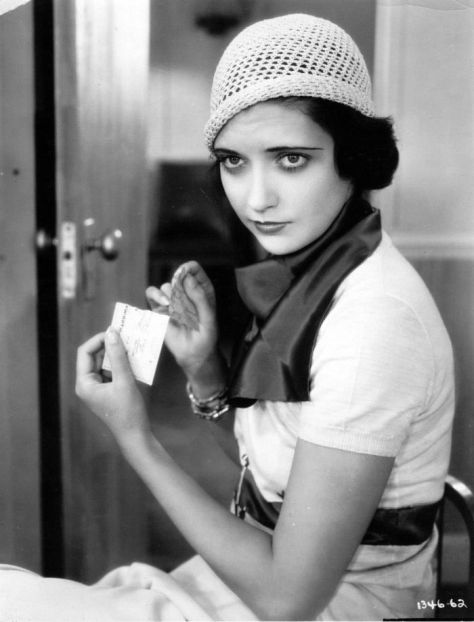
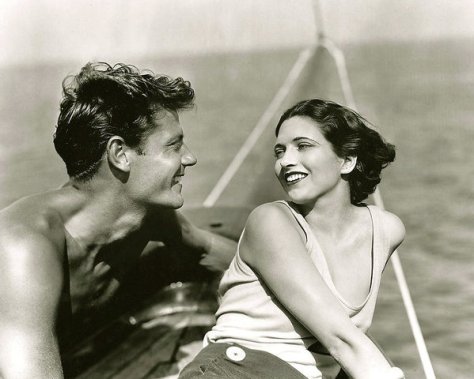
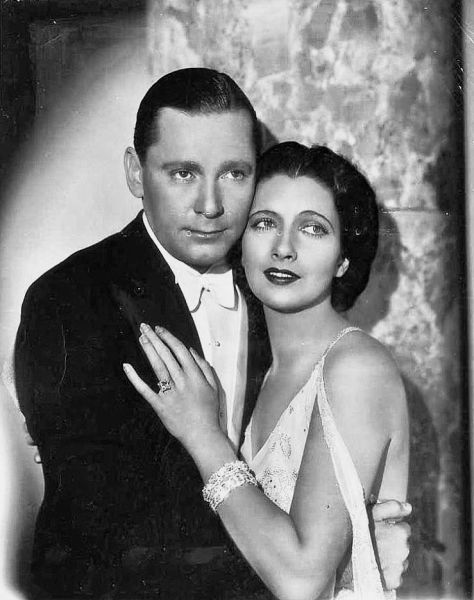
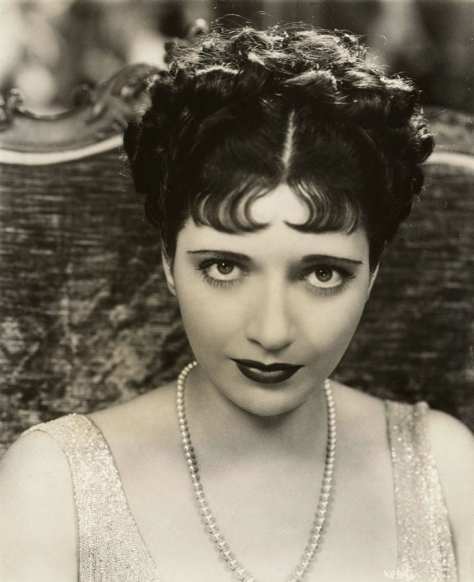
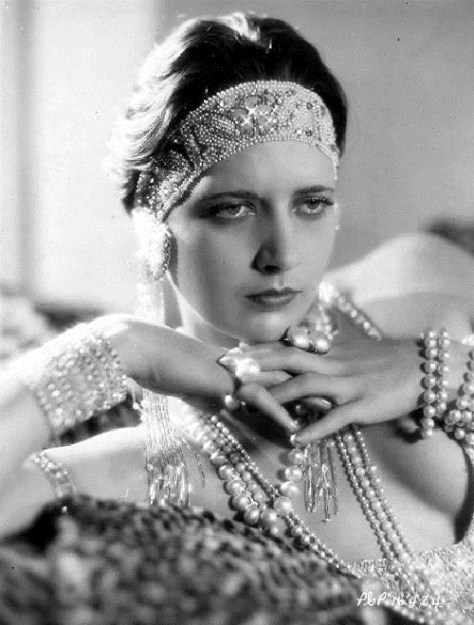
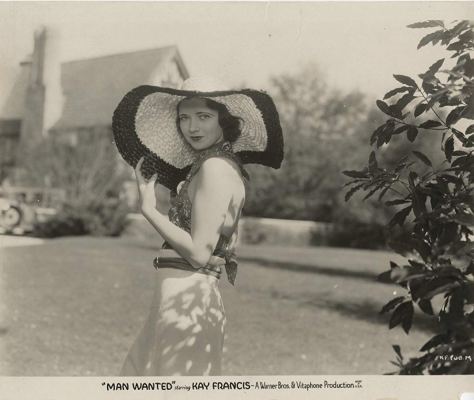
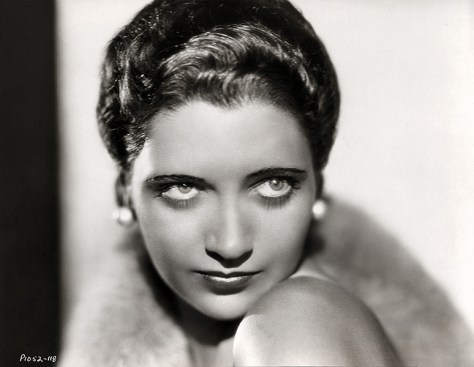
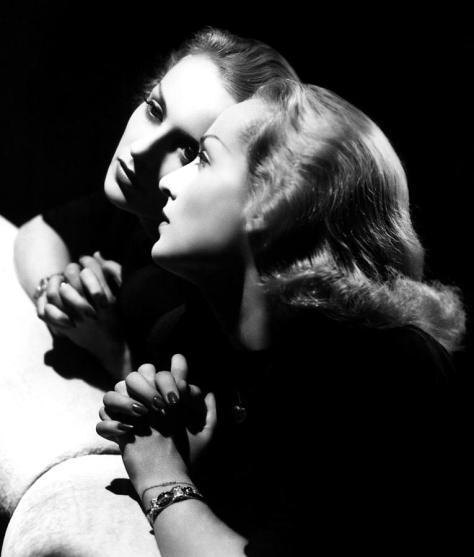
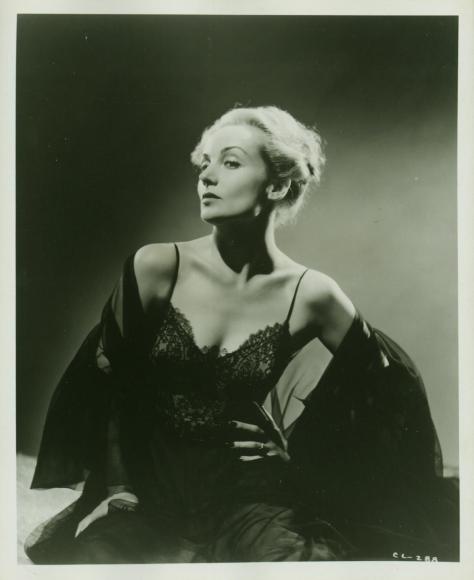
Kay Francis


tumblr_pv2svjTsbK1qazanuo1_540

Prepared by Daniel B Miller

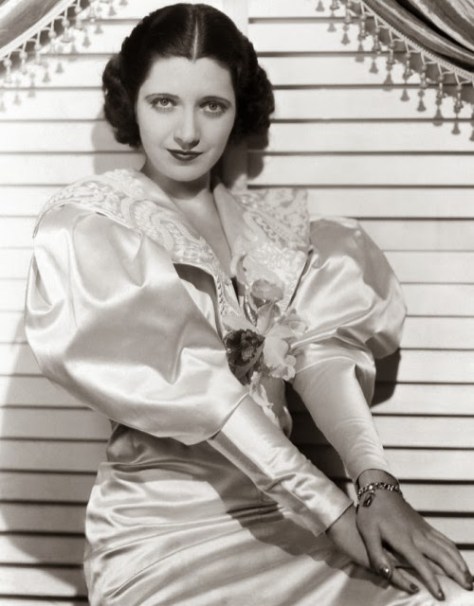
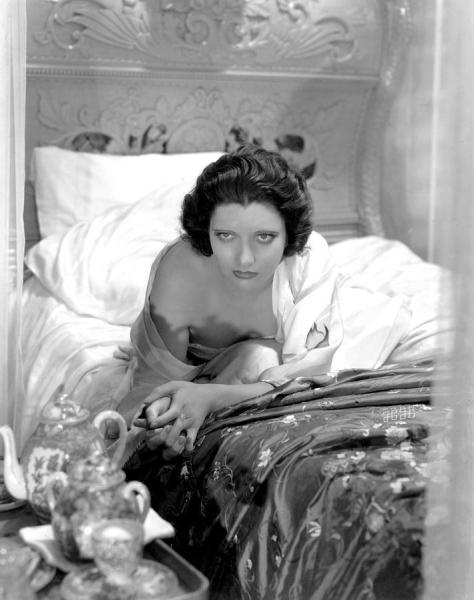
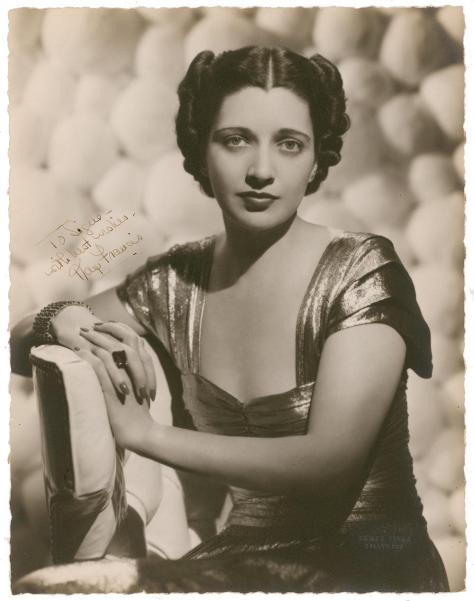
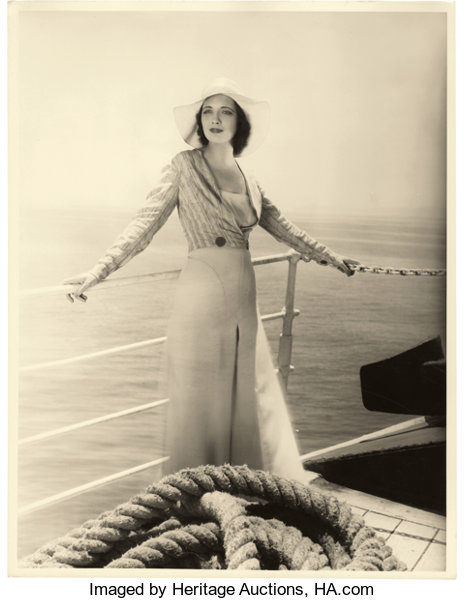
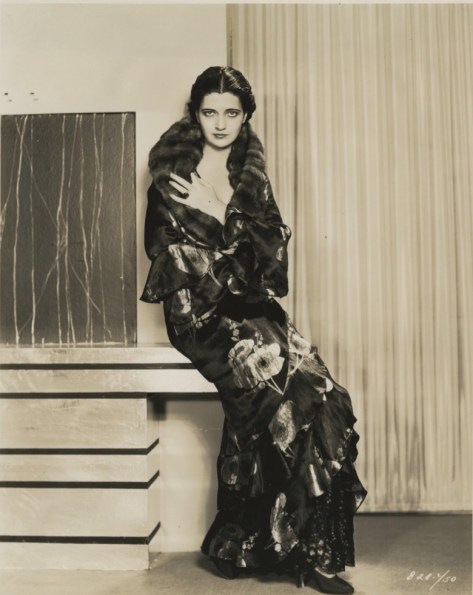
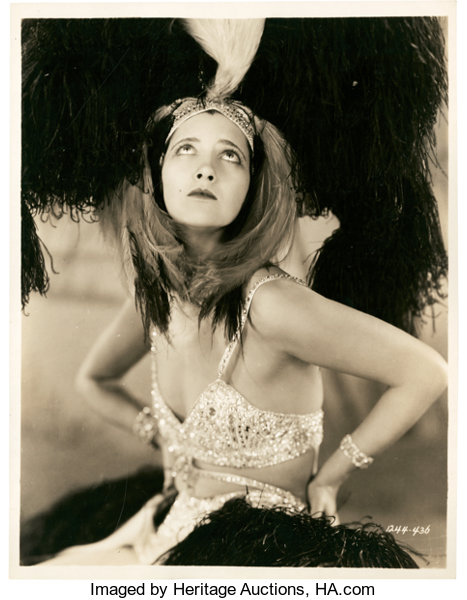
Kay Francis (January 13, 1905 – August 26, 1968) was an American stage and film actress. After a brief period on Broadway in the late 1920s, she moved to film and achieved her greatest success between 1930 and 1936, when she was the number one female star at the Warner Brothers studio and the highest-paid American film actress. Some of her film-related material and personal papers are available to scholars and researchers in the Wesleyan University Cinema Archives.
lf (13)

kayfrancis11

Early life

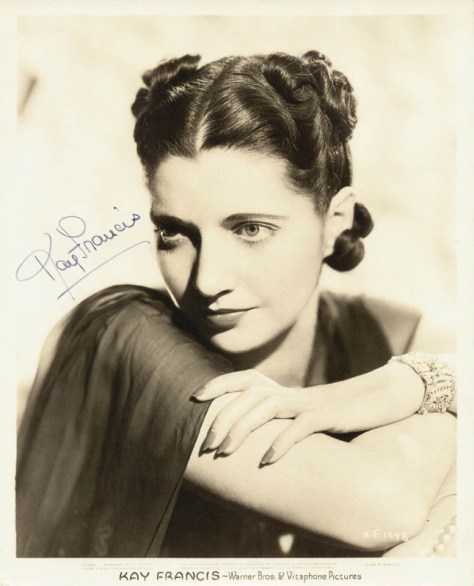
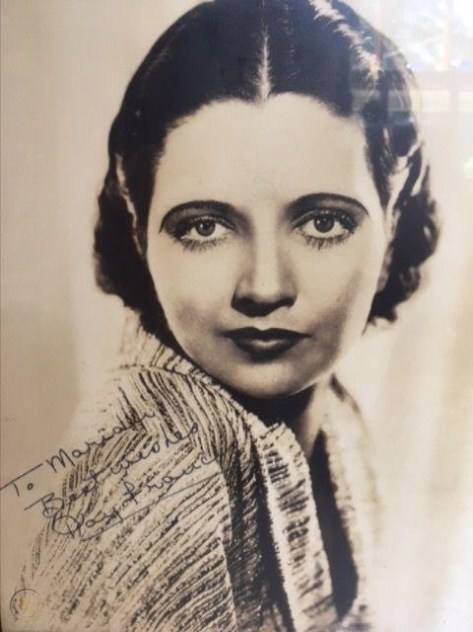
Francis was born Katherine Edwina Gibbs in Oklahoma CityOklahoma in 1905. Her parents, Joseph Sprague Gibbs and his actress wife Katharine Clinton Francis, had been married in 1903; however, by the time their daughter was four, Joseph had left the family. Francis inherited her unusual height from her father, who stood 6 feet 4 inches, she was to become Hollywood’s tallest leading lady (5 ft 9 in) in the 1930s.
kay-francis-autographed-photo_1_cf3b0ddfed93719c231842b24758b09e

Young Kay Francis

1118full-kay-francis

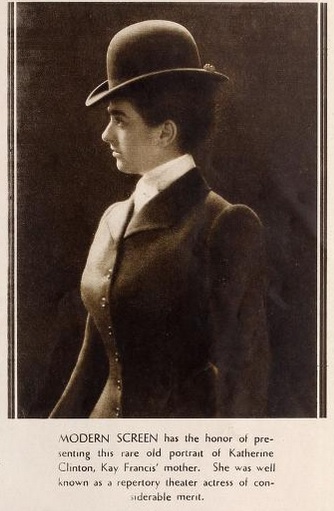
While she never discouraged the assumption that her mother was the pioneering American businesswoman who established the “Katharine Gibbs” chain of vocational schools, Francis was actually raised in the hardscrabble theatrical circuit of the period. In reality, her mother had been born in Nova Scotia, Canada, and eventually became a moderately successful actress and singer under the stage name Katharine Clinton.
katherineclinton1

Kay Francis’ mother Catherine Clinton

Young Kay was often out on the road with her mother, and attended Catholic schools when it was affordable, becoming a student at the Institute of the Holy Angels at age five.

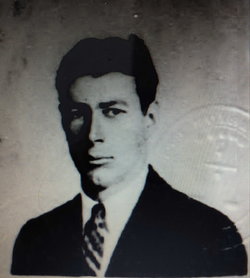
After also attending Miss Fuller’s School for Young Ladies in Ossining, New York (1919) and the Cathedral School (1920), she enrolled at the Katharine Gibbs Secretarial School in New York City. At age 17, Kay became engaged to a well-to-do Pittsfield, Massachusetts man, James Dwight Francis.
99319805_1491432769

James Dwight Francis

Their December 1922 marriage at New York’s Saint Thomas Church ended in divorce. Kay and her husband lived in Pittsfield in a house next to and now owned by St. Nicholas Russian Orthodox Church, 1304 North St. 01201.

vintage-kay-francis-art-deco-pre-code_1_7776bbccfefb95eda5a8dd32ca9b0988


Stage career

In the spring of 1925, Francis went to Paris to get a divorce. While there, she was courted by a former Harvard athlete and member of the Boston Bar Association, Bill Gaston. Kay and Bill saw each other only on occasion; he was in Boston and Kay had decided to follow her mother’s footsteps and go on the stage in New York.

She made her Broadway debut as the Player Queen in a modern-dress version of Shakespeare’s Hamlet in November 1925. Francis claimed she got the part by “lying a lot, to the right people”. One of the “right” people was producer Stuart Walker, who hired Kay to join his Portmanteau Theatre Company, and she soon found herself commuting between DaytonIndianapolis, and Cincinnati, playing wisecracking secretaries, saucy French floozies, walk-ons, bit parts, and heavies.
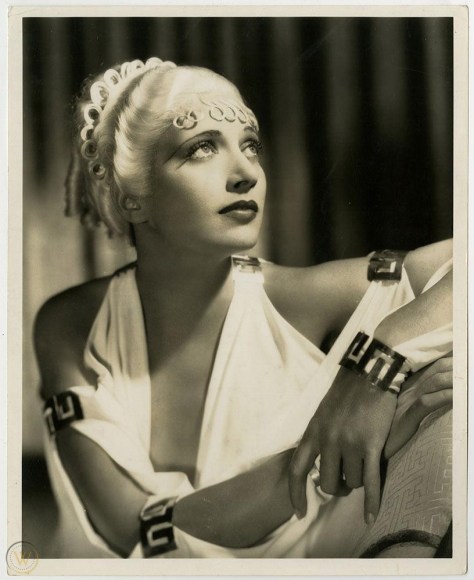
gorgeous-1935-kay-francis-hollywood_1_af7c1e73ef5509e86180d24010f1c201

By February 1927, Francis returned to Broadway in the play Crime. Sylvia Sidney, although a teenager at the time, had the lead in Crime but would later say that Kay stole the show.

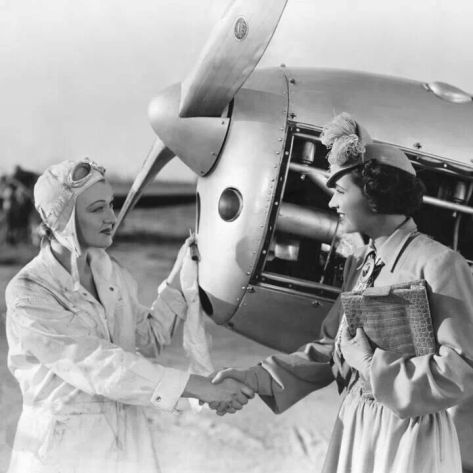
After Kay’s divorce from Gaston, she became engaged to a society playboy, Alan Ryan Jr. She promised Alan’s family that she would not return to the stage – a promise that lasted only a few months before she was back on Broadway as an aviator in a Rachel Crothers play, Venus.
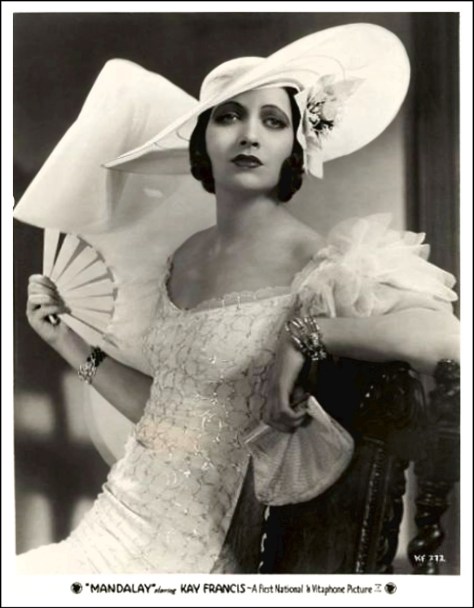
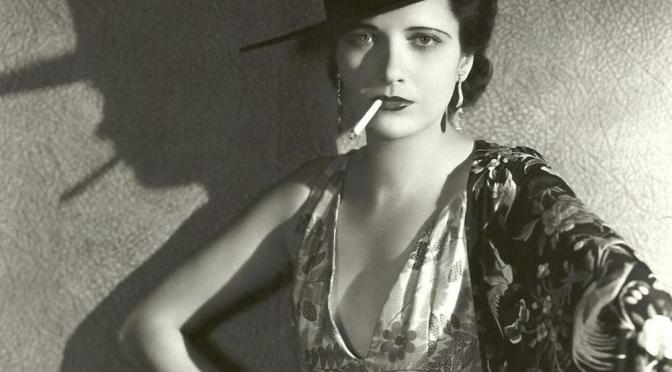
kay-francis-big hat

Kay Francis in Mandalay (1934)

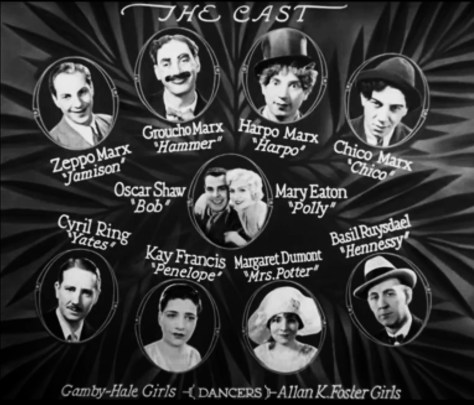
Francis was to appear in only one other Broadway production, a play called Elmer the Great in 1928. Written by Ring Lardner and produced by George M. Cohan, the play starred Walter Huston. He was so impressed by Francis that he encouraged her to take a screen test for the Paramount Pictures film Gentlemen of the Press(1929). Francis made this film and the Marx Brothers film The Cocoanuts (1929) at Paramount’s Astoria Studios in Astoria, Queens, New York.
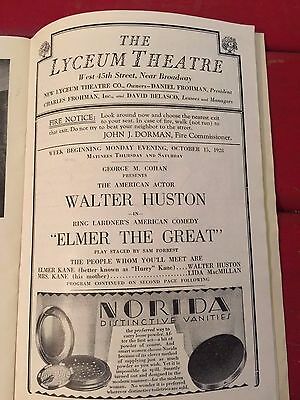
1928-LYCEUM-THEATRE-Program-West-45-St-NYElmer-_1

Elmer the Great – Theatre Booklet (1928)
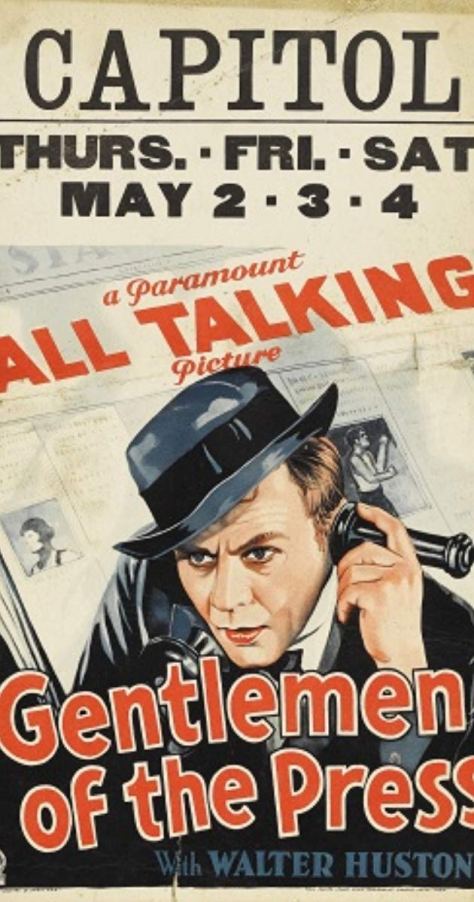
MV5BODE3ODM2OGQtN2RjMS00MDkyLTgyNGMtNzAxMDFlOWZmMzAxXkEyXkFqcGdeQXVyNjc0MzMzNjA@._V1_UY1200_CR71,0,630,1200_AL_

Gentlemen of the Press (1929)

f33b6de25508e6b1438161be6f6b041a

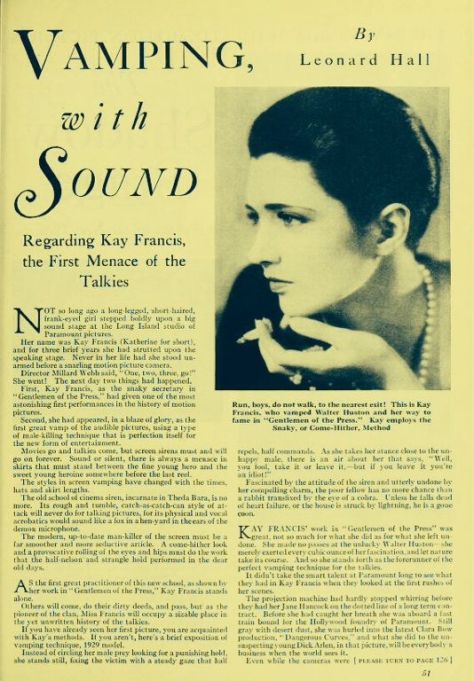
Article on Kay Francis by Leonard Hall
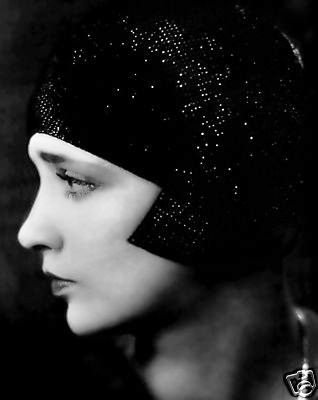
668a17668c636b6dc3fbbdf4bed33c81

Kay Francis in Gentlemen of the Press (1929)
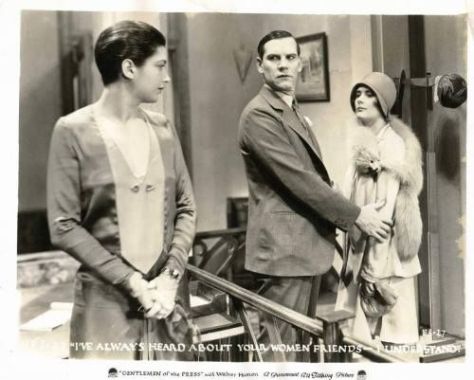
976bd841139aab5925cd155aed307a62

Kay Francis in Gentlemen of the Press (1929)
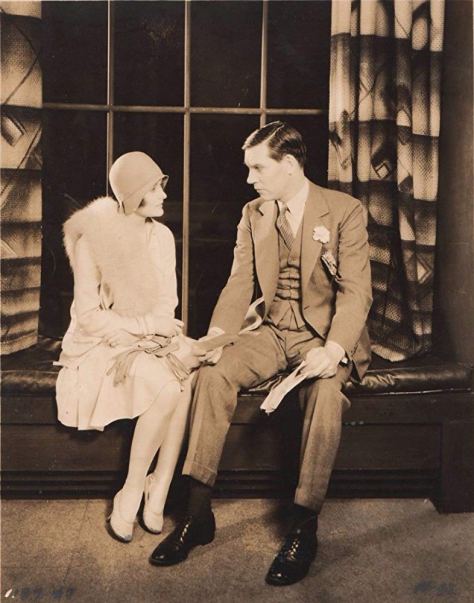
MV5BYjJmZWI4Y2UtMzRlYi00MGE1LWIzYTktOTkzNjEwZDU4YmI2XkEyXkFqcGdeQXVyMTcyODY2NDQ@._V1_SY1000_CR0,0,786,1000_AL_

Kay Francis in Gentlemen of the Press (1929)
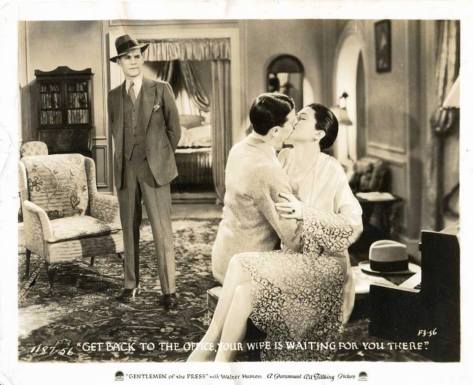
MV5BYTgyZjI0MWEtOTI3OC00YWM0LTk1NTItZDM5NzQzMDY0NjkwXkEyXkFqcGdeQXVyMjU4NzU2OTA@._V1_

Kay Francis in Gentlemen of the Press (1929)
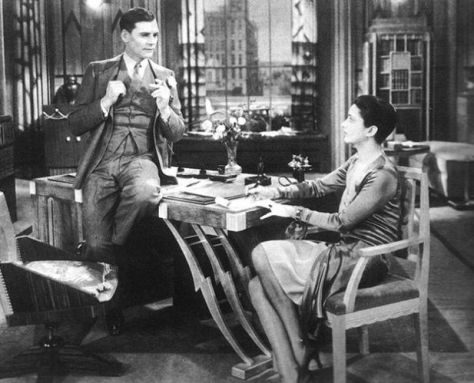
cb4dc28d65a7a63aa0947959a1f99778

Kay Francis in Gentlemen of the Press (1929)
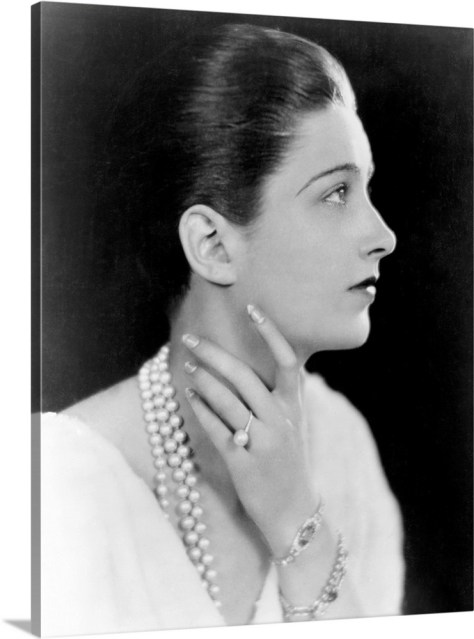
gentlemen-of-the-press-kay-francis-1929,2403808

Kay Francis in Gentlemen of the Press (1929)
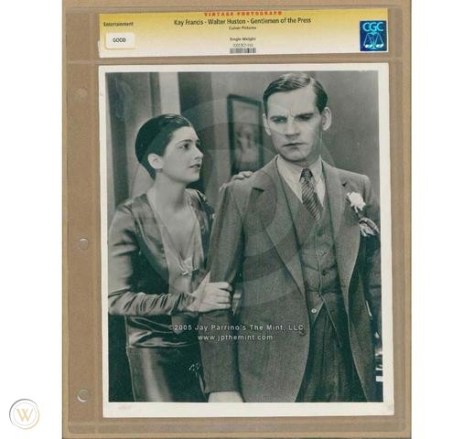
cgc-photo-kay-francis-walter-huston_1_70ca7066a9e9204e7c804901794a8321

Kay Francis in Gentlemen of the Press (1929)
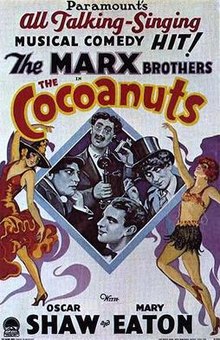
220px-The_Cocoanutsf2d17c779e3db916f583a0539e6c68ff

Kay Francis in The Cocoanuts (1929)

MV5BNDE3MDY5YTItMmY2Zi00NTZhLTkyM2EtNmE5MGZmZmE5MDQ1XkEyXkFqcGdeQXVyNjE5MjUyOTM@._V1_

Kay Francis and the Cast in The Cocoanuts (1929)
171e59680e28c414dbe287cdc4f0b3ee

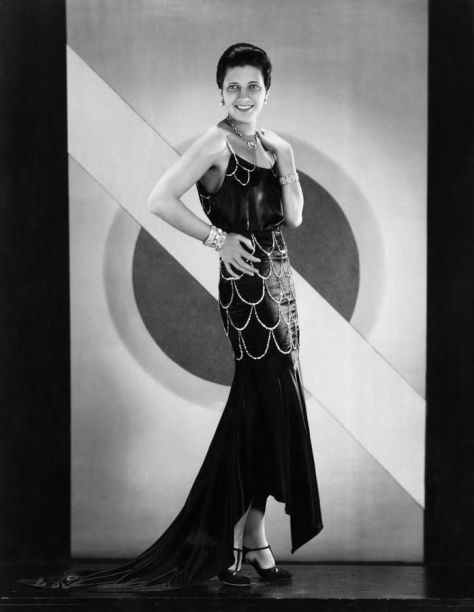
Kay Francis in The Cocoanuts (1929)


Film career


william-powell-kay-francis-vintage_1_f9235efd8b2eebb5a3fd0303e469733d

William Powell and Kay Francis in Street of Chance (1930)


By that time, major film studios, which had formerly been based in New York, were already well-established in California, and many Broadway actors had been enticed to travel west to Hollywood to make sound films, including Ann HardingAline MacMahonHelen TwelvetreesBarbara StanwyckHumphrey Bogart, and Leslie Howard. Francis, signed to a contract with Paramount Pictures, also made the move and created an immediate impression. She frequently costarred with William Powell and appeared in as many as six to eight movies a year, making a total of 21 films between 1929 and 1931.

Francis’s career flourished in spite of a slight but distinctive speech impediment (she pronounced the letters “r” and “l” as “w”) that gave rise to the nickname “Wavishing Kay Fwancis.”
filmfeaim-1038x576

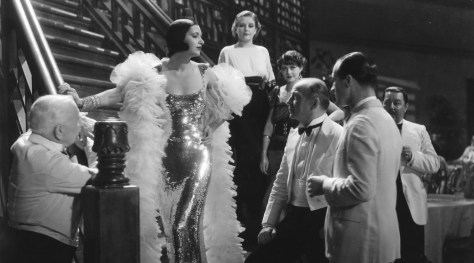
Kay Francis in Mandalay (1934)

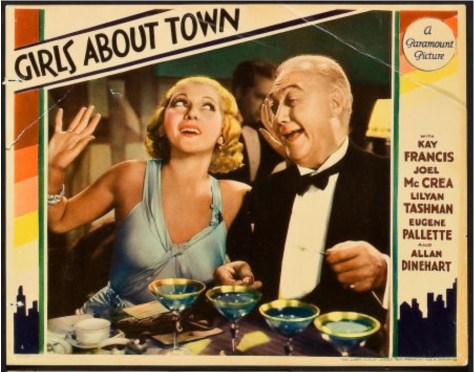
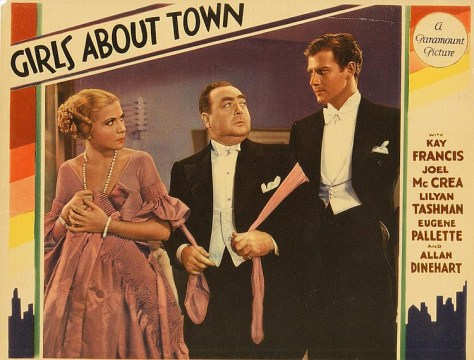
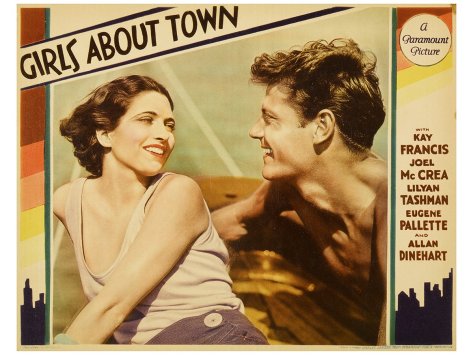
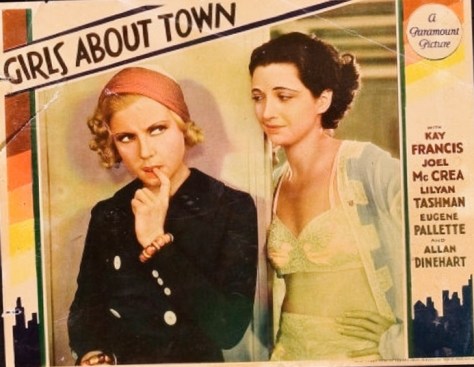
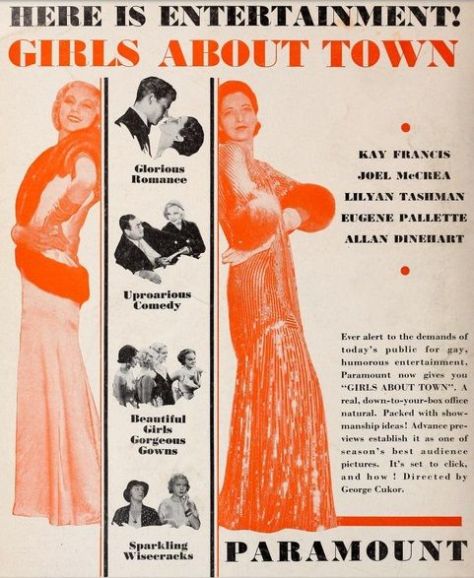
Francis’ career at Paramount changed gears when Warner Bros. promised her star status at a better salary. She appeared in George Cukor‘s Girls About Town (1931) and Twenty-Four Hours (1931). After Francis’ career skyrocketed at Warner Bros., she would return to Paramount for Ernst Lubitsch‘s Trouble in Paradise (1932).
63cdb9c20aab5fd3a5dcc52d947f0e81

Girls About Town (1931) Poster

7639642272_8e25d43ab9_b

Girls About Town (1931) Lobby Card

MV5BYzYzMjI5YjQtMGU0ZC00MWRiLThlNzQtYjdhOWE3MDRiMDQwXkEyXkFqcGdeQXVyMTcyODY2NDQ@._V1_

Girls About Town (1931) Lobby Card

DPBiNUuXcAAnp5F

Girls About Town (1931) Lobby Card

MV5BZThiMWM3NDQtZDg2Zi00OTg4LTg3MTItNDhlNmJmNjhjOGEyXkEyXkFqcGdeQXVyMjUxODE0MDY@._V1_

Girls About Town (1931) Lobby Card


133b8e42d9207fe1857b18cbaa4f48a8 (1)

Kay Francis in Girls About Town (1931) 
1931-kay-francis-risque-pre-code_1_03e3d2d494c206806423cc1d63815f52

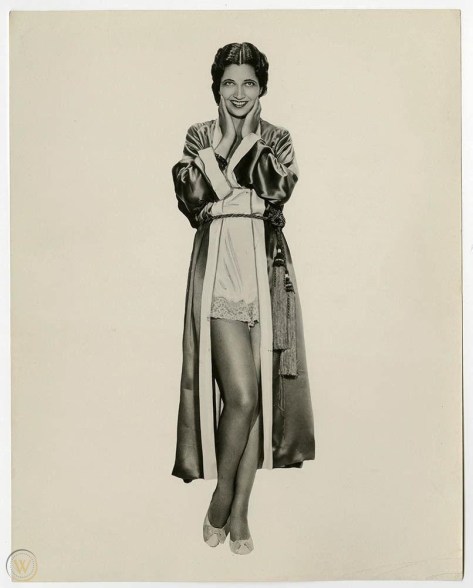
Kay Francis in Girls About Town (1931)
eaf2b80661e3c90ff09ae5ae376b873f

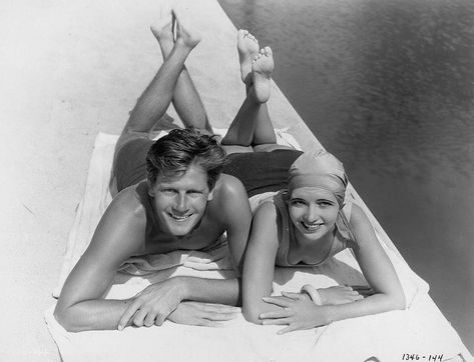
Joel McCrea and Kay Francis in Girls About Town (1931)
girlsabouttown1931silverscreen

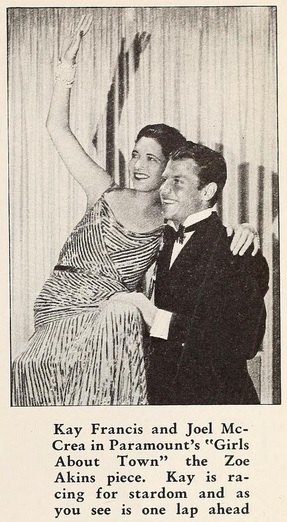
Premiere of Girls About Town (1931)

1930s-maga-star-kay-francis-joel-mccrea-from-the-movie-girls-about-town-1931-thomas-pollart

Joel McCrea and Kay Francis in Girls About Town (1931)
MV5BYzU3NGFjOTAtNWRmNi00NDJlLWI4MmEtMmRmYmIxZjFiY2U0XkEyXkFqcGdeQXVyMjUxODE0MDY@._V1_

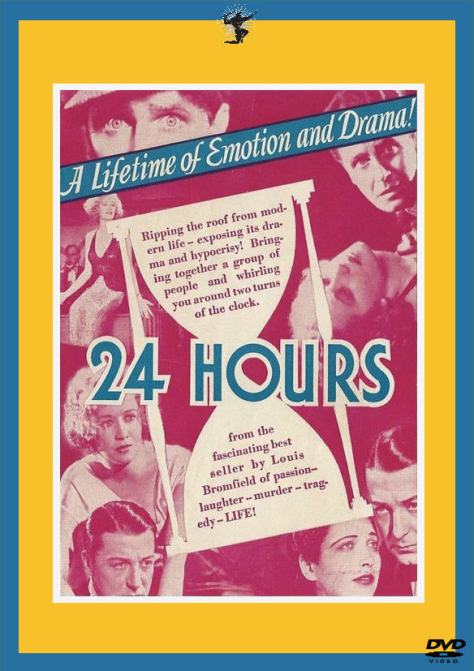
24 Hours AKA The Hours Between (1931) Poster
MV5BMmVlNjNkZWYtZDNhYi00YzFhLTgxY2EtMTEzZjViNDVmNTEzXkEyXkFqcGdeQXVyNjYyNzIwMTk@._V1_ (1)

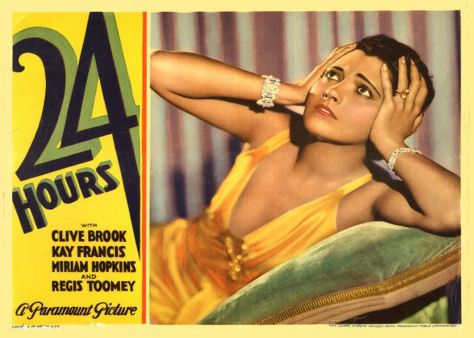
24 Hours AKA The Hours Between (1931) Lobby Card
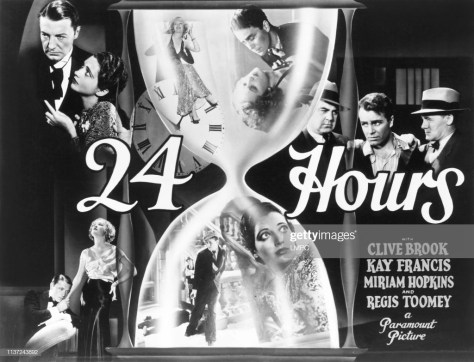
gettyimages-1137243892-1024x1024

24 Hours AKA The Hours Between (1931) Poster
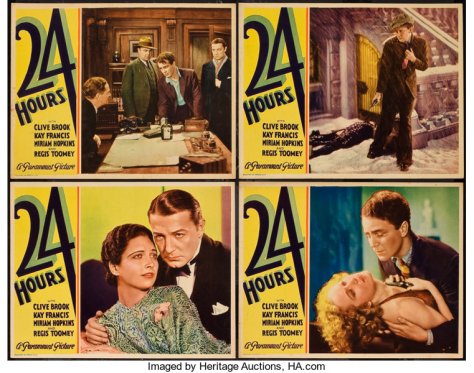
lf (14)

24 Hours AKA The Hours Between (1931) Lobby Cards
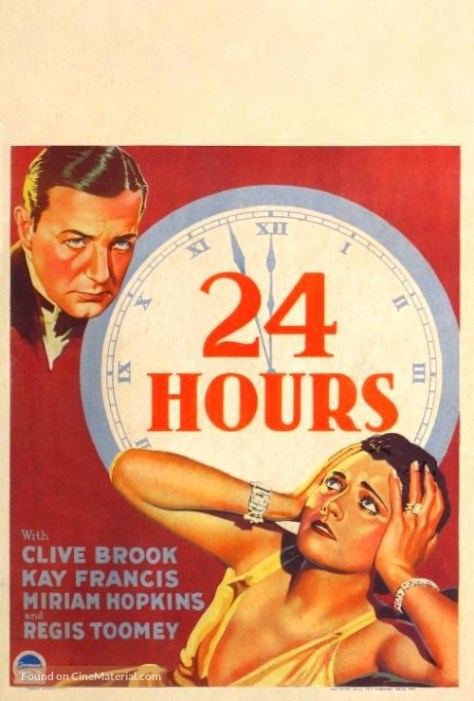
MV5BMjEwZDRhNDQtMDBjMC00MjVmLWJhNzktMDhiYmE5MzVmZGEzXkEyXkFqcGdeQXVyMjUxODE0MDY@._V1_

24 Hours AKA The Hours Between (1931) Poster
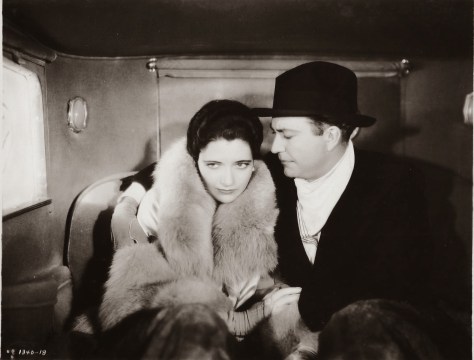
24hours0301

Kay Francis in 24 Hours AKA The Hours Between (1931) 
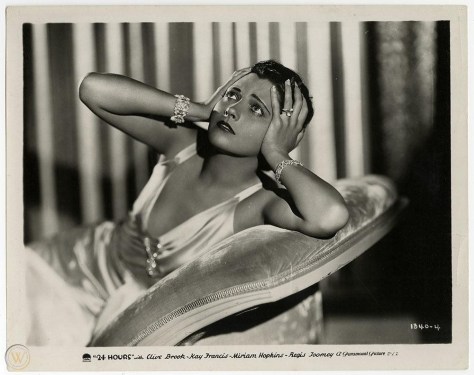
1_74cb03cb4da5e219d62bae501cfd3bf1

Kay Francis in 24 Hours AKA The Hours Between (1931) 
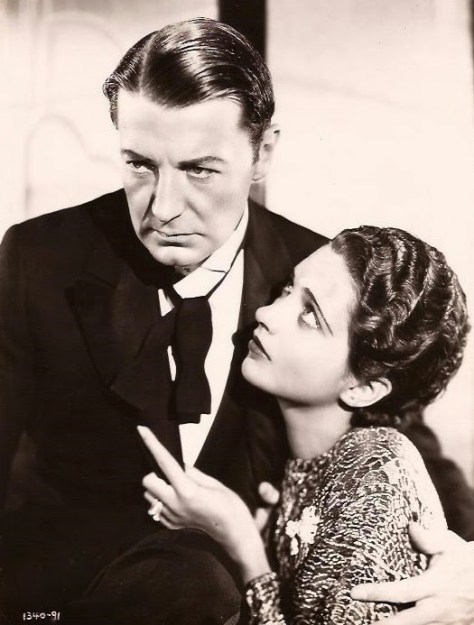
MV5BZjk2OTMxYzktNzUxNS00NTdiLWJhN2QtNzdkNjgyZjA5M2ZmXkEyXkFqcGdeQXVyMTcyODY2NDQ@._V1_

Clive Brook and Kay Francis in 24 Hours AKA The Hours Between (1931) 

MV5BY2E5ODgyYmQtY2Q0ZS00N2MyLWJhYzktYTliMWEyOWM2OGNiXkEyXkFqcGdeQXVyMDI2NDg0NQ@@._V1_

Trouble in Paradise (1932) Poster

3fded68153c68fd4d5cc2f4c86ed2d63

Herbert Marshall and Kay Francis in Trouble in Paradise (1932)
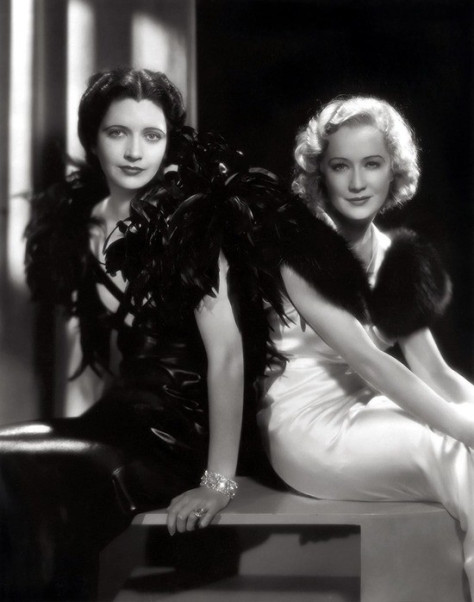
24-hours-16 (1)

Kay Francis and Miriam Hopkins in Trouble in Paradise (1932)
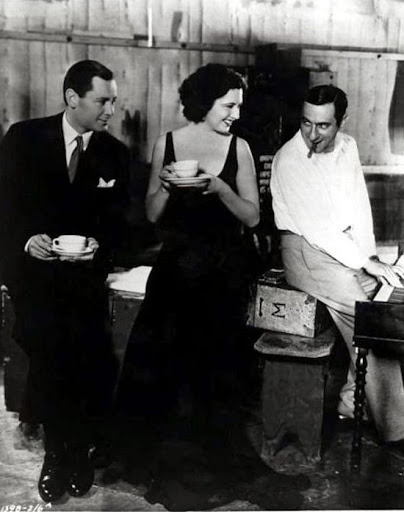
unnamed (1)

Herbert Marshall, Kay Francis and Ernst Lubitsch on the set of Trouble in Paradise (1932)
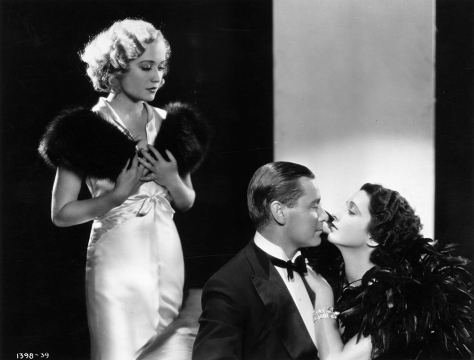
MV5BMjI2MzEzMDY3OF5BMl5BanBnXkFtZTgwNjgxMDc5MDI@._V1_SY1000_CR0,0,1315,1000_AL_

Miriam Hopkins, Herbert Marshall and Kay Francis in Trouble in Paradise (1932)
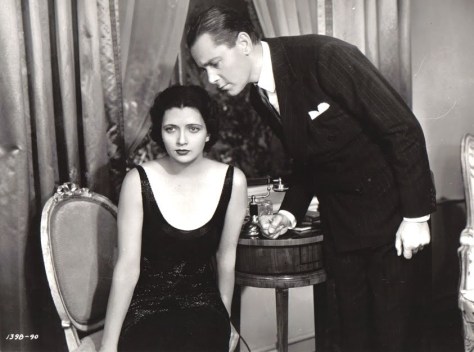
MV5BM2QwZmRhODYtZDk0NS00ZTZiLWI0YzMtYWJjMDU5NTFmMzg2XkEyXkFqcGdeQXVyMTcyODY2NDQ@._V1_

Kay Francis and Herbert Marshall in Trouble in Paradise (1932)
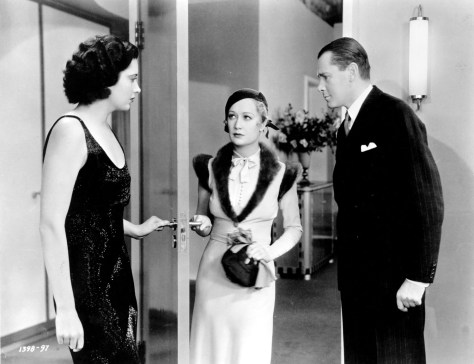
trouble-in-paradise2

Kay Francis, Miriam Hopkins and Herbert Marshall in Trouble in Paradise (1932)
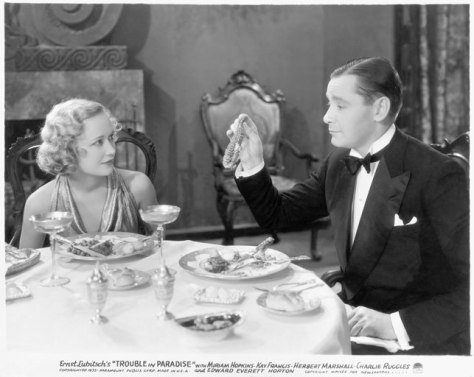
Trouble-in-Paradise

Miriam Hopkins and Herbert Marshall in Trouble in Paradise (1932)

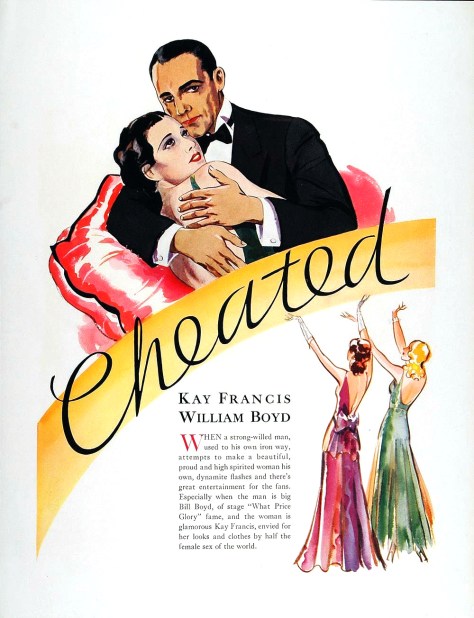
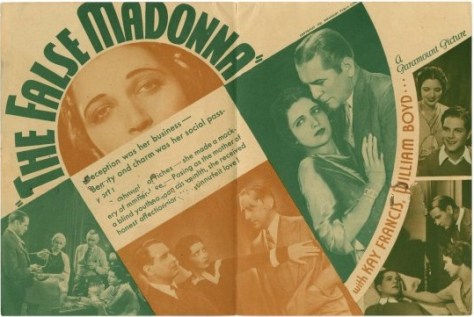
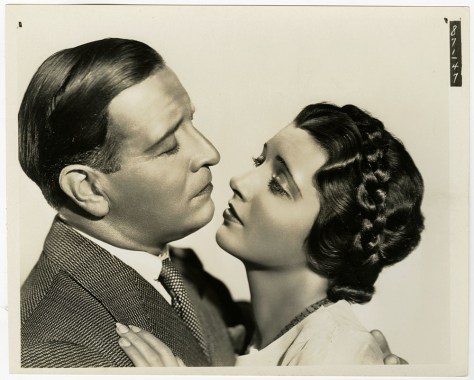
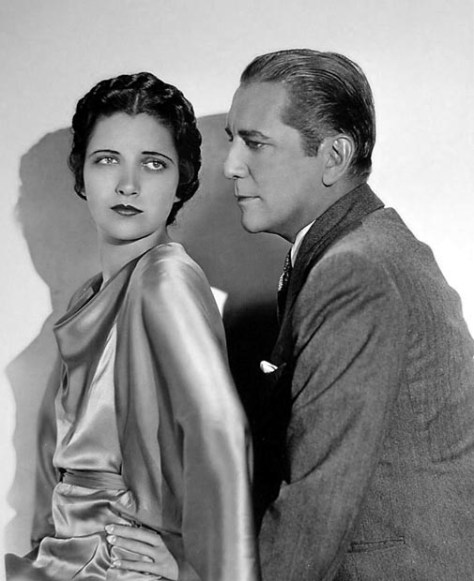
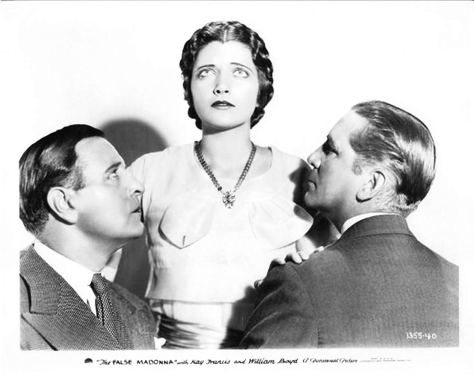
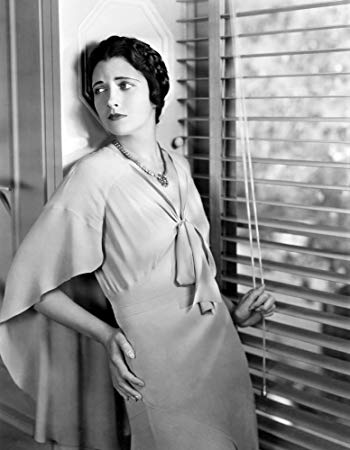
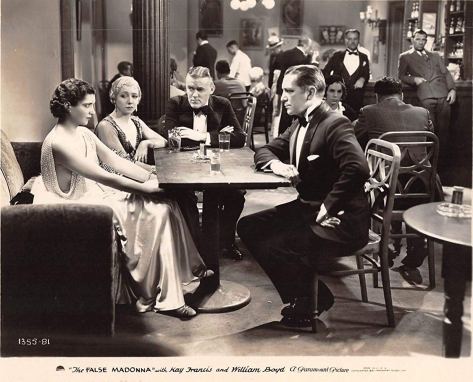
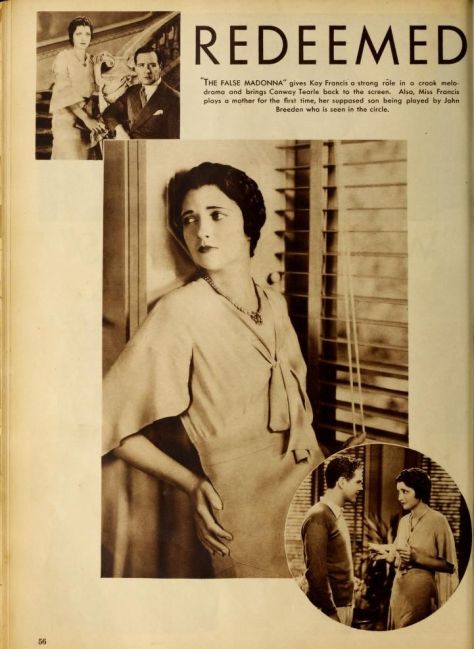
In 1932, Warner Bros. persuaded both Francis and Powell to join the ranks of Warners stars, along with Ruth Chatterton. In exchange, Francis was given roles that allowed her a more sympathetic screen persona than had hitherto been the case—in her first three featured roles she had played a villainess. For example, in The False Madonna (1932), she played a jaded society woman nursing a terminally ill child who learns to appreciate the importance of hearth and home. On December 16, 1931, Francis and her co-stars opened the Paramount Theatre in Oakland, California with a gala preview screening of The False Madonna.
2883216783_6300c320b9

Ruth Chatterton

MV5BNTI0MjM4MDQ0OV5BMl5BanBnXkFtZTgwNzQ2MzU0MjE@._V1_

Cheated AKA The False Madonna AKA The False Idol (1931) Poster
MV5BZTFjZTJiMzktM2Q4MC00NDhhLThmOTMtZDNjNTIxZDE5ZGMwXkEyXkFqcGdeQXVyMjUxODE0MDY@._V1_

Cheated AKA The False Madonna AKA The False Idol (1931) Poster
MV5BZmIxMDk5ZDItODg0OS00MTRmLTk0NWYtYTQxZjFmODZiZTFhXkEyXkFqcGdeQXVyMTcyODY2NDQ@._V1_

William Boyd and Kay Francis in Cheated AKA The False Madonna AKA The False Idol (1931)
falseeeeee

Conway Tearle and Kay Francis in Cheated AKA The False Madonna AKA The False Idol (1931)
MV5BMGYwYTM5ZDMtZjljMS00OWRhLWI1ZTgtNmMwN2NlMTI5OTQ0XkEyXkFqcGdeQXVyMTcyODY2NDQ@._V1_SY1000_CR0,0,1262,1000_AL_

William Boyd, Kay Francis and Conway Tearle in Cheated AKA The False Madonna AKA The False Idol (1931)
61ejRhy4IfL._SY450_

Kay Francis in Cheated AKA The False Madonna AKA The False Idol (1931)
MV5BYzZlNmRhZjEtMWQwNS00NTg4LWEwZDgtNmQ4ZGYwNjkwZWE2XkEyXkFqcGdeQXVyMTcyODY2NDQ@._V1_SX1239_CR0,0,1239,999_AL_

Kay Francis and Conway Tearle in Cheated AKA The False Madonna AKA The False Idol (1931)
20b29a7fb02451a49944fe1668ad50bb

Kay Francis in Cheated AKA The False Madonna AKA The False Idol (1931) Magazine Article


Mainstream successes

From 1932 through 1936, Francis was the queen of the Warners lot and increasingly her films were developed as star vehicles. By the mid-thirties, Francis was one of the highest-paid people in the United States. From the years 1930 to 1937, Francis appeared on the covers of 38 film magazines, the most for any adult performer and second only to Shirley Temple who appeared on 138 covers during that period.

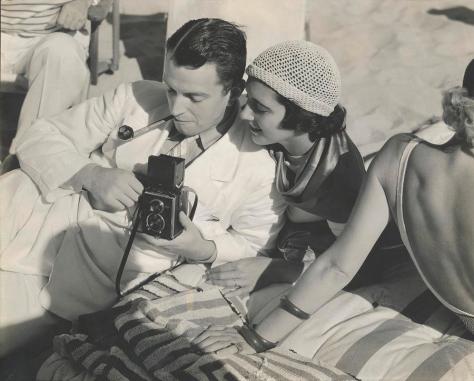
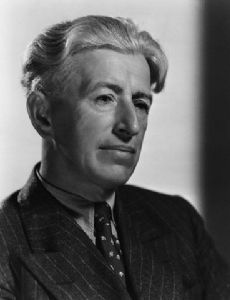
She had married writer-director John Meehan in New York, but soon after her arrival in Hollywood, she consummated an affair with actor and producer Kenneth MacKenna, whom she married in January 1931. When MacKenna’s Hollywood career foundered, he found himself spending more time in New York, and they divorced in 1934.
e1d253f76c85b3ea92b9c102eab5ab0a

John Meehan  

kenneth-mackenna-and-kay-francis-with-a-camera-edward-steichen

Kay Francis and Kenneth MacKenna

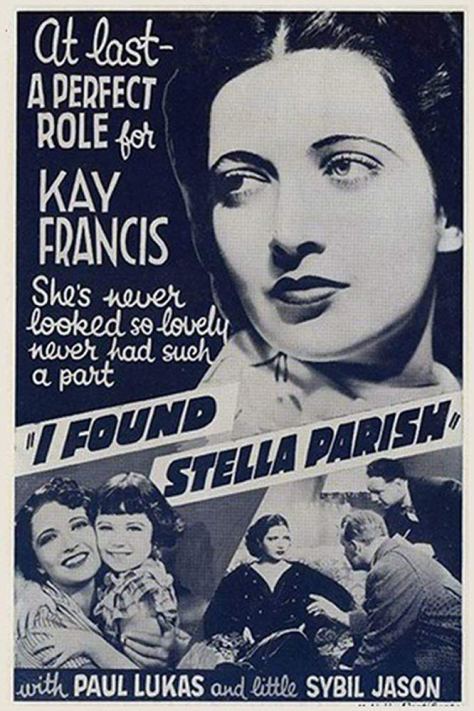
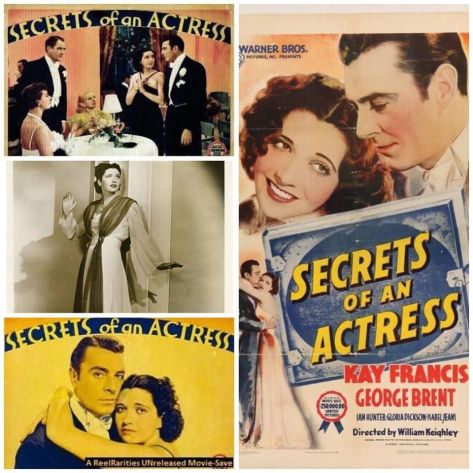
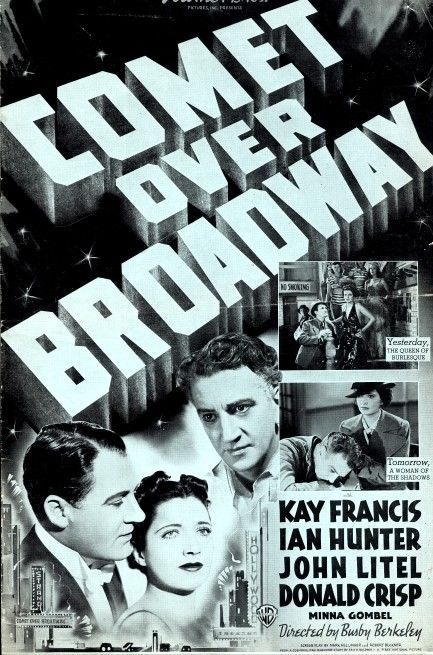
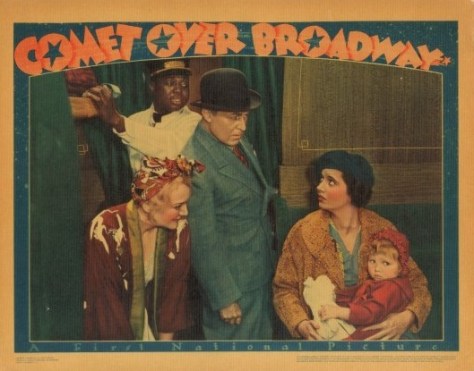
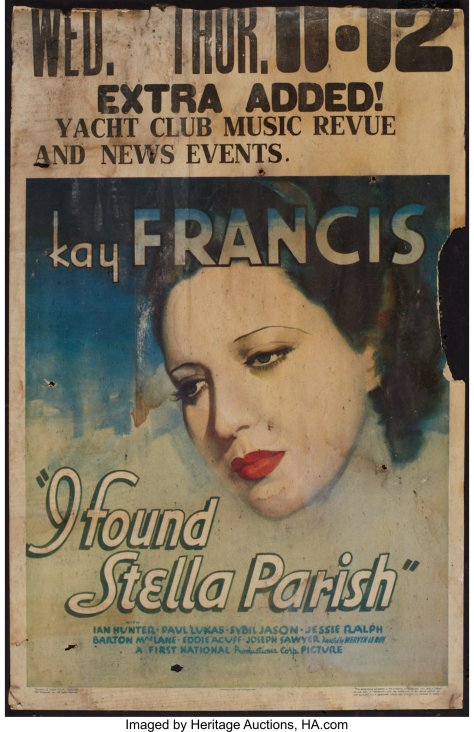
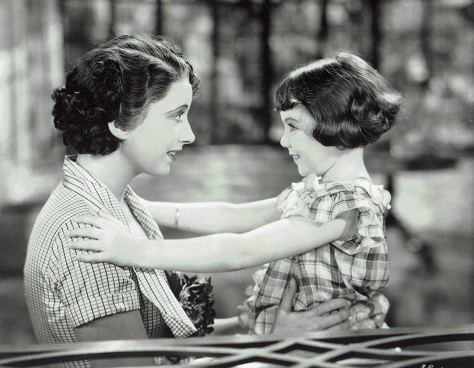
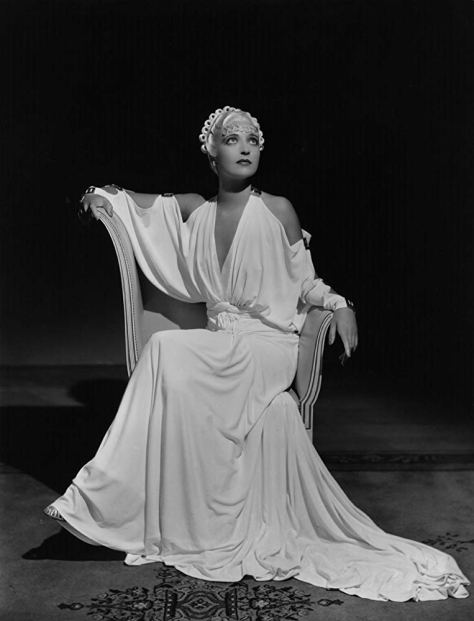
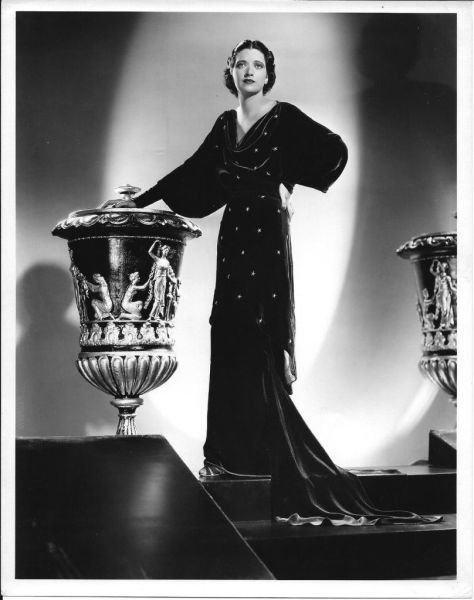
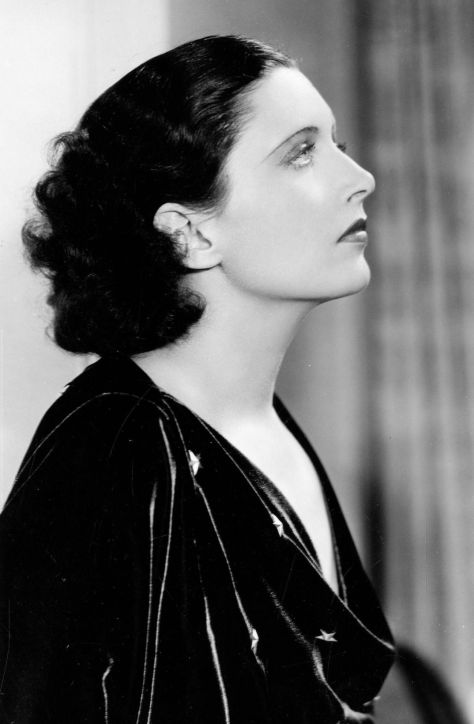
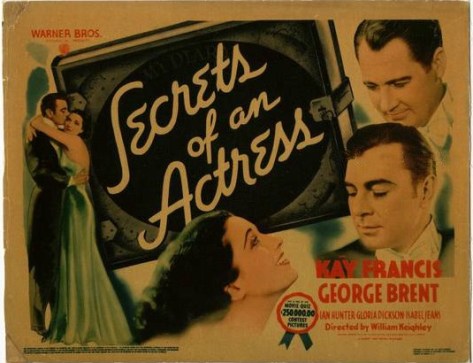
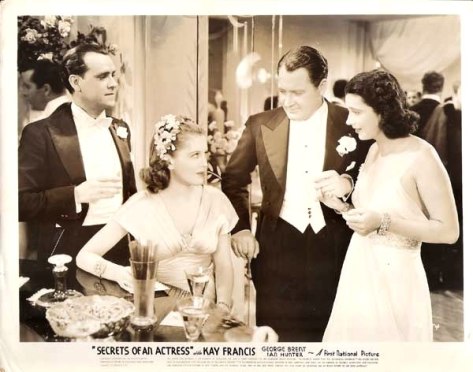
She frequently played long-suffering heroines, in films such as I Found Stella ParishSecrets of an Actress, and Comet Over Broadway, displaying to good advantage lavish wardrobes that, in some cases, were more memorable than the characters she played—a fact often emphasized by contemporary film reviewers.

Francis’ clotheshorse reputation often led Warners’ producers to concentrate resources on lavish sets and costumes, designed to appeal to Depression-era female audiences and capitalize on her reputation as the epitome of chic, rather than on scripts.
 

lf (15)

I Found Stella Parish (1935) Poster

MV5BMGYyMTE1NzMtMmRmNi00MDBjLTk1YTEtOTFhY2EzNDA0OTgxXkEyXkFqcGdeQXVyMjUxODE0MDY@._V1_SY1000_CR0,0,666,1000_AL_

I Found Stella Parish (1935) Poster

MV5BNTBiNTM1MTktNDM3OS00YjhjLTliNTctNDM5Mjg0YzUxMDNjXkEyXkFqcGdeQXVyMDI2NDg0NQ@@._V1_SY1000_CR0,0,700,1000_AL_

I Found Stella Parish (1935) Poster

aa1ca370820fc530ed6e8aaf18c82bd3

Kay Francis in I Found Stella Parish (1935)
MV5BOTdkMzFkYTAtNGY3ZC00ZmM1LThiNDgtODRmZmE0NWYyNzI3XkEyXkFqcGdeQXVyMzk3NTUwOQ@@._V1_SY1000_CR0,0,1287,1000_AL_

Kay Francis and Sybil Jason in I Found Stella Parish (1935)
MV5BMTUwNzYxMjc1NF5BMl5BanBnXkFtZTgwMTgxMDc5MDI@._V1_SY1000_CR0,0,763,1000_AL_

Kay Francis in I Found Stella Parish (1935)
66fa9a8b464ead1a325523f07156ba17

Kay Francis in I Found Stella Parish (1935)
283518d9cef8ee20034e419202941103

Kay Francis in I Found Stella Parish (1935)
secretsofanactressposter1029

Secrets of an Actress (1938) Poster

d6e95209fa51975e785859049bb49f9d

Secrets of an Actress (1938) Poster and Lobby Cards
13141-2520-2520Secrets-2520Of-2520An-2520Actress

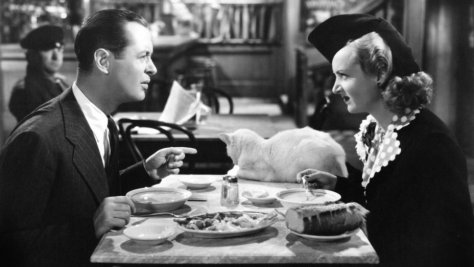
Ian Hunter and Kay Francis in Secrets of an Actress (1938) 
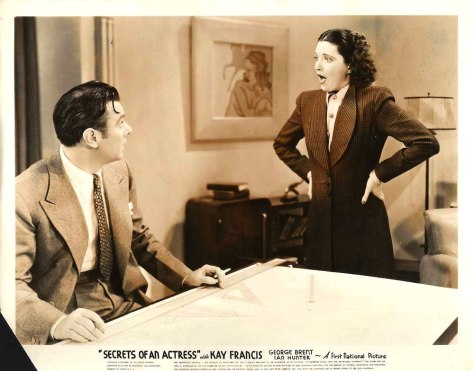
MV5BZWQ4ZDQ0M2ItNDUyNC00ZTU4LThjMjMtMDI0MTk3NjIxNzg2L2ltYWdlL2ltYWdlXkEyXkFqcGdeQXVyMTk2MzI2Ng@@._V1_

George Brent and Kay Francis in Secrets of an Actress (1938) 
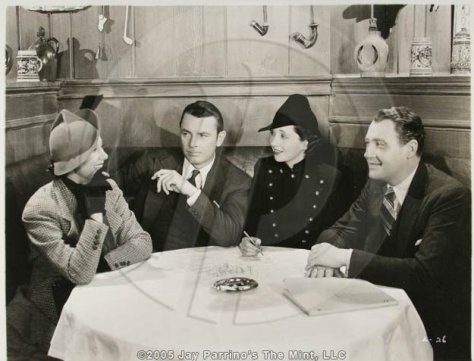
 

secrets0509

Kay Francis on the set of Secrets of an Actress (1938) 
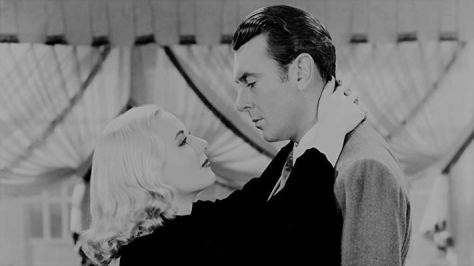
MV5BYjcyMDMyYjItZGFkZC00OTkwLWE5YTYtYzkxODgwNWI3YzZmXkEyXkFqcGdeQXVyMjc3MjgzOTU@._V1_SY400_SX711_AL_

Gloria Dickson and George Brent in Secrets of an Actress (1938) 
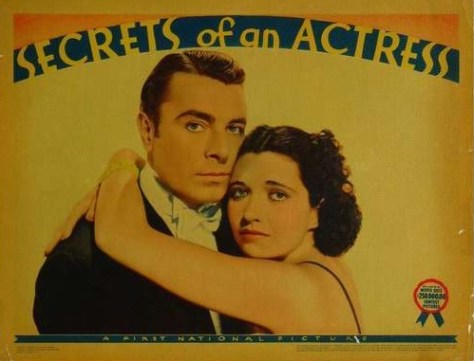
MV5BMWIzOGIzZDAtYTY0YS00OGIxLTk0ZGUtOGFmZGQyOWY3NGQwL2ltYWdlL2ltYWdlXkEyXkFqcGdeQXVyMTk2MzI2Ng@@._V1_

Secrets of an Actress (1938) Lobby Card
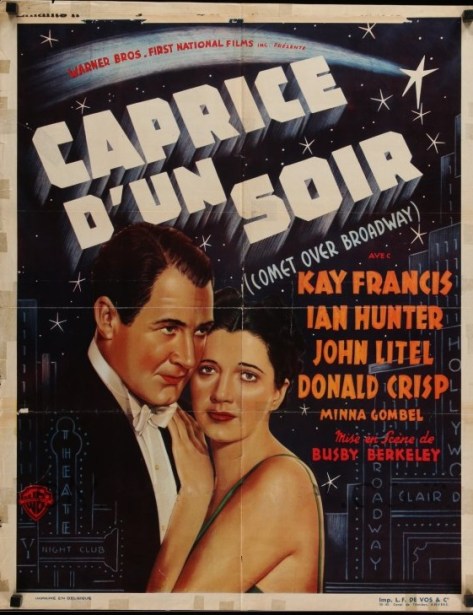
cometoverbroadwayposter0825

Comet Over Broadway (1938) Poster

188c9932eb6a194309a4838321cc324f

Comet Over Broadway (1938) Poster

cometoblobby09151

Comet Over Broadway (1938) Lobby Card
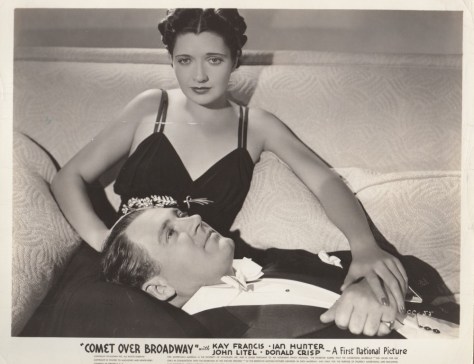
cometoverbroadway

Kay Francis and Ian Hunter in Comet Over Broadway (1938) 
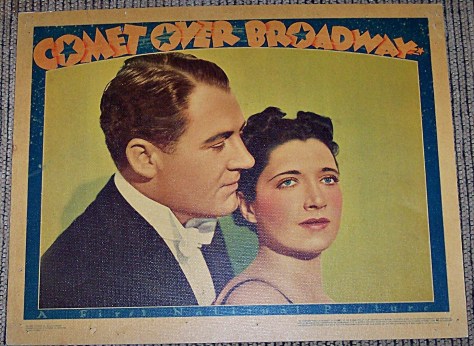
cometoverkaylobby

Comet Over Broadway (1938) Poster

CometOverBroadway1

Kay Francis and Ian Hunter in Comet Over Broadway (1938) 

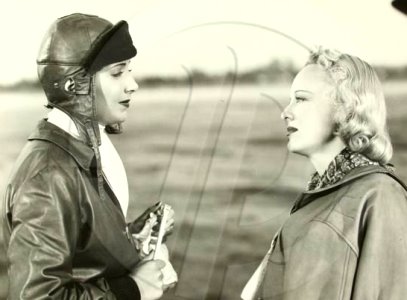
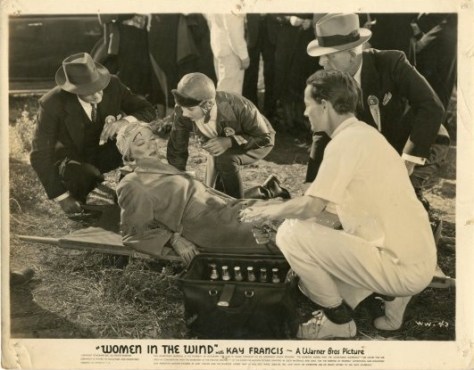
Eventually, Francis herself became dissatisfied with these vehicles and began openly to feud with Warners, even threatening a lawsuit against them for inferior treatment. This in turn led to her demotion to programmers such as Women in the Wind (1939) and, in the same year, to the termination of her contract.
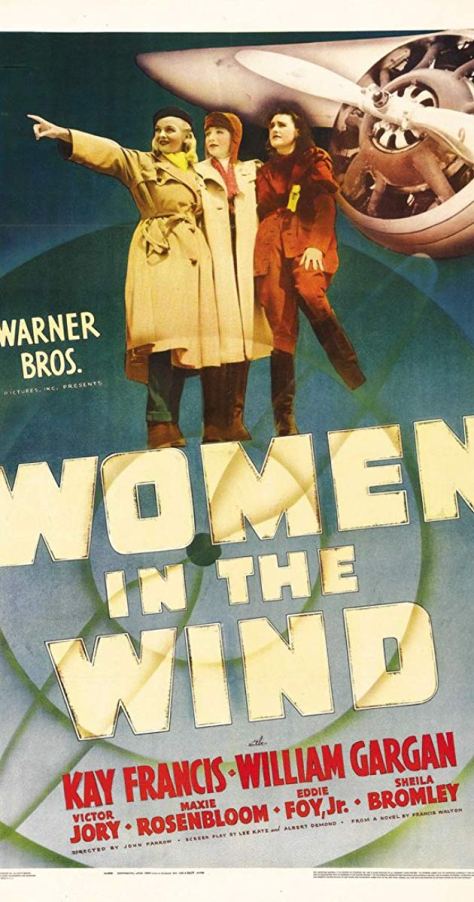
MV5BODBiNzdmMDUtOWRhMS00ZGViLTkxZDItNmU5ZjQ5NTk1NzYwXkEyXkFqcGdeQXVyNTY4NjI2OTA@._V1_UY1200_CR89,0,630,1200_AL_Women in the Wind (1939) Poster

731c2c99083eb6abf1b65ebba36eedaa

Eve Arden and Kay Francis in Women in the Wind (1939)
 

womeninthewindmain

Kay Francis and Eve Arden in Women in the Wind (1939)
womenfilmimage

Women in the Wind (1939) Lobby Card

19628

Kay Francis in a promo photograph for Women in the Wind (1939)


“Box Office Poison” and revival


The Independent Theatre Owners Association paid for an advertisement in The Hollywood Reporter in May 1938 that included Francis, along with Greta GarboJoan CrawfordFred AstaireMae WestKatharine Hepburn and others, on a list of stars dubbed “box office poison“.

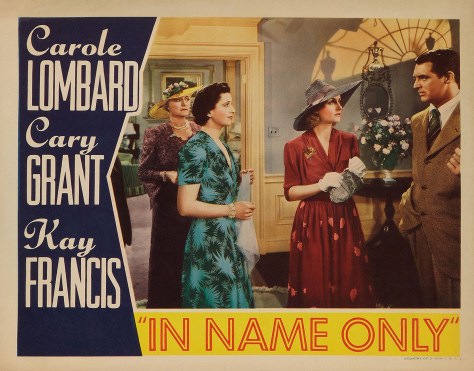
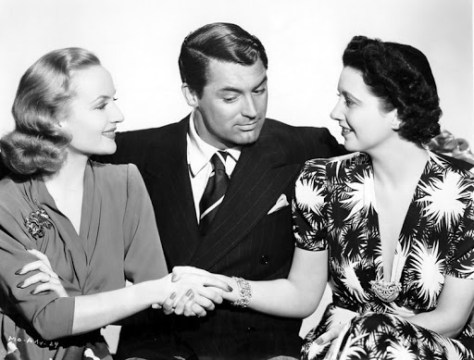
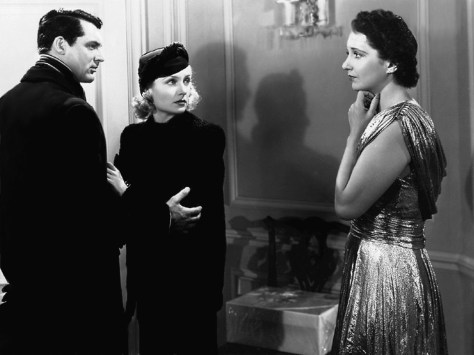
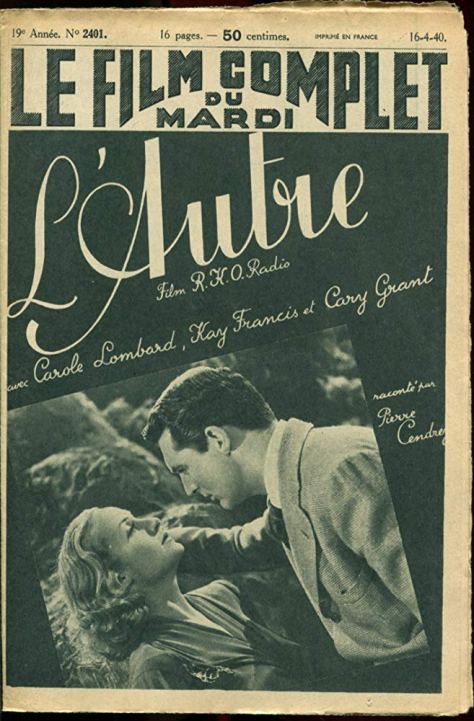
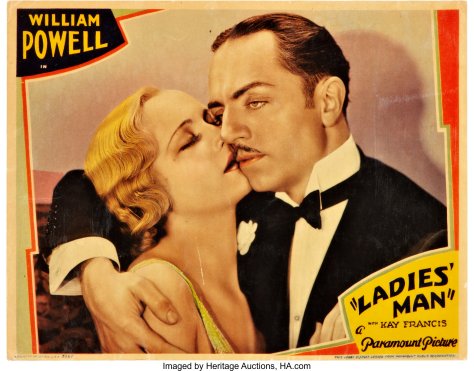
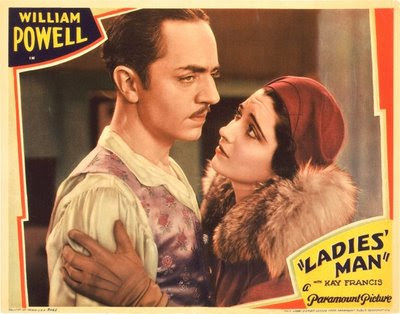
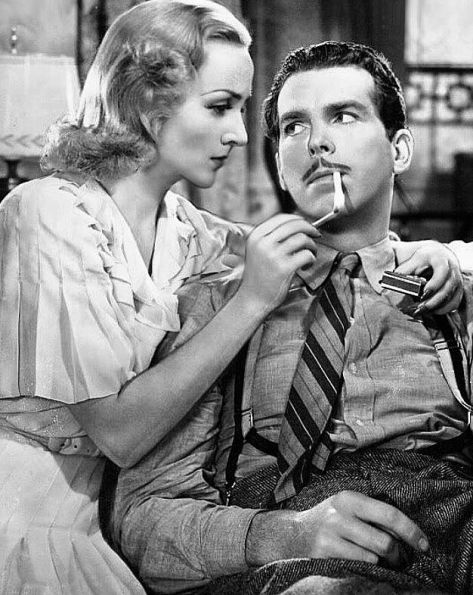
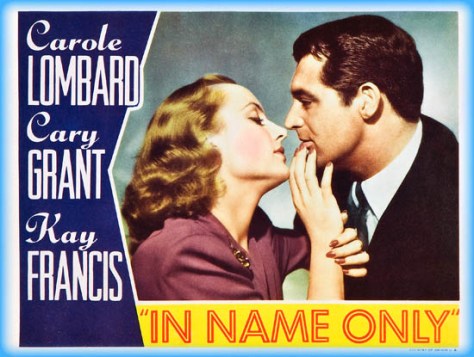
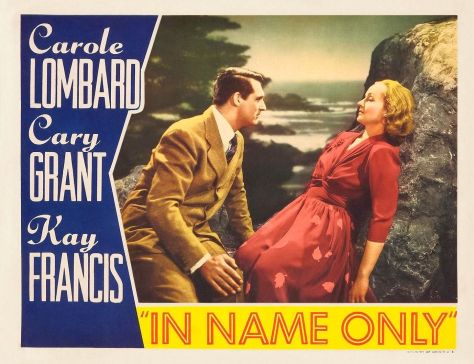
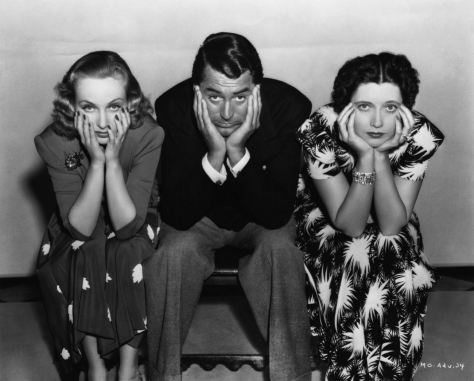
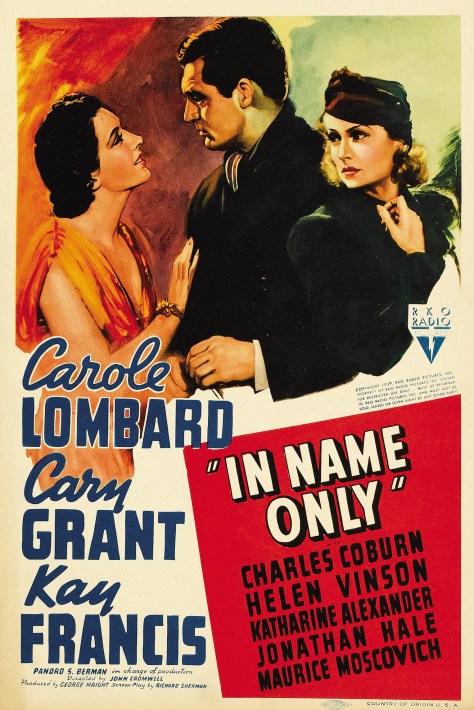
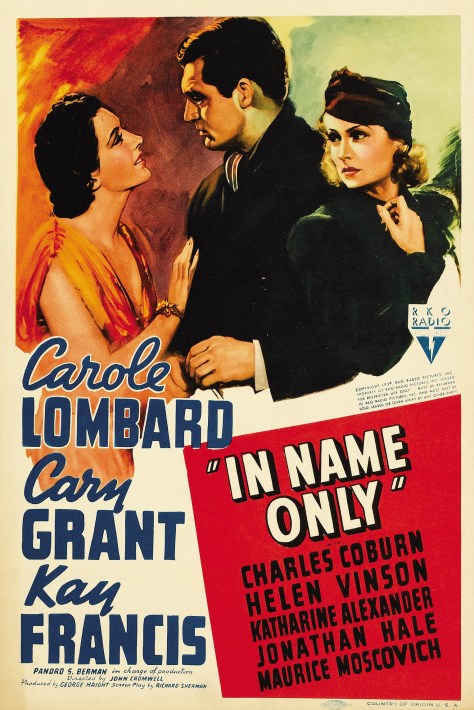
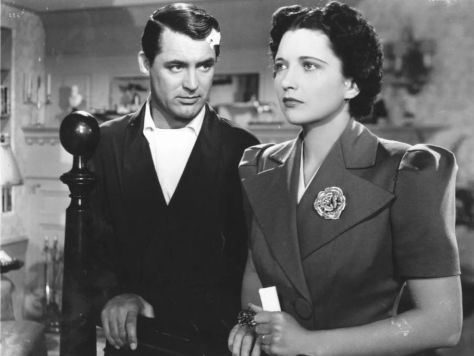
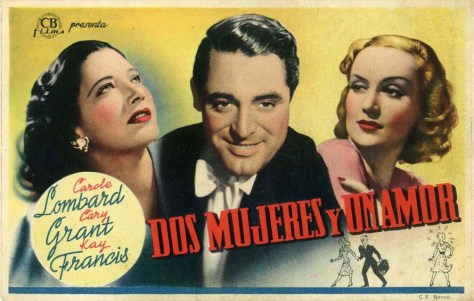
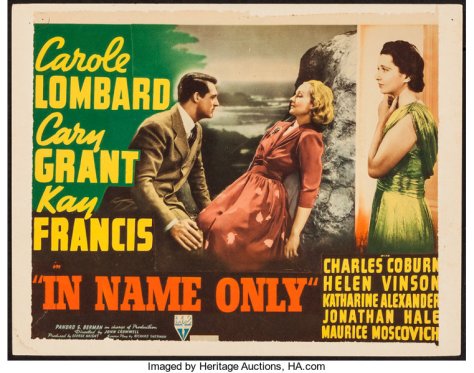
After her release from Warners, Francis was unable to secure another studio contract. Carole Lombard, one of the most popular stars of the late 1930s and early 1940s (and who had previously been a supporting player in Francis’ 1931 film, Ladies’ Man) tried to bolster Francis’ career by insisting Francis be cast in In Name Only (1939).
MV5BNzcxMDljZjAtZGViNC00MTRkLWJjYjYtZjBjNDQ5MjYwMTgxXkEyXkFqcGdeQXVyMDI2NDg0NQ@@._V1_ (1)

In Name Only (1939) Poster

in-name-only_05

In Name Only (1939) Lobby Card

unnamed (2)

Carole Lombard, Cary Grant and Kay Francis in In Name Only (1939)
0bfc1b484bca1f3469b156f49542ead7

Cary Grant and Kay Francis in In Name Only (1939)
MV5BYWM4YWM3YmEtMzRkYi00NTkwLTgxMDMtOTU1ZGVjNDhhYTExXkEyXkFqcGdeQXVyNzA4ODc3ODU@._V1_

In Name Only (1939) Poster

innmae

Cary Grant, Carole Lombard and Kay Francis in In Name Only (1939)
lf (16)

In Name Only (1939) Lobby Card

MV5BZDM1ZGQxMjMtNDlmMi00NTJkLTlhMzMtMjJlNjJiMTNlZDNjXkEyXkFqcGdeQXVyNDUyNzcwNjU@._V1_SY1000_CR0,0,657,1000_AL_

In Name Only (1939) Poster

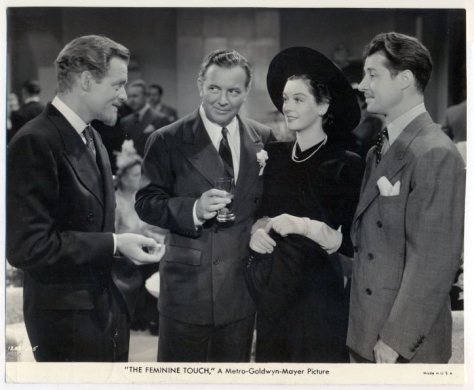
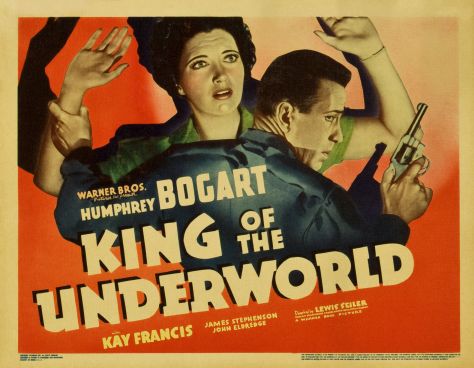
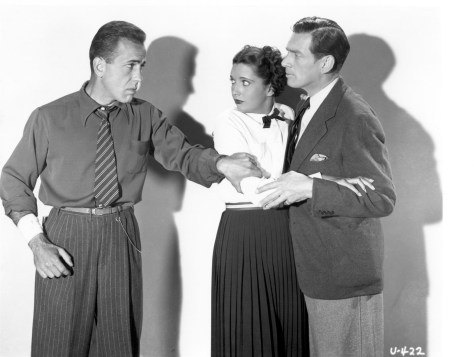
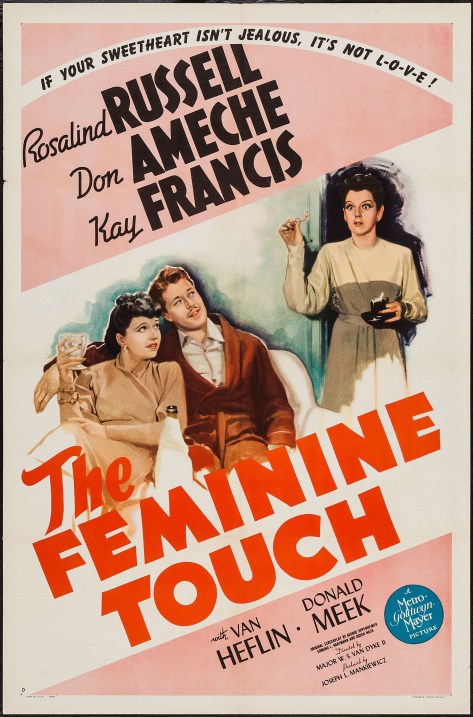
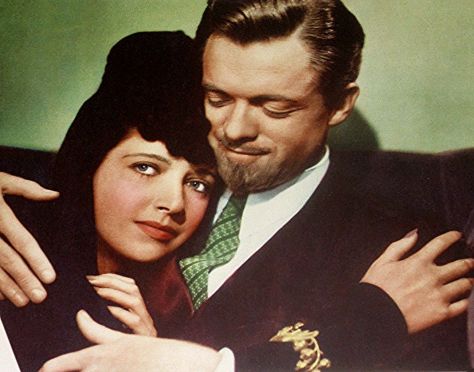
In this film, Francis had a supporting role to Lombard and Cary Grant, but recognized that the film offered her an opportunity to engage in some serious acting. After this, she moved to character and supporting parts, playing catty professional women – holding her own against Rosalind Russell in The Feminine Touch, for example – and mothers opposite rising young stars such as Deanna Durbin. Francis did have a lead role in the Bogart gangster film King of the Underworld, released in 1939.
The_Feminine_Touch_poster

The Feminine Touch (1941) Poster

-2902608220799024946

Van Heflin, Rosalind Russell and Don Ameche in The Feminine Touch (1941)
1403881fd553367f2d0909fedcacb558

Kay Francis and Van Heflin in The Feminine Touch (1941)
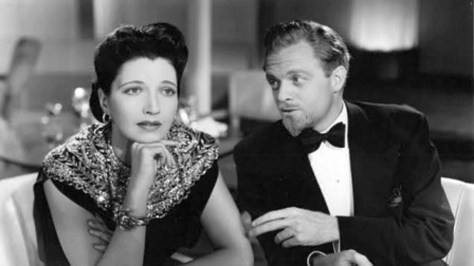
image-w1280 (1)

Kay Francis and Van Heflin in The Feminine Touch (1941)
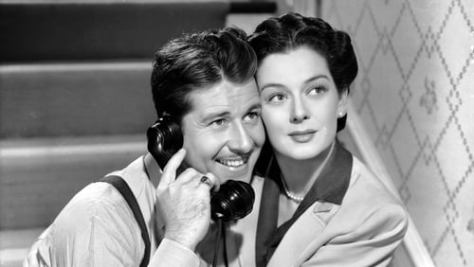
hQZlOCOIqDjOlbzexeE0LbbmcBF

Don Ameche and Rosalind Russell in The Feminine Touch (1941)
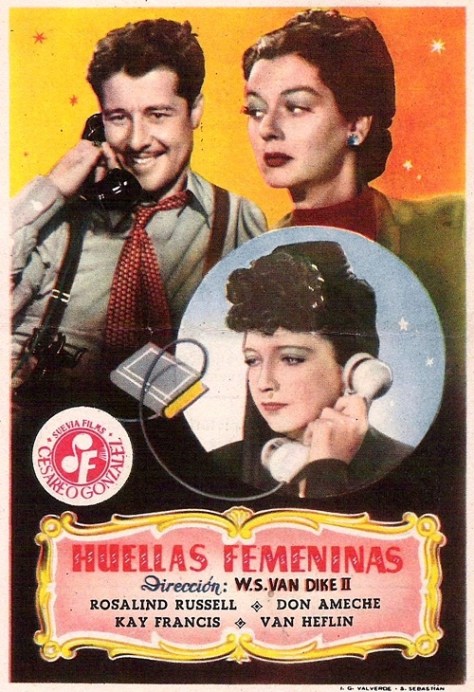
Feminine-touch

The Feminine Touch (1941) Poster

1d06081e93e9014942e2612769dc94ff

King of the Underworld (1939) Poster

image (2)

Humphrey Bogart and Kay Francis in King of the Underworld (1939)
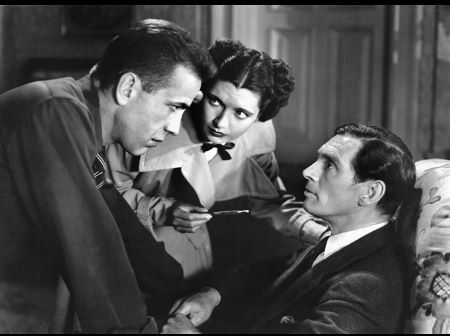
8ef61c2672d13d78662292ce980193d2--kay-francis-the-underworld

Humphrey Bogart and Kay Francis in King of the Underworld (1939)
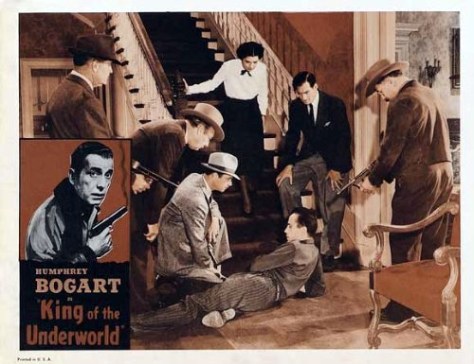
MV5BMjM3MzA2NDY3NV5BMl5BanBnXkFtZTgwNDU0NTQ0MjE@._V1_

King of the Underworld (1939) Lobby Card
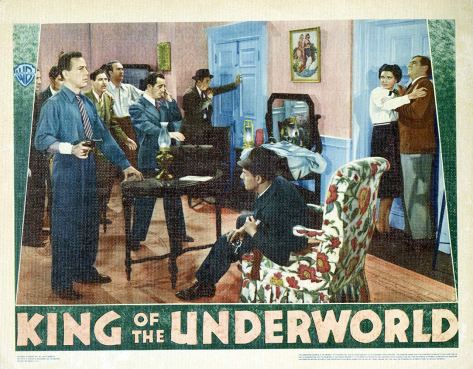
MV5BZmZkZjUxODktNWRlNy00MzExLWFjZGUtNmNlNDc5MGY5MDk3XkEyXkFqcGdeQXVyMDI2NDg0NQ@@._V1_SX1281_CR0,0,1281,999_AL_

King of the Underworld (1939) Lobby Card
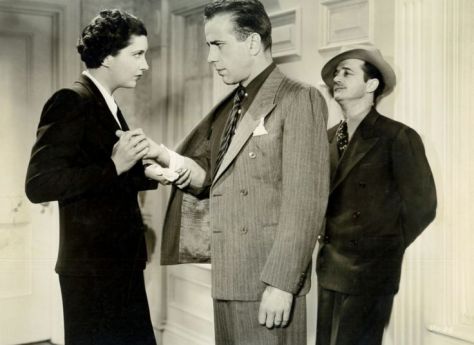
KingoftheUnderworld2

Kay Francis and Humphrey Bogart in King of the Underworld (1939) 
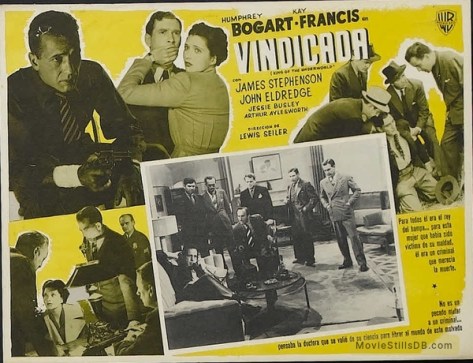
king-of-the-underworld-lg

King of the Underworld (1939) Lobby Card

World War II era


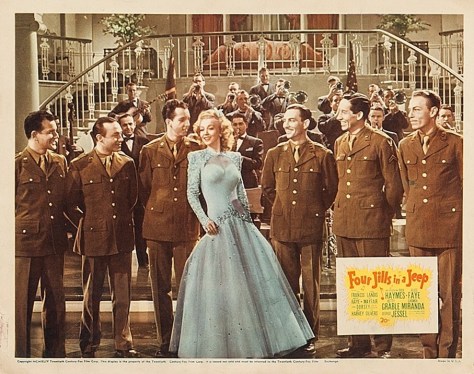
With the start of World War II, Francis did volunteer work, including extensive war-zone touring, which was first chronicled in a book attributed to fellow volunteer Carole LandisFour Jills in a Jeep, which became a popular 1944 film of the same name, with a cavalcade of stars and Martha Raye and Mitzi Mayfair joining Landis and Francis to fill out the complement of Jills.
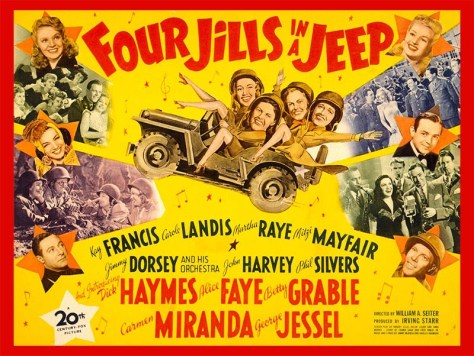
MV5BMTlkY2Q5N2EtYWEwZi00MjY5LTkyYTktZDU4ODAwNzkzNjk4L2ltYWdlL2ltYWdlXkEyXkFqcGdeQXVyMjc3MjgzOTU@._V1_

Four Jills in a Jeep (1944) Poster

MV5BZDFhNWIyYWEtMGFmNi00OWZkLWEyMDMtOGMzYWZmN2Q1MzY3XkEyXkFqcGdeQXVyMjc3MjgzOTU@._V1_

Four Jills in a Jeep (1944) Lobby Card
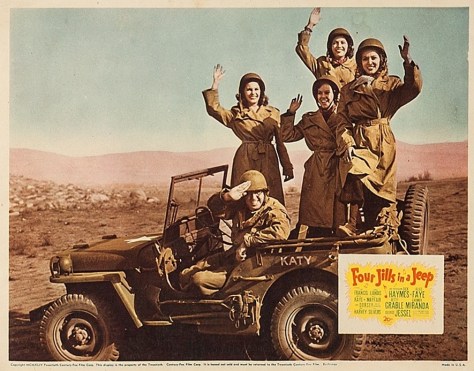
MV5BM2ZmMmFhNjItMDA0NS00YTU5LTk2Y2MtM2IzNTk1YzVkYmVlXkEyXkFqcGdeQXVyMjc3MjgzOTU@._V1_

Four Jills in a Jeep (1944) Lobby Card
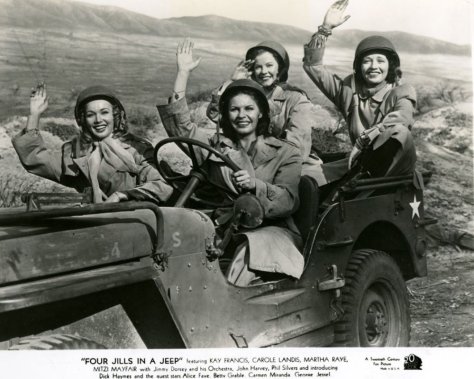
lobby-card

Four Jills in a Jeep (1944) Lobby Card
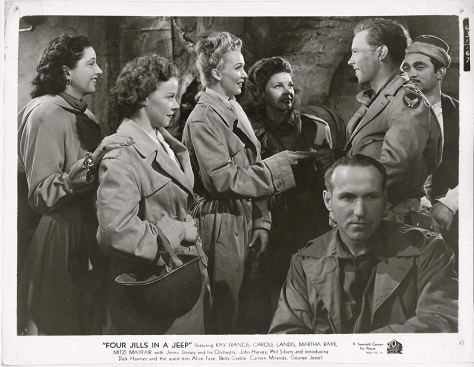
MV5BMmQ2ZDQ5MGUtODY1Yy00ZDQwLWI0YzQtMjQ2YjNlYTdmMGYwL2ltYWdlL2ltYWdlXkEyXkFqcGdeQXVyMjc3MjgzOTU@._V1_SY1000_CR0,0,1291,1000_AL_

Four Jills in a Jeep (1944) Lobby Card
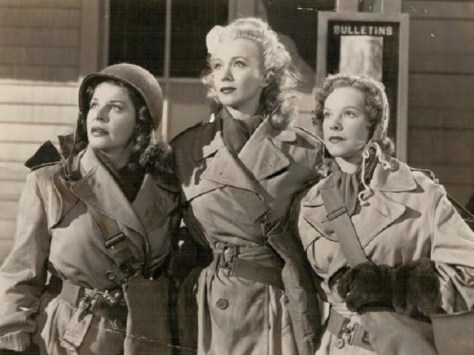
MV5BMGQyZTczOWUtNmQ5ZC00M2M1LThkYTQtZDMzZWE2OTljZGQ1XkEyXkFqcGdeQXVyMjc3MjgzOTU@._V1_

Mitzi Mayfair, Carole Landis and Martha Raye in Four Jills in a Jeep (1944)
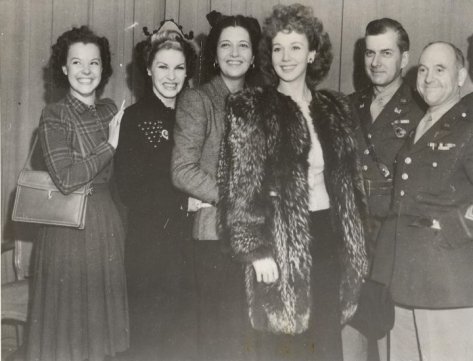
fourjills1

Kay Francis promoting Four Jills in a Jeep (1944) 
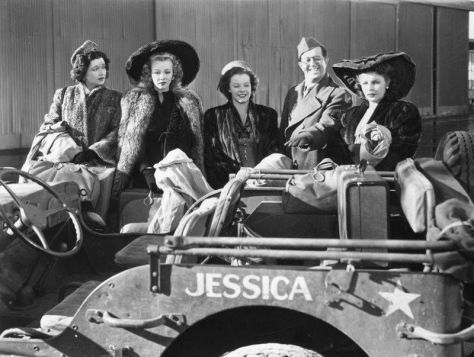
dc4e0acf17c1c41a7b79b426a61efdb0

Kay Francis on the set of Four Jills in a Jeep (1944) 
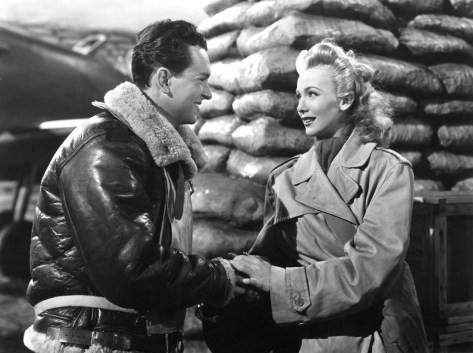
MV5BNzgwMzZhMTUtYWNmMy00ZmY0LTlhNTQtMDk3MzdlZjIzZTQyL2ltYWdlL2ltYWdlXkEyXkFqcGdeQXVyMjc3MjgzOTU@._V1_

John Harvey and Carole Landis in Four Jills in a Jeep (1944) 

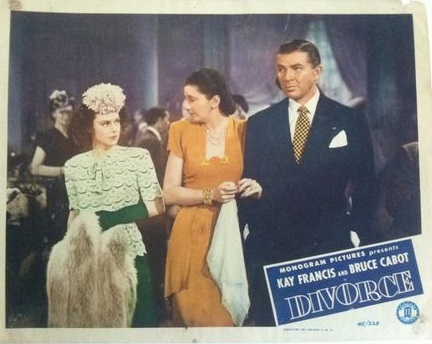
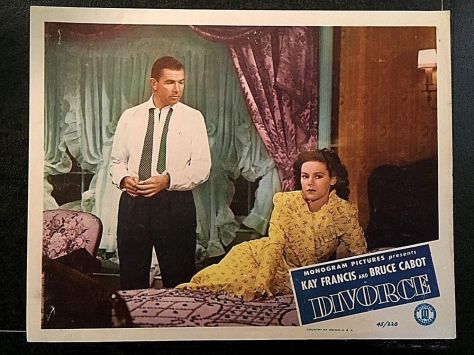
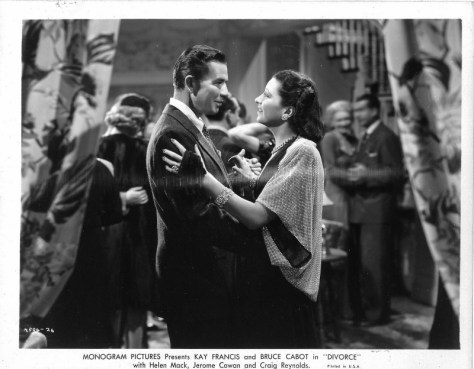
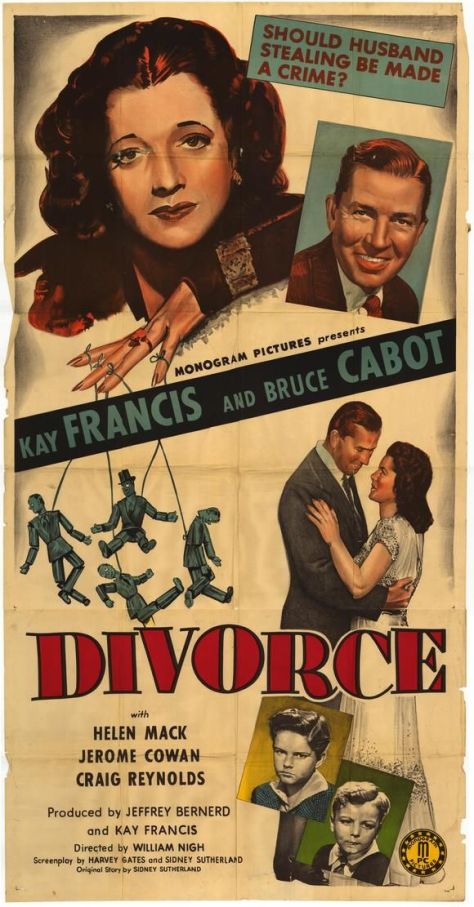
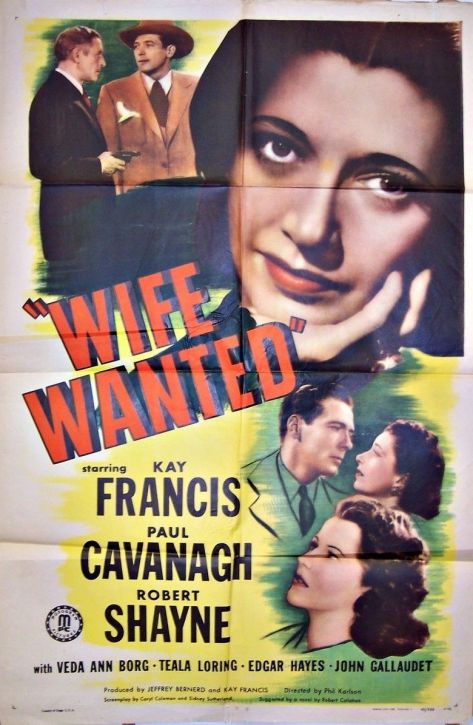
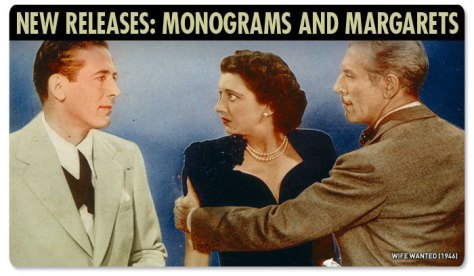
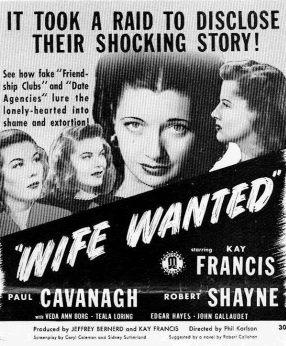
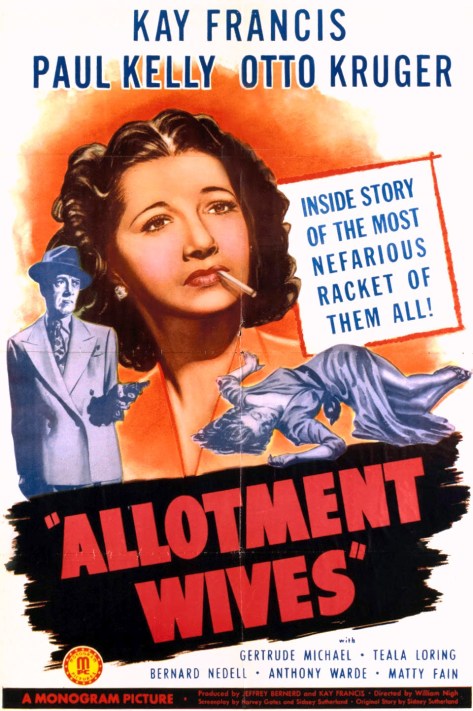
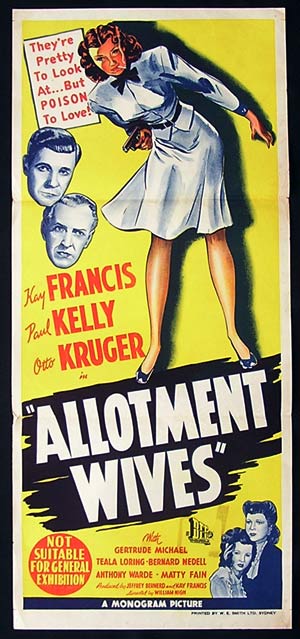
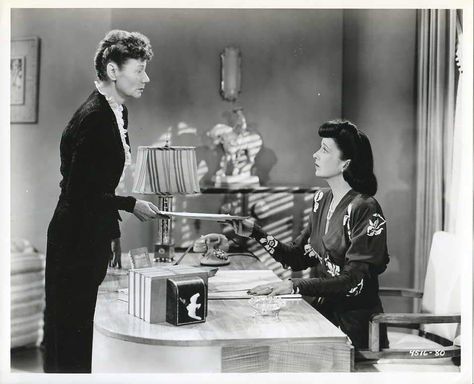
Despite the success of Four Jills, the end of the war found Francis virtually unemployable in Hollywood. She signed a three-film contract with Poverty Row studio Monogram Pictures that gave her production credit as well as star billing.

The results – the films DivorceWife Wanted, and Allotment Wives – had limited releases in 1945 and 1946.
ace6ff9f2bdf67bee91dff5590eecb4f

Divorce (1945) Poster

divorcelobby07

Divorce (1945) Lobby Card

5668080d6dffa7fa77dd0a760380b185

Divorce (1945) Lobby Card

divorce65654

Bruce Talbot and Kay Francis in Divorce (1945) Lobby Card
Wife-Wanted-1946-film-images-86f28086-672a-4d92-8ca9-558cbd1d008

Wife Wanted AKA Shadow of Blackmail (1946) Poster
unnamed (3)

Wife Wanted AKA Shadow of Blackmail (1946) Poster
tumblr_mr4bczl0pD1qd3nk9o1_1280

Wife Wanted AKA Shadow of Blackmail (1946) Lobby Card
unnamed

Wife Wanted AKA Shadow of Blackmail (1946) Poster
MV5BM2YwYzc5YWEtODVlYy00NTIxLWFlM2ItMzYwYzRkNzM0OGVkXkEyXkFqcGdeQXVyNjc0MzMzNjA@._V1_

Allotment Wives AKA Woman in the Case (1945) Poster
ALLOTMENTWIVES

Allotment Wives AKA Woman in the Case (1945) Poster
3962af48a5922f446ca2c94a78f54472--kay-francis

Kay Francis in Allotment Wives AKA Woman in the Case (1945)
ed42c27d5d06fbf89225edf8b81b111a--kay-francis-monograms

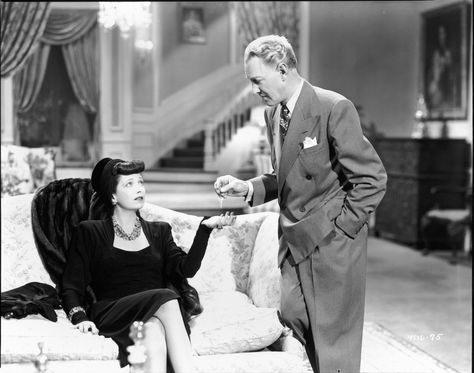
Kay Francis and Otto Kruger in Allotment Wives AKA Woman in the Case (1945) 
allotmentwives (1)

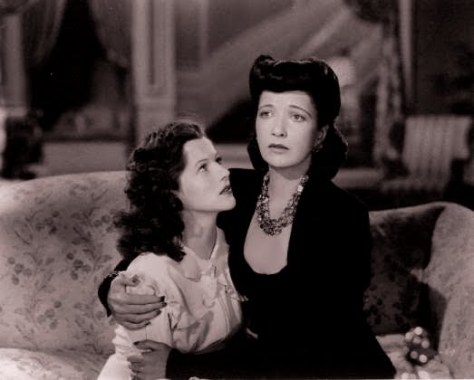
Teala Loring and Kay Francis in Allotment Wives AKA Woman in the Case (1945) Poster

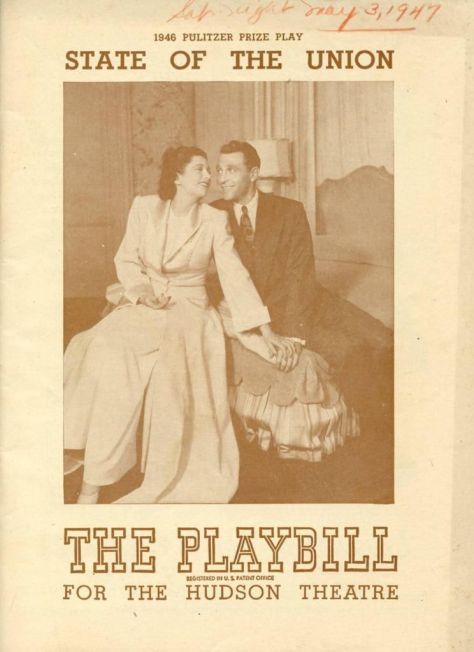
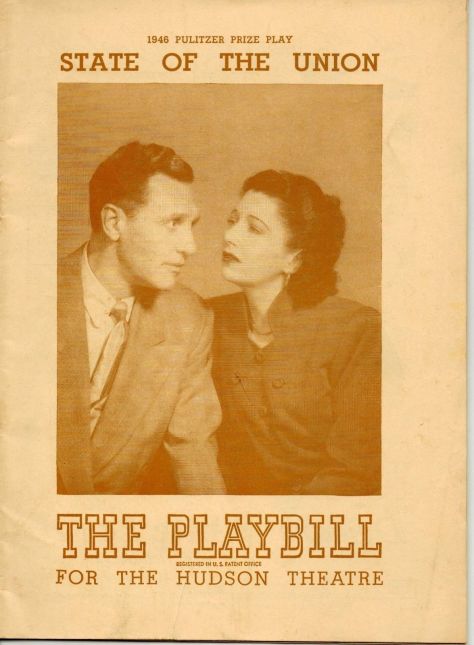
Francis spent the remainder of the 1940s on the stage, appearing with some success in State of the Union and touring in various productions of plays old and new, including one, Windy Hill, backed by former Warners colleague Ruth Chatterton. Declining health, aggravated by an accident in 1948 in which she was badly burned by a radiator, hastened her retirement from show business.
59edd870e2014639cfeb656169c65ab8

State of the Union (1947) Programme

d282d3606ba54db8e711ffce84165b14

State of the Union (1947) Programme


Personal life
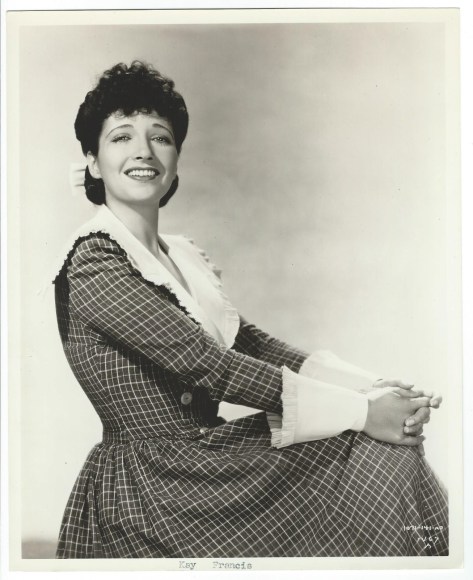
“”My life? Well, I get up at a quarter to six in the morning if I’m going to wear an evening dress on camera. That sentence sounds a little ga-ga, doesn’t it? But never mind, that’s my life…As long as they pay me my salary, they can give me a broom and I’ll sweep the stage. I don’t give a damn. I want the money…When I die, I want to be cremated so that no sign of my existence is left on this earth. I can’t wait to be forgotten.” – From Kay Francis’s private diaries, c. 1938.
whenlkayrde1

Francis married five times. Her diaries, preserved in an academic collection at Wesleyan University, paint a picture of a woman whose personal life was often in disarray. She regularly socialized with homosexual men, one of whom, Anderson Lawler, was reportedly paid $10,000 by Warner Bros. to accompany her to Europe in 1934.
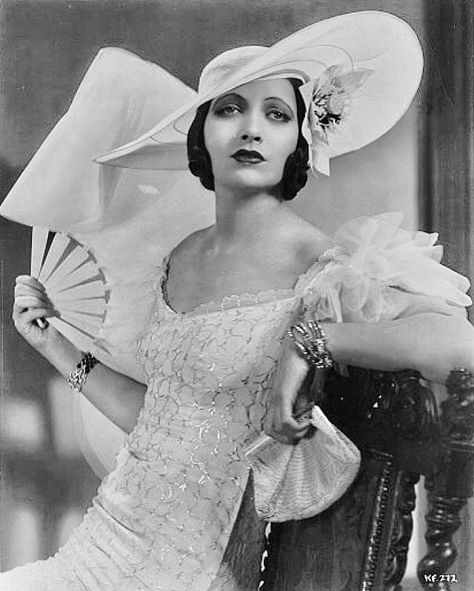
 

9a6fa6c9ec004a2f1505796933fdf086

Kay Francis in Mandalay (1934)

In 1966, Francis was diagnosed with breast cancer and underwent a mastectomy, but the cancer had spread and proved fatal. Having no living immediate family members, Francis left more than $1,000,000 to The Seeing Eye, which trains guide dogs for the blind. She died in 1968, aged 63, and her body was immediately cremated; her ashes were scattered.
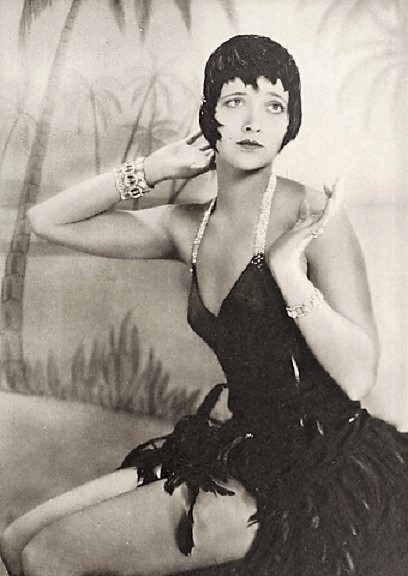
 

Kay_Francis_NM530

Partial filmography

Features

10402978_1422291120

Short subjects

MV5BMmVmZWExZTYtMGMzZS00MDU0LWIzZTMtYjU2MTY5YTc2MmZjXkEyXkFqcGdeQXVyMTcyODY2NDQ@._V1_

References

Notes

  1. Jump up^ Obituary Variety, August 28, 1968, page 63.
  2. Jump up^ Osborne, Robert. Introduction to King of the UnderworldTurner Classic Movies(18 September 2008)
  3. Jump up^ “The Wesleyan Cinema Archives”. Wesleyhan.edu. Retrieved 8 September2010.
  4. Jump up^ The 1910 census lists 1905 as her birth year.
  5. Jump up^ enumerated on May 28, 1910 (Ancestry.com)
  6. Jump up^ Kay Francis at the Internet Broadway Database
  7. Jump up^ Hamlet at the Internet Broadway Database
  8. Jump up^ Crime at the Internet Broadway Database
  9. Jump up^ Venus at the Internet Broadway Database
  10. Jump up^ Elmer the Great at the Internet Broadway Database
  11. Jump up^ Slide, Anthony (2010). Inside the Hollywood Fan Magazine: A History of Star Makers, Fabricators, and Gossip Mongers. Jackson: Univ. Press of Mississippi. p. 131. ISBN 978-1-60473-413-3.
  12. Jump up^ “Box-office Busts”Life. p. 13. Retrieved September 8, 2012.
  13. Jump up to:a b “The Kay Francis Papers”. Wesleyan Cinema Archives. Retrieved 16 December 2013.
  14. Jump up^ Mann, William J. (2001). Behind the Screen: How Gays and Lesbians Shaped Hollywood, 1910-1969. New York: Viking. pp. 83–84. ISBN 0670030171.
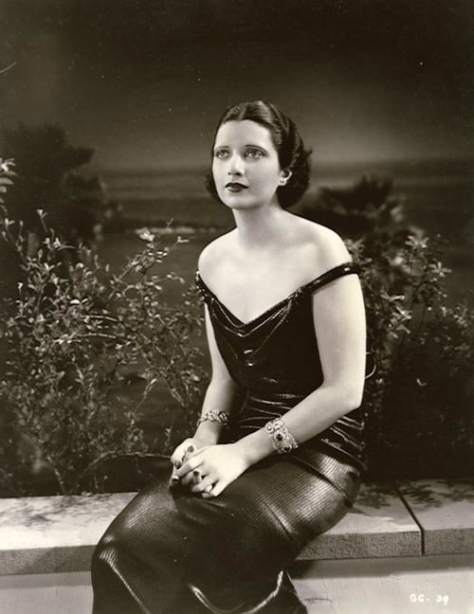
500full-kay-francis

Bibliography

10954785_1lf (17)MV5BZTliZjJmNzktZWRkNy00NjVjLTgwMDYtYmFhNzljMTM3MTZkXkEyXkFqcGdeQXVyMTcyODY2NDQ@._V1_731full-kay-francisKay-Francis-15vintage-1930s-actress-kay-francis-glamour-still_1_4a6d6090b6b6de04fb00f653f6155f71MV5BOWU2NGM0MjMtNzNlMS00NjE2LWFlNDgtOTJlZTAyYjk0MTY5XkEyXkFqcGdeQXVyMTcyODY2NDQ@._V1_SY1000_CR0,0,1183,1000_AL_BLA_KAY-FRANCIS

Carole Lombard


Prepared by Daniel B Miller

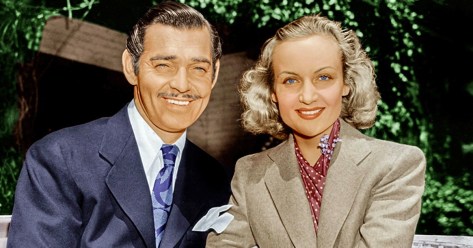
Carole Lombard (born Jane Alice Peters, October 6, 1908 – January 16, 1942) was an American film actress. She was particularly noted for her energetic, often off-beat roles in the screwball comedies of the 1930s. She was the highest-paid star in Hollywood in the late 1930s. She was the second wife of actor Clark Gable.

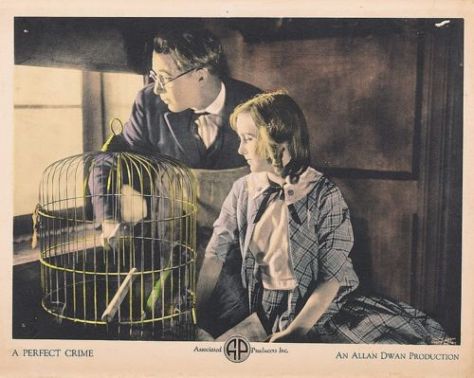
Lombard was born into a wealthy family in Fort Wayne, Indiana, but was raised in Los Angeles by her single mother. At 12, she was recruited by the film director Allan Dwan and made her screen debut in A Perfect Crime (1921). Eager to become an actress, she signed a contract with the Fox Film Corporation at age 16, but mainly played bit parts.

Carole Lombard in A Perfect Crime (1921)

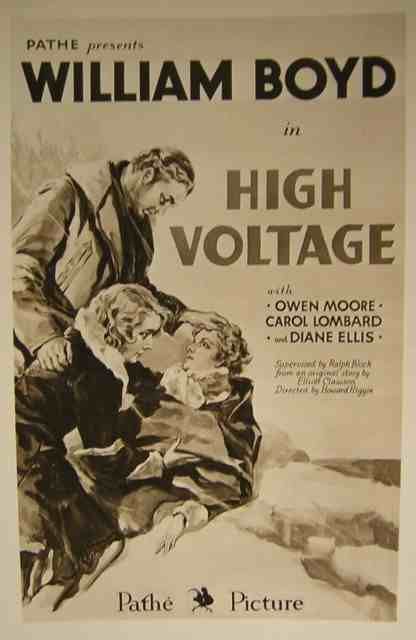
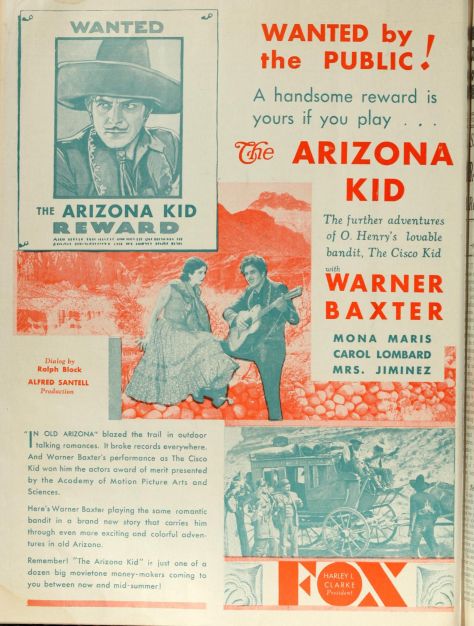
She was dropped by Fox after a car accident left a scar on her face. Lombard appeared in 15 short comedies for Mack Sennett between 1927 and 1929, and then began appearing in feature films such as High Voltage and The Racketeer. After a successful appearance in The Arizona Kid (1930), she was signed to a contract with Paramount Pictures.

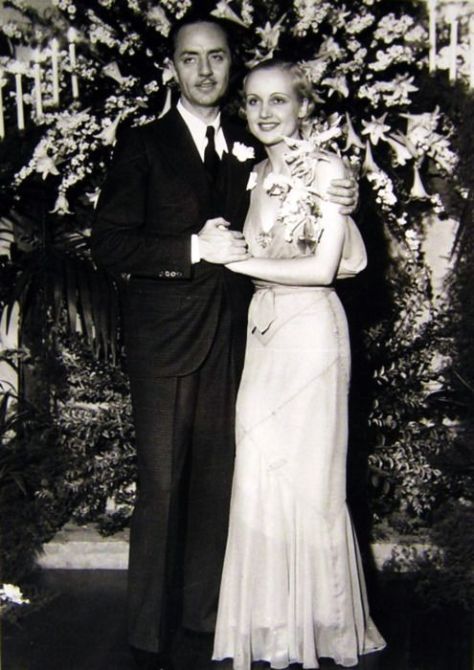
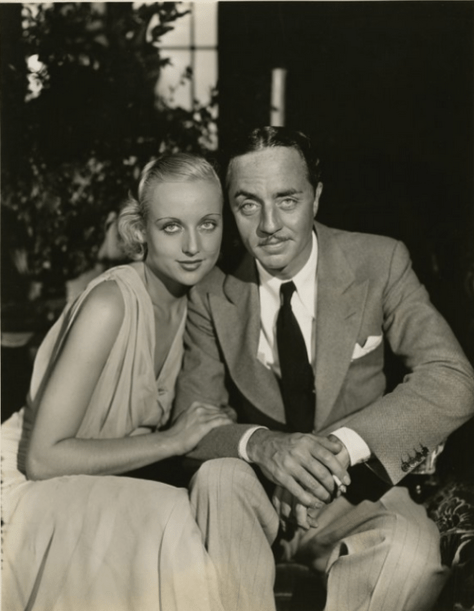
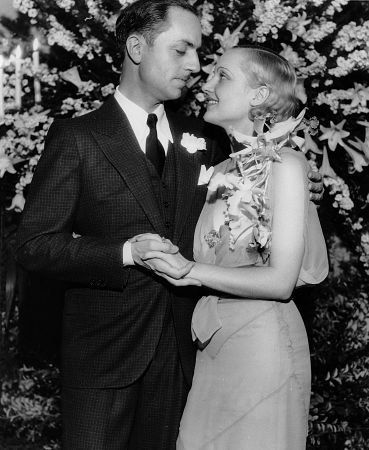
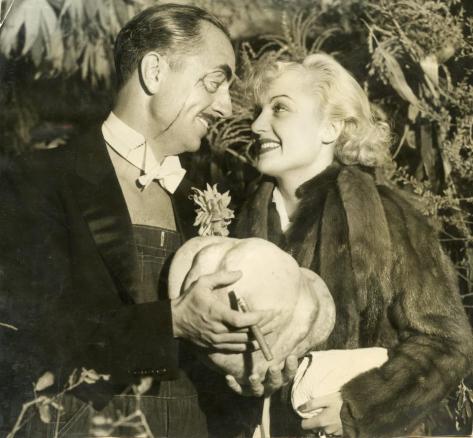
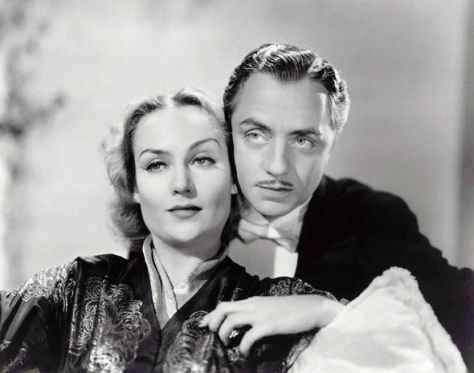
Paramount quickly began casting Lombard as a leading lady, primarily in drama films. Her profile increased when she married William Powell in 1931, but the couple divorced after two years.

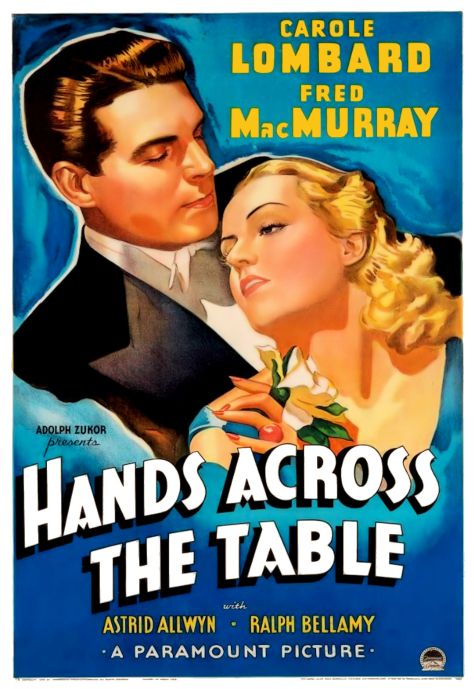
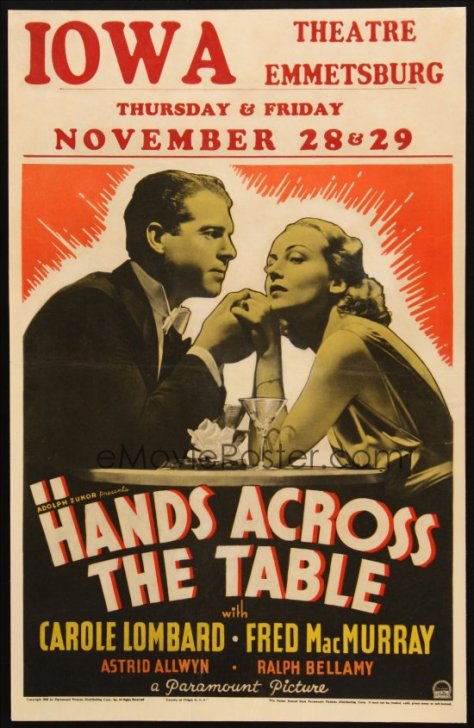
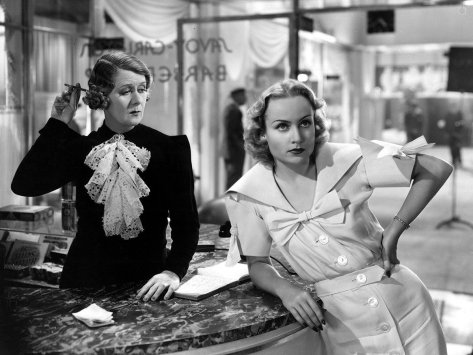
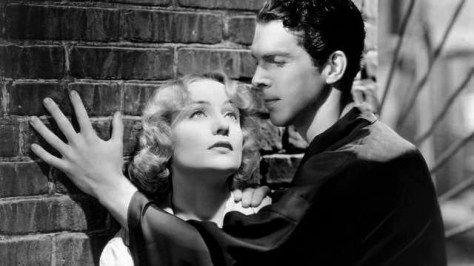
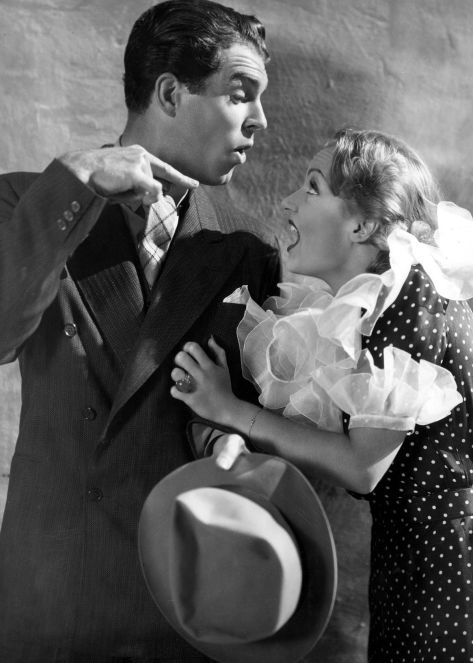
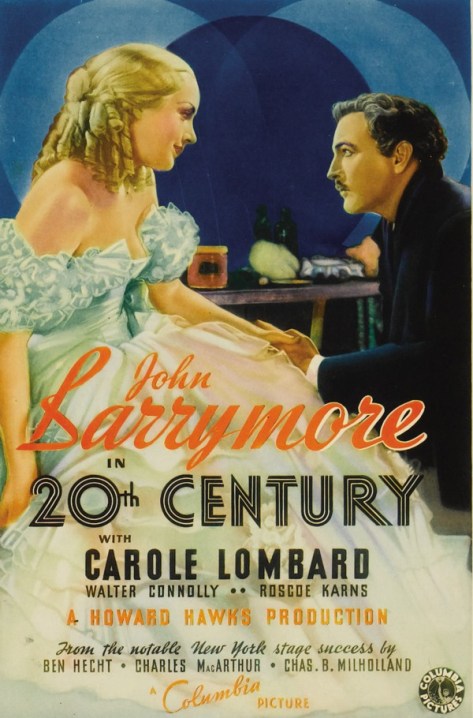
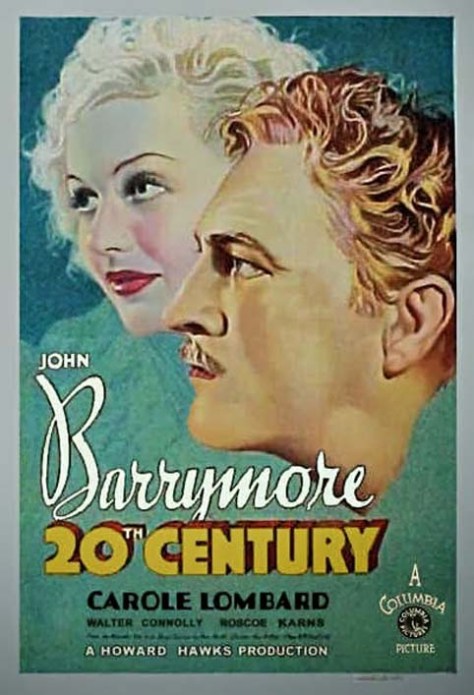
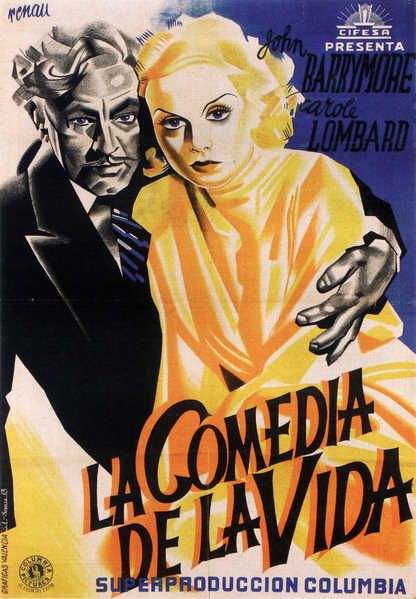
A turning point in Lombard’s career came when she starred in Howard Hawks‘ pioneering screwball comedy Twentieth Century (1934). The actress found her niche in this genre, and continued to appear in films such as Hands Across the Table (1935) (forming a popular partnership with Fred MacMurray), My Man Godfrey (1936), for which she was nominated for the Academy Award for Best Actress, and Nothing Sacred (1937).

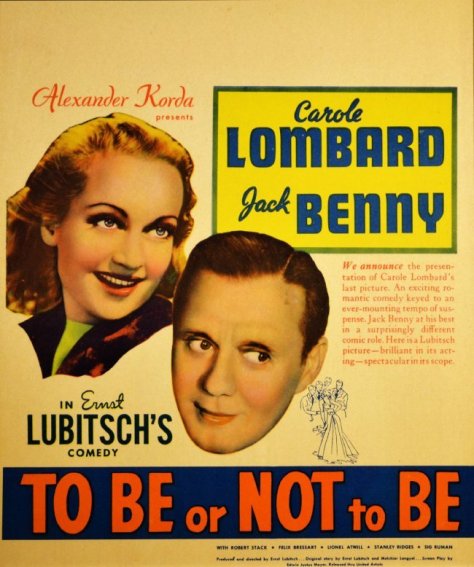
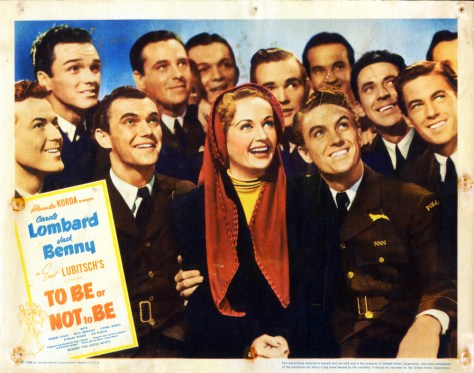
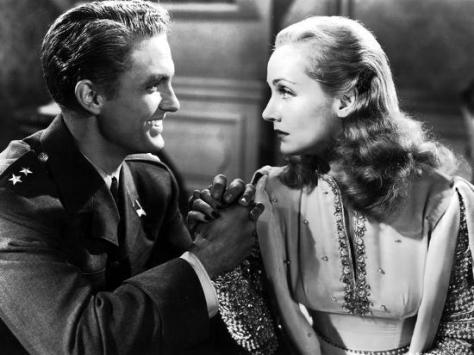
At this time, Lombard married “the King of Hollywood”, Clark Gable, and the supercouple gained much attention from the media. Keen to win an Oscar, at the end of the decade, Lombard began to move towards more serious roles. Unsuccessful in this aim, she returned to comedy in Alfred Hitchcock‘s Mr. & Mrs. Smith (1941) and Ernst Lubitsch‘s To Be or Not to Be (1942) — her final film role.

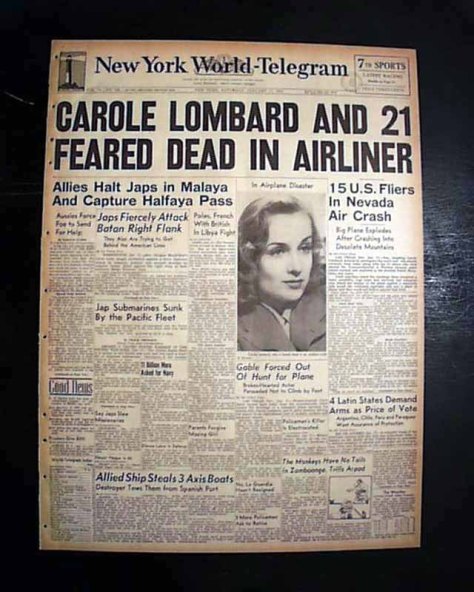
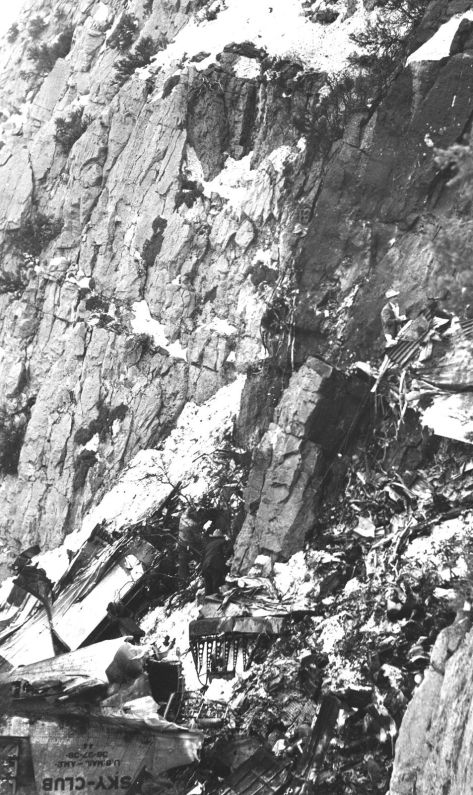
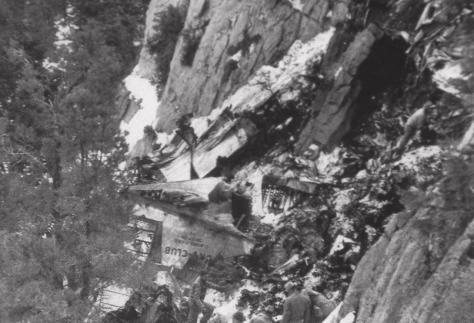
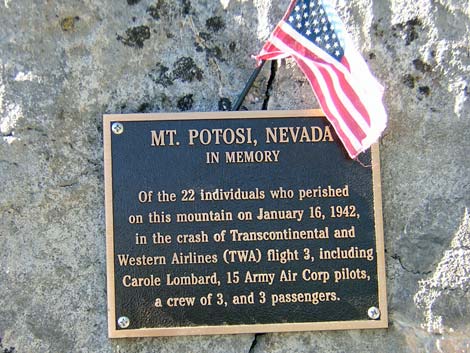
Lombard’s career was cut short when she died at the age of 33 in an aircraft crash on Mount Potosi, Nevada while returning from a war bond tour. Today, she is remembered as one of the definitive actresses of the screwball comedy genre and American comedy, and ranks among the American Film Institute‘s greatest female stars of classic Hollywood cinema.

Early years

Childhood

Lombard was born in Fort Wayne, Indiana, on October 6, 1908 at 704 Rockhill Street.

Christened with the name Jane Alice Peters, she was the third child and only daughter of Frederick Christian Peters (1875–1935) and Elizabeth Jayne “Bessie” (Knight) Peters (1876–1942). Her two older brothers, to each of whom she was close, both growing up and in adulthood, were Frederick Charles (1902–1979) and John Stuart (1906–1956).

Lombard’s parents both descended from wealthy families and her early years were lived in comfort, with the biographer Robert Matzen calling it her “silver spoon period”.

The marriage between her parents was strained, however, and in October 1914, her mother took the children and moved to Los Angeles. Although the couple did not divorce, the separation was permanent. Her father’s continued financial support allowed the family to live without worry, if not with the same affluence they had enjoyed in Indiana, and they settled into an apartment near Venice Boulevard in Los Angeles.

At age 12, Lombard had a small role in the film A Perfect Crime (1921).


Described by her biographer Wes Gehring as “a free-spirited tomboy“, the young Lombard was passionately involved in sports and enjoyed watching movies.

At Virgil Junior High School, she participated in tennis, volleyball, and swimming, and won trophies for her achievements in athletics. At the age of 12, this hobby unexpectedly landed Lombard her first screen role. While playing baseball with friends, she caught the attention of the film director Allan Dwan, who later recalled seeing “a cute-looking little tomboy … out there knocking the hell out of the other kids, playing better baseball than they were. And I needed someone of her type for this picture.”

With the encouragement of her mother, Lombard happily took a small role in the melodrama A Perfect Crime (1921). She was on set for two days, playing the sister of Monte Blue. Dwan later commented, “She ate it up”.

Aspiring actress, Fox (1921–26)

A Perfect Crime was not widely distributed, but the brief experience spurred Lombard and her mother to look for more film work. The teenager attended several auditions, but none was successful.

While appearing as the queen of Fairfax High School‘s May Day Carnival at the age of 15, she was scouted by an employee of Charlie Chaplin and offered a screen test to appear in his film The Gold Rush (1925). Lombard was not given the role, but it raised Hollywood’s awareness of the aspiring actress.

Her test was seen by the Vitagraph Film Company, which expressed an interest in signing her to a contract. Although this did not materialize, the condition that she adopt a new first name (“Jane” was considered too dull) lasted with Lombard throughout her career. She selected the name “Carol” after a girl with whom she played tennis in middle school.

In October 1924, shortly after these disappointments, 16-year-old Lombard was signed to a contract with the Fox Film Corporation. How this came about is uncertain: in her lifetime, it was reported that a director for the studio scouted her at a dinner party, but more recent evidence suggests that Lombard’s mother contacted Louella Parsons, the gossip columnist, who then got her a screen test.

According to the biographer Larry Swindell, Lombard’s beauty convinced Winfield Sheehan, head of the studio, to sign her to a $75-per-week contract.

The teenager abandoned her schooling to embark on this new career. Fox was happy to use the name Carol, but unlike Vitagraph, disliked her surname. From this point, she became “Carol Lombard”, the new name taken from a family friend.

The majority of Lombard’s appearances with Fox were bit parts in low-budget Westerns and adventure films. She later commented on her dissatisfaction with these roles: “All I had to do was simper prettily at the hero and scream with terror when he battled with the villain.” She fully enjoyed the other aspects of film work, however, such as photo shoots, costume fittings, and socializing with actors on the studio set. Lombard embraced the flapper lifestyle and became a regular at the Coconut Grove nightclub, where she won several Charleston dance competitions.

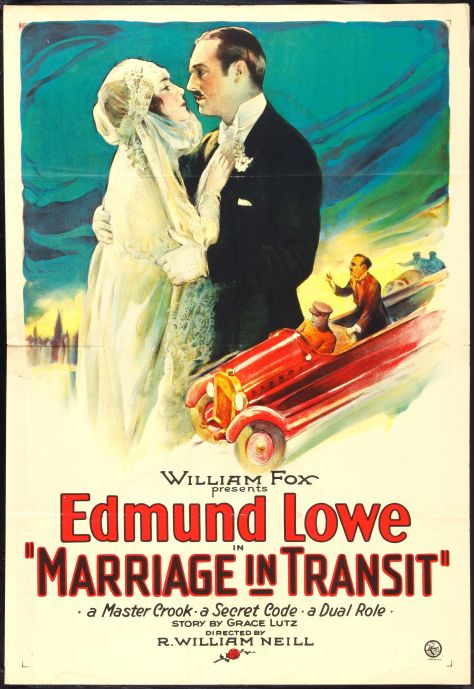
In March 1925, Fox gave Lombard a leading role in the drama Marriage in Transit, opposite Edmund Lowe. Her performance was well received, with a reviewer for Motion Picture News writing that she displayed “good poise and considerable charm.”

Despite this, the studio heads were unconvinced that Lombard was leading lady material, and her one-year contract was not renewed. Gehring has suggested that a facial scar she obtained in an automobile accident was a factor in this decision. Fearing that the scar — which ran across her cheek — would ruin her career, the 17-year-old had an early plastic surgery procedure to make it less visible. For the remainder of her career, Lombard learned to hide the mark with make-up and careful lighting.

Breakthrough

Sennett and Pathé (1927–29)

Lombard in the comedy short Run, Girl, Run (1928), from her time as a “Mack Sennett girl”

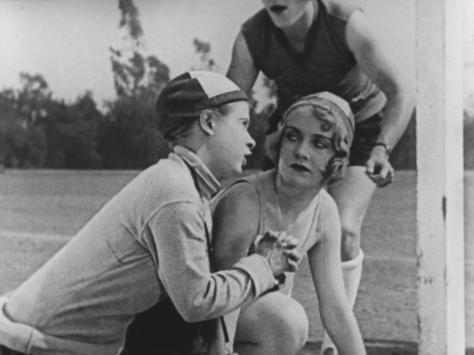
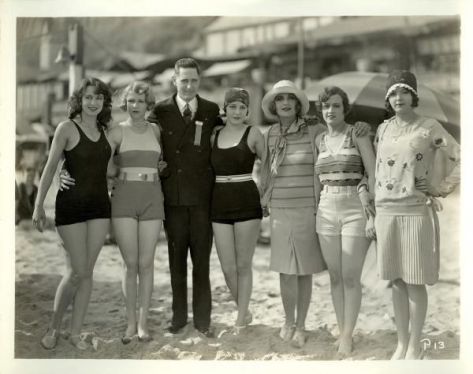
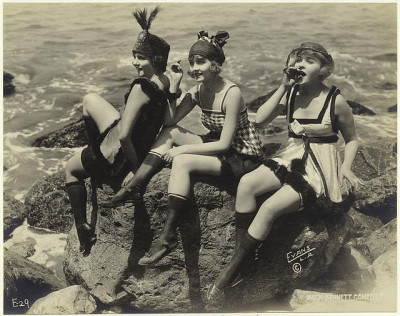
After a year without work, Lombard obtained a screen test for the “King of Comedy” Mack Sennett. She was offered a contract, and although she initially had reservations about performing in slapstick comedies, the actress joined his company as one of the “Sennett Bathing Beauties“.

She appeared in 15 short films between September 1927 and March 1929, and greatly enjoyed her time at the studio. It gave Lombard her first experiences in comedy and provided valuable training for her future work in the genre. In 1940, she called her Sennett years “the turning point of [my] acting career.”

Sennett’s productions were distributed by Pathé Exchange, and the company began casting Lombard in feature films. She had prominent roles in Show Folks and Ned McCobb’s Daughter (both 1928), where reviewers observed that she made a “good impression” and was “worth watching”.

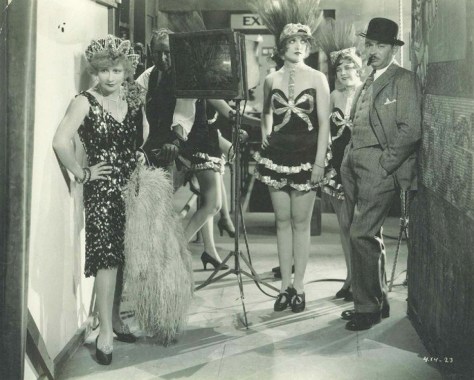
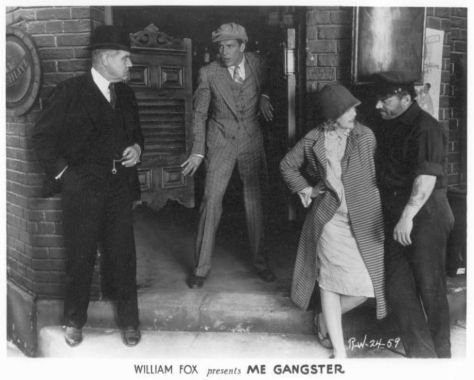
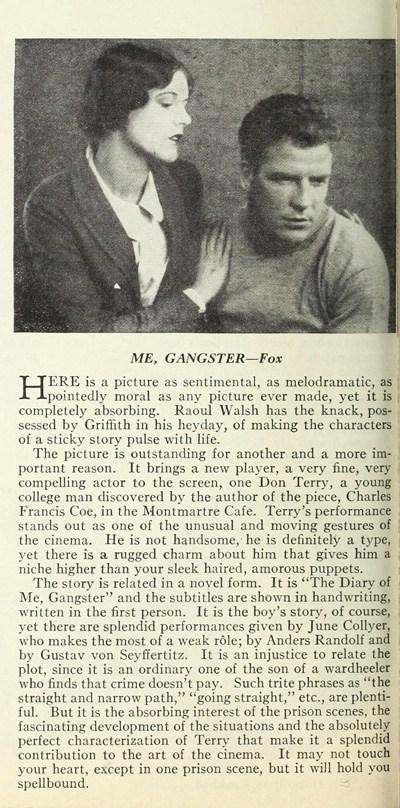
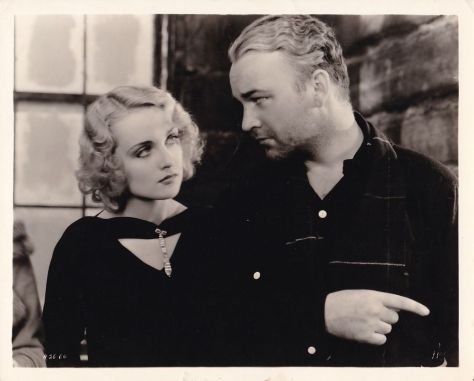
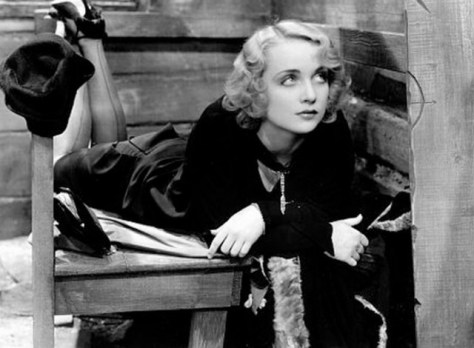
The following year, Pathé elevated Lombard from a supporting player to a leading lady. Her success in Raoul Walsh‘s picture Me, Gangster (also 1928), opposite June Collyer and Don Terry on his film debut, finally eased the pressure her family had been putting on her to succeed. In Howard Higgin‘s High Voltage (1929), her first talking picture, she played a criminal in the custody of a deputy sheriff, both of whom are among bus passengers stranded in deep snow.

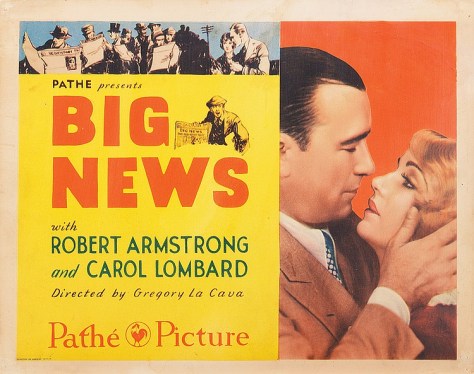
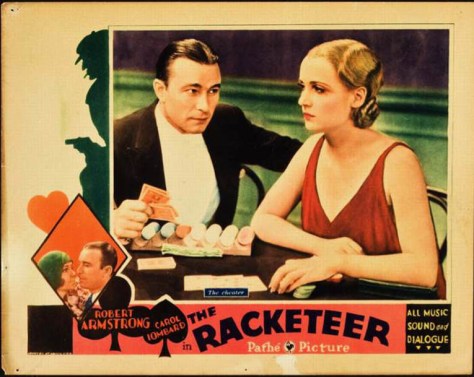
Her next film, the comedy Big News (1929), cast her opposite Robert Armstrong and was a critical and commercial success. Lombard was reunited with Armstrong for the crime drama The Racketeer, released in late 1929. The review in Film Daily wrote, “Carol Lombard proves a real surprise, and does her best work to date. In fact, this is the first opportunity she has had to prove that she has the stuff to go over.”

Paramount, Powell marriage (1930–33)


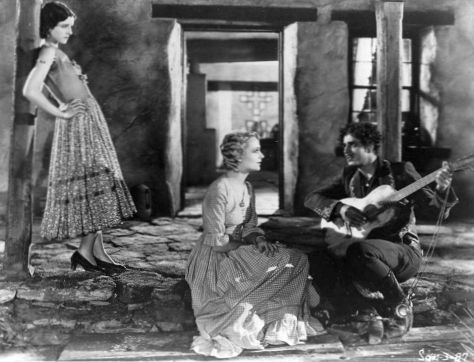
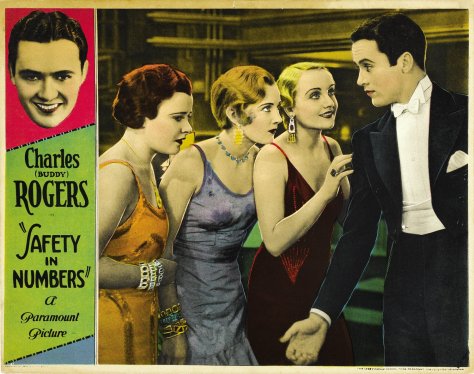
Lombard returned to Fox for a one-off role in the western The Arizona Kid (1930). It was a big release for the studio, starring the popular actor Warner Baxter, in which Lombard received third billing. Following the success of the film, Paramount Pictures recruited Lombard and signed her to a $350-per-week contract (gradually increasing to $3,500 per week by 1936). They cast her in the Buddy Rogers comedy Safety in Numbers (also 1930), and one critic observed of her work, “Lombard proves [to be] an ace comedienne.”

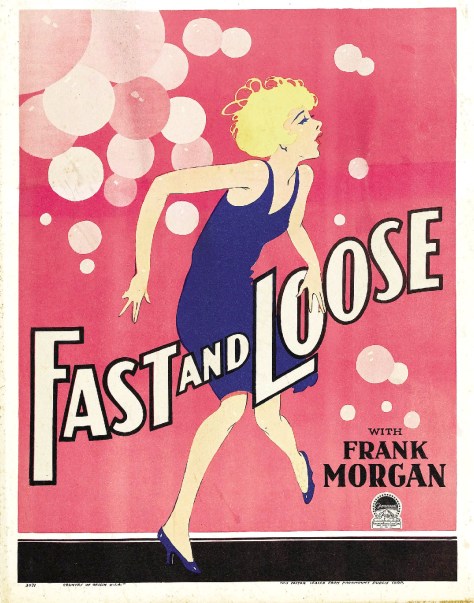
For her second assignment, Fast and Loose (also 1930) with Miriam Hopkins, Paramount mistakenly credited the actress as “Carole Lombard”. She decided she liked this spelling and it became her permanent screen name.

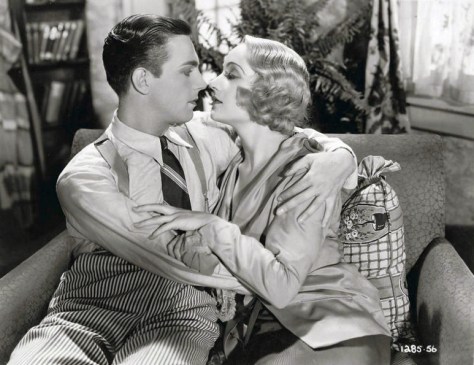
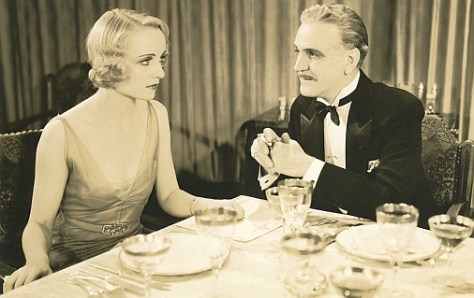
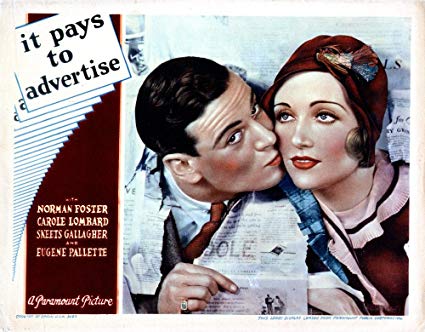
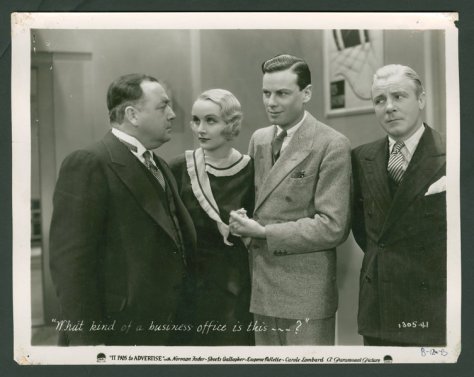
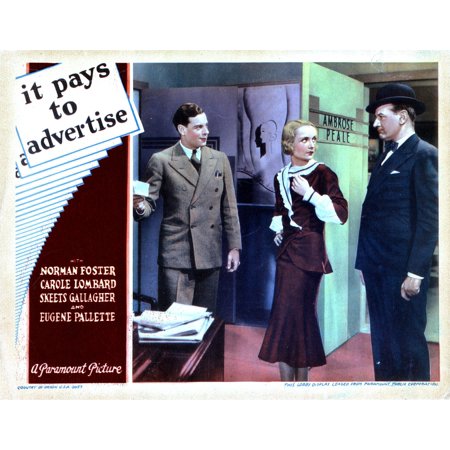
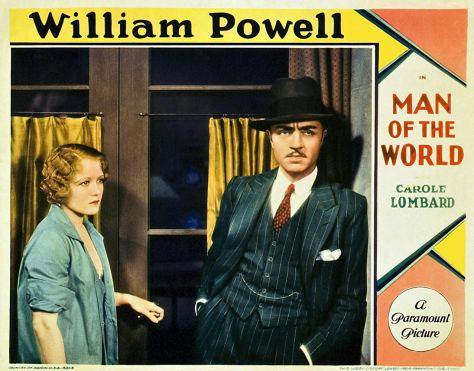
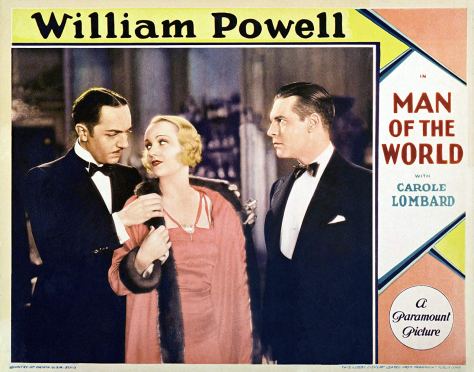
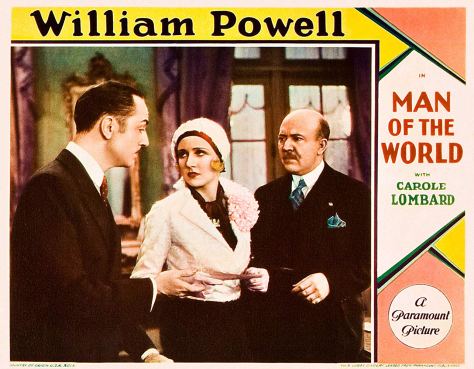
Lombard appeared in five films released during 1931, beginning with the Frank Tuttle comedy It Pays to Advertise. Her next two films, Man of the World and Ladies Man, both featured William Powell, Paramount’s top male star.

Lombard had been a fan of the actor before they met, attracted to his good looks and debonair screen persona, and they were soon in a relationship.

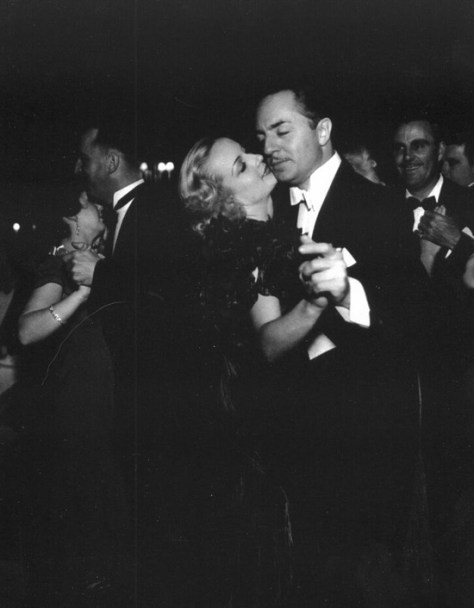
The differences between the pair have been noted by biographers: she was 22, carefree, and famously foul-mouthed, while he was 38, intellectual, and sophisticated. Despite their disparate personalities, Lombard married Powell on June 6, 1931, at her Beverly Hills home. Talking to the media, she argued for the benefits of “love between two people who are diametrically different”, claiming that their relationship allowed for a “perfect see-saw love”.

With William Powell, her husband from June 1931 to August 1933


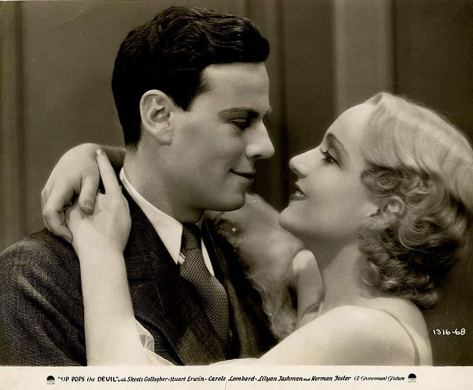
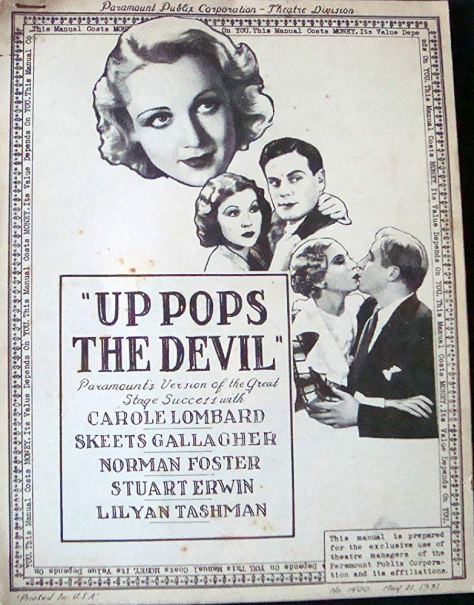
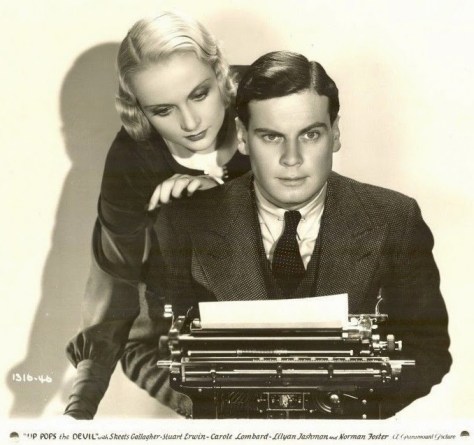
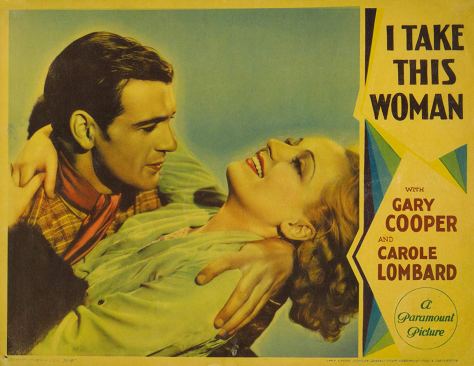
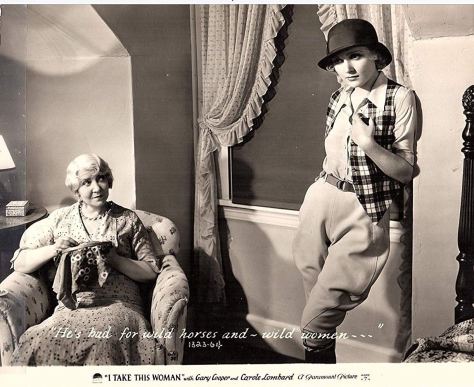
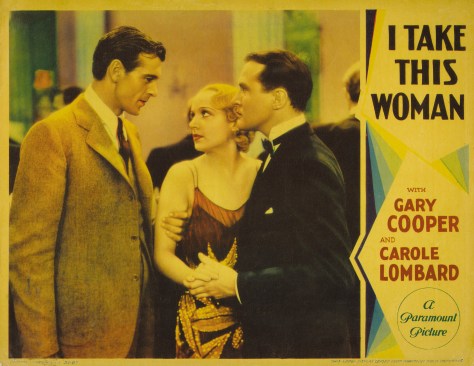
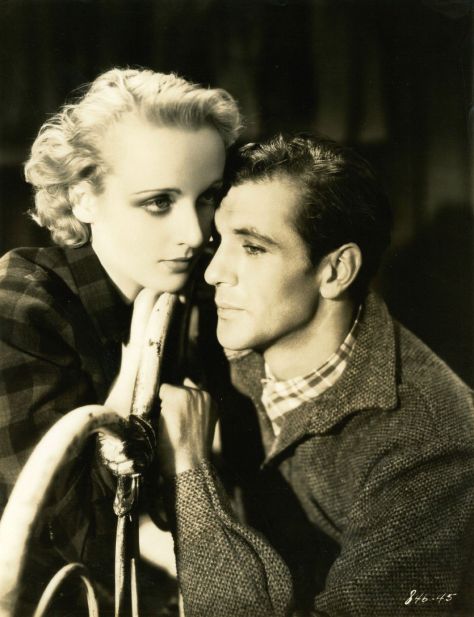
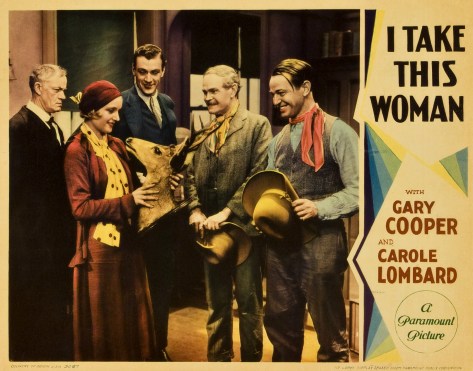
The marriage to Powell increased Lombard’s fame, while she continued to please critics with her work in Up Pops the Devil and I Take this Woman (both 1931).

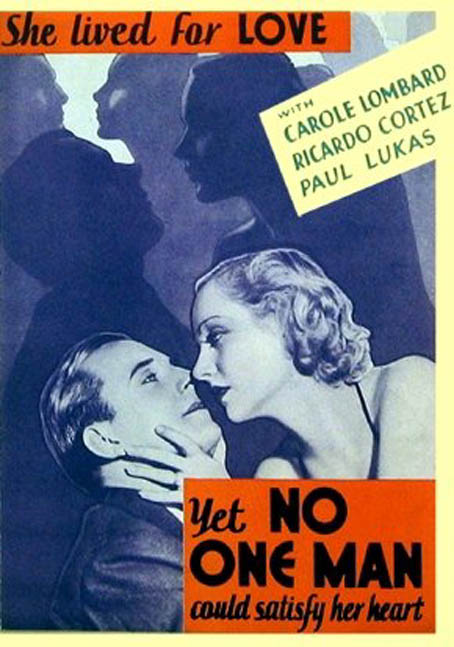
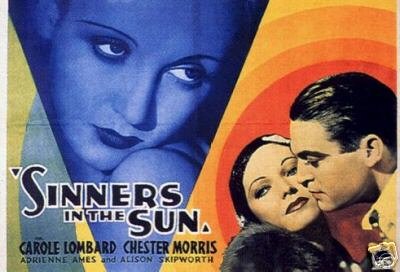
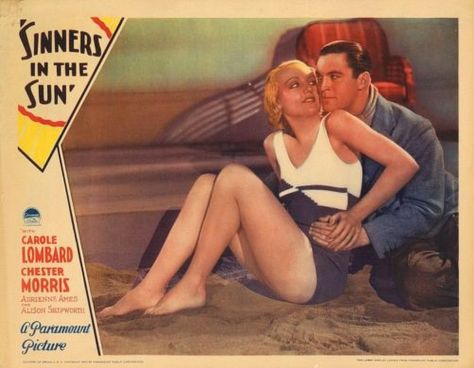
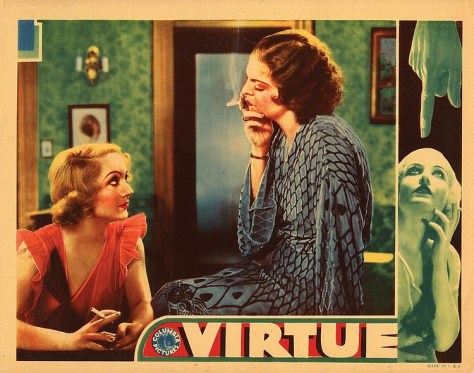
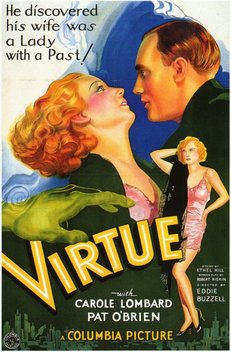
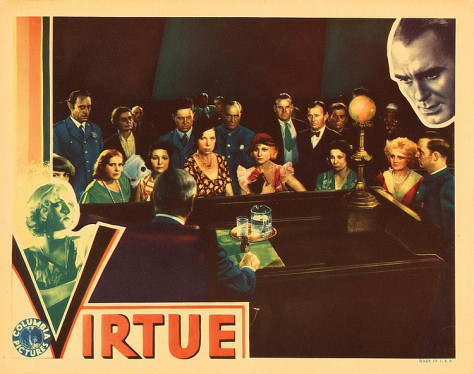
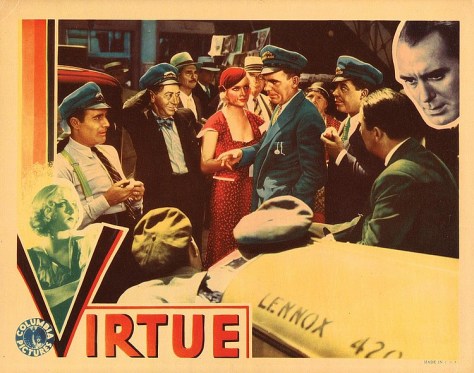
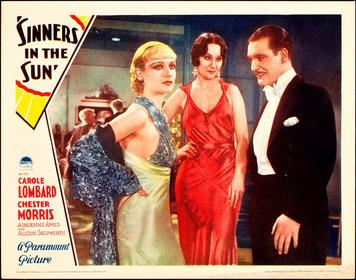
In reviews for the latter film, which co-starred Gary Cooper, several critics predicted that Lombard was set to become a major star. She went on to appear in five films throughout 1932. No One Man and Sinners in the Sun were not successful, but Edward Buzzell‘s romantic picture Virtue was well received.

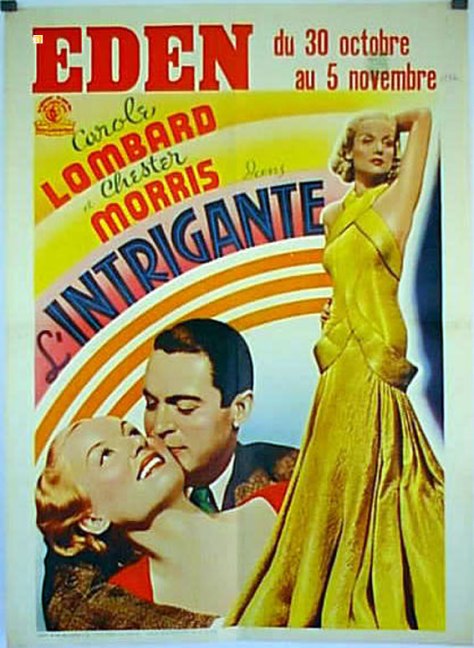
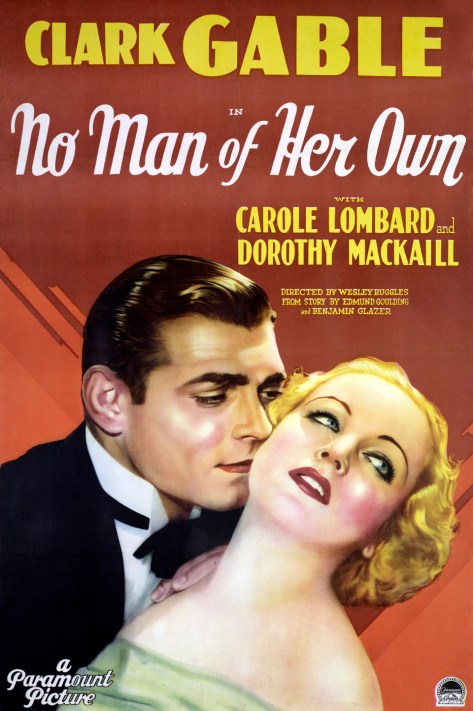
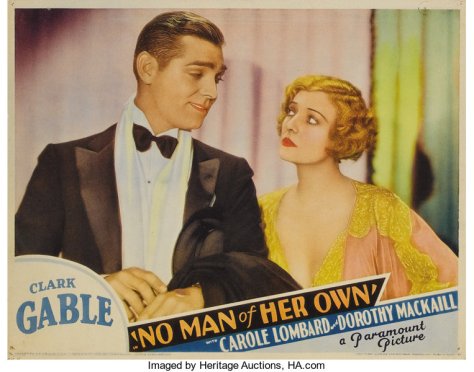
After featuring in the drama No More Orchids, Lombard was cast as the wife of a con artist in No Man of Her Own. Her co-star for the picture was Clark Gable, who was rapidly becoming one of Hollywood’s top stars. The film was a critical and commercial success, and Wes Gehring writes that it was “arguably Lombard’s finest film appearance” to that point.

No Man of Her Own 1
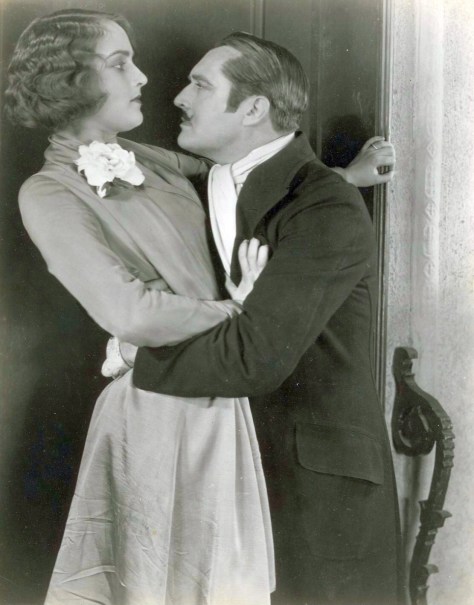
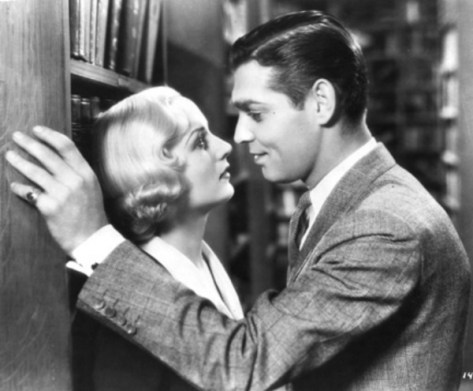
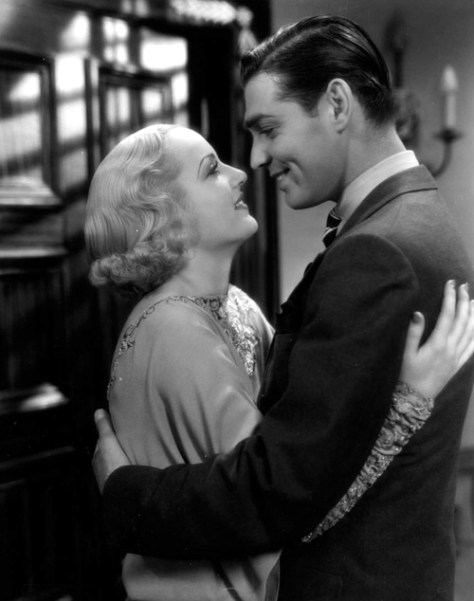
It was the only picture that Gable and Lombard, future husband and wife, made together.

There was no romantic interest at this time however, as she recounted to Garson Kanin: “[we] did all kinds of hot love scenes … and I never got any kind of tremble out of him at all”. In August 1933, Lombard and Powell divorced after 26 months of marriage, although they remained very good friends until the end of Lombard’s life. At the time, she blamed it on their careers, but in a 1936 interview, she admitted that this “had little to do with the divorce. We were just two completely incompatible people”.

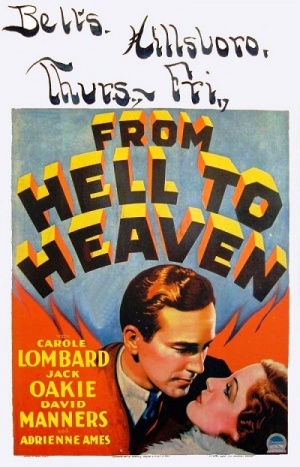
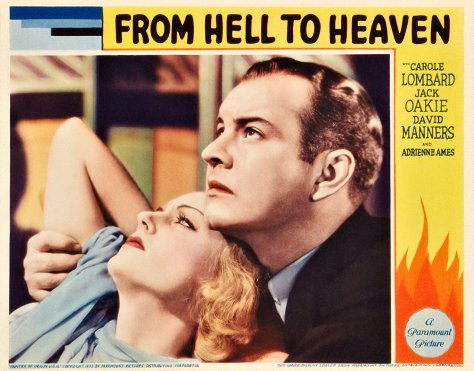
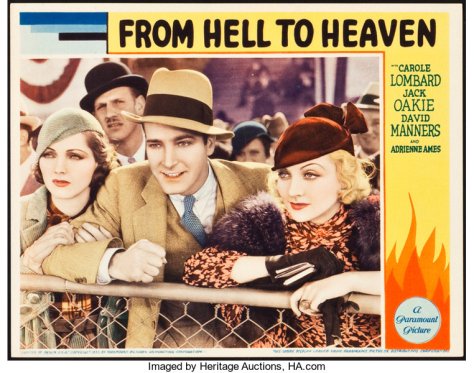
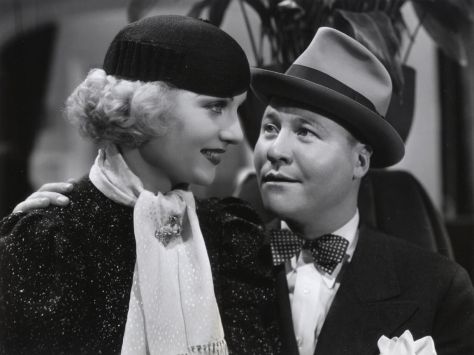
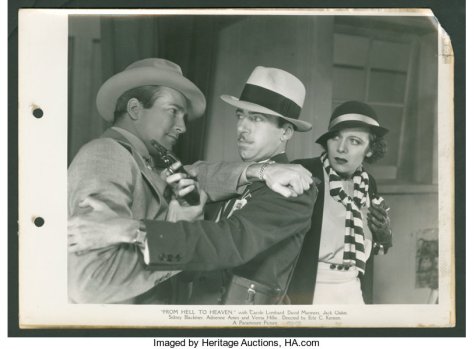
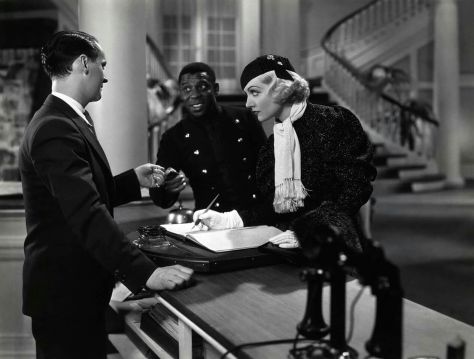
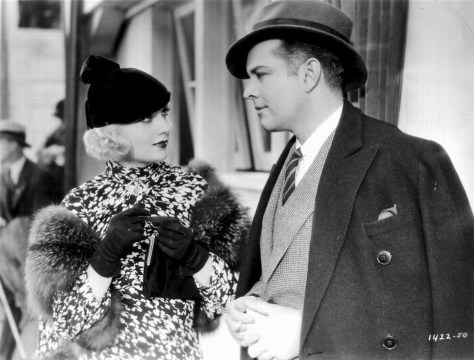
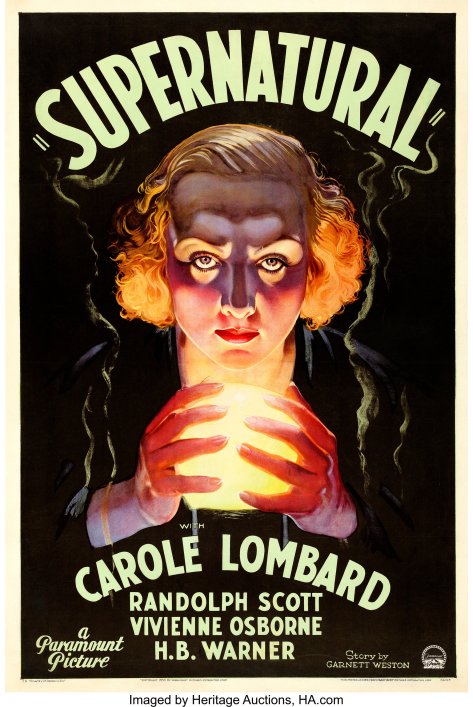
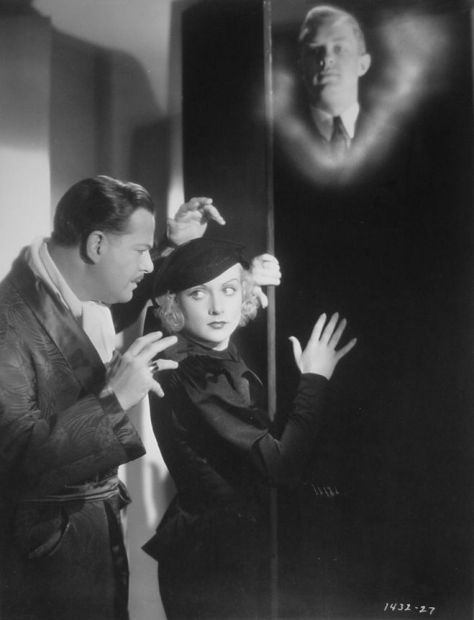
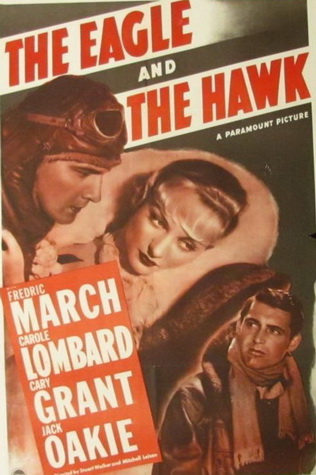
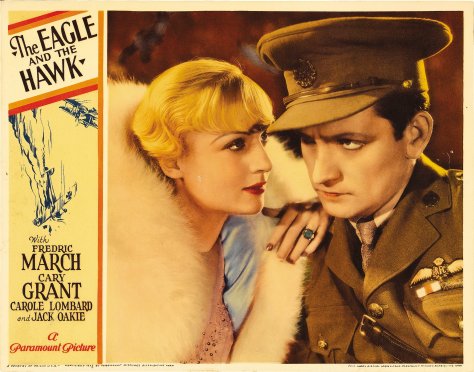
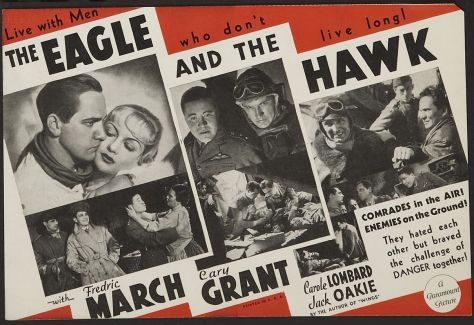
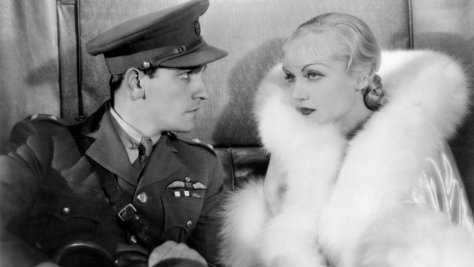
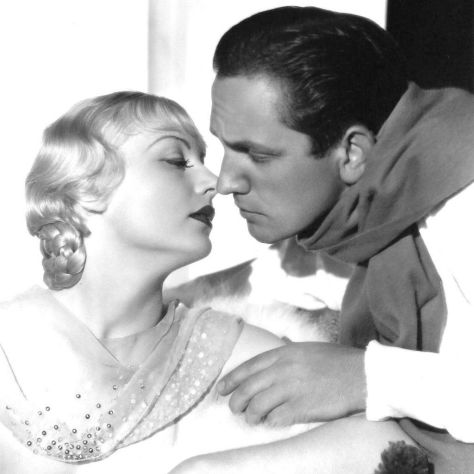
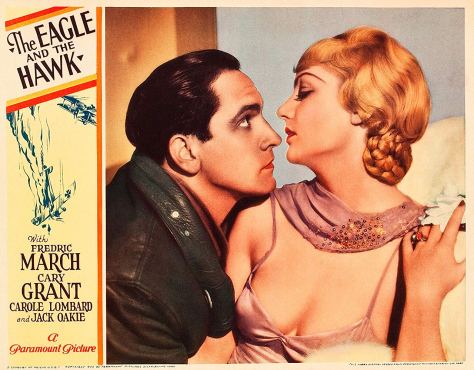
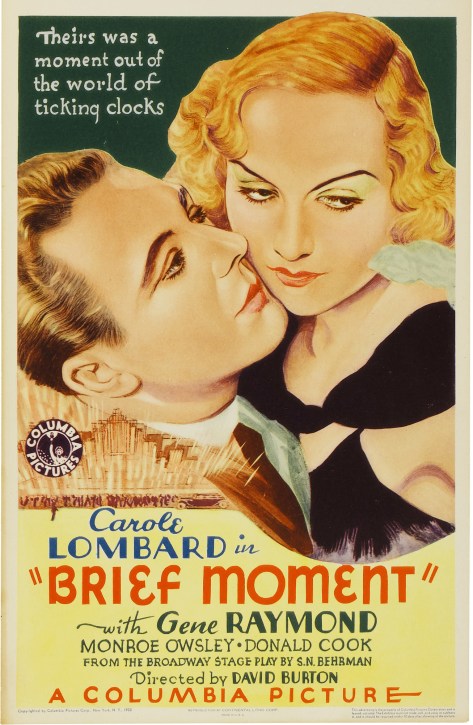
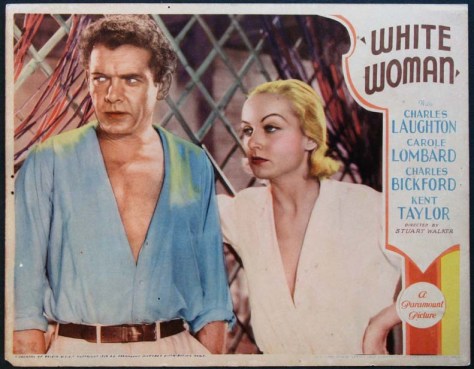
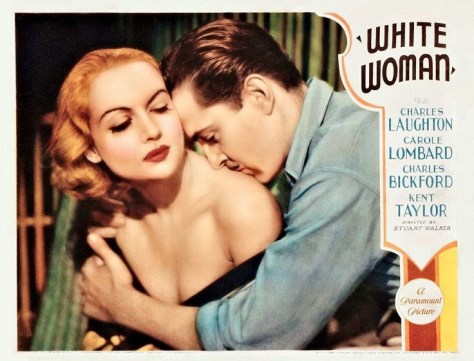
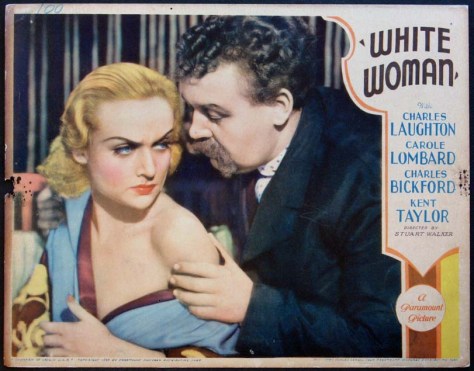
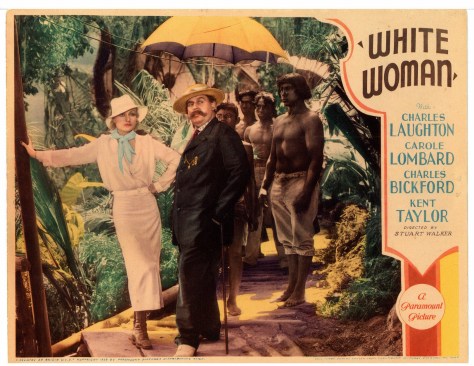
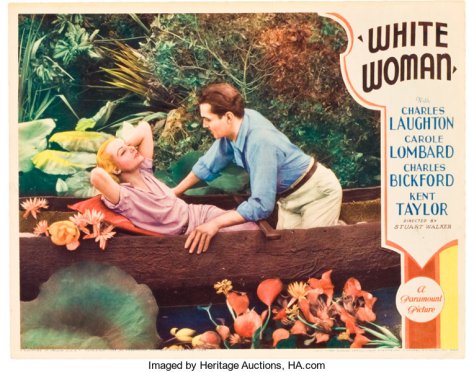
She appeared in five films that year, beginning with the drama From Hell to Heaven and continuing with Supernatural, her only horror vehicle. After a small role in The Eagle and the Hawk, a war film starring Fredric March and Cary Grant, she starred in two melodramas: Brief Moment, which critics enjoyed, and White Woman, where she was paired with Charles Laughton.

From Hell To Heaven 2From Hell To Heaven 10

Hollywood star

Screwball beginnings (1934–35)

Twentieth Century 1
Lombard made four comedies with Fred MacMurray, beginning with Hands Across the Table (1935).

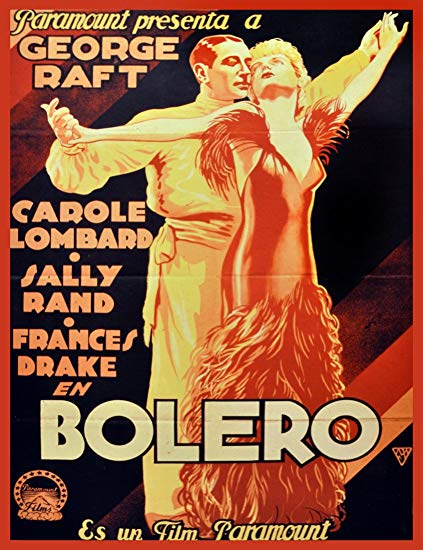
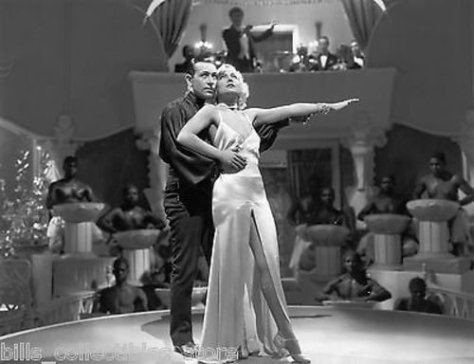
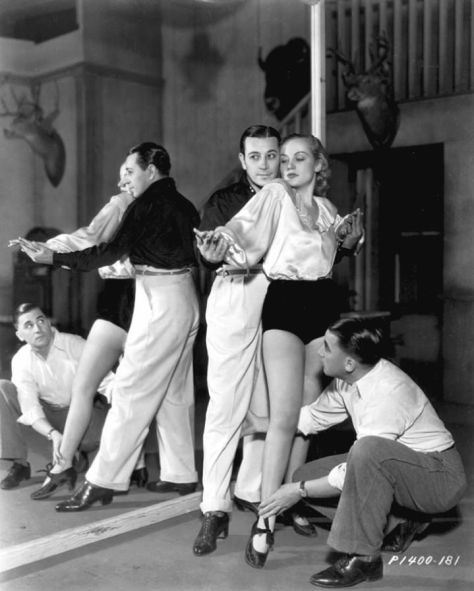
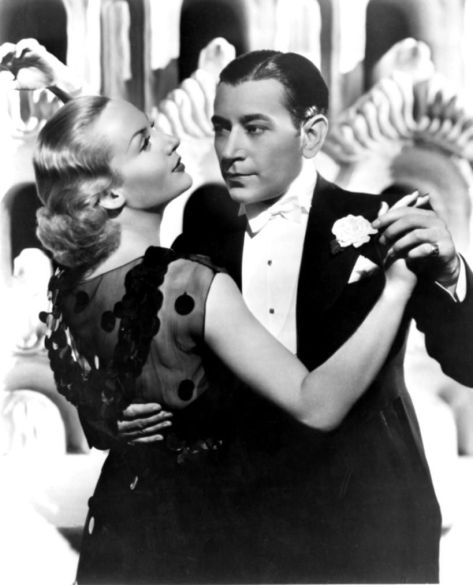
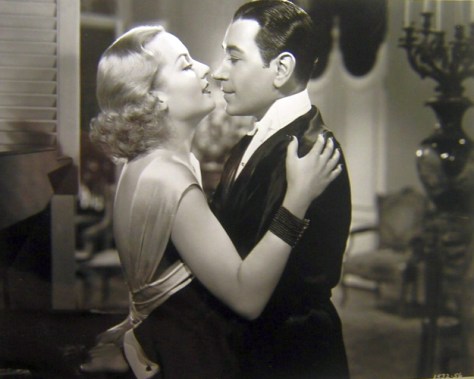
The year 1934 marked a high point in Lombard’s career. She began with Wesley Ruggles‘s musical drama Bolero, where George Raft and she showcased their dancing skills in an extravagantly staged performance to Maurice Ravel‘s “Boléro“.

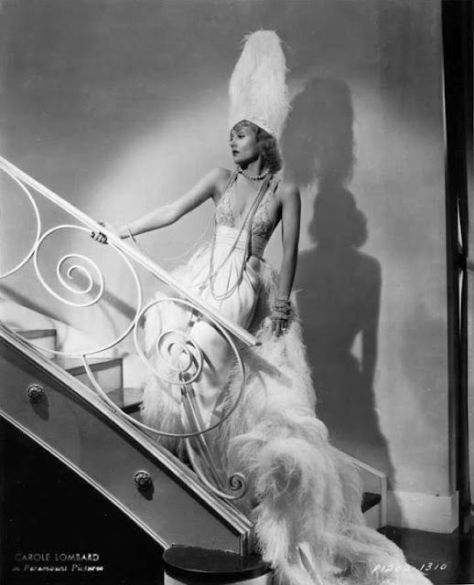
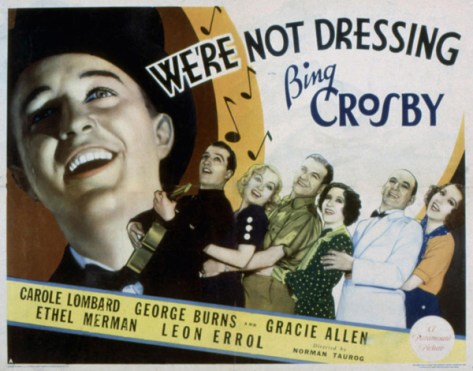
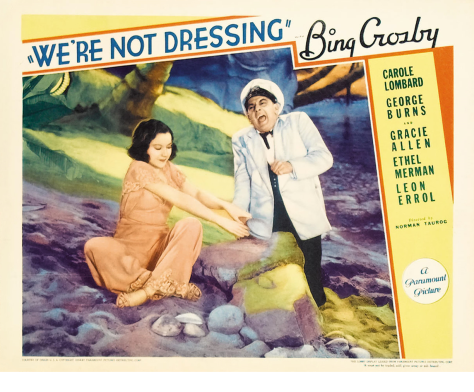
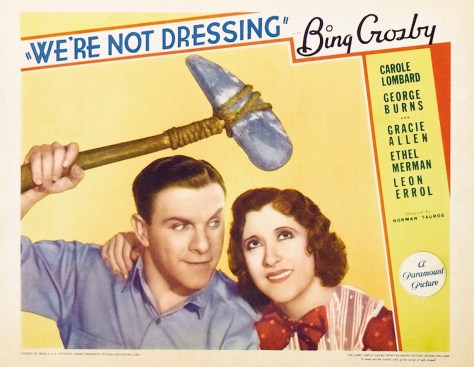
Before filming began, she was offered the lead female role in It Happened One Night, but turned it down because of scheduling conflicts with this production. Bolero was favorably received, while her next film, the musical comedy We’re Not Dressing with Bing Crosby, was a box-office hit.

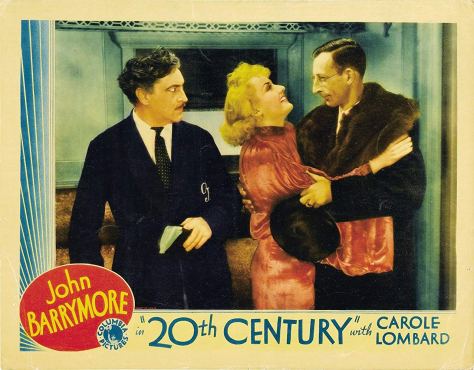
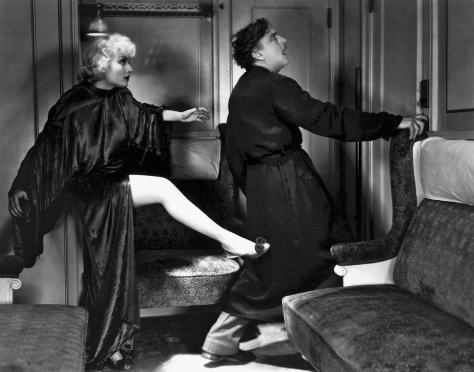
Lombard was then recruited by the director Howard Hawks, to star in his screwball comedy film Twentieth Century  which proved a watershed in her career and made her a major star. Hawks had seen the actress inebriated at a party, where he found her to be “hilarious and uninhibited and just what the part needed”, and she was cast opposite John Barrymore.

In Twentieth Century, Lombard played an actress who is pursued by her former mentor, a flamboyant Broadway impresario.

Hawks and Barrymore were unimpressed with her work in rehearsals, finding that she was “acting” too hard and giving a stiff performance. The director encouraged Lombard to relax, be herself, and act on her instincts.

She responded well to this tutoring, and reviews for the film commented on her unexpectedly “fiery talent” — “a Lombard like no Lombard you’ve ever seen”. The Los Angeles Times critic felt that she was “entirely different” from her formerly cool, “calculated” persona, adding, “she vibrates with life and passion, abandon and diablerie”.

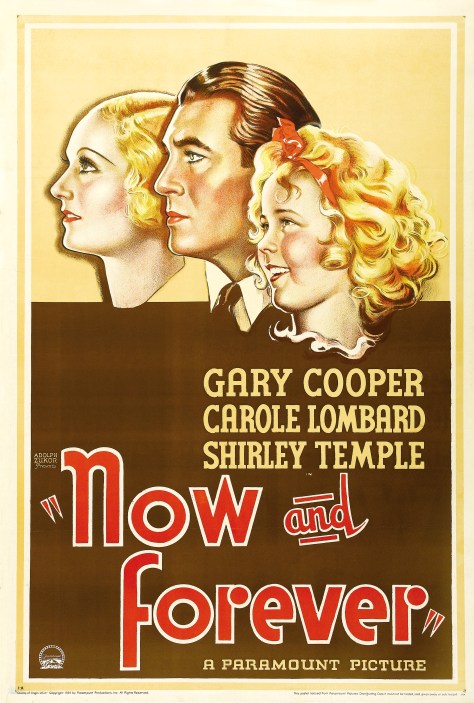
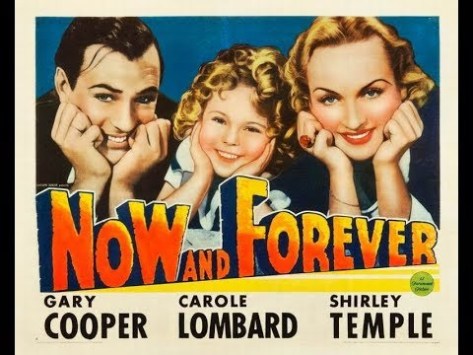
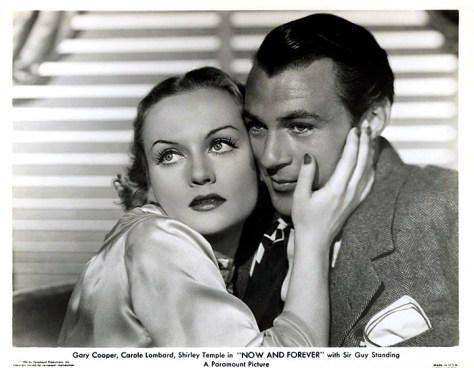
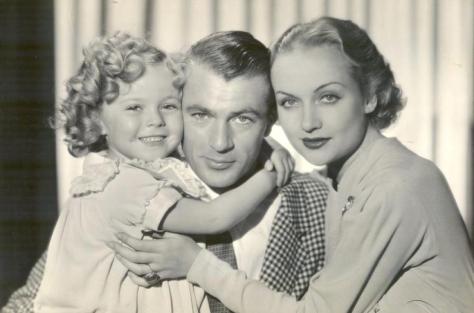
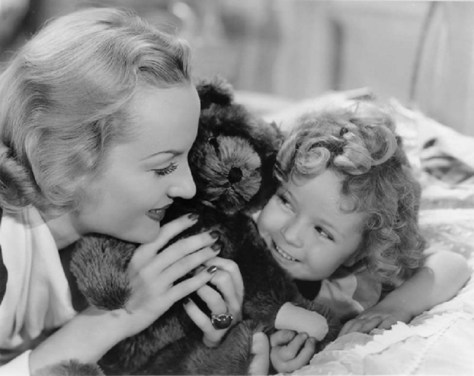
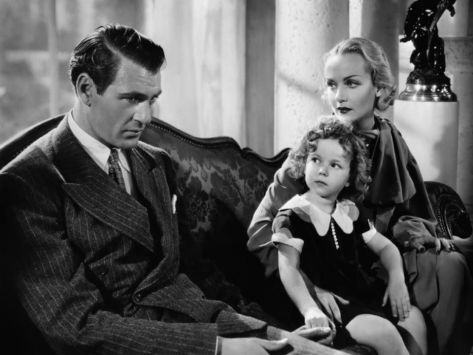
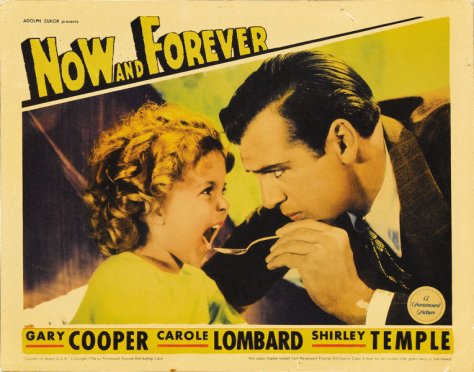
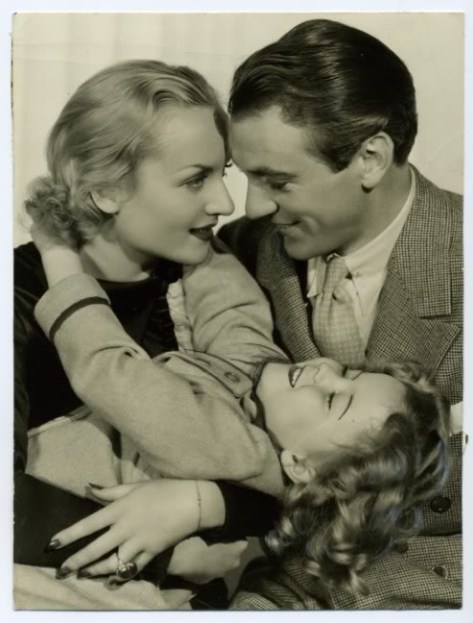
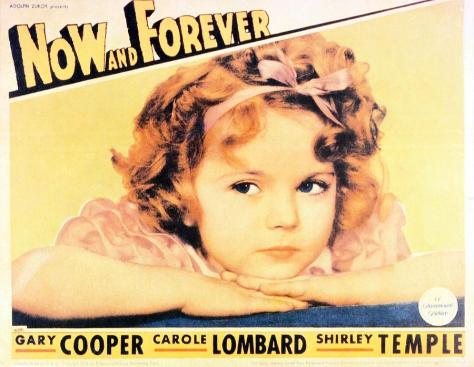
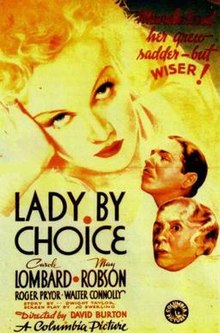
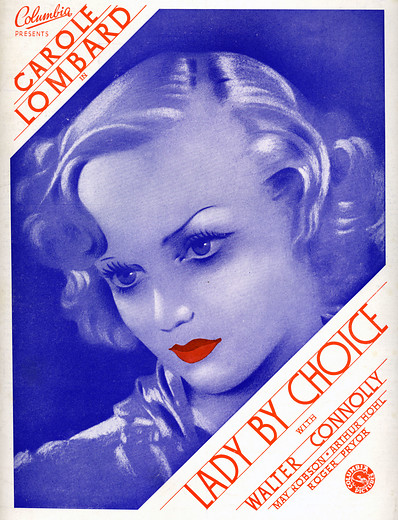
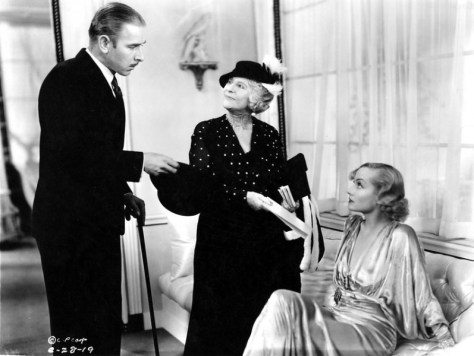
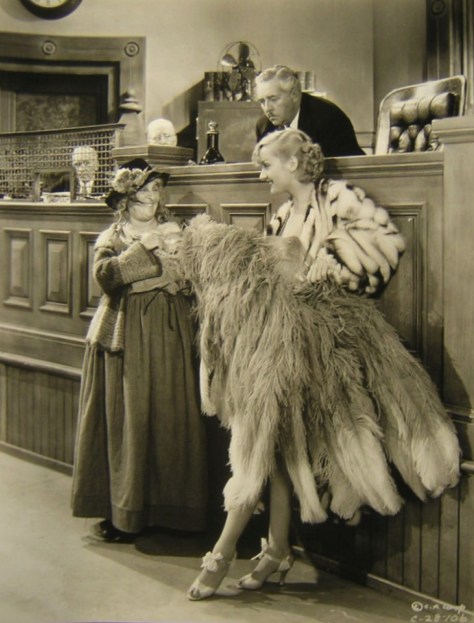
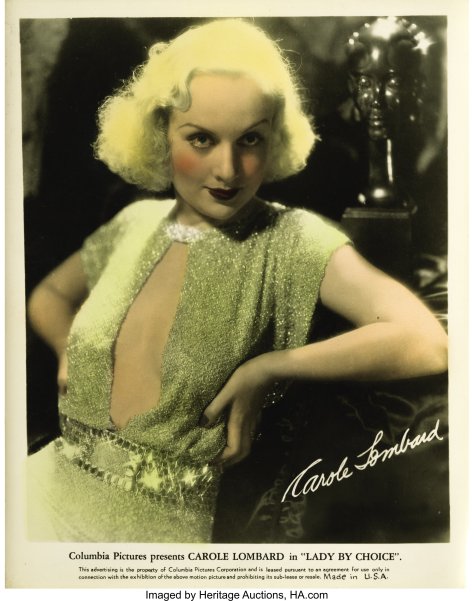
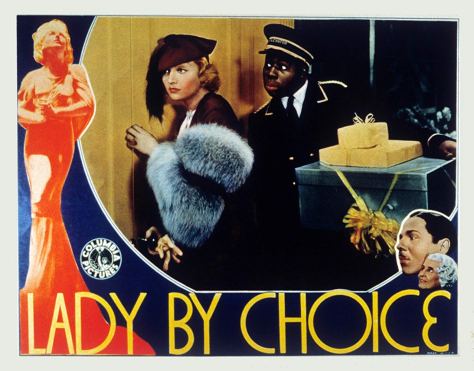
The next films in which Lombard appeared were Henry Hathaway‘s Now and Forever (1934), featuring Gary Cooper and the new child star Shirley Temple, and Lady by Choice (1934), which was a critical and commercial success.

T

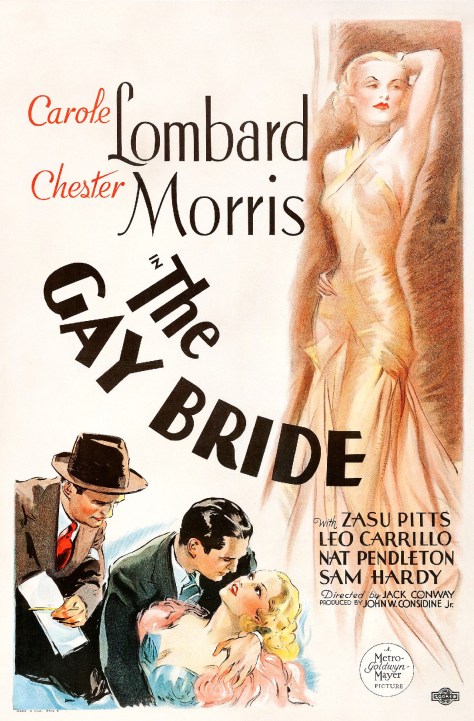
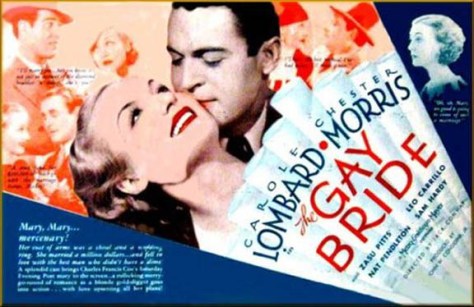
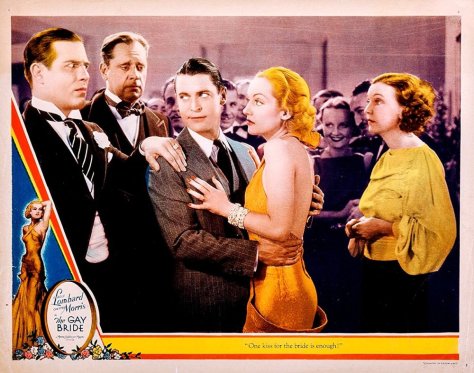
The Gay Bride (1934) placed her opposite Chester Morris in a gangster comedy, but this outing was panned by critics.

A

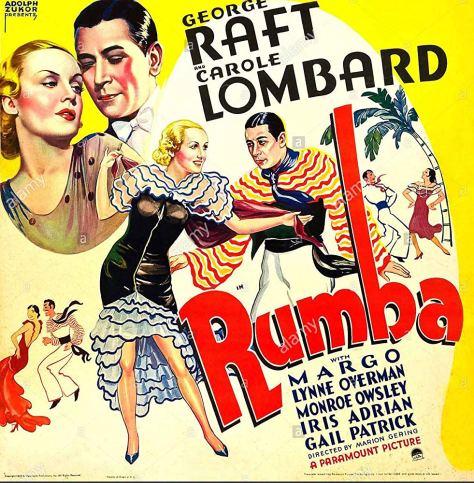
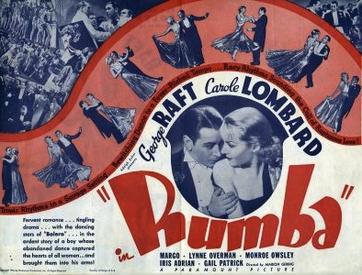
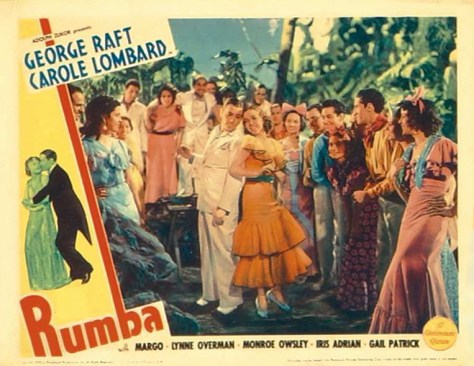
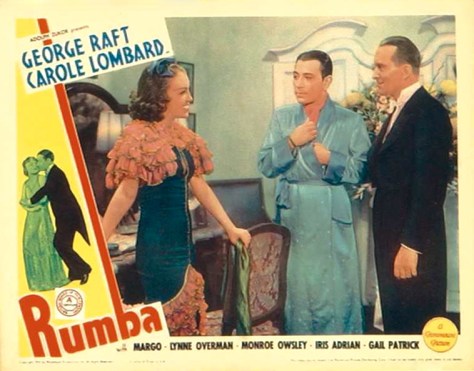
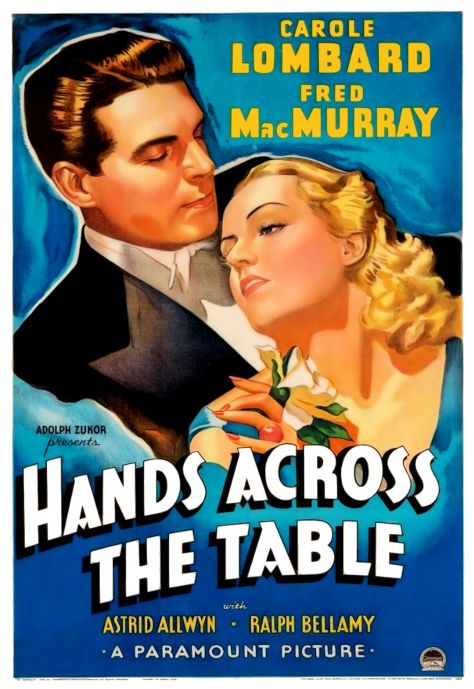
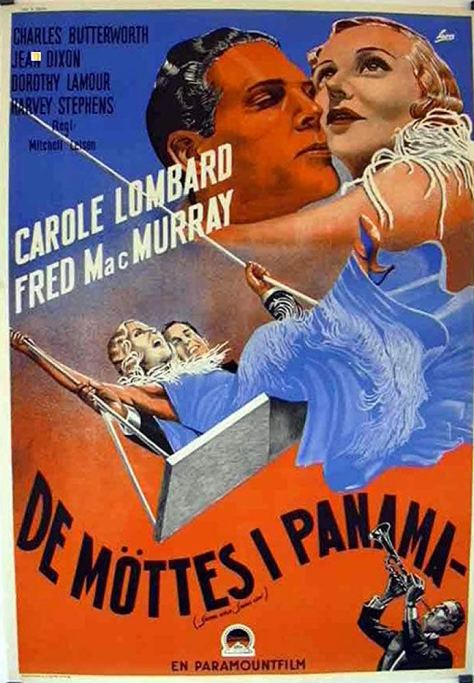
After reuniting with George Raft for another dance picture, Rumba (1935), Lombard was given the opportunity to repeat the screwball success of Twentieth Century. In Mitchell Leisen‘s Hands Across the Table (1935), she portrayed a manicurist in search of a rich husband, played by Fred MacMurray.

Critics praised the film, and Photoplay’s reviewer stated that Lombard had reaffirmed her talent for the genre. It is remembered as one of her best films, and the pairing of Lombard and MacMurray proved so successful that they made three more pictures together.

MV5BYTM1MTgxMTQtNWQxZi00OTNmLTk4YTgtZmYwOWE5MTBiNzQ0XkEyXkFqcGdeQXVyNjUwMzI2NzU@._V1_MV5BODA5MDg1ZTQtZWQzNy00OWE1LWI2ZDYtMDYxNzY4M2ZmMzM1XkEyXkFqcGdeQXVyMzk3NTUwOQ@@._V1_SY1000_CR0,0,823,1000_AL_MV5BY2FjYzgyYTgtYzgwNy00YTBlLTk4YmEtYzQwNWMwMGEwZTZlXkEyXkFqcGdeQXVyMzk3NTUwOQ@@._V1_SY1000_CR0,0,772,1000_AL_artworks-000486053475-x860os-t500x500

Continued success (1936–37)

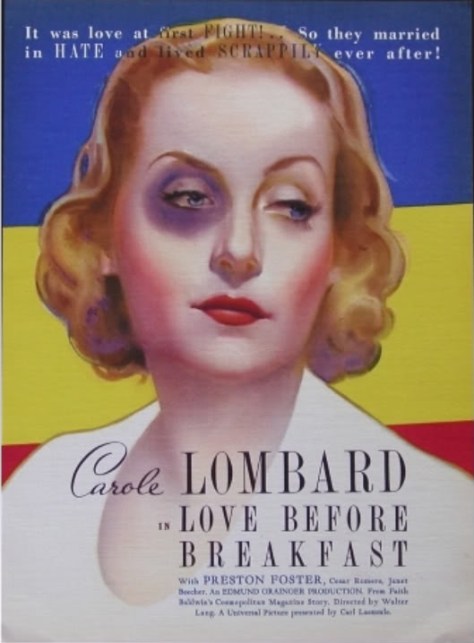
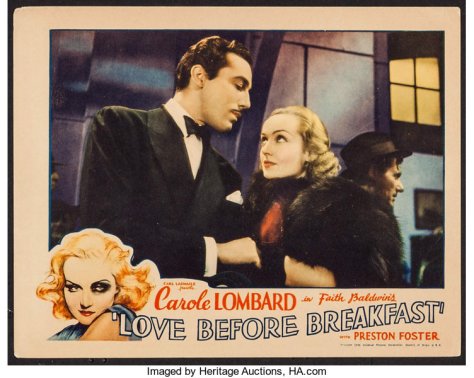
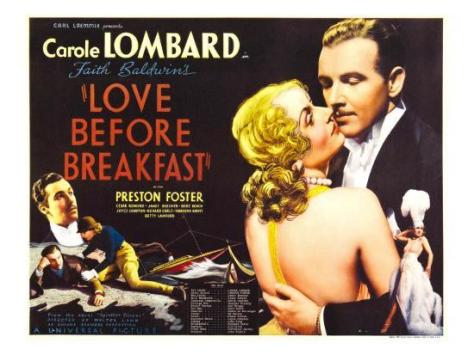
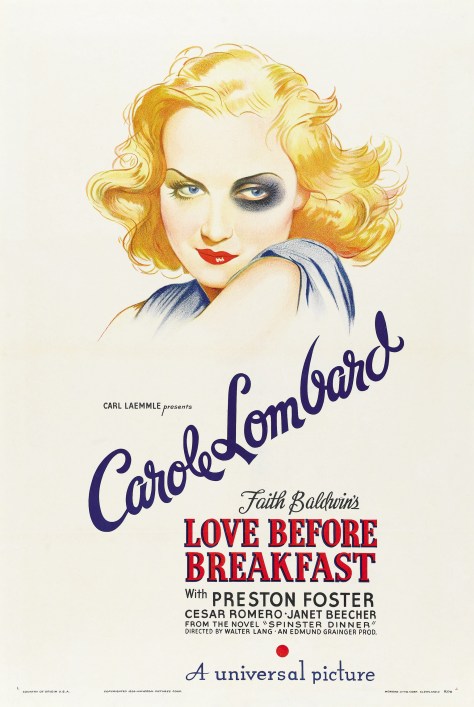
Lombard’s first film of 1936 was Love Before Breakfast, described by Gehring as “The Taming of the Shrew, screwball style”.

MV5BNTI4NGE1MGMtOGRhMC00NjNmLWE3NjYtN2NiZDMyZWM4MTM1XkEyXkFqcGdeQXVyMjUxODE0MDY@._V1_lf (3)lf (2)Love-Before-Breakfast-1love-before-breakfast-carole-lombard-preston-foster-1936_u-l-p7zqko0Love-Before-Breakfast-2MV5BYjQxZjUwZmMtYzZiMy00NjM3LWE5YWEtYjc1NDMzZjFiMDM2XkEyXkFqcGdeQXVyMDI2NDg0NQ@@._V1_


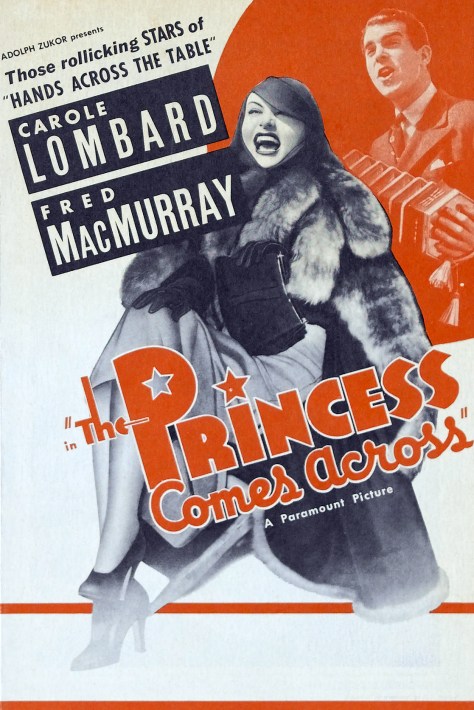
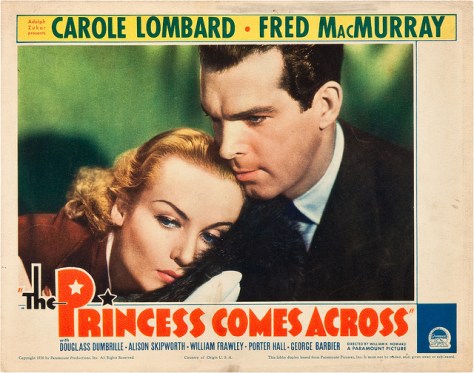
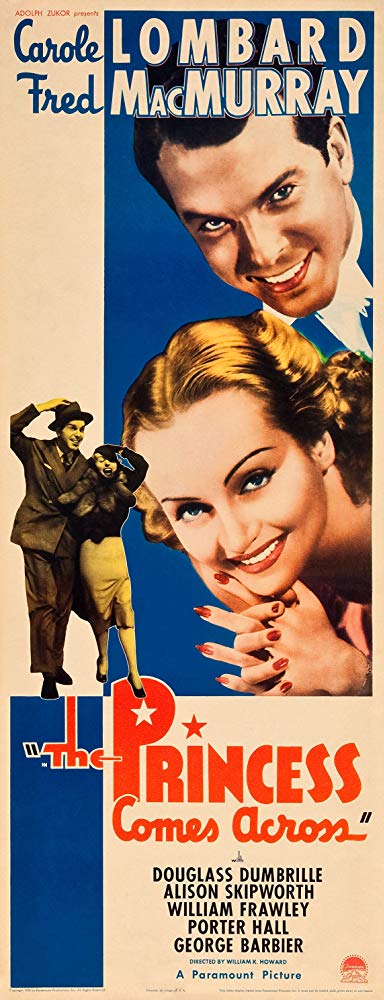
In William K. Howard‘s The Princess Comes Across, her second comedy with MacMurray, she played a budding actress who wins a film contract by masquerading as a Swedish princess. The performance was considered a satire of Greta Garbo, and was widely praised by critics.


MV5BNDFkOGJjOGYtOGM4My00MjRmLWJkZDQtMGQyYzcwOWY4N2NlXkEyXkFqcGdeQXVyMjUxODE0MDY@._V1_princess-comes-across-posterMV5BMzQzOWQ0OTUtNjhkZC00MmFlLThhZmQtMWFmNmI5ZTAzNGFkXkEyXkFqcGdeQXVyMjUxODE0MDY@._V1_SY1000_CR0,0,384,1000_AL_PrincessComesAcross1936.87155_070620170901MV5BNGViMzMwM2QtZjZiYy00YzkyLWI5N2QtMDFlNWQxMTc0YzFlXkEyXkFqcGdeQXVyMTk2MzI2Ng@@._V1_Princess-Comes-Across-3-620x400Annex - Lombard, Carole (Princess Comes Across, The)_NRFPT_01MV5BMTcyOTY2MTc5M15BMl5BanBnXkFtZTYwMjI4Mjc2._V1_MV5BMmY0MDIzNjItZTQ0NC00ODQ2LTg4MzktMDRmOWFhN2E2MzIxXkEyXkFqcGdeQXVyMTk2MzI2Ng@@._V1_

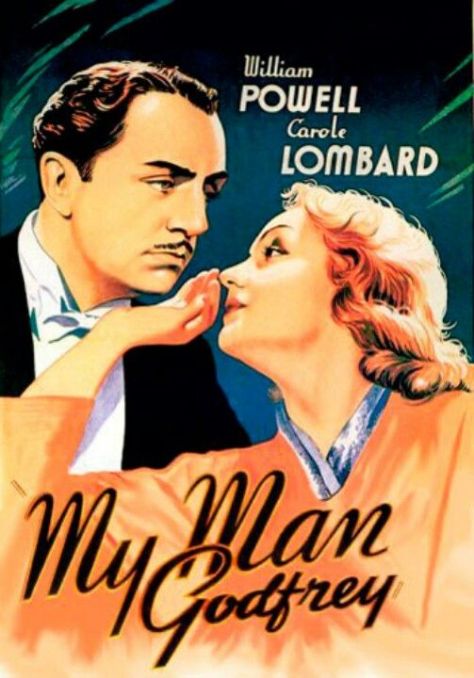
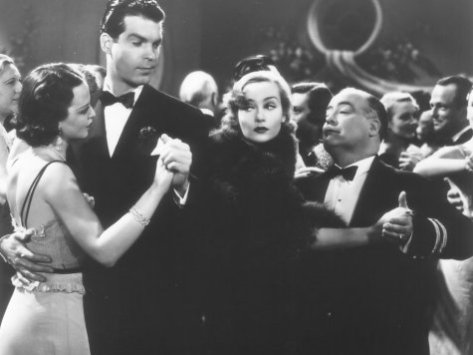
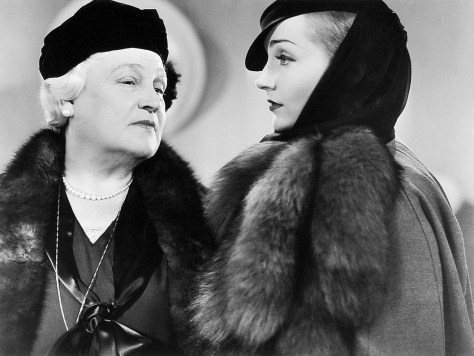
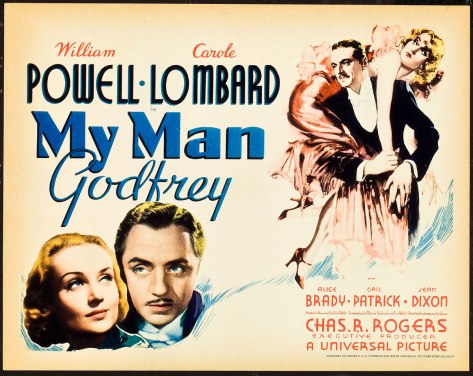
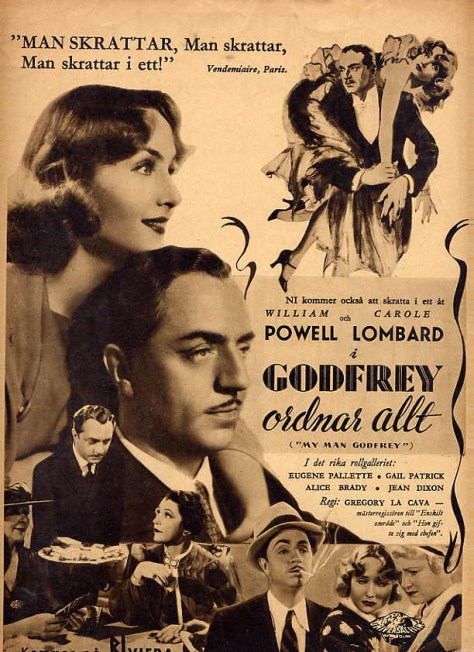
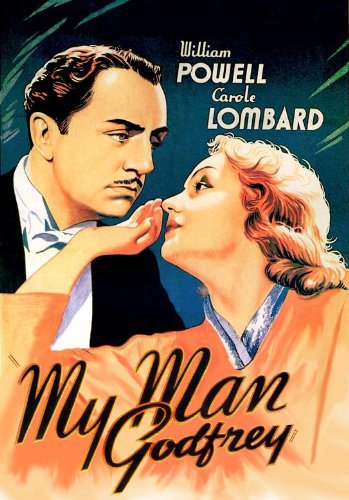
Lombard’s success continued as she was recruited by Universal Studios to star in the screwball comedy My Man Godfrey (1936).

William Powell, who was playing the eponymous Godfrey, insisted on her being cast as the female lead; despite their divorce, the pair remained friendly and Powell felt she would be perfect in the role of Irene, a zany heiress who employs a “forgotten man” as the family butler.

The film was directed by Gregory LaCava, who knew Lombard personally and advised that she draw on her “eccentric nature” for the role. She worked hard on the performance, particularly with finding the appropriate facial expressions for Irene. My Man Godfrey was released to great acclaim and was a box office hit.

It received six nominations at the 9th Academy Awards, including Lombard for Best Actress. Biographers cite it as her finest performance, and Frederick Ott says it “clearly established [her] as a comedienne of the first rank.”

MV5BODQ4YjE0ZWItNGE0OC00NTViLWFiNmEtZDE0YWViMDc2MTY0XkEyXkFqcGdeQXVyMjUxODE0MDY@._V1_MV5BOGY1ZGNmNGUtODg2Zi00OGI4LTg2NTktZjM2NTE4N2IzNTI1XkEyXkFqcGdeQXVyMjUxODE0MDY@._V1_godfreymy-man-godfrey-1200-1200-675-675-crop-000000My-Man-Godfrey-1936My-Man-Godfrey-1936-644x356SIJA038 EC223MV5BMTQ1NTAyMDgzNF5BMl5BanBnXkFtZTgwNTQ1NzIwMjE@._V1_

By 1937, Lombard was one of Hollywood’s most popular actresses, and also the highest-paid star in Hollywood following the deal which Myron Selznick negotiated with Paramount that brought her $450,000, more than five times the salary of the U.S. President.

As her salary was widely reported in the press, Lombard stated that 80% of her earnings went in taxes, but that she was happy to help improve her country. The comments earned her much positive publicity, and President Franklin D. Roosevelt sent her a personal letter of thanks.

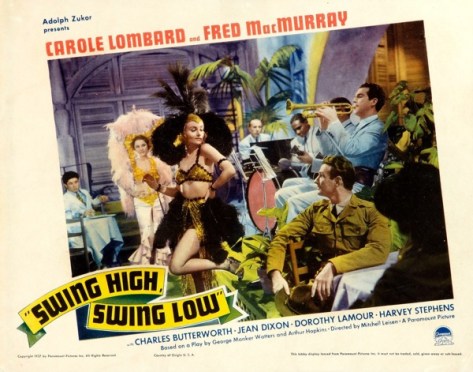
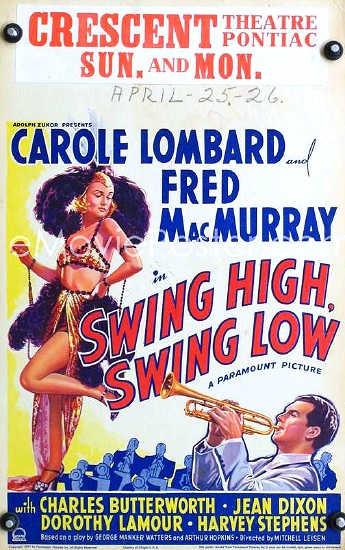
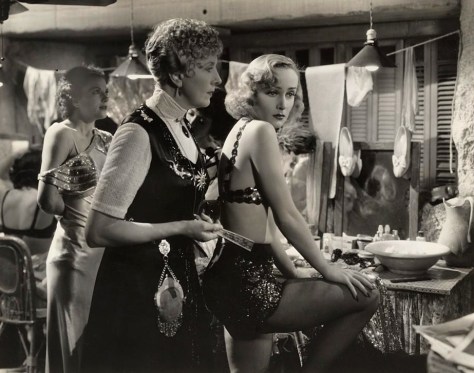
Her first release of the year was Leisen’s Swing High, Swing Low, a third pairing with MacMurray. The film focused on a romance between two cabaret performers, and was a critical and commercial success. It had been primarily a drama, with occasional moments of comedy, but for her next project, Lombard returned to the screwball genre. Producer David O. Selznick was eager to make a comedy with the actress, impressed by her work in My Man Godfrey, and hired Ben Hecht to write an original screenplay for her.

137890MV5BOTU3ZDk2YmItOTIwNS00NTJiLTg4ZTgtMzUyODBkODM4OTU2XkEyXkFqcGdeQXVyMjUxODE0MDY@._V1_SY1000_CR0,0,693,1000_AL_swinghighswinglowstill222A_Swing-High7ed44cb8942ce2e7d294e0c2fbe2a7b6--carole-lombard-swingsdc54d40ca30a83259cd11e39baee8510MV5BODllNTA3NjItOTkxYS00ZDY2LWJjMGEtY2I2MzY1ZDdjMGE5XkEyXkFqcGdeQXVyMjUxODE0MDY@._V1_Swing_High,_Swing_Low_(1937)_1


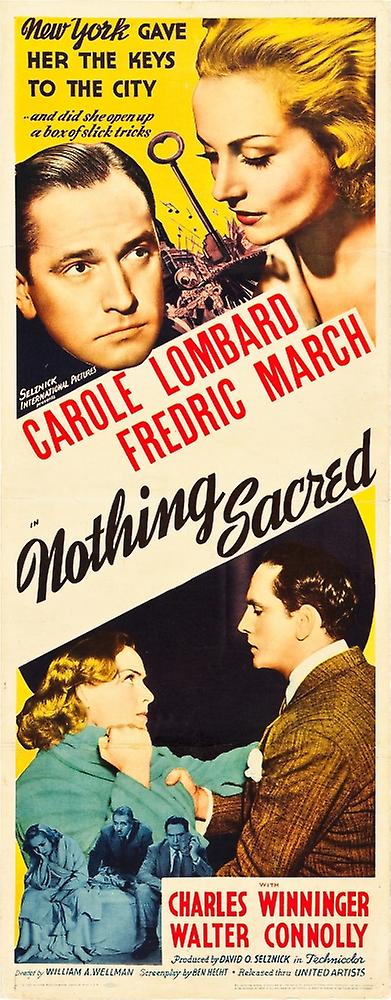
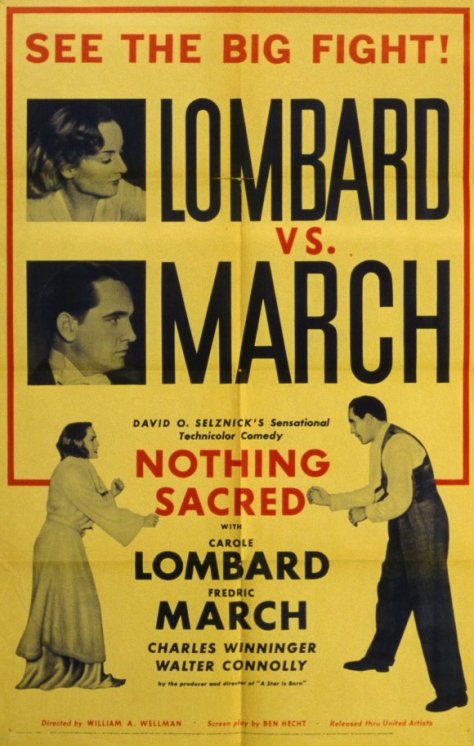
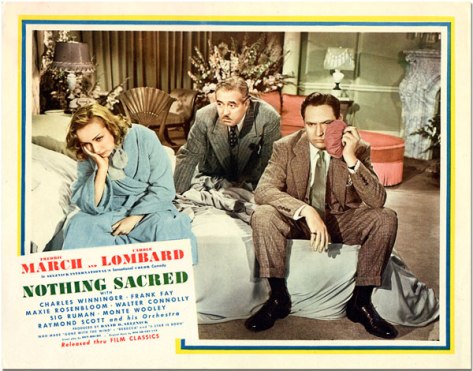
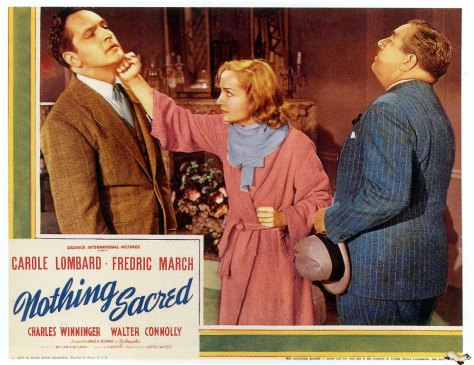
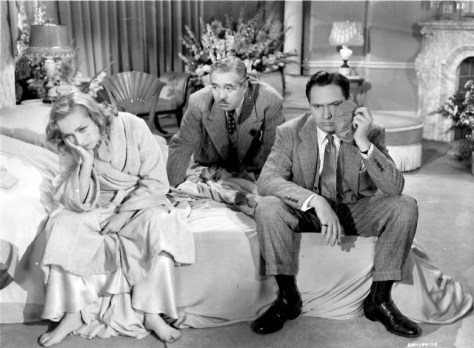
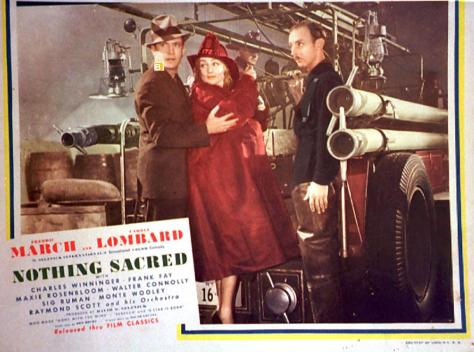
Nothing Sacred, directed by William Wellman and co-starring Fredric March, satirized the journalism industry and “the gullible urban masses”, with Lombard playing a small-town girl who pretends to be dying and finds her story exploited by a New York reporter. Marking her only appearance in Technicolor, the film was highly praised and was one of Lombard’s personal favorites.


poster2WRCLIT67250421bb6173311592be5e5c182ac6a6e60nothing_sacred_1937LEAD Technologies Inc. V1.0122632940383Carole-Lombard

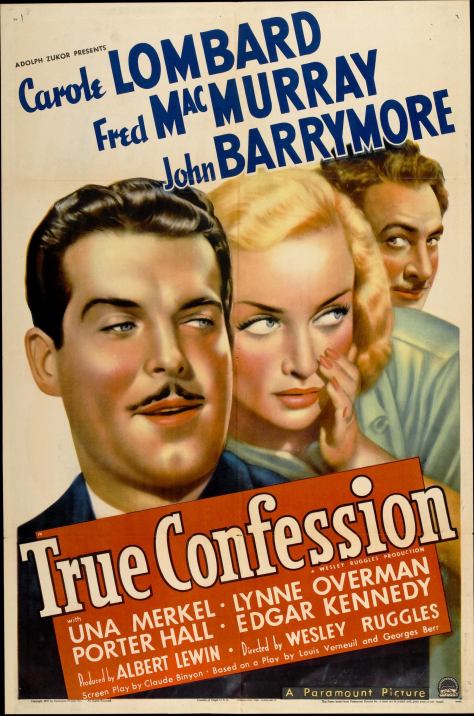
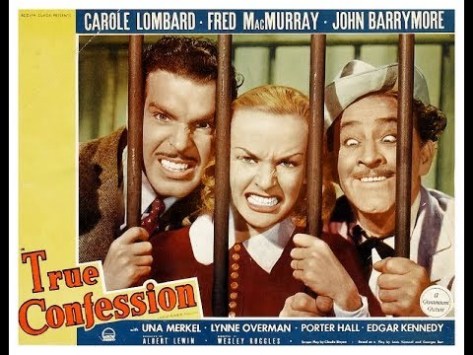
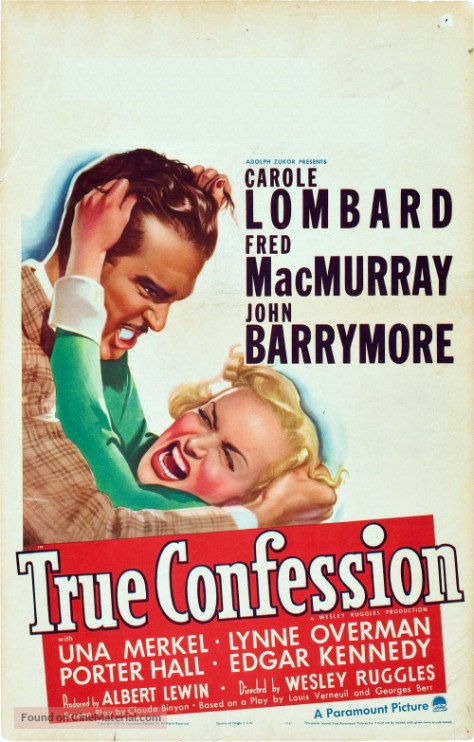
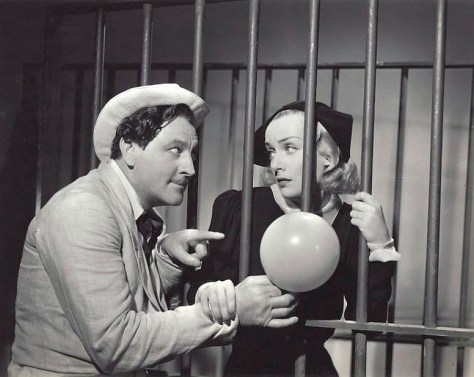
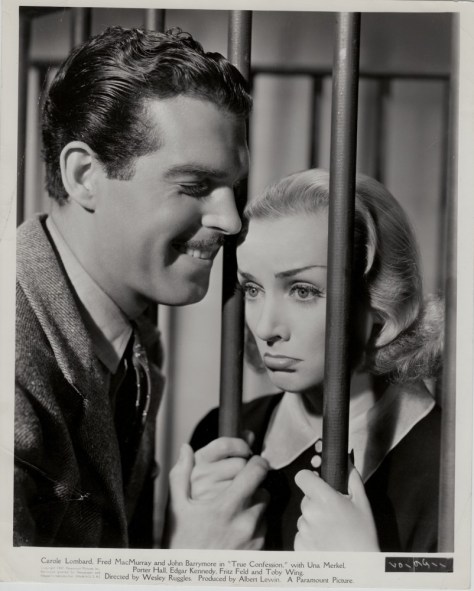
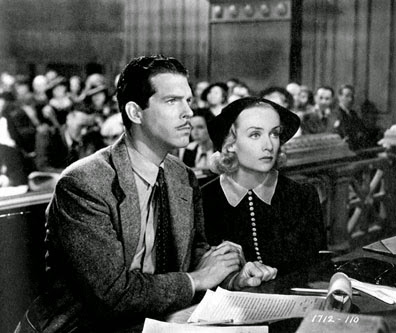
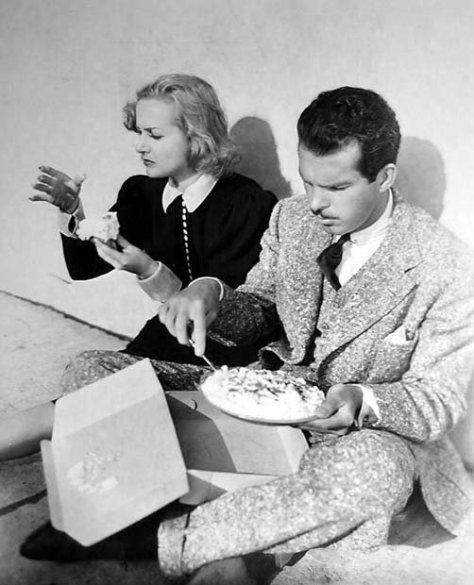
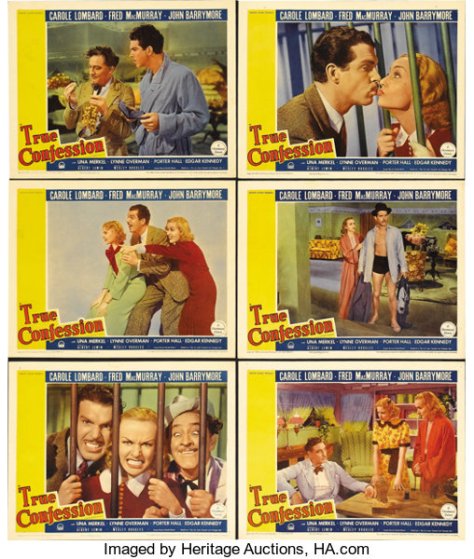
Lombard continued with screwball comedies, next starring in what Swindell calls one of her “wackiest” films, True Confession (1937). She played a compulsive liar who wrongly confesses to murder. Lombard loved the script and was excited about the project, which reunited her with John Barrymore and was her final appearance with MacMurray. Her prediction that it “smacked of a surefire success” proved accurate, as critics responded positively and it was popular at the box office.


MV5BNmUwZWEwYTQtYjBmNi00MWU4LWFlZWUtN2ZlMDg5NDI2NDg5XkEyXkFqcGdeQXVyNTEwNDcxNDc@._V1_hqdefault (2)MV5BMjQ5ZTNhZDItYzU5Yy00MmVhLTg3MDYtNTgwZmZkMzFlYTIyXkEyXkFqcGdeQXVyMjUxODE0MDY@._V1_johnbarrymore2ccarolelombardintrueconfession2819372928carole26co29MV5BODY4MmRlNWQtYTM1Yi00OTYzLTg5ZDYtOTdkYTgxZGM2ZDg1XkEyXkFqcGdeQXVyMTE2NzA0Ng@@._V1_truelombard-macmurray-break-confession_zpsc489100f5b109063166ebb8a21cae9cc436a83c7lf (4)


Gable marriage, dramatic efforts 


True Confession was the last film Lombard made on her Paramount contract, and she remained an independent performer for the rest of her career.

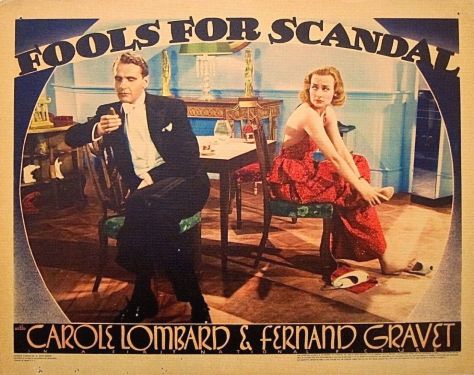
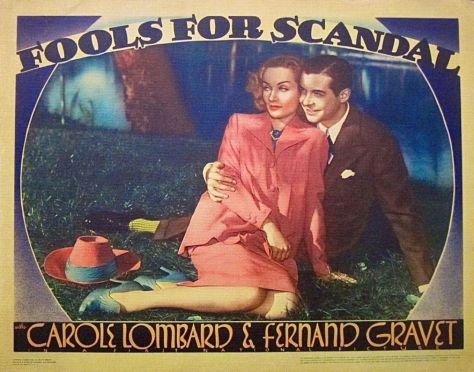
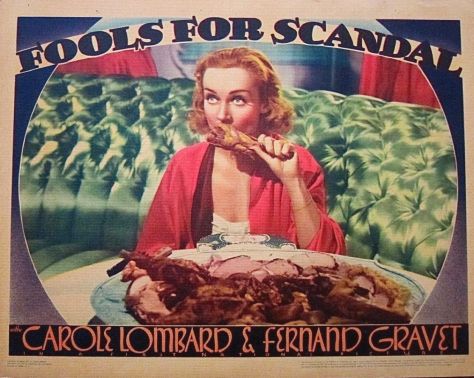
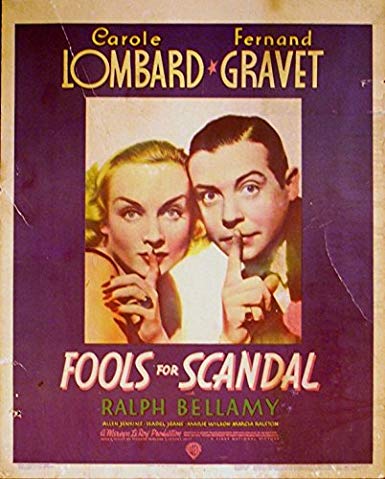
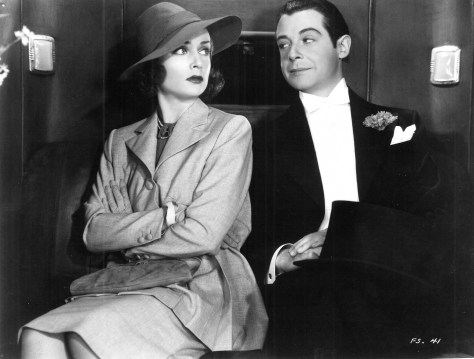
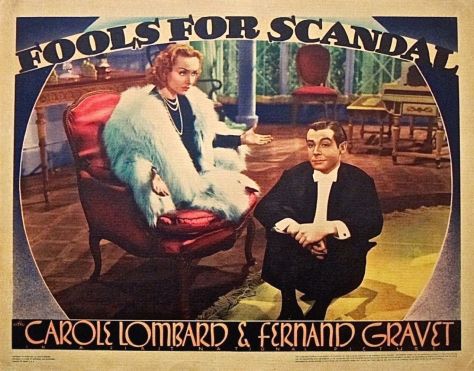
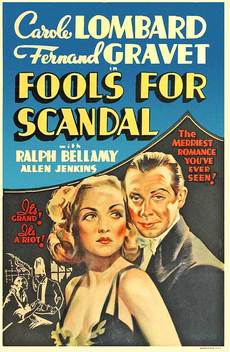
Her next film was made at Warner Bros., where she played a famous actress in Mervyn LeRoy‘s Fools for Scandal (1938). The comedy met with scathing reviews and was a commercial failure, with Swindell calling it “one of the most horrendous flops of the thirties”. Fools for Scandal was the only film Lombard made in 1938.

MV5BMzZmMmFiN2QtY2QzYy00MDE2LWI2ODgtYWFjYWQyYzIzZGVlXkEyXkFqcGdeQXVyMjUxODE0MDY@._V1_MV5BNmM2MGZjN2ItN2NjMi00YzRjLTkwOTgtMTY4MzA1MmE0ZjAyXkEyXkFqcGdeQXVyMjUxODE0MDY@._V1_MV5BZmNkM2M5YjAtZGRmNS00NTM5LTgzMmYtYTI2NDgzZTU3ZmU5XkEyXkFqcGdeQXVyMjUxODE0MDY@._V1_51uvS6K-BlL._SX385_fools-3MV5BMjllMWE2MjYtYmE4YS00MmZmLTg4YzUtNzY1MTZlNDQ5NmZjXkEyXkFqcGdeQXVyMjUxODE0MDY@._V1_816088efcb6d534e7ec4602d5119197123435_1_front

By this time, she was devoted to a relationship with Clark Gable. Four years after their teaming on No Man of Her Own, the pair had reunited at a Hollywood party and began a romance early in 1936. The media took great interest in their partnership and frequently questioned if they would wed. Gable was separated from his wife, Rhea Langham, but she did not want to grant him a divorce.

Clark-Gable-Carole-Lombard-02ClarkGableCaroleLombardWoodySmallimg30000749A

As his relationship with Lombard became serious, Langham eventually agreed to a settlement worth half a million dollars. The divorce was finalized in March 1939, and Gable and Lombard eloped in Kingman, Arizona, on March 29.

The couple — both lovers of the outdoors — bought a 20-acre ranch in Encino, California, where they kept barnyard animals and enjoyed hunting trips. Almost immediately, Lombard wanted to start a family, but her attempts failed; after two miscarriages and numerous trips to fertility specialists, she was unable to have children. In early 1938, Lombard officially joined the Bahá’í Faith, of which her mother had been a member since 1922.

While continuing with a slower work-rate, Lombard decided to move away from comedies and return to dramatic roles.


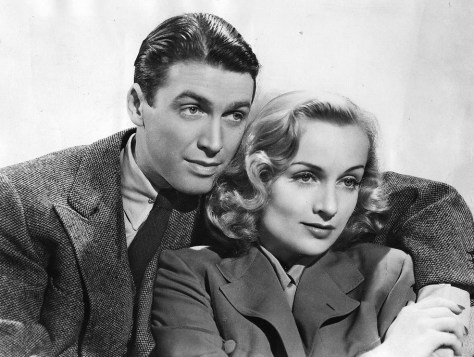
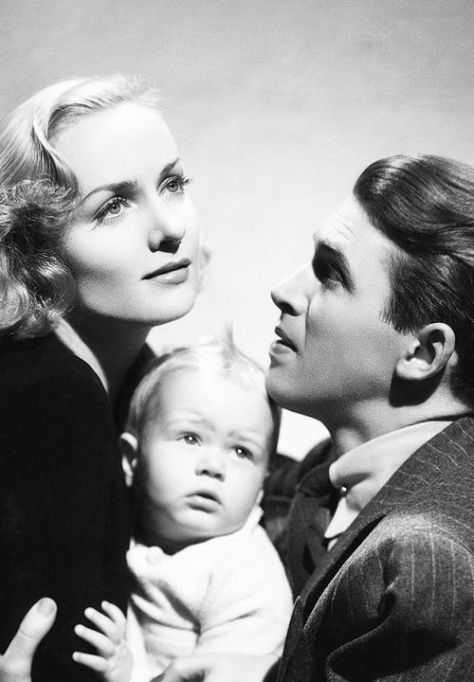
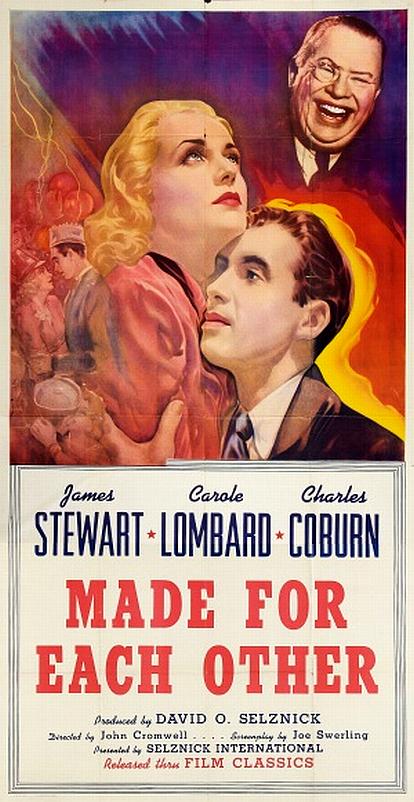
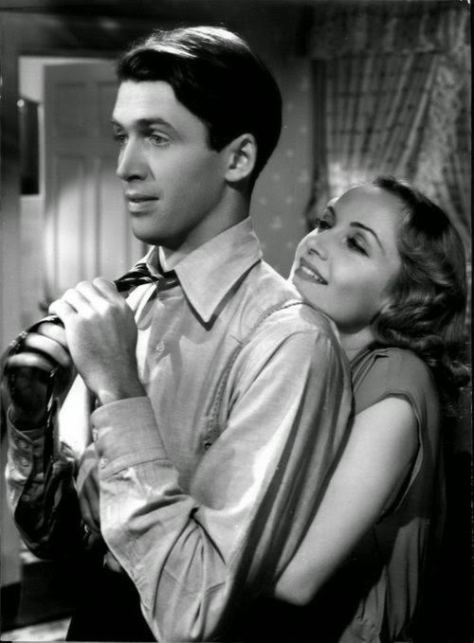
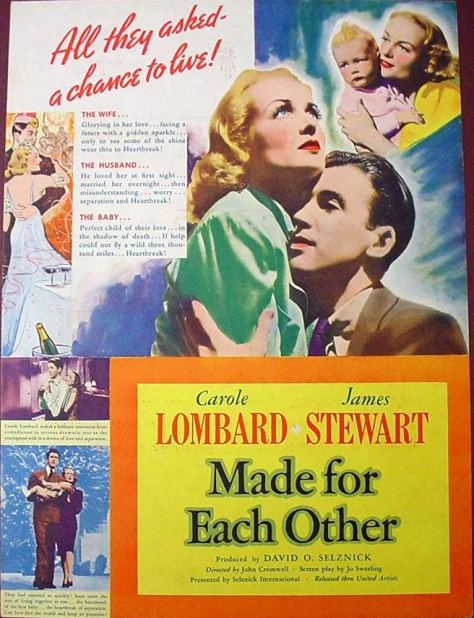
She appeared in a second David O. Selznick production, Made for Each Other (1939), which paired her with James Stewart to play a couple facing domestic difficulties. Reviews for the film were highly positive, and praised Lombard’s dramatic effort; financially, it was a disappointment.

Carole Lombard and James StewartMV5BNWYxYmI4YmMtMWRjOS00MzlmLWE4NzMtMzkyYWI1NDBlYTJmXkEyXkFqcGdeQXVyMjU5OTg5NDc@._V1_d4cec30e265a13d2ae7db1ef26faf410MV5BNDQyOTNiZmMtN2NlYy00NzNkLWJhOGItNTQzOWVhNjVmZjkwXkEyXkFqcGdeQXVyMjUxODE0MDY@._V1_made-for-each-other-1939-film-3b8d4fbc-98bc-4927-b96e-dcffc99c7d1-resize-750made-for-each-other-james-stewart-carole-lombard-1939_u-l-ph4jrh0MV5BYTVmOWNiODQtZjVkZC00MzZhLThkNzItNWE1OTA0YTA1MDAxXkEyXkFqcGdeQXVyMjUxODE0MDY@._V1_SY1000_CR0,0,766,1000_AL_


Lombard’s next appearance came opposite Cary Grant in the John Cromwellromance In Name Only (1939), a credit she personally negotiated with RKO Radio Pictures upon hearing of the script and Grant’s involvement.

The role mirrored her recent experiences, as she played a woman in love with a married man whose wife refuses to divorce. She was paid $150,000 for the film, continuing her status as one of Hollywood’s highest-paid actresses, and it was a moderate success. Lombard was eager to win an Academy Award, and selected her next project — from several possible scripts — with the expectation that it would bring her the trophy.

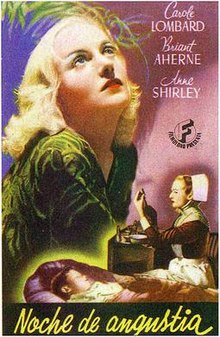
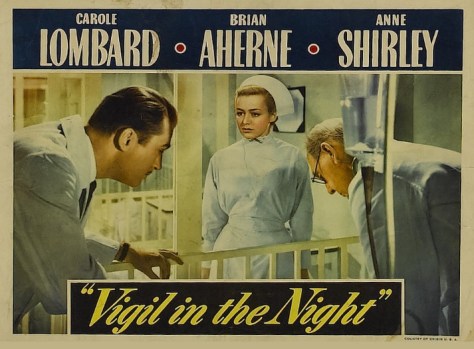
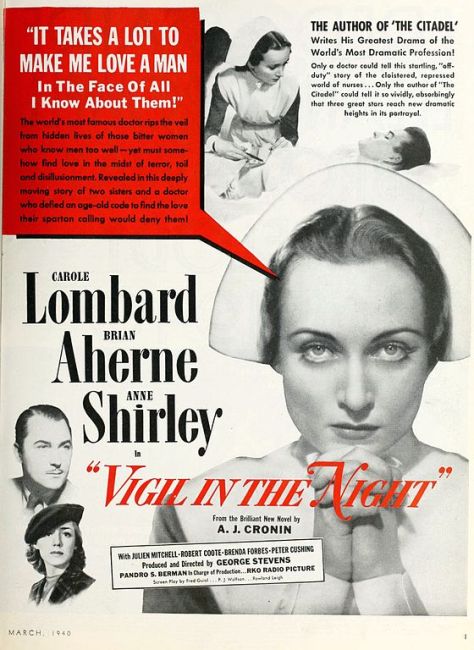
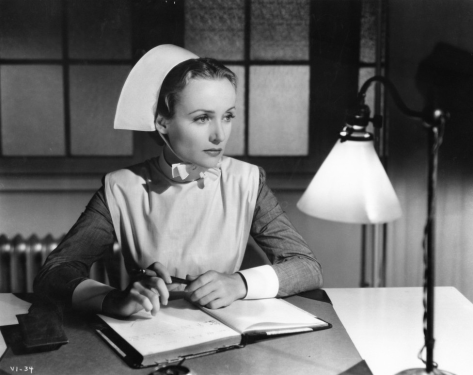
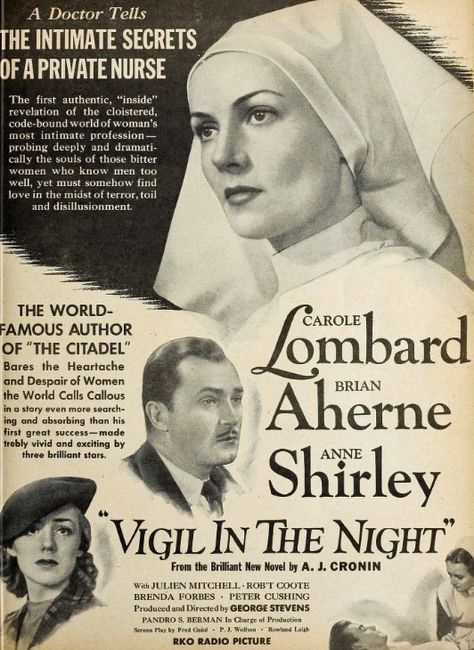
Vigil in the Night (1940), directed by George Stevens, featured Lombard as a nurse who faces a series of personal difficulties.

MV5BYWM4YWM3YmEtMzRkYi00NTkwLTgxMDMtOTU1ZGVjNDhhYTExXkEyXkFqcGdeQXVyNzA4ODc3ODU@._V1_innameonlyInNameOnlyLobby2Lombard, Grant, Francis In Name OnlyMV5BNzcxMDljZjAtZGViNC00MTRkLWJjYjYtZjBjNDQ5MjYwMTgxXkEyXkFqcGdeQXVyMDI2NDg0NQ@@._V1_


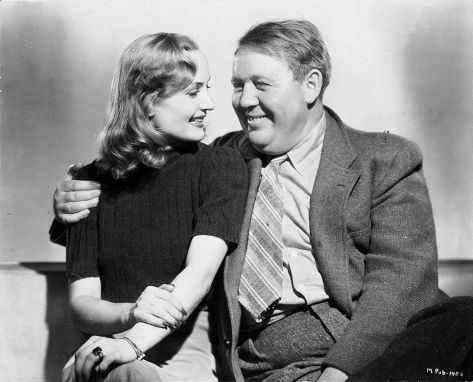
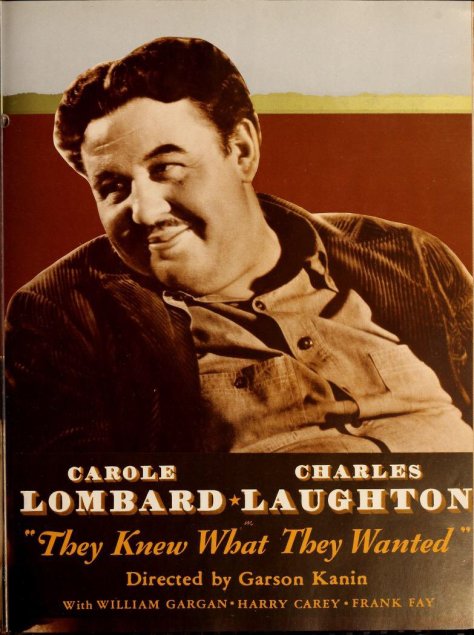
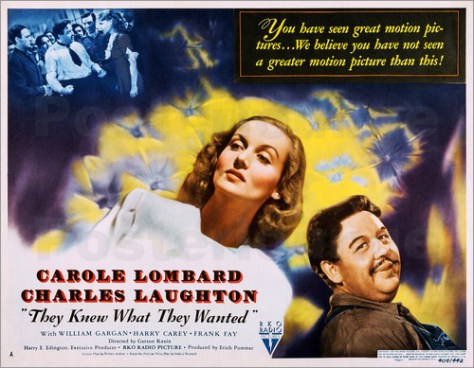
Although the performance was praised, she did not get her nomination, as the sombre mood of the picture turned audiences away and box-office returns were poor. Despite the realization that she was best suited to comedies, Lombard completed one more drama: They Knew What They Wanted (1940), co-starring Charles Laughton, which was mildly successful.

220px-SpanishVigilintheNightposterMV5BZmE5ZTQ0Y2YtNWRkNy00ZmUzLTgzYmQtZDYwOWY5NjAyMTgyXkEyXkFqcGdeQXVyMjUxODE0MDY@._V1_MV5BZTZmZmVmMjUtNmEyNS00ZTA2LWJiYmItMDQyOTg5Mzc1ZDM1XkEyXkFqcGdeQXVyMjUxODE0MDY@._V1_cl9MV5BMzg3MTBmNTUtMTRmYi00Y2ZhLWFmMWQtZjc3MTgwZjU3ZTZhXkEyXkFqcGdeQXVyMzk3NTUwOQ@@._V1_e0f3263e346ab40182714670e2231ad8--anne-shirley-carole-lombard

MV5BY2I2NDRjMmMtMzUzNy00YzM2LWIzZmEtNDM4OGY4MTVjYTkzXkEyXkFqcGdeQXVyMjUxODE0MDY@._V1_SY1000_CR0,0,1273,1000_AL_94b14b7243adf4a213e4e041bfaaa15cDjlivBlX4AEr8Su1ff12ac31b8b8392a0894e9ccce78641MV5BNjlkZTgxMGMtMDBjNC00M2RjLWJiYzAtYmQ4ZWQ2N2FjMDU4XkEyXkFqcGdeQXVyMjUxODE0MDY@._V1_MV5BNzk2OWVlOTYtYWQzMi00YWJhLWI3OTItMTBmZmNkOTMzM2IwXkEyXkFqcGdeQXVyMTE2NzA0Ng@@._V1_SY1000_SX798_AL_

Final roles (1941–1942)

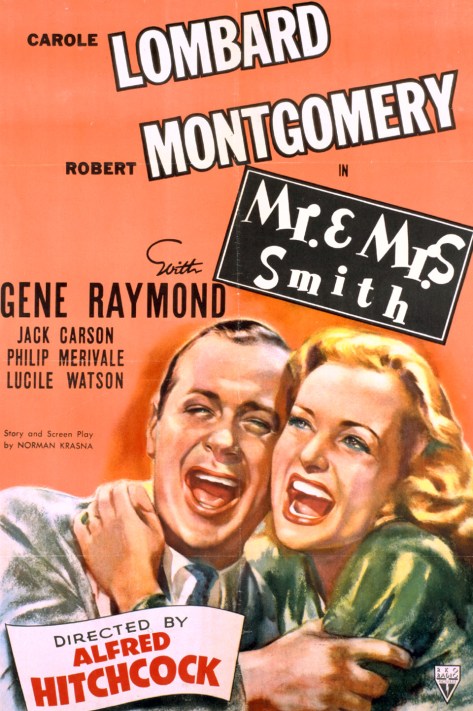
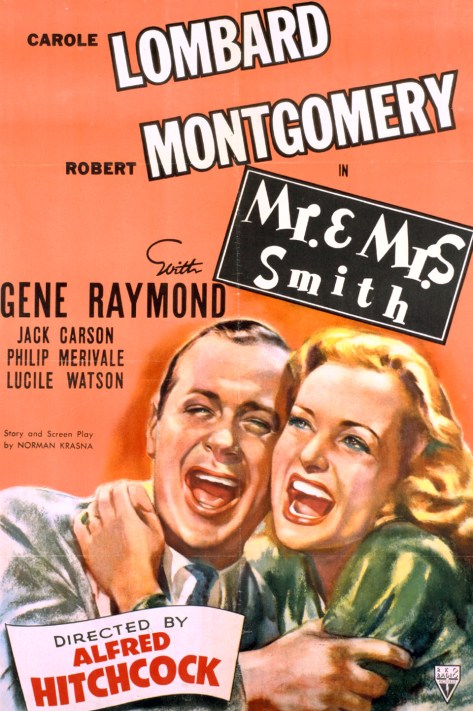
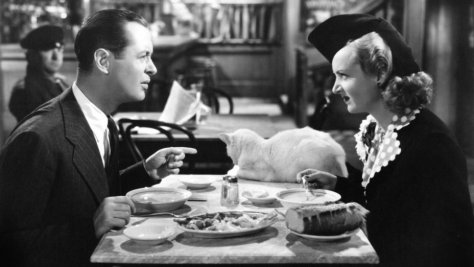
Accepting that “my name doesn’t sell tickets to serious pictures”, Lombard returned to comedy for the first time in three years to film Mr. & Mrs. Smith (1941), about a couple who learns that their marriage is invalid, with Robert Montgomery.

Lombard was influential in bringing Alfred Hitchcock, whom she knew through David O. Selznick, to direct one of his most atypical films. It was a commercial success, as audiences were happy with what Swindell calls “the belated happy news … that Carole Lombard was a screwball once more.”

MV5BMzI4YWIyOTMtZjI0ZS00ZjI5LTg3MDAtMWI0YmY2OThjMGI3XkEyXkFqcGdeQXVyNjc0MzMzNjA@._V1_mr_and_mrs_smith_-_h_-_1941Mr.-and-Mrs.-Smith-194193c3b2b64d4c8b255958f41afa85b782mr-and-mrs-smith-4MV5BZmVmMDNlZjUtYzkyNi00OTk2LWE1MTYtYTA0ZjBjYzU4OGZhXkEyXkFqcGdeQXVyMDU2NjgyMg@@._V1_SY1000_CR0,0,1220,1000_AL_112331_640

It was nearly a year before Lombard committed to another film, as she focused instead on her home and marriage. Determined that her next film be “an unqualified smash hit”, she was also careful in selecting a new project.

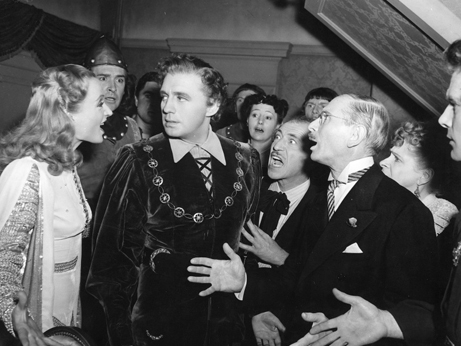
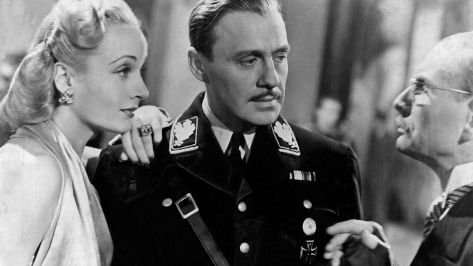
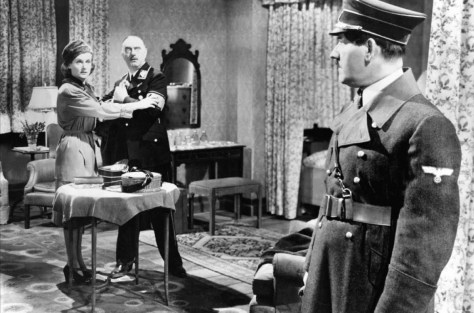
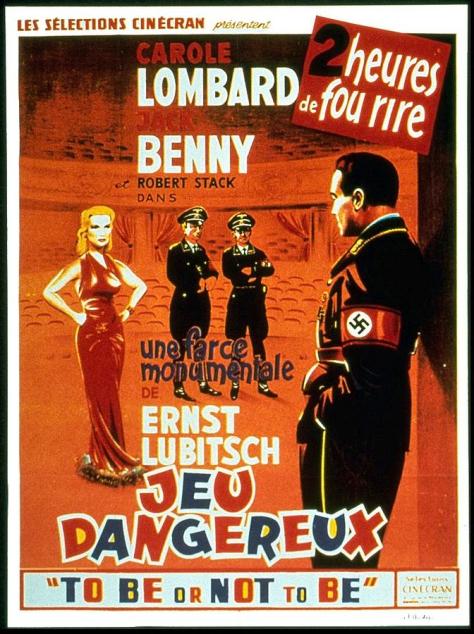
Through her agent, Lombard heard of Ernst Lubitsch‘s upcoming film: To Be or Not to Be (1942), a dark comedy that satirized the Nazi takeover of Poland.

The actress had long wanted to work with Lubitsch, her favorite comedy director, and felt that the material — although controversial — was a worthy subject. Lombard accepted the role of actress Maria Tura, despite it being a smaller part than she was used to, and was given top billing over the film’s lead, Jack Benny. Filming took place in the fall of 1941, and was reportedly one of the happiest experiences of Lombard’s career.

mv5bmmiymzaymtatzgvkms00mzvhlwfjyjetnzflntmxnmjjzmyyxkeyxkfqcgdeqxvymjuxode0mdy-_v1_bfi-00m-eji-to-be-or-not-to-betobeornot-1200-1200-675-675-crop-000000film-to-be-or-not-to-be-jeu-dangereux2Jack-Benny-To-Be-or-Not-toto-be-or-not-to-be-1942tb7to-be-or-not-to-be-2tobe1u-g-PH510U0

Death

image016


When the U.S. entered World War II at the end of 1941, Lombard traveled to her home state of Indiana for a war bond rally with her mother, Bess Peters, and Clark Gable’s press agent, Otto Winkler.

Lombard was able to raise over $2 million ($35 million in 2016) in defense bonds in a single evening. Her party had initially been scheduled to return to Los Angeles by train, but Lombard was anxious to reach home more quickly and wanted to fly by a scheduled airline.


170111-carole-lombarde-plane-crash-02

Her mother and Winkler were both afraid of flying and insisted they follow their original travel plans. Lombard suggested they flip a coin; they agreed and Lombard won the toss.

In the early morning hours of January 16, 1942, Lombard, her mother, and Winkler boarded a Transcontinental and Western AirDouglas DST (Douglas Sleeper Transport) aircraft to return to California.

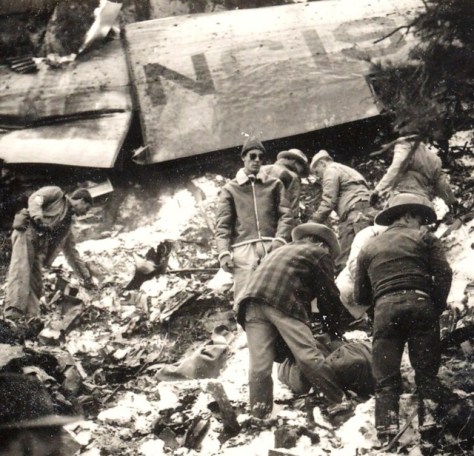
After refueling in Las Vegas, TWA Flight 3 took off at 7:07 p.m. and around 13 minutes later, crashed into “Double Up Peak” near the 8,300-foot (2,530 m) level of Potosi Mountain, 32 statute miles (51 km) southwest of Las Vegas. All 22 aboard, Lombard and her mother included, plus fifteen army servicemen, were killed instantly.


web1_crash-site-1_7748301c00807c88eaa4f2eda6cb01917b89dc2Flight 3 accident photo 2DSCN1202a

Aftermath


Gable was flown to Las Vegas after learning of the tragedy to claim the bodies of his wife, mother-in-law, and Winkler, who aside from being his press agent, had been a close friend.

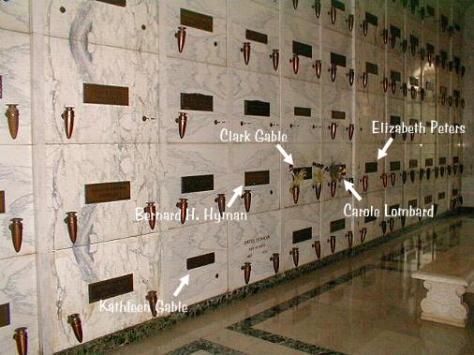
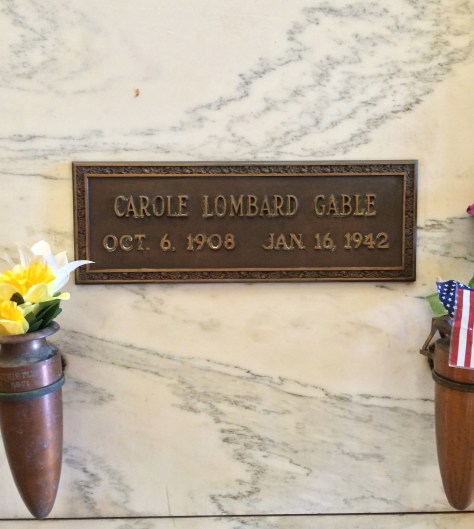
Lombard’s funeral was January 21 at Forest Lawn Memorial Park Cemetery in Glendale, California. She was interred beside her mother under the name of Carole Lombard Gable.


hymanbernardh2Carole_Lombard_Grave


Despite remarrying twice following her death, Gable chose to be interred beside Lombard when he died in 1960.

Lombard’s final film, To Be or Not to Be (1942), directed by Ernst Lubitsch and co-starring Jack Benny, a satire about Nazism and World War II, was in post-production at the time of her death.

The film’s producers decided to cut part of the film in which Lombard’s character asks, “What can happen on a plane?” out of respect for the circumstances surrounding her death.

When the film was released, it received mixed reviews, particularly about its controversial content, but Lombard’s performance was hailed as the perfect send-off to one of 1930s Hollywood’s most important stars.

ernst-lubitsch-directed-to-be-or-not-to-be-1942-foreign-poster-david-lee-guss


At the time of her death, Lombard had been scheduled to star in the film They All Kissed the Bride; when production started, she was replaced by Joan Crawford.

Crawford donated all of her salary for the film to the Red Cross, which had helped extensively in the recovery of bodies from the air crash. Shortly after Lombard’s death, Gable, who was inconsolable and devastated by his loss, joined the United States Army Air Forces.

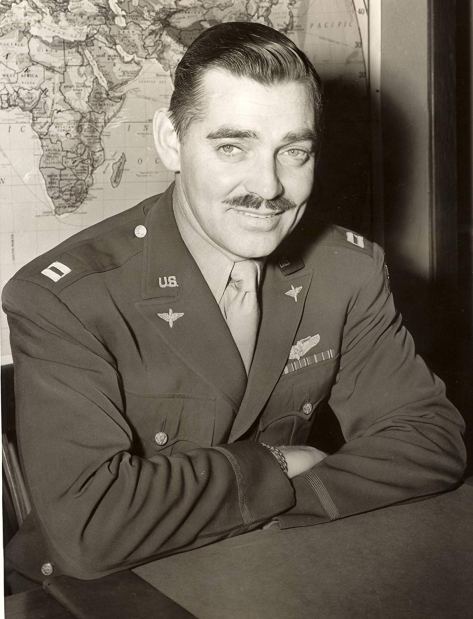
Lombard had asked him to do that numerous times after the United States had entered World War II. After officer training, Gable headed a six-man motion picture unit attached to a B-17 bomb group in England to film aerial gunners in combat, flying five missions himself.

915y+v4djBL._AC_SL1500_

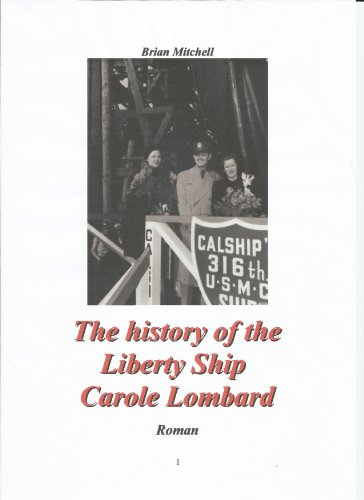
In December 1943, the United States Maritime Commission announced that a Liberty ship named after Carole Lombard would be launched. Gable attended the launch of the SS Carole Lombard on January 15, 1944, the two-year anniversary of Lombard’s record-breaking war bond drive.

The ship was involved in rescuing hundreds of survivors from sunken ships in the Pacific and returning them to safety.In 1962, Mrs. Jill Winkler Rath, widow of publicist Otto Winkler, filed a $100,000 lawsuit against the $2,000,000 estate of Clark Gable in connection with Winkler’s death in the plane crash with Carole Lombard.

418EXETFgTL

The suit was dismissed in Los Angeles Superior Court. Mrs. Rath, in her action, claimed Gable promised to provide financial aid for her if she would not bring suit against the airline involved.

Mrs. Rath stated she later learned that Gable settled his claim against the airline for $10. He did so because he did not want to repeat his grief in court and subsequently provided her no financial aid in his will.

Assessment and legacy

Author Robert D. Matzen has cited Lombard as “among the most commercially successful and admired film personalities in Hollywood in the 1930s”, and feminist writer June Sochen believes that Lombard “demonstrated great knowledge of the mechanics of film making”.

George Raft, her co-star in Bolero, was extremely fond of the actress, remarking “I truly loved Carole Lombard. She was the greatest girl that ever lived and we were the best of pals. Completely honest and outspoken, she was liked by everyone”.


george-raft-carole-lombard-bolero-1934-directed-by-wesley-ruggles_u-l-q10t3f10

Lombard was particularly noted for the zaniness of her performances, described as a “natural prankster, a salty tongued straight-shooter, a feminist precursor and one of the few stars who was beloved by the technicians and studio functionaries who worked with her”.

Life magazine noted that her film personality transcended to real life, “her conversation, often brilliant, is punctuated by screeches, laughs, growls, gesticulations and the expletives of a sailor’s parrot”.

21-carole-lombard--album

Graham Greene praised the “heartbreaking and nostalgic melodies” of her faster-than-thought delivery. “Platinum blonde, with a heart-shaped face, delicate, impish features and a figure made to be swathed in silver lamé, Lombard wriggled expressively through such classics of hysteria as Twentieth Century and My Man Godfrey.”

In 1999, the American Film Institute ranked Lombard 23rd on its list of the 25 greatest American female screen legends of classic Hollywood cinema, and she has a star on the Hollywood Walk of Fame, at 6930 Hollywood Blvd. Lombard received one Academy Award for Best Actress nomination, for My Man Godfrey.

VIGIL IN THE NIGHT, Carole Lombard, 1940

Actresses who have portrayed her in films include Jill Clayburgh in Gable and Lombard (1976), Sharon Gless in Moviola: The Scarlett O’Hara War (1980), Denise Crosby in Malice in Wonderland (1985), Anastasia Hille in RKO 281 (1999) and Vanessa Gray in Lucy (2003).

Lombard’s Fort Wayne childhood home has been designated a historic landmark. The city named the nearby bridge over the St. Mary’s River the Carole Lombard Memorial Bridge.


Filmography

Carole Lombard 24

References

Notes

  1. Jump up^ The automobile accident happened in 1925; Lombard was in a car with a friend, stopped at a red light, when the car in front of them rolled backward, hit their car, and caused the windshield to shatter.[21]
  2. Jump up^ In her lifetime, the media reported that Lombard added the extra “e” to Carol at the advice of a numerologist.[37] She denied this to Garson Kanin, saying, “That’s a lot of bunk.”[38] Some of the Mack Sennett shorts had already used the spelling “Carole”, but this is thought to have been an accident.[37] Her name was not consistently billed and reported with this spelling until 1930.[39] She legally changed her name to “Carole Lombard” in 1936.[40]
  3. Jump up^ At the time, Lombard was married to Powell (and told Kanin she was “on my ear about a different number at that time”)[51] while Gable was married to Rhea Langham and having an affair with Joan Crawford.[52]
  4. Jump up^ It Happened One Night went on to be a major success and won five Academy Awards, including Best Picture and Best Actress for Claudette Colbert in the role that Lombard would have played.[58]
  5. Jump up^ Hawks recalled, “She acted like a schoolgirl … and she was stiff, she would try to imagine a character and then act according to her imaginings instead of being herself.” When he felt that Lombard had overcome this in a scene, he said to Barrymore, “you’ve just seen a girl that’s probably going to be a big star, and if we can just keep her from acting, we’ll have a hell of a picture.”[64]
  6. Jump up^ At the Academy Awards ceremony, Lombard was announced as the nominee with the second-highest number of votes. The award went to Luise Rainer for The Great Ziegfeld.[76]
  7. Jump up^ Gable had to give Langham $350,000 in cash plus additional property, leading to a total settlement worth more than half a million.[97] The expense of the divorce contributed to Gable’s agreement to portray Rhett Butler in Gone With the Wind.[98]
  8. Jump up^ Rumors at this time stated that Gable and Lombard were experiencing marital difficulties; in 1941, they put their home up for sale, but soon took it off the market, which was taken as evidence that they had separated and then reconciled. Lombard was also eager to get pregnant, but had difficulty conceiving.[116]
  9. Jump up^ The Douglas DST or Douglas Sleeper Transport was an airliner with either 24 passenger seats in daytime operation or fitted out with 16 sleeper bunks in the cabin.[120]

Carole Lombard 25

Citations

  1. Jump up^ Indiana, Birth Certificates, 1907-1940
  2. Jump up^ Gehring 2003, p. 19.
  3. Jump up^ Matzen 1988, p. 1; Gehring 2003, p. 19.
  4. ^ Jump up to:a b Gehring 2003, p. 23.
  5. ^ Jump up to:a b Ott 1972, p. 16.
  6. Jump up^ Gehring 2003, p. 25.
  7. Jump up^ Gehring 2003, p. 20.
  8. ^ Jump up to:a b Gehring 2003, pp. 27–28.
  9. Jump up^ Ott 1972, p. 17.
  10. Jump up^ Matzen 1988, p. 5.
  11. Jump up^ Gehring 2003, p. 29.
  12. Jump up^ Gehring 2003, pp. 39–41.
  13. ^ Jump up to:a b c Matzen 1988, p. 6.
  14. Jump up^ Gehring 2003, pp. 44–45.
  15. Jump up^ Swindell 1975, p. 40.
  16. ^ Jump up to:a b Gehring 2003, p. 46.
  17. Jump up^ Matzen 1988, p. 6; Gehring 2003, p. 47.
  18. Jump up^ Ott 1972, pp. 18; 49.
  19. Jump up^ Matzen 1988, p. 6; Ott 1972, p. 19.
  20. Jump up^ Gehring 2003, pp. 48–50.
  21. Jump up^ Gehring 2003, p. 49.
  22. Jump up^ Gehring 2003, pp. 53–54.
  23. Jump up^ Ott 1972, pp. 55–60.
  24. Jump up^ Ott 1972, p. 20; Gehring 2003, p. 53.
  25. Jump up^ Gehring 2003, pp. 57–58; Ott 1972, p. 20.
  26. Jump up^ Gehring 2003, p. 59.
  27. Jump up^ Gehring 2003, p. 61.
  28. Jump up^ Ott 1972, pp. 65–66.
  29. Jump up^ Gehring 2003, p. 65.
  30. Jump up^ “Carole Gets Her Own Way”. Silver Screen. May–October 1934. Retrieved November 26, 2014.
  31. Jump up^ Ott 1972, p. 22.
  32. Jump up^ Gehring 2003, p. 65; Ott 1972, p. 22.
  33. Jump up^ Ott 1972, p. 72.
  34. Jump up^ Gehring 2003, pp. 68–69.
  35. Jump up^ Ott 1972, p. 23.
  36. Jump up^ Gehring 2003, p. 77.
  37. ^ Jump up to:a b c Gehring 2003, pp. 78–79.
  38. Jump up^ Kanin 1974, p. 59.
  39. Jump up^ Ott 1972, p. 46.
  40. Jump up^ Swindell 1975, p. 205.
  41. ^ Jump up to:a b Gehring 2003, p. 83.
  42. ^ Jump up to:a b Gehring 2003, p. 85.
  43. Jump up^ Gehring 2003, p. 83; Matzen 1988, p. 11.
  44. ^ Jump up to:a b Gehring 2003, p. 87.
  45. ^ Jump up to:a b Ott 1972, p. 24.
  46. Jump up^ Gehring 2003, pp. 90–91.
  47. Jump up^ Gehring 2003, p. 91.
  48. ^ Jump up to:a b Ott 1972, p. 25.
  49. Jump up^ Swindell 1975, p. 197; Gehring 2003, p. 98.
  50. Jump up^ Gehring 2003, pp. 97–100; 102 (for quote).
  51. ^ Jump up to:a b Kanin 1974, p. 61.
  52. Jump up^ Gehring 2003, p. 101.
  53. Jump up^ Gehring 2003, pp. 92–93.
  54. Jump up^ Gehring 2003, pp. 102; 105.
  55. ^ Jump up to:a b Gehring 2003, p. 110.
  56. Jump up^ Ott 1972, p. 26.
  57. Jump up^ MacBride 2000, p. 303.
  58. Jump up^ Gehring 2003, p. 103.
  59. Jump up^ Hawks 2005, p. 147.
  60. Jump up^ Ott 1972, p. 26; Gehring 2003, p. 111.
  61. Jump up^ Gehring 2003, pp. 121, 123; Ott 1972, p. 28.
  62. Jump up^ Bogdanovich 2012, p. 466.
  63. Jump up^ Gehring 2003, p. 118.
  64. ^ Jump up to:a b Ott 1972, p. 27.
  65. Jump up^ Ott 1972, pp. 120–121.
  66. Jump up^ Gehring 2003, p. 117.
  67. Jump up^ Gehring 2003, pp. 122–123.
  68. ^ Jump up to:a b Ott 1972, p. 28.
  69. Jump up^ Ott 1972, p. 133; Gehring 2003, p. 127.
  70. Jump up^ Gehring 2003, p. 127.
  71. Jump up^ Gehring 2003, p. 135.
  72. Jump up^ Gehring 2003, p. 136–137.
  73. Jump up^ Gehring 2003, pp. 132, 93–95.
  74. Jump up^ Gehring 2003, pp. 133, 137, 139.
  75. Jump up^ Gehring 2003, p. 140.
  76. Jump up^ Gehring 2003, p. 168.
  77. Jump up^ Ott 1972, p. 29; Gehring 2003, pp. 140–142.
  78. Jump up^ Haver 1980, p. 214; Swindell 1975, p. 220.
  79. Jump up^ Swindell 1975, p. 201.
  80. Jump up^ Ott 1972, p. 9.
  81. Jump up^ Haver 1980, p. 214.
  82. Jump up^ Swindell 1975, p. 232.
  83. Jump up^ Gehring 2003, p. 153.
  84. Jump up^ Gehring 2003, p. 154–156.
  85. Jump up^ Gehring 2003, p. 158.
  86. Jump up^ Haver 1980, pp. 214–215.
  87. Jump up^ Ott 1972, pp. 30, 148–149.
  88. Jump up^ Gehring 2003, pp. 154, 161–162.
  89. Jump up^ Swindell 1975, p. 226.
  90. Jump up^ Gehring 2003, pp. 163–166; Swindell 1975, pp. 225, 228.
  91. Jump up^ Ott 1972, p. 30.
  92. Jump up^ Swindell 1975, p. 237; Gehring 2003, pp. 174–175.
  93. Jump up^ Swindell 1975, pp. 236–237; Gehring 2003, pp. 173.
  94. Jump up^ Swindell 1975, pp. 191–194.
  95. Jump up^ Swindell 1975, pp. 200, 205; Gehring 2003, pp. 168.
  96. Jump up^ Swindell 1975, pp. 199, 213.
  97. Jump up^ Swindell 1975, p. 238.
  98. Jump up^ Gehring 2003, p. 180.
  99. Jump up^ Gehring 2003, p. 184.
  100. Jump up^ Ott 1972, pp. 31–32.
  101. Jump up^ E. J. Manning: The Fixers – Eddie Mannix, Howard Strickling and the MGM Publicity Machine, p. 200. Retrieved November 8, 2014.
  102. Jump up^ Matzen, Robert. “The Weaver”. Retrieved September 6, 2015.
  103. Jump up^ Gehring 2003, pp. 175, 181.
  104. Jump up^ Ott 1972, pp. 158–159.
  105. Jump up^ Swindell 1975, p. 246; Gehring 2003, pp. 181–183; 189; Ott 1972, p. 160.
  106. Jump up^ Swindell 1975, pp. 252–253.
  107. Jump up^ Gehring 2003, pp. 188–189; Swindell 1975.
  108. Jump up^ Swindell 1975, pp. 258, 260.
  109. Jump up^ Swindell 1975, p. 261.
  110. Jump up^ Gehring 2003, pp. 190, 200; Swindell 1975, p. 261, 271.
  111. Jump up^ Swindell 1975, p. 272.
  112. Jump up^ Swindell 1975, p. 274.
  113. Jump up^ Swindell 1975, p. 279.
  114. Jump up^ Swindell 1975, p. 280.
  115. Jump up^ Swindell 1975, p. 283.
  116. Jump up^ Swindell 1975, pp. 284–287.
  117. ^ Jump up to:a b Swindell 1975, pp. 290–291.
  118. Jump up^ Gehring 2003, pp. 215–216.
  119. Jump up^ Kulzer, Dina-Marie. “Carole Lombard: Lovable Madcap.” Classic Hollywood Bios.
  120. Jump up^ “Sleeping Car of the Air Has Sixteen Sleeping Berths”. Popular Mechanics, January 1936.
  121. Jump up^ Cohen 1991, p. 347.
  122. Jump up^ “Clark Gable joins search for plane wreckage holding fate of Carole Lombard and 21 others”. Spokane Daily Chronicle. (Washington). United Press. January 17, 1942. p. 1.
  123. ^ Jump up to:a b “Carole Lombard”. findagrave.com, December 30, 2012.
  124. Jump up^ Brooks Brooks 2006, p. 104.
  125. Jump up^ Ford 2011, p. 41.
  126. Jump up^ “Tribute to Carole Lombard” (December 29, 1943).The Stars and Stripes, p. 4.
  127. Jump up^ “WIDOW GETS ZERO”. Variety 226.10 (May 2, 1962): 5.
  128. Jump up^ “Woman Suing Gable Estate For $100,000”. The Hartford Courant. August 18, 1961.
  129. Jump up^ Matzen 1988.
  130. Jump up^ Sochen 1999, p. 95.
  131. Jump up^ Yablonsky 2000, p. 95.
  132. Jump up^ Balio 1995, p. 276; Mitchell 2001, p. 16.
  133. ^ Jump up to:a b Gordon, Jim (May 1, 2005). “Fort Wayne home to ‘Profane Angel'”. The Post-Tribune, accessed via HighBeam Research (subscription required). Retrieved April 4, 2014.
  134. Jump up^ LIFE. Time Inc. October 17, 1938. p. 50. ISSN 0024-3019.
  135. Jump up^ Koenig, Rhoda (June 24, 2005). “The Queen of Comedy”. The Independent. Retrieved December 28, 2013.
  136. Jump up^ “America’s greatest legends” (PDF). American Film Institute. Retrieved April 4,2014.
  137. Jump up^ Shearer 2006, p. 533.
  138. Jump up^ Erens 1988, p. 361.
  139. Jump up^ Gallo, Phil (May 1, 2003). “Review:’Lucy'”. Variety. Retrieved April 4, 2014.

Carole Lombard 28

Bibliography

Adam, Beverly Two Lovers: the love story of Carole Lombard and Russ Columbo. Createspace, November, 2016. ISBN 9781532756719

Carole Lombard 26

Other links

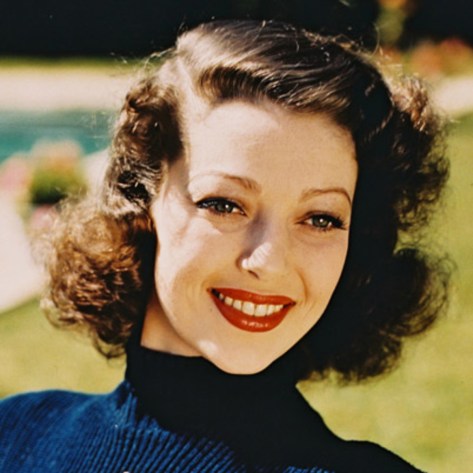
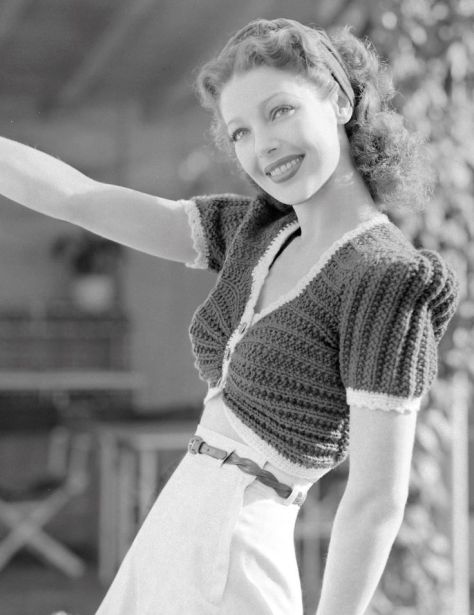
Loretta Young


Loretta Young 4

Loretta Young 1
Loretta Young 27

Prepared by Daniel B Miller

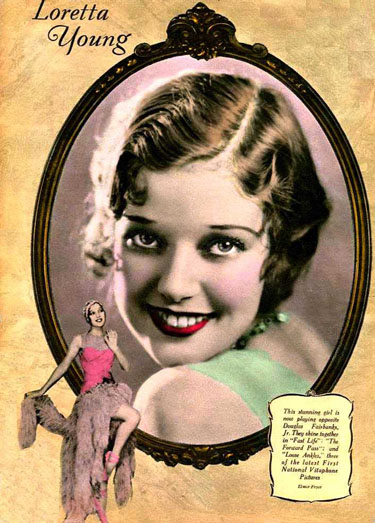
Loretta Young (January 6, 1913 – August 12, 2000) was an American actress and singer.

Starting as a child actress, she had a long and varied career in film from 1917 to 1953. She won the 1948 Academy Award for Best Actress for her role in the 1947 film The Farmer’s Daughter and received an Oscar nomination for her role in Come to the Stable in 1949.

Young moved to the relatively new medium of television, where she had a dramatic anthology seriesThe Loretta Young Show, from 1953 to 1961. The series earned three Emmy Awards and was rerun successfully on daytime TV and later in syndication.

In the 1980s, Young returned to the small screen and won a Golden Globe for her role in Christmas Dove in 1986. Young, a devout Roman Catholic,[1][2] worked with various Catholic charities after her acting career.[1][3]

Loretta Young 25

Loretta Young 15

Loretta Young 6

Early life

Loretta Young 32

Loretta Young

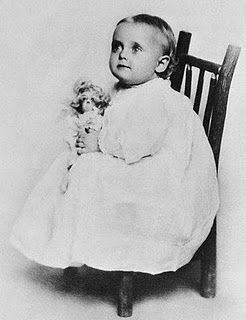
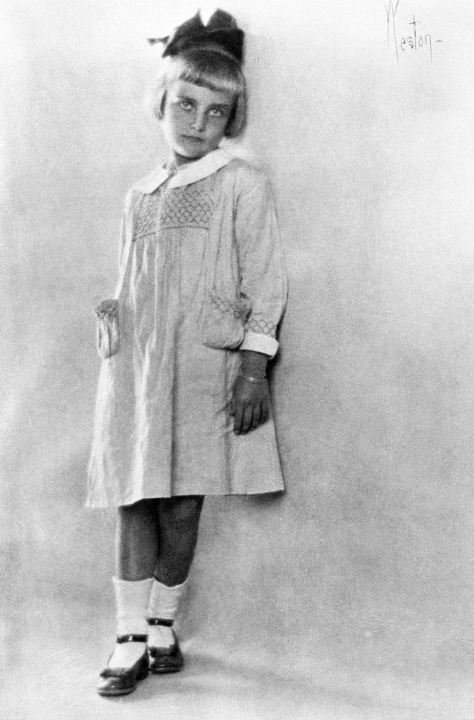
She was born Gretchen Young in Salt Lake City, Utah, the daughter of Gladys (née Royal) and John Earle Young.[4][5] At confirmation, she took the name Michaela. When she was two years old, her parents separated, and when she was three, her family and she moved to Hollywood. Her sisters Polly Ann and Elizabeth Jane (better known as Sally Blane) and she worked as child actresses, but of the three, Gretchen was the most successful.

Primrose Ring The 1
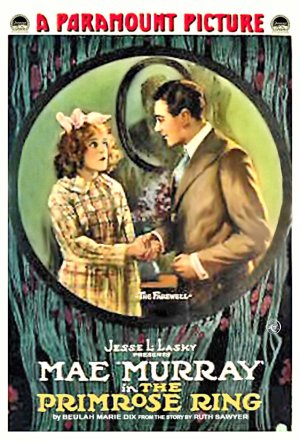
The Primrose Ring (Robert Z Leonard, 1917) – Loretta Young’s First Film Role

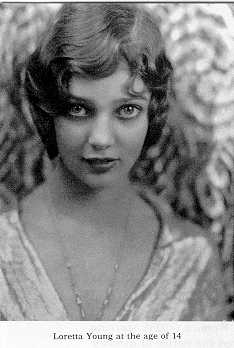
Young’s first role was at the age of three, in the silent film The Primrose Ring. During her high-school years, she was educated at Ramona Convent Secondary School. She was signed to a contract by John McCormick (1893–1961), the husband and manager of the actress Colleen Moore, who saw the young girl’s potential.[6] The name Loretta was given to her by Moore, who later explained that it was the name of her favorite doll.[7]

Loretta Young 39

Loretta Young aged 14

Loretta Young 36

Loretta Young aged 15

Loretta Young 37

Loretta Young aged 15

Loretta Young 35

Loretta Young aged 14

Career

Film

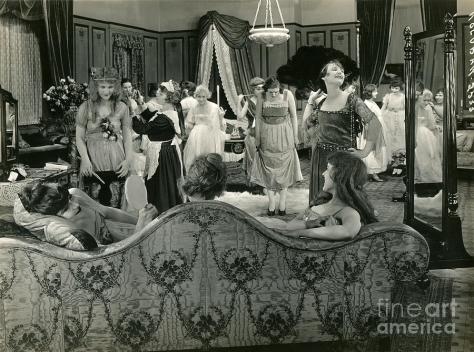
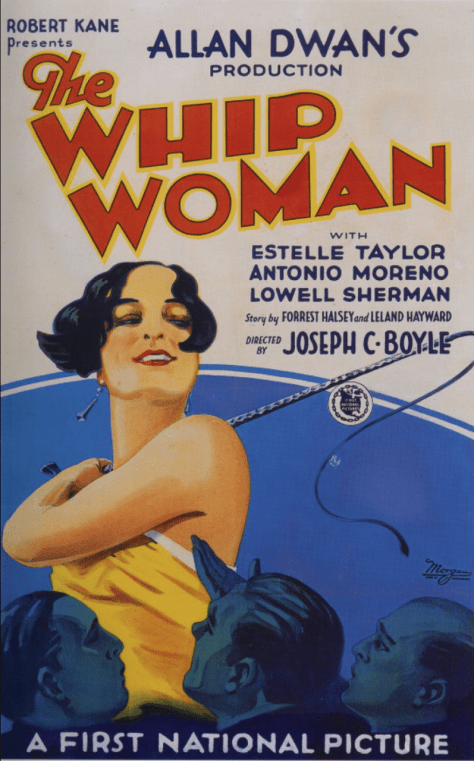
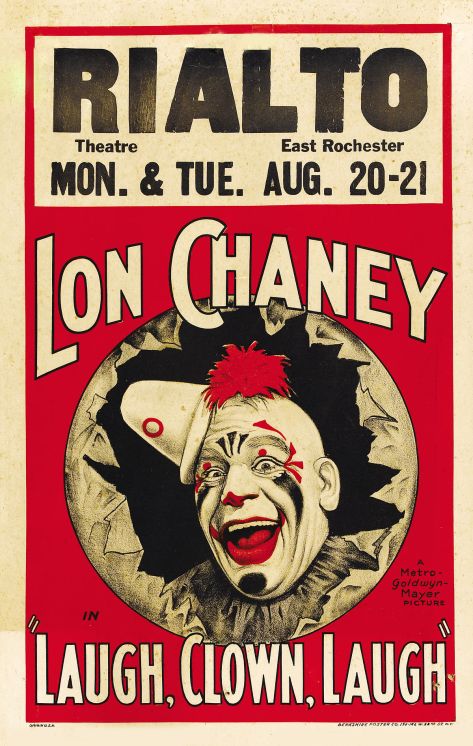
Young was billed as Gretchen Young in the silent film Sirens of the Sea (1917). She was first billed as Loretta Young in 1928, in The Whip Woman. That same year, she co-starred with Lon Chaney in the MGM film Laugh, Clown, Laugh. The next year, she was named one of the WAMPAS Baby Stars.[8]

Sirens of the Sea 1

Sirens of the Sea (Allen Holubar, 1917) billed as Gretchen Young

Whip Woman The 1

The Whip Woman (Allan Dwan, 1928) first billed as Loretta Young

Laugh Clown Laugh 1

Laugh Clown Laugh (Herbert Brenon, 1928) Loretta Young with Lon Chaney

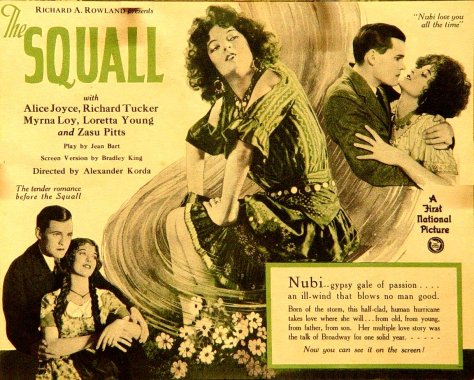
Her silent films were followed up by a string of very successful Pre Code features. They included The Squall (Alexander Korda, 1929), Three Girls Lost (Sidney Lanfield, 1931), The Right of Way (Frank Lloyd, 1931), Platinum Blonde (Frank Capra, 1931), The Way of Life AKA They Call It Sin (Thornton Freeland, 1932), Taxi (Roy Del Ruth, 1932), Play Girl (Ray Enright, 1932), Working Wives AKA Week-End Marriage (Thornton Freeland, 1932), The Devil’s In Love (William Dieterle, 1933).

Young excelled in two seminal Pre Code films – Heroes for Sale (William Wellman, 1933) and Employees’ Entrance (Roy Del Ruth, 1933) and her deeply emotional performances helped her in becoming a major studio star.

Squall 1

Loretta Young in Squall (Alexander Korda, 1929)

Loretta Young with John Wayne in Three Girls Lost (Sidney Lanfield, 1931)

Loretta Young with Conrad Nagel in The Right Of Way (Frank Lloyd, 1931)

Loretta Young with Robert Williams and Jean Harlow in Platinum Blonde (Frank Capra, 1931)

Loretta Young with George Brent and Una Merkel in They Call It Sin AKA The Way of Life (Thornton Freeland, 1932)

Loretta Young with James Cagney in Taxi (Roy Del Ruth,1932)

Loretta Young with Norman Foster and Winnie Lightner in Play Girl (Ray Enright, 1932)

Loretta Young with Norman Foster and Aline MacMahon in Working Wives AKA Week-End Marriage (Thornton Freeland, 1932)

Loretta Young with Victor Jory and Vivienne Osborne in The Devil’s In Love (William Dieterle, 1933)

Loretta Young with Richard Barthelmess and Aline MacMahon in Heroes For Sale (William Wellman, 1933)


Loretta Young with Warren William and Wallace Ford in Employees’ Entrance (Roy Del Ruth, 1933)

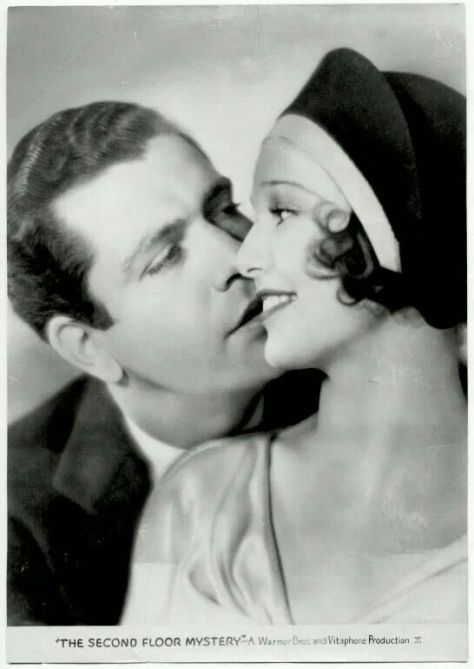
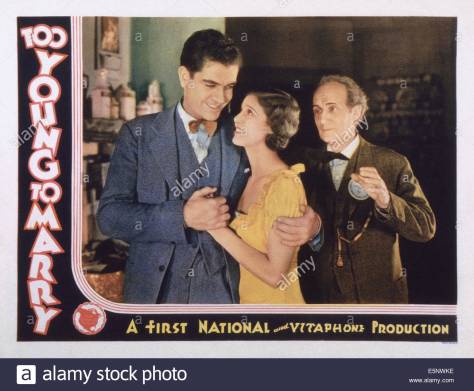
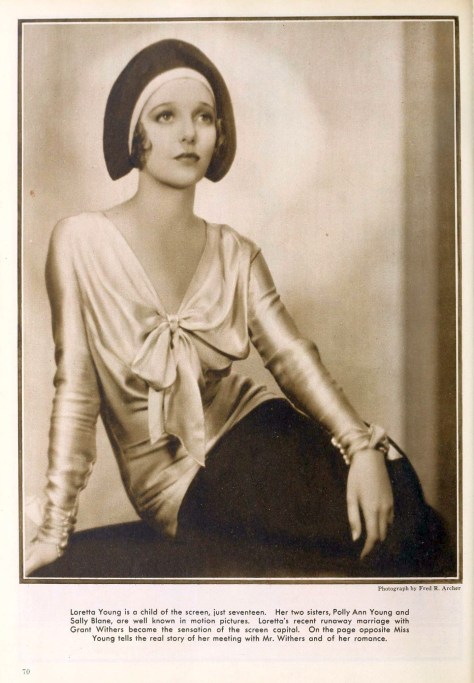
In 1930, when she was 17, she eloped with the 26-year-old actor Grant Withers; they were married in Yuma, Arizona. The marriage was annulled the next year, just as their second movie together (ironically entitled Too Young to Marry) was released.

Loretta Young 40

Loretta Young and Grant Withers

Loretta Young 42

The Second Floor Mystery (Roy Del Ruth, 1930) Loretta Young and Grant Withers

Loretta Young 43

Loretta Young and Grant Withers

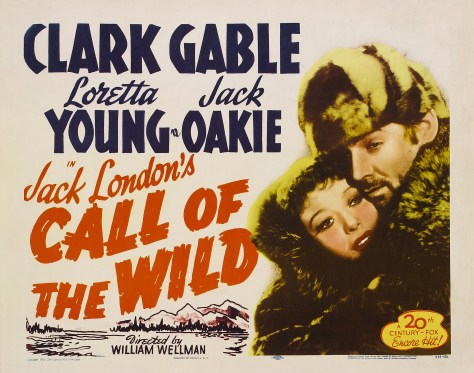
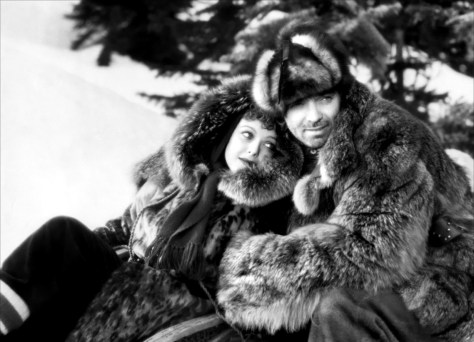
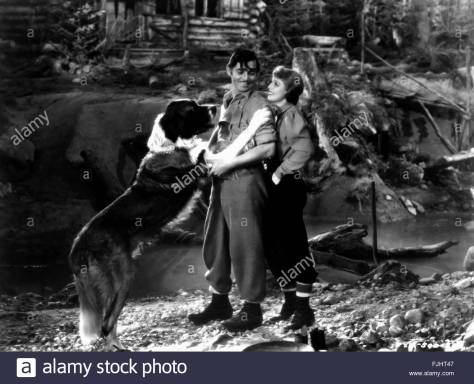
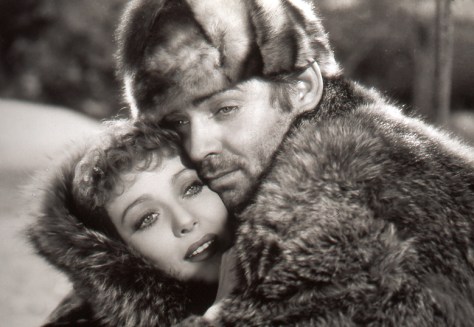
In 1935, she co-starred with Clark Gable and Jack Oakie in the film version of Jack London’s The Call of the Wild, directed by William Wellman.

Call of the Wild, The 1

Loretta Young and Clark Gable in Call of the Wild  (William Wellman, 1935)

Call of the Wild, The 3

Loretta Young and Clark Gable in Call of the Wild  (William Wellman, 1935)

1935, THE CALL OF THE WILD

Loretta Young and Clark Gable in Call of the Wild  (William Wellman, 1935)

Call of the Wild, The 4

Loretta Young and Clark Gable in Call of the Wild  (William Wellman, 1935)

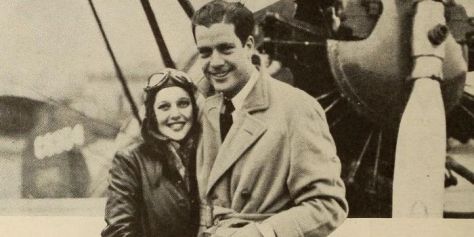
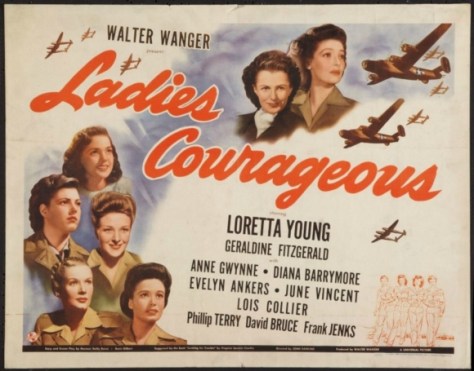
During World War II, Young made Ladies Courageous (1944; reissued as Fury in the Sky), the fictionalized story of the Women’s Auxiliary Ferrying Squadron. It depicted a unit of female pilots who flew bomber planes from the factories to their final destinations. Young made as many as eight movies a year.

Ladies Courageous 1

Ladies Courageous AKA Fury in the Sky (John Rawlins, 1944)

Ladies Courageous AKA Fury in the Sky (John Rawlins, 1944)

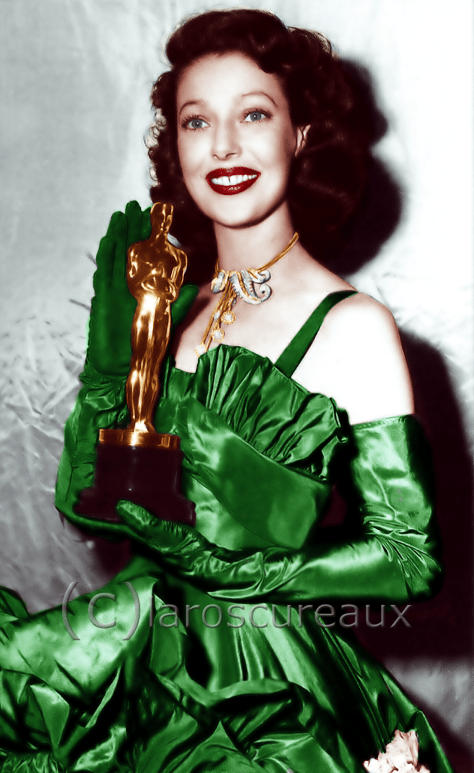
In 1947, she won an Oscar for her performance in The Farmer’s Daughter. That same year, she co-starred with Cary Grant and David Niven in The Bishop’s Wife, a perennial favorite. In 1949, she received another Academy Award nomination for Come to the Stable. In 1953, she appeared in her last theatrical film, It Happens Every Thursday, a Universal comedy about a New York couple who move to California to take over a struggling weekly newspaper; her costar was John Forsythe.

Loretta Young 45

Loretta Young with her Academy Award for The Farmer’s Daughter (HC Potter, 1947

Loretta Young in The Farmer’s Daughter (HC Potter, 1947)

Loretta Young in The Bishop’s Wife (Henry Koster, 1947)

Loretta Young in Come to the Stable (Henry Koster, 1949)

Loretta Young in It Happens Every Thursday (Joseph Pevney, 1953)

Television

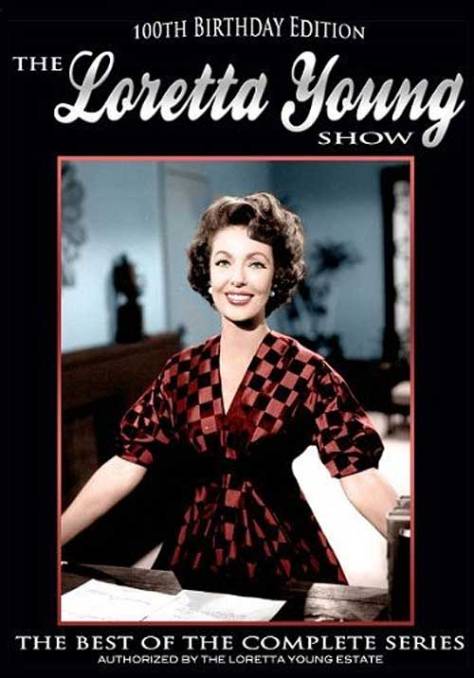
Young hosted and starred in the well-received half-hour anthology television series Letter to Loretta (soon retitled The Loretta Young Show), which was originally broadcast from 1953 to 1961.

Loretta Young 46

She earned three Emmy awards for the program. Her trademark was a dramatic entrance through a living-room door in various high-fashion evening gowns. She returned at the program’s conclusion to offer a brief passage from the Bible or a famous quote that reflected upon the evening’s story.

(Young’s introductions and concluding remarks were not rerun on television because she legally stipulated that they not be, as she did not want the dresses she wore in those segments to make the program seem dated.) The program ran in prime time on NBC for eight years, the longest-running primetime network program hosted by a woman up to that time.[citation needed]

Loretta Young 47

Ancient Egypt Photograph – The Loretta Young Show, Aka Letter To by Everett

The program was based on the premise that each drama was in answer to a question asked in her fan mail. The title was changed to The Loretta Young Show during the first season (as of the episode of February 14, 1954), and the “letter” concept was dropped at the end of the second season. Towards the end of the second season, Young was hospitalized as a result of overwork, which required a number of guest hosts and guest stars; her first appearance in the 1955–56 season was for the Christmas show. From then on, Young appeared in only about half of each season’s shows as an actress and served as the program’s host for the remainder.

Minus Young’s introductions and conclusions, the series was rerun as the Loretta Young Theatre in daytime by NBC from 1960 to 1964. It also appeared in syndicationinto the early 1970s, before being withdrawn.

Loretta Young 48

In the 1962–1963 television season, Young appeared as Christine Massey, a freelance magazine writer and the mother of seven children, in The New Loretta Young Show, on CBS. It fared poorly in the ratings on Monday evenings against ABC‘s Ben Casey. It was dropped after one season of 26 episodes.[citation needed]

In the 1990s, selected episodes from Young’s personal collection, with the opening and closing segments (and original title) intact, were released on home video, and frequently were shown on cable television.[citation needed]

Loretta Young 50

On the set of The Loretta Young Show

Awards

In 1988, she received the Women in Film Crystal Award for outstanding women, who through their endurance and the excellence of their work, helped to expand the role of women in the entertainment industry.[9]

Young has two stars on the Hollywood Walk of Fame, one for her work in television, at 6135 Hollywood Boulevard, and the other for her work in motion pictures, at 6100 Hollywood Boulevard.[10] In 2011, a Golden Palm Star on the Walk of Stars, in Palm Springs, California, was dedicated to her.[11]

Loretta Young 2

Loretta Young 11

Loretta Young 13

Personal life

Young was married to the actor Grant Withers from 1930 to 1931.

From September 1933 to June 1934, she had a public affair with Spencer Tracy, her co-star in Man’s Castle.[12] She married the producer Tom Lewis in 1940; they divorced bitterly in the mid-1960s.

Lewis died in 1988. They had two sons, Peter Lewis (of the San Francisco rock band Moby Grape) and Christopher Lewis, a film director. Young married the fashion designer Jean Louis in 1993. He died in 1997. Young was godmother to Marlo Thomas (daughter of the TV star Danny Thomas).[13]

Loretta Young 51

With Grant Withers in Too Young To Marry  (Mervyn LeRoy, 1931)

Loretta Young 52

With Spencer Tracy in Man’s Castle (Frank Borzage, 1933)

Loretta Young 53

With Tom Lewis on their wedding day

Loretta Young 54

With Tom Lewis and children

Loretta Young 55

With her last husband Jean Louis 

Pregnancy by Clark Gable

Young and Clark Gable were the romantic leads of the 1935 Twentieth Century Pictures film The Call of the Wild, which was filmed early in that year. Young was then 22 years old, while Gable was 34 and married (to Maria “Ria” Franklin Prentiss Lucas Langham). During the filming, Gable impregnated Young.

Loretta Young 56

Loretta Young with Clark Gable

For the next 80 years, those who knew of Gable’s paternity widely assumed the pregnancy to be the result of an affair between the two. However, in 2015, Linda Lewis, Young’s daughter-in-law (and Christopher Lewis’s wife) stated publicly that, in 1998, Young told Lewis that Gable had raped her and that, though the two had flirted on set, there had been no affair and no intimate contact save for that one incident.[14]

Young had not revealed the information before to anyone. According to Lewis, Young only stated it after having learned of the concept of date rape; she had previously always believed that it was a woman’s job to fend off men’s amorous advances and had felt the fact that Gable had been able to force himself on her was thus a moral failing on her part.[14]

Loretta Young 57

Loretta Young with Clark Gable

Young, her sisters and her mother came up with a plan to hide the pregnancy and then pass off the child as an adopted child.[14] Young did not want to damage her career or Gable’s, and she knew that, if Twentieth Century Pictures found out about the pregnancy, they would try to pressure her to have an abortion, which Young, a devout Catholic, considered a mortal sin.[14]

When the pregnancy began to show, Young went on a “vacation” to England, and several months later returned to California. Shortly before the birth, she gave an interview from her bed, covered in blankets, stating that her long movie absence was due to a condition she had had since childhood. Young gave birth to Judith Young on November 6, 1935, in a house that she and her mother owned in Venice, California. Young named Judith after St. Jude, because he was the patron saint of (among other things) difficult situations.[14]

Loretta Young 33

Loretta Young and her daughter Judith

Three weeks later, Young returned to moviemaking. After several months of living in the house in Venice, Judy was transferred to St. Elizabeth’s, an orphanage outside Los Angeles. When she was 19 months old, her grandmother picked her up, and Young announced to gossip columnist Louella Parsons that she had adopted the infant.

Few in Hollywood were fooled by the ruse, and the child’s true parentage was widely rumored in entertainment circles. Young refused to confirm or comment publicly on the rumors until 1999, when Joan Wester Anderson wrote Young’s authorized biography. In interviews with Anderson for the book, Young stated that Judy was her biological child and the product of a brief affair with Gable.[15] The child was raised as Judy Lewis,[16] taking the last name of Young’s second husband.

Loretta Young 58

Loretta Young and Judith Lewis in 1960s

Judy Lewis wrote in her autobiography, Uncommon Knowledge, that some people made fun of her because of the prominent ears she had inherited from her father. She states that at seven she had an operation to “pin back” her large ears and that her mother always had her wear bonnets as a child.

In 1958, Lewis’s future husband, Joseph Tinney, told her “everybody” knew that Gable was her biological father. The only time she remembered Gable visiting her was once at her home when she was a teenager; she had no idea he was her biological father.

Loretta Young and Judy Lewis 60

Loretta Young, Clark Gable and Judy Lewis

Several years later he appeared on The Loretta Young Show after Young had been in hospital for several months. Lewis was an assistant and was right behind her mother when she noticed Gable. They never had a relationship, and she never saw him again.[17]Several years later, after becoming a mother herself, Lewis finally confronted her mother, who privately admitted the truth, stating that Judy was “a walking mortal sin.”[18]

Linda Lewis said the family stayed silent about the date rape claim until after both Loretta Young and Judy Lewis had died.[14]

Loretta Young and Judy Lewis 59

Judy Lewis

Politics

Young was a lifelong Republican.[19] In 1952, she appeared in radio, print, and magazine ads in support of Dwight D. Eisenhower in his campaign for President.

She attended his inauguration in 1953, along with Anita LouiseLouella ParsonsJane RussellDick PowellJune Allyson, and Lou Costello, among others.

She was a vocal supporter of Richard Nixon and Ronald Reagan in their presidential campaigns in 1968 and 1980, respectively.[20] Young was also an active member of the Hollywood Republican Committee, with her close friend Irene Dunne and Ginger RogersWilliam HoldenGeorge MurphyFred Astaire, and John Wayne.[21]

Loretta Young 64

Loretta Young with John Wayne, Lew Cody and Joan Marsh – promo for Three Girls Lost (Sidney Lanfield, 1931)


Later life

From the time of Young’s retirement in the 1960s until not long before her death, she devoted herself to volunteer work for charities and churches with her friends of many years: Jane WymanIrene Dunne, and Rosalind Russell.[22] She was a member of the Good Shepherd Parish and the Catholic Motion Picture Guild in Beverly Hills, California.[23] Young briefly came out of retirement to star in two television films, Christmas Eve (1986) and Lady in the Corner (1989).

Loretta Young and Judy Lewis 65

Loretta Young with Judy Lewis attending a charitable event

She won a Golden Globe Award for the former and was nominated again for the latter.[24]

In 1972, a jury in Los Angeles awarded Young $550,000 in a lawsuit against NBC for breach of contract. Filed in 1966, the suit contended that NBC had allowed foreign television outlets to rerun old episodes of The Loretta Young Show without excluding, as agreed by the parties, the opening segment in which Young made her entrance. Young testified that her image had been damaged by portraying her in “outdated gowns.” She had sought damages of $1.9 million.[25]

Loretta Young and Judy Lewis 66

Loretta Young in Christmas Eve (1986)


Loretta Young and Judy Lewis 67

Loretta Young in Lady in the Corner (1989)

Death

Young died of ovarian cancer on August 12, 2000, at the home of her half-sister, Georgiana Montalbán[26] (the wife of the actor Ricardo Montalban), in Santa Monica, California.

She was interred in the family plot in the Holy Cross Cemetery in Culver City, California. Her ashes were buried in the grave of her mother, Gladys Belzer.[27][28] Her elder sisters had both died from cancer, as did her daughter, Judy Lewis, on November 25, 2011, at the age of 76.

Loretta Young and Judy Lewis 68

Loretta Young 29

Loretta Young 28

LORETTA YOUNG  ACTRESS 01 May 1952 CTC4878 Allstar/Cinetext/

Filmography

Year Title Role Notes
1917 The Primrose Ring Fairy Lost; uncredited
1917 Sirens of the Sea Child As Gretchen Young
1919 The Only Way Child on operating table
1921 White and Unmarried Child Uncredited
1921 The Sheik Arab child Extant; uncredited
1927 Naughty but Nice Bit part Lost; uncredited
1927 Her Wild Oat Bit by ping pong table Extant; uncredited
1928 The Whip Woman The Girl Lost
1928 Laugh, Clown, Laugh Simonetta Extant; made at MGM
1928 The Magnificent Flirt Denise Laverne Lost; made at Paramount Pictures
1928 The Head Man Carol Watts Lost
1928 Scarlet Seas Margaret Barbour Lost (Vitaphone track of music and effects survives)
1929 Seven Footprints to Satan One of Satan’s victims Extant; uncredited
1929 The Squall Irma Extant, in Library of Congress
1929 The Girl in the Glass Cage Gladys Cosgrove Lost
1929 Fast Life Patricia Mason Stratton Lost (Vitaphone soundtrack discs at UCLA Film and Television)
1929 The Careless Age Muriel Lost
1929 The Forward Pass Patricia Carlyle Lost
1929 The Show of Shows “Meet My Sister” number Extant, in Library of Congress
1930 Loose Ankles Ann Harper Berry Extant, in Library of Congress
1930 The Man from Blankley’s Margery Seaton Lost (Vitaphone soundtrack discs at UCLA Film and Television)
1930 Show Girl in Hollywood Extant, in Library of Congress; uncredited
1930 The Second Floor Mystery Marion Ferguson Extant, in Library of Congress
1930 Road to Paradise Mary Brennan/Margaret Waring Extant, in Library of Congress
1930 Warner Bros. Jubilee Dinner Herself Short subject
1930 Kismet Marsinah Lost (Vitaphone soundtrack discs at UCLA Film and Television)
1930 War Nurse Nurse Extant; made at MGM; uncredited (Young’s scenes deleted)
1930 The Truth About Youth Phyllis Ericson Extant, in Library of Congress
1930 The Devil to Pay! Dorothy Hope Extant; produced by Samuel Goldwyn; released by United Artists
1931 How I Play Golf, by Bobby Jones No. 8: “The Brassie” Herself Short subject
1931 Beau Ideal Isobel Brandon Extant; made at RKO
1931 The Right of Way Rosalie Evantural Extant, in Library of Congress
1931 The Stolen Jools Herself Short subject
1931 Three Girls Lost Norene McMann Extant
1931 Too Young to Marry Elaine Bumpstead Extant, in Library of Congress
1931 Big Business Girl Claie “Mac” McIntyre Extant, in Library of Congress
1931 I Like Your Nerve Diane Forsythe Extant, in Library of Congress
1931 The Ruling Voice Gloria Bannister Extant, in Library of Congress
1931 Platinum Blonde Gallagher
1932 Taxi! Sue Riley Nolan Extant, in Library of Congress
1932 The Hatchet Man Sun Toya San Extant, in Library of Congress; original title The Honorable Mr. Wong
1932 Play-Girl Buster “Bus” Green Dennis Extant, in Library of Congress
1932 Week-End Marriage Lola Davis Hayes Extant, in Library of Congress
1932 Life Begins Grace Sutton Extant, in Library of Congress
1932 They Call It Sin Marion Cullen Extant, in Library of Congress[29]
1933 Employees’ Entrance Madeleine Walters West Extant, in Library of Congress
1933 Grand Slam Marcia Stanislavsky Extant, in Library of Congress
1933 Zoo in Budapest Eve Extant
1933 The Life of Jimmy Dolan Peggy Extant, in Library of Congress
1933 Heroes for Sale Ruth Loring Holmes Extant, in Library of Congress
1933 Midnight Mary Mary Martin
1933 She Had to Say Yes Florence “Flo” Denny Extant, in Library of Congress
1933 The Devil’s in Love Margot Lesesne Extant
1933 Man’s Castle Trina Extant
1934 The House of Rothschild Julie Rothschild
1934 Born to Be Bad Letty Strong
1934 Bulldog Drummond Strikes Back Lola Field
1934 Caravan Countess Wilma
1934 The White Parade June Arden
1935 Clive of India Margaret Maskelyne Clive
1935 Shanghai Barbara Howard
1935 The Call of the Wild Claire Blake
1935 The Crusades Berengaria, Princess of Navarre
1935 Hollywood Extra Girl Herself Short subject
1936 The Unguarded Hour Lady Helen Dudley Dearden
1936 Private Number Ellen Neal
1936 Ramona Ramona
1936 Ladies in Love Susie Schmidt
1937 Love Is News Toni Gateson
1937 Café Metropole Laura Ridgeway
1937 Love Under Fire Myra Cooper
1937 Wife, Doctor and Nurse Ina Heath Lewis
1937 Second Honeymoon Vicky
1938 Four Men and a Prayer Miss Lynn Cherrington
1938 Three Blind Mice Pamela Charters
1938 Suez Countess Eugenie de Montijo
1938 Kentucky Sally Goodwin
1939 Wife, Husband and Friend Doris Borland
1939 The Story of Alexander Graham Bell Mrs. Mabel Hubbard Bell
1939 Eternally Yours Anita
1940 The Doctor Takes a Wife June Cameron
1940 He Stayed for Breakfast Marianna Duval
1941 The Lady from Cheyenne Annie Morgan
1941 The Men in Her Life Lina Varsavina
1941 Bedtime Story Jane Drake
1942 A Night to Remember Nancy Troy
1943 China Carolyn Grant
1943 Show Business at War Herself Short subject
1944 Ladies Courageous Roberta Harper Famously “a clef” biopic of the WWII WASPs, pioneering women pilots
1944 And Now Tomorrow Emily Blair
1945 Along Came Jones Cherry de Longpre
1946 The Stranger Mary Longstreet
1947 The Perfect Marriage Maggie Williams
1947 The Farmer’s Daughter Katrin “Katy” Holstrum Academy Award for Best Actress
1947 The Bishop’s Wife Julia Brougham
1948 Rachel and the Stranger Rachel Harvey
1949 The Accused Dr. Wilma Tuttle
1949 Mother Is a Freshman Abigail Fortitude Abbott
1949 Come to the Stable Sister Margaret Nominated for Academy Award for Best Actress
1950 Key to the City Clarissa Standish
1951 You Can Change the World Herself Short subject
1951 Cause for Alarm! Ellen Jones
1951 Half Angel Nora Gilpin
1951 Screen Snapshots: Hollywood Awards Herself Short subject
1952 Paula Paula Rogers
1952 Because of You Christine Carroll Kimberly
1953 It Happens Every Thursday Jane MacAvoy
1986 Christmas Eve Amanda Kingsley
1989 Lady in the Corner Grace Guthrie
1994 Life Along the Mississippi Narrator (voice)

Radio appearances

Year Program Episode/source
1940 The Campbell Playhouse Theodora Goes Wild[30]
1945 Cavalcade of America Children, This Is Your Father[30]
1947 Family Theater “Flight from Home”[30]
1950 Suspense “Lady Killer”[30]
1952 Lux Radio Theatre Come to the Stable[31]
1952 Family Theater “Heritage of Home”[32]

Loretta Young-1940

Loretta Young.tif

Loretta Young 19

Loretta Young 12

See also

References

  1. Jump up to:a b Laufenberg, Norbert B. (2005). Entertainment Celebrities. Trafford Publishing. p. 863. ISBN 1-4120-5335-8.
  2. Jump up^ Davis, Ronald L. (2001). Duke: The Life and Image of John Wayne. University of Oklahoma Press. p. 47. ISBN 0-8061-3329-5.
  3. Jump up^ Lowe, Denise (2005). An Encyclopedic Dictionary of Women In Early American Films, 1895–1930. Psychology Press. p. 585. ISBN 0-7890-1843-8.
  4. Jump up^ Leading Ladies The 50 Most Unforgettable Actresses of the Studio Era. New York: Chronicle, 2006
  5. Jump up^ Spicer, Christopher J. “Clark Gable: Biography, Filmography, Bibliography”. Books.google.ca. p. 113. Retrieved 2015-09-30.
  6. Jump up^ “Loretta Young”. Loretta Young. Retrieved 2015-09-30.
  7. Jump up^ “Loretta Young Biography”. Bookrags.com. 2010-11-02. Retrieved 2015-09-30.
  8. Jump up^ Lowe, Denise (2005). An Encyclopedic Dictionary of Women in Early American Films, 1895–1930. Routledge. p. 67. ISBN 0-7890-1843-8.
  9. Jump up^ [1] Archived June 30, 2011, at the Wayback Machine.
  10. Jump up^ “Walk of Fame Stars: Loretta Young”. Hollywood Chamber of Commerce. Archived from the original on April 3, 2016. Retrieved October 13, 2016.
  11. Jump up^ “Palm Springs Walk of Stars by Date Dedicated” (PDF). Palmspringswalkofstars.com. Archived from the original (PDF) on 2012-10-13. Retrieved 2015-09-30.
  12. Jump up^ Curtis (2011), p. 210 for the beginning of the affair, pp. 213 and 215 for the public nature of the relationship, p. 235 for the breakup.
  13. Jump up^ “Loretta Young – (Movie Promo) by Marlo Thomas”. Tcm.com. Retrieved 2015-09-30.
  14. Jump up to:a b c d e f Petersen, Anne Helen. “Clark Gable Accused of Raping Co-Star”. BuzzFeed. Retrieved 2015-09-30.
  15. Jump up^ Anderson, Joan Wester (November 2000). Forever Young: The Life, Loves, and Enduring Faith of a Hollywood Legend: The Authorized Biography of Loretta Young. Thomas More Publishing. ISBN 978-0883474679.
  16. Jump up^ アンジェリカルートとは. “アンジェリカルートとは”. Judy–lewis.com. Retrieved 2015-09-30.
  17. Jump up^ Lewis, Judy (May 1994). Uncommon KnowledgePocket BooksISBN 978-0671700195.
  18. Jump up^ Interview with Judy Lewis. Girl 27 (documentary), 2007.
  19. Jump up^ Dick, Bernard. Hollywood Madonna: Loretta Young. pp. 197– 201.
  20. Jump up^ Dick, Bernard. Hollywood Madonna: Loretta Young. p. 202.
  21. Jump up^ Epstein, Edward (1986). Loretta Young: An Extraordinary Life. pp. 215–16.
  22. Jump up^ “Classic Hollywood 101: The BFF’s of Classic Hollywood”. Classichollywood101.blogspot.com. 2010-07-09. Retrieved 2015-09-30.
  23. Jump up^ “Our History | Church of the Good Shepherd”. Goodshepherdbh.org. Retrieved 2015-09-30.
  24. Jump up^ “Awards for Loretta Young”. IMDb.com. Retrieved 2015-09-30.
  25. Jump up^ “Loretta Young Wins $559,000 Damages”. Oakland Tribune. January 18, 1972. p. 12.
  26. Jump up^ “Elegant Beauty Loretta Young Dies”. bbc.co.uk. 2000-08-12. Retrieved 2 May2010.
  27. Jump up^ Gary Wayne. “Holy Cross Cemetery, Part 2: Stars’ Graves”. Seeing-stars.com. Retrieved 2015-09-30.
  28. Jump up^ Loretta Young at Find a Grave
  29. Jump up^ They Call It Sin at the American Film Institute Catalog
  30. Jump up to:a b c d “Those Were the Days”. Nostalgia Digest39 (1): 32–41. Winter 2013.
  31. Jump up^ Kirby, Walter (March 23, 1952). “Better Radio Programs for the Week”. Decatur Daily Review. p. 44. Retrieved May 21, 2015 – via Newspapers.com. open access publication – free to read
  32. Jump up^ Kirby, Walter (February 17, 1952). “Better Radio Programs for the Week”. Decatur Daily Review. p. 40. Retrieved June 1, 2015 – via Newspapers.com. open access publication – free to read

Loretta Young 6

Loretta Young 7

Loretta Young 8

Loretta Young 44

Loretta Young 49

Loretta Young and Judy Lewis 63

Rain ( 1932)


Pre Code Logo 1

Pre Code Hollywood Season: FD Cinematheque

Rain (1932)

Rain 1

Rain 2

Rain 3

Rain 4

Director: Lewis Milestone

Cast: Joan Crawford, Walter Houston, Fred Howard, Ben Hendricks Jr., William Gargan, Mary Shaw, Guy Kibbee,  Beulah Bondi, Matt Moore

94 min

Rain 5

Rain is a 1932 South Seas drama film directed by Lewis Milestone with portions filmed at Santa Catalina Island, California. The pre-Code film stars Joan Crawford as prostitute Sadie Thompson and features Walter Huston as a conflicted missionary who wants to reform Sadie, but whose own morals start decaying. Crawford was loaned out by MGM to United Artists for this film.

The plot of the film is based on the 1922 play Rain by John Colton and Clemence Randolph, which in turn was based on the short story “Miss Thompson” (later retitled “Rain”) by W. Somerset Maugham.

Rain 8

Actress Jeanne Eagels had played the role on stage. Other movie versions of the story include: a 1928 silent film titled Sadie Thompson starring Gloria Swanson, and the heavily sanitized Miss Sadie Thompson (1953), which starred Rita Hayworth.

In 1960, the film entered the public domain in the USA due to the copyright claimant’s failure to renew the copyright registration in the 28th year after publication.[1]

Rain 7

Plot

Rain 9

A westbound ship en route to Apia, Samoa, is temporarily stranded at nearby Pago Pago due to a possible cholera outbreak on board. Among the passengers are Alfred Davidson, a self-righteous missionary, his wife, and Sadie Thompson, a prostitute. Thompson passes the time partying and drinking with the American Marines stationed on the island. Sergeant Tim O’Hara, nicknamed by Sadie as “Handsome”, falls in love with her.

Her wild behavior soon becomes more than the Davidsons can stand and Mr. Davidson confronts Sadie, resolving to save her soul. When she dismisses his offer, Davidson has the Governor order her deported to San Francisco, California, where she is wanted for an unspecified crime (for which she says she was framed).

She begs Davidson to allow her to remain on the island a few more days – her plan is to flee to Sydney, Australia. During a heated argument with Davidson, she experiences a religious conversion and agrees to return to San Francisco and the jail sentence awaiting her there.

Rain 11

The evening before she is to leave, Sergeant O’Hara asks Sadie to marry him and offers to hide her until the Sydney boat sails, but she refuses. Later, while native drums beat, the repressed Davidson satisfies his lust with Sadie. The next morning he is found dead on the beach – a suicide. Davidson’s hypocrisy and betrayal cause Thompson to return to her old self and she goes off to Sydney with O’Hara to start a new life.

Rain 13

Cast

Rain 12

Reception

Rain was not well received – either critically or financially – upon initial release. The unglamorous role for Crawford, and bold story (religious hypocrisy being its main theme), caught Depression-era audiences off guard.

Motion Picture Herald commented, “Because the producers have made such a strong attempt to establish the stern impressiveness of the story, it is rather slow. In its drive to become powerful, it appears to have lost the spark of spontaneity….Joan Crawford and Walter Huston are satisfactory.”

Rain 14

Variety noted, “It turns out to be a mistake to have assigned the Sadie Thompson role to Miss Crawford. It shows her off unfavorably. The dramatic significance of it all is beyond her range…. [Director] Milestone tried to achieve action with the camera, but wears the witnesses down with words.

Joan Crawford’s get-up as the light lady is extremely bizarre. Pavement pounders don’t quite trick themselves up as fantastically as all that. In commercial favor of Rain is the general repute of the theme and Miss Crawford’s personal following, but the finished product will not help either.”

Rain 15

Box office

The film earned $538,000 in the United States and Canada and $166,000 elsewhere, resulting in a loss of $198,000.

Rain 17

References

Notes

  1. Jump up^ Pierce, David (March 29, 2001). Legal Limbo: How American Copyright Law Makes Orphan Films (mp3 in “file3”). Orphans of the Storm II: Documenting the 20th Century. Retrieved 2012-01-05.

Rain 18

Rain 16

Rain 19

Rain 20

Rain 22

Rain 23

Rain 24

Rain 25

Film Collectors Corner

Watch Rain Now – Amazon Instant Video

Blu Ray

Not released on Blu Ray as yet


DVD

Sons Return, The (1909)


Mary Pickford 1

Mary Pickford Season: FD Cinematheque

The Son’s Return (1909)

Director: D W Griffith

Cast: Mary Pickford, Charles West, Herbert Prior, Anita Hendrie, Harry Solter, Arthur V Johnson, David Miles, Frank Powell, Billy Quirk, Edwin August, Charles Avery

11 min

DW Griffith 2

D W Griffith


The Son’s Return is a silent short film made in 1909 and directed by D W. Griffith . Produced and distributed by the Biograph Company , the film – shot in Coytesville, New Jersey – was released in theaters June 14, 1909.

Turns out to be the first film adaptation of a novel by Guy de Maupassant [1] .

Plot 

The son leaves home to go to town to seek his fortune. After many years, back in the parents’ inn that did not recognize him but, noting his bulging portfolio of notes, plan to rob the unknown customer.

Production 

The film was produced by the Biograph Company. He was shot in New Jersey to Coytesville and Leonia .

Sons Return 3

Distribution 

Distributed by the Biograph Company, the film – a short film in a coil – was released in US theaters on June 14, 1909. The film was mastered and poured on DVD. Released in 2006 by Grapevine, it has been included in an anthology titled DW Griffith, Director – Volume 3 (1909) which has a dozen titles for a total of 112 minutes [2] .

Notes 

  1. ^ According to the ‘ IMDb
  2. ^ Silent was DVD

See also 

Sons Return 1

The Female of the Species (1912)


Mary Pickford 1

Mary Pickford Season: FD Cinematheque

Female of the Species, The (1912)

Director: D W Griffith

Cast: Charles West, Claire McDowell, Mary Pickford, Dorothy Bernard

17 min

DW Griffith 2

D W Griffith

Female of the Species 2

The Female of the Species (1912)

Female of the Species 1

The Female of the Species (1912)

The Female of the Species is a 1912 short film directed by D. W. Griffith.[1]

Cast

References


Female of the Species 3