Tag Archives: best stars

Millie (1931)


Pre Code Logo 1

Pre Code Hollywood Season: FD Cinematheque

Millie (1931)
Millie 2

Millie 3

Director: John Francis Dillon

Cast: Helen Twelvetrees, Lilyan Tashman, Robert Ames, James Hall, John Halliday, Joan Blondell, Anita Louise, Edmund Breese, Frank McHugh, Charlote Walker, Franklin Parker, Marie Astaire, Carmelita Geraghty

85 min
Millie 1

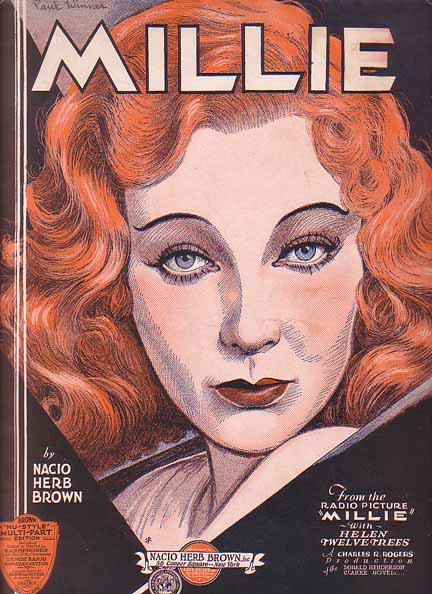
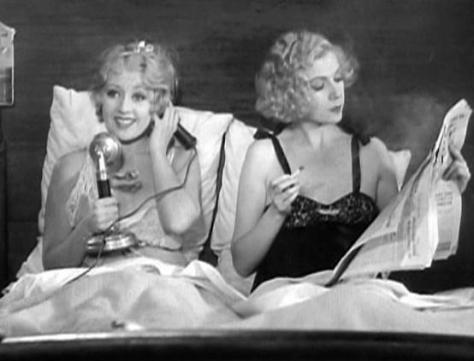
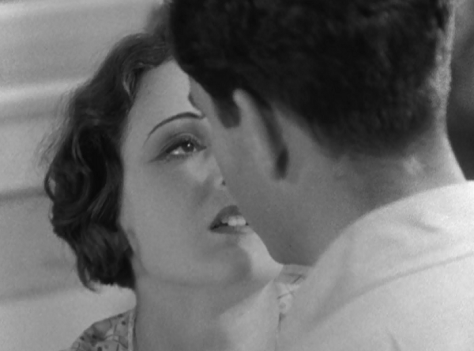
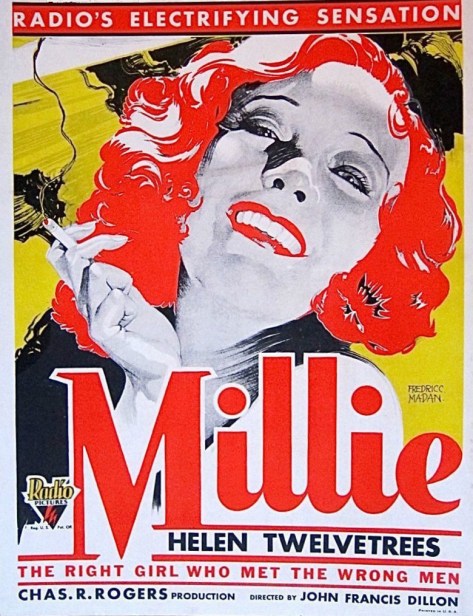
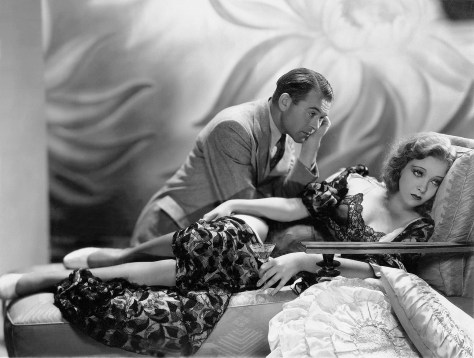
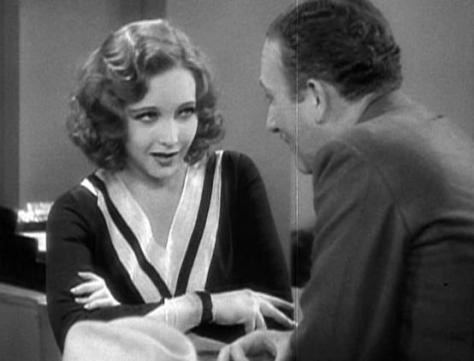
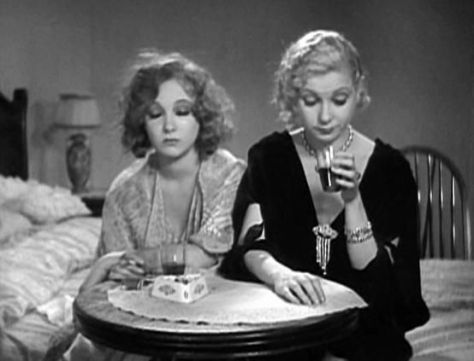
Millie (1931) is a pre-Code drama film directed by John Francis Dillon from a screenplay by Charles Kenyon and Ralph Morgan, based on a novel of the same name by Donald Henderson Clarke. The film was an independent production by Charles R. Rogers, distributed by RKO Radio Pictures, after their acquisition of Pathé Exchange. It starred Helen Twelvetrees in one of her best roles, with a supporting cast which included Lilyan TashmanJames HallJoan BlondellJohn Halliday and Anita Louise.

Plot

Millie (Helen Twelvetrees) is a naive young woman who marries a wealthy man from New York, Jack Maitland (James Hall). Three years later, unhappy in her marriage due to her husband’s continued infidelity, she asks for and receives a divorce. Because of her pride, she does not want his money, but she also does not want to deprive her daughter of a comfortable lifestyle. She allows Jack and his mother (Charlotte Walker) to retain custody of Millie’s daughter Connie (Anita Louise).
Millie 4

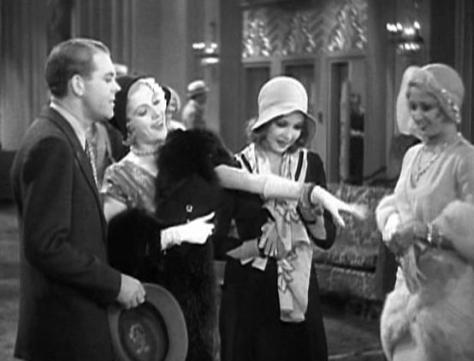
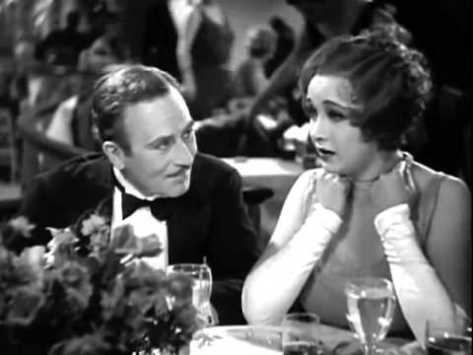
Focusing on her career, she rises through the hierarchy of the hotel where she is employed, shunning the attention of the rich banker Jimmy Damier (John Halliday), preferring the attentions of the reporter Tommy Rock (Robert Ames), although, due to her prior sour relationship, she refuses to marry him. Eventually, Millie is promoted to the head of operations for the hotel.

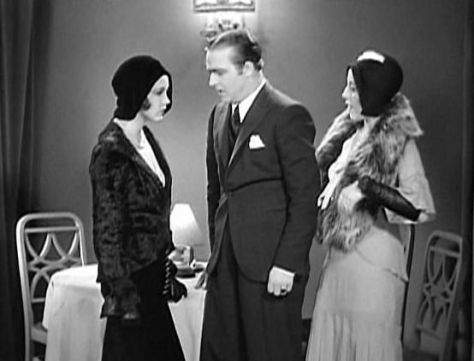
At the same time, Tommy is offered a lucrative position at the bank by Damier as a favor to Millie. However, at the celebration party, Millie discovers that Tommy, just like Maitland, is cheating on her.
Millie 5

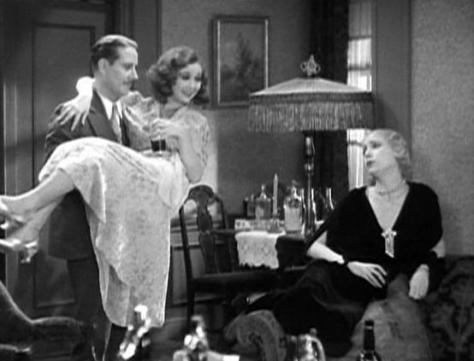
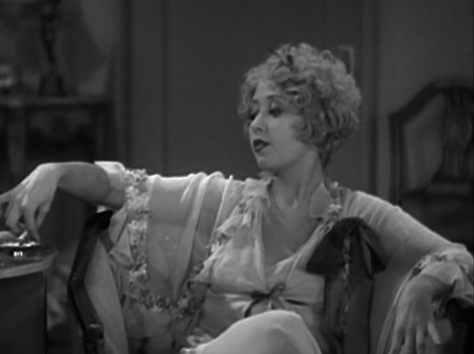
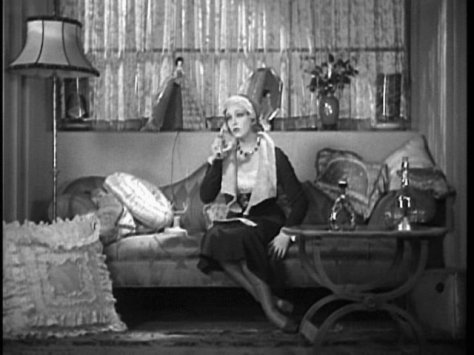
Betrayed a second time, Millie becomes very bitter. With her female cohorts, Helen and Angie (Lilyan Tashman and Joan Blondell, respectively), she becomes a woman who loves a good time, floating from man to man. This goes on for several years, until she hears that Damier has taken an interest in her teen-age daughter, Connie, who bears a striking resemblance to her.

Millie warns Damier to leave her daughter alone, but, although he promises to stay away from Connie, he ignores Millie’s warning and takes Connie to a remote lodge to seduce her. Millie is tipped off, goes to the lodge with a gun, confronts Jimmy and kills him.
Millie 6

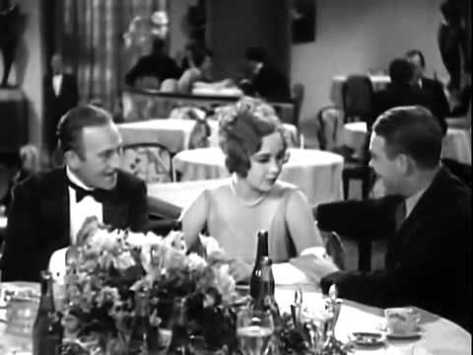
In the ensuing murder trial, Millie tries to keep her daughter’s name out of the press and claims not to remember why she shot Jimmy. She says that another woman ran out of the lodge after the shot, but claims that she did not see who the woman was and has no idea as to her identity.

The prosecution thus claims that Millie’s motive was jealousy of Jimmy’s romantic relationship with this unknown other woman. Millie’s friends, however, help to bring out the truth, and when the jury finds out that Millie’s true motive was to protect her daughter from Jimmy’s lascivious intentions, they acquit her. In the end, Millie is reunited with her daughter and her estranged husband’s family.
Millie 8

Cast

(Cast as per AFI‘s database)[2]

Millie 10

Production

Donald Henderson Clarke finished his novel, Millie, during summer 1930.[4] The novel was first offered to Metro-Goldwyn-Mayer, who passed on it due to its racy content.[5] In August of that year, it was reported that Charles R. Rogers had purchased the film rights to the novel, and had signed Charles Kenyon to adapt it into a screenplay, as well as selecting John Francis Dillon to direct.[6]

Although Rogers had signed an agreement to distribute his independent films through RKO, it was reported that he would be overseeing the production on the Universal lot.[7] Even though he was incorrectly identified as “Ralph Murphy”, Ralph Morgan was signed to collaborate with Kenyon on the screenplay adaptation in September.[8]
Millie 7

Less than a week later, Helen Twelvetrees signed on for the titular role;[9] and it was reported that the screenplay adaptation had been completed.[5] Rogers would choose Ernest Haller to shoot the film and sign him for the project in the beginning of October.[10]

In January RKO announced the film would be released in February,[11] and it was released on February 8, 1931.[2]
Millie 11

Notes

The film was an independent production by Charles Rogers, but became the property of RKO when he agreed to become their production chief.[12]

The theme song, “Millie”, had words and music by Nacio Herb Brown.[2]

In 1959, the film entered the public domain in the USA due to the copyright claimants failure to renew the copyright registration in the 28th year after publication.[13]

The film’s tagline was “Torn From Her Arms … Child Of Love A Woman Can Give But Once.”[1]
Millie 12

References

  1. Jump up to:a b “Millie: Technical Details”. theiapolis.com. Retrieved August 11, 2014.
  2. Jump up to:a b c d e f g “Millie: Detail View”. American Film Institute. Archived from the original on September 20, 2015. Retrieved December 30, 2016.
  3. Jump up to:a b “Millie, Credits”. Turner Classic Movies. Archived from the original on August 11, 2014. Retrieved August 11, 2014.
  4. Jump up^ Daly, Phil M. (April 17, 1930). “Along the Rialto”The Film Daily. p. 5.
  5. Jump up to:a b “Rogers Chances “Millie””Variety. September 24, 1930. p. 5.
  6. Jump up^ “Hollywood Flashes”The Film Daily. August 30, 1930. p. 3.
  7. Jump up^ “Don Clarke’s Story To Be First Rogers Film”Motion Picture News. August 23, 1930. p. 26.
  8. Jump up^ “Hollywood Activities”The Film Daily. September 21, 1930. p. 29.
  9. Jump up^ “Hollywood Happenings”The Film Daily. September 24, 1930. p. 6.
  10. Jump up^ Wilk, Ralph (October 12, 1930). “A Little from “Lots””The Film Daily. p. 4.
  11. Jump up^ “”Cimarron” and “Millie” Releases”The Film Daily. January 22, 1931. p. 3.
  12. Jump up^ Jewell, Richard B.; Harbin, Vernon (1982). The RKO Story. New York: Arlington House. p. 32. ISBN 0-517-546566.
  13. Jump up^ Pierce, David (June 2007). “Forgotten Faces: Why Some of Our Cinema Heritage Is Part of the Public Domain”. Film History: An International Journal19 (2): 125–43. ISSN 0892-2160JSTOR 25165419OCLC 15122313doi:10.2979/FIL.2007.19.2.125. See Note #60, pg. 143.
Millie 9

Millie 13

Film Collectors Corner

Watch Millie Now – Instant Video on You Tube

Blu Ray

Not released on Blu Ray

DVD

Other Men’s Women (1931)


Pre Code Logo 1

Pre Code Hollywood Season: FD Cinematheque

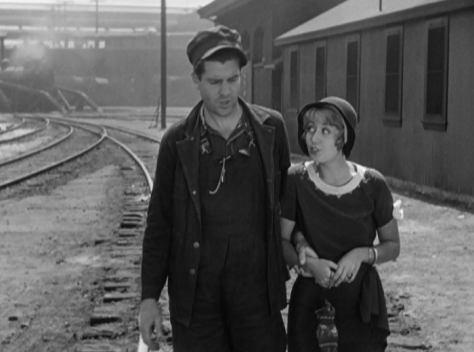
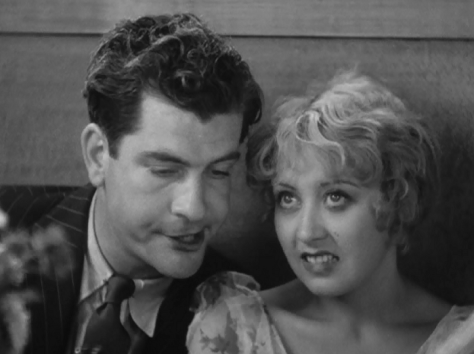
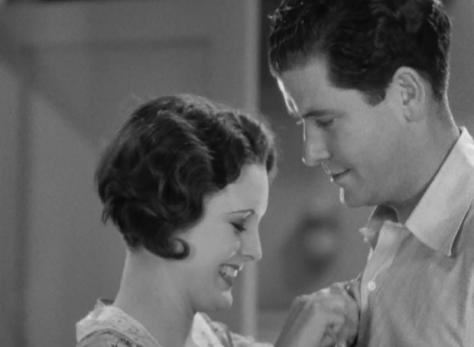
Other Men’s Women (1931)

Other Men's Women 3

Other Men's Women 4

Other Men's Women 1

Director: William A Wellman

Cast: Grant Withers, Mary Astor, Regis Toomey, James Cagney, Fred Kohler, J Farrell Macdonald, Joan Blondell, Lillian Worth, Walter Long, Pat Harmon, Lucille Ward

71 min

Other Men's Women 5

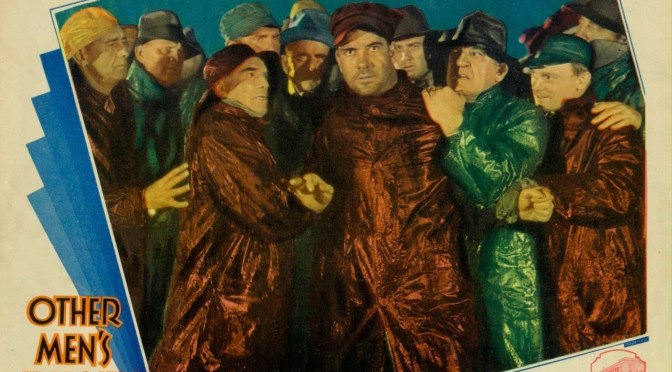
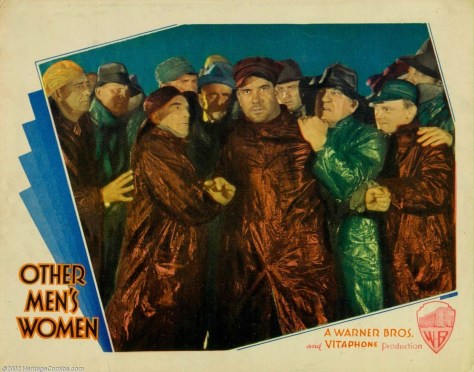
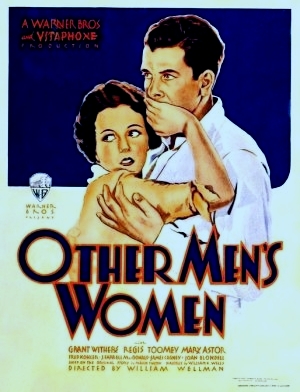
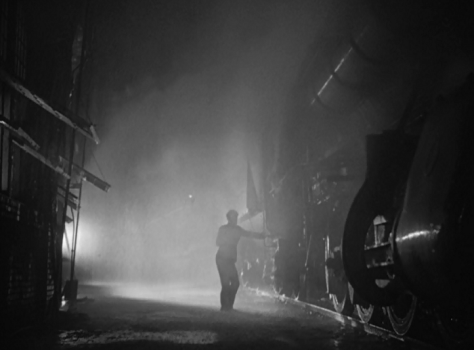
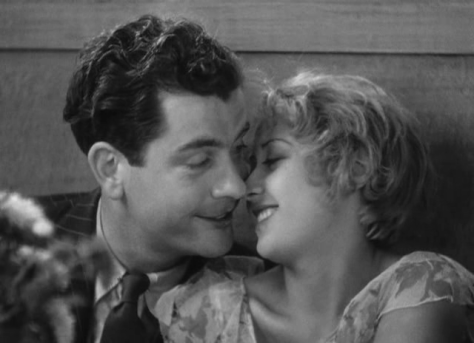
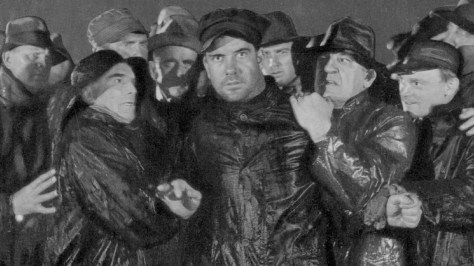
Other Men’s Women is a 1931 American pre-Code drama film directed by William A. Wellman and written by Maude Fulton. The film stars Regis Toomey, Grant Withers, and Mary Astor and features Joan Blondell. It was produced and distributed by Warner Bros.

It was first previewed, released and reviewed in 1930 under the title The Steel Highway. By the time of the film’s release in New York City the title had been changed to Other Men’s Women.[1]

Plot

In 1929, Bill White (Grant Withers), is a railroad engineer and boozing womanizer who is evicted from his boarding house for excessive drinking and late rental payments.

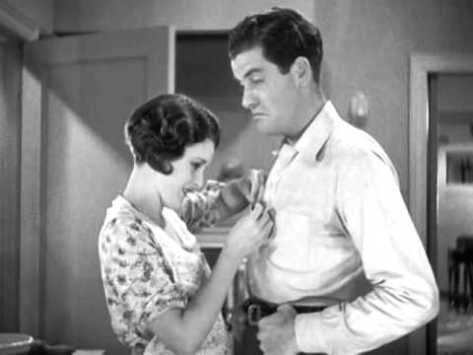
Needing a new place to live, he accepts the invitation from his longtime friend and fellow engineer, Jack Kulper (Regis Toomey), to move into his home, where he resides happily with his wife Lily (Mary Astor). This new living arrangement brings changes to relationships as the months pass.

Other Men's Women 6

Bill and Lily’s own friendship, which at first is playful and innocent, evolves into a passionate love between them. Hesitant to hurt Jack, they try to keep their feelings secret, at least for a while; but Jack begins to notice differences in his wife’s demeanor and becomes suspicious when he finds that Bill has suddenly moved out of their house. Jack initially thinks Lily and his friend have had a quarrel, but he later confronts Bill inside the cab of the coal-fired

Bill and Lily’s own friendship, which at first is playful and innocent, evolves into a passionate love between them. Hesitant to hurt Jack, they try to keep their feelings secret, at least for a while; but Jack begins to notice differences in his wife’s demeanor and becomes suspicious when he finds that Bill has suddenly moved out of their house.

Other Men's Women 7

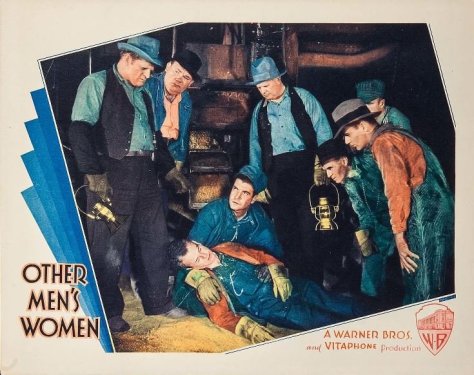
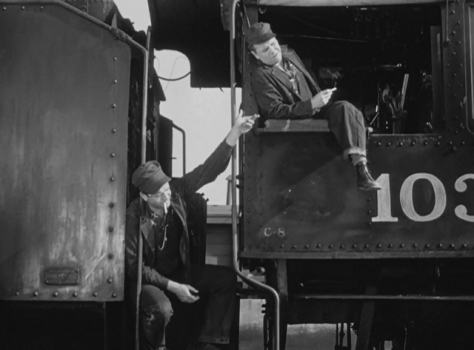
Jack initially thinks Lily and his friend have had a quarrel, but he later confronts Bill inside the cab of the coal-fired steam locomotive that the two men operate together at the nearby rail yard. There Bill finally admits to Jack that Lily and he have fallen in love. In the fistfight that ensues, Jack falls during the struggle, strikes his head, and is permanently blinded by the injury.

During his convalescence at home, Lily tries to rededicate herself to her marriage; however, Jack resents his dependency on his wife. Increasingly frustrated by his situation, he insists that Lily leave town for a few weeks to visit her parents, explaining that he needs emotional space and that he also wants her away from the dangers of expected floods due to rainstorms in the area.

Other Men's Women 8

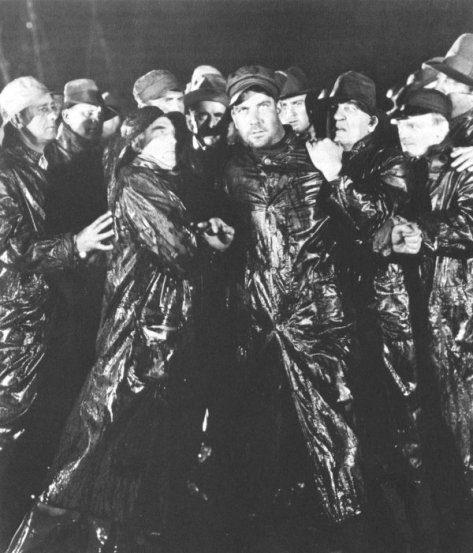
Shortly after Lily’s departure, Jack learns from rail workers that Bill plans to drive a train of flatcars stacked with bags of cement onto a vital river bridge, the desperate hope being that the combined weight of the train and its load will bolster the bridge and prevent it from being swept away by the rising floodwaters. Stumbling that night through a heavy downpour and literally feeling his way to the rail line, sightless Jack manages to locate Bill and knock him unconscious before he begins what everyone deems a suicidal mission.

Jack then takes charge of the engine’s controls, but before moving onto the wavering bridge, he pushes Bill off the locomotive to safety. Once on the bridge, the entire train plummets into the river as the structure collapses, and Jack drowns in the raging river.

Other Men's Women 9

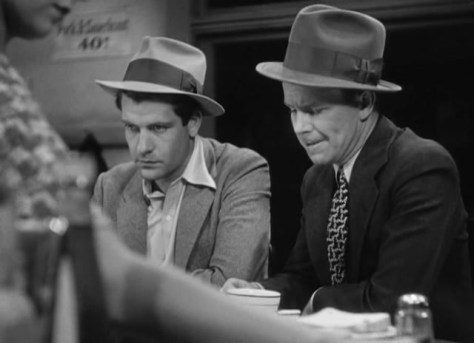
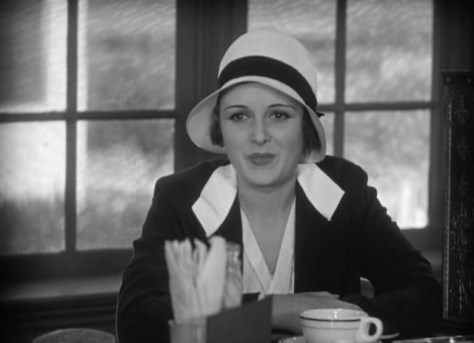
Months after the tragedy, Bill, still as an engineer, goes into the depot’s diner for some quick food before returning to his train. Nearby, Lily arrives on another train and enters the same restaurant carrying her luggage. The two see one another and engage in some awkward small talk before Lily remarks that she intends to remain in the community, fix up her house and yard, and plant a new spring garden.

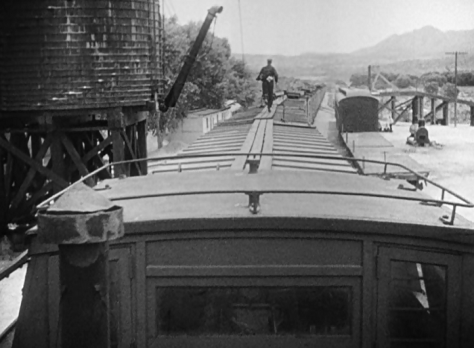
Then, with a warm smile, she invites Bill to drop by to help her with the work. Bill runs out of the diner to re-board his moving train. Lily stands in the restaurant’s doorway watching Bill climb to the top of a long line of freight cars and then running forward toward the engine. As he jumps from one car’s roof to the next he raises his arms skyward.

Then, with a warm smile, she invites Bill to drop by to help her with the work. Bill runs out of the diner to re-board his moving train. Lily stands in the restaurant’s doorway watching Bill climb to the top of a long line of freight cars and then running forward toward the engine. As he jumps from one car’s roof to the next he raises his arms skyward.

Other Men's Women 10

Cast

Other Men's Women 11

Cast notes

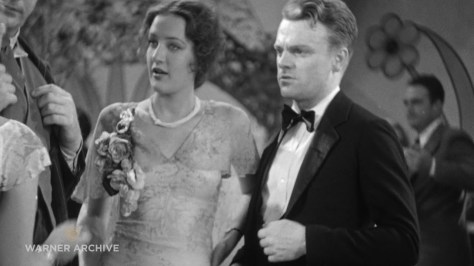
  • Other Men’s Women was James Cagney’s third film, although Cagney does not mention it in his autobiography, Cagney by Cagney. He and Joan Blondell went on to sign long-term contracts with Warners.[2]
  • Mary Astor dismissed the film as “a piece of cheese”, although praising Cagney and Blondell.[2]

Songs

  • “Leave A Little Smile” – sung by Grant Withers, J. Farrell MacDonald and Mary Astor (from the Warner Bros. musical Oh Sailor Behave)
  • “The Kiss Waltz” – played on the phonograph (from the Warner Bros. musical Dancing Sweeties)
  • “Tomorrow Is Another Day” – played at the restaurant/dance hall (from the Warner Bros. musical Big Boy)

Other Men's Women 12

Release and reception

According to Film Daily, the film’s original title was “The Steel Highway”, under which title it was reviewed by Motion Picture Herald, but by the time of its New York City premiere, the current title had been adopted.[1]

The name change was announced around December 1930.[3] According to an article in The New York Times published in 1936, film studio employees were routinely asked to submit the best possible name for each of the studio’s releases, and one employee had submitted “Other Men’s Women”, along with nine others, for every film, until it was finally chosen as the new name for The Steel Highway. The employees whose titles were chosen generally received $25 or $50 as a reward.

Other Men's Women 13

The employees whose titles were chosen generally received $25 or $50 as a reward.[4]

Variety called it “a good program picture,” but The New York Times described the film on its release as “an unimportant little drama of the railroad yards”.[2] Years later, in a review of a DVD of Wellman’s films, Dave Kehr wrote in the Times that “freed from the constraints of studio-bound early-sound technology, Wellman seems almost giddy with the possibilities of location shooting, moving his camera with abandon, staging dialogue scenes atop moving trains, constructing at least one live sound set … in the middle of a busy switchyard, where freight trains rumble past,” although he did comment that Wellman’s major flaw of “a simplistic, often inconsistent sense of character” was present in the film.[5]

In 1937, a remake of the film under the title “The Steel Highway” was announced, to be directed by Reeves Eason, but there is no indication that the film was made.[6]

Other Men's Women 14

Home media

Other Men’s Women was released on DVD by the Warner Archive in 2010.

References

Other Men's Women 16

Other Men's Women 17

Other Men's Women 18

Other Men's Women 19

Film Collectors Corner

Watch Other Men’s Women Now – Amazon Instant Video

Blu Ray

Not released on Blu Ray


DVD

Sealed Room, The (1909)


Mary Pickford 1

Mary Pickford Season: FD Cinematheque

Sealed Room, The (1909)

Director: D W Griffith

Cast: Mary Pickford, Arthur V Johnson, Marion Leonard, Henry B Whitehall, Linda Arvidson, Owen Moore, George Nichols, Mack Sennett

11 min

DW Griffith 2

D W Griffith


The Sealed Room is an eleven-minute film released in 1909. Directed by D.W. Griffith, the film’s cast included Arthur V. Johnson, Marion Leonard, Henry B. Walthall, Mary Pickford, and Mack Sennett. The film was also known as The Sealed Door.[1]

Released in split-reel with The Little Darling.

Sealed Room The 4

Plot

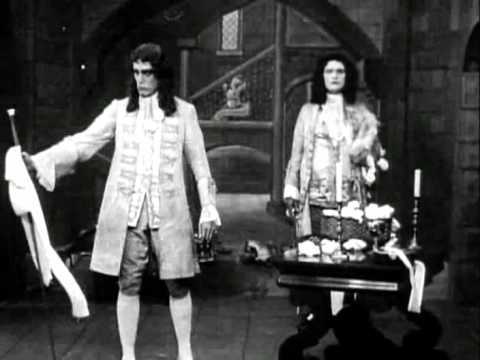
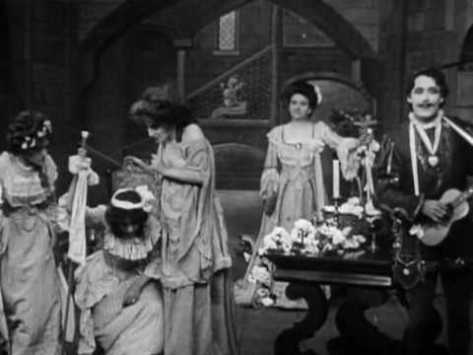
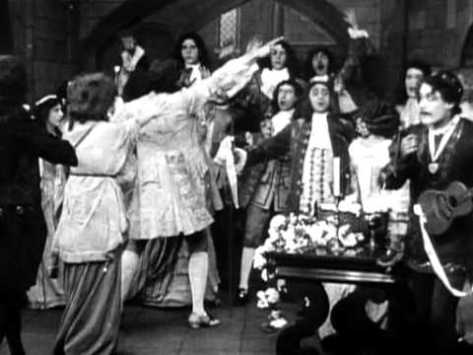
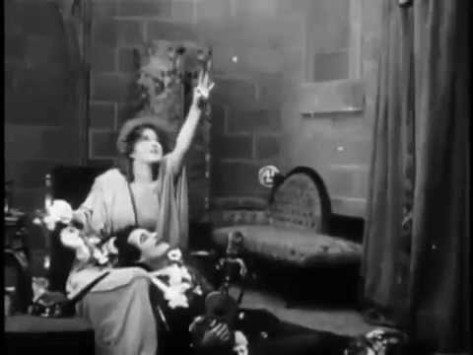
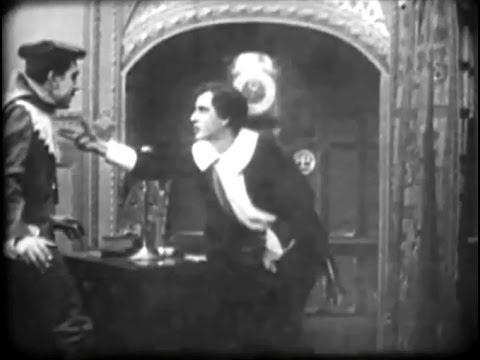
The film’s theme of immurement draws inspiration from Balzac‘s “La Grande Bretêche“,[2] and Edgar Allan Poe‘s “The Cask of Amontillado“. The king constructs a cozy, windowless love-nest for himself and his concubine. However, she is not faithful to her sovereign, but consorts with the court troubadour. In fact, they use the king’s new play chamber for their trysts. When the king discovers this, he sends for his masons. With the faithless duo still inside, the masons use stone and mortar to quietly seal the only door to the vault. The two lovers suffocate and the film ends.

Sealed Room The 11

Cast

others

Notes

  1. Jump up^ Langman, 1998, p. 34
  2. Jump up^ Gunning, 1994, pp. 177-178

References

Sealed Room The 1

Willful Peggy (1910)


Mary Pickford 1

Mary Pickford Season: FD Cinematheque

Willful Peggy (1910)

Director: D W Griffith

Cast: Mary Pickford, Clara T Bracy, Henry B Walthall, Kate Bruce, William J  Butler, Edward Dillon, Robert Harron, Henry Lehrman, Mack Sennett

17 min

DW Griffith 2

D W Griffith


Wilful Peggy is a 1910 American silent film directed by D. W. Griffith starring Mary Pickford.

Plot

Peggy is a feisty peasant girl who catches the eye of a wealthy lord. Enamored with her, he proposes, but she harshly refuses. Her mother pushes her into the marriage against her will. After their marriage, she makes a fool of herself among the socialites at her husband’s party. In the height of her embarrassment, her husband’s nephew convinces her to run away with him. She innocently agrees, but it soon becomes obvious what the nephew’s true intentions were.

Cast

Willful Peggy 5

Ramona (1910)


Mary Pickford 1

Mary Pickford Season: FD Cinematheque

Ramona (1910)

Director: D W Griffith

Cast: Mary Pickford, Henry B Walthall, Francis J Grandon, Kate Bruce, W Chrystie Miller, Dorothy Bernard, Robert Harron, Mae Marsh, Jack Pickford, Mack Sennett, Charles West, Dotothy West

17 min

DW Griffith 2

D W Griffith

Ramona 3

Ramona 5


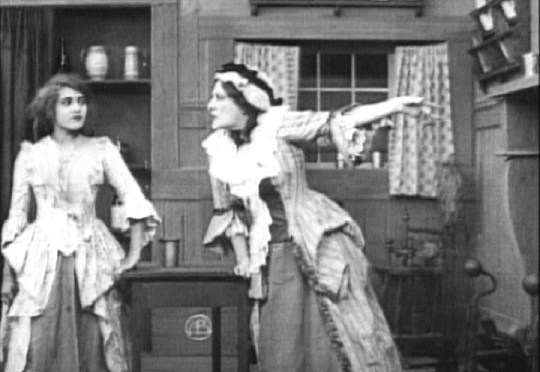
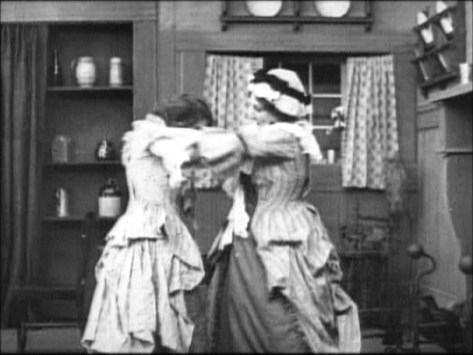
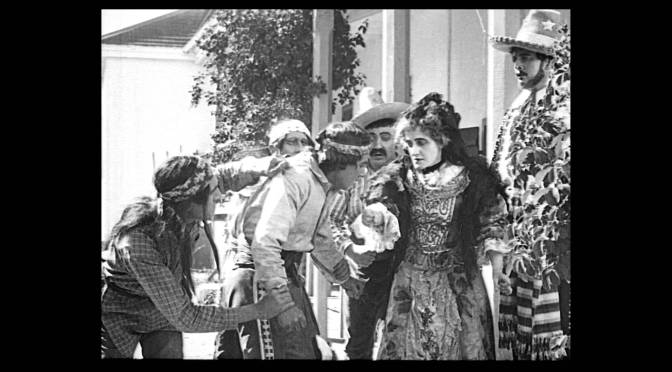
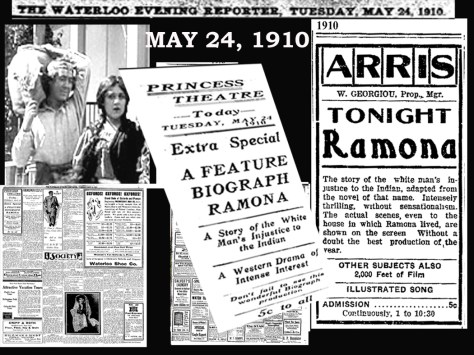
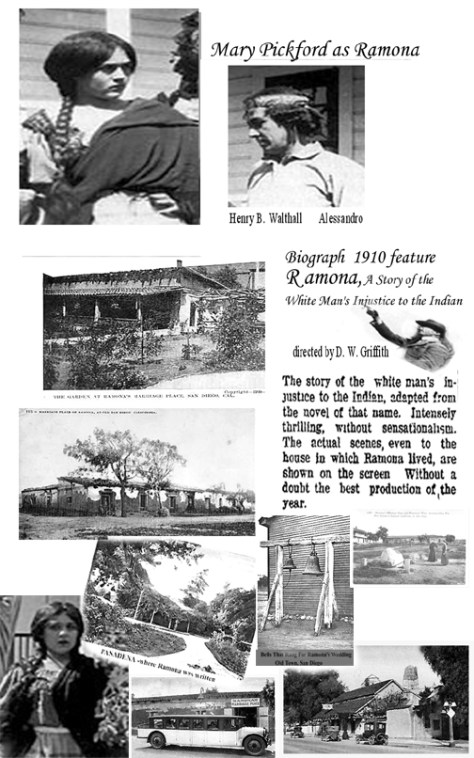
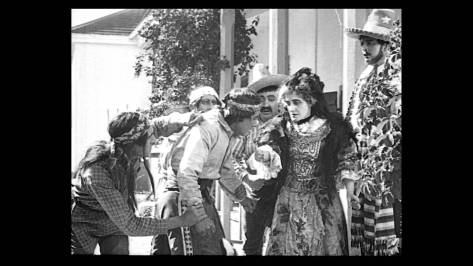
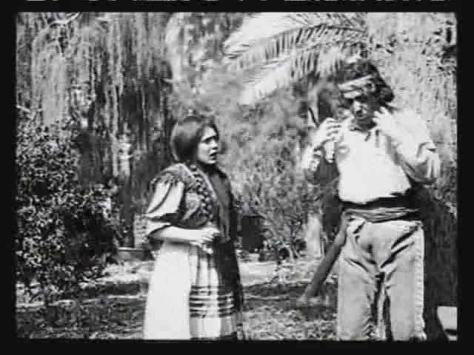
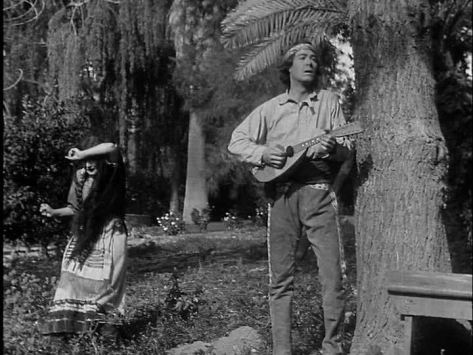
Ramona is a 1910 American short drama film directed by D. W. Griffith, based on Helen Hunt Jackson‘s 1884 novel Ramona. Through a love story, the early silent short explores racial injustice to Native Americans and stars Mary Pickford and Henry B. Walthall.[1] A copy of the print survives in the Library of Congress film archive.[2]

The film was remade in 1928 (dir. Edwin Carewe) with Dolores del Rio and 1936 (dir. Henry King) with Loretta Young.

Plot

Ramona chronicles the romance between Ramona (Mary Pickford), a Spanish orphan from the prestigious Moreno family, and Alessandro (Henry B. Walthall), an Indian who appears on her family’s ranch one day. A man named Felipe (Francis J. Grandon) proclaims his love for Ramona, but she rejects him because she has fallen for Alessandro.

They fall deeply in love, yet their desire to wed is denied by Ramona’s stepmother, who reacts by exiling Alessandro from her ranch. He returns to his village, only to find that it has been demolished by white men. Meanwhile, Ramona is informed that she also has “Indian blood”, which leads her to abandon everything she has to be with Alessandro.

They marry, and live among the wreckage of Alessandro’s devastated village. They have a child together and live at peace until the white men come to force them from their home as they claim the land. Their baby perishes, and then Alessandro is then killed by the white men. Ramona is then rescued by Felipe and returned to her family back on the ranch.[3]

Ramona 2

Cast

See also

References[edit]

  1. Jump up^ “Ramona (1910) — (Movie Clip) Opening”. Turner Classic Movies. Retrieved October 4, 2016.
  2. Jump up^ “Progressive Silent Film List: Ramona”. Silent Era. Retrieved June 2, 2008.
  3. Jump up^ Moving Picture World. “Ramona (1910) Plot Summary”. IMDB. Retrieved September 30, 2015.

Ramona 6

Unchanging Sea, The (1910)


Mary Pickford 1

Mary Pickford Season: FD Cinematheque

The Unchanging Sea (1910)

Director: D W Griffith

Cast: Arthur V Johnson, Linda Arvidson, Gladys Egan, Mary Pickford, Charles West, Dell Henderson, Dorothy West

DW Griffith 2

D W Griffith


The Unchanging Sea is a 1910 American drama film that was directed by D. W. Griffith. A print of the film survives in the Library of Congress film archive.[1]

Unchanging Sea, The 7

Cast

See also

References[edit]

Unchanging Sea, The 2

Violin Maker of Cremona, The (1909)


Mary Pickford 1

Mary Pickford Season: FD Cinematheque

The Violin Maker of Cremona (1909)

Director: D W Griffith

Cast: Herbert Prior, Mary Pickford, Owen Moore, David Miles, Harry Solter, Marion Leonard, Charles Avery, Mack Sennett

DW Griffith 2

D W Griffith

The Violin Maker of Cremona is an American silent short film made in 1909  and directed by DW Griffith . This is Pickford’s first fully credited film. However, it is presently still unclear whether she had extras roles in previous Biograph films.

Story

Cremona held a competition on the best violin. If you win this game, you may marry the beautiful Gianinna. Two people start fighting for her hand.

Cast 

 Actor Role
Mary Pickford Giannina
Herbert Prior Taddeo Ferrari
Owen Moore Sandro
David Miles Filippo
Charles Avery Worker
Arthur V. Johnson Man in Audience
Anthony O’Sullivan Worker
Mack Sennett Man in Audience

Violin Maker of Cremona 3

One Hundred Percent American (1918)


Mary Pickford 1

Mary Pickford Season: FD Cinematheque

One Hundred Percent American (1918)

Director: Arthur Rosson

Cast: Mary Pickford, Loretta Blake, Theodore Reed, Henry Bergman, Monte Blue, Joan Marsh

14 min


One Hundred Percent American is a silent short film made in 1918 directed by Arthur Rosson and starring Mary Pickford.

Plot 

A girl wants to go to a ball, admission one Liberty Bond, but rather than go herself, she loans the bond to a girlfriend. A soldier and a sailor find out and take her to the ball with them.

One Hundred Percent American 2

Production 

The Famous Players-Lasky Corporation produced this short film that was to advertise the sale of the bonds of the Liberty Loan Committee .

Distribution 

Distributed by Famous Players-Lasky even with the alternative title 100% American , the short film was released in US theaters on October 5, 1918. Since the star Mary Pickford at the time was still a Canadian citizen, in Canada the film was given the title 100% Canadian [1] .

The film has been included in an anthology distributed in October 2007 by the National Film Preservation Foundation.

On NTSC , the DVD box set offers a total of 739 minutes entitled Treasures III: Social Issues in American Film (1900-1934) [2] .

One Hundred Percent American 4

Johanna Enlists (1918)


Mary Pickford 1

Mary Pickford Season: FD Cinematheque

Johanna Enlists (1918)

Director: William Desmond Taylor

Cast: Mary Pickford, Anne Schaefer, Fred Huntley, Monte Blue, Douglas MacLean, Emory Johnson, John Steppling, Wallace Beery, Wesley Barry, June Prentis, Jean Prentis, Joan Marsh (uncredited), Bull Montana (uncredited)

72 min

Johanna Enlists 1

Johanna Enlists 2

Johanna Enlists 3

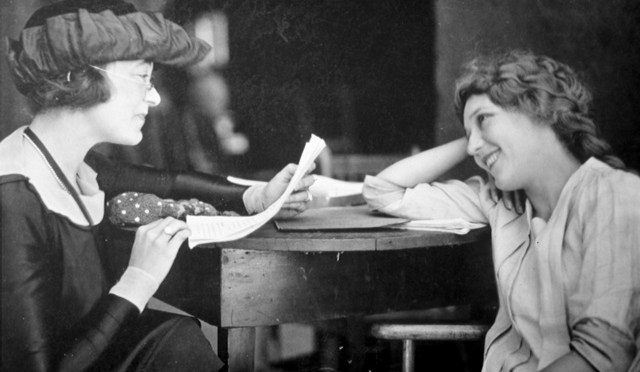
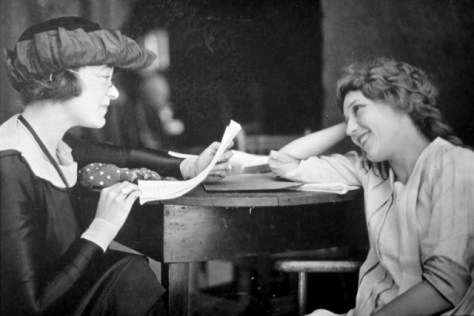
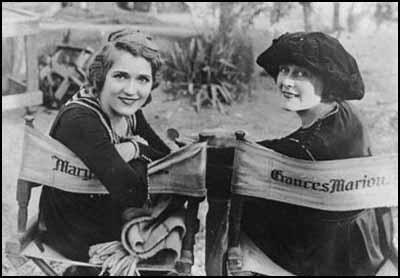
Mary Pickford with Frances Marion – Female Hollywood Pioneers

Johanna Enlists 4

Mary Pickford with Frances Marion – Female Hollywood Pioneers

Johanna Enlists 5

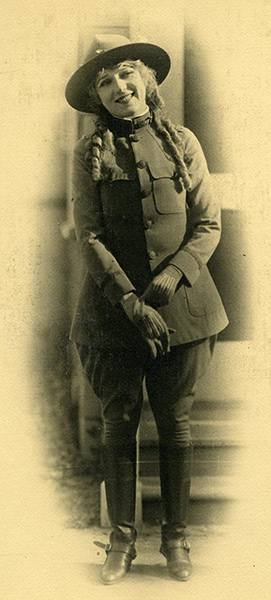
Mary Pickford in Johanna Enlists 

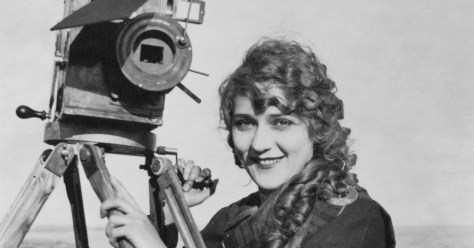
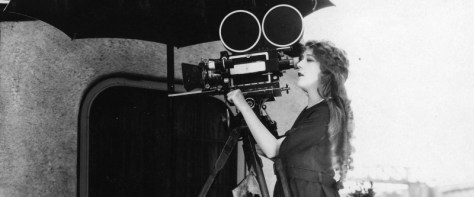
Johanna Enlists 6 Mary Pickford behind the camera

Johanna Enlists 7

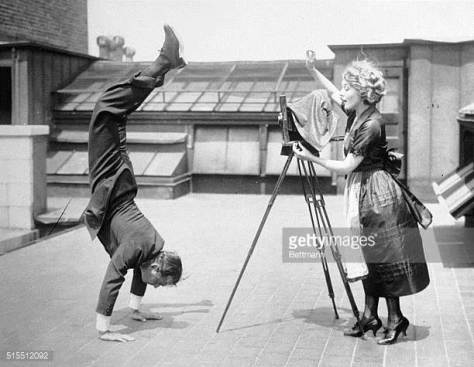
Mary Pickford taking a picture of Douglas Fairbanks 

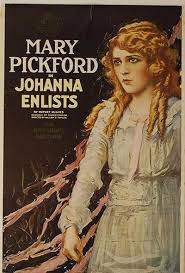
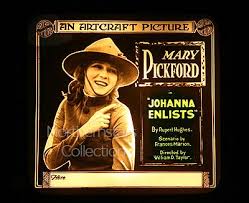
Johanna Enlists is a 1918 silent film comedy-drama produced by and starring Mary Pickford with distributed by Paramount Pictures. The film was directed by William Desmond Taylor from a short story by Rupert Hughes, The Mobilization of Johanna. Frances Marion, a frequent Pickford collaborator, wrote the scenario. The film was made at a time during World War I when sentimental or patriotic films were immensely popular. It was an early starring vehicle for Monte Blue, the male lead opposite Pickford. The film survives in several prints, including one at the Library of Congress.[1][2][3]

Johanna Enlists 8

Plot

As described in a film magazine,[4] Johanna Renssaller (Pickford), an uncouth, freckled country lass, works from dawn until late at night. Her only love affairs were with the hired man and a “beautiful brakeman” on the railroad. The hired man proved to be married and the brakeman proved impossible. She prayed for a beau, and then a whole regiment of soldiers came along and camped on the farm. Everyone from Captain Archie van Renssaller (MacLean) down to Prvate Vibbard (Blue) fell in love with her, ate her pies, and sat in her hammock. She took milk baths and tried Isadora Duncan style calisthenics and finally fell in love with Captain van Renssaller. When the troops moved on, she rode at the head of the officer staff.

Johanna Enlists 9

Cast

Reception

Like many American films of the time, Johanna Enlists was subject to cuts by city and state film censorship boards. For example, the Chicago Board of Censors required a cut, in Reel 4, of views of a nude figure in a book.[5]

References

  1. Jump up^ The American Film Institute Catalog Feature films: 1911–20 published by The American Film Institute, c. 1988
  2. Jump up^ Progressive Silent Film List: Johanna Enlists at silentera.com
  3. Jump up^ Catalog of Holdings The American Film Institute Collection and The United Artists Collection at The Library of Congress, p. 93 by The American Film Institute, c. 1978
  4. Jump up^ “Reviews: Johanna Enlists. Exhibitors Herald. New York City: Exhibitors Herald Company. 7 (14): 28. September 28, 1918.
  5. Jump up^ “Official Cut-Outs by the Chicago Board of Censors”. Exhibitors Herald. New York City: Exhibitors Herald Company. 7 (17): 43. October 19, 1918.

Johanna Enlists 10

Hoodlum, The AKA Ragamuffin, The (1919)


Mary Pickford 1

Mary Pickford Season: FD Cinematheque

Hoodlum, The AKA Ragamuffin, The (1919)

Director: Sidney Franklin

Cast: Mary Pickford, Ralph Lewis, Kenneth Harlan, T D Crittenden, Aggie Herring, Andrew Arbuckle, Max Davidson, Paul Mullen, Buddy Messinger, Nellie Anderson, B A Lewis, Lafe McKee

78 min

 Hoodlum The 1 

Hoodlum The 2


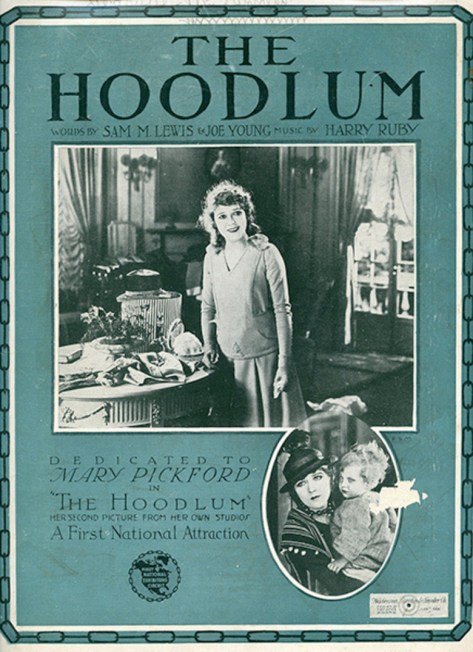
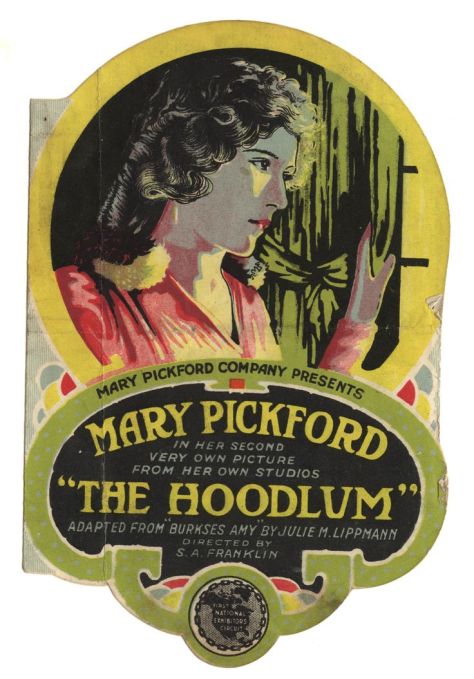
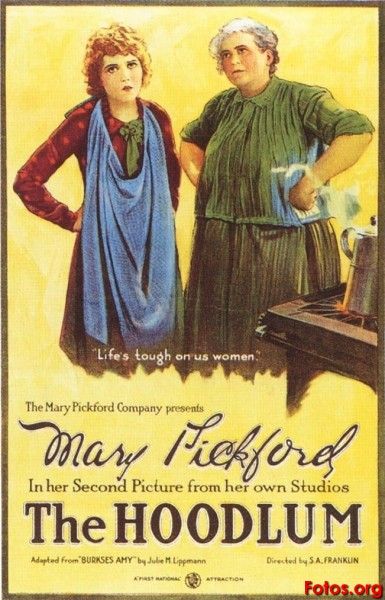
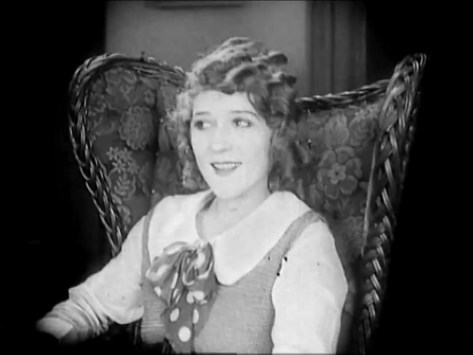
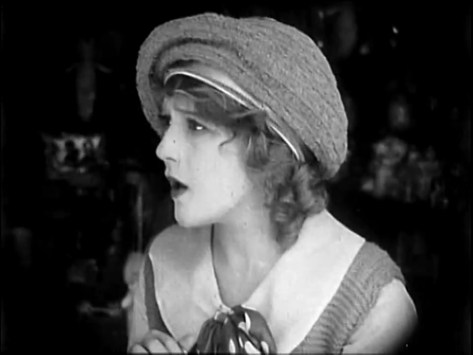
The Hoodlum is a 1919 silent film comedy-drama produced by and starring Mary Pickford and released through First National. The film was directed by Sidney A. Franklin and was based on the novel Burkeses Amy by Julie Matilde Lippman.[1][2]

Hoodlum The 12

Plot

Spoiled Amy Burke (Mary Pickford) lives with her doting grandfather, ruthless business magnate Alexander Guthrie (Ralph Lewis), in his Fifth Avenue, New York City mansion. She is initially delighted when he offers to take her with him on a trip to Europe. However, as the day approaches for their departure, she changes her mind and decides to go live with her newly returned father, “sociological writer” John Burke (T. D. Crittenden), at Craigen Street, wherever that is. Unused to having his plans thwarted, Guthrie becomes cold to his beloved granddaughter.

Craigen Street turns out to be in one of the slums of lower New York, the subject of her father’s study. At first, Amy is horrified by the squalor. She makes it clear to a couple of friendly young women who want to become acquainted and to Nora (Aggie Herring), her father’s cook and servant, that she feels she is far above them. Deeply unhappy, she eventually takes her father’s advice to treat their neighbors as equals. She fits in after several weeks. She makes friends with boy inventor Dish Lowry and young man William Turner (Kenneth Harlan), a reclusive neighbor. Amy also ends a years-long feud between Irishman Pat O’Shaughnessy (Andrew Arbuckle) and Jew Abram Isaacs (Max Davidson) through good-natured trickery.

Hoodlum The 11

When a policeman is alerted by a sore loser to her game of craps in the street, she escapes by hiding under the cloak of newcomer Peter Cooper, who takes a room on the floor above the Burkes’. Unbeknownst to Amy, the new resident is actually her grandfather in disguise, come to see how she is doing. He is initially disgusted with her behavior, noting on paper that she “has become a hoodlum”. When Amy takes a sick mother and her children under her wing, she asks Cooper to look after a baby, only to be brusquely rebuffed. Cooper has a change of heart, however, and adopts a whole new, more benevolent attitude, much to Amy’s delight. He returns to his mansion a changed man (taking along Dish Lowry).

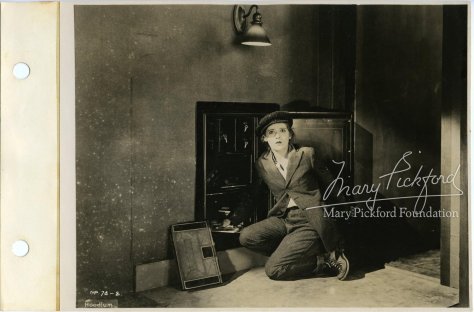
One night, Amy spots a thief in Turner’s room. The intruder flees. Turner informs Amy that it was no thief but an agent of Alexander Guthrie looking for his writings. Guthrie framed him to hide corrupt business practices, resulting in a year in the penitentiary. Amy and Turner break into her grandfather’s mansion to try to steal evidence that would prove him innocent, but set off a burglar alarm and are caught. When Guthrie recognizes Amy, he has Turner freed and offers to exonerate him. Afterward, Amy and Turner are married.

Hoodlum The 13

Cast

Public service announcement

At least some prints of the film open with Pickford in a public service announcement for World War I war savings stamps.[citation needed]

Hoodlum The 3

Home media

The film is in the public domain.[2] It has been released on DVD and Blu-ray.[4]

See also

Hoodlum The 7

References

  1. Jump up^ The American Film Institute Catalog Feature Films: 1911–20 / The American Film Institute Catalog of Motion Pictures Produced in the United States: Feature Films, 1911–1920. [Cover title and copyrighted title] University of California Press. 1989. ISBN 978-0520063013.
  2. ^ Jump up to:a b The Hoodlum. Silent Era. Archived from the original on July 6, 2008. Retrieved January 1, 2012.
  3. Jump up^ “Mary Pickford in “The Hoodlum.””. The Register. Adelaide. 7 January 1920. Note: Turner Classic Movies, AllRovi and Silent Era all give the character’s name as John Graham, but this does not match the opening credits and intertitles. See credits, at 2:00, at YouTube cite, below.
  4. Jump up^ Kehr, Dave (November 16, 2012). “Defending the Young and Innocent: New DVDs, Mary Pickford on Blu-ray, Early Perry Mason”. The New York Times.

Hoodlum The 16

Suds (1920)


Mary Pickford 1

Mary Pickford Season: FD Cinematheque

Suds (1920)

Director: John Francis Dillon

Cast: Mary Pickford, Albert Austin, Harold Goodwin, Rose Dione, Darwin Karr, Lavendor the Horse, Taylor N Duncan, Joan Marsh, Nadyne Montgomery, Theodore Roberts, Hal Wilson

75 min

Suds 1

Suds 6


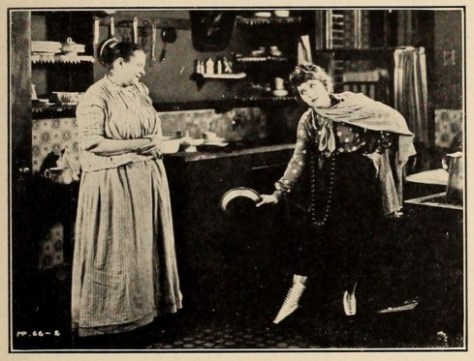
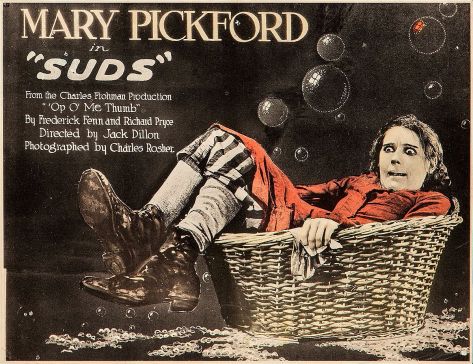
Suds is a 1920 American silent comedy film directed by John Francis Dillon and starring Mary Pickford. The film is based on the 1904 English stage play ‘Op o’ Me Thumb, a one-act work first produced in London and presented the following year in New York with Maude Adams, a curtain raiser for her appearance in Peter Pan.[2]
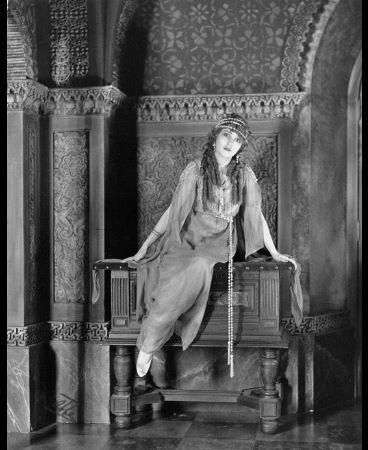
Suds 4

Plot

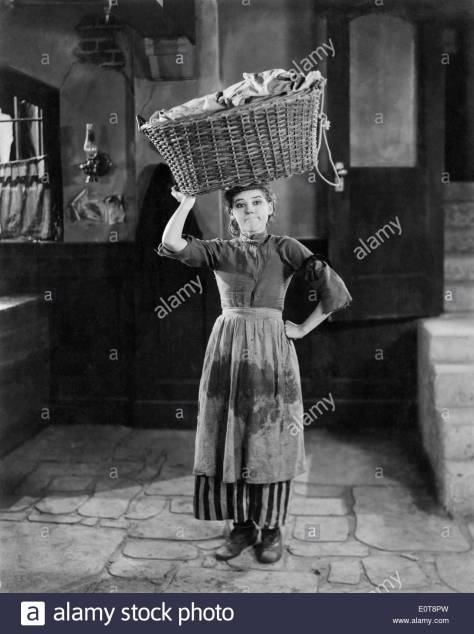
Amanda Afflick (Mary Pickford) is a poor laundry woman working in London. She is too weak to do the hard work, but is always picked on and humiliated by her boss Madame Didier (Rose Dione). Amanda is desperately in love with the handsome customer Horace Greensmith (Albert Austin), but none of her colleague think she stands a chance of being his sweetheart.

One afternoon Amanda gets in trouble again and is forced to work all night long. All alone, she fantasizes about her first and only meeting with Horace, eight months ago. All the fellow employees ridicule her for still having faith that he will return someday to pick up his clothes. Amanda is fed up with all her colleagues making fun of her and lies that she is a duchess, coming from a wealthy family. She comes up with a story of her having an affair with Horace. Her father found out and sent her to live in London.

Meanwhile, co-worker Benjamin Jones (Harold Goodwin) has the job of collecting laundry with his cart. One day, his beloved horse Lavender is too weak to go up a hill and falls. The cart is destroyed and when Benjamin admits the truth to Madame Didier, she asks for the horse to be killed. Benjamin reveals to Amanda what will happen with Lavender and she tries to stop the horse from being killed. She eventually buys the horse and takes it into her own home.

Amanda is not allowed to take the horse into her own apartment and is noticed on the streets by the wealthy and sympathizing Lady Burke-Cavendish. She offers to take the horse to live at her country place. Amanda is delighted and accepts her offer. Later, Lady Burke-Cavendish stops by to tell Amanda the horse is doing very well. Amanda lies to the fellow laundry women Lady Burke-Cavendish is actually her aunt.

They are interrupted by Horace: he has returned for his laundry. The fellow workers assume he will recognize Amanda, since they were lied to he is her secret lover. Amanda is desperate and successfully pretends to be reunited with him. Horace is confused and wants to leave. While the laundry women are away she tells the truth to Horace. Benjamin walks in on them, initially trying to flirt with Amanda , but when he notices Horace’s presence he leaves.

Horace sympathizes with Amanda and invites her to his mansion. He changes his mind when he becomes ashamed of her. Amanda notices this and pulls back. Horace leaves and Amanda is left behind with a broken heart. She is later hired as Lady Burke-Cavendish’s personal maid and now lives in wealth. She finds out Horace is a worker at the country place and they fall in love with each other.

Suds 3

Remake

The original film was adapted to a musical written by Deonn Ritchie Hunt with music by Kim Douglas in the 2000s.

Cast

  • Mary Pickford as Amanda Afflick
  • Albert Austin as Horace Greensmith
  • Harold Goodwin as Benjamin Pillsbury Jones
  • Rose Dione as Madame Jeanne Gallifilet Didier
  • Darwin Karr as The Archduke
  • Taylor N. Duncan (undetermined role) (uncredited)
  • Joan Marsh (undetermined role) (uncredited)
  • Nadyne Montgomery (undetermined role) (uncredited)
  • Theodore Roberts (undetermined role) (uncredited)
  • Hal Wilson (undetermined role) (uncredited)

Suds 5

Production crew

  • Produced by Mary Pickford
  • Cinematography by L. William O’Connell and Charles Rosher
  • Art Direction by Max Parker
  • Costume Design by Adele Crinley
  • Assistant Director William A. Crinley
  • Art Department – Alfred L. Werker (props)
  • Other crew – William S. Johnson (electrical effects)

See also

References