Polly Biblett (Mary Pickford), a young lady, tells her grandmother Lettie about her new boyfriend. The news provokes the elderly woman to reminisce about her own sweetheart, long time before. The touching sequence expresses the power of lives going on, the older woman aging as her grandchildren grow and knowing they will soon have children of their own.
In Old Madrid (1911) is a Mary Pickford film directed by Thomas H Ince.
Thomas H Ince
Synopsis
Don Gomez writes a letter to the parents of Zelda, a young Spanish girl, regretting his inability to pay them a visit, but sends his son, Jose, instead. Jose arrives and is immediately smitten by the charms of Zelda. Zelda indulges in a little flirtation.
Her mother inaugurates a system of espionage that is very inconvenient for the lovers. They are surprised by the duenna-like mother and are driven to desperation.
Zelda has a girlfriend about her age who resembles her and is attired to represent a clever counterpart of Zelda. The mother walks in the garden accompanied by Zelda. Seating herself on a bench, she commands the girl to repose beside her. Finding the vigil rather tiresome, the elder woman lapses into a state of drowsiness, and the companions of Zelda beckon her to join them.
So clever is the disguise of Rosa that Jose is deceived and he kisses her. The father of Zelda discovers the act and hastens to the mother to inform her only to see Zelda yawning beside his wife on the bench. Exhausted, the guardian falls asleep, and Rosa exchanges places with Zelda, who joins her lover. Jose induces Zelda to accompany him to the seashore.
He gathers the girl in his arms, and wades across a stretch of water, and they take a perilous position on the rocks. A search is instituted and Zelda and Jose are discovered on the rocks. Jose has a scheme which he quickly imparts to Zelda and she acquiesces. The irate parents see the daughter and her lover.
Jose is firm and threatens to throw Zelda into the roaring torrent, unless the parents consent to their immediate marriage. The agonized parents relent. The obdurate parents have been outwitted by the scheming lovers.
This is one of the earliest surviving prints from the beginning of Mary Pickford’s career. It is assumed to have been her 9th film.
Director: D W Griffith
Cast: David Miles, Marion Leonard, Mary Pickford, Gladys Egan, Adele DeGarde, Robert Harron, James Kirkwood, Florence Lawrence, Owen Moore, Mack Sennett
A group of criminals waits until a wealthy man goes out to break into his house and threaten his wife and daughters. They refuge themselves inside one of the rooms, but the thieves break in. The father finds out what is happening and runs back home to try to save his family.
The Lonely Villa was produced by the Biograph Company and shot in Fort Lee, New Jersey.[3][4] It was released on June 10, 1909 along with another D.W. Griffith split-reel film, A New Trick.[2]
Jump up^Choi, Jinhee; Wada-Marciano, Mitsuyo, eds. (2001). Horror to the Extreme: Changing Boundaries in Asian Cinema. Hong Kong University Press. p. 111. ISBN962-209-973-4.
Cast: Mary Pickford, Charles Hill Mailes, Kate Bruce, Lionel Barrymore, Alfred Paget, Claire McDowell, Mae Marsh, Madge Kirby, Lillian Gish, Jack Pickford, Robert Harron, Dorothy Gish, Mack Sennett
The New York Hat is one of the most notable of the Biograph Studios short films and is perhaps the best known example of Pickford’s early work, and an example of Anita Loos‘s witty writing. The film was made by Biograph when it and many other early U.S. movie studios were based in Fort Lee, New Jersey at the beginning of the 20th century.[1][2][3]
Plot
Mollie Goodhue leads a cheerless, impoverished life, largely because of her stern, miserly father. Mrs. Goodhue is mortally ill, but before dying, she gives the minister, Preacher Bolton, some money with which to buy her daughter the “finery” her father always forbade her.
Mollie is delighted when the minister presents her with a fashionable New York hat she has been longing for, but village gossips misinterpret the minister’s intentions and spread malicious rumors. Mollie becomes a social pariah, and her father tears up the beloved hat in a rage.
All ends well, however, after the minister produces a letter from Mollie’s mother about the money she left the minister to spend on Mollie. Soon afterwards, he proposes to Mollie, who accepts his offer of marriage.
Known in her prime as “America’s Sweetheart” and the “girl with the curls”, Pickford was one of the Canadian pioneers in early Hollywood and a significant figure in the development of film acting. Pickford was one of the earliest stars to be billed under her name (film performers up until that time were usually unbilled), and was one of the most popular actresses of the 1910s and 1920s, earning the nickname “Queen of the Movies”.
Mary Pickford was born Gladys Louise Smith in 1892 (although she would later claim 1893 or 1894 as her year of birth) at 211 University Avenue, Toronto, Ontario.
Her father, John Charles Smith, was the son of English Methodist immigrants, and worked a variety of odd jobs. Her mother, Charlotte Hennessey, was of Irish Catholic descent and worked for a time as a seamstress.
To please her husband’s relatives, Pickford’s mother baptized her children as Methodists, the faith of their father.
John Charles Smith was an alcoholic; he abandoned the family and died on February 11, 1898, from a fatal blood clot caused by a workplace accident when he was a purser with Niagara Steamship.
When Gladys was age four, her household was under infectious quarantine, a public health measure. Their devoutly Catholic maternal grandmother (Catherine Faeley Hennessey) asked a visiting Roman Catholic priest to baptize the children. Pickford was at this time baptized as Gladys Marie Smith.
Charlotte Smith began taking in boarders after being widowed. One of these was a theatrical stage manager. At his suggestion, Gladys (age 7) was given two small roles, one as a boy and the other as a girl, in a stock company production of The Silver King at Toronto’s Princess Theatre. She subsequently acted in many melodramas with Toronto’s Valentine Company, finally playing the major child role in their version of The Silver King.
She capped her short career in Toronto with the starring role of Little Eva in their production of Uncle Tom’s Cabin, adapted from the 1852 novel by United States writer and abolitionist Harriet Beecher Stowe. Stowe’s novel was, coincidentally, based on the memoirs of another Ontarian, Josiah Henson.
Career
Mary Pickford on stage 1905
Early years
By the early 1900s, theatre had become a family enterprise. Gladys, her mother and two younger siblings toured the United States by rail, performing in third-rate companies and plays.
After six impoverished years, Pickford allowed one more summer to land a leading role on Broadway, planning to quit acting if she failed. In 1906 Gladys, Lottie and Jack Smith supported singer Chauncey Olcott on Broadway in Edmund Burke.
Mary Pickford in 1908
Gladys finally landed a supporting role in a 1907 Broadway play, The Warrens of Virginia. The play was written by William C. DeMille, whose brother, Cecil, appeared in the cast. David Belasco, the producer of the play, insisted that Gladys Smith assumes the stage name Mary Pickford. After completing the Broadway run and touring the play, however, Pickford was again out of work.
Mary Pickford on stage in The Warrens of Virginia 1907
The Warrens of Virginia newspaper advert 1907
The Warrens of Virgina Belasco Theatre Poster 1907
Mary Pickford promotional photo for The Warrens of Virgina – Belasco Theatre
On April 19, 1909, the Biograph Company director D. W. Griffith screen-tested her at the company’s New York studio for a role in the nickelodeon film, Pippa Passes. The role went to someone else but Griffith was immediately taken with Pickford.
She quickly grasped that movie acting was simpler than the stylized stage acting of the day. Most Biograph actors earned $5 a day but, after Pickford’s single day in the studio, Griffith agreed to pay her $10 a day against a guarantee of $40 a week.
Mary Pickford in one of her first film roles in DW Griffith’s The Lonely Villa 1909 – Biograph Productions
Pickford, like all actors at Biograph, played both bit parts and leading roles, including mothers, ingenues, charwomen, spitfires, slaves, Native Americans, spurned women, and a prostitute. As Pickford said of her success at Biograph:
“I played scrubwomen and secretaries and women of all nationalities … I decided that if I could get into as many pictures as possible, I’d become known, and there would be a demand for my work.”
Biograph Offices in 1909
She appeared in 51 films in 1909 – almost one a week. While at Biograph, she suggested to Florence La Badie to “try pictures”, invited her to the studio and later introduced her to D. W. Griffith, who launched La Badie’s career.
Mary Pickford in DW Griffith’s The Country Doctor 1909
Mary Pickford in DW Griffith’s The Hessian Renegades 1909
Mary Pickford in DW Griffith’s The Violin Maker Of Cremona 1909
Mary Pickford in DW Griffith’s Willful Peggy 1910
In January 1910, Pickford traveled with a Biograph crew to Los Angeles. Many other film companies wintered on the West Coast, escaping the weak light and short days that hampered winter shooting in the East. Pickford added to her 1909 Biographs (Sweet and Twenty, They Would Elope, and To Save Her Soul, to name a few) with films made in California.
Actors were not listed in the credits in Griffith’s company. Audiences noticed and identified Pickford within weeks of her first film appearance. Exhibitors in turn capitalized on her popularity by advertising on sandwich boards that a film featuring “The Girl with the Golden Curls”, “Blondilocks”, or “The Biograph Girl” was inside.
Mary Pickford in DW Griffith’s They Would Elope 1909
Mary Pickford in DW Griffith’s To Save Her Soul 1909
Pickford left Biograph in December 1910. The following year, she starred in films at Carl Laemmle‘s Independent Moving Pictures Company (IMP). IMP was absorbed into Universal Pictures in 1912, along with Majestic. Unhappy with their creative standards, Pickford returned to work with Griffith in 1912. Some of her best performances were in his films, such as Friends, The Mender of Nets, Just Like a Woman, and The Female of the Species. That year Pickford also introduced Dorothy and Lillian Gish (both friends from her days in touring melodrama) to Griffith. Both became major silent stars, in comedy and tragedy, respectively. Pickford made her last Biograph picture, The New York Hat, in late 1912.
Mary Pickford in DW Griffith’s Friends 1912
Film Poster for Mary Pickford in DW Griffith’s The Mender of the Nets 1912
Mary Pickford in DW Griffith’s The New York Hat 1912
Mary Pickford in DW Griffith’s The Female of the Species (1912)
She returned to Broadway in the David Belasco production of A Good Little Devil (1912). This was a major turning point in her career. Pickford, who had always hoped to conquer the Broadway stage, discovered how deeply she missed film acting. In 1913, she decided to work exclusively in film. The previous year, Adolph Zukor had formed Famous Players in Famous Plays. It was later known as Famous Players-Lasky and then Paramount Pictures, one of the first American feature film companies.
Pickford left the stage to join Zukor’s roster of stars. Zukor believed film’s potential lay in recording theatrical players in replicas of their most famous stage roles and productions.
Zukor first filmed Pickford in a silent version of A Good Little Devil. The film, produced in 1913, showed the play’s Broadway actors reciting every line of dialogue, resulting in a stiff film that Pickford later called “one of the worst [features] I ever made … it was deadly”. Zukor agreed; he held the film back from distribution for a year.
Poster for A Good Little Devil (1914) with Mary Pickford
Pickford’s work in material written for the camera by that time had attracted a strong following. Comedy-dramas, such as In the Bishop’s Carriage (1913), Caprice (1913), and especially Hearts Adrift (1914), made her irresistible to moviegoers.
Hearts Adrift was so popular that Pickford asked for the first of her many publicized pay raises based on the profits and reviews. The film marked the first time Pickford’s name was featured above the title on movie marquees. Tess of the Storm Country was released five weeks later.
Biographer Kevin Brownlow observed that the film “sent her career into orbit and made her the most popular actress in America, if not the world”.
Poster for In the Bishop’s Carriage (1913) with Mary Pickford
Poster for Caprice (1913) with Mary Pickford
Poster for Hearts Adrift (1914) with Mary Pickford
Mary Pickford in Tess of the Storm Country (1914)
Her appeal was summed up two years later by the February 1916 issue of Photoplay as “luminous tenderness in a steel band of gutter ferocity”. Only Charlie Chaplin, who reportedly slightly surpassed Pickford’s popularity in 1916, had a similarly spellbinding pull with critics and the audience.
Each enjoyed a level of fame far exceeding that of other actors. Throughout the 1910s and 1920s, Pickford was believed to be the most famous woman in the world, or, as a silent-film journalist described her, “the best known woman who has ever lived, the woman who was known to more people and loved by more people than any other woman that has been in all history”.
Silent film superstars: Fairbanks, Pickford and Chaplin
Stardom
Adolph Zukor with Mary Pickford and her mother, Mrs. Charlotte Smith in 1916
Pickford starred in 52 features throughout her career. On June 24, 1916, Pickford signed a new contract with Zukor that granted her full authority over production of the films in which she starred, and a record-breaking salary of $10,000 a week.
In addition, Pickford’s compensation was half of a film’s profits, with a guarantee of $1,040,000 (US$ 17,330,000 in 2017). Occasionally, she played a child, in films such as The Poor Little Rich Girl (1917), Rebecca of Sunnybrook Farm (1917), Daddy-Long-Legs (1919) and Pollyanna (1920). Pickford’s fans were devoted to these “little girl” roles, but they were not typical of her career.
Mary Pickford in The Poor Little Rich Girl (1917)
Mary Pickford in Rebecca of Sunnybrook Farm (1917)
Mary Pickford in Daddy Long Legs (1919)
Mary Pickford in Polyanna ( 1920)
In August 1918, Pickford’s contract expired and, when refusing Zukor’s terms for a renewal, she was offered $250,000 to leave the motion picture business. She declined, and went to First National Pictures, which agreed to her terms.
In 1919, Pickford, along with D.W. Griffith, Charlie Chaplin, and Douglas Fairbanks, formed the independent film production company United Artists. Through United Artists, Pickford continued to produce and perform in her own movies; she could also distribute them as she chose. In 1920, Pickford’s film Pollyanna grossed around $1,100,000.
Mary Pickford signing United Artists documents – with Douglas Fairbanks, Charles Chaplin and DW Griffith
Mary Pickford in Little Lord Fauntleroy (1921)
Mary Pickford in Rosita (1927)
Mary Pickford in Little Annie Rooney (1925)
Mary Pickford in Sparrows (1926)
The arrival of sound was her undoing. Pickford underestimated the value of adding sound to movies, claiming that “adding sound to movies would be like putting lipstick on the Venus de Milo“.
She played a reckless socialite in Coquette (1929), a role for which her famous ringlets were cut into a 1920s’ bob. Pickford had already cut her hair in the wake of her mother’s death in 1928. Fans were shocked at the transformation.
Pickford’s hair had become a symbol of female virtue, and when she cut it, the act made front-page news in The New York Times and other papers. Coquette was a success and won her an Academy Award for Best Actress, although this was highly controversial.
The public failed to respond to her in the more sophisticated roles. Like most movie stars of the silent era, Pickford found her career fading as talkies became more popular among audiences.
Mary Pickford in Coquette (1929)
Her next film, The Taming of The Shrew, made with husband Douglas Fairbanks, was not well received at the box office. Established Hollywood actors were panicked by the impending arrival of the talkies.
On March 29, 1928, The Dodge Brothers Hour was broadcast from Pickford’s bungalow, featuring Fairbanks, Chaplin, Norma Talmadge, Gloria Swanson, John Barrymore, D.W. Griffith, and Dolores del Rio, among others. They spoke on the radio show to prove that they could meet the challenge of talking movies.
Mary Pickford and Douglas Fairbanks in The Taming of the Shrew (1929)
But the transition came as Pickford was in her late 30s, no longer able to play the children, teenage spitfires, and feisty young women so adored by her fans, and was not suited for the glamorous and vampish heroines of early sound.
In 1933, Pickford underwent a Technicolor screen test for an animated/live action film version of Alice in Wonderland, but Walt Disney discarded the project when Paramount released its own version of the book. Only one Technicolor still of her screen test still exists.
Mary Pickford Technicolor test for The Black Pirate 1926 – Courtesy of George Eastman House – watch it on Film Dialogue YouTube Channel
She retired from acting in 1933; her last acting film was released in 1934. She continued to produce for others, however, including Sleep, My Love (1948; with Claudette Colbert) and Love Happy (1949), with the Marx Brothers).
Mary Pickford behind the camera
Mary Pickford talking about her life and career – CBC Radio Interview May 25th 1959 – on Film Dialogue You Tube Channel
The Film Industry
Pickford, Fairbanks and Chapling promoting the sale of Liberty Bonds
Pickford used her stature in the movie industry to promote a variety of causes. Although her image depicted fragility and innocence, Pickford proved to be a worthy businesswoman who took control of her career in a cutthroat industry.
Five days later she spoke on Wall Street to an estimated 50,000 people. Though Canadian-born, she was a powerful symbol of Americana, kissing the American flag for cameras and auctioning one of her world-famous curls for $15,000. In a single speech in Chicago she sold an estimated five million dollars’ worth of bonds. She was christened the U.S. Navy’s official “Little Sister”; the Army named two cannons after her and made her an honorary colonel.
At the end of World War I, Pickford conceived of the Motion Picture Relief Fund, an organization to help financially needy actors.
Leftover funds from her work selling Liberty Bonds were put toward its creation, and in 1921, the Motion Picture Relief Fund (MPRF) was officially incorporated, with Joseph Schenck voted its first president and Pickford its vice president.
In 1932, Pickford spearheaded the “Payroll Pledge Program”, a payroll-deduction plan for studio workers who gave one-half of one percent of their earnings to the MPRF. As a result, in 1940, the Fund was able to purchase land and build the Motion Picture Country House and Hospital, in Woodland Hills, California.
Charles Chaplin, Darryl Zanuck, Samuel Goldwyn, Douglas Fairbanks, Joseph Schenck and Mary Pickford
An astute businesswoman, Pickford became her own producer within three years of her start in features. According to her Foundation, “she oversaw every aspect of the making of her films, from hiring talent and crew to overseeing the script, the shooting, the editing, to the final release and promotion of each project”.
She demanded (and received) these powers in 1916, when she was under contract to Zukor’s Famous Players In Famous Plays (later Paramount). Zukor acquiesced to her refusal to participate in block-booking, the widespread practice of forcing an exhibitor to show a bad film of the studio’s choosing to also be able to show a Pickford film. In 1916, Pickford’s films were distributed, singly, through a special distribution unit called Artcraft. The Mary Pickford Corporation was briefly Pickford’s motion-picture production company.
Mary Pickford with her crew members
In 1919, she increased her power by co-founding United Artists (UA) with Charlie Chaplin, D. W. Griffith, and her soon-to-be husband, Douglas Fairbanks. Before UA’s creation, Hollywood studios were vertically integrated, not only producing films but forming chains of theaters.
Distributors (also part of the studios) arranged for company productions to be shown in the company’s movie venues. Filmmakers relied on the studios for bookings; in return they put up with what many considered creative interference.
United Artists broke from this tradition. It was solely a distribution company, offering independent film producers access to its own screens as well as the rental of temporarily unbooked cinemas owned by other companies. Pickford and Fairbanks produced and shot their films after 1920 at the jointly owned Pickford-Fairbanks studio on Santa Monica Boulevard.
The producers who signed with UA were true independents, producing, creating and controlling their work to an unprecedented degree. As a co-founder, as well as the producer and star of her own films, Pickford became the most powerful woman who has ever worked in Hollywood. By 1930, Pickford’s acting career had largely faded.
Al Jolson, Mary Pickford, Ronald Colman, Gloria Swanson, Douglas Fairbanks, Joseph Schenck, Charlie Chaplin, Samuel Goldwyn and Eddie Cantor
After retiring three years later, however, she continued to produce films for United Artists. She and Chaplin remained partners in the company for decades. Chaplin left the company in 1955, and Pickford followed suit in 1956, selling her remaining shares for three million dollars.
Madge Bellamy on Mary Pickford, Charlie Chaplin and United Artists – Radio Interview – on Film Dialogue YouTube Channel
Personal life
Pickford was married three times. She married Owen Moore, an Irish-born silent film actor, on January 7, 1911. It is rumored she became pregnant by Moore in the early 1910s and had a miscarriage or an abortion.
Some accounts suggest this resulted in her later inability to have children. The couple had numerous marital problems, notably Moore’s alcoholism, insecurity about living in the shadow of Pickford’s fame, and bouts of domestic violence. The couple lived together on-and-off for several years.
Mary Pickford with Owen Moore 1917
Pickford became secretly involved in a relationship with Douglas Fairbanks. They toured the U.S. together in 1918 to promote Liberty Bond sales for the World War I effort. Around this time, Pickford also suffered from the flu during the 1918 flu pandemic. Pickford divorced Moore on March 2, 1920, after she agreed to his $100,000 demand for a settlement.
She married Fairbanks just days later on March 28, 1920. They went to Europe for their honeymoon; fans in London and in Paris caused riots trying to get to the famous couple. The couple’s triumphant return to Hollywood was witnessed by vast crowds who turned out to hail them at railway stations across the United States.
Mary Pickford and Douglas Fairbanks wedding day
The Mark of Zorro (1920) and a series of other swashbucklers gave the popular Fairbanks a more romantic, heroic image. Pickford continued to epitomize the virtuous but fiery girl next door.
Even at private parties, people instinctively stood up when Pickford entered a room; she and her husband were often referred to as “Hollywood royalty”. Their international reputations were broad. Foreign heads of state and dignitaries who visited the White House often asked if they could also visit Pickfair, the couple’s mansion in Beverly Hills.
Special guests at Pickfair: Natalie Talmage, William S Hart, Charles Chaplin, Mary Pickford’s mother, Joseph Schenck, Sidney ChaplinRudolph Valentino and others
Mary Pickford with Frances Goldwyn, Samuel Goldwyn, John Abbott and Mary Pickford
Mary Pickford with Paulette Goddard, Charlie Chaplin, Maria Christina Marconi and her husband Guglielmo Marconi at Pickfair
The public nature of Pickford’s second marriage strained it to the breaking point. Both she and Fairbanks had little time off from producing and acting in their films. They were also constantly on display as America’s unofficial ambassadors to the world, leading parades, cutting ribbons, and making speeches.
When their film careers both began to flounder at the end of the silent era, Fairbanks’ restless nature prompted him to overseas travel (something which Pickford did not enjoy). When Fairbanks’ romance with Sylvia, Lady Ashley became public in the early 1930s, he and Pickford separated.
They divorced January 10, 1936. Fairbanks’ son by his first wife, Douglas Fairbanks Jr., claimed his father and Pickford long regretted their inability to reconcile.
Mary Pickford and Douglas Fairbanks
On June 24, 1937, Pickford married her third and last husband, actor and band leaderBuddy Rogers. They adopted two children: Roxanne (born 1944, adopted 1944) and Ronald Charles (born 1937, adopted 1943, a.k.a. Ronnie Pickford Rogers).
As a PBSAmerican Experience documentary noted, Pickford’s relationship with her children was tense. She criticized their physical imperfections, including Ronnie’s small stature and Roxanne’s crooked teeth. Both children later said their mother was too self-absorbed to provide real maternal love. In 2003, Ronnie recalled that “Things didn’t work out that much, you know. But I’ll never forget her. I think that she was a good woman.”
Buddy Rogers and Mary Pickford wedding with Charles Chaplin and Paulette Goddard, 24th June 1937
Mary Pickford – Selection of Radio Interviews – 1938 – 1968 – on Film Dialogue YouTube Channel
Later years
Mary Pickford later in life
After retiring from the screen, Pickford became an alcoholic, as her father had been. Her mother Charlotte died of breast cancer in March 1928. Her siblings, Lottie and Jack, both died of alcohol-related causes. These deaths, her divorce from Fairbanks, and the end of silent films left Pickford deeply depressed. Her relationship with her children, Roxanne and Ronald, was turbulent at best.
Pickford withdrew and gradually became a recluse, remaining almost entirely at Pickfair and allowing visits only from Lillian Gish, her stepson Douglas Fairbanks, Jr., and few other people.
She appeared in court in 1959, in a matter pertaining to her co-ownership of North Carolina TV station WSJS-TV. The court date coincided with the date of her 67th birthday; under oath, when asked to give her age, Pickford replied: “I’m 21, going on 20.”
Mary Pickford visiting WSJS TV – 30th September 1953
In the mid-1960s, Pickford often received visitors only by telephone, speaking to them from her bedroom. Buddy Rogers often gave guests tours of Pickfair, including views of a genuine western bar Pickford had bought for Douglas Fairbanks, and a portrait of Pickford in the drawing room. A print of this image now hangs in the Library of Congress.
In addition to her Oscar as best actress for Coquette (1929), Mary Pickford received an Academy Honorary Award in 1976 for lifetime achievement. The Academy sent a TV crew to her house to record her short statement of thanks – offering the public a very rare glimpse into Pickfair Manor.
Pickford had become an American citizen upon her marriage to Fairbanks in 1920. Toward the end of her life, Pickford made arrangements with the Department of Citizenship to regain her Canadian citizenship because she wished to “die as a Canadian”. Her request was approved and she became a dual Canadian-American citizen.
Mary Pickford with her Academy Honorary Award
Mary Pickford Documentary – American Hollywood History Documentary – watch it on Film Dialogue YouTube Channel
Death
The tomb of actress Mary Pickford in the Garden of Memory, Forest Lawn Glendale
On May 29, 1979, Pickford died at a Santa Monica, California, hospital of complications from a cerebral hemorrhage she had suffered the week before. She was interred in the Garden of Memory of the
Pickford Film Center in Bellingham, Washington is a three-screen, two-venue art house cinema dedicated to showing the best in independent, foreign and documentary film and world class performing arts in high definition.
The Pickford Center for Motion Picture Study at 1313 Vine Street in Hollywood, constructed by the Academy of Motion Picture Arts and Sciences, opened in 1948 as a radio and television studio facility.
A first-run movie theatre in Cathedral City, California, is called The Mary Pickford Theatre. The theater is a grand one with several screens and is built in the shape of a Spanish Cathedral, complete with bell tower and three-story lobby. The lobby contains a historic display with original artifacts belonging to Pickford and Buddy Rogers, her last husband. Among them are a rare and spectacular beaded gown she wore in the film Dorothy Vernon of Haddon Hall (1924) designed by Mitchell Leisen, her special Oscar, and a jewelry box.
The 1980 stage musical The Biograph Girl, about the silent film era, features the character of Pickford.
A bust and historical plaque marks her birthplace in Toronto, now the site of the Hospital for Sick Children. The plaque was unveiled by her husband Buddy Rogers in 1973. The bust by artist Eino Gira was added ten years later. Her date of birth on the plaque is April 8, 1893. This can only be assumed to be because her date of birth was never registered – and throughout her life, beginning as a child, she led many people to believe that she was a year younger so she would appear to be more of an acting prodigy and continue to be cast in younger roles, which were more plentiful in the theatre.
The family home had been demolished in 1943, and many of the bricks delivered to Pickford in California. Proceeds from the sale of the property were donated by Pickford to build a bungalow in East York, Ontario, then a Toronto suburb. The bungalow was the first prize in a lottery in Toronto to benefit war charities, and Pickford unveiled the home on May 26, 1943.
Pickford was featured on a Canadian postage stamp in 2006.
From January 2011 until July 2011, the Toronto International Film Festival exhibited a collection of Mary Pickford memorabilia in the Canadian Film Gallery of the TIFF Bell LightBox building.
In February 2011, the Spadina Museum, dedicated to the 1920s and 1930s era in Toronto, staged performances of Sweetheart: The Mary Pickford Story, a one-woman musical based on the life and career of Pickford.
In 2013, a copy of an early Pickford film that was thought to be lost (Their First Misunderstanding) was found by Peter Massie, a carpenter tearing down an abandoned barn in New Hampshire. It was donated to Keene State College and is currently undergoing restoration by the Library of Congress for exhibition. The film is notable as being the first in which Pickford was credited by name.
On August 29, 2014, while presenting Behind The Scenes (1914) at Cinecon, film historian Jeffrey Vance announced he is working with the Mary Pickford Foundation on what will be her official biography.
The Google Doodle of April 8, 2017 commemorates Mary Pickford’s 125th birthday.
A. ^ 211 University Avenue at the time of Mary Pickford’s birth was at the corner of University Avenue and Elm Street, now the location of the Hospital for Sick Children. University Avenue was later extended south of Queen Street and the addresses renumbered.
Jump up^Flom, Eric L. (2009). Silent Film Stars on the Stages of Seattle: A History of Performances by Hollywood Notables. McFarland. p. 226. ISBN0-7864-3908-4.
^ Jump up to:abSonneborn, Liz (2002). A to Z of American Women in the Performing Arts. Infobase. p. 166. ISBN1-4381-0790-0.
Jump up^Kevin Brownlow (1968). The Parade’s Gone by ... University of California Press. p. 123. ISBN9780520030688. I was baptized Gladys Marie by a French priest — Gladys Marie Smith. David Belasco settled on Pickford after I told him the various names in my family…
Based upon a summary in a film publication,[2] Angela (Pickford), an Italian girl, bids goodbye to her second brother, who is the youngest, as he goes off to join the troops. Then comes news that her older brother has been killed in the war. Giovanni (Bloomer), who loves Angela, tries to comfort her, and then he too is called. Left alone, Angela is made a keeper of the lighthouse. Joseph (Thomson) arrives and says that he is an American and a deserter. They are later secretly married. One night he has Angela flash him a “love” signal using the lighthouse.
The next morning an Italian ship carrying wounded men is reported as having been destroyed at midnight, the hour when the signal was sent. Angela steals some chocolate from Tony (Regas) for Joseph to take with him. When she arrives home, she hears Joseph murmur in his sleep “Gott mitt uns,” and it dawns on her that her husband is a German spy. Tony traces the theft to her, and after he says that her wounded brother had been on the ship, she realizes that it was the signal that sent her brother to his death. She gives up Joseph, who still proclaims his love for her. Joseph breaks away from his jailers and plunges over a cliff to his death. Later, with her and Joseph’s baby, Angela is happy with her old sweetheart Giovanni, who has returned from the war blind.
Photoplay published a very critical review by Burns Mantle. He wrote, in summary, “The Love Light is a poor picture in the sense of being quite unworthy of the star’s talents. The story is developed without reasonable logic and filmed with only the value of the pictures in mind. The Love Light’s one value to my mind is that it takes the nation’s sweetheart out of curls and short frocks and makes a woman of her.”[3]
Cast: Mary Pickford, Anne Schaefer, Fred Huntley, Monte Blue, Douglas MacLean, Emory Johnson, John Steppling, Wallace Beery, Wesley Barry, June Prentis, Jean Prentis, Joan Marsh (uncredited), Bull Montana (uncredited)
72 min
Mary Pickford with Frances Marion – Female Hollywood Pioneers
Mary Pickford with Frances Marion – Female Hollywood Pioneers
Mary Pickford in Johanna Enlists
Mary Pickford behind the camera
Mary Pickford taking a picture of Douglas Fairbanks
Johanna Enlists is a 1918 silent film comedy-drama produced by and starring Mary Pickford with distributed by Paramount Pictures. The film was directed by William Desmond Taylor from a short story by Rupert Hughes, The Mobilization of Johanna. Frances Marion, a frequent Pickford collaborator, wrote the scenario. The film was made at a time during World War I when sentimental or patriotic films were immensely popular. It was an early starring vehicle for Monte Blue, the male lead opposite Pickford. The film survives in several prints, including one at the Library of Congress.[1][2][3]
As described in a film magazine,[4] Johanna Renssaller (Pickford), an uncouth, freckled country lass, works from dawn until late at night. Her only love affairs were with the hired man and a “beautiful brakeman” on the railroad. The hired man proved to be married and the brakeman proved impossible. She prayed for a beau, and then a whole regiment of soldiers came along and camped on the farm. Everyone from Captain Archie van Renssaller (MacLean) down to Prvate Vibbard (Blue) fell in love with her, ate her pies, and sat in her hammock. She took milk baths and tried Isadora Duncan style calisthenics and finally fell in love with Captain van Renssaller. When the troops moved on, she rode at the head of the officer staff.
Like many American films of the time, Johanna Enlists was subject to cuts by city and state film censorship boards. For example, the Chicago Board of Censors required a cut, in Reel 4, of views of a nude figure in a book.[5]
References
Jump up^The American Film Institute Catalog Feature films: 1911–20 published by The American Film Institute, c. 1988
Jump up^Catalog of Holdings The American Film Institute Collection and The United Artists Collection at The Library of Congress, p. 93 by The American Film Institute, c. 1978
Cast: Mary Pickford, Ralph Lewis, Kenneth Harlan, T D Crittenden, Aggie Herring, Andrew Arbuckle, Max Davidson, Paul Mullen, Buddy Messinger, Nellie Anderson, B A Lewis, Lafe McKee
78 min
Promotional flyer for “The Hoodlum” (1919). Library of Congress Prints and Photographs Collection
The Hoodlum is a 1919 silent film comedy-drama produced by and starring Mary Pickford and released through First National. The film was directed by Sidney A. Franklin and was based on the novel Burkeses Amy by Julie Matilde Lippman.[1][2]
Spoiled Amy Burke (Mary Pickford) lives with her doting grandfather, ruthless business magnate Alexander Guthrie (Ralph Lewis), in his Fifth Avenue, New York City mansion. She is initially delighted when he offers to take her with him on a trip to Europe. However, as the day approaches for their departure, she changes her mind and decides to go live with her newly returned father, “sociological writer” John Burke (T. D. Crittenden), at Craigen Street, wherever that is. Unused to having his plans thwarted, Guthrie becomes cold to his beloved granddaughter.
Craigen Street turns out to be in one of the slums of lower New York, the subject of her father’s study. At first, Amy is horrified by the squalor. She makes it clear to a couple of friendly young women who want to become acquainted and to Nora (Aggie Herring), her father’s cook and servant, that she feels she is far above them. Deeply unhappy, she eventually takes her father’s advice to treat their neighbors as equals. She fits in after several weeks. She makes friends with boy inventor Dish Lowry and young man William Turner (Kenneth Harlan), a reclusive neighbor. Amy also ends a years-long feud between Irishman Pat O’Shaughnessy (Andrew Arbuckle) and Jew Abram Isaacs (Max Davidson) through good-natured trickery.
When a policeman is alerted by a sore loser to her game of craps in the street, she escapes by hiding under the cloak of newcomer Peter Cooper, who takes a room on the floor above the Burkes’. Unbeknownst to Amy, the new resident is actually her grandfather in disguise, come to see how she is doing. He is initially disgusted with her behavior, noting on paper that she “has become a hoodlum”. When Amy takes a sick mother and her children under her wing, she asks Cooper to look after a baby, only to be brusquely rebuffed. Cooper has a change of heart, however, and adopts a whole new, more benevolent attitude, much to Amy’s delight. He returns to his mansion a changed man (taking along Dish Lowry).
One night, Amy spots a thief in Turner’s room. The intruder flees. Turner informs Amy that it was no thief but an agent of Alexander Guthrie looking for his writings. Guthrie framed him to hide corrupt business practices, resulting in a year in the penitentiary. Amy and Turner break into her grandfather’s mansion to try to steal evidence that would prove him innocent, but set off a burglar alarm and are caught. When Guthrie recognizes Amy, he has Turner freed and offers to exonerate him. Afterward, Amy and Turner are married.
Jump up^The American Film Institute Catalog Feature Films: 1911–20 / The American Film Institute Catalog of Motion Pictures Produced in the United States: Feature Films, 1911–1920. [Cover title and copyrighted title] University of California Press. 1989. ISBN978-0520063013.
Cast: Mary Pickford, Willaim Haines, Walter James, Gordon Griffith, Carlo Schipa, Spec O’Donnell, Hugh Fay, Vola Vale, Joe Butterworth, Eugene Jackson, Oscar Rudolph, Bernard Berger, Francis X Bushman Jr. (uncredited), Charles K French (uncredited)
94 min
LITTLE ANNIE ROONEY, Mary Pickford, 1925.
Little Annie Rooney is a 1925 American silentcomedy-drama film starring Mary Pickford and directed by William Beaudine. Pickford, one of the most successful actresses of the silent era, was best known throughout her career for her iconic portrayals of penniless young girls. After generating only modest box office revenue playing adults in her previous two films, Pickford wrote and produced Little Annie Rooney to cater to silent film audiences. Though she was 33 years old, Pickford played the title role, an Irish girl living in the slums of New York City.
The film was a critical and commercial success, becoming one of the highest grossing films of 1925. Restored by the Academy of Motion Picture Arts and Sciences in 2014, Little Annie Rooney is remembered today for Pickford’s performance and the high quality associated with its production.
Annie Rooney is a young girl who spends her days wreaking havoc in the tenements with a gang of children and their rival gang, the Kid Kellys. They fight in the streets, accidentally scaring a fruit vendor’s horse in the process. Annie’s father is a respected neighborhood police officer, but her brother, Tim, is a member of the Big Kellys, a gang of older boys led by Joe Kelly. The gang raises money for themselves by selling tickets to an upcoming dance.
Joe is kind to Annie and she develops a crush on him. But when Joe visits the Rooney home later that day, Officer Rooney warns him that if he continues to lead his gang, he will no longer allow Tim to spend time with Joe.
The fruit vendor arrives and informs Officer Rooney that Annie’s activities that morning cost him five dollars’ worth of fresh fruit. When each of the children claim responsibility for scaring the horse, Officer Rooney decides that they will all have to repay the fruit vendor together.
The children decide to raise funds by staging a play set in the Wild West. Prompted by teasing from a heckler, Annie attempts to ride the same horse that the children had scared earlier, but it is spooked once again and gallops through the city with Annie on its back. Joe spots Annie and manages to catch her when she falls. When the fruit vendor catches up with them, Joe pays him back with five dollars’ worth of tickets to the dance.
The night of the dance is also Officer Rooney’s birthday; he is on patrol outside the dance hall. Back at home, Tim and Annie are preparing for their father’s return. At the dance, a fight breaks out between Joe and two of his fellow gang members, Tony and Spider. The lights in the dance hall are switched off, attracting the attention of Officer Rooney, who ventures inside. Tony fires a gun, but the bullet meant for Joe hits Officer Rooney instead, killing him.
A week passes. The police still haven’t discovered Officer Rooney’s killer. Tony and Spider lie to Tim, telling him that Joe killed Officer Rooney. Tim intends to take revenge himself.
Meanwhile, Annie is told that Tony was seen discarding a gun in an alley. Members of the Kid Kellys begin to suspect Tony as well. The rival gangs unite and manage to bring Tony to the police station, but Tim arrives shortly after them and announces that he has just shot Joe.
Annie rushes to the hospital and learns that Joe will die unless he is given an immediate blood transfusion. Annie volunteers, though she mistakenly believes that she will die as a result. She is tested and donates her blood. After the procedure, Annie learns that she is not going to die, and she states her intention to marry Joe one day.
Later, Joe drives Annie and her friends through town. Tim, now a traffic officer, waves them through the intersection.
“America’s Sweetheart” Mary Pickford had built a successful career playing young ragamuffins, but she was interested in playing roles that were more appropriate for her age.[1] Pickford was perhaps the most powerful woman in Hollywood at the time, and as one of the founders of United Artists, she was able to produce and star in films like Rosita and Dorothy Vernon of Haddon Hall. But audiences were still clamoring for her to return to screens as the “girl with the curls.” In a 1925 interview with Photoplay magazine, Pickford asked her fans what roles they would like to see her play; Photoplay received 20,000 letters in reply urging Pickford to portray children, with suggestions including Anne of Green Gables, Heidi, and Alice in Wonderland.[2] Despite being 33 years old, Pickford acquiesced to her public, once again stepping into the role of a young girl for Little Annie Rooney.[3]
The idea for the film’s subject – a tough Irish girl from the streets – came to Pickford as she was wandering through a vacant city set on a Hollywood backlot. Seeking advice from a distinctly Irish-American perspective, she called Mabel Normand, who simply suggested, “I’d get an Irish title… and write something to go with it.”[4]
Pickford selected the hit music hall song “Little Annie Rooney” as the basis for her character. The song is referenced twice in the movie’s intertitles; written in 1889 but now largely forgotten, it was very popular at the time, also inspiring a comic strip and an animated short film. Pickford wrote the story herself, but is credited under the name of her Irish grandmother, Catherine Hennessey.[5]
To help realize her story, Pickford hired some of the top-tier talent of the day: husband-and-wife screenwriting team Hope Loring and Louis Lighton, who also wrote Wings and It, adapted the story for the screen; Charles Rosher, who would later win an Academy Award for Sunrise, served as the film’s cinematographer; William Beaudine, who had found much success working with children in films like Boy of Mine and Penrod and Sam, was chosen by Pickford to direct.[5]
Little Annie Rooney probably owes a debt to the Our Gang franchise for its comedic cast of multi-ethnic children (including Irish, Greek, Jewish, Italian, Chinese, and African-American characters), but Little Annie Rooney takes place in a far grittier urban setting. One of the advertisements for the film identifies Annie as “the Princess of the Bowery,” an area home to many immigrant populations at the time and known as the skid row of New York through the 1970s.[6] An enormous set filled with realistic details was constructed in the Pickford-Fairbanksbacklot to simulate the impoverished downtown neighborhood.[7]
Legacy
Pickford’s return as a scruffy young girl in Little Annie Rooney was a critical success as well as a triumph at the box office, becoming one of the highest grossing films of 1925. This film was a particular achievement for Pickford after the lukewarm reception for her last two starring efforts.[8][9] Pickford biographer Eileen Whitfield wrote, “One watches in amazement as Pickford, at thirty-three, fresh from the seductions of Rosita and the stiff declamations of Dorothy Vernon, slips into the body of a twelve-year-old tomboy.”[10]
Little Annie Rooney was restored by the Academy Film Archive in 2014 from Pickford’s personal 35mm tinted nitrate print and contains longer scenes, different camera set-ups, and better shots of Mary Pickford as well as special tinting effects not seen in any previously available versions.[11] This restoration, with a new score composed by Andy Gladbach, has been presented at college campuses, by the American Cinematheque at Grauman’s Egyptian Theatre, at the Academy of Motion Picture Arts and Sciences’ annual “Mary Pickford Celebration of Silent Film”, and on Turner Classic Movies.[12][13][14][15]
Writing in his program notes for the restoration’s premiere, Jeffrey Vance observed: “Little Annie Rooney has always been overshadowed by the films that have chronologically surrounded it. The Academy Film Archive’s restoration of Little Annie Rooney reveals the work to be one of her most accomplished efforts and a fine introduction to the art of Mary Pickford.”[14]
Kevin Brownlow wrote of the film, “when you think that it was all shot on the Pickford-Fairbanks backlot… it is all the more remarkable… All the artistry, technical skill, and emotional impact of a medium only thirty years old shine triumphantly through.”[7]
^ Jump up to:abVance, Jeffrey (2014). “Little Annie Rooney” program notes. Academy of Motion Picture Arts and Sciences, Mary Pickford Celebration of Silent Film. Bing Theater program book.
Director: Cecil B DeMille (uncredited) and Joseph Levering (uncredited)
Cast: Mary Pickford, Jack Holt, Raymond Hatton, Hobart Bosworth, Walter Long, James Neill, Ben Alexander, Guy Oliver, Edythe Chapman, Lillian Leighton, DeWitt Jennings, Wallace Beery (uncredited), Olive Corbett, Lucille Dorrington, Colleen Moore (uncredited), Ramon Novarro (uncredited), Sam Wood (uncredited)
Karl Von Austreim (Jack Holt) lives in America with his German father and American mother. He notices a young lady, Angela More (Mary Pickford). As she is celebrating her birthday on the Fourth of July of 1914, she receives flowers from the French Count Jules De Destin (Raymond Hatton). They are interrupted by Karl, who also gives her a present. They soon battle for Angela’s attention. To lose his competition, Count Jules arranges for Karl to be sent to Hamburg, where he will have to join his regiment. Angela is crushed when he announces he has to leave. The next day, Angela reads in the paper the Germans and French are at war and 10,000 Germans have been killed already.
Three months pass by without a word from Karl. Karl is wounded in the fighting. Word spreads that Germany will sink any ship which is thought to be carrying munitions to the Allies. Angela is aboard one of those ships when it is hit. Angela saves herself by climbing on a floating table and begging the attackers not to fire on the passengers. Angela is eventually rescued.
After weeks of ceaseless hammering from the German guns, the French fall back on Vangy. Angela arrives in Vangy as well to visit her aunt, only to discover she has died. The Old Prussians are bombing the city and Angela is requested to flee. However, she is determined to stay to nurse the wounded soldiers. Meanwhile, the Germans enter the chateau with the intention of getting drunk and enjoying themselves with the young women. A French soldier tries to help Angela escape, but she is unwilling to. He next asks her to let a French soldier spy on the Germans and inform the French via a secret hidden telephone. Angela is afraid, but gives them permission.
The Germans are intent on raping Angela, who is the only person in the mansion not to be hidden. She reveals herself to be an American to save herself, but they do not believe her. Angela attempts to run away and hide, but is discovered by a German soldier who turns out to be Karl. Angela orders him to save the other women in the house, but Karl responds he cannot give orders to his fellow Germans. She realizes there is nothing she can do. With permission to leave the mansion, she witnesses the execution of the French soldiers. She is heartbroken and decides to go back in for revenge.
Angela secretly calls the French with the hidden telephone and informs them that there are three gun holders near the chateau. The French prepare themselves and attack the Germans. The Germans realize someone is giving the French information and Karl catches Angela. He tries to help her escape, but they are caught. The commander orders that Angela be shot. When Karl tries to save her, he is to sentenced to be executed as well for treason. As the couple face death, the French bomb the mansion, enabling Angela and Karl to escape. They are too weak to run and collapse near a statue of Jesus. The next day, they are found by French soldiers. They initially want to shoot Karl, but Angela begs them to set him free. They eventually allow her to fly back to America with Karl by her side as a German prisoner.
Although the United States had entered World War I and declared war on Germany earlier in 1917, the Chicago Board of Censors initially blocked exhibition of the film in that city, calling it anti-German and suggesting that showing it could start a riot.[3] Artcraft challenged the Board in state court and, after a jury trial, the refusal of the board to issue a permit despite a court order, and the denial of a second appeal by the board, won the right to show the film in Chicago.[4]
Cast: Mary Pickford, Albert Austin, Harold Goodwin, Rose Dione, Darwin Karr, Lavendor the Horse, Taylor N Duncan, Joan Marsh, Nadyne Montgomery, Theodore Roberts, Hal Wilson
75 min
MARY PICKFORD Character(s): Amanda Afflick Film ‘SUDS ; OP O’ ME THUMB ; THE DUCHESS OF SUDS’ (1920) Directed By JOHN FRANCIS DILLON 27 January 1920 SSW89967 Allstar Collection/UNITED ARTISTS BEADS **WARNING** This photograph can only be reproduced by publications in conjunction with the promotion of the above film. For Editorial Use Only.
Amanda Afflick (Mary Pickford) is a poor laundry woman working in London. She is too weak to do the hard work, but is always picked on and humiliated by her boss Madame Didier (Rose Dione). Amanda is desperately in love with the handsome customer Horace Greensmith (Albert Austin), but none of her colleague think she stands a chance of being his sweetheart.
One afternoon Amanda gets in trouble again and is forced to work all night long. All alone, she fantasizes about her first and only meeting with Horace, eight months ago. All the fellow employees ridicule her for still having faith that he will return someday to pick up his clothes. Amanda is fed up with all her colleagues making fun of her and lies that she is a duchess, coming from a wealthy family. She comes up with a story of her having an affair with Horace. Her father found out and sent her to live in London.
Meanwhile, co-worker Benjamin Jones (Harold Goodwin) has the job of collecting laundry with his cart. One day, his beloved horse Lavender is too weak to go up a hill and falls. The cart is destroyed and when Benjamin admits the truth to Madame Didier, she asks for the horse to be killed. Benjamin reveals to Amanda what will happen with Lavender and she tries to stop the horse from being killed. She eventually buys the horse and takes it into her own home.
Amanda is not allowed to take the horse into her own apartment and is noticed on the streets by the wealthy and sympathizing Lady Burke-Cavendish. She offers to take the horse to live at her country place. Amanda is delighted and accepts her offer. Later, Lady Burke-Cavendish stops by to tell Amanda the horse is doing very well. Amanda lies to the fellow laundry women Lady Burke-Cavendish is actually her aunt.
They are interrupted by Horace: he has returned for his laundry. The fellow workers assume he will recognize Amanda, since they were lied to he is her secret lover. Amanda is desperate and successfully pretends to be reunited with him. Horace is confused and wants to leave. While the laundry women are away she tells the truth to Horace. Benjamin walks in on them, initially trying to flirt with Amanda , but when he notices Horace’s presence he leaves.
Horace sympathizes with Amanda and invites her to his mansion. He changes his mind when he becomes ashamed of her. Amanda notices this and pulls back. Horace leaves and Amanda is left behind with a broken heart. She is later hired as Lady Burke-Cavendish’s personal maid and now lives in wealth. She finds out Horace is a worker at the country place and they fall in love with each other.
Remake
The original film was adapted to a musical written by Deonn Ritchie Hunt with music by Kim Douglas in the 2000s.
Cast: Mary Pickford, Reginald Denny, Joseph Cawthorn, Margaret Livingston, Phil Tead, Fred Walton, Edwin Maxwell, George Davis, Betty Grable (uncredited), Edmund Mortimer, Fred Warren, Blue Washington
Kiki (Mary Pickford) is a hapless French chorus girl who has just been fired from her job. She doesn’t accept it and goes to see producer Victor Randall (Reginald Denny). He, however, is really busy and is annoyed by her presence. To get her out of his office, he promises her job back. Before she leaves, she drops her purse and clippings of Victor shaped in hearts fall out. It becomes clear Kiki is secretly in love with him.
When the next show becomes a disaster because of Kiki, she is again fired. She goes complaining at Victor Randall’s office for the second time. He is now charmed by her and invites Kiki to his apartment. There, she notices a photo of his ex-wife Paulette Vaile (Margaret Livingston). He kisses her, but she is insulted and slaps him. She hides in another room and makes clear she feels used and thinks Victor is still not over Paulette.
She eventually falls asleep in the room and finds a letter from Paulette the next morning. Although it’s for Victor, she reads it. It says she is sorry about last night and wants to make up with Victor. Kiki becomes jealous and ruins the letter. Meanwhile, the servants are irritated by Kiki and try to get her out of Victor’s apartment. Victor confronts her when the servants inform him Kiki has stolen a few of Paulette’s letters. He eventtually finds the letters and reads them.
Victor and Kiki have a conversation and flirt for the first time. Kiki becomes angry when Victor receives a phone call from Paulette and answers it. Paulette later visits Victor’s apartment. Kiki is outraged and tells Paulette she is in love with Victor and intends to marry him. Victor catches Kiki intimidating and scaring Paulette and orders her to get out.
Victor and Paulette fall in love with each other again, but they find out Kiki hasn’t left the apartment. Kiki pretends to be unconscious. Victor puts her in bed to rest and Kiki kisses him. He tells Paulette he can’t leave Kiki alone. Paulette feels betrayed and leaves him. Victor and Kiki finally fall in love and kiss.
The film was released in 1931. New York Times film critic Mordaunt Hall credited the film for its comedy and characterizations of the stars in the movie; however longtime Pickford fans were not used to the loose adult role that the star traded for her earlier ingenuousness and it eventually flopped at the box office.[2]
Cast: Mary Pickford, Douglas Fairbanks, Edwin Maxwell, Joseph Cawthorn, Clyde Cook, Geoffrey Wardwell, Dorothy Jordan, Frankie Genardi, Charles Stevens
63 min
Douglas Fairbanks 1929 – The Taming of the Shrew. Restored by jane for Dr. Macro’s High Quality Movie Scans website: http://www.doctormacro.com/index.html. Enjoy!
The first sound version of the play on film, this version was planned as a sound film from the start. Pickford had already made her sound film debut in Coquette (1929) so The Taming of the Shrew marked her second talkie. [1] This version of the film is primarily known for how Pickford delivers Katherina’s last speech. As she moves though the litany of reasons why a woman should obey her husband, she winks toward Bianca, unseen by Petruchio. Bianca smiles in silent communication with Katherina, thus acknowledging that Katherina has not been tamed at all. Pickford and Fairbanks’ marriage was breaking down even before filming began, and animosity between the couple increased during filming. In later years, Pickford stated that working on the film was the worst experience of her life, although she also acknowledged that Fairbanks’ performance was one of his best.
Reception
Fairbanks biographer Jeffrey Vance, writing in 2008, believes “Taming of the Shrew has never received the recognition it deserves as the first talking film of a Shakespeare play. It was not only technically superior to the majority of talking pictures in 1929 but would unquestionably be the finest translation onto film of Shakespeare for some time to come.” Vance also sees the film as a window into the Pickford-Fairbanks marriage: “As a reenactment of the Pickford-Fairbanks marriage, Taming of the Shrew continues to fascinate as a rather grim comedy. The two willful, larger-than-life personalities working at cross-purposes and conveying their resentment and frustration to each other through blatant one-upmanship and harsh wounds is both the movie and the marital union.” [2]
Home media
After many years out of circulation, the film was re-released in 1966 in a new cut supervised by Pickford herself. New sound effects and music were added throughout, much of the voice dubbing was enhanced with newly available technology, and seven minutes were cut from the initial print. This re-released version is the only version now available on DVD or VHS.[3]
Cast: Mary Pickford, Theodore Roberts, Thomas Meighan, Tully Marshall, Charles Ogle, Monte Blue, Winifred Greenwood, Helen Kelly, Val Paul, William H Brown, John Burton, Charles A Post, Guy Oliver, Steve Murphy, Harry L Rattenberry, Charles Stevens
The film takes place in the mining town of Red Gulch in the High Sierra. M’Liss (Mary Pickford) is one of the inhabitants whose father “Bummer” (Theodore Roberts) lost his fortune in the gold mines. Now his only investment, which pays a dividend, is his chicken Hildegarde. M’Liss regards herself as a crook and robs Yuba Bill’s stage coach. Yuba, however, is fascinated by the young lady and does not mind.
M’Liss is the only person in Bummer’s life, since his brother Jonathan, a wealthy pioneer, lives in San Francisco. One day, Jonathan turns his face toward the Sunset Trail. Clara Peterson (Winifred Goodwin) has been his nurse for over three years and her brother Jim (Val Paul) finds out they will receive $500 each for their services after his death. He is outraged they will get only that small amount of money.
Charles Gray (Thomas Meighan) is the school teacher who wants M’Liss to go to school as well. M’Liss isn’t interested in an education. Charles keeps on pursuing her and she finally decides to go. He demands her to mind her manners when she’s at school. She talks back to the boards members and is expelled. Charles, however, is charmed by the brave young girl. That same day, Bummer gets stabbed in the back by an unknown person. The sheriff suspects Charles, since he was the last person to visit Bummer.
When M’Liss is informed, she is crushed. She is invited to visit the murderer in jail and is shocked to find out it’s Charles. Three weeks later, a murder trial starts. M’Liss is the only one believing in Charles’ innocence. His wife Clara reaches town to visit him, only to find out he died. M’Liss refuses to believe she is her mother. Finally, Charles is sent to jail for 60 years. M’Liss helps him escape, but the police follow him. M’Liss witnesses them shooting Charles, but does not know they went after the wrong guy and actually shot Jim. Jim and Mexican Joe, the help of the sheriff, admit they killed Bummer for his will. The fortune is now send to M’Liss and a hidden Charles is set free and reunites with M’Liss.
Like many American films of the time, M’Liss was subject to cuts by city and state film censorship boards. For example, the Chicago Board of Censors required cuts, in Reel 5, of the intertitle “Say, sheriff, how about a little necktie party” and the scene of the sheriff looking up tree and dropping rope.[3]
Cast: Mary Pickford, Claude Gillingwater, Joseph J Dowling, James A Marcus, Kate Price, Fred Malatesta, Rose Dione, Arthur Thalasso, Colin Kenny, Emmett King, Madame De Bodamere, Jackie Condon, Gordon Griffith
Dir: Ernst Lubitsch ( and Raoul Walsh – Uncredited )
Cast: Mary Pickford, Holbrook Blinn, Irene Rich, George Walsh, Charles Belcher, Frank Leigh, Mathilde Comont, George Priolat, Bert Sprotte, Snitz Edwards, Phillippe De Lacy
Regisseur Ernst Lubitsch und die weibliche Hauptdarstellerin Mary Pickford bei Dreharbeiten zu ‘Rosita’, USA 1923. | The director Ernst Lubitsch and the female leading actress Mary Pickford during the shooting of ‘Rosita’, USA 1923., 01.01.1923-31.12.1923
Die Hauptdarstellerin Mary Pickford im Gespräch mit Regisseur Ernst Lubitsch bei den Dreharbeiten zu ‘Rosita’, USA 1923. | The leading actress Mary Pickford talks with the director Ernst Lubitsch during the shooting of ‘Rosita’, USA 1923., 01.01.1923-31.12.1923
The film takes place in Seville, in a period where the city has sunk into the depths of depravity and sin. Shocked by the depths his people have sunk to, the king of Spain (Holbrook Blinn) decides to give the town a visit when a carnaval is organized in order to redeem it. One of its inhabitants is Rosita (Mary Pickford), a beloved street singer praised by the townspeople for her entertainment.
Rosita is the only source of income to her poor family, who are always fighting each other. She is fed up with living in extreme poverty, while the king is living in wealth. After being forced to pay taxes, Rosita is enraged and comes up with a song in which she insults the king. Soon, the king is informed with the offensive ballad and visits her anonymously. Instead of being angry, he is charmed by the woman. However, the soldiers have come to arrest her for publicly insulting the king.
While being taken to prison, Don Diego (George Walsh) tries to defend her. Instead of convincing the soldiers to set her free, however, he is arrested as well. They fall in love at the police station, but she is unaware Diego is a powerful captain. By the king’s request, Rosita is set free and escorted to his castle. Diego, however, is told he will be hung. When she meets him, Rosita doesn’t believe he is the king. He tries to seduce her, but she isn’t impressed until he offers her fashionable clothes. She doesn’t want to have anything to do with him, but is pressured into giving in on his advances by her family, who see an opportunity on becoming wealthy.
Living a luxurious life in the castle, the family still feels disrespected. Rosita’s mother (Mathilde Comont) demands for her daughter to have a noble husband, and the king offers her to be married to Diego. Rosita’s mother is pleased, not knowing he will be sentenced to death shortly after the wedding. Diego is manipulated into participating by the offer of being shot like a respectable soldier, rather than hanged. At the wedding, they are married with their eyes covered, thus not knowing who they will be married to. The king’s plan fails when Rosita breaks the rules and looks at her future husband.
Rosita is shocked to learn her new husband is Diego, who is sent back to jail immediately. Rosita convinces the king to set Diego free. However, when she leaves, the king again orders the guards to kill Diego. Meanwhile, the queen (Irene Rich) has found out about his new fling and is furious.
Soon afterward, Rosita is informed that Diego has been executed. Devastated, she attempts to kill the king until she and the king find out Diego is still alive, and the lovers are reunited. The king leaves his castle to be confronted by his wife about his affair. She reveals she ordered the guards to spare Diego.
Prior to this movie, Mary Pickford mostly appeared in features portraying children. Pickford appealed to a fan magazine for new film ideas, and the magazine’s contributors wrote back that they wanted to see her play more child roles, such as Cinderella. Pickford thanked them and promptly set out to make a film with an adult role.
In 1922, her studio United Artists was not making any profits, despite releasing successful films such as Broken Blossoms, Little Lord Fauntleroy (1921) and Robin Hood (1922). Pickford was desperate to release a film which could perform well and free her of her image as an ingenue.
Lubitsch decided he could not make Dorothy Vernon of Haddon Hall. Pickford was annoyed, since she had already paid $250,000 on its preparations (and would eventually film the story later on). They looked for another story to make a movie out of, ultimately choosing Faust. However, the project was dropped when Pickford’s mother, Charlotte Hennessy, overheard Lubitsch discussing the baby killing scene and immediately nixed the idea. Lubitsch and Pickford eventually decided to film the opera Don César de Bazan, retitling it as Rosita. Lubitsch hesitated about making it, but Pickford eventually convinced him to work on the project.[3]
Pickford wanted Ramón Novarro to co-star opposite her as Don Diego. Rex Ingram, Navarro’s mentor, protested to this offer, reminding Novarro that Pickford once stated that Novarro’s “face and body do not match”.[4] Novarro followed Ingram’s advice and rejected the role.
Lubitsch later said working with Pickford was a delight. Pickford also enjoyed working with Lubitsch, and at first contracted him to make three more movies with her.[5]
Reception and release
After its release, the film became a huge success, earning over $1,000,000.[5] The movie was praised by both the critics and the audience. It eventually made profits for the studio.[6]
However, for reasons unknown Pickford decided the film was a failure.[7] She wanted the prints destroyed, and when she handed her films over for preservation she refused to hand over Rosita. However, another print was found.
Reportedly, leading actress Mary Pickford fought constantly with Sidney Olcott about the character. Olcott wanted Pickford to be more reserved and thought she was “too Americanized to play a Japanese”.[1]
Plot
The film takes place in Japan in 1904. Lieutenant Pinkerton (Marshall Neilan) marries Cho-Cho-San ‘Butterfly’ (Mary Pickford), a 15-year-old Japanese geisha. Cho-Cho-San is lucky with her new husband and takes the marriage very seriously. Pinkterton, however, regards it as entertainment. He is not in love with her and plans to break off the wedding in a month. The American Consul (William T. Carleton) begs him to break off the wedding as soon as possible, to avoid hurting her feelings. The lieutenant laughs him off.
After Pinkerton forces Cho-Cho-San to end their wedding reception early, her disapproving family disowns her. When Pinkerton is ordered to return to America, he promises Cho-Cho-San he will return before he leaves. Three years go by. Cho-Cho-San, now a mother, still believes Pinkerton will return someday, while he is engaged to an American woman. He sends her a letter to announce he will marry another woman, but Cho-Cho-San can’t read.
Meanwhile, The Prince of Japan (David Burton) takes interest in Cho-Cho-San, but she refuses his company and claims she is still waiting for her husband. Sometime later, Pinkerton returns to Japan but he hands the American Consul some money as compensation for Cho-Cho-San and leaves again. When Cho-Cho-San comes to ask about her husband, she runs into Pinkerton’s new American wife. The American woman asks Cho-Cho-San to give them her child, as he will be given better opportunities and prosperity under their parenting. Cho-Cho-San is crushed but complies and hands over her child. She kills herself in the final scene by walking into a river and drowning.
Cast; Mary Pickford, Roy Stewart, Mary Louise Miller, Gustav Von Seyffertitz, Charlotte Mineau, Spec O’Donnell, Lloyd Whitlock, Billy Butts, Monty O’Grady, Jackie Levine
84 min
kinopoisk.ru
Sparrows is a 1926 American silent film about a young woman who rescues a baby from kidnappers. The film, which was originally titled Scraps, starred and was produced by Mary Pickford, who was the most powerful woman in Hollywood at the time.[1][2]
Mr. Grimes and his wife operate a dismal “baby farm” near an alligator-infested swamp. Molly, an adolescent inmate and the oldest of their charges, attempts to provide the other tattered, starving kids with the loving maternal care they need. Most of the children are orphans. One mother sends her child a doll, but Grimes crushes its head and tosses it into the swamp.
The children are ordered to hide anytime someone comes to the farm. When a hog buyer shows up, Ambrose, the Grimes’ son, maliciously prevents Splutters, one of the children, from hiding. The buyer then purchases the boy from Grimes.
Molly has promised the others that God will rescue them. When a boy asks why nothing has happened after a month, she tells him that He is busy attending to sparrows (a biblical reference).
Ambrose catches Molly with stolen potatoes, so she and the others are given no supper. She pleads for the children, especially the sick, youngest baby, to no avail. Late that night, in a vision, Christ enters the barn where they sleep and takes the baby. When Molly wakes up, the child is dead.
Joe Bailey and his associate bring a kidnapped baby girl to the farm for concealment until they receive a ransom from the rich father, Dennis Wayne. When Grimes reads about the kidnapping in the newspaper several days later, he decides it is safer to chuck the baby into the swamp.
When Ambrose grabs the little girl to carry out the plan, Molly gets her back. After she fights off Grimes with a pitchfork, he strands her in the hayloft and decides he must get rid of her, too.
That night, Molly flees with the children. Grimes finds this hilarious; he figures either the mud or the alligators will take care of the children. However, when the kidnappers come back for the baby, he leads them on a search.
Meanwhile, Splutters is brought to the police station, having been discovered by one of the search parties. He tells the policemen and Mr. Wayne about the baby farm.
Molly and the kids emerge unscathed from the swamp and hide aboard a boat, unaware it belongs to the kidnappers. Pursued by the police, Grimes runs into the swamp, but falls into deep mud and perishes, while the two criminals flee in the boat. Unable to shake the harbor patrol, they try to slip away in a dinghy, but are run over and drown.
The baby is reunited with her wealthy father, but when she refuses to drink her milk without Molly, Mr. Wayne offers Molly a comfortable home. She accepts only on condition that he take in the other children as well.
Sparrows was Mary Pickford‘s next to last silent role; it was followed by 1927’s My Best Girl. After that, Pickford did some talking pictures before retiring to “Pickfair”, her estate with husband Douglas Fairbanks.[3]
Production
Although William Beaudine received critical acclaim both inside and outside the film industry for his direction, star Mary Pickford felt that he was too cavalier about the safety of the actors, especially in a scene where she had to carry a baby across some water filled with alligators. Pickford wanted to use a doll, but Beaudine insisted on using a real baby, since the alligators’ jaws were bound shut. However, Hal Mohr, the film’s director of photography., debunked this story, saying “There wasn’t an alligator within ten miles of Miss Pickford,” and revealing in precise detail how the effect was done.[3] Regardless, Pickford swore that Beaudine would never work for her or her company as long as she lived. She was as good as her word, as Beaudine never worked for her or United Artists again. Toward the end of the picture, they clashed so often that Beaudine developed a serious paralysis of his face from the pressure and aggravation. He finally turned the picture over to his assistant, Tom McNamara, and left the set. McNamara finished the picture uncredited.
Art director Harry Oliver transformed 3 acres (12,000 m2) of the back lot between Willoughby Avenue and Alta Vista Street into a stylized Gothic swamp. The ground was scraped bare in places, 600 trees were carted in, and pits dug and filled with a mixture of burned cork, sawdust and muddy water.
Filming began in July, over summer vacation. The children had the run of the set, barefoot and in costume, so they would become accustomed to the environment. Each child had a crew member assigned to fish them out of the gunk. These assistants also made sure the kids were cleaned up and comfortable with warm towels when they emerged from the swampy water.
Pickford developed a great fondness for two-year-old Mary Louise Miller. Pickford, who had no children of her own, even tried to adopt the toddler, but her parents refused.
An earlier version of the “Jesus in the barn” scene was filmed in which the dead baby’s spirit was carried to Heaven by a phosphorescent angel. The scene was rejected in favor of the Jesus take.
Critical reception
The New York Times: “Gustav von Seyffertitz, with a suspicion of Lon Chaney’s penchant for deformity, is emphatically capable as Mr. Grimes. Little as she does, Charlotte Minneau gives an excellent portrait of the cruel and unimaginative Mrs. Grimes. … Although Miss Pickford’s performance is as flawless as ever, it is doubtful whether she served herself well in selecting this special screen story, in which there is an abundance of exaggerated suspense and a number of puerile ideas. It is an obvious heartstring tugger during most of its length, and it frequently dallies with the thrills of old fashioned melodramas.”
Motion Picture Magazine, December 1925: “It was Douglas Fairbanks who told us that Mary Pickford’s production of “Sparrows” was Dickensonian. And after seeing it we have nothing less and nothing more to say of it. Perhaps you know that it is the story of a baby farm . . . with Gustav von Seyffertitz as Grimes, the cruel manager . . . and Mary, as Mollie, who watches over the little boys and girls. Melodrama is interwoven in the story and there is nothing new or startling about the plot. But you won’t realize this until the last lovely close-up of Mary has faded from the screen. Which means, of course, that the story interests you so much that your critical faculty is dulled. We are glad that Mary is not going to continue to play grown-ups parts. So many on the screen can be the grand lady. And no one else that we have ever heard about or seen captures the elusive and misty quality of childhood as Mary does. You’ll weep a little. You’ll laugh a great deal. And you’ll hold your breath once or twice.”
Picture Play, January, 1927: “The choice of “Sparrows” was a singular one for Mary Pickford to make, but no one can deny that she has done the picture surpassingly well. The subject is gloomy, and some of the horrors recall Dickens, yet the darkness is shot through with many laughs. Indeed, so heavily does the hand of melodrama smite “Sparrows” that the picture passes beyond the bounds of credibility. Thus the spectator relaxes, content to give way to his amazement at Mary’s skill. She is Mama Mollie, a lovely waif in whom the maternal instinct is well, there aren’t words to tell how strong it is, for she mothers eleven woebegone, poverty-stricken children at a baby farm kept by the villainous Grimes in the midst of a Louisiana swamp. A kidnapped baby is thrust by Grimes into the group and the plot gets underway, Mollie’s heroic efforts to keep the baby against the will of Grimes leading her and the entire brood into the deadly swamp. “Sparrows” is well worth seeing.”
Film historian Jeffrey Vance considers Sparrows to be Pickford’s masterpiece. In his program notes for the Giorante del Cinema Muto (also knows as the Pordenone Silent Film Festival,) Vance writes in 2008: “Sparrows is her most fully realized and timeless work of art. The film’s superb performances, gothic production design, and cinematography all serve a suspenseful, emotionally compelling story anchored by a central performance by Pickford herself imbued with pathos, humor, and charm.”[4]
Milestone Film & Video released the Library of Congress restoration of Sparrows to DVD and Blu-ray in 2012 as part of a box set called Rags and Riches: Mary Pickford Collection. The home video version contains an audio commentary track by film historians Jeffrey Vance and Tony Maietta.[7]
Cast: Mary Pickford, Eugene O’Brien, Antonio Maiori, Ernest Torti, Edwin Mordant, Jack Pickford, Edith Shayne, Cesare Gravina
48 min
Poor Little Peppina is a 1916 American silent film directed by Sidney Olcott. The film was in 1916 Mary Pickford‘s longest film to be made. It was soon surpassed by her later films.[1]
Robert Torrens (Edwin Mordant) is a wealthy American, residing in Italy with his wife (Edith Shayne) and only daughter, Lois (Eileen Stewart).[2] Franzoli Soldo (Antonio Maiori) is a mafia chief who pretends to be a butler and is in Torrens’ employ. One day, he drinks too freely of his masters’ wine. Fellow employee Pietro (Ernest Torti) informs Mr. Torrens, who next discharges Soldo.
Soldo wants revenge and kills Pietro. He is caught, however, and is being put on trial for the murder. He is found guilty and sentenced to a life in jail. One month later, a mafia member helps him escape. He is determined to take revenge on the Torrens family and kidnaps Lois. When the parents find out, they call the police. Soldo is soon thought of to be the kidnapper, but he ordered some of Torrens’ staff member to convince the parents Lois drowned in an accident.
Meanwhile, Soldo flees to his relatives, including his wife Bianca (Mrs. A. Maiori) – who is ordered to raise Lois as her own – and his son Beppo (Jack Pickford). Lois grows up to be Peppina (Mary Pickford), Beppo’s sister. Soldo decided to meanwhile take refuge in America. Fifteen years later. The Duchess, an American heiress, takes an interest in Peppina and teaches her English.
A man named Bernando wants to marry Peppina and convinces her parents to let him take her hand. Peppina, however, has no desire to be with him and asks the Duchess what to do. She helps her escape overseas and promises her a friend of hers will provide her a home in America. Peppina runs away from home in disguise and dresses up as a boy so nobody will recognize her.
Hugh Carroll (Eugene O’Brien) is on the boat as well and meets Amy, a socialite from New York. Peppina takes refuge in his cabin, but is soon caught by him. He provides her comfort and food and offers her to stay at his cabin for the night. However, he doesn’t know Peppina is actually a girl.
In New York, Soldo finds out the Torrens family will move to New York as well. He thinks he will be rewarded if he brings their daughter back to him and is determined to make some money. He sends his relatives in Italy a letter they should bring Peppina to him. Bianca responds she doesn’t know where Peppina is. Meanwhile, Peppina spots Hugh together with Amy and decides to leave him. In New York, she applies for a job in Soldo’s café.
After a bad experience with Soldo, Peppina becomes a messenger “boy”. When she is taken under arrest, she confesses she is actually a girl. Hugh happens to be a chief at the police station and releases Peppina and orders for Soldo to be taken under arrest. After Soldo arrives at the police station, Peppina realizes he was the one who abducted her as a child. Peppina is now recognized as the Torrens’ kid. Mr. and Mrs. Torrens are soon informed and reunited with their child.
Three years have passed. Peppina, now living in wealth, and Hugh are in love with each other.
Cast: Mary Pickford, Wharton James, Katherine Griffith, Helen Jerome Eddy, George Berrell, Howard Ralston, William Courtleigh
58 min
LEAD Technologies Inc. V1.01
Pollyanna is a 1920 American silent melodrama/comedy film starring Mary Pickford, directed by Paul Powell, and based upon Eleanor H. Porter‘s 1913 novel of the same name. It was Pickford’s first motion picture for United Artists. It became a major success and would be regarded as one of Pickford’s most defining pictures. The film grossed $1.1 million (approximately $13,151,000 today).[2]
The film opens in the Ozarks where a distraught Pollyanna (Mary Pickford) is comforting her father the Reverend John Whittier (Wharton James) as he dies. After his death Pollyanna is sent to live on a New Englandplantation with her Victorian Aunt Polly (Katherine Griffith).
Aunt Polly is cold and uncaring to Pollyanna: not picking her up at the station, giving her a sparse room in the attic, and scolding at her every chance she gets. As the days pass Pollyanna’s antics amuse the servants, but not Aunt Polly.
One day while playing on the plantation, Pollyanna gets in trouble with a servant woman and runs to hide in a haystack. There she meets Jimmy Bean (Howard Ralston), an orphan her age. Taking pity on him, Pollyanna is certain eventually Aunt Polly will let him live with them. So she hides him in the cellar. One day Aunt Polly insists in going in the cellar despite Pollyanna’s pleas for fear Jimmy will be discovered. Jimmy is asleep and Pollyanna believes they’re in the clear; until Jimmy starts shouting in his sleep, having a bad dream about turnips chasing and trying to eat him. Pollyanna is amused but Aunt Polly is not. After some pleading, Aunt Polly relents and tells Pollyanna to bring some good quilts for Jimmy.
One day, as Jimmy and Pollyanna play with the other children, they decide to try and steal some apples from a tree belonging to John Pendleton (William Cortleigh). John catches Pollyanna in the act, but forgives her, realizing she is the exact image of her mother, a woman he once loved deeply, but who left him to marry the man who eventually became Pollyanna’s father. He tells Pollyanna this as he shows her a painting of her mother. Meanwhile Jimmy fights his way in, fearing that Pollyanna is in danger. He tries to defend her but finds that everything is normal.
As Pollyanna settles in she seems to bring optimism to those she meets. She is insistent on playing a game her father taught her called ‘The Glad Game’, where one counts the things they are glad for. She visits an old shut-in who is supposedly grateful for nothing. Pollyanna brings along an old blind and deaf friend who plays the accordion. Upon discovering the woman is blind and deaf, the shut-in proclaims her gratitude for still having her sight and hearing.
One day after a fight with Jimmy in which he ‘wishes she would die’, Pollyanna heads into town. She notices a little girl playing in the middle of the road, oblivious to a car coming. Pollyanna leaps in front of the car, throwing the girl to safety, but in the process is hit herself. Jimmy and John both take her back to her Aunt’s place. Aunt Polly becomes frantic and places her in her own lavish bedroom. Realizing the error of her ways, Aunt Polly declares how attached to Pollyanna she is; even giving her a kiss on the forehead, much to Pollyanna’s delight.
LEAD Technologies Inc. V1.01
Realizing they could have lost the little girl forever, many succumb to her wishes for them to be happy. John promises to adopt Jimmy the next day. Aunt Polly refuses to call Dr. Tom, (Herbert Prior), who broke her heart years before. Pollyanna pleads to send for him but she refuses, bringing in another doctor. After several days, they discover Pollyanna is paralyzed from the waist down. Pollyanna becomes distraught; however Jimmy comforts her, insisting she play the Glad Game.
Months pass and Pollyanna begins to use a wheelchair. One evening with Aunt Polly, she pleads one last time for her to send for Dr. Tom and Aunt Polly finally relents. With the help of Dr. Tom, Pollyanna is eventually able to walk again.
With the success of her walking comes the realization of her wishes. Aunt Polly reunites romantically with Dr. Tom; and Jimmy is happily living with John. One day she asks for Jimmy and he comes to wheel her around the garden. He gives Pollyanna a ring and promptly runs off out of fear, not realizing Pollyanna is able to walk. She is excited at the ring and happily runs after him.
Pollyanna was shot in and has a copyright year of 1919 but was first released in 1920. It had a budget of $300,000 and grossed $1,1 million worldwide on its first theatrical run.[3][4] It was extremely popular, becoming the role that defined Pickford’s ‘little girl’ movies.[5] Pickford was 27 years old at the time of filming and portrayed a 12-year-old.[6]
The film is recognized by American Film Institute in these lists:
A complete print of Pollyanna is preserved at the Mary Pickford Institute for Film Education (The Pickford Corporation also owns the copyright).[8]
Home media
Pollyanna was initially released on VHS in 1996. In 2007, it was released on DVD as part of a silent films collection titled The Golden Age of Silent Films, and later as part of the Mary Pickford Signature Collection in 2008. In 2010, Nostalgia Family Video also released the film on DVD.[9]
Jump up^Balio, Tino (2009). United Artists, Volume 1, 1919–1950: The Company Built by the Stars. 1. Univ of Wisconsin Press. p. 39. ISBN0-299-23003-1.
Jump up^Fischer, Lucy, ed. (2009). American Cinema of the 1920s: Themes and Variations. Rutgers University Press. p. 38. ISBN0-813-54485-8.
Jump up^Forster, Merna (2004). 100 Canadian Heroines: Famous and Forgotten Faces. Dundurn Press. p. 206. ISBN1-459-71431-8.
Jump up^Kroon, Richard W. (2014). A/V A to Z: An Encyclopedic Dictionary of Media, Entertainment and Other Audiovisual Terms. McFarland. p. 500. ISBN0-786-45740-6.
Cinderella is a kind young woman who lives with her wicked stepmother and ugly stepsisters plus her evil father. They abuse her and use her as the house maid. Cinderella thinks she’s all alone in the world, but doesn’t know a fairy godmother is constantly helping her. One day, she is collecting wood from the forest and meets Prince Charming. They immediately fall in love with each other, but lose contact. Soon, a ball is arranged by the prince to look for his future wife. The stepsisters think they make a great chance in being chosen by the prince. Cinderella wants to go as well, but isn’t allowed to by her cruel family.
The sisters go to a fortune teller, who announces a member of the family will be chosen by the prince. The sisters are delighted and think it will be one of the two of them. When they leave for the ball, Cinderella is left behind. The fairy godmother appears and asks if she wants to go to the ball as well. When Cinderella responds positively, the fairy godmother orders her to bring her the biggest pumpkin she can find. Cinderella does so and the fairy godmother changes it into a luxurious stage coach. She next asks for the smallest mice she can find. Cinderella brings her some mice from the house and the fairy godmother changes them into horses.
The fairy godmother next orders her to bring her the biggest rats there are. After Cinderella collected them, the fairy godmother changes them into servants. She finally changes Cinderella’s poor maiden costume into a dress fit for a princess, and glass slippers, of course. She reminds Cinderella she will have to be back at home before the clock strikes midnight. Otherwise, her fine dress will turn into rags and the coach and servants will become what they were before.
As Cinderella arrives at the party, Prince Charming is already busy looking for his future wife. It is soon announced an unknown lady has arrived in a coach. Prince Charming immediately chooses her and they go to a private place where they learn to know each other. As they flirt, Cinderella notices it is almost twelve o’clock and storms out. She loses her glass slipper, before she turns into her old poor self again.
The next day, the royal heralds announce the Prince’s wish to marry the woman whose foot fits the lost glass slipper. The sisters go to the palace to try fit their feet into the slippers, while Cinderella is yet again forced to stay home. It becomes clear the royal heralds every woman of the town has tried but failed to wear the slippers, except for Cinderella. Prince Charming immediately goes to visit her and is shocked when he finds out she is a poor maid. He doesn’t turn his back against her, though, and he invites her to try on the slipper. When she does, she is announced as the future princess. The royal heralds give her the opportunity to behead her sisters, but she refuses to.
In the final scene, the fairy godmother appears and blesses her. Cinderella and Prince Charming live happily ever after.
Leading actress Pickford’s previous film Little Lord Fauntleroy flopped critically. Pickford realized she had to make a movie the audience loved to see her in.[1] She wanted to play the role again, because she loved the character and stated the crew had more abilities with a bigger budget and better technology.[2]
17-year-old Tess Skinner is the daughter of a squatter, and wealthy man Elias Graves, who owns the land, is trying to get rid of them and the other squatter families. Tess is just as determined to make sure they all stay. Elias, however, grows more stubborn with failure. His determination to disperse the squatters has become an obsession. He is determined to kick them out of his land, not caring they don’t have another place to go to. Graves’ son, Frederick, is on her side and doesn’t think about squatters the way his father does. Frederick’s sister Teola fears her father, who thinks obedience is more important than love. She has fallen in love with law student Dan Jordan, but he hasn’t been able to impress Elias.
Dan tries to win over Teola’s father’s trust in him by suggesting he can throw the squatters off his land, because they are catching fish illegally. Frederick, meanwhile, is charmed by Tess and admits he could really fall for her if she would get cleaned up. When men come to the Skinner residence to find proof they’re netting, Tess hides the evidence her father is a fisherman. Later, they become hungry and Tess’ father decides to start fishing again. He is caught and when Dan Jordan is shot to death, Tess’ dad is blamed for it and taken under arrest. Tess is crushed and takes it out on Elias when he announces he will do anything for her dad to pay the penalty. When the trial starts, Tess is crushed she isn’t allowed to visit her father. The evil Ben Letts forces himself up to her as her future husband, despite the fact Tess is unwilling to marry him. She chases him away, but Ben vows vengeance.
Now that Tess is all alone, Frederick keeps her company and they fall in love. Elias finds out and tells Fred he doesn’t want to have anything to do with him anymore. Frederick announces he is planning on marrying Tess as soon as he finishes college. Meanwhile, Teola finds out she is pregnant and already started planning to marry Dan, but now that he’s dead, the child will be born out of wedlock. She plans on killing herself, but doesn’t have the nerve to. Tess protects her by claiming the child as her own. After the baby is born, Teola keeps on supporting her financially. One night, Teola isn’t allowed to leave the house, so Tess breaks in to get milk for the baby. She is caught by Elias, who is outraged. Meanwhile, Fred has just returned from college. Ben’s mate threatens him to tell the truth about Ben having killed Dan Jordan. Ben becomes mad and strangles him. He next hides the body.
Fred pays Tess a visit and finds his sister there as well. When he notices the baby, Tess tells him she found it. Fred doesn’t believe her and thinks the baby is hers. He is shocked and ashamed and leaves immediately. Meanwhile, Ben fears of getting caught and plans on leaving town. He is determined to take Tess with him. He sneaks into her cottage and notices the baby. When Tess comes in, he forces her to marry him. She refuses to, but Fred comes in to rescue her. They together hit Ben unconscious, but Fred leaves bitterly as he is still shocked about Tess having a baby. Ben’s strangled mate meanwhile survived and announces Ben Letts is responsible for the killing of Dan.
Tess is ostracized and the dying infant is refused baptism, so Tess sneaks into the church and does her own ritual. Teola and Elias are both in presence. Elias demands for her to be thrown out of church, but Teola becomes too emotional and admits the baby is hers. Elias is shocked but forgives her, but Teola soon dies. Fred realizes he has made an awful mistake, but Tess isn’t able to forgive his horrible treatment towards her. She goes back home and reunites with her father, who has just been released from jail. Elias and Fred later stop by to apologize. Both Elias and Fred are forgiven and the film ends with Tess and Fred kissing.

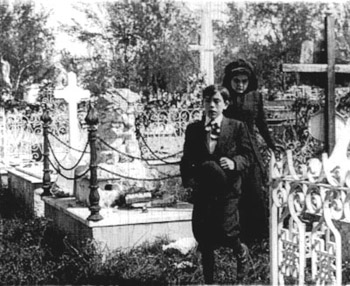
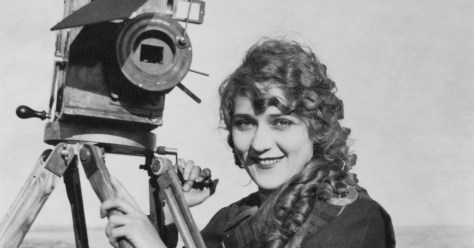
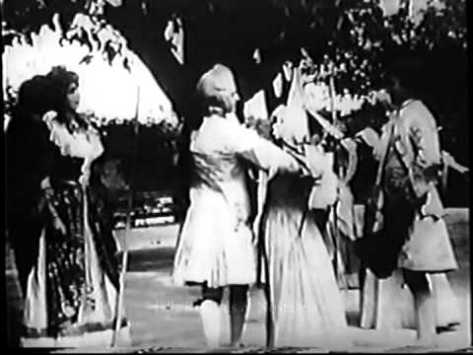
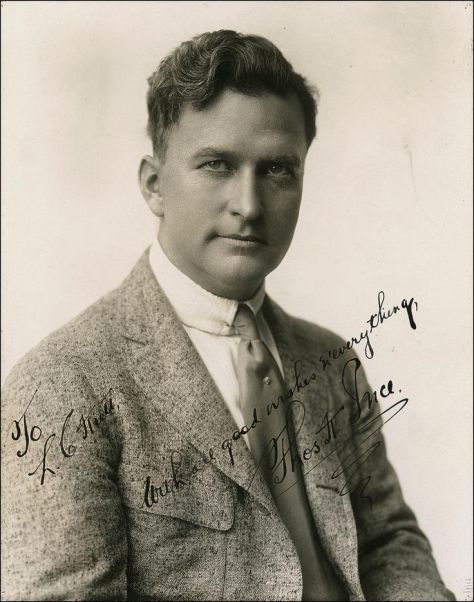
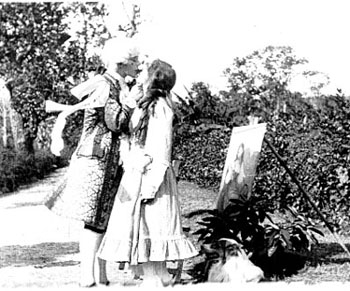
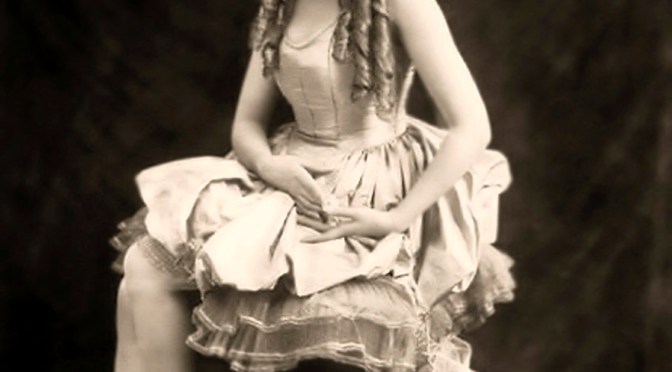
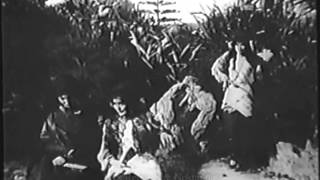
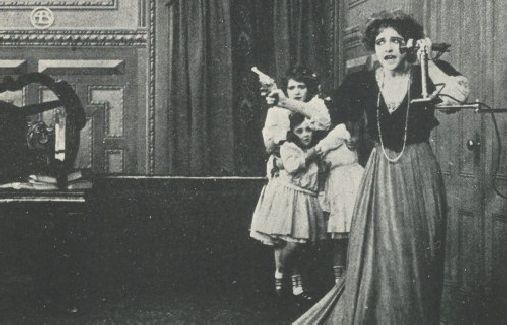
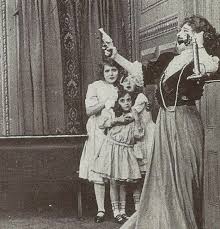
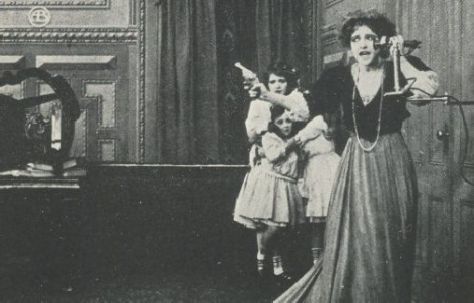
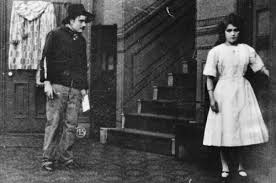
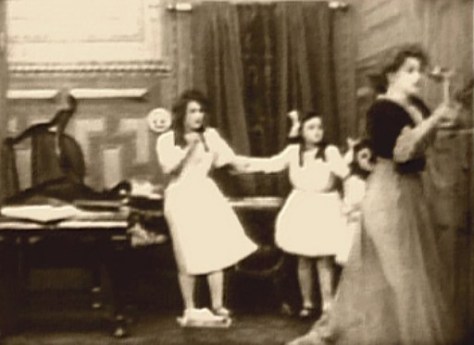
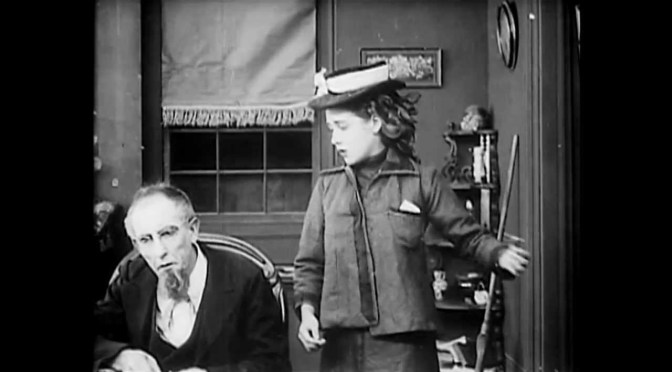
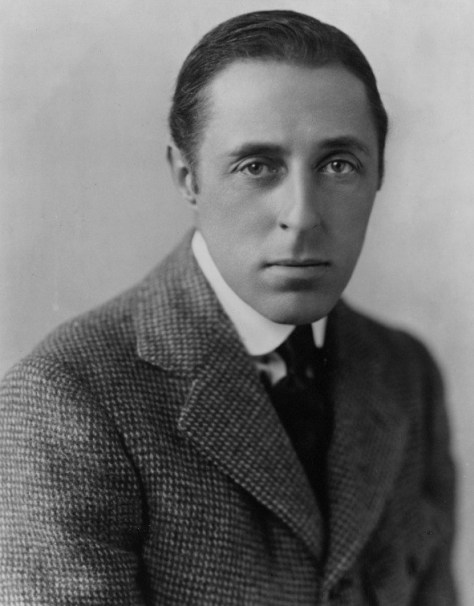
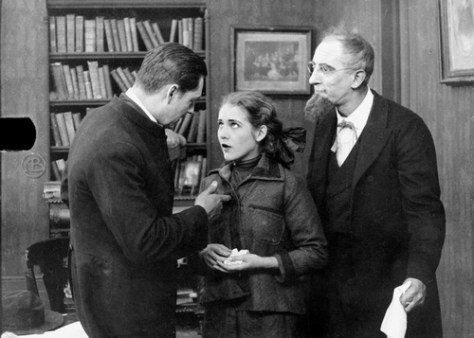
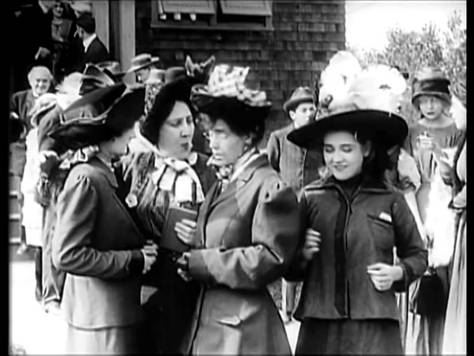
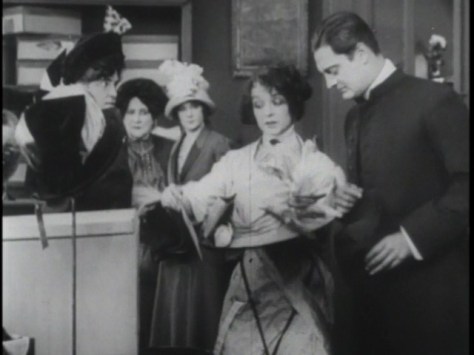
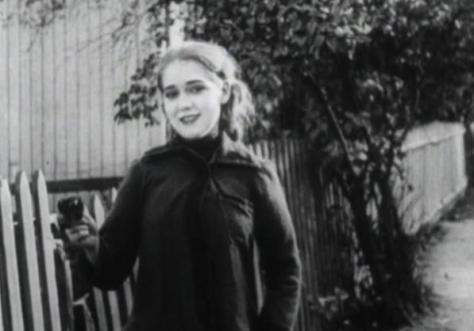
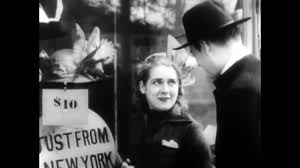
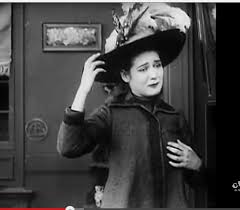
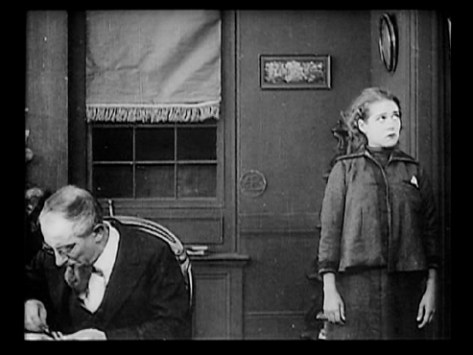
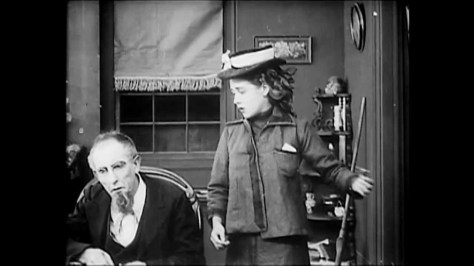
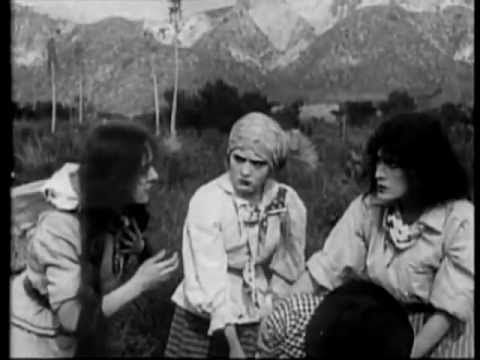
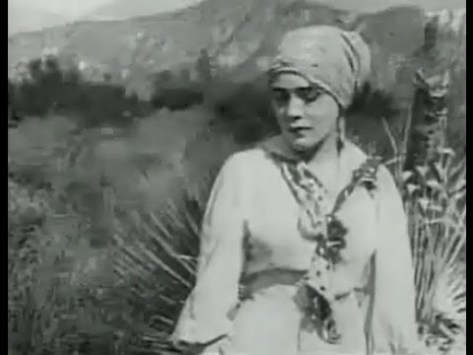
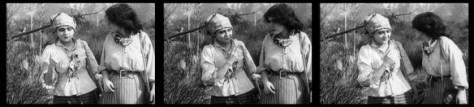
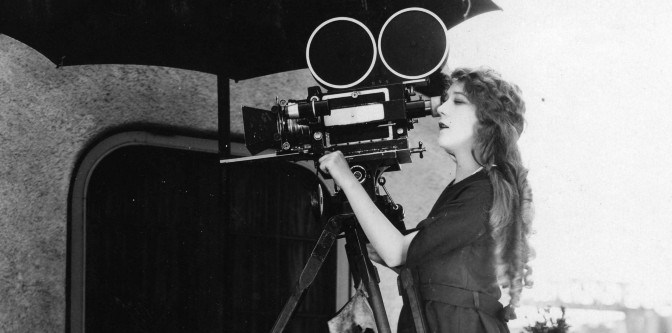
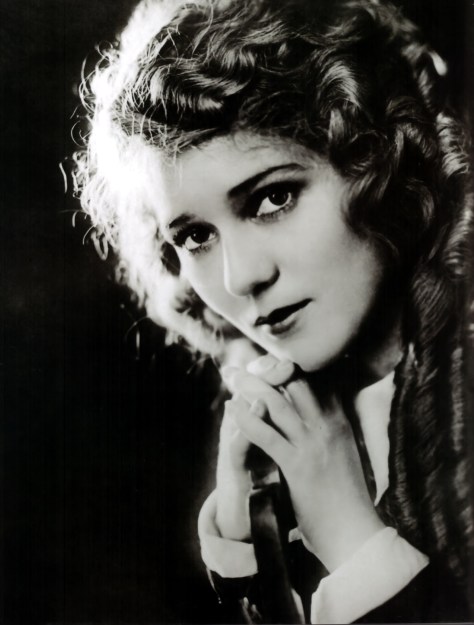
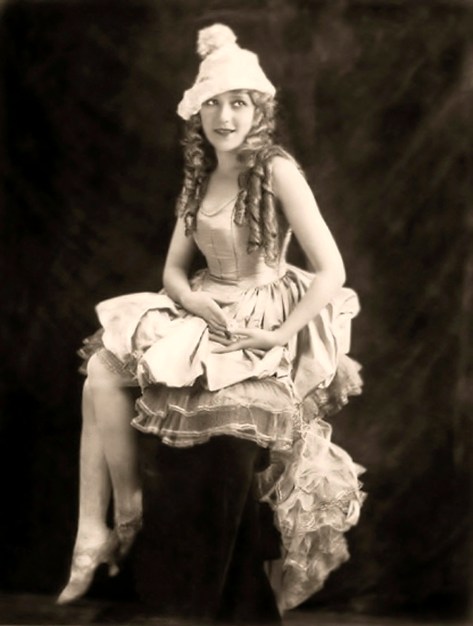
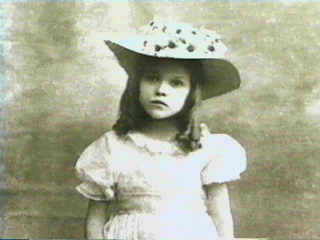
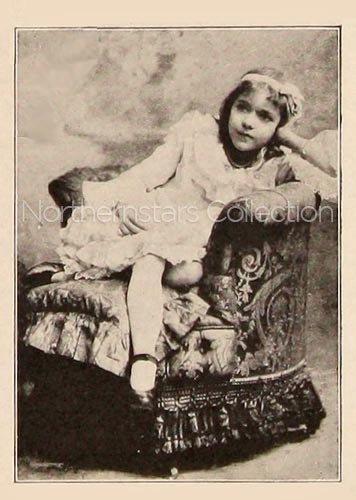
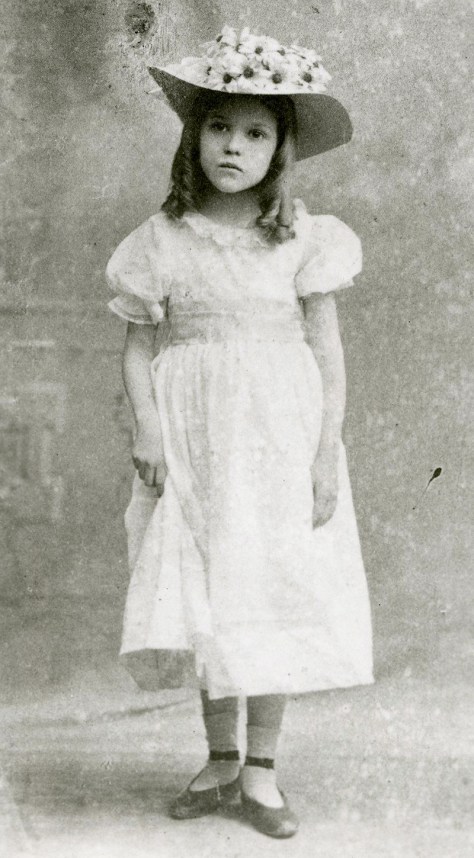
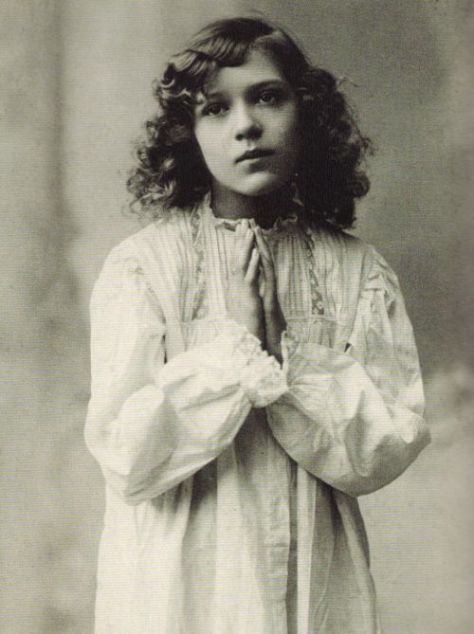
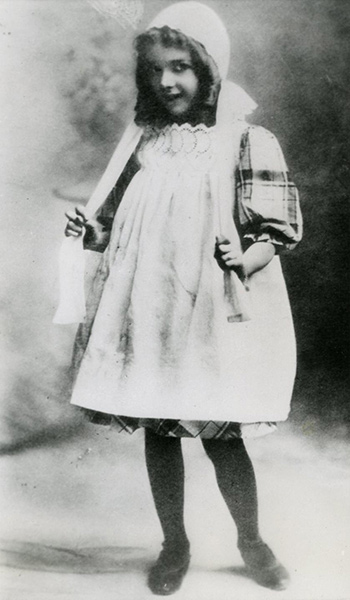
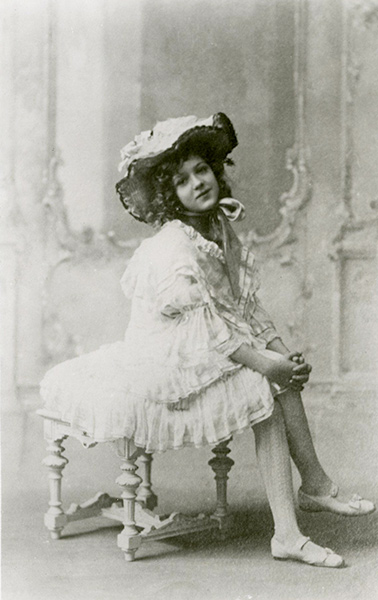
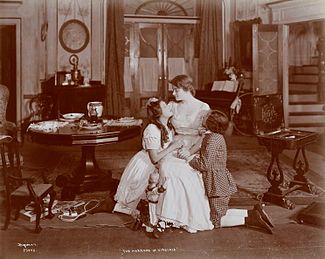
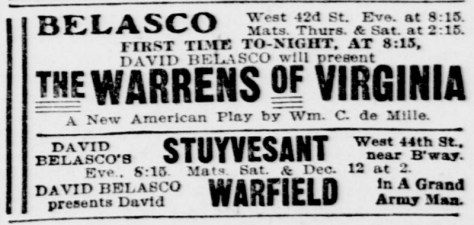
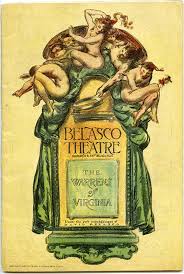
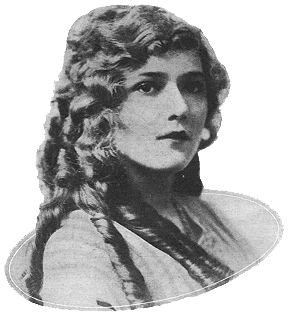
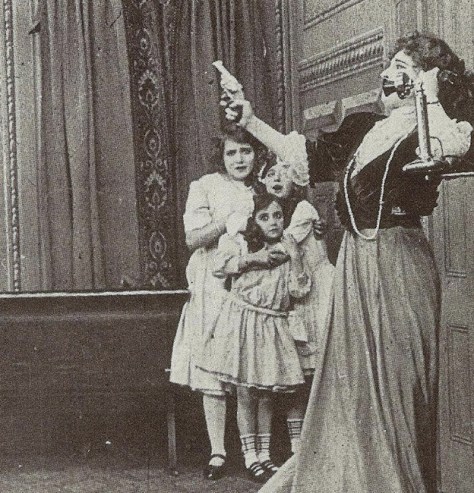
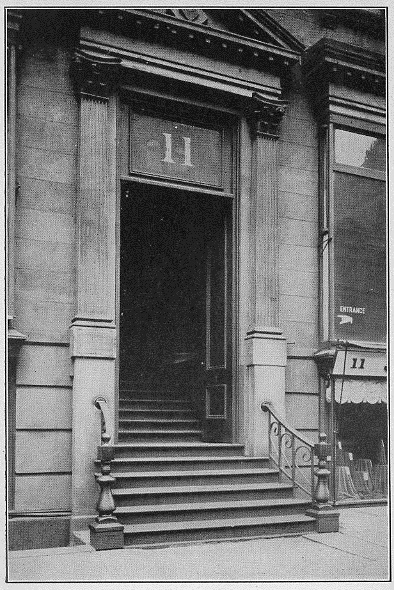
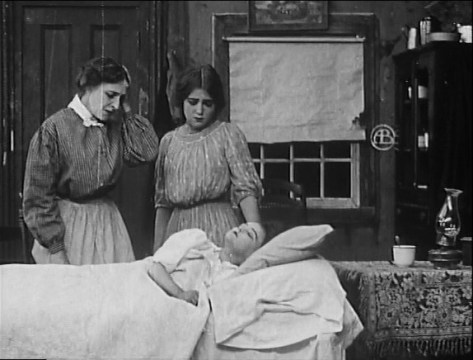
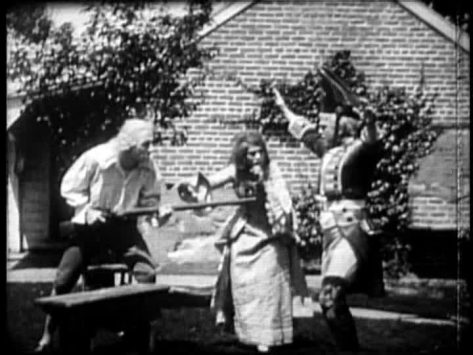
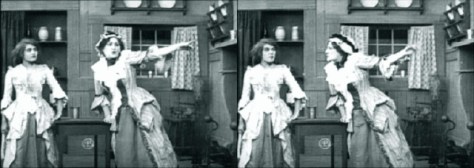
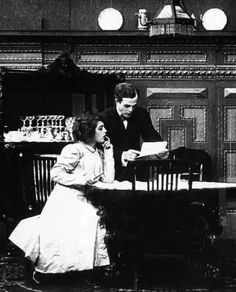

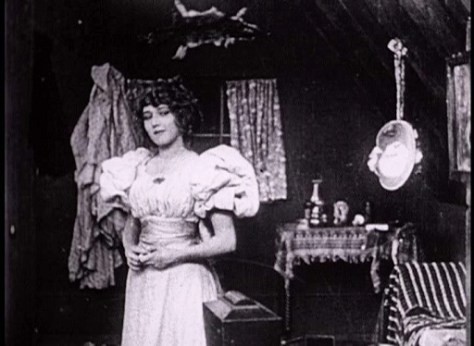
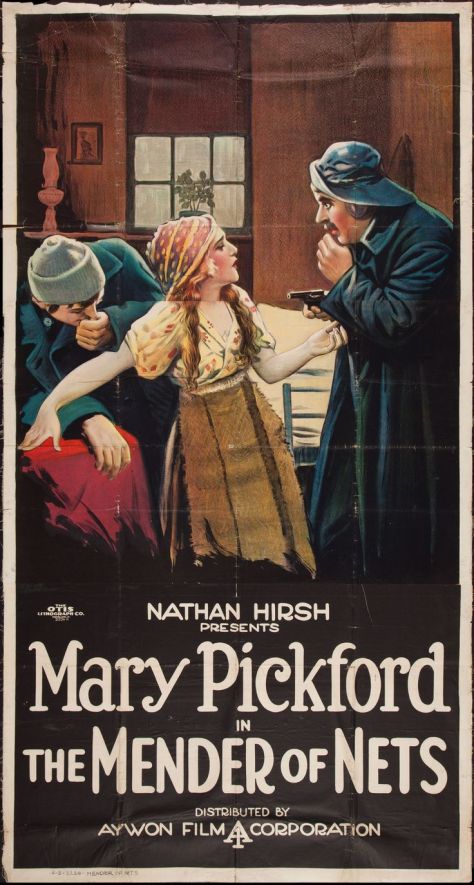
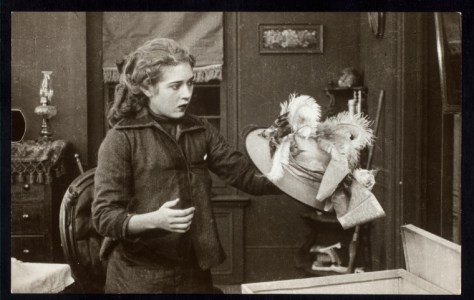
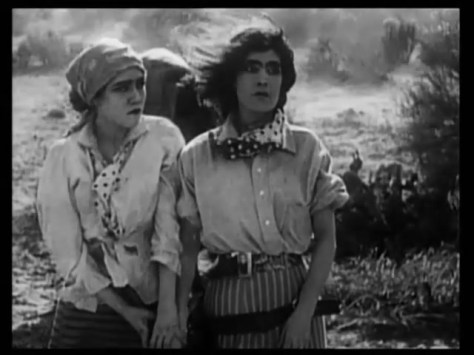
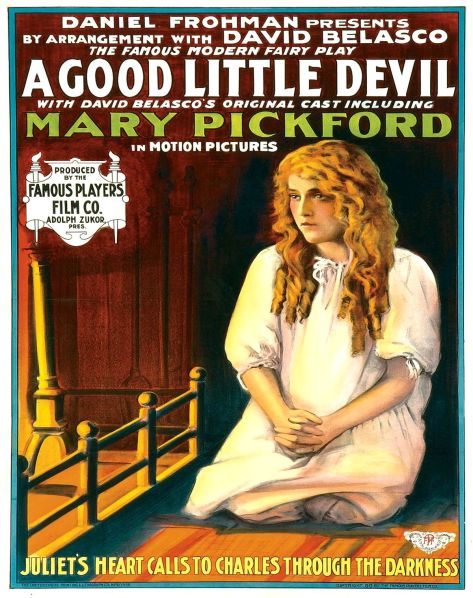
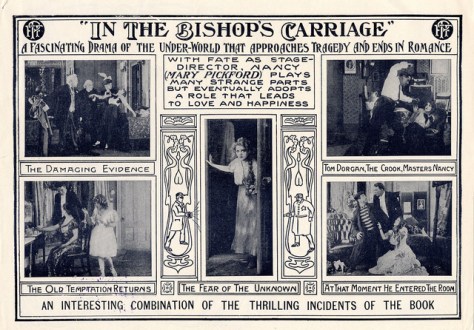
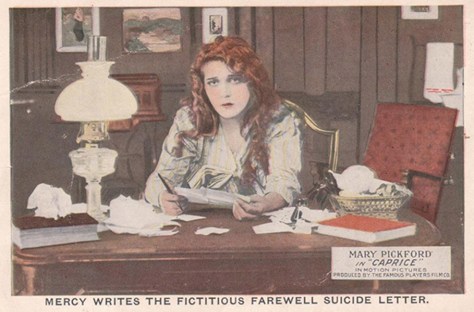
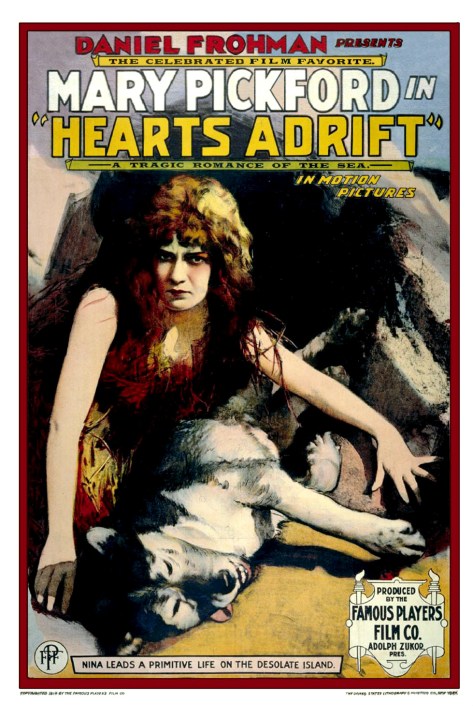
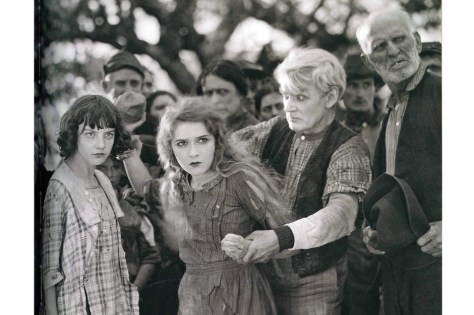
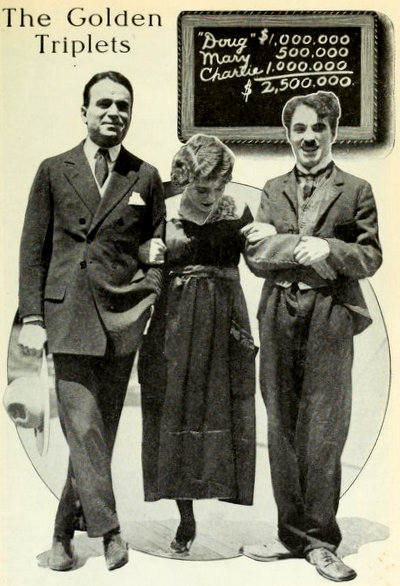
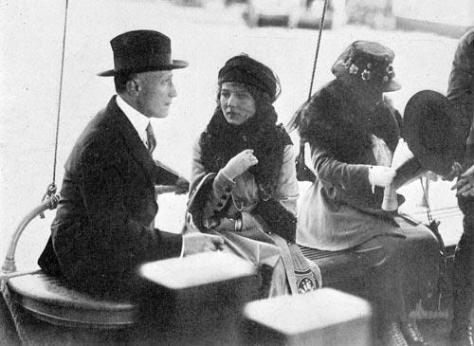

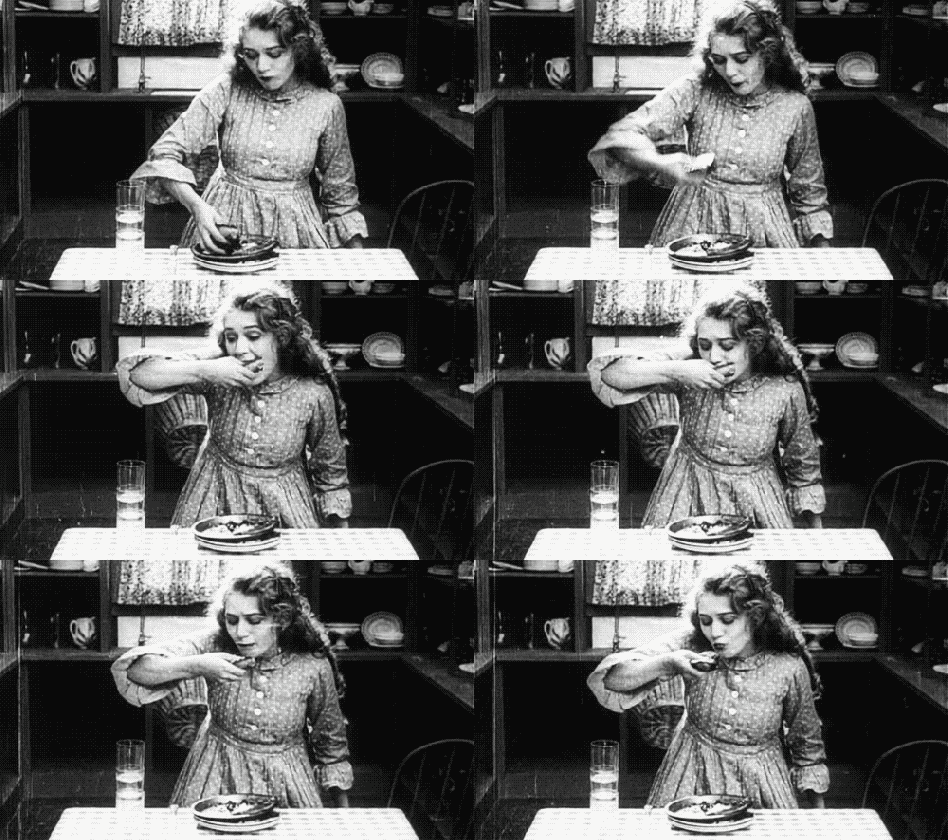
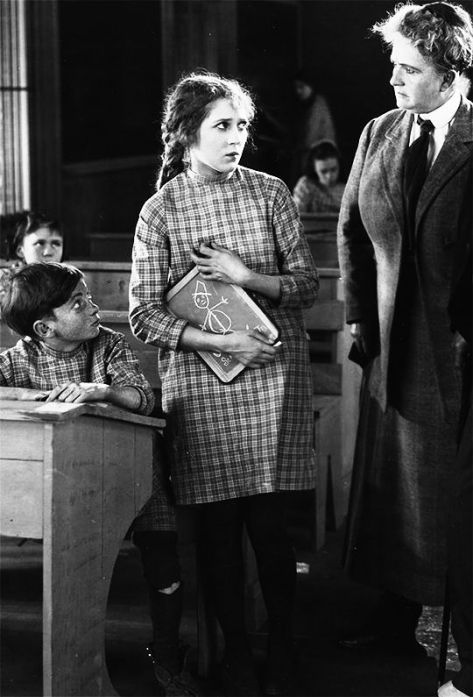
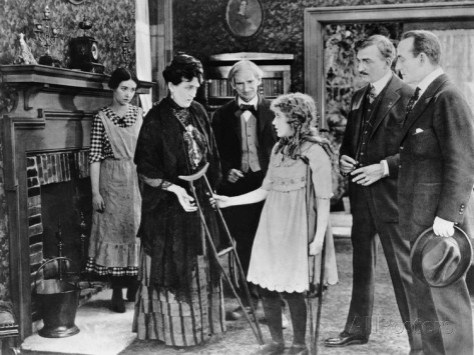
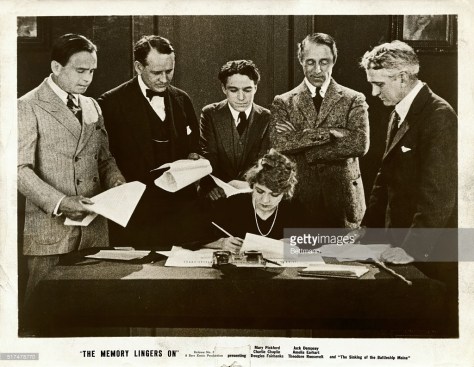
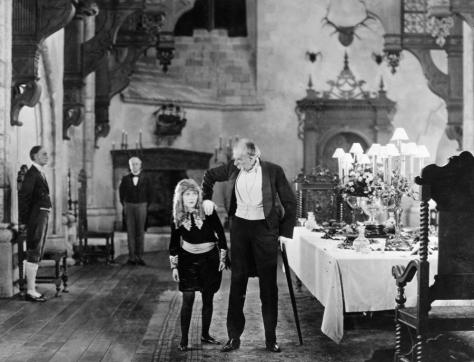
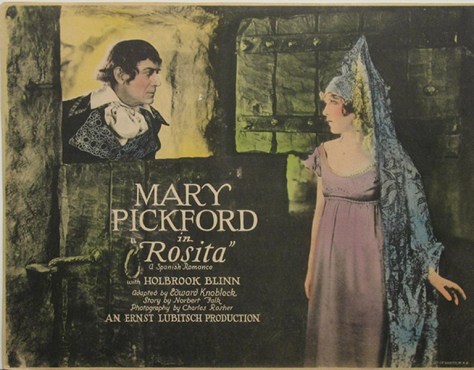
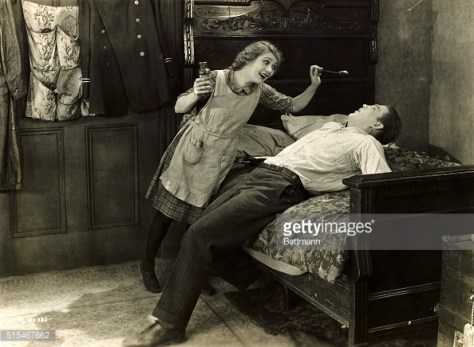
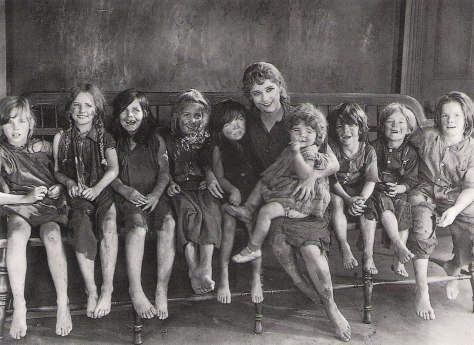
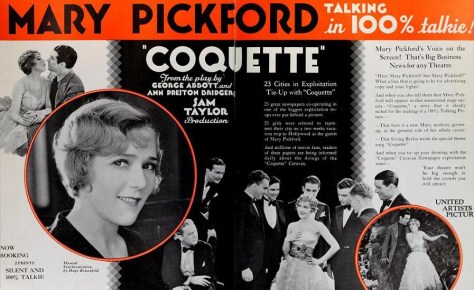
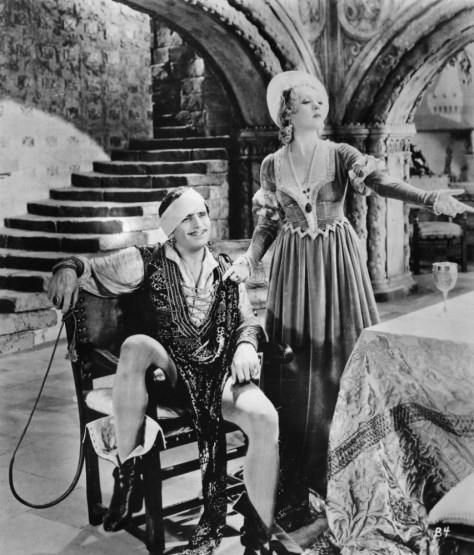
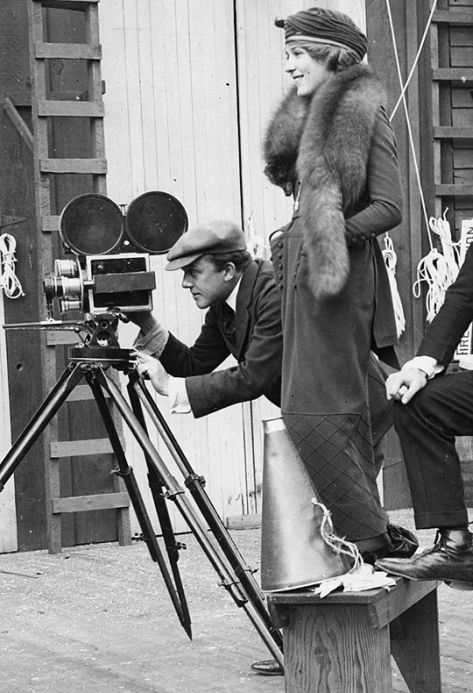
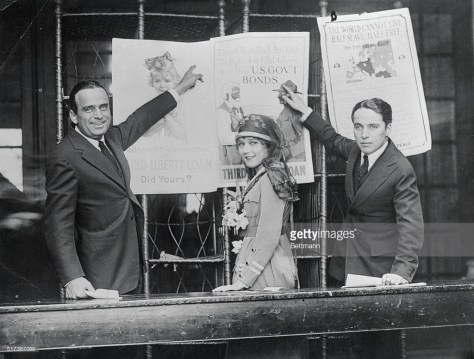
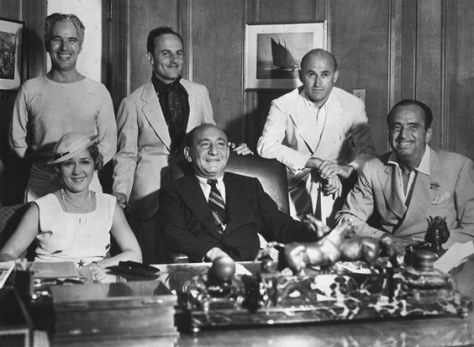
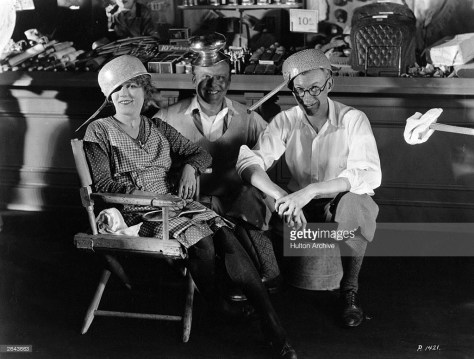
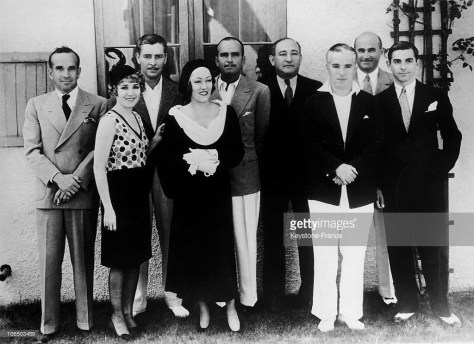
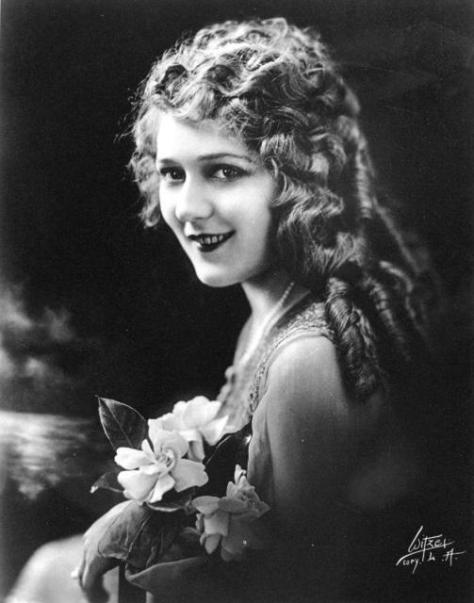
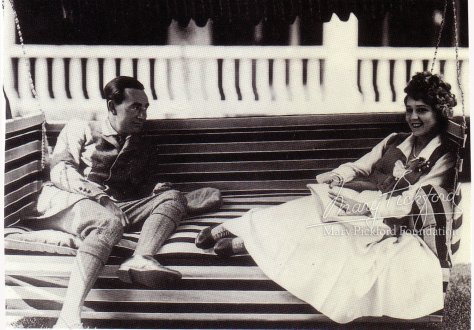
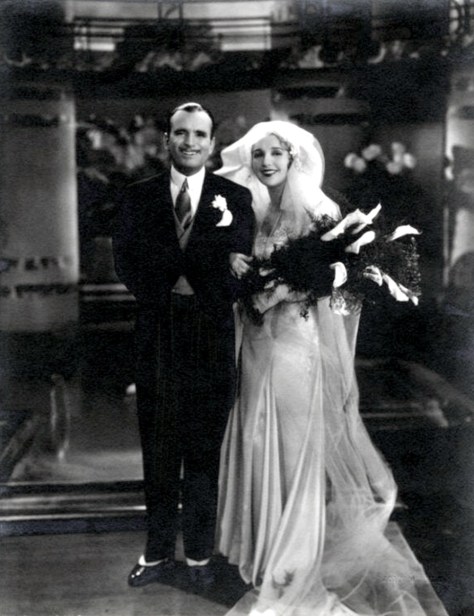
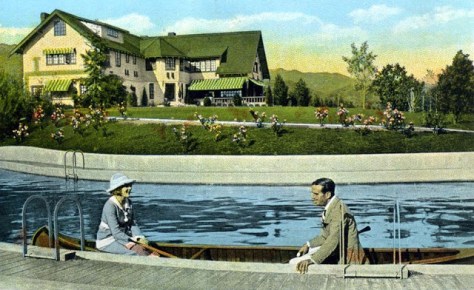
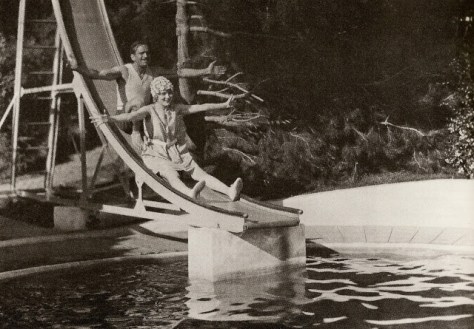
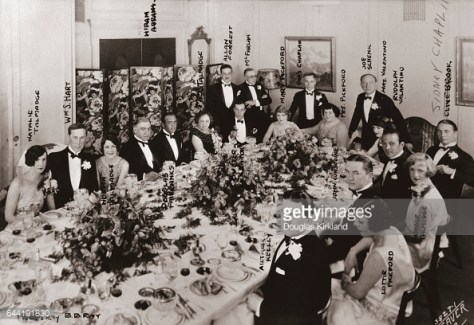
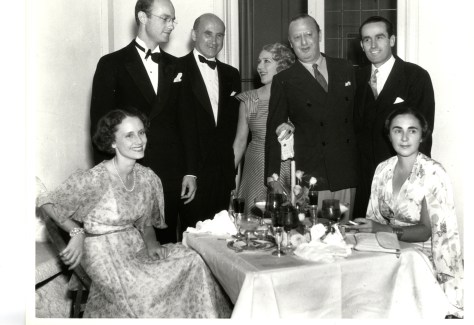
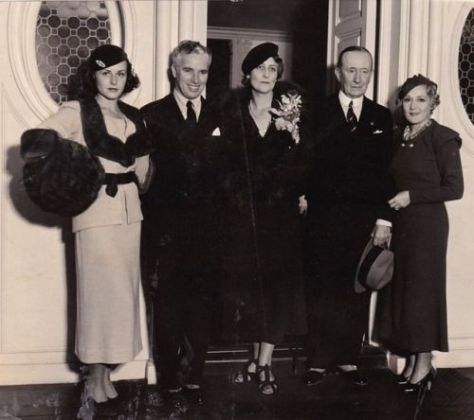
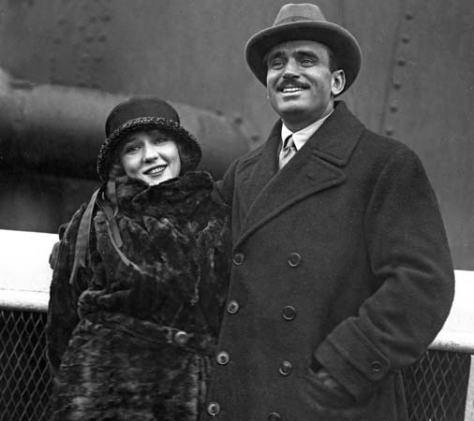
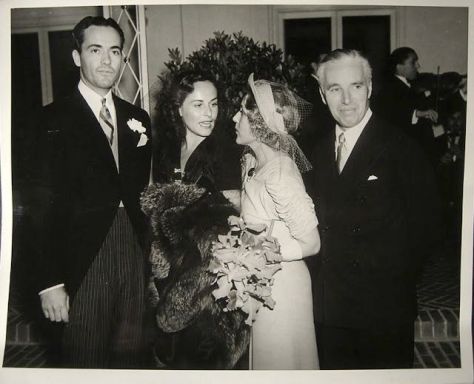
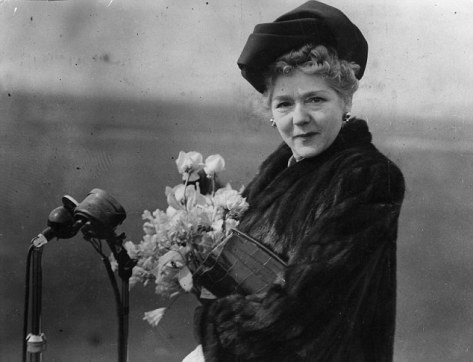
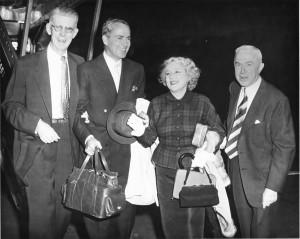
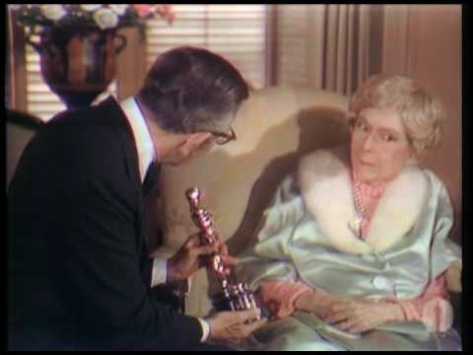
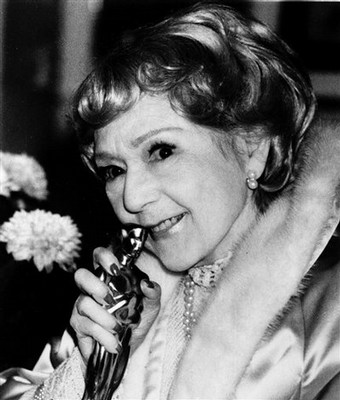
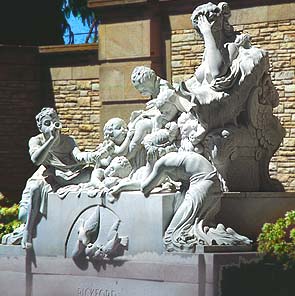
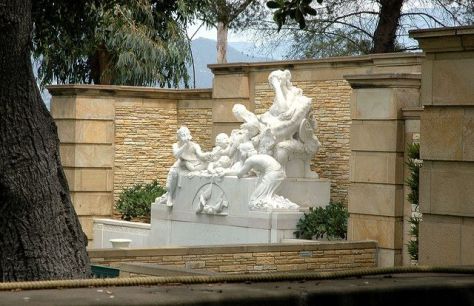
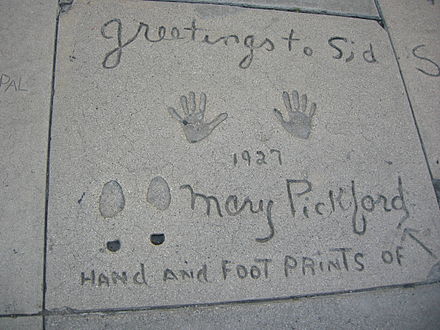

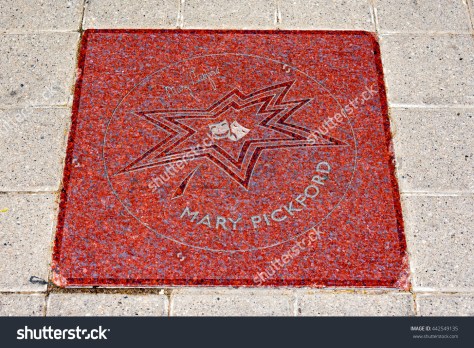
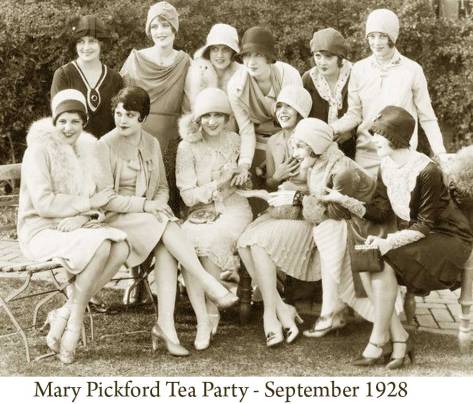

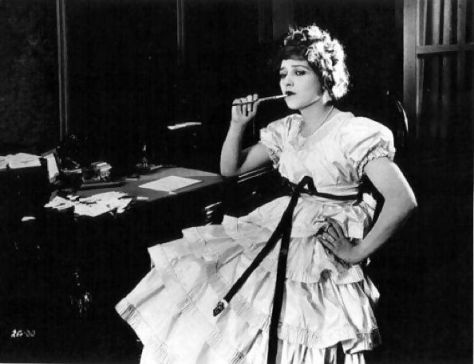
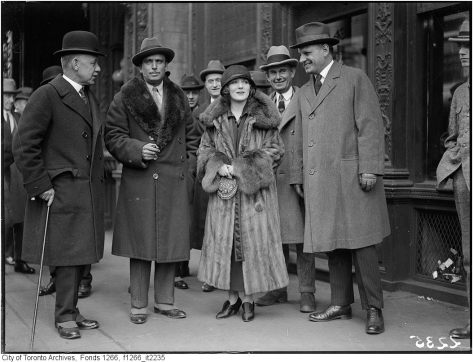
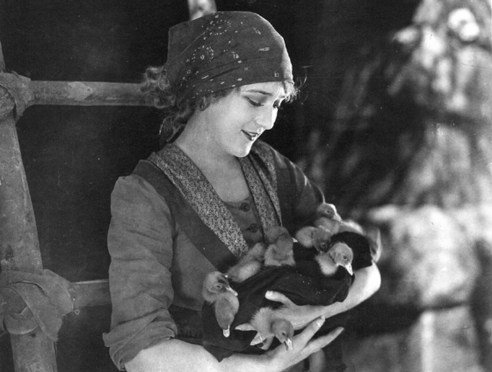
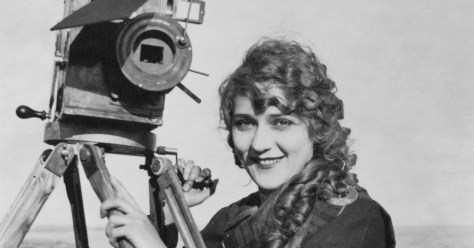
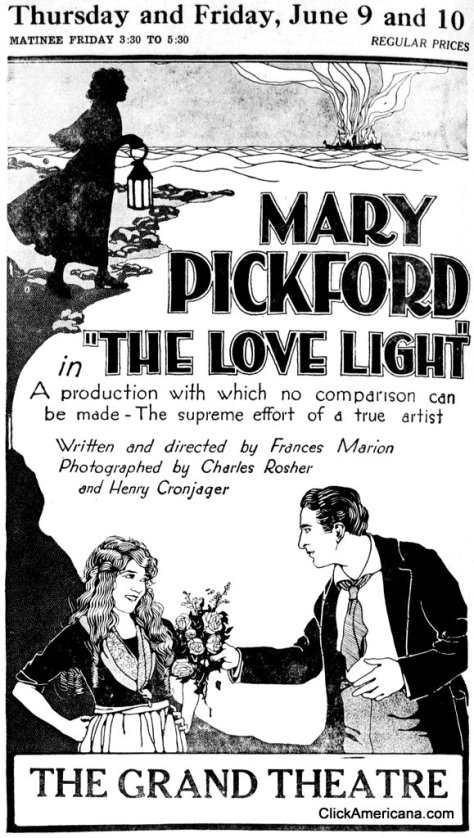
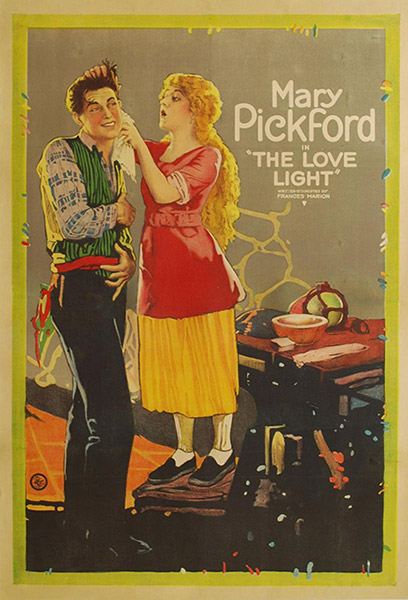
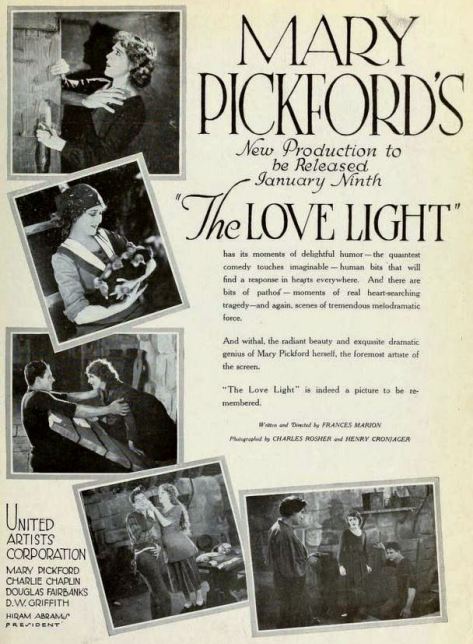


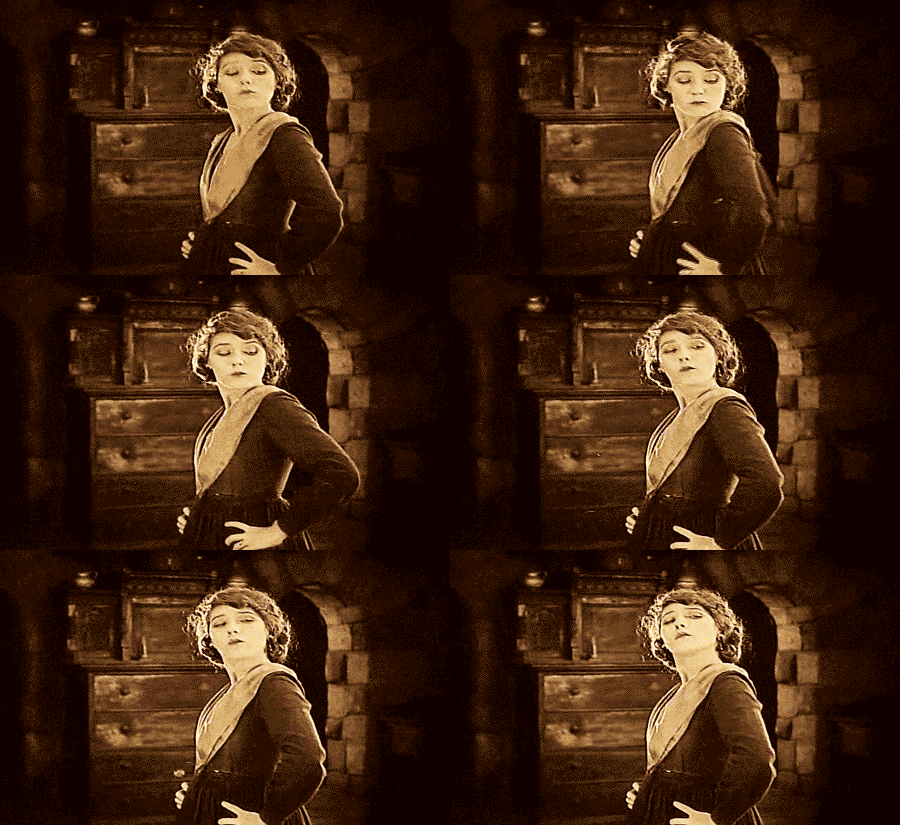
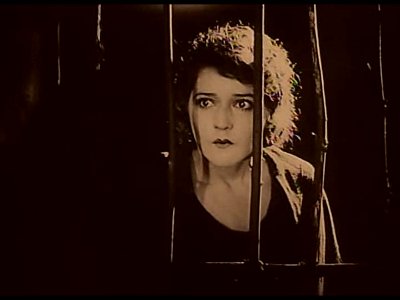
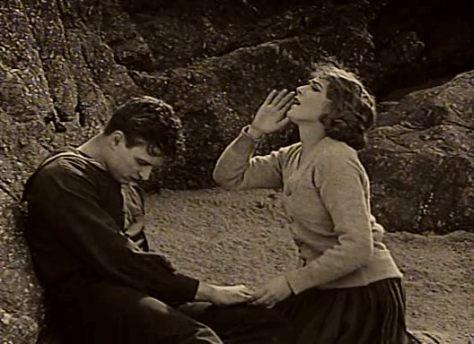
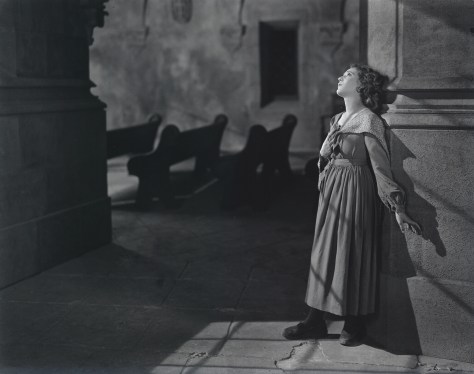
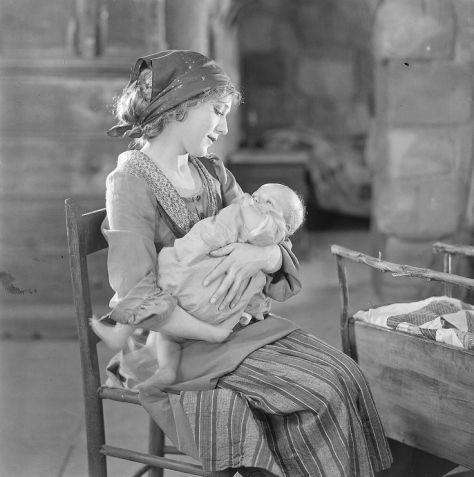
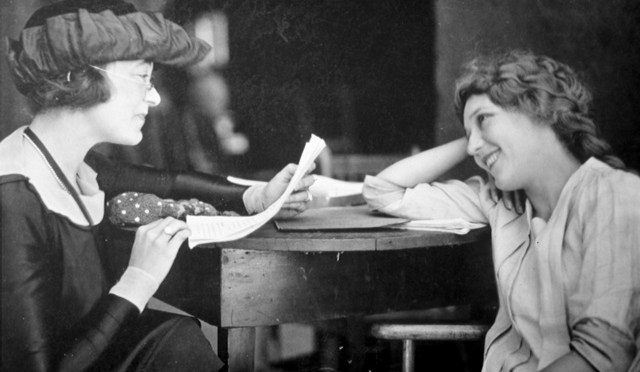
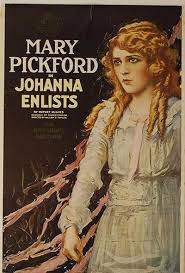
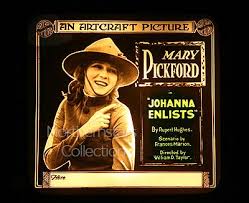
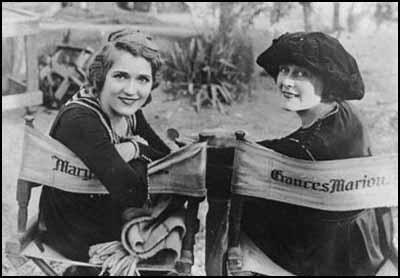
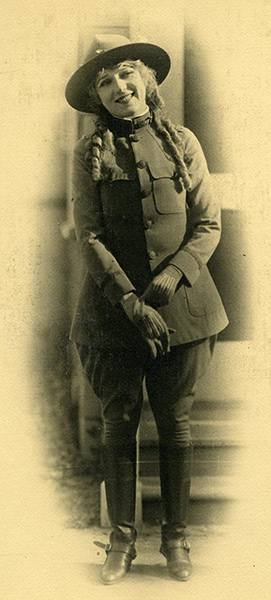
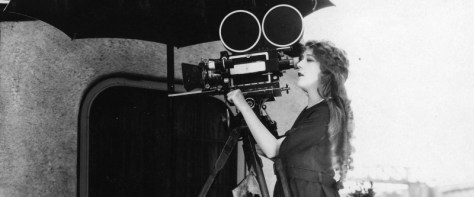 Mary Pickford behind the camera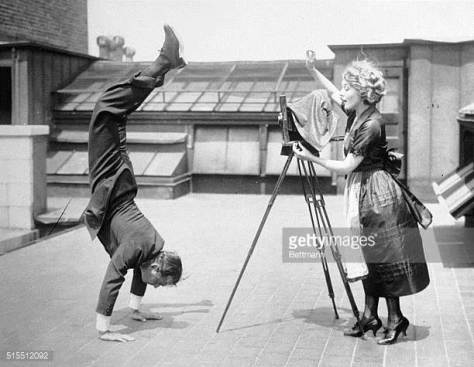
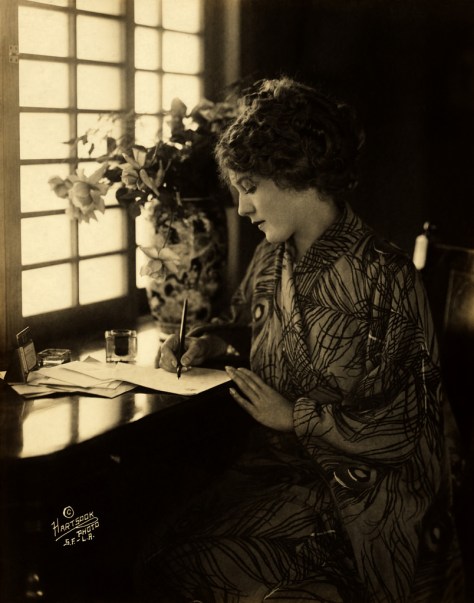
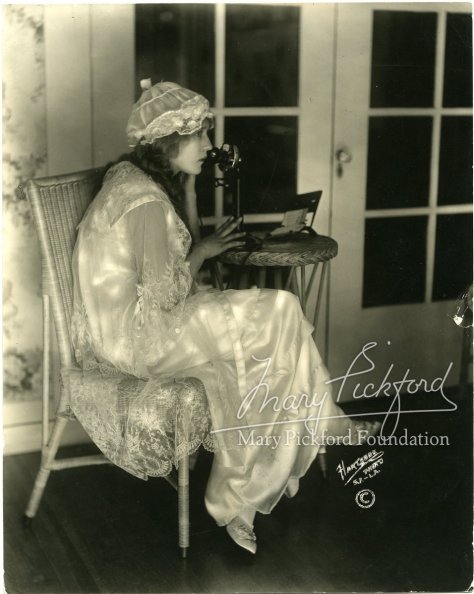
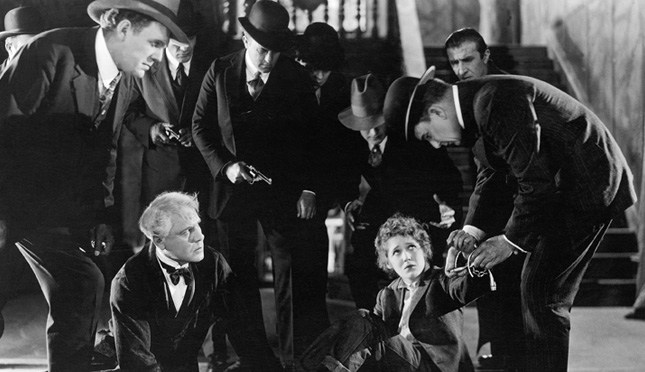
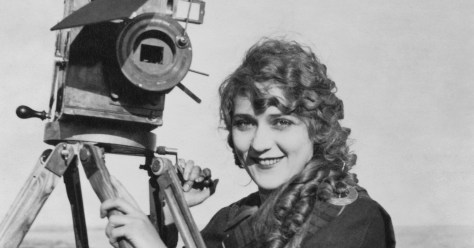
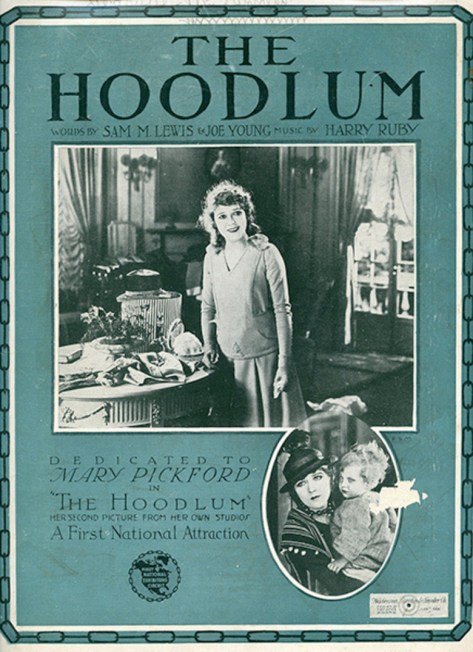
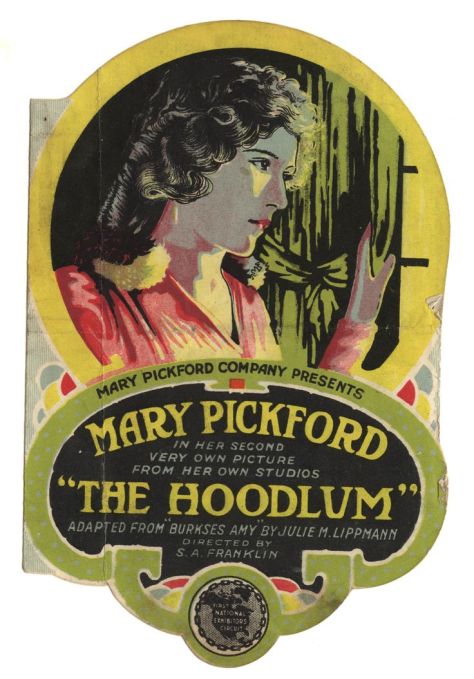


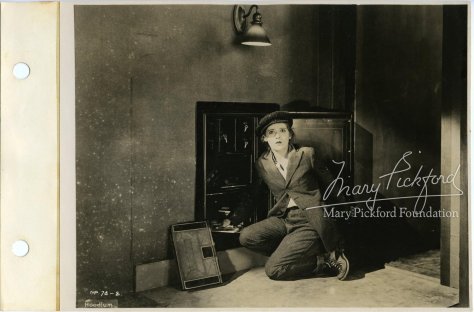
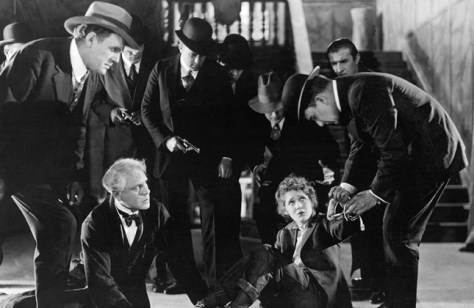
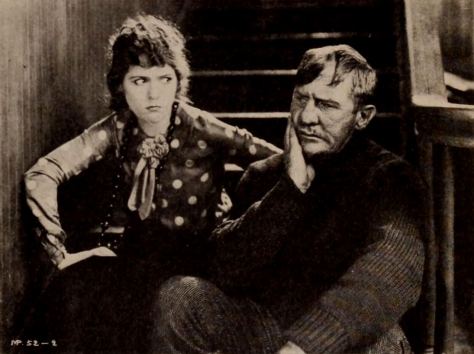
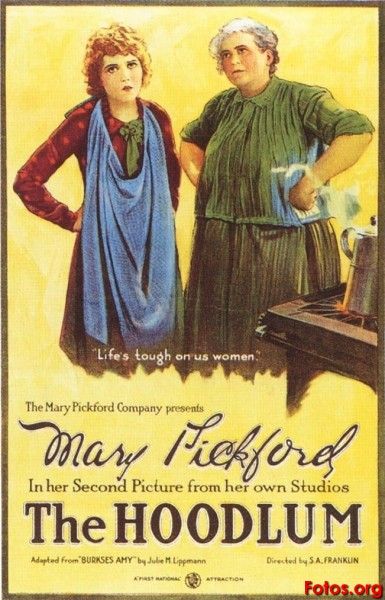
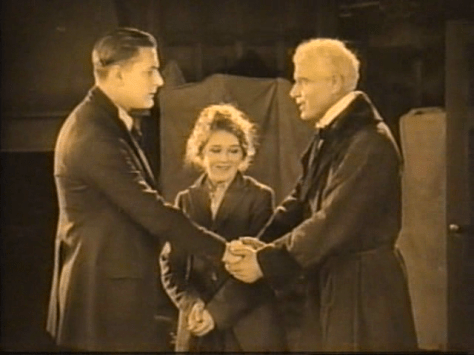
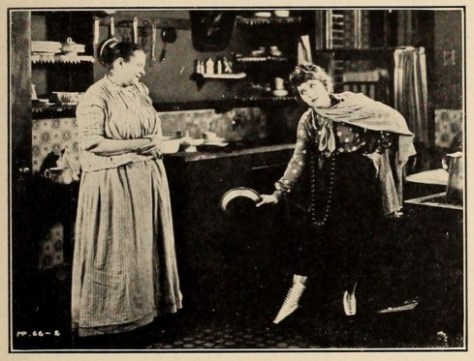
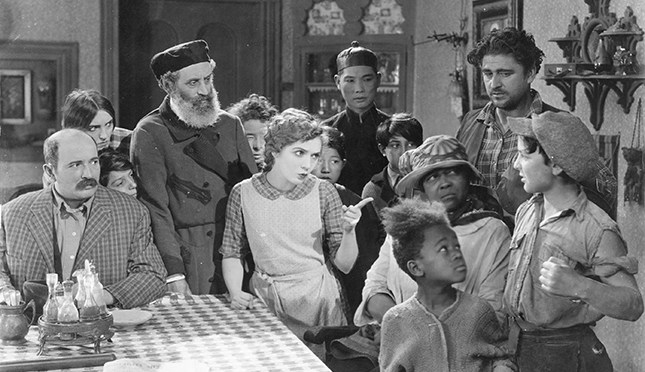
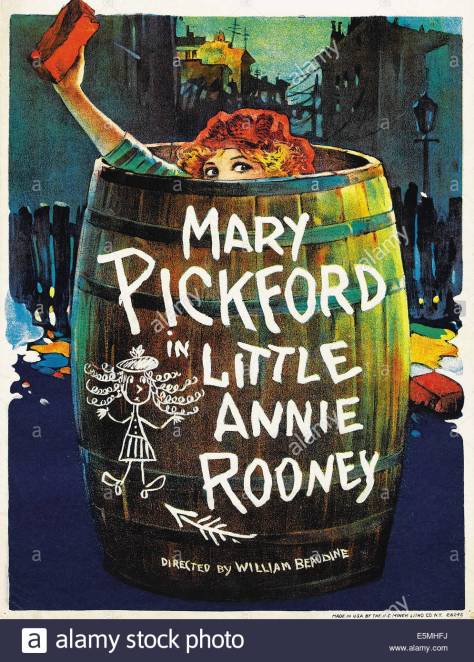
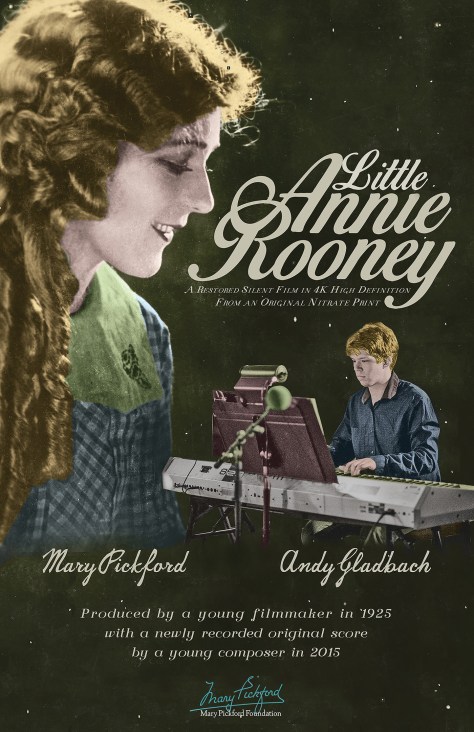


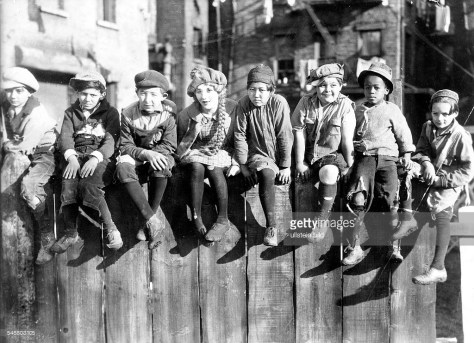
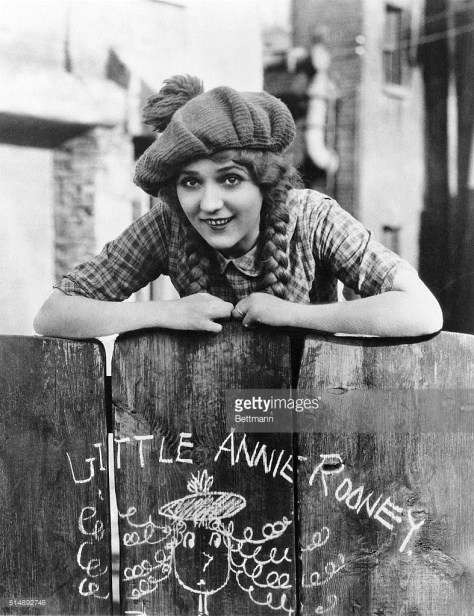
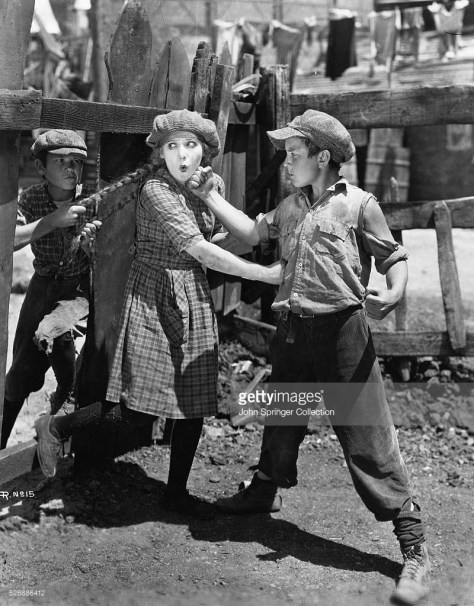
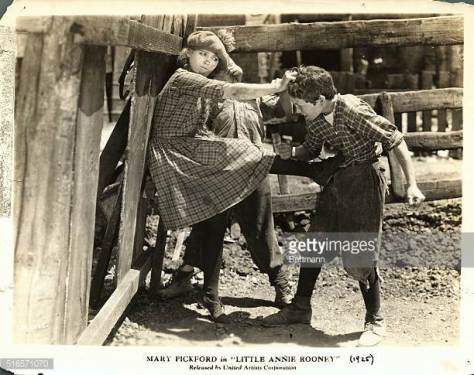
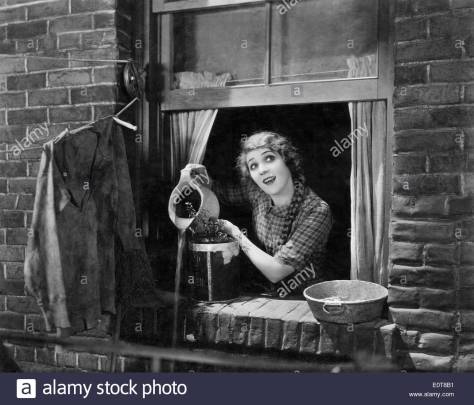
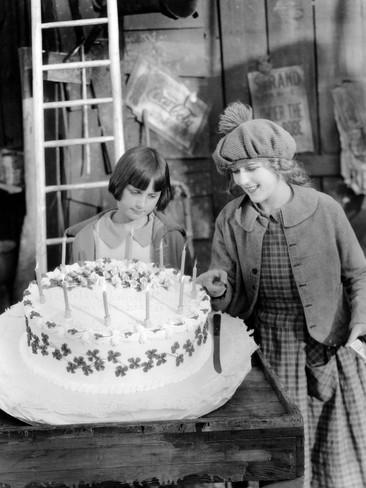
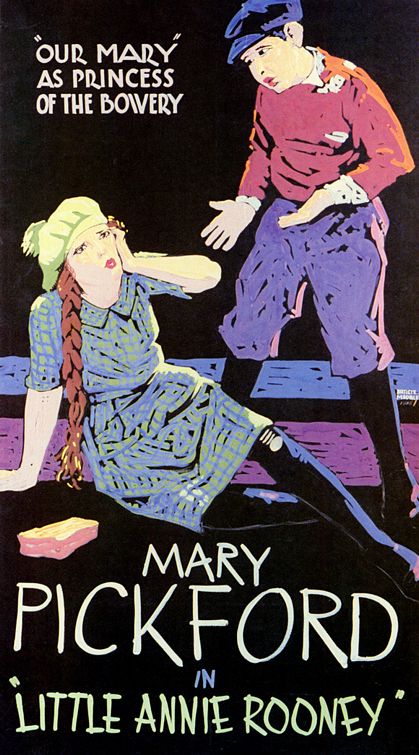
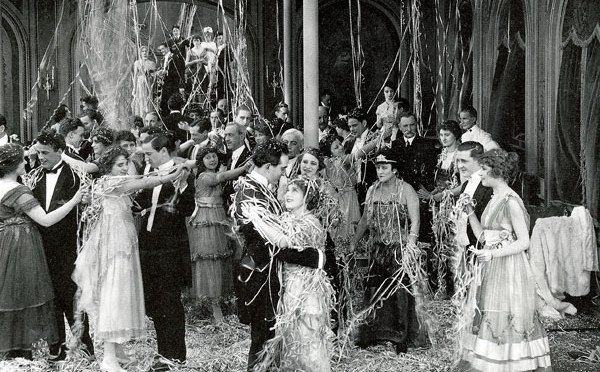
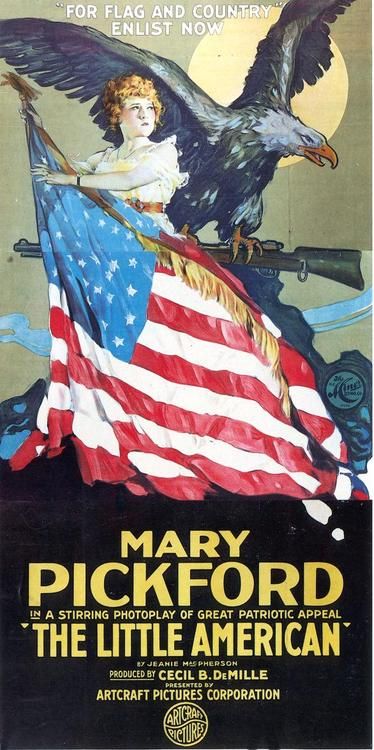
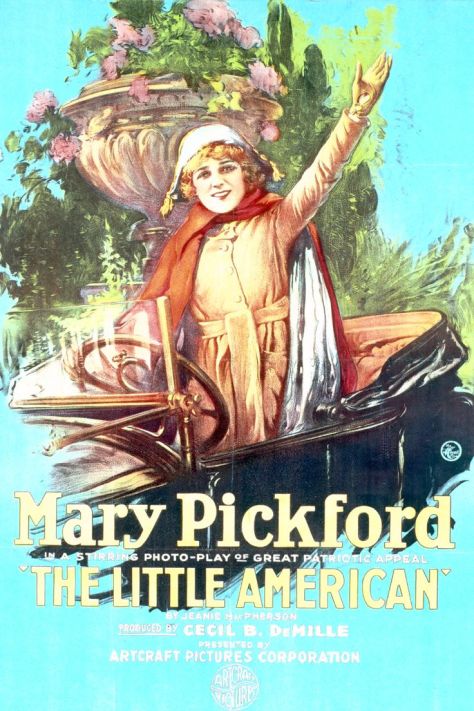
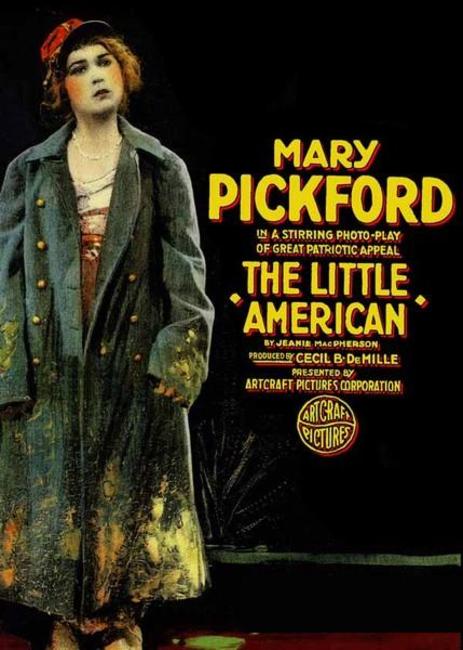


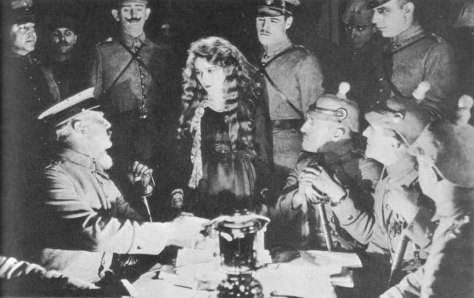
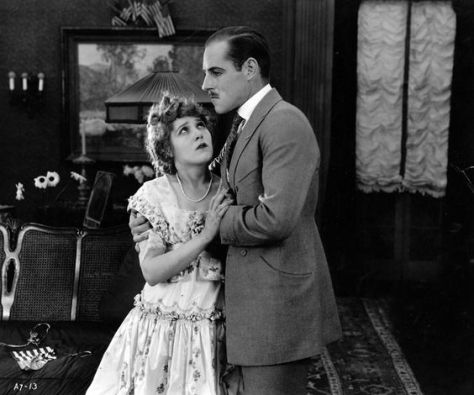
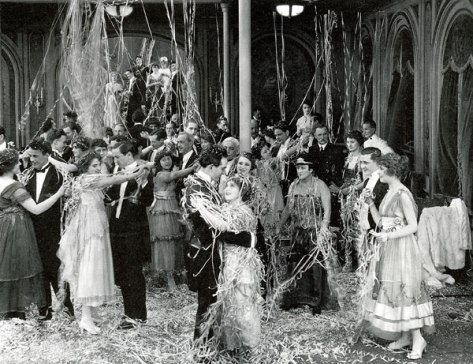
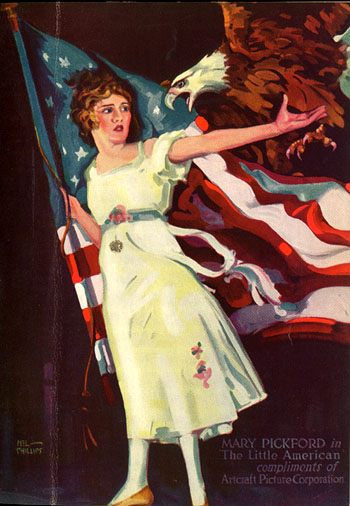

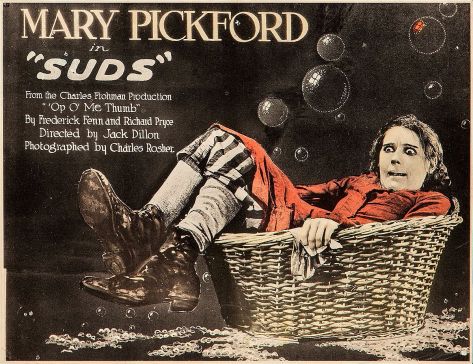
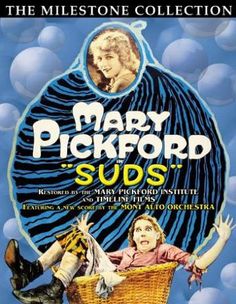


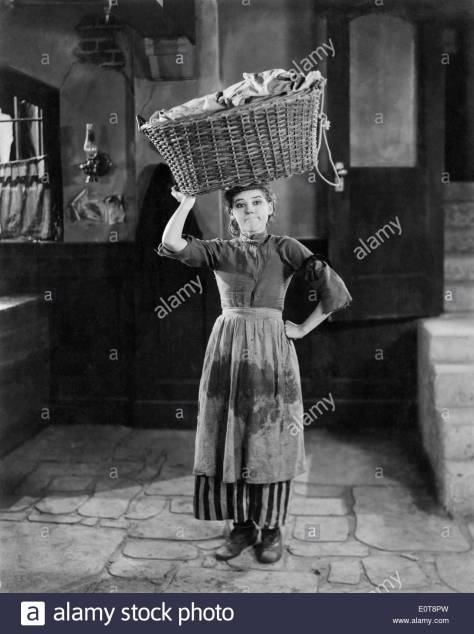
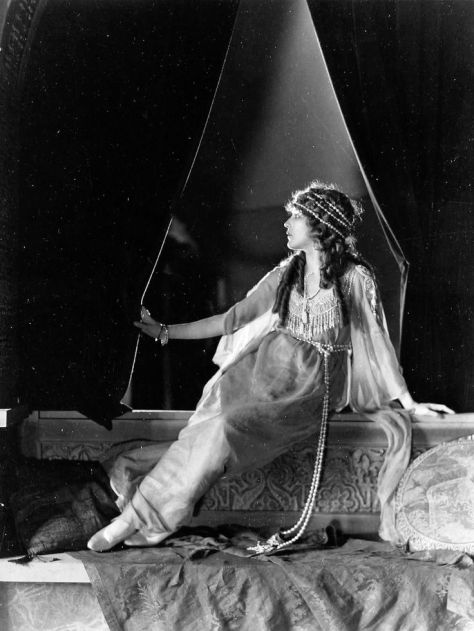
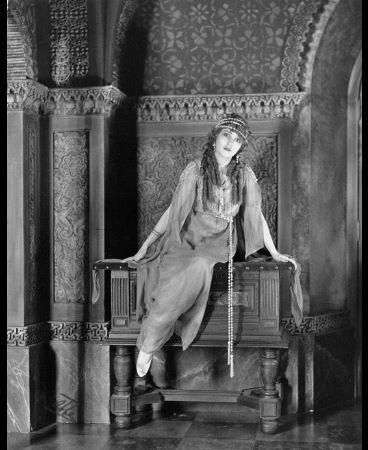
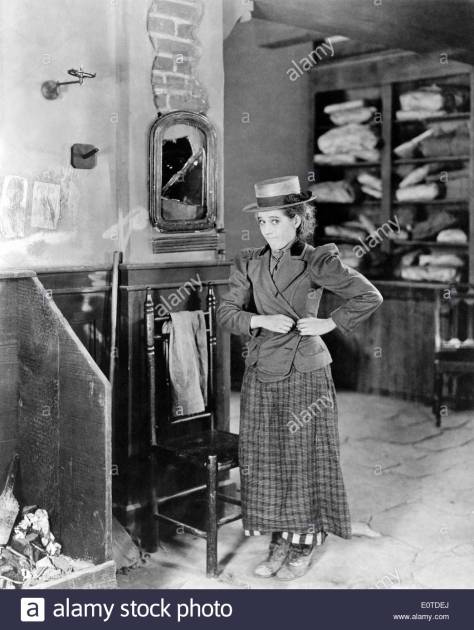
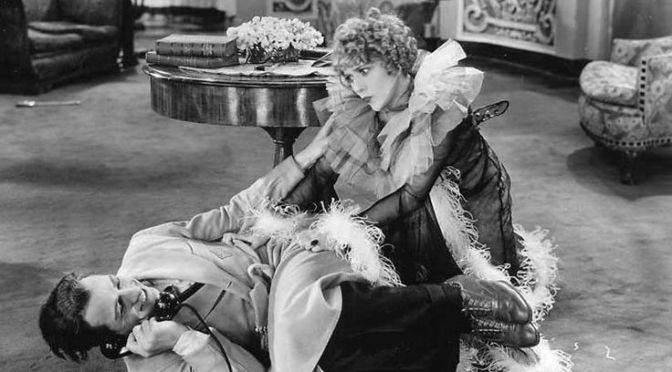
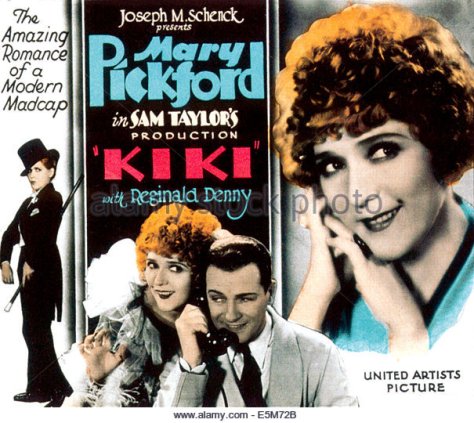


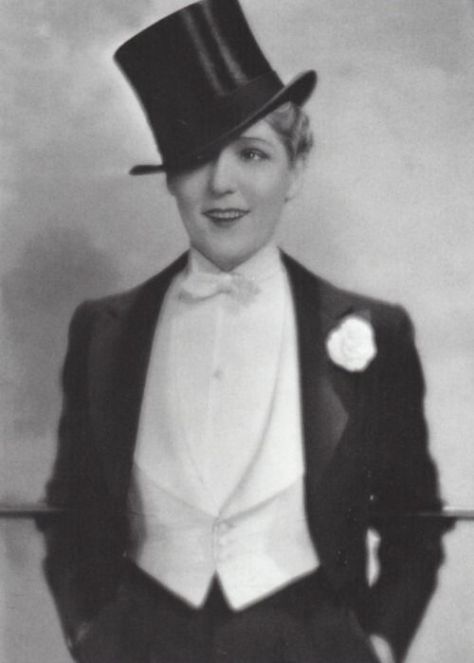
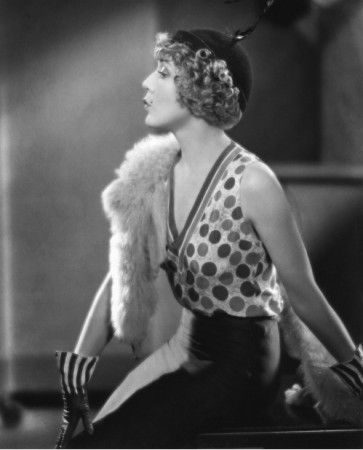
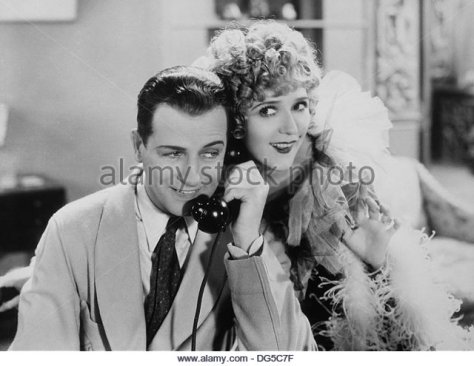
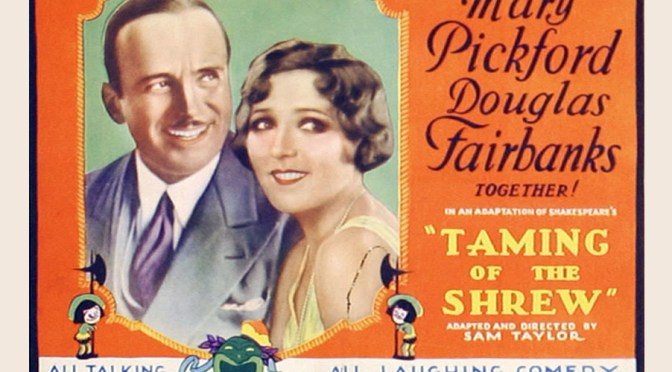
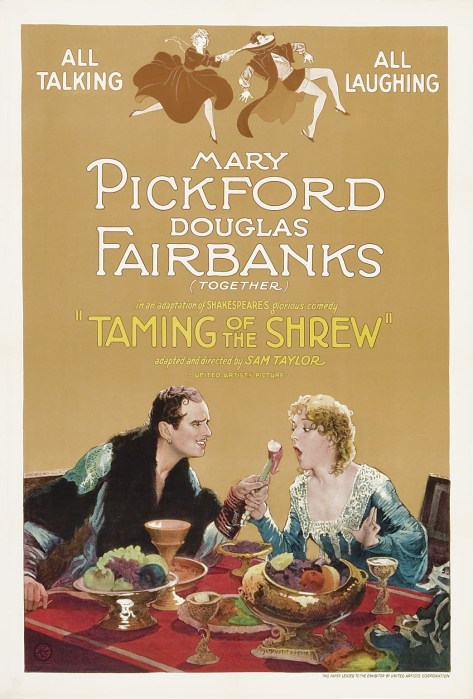
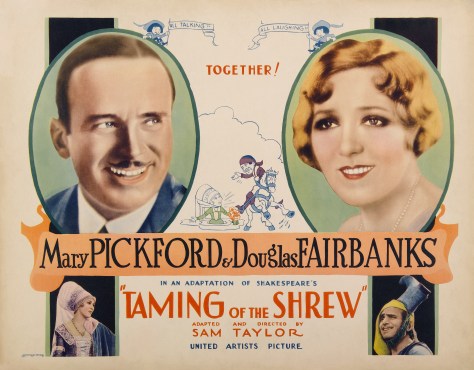


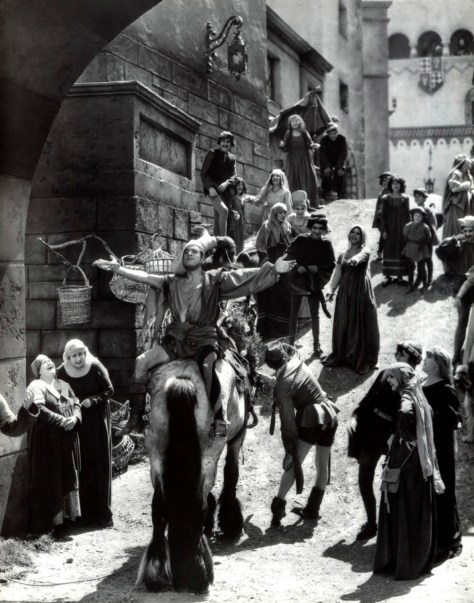
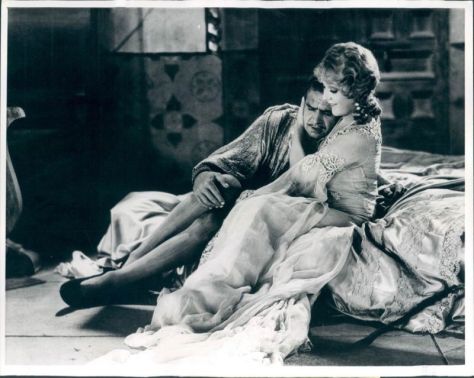
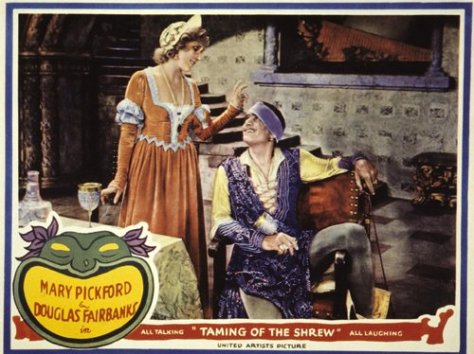
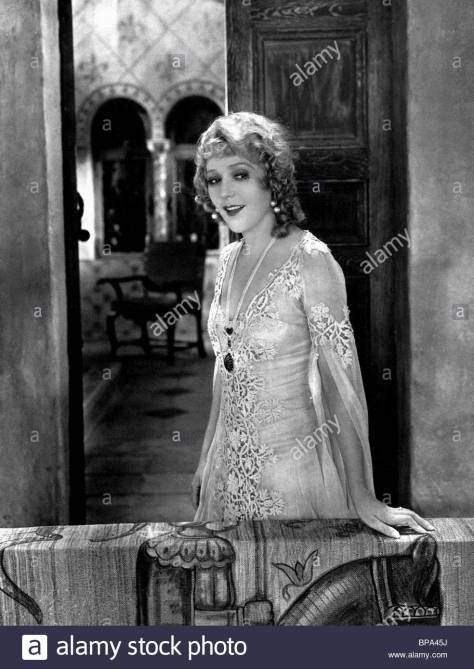
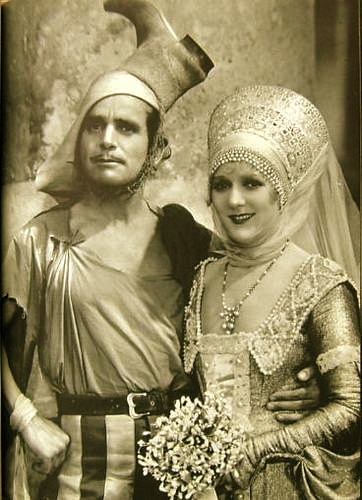
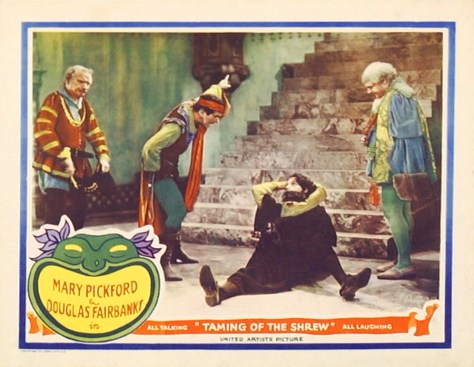
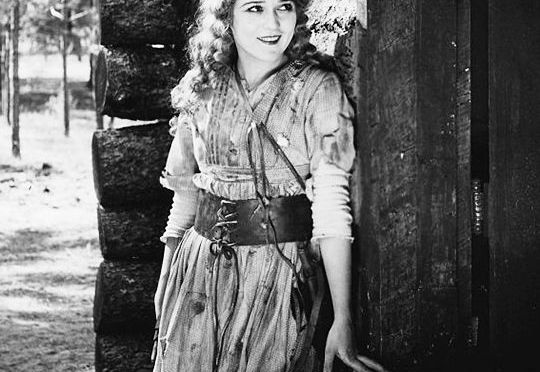
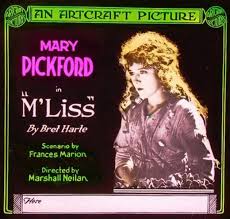
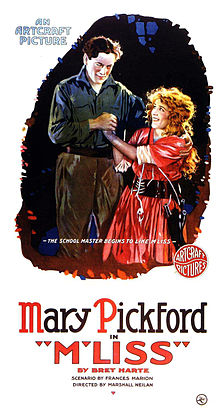


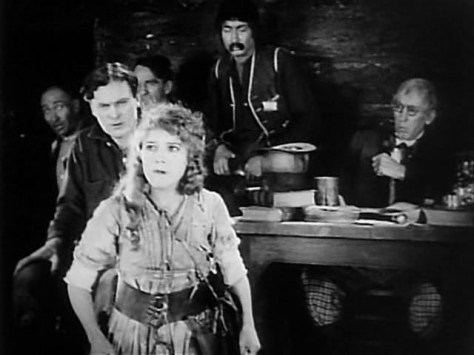
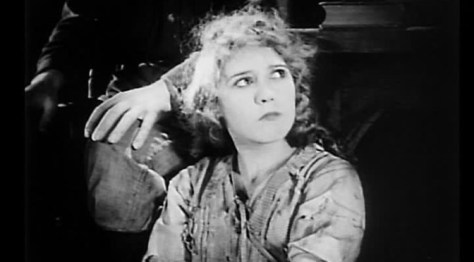
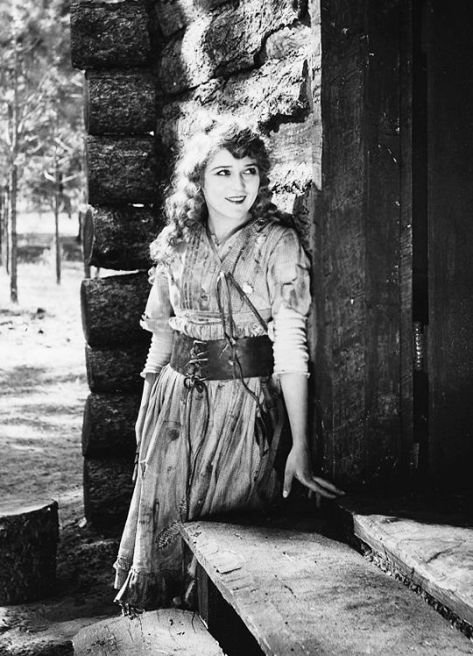
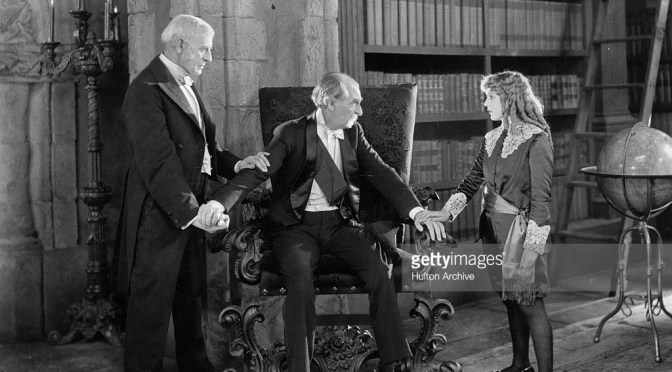
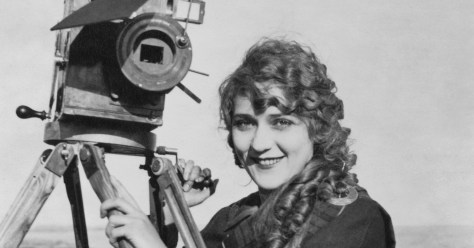
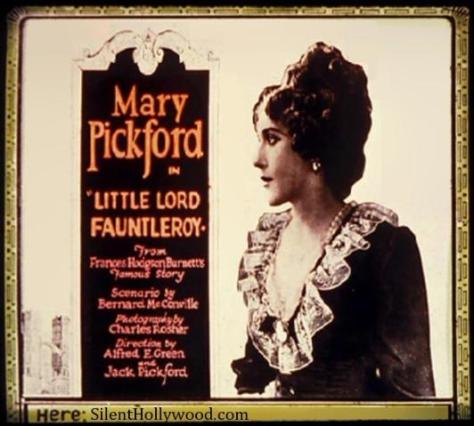


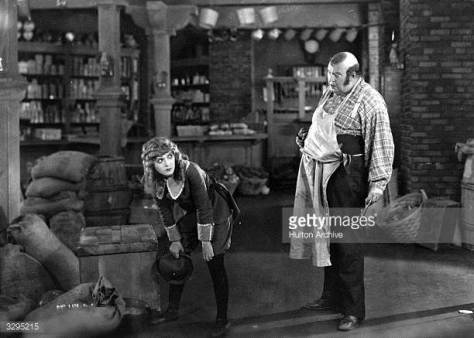
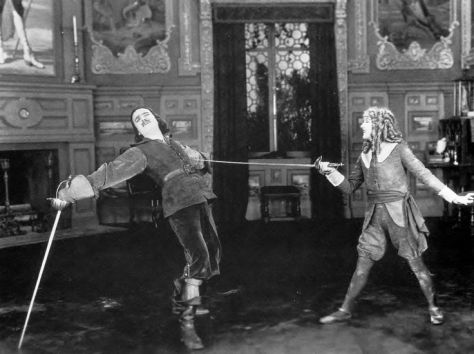
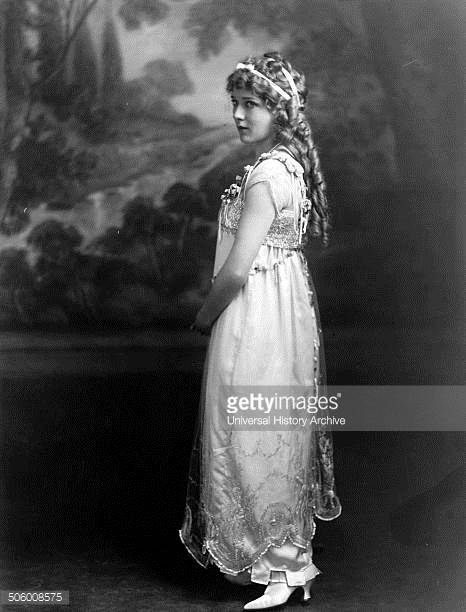
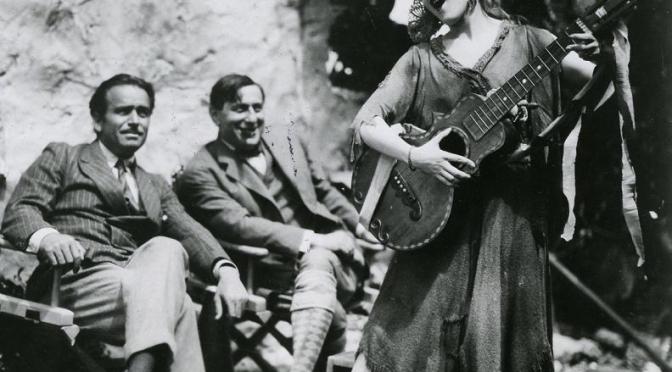
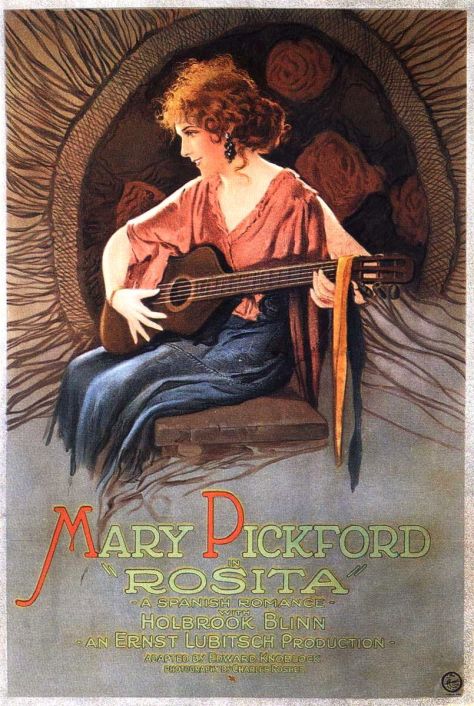
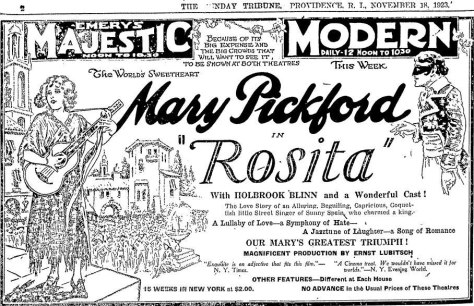
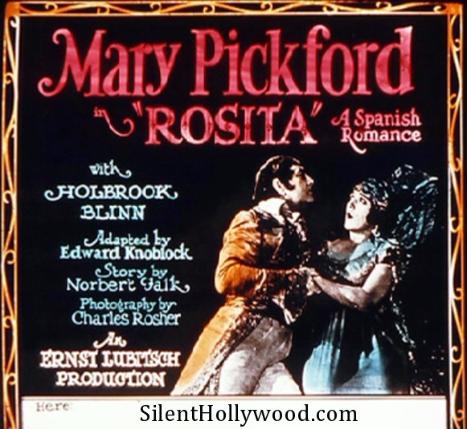
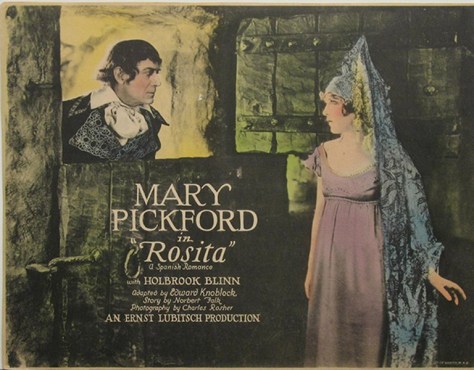
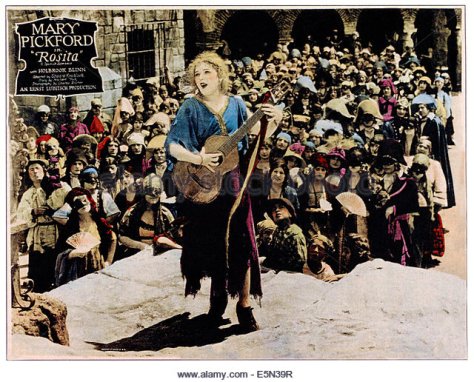


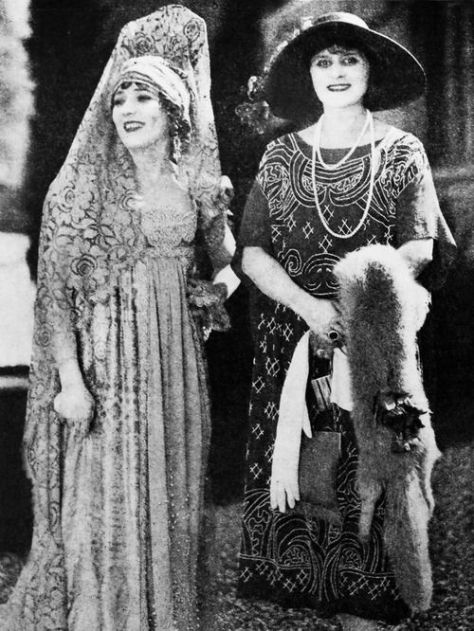
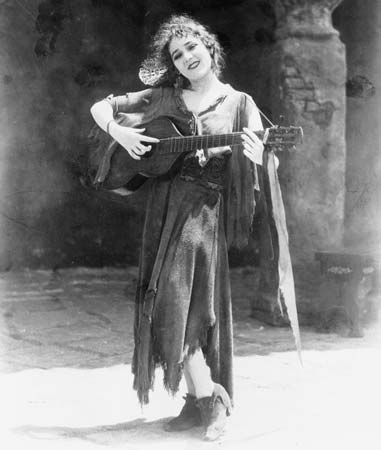
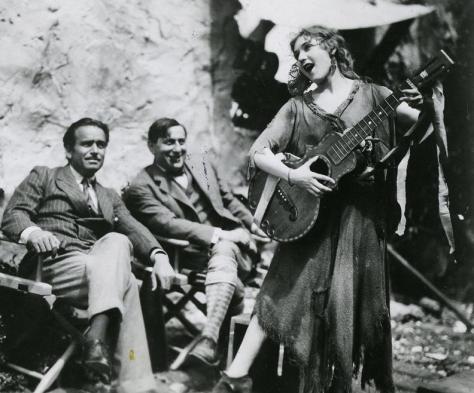
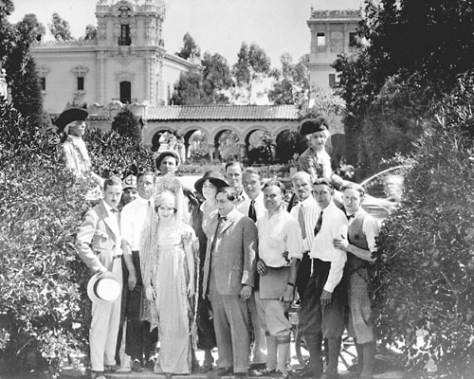
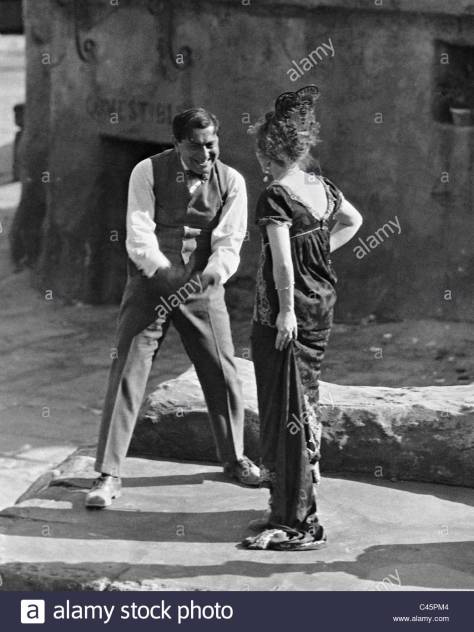
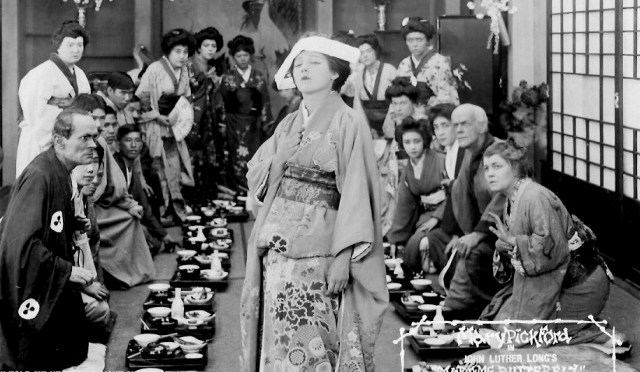
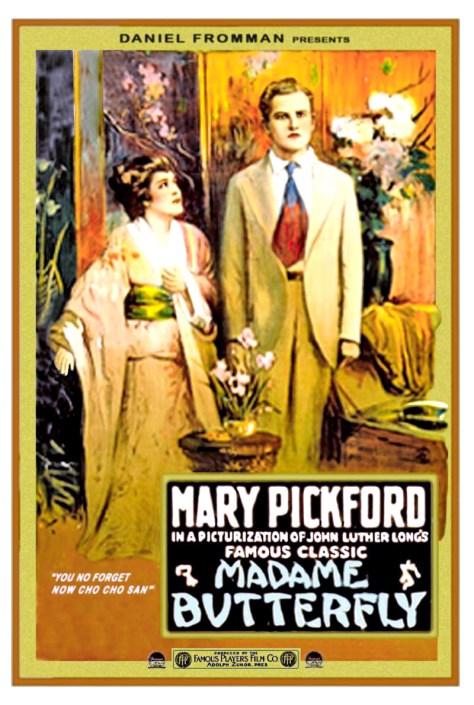
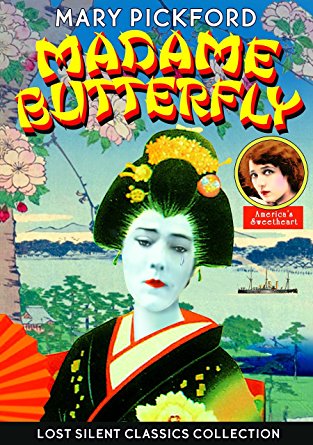
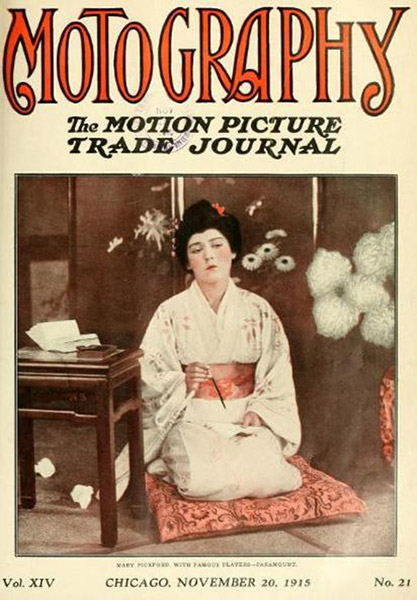
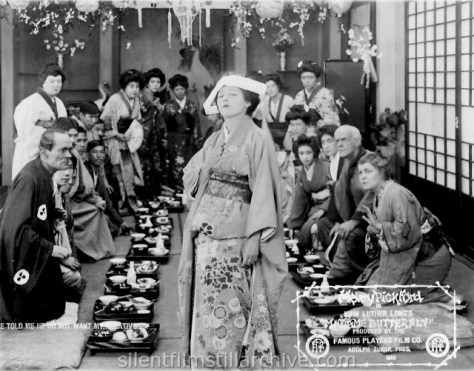
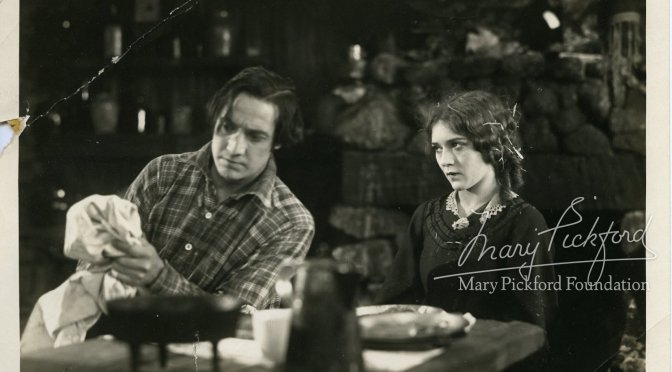
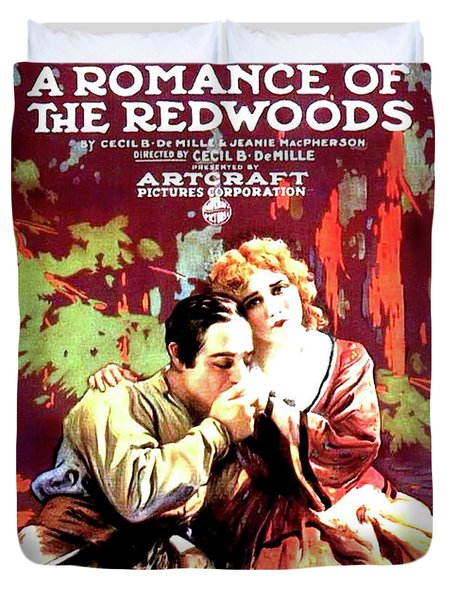


![0 R UMAX Power Look 2000 V1.8 [3]](https://i0.wp.com/filmdialogueone.com/wp-content/uploads/2017/04/romance-of-the-redwoods-11.jpg?w=152&h=103&ssl=1 "0 R UMAX Power Look 2000 V1.8 [3]")

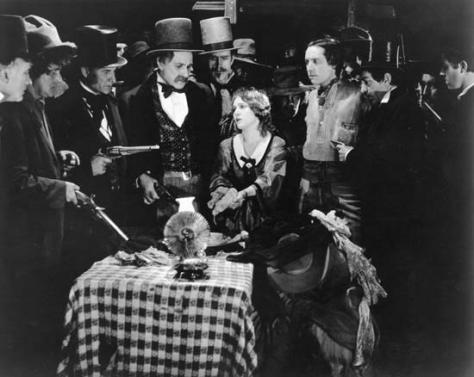
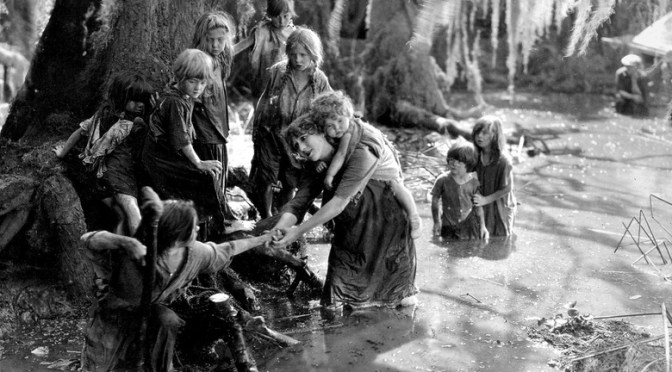
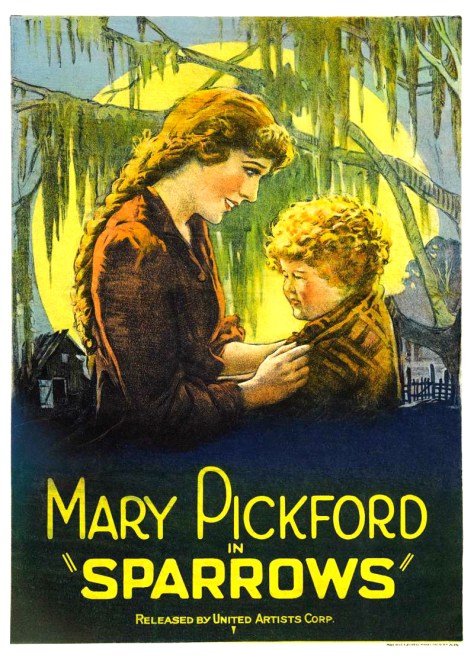


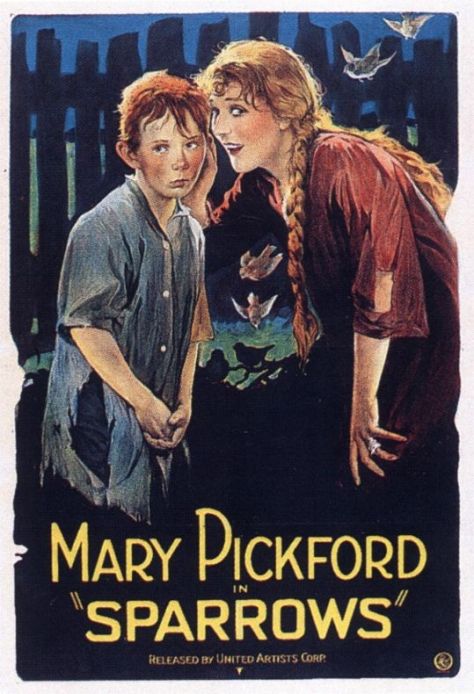
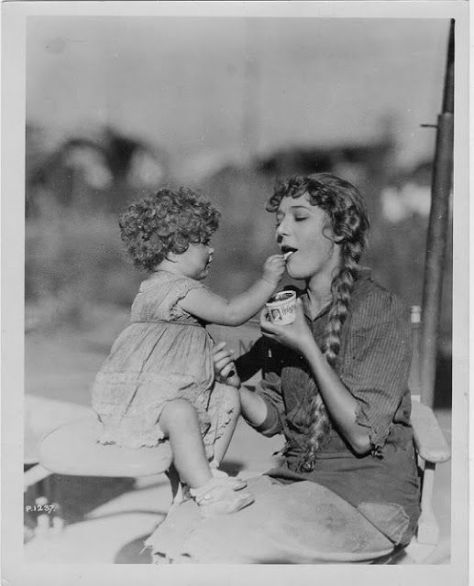
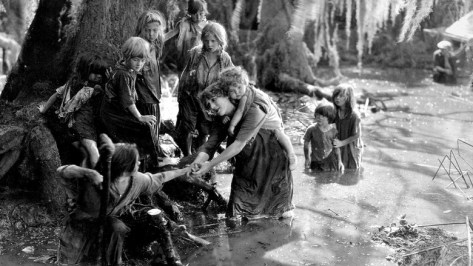
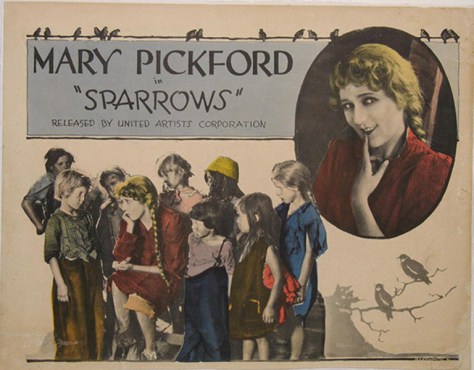
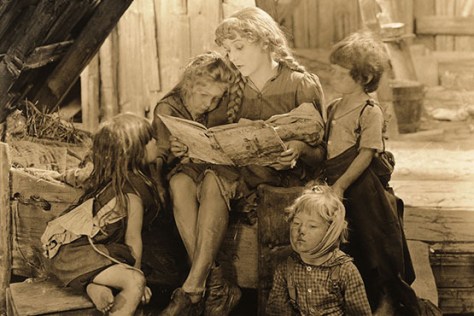
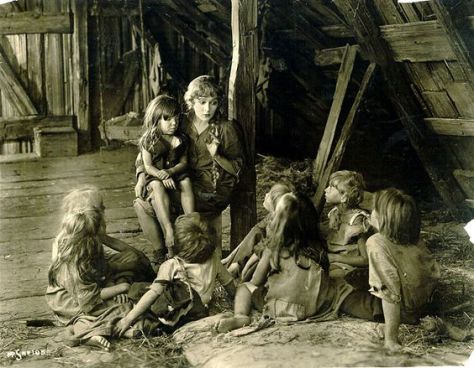
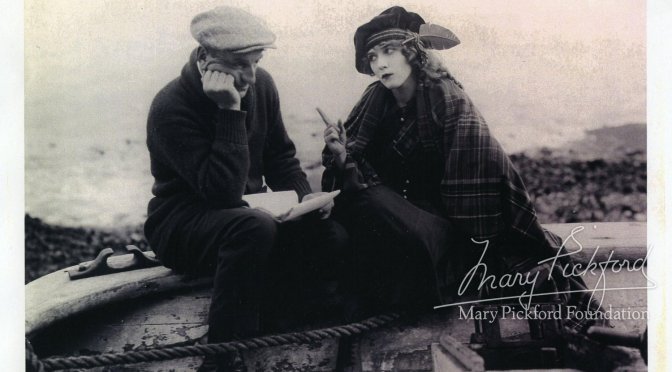


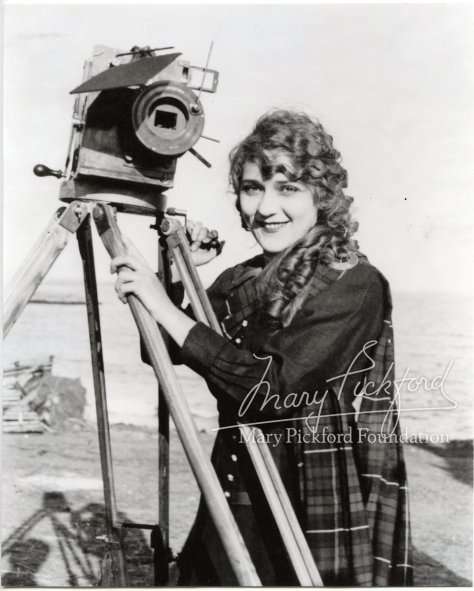
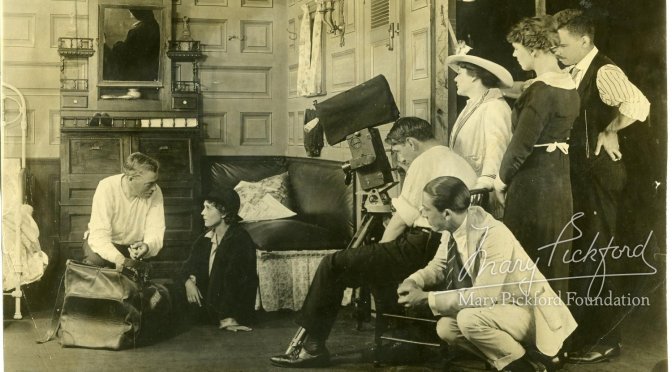


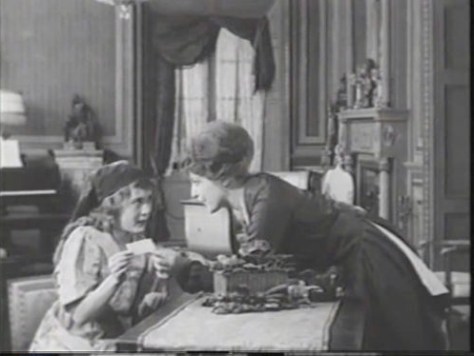
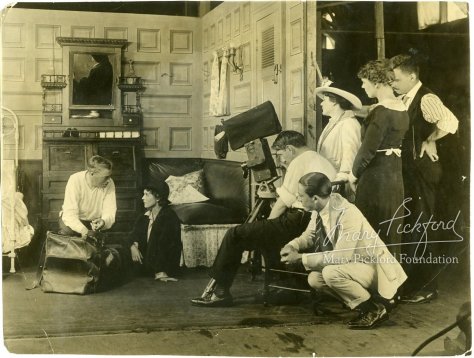
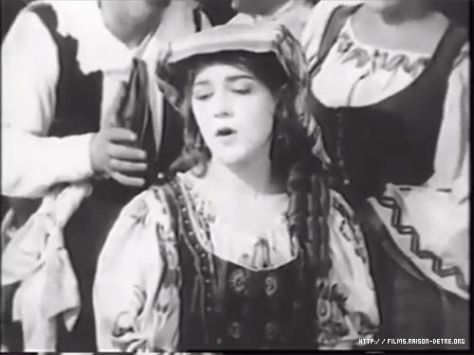
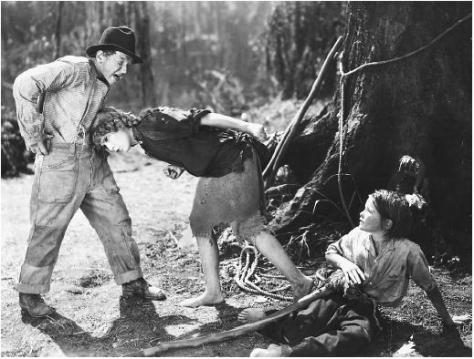
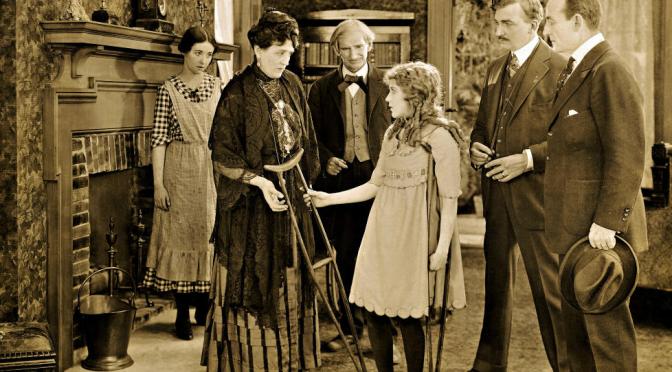


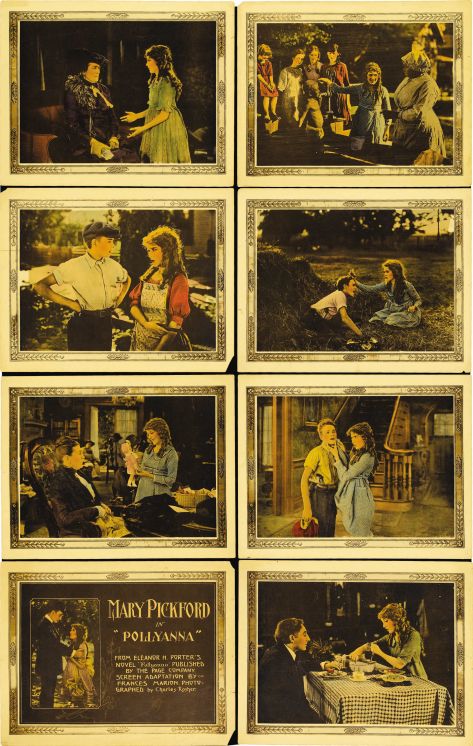
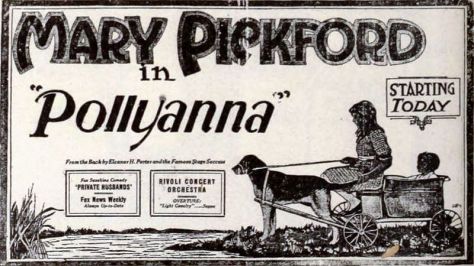
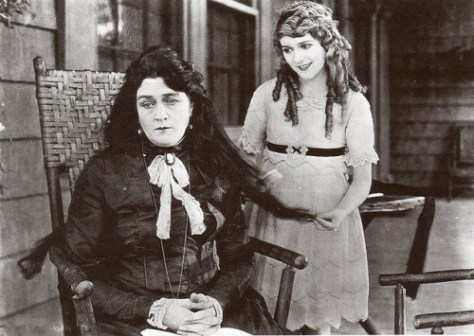
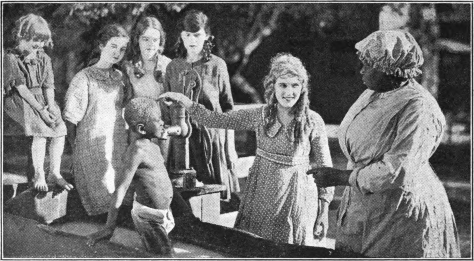
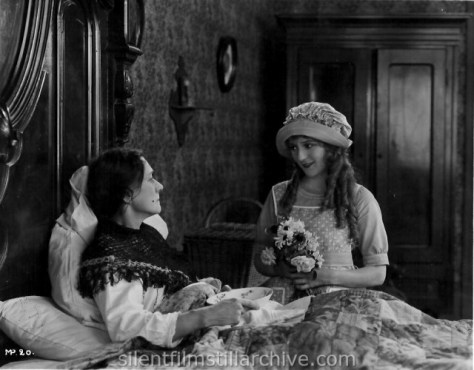
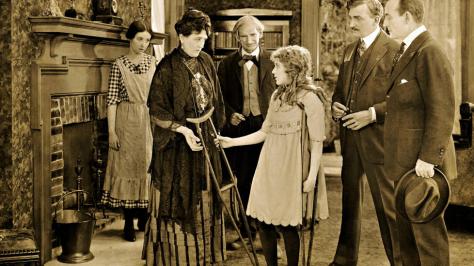
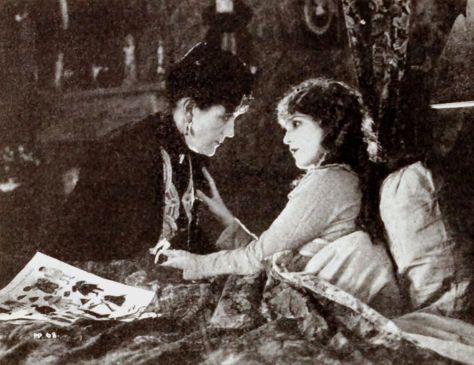
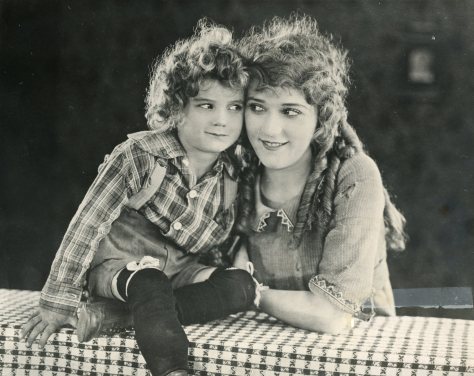
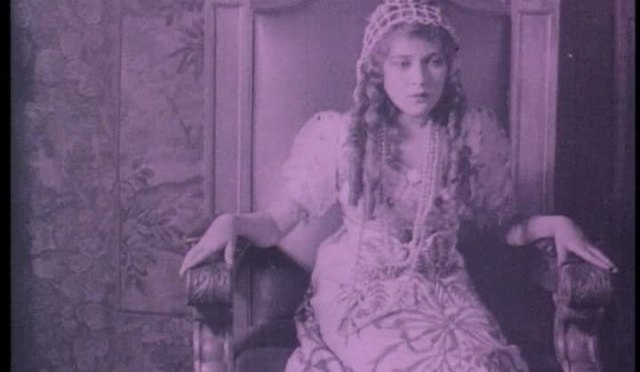


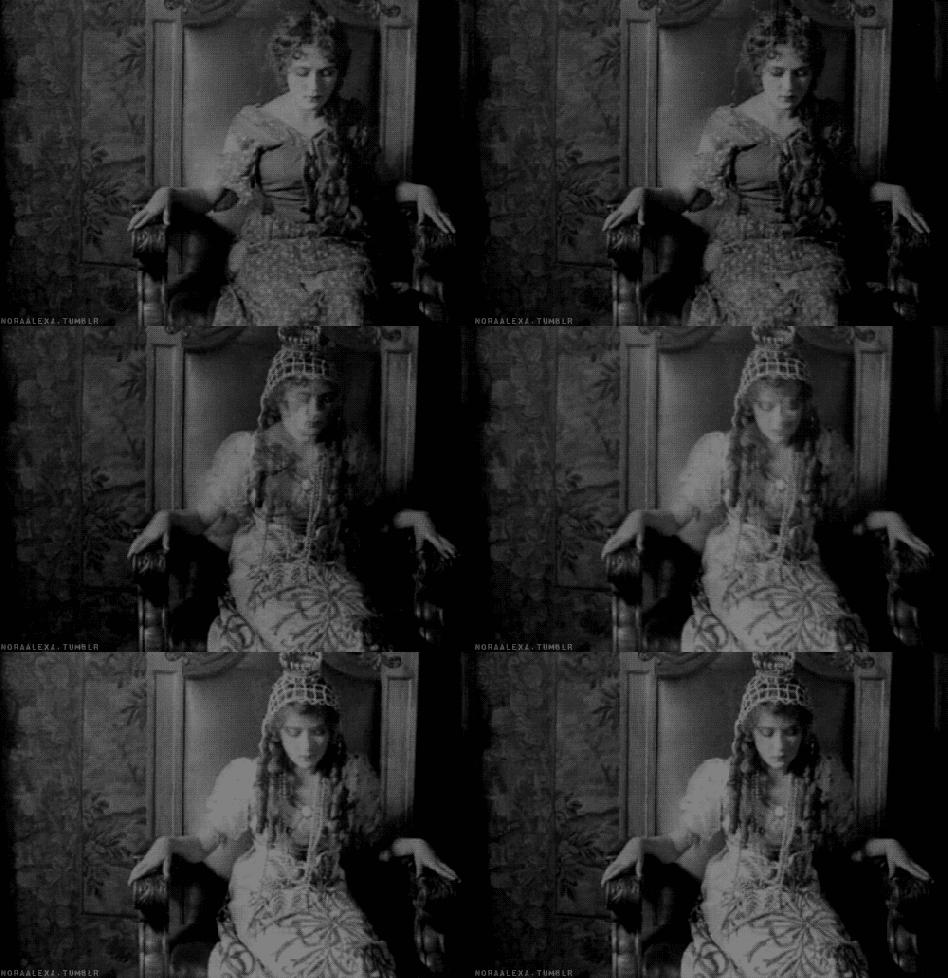
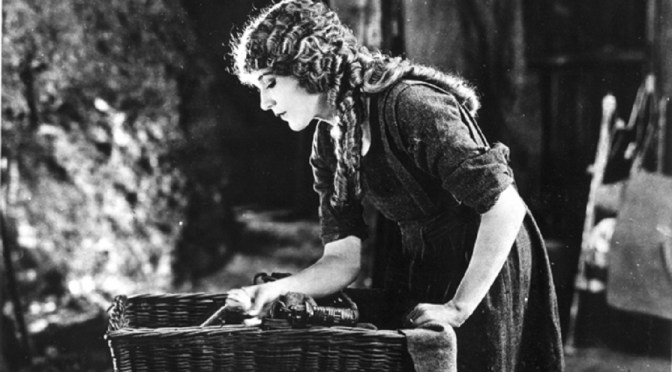


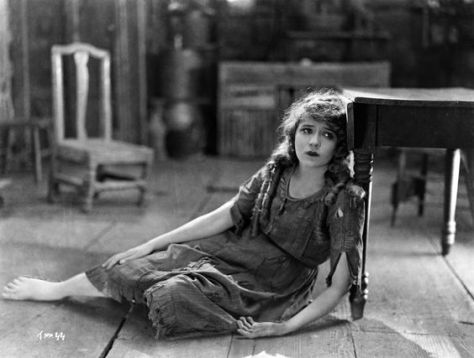
 Film Dialogue
You must be logged in to post a comment.