The Sin Of Nora Moran (1933) AKA Voice From The Grave
Director: Phil Goldstone
Cast: Zita Johann, John Miljan, Alan Dinehart, Paul Cavanagh, Claire Du Brey, Sarah Padden, Henry B Walthall, Otis Harlan, Aggie Herring, Cora Sue Collins, Ann Brody
65 min
The Sin of Nora Moran is a 1933 American film directed by Phil Goldstone. The film is also known as Voice from the Grave (American reissue title).
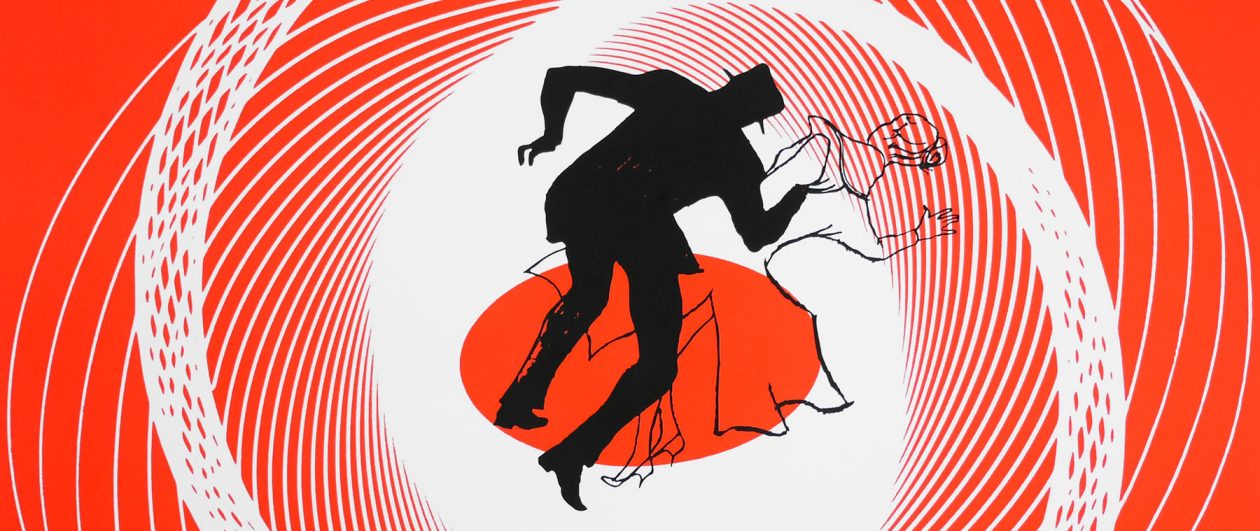
The painting for the movie poster was by Peruvian Alberto Vargas, who was working in the United States and later became known for his images of the “Vargas Girls.” This poster is frequently named as one of the greatest movie posters ever made.[1]
Nora Moran, a young woman with a difficult and tragic past, is sentenced to die for a murder that she did not commit. She could easily reveal the truth and save her own life, if only it would not damage the lives, careers and reputations of those whom she loves.
Cast: Mary Pickford, Ralph Lewis, Kenneth Harlan, T D Crittenden, Aggie Herring, Andrew Arbuckle, Max Davidson, Paul Mullen, Buddy Messinger, Nellie Anderson, B A Lewis, Lafe McKee
78 min
Promotional flyer for “The Hoodlum” (1919). Library of Congress Prints and Photographs Collection
The Hoodlum is a 1919 silent film comedy-drama produced by and starring Mary Pickford and released through First National. The film was directed by Sidney A. Franklin and was based on the novel Burkeses Amy by Julie Matilde Lippman.[1][2]
Spoiled Amy Burke (Mary Pickford) lives with her doting grandfather, ruthless business magnate Alexander Guthrie (Ralph Lewis), in his Fifth Avenue, New York City mansion. She is initially delighted when he offers to take her with him on a trip to Europe. However, as the day approaches for their departure, she changes her mind and decides to go live with her newly returned father, “sociological writer” John Burke (T. D. Crittenden), at Craigen Street, wherever that is. Unused to having his plans thwarted, Guthrie becomes cold to his beloved granddaughter.
Craigen Street turns out to be in one of the slums of lower New York, the subject of her father’s study. At first, Amy is horrified by the squalor. She makes it clear to a couple of friendly young women who want to become acquainted and to Nora (Aggie Herring), her father’s cook and servant, that she feels she is far above them. Deeply unhappy, she eventually takes her father’s advice to treat their neighbors as equals. She fits in after several weeks. She makes friends with boy inventor Dish Lowry and young man William Turner (Kenneth Harlan), a reclusive neighbor. Amy also ends a years-long feud between Irishman Pat O’Shaughnessy (Andrew Arbuckle) and Jew Abram Isaacs (Max Davidson) through good-natured trickery.
When a policeman is alerted by a sore loser to her game of craps in the street, she escapes by hiding under the cloak of newcomer Peter Cooper, who takes a room on the floor above the Burkes’. Unbeknownst to Amy, the new resident is actually her grandfather in disguise, come to see how she is doing. He is initially disgusted with her behavior, noting on paper that she “has become a hoodlum”. When Amy takes a sick mother and her children under her wing, she asks Cooper to look after a baby, only to be brusquely rebuffed. Cooper has a change of heart, however, and adopts a whole new, more benevolent attitude, much to Amy’s delight. He returns to his mansion a changed man (taking along Dish Lowry).
One night, Amy spots a thief in Turner’s room. The intruder flees. Turner informs Amy that it was no thief but an agent of Alexander Guthrie looking for his writings. Guthrie framed him to hide corrupt business practices, resulting in a year in the penitentiary. Amy and Turner break into her grandfather’s mansion to try to steal evidence that would prove him innocent, but set off a burglar alarm and are caught. When Guthrie recognizes Amy, he has Turner freed and offers to exonerate him. Afterward, Amy and Turner are married.
Jump up^The American Film Institute Catalog Feature Films: 1911–20 / The American Film Institute Catalog of Motion Pictures Produced in the United States: Feature Films, 1911–1920. [Cover title and copyrighted title] University of California Press. 1989. ISBN978-0520063013.


![[icon]](https://en.wikipedia.org/wiki/File:Wiki_letter_w_cropped.svg)


You must be logged in to post a comment.