Tag Archives: ernst lubitsch

Trouble in Paradise (1932)


Pre Code Logo 1

Pre Code Hollywood Season: FD Cinematheque

Trouble in Paradise (1931)
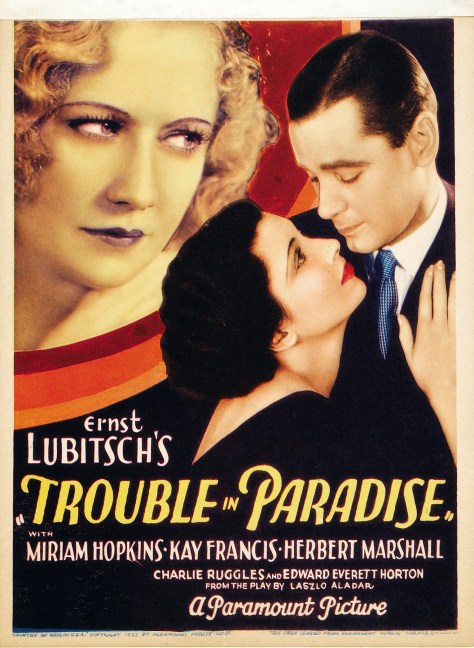
Trouble in Paradise  1.jpg

Trouble in Paradise 2

Director: Ernst Lubitsch

Cast: Miriam Hopkins, Kay Francis, Herbert Marshall, Charles Ruggles, Edward Everett Horton, C Aubrey Smith, Robert Greig, Luis Alberini

83 min
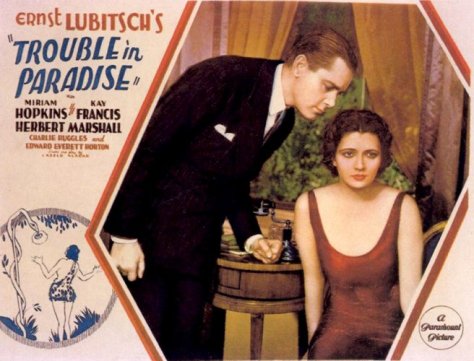
Trouble in Paradise 3

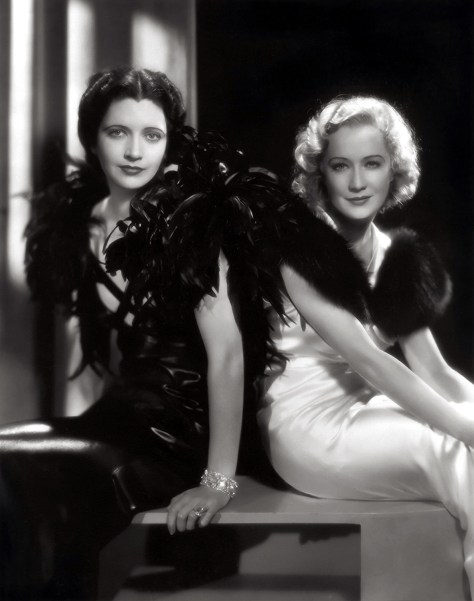
Kay Francis & Miriam Hopkins-The Trouble in Paradise 1932

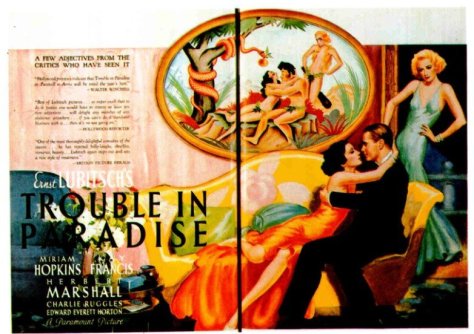
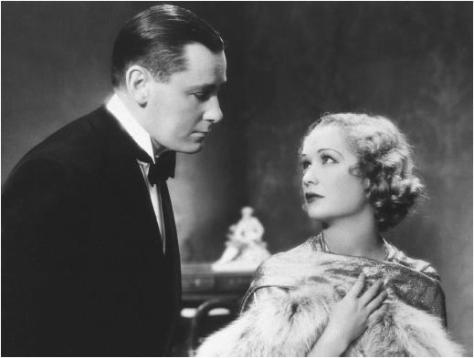
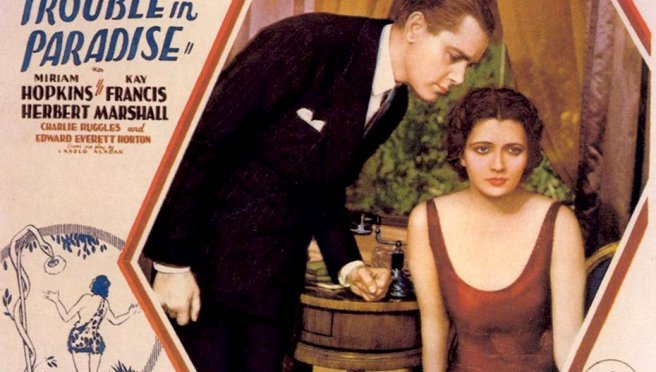
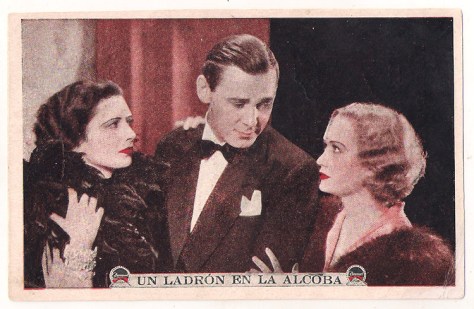
Trouble in Paradise is a 1932 American Pre-Code romantic comedy film directed by Ernst Lubitsch, starring Miriam HopkinsKay Francis, and Herbert Marshall and featuring Charles Ruggles and Edward Everett Horton.

Based on the 1931 play The Honest Finder (A Becsületes Megtaláló) by Hungarian playwright László Aladár,[2] the film is about a gentleman thief and a lady pickpocket who join forces to con a beautiful perfume company owner.

In 1991, Trouble in Paradise was selected for preservation by the United States National Film Registry by the Library of Congress as being “culturally, historically, or aesthetically significant”.[3]
Trouble in Paradise 4

Plot

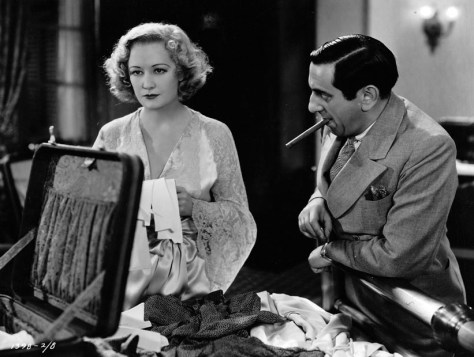
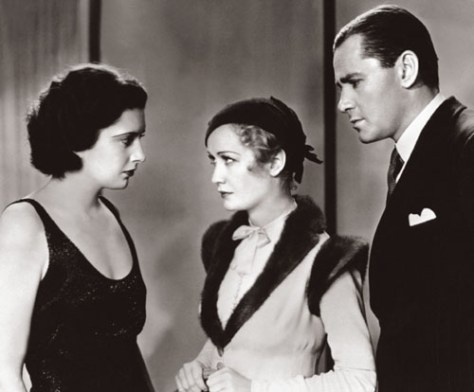
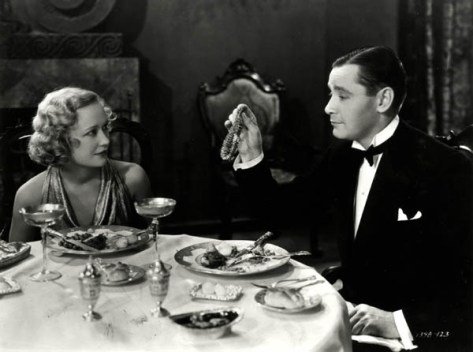
In Venice, Gaston Monescu (Herbert Marshall), a master thief masquerading as a baron, meets Lily (Miriam Hopkins), a beautiful thief and pickpocket also pretending to be of the nobility, and the two fall in love and decide to team up.

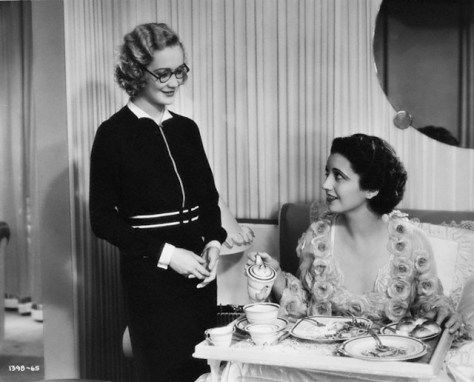
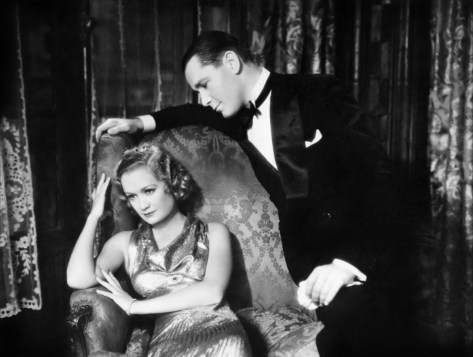
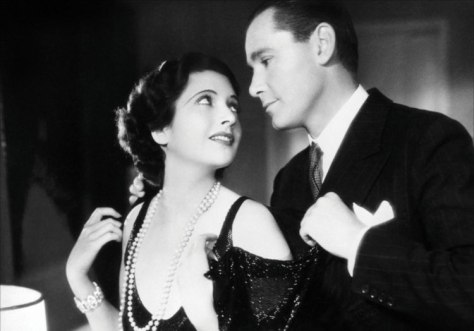
They leave Venice for Paris, and go to work for the famous perfume manufacturer Madame Mariette Colet (Kay Francis), with the intention of stealing a great sum of money from her safe, which Monescu, as her secretary, arranges to be diverted there. In the course of things, Colet begins to flirt with Monescu, and he begins to have feelings for her.
Trouble in Paradise 6

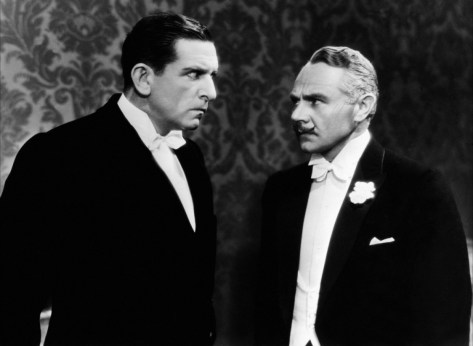
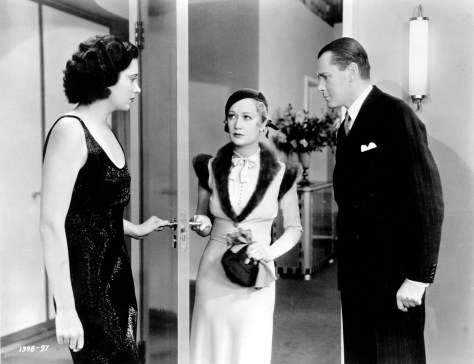
Unfortunately, the plan develops a hitch when François Filiba (Edward Everett Horton), one of Colet’s suitors, sees Monescu at a garden party. He is unable to remember where he knows him from, but when another of Colet’s suitors, The Major (Charles Ruggles), tells Filiba that he once mistook Monescu for a doctor, Filiba suddenly remembers that he knows Monescu from Venice, where the thief robbed him, pretending to be a doctor. Monescu and Lily plan an immediate getaway that night, after they take all the money in the safe.

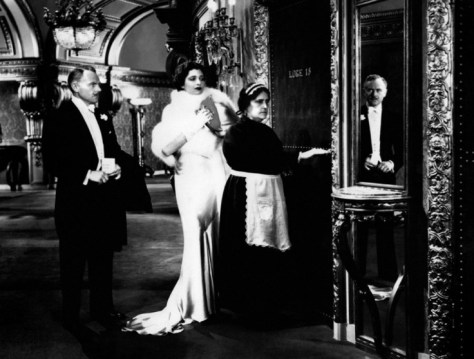
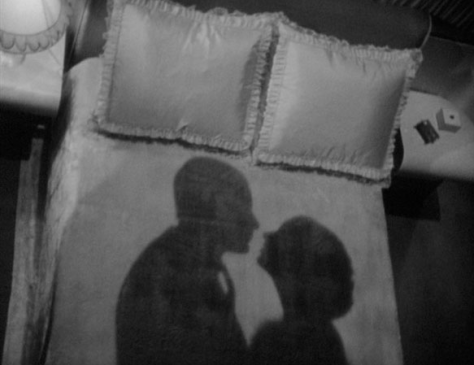
Colet prepares to leave for a dinner party given by the Major, but cannot decide whether to go or to stay and have sex with Monescu. Eventually she goes, but not before Lily catches on that Monescu has fallen for her rival, and wants to back out of the plan – so she robs the safe herself after confronting her partner.
Trouble in Paradise 7

At the Major’s, Filiba tells Colet about Monescu, but she refuses to believe it’s true. She returns home and suggestively probes Monescu, who admits that the safe has been cleaned out, but claims that he himself took the cash. He also tells her that the manager of her business, Adolph J. Giron (C. Aubrey Smith), who has been suspicious of Monescu all along, has stolen millions of dollars from the firm over the years.

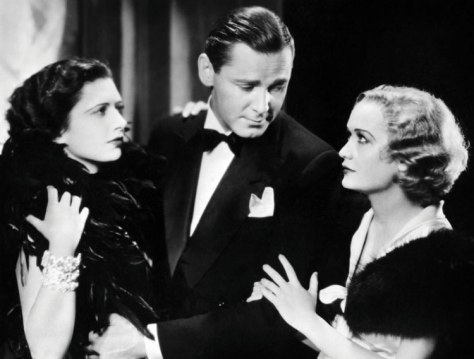
Lily then confronts Colet and Monescu, reporting that it was she who stole the money from the safe. An argument ensues, in which, eventually, Colet allows the two thieves to leave together. As a parting shot, Monescu steals a necklace from Colet that Lily had her eye on, and, in turn, Lily steals it from him, displaying it to him as the taxi takes them away, hugging each other.
Trouble in Paradise 8

Cast

Trouble in Paradise 9

Production

Working titles for Trouble in Paradise included “The Honest Finder,” “Thieves and Lovers,” and “The Golden Widow”; the latter was publicly announced to be the intended release title.[4] As with all the Lubitsch-Raphaelson collaborations, Lubitsch contributed to the writing and Raphaelson contributed ideas to the directing.[5]

Lubitsch did not receive screen credit for his writing, and Grover Jones, who was credited with the adaptation, did not contribute significantly:[5] although he was in the room, his credit was based on a contractual obligation, and he did little more than tell stories.[5][6]

Further, although supposedly based on László Aladár’s 1931 play The Honest Finder, Lubitsch suggested that Raphaelson not read the play, and instead the main character, Herbert Marshall’s master thief, was based on the exploits of a real person, George Manolescu, a Romanian con man whose memoir was published in 1905, and became the basis for two silent films.[5]
Trouble in Paradise 10

Made before effective enforcement of the Production Code, the film is an example of pre-code cinema containing adult themes and sexual innuendo that was not permitted under the Code. In 1935, when the Production Code was being enforced, the film was not approved for reissue[4] and was not seen again until 1968.[7]Paramount was again rejected in 1943, when the studio wanted to make a musical version of the film.[4]

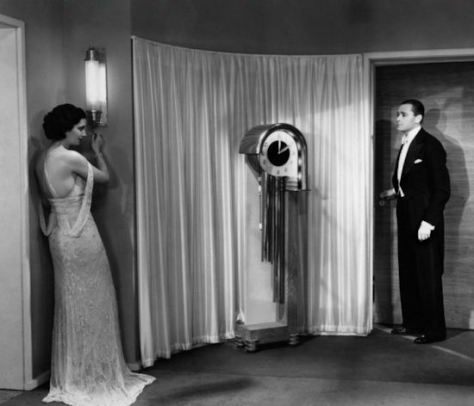
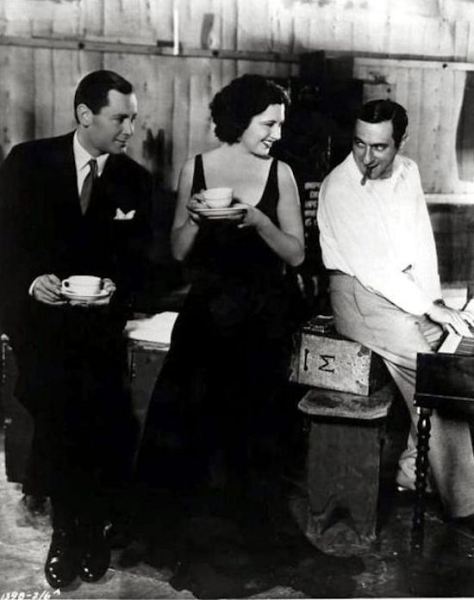
The Art Deco sets for Trouble in Paradise were designed by the head of Paramount’s art department, Hans Dreier, and the gowns were designed by Travis Banton.[5]
Trouble in Paradise 11

Reception

Trouble in Paradise was the film that first had people talking about “the Lubitsch touch,” and it was, in fact, one of the director’s favorites.[5] Critic Dwight Macdonaldsaid of the film that it was “as close to perfection as anything I have ever seen in the movies.”[5]

The New York Times named the film as one of the ten best films of 1932. In 1998, Roger Ebert added it to his Great Movies collection.[8] Wes Anderson and Ralph Fiennes both said the movie was an inspiration for The Grand Budapest Hotel (2014). Review aggregation site Rotten Tomatoes reports 91% approval based on 23 critics.[9]
Trouble in Paradise 12

Awards and honors

Trouble in Paradise was named by the National Board of Review as one of the top ten films of 1932.[3][10]

References

  1. Jump up to:a b “Trouble in Paradise” at Kay Francis Films. Accessed 16 March 2014
  2. Jump up^ “Screenplay info” on TCM.com. Accessed=August 24, 2012
  3. Jump up to:a b “Awards”Allmovie.com. Retrieved August 24, 2012.
  4. Jump up to:a b c “Notes”TCM.com. Retrieved August 24, 2012.
  5. Jump up to:a b c d e f g Nixon, Rob. “Trouble in Paradise (article)”TCM.com. Retrieved August 24, 2012.
  6. Jump up^ Raphaelson, Samson. Three Screen Comedies Madison, Wisconsin: University of Wisconsin Press, 1983. ISBN 0-299-08780-8
  7. Jump up^ Osborne, Robert. Outro to the Turner Classic Movies showing of Trouble in Paradise (March 31, 2011)
  8. Jump up^ Ebert, Roger“Trouble in Paradise”. Retrieved July 30, 2013.
  9. Jump up^ Trouble in Paradise (1932)”. Rotten Tomatoes. Retrieved April 23, 2016.
  10. Jump up^ “Awards”Internet Movie Database. Retrieved August 24, 2012.
Trouble in Paradise 13

Trouble in Paradise 14

Trouble in Paradise 15

Trouble in Paradise 17

Trouble in Paradise 18

Trouble in Paradise 19

Trouble in Paradise 20

Trouble in Paradise 21

Film Collectors Corner

Watch Trouble in Paradise Now – Instant Video on Internet Archive

Blu Ray

Not released on Blu Ray


DVD

Paramount on Parade (1930)


Pre Code Logo 1

Pre Code Hollywood Season: FD Cinematheque

Paramount on Parade (1930)

Paramount on Parade 7

Paramount on Parade 2

Paramount on Parade 4

Paramount on Parade 5

Directors: Dorothy Arzner, Otto Brower, Edmund Goulding, Victor Heerman, Edwin H Knopf, Rowland V Lee, Ernst Lubitsch, Lothar Mendes, Victor Schertzinger, A Edward Sutherland, Frank Tuttle

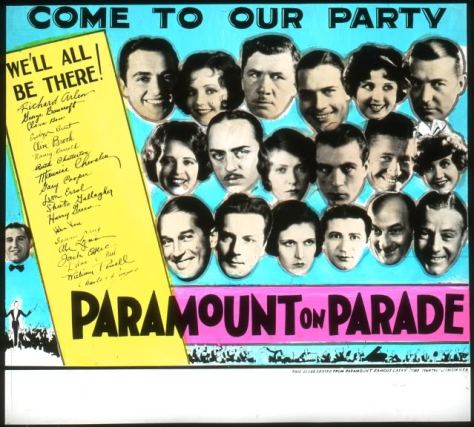
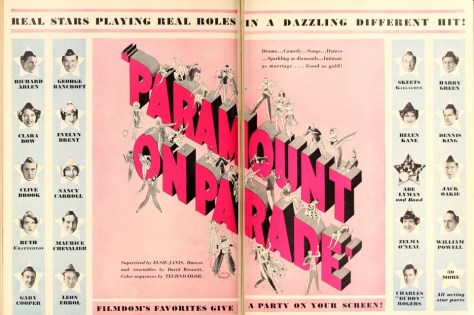
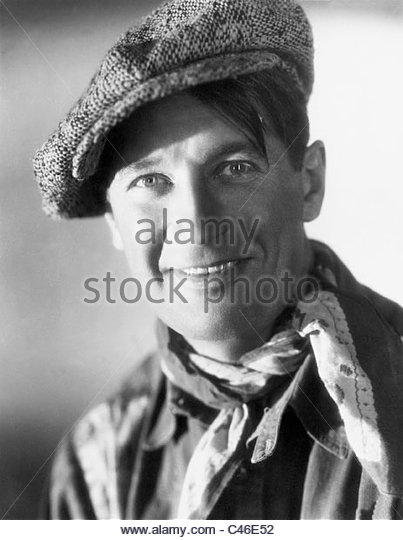
Cast: Maurice Chevalier, Richard Arlen, Jean Arthur, William Austin, George Bancroft, Clara Bow, Evelyn Brent, Mary Brian, Clive Brook, Nancy Carroll, Kay Francis, Richard Skeets Gallagher, Gary Cooper, Ruth Chatterton, Mitzi Green, Fredric March and many others

102 min

Paramount on Parade 3


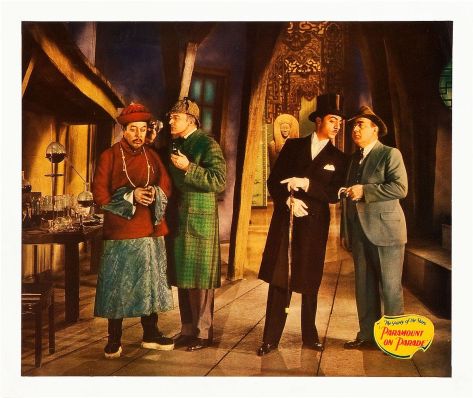
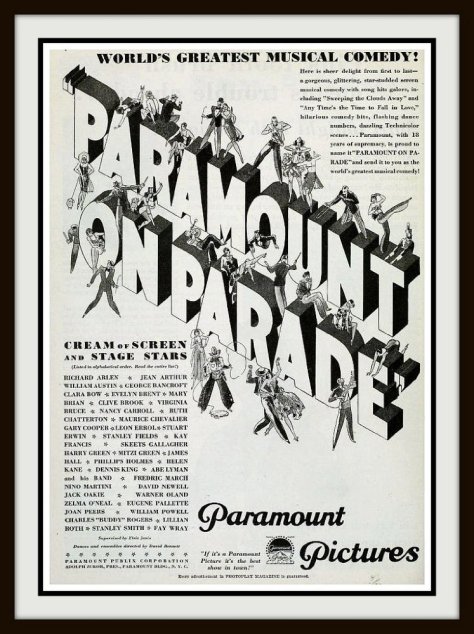
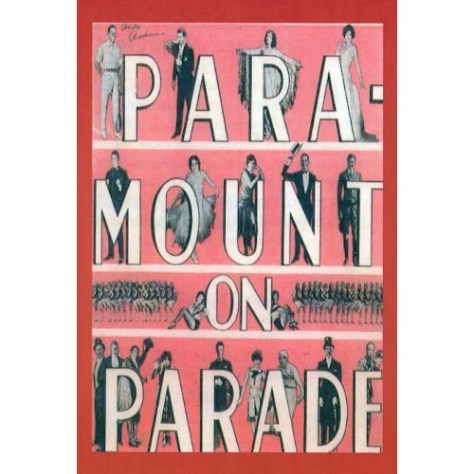
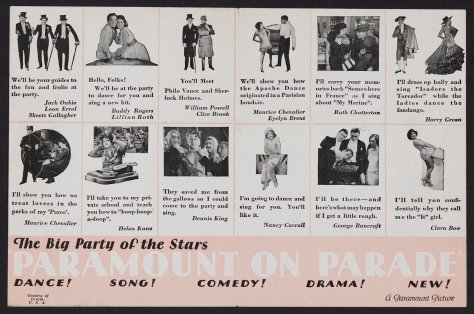
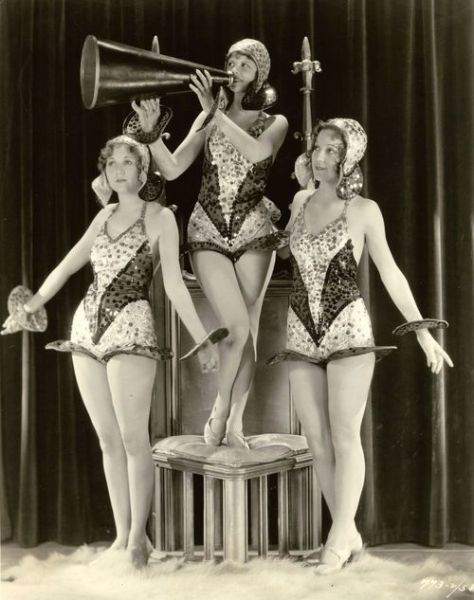
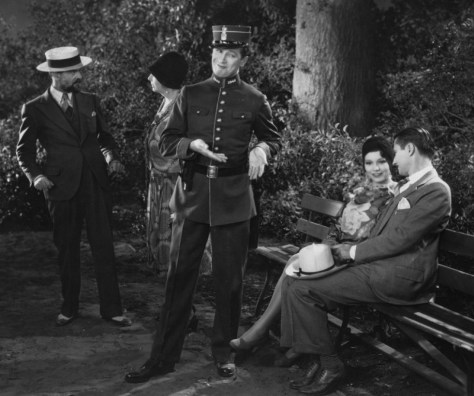
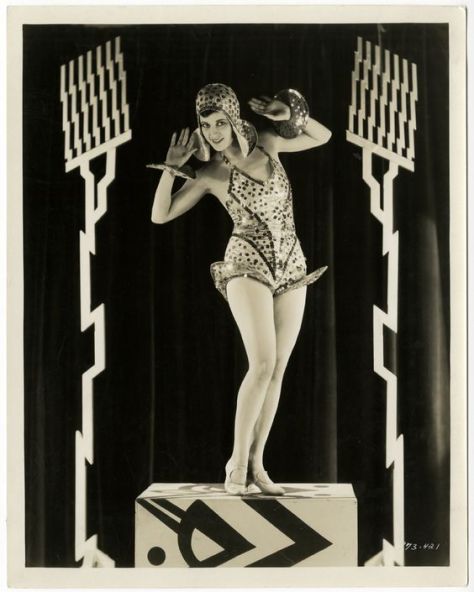
Paramount on Parade is a 1930 all-star American Pre-Code revue released by Paramount Pictures, directed by several directors including Edmund Goulding, Dorothy Arzner, Ernst Lubitsch, Rowland V. Lee, A. Edward Sutherland, Lothar Mendes, Otto Brower, Edwin H. Knopf, Frank Tuttle, and Victor Schertzinger—all supervised by the production supervisor, singer, actress, and songwriter Elsie Janis.

Featured stars included Jean Arthur, Richard Arlen, Clara Bow, Evelyn Brent, Buddy Rogers, Jack Oakie, Helen Kane, Maurice Chevalier, Nancy Carroll, George Bancroft, Kay Francis, Richard “Skeets” Gallagher, Gary Cooper, Fay Wray, Lillian Roth and other Paramount stars. The screenplay was written by Joseph L. Mankiewicz, produced by Adolph Zukor and Jesse L. Lasky, with cinematography by Victor Milner and Harry Fischbeck.

Paramount on Parade 8

Production

Paramount on Parade, released on April 22, 1930, was Paramount’s answer to all-star revues like Hollywood Revue of 1929 from Metro-Goldwyn-Mayer, The Show of Shows from Warner Brothers, and King of Jazz from Universal Studios.[1][2] The film had 20 individual segments—several of them in two-color Technicolor — directed by 11 directors, and almost every star on the Paramount roster except Claudette Colbert and the Marx Brothers. (Colbert became a star in May 1930 with the release of The Big Pond, also with Chevalier and also released in a French-language version.)

Paramount on Parade 9

International versions

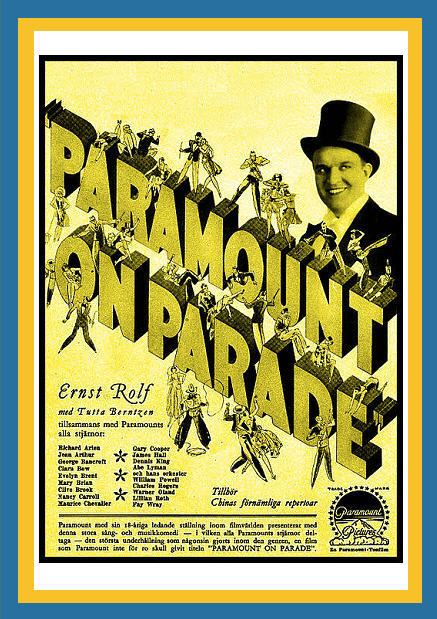
Paramount also produced a French-language version Paramount en Parade directed by Charles de Rochefort and a Romanian-language version Parada Paramount (Chevalier and Martini also starred in the French version, and Romanian actress Pola Illéry starred in the Romanian version. There was also a Dutch version, Paramount op Parade with Theo Frenkel. The Scandinavian version starred Ernst Rolf and his wife, Tutta Rolf.

Paramount on Parade 11

Preservation status

Paramount on Parade 20

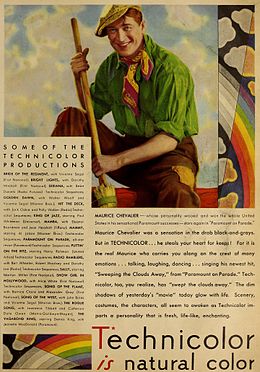
Paramount on Parade featured in a 1930 advertisement for Technicolor

The film, including some of its Technicolor sequences, has been restored by the UCLA Film and Television Archive. The original title sequence and chorus girl number immediately following it, however, are still lost. The sound for two of the Technicolor sequences (“Gallows Song” and “Dream Girl”) are also missing.

Paramount on Parade 13

According to Robert Gitt, film archivist now retired from UCLA, in a lecture at Pacific Film Archive at UC Berkeley, the film was also released with sound-on-disc for those theaters not equipped for sound-on-film. The archive had a report of the soundtrack for this film still existing on disc until the 1994 Northridge earthquake destroyed a set of discs that a collector was planning to donate.

In August 2010, CapitolFest in Rome, New York showed a 102-minute version restored by UCLA Film and Television Archive. Some sequences are still missing the sound, for some sequences only the soundtrack exists.

Paramount on Parade 12

List of sequences

Paramount on Parade 14

Paramount on Parade 15

Paramount on Parade 18

Paramount on Parade 19

Foreign-language versions

A large number of foreign-language versions were shot including:

Paramount on Parade 21

  • Parada Paramount (Romanian) with Pola Illéry; directed by Rochefort
  • Paramount op Parade (Dutch) with Theo Frenkel Jr., Mien Duymaer van Twist, and Louis Davids; directed by Job Weening

At Paramount’s Hollywood studio, Ernst Rolf and his Norwegian wife, Tutta Rolf, filmed introductions and sequences for the Scandinavian version. Japanese comedian Suisei Matsui introduced the film in Japan. Mira Zimińska and Mariusz Maszynski appeared in the Polish version, and Dina Gralla and Eugen Rex appeared in the German version. Paramount filmed most of the above versions, along with Czech, Hungarian, Serbian, and Italian versions, at their Joinville Studios in Paris.

Paramount on Parade 22

See also

References[edit]

  1. Jump up^ “Paramount on Parade”. IMDb.com. Retrieved 2016-02-06.
  2. Jump up^ “Paramount on Parade (1930) – Overview”. TCM.com. Retrieved 2016-02-06.
  3. ^ Jump up to:a b c d e Lynn Kear; James King (2009-07-31). Evelyn Brent: The Life and Films of Hollywood’s Lady Crook. Books.google.com.pe. p. 188. Retrieved 2016-02-06.

Paramount on Parade 23

Paramount on Parade 24

Paramount on Parade 25


Film Collectors Corner

Watch Paramount on Parade Now – Instant Video on Internet Archive

Blu Ray

Not released on Blu Ray


DVD

Not released on DVD


Rosita (1923)


Mary Pickford 1

Mary Pickford Season: FD Cinematheque

Rosita (1913)

Dir: Ernst Lubitsch ( and Raoul Walsh – Uncredited )

Cast: Mary Pickford, Holbrook Blinn, Irene Rich, George Walsh, Charles Belcher, Frank Leigh, Mathilde Comont, George Priolat, Bert Sprotte, Snitz Edwards, Phillippe De Lacy

Rosita 1

Rosita 15

Rosita 3

Rosita 2 Rosita 13


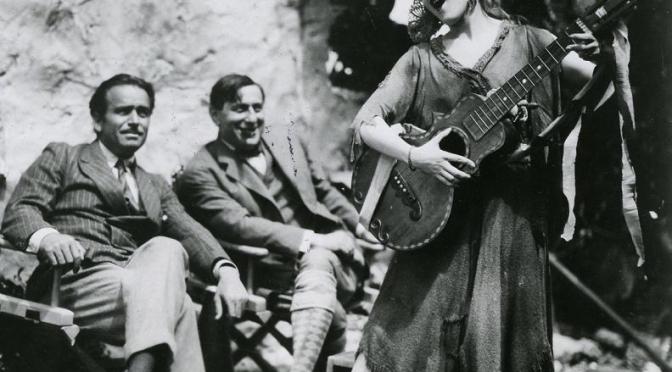
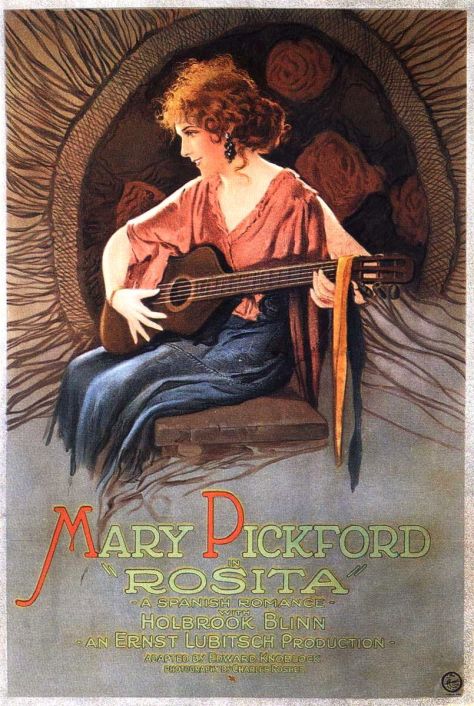
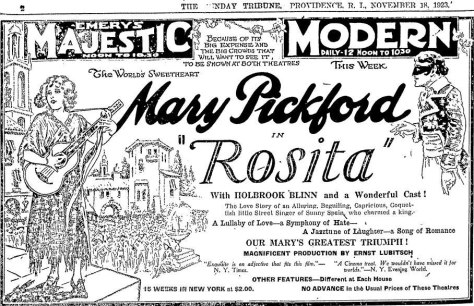
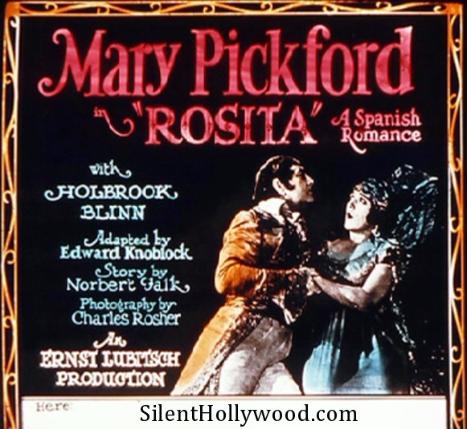
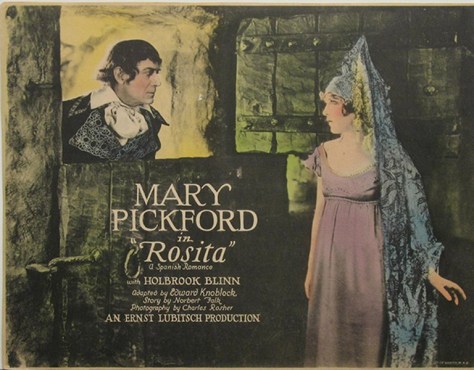
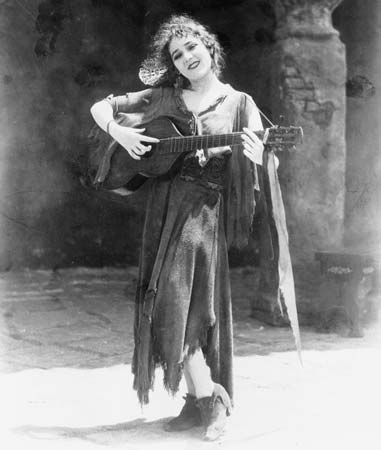
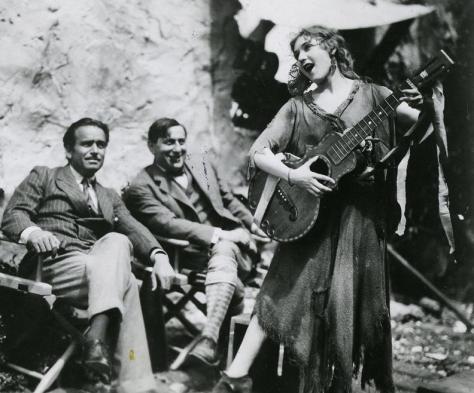
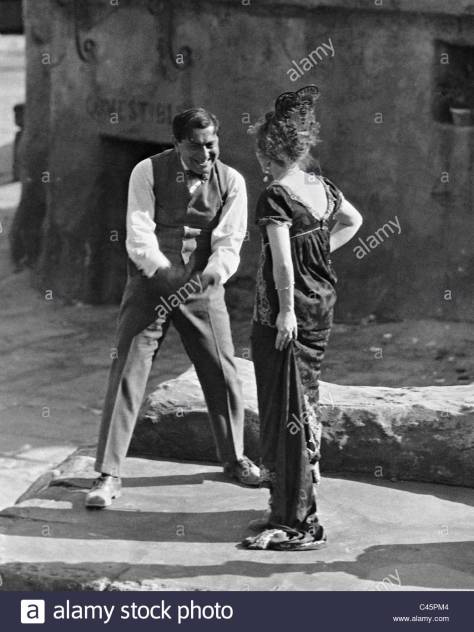
Rosita is a 1923 American silent film directed by Ernst Lubitsch. The film is based upon an 1872 opera Don César de Bazan of Adolphe d’Ennery et Philippe Dumanoir.

Rosita 8

Contents

Synopsis

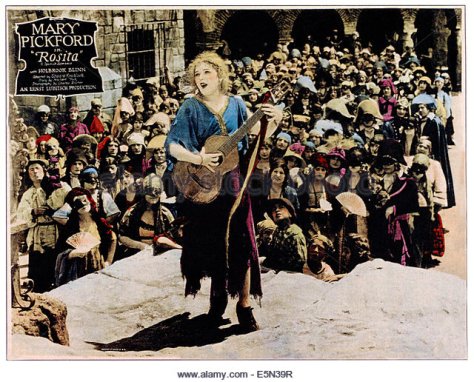
The film takes place in Seville, in a period where the city has sunk into the depths of depravity and sin. Shocked by the depths his people have sunk to, the king of Spain (Holbrook Blinn) decides to give the town a visit when a carnaval is organized in order to redeem it. One of its inhabitants is Rosita (Mary Pickford), a beloved street singer praised by the townspeople for her entertainment.

Rosita is the only source of income to her poor family, who are always fighting each other. She is fed up with living in extreme poverty, while the king is living in wealth. After being forced to pay taxes, Rosita is enraged and comes up with a song in which she insults the king. Soon, the king is informed with the offensive ballad and visits her anonymously. Instead of being angry, he is charmed by the woman. However, the soldiers have come to arrest her for publicly insulting the king.

While being taken to prison, Don Diego (George Walsh) tries to defend her. Instead of convincing the soldiers to set her free, however, he is arrested as well. They fall in love at the police station, but she is unaware Diego is a powerful captain. By the king’s request, Rosita is set free and escorted to his castle. Diego, however, is told he will be hung. When she meets him, Rosita doesn’t believe he is the king. He tries to seduce her, but she isn’t impressed until he offers her fashionable clothes. She doesn’t want to have anything to do with him, but is pressured into giving in on his advances by her family, who see an opportunity on becoming wealthy.

Living a luxurious life in the castle, the family still feels disrespected. Rosita’s mother (Mathilde Comont) demands for her daughter to have a noble husband, and the king offers her to be married to Diego. Rosita’s mother is pleased, not knowing he will be sentenced to death shortly after the wedding. Diego is manipulated into participating by the offer of being shot like a respectable soldier, rather than hanged. At the wedding, they are married with their eyes covered, thus not knowing who they will be married to. The king’s plan fails when Rosita breaks the rules and looks at her future husband.

Rosita is shocked to learn her new husband is Diego, who is sent back to jail immediately. Rosita convinces the king to set Diego free. However, when she leaves, the king again orders the guards to kill Diego. Meanwhile, the queen (Irene Rich) has found out about his new fling and is furious.

Soon afterward, Rosita is informed that Diego has been executed. Devastated, she attempts to kill the king until she and the king find out Diego is still alive, and the lovers are reunited. The king leaves his castle to be confronted by his wife about his affair. She reveals she ordered the guards to spare Diego.

Rosita 4

Cast

Rosita 10

Production

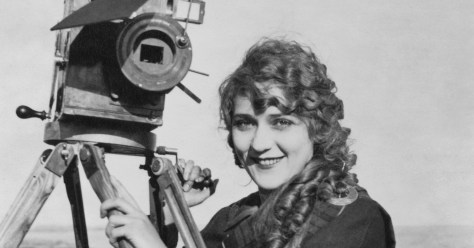
Prior to this movie, Mary Pickford mostly appeared in features portraying children. Pickford appealed to a fan magazine for new film ideas, and the magazine’s contributors wrote back that they wanted to see her play more child roles, such as Cinderella. Pickford thanked them and promptly set out to make a film with an adult role.

In 1922, her studio United Artists was not making any profits, despite releasing successful films such as Broken Blossoms, Little Lord Fauntleroy (1921) and Robin Hood (1922). Pickford was desperate to release a film which could perform well and free her of her image as an ingenue.

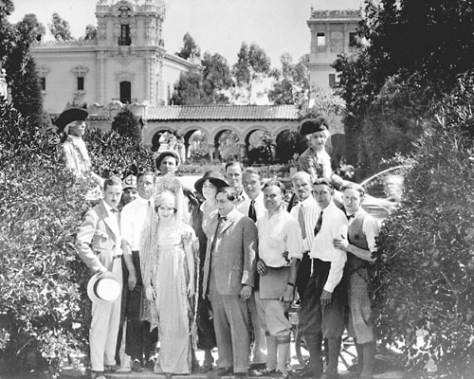
Realizing Hollywood was making profits and costume movies, such as When Knighthood Was in Flower she decided to make a film based on the 1902 novel Dorothy Vernon of Haddon Hall. She chose Ernst Lubitsch as her director and brought him over from Germany in October 1922 to meet with her.[2]

Lubitsch decided he could not make Dorothy Vernon of Haddon Hall. Pickford was annoyed, since she had already paid $250,000 on its preparations (and would eventually film the story later on). They looked for another story to make a movie out of, ultimately choosing Faust. However, the project was dropped when Pickford’s mother, Charlotte Hennessy, overheard Lubitsch discussing the baby killing scene and immediately nixed the idea. Lubitsch and Pickford eventually decided to film the opera Don César de Bazan, retitling it as Rosita. Lubitsch hesitated about making it, but Pickford eventually convinced him to work on the project.[3]

Pickford wanted Ramón Novarro to co-star opposite her as Don Diego. Rex Ingram, Navarro’s mentor, protested to this offer, reminding Novarro that Pickford once stated that Novarro’s “face and body do not match”.[4] Novarro followed Ingram’s advice and rejected the role.

Lubitsch later said working with Pickford was a delight. Pickford also enjoyed working with Lubitsch, and at first contracted him to make three more movies with her.[5]

Rosita 14

Reception and release

After its release, the film became a huge success, earning over $1,000,000.[5] The movie was praised by both the critics and the audience. It eventually made profits for the studio.[6]

However, for reasons unknown Pickford decided the film was a failure.[7] She wanted the prints destroyed, and when she handed her films over for preservation she refused to hand over Rosita. However, another print was found.

See also

References

  1. Jump up^ Balio, Tino (2009). United Artists: The Company Built by the Stars. University of Wisconsin Press. ISBN 978-0-299-23004-3. p91
  2. Jump up^ Whitfield, Eileen: Pickford: the Woman Who Made Hollywood, pages 232-234 – ISBN 0-8131-2045-4
  3. Jump up^ Whitfield, Eileen: Pickford: the Woman Who Made Hollywood, pages 234-235 – ISBN 0-8131-2045-4
  4. Jump up^ Ellenberger, A., Ramon Novarro: a biography of the silent film idol, 1899-1968. p.26
  5. ^ Jump up to:a b Whitfield, Eileen: Pickford: the Woman Who Made Hollywood, page 238 – ISBN 0-8131-2045-4
  6. Jump up^ The New York Times Review
  7. Jump up^ Official website of Ernst Lubitsch Ernst Lubitsch biography

Rosita 6