Tag Archives: silent holywood

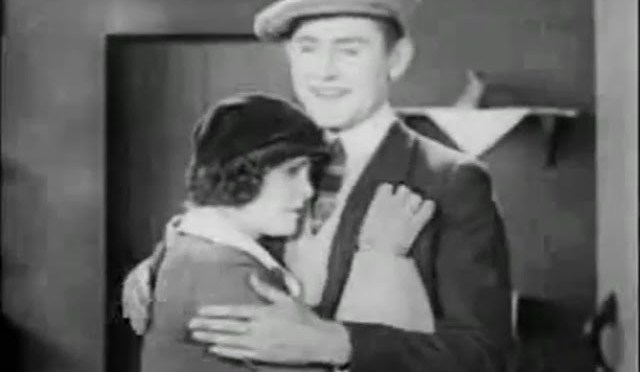
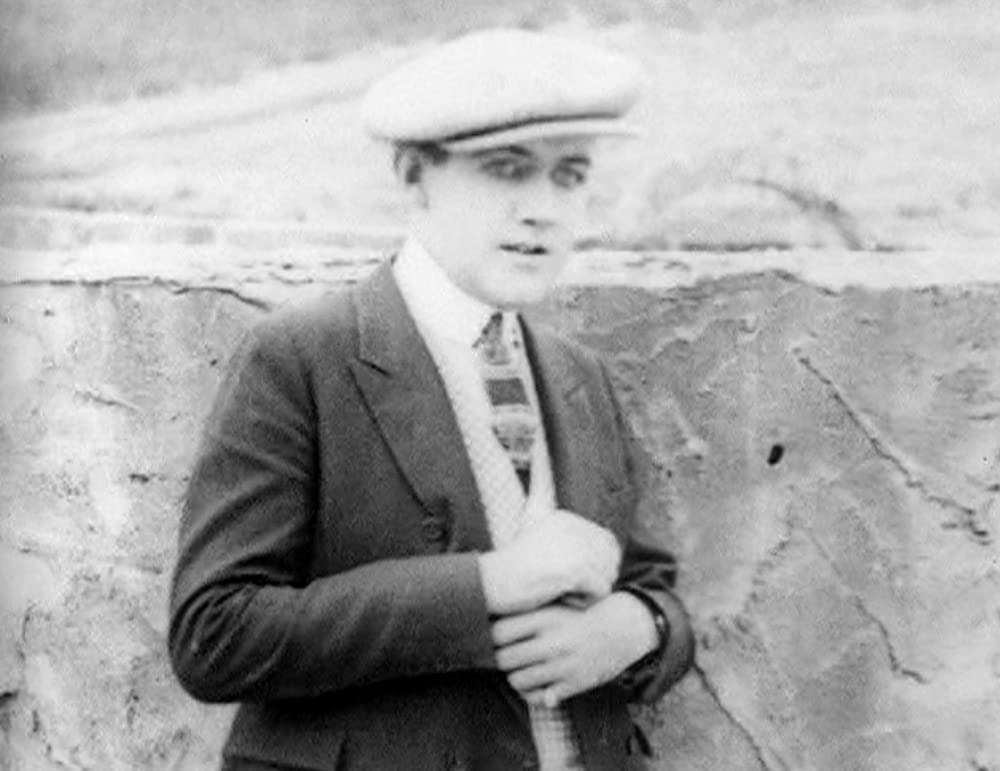
Powder and Smoke (1924) and its forgotten stars


Powder and Smoke (1924)

Dir: James Parrott

Cast: Charley Chase, Blanche Mehaffey, Jack Gavin, Eddie Baker, Leo Willis, Chet Brandenburg, Lyle Tayo

Prepared by Daniel B Miller

Powder and Smoke (1924) is a Charley Chase one reeler produced by Hal Roach for the popular Jimmy Jump series.

Charley Chase made 104 films for Hal Roach, many of which were directed and written by his brother James Parrott.

In addition to its highly entertaining content, this film is a true archive gem, full of long forgotten personalities, events, facts and trivia from the golden era of silent cinema.

In this delightful little comedy, Chase was joined by the usual suspects of many Hal Roach Studio comedies. Those were fronted by Blanche Mehaffey who played the daughter and his love interest, followed by Jack Gavin as the Sheriff, Eddie Baker in the role of the Real Estate Agent, and with Leo Willis as the Bandit Chief.

Mehaffey and Gavin are hardly remembered by the filmgoers of today, but their lives and careers are certainly of interest.

Blanche Mehaffey

In her early years, Blanche Mehaffey was considered a huge potential, and began her career as a dancer with the Ziegfeld Foillies,

Mehaffey’s presence was described as “truly mesmerising” by many theater lovers of the day who watched her on stage. Those dedicated fans enchanted her boss Florenz Ziegfeld with so many endless compliments, that in return she began describing Mehaffey as “the girl with the most beautiful eyes in the whole world”.

Such great publicity opened the whole world of possibilities for the young performer.
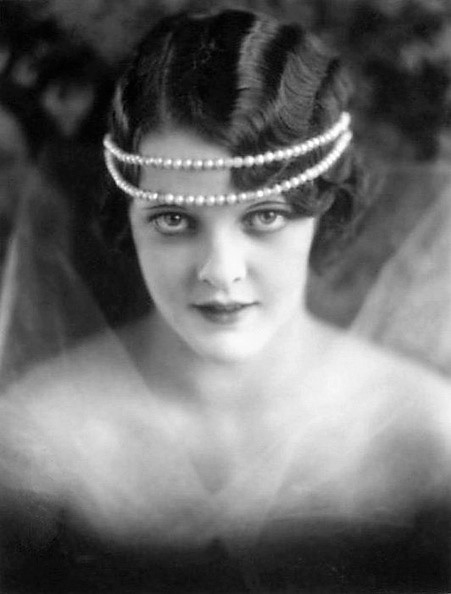
Blanche Mehaffey

In no time she spearheaded the Baby Stars of 1924, where she was joined by Clara Bow, Dorothy Mackaill and Hazel Keneer.

Her film debut was in Hal Roach Studios one reeler Fully Insured (1923) directed by George Jeske and featuring two other silent comedy heavyweights, Snub Pollard and James Finlayson.

The success of this film had led to her pairing with Charley Chase and later Glenn Tyron. With Chase she made a selection of films in addition to Power and Smoke. Those included April Fool (1924), Just a Minute (1924), At First Sight (1924), One of the Family (1924) and Position Wanted (1924).
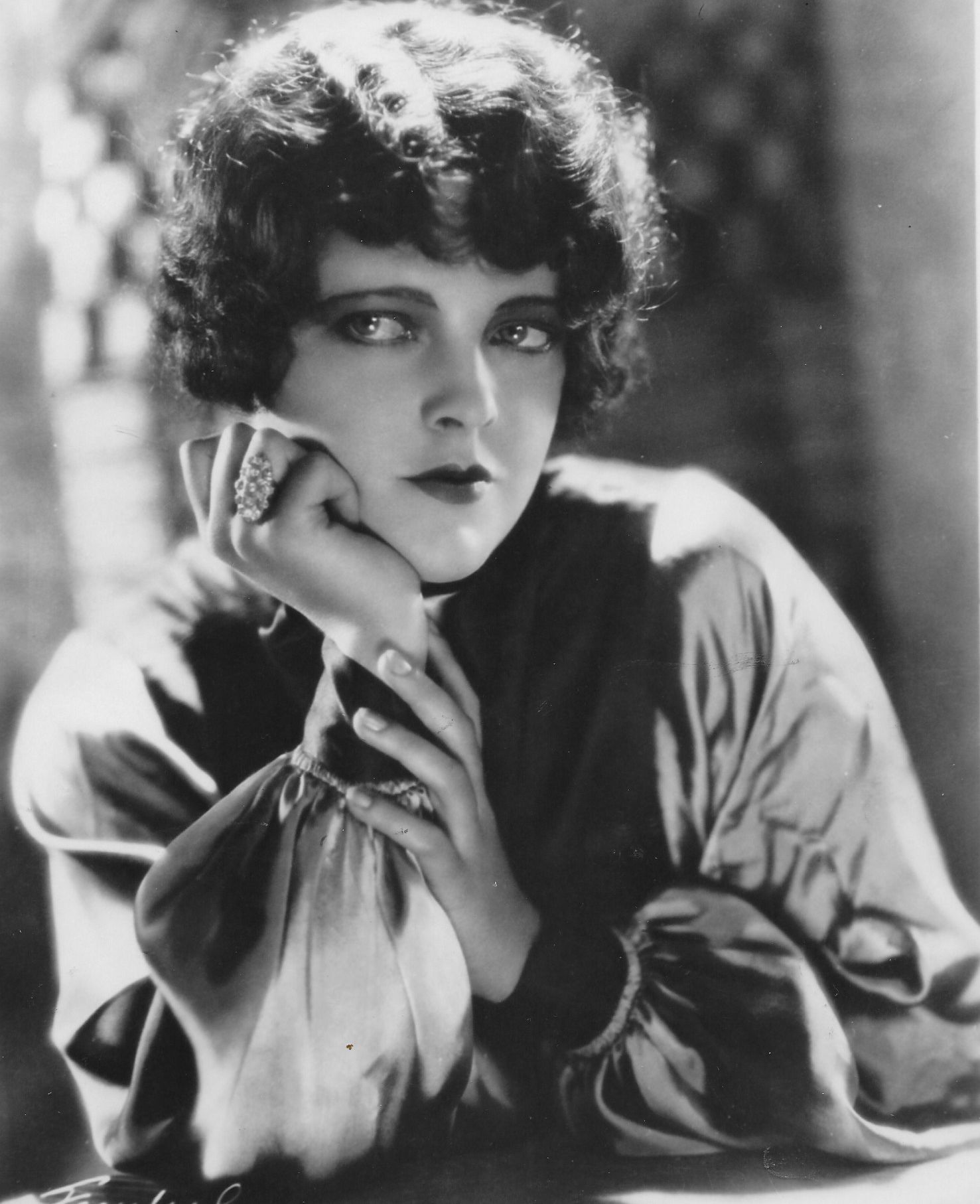
Blanche Mehaffey in The Samaritan (1931)

Her films with Tyron included Meet the Missus (1924), The Wages of Tin (1925), Tell it to the Policeman (1925), and The Haunted Honeymoon (1925).

Her comedy talent flourished when playing the love interest for those two leading men. Her biggest success of this period was in Malcolm St. Clair’s comedy A Woman of the World (1925), where she joined Paula Negri and Charles Emmet Mack.

Her persona in Powder and Smoke gave a contemporary touch to the female characters of 1920s westerns, also paving the way to prominent parts in a number of bigger productions.

Some of those films performed badly at the box office, and in 1927 she decided to use the name of Joan Alden to detach from those pictures. In 1928 she married a sound engineer and producer Ralph M Like hoping to rescue her career.

Unlike many other silent films stars, she prepared for the transition to sound in advance. She took a decision to depart from the industry for a full year, in order to study languages and enhance her voice techniques.

It is likely that being absent at the height of her silent film career, coupled with some box office failures affected her relationships with the leading producers and directors.
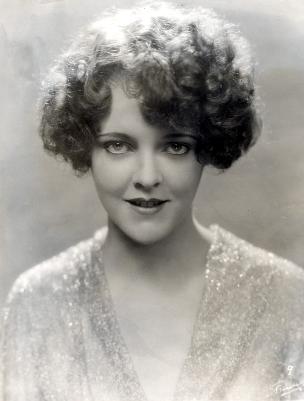
Blanche Mehaffey

She returned to silver screen two years later, with her first sound feature, again a western called The Sunrise Trail (1931), where she joined Bob Steele and Jack Rube Clifford.

Her presence in westerns continued, mainly in B productions, that supported other major features. Those never brought back the early successes of her silent comedies.

Similar to other actors of the silent and early sound periods, she drifted into obscurity. Her last film was made in 1938 and she died in 1968.

Jack Gavin

Another person of interest in Powder and Smoke was the film director and actor Jack Gavin (born John Francis Henry Gavin) who played the Sheriff.

Gavin came to Hollywood from Australia.

He was one of the early filmmakers of the 1910s, and a true pioneer of Australian cinema. Gavin’s versatility, coupled with the multitude of talents and highly developed entrepreneurial skills, enabled his early rise to prominence.
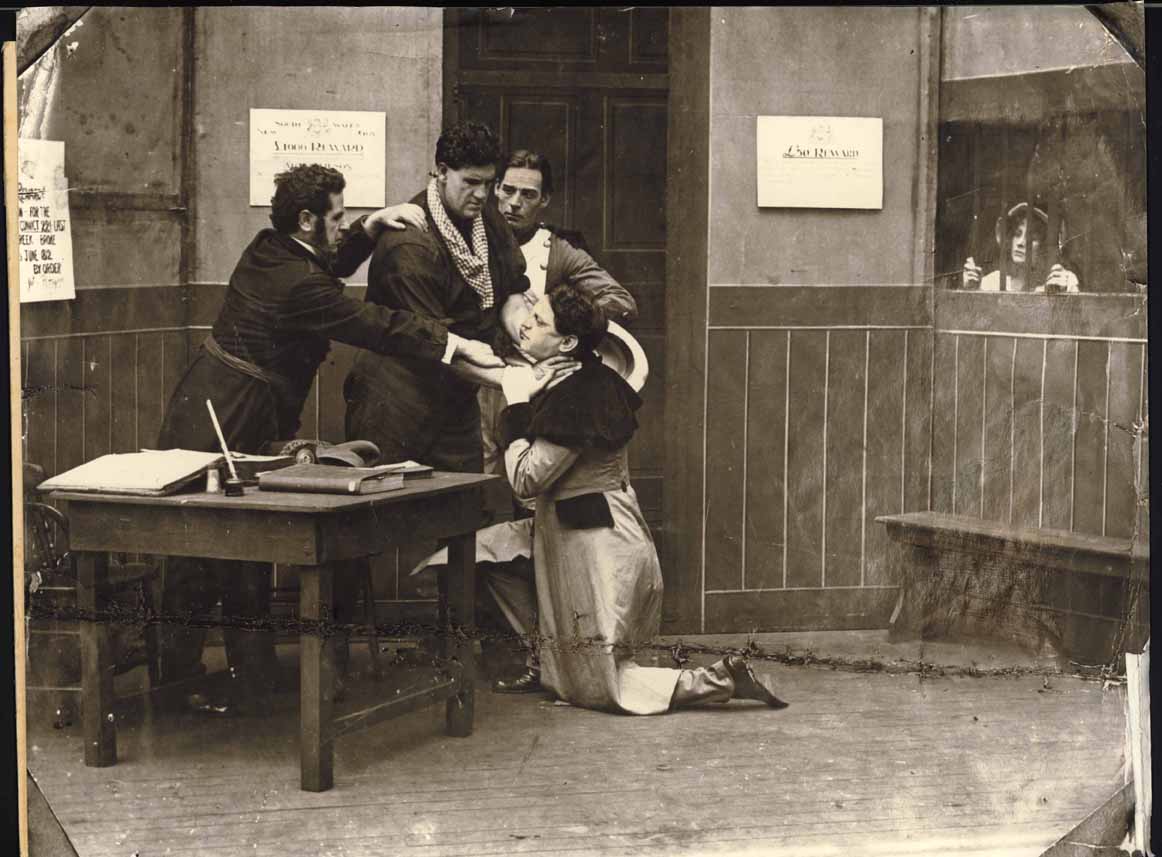
Jack Gavin in His Convict Bride (1918)

He is remembered for making films in Australia about bushrangers such as Thunderbolt (1910), Moonlite (1910), Ben Hall and His Gang (1911) and Frank Gardiner, the King of the Road (1911).

He was known by the nickname “Jack” and worked in collaboration with his wife Agnes who wrote many of his films. Most of those have not survived.

Everyones Magazine remarked in 1920: “although Gavin was prolific his later surviving work shows that his entrepreneurial talent outweighed any he might have had as director.”

He displayed a variety of talents and was never afraid to take up any role offered, if it guaranteed success or career enhancement. His life was eventful and highly productive but also full of difficult challenges.
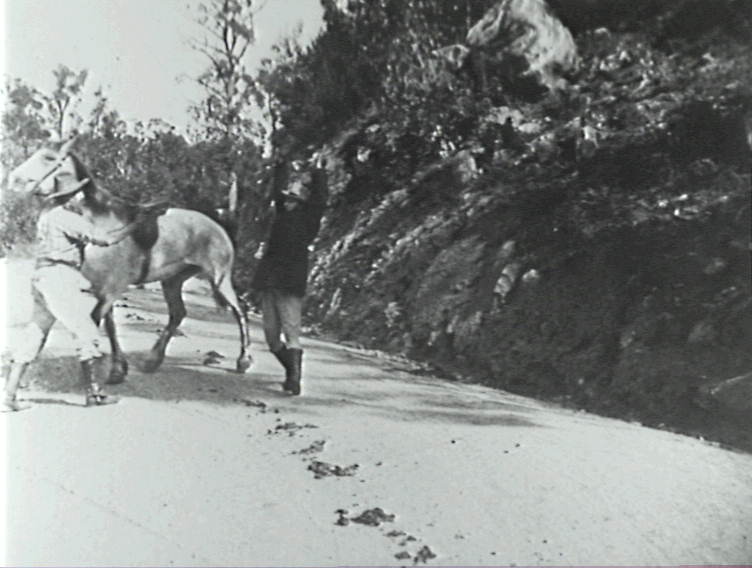
Jack Gavin in Thunderbolt (1910)

He was accredited with Australia’s first animated short, an advertising film which featured a koala taking cough syrup.

Gavin was born in Sydney and described himself as busy since his early childhood, claiming that he worked for the circus company already at age ten.

He moved to the country and worked as cattle drover, being involved in a record cattle drive from Camooweal to Adelaide. He served for a time in the Sydney Lancers as the captain of a squadron. During his service he became interested in acting and received an offer to join the touring company of Bland Holt.

He stayed with them for a number of seasons, then travelled to the USA where he worked with Barnum and Bailey’s Circus, and Buffalo Bill’s Wild West Show. He married Agnes in 1898.

Gavin returned to Australia and organised his own Wild West Show which was successful at the Melbourne Cyclorama, although plagued by a number of legal troubles. Gavin eventually had a company of 150 before moving into filmmaking. In 1908 he started managing theatres which he did for the next few years, displaying versatility with entrepreneurial knowledge and skill.

His debut feature film was about Thunderbolt in 1910, produced by H A Forsyth, and its success launched his career.
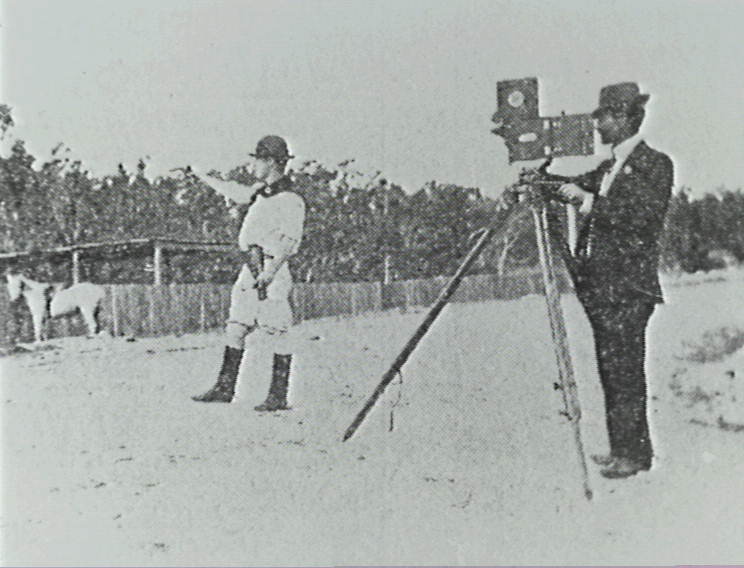
Jack Gavin filming Moonlite (1910)

He followed this up with Moonlite  in the same year. He directed and starred in both films which was well noted. By February 1911 The Newsletter: an Australian Paper for Australian People described:”more film has been used over Jack Gavin than over any other Australian biograph actor.” They described him as “the beauteous bushranger”.

Overall success of Gavin’s bushranging films was attributed to two main factors: the quality of horsemanship in them, and the fact they were normally shot on the actual locations where the events occurred.

General Gossip: The Referee stated in 1911 that “The pictures already turned out by Mr. Gavin demonstrates that in biographic art Australian producers are in no way behind their European and American brothers. Clearness in detail and execution, with the cleverly-constructed stories by Agnes Gavin enable Mr. Gavin to offer attractive films.”

Gavin’s films were also often accompanied by popular lecturer Charles Woods, whose tales would delight the audiences country wide.
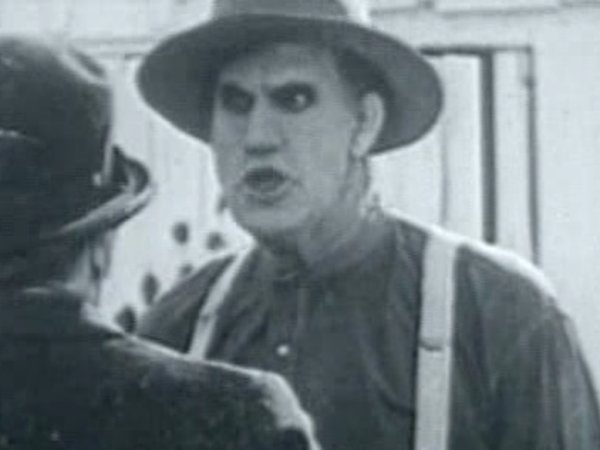
Jack Gavin in He Forgot to Remember (1926)

His first two movies were made for H.A. Forsyth at Southern Cross Motion Pictures but he and Forsyth had a falling out and Gavin went his separate way, publicly announcing the fact in January 1911.

In July 1911 he set up his own company, the Gavin Photo Play Company, based out of Waverley.

He was involved in the formation of the Australian Photo-Play Company, but then established his own production company in October 1911. When bushranging films were banned in Australia in 1912, he turned to dramatising other true characters, such as Edith Cavell and Charles Fryatt.

In 1912 Gavin was arrested for owing money to a business associate though he was later released.

In January 1917 he took out a lease on a studio at North Sydney and announced plans for make four feature films over a year, starting with The Murder of Captain Fryatt. He also started up a film school and spoke of offers from America.

As making movies in Australia became increasingly difficult for him, Gavin moved to Hollywood, where he lived for eight years.
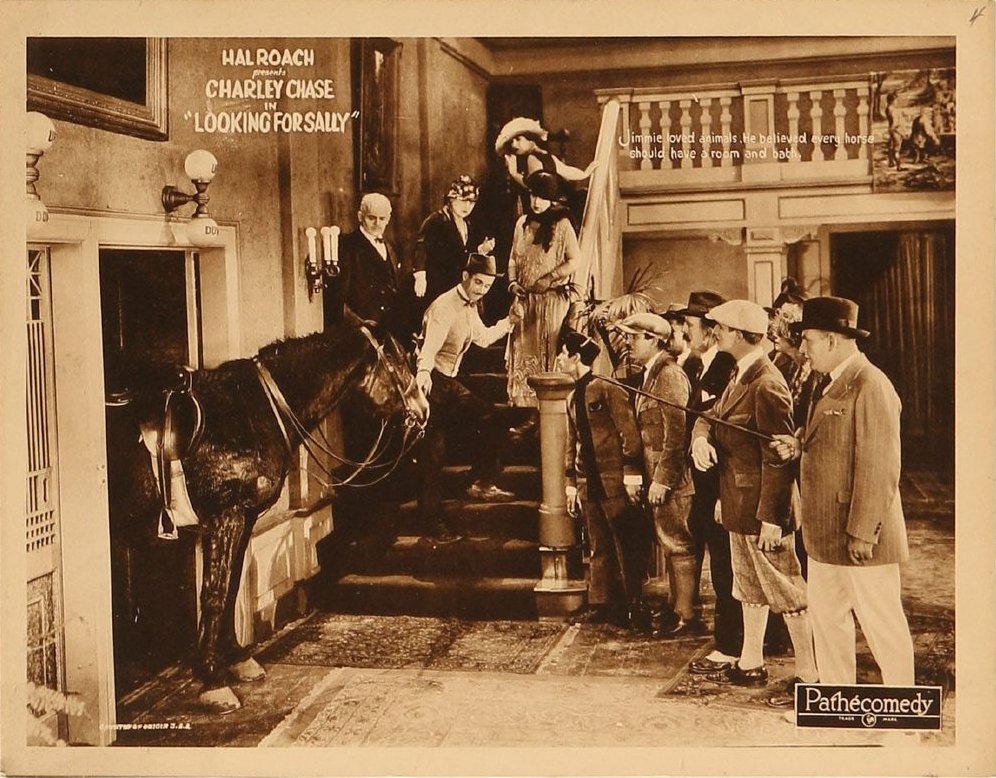
Jack Gavin in Looking for Sally (1925)

He told reporters from The Film Trade: Maitland Weekly Mercury NSW in 1927, that he appeared in over 300 films. Claimed he was a good friend of Lon Chaney, Rudolph Valentino and Lon Chaney.

In Hollywood he also worked with harold Lloyd and Snub Pollard.

Gavin always stated that he was particularly pleased with his public efforts to popularise the drinking of tea in Hollywood.
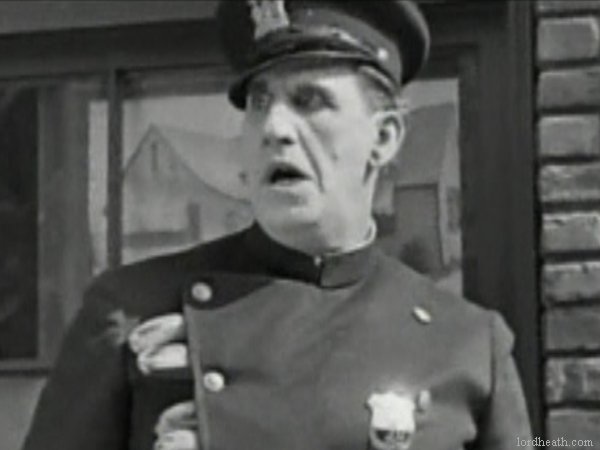
Jack Gavin in Official Officers (1925)

He returned to Australia in February 1922 to make several outback films, including a serial based on notorious criminal Ned Kelly. He also set up a new company in Brisbane, but faced serious censorship problems and could not raise enough capital for what was to be his major project.

Disappointed, he went back to Hollywood in May 1923, where he faced further challenges with casting and overall working conditions, then returned to Australia in 1925.

As a great supporter of the domestic production and the Australian cinema overall, he gave evidence at the 1928 Royal Commission on the Moving Picture Industry in Australia.

He passionately argued for a regular and easily verifiable quota for Australian films.
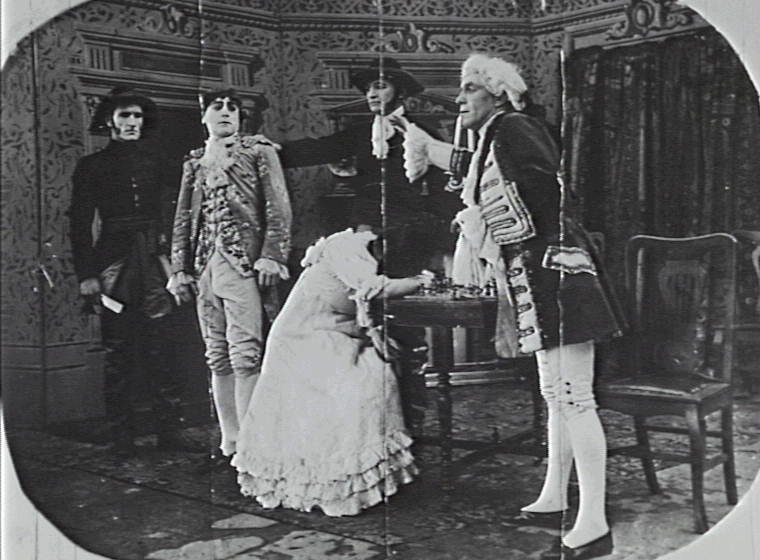
Agnes Gavin ( formerly Wangnheim, Kurtz ) in The Assigned Servant (1911) directed by her husband Jack Gavin

His contemporaries described Gavin as “a big man with a generous and naive personality… more enthusiasm and stubborn persistence than talent.”

Towards the end of his life he lived in a flat in Neutral Bay and suffered from rheumatism.

He died in 1938 survived by his wife Agnes and their daughters.

His personality, highly cinematic presence in so many one and two reelers as well as versatility, drive us to futher research and strongly stimulate further learning about his contemporaries from the 1920s.

Eddie Baker

Eddie Baker, who played the Real Estate Agent, is another actor and director from the golden age of silent cinema. He made more than 300 films.
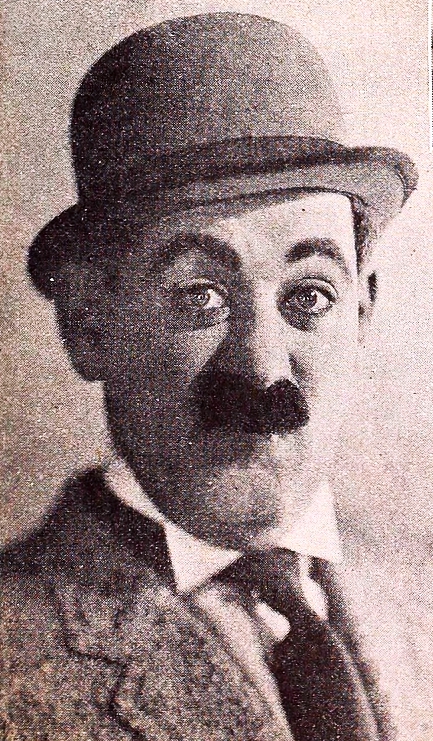
Eddie Baker

Baker played supporting roles in many silent comedies with Gale Henry, Snub Pollard, Jobyna Ralston, James Parrott, Stan Laurel, Katherine Grant, Charlie Chase, Harry Langdon, Bobby Vernon, Bill Dooley and Jimmie Adams. He was also one of the original Keystone Cops.

Sadly he is only remembered for his presence in Laurel and Hardy films, and for his uncredited role as a boxing referee in Charles Chaplin’s City Lights (1931).
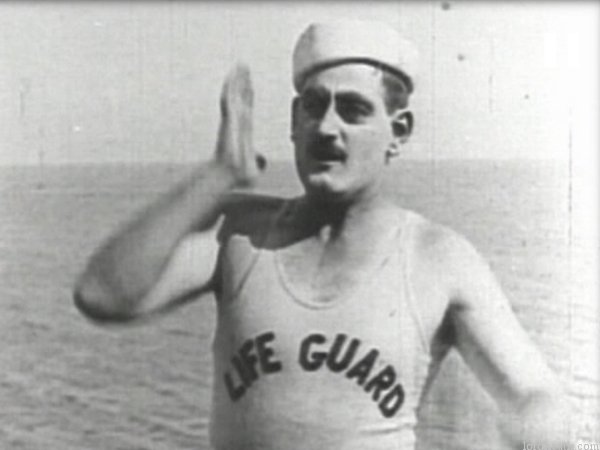
Eddie Baker in Get Busy (1924)

He represented those early cinema actors who subscribed to the Hollywood assembly line of mass production, men and women who would embrace any opportunity offered.

Baker would play any given role from cafe owner, laundry worker, german agent, stable hand, cop, prospector, boss, to detective, train official and plantation owner.

His talent for slapstick and situational comedy thrived when in some of the films he joined the biggest stars of that period.

With Stan Laurel he excelled in Oranges and Lemons (1923), A Man About Town (1923), Short Orders (1923) Gas and Air (1923) and Smithy (1924). With Charley Chase in addition to Powder and Smoke he was in Hard Knocks (1924), and Publicity Pays (1924). With Harry Langdon he was in Sea Squawk (1925), Tied for Life (1933), Knight Duty (1933) and Tired Feet (1933).
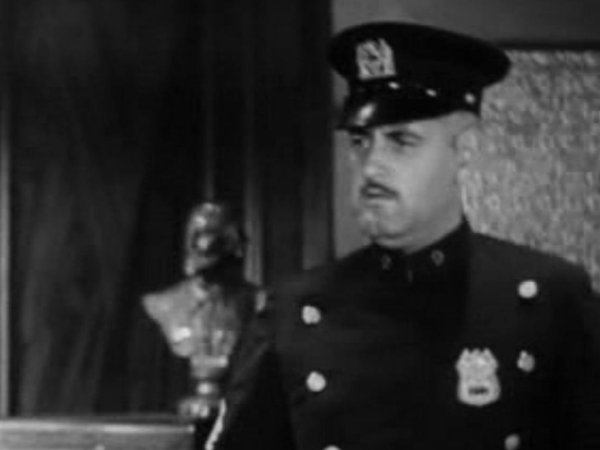
Eddie Baker in A Man About Town (1923)

With the onset of sound in pictures, he was demoted to minor, episodic roles for which he was rarely credited. Baker died in 1968 from emphysema.

Leo Willis

Leo Willis was also a veteran of early silent years, whose career began in films of Thomas Ince with William S Hart.
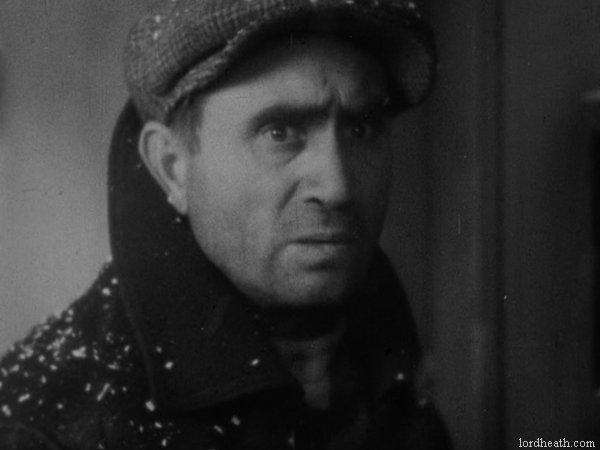
Leo Willis

Similar to Edie Baker he played tough characters on either side of the law and a selection of comic villains in films with Chase, Harold Lloyd and Laurel and Hardy.

He was a Hal Roach Studios regular and is best remembered for The Bulls Eye (1917), The Rent Collector (1921), Timber Queen ,(1922), Wild Bill Hickok (1923), Isn’t Life Terrible (1925), and The Kid Brother (1927).
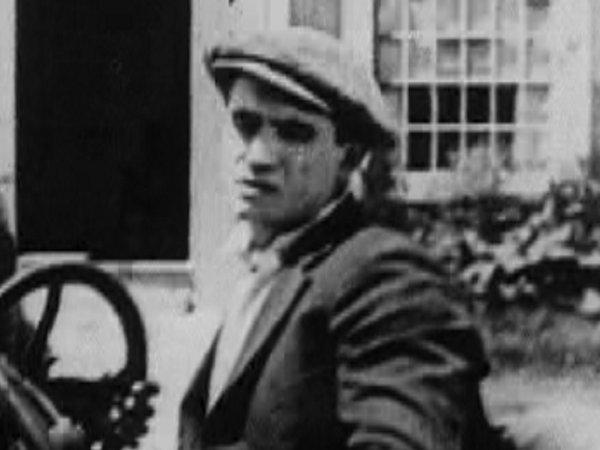
Leo Willis in Sittin’Pretty (1924)

Similar to Baker, in sound pictures he was given insignificant parts and worked as an extra. He died in 1952.
Little Darling, The (1909)


Mary Pickford 1

Mary Pickford Season: FD Cinematheque

The Little Darling (1909)

Director: D W Griffith

Cast: Mary Pickford, Charles Avery, Robert Harron, Arthur V Johnson, James Kirkwood, Owen Moore, Lottie Pickford, Mack Sennett, Billy Quirk, Anthony O’Sullivan

3 min

DW Griffith 2

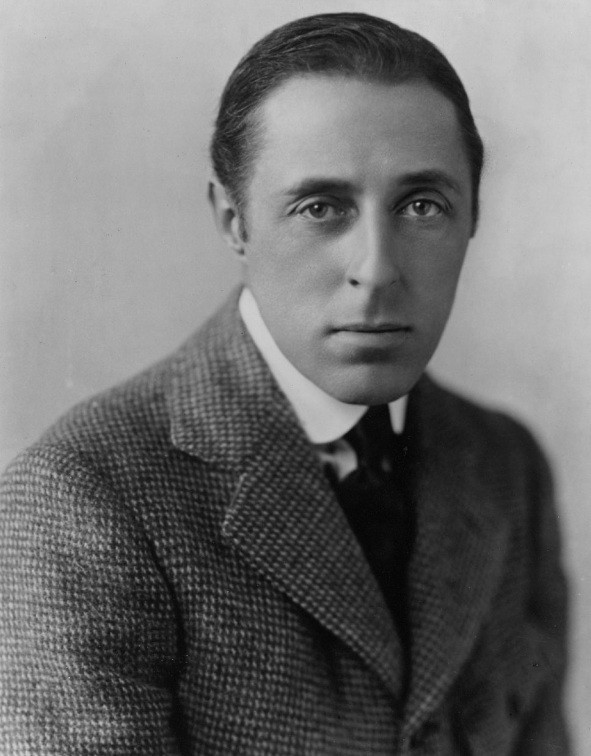
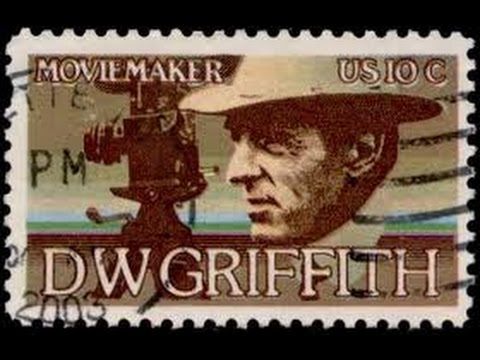
D W Griffith

Little Darling The 2

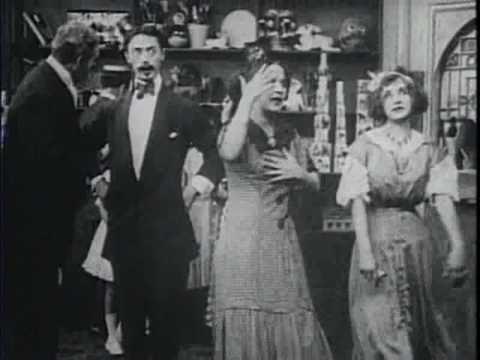
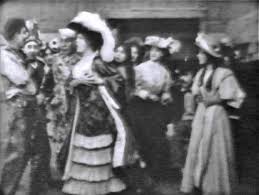
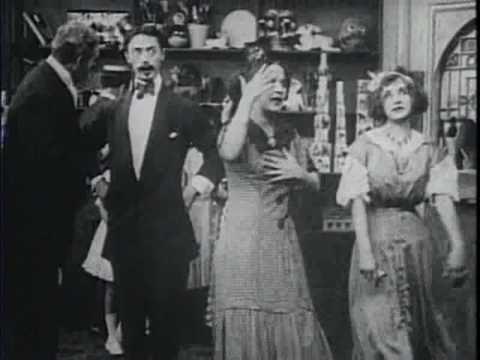
The Little Darling is a 1909 short film directed by D. W. Griffith. Released in split-reel for with Griffith’s The Sealed Room.[1]

Preserved from a paper print.

Cast

Little Darling The 1

References

External links

Little Darling The 3

Daddy-Long-Legs (1919)


Mary Pickford 1

Mary Pickford Season: FD Cinematheque

Daddy-Long-Legs (1919)

Director: Marshall Neilan

Cast: Mary Pickford, Milla Davenport, Percy Haswell, Fay Lemport, Percy Haswell, Fay Lemport, Mahlon Hamilton, Lillian Langdon, Marshall Neilan, True Boardman, Joan Marsh

Marshall Neilan 1

Marshall Neilan

Daddy Long Legs 2

Daddy Long Legs 6

Daddy Long Legs 10

Daddy Long Legs 13

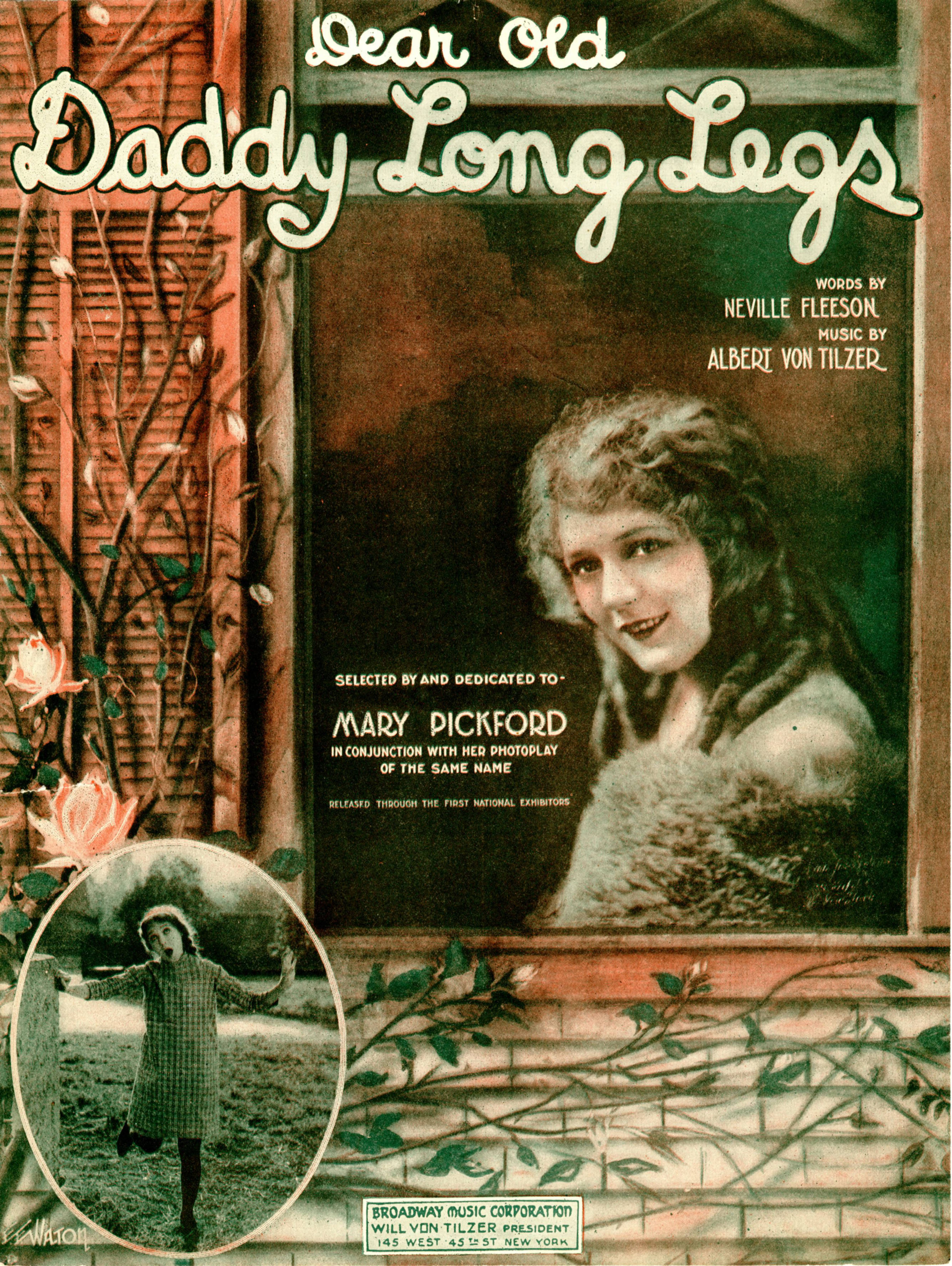
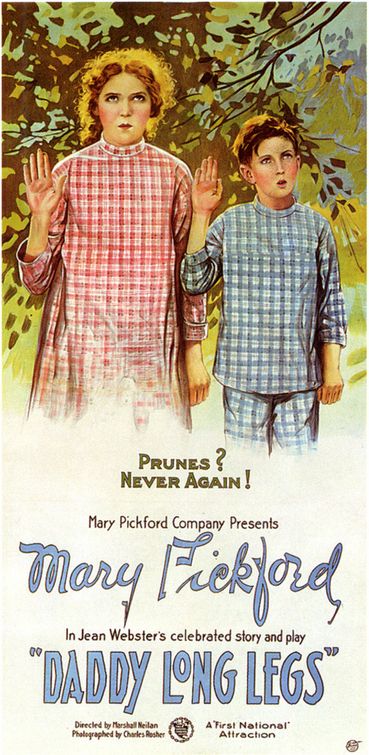
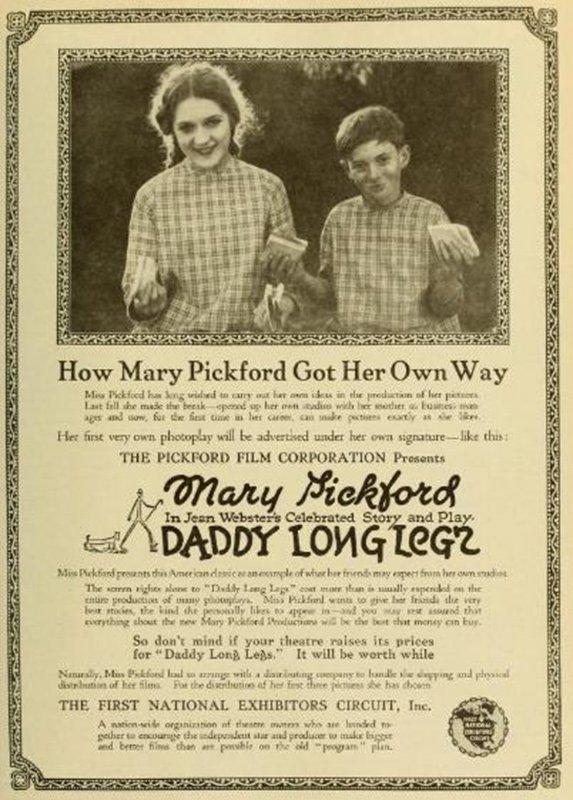
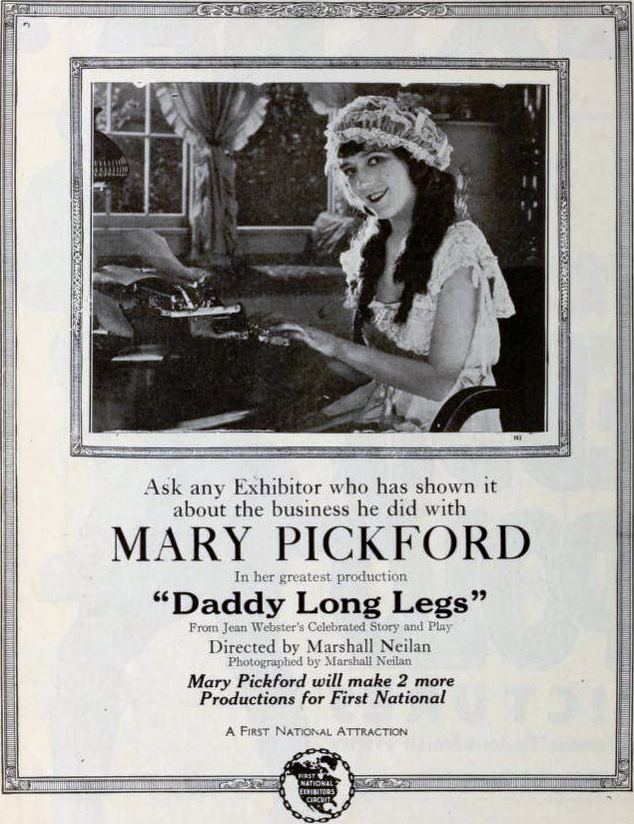
Daddy-Long-Legs is a 1919 silent comedy-drama film directed by Marshall Neilan, and based on Jean Webster‘s novel Daddy-Long-Legs. The film stars Mary Pickford.[2][3]

Daddy Long Legs 9

Plot

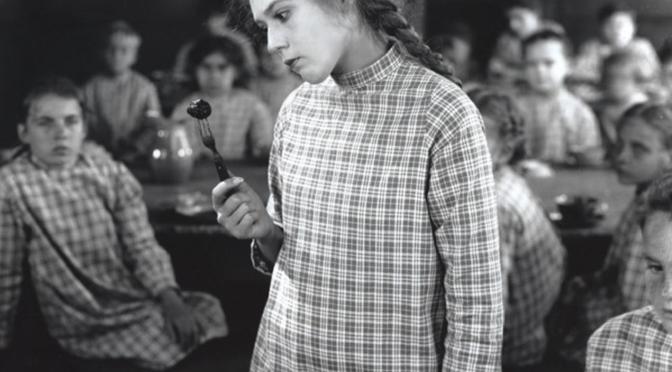
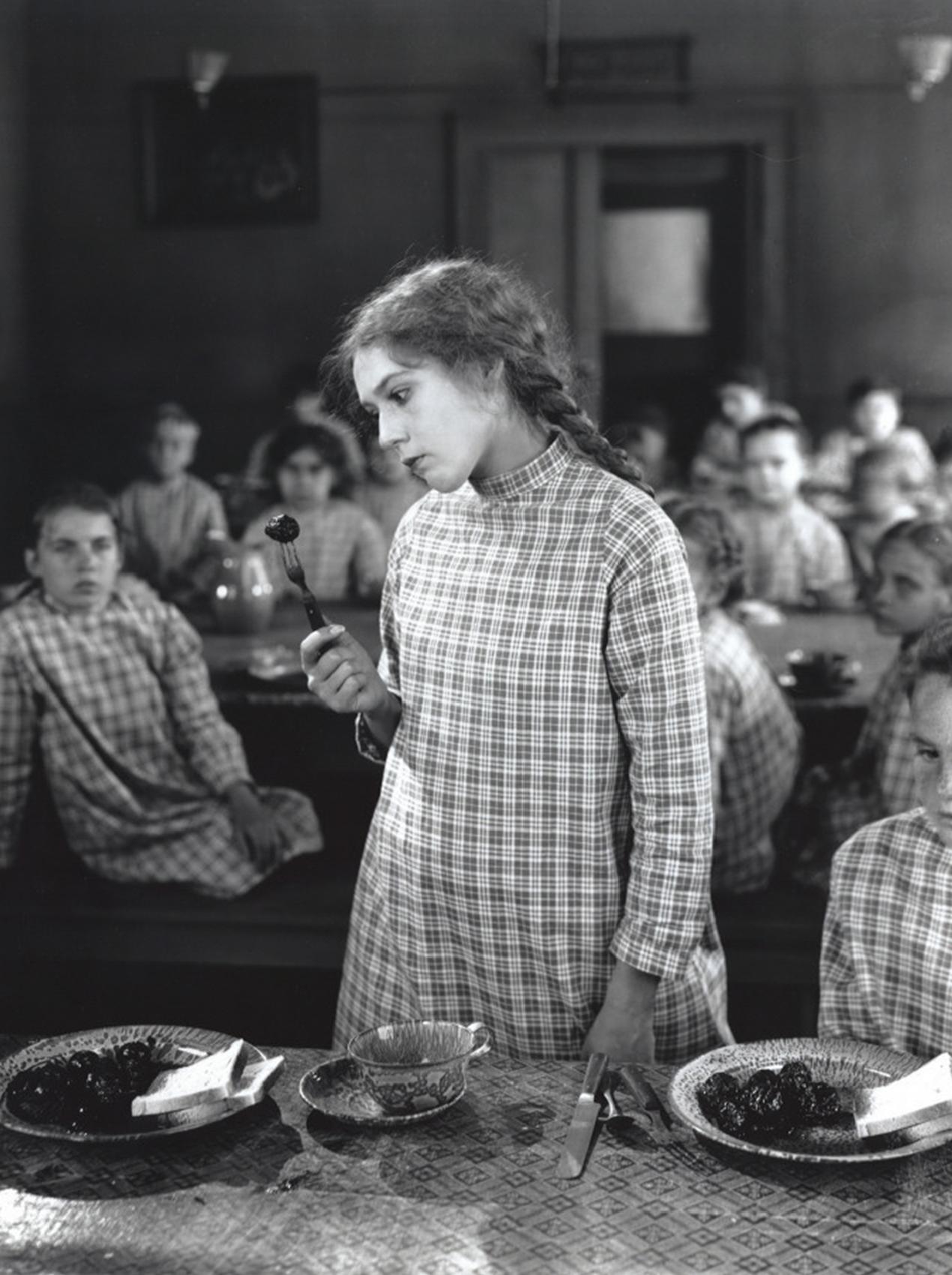
A police officer finds a baby in a trash can, and Mrs. Lippett, the cruel matron at an orphanage where children are made to work, names her “Jerusha Abbott” (she picks “Abbott” out of a phone book and gets “Jerusha” from a tombstone). The orphan, who comes to be called Judy, does what she can to stand up for the younger children, frequently clashing with both Mrs. Lippett and the cold hearted trustees. At one point she leads a rebellion against being served prunes with every meal and at another, steals a doll from a selfish rich girl to lend to a dying orphan.

Daddy Long Legs 7

Years later, wealthy Jervis Pendleton, a mysterious benefactor, pays to send Judy, now the oldest and most talented child in the orphanage, to college. He insists, however, that Judy must never try to contact him in person. Judy calls him “Daddy-Long-Legs,” and writes to him, however. Judy proves popular with her wealthier and more “aristocratic” classmates, and writes a successful book to repay “Daddy-Long-Legs” the money he spent on her. She is generally happy but misses not having any real family members to take pride in her accomplishments. Judy also finds herself caught up in a romantic triangle with the older brother of a classmate and an older man (who is, unknown to her, her mysterious benefactor). She eventually chooses the older suitor and is delighted to learn that he is her “Daddy-Long-Legs.”

Cast

Daddy Long Legs 11

Accolades

The film is recognized by American Film Institute in these lists:

References

Getting Even (1909)


Mary Pickford 1

Mary Pickford Season: FD Cinematheque

Getting Even (1909)

Director: D W Griffith

Cast: Mary Pickford, Billy Quirk, James Kirkwood, Edwin August, Florence Barker, Kate Bruce, Arthur V Johnson, Florence La Badie, George Nichols, Lottie Pickford, Henry B Walthall, Mack Sennett

6 min

DW Griffith 2

D W Griffith

Getting Even is a 1909 American silent short comedy film directed by D. W. Griffith. A print of the film exists in the film archive of the Library of Congress.[1]

Cast

References

  1. Jump up^ “Her First Biscuits”. Silent Era. Retrieved 6 December 2014.

Getting Even 1


Romance of the Redwoods, A (1917)


Mary Pickford 1

Mary Pickford Season: FD Cinematheque

Romance of the Redwoods, A (1917)

Dir: Cecil B DeMille

Cast: Mary Pickford, Elliott Dexter, Tully Marshall, Raymond Hatton, Charles Ogle, Walter Long, Winter Hall

70 min

Romance of the Redwoods 1 Romance of the Redwoods 9


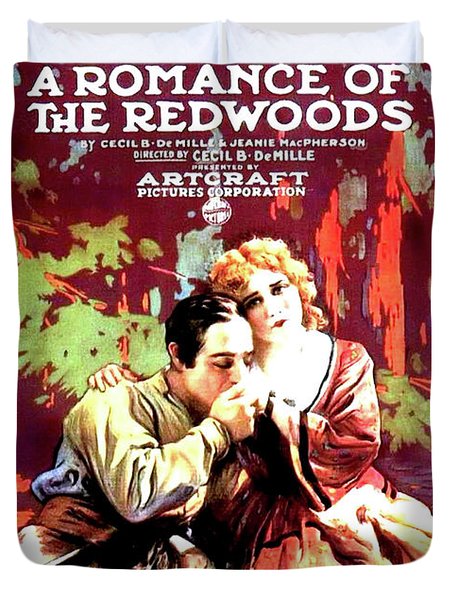
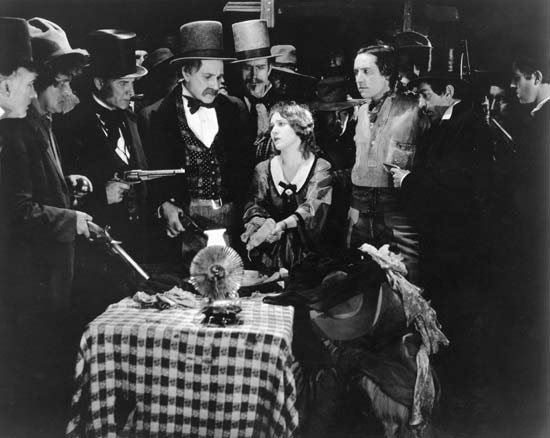
A Romance of the Redwoods is a 1917 American silent drama film directed by Cecil B. DeMille and starring Mary Pickford. A print of the film survives in the film archive at George Eastman House.[1]

Cast

Romance of the Redwoods 6

Sparrows 1926


Mary Pickford 1

Mary Pickford Season: FD Cinematheque

Sparrows 1926

Dir: William Beaudine and Tom McNamara

Cast; Mary Pickford, Roy Stewart, Mary Louise Miller, Gustav Von Seyffertitz, Charlotte Mineau, Spec O’Donnell, Lloyd Whitlock, Billy Butts, Monty O’Grady, Jackie Levine

84 min

Sparrows 1

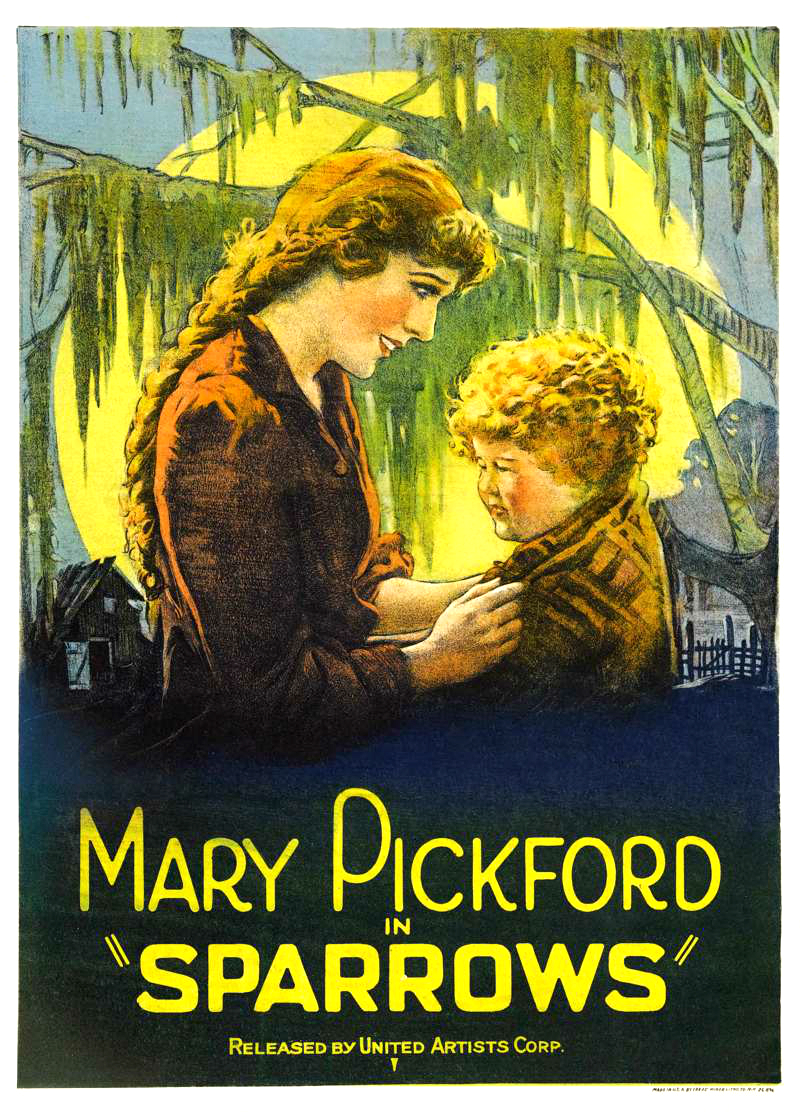
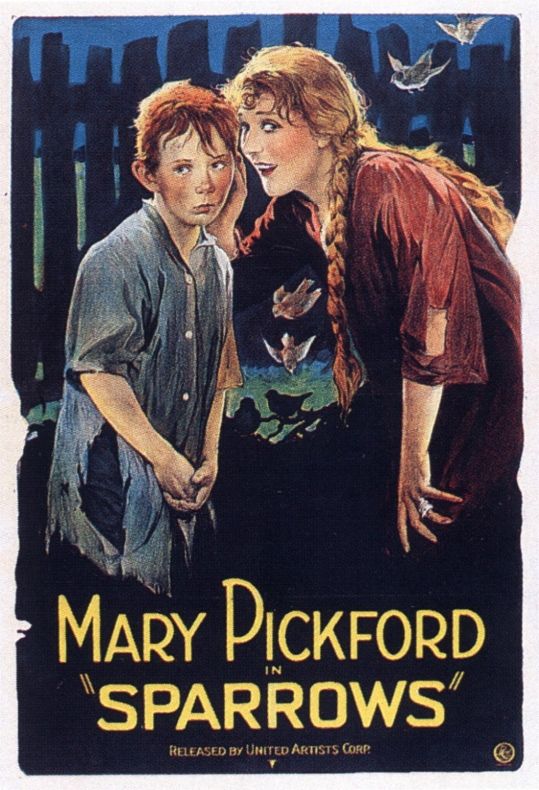
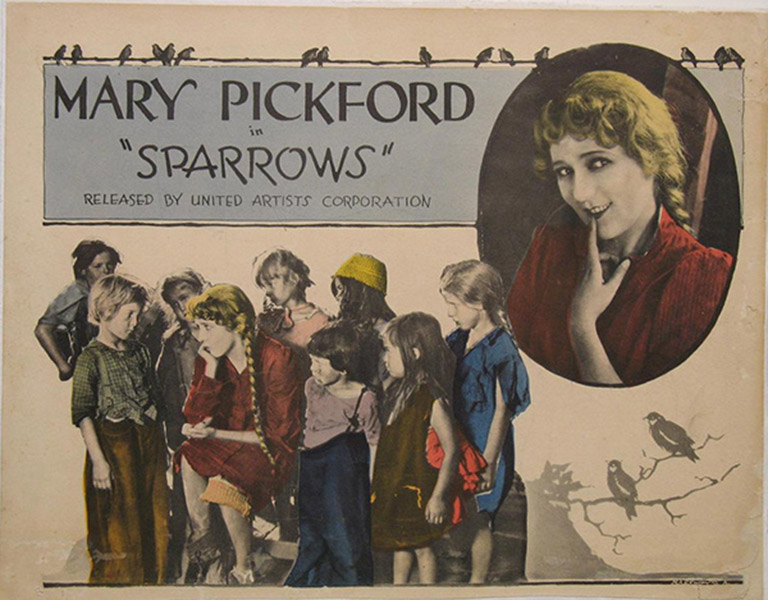
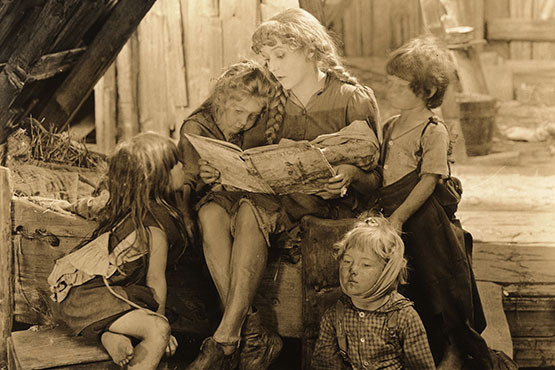
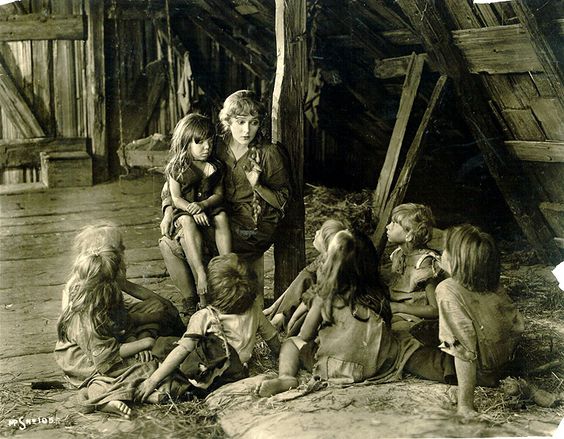
Sparrows is a 1926 American silent film about a young woman who rescues a baby from kidnappers. The film, which was originally titled Scraps, starred and was produced by Mary Pickford, who was the most powerful woman in Hollywood at the time.[1][2]

kinopoisk.ru

Plot

Mr. Grimes and his wife operate a dismal “baby farm” near an alligator-infested swamp. Molly, an adolescent inmate and the oldest of their charges, attempts to provide the other tattered, starving kids with the loving maternal care they need. Most of the children are orphans. One mother sends her child a doll, but Grimes crushes its head and tosses it into the swamp.

The children are ordered to hide anytime someone comes to the farm. When a hog buyer shows up, Ambrose, the Grimes’ son, maliciously prevents Splutters, one of the children, from hiding. The buyer then purchases the boy from Grimes.

Molly has promised the others that God will rescue them. When a boy asks why nothing has happened after a month, she tells him that He is busy attending to sparrows (a biblical reference).

Ambrose catches Molly with stolen potatoes, so she and the others are given no supper. She pleads for the children, especially the sick, youngest baby, to no avail. Late that night, in a vision, Christ enters the barn where they sleep and takes the baby. When Molly wakes up, the child is dead.

Joe Bailey and his associate bring a kidnapped baby girl to the farm for concealment until they receive a ransom from the rich father, Dennis Wayne. When Grimes reads about the kidnapping in the newspaper several days later, he decides it is safer to chuck the baby into the swamp.

When Ambrose grabs the little girl to carry out the plan, Molly gets her back. After she fights off Grimes with a pitchfork, he strands her in the hayloft and decides he must get rid of her, too.

That night, Molly flees with the children. Grimes finds this hilarious; he figures either the mud or the alligators will take care of the children. However, when the kidnappers come back for the baby, he leads them on a search.

Meanwhile, Splutters is brought to the police station, having been discovered by one of the search parties. He tells the policemen and Mr. Wayne about the baby farm.

Molly and the kids emerge unscathed from the swamp and hide aboard a boat, unaware it belongs to the kidnappers. Pursued by the police, Grimes runs into the swamp, but falls into deep mud and perishes, while the two criminals flee in the boat. Unable to shake the harbor patrol, they try to slip away in a dinghy, but are run over and drown.

The baby is reunited with her wealthy father, but when she refuses to drink her milk without Molly, Mr. Wayne offers Molly a comfortable home. She accepts only on condition that he take in the other children as well.

Cast

  • Children:
    • Billy Butts
    • Jack Lavine
    • Billy “Red” Jones
    • Muriel McCormac
    • Florence Rogan
    • Mary McLain
    • Sylvia Bernard
    • Seesel Ann Johnson
    • Camille Johnson

Sparrows 13

Cast notes:

  • Sparrows was Mary Pickford‘s next to last silent role; it was followed by 1927’s My Best Girl. After that, Pickford did some talking pictures before retiring to “Pickfair”, her estate with husband Douglas Fairbanks.[3]

Production

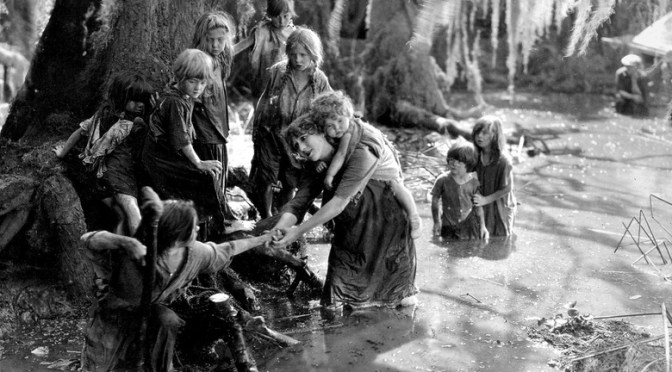
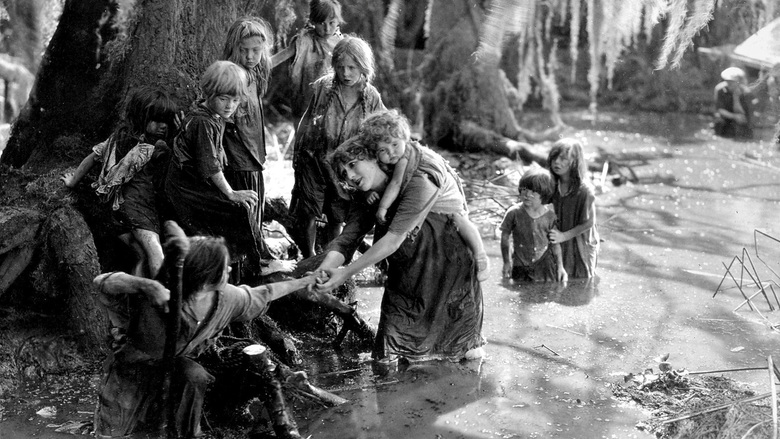
Although William Beaudine received critical acclaim both inside and outside the film industry for his direction, star Mary Pickford felt that he was too cavalier about the safety of the actors, especially in a scene where she had to carry a baby across some water filled with alligators. Pickford wanted to use a doll, but Beaudine insisted on using a real baby, since the alligators’ jaws were bound shut. However, Hal Mohr, the film’s director of photography., debunked this story, saying “There wasn’t an alligator within ten miles of Miss Pickford,” and revealing in precise detail how the effect was done.[3] Regardless, Pickford swore that Beaudine would never work for her or her company as long as she lived. She was as good as her word, as Beaudine never worked for her or United Artists again. Toward the end of the picture, they clashed so often that Beaudine developed a serious paralysis of his face from the pressure and aggravation. He finally turned the picture over to his assistant, Tom McNamara, and left the set. McNamara finished the picture uncredited.

Art director Harry Oliver transformed 3 acres (12,000 m2) of the back lot between Willoughby Avenue and Alta Vista Street into a stylized Gothic swamp. The ground was scraped bare in places, 600 trees were carted in, and pits dug and filled with a mixture of burned cork, sawdust and muddy water.

Filming began in July, over summer vacation. The children had the run of the set, barefoot and in costume, so they would become accustomed to the environment. Each child had a crew member assigned to fish them out of the gunk. These assistants also made sure the kids were cleaned up and comfortable with warm towels when they emerged from the swampy water.

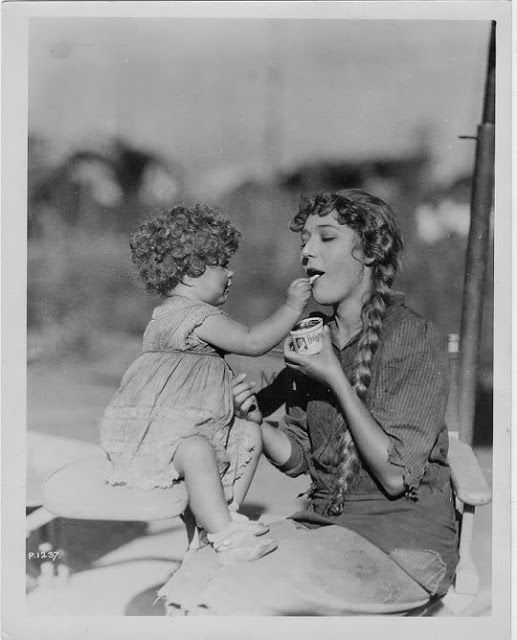
Pickford developed a great fondness for two-year-old Mary Louise Miller. Pickford, who had no children of her own, even tried to adopt the toddler, but her parents refused.

An earlier version of the “Jesus in the barn” scene was filmed in which the dead baby’s spirit was carried to Heaven by a phosphorescent angel. The scene was rejected in favor of the Jesus take.

Sparrows 12

Critical reception

  • The New York Times: “Gustav von Seyffertitz, with a suspicion of Lon Chaney’s penchant for deformity, is emphatically capable as Mr. Grimes. Little as she does, Charlotte Minneau gives an excellent portrait of the cruel and unimaginative Mrs. Grimes. … Although Miss Pickford’s performance is as flawless as ever, it is doubtful whether she served herself well in selecting this special screen story, in which there is an abundance of exaggerated suspense and a number of puerile ideas. It is an obvious heartstring tugger during most of its length, and it frequently dallies with the thrills of old fashioned melodramas.”
  • Motion Picture Magazine, December 1925: “It was Douglas Fairbanks who told us that Mary Pickford’s production of “Sparrows” was Dickensonian. And after seeing it we have nothing less and nothing more to say of it. Perhaps you know that it is the story of a baby farm . . . with Gustav von Seyffertitz as Grimes, the cruel manager . . . and Mary, as Mollie, who watches over the little boys and girls. Melodrama is interwoven in the story and there is nothing new or startling about the plot. But you won’t realize this until the last lovely close-up of Mary has faded from the screen. Which means, of course, that the story interests you so much that your critical faculty is dulled. We are glad that Mary is not going to continue to play grown-ups parts. So many on the screen can be the grand lady. And no one else that we have ever heard about or seen captures the elusive and misty quality of childhood as Mary does. You’ll weep a little. You’ll laugh a great deal. And you’ll hold your breath once or twice.”

Sparrows 4

  • Picture Play, January, 1927: “The choice of “Sparrows” was a singular one for Mary Pickford to make, but no one can deny that she has done the picture surpassingly well. The subject is gloomy, and some of the horrors recall Dickens, yet the darkness is shot through with many laughs. Indeed, so heavily does the hand of melodrama smite “Sparrows” that the picture passes beyond the bounds of credibility. Thus the spectator relaxes, content to give way to his amazement at Mary’s skill. She is Mama Mollie, a lovely waif in whom the maternal instinct is well, there aren’t words to tell how strong it is, for she mothers eleven woebegone, poverty-stricken children at a baby farm kept by the villainous Grimes in the midst of a Louisiana swamp. A kidnapped baby is thrust by Grimes into the group and the plot gets underway, Mollie’s heroic efforts to keep the baby against the will of Grimes leading her and the entire brood into the deadly swamp. “Sparrows” is well worth seeing.”
  • Film historian Jeffrey Vance considers Sparrows to be Pickford’s masterpiece. In his program notes for the Giorante del Cinema Muto (also knows as the Pordenone Silent Film Festival,) Vance writes in 2008: “Sparrows is her most fully realized and timeless work of art. The film’s superb performances, gothic production design, and cinematography all serve a suspenseful, emotionally compelling story anchored by a central performance by Pickford herself imbued with pathos, humor, and charm.”[4]

Accolades

Home Video

Milestone Film & Video released the Library of Congress restoration of Sparrows to DVD and Blu-ray in 2012 as part of a box set called Rags and Riches: Mary Pickford Collection. The home video version contains an audio commentary track by film historians Jeffrey Vance and Tony Maietta.[7]

Sparrows 18

References

Notes

  1. Jump up^ Wood, Bret “Sparrows (1926)” (article) TCM.com
  2. Jump up^ Mankiewicz, Ben. Intro to Turner Classic Movies presentation ofSparrows (May 5, 2010)
  3. ^ Jump up to:a b Landazuri, Margarita. “Sparrows (1926)” (article) TCM.com
  4. Jump up^ Vance, Jeffrey. “Sparrows” Le Giornate del Cinema Muto/27th Pordenone Silent Film Festival program book, October 4, 2008 http://www.cinetecadelfriuli.org/gcm/ed_precedenti/edizione2008/Catalogo2008.pdf
  5. Jump up^ “AFI’s 100 Years…100 Heroes & Villains Nominees” (PDF). Retrieved 2016-08-14.
  6. Jump up^ “AFI’s 100 Years…100 Cheers Nominees” (PDF). Retrieved 2016-08-14.
  7. Jump up^ http://milestonefilms.com/collections/hollywood-classics/products/sparrows

Sparrows 14

Poor Little Rich Girl, The (1917)


Mary Pickford 1

Mary Pickford Season: FD Cinematheque

Poor Little Rich Girl, The (1917)


Dir: Maurice Tourneur

Cast: Mary Pickford, Madlaine Traverse, Charles Wellesley, Gladys Fairbanks, Frank McGlynn Sr., Emilie La Croix, Marcia Harris, Charles Craig, Frank Andrews

76 min


The Poor Little Rich Girl is a 1917 American comedy-drama film directed by Maurice Tourneur. Adapted by Frances Marion from the 1913 play by Eleanor Gates.[1] The Broadway play actually starred future screen actress Viola Dana.[2] The film stars Mary Pickford, Madlaine Traverse, Charles Wellesley, Gladys Fairbanks (returning from the play) and Frank McGlynn, Sr.

The film was shot in Fort Lee, New Jersey when early film studios in America’s first motion picture industry were based there at the beginning of the 20th century.[3][4][5] In 1991, The Poor Little Rich Girl was deemed “culturally, historically, or aesthetically significant” by the United States Library of Congress and selected for preservation in the National Film Registry.

Plot

Gwendolyn is an 11-year-old girl who is left by her rich and busy parents to the care of unsympathetic domestic workers at the family’s mansion. Her mother is only interested in her social life and her father has a serious financial problem and is even contemplating suicide. When she manages to have some good time with an organ-grinder or a plumber, or have a mud-fight with street boys, she is rapidly brought back on the right track. One day she becomes sick because the maid has given her an extra dose of sleeping medicine to be able to go out. She then becomes delirious and starts seeing an imaginary world inspired by people and things around her; the Garden of Lonely Children in the Tell-Tale forest. Her conditions worsens and Death tries to lure her to eternal rest. But Life also appears to her and finally wins.[6]

Cast