Cast: Richard Arlen, Fay Wray, Clive Brook, William Powell, Theodore von Eltz, Noah Beery Sr., Zack Williams, Noble Johnson, Phillippe De Lacy, Harold Hightower, Rex Ingram
Cast: William Powell, William Stage Boyd, Eugene Pallette, Paul Lukas, Natalie Moorhead, Richard Tucker, May Beatty, E H Calvert, Mischa Auer, Guy Oliver
New York dilettante Philo Vance decides to assist the police in investigating the death of another man-about-town because he finds the psychological aspects of the crime of interest, and feels that they would be beyond the capacities of the police, even those of his friend District Attorney Markham.
Vance investigates the circumstances under which the body was found and reconstructs the crime sufficiently to determine that the murderer is five feet, ten and a half inches in height. Together, Vance and Markham investigate Benson’s business associates and romantic interests until Vance manages to pierce the murderer’s alibi for the time of the murder and force a confession.
Literary significance and criticism
The novel was very loosely based upon a real-life case that had made headlines, the unsolved 1920 murder of bridge expert Joseph Bowne Elwell.
It was considered a roman à clef because the circumstances under which Elwell’s body was found—he was shot to death in a room in his home which was found to be locked from the inside, and he was not wearing his toupee—are duplicated in the novel. Modern knowledge of ballistics reveals that one of the central premises of the novel is fanciful, because the reconstruction of the height of the murderer is impossible (Dashiell Hammett had said as much at the time, in a 1927 book review).
“The first and best, partly because Van Dine had the real-life model of the Joseph Elwell murder (1920) to hold his fancy in check.”[1]
“Vance spots the murderer almost immediately but doesn’t reveal him, allowing Markham and Sergeant Heath to fix the guilt on five successive persons by circumstantial evidence.”[2]
Film adaptations
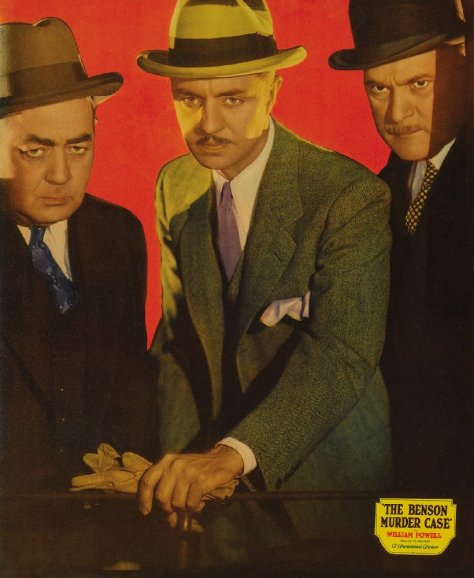
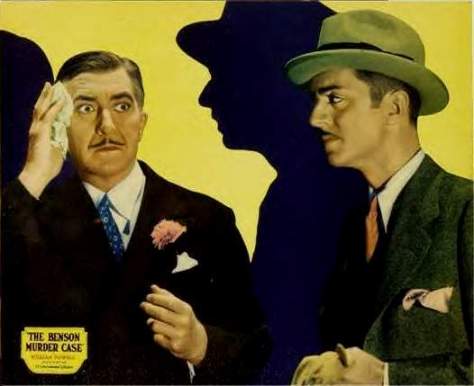
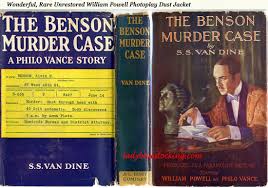
Paramount Pictures released The Benson Murder Case (1930) a film version directed by Frank Tuttle and starring William Powell as Philo Vance. The film was moderately faithful to the plot of the novel. Paramount also released a Spanish-language version, El Cuerpo del Delito, written by Catalan writer Josep Carner Ribalta (1898–1988), and co-directed by Cyril Gardner and A. Washington Pezet.
References
Jump up^Barzun, Jacques and Taylor, Wendell Hertig. A Catalogue of Crime. New York: Harper & Row. 1971, revised and enlarged edition 1989. ISBN 0-06-015796-8
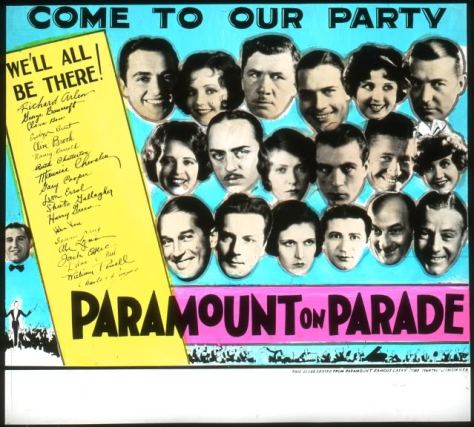
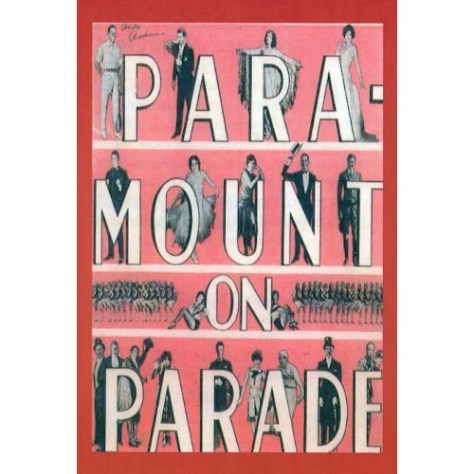
Directors: Dorothy Arzner, Otto Brower, Edmund Goulding, Victor Heerman, Edwin H Knopf, Rowland V Lee, Ernst Lubitsch, Lothar Mendes, Victor Schertzinger, A Edward Sutherland, Frank Tuttle
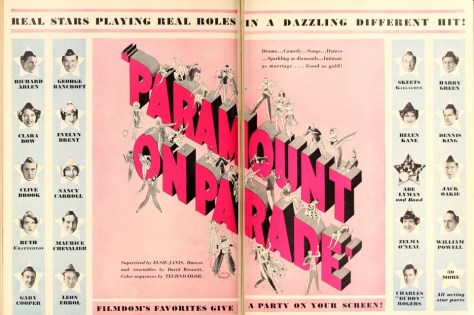
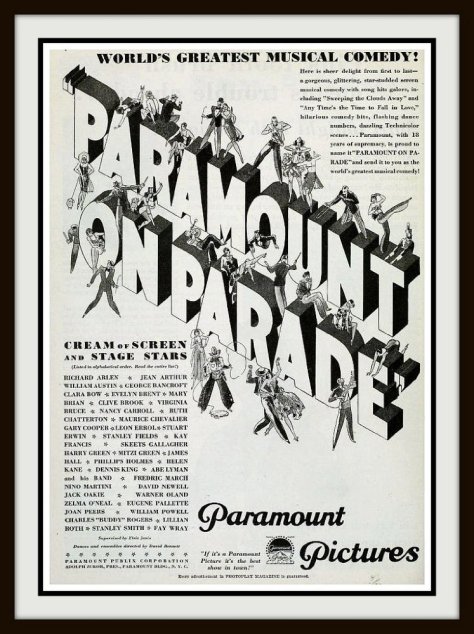
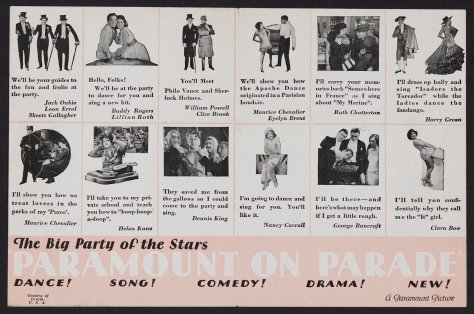
Cast: Maurice Chevalier, Richard Arlen, Jean Arthur, William Austin, George Bancroft, Clara Bow, Evelyn Brent, Mary Brian, Clive Brook, Nancy Carroll, Kay Francis, Richard Skeets Gallagher, Gary Cooper, Ruth Chatterton, Mitzi Green, Fredric March and many others
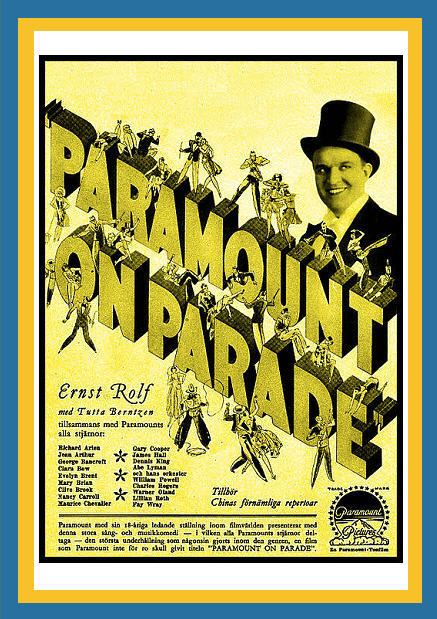
Paramount also produced a French-language version Paramount en Parade directed by Charles de Rochefort and a Romanian-language version Parada Paramount (Chevalier and Martini also starred in the French version, and Romanian actress Pola Illéry starred in the Romanian version. There was also a Dutch version, Paramount op Parade with Theo Frenkel. The Scandinavian version starred Ernst Rolf and his wife, Tutta Rolf.
Preservation status
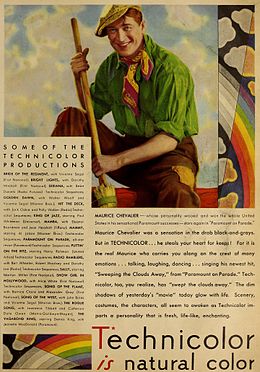
Paramount on Parade featured in a 1930 advertisement for Technicolor
The film, including some of its Technicolor sequences, has been restored by the UCLA Film and Television Archive. The original title sequence and chorus girl number immediately following it, however, are still lost. The sound for two of the Technicolor sequences (“Gallows Song” and “Dream Girl”) are also missing.
According to Robert Gitt, film archivist now retired from UCLA, in a lecture at Pacific Film Archive at UC Berkeley, the film was also released with sound-on-disc for those theaters not equipped for sound-on-film. The archive had a report of the soundtrack for this film still existing on disc until the 1994 Northridge earthquake destroyed a set of discs that a collector was planning to donate.
In August 2010, CapitolFest in Rome, New York showed a 102-minute version restored by UCLA Film and Television Archive. Some sequences are still missing the sound, for some sequences only the soundtrack exists.
“The Schoolroom” Helen Kane, Mitzi Green. Kane sings “What Did Cleopatra Say?” to her class
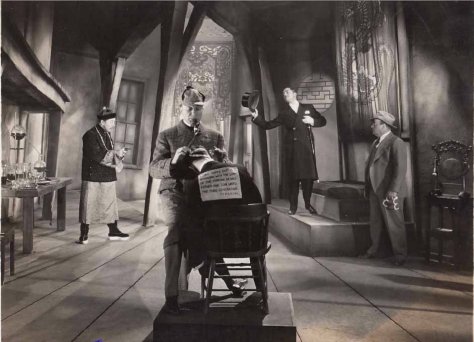
“The Gallows Song” Skeets Gallagher and Dennis King (Technicolor footage survives; sound missing, current prints use King’s commercial vocal recording of the song.)[3]
“Rainbow Revels” finale Chevalier and girls’ chorus (including Iris Adrian and Virginia Bruce) sing “Sweeping the Clouds Away” (in Technicolor; survives only in black-and-white)[3]
Parada Paramount (Romanian) with Pola Illéry; directed by Rochefort
Paramount op Parade (Dutch) with Theo Frenkel Jr., Mien Duymaer van Twist, and Louis Davids; directed by Job Weening
At Paramount’s Hollywood studio, Ernst Rolf and his Norwegian wife, Tutta Rolf, filmed introductions and sequences for the Scandinavian version. Japanese comedian Suisei Matsui introduced the film in Japan. Mira Zimińska and Mariusz Maszynski appeared in the Polish version, and Dina Gralla and Eugen Rex appeared in the German version. Paramount filmed most of the above versions, along with Czech, Hungarian, Serbian, and Italian versions, at their Joinville Studios in Paris.
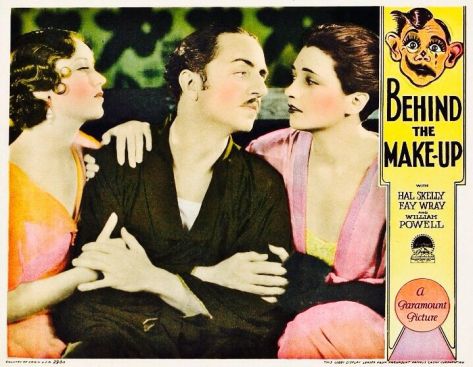
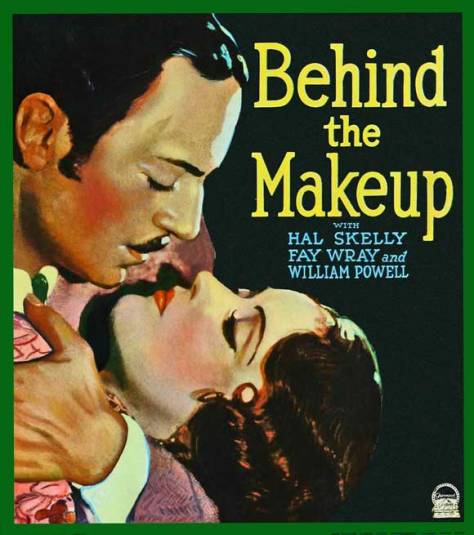
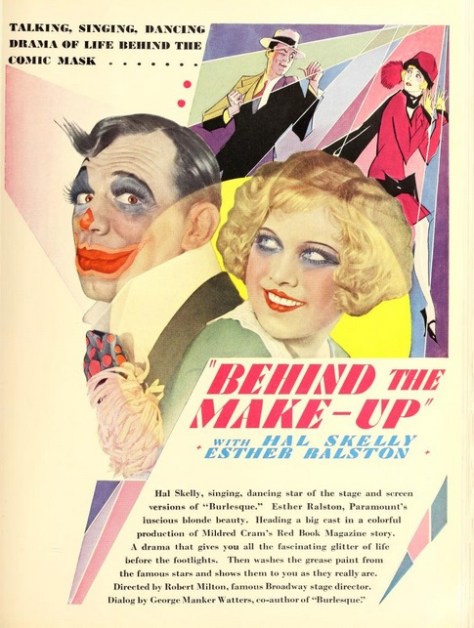
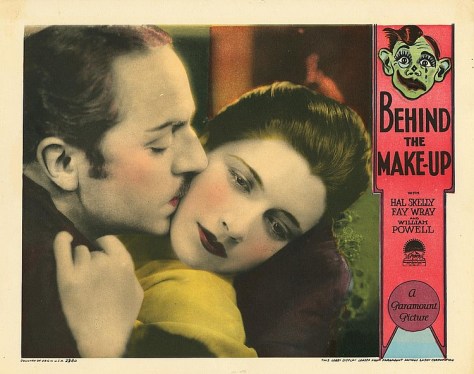
Gardoni, a down-on-his-luck vaudeville performer, is taken in by a fellow performer, a clown who has a bicycle riding act. Gardoni shows his appreciation by stealing the clown’s act and his girlfriend, whom he marries.
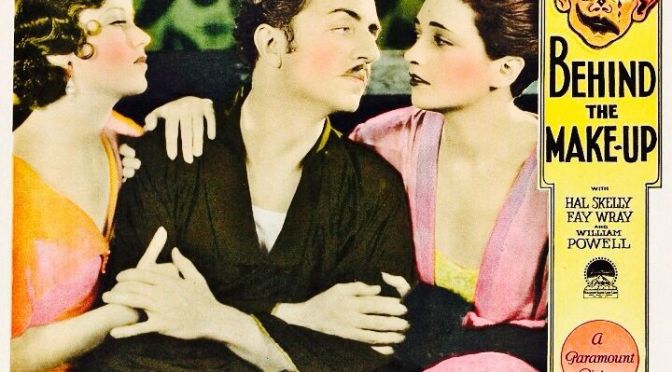
Mordaunt Hall, film critic of the New York Times, praised the performances of Powell (“excellent”), Wray (“pleasing”), Skelly (“goes about his part with earnestness and intelligence”), and Francis (“does nicely”), but noted “the story is rather limp and disappointing.”[1]
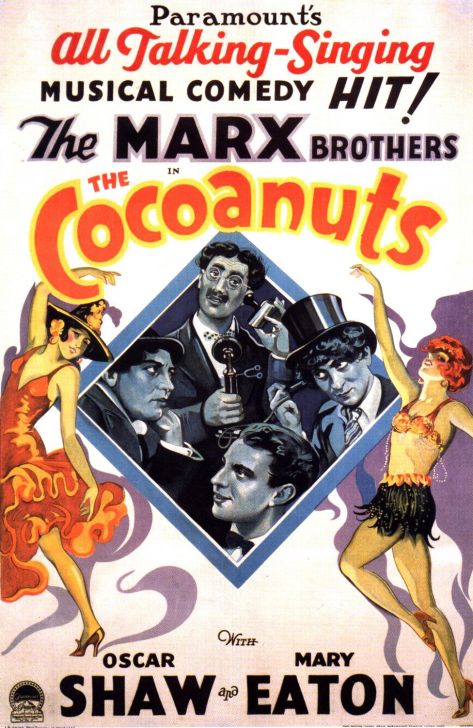
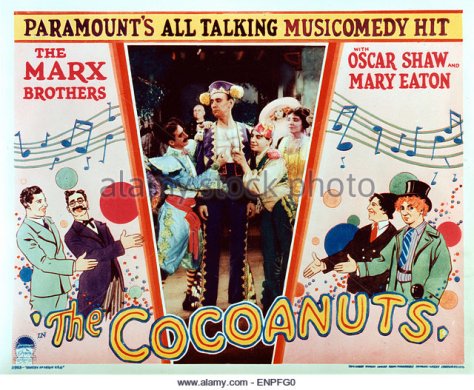
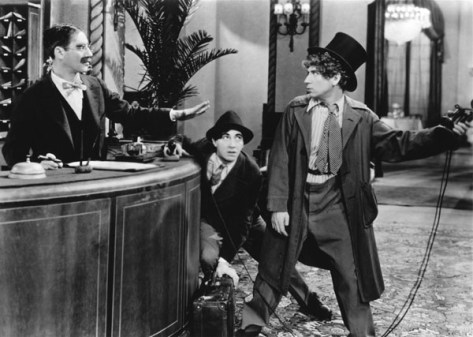
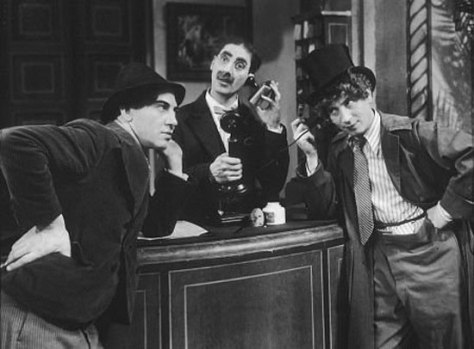
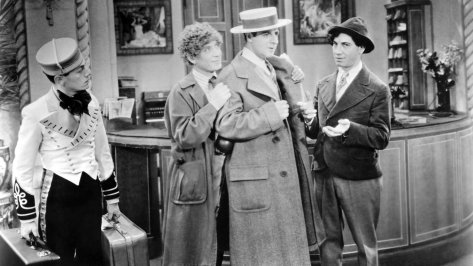
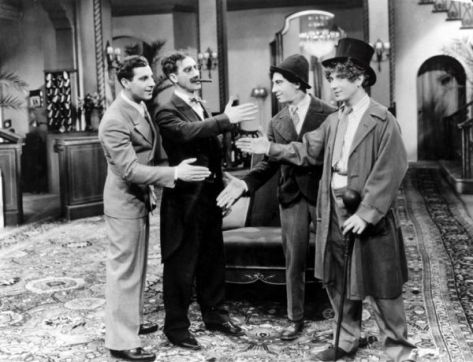
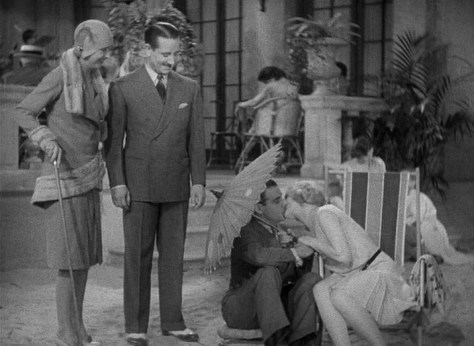
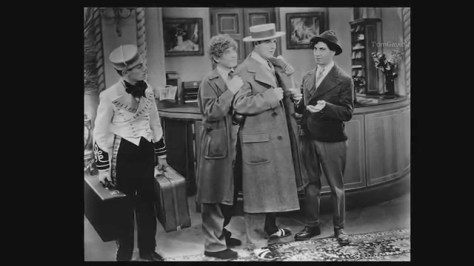
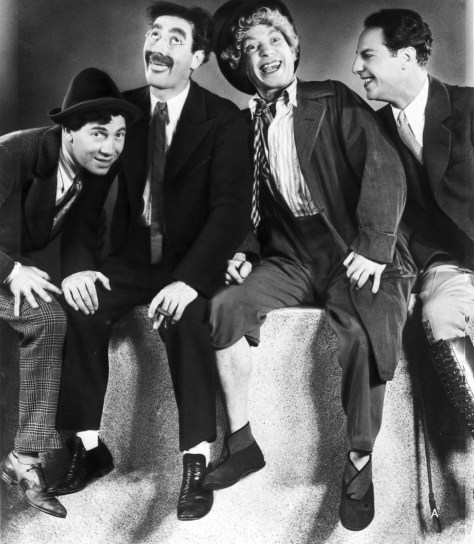
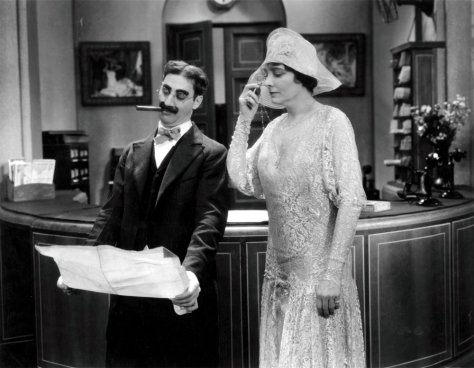
The Cocoanuts is set in the Hotel de Cocoanut, a resort hotel, during the Florida land boom of the 1920s. Mr. Hammer (Groucho Marx) runs the place, assisted by Jamison (Zeppo Marx), who would rather sleep at the front desk than actually help him run it. Chico and Harpo arrive with empty luggage, which they apparently plan to fill by robbing and conning the guests.
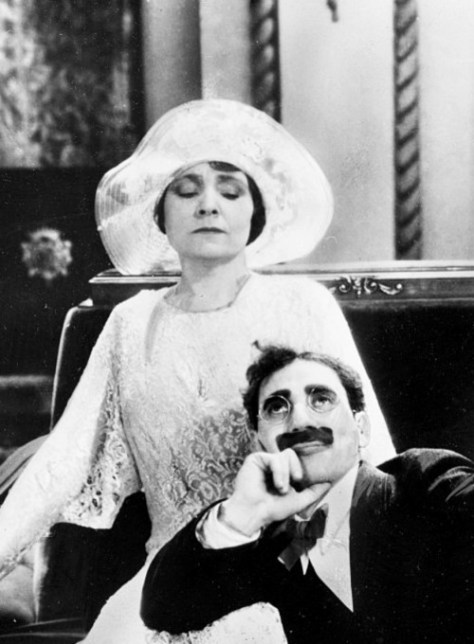
Mrs. Potter (Margaret Dumont, in the first of seven film appearances with the Marxes) is one of the few paying customers. Her daughter Polly (Mary Eaton) is in love with struggling young architect Bob Adams (Oscar Shaw).
He works to support himself as a clerk at the hotel, but has plans for the development of the entire area as Cocoanut Manor. Mrs. Potter wants her daughter to marry Harvey Yates (Cyril Ring), whom she believes to be of higher social standing than the clerk. This suitor is actually a con man out to steal the dowager’s diamond necklace with the help of his conniving partner Penelope (Kay Francis).
The plot is almost beside the point, and the story and setting are little more than an excuse for the brothers to run amok. The film is notable for its musical “production numbers”, including techniques which were soon to become standard, such as overhead shots of dancing girls imitating the patterns of a kaleidoscope.
The musical numbers were recorded live on the soundstage as they were shot, rather than pre-recorded, using an off-camera orchestra. The main titles are superimposed over a negative image of the “Monkey-Doodle-Do” number photographed from an angle that does not appear in the body of the film.
One of the more famous gags in the film has Groucho giving directions to Chico, who keeps misunderstanding “viaduct” as “why-a-duck“. In another sequence Groucho is the auctioneer for some land of possibly questionable value (“You can have any kind of a home you want to; you can even get stucco!
Oh, how you can get stuck-oh!”) He has hired Chico to inflate the sale prices by making phony bids. To Groucho’s frustration, Chico keeps outbidding everyone, even himself. During the auction, Mrs. Potter announces that her necklace has been stolen and offers a thousand dollar reward, whereupon Chico offers two thousand. Still another sequence has Groucho, Mrs. Potter and Harvey Yates (the necklace thief) make formal speeches. Harpo repeatedly walks off, with a grimace on his face, to the punch bowl. (His staggering implies that the fruit punch has been spiked with alcohol.) Another highlight is when the cast, already dressed in traditional Spanish garb for a theme party, erupts into an operatic treatment about a lost shirt to music from Carmen (specifically, Habanera and the song of the Toreador). An earlier scene shows Harpo and Chico abusing a cash register while whistling the Anvil Chorus from Il trovatore, a piece also referenced in several other Marx Brothers films.
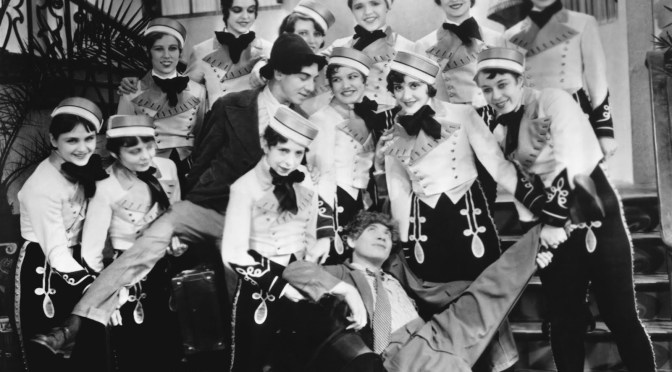
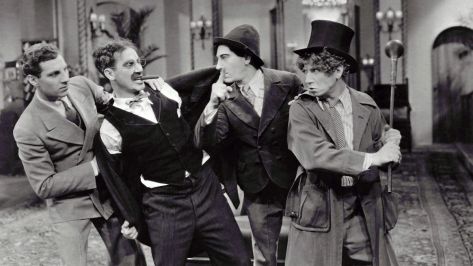
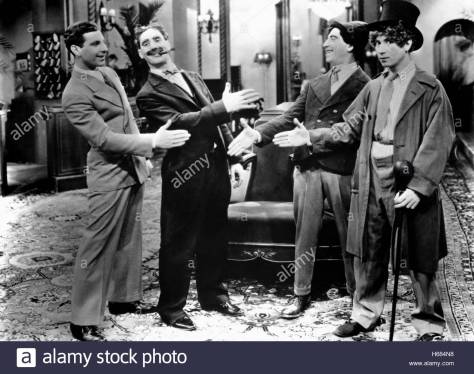
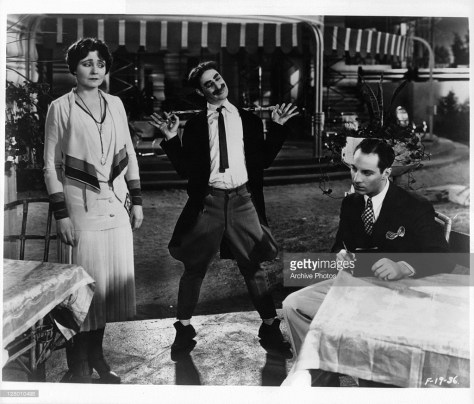
Zeppo Marx, Groucho Marx, Chico Marx & Harpo Marx Film: The Cocoanuts (USA 1929) Character(s): Jamison, Hammer, Chico, Harpo Director: Robert Florey & Joseph Santley 03 May 1929 AFF20867 AF Archive Picture Library/PARAMOUNT PICTURES **Warning** This Photograph is for editorial use only and is the copyright of PARAMOUNT PICTURES and/or the Photographer assigned by the Film or Production Company & can only be reproduced by publications in conjunction with the promotion of the above Film. A Mandatory Credit To PARAMOUNT PICTURES is required. The Photographer should also be credited when known. No commercial use can be granted without written authority from the Film Company.
Production
Referring to directors Robert Florey and Joseph Santley, Groucho Marx remarked, “One of them didn’t understand English and the other didn’t understand comedy.”[2]
As was common in the early days of sound film, to eliminate the sound of the camera motors the cameras and the cameramen were enclosed in large soundproof booths with glass fronts to allow filming, hence the largely static camera work. For many years, Marxian legend had it that Florey, who had never seen the Marxes’ work before, was put in the soundproof booth because he could not contain his laughter at the brothers’ spontaneous antics.[3]
Every piece of paper in the movie is soaking wet, to keep crackling paper sounds from overloading the primitive recording equipment of the time. In fact, this did not occur to director Florey until 27 takes had been made (of the “Viaduct” scene) and disposed of because of the noise made by the paper. Florey finally got the idea to soak the paper in water; the 28th take of the “Viaduct” scene used soaked paper, and this take was quiet and used in the film.[4]
The “ink” that Harpo drank from the hotel lobby inkwell was actually Coca-Cola, and the “telephone mouthpiece” that he nibbled was made of chocolate, both inventions of Robert Florey.
“Florida by the Sea” (instrumental with brief vocal by chorus during opening montage)
“When My Dreams Come True” (theme song, Mary Eaton and Oscar Shaw variously, several reprises)
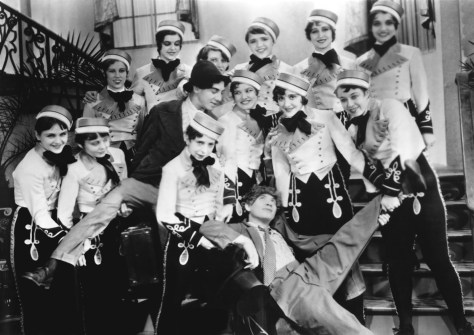
“The Bell-Hops” (instrumental, dance number)
“Monkey Doodle Doo” (vocal by Mary Eaton and dance number)
“Ballet Music” (instrumental, dance number)
“Tale of the Shirt” (vocal by Basil Ruysdael, words set to music from Carmen by Georges Bizet)
“Tango Melody” (vocal included in the stage production, used in the film as background music only)
“Gypsy Love Song” (by Victor Herbert, piano solo by Chico Marx)
The Cocoanuts is one of the few Irving Berlin vehicles that did not yield any particularly memorable songs. Several songs from the stage play were omitted from the film: “Lucky Boy”, sung by the chorus to congratulate Bob on his engagement to Polly and “A Little Bungalow”, a love duet sung by Bob and Polly that was replaced with “When My Dreams Come True” in the film.
Irving Berlin wrote two songs entitled “Monkey Doodle Doo”. The first was published in 1913, the second introduced in the 1925 stage production and featured in the film. They are very different songs.
Although legend claims Berlin wrote the song “Always” for The Cocoanuts, he never meant for the song to be included, writing it, instead, as a gift for his fiancee.[5]
Reception
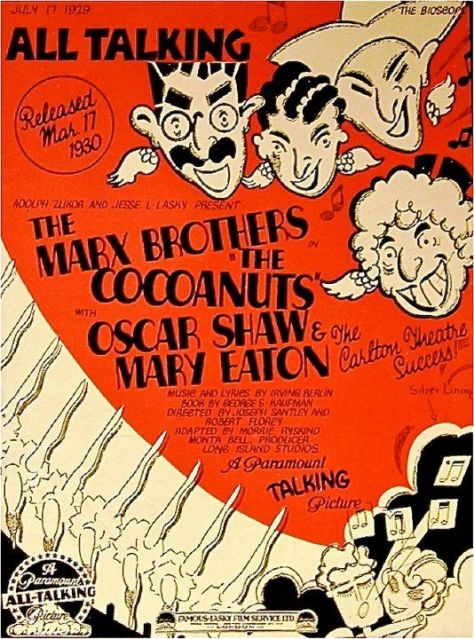
When the Marx Brothers were shown the final cut of the film, they were so horrified they tried to buy the negative back and prevent its release.[6] Paramount wisely resisted — the movie turned out to be a big box office hit, with a $1,800,000 gross making it one of the most successful early talking films.[1]
It received mostly positive reviews from critics, with the Marx Brothers themselves earning most of the praise while other aspects of the film drew a more mixed reaction. Mordaunt Hall of The New York Times reported that the film “aroused considerable merriment” among the viewing audience, and that a sequence using an overhead shot was “so engaging that it elicited plaudits from many in the jammed theatre.”
However, he found the audio quality during some of the singing to be “none too good”, adding, “a deep-voiced bass’s tones almost fade into a whisper in a close-up. Mary Eaton is charming, but one obtains little impression of her real ability as a singer.”[7]
Variety called it “a comedy hit for the regular picture houses. That’s all it has – comedy – but that’s enough.” It reported the sound had “a bit of muffling now and then” and that the dancers weren’t always filmed well: “When the full 48 were at work only 40 could be seen and those behind the first line could be seen but dimly.”[8]
“It is as a funny picture and not as a musical comedy, not for its songs, pretty girls, or spectacular scenes, that The Cocoanuts succeeds”, wrote John Mosher in The New Yorker. “Neither Mary Eaton, nor Oscar Shaw, who contribute the “love interest”, is effective, nor are the chorus scenes in the least superior to others of the same sort in various musical-comedy-movies now running in town. To the Marxes belongs the success of the show, and their peculiar talents seem, surprisingly enough, even more manifest on the screen than on the stage.”[9]
Film Daily called it “a good amount of fun, although some of it proves tiresome. This is another case of a musical comedy transferred almost bodily to the screen and motion picture treatment forgotten. The result is a good many inconsistencies which perhaps may be overlooked provided the audience accepts the offering for what it is.”[10]
Jump up^Paul Zimmerman, The Marx Brothers At The Movies. Putnam, 1968.
Jump up^Paul D. Zimmerman and Burt Goldblatt The Marx Brothers at the Movies,[page needed]
Jump up^Bader, Robert S. (2016). Four of the Three Musketeers: The Marx Brothers on Stage. Evanston, IL: Northwestern University Press. p. 309. ISBN9780810134164.
Cast: Walter Huston, Kay Francis, Charles Ruggles, Betty Lawford, Norman Foster, Duncan Penwarden, Lawrence Leslie, Harry Lee, Brian Donlevy, Victor Killian
80 min
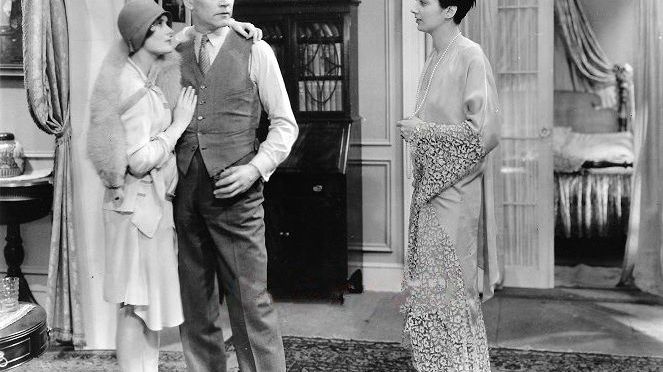
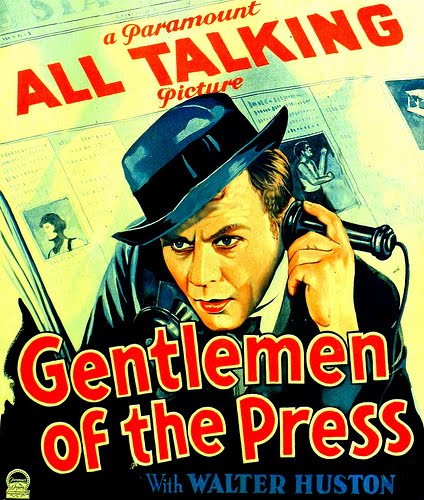
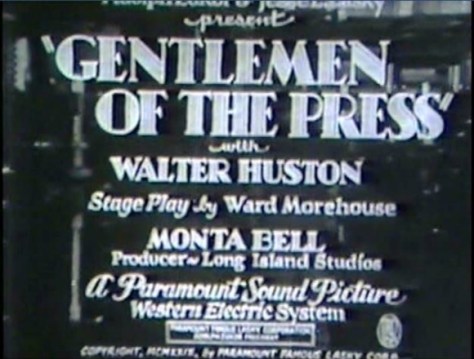
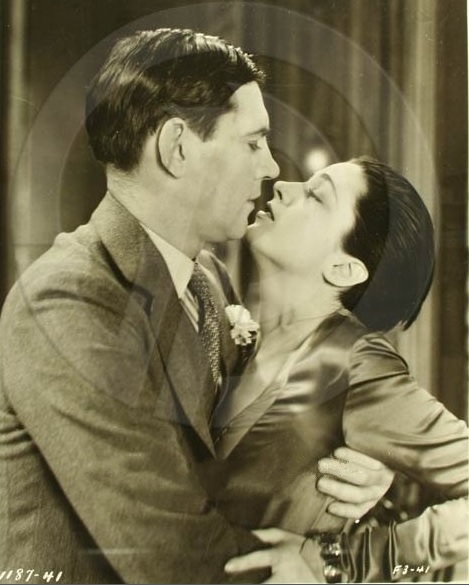
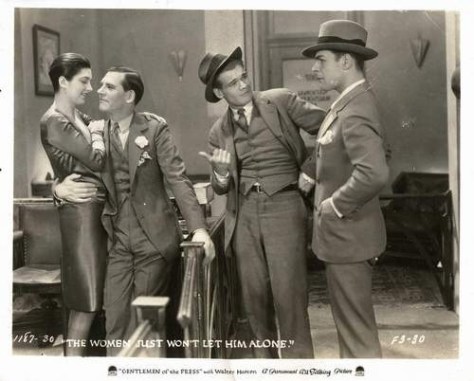
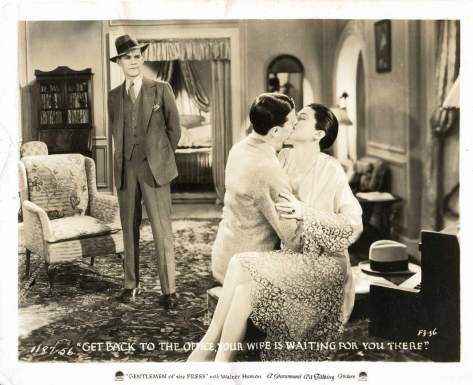
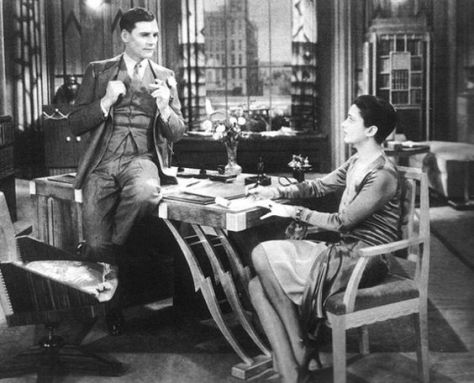
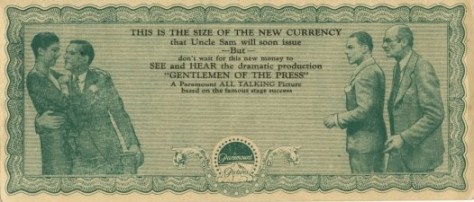
Gentlemen of the Press is a 1929 all-talking film starring Walter Huston in his first feature film role and Kay Francis in her first film role. The film still survives. This film’s copyright has expired and it is now in the public domain. It survives in a copy sold to MCA for television distribution.[1]
The film is based on Ward Morehouse’s 1928 Broadway play Gentlemen of the Press.[2]
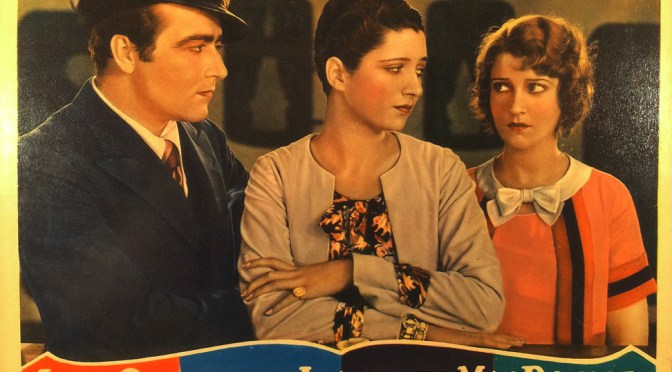
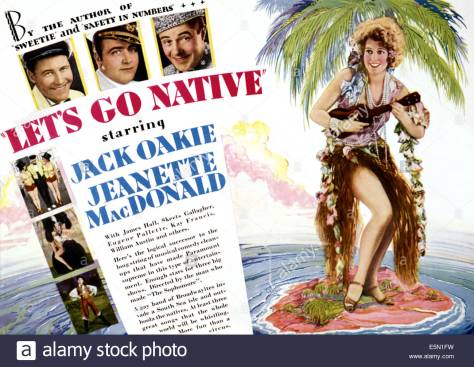
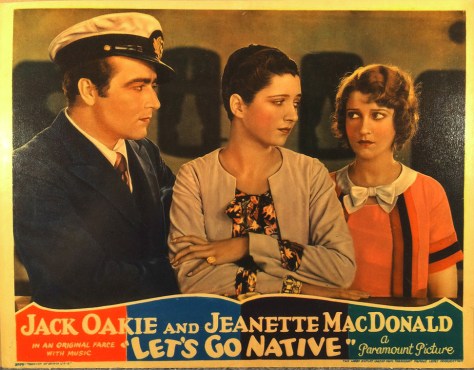
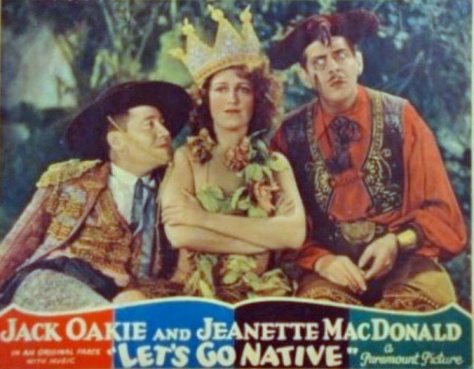
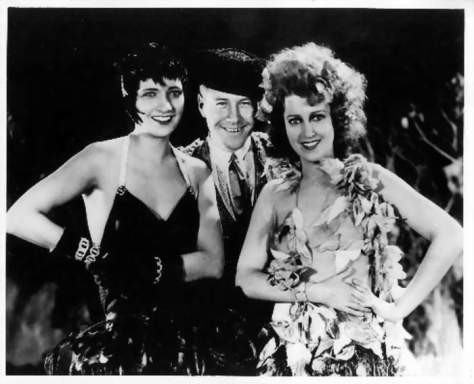
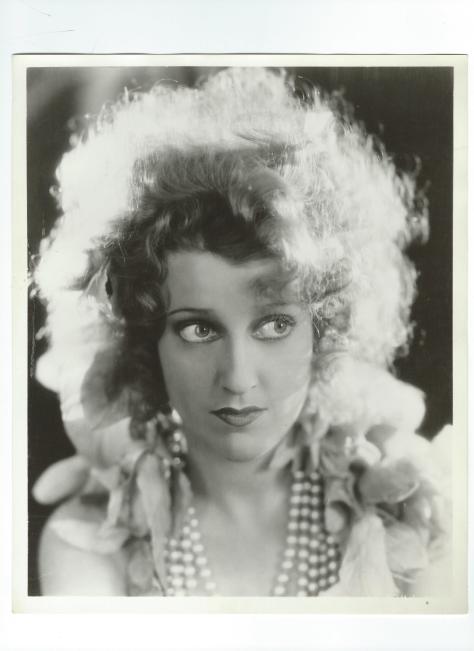
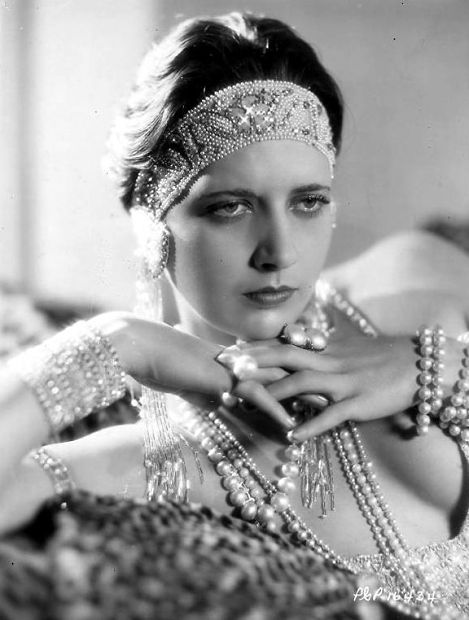
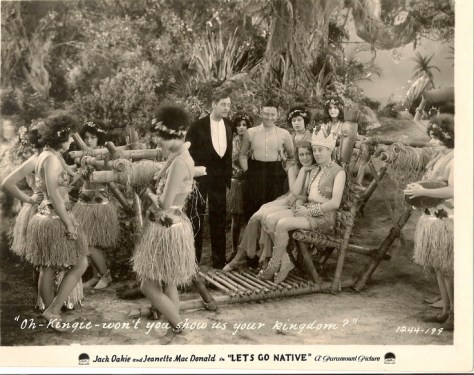
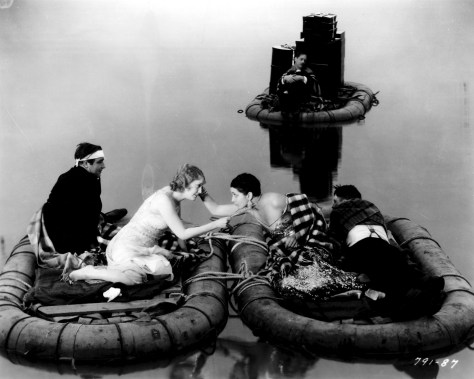
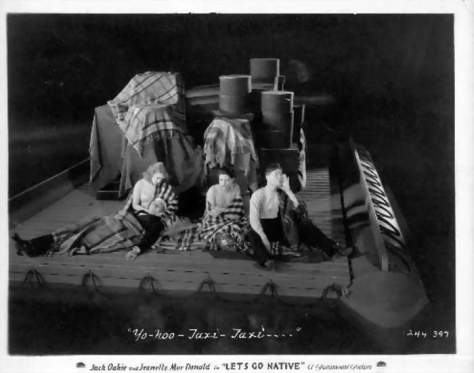
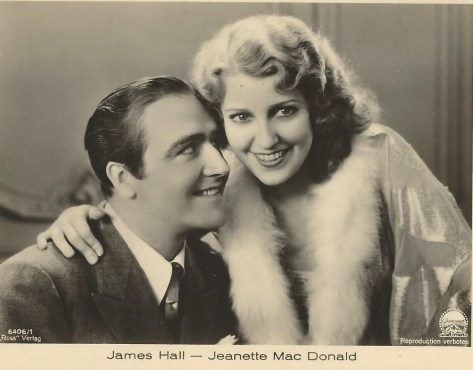
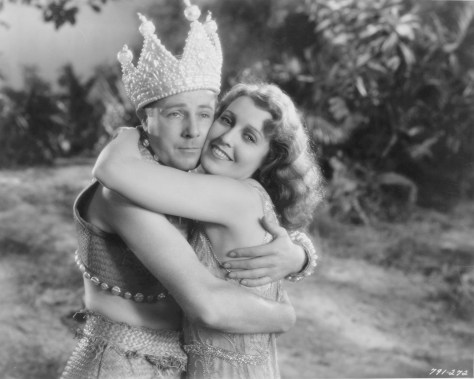
Cast: Jack Oakie, Jeanette MacDonald, Kay Francis, Richard Skeets Gallagher, James Hall, William Austin, David Newell, Charles Sellon, Eugene Pallette, Virginia Bruce, John Elliott, Douglas Haig
Jerry comments on being the only man on an island populated by women, “It was one of the Virgin Islands, but it drifted.” The tagline was: “Paramount’s wild, merry, mad hilarious farce!”
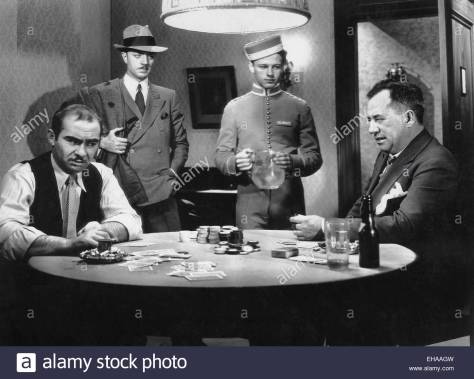
John Marsden, a famed and powerful New York gambler who refuses to throw a game, is devoted to his wife, Alma, and his impressionistic younger brother, “Babe,” to whom he sends a wedding gift of $10,000, which Babe may keep on the condition that he does not indulge in gambling. Alma, dismayed by John’s ruthless tactics and his obsession with gambling, threatens to leave him unless he takes his winnings and leaves the city with her. He agrees.
However, that evening Babe, who has become a cardsharp, comes to town with his new wife, Judith. He goes to see his brother, whom he believes is a stockbroker, unaware of John’s true profession and the reality that he is trying to quit and rebuild his marriage. Babe insists on playing and tries to win a fortune with his savings in an organized gambling session. He wins remarkably. The professional gambler sees that his card-playing sibling is preparing to make the same mistakes he did.
John therefore decides to risk his life and gamble one more time, and to break the gambler’s code and cheat by throwing the game, in order to disillusion Babe, thereby teaching him an unforgettable lesson. However, John is caught cheating by Dorgan and becomes a marked man. John is later mortally wounded, in spite of his wife’s attempts to save him.
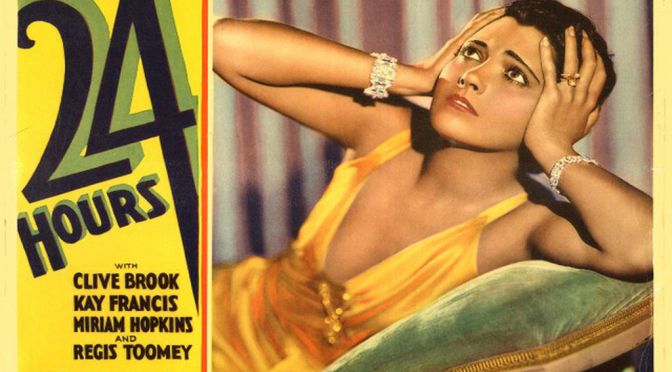
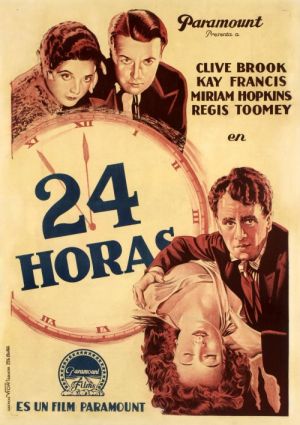
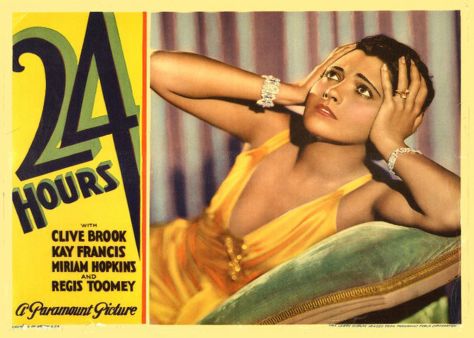
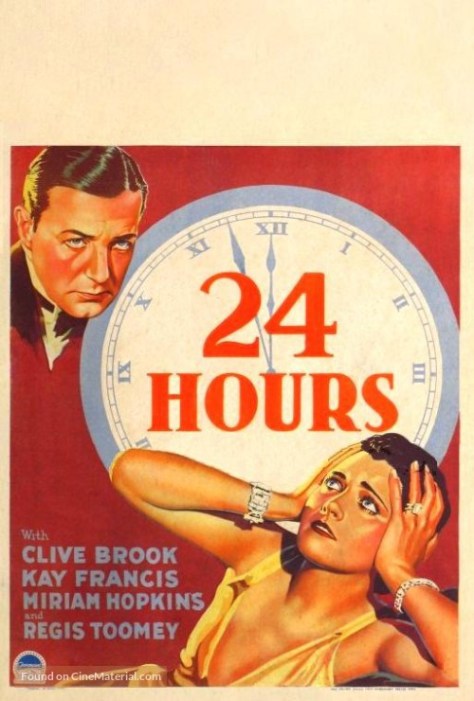
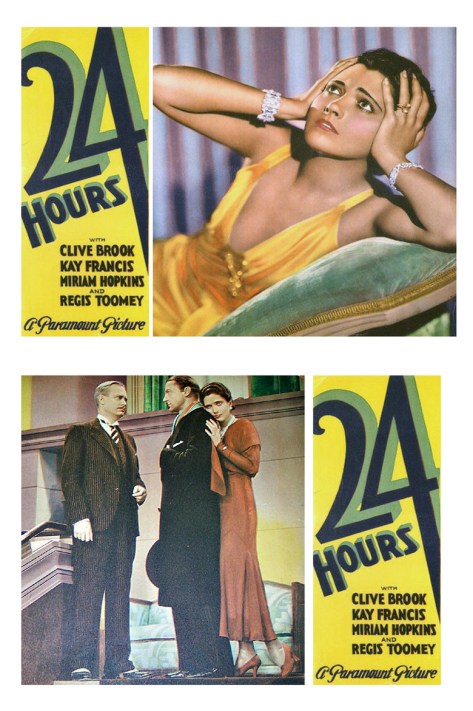
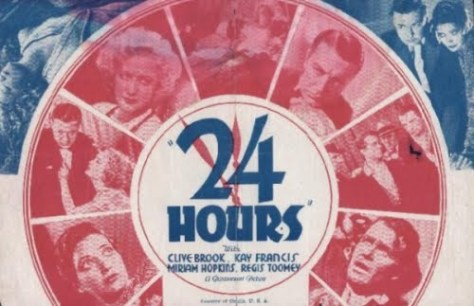
Cast: Clive Brook, Kay Francis, Miriam Hopkins, Regis Toomey, George Barbier, Adrienne Ames, Minor Watson, Charlotte Granville, Lucille La Verne, Wade Boteler
66 min
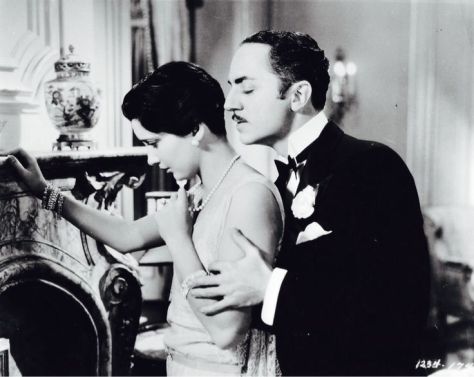
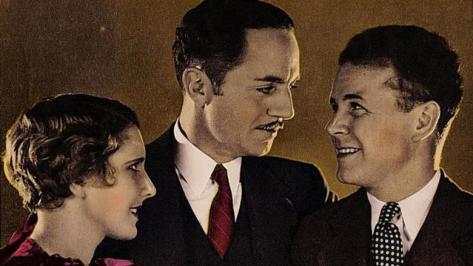
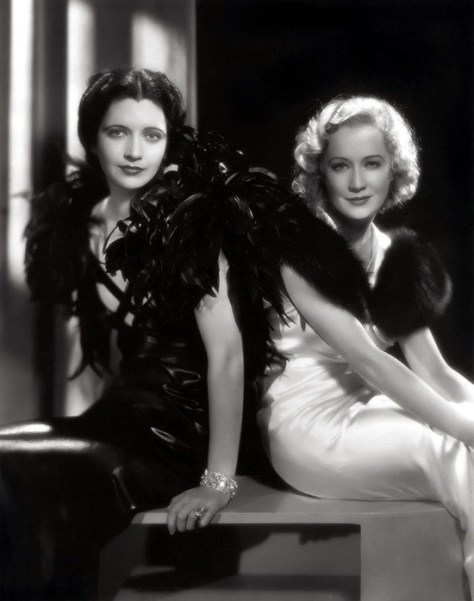
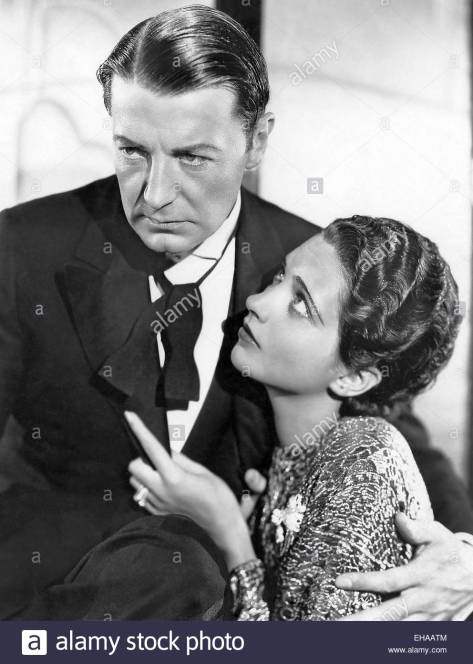
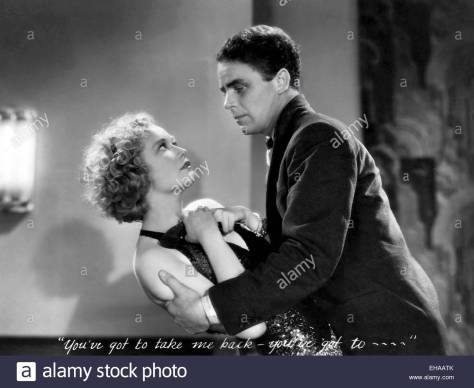
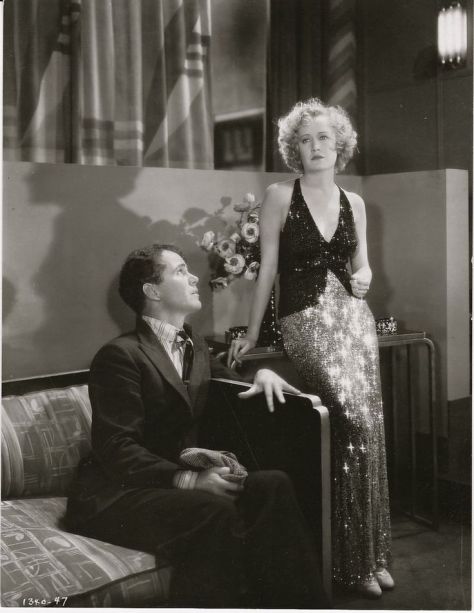
24 Hours is a 1931 American pre-Code romantic drama film starring Clive Brook, Kay Francis, Miriam Hopkins and Regis Toomey. It was based on the novel Twenty-Four Hours by Louis Bromfield and the play Shattered Glass by Will D. Lengle and Lew Levenson. An alcoholic married man is accused of murdering the woman with whom he has been carrying on an affair. The title comes from the fact that the film takes place from 11 pm one night to the same time the following night.
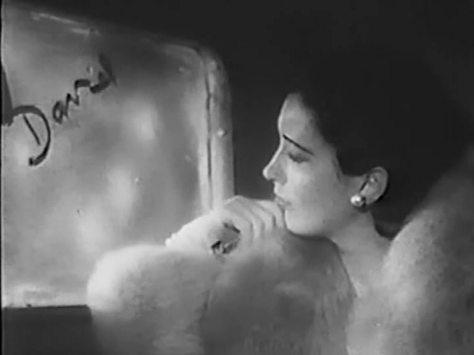
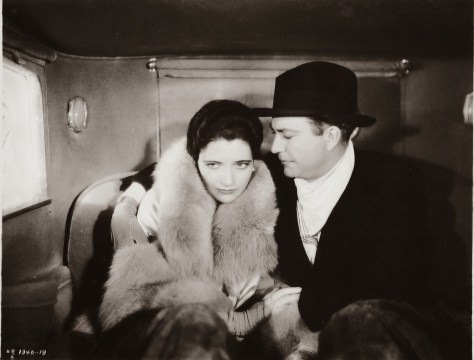
At an evening party in New York City, the Towners mourn their failing marriage, then leave separately. The somewhat drunk Jim walks to a bar for some more liquor. Before he arrives, a man is shot to death outside the establishment; those inside hastily carry the body inside and surmise that someone named Tony is responsible. Meanwhile, Fanny is driven home by her lover, David Melbourn. On the way, she breaks up with him, telling him she realizes now that she still loves Jim. However, she plans to leave her husband, thinking she is not good enough for him.
Jim next heads to a nightclub to see his lover, star singer Rosie Duggan. He asks her if it is possible for a man to love two women, then remarks that the snow was red outside the bar. After he leaves, her ex-con husband Tony Bruzzi shows up. He wants her to take him back, but she has him thrown out, though she keeps his gun; she guesses from the red snow that Tony killed someone.
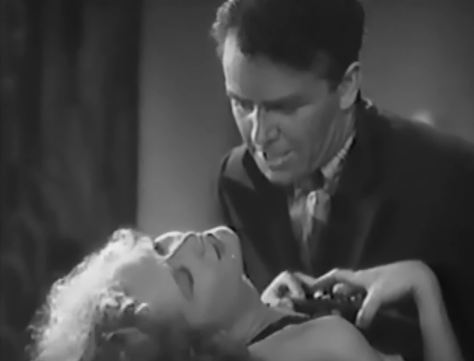
Later, she takes Jim home. He falls asleep on her chaise longue. Then Tony shows up, jealous and determined to kill Jim. She tells him that Jim is not there, but he does not believe her. When she refuses to open a locked door, they struggle and he accidentally kills her.
The next morning, Jim wakes up and finds Rosie’s body. Meanwhile, Tony hides out at Mrs. Dacklehorst’s place, but he is tracked down by Dave the Slapper and his gang; the man Tony shot was part of Dave’s mob. Tony demands Mrs. Dacklehorst deliver or mail a letter to his gang, but she betrays him instead, and he is shot dead.
Jim is charged with Rosie’s murder. When Fanny shows up at the police station, Jim tells her to divorce him so she will not get entangled in his troubles, but she refuses to do so. Fortunately, fingerprints on a liquor bottle at Rosie’s place match Tony’s, and Jim is released. The couple reconcile, and Jim promises to stop drinking.







 Film Dialogue
You must be logged in to post a comment.