Cast: Mary Pickford, Charles Hill Mailes, Kate Bruce, Lionel Barrymore, Alfred Paget, Claire McDowell, Mae Marsh, Madge Kirby, Lillian Gish, Jack Pickford, Robert Harron, Dorothy Gish, Mack Sennett
The New York Hat is one of the most notable of the Biograph Studios short films and is perhaps the best known example of Pickford’s early work, and an example of Anita Loos‘s witty writing. The film was made by Biograph when it and many other early U.S. movie studios were based in Fort Lee, New Jersey at the beginning of the 20th century.[1][2][3]
Plot
Mollie Goodhue leads a cheerless, impoverished life, largely because of her stern, miserly father. Mrs. Goodhue is mortally ill, but before dying, she gives the minister, Preacher Bolton, some money with which to buy her daughter the “finery” her father always forbade her.
Mollie is delighted when the minister presents her with a fashionable New York hat she has been longing for, but village gossips misinterpret the minister’s intentions and spread malicious rumors. Mollie becomes a social pariah, and her father tears up the beloved hat in a rage.
All ends well, however, after the minister produces a letter from Mollie’s mother about the money she left the minister to spend on Mollie. Soon afterwards, he proposes to Mollie, who accepts his offer of marriage.
Known in her prime as “America’s Sweetheart” and the “girl with the curls”, Pickford was one of the Canadian pioneers in early Hollywood and a significant figure in the development of film acting. Pickford was one of the earliest stars to be billed under her name (film performers up until that time were usually unbilled), and was one of the most popular actresses of the 1910s and 1920s, earning the nickname “Queen of the Movies”.
Mary Pickford was born Gladys Louise Smith in 1892 (although she would later claim 1893 or 1894 as her year of birth) at 211 University Avenue, Toronto, Ontario.
Her father, John Charles Smith, was the son of English Methodist immigrants, and worked a variety of odd jobs. Her mother, Charlotte Hennessey, was of Irish Catholic descent and worked for a time as a seamstress.
To please her husband’s relatives, Pickford’s mother baptized her children as Methodists, the faith of their father.
John Charles Smith was an alcoholic; he abandoned the family and died on February 11, 1898, from a fatal blood clot caused by a workplace accident when he was a purser with Niagara Steamship.
When Gladys was age four, her household was under infectious quarantine, a public health measure. Their devoutly Catholic maternal grandmother (Catherine Faeley Hennessey) asked a visiting Roman Catholic priest to baptize the children. Pickford was at this time baptized as Gladys Marie Smith.
Charlotte Smith began taking in boarders after being widowed. One of these was a theatrical stage manager. At his suggestion, Gladys (age 7) was given two small roles, one as a boy and the other as a girl, in a stock company production of The Silver King at Toronto’s Princess Theatre. She subsequently acted in many melodramas with Toronto’s Valentine Company, finally playing the major child role in their version of The Silver King.
She capped her short career in Toronto with the starring role of Little Eva in their production of Uncle Tom’s Cabin, adapted from the 1852 novel by United States writer and abolitionist Harriet Beecher Stowe. Stowe’s novel was, coincidentally, based on the memoirs of another Ontarian, Josiah Henson.
Career
Mary Pickford on stage 1905
Early years
By the early 1900s, theatre had become a family enterprise. Gladys, her mother and two younger siblings toured the United States by rail, performing in third-rate companies and plays.
After six impoverished years, Pickford allowed one more summer to land a leading role on Broadway, planning to quit acting if she failed. In 1906 Gladys, Lottie and Jack Smith supported singer Chauncey Olcott on Broadway in Edmund Burke.
Mary Pickford in 1908
Gladys finally landed a supporting role in a 1907 Broadway play, The Warrens of Virginia. The play was written by William C. DeMille, whose brother, Cecil, appeared in the cast. David Belasco, the producer of the play, insisted that Gladys Smith assumes the stage name Mary Pickford. After completing the Broadway run and touring the play, however, Pickford was again out of work.
Mary Pickford on stage in The Warrens of Virginia 1907
The Warrens of Virginia newspaper advert 1907
The Warrens of Virgina Belasco Theatre Poster 1907
Mary Pickford promotional photo for The Warrens of Virgina – Belasco Theatre
On April 19, 1909, the Biograph Company director D. W. Griffith screen-tested her at the company’s New York studio for a role in the nickelodeon film, Pippa Passes. The role went to someone else but Griffith was immediately taken with Pickford.
She quickly grasped that movie acting was simpler than the stylized stage acting of the day. Most Biograph actors earned $5 a day but, after Pickford’s single day in the studio, Griffith agreed to pay her $10 a day against a guarantee of $40 a week.
Mary Pickford in one of her first film roles in DW Griffith’s The Lonely Villa 1909 – Biograph Productions
Pickford, like all actors at Biograph, played both bit parts and leading roles, including mothers, ingenues, charwomen, spitfires, slaves, Native Americans, spurned women, and a prostitute. As Pickford said of her success at Biograph:
“I played scrubwomen and secretaries and women of all nationalities … I decided that if I could get into as many pictures as possible, I’d become known, and there would be a demand for my work.”
Biograph Offices in 1909
She appeared in 51 films in 1909 – almost one a week. While at Biograph, she suggested to Florence La Badie to “try pictures”, invited her to the studio and later introduced her to D. W. Griffith, who launched La Badie’s career.
Mary Pickford in DW Griffith’s The Country Doctor 1909
Mary Pickford in DW Griffith’s The Hessian Renegades 1909
Mary Pickford in DW Griffith’s The Violin Maker Of Cremona 1909
Mary Pickford in DW Griffith’s Willful Peggy 1910
In January 1910, Pickford traveled with a Biograph crew to Los Angeles. Many other film companies wintered on the West Coast, escaping the weak light and short days that hampered winter shooting in the East. Pickford added to her 1909 Biographs (Sweet and Twenty, They Would Elope, and To Save Her Soul, to name a few) with films made in California.
Actors were not listed in the credits in Griffith’s company. Audiences noticed and identified Pickford within weeks of her first film appearance. Exhibitors in turn capitalized on her popularity by advertising on sandwich boards that a film featuring “The Girl with the Golden Curls”, “Blondilocks”, or “The Biograph Girl” was inside.
Mary Pickford in DW Griffith’s They Would Elope 1909
Mary Pickford in DW Griffith’s To Save Her Soul 1909
Pickford left Biograph in December 1910. The following year, she starred in films at Carl Laemmle‘s Independent Moving Pictures Company (IMP). IMP was absorbed into Universal Pictures in 1912, along with Majestic. Unhappy with their creative standards, Pickford returned to work with Griffith in 1912. Some of her best performances were in his films, such as Friends, The Mender of Nets, Just Like a Woman, and The Female of the Species. That year Pickford also introduced Dorothy and Lillian Gish (both friends from her days in touring melodrama) to Griffith. Both became major silent stars, in comedy and tragedy, respectively. Pickford made her last Biograph picture, The New York Hat, in late 1912.
Mary Pickford in DW Griffith’s Friends 1912
Film Poster for Mary Pickford in DW Griffith’s The Mender of the Nets 1912
Mary Pickford in DW Griffith’s The New York Hat 1912
Mary Pickford in DW Griffith’s The Female of the Species (1912)
She returned to Broadway in the David Belasco production of A Good Little Devil (1912). This was a major turning point in her career. Pickford, who had always hoped to conquer the Broadway stage, discovered how deeply she missed film acting. In 1913, she decided to work exclusively in film. The previous year, Adolph Zukor had formed Famous Players in Famous Plays. It was later known as Famous Players-Lasky and then Paramount Pictures, one of the first American feature film companies.
Pickford left the stage to join Zukor’s roster of stars. Zukor believed film’s potential lay in recording theatrical players in replicas of their most famous stage roles and productions.
Zukor first filmed Pickford in a silent version of A Good Little Devil. The film, produced in 1913, showed the play’s Broadway actors reciting every line of dialogue, resulting in a stiff film that Pickford later called “one of the worst [features] I ever made … it was deadly”. Zukor agreed; he held the film back from distribution for a year.
Poster for A Good Little Devil (1914) with Mary Pickford
Pickford’s work in material written for the camera by that time had attracted a strong following. Comedy-dramas, such as In the Bishop’s Carriage (1913), Caprice (1913), and especially Hearts Adrift (1914), made her irresistible to moviegoers.
Hearts Adrift was so popular that Pickford asked for the first of her many publicized pay raises based on the profits and reviews. The film marked the first time Pickford’s name was featured above the title on movie marquees. Tess of the Storm Country was released five weeks later.
Biographer Kevin Brownlow observed that the film “sent her career into orbit and made her the most popular actress in America, if not the world”.
Poster for In the Bishop’s Carriage (1913) with Mary Pickford
Poster for Caprice (1913) with Mary Pickford
Poster for Hearts Adrift (1914) with Mary Pickford
Mary Pickford in Tess of the Storm Country (1914)
Her appeal was summed up two years later by the February 1916 issue of Photoplay as “luminous tenderness in a steel band of gutter ferocity”. Only Charlie Chaplin, who reportedly slightly surpassed Pickford’s popularity in 1916, had a similarly spellbinding pull with critics and the audience.
Each enjoyed a level of fame far exceeding that of other actors. Throughout the 1910s and 1920s, Pickford was believed to be the most famous woman in the world, or, as a silent-film journalist described her, “the best known woman who has ever lived, the woman who was known to more people and loved by more people than any other woman that has been in all history”.
Silent film superstars: Fairbanks, Pickford and Chaplin
Stardom
Adolph Zukor with Mary Pickford and her mother, Mrs. Charlotte Smith in 1916
Pickford starred in 52 features throughout her career. On June 24, 1916, Pickford signed a new contract with Zukor that granted her full authority over production of the films in which she starred, and a record-breaking salary of $10,000 a week.
In addition, Pickford’s compensation was half of a film’s profits, with a guarantee of $1,040,000 (US$ 17,330,000 in 2017). Occasionally, she played a child, in films such as The Poor Little Rich Girl (1917), Rebecca of Sunnybrook Farm (1917), Daddy-Long-Legs (1919) and Pollyanna (1920). Pickford’s fans were devoted to these “little girl” roles, but they were not typical of her career.
Mary Pickford in The Poor Little Rich Girl (1917)
Mary Pickford in Rebecca of Sunnybrook Farm (1917)
Mary Pickford in Daddy Long Legs (1919)
Mary Pickford in Polyanna ( 1920)
In August 1918, Pickford’s contract expired and, when refusing Zukor’s terms for a renewal, she was offered $250,000 to leave the motion picture business. She declined, and went to First National Pictures, which agreed to her terms.
In 1919, Pickford, along with D.W. Griffith, Charlie Chaplin, and Douglas Fairbanks, formed the independent film production company United Artists. Through United Artists, Pickford continued to produce and perform in her own movies; she could also distribute them as she chose. In 1920, Pickford’s film Pollyanna grossed around $1,100,000.
Mary Pickford signing United Artists documents – with Douglas Fairbanks, Charles Chaplin and DW Griffith
Mary Pickford in Little Lord Fauntleroy (1921)
Mary Pickford in Rosita (1927)
Mary Pickford in Little Annie Rooney (1925)
Mary Pickford in Sparrows (1926)
The arrival of sound was her undoing. Pickford underestimated the value of adding sound to movies, claiming that “adding sound to movies would be like putting lipstick on the Venus de Milo“.
She played a reckless socialite in Coquette (1929), a role for which her famous ringlets were cut into a 1920s’ bob. Pickford had already cut her hair in the wake of her mother’s death in 1928. Fans were shocked at the transformation.
Pickford’s hair had become a symbol of female virtue, and when she cut it, the act made front-page news in The New York Times and other papers. Coquette was a success and won her an Academy Award for Best Actress, although this was highly controversial.
The public failed to respond to her in the more sophisticated roles. Like most movie stars of the silent era, Pickford found her career fading as talkies became more popular among audiences.
Mary Pickford in Coquette (1929)
Her next film, The Taming of The Shrew, made with husband Douglas Fairbanks, was not well received at the box office. Established Hollywood actors were panicked by the impending arrival of the talkies.
On March 29, 1928, The Dodge Brothers Hour was broadcast from Pickford’s bungalow, featuring Fairbanks, Chaplin, Norma Talmadge, Gloria Swanson, John Barrymore, D.W. Griffith, and Dolores del Rio, among others. They spoke on the radio show to prove that they could meet the challenge of talking movies.
Mary Pickford and Douglas Fairbanks in The Taming of the Shrew (1929)
But the transition came as Pickford was in her late 30s, no longer able to play the children, teenage spitfires, and feisty young women so adored by her fans, and was not suited for the glamorous and vampish heroines of early sound.
In 1933, Pickford underwent a Technicolor screen test for an animated/live action film version of Alice in Wonderland, but Walt Disney discarded the project when Paramount released its own version of the book. Only one Technicolor still of her screen test still exists.
Mary Pickford Technicolor test for The Black Pirate 1926 – Courtesy of George Eastman House – watch it on Film Dialogue YouTube Channel
She retired from acting in 1933; her last acting film was released in 1934. She continued to produce for others, however, including Sleep, My Love (1948; with Claudette Colbert) and Love Happy (1949), with the Marx Brothers).
Mary Pickford behind the camera
Mary Pickford talking about her life and career – CBC Radio Interview May 25th 1959 – on Film Dialogue You Tube Channel
The Film Industry
Pickford, Fairbanks and Chapling promoting the sale of Liberty Bonds
Pickford used her stature in the movie industry to promote a variety of causes. Although her image depicted fragility and innocence, Pickford proved to be a worthy businesswoman who took control of her career in a cutthroat industry.
Five days later she spoke on Wall Street to an estimated 50,000 people. Though Canadian-born, she was a powerful symbol of Americana, kissing the American flag for cameras and auctioning one of her world-famous curls for $15,000. In a single speech in Chicago she sold an estimated five million dollars’ worth of bonds. She was christened the U.S. Navy’s official “Little Sister”; the Army named two cannons after her and made her an honorary colonel.
At the end of World War I, Pickford conceived of the Motion Picture Relief Fund, an organization to help financially needy actors.
Leftover funds from her work selling Liberty Bonds were put toward its creation, and in 1921, the Motion Picture Relief Fund (MPRF) was officially incorporated, with Joseph Schenck voted its first president and Pickford its vice president.
In 1932, Pickford spearheaded the “Payroll Pledge Program”, a payroll-deduction plan for studio workers who gave one-half of one percent of their earnings to the MPRF. As a result, in 1940, the Fund was able to purchase land and build the Motion Picture Country House and Hospital, in Woodland Hills, California.
Charles Chaplin, Darryl Zanuck, Samuel Goldwyn, Douglas Fairbanks, Joseph Schenck and Mary Pickford
An astute businesswoman, Pickford became her own producer within three years of her start in features. According to her Foundation, “she oversaw every aspect of the making of her films, from hiring talent and crew to overseeing the script, the shooting, the editing, to the final release and promotion of each project”.
She demanded (and received) these powers in 1916, when she was under contract to Zukor’s Famous Players In Famous Plays (later Paramount). Zukor acquiesced to her refusal to participate in block-booking, the widespread practice of forcing an exhibitor to show a bad film of the studio’s choosing to also be able to show a Pickford film. In 1916, Pickford’s films were distributed, singly, through a special distribution unit called Artcraft. The Mary Pickford Corporation was briefly Pickford’s motion-picture production company.
Mary Pickford with her crew members
In 1919, she increased her power by co-founding United Artists (UA) with Charlie Chaplin, D. W. Griffith, and her soon-to-be husband, Douglas Fairbanks. Before UA’s creation, Hollywood studios were vertically integrated, not only producing films but forming chains of theaters.
Distributors (also part of the studios) arranged for company productions to be shown in the company’s movie venues. Filmmakers relied on the studios for bookings; in return they put up with what many considered creative interference.
United Artists broke from this tradition. It was solely a distribution company, offering independent film producers access to its own screens as well as the rental of temporarily unbooked cinemas owned by other companies. Pickford and Fairbanks produced and shot their films after 1920 at the jointly owned Pickford-Fairbanks studio on Santa Monica Boulevard.
The producers who signed with UA were true independents, producing, creating and controlling their work to an unprecedented degree. As a co-founder, as well as the producer and star of her own films, Pickford became the most powerful woman who has ever worked in Hollywood. By 1930, Pickford’s acting career had largely faded.
Al Jolson, Mary Pickford, Ronald Colman, Gloria Swanson, Douglas Fairbanks, Joseph Schenck, Charlie Chaplin, Samuel Goldwyn and Eddie Cantor
After retiring three years later, however, she continued to produce films for United Artists. She and Chaplin remained partners in the company for decades. Chaplin left the company in 1955, and Pickford followed suit in 1956, selling her remaining shares for three million dollars.
Madge Bellamy on Mary Pickford, Charlie Chaplin and United Artists – Radio Interview – on Film Dialogue YouTube Channel
Personal life
Pickford was married three times. She married Owen Moore, an Irish-born silent film actor, on January 7, 1911. It is rumored she became pregnant by Moore in the early 1910s and had a miscarriage or an abortion.
Some accounts suggest this resulted in her later inability to have children. The couple had numerous marital problems, notably Moore’s alcoholism, insecurity about living in the shadow of Pickford’s fame, and bouts of domestic violence. The couple lived together on-and-off for several years.
Mary Pickford with Owen Moore 1917
Pickford became secretly involved in a relationship with Douglas Fairbanks. They toured the U.S. together in 1918 to promote Liberty Bond sales for the World War I effort. Around this time, Pickford also suffered from the flu during the 1918 flu pandemic. Pickford divorced Moore on March 2, 1920, after she agreed to his $100,000 demand for a settlement.
She married Fairbanks just days later on March 28, 1920. They went to Europe for their honeymoon; fans in London and in Paris caused riots trying to get to the famous couple. The couple’s triumphant return to Hollywood was witnessed by vast crowds who turned out to hail them at railway stations across the United States.
Mary Pickford and Douglas Fairbanks wedding day
The Mark of Zorro (1920) and a series of other swashbucklers gave the popular Fairbanks a more romantic, heroic image. Pickford continued to epitomize the virtuous but fiery girl next door.
Even at private parties, people instinctively stood up when Pickford entered a room; she and her husband were often referred to as “Hollywood royalty”. Their international reputations were broad. Foreign heads of state and dignitaries who visited the White House often asked if they could also visit Pickfair, the couple’s mansion in Beverly Hills.
Special guests at Pickfair: Natalie Talmage, William S Hart, Charles Chaplin, Mary Pickford’s mother, Joseph Schenck, Sidney ChaplinRudolph Valentino and others
Mary Pickford with Frances Goldwyn, Samuel Goldwyn, John Abbott and Mary Pickford
Mary Pickford with Paulette Goddard, Charlie Chaplin, Maria Christina Marconi and her husband Guglielmo Marconi at Pickfair
The public nature of Pickford’s second marriage strained it to the breaking point. Both she and Fairbanks had little time off from producing and acting in their films. They were also constantly on display as America’s unofficial ambassadors to the world, leading parades, cutting ribbons, and making speeches.
When their film careers both began to flounder at the end of the silent era, Fairbanks’ restless nature prompted him to overseas travel (something which Pickford did not enjoy). When Fairbanks’ romance with Sylvia, Lady Ashley became public in the early 1930s, he and Pickford separated.
They divorced January 10, 1936. Fairbanks’ son by his first wife, Douglas Fairbanks Jr., claimed his father and Pickford long regretted their inability to reconcile.
Mary Pickford and Douglas Fairbanks
On June 24, 1937, Pickford married her third and last husband, actor and band leaderBuddy Rogers. They adopted two children: Roxanne (born 1944, adopted 1944) and Ronald Charles (born 1937, adopted 1943, a.k.a. Ronnie Pickford Rogers).
As a PBSAmerican Experience documentary noted, Pickford’s relationship with her children was tense. She criticized their physical imperfections, including Ronnie’s small stature and Roxanne’s crooked teeth. Both children later said their mother was too self-absorbed to provide real maternal love. In 2003, Ronnie recalled that “Things didn’t work out that much, you know. But I’ll never forget her. I think that she was a good woman.”
Buddy Rogers and Mary Pickford wedding with Charles Chaplin and Paulette Goddard, 24th June 1937
Mary Pickford – Selection of Radio Interviews – 1938 – 1968 – on Film Dialogue YouTube Channel
Later years
Mary Pickford later in life
After retiring from the screen, Pickford became an alcoholic, as her father had been. Her mother Charlotte died of breast cancer in March 1928. Her siblings, Lottie and Jack, both died of alcohol-related causes. These deaths, her divorce from Fairbanks, and the end of silent films left Pickford deeply depressed. Her relationship with her children, Roxanne and Ronald, was turbulent at best.
Pickford withdrew and gradually became a recluse, remaining almost entirely at Pickfair and allowing visits only from Lillian Gish, her stepson Douglas Fairbanks, Jr., and few other people.
She appeared in court in 1959, in a matter pertaining to her co-ownership of North Carolina TV station WSJS-TV. The court date coincided with the date of her 67th birthday; under oath, when asked to give her age, Pickford replied: “I’m 21, going on 20.”
Mary Pickford visiting WSJS TV – 30th September 1953
In the mid-1960s, Pickford often received visitors only by telephone, speaking to them from her bedroom. Buddy Rogers often gave guests tours of Pickfair, including views of a genuine western bar Pickford had bought for Douglas Fairbanks, and a portrait of Pickford in the drawing room. A print of this image now hangs in the Library of Congress.
In addition to her Oscar as best actress for Coquette (1929), Mary Pickford received an Academy Honorary Award in 1976 for lifetime achievement. The Academy sent a TV crew to her house to record her short statement of thanks – offering the public a very rare glimpse into Pickfair Manor.
Pickford had become an American citizen upon her marriage to Fairbanks in 1920. Toward the end of her life, Pickford made arrangements with the Department of Citizenship to regain her Canadian citizenship because she wished to “die as a Canadian”. Her request was approved and she became a dual Canadian-American citizen.
Mary Pickford with her Academy Honorary Award
Mary Pickford Documentary – American Hollywood History Documentary – watch it on Film Dialogue YouTube Channel
Death
The tomb of actress Mary Pickford in the Garden of Memory, Forest Lawn Glendale
On May 29, 1979, Pickford died at a Santa Monica, California, hospital of complications from a cerebral hemorrhage she had suffered the week before. She was interred in the Garden of Memory of the
Pickford Film Center in Bellingham, Washington is a three-screen, two-venue art house cinema dedicated to showing the best in independent, foreign and documentary film and world class performing arts in high definition.
The Pickford Center for Motion Picture Study at 1313 Vine Street in Hollywood, constructed by the Academy of Motion Picture Arts and Sciences, opened in 1948 as a radio and television studio facility.
A first-run movie theatre in Cathedral City, California, is called The Mary Pickford Theatre. The theater is a grand one with several screens and is built in the shape of a Spanish Cathedral, complete with bell tower and three-story lobby. The lobby contains a historic display with original artifacts belonging to Pickford and Buddy Rogers, her last husband. Among them are a rare and spectacular beaded gown she wore in the film Dorothy Vernon of Haddon Hall (1924) designed by Mitchell Leisen, her special Oscar, and a jewelry box.
The 1980 stage musical The Biograph Girl, about the silent film era, features the character of Pickford.
A bust and historical plaque marks her birthplace in Toronto, now the site of the Hospital for Sick Children. The plaque was unveiled by her husband Buddy Rogers in 1973. The bust by artist Eino Gira was added ten years later. Her date of birth on the plaque is April 8, 1893. This can only be assumed to be because her date of birth was never registered – and throughout her life, beginning as a child, she led many people to believe that she was a year younger so she would appear to be more of an acting prodigy and continue to be cast in younger roles, which were more plentiful in the theatre.
The family home had been demolished in 1943, and many of the bricks delivered to Pickford in California. Proceeds from the sale of the property were donated by Pickford to build a bungalow in East York, Ontario, then a Toronto suburb. The bungalow was the first prize in a lottery in Toronto to benefit war charities, and Pickford unveiled the home on May 26, 1943.
Pickford was featured on a Canadian postage stamp in 2006.
From January 2011 until July 2011, the Toronto International Film Festival exhibited a collection of Mary Pickford memorabilia in the Canadian Film Gallery of the TIFF Bell LightBox building.
In February 2011, the Spadina Museum, dedicated to the 1920s and 1930s era in Toronto, staged performances of Sweetheart: The Mary Pickford Story, a one-woman musical based on the life and career of Pickford.
In 2013, a copy of an early Pickford film that was thought to be lost (Their First Misunderstanding) was found by Peter Massie, a carpenter tearing down an abandoned barn in New Hampshire. It was donated to Keene State College and is currently undergoing restoration by the Library of Congress for exhibition. The film is notable as being the first in which Pickford was credited by name.
On August 29, 2014, while presenting Behind The Scenes (1914) at Cinecon, film historian Jeffrey Vance announced he is working with the Mary Pickford Foundation on what will be her official biography.
The Google Doodle of April 8, 2017 commemorates Mary Pickford’s 125th birthday.
A. ^ 211 University Avenue at the time of Mary Pickford’s birth was at the corner of University Avenue and Elm Street, now the location of the Hospital for Sick Children. University Avenue was later extended south of Queen Street and the addresses renumbered.
Jump up^Flom, Eric L. (2009). Silent Film Stars on the Stages of Seattle: A History of Performances by Hollywood Notables. McFarland. p. 226. ISBN0-7864-3908-4.
^ Jump up to:abSonneborn, Liz (2002). A to Z of American Women in the Performing Arts. Infobase. p. 166. ISBN1-4381-0790-0.
Jump up^Kevin Brownlow (1968). The Parade’s Gone by ... University of California Press. p. 123. ISBN9780520030688. I was baptized Gladys Marie by a French priest — Gladys Marie Smith. David Belasco settled on Pickford after I told him the various names in my family…
Based upon a summary in a film publication,[2] Angela (Pickford), an Italian girl, bids goodbye to her second brother, who is the youngest, as he goes off to join the troops. Then comes news that her older brother has been killed in the war. Giovanni (Bloomer), who loves Angela, tries to comfort her, and then he too is called. Left alone, Angela is made a keeper of the lighthouse. Joseph (Thomson) arrives and says that he is an American and a deserter. They are later secretly married. One night he has Angela flash him a “love” signal using the lighthouse.
The next morning an Italian ship carrying wounded men is reported as having been destroyed at midnight, the hour when the signal was sent. Angela steals some chocolate from Tony (Regas) for Joseph to take with him. When she arrives home, she hears Joseph murmur in his sleep “Gott mitt uns,” and it dawns on her that her husband is a German spy. Tony traces the theft to her, and after he says that her wounded brother had been on the ship, she realizes that it was the signal that sent her brother to his death. She gives up Joseph, who still proclaims his love for her. Joseph breaks away from his jailers and plunges over a cliff to his death. Later, with her and Joseph’s baby, Angela is happy with her old sweetheart Giovanni, who has returned from the war blind.
Photoplay published a very critical review by Burns Mantle. He wrote, in summary, “The Love Light is a poor picture in the sense of being quite unworthy of the star’s talents. The story is developed without reasonable logic and filmed with only the value of the pictures in mind. The Love Light’s one value to my mind is that it takes the nation’s sweetheart out of curls and short frocks and makes a woman of her.”[3]
Cast: Mary Pickford, Ralph Lewis, Kenneth Harlan, T D Crittenden, Aggie Herring, Andrew Arbuckle, Max Davidson, Paul Mullen, Buddy Messinger, Nellie Anderson, B A Lewis, Lafe McKee
78 min
Promotional flyer for “The Hoodlum” (1919). Library of Congress Prints and Photographs Collection
The Hoodlum is a 1919 silent film comedy-drama produced by and starring Mary Pickford and released through First National. The film was directed by Sidney A. Franklin and was based on the novel Burkeses Amy by Julie Matilde Lippman.[1][2]
Spoiled Amy Burke (Mary Pickford) lives with her doting grandfather, ruthless business magnate Alexander Guthrie (Ralph Lewis), in his Fifth Avenue, New York City mansion. She is initially delighted when he offers to take her with him on a trip to Europe. However, as the day approaches for their departure, she changes her mind and decides to go live with her newly returned father, “sociological writer” John Burke (T. D. Crittenden), at Craigen Street, wherever that is. Unused to having his plans thwarted, Guthrie becomes cold to his beloved granddaughter.
Craigen Street turns out to be in one of the slums of lower New York, the subject of her father’s study. At first, Amy is horrified by the squalor. She makes it clear to a couple of friendly young women who want to become acquainted and to Nora (Aggie Herring), her father’s cook and servant, that she feels she is far above them. Deeply unhappy, she eventually takes her father’s advice to treat their neighbors as equals. She fits in after several weeks. She makes friends with boy inventor Dish Lowry and young man William Turner (Kenneth Harlan), a reclusive neighbor. Amy also ends a years-long feud between Irishman Pat O’Shaughnessy (Andrew Arbuckle) and Jew Abram Isaacs (Max Davidson) through good-natured trickery.
When a policeman is alerted by a sore loser to her game of craps in the street, she escapes by hiding under the cloak of newcomer Peter Cooper, who takes a room on the floor above the Burkes’. Unbeknownst to Amy, the new resident is actually her grandfather in disguise, come to see how she is doing. He is initially disgusted with her behavior, noting on paper that she “has become a hoodlum”. When Amy takes a sick mother and her children under her wing, she asks Cooper to look after a baby, only to be brusquely rebuffed. Cooper has a change of heart, however, and adopts a whole new, more benevolent attitude, much to Amy’s delight. He returns to his mansion a changed man (taking along Dish Lowry).
One night, Amy spots a thief in Turner’s room. The intruder flees. Turner informs Amy that it was no thief but an agent of Alexander Guthrie looking for his writings. Guthrie framed him to hide corrupt business practices, resulting in a year in the penitentiary. Amy and Turner break into her grandfather’s mansion to try to steal evidence that would prove him innocent, but set off a burglar alarm and are caught. When Guthrie recognizes Amy, he has Turner freed and offers to exonerate him. Afterward, Amy and Turner are married.
Jump up^The American Film Institute Catalog Feature Films: 1911–20 / The American Film Institute Catalog of Motion Pictures Produced in the United States: Feature Films, 1911–1920. [Cover title and copyrighted title] University of California Press. 1989. ISBN978-0520063013.
Cast: Mary Pickford, Willaim Haines, Walter James, Gordon Griffith, Carlo Schipa, Spec O’Donnell, Hugh Fay, Vola Vale, Joe Butterworth, Eugene Jackson, Oscar Rudolph, Bernard Berger, Francis X Bushman Jr. (uncredited), Charles K French (uncredited)
94 min
LITTLE ANNIE ROONEY, Mary Pickford, 1925.
Little Annie Rooney is a 1925 American silentcomedy-drama film starring Mary Pickford and directed by William Beaudine. Pickford, one of the most successful actresses of the silent era, was best known throughout her career for her iconic portrayals of penniless young girls. After generating only modest box office revenue playing adults in her previous two films, Pickford wrote and produced Little Annie Rooney to cater to silent film audiences. Though she was 33 years old, Pickford played the title role, an Irish girl living in the slums of New York City.
The film was a critical and commercial success, becoming one of the highest grossing films of 1925. Restored by the Academy of Motion Picture Arts and Sciences in 2014, Little Annie Rooney is remembered today for Pickford’s performance and the high quality associated with its production.
Annie Rooney is a young girl who spends her days wreaking havoc in the tenements with a gang of children and their rival gang, the Kid Kellys. They fight in the streets, accidentally scaring a fruit vendor’s horse in the process. Annie’s father is a respected neighborhood police officer, but her brother, Tim, is a member of the Big Kellys, a gang of older boys led by Joe Kelly. The gang raises money for themselves by selling tickets to an upcoming dance.
Joe is kind to Annie and she develops a crush on him. But when Joe visits the Rooney home later that day, Officer Rooney warns him that if he continues to lead his gang, he will no longer allow Tim to spend time with Joe.
The fruit vendor arrives and informs Officer Rooney that Annie’s activities that morning cost him five dollars’ worth of fresh fruit. When each of the children claim responsibility for scaring the horse, Officer Rooney decides that they will all have to repay the fruit vendor together.
The children decide to raise funds by staging a play set in the Wild West. Prompted by teasing from a heckler, Annie attempts to ride the same horse that the children had scared earlier, but it is spooked once again and gallops through the city with Annie on its back. Joe spots Annie and manages to catch her when she falls. When the fruit vendor catches up with them, Joe pays him back with five dollars’ worth of tickets to the dance.
The night of the dance is also Officer Rooney’s birthday; he is on patrol outside the dance hall. Back at home, Tim and Annie are preparing for their father’s return. At the dance, a fight breaks out between Joe and two of his fellow gang members, Tony and Spider. The lights in the dance hall are switched off, attracting the attention of Officer Rooney, who ventures inside. Tony fires a gun, but the bullet meant for Joe hits Officer Rooney instead, killing him.
A week passes. The police still haven’t discovered Officer Rooney’s killer. Tony and Spider lie to Tim, telling him that Joe killed Officer Rooney. Tim intends to take revenge himself.
Meanwhile, Annie is told that Tony was seen discarding a gun in an alley. Members of the Kid Kellys begin to suspect Tony as well. The rival gangs unite and manage to bring Tony to the police station, but Tim arrives shortly after them and announces that he has just shot Joe.
Annie rushes to the hospital and learns that Joe will die unless he is given an immediate blood transfusion. Annie volunteers, though she mistakenly believes that she will die as a result. She is tested and donates her blood. After the procedure, Annie learns that she is not going to die, and she states her intention to marry Joe one day.
Later, Joe drives Annie and her friends through town. Tim, now a traffic officer, waves them through the intersection.
“America’s Sweetheart” Mary Pickford had built a successful career playing young ragamuffins, but she was interested in playing roles that were more appropriate for her age.[1] Pickford was perhaps the most powerful woman in Hollywood at the time, and as one of the founders of United Artists, she was able to produce and star in films like Rosita and Dorothy Vernon of Haddon Hall. But audiences were still clamoring for her to return to screens as the “girl with the curls.” In a 1925 interview with Photoplay magazine, Pickford asked her fans what roles they would like to see her play; Photoplay received 20,000 letters in reply urging Pickford to portray children, with suggestions including Anne of Green Gables, Heidi, and Alice in Wonderland.[2] Despite being 33 years old, Pickford acquiesced to her public, once again stepping into the role of a young girl for Little Annie Rooney.[3]
The idea for the film’s subject – a tough Irish girl from the streets – came to Pickford as she was wandering through a vacant city set on a Hollywood backlot. Seeking advice from a distinctly Irish-American perspective, she called Mabel Normand, who simply suggested, “I’d get an Irish title… and write something to go with it.”[4]
Pickford selected the hit music hall song “Little Annie Rooney” as the basis for her character. The song is referenced twice in the movie’s intertitles; written in 1889 but now largely forgotten, it was very popular at the time, also inspiring a comic strip and an animated short film. Pickford wrote the story herself, but is credited under the name of her Irish grandmother, Catherine Hennessey.[5]
To help realize her story, Pickford hired some of the top-tier talent of the day: husband-and-wife screenwriting team Hope Loring and Louis Lighton, who also wrote Wings and It, adapted the story for the screen; Charles Rosher, who would later win an Academy Award for Sunrise, served as the film’s cinematographer; William Beaudine, who had found much success working with children in films like Boy of Mine and Penrod and Sam, was chosen by Pickford to direct.[5]
Little Annie Rooney probably owes a debt to the Our Gang franchise for its comedic cast of multi-ethnic children (including Irish, Greek, Jewish, Italian, Chinese, and African-American characters), but Little Annie Rooney takes place in a far grittier urban setting. One of the advertisements for the film identifies Annie as “the Princess of the Bowery,” an area home to many immigrant populations at the time and known as the skid row of New York through the 1970s.[6] An enormous set filled with realistic details was constructed in the Pickford-Fairbanksbacklot to simulate the impoverished downtown neighborhood.[7]
Legacy
Pickford’s return as a scruffy young girl in Little Annie Rooney was a critical success as well as a triumph at the box office, becoming one of the highest grossing films of 1925. This film was a particular achievement for Pickford after the lukewarm reception for her last two starring efforts.[8][9] Pickford biographer Eileen Whitfield wrote, “One watches in amazement as Pickford, at thirty-three, fresh from the seductions of Rosita and the stiff declamations of Dorothy Vernon, slips into the body of a twelve-year-old tomboy.”[10]
Little Annie Rooney was restored by the Academy Film Archive in 2014 from Pickford’s personal 35mm tinted nitrate print and contains longer scenes, different camera set-ups, and better shots of Mary Pickford as well as special tinting effects not seen in any previously available versions.[11] This restoration, with a new score composed by Andy Gladbach, has been presented at college campuses, by the American Cinematheque at Grauman’s Egyptian Theatre, at the Academy of Motion Picture Arts and Sciences’ annual “Mary Pickford Celebration of Silent Film”, and on Turner Classic Movies.[12][13][14][15]
Writing in his program notes for the restoration’s premiere, Jeffrey Vance observed: “Little Annie Rooney has always been overshadowed by the films that have chronologically surrounded it. The Academy Film Archive’s restoration of Little Annie Rooney reveals the work to be one of her most accomplished efforts and a fine introduction to the art of Mary Pickford.”[14]
Kevin Brownlow wrote of the film, “when you think that it was all shot on the Pickford-Fairbanks backlot… it is all the more remarkable… All the artistry, technical skill, and emotional impact of a medium only thirty years old shine triumphantly through.”[7]
^ Jump up to:abVance, Jeffrey (2014). “Little Annie Rooney” program notes. Academy of Motion Picture Arts and Sciences, Mary Pickford Celebration of Silent Film. Bing Theater program book.
Director: Cecil B DeMille (uncredited) and Joseph Levering (uncredited)
Cast: Mary Pickford, Jack Holt, Raymond Hatton, Hobart Bosworth, Walter Long, James Neill, Ben Alexander, Guy Oliver, Edythe Chapman, Lillian Leighton, DeWitt Jennings, Wallace Beery (uncredited), Olive Corbett, Lucille Dorrington, Colleen Moore (uncredited), Ramon Novarro (uncredited), Sam Wood (uncredited)
Karl Von Austreim (Jack Holt) lives in America with his German father and American mother. He notices a young lady, Angela More (Mary Pickford). As she is celebrating her birthday on the Fourth of July of 1914, she receives flowers from the French Count Jules De Destin (Raymond Hatton). They are interrupted by Karl, who also gives her a present. They soon battle for Angela’s attention. To lose his competition, Count Jules arranges for Karl to be sent to Hamburg, where he will have to join his regiment. Angela is crushed when he announces he has to leave. The next day, Angela reads in the paper the Germans and French are at war and 10,000 Germans have been killed already.
Three months pass by without a word from Karl. Karl is wounded in the fighting. Word spreads that Germany will sink any ship which is thought to be carrying munitions to the Allies. Angela is aboard one of those ships when it is hit. Angela saves herself by climbing on a floating table and begging the attackers not to fire on the passengers. Angela is eventually rescued.
After weeks of ceaseless hammering from the German guns, the French fall back on Vangy. Angela arrives in Vangy as well to visit her aunt, only to discover she has died. The Old Prussians are bombing the city and Angela is requested to flee. However, she is determined to stay to nurse the wounded soldiers. Meanwhile, the Germans enter the chateau with the intention of getting drunk and enjoying themselves with the young women. A French soldier tries to help Angela escape, but she is unwilling to. He next asks her to let a French soldier spy on the Germans and inform the French via a secret hidden telephone. Angela is afraid, but gives them permission.
The Germans are intent on raping Angela, who is the only person in the mansion not to be hidden. She reveals herself to be an American to save herself, but they do not believe her. Angela attempts to run away and hide, but is discovered by a German soldier who turns out to be Karl. Angela orders him to save the other women in the house, but Karl responds he cannot give orders to his fellow Germans. She realizes there is nothing she can do. With permission to leave the mansion, she witnesses the execution of the French soldiers. She is heartbroken and decides to go back in for revenge.
Angela secretly calls the French with the hidden telephone and informs them that there are three gun holders near the chateau. The French prepare themselves and attack the Germans. The Germans realize someone is giving the French information and Karl catches Angela. He tries to help her escape, but they are caught. The commander orders that Angela be shot. When Karl tries to save her, he is to sentenced to be executed as well for treason. As the couple face death, the French bomb the mansion, enabling Angela and Karl to escape. They are too weak to run and collapse near a statue of Jesus. The next day, they are found by French soldiers. They initially want to shoot Karl, but Angela begs them to set him free. They eventually allow her to fly back to America with Karl by her side as a German prisoner.
Although the United States had entered World War I and declared war on Germany earlier in 1917, the Chicago Board of Censors initially blocked exhibition of the film in that city, calling it anti-German and suggesting that showing it could start a riot.[3] Artcraft challenged the Board in state court and, after a jury trial, the refusal of the board to issue a permit despite a court order, and the denial of a second appeal by the board, won the right to show the film in Chicago.[4]
Cast: Mary Pickford, Albert Austin, Harold Goodwin, Rose Dione, Darwin Karr, Lavendor the Horse, Taylor N Duncan, Joan Marsh, Nadyne Montgomery, Theodore Roberts, Hal Wilson
75 min
MARY PICKFORD Character(s): Amanda Afflick Film ‘SUDS ; OP O’ ME THUMB ; THE DUCHESS OF SUDS’ (1920) Directed By JOHN FRANCIS DILLON 27 January 1920 SSW89967 Allstar Collection/UNITED ARTISTS BEADS **WARNING** This photograph can only be reproduced by publications in conjunction with the promotion of the above film. For Editorial Use Only.
Amanda Afflick (Mary Pickford) is a poor laundry woman working in London. She is too weak to do the hard work, but is always picked on and humiliated by her boss Madame Didier (Rose Dione). Amanda is desperately in love with the handsome customer Horace Greensmith (Albert Austin), but none of her colleague think she stands a chance of being his sweetheart.
One afternoon Amanda gets in trouble again and is forced to work all night long. All alone, she fantasizes about her first and only meeting with Horace, eight months ago. All the fellow employees ridicule her for still having faith that he will return someday to pick up his clothes. Amanda is fed up with all her colleagues making fun of her and lies that she is a duchess, coming from a wealthy family. She comes up with a story of her having an affair with Horace. Her father found out and sent her to live in London.
Meanwhile, co-worker Benjamin Jones (Harold Goodwin) has the job of collecting laundry with his cart. One day, his beloved horse Lavender is too weak to go up a hill and falls. The cart is destroyed and when Benjamin admits the truth to Madame Didier, she asks for the horse to be killed. Benjamin reveals to Amanda what will happen with Lavender and she tries to stop the horse from being killed. She eventually buys the horse and takes it into her own home.
Amanda is not allowed to take the horse into her own apartment and is noticed on the streets by the wealthy and sympathizing Lady Burke-Cavendish. She offers to take the horse to live at her country place. Amanda is delighted and accepts her offer. Later, Lady Burke-Cavendish stops by to tell Amanda the horse is doing very well. Amanda lies to the fellow laundry women Lady Burke-Cavendish is actually her aunt.
They are interrupted by Horace: he has returned for his laundry. The fellow workers assume he will recognize Amanda, since they were lied to he is her secret lover. Amanda is desperate and successfully pretends to be reunited with him. Horace is confused and wants to leave. While the laundry women are away she tells the truth to Horace. Benjamin walks in on them, initially trying to flirt with Amanda , but when he notices Horace’s presence he leaves.
Horace sympathizes with Amanda and invites her to his mansion. He changes his mind when he becomes ashamed of her. Amanda notices this and pulls back. Horace leaves and Amanda is left behind with a broken heart. She is later hired as Lady Burke-Cavendish’s personal maid and now lives in wealth. She finds out Horace is a worker at the country place and they fall in love with each other.
Remake
The original film was adapted to a musical written by Deonn Ritchie Hunt with music by Kim Douglas in the 2000s.
Cast: Mary Pickford, Reginald Denny, Joseph Cawthorn, Margaret Livingston, Phil Tead, Fred Walton, Edwin Maxwell, George Davis, Betty Grable (uncredited), Edmund Mortimer, Fred Warren, Blue Washington
Kiki (Mary Pickford) is a hapless French chorus girl who has just been fired from her job. She doesn’t accept it and goes to see producer Victor Randall (Reginald Denny). He, however, is really busy and is annoyed by her presence. To get her out of his office, he promises her job back. Before she leaves, she drops her purse and clippings of Victor shaped in hearts fall out. It becomes clear Kiki is secretly in love with him.
When the next show becomes a disaster because of Kiki, she is again fired. She goes complaining at Victor Randall’s office for the second time. He is now charmed by her and invites Kiki to his apartment. There, she notices a photo of his ex-wife Paulette Vaile (Margaret Livingston). He kisses her, but she is insulted and slaps him. She hides in another room and makes clear she feels used and thinks Victor is still not over Paulette.
She eventually falls asleep in the room and finds a letter from Paulette the next morning. Although it’s for Victor, she reads it. It says she is sorry about last night and wants to make up with Victor. Kiki becomes jealous and ruins the letter. Meanwhile, the servants are irritated by Kiki and try to get her out of Victor’s apartment. Victor confronts her when the servants inform him Kiki has stolen a few of Paulette’s letters. He eventtually finds the letters and reads them.
Victor and Kiki have a conversation and flirt for the first time. Kiki becomes angry when Victor receives a phone call from Paulette and answers it. Paulette later visits Victor’s apartment. Kiki is outraged and tells Paulette she is in love with Victor and intends to marry him. Victor catches Kiki intimidating and scaring Paulette and orders her to get out.
Victor and Paulette fall in love with each other again, but they find out Kiki hasn’t left the apartment. Kiki pretends to be unconscious. Victor puts her in bed to rest and Kiki kisses him. He tells Paulette he can’t leave Kiki alone. Paulette feels betrayed and leaves him. Victor and Kiki finally fall in love and kiss.
The film was released in 1931. New York Times film critic Mordaunt Hall credited the film for its comedy and characterizations of the stars in the movie; however longtime Pickford fans were not used to the loose adult role that the star traded for her earlier ingenuousness and it eventually flopped at the box office.[2]
Cast: Mary Pickford, Theodore Roberts, Thomas Meighan, Tully Marshall, Charles Ogle, Monte Blue, Winifred Greenwood, Helen Kelly, Val Paul, William H Brown, John Burton, Charles A Post, Guy Oliver, Steve Murphy, Harry L Rattenberry, Charles Stevens
The film takes place in the mining town of Red Gulch in the High Sierra. M’Liss (Mary Pickford) is one of the inhabitants whose father “Bummer” (Theodore Roberts) lost his fortune in the gold mines. Now his only investment, which pays a dividend, is his chicken Hildegarde. M’Liss regards herself as a crook and robs Yuba Bill’s stage coach. Yuba, however, is fascinated by the young lady and does not mind.
M’Liss is the only person in Bummer’s life, since his brother Jonathan, a wealthy pioneer, lives in San Francisco. One day, Jonathan turns his face toward the Sunset Trail. Clara Peterson (Winifred Goodwin) has been his nurse for over three years and her brother Jim (Val Paul) finds out they will receive $500 each for their services after his death. He is outraged they will get only that small amount of money.
Charles Gray (Thomas Meighan) is the school teacher who wants M’Liss to go to school as well. M’Liss isn’t interested in an education. Charles keeps on pursuing her and she finally decides to go. He demands her to mind her manners when she’s at school. She talks back to the boards members and is expelled. Charles, however, is charmed by the brave young girl. That same day, Bummer gets stabbed in the back by an unknown person. The sheriff suspects Charles, since he was the last person to visit Bummer.
When M’Liss is informed, she is crushed. She is invited to visit the murderer in jail and is shocked to find out it’s Charles. Three weeks later, a murder trial starts. M’Liss is the only one believing in Charles’ innocence. His wife Clara reaches town to visit him, only to find out he died. M’Liss refuses to believe she is her mother. Finally, Charles is sent to jail for 60 years. M’Liss helps him escape, but the police follow him. M’Liss witnesses them shooting Charles, but does not know they went after the wrong guy and actually shot Jim. Jim and Mexican Joe, the help of the sheriff, admit they killed Bummer for his will. The fortune is now send to M’Liss and a hidden Charles is set free and reunites with M’Liss.
Like many American films of the time, M’Liss was subject to cuts by city and state film censorship boards. For example, the Chicago Board of Censors required cuts, in Reel 5, of the intertitle “Say, sheriff, how about a little necktie party” and the scene of the sheriff looking up tree and dropping rope.[3]
Cast: Mary Pickford, Claude Gillingwater, Joseph J Dowling, James A Marcus, Kate Price, Fred Malatesta, Rose Dione, Arthur Thalasso, Colin Kenny, Emmett King, Madame De Bodamere, Jackie Condon, Gordon Griffith
Dir: Ernst Lubitsch ( and Raoul Walsh – Uncredited )
Cast: Mary Pickford, Holbrook Blinn, Irene Rich, George Walsh, Charles Belcher, Frank Leigh, Mathilde Comont, George Priolat, Bert Sprotte, Snitz Edwards, Phillippe De Lacy
Regisseur Ernst Lubitsch und die weibliche Hauptdarstellerin Mary Pickford bei Dreharbeiten zu ‘Rosita’, USA 1923. | The director Ernst Lubitsch and the female leading actress Mary Pickford during the shooting of ‘Rosita’, USA 1923., 01.01.1923-31.12.1923
Die Hauptdarstellerin Mary Pickford im Gespräch mit Regisseur Ernst Lubitsch bei den Dreharbeiten zu ‘Rosita’, USA 1923. | The leading actress Mary Pickford talks with the director Ernst Lubitsch during the shooting of ‘Rosita’, USA 1923., 01.01.1923-31.12.1923
The film takes place in Seville, in a period where the city has sunk into the depths of depravity and sin. Shocked by the depths his people have sunk to, the king of Spain (Holbrook Blinn) decides to give the town a visit when a carnaval is organized in order to redeem it. One of its inhabitants is Rosita (Mary Pickford), a beloved street singer praised by the townspeople for her entertainment.
Rosita is the only source of income to her poor family, who are always fighting each other. She is fed up with living in extreme poverty, while the king is living in wealth. After being forced to pay taxes, Rosita is enraged and comes up with a song in which she insults the king. Soon, the king is informed with the offensive ballad and visits her anonymously. Instead of being angry, he is charmed by the woman. However, the soldiers have come to arrest her for publicly insulting the king.
While being taken to prison, Don Diego (George Walsh) tries to defend her. Instead of convincing the soldiers to set her free, however, he is arrested as well. They fall in love at the police station, but she is unaware Diego is a powerful captain. By the king’s request, Rosita is set free and escorted to his castle. Diego, however, is told he will be hung. When she meets him, Rosita doesn’t believe he is the king. He tries to seduce her, but she isn’t impressed until he offers her fashionable clothes. She doesn’t want to have anything to do with him, but is pressured into giving in on his advances by her family, who see an opportunity on becoming wealthy.
Living a luxurious life in the castle, the family still feels disrespected. Rosita’s mother (Mathilde Comont) demands for her daughter to have a noble husband, and the king offers her to be married to Diego. Rosita’s mother is pleased, not knowing he will be sentenced to death shortly after the wedding. Diego is manipulated into participating by the offer of being shot like a respectable soldier, rather than hanged. At the wedding, they are married with their eyes covered, thus not knowing who they will be married to. The king’s plan fails when Rosita breaks the rules and looks at her future husband.
Rosita is shocked to learn her new husband is Diego, who is sent back to jail immediately. Rosita convinces the king to set Diego free. However, when she leaves, the king again orders the guards to kill Diego. Meanwhile, the queen (Irene Rich) has found out about his new fling and is furious.
Soon afterward, Rosita is informed that Diego has been executed. Devastated, she attempts to kill the king until she and the king find out Diego is still alive, and the lovers are reunited. The king leaves his castle to be confronted by his wife about his affair. She reveals she ordered the guards to spare Diego.
Prior to this movie, Mary Pickford mostly appeared in features portraying children. Pickford appealed to a fan magazine for new film ideas, and the magazine’s contributors wrote back that they wanted to see her play more child roles, such as Cinderella. Pickford thanked them and promptly set out to make a film with an adult role.
In 1922, her studio United Artists was not making any profits, despite releasing successful films such as Broken Blossoms, Little Lord Fauntleroy (1921) and Robin Hood (1922). Pickford was desperate to release a film which could perform well and free her of her image as an ingenue.
Lubitsch decided he could not make Dorothy Vernon of Haddon Hall. Pickford was annoyed, since she had already paid $250,000 on its preparations (and would eventually film the story later on). They looked for another story to make a movie out of, ultimately choosing Faust. However, the project was dropped when Pickford’s mother, Charlotte Hennessy, overheard Lubitsch discussing the baby killing scene and immediately nixed the idea. Lubitsch and Pickford eventually decided to film the opera Don César de Bazan, retitling it as Rosita. Lubitsch hesitated about making it, but Pickford eventually convinced him to work on the project.[3]
Pickford wanted Ramón Novarro to co-star opposite her as Don Diego. Rex Ingram, Navarro’s mentor, protested to this offer, reminding Novarro that Pickford once stated that Novarro’s “face and body do not match”.[4] Novarro followed Ingram’s advice and rejected the role.
Lubitsch later said working with Pickford was a delight. Pickford also enjoyed working with Lubitsch, and at first contracted him to make three more movies with her.[5]
Reception and release
After its release, the film became a huge success, earning over $1,000,000.[5] The movie was praised by both the critics and the audience. It eventually made profits for the studio.[6]
However, for reasons unknown Pickford decided the film was a failure.[7] She wanted the prints destroyed, and when she handed her films over for preservation she refused to hand over Rosita. However, another print was found.
Reportedly, leading actress Mary Pickford fought constantly with Sidney Olcott about the character. Olcott wanted Pickford to be more reserved and thought she was “too Americanized to play a Japanese”.[1]
Plot
The film takes place in Japan in 1904. Lieutenant Pinkerton (Marshall Neilan) marries Cho-Cho-San ‘Butterfly’ (Mary Pickford), a 15-year-old Japanese geisha. Cho-Cho-San is lucky with her new husband and takes the marriage very seriously. Pinkterton, however, regards it as entertainment. He is not in love with her and plans to break off the wedding in a month. The American Consul (William T. Carleton) begs him to break off the wedding as soon as possible, to avoid hurting her feelings. The lieutenant laughs him off.
After Pinkerton forces Cho-Cho-San to end their wedding reception early, her disapproving family disowns her. When Pinkerton is ordered to return to America, he promises Cho-Cho-San he will return before he leaves. Three years go by. Cho-Cho-San, now a mother, still believes Pinkerton will return someday, while he is engaged to an American woman. He sends her a letter to announce he will marry another woman, but Cho-Cho-San can’t read.
Meanwhile, The Prince of Japan (David Burton) takes interest in Cho-Cho-San, but she refuses his company and claims she is still waiting for her husband. Sometime later, Pinkerton returns to Japan but he hands the American Consul some money as compensation for Cho-Cho-San and leaves again. When Cho-Cho-San comes to ask about her husband, she runs into Pinkerton’s new American wife. The American woman asks Cho-Cho-San to give them her child, as he will be given better opportunities and prosperity under their parenting. Cho-Cho-San is crushed but complies and hands over her child. She kills herself in the final scene by walking into a river and drowning.
Cast: Mary Pickford, Eugene O’Brien, Antonio Maiori, Ernest Torti, Edwin Mordant, Jack Pickford, Edith Shayne, Cesare Gravina
48 min
Poor Little Peppina is a 1916 American silent film directed by Sidney Olcott. The film was in 1916 Mary Pickford‘s longest film to be made. It was soon surpassed by her later films.[1]
Robert Torrens (Edwin Mordant) is a wealthy American, residing in Italy with his wife (Edith Shayne) and only daughter, Lois (Eileen Stewart).[2] Franzoli Soldo (Antonio Maiori) is a mafia chief who pretends to be a butler and is in Torrens’ employ. One day, he drinks too freely of his masters’ wine. Fellow employee Pietro (Ernest Torti) informs Mr. Torrens, who next discharges Soldo.
Soldo wants revenge and kills Pietro. He is caught, however, and is being put on trial for the murder. He is found guilty and sentenced to a life in jail. One month later, a mafia member helps him escape. He is determined to take revenge on the Torrens family and kidnaps Lois. When the parents find out, they call the police. Soldo is soon thought of to be the kidnapper, but he ordered some of Torrens’ staff member to convince the parents Lois drowned in an accident.
Meanwhile, Soldo flees to his relatives, including his wife Bianca (Mrs. A. Maiori) – who is ordered to raise Lois as her own – and his son Beppo (Jack Pickford). Lois grows up to be Peppina (Mary Pickford), Beppo’s sister. Soldo decided to meanwhile take refuge in America. Fifteen years later. The Duchess, an American heiress, takes an interest in Peppina and teaches her English.
A man named Bernando wants to marry Peppina and convinces her parents to let him take her hand. Peppina, however, has no desire to be with him and asks the Duchess what to do. She helps her escape overseas and promises her a friend of hers will provide her a home in America. Peppina runs away from home in disguise and dresses up as a boy so nobody will recognize her.
Hugh Carroll (Eugene O’Brien) is on the boat as well and meets Amy, a socialite from New York. Peppina takes refuge in his cabin, but is soon caught by him. He provides her comfort and food and offers her to stay at his cabin for the night. However, he doesn’t know Peppina is actually a girl.
In New York, Soldo finds out the Torrens family will move to New York as well. He thinks he will be rewarded if he brings their daughter back to him and is determined to make some money. He sends his relatives in Italy a letter they should bring Peppina to him. Bianca responds she doesn’t know where Peppina is. Meanwhile, Peppina spots Hugh together with Amy and decides to leave him. In New York, she applies for a job in Soldo’s café.
After a bad experience with Soldo, Peppina becomes a messenger “boy”. When she is taken under arrest, she confesses she is actually a girl. Hugh happens to be a chief at the police station and releases Peppina and orders for Soldo to be taken under arrest. After Soldo arrives at the police station, Peppina realizes he was the one who abducted her as a child. Peppina is now recognized as the Torrens’ kid. Mr. and Mrs. Torrens are soon informed and reunited with their child.
Three years have passed. Peppina, now living in wealth, and Hugh are in love with each other.
Cast: Mary Pickford, Wharton James, Katherine Griffith, Helen Jerome Eddy, George Berrell, Howard Ralston, William Courtleigh
58 min
LEAD Technologies Inc. V1.01
Pollyanna is a 1920 American silent melodrama/comedy film starring Mary Pickford, directed by Paul Powell, and based upon Eleanor H. Porter‘s 1913 novel of the same name. It was Pickford’s first motion picture for United Artists. It became a major success and would be regarded as one of Pickford’s most defining pictures. The film grossed $1.1 million (approximately $13,151,000 today).[2]
The film opens in the Ozarks where a distraught Pollyanna (Mary Pickford) is comforting her father the Reverend John Whittier (Wharton James) as he dies. After his death Pollyanna is sent to live on a New Englandplantation with her Victorian Aunt Polly (Katherine Griffith).
Aunt Polly is cold and uncaring to Pollyanna: not picking her up at the station, giving her a sparse room in the attic, and scolding at her every chance she gets. As the days pass Pollyanna’s antics amuse the servants, but not Aunt Polly.
One day while playing on the plantation, Pollyanna gets in trouble with a servant woman and runs to hide in a haystack. There she meets Jimmy Bean (Howard Ralston), an orphan her age. Taking pity on him, Pollyanna is certain eventually Aunt Polly will let him live with them. So she hides him in the cellar. One day Aunt Polly insists in going in the cellar despite Pollyanna’s pleas for fear Jimmy will be discovered. Jimmy is asleep and Pollyanna believes they’re in the clear; until Jimmy starts shouting in his sleep, having a bad dream about turnips chasing and trying to eat him. Pollyanna is amused but Aunt Polly is not. After some pleading, Aunt Polly relents and tells Pollyanna to bring some good quilts for Jimmy.
One day, as Jimmy and Pollyanna play with the other children, they decide to try and steal some apples from a tree belonging to John Pendleton (William Cortleigh). John catches Pollyanna in the act, but forgives her, realizing she is the exact image of her mother, a woman he once loved deeply, but who left him to marry the man who eventually became Pollyanna’s father. He tells Pollyanna this as he shows her a painting of her mother. Meanwhile Jimmy fights his way in, fearing that Pollyanna is in danger. He tries to defend her but finds that everything is normal.
As Pollyanna settles in she seems to bring optimism to those she meets. She is insistent on playing a game her father taught her called ‘The Glad Game’, where one counts the things they are glad for. She visits an old shut-in who is supposedly grateful for nothing. Pollyanna brings along an old blind and deaf friend who plays the accordion. Upon discovering the woman is blind and deaf, the shut-in proclaims her gratitude for still having her sight and hearing.
One day after a fight with Jimmy in which he ‘wishes she would die’, Pollyanna heads into town. She notices a little girl playing in the middle of the road, oblivious to a car coming. Pollyanna leaps in front of the car, throwing the girl to safety, but in the process is hit herself. Jimmy and John both take her back to her Aunt’s place. Aunt Polly becomes frantic and places her in her own lavish bedroom. Realizing the error of her ways, Aunt Polly declares how attached to Pollyanna she is; even giving her a kiss on the forehead, much to Pollyanna’s delight.
LEAD Technologies Inc. V1.01
Realizing they could have lost the little girl forever, many succumb to her wishes for them to be happy. John promises to adopt Jimmy the next day. Aunt Polly refuses to call Dr. Tom, (Herbert Prior), who broke her heart years before. Pollyanna pleads to send for him but she refuses, bringing in another doctor. After several days, they discover Pollyanna is paralyzed from the waist down. Pollyanna becomes distraught; however Jimmy comforts her, insisting she play the Glad Game.
Months pass and Pollyanna begins to use a wheelchair. One evening with Aunt Polly, she pleads one last time for her to send for Dr. Tom and Aunt Polly finally relents. With the help of Dr. Tom, Pollyanna is eventually able to walk again.
With the success of her walking comes the realization of her wishes. Aunt Polly reunites romantically with Dr. Tom; and Jimmy is happily living with John. One day she asks for Jimmy and he comes to wheel her around the garden. He gives Pollyanna a ring and promptly runs off out of fear, not realizing Pollyanna is able to walk. She is excited at the ring and happily runs after him.
Pollyanna was shot in and has a copyright year of 1919 but was first released in 1920. It had a budget of $300,000 and grossed $1,1 million worldwide on its first theatrical run.[3][4] It was extremely popular, becoming the role that defined Pickford’s ‘little girl’ movies.[5] Pickford was 27 years old at the time of filming and portrayed a 12-year-old.[6]
The film is recognized by American Film Institute in these lists:
A complete print of Pollyanna is preserved at the Mary Pickford Institute for Film Education (The Pickford Corporation also owns the copyright).[8]
Home media
Pollyanna was initially released on VHS in 1996. In 2007, it was released on DVD as part of a silent films collection titled The Golden Age of Silent Films, and later as part of the Mary Pickford Signature Collection in 2008. In 2010, Nostalgia Family Video also released the film on DVD.[9]
Jump up^Balio, Tino (2009). United Artists, Volume 1, 1919–1950: The Company Built by the Stars. 1. Univ of Wisconsin Press. p. 39. ISBN0-299-23003-1.
Jump up^Fischer, Lucy, ed. (2009). American Cinema of the 1920s: Themes and Variations. Rutgers University Press. p. 38. ISBN0-813-54485-8.
Jump up^Forster, Merna (2004). 100 Canadian Heroines: Famous and Forgotten Faces. Dundurn Press. p. 206. ISBN1-459-71431-8.
Jump up^Kroon, Richard W. (2014). A/V A to Z: An Encyclopedic Dictionary of Media, Entertainment and Other Audiovisual Terms. McFarland. p. 500. ISBN0-786-45740-6.
Cinderella is a kind young woman who lives with her wicked stepmother and ugly stepsisters plus her evil father. They abuse her and use her as the house maid. Cinderella thinks she’s all alone in the world, but doesn’t know a fairy godmother is constantly helping her. One day, she is collecting wood from the forest and meets Prince Charming. They immediately fall in love with each other, but lose contact. Soon, a ball is arranged by the prince to look for his future wife. The stepsisters think they make a great chance in being chosen by the prince. Cinderella wants to go as well, but isn’t allowed to by her cruel family.
The sisters go to a fortune teller, who announces a member of the family will be chosen by the prince. The sisters are delighted and think it will be one of the two of them. When they leave for the ball, Cinderella is left behind. The fairy godmother appears and asks if she wants to go to the ball as well. When Cinderella responds positively, the fairy godmother orders her to bring her the biggest pumpkin she can find. Cinderella does so and the fairy godmother changes it into a luxurious stage coach. She next asks for the smallest mice she can find. Cinderella brings her some mice from the house and the fairy godmother changes them into horses.
The fairy godmother next orders her to bring her the biggest rats there are. After Cinderella collected them, the fairy godmother changes them into servants. She finally changes Cinderella’s poor maiden costume into a dress fit for a princess, and glass slippers, of course. She reminds Cinderella she will have to be back at home before the clock strikes midnight. Otherwise, her fine dress will turn into rags and the coach and servants will become what they were before.
As Cinderella arrives at the party, Prince Charming is already busy looking for his future wife. It is soon announced an unknown lady has arrived in a coach. Prince Charming immediately chooses her and they go to a private place where they learn to know each other. As they flirt, Cinderella notices it is almost twelve o’clock and storms out. She loses her glass slipper, before she turns into her old poor self again.
The next day, the royal heralds announce the Prince’s wish to marry the woman whose foot fits the lost glass slipper. The sisters go to the palace to try fit their feet into the slippers, while Cinderella is yet again forced to stay home. It becomes clear the royal heralds every woman of the town has tried but failed to wear the slippers, except for Cinderella. Prince Charming immediately goes to visit her and is shocked when he finds out she is a poor maid. He doesn’t turn his back against her, though, and he invites her to try on the slipper. When she does, she is announced as the future princess. The royal heralds give her the opportunity to behead her sisters, but she refuses to.
In the final scene, the fairy godmother appears and blesses her. Cinderella and Prince Charming live happily ever after.
Leading actress Pickford’s previous film Little Lord Fauntleroy flopped critically. Pickford realized she had to make a movie the audience loved to see her in.[1] She wanted to play the role again, because she loved the character and stated the crew had more abilities with a bigger budget and better technology.[2]
17-year-old Tess Skinner is the daughter of a squatter, and wealthy man Elias Graves, who owns the land, is trying to get rid of them and the other squatter families. Tess is just as determined to make sure they all stay. Elias, however, grows more stubborn with failure. His determination to disperse the squatters has become an obsession. He is determined to kick them out of his land, not caring they don’t have another place to go to. Graves’ son, Frederick, is on her side and doesn’t think about squatters the way his father does. Frederick’s sister Teola fears her father, who thinks obedience is more important than love. She has fallen in love with law student Dan Jordan, but he hasn’t been able to impress Elias.
Dan tries to win over Teola’s father’s trust in him by suggesting he can throw the squatters off his land, because they are catching fish illegally. Frederick, meanwhile, is charmed by Tess and admits he could really fall for her if she would get cleaned up. When men come to the Skinner residence to find proof they’re netting, Tess hides the evidence her father is a fisherman. Later, they become hungry and Tess’ father decides to start fishing again. He is caught and when Dan Jordan is shot to death, Tess’ dad is blamed for it and taken under arrest. Tess is crushed and takes it out on Elias when he announces he will do anything for her dad to pay the penalty. When the trial starts, Tess is crushed she isn’t allowed to visit her father. The evil Ben Letts forces himself up to her as her future husband, despite the fact Tess is unwilling to marry him. She chases him away, but Ben vows vengeance.
Now that Tess is all alone, Frederick keeps her company and they fall in love. Elias finds out and tells Fred he doesn’t want to have anything to do with him anymore. Frederick announces he is planning on marrying Tess as soon as he finishes college. Meanwhile, Teola finds out she is pregnant and already started planning to marry Dan, but now that he’s dead, the child will be born out of wedlock. She plans on killing herself, but doesn’t have the nerve to. Tess protects her by claiming the child as her own. After the baby is born, Teola keeps on supporting her financially. One night, Teola isn’t allowed to leave the house, so Tess breaks in to get milk for the baby. She is caught by Elias, who is outraged. Meanwhile, Fred has just returned from college. Ben’s mate threatens him to tell the truth about Ben having killed Dan Jordan. Ben becomes mad and strangles him. He next hides the body.
Fred pays Tess a visit and finds his sister there as well. When he notices the baby, Tess tells him she found it. Fred doesn’t believe her and thinks the baby is hers. He is shocked and ashamed and leaves immediately. Meanwhile, Ben fears of getting caught and plans on leaving town. He is determined to take Tess with him. He sneaks into her cottage and notices the baby. When Tess comes in, he forces her to marry him. She refuses to, but Fred comes in to rescue her. They together hit Ben unconscious, but Fred leaves bitterly as he is still shocked about Tess having a baby. Ben’s strangled mate meanwhile survived and announces Ben Letts is responsible for the killing of Dan.
Tess is ostracized and the dying infant is refused baptism, so Tess sneaks into the church and does her own ritual. Teola and Elias are both in presence. Elias demands for her to be thrown out of church, but Teola becomes too emotional and admits the baby is hers. Elias is shocked but forgives her, but Teola soon dies. Fred realizes he has made an awful mistake, but Tess isn’t able to forgive his horrible treatment towards her. She goes back home and reunites with her father, who has just been released from jail. Elias and Fred later stop by to apologize. Both Elias and Fred are forgiven and the film ends with Tess and Fred kissing.
Stella Maris (Mary Pickford) was born paralyzed and is unable to walk. Her wealthy guardians try to prevent her from being exposed to all the bad that is happening in the world. She is not allowed to leave her room in a London mansion and is bound to her bed. Her door even has a sign on it which says: “All unhappiness and world wisdom leave outside. Those without smiles need not enter.” [1] Stella has no idea a war is going on in the world and that there are poor and hungry people.
John Risca (Conway Tearle) is a well-known journalist and a friend of the family. He has been unhappily married to Louise for six years now and frequently visits Stella. John wants Stella to think he is perfect and lies about being unmarried. Louise, meanwhile, wants a servant in her house and hires orphan Unity Blake (also Mary Pickford). Unity is uneducated and has been deprived and mistreated for her entire life. This resulted in her being afraid of everyone.
One night, a drunk Louise orders Unity to get some groceries. Unity does what she is told and on her way back, the food is stolen by kids. She returns to the home only to be beaten by an outraged Louise. Unity is severely hurt and Louise gets arrested. It is announced she will have to serve three years in prison. John is kinder to Unity and adopts her. Unity is very grateful and falls in love with him. John himself is only interested in Stella. John wishes Unity to be raised at the Blount’s residence, but they don’t want her. They prevent her from meeting Stella, fearing Stella will notice there are suffering people in the world. They finally convince John to raise Unity at Aunt Gladys’ house.
In order to make John fall in love with her, Unity starts to educate herself. Meanwhile, Stella gets an operation and is able to walk after three years. She meets John and they fall in love. One day she decides to give John a surprise visit. Louise, who has just been released from jail, opens the door and tells Stella the truth about her marriage. Stella is heartbroken upon learning that he lied to her about his marriage. Feeling betrayed, she tells John to leave her alone and refuses to talk to her family upon seeing how much sadness and pain are in the world.
Meanwhile, Unity uses one of John’s suits and pretends he is asking her to marry him. When he comes home heartbroken over losing Stella, she tries to busy herself with work. As she hears Aunt Gladys’ concerns about John’s inability to be free to love Stella while Louise lives, Unity realizes she and John can never be a couple. At her relatives’ home, Stella reconciles with them and comes to the realization that while there will be sadness and pain in the world, there are also joy and happiness that follows it. At Aunt Gladys’ home, Unity writes him a note which she thanks him for showing her kindness and says he should get together with Stella. She secretly grabs a gun from a gun collection and settles the score by killing Louise for the pain she inflicted on herself, Stella and John. She next kills herself, making the police think it was a revenge murder as her troubled history is well known even to them. Aunt Gladys convinces Stella’s wealthy relatives to give John another chance and not think badly about Unity for she helped free him from his abusive wife. John is reunited with Stella and they marry.
Like many American films of the time, Stella Maris was subject to cuts by city and state film censorship boards. For example, the Chicago Board of Censors required a cut of the shooting by Unity.[2]
Preservation status
Stella Maris still exists with copies preserved at the Mary Pickford Institute for Film Education and the Library of Congress.[3]
DVD release
Stella Maris was released on Region 0 DVD by Milestone Film & Video on April 18, 2000.[4]
Cast: Mary Pickford, Eugene O’Brien, Helen Jerome Eddy, Charles Ogle, Marjorie Daw, Mayme Kelso, Jane Wolfe, Josephine Crowell
78 min
Rebecca of Sunnybrook Farm is a 1917 American silentcomedy-drama film directed by Marshall Neilan based upon the novel of the same name by Kate Douglas Wiggin. This version is notable for having been adapted by famed female screenwriter Frances Marion. The film was made by the “Mary Pickford Company” and was an acclaimed box office hit. When the play premiered on Broadway in the 1910 theater season the part of Rebecca was played by Edith Taliaferro.[1][2][3]
As described in a film magazine,[4] Rebecca Randall (Pickford) is taken into the home of her aunt Hannah (Eddy), a strict New England woman. Rebecca meets Adam Ladd (O’Brien), a young man of the village, and they become great friends. One day Rebecca promises to marry Adam when she becomes of age. Unable to withstand her pranks any longer, her aunt sends her away to a boarding school. She graduates a beautiful young lady. Shortly thereafter, Adam demands a fulfillment of her promise.
Like many American films of the time, Rebecca of Sunnybrook Farm was subject to cuts by city and state film censorship boards. The Chicago Board of Censors required a cut of the intertitle “I have just learned the Simpsons are not married.”[5]
Cast: Mary Pickford, Harold Goodwin, Allan Sears, Fred Huntley, Claire McDowell, Sam De Grasse
87 min
Mary Pickford in Heart o’ the Hills 1919. American silent drama film directed by Joseph De Grasse and Sidney Franklin; written by Bernard McConville based on John Fox; Jr.’s novel of the same name. Mary Pickford (April 8; 1892 – May 29; 1979) was a Canadian-American motion picture actress; co-founder of the film studio United Artists
Jason Honeycutt (Harold Goodwin) is a young boy who lives with his stepfather chief Steve Honeycutt (Sam De Grasse) at the ancestral Honeycutts’ home. One day the chief is looking for the 13-year-old mountain girl Mavis Hawn (Mary Pickford), who is shooting bullets in the woods. Mavis desires revenge after a few gang members attacked her home and shot and killed her father. One of her only friends is geologist and school teacher John Burnham (Fred Warren). He suggests she get an education instead of learning to use a gun.
Chief Honeycutt visits Mavis’ widowed mother Martha Hawn (Claire McDowell) and flirts with her. Meanwhile, Mavis is fishing at a pond near her home with Jason. He reveals his stepfather is manipulating Martha into granting him her land. When a group of planters and capitalists come to town intending to exploit mountain coal lands, Mavis scares them away with her gun. She and Jason later run into the rich aristocrat Gray Pendleton (John Gilbert) and his sweetheart Marjorie Lee (Betty Bouton), who are looking for the town.
Back at home, Mavis is disappointed Steve is still there. Later that night, Mavis visits a party and meets Gray for the second time. He flirts with her, which makes Jason jealous. Gray forces himself up to Mavis, which makes her upset and angry. She leaves the party and finds out her mother has left her to marry Steve. She decides to marry as well and proposes to Jason. However, they soon find out they are too young.
When word hits town that a man named Morton Sanders (Henry Hebert) is planning to take over the city, some of the inhabitants, including Mavis, threaten him to force him go away. Later that night, Morton is found dead and the police are looking for everyone who was involved. The police visits the Hawn house, but Mavis’ grandfather (Fred Huntley) forces them to go away. While holding them off with his shotgun, Mavis packs her things and goes to hide in the forest. The next day, John Burnham visits her and convinces her to go to trial to prove her innocence.
In court, the lawyer of the other party demands for her to be hanged. The town folks try to defend her by all admitting they have shot Morton. Mavis is discharged and finally decides to go to school. Mr. Burnham, Gray and Marjorie are all pleased with Mavis’ decision. Jason however, becomes jealous again when she starts hanging out with Gray at school and leaves her.
Six years pass. Mavis has been adopted by the rich Colonel Pendleton (W.H. Bainbridge). One day she receives a letter from her mother, announcing she is getting old and will most likely die soon. She decides to visit her mother and finds out Steve killed her father. He has become violent and takes it out on Martha. Mavis tries to help her and shoots Steve. Martha survives the incident and takes Mavis in to live with her. Mavis is reunited with a grown-up Jason and they marry.
Bara was one of the most popular actresses of the silent era, and one of cinema’s earliest sex symbols. Her femme fatale roles earned her the nickname The Vamp (short for vampire).
Bara made more than 40 films between 1914 and 1926, but most were lost in the 1937 Fox vault fire. After her marriage to Charles Brabin in 1921, she made two more feature films and retired from acting in 1926 having never appeared in a sound film. She died of stomach cancer on April 7, 1955, at the age of 69.
She was born Theodosia Burr Goodman in the Avondale section of Cincinnati, Ohio. Her father was Bernard Goodman (1853–1936),[2] a prosperous Jewish tailor born in Poland. Her mother, Pauline Louise Françoise (née de Coppett; 1861–1957), was born in Switzerland.[3] Bernard and Pauline married in 1882.
She had two siblings: Marque (1888–1954)[4] and Esther (1897–1965),[2] who also became a film actress as Lori Bara and married Francis W. Getty of London in 1920. She was named after the daughter of US Vice President Aaron Burr.[5]
Bara attended Walnut Hills High School graduating in 1903. After attending the University of Cincinnati for two years, she worked mainly in theater productions, but did explore other projects.
After moving to New York City in 1908, she made her Broadway debut in The Devil (1908).
Bara lived with her family in New York City during this time. The rise of Hollywood as the center of the American film industry forced her to relocate to Los Angeles to film the epic Cleopatra (1917), which became one of Bara’s biggest hits.
Between 1915 and 1919, Bara was Fox studio’s biggest star, but tired of being typecast as a vamp, she allowed her five-year contract with Fox to expire. Her final Fox film was The Lure of Ambition (1919). In 1920, she turned briefly to the stage, appearing on Broadway in The Blue Flame.
Bara’s fame drew large crowds to the theater, but her acting was savaged by critics.[7] Her career suffered without Fox studio’s support, and she did not make another film until The Unchastened Woman (1925) for Chadwick Pictures Corporation. Bara retired after making only one more film, the short comedy Madame Mystery (1926), made for Hal Roach and directed by Stan Laurel, in which she parodied her vamp image.
At the height of her fame, Bara earned $4,000 per week. She was one of the most popular movie stars, ranking behind only Charlie Chaplin and Mary Pickford.[8]
Bara’s best-known roles were as the “vamp”, although she attempted to avoid typecasting by playing wholesome heroines in films such as Under Two Flags and Her Double Life. She also appeared as Juliet in a version of Shakespeare‘s Romeo and Juliet.
Although Bara took her craft seriously, she was too successful as an exotic “wanton woman” to develop a more versatile career.
Image and name
Bara in one of her famous risqué costumes, in Cleopatra (1917)
The origin of Bara’s stage name is disputed; The Guinness Book of Movie Facts and Feats says it came from director Frank Powell, who learned Theda had a relative named Barranger, and that “Theda” was a childhood nickname.
In promoting the 1917 film Cleopatra, Fox Studio publicists noted that the name was an anagram of Arab death, and her press agents claimed inaccurately that she was “the daughter of an Arab sheik and a French woman, born in the Sahara.”[9][10] In 1917 the Goodman family legally changed its surname to Bara.[2]
Bara is often cited as the first sex symbol[11] of the movies.[12] She was well known for wearing very revealing costumes in her films. Such outfits were banned from Hollywood films after the Production Code started in 1930, and then was more strongly enforced in 1934.
It was popular at that time to promote an actress as mysterious, with an exotic background. The studios promoted Bara with a massive publicity campaign, billing her as the Egyptian-born daughter of a French actress and an Italian sculptor.
Theda Bara in The Siren’s Song (1919)
They claimed she had spent her early years in the Sahara Desert under the shadow of the Sphinx, then moved to France to become a stage actress. (In fact, Bara had never been to Egypt or France.)
They called her the Serpent of the Nile and encouraged her to discuss mysticism and the occult in interviews. Some film historians point to this as the birth of two Hollywood phenomena: the studio publicity department and the press agent, which would later evolve into the public relations person.
Marriage and retirement
Bara married British-born American film director Charles Brabin in 1921. They honeymooned in Nova Scotia at The Pines Hotel in Digby, Nova Scotia, and later purchased a 400 hectares (990 acres) property down the coast from Digby at Harbourville overlooking the Bay of Fundy, eventually building a summer home they called Baranook.[13]
They had no children. Bara resided in a villa-style home, which served as the “honors villa” at Xavier University in Cincinnati, Ohio. Demolition of the home began in July 2011.[14]
In 1936, she appeared on Lux Radio Theatre during a broadcast version of The Thin Man with William Powell and Myrna Loy. She did not appear in the play but instead announced her plans to make a movie comeback,[15][16] which never materialized. She appeared on radio again in 1939 as a guest on Texaco Star Theatre.
These may be the only recordings of her voice ever made.
For her contribution to the film industry, Theda Bara has a star on the Hollywood Walk of Fame.
Bara is one of the most famous completely silent stars – she never appeared in a sound film, lost or otherwise. A 1937 fire at Fox’s nitrate film storage vaults in New Jersey destroyed most of that studio’s silent films.
Theda Bara in The Unchastened Woman (1925) Lobby Card
Theda Bara in The Unchastened Woman (1925)
In addition to these, a few of her films remain in fragments including Cleopatra (just a few seconds of footage), a clip thought to be from The Soul of Buddha, and a few other unidentified clips featured in a French documentary, Theda Bara et William Fox (2001).
Most of the clips can be seen in the documentary The Woman with the Hungry Eyes (2006). As to vamping, critics stated that her portrayal of calculating, coldhearted women was morally instructive to men. Bara responded by saying, “I will continue doing vampires as long as people sin.”[18]
The Fort Lee Film Commission dedicated Main Street and Linwood Avenue in Fort Lee, New Jersey, as “Theda Bara Way” in May 2006 to honor Bara, who made many of her films at the Fox Studio on Linwood and Main.
David Wark “D. W.” Griffith (January 22, 1875 – July 23, 1948) was an American director, writer, and producer who pioneered modern filmmaking techniques.
Griffith is best remembered for The Birth of a Nation (1915) and Intolerance (1916).The Birth of a Nation made use of advanced camera and narrative techniques, and its popularity set the stage for the dominance of the feature-length film in the United States. Since its release, the film has sparked significant controversy surrounding race in the United States, focusing on its negative depiction of African Americans and its glorification of the Ku Klux Klan. Today, it is both noted for its radical technique and condemned for its inherently racist philosophy. The film was subject to boycotts by the NAACP and, after screenings of the film had caused riots at several theaters, the film was censored in many cities, including New York City. Intolerance, his next film, was, in part, an answer to his critics.
Several of Griffith’s later films, including Broken Blossoms (1919), Way Down East (1920), and Orphans of the Storm (1921), were also successful, but his high production, promotional, and roadshow costs often made his ventures commercial failures. By the time of his final feature, The Struggle (1931), he had made roughly 500 films.
Griffith was born on a farm in Oldham County, Kentucky, the son of Mary Perkins (née Oglseby) and Jacob Wark “Roaring Jake” Griffith. Jacob was a Confederate Army colonel in the American Civil War and was elected as a Kentucky state legislator. Griffith was raised a Methodist.
He attended a one-room schoolhouse where he was taught by his older sister, Mattie. After his father died when he was ten, the family struggled with poverty.
When Griffith was 14, his mother abandoned the farm and moved the family to Louisville, where she opened a boarding house. It failed shortly after. Griffith then left high school to help support the family, taking a job in a dry goods store and later in a bookstore. Griffith began his creative career as an actor in touring companies. Meanwhile, he was learning how to become a playwright, but had little success—only one of his plays was accepted for a performance.[9] Griffith then decided to become an actor, and appeared in many films as an extra.
Griffith began making short films in 1908, and released his first feature film, Judith of Bethulia, in 1914. A few years earlier, in 1907, Griffith, still struggling as a playwright, traveled to New York in an attempt to sell a script to Edison Studios producer Edwin Porter. Porter rejected Griffith’s script, but gave him an acting part in Rescued from an Eagle’s Nest instead.
Finding this attractive, Griffith began to explore a career as an actor in the motion picture business.
Film career
Griffith on the set of Birth of a Nation (1915) with actor Henry Walthall and others.
In 1908, Griffith accepted a role as a stage extra in Professional Jealousy for the American Mutoscope and Biograph Company, commonly known as Biograph, where he would meet his future, favorite cameraman, G. W. “Billy” Bitzer. At Biograph, Griffith’s career in the film industry would change forever. In 1908, Biograph’s main director Wallace McCutcheon grew ill, and his son, Wallace McCutcheon, Jr., took his place.
McCutcheon , Jr., however, was not able to bring the studio any success. As a result, Biograph co-founder, Henry “Harry” Marvin, decided to give Griffith the position; and the young man made his first short movie for the company, The Adventures of Dollie. Griffith would end up directing forty-eight shorts for the company that year.
His short In Old California (1910) was the first film shot in Hollywood, California. Four years later he produced and directed his first feature film Judith of Bethulia (1914), one of the earliest to be produced in the United States. At the time, Biograph believed that longer features were not viable. According to actress Lillian Gish, the company thought that “a movie that long would hurt [the audience’s] eyes”.
Because of company resistance to his goals, and his cost overruns on the film (it cost $30,000 to produce), Griffith left Biograph. He took his stock company of actors with him and joined the Mutual Film Corporation.
He formed a studio with the Majestic Studio manager Harry Aitken; it became known as Reliance-Majestic Studios (and was later renamed Fine Arts Studio). His new production company became an autonomous production unit partner in Triangle Film Corporation along with Thomas Ince and Keystone Studios‘ Mack Sennett; the Triangle Film Corporation was headed by Griffith’s partner Harry Aitken, who was released from the Mutual Film Corporation, and his brother Roy.
Through Reliance-Majestic Studios, Griffith directed and produced The Clansman (1915), which would later be known as The Birth of a Nation. Historically, The Birth of a Nation is considered important by film historians as one of the first feature length American films (most previous films had been less than one hour long), and it changed the industry’s standard in a way still influential today. Although the film was a success it also aroused much controversy due to its depiction of slavery, the Ku Klux Klan, and race relations in both the Civil War and the Reconstruction era.
Like its source material, Thomas Dixon, Jr.‘s 1905 novel The Clansman, it depicts Southern pre-Civil War slavery as benign, the enfranchisement of freedmen as a corrupt Republican plot, and the Klan as a band of heroes restoring the rightful order. This view of the era was popular at the time, and was endorsed by historians of the Dunning School for decades, although it met with strong criticism from the National Association for the Advancement of Colored People (NAACP) and other groups.
The NAACP attempted to stop showings of the film; while they were successful in some cities, it was shown widely and became the most successful box office attraction of its time. Considered among the first “blockbuster” motion pictures, it broke virtually all box office records that had been set up to that point. “They lost track of the money it made”, Lillian Gish once remarked in a Kevin Brownlow interview. Some have speculated that an adjustment of box office earnings for inflation would confirm it as the most profitable movie of all time.
The first million dollar partners: Fairbanks, Pickford, Chaplin and Griffith.
Among the people who profited by the film was Louis B. Mayer, who bought the rights to distribute The Birth of a Nation in New England. With the money he made, he was able to begin his career as a producer that culminated in the creation of Metro-Goldwyn-Mayer studios.
DW Griffith
After seeing the film, which was filled with action and violence, audiences in some major northern cities rioted over the film’s racial content. In his next film, Intolerance, Griffith believed he was responding to critics. He portrayed the effects of intolerance in four different historical periods: the Fall of Babylon; the Crucifixion of Jesus; the events surrounding the St. Bartholomew’s Day massacre (during religious persecution of French Huguenots); and a modern story.
During its release Intolerance was not a financial success; although it had good box office turn-outs, the film did not bring in enough profits to cover the lavish road show that accompanied it. Griffith put a huge budget into the film’s production, which could not be recovered in its box office. He mostly financed Intolerence, contributing to his financial ruin for the rest of his life.
DW Griffith’s Intolerance
When his production partnership was dissolved in 1917, Griffith went to Artcraft (part of Paramount), then to First National (1919–1920). At the same time he founded United Artists, together with Charlie Chaplin, Mary Pickford, and Douglas Fairbanks. At United Artists, Griffith continued to make films, but never could achieve box office grosses as high as either The Birth of a Nation or Intolerance. He was also a producer on the 1915 film Martyrs of the Alamo.
Later film career
Though United Artists survived as a company, Griffith’s association with it was short-lived. While some of his later films did well at the box office, commercial success often eluded him. Griffith features from this period include Broken Blossoms (1919), Way Down East (1920), Orphans of the Storm (1921), Dream Street (1921), One Exciting Night (1922) and America (1924). Of these, the first three were successes at the box office. Griffith was forced to leave United Artists after Isn’t Life Wonderful (1924) failed at the box office.
He made a part-talkie, Lady of the Pavements (1929), and only two full-sound films, Abraham Lincoln (1930) and The Struggle (1931). Neither was successful, and after The Struggle he never made another film.
In 1939, the producer Hal Roach hired Griffith to produce Of Mice and Men (1939) and One Million B.C. (1940). He wrote to Griffith: “I need help from the production side to select the proper writers, cast, etc. and to help me generally in the supervision of these pictures.”
Although Griffith eventually disagreed with Roach over the production and parted, Roach later insisted that some of the scenes in the completed film were directed by Griffith. This would make the film the final production in which Griffith was actively involved. But, cast members’ accounts recall Griffith directing only the screen tests and costume tests. When Roach advertised the film in late 1939 with Griffith listed as producer, Griffith asked that his name be removed.
Mostly forgotten by movie-goers of the time, Griffith was held in awe by many in the film industry. In the mid-1930s, he was given a special Oscar by the Academy of Motion Picture Arts and Sciences. In 1946, he made an impromptu visit to the film location of David O. Selznick‘s epic western Duel in the Sun, where some of his veteran actors, Lillian Gish, Lionel Barrymore and Harry Carey, were cast members. Gish and Barrymore found their old mentor’s presence distracting and became self-conscious. While the two were filming their scenes, Griffith hid behind set scenery.
Griffith seems to have been the first to understand how certain film techniques could be used to create an expressive language; it gained popular recognition with the release of his The Birth of a Nation (1915).
His early shorts—such as Biograph’s The Musketeers of Pig Alley (1912), the first “gangster film”—show that Griffith’s attention to camera placement and lighting heightened mood and tension. In making Intolerance, the director opened up new possibilities for the medium, creating a form that seems to owe more to music than to traditional narrative.
In the 1951 Philco Television Playhouse episode “The Birth of the Movies”, events from Griffith’s film career were depicted. Griffith was played by John Newland.
In 1953, the Directors Guild of America (DGA) instituted the D. W. Griffith Award, its highest honor. On December 15, 1999, DGA President Jack Shea and the DGA National Board announced that the award would be renamed as the “DGA Lifetime Achievement Award”. They stated that, although Griffith was extremely talented, they felt his film The Birth of a Nation had “helped foster intolerable racial stereotypes”, and that it was thus better not to have the top award in his name.
In 1975, Griffith was honored on a ten-cent postage stamp by the United States.
D.W. Griffith Middle School in Los Angeles is named after Griffith.[38] Because of the association of Griffith and the racist nature of The Birth of a Nation, attempts have been made to rename the 100% minority-enrolled school.[39]
In 2008 the Hollywood Heritage Museum hosted a screening of Griffith’s earliest films, to commemorate the centennial of his start in film.
On January 22, 2009 the Oldham History Center in La Grange, Kentucky opened a 15-seat theatre in Griffith’s honor. The theatre features a library of available Griffith films.
^ Jump up to:abc“David W. Griffith, Film Pioneer, Dies; Producer Of ‘Birth Of Nation,’ ‘Intolerance’ And ‘America’ Made Nearly 500 Pictures Set, Screen Standards Co-Founder Of United Artists Gave Mary Pickford And Fairbanks Their Starts.”. The New York Times. July 24, 1948.
Jump up^Kirsner, Scott (2008). Inventing the movies : Hollywood’s epic battle between innovation and the status quo, from Thomas Edison to Steve Jobs (1st ed.). [s.l.]: CinemaTech Books. p. 13. ISBN1438209991.
Jump up^Richard Lewis Ward, A History of the Hal Roach Studios, p. 109-110. Southern Illinois University, 2005. ISBN 0-8093-2637-X. In his Biograph days, Griffith had directed two films with prehistoric settings: Man’s Genesis (1912) and Brute Force (1914).
Jump up^Moss, Marilyn (2011). Raoul Walsh: The True Adventures of Hollywood’s Legendary Director. University Press of Kentucky. pp. 181, 242. ISBN0-813-13394-7.
A silent film is a film with no synchronized recorded sound, especially with no spoken dialogue. The silent film era lasted from 1895 to 1936. In silent films for entertainment, the dialogue is transmitted through muted gestures, mime and title cards which contain a written indication of the plot or key dialogue. The idea of combining motion pictures with recorded sound is nearly as old as film itself, but because of the technical challenges involved, synchronized dialogue was only made practical in the late 1920s with the perfection of the Audion amplifier tube and the introduction of the Vitaphone system. During silent films, a pianist, theatre organist, or, in large cities, even a small orchestra would often play music to accompany the films. Pianists and organists would either play from sheet music or improvise; an orchestra would play from sheet music.
The term silent filmis therefore a retronym—that is, a term created to distinguish something retroactively. The early films with sound, starting with The Jazz Singer in 1927, were referred to as “talkies“, “sound films”, or “talking pictures”. Within a decade, popular widespread production of silent films had ceased and production moved into the sound era, in which movies were accompanied by synchronized sound recordings of spoken dialogue, music and sound effects.
A September 2013 report by the United States Library of Congress announced that a total of 70% of American silent feature films are believed to be completely lost.[1] There are numerous reasons for the loss of so many silent films, three chief causes being: (a) intentional destruction by film studios after the silent era ended, (b) damage due to environmental degradation of the films themselves, and (c) fires in the vaults in which studios stored their films.
Roundhay Garden Scene 1888, the first known celluloid film recorded. The elderly lady in black was filmmaker Louis Le Prince’s mother-in-law and she died a week after this scene was taken.
The earliest precursors of film began with image projection through the use of a device known as the magic lantern. This utilized a glass lens, a shutter and a persistent light source, such as a powerful lantern, to project images from glass slides onto a wall. These slides were originally hand-painted, but stillphotographs were used later on after the technological advent of photography in the nineteenth century. The invention of a practical photography apparatus preceded cinema by only fifty years.[2]
The next significant step towards film creation was the development of an understanding of image movement. Simulations of movement date as far back as to 1828 and only four years after Paul Roget discovered the phenomenon he called “Persistence of Vision“. Roget showed that when a series of still images are shown at a considerable speed in front of a viewer’s eye, the images merge into one registered image that appears to show movement, an optical illusion, since the image is not actually moving. This experience was further demonstrated through Roget’s introduction of the thaumatrope, a device which spun a disk with an image on its surface at a fairly high rate of speed.[2]
The three features necessary for motion pictures to work were “a camera with sufficiently high shutter speed, a filmstrip capable of taking multiple exposures swiftly, and means of projecting the developed images on a screen.” [3] The first projected primary proto-movie was made by Eadweard Muybridge between 1877 and 1880. Muybridge set up a row of cameras along a racetrack and timed image exposures to capture the many stages of a horse’s gallop. The oldest surviving film (of the genera called “pictorial realism”) was created by Louis Le Prince in 1888. It was a two-second film of people walking in “Oakwood streets” garden, entitled Roundhay Garden Scene.[4] The development of American inventor Thomas Edison‘s Kinetograph, a photographic device that captured sequential images, and his Kinetoscope, a viewing device for these photos, allowed for the creation and exhibition of short films. Edison also made a business of selling Kinetograph and Kinetoscope equipment, which laid the foundation for widespread film production.[2]
Due to Edison’s lack of securing an international patent on his film inventions, similar devices were “invented” around the world. The Lumière brothers (Louis and Auguste Lumière), for example, created the Cinématographe in France. The Cinématographe proved to be a more portable and practical device than both of Edison’s as it combined a camera, film processor and projector in one unit.[2] In contrast to Edison’s “peepshow“-style kinetoscope, which only one person could watch through a viewer, the cinematograph allowed simultaneous viewing by multiple people. Their first film, Sortie de l’usine Lumière de Lyon, shot in 1894, is considered the first true motion picture.[5] The invention of celluloid film, which was strong and flexible, greatly facilitated the making of motion pictures (although the celluloid was highly flammable and decayed quickly).[3] This film was 35 mm wide and pulled using four sprocket holes, which became the industry standard. This doomed the cinematograph, which could only use film with just one sprocket hole.[6]
From the very beginnings of film production, the art of motion pictures grew into full maturity in the “silent era” (1894–1929). In artistic innovation alone, the height of the silent era from the early 1910s to the late 1920s was a fruitful period in the history of film — the film movements of Classical Hollywood, French Impressionism, German Expressionism, and Soviet Montage began in this period. Silent filmmakers pioneered the art form to the extent that virtually every style and genre of film-making of the 20th century had its artistic roots in the silent era. The silent era was also pioneering era from a technical point of view. Lighting techniques such as three point lighting, visual techniques such as the close-up, long shot, panning, and continuity editing became prevalent long before silent films were replaced by “talking pictures” in the late 1920s. Film scholars and movie buffs claim that the artistic quality of cinema decreased for several years, during the early 1930s, until film directors, actors, and production staff adapted fully to the new “talkies” around the late 1930s.[7]
The visual quality of silent movies—especially those produced in the 1920s—was often high. However, there is a widely held misconception that these films were primitive and barely watchable by modern standards.[8] This misconception comes from the general public’s unfamiliarity with the medium and technical carelessness. Most silent films are poorly preserved, leading to their deterioration, and well-preserved films are often played back at the wrong speed or suffer from censorship cuts and missing frames and scenes, resulting in what may appear to be poor editing.[citation needed]Many silent films exist only in second- or third-generation copies, often copied from already damaged and neglected film stock.[7]
Another widely held misconception was that silent films lacked color. In fact, color was far more prevalent in silents than in sound films for decades. By the early 1920s 80% of movies could be seen in color, usually in the form of film tinting or toning (i.e. colorization) but also with real color processes such as Kinemacolor and Technicolor.[9] Traditional colorization processes ceased with the adoption of sound-on-film technology. Traditional film colorization, all of which involved the use of dyes in some form, interfered with the high resolution required for built-in recorded sound, and thus were abandoned. The innovative three-strip technicolor process introduced in the mid-30s was costly and fraught with limitations, and color would not have the same prevalence in film as it did in the silents for nearly four decades.
Intertitles
As motion pictures eventually increased in length, a replacement was needed for the in-house interpreter who would explain parts of the film to the audience. Because silent films had no synchronized sound for dialogue, onscreen intertitles were used to narrate story points, present key dialogue and sometimes even comment on the action for the cinema audience. The title writer became a key professional in silent film and was often separate from the scenario writer who created the story. Intertitles (or titles as they were generally called at the time) often became graphic elements themselves, featuring illustrations or abstract decoration that commented on the action.[citation needed]
Live music and sound
Showings of silent films almost always featured live music, starting with the guitarist, at the first public projection of movies by the Lumière Brothers on December 28, 1895 in Paris. This was furthered in 1896 by the first motion picture exhibition in the United States at Koster and Bial’s Music Hall in New York City. At this event, Edison set the precedent that all exhibitions should be accompanied by an orchestra.[10]From the beginning, music was recognized as essential, contributing to the atmosphere and giving the audience vital emotional cues. (Musicians sometimes played on film sets during shooting for similar reasons.)
However, depending on the size of the exhibition site, musical accompaniment could drastically change in size.[2]Small town and neighborhood movie theatres usually had a pianist. Beginning in the mid-1910s, large city theaters tended to have organists or ensembles of musicians. Massive theater organs were designed to fill a gap between a simple piano soloist and a larger orchestra. Theatre organs had a wide range of special effects; theatrical organs such as the famous “Mighty Wurlitzer” could simulate some orchestral sounds along with a number of percussion effects such as bass drums and cymbals and sound effects ranging from galloping horses to rolling rain.
Film scores for early silent films were either improvised or compiled of classical or theatrical repertory music. Once full features became commonplace, however, music was compiled from photoplay music by the pianist, organist, orchestra conductor or the movie studio itself, which included a cue sheet with the film. These sheets were often lengthy, with detailed notes about effects and moods to watch for. Starting with the mostly original score composed by Joseph Carl Breil for D. W. Griffith‘s groundbreaking epic The Birth of a Nation (USA, 1915) it became relatively common for the biggest-budgeted films to arrive at the exhibiting theater with original, specially composed scores.[11] However, the first designated full blown scores were composed earlier, in 1908, by Camille Saint-Saëns, for The Assassination of the Duke of Guise,[12] and by Mikhail Ippolitov-Ivanov, for Stenka Razin.
When organists or pianists used sheet music, they still might add improvisational flourishes to heighten the drama on screen. Even when special effects were not indicated in the score, if an organist was playing a theater organ capable of an unusual sound effect, such as a “galloping horses” effect, it would be used for dramatic horseback chases.
By the height of the silent era, movies were the single largest source of employment for instrumental musicians (at least in America). But the introduction of talkies, which happened simultaneously with the onset of the Great Depression, was devastating to many musicians.
Some countries devised other ways of bringing sound to silent films. The early cinema of Brazil featured fitas cantatas: filmed operettas with singers performing behind the screen.[13] In Japan, films had not only live music but also the benshi, a live narrator who provided commentary and character voices. The benshi became a central element in Japanese film, as well as providing translation for foreign (mostly American) movies.[14] The popularity of the benshi was one reason why silent films persisted well into the 1930s in Japan.
Score restorations from 1980 to the present
Few film scores survive intact from the silent period, and musicologists are still confronted by questions when they attempt to precisely reconstruct those that remain. Scores used in current reissues or screenings of silent films may be: A) complete reconstructions of composed scores, B) scores newly composed for the occasion, C) scores assembled from already existing music libraries, or D) scores improvised on the spot in the manner of the silent era theater pianist or organist.
Interest in the scoring of silent films fell somewhat out of fashion during the 1960s and 1970s. There was a belief in many college film programs and repertory cinemas that audiences should experience silent film as a pure visual medium, undistracted by music. This belief may have been encouraged by the poor quality of the music tracks found on many silent film reprints of the time. Since around 1980, there has been a revival of interest in presenting silent films with quality musical scores, either reworkings of period scores or cue sheets, or composition of appropriate original scores. An early effort in this context was Kevin Brownlow‘s 1980 restoration of Abel Gance‘s Napoléon (1927), featuring a score by Carl Davis. A slightly re-edited and sped-up version of Brownlow’s restoration was later distributed in America by Francis Ford Coppola, with a live orchestral score composed by his father Carmine Coppola.
In 1984, an edited restoration of Metropolis (1927) was released to cinemas with a new rock music score by producer-composer Giorgio Moroder. Although the contemporary score, which included pop songs by Freddie Mercury of Queen, Pat Benatar, and Jon Anderson of Yes was controversial, the door had been opened for a new approach to presentation of classic silent films.
Currently, a large number of soloists, music ensembles, and orchestras perform traditional and contemporary scores for silent films internationally.[15] The legendary theater organist Gaylord Carter continued to perform and record his original silent film scores until shortly before his death in 2000; some of those scores are available on DVD reissues. Other purveyors of the traditional approach include organists such as Dennis James and pianists such as Neil Brand, Günter Buchwald, Philip C. Carli, Ben Model, and William P. Perry. Other contemporary pianists, such as Stephen Horne and Gabriel Thibaudeau, have often taken a more modern approach to scoring.
Orchestral conductors such as Carl Davis and Robert Israel have written and compiled scores for numerous silent films; many of these have been featured in showings on Turner Classic Movies or have been released on DVD. Davis has composed new scores for classic silent dramas such as The Big Parade (1925) and Flesh and the Devil (1927). Israel has worked mainly in silent comedy, scoring films of Harold Lloyd, Buster Keaton, Charley Chase and others. Timothy Brock has restored many of Charlie Chaplin‘s scores, in addition to composing new scores.
Contemporary music ensembles are helping to introduce classic silent films to a wider audience through a broad range of musical styles and approaches. Some performers create new compositions using traditional musical instruments while others add electronic sounds, modern harmonies, rhythms, improvisation and sound design elements to enhance the viewing experience. Among the contemporary ensembles in this category are Un Drame Musical Instantané, Alloy Orchestra, Club Foot Orchestra, Silent Orchestra, Mont Alto Motion Picture Orchestra, Minima and the Caspervek Trio. Donald Sosin and his wife Joanna Seaton specialize in adding vocals to silent films, particularly where there is onscreen singing that benefits from hearing the actual song being performed. Films in this category include Griffith’s Lady of the Pavements with Lupe Velez, Edwin Carewe‘s Evangeline with Dolores del Rio, and Rupert Julian‘s The Phantom of the Opera with Mary Philbin and Virginia Pearson.[citation needed]
The Silent Film Sound and Music Archive digitizes music and cue sheets written for silent film and makes it available for use by performers, scholars, and enthusiasts.
Acting techniques
29th September 1926: Lillian Gish (1893 – 1993) plays the real-life Scottish heroine of the film ‘Annie Laurie’, directed by John S Robertson.
Lillian Gish, the “First Lady of the American Cinema”, was a leading star in the silent era with one of the longest careers, working from 1912 to 1987
Silent film actors emphasized body language and facial expression so that the audience could better understand what an actor was feeling and portraying on screen. Much silent film acting is apt to strike modern-day audiences as simplistic or campy. The melodramatic acting style was in some cases a habit actors transferred from their former stage experience. Vaudeville was an especially popular origin for many American silent film actors.[2] The pervading presence of stage actors in film was the cause of this outburst from director Marshall Neilan in 1917: “The sooner the stage people who have come into pictures get out, the better for the pictures.” In other cases, directors such as John Griffith Wray required their actors to deliver larger-than-life expressions for emphasis. As early as 1914, American viewers had begun to make known their preference for greater naturalness on screen.[16]
Silent films became less vaudevillian in the mid 1910s, as the differences between stage and screen became apparent. Due to the work of directors such as D W Griffith, cinematography became less stage-like, and the then-revolutionary close up allowed subtle and naturalistic acting. Lillian Gish has been called film’s “first true actress” for her work in the period, as she pioneered new film performing techniques, recognizing the crucial differences between stage and screen acting. Directors such as Albert Capellani and Maurice Tourneur began to insist on naturalism in their films. By the mid-1920s many American silent films had adopted a more naturalistic acting style, though not all actors and directors accepted naturalistic, low-key acting straight away; as late as 1927, films featuring expressionistic acting styles, such as Metropolis, were still being released. [17] Greta Garbo, who made her debut in 1926, would become known for her naturalistic acting.
According to Anton Kaes, a silent film scholar from the University of Wisconsin, American silent cinema began to see a shift in acting techniques between 1913 and 1921, influenced by techniques found in German silent film. This is mainly attributed to the influx of emigrants from the Weimar Republic, “including film directors, producers, cameramen, lighting and stage technicians, as well as actors and actresses.[18]”
Projection speed
Cinématographe Lumière at the Institut Lumière, France. Such cameras had no audio recording devices built into the cameras.
Until the standardization of the projection speed of 24 frames per second (fps) for sound films between 1926 and 1930, silent films were shot at variable speeds (or “frame rates“) anywhere from 12 to 40 fps, depending on the year and studio.[19]“Standard silent film speed” is often said to be 16 fps as a result of the Lumière brothers’ Cinématographe, but industry practice varied considerably; there was no actual standard. William Kennedy Laurie Dickson, an Edison employee, settled on the astonishingly fast 40 frames per second.[2] Additionally, cameramen of the era insisted that their cranking technique was exactly 16 fps, but modern examination of the films shows this to be in error, that they often cranked faster. Unless carefully shown at their intended speeds silent films can appear unnaturally fast or slow. However, some scenes were intentionally undercranked during shooting to accelerate the action—particularly for comedies and action films.[19]
Slow projection of a cellulose nitrate base film carried a risk of fire, as each frame was exposed for a longer time to the intense heat of the projection lamp; but there were other reasons to project a film at a greater pace. Often projectionists received general instructions from the distributors on the musical director’s cue sheet as to how fast particular reels or scenes should be projected.[19] In rare instances, usually for larger productions, cue sheets produced specifically for the projectionist provided a detailed guide to presenting the film. Theaters also—to maximize profit—sometimes varied projection speeds depending on the time of day or popularity of a film,[20] or to fit a film into a prescribed time slot.[19]
All motion-picture film projectors require a moving shutter to block the light whilst the film is moving, otherwise the image is smeared in the direction of the movement. However this shutter causes the image to flicker, and images with low rates of flicker are very unpleasant to watch. Early studies by Thomas Edison for his Kinetoscope machine determined that any rate below 46 images per second “will strain the eye.”[19] and this holds true for projected images under normal cinema conditions also. The solution adopted for the Kinetoscope was to run the film at over 40 frames/sec, but this was expensive for film. However, by using projectors with dual- and triple-blade shutters the flicker rate is multiplied two or three times higher than the number of film frames — each frame being flashed two or three times on screen. A three-blade shutter projecting a 16 fps film will slightly surpass Edison’s figure, giving the audience 48 images per second. During the silent era projectors were commonly fitted with 3-bladed shutters. Since the introduction of sound with its 24 frame/sec standard speed 2-bladed shutters have become the norm for 35 mm cinema projectors, though three-bladed shutters have remained standard on 16 mm and 8 mm projectors which are frequently used to project amateur footage shot at 16 or 18 frames/sec. A 35 mm film frame rate of 24 fps translates to a film speed of 456 millimetres (18.0 in) per second.[21] One 1,000-foot (300 m) reel requires 11 minutes and 7 seconds to be projected at 24 fps, while a 16 fps projection of the same reel would take 16 minutes and 40 seconds, or 304 millimetres (12.0 in) per second.[19]
In the 1950s, many telecine conversions of silent films at grossly incorrect frame rates for broadcast television may have alienated viewers.[22] Film speed is often a vexed issue among scholars and film buffs in the presentation of silents today, especially when it comes to DVD releases of restored films; the 2002 restoration of Metropolis (Germany, 1927) may be the most fiercely debated example.[citation needed]
With the lack of natural color processing available, films of the silent era were frequently dipped in dyestuffs and dyed various shades and hues to signal a mood or represent a time of day. Hand tinting dates back to 1895 in the United States with Edison’s release of selected hand-tinted prints of Butterfly Dance. Additionally, experiments in color film started as early as in 1909, although it took a much longer time for color to be adopted by the industry and an effective process to be developed.[2] Blue represented night scenes, yellow or amber meant day. Red represented fire and green represented a mysterious atmosphere. Similarly, toning of film (such as the common silent film generalization of sepia-toning) with special solutions replaced the silver particles in the film stock with salts or dyes of various colors. A combination of tinting and toning could be used as an effect that could be striking.
Some films were hand-tinted, such as Annabelle Serpentine Dance (1894), from Edison Studios. In it, Annabelle Whitford,[23]a young dancer from Broadway, is dressed in white veils that appear to change colors as she dances. This technique was designed to capture the effect of the live performances of Loie Fuller, beginning in 1891, in which stage lights with colored gels turned her white flowing dresses and sleeves into artistic movement.[24] Hand coloring was often used in the early “trick” and fantasy films of Europe, especially those by Georges Méliès. Méliès began hand-tinting his work as early as 1897 and the 1899 Cendrillion (Cinderella) and 1900 Jeanne d’Arc (Joan of Arc) provide early examples of hand-tinted films in which the color was a critical part of the scenography or mise en scène; such precise tinting used the workshop of Elisabeth Thuillier in Paris, with teams of female artists adding layers of color to each frame by hand rather than using a more common (and less expensive) process of stenciling.[25] A newly restored version of Méliès’ A Trip to the Moon, originally released in 1902, shows an exuberant use of color designed to add texture and interest to the image.[26]
By the beginning of the 1910s, with the onset of feature-length films, tinting was used as another mood setter, just as commonplace as music. The director D. W. Griffith displayed a constant interest and concern about color, and used tinting as a special effect in many of his films. His 1915 epic, The Birth of a Nation, used a number of colors, including amber, blue, lavender, and a striking red tint for scenes such as the “burning of Atlanta” and the ride of the Ku Klux Klan at the climax of the picture. Griffith later invented a color system in which colored lights flashed on areas of the screen to achieve a color.
With the development of sound-on-film technology and the industry’s acceptance of it, tinting was abandoned altogether, because the dyes used in the tinting process interfered with the soundtracks present on film strips.[2]
The first westerns were filmed at Fred Scott’s Movie Ranch in South Beach, Staten Island. Actors costumed as cowboys and Indians galloped across Scott’s movie ranch set, which had a frontier main street, a wide selection of stagecoaches and a 56-foot stockade. The island provided a serviceable stand-in for locations as varied as the Sahara desert and a British cricket pitch. War scenes were shot on the plains of Grasmere, Staten Island. The Perils of Pauline and its even more popular sequel The Exploits of Elaine were filmed largely on the island. So was the 1906 blockbuster Life of a Cowboy, by Edwin S. Porter. Company and filming moved to the West Coast around 1911.
Top-grossing silent films in the United States
The following are American films from the silent film era that had earned the highest gross income as of 1932. The amounts given are gross rentals (the distributor’s share of the box-office) as opposed to exhibition gross.[27]
Although attempts to create sync-sound motion pictures go back to the Edison lab in 1896, only from the early 1920s were the basic technologies such as vacuum tube amplifiers and high-quality loudspeakers available. The next few years saw a race to design, implement, and market several rival sound-on-disc and sound-on-film sound formats, such as Photokinema (1921), Phonofilm (1923), Vitaphone (1926), Fox Movietone (1927) and RCA Photophone (1928).
Warner Bros was the first studio to accept sound as an element in film production and utilize Vitaphone, a sound-on-disc technology, to do so.[2] The studio then released The Jazz Singer in 1927 which marked the first commercially successful sound film, but silent films were still the majority of features released in both 1927 and 1928, along with so-called goat-glanded films: silents with a subsection of sound film inserted. Thus the modern sound film era may be regarded as coming to dominance beginning in 1929.
For a listing of notable silent era films, see list of years in film for the years between the beginning of film and 1928. The following list includes only films produced in the sound era with the specific artistic intention of being silent.
Several filmmakers have paid homage to the comedies of the silent era, including Jacques Tati with his Les Vacances de Monsieur Hulot (1953) and Mel Brooks with Silent Movie (1976). Taiwanese director Hou Hsiao-Hsien‘s acclaimed drama Three Times (2005) is silent during its middle third, complete with intertitles; Stanley Tucci‘s The Impostors has an opening silent sequence in the style of early silent comedies. Brazilian filmmaker Renato Falcão’s Margarette’s Feast (2003) is silent. Writer / Director Michael Pleckaitis puts his own twist on the genre with Silent (2007). While not silent, the Mr. Bean television series and movies have used the title character’s non-talkative nature to create a similar style of humor. A lesser-known example is Jérôme Savary‘s La fille du garde-barrière (1975), an homage to silent-era films that uses intertitles and blends comedy, drama, and explicit sex scenes (which led to it being refused a cinema certificate by the British Board of Film Classification).
Some films draw a direct contrast between the silent film era and the era of talkies. Sunset Boulevard shows the disconnect between the two eras in the character of Norma Desmond, played by silent film star Gloria Swanson, and Singin’ in the Rain deals with the period where the people of Hollywood had to face changing from making silents to talkies. Peter Bogdanovich‘s affectionate 1976 film Nickelodeon deals with the turmoil of silent filmmaking in Hollywood during the early 1910s, leading up to the release of D. W. Griffith‘s epic The Birth of a Nation (1915).
In 1999, the Finnish filmmaker Aki Kaurismäki produced Juha, which captures the style of a silent film, using intertitles in place of spoken dialogue.[28] In India, the film Pushpak (1988),[29] starring Kamal Hassan, was a black comedy entirely devoid of dialog. The Australian film Doctor Plonk (2007), was a silent comedy directed by Rolf de Heer. Stage plays have drawn upon silent film styles and sources. Actor/writers Billy Van Zandt & Jane Milmore staged their Off-Broadway slapstick comedy Silent Laughter as a live action tribute to the silent screen era.[30] Geoff Sobelle and Trey Lyford created and starred in All Wear Bowlers (2004), which started as an homage to Laurel and Hardy then evolved to incorporate life-sized silent film sequences of Sobelle and Lyford who jump back and forth between live action and the silver screen.[31] The animated film Fantasia (1940), which is eight different animation sequences set to music, can be considered a silent film, with only one short scene involving dialogue. The espionage film The Thief (1952) has music and sound effects, but no dialogue, as do Thierry Zéno‘s 1974 Vase de Noces and Patrick Bokanowski‘s 1982 The Angel.
In 2005, the H. P. Lovecraft Historical Society produced a silent film version of Lovecraft’s story The Call of Cthulhu. This film maintained a period-accurate filming style, and was received as both “the best HPL adaptation to date” and, referring to the decision to make it as a silent movie, “a brilliant conceit.”[32]
The French film The Artist (2011), written and directed by Michel Hazanavicius, plays as a silent film and is set in Hollywood during the silent era. It also includes segments of fictitious silent films starring its protagonists.[33]
The Japanese vampire filmSanguivorous (2011) is not only done in the style of a silent film, but even toured with live orchestral accompiment.[34][35]Eugene Chadbourne has been among those who have played live music for the film.[36]
Blancanieves is a 2012 Spanish black-and-white silent fantasy drama film written and directed by Pablo Berger.
The American feature-length silent film Silent Life started in 2006, features performances by Isabella Rossellini and Galina Jovovich, mother of Milla Jovovich, will premiere in 2013. The film is based on the life of the silent screen icon Rudolph Valentino, known as the Hollywood’s first “Great Lover”. After the emergency surgery, Valentino loses his grip of reality and begins to see the recollection of his life in Hollywood from a perspective of a coma – as a silent film shown at a movie palace, the magical portal between life and eternity, between reality and illusion.[37][38]
Right There is a 2013 short film which is an homage to silent film comedies.
The American Theatre Organ Society pays homage to the music of silent films, as well as the theatre organs which played such music. With over 75 local chapters, the organization seeks to preserve and promote theater organs and music, as an art form.[39]
Preservation and lost films
Kevin Brownlow
Many early motion pictures are lost because the nitrate film used in that era was extremely unstable and flammable. Additionally, many films were deliberately destroyed because they had little value in the era before home video. It has often been claimed that around 75% of silent films have been lost, though these estimates may be inaccurate due to a lack of numerical data.[40] Major silent films presumed lost include Saved from the Titanic (1912), which featured survivors of the disaster;[41]The Life of General Villa, starring Pancho Villa himself; The Apostle, the first animated feature film (1917); Cleopatra (1917);[42]Gold Diggers (1923); Kiss Me Again (1925); Arirang (1926); Gentlemen Prefer Blondes (1928);[43]The Great Gatsby (1926); and London After Midnight (1927). Though most lost silent films will never be recovered, some have been discovered in film archives or private collections. Discovered and preserved versions may be editions made for the home rental market of the 1920s and 1930s that are discovered in estate sales, etc.[44]
David Shepard
In 1978 in Dawson City, Yukon, a bulldozer uncovered buried reels of nitrate film during excavation of a landfill. Dawson City was once the end of the distribution line for many films. The retired titles were stored at the local library until 1929 when the flammable nitrate was used as landfill in a condemned swimming pool. Stored for 50 years under the permafrost of the Yukon, the films turned out to be extremely well preserved. Included were films by Pearl White, Harold Lloyd, Douglas Fairbanks, and Lon Chaney. These films are now housed at the Library of Congress.[45] The degradation of old film stock can be slowed through proper archiving, and films can be transferred to digital media for preservation. Silent film preservation has been a high priority among film historians.[46]
Kevin Brownlow and David Shephard at Academy’s 2010 Governor’s Dinner
Jump up^“Library Reports on America’s Endangered Silent-Film Heritage” (Press release). Library of Congress. December 4, 2013. ISSN0731-3527. Retrieved 2014-03-07. There is no single number for existing American silent-era feature films, as the surviving copies vary in format and completeness. There are 2,000 titles (14%) surviving as the complete domestic-release version in 35mm. Another 1,174 (11%) are complete, but not the original — they are either a foreign-release version in 35mm or in a 28 or 16mm small-gauge print with less than 35mm image quality. Another 562 titles (5%) are incomplete—missing either a portion of the film or an abridged version. The remaining 70% are believed to be completely lost.
^ Jump up to:abKobel, Peter and the Library of Congress. Silent Movies: The Birth of Film and the Triumph of Movie Culture. New York: Little, Brown and Company, 2007. Print.
Jump up^Director Gus Van Sant describes in his director commentary on Psycho: Collector’s Edition (1998) that he and his generation were likely turned off to silent film because of incorrect TV broadcast speeds.
Jump up^Current, Richard Nelson; Current, Marcia Ewing (May 1997). Loie Fuller: Goddess of Light. Northeastern Univ Press. ISBN1-55553-309-4.
Jump up^Bromberg, Serge and Eric Lang (directors) (2012). The Extraordinary Voyage (DVD). MKS/Steamboat Films.
Jump up^Duvall, Gilles; Wemaere, Severine (March 27, 2012). A Trip to the Moon in its Original 1902 Colors. Technicolor Foundation for Cinema Heritage and Flicker Alley. pp. 18–19.
Everson, William K. (1978). American Silent Film. New York: Oxford University Press. ISBN0-195-02348-X.
Kobel, Peter (2007). Silent Movies: The Birth of Film and the Triumph of Movie Culture. New York: Little, Brown. ISBN0-316-11791-9.
Usai, Paulo Cherchi (2000). Silent Cinema: An Introduction (2nd ed.). London: British Film Institute. ISBN0-851-70745-9.
The Late Hollywood Silent Film Melodrama Special Issue, Film International, Issue, 54, Volume 9, Number 6 (2011), Jeffrey Crouse (editor). Extensive analyses include those by: George Toles, “‘Cocoon of Fire: Awakening to Love in Murnau’s Sunrise“; Diane Stevenson, “Three Versions of Stella Dallas“; and Jonah Corne’s “Gods and Nobodies: Extras, the October Jubilee, and Von Sternberg’s The Last Command.” There are also featured film and book reviews pertaining to silent film.

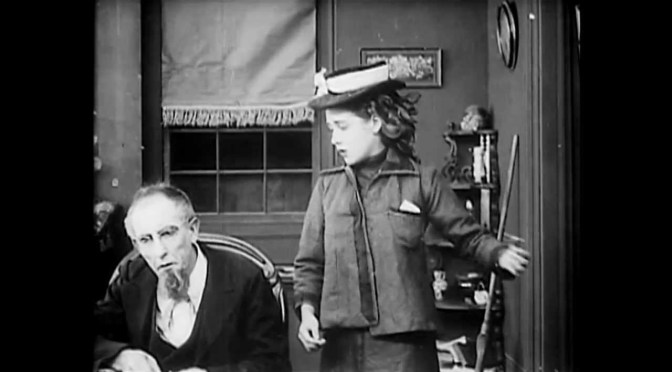
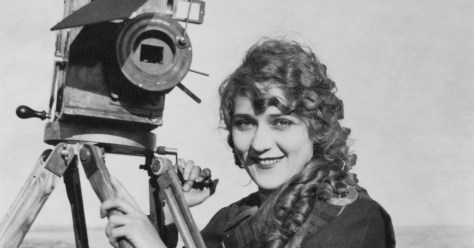
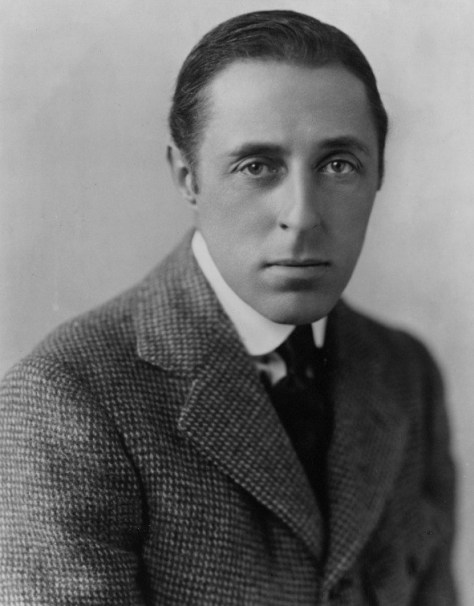
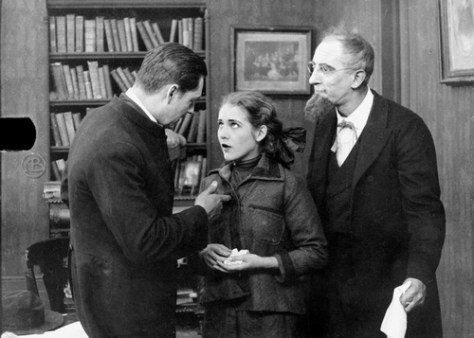
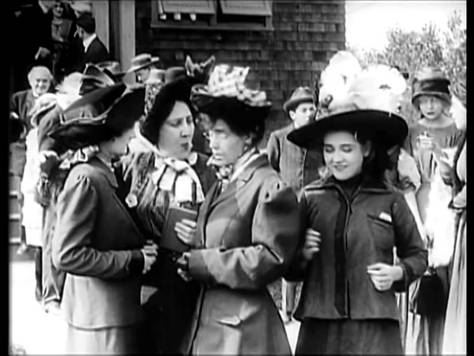
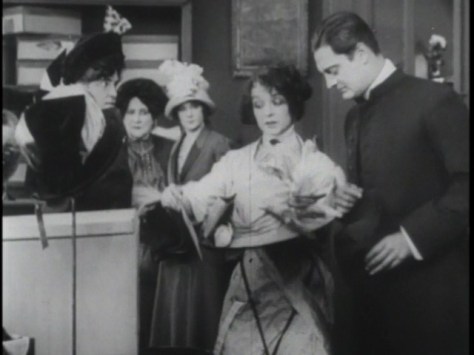
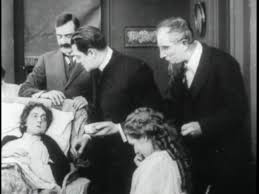
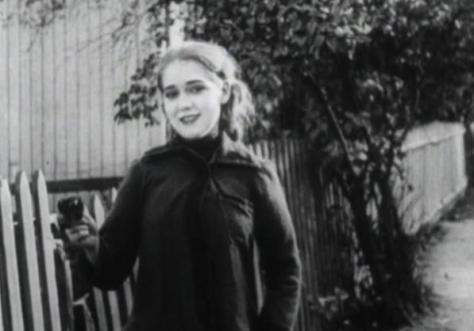
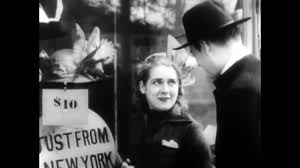
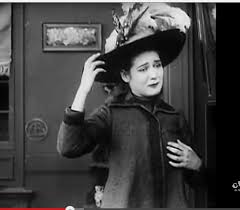
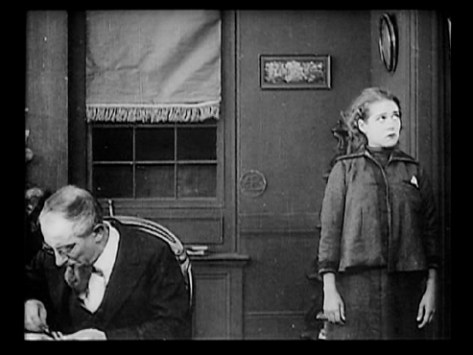
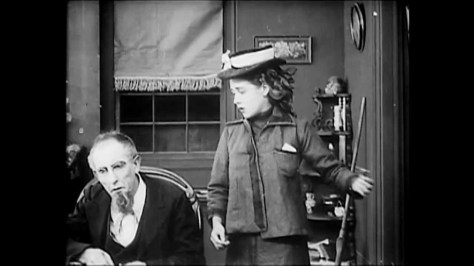
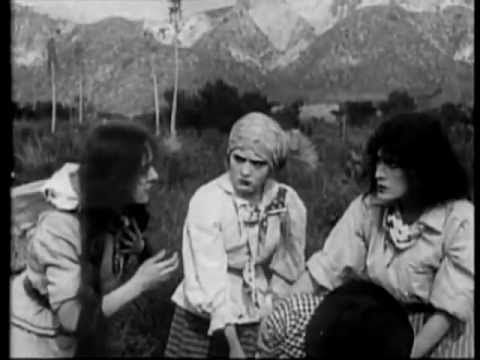
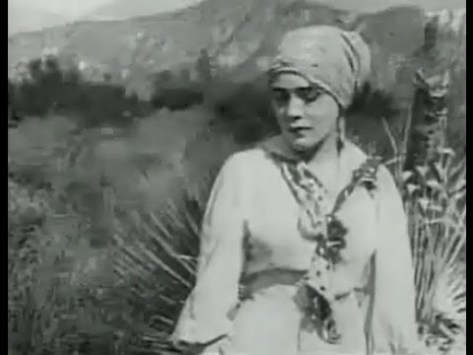
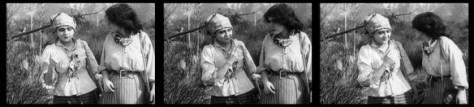
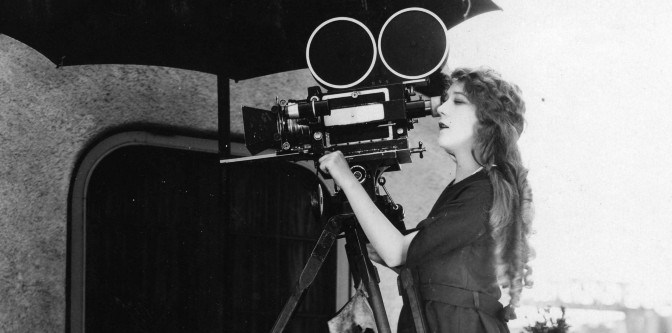
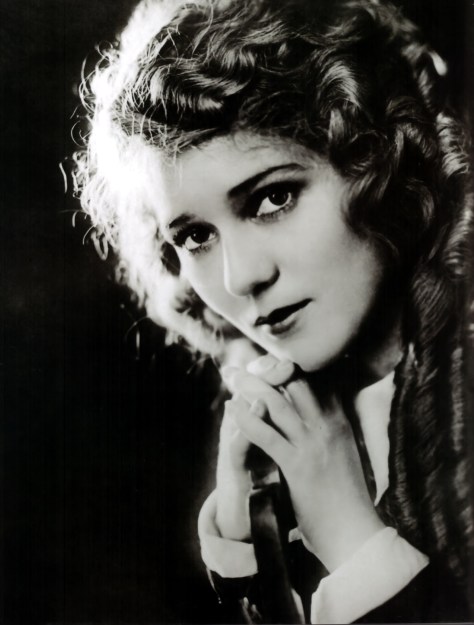
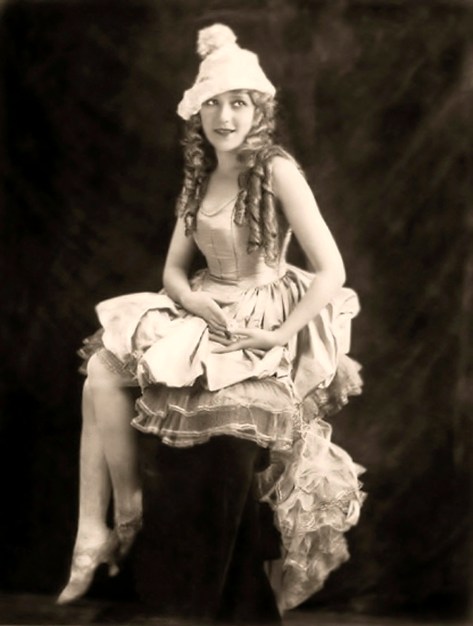
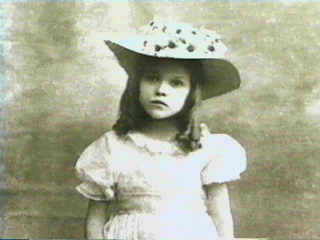
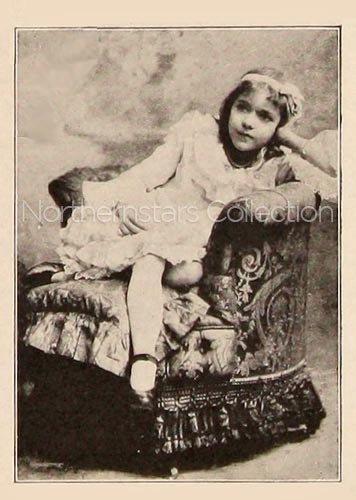
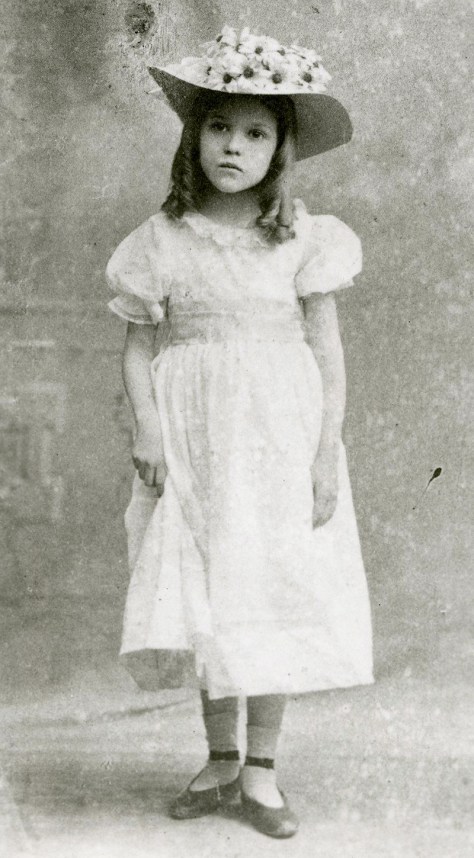
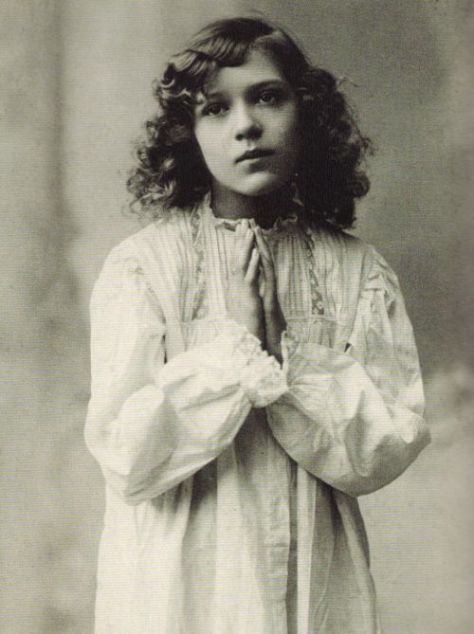
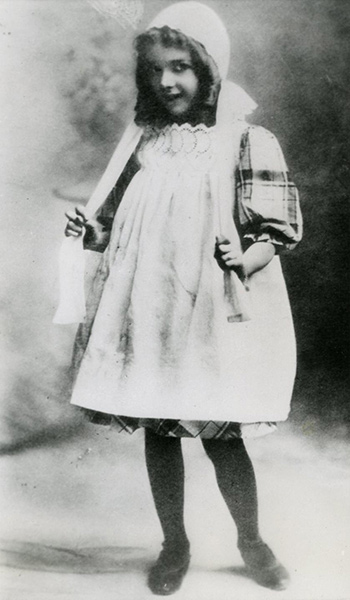
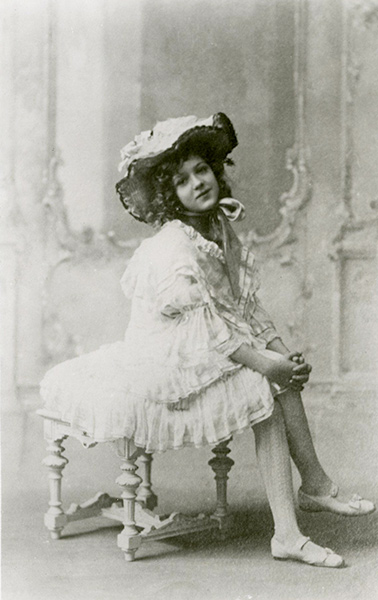
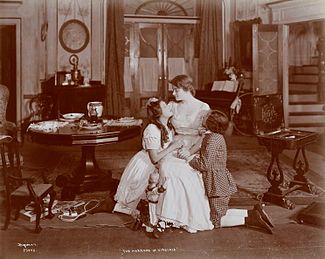
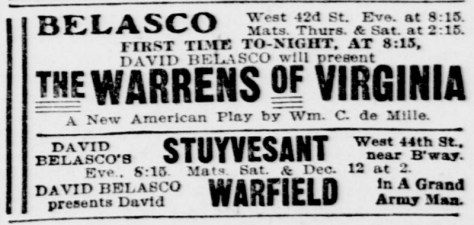
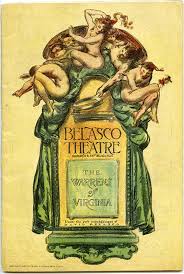
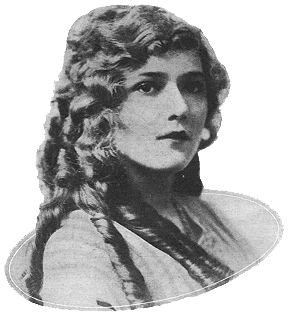
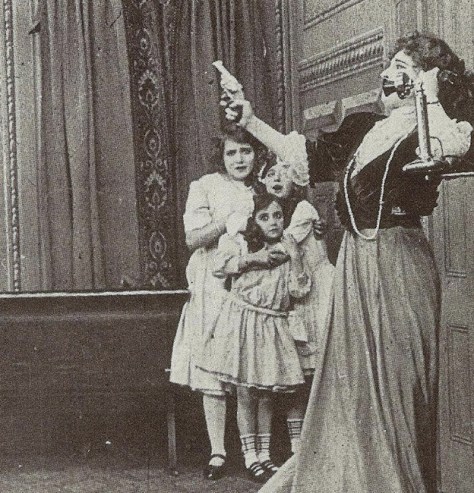
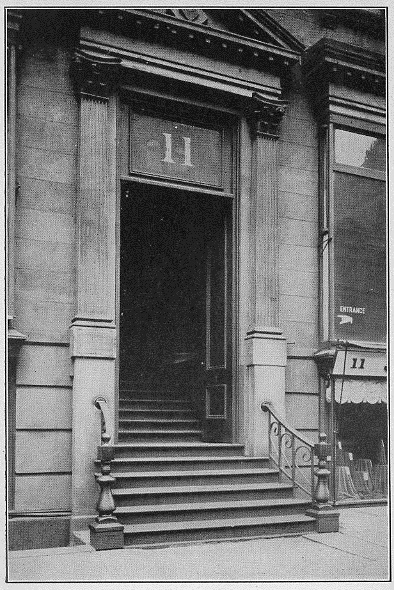
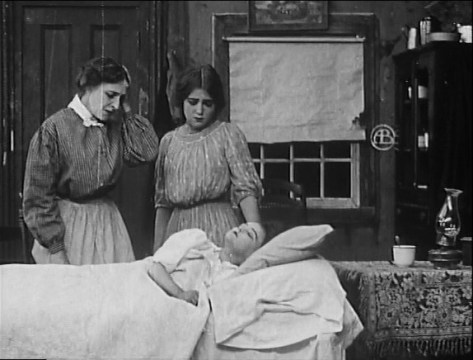
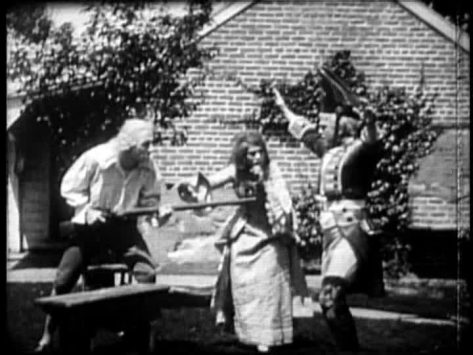
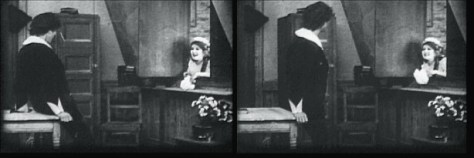
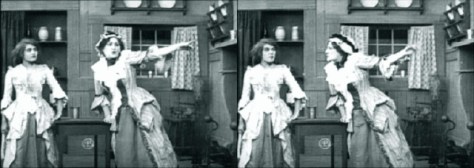
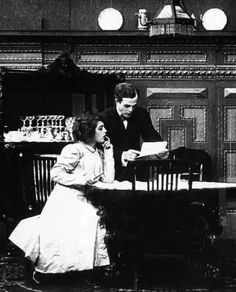

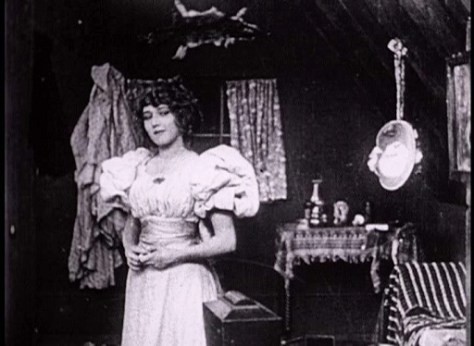
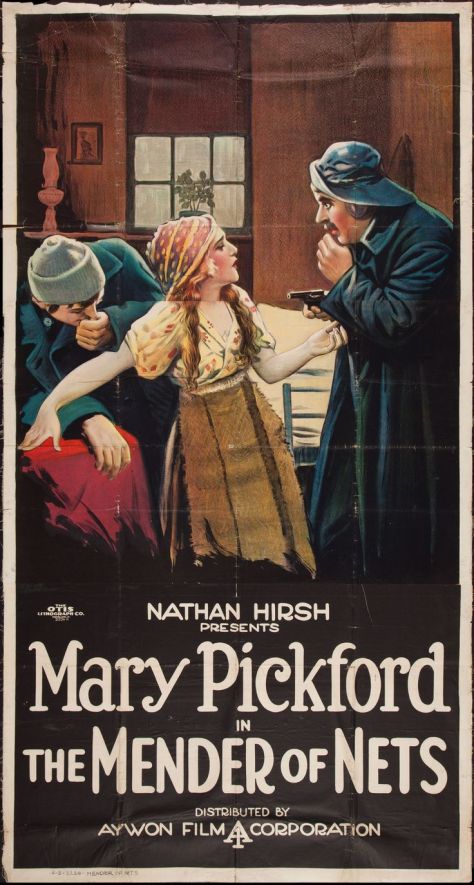
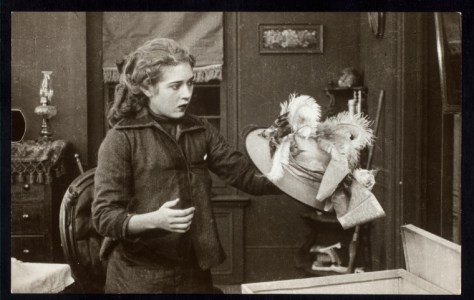
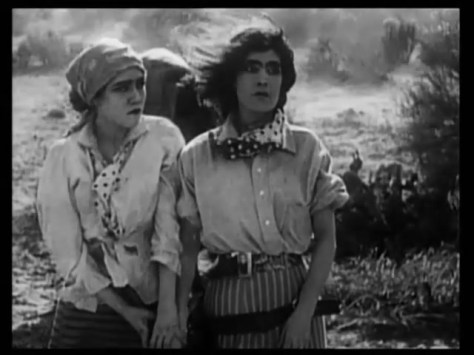
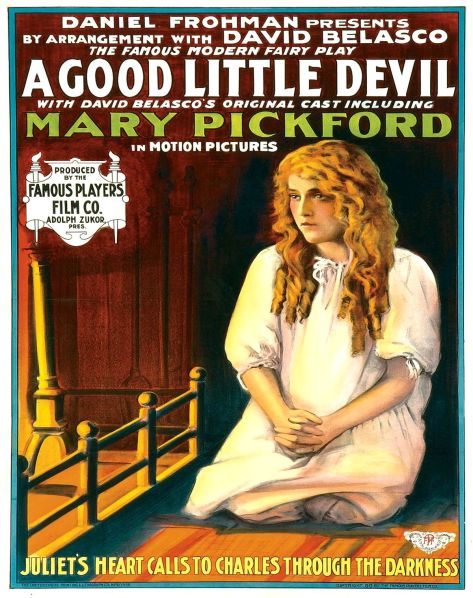
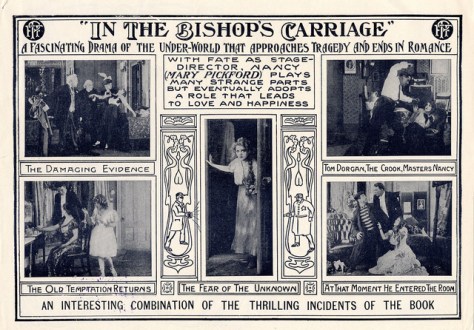
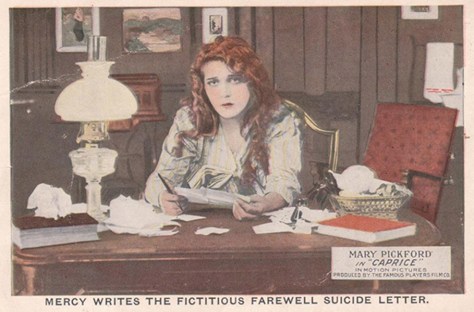
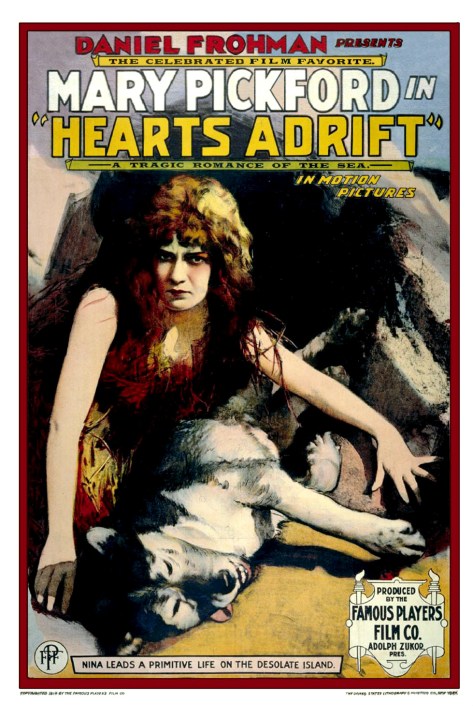
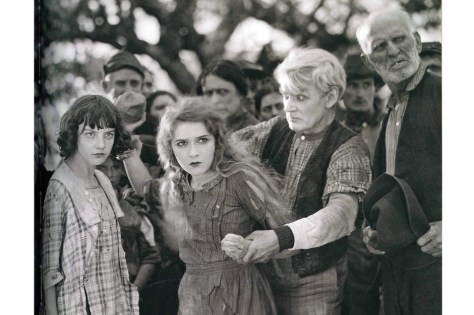
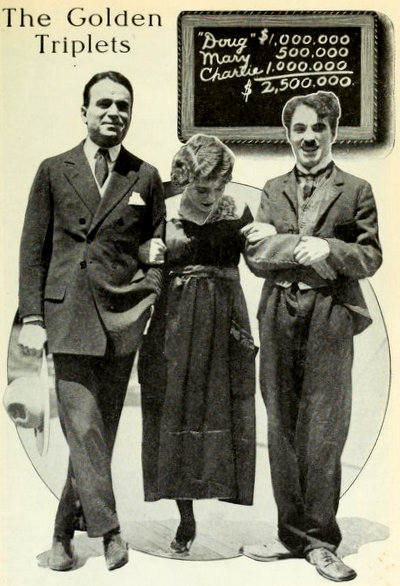
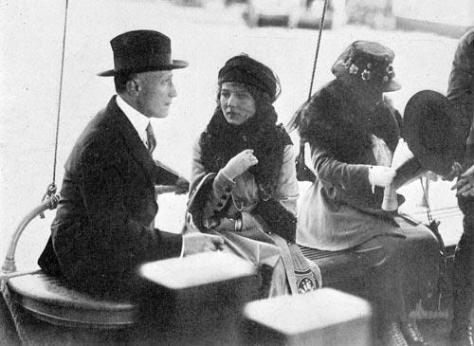

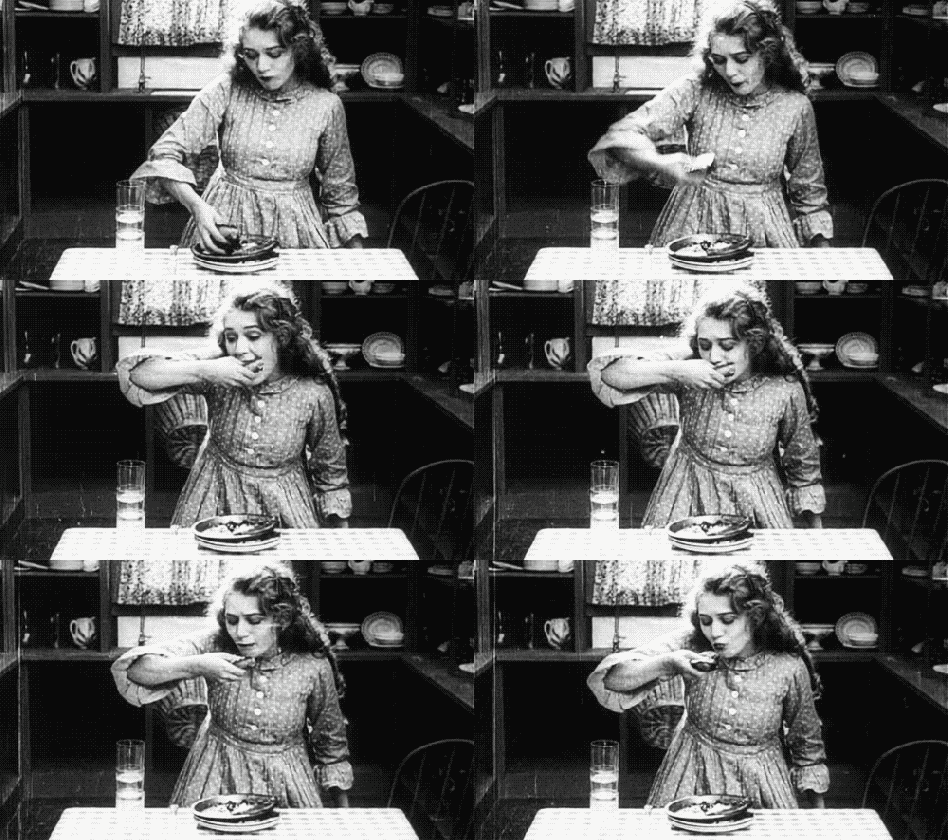
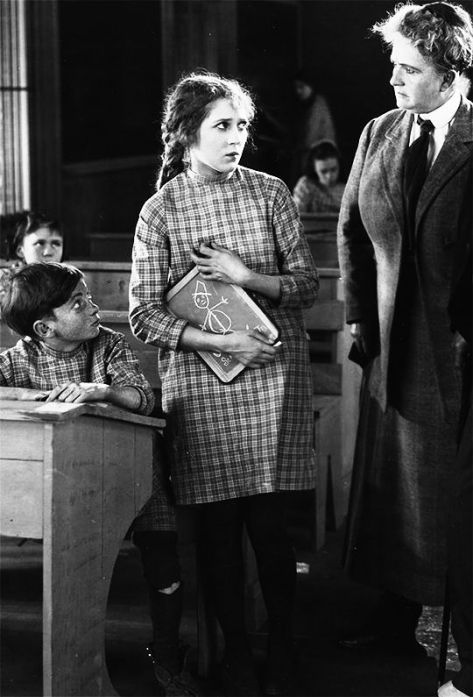
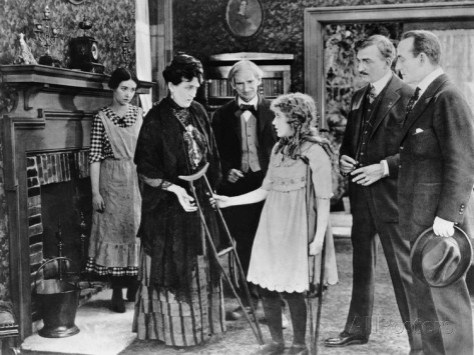
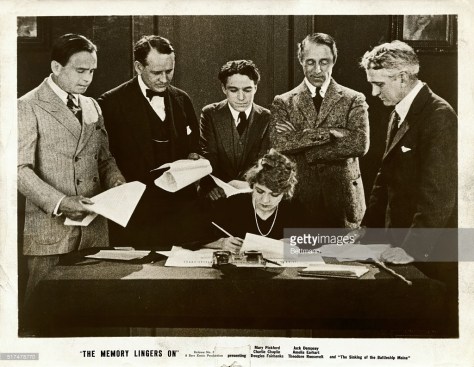
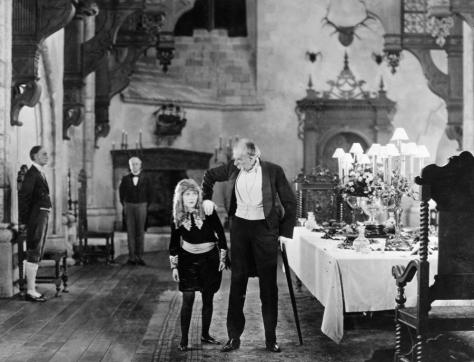
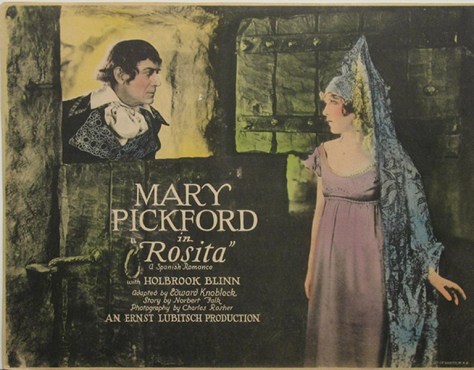
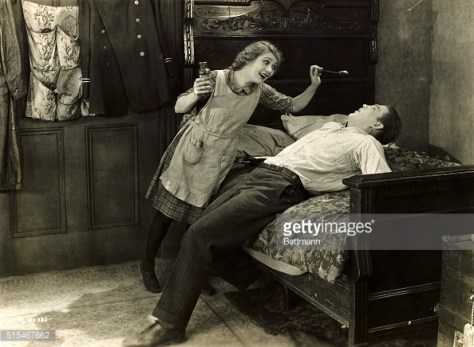
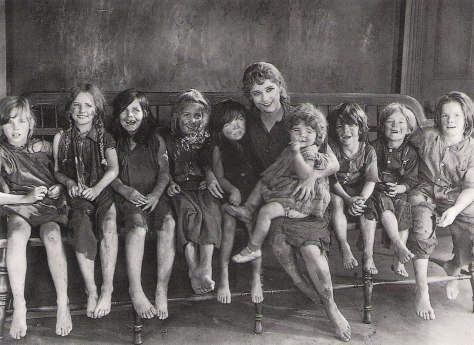
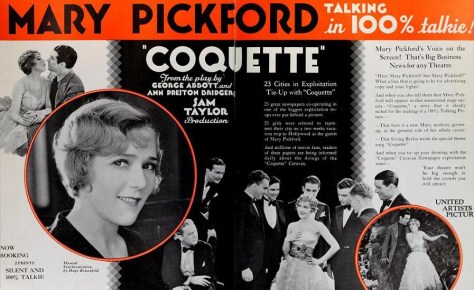
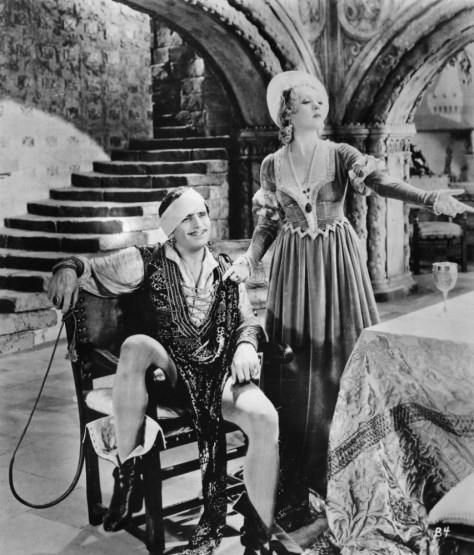
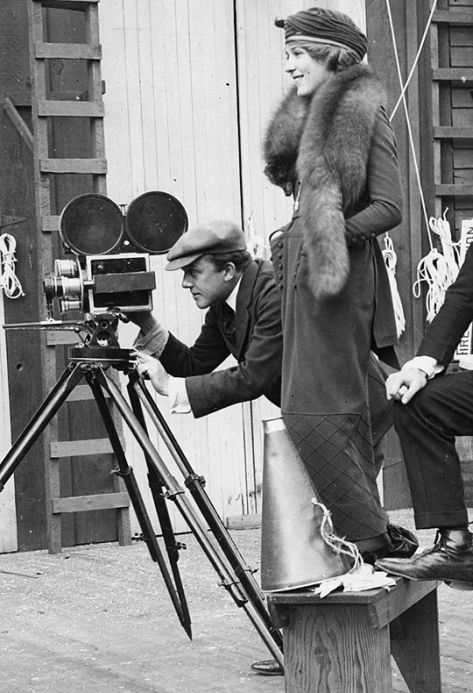
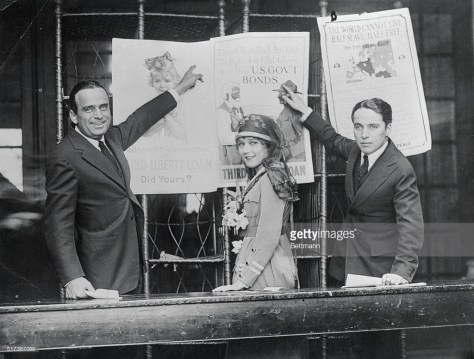
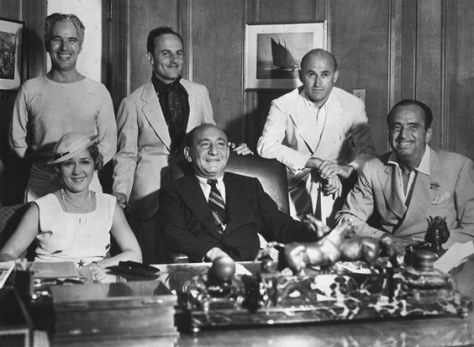
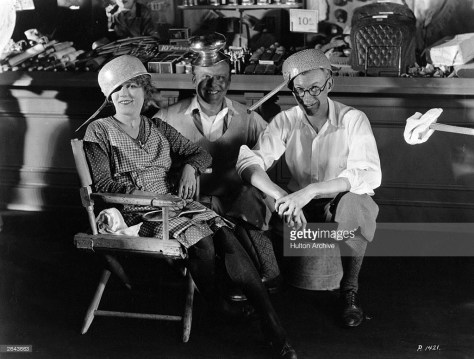
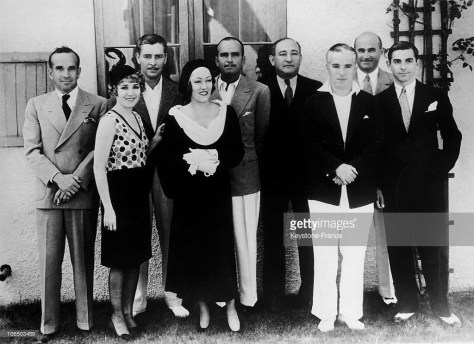
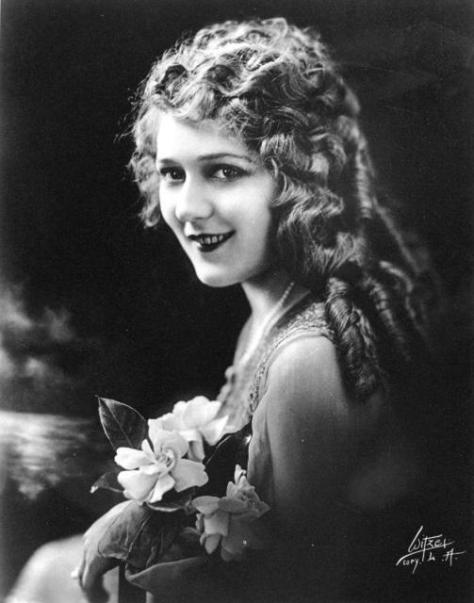
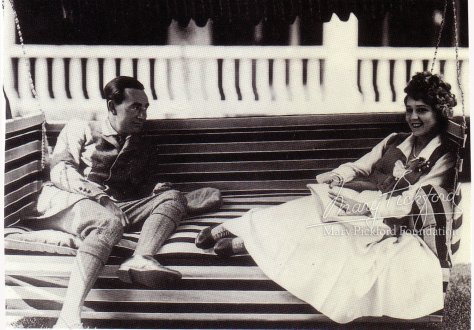
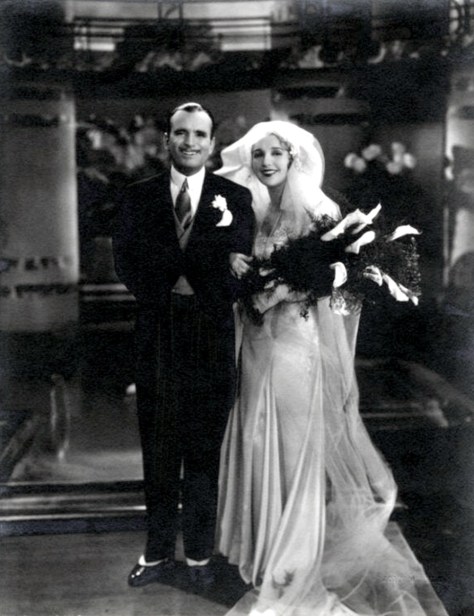
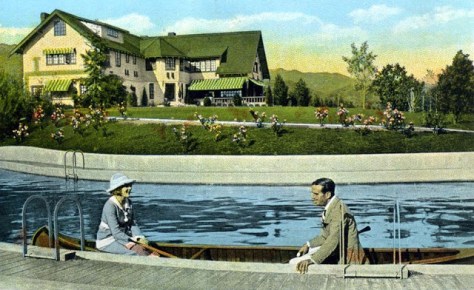
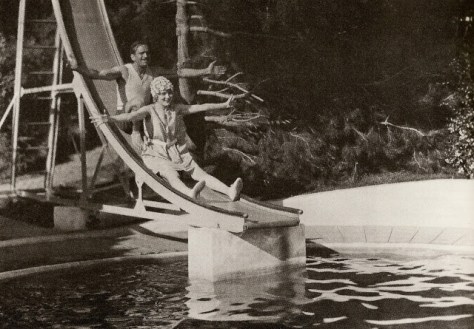
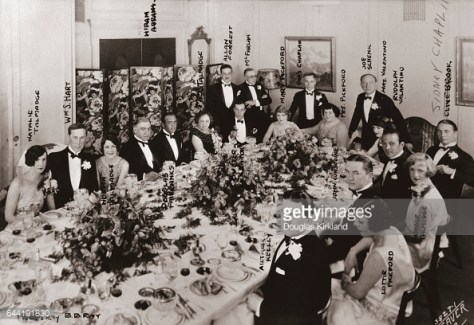
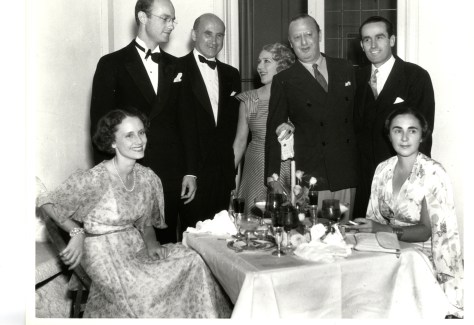
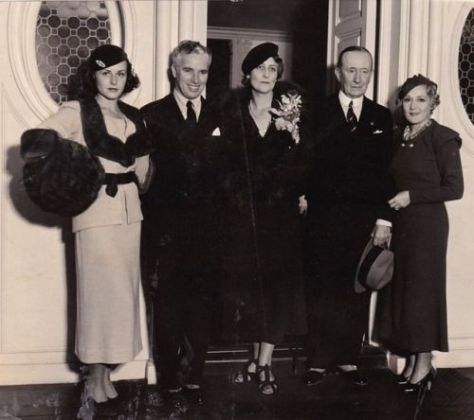
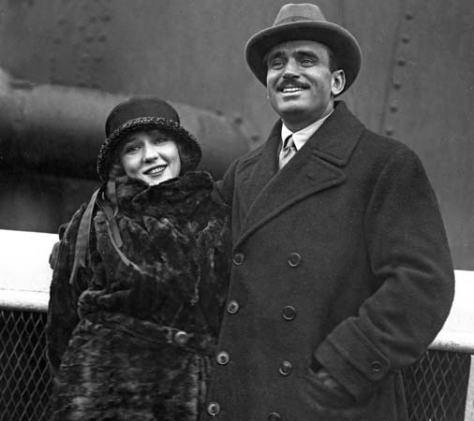
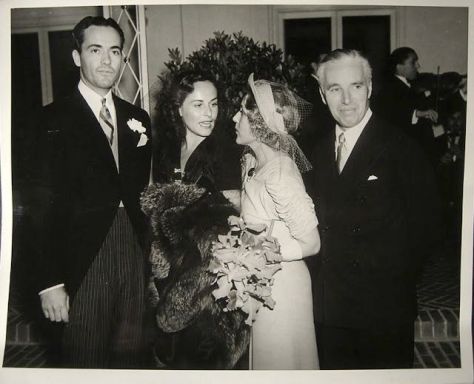
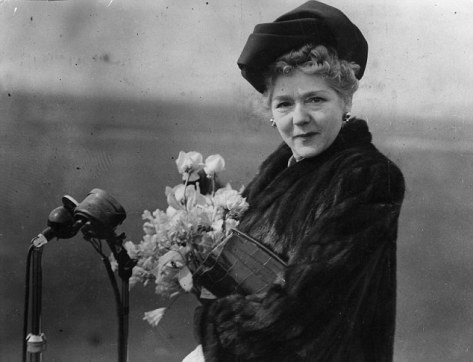
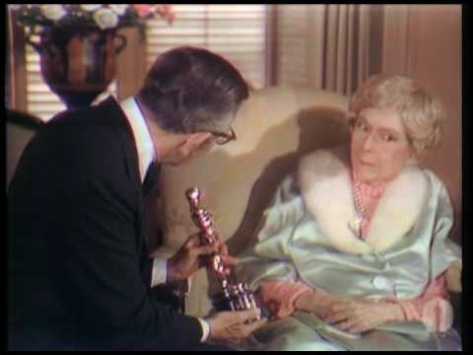
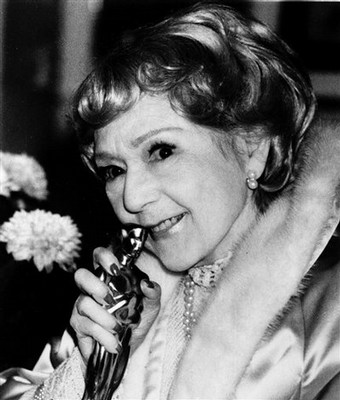
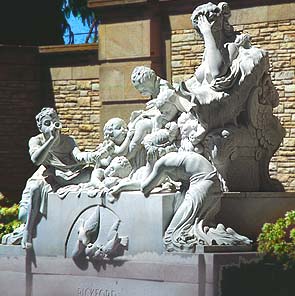
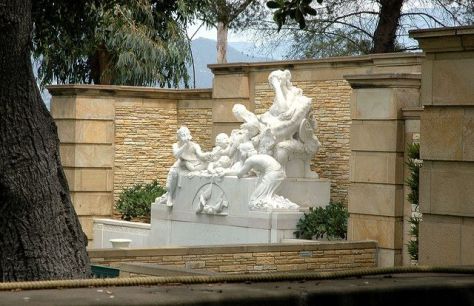
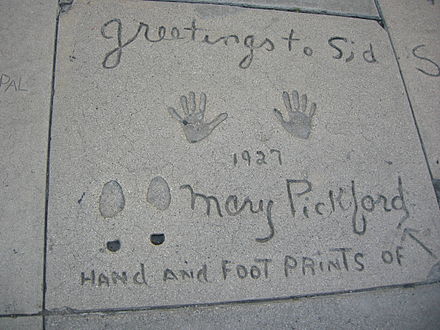
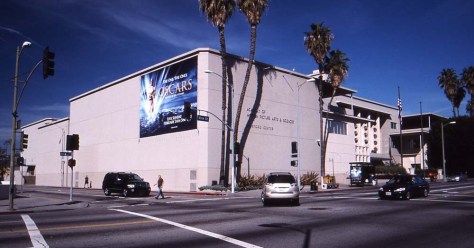
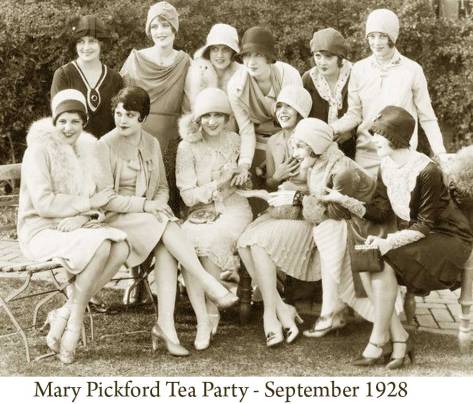

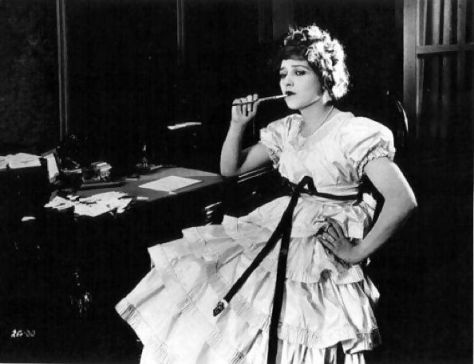
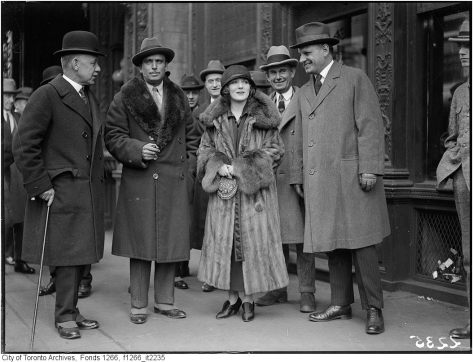
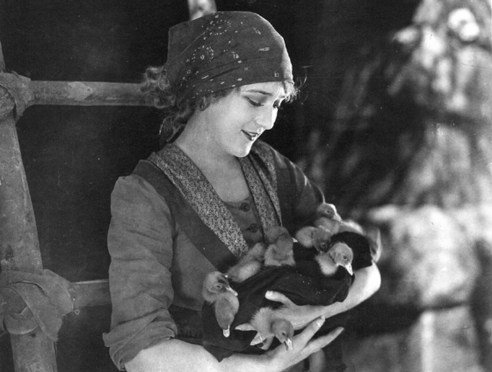
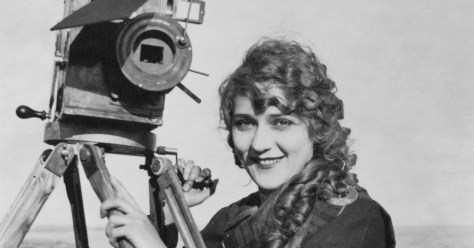
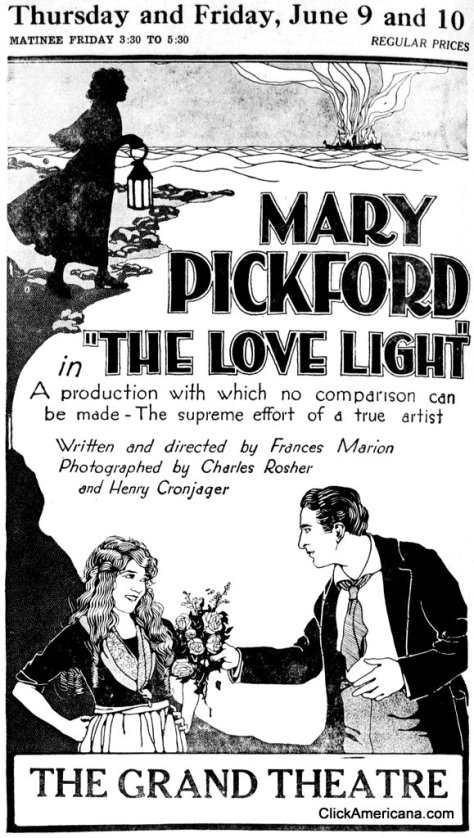
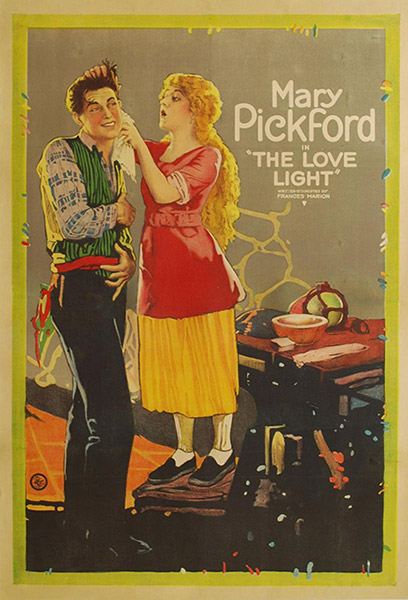
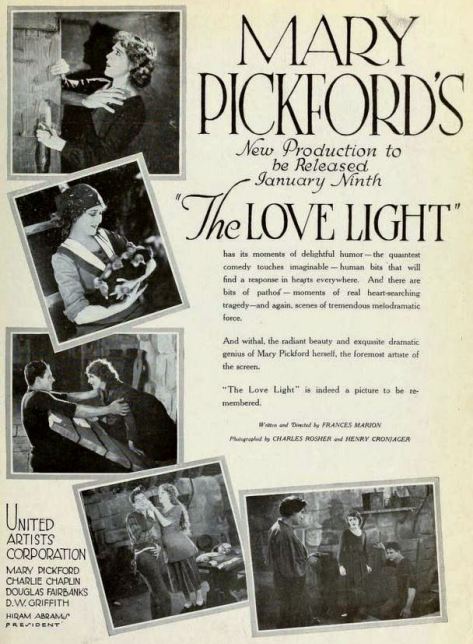


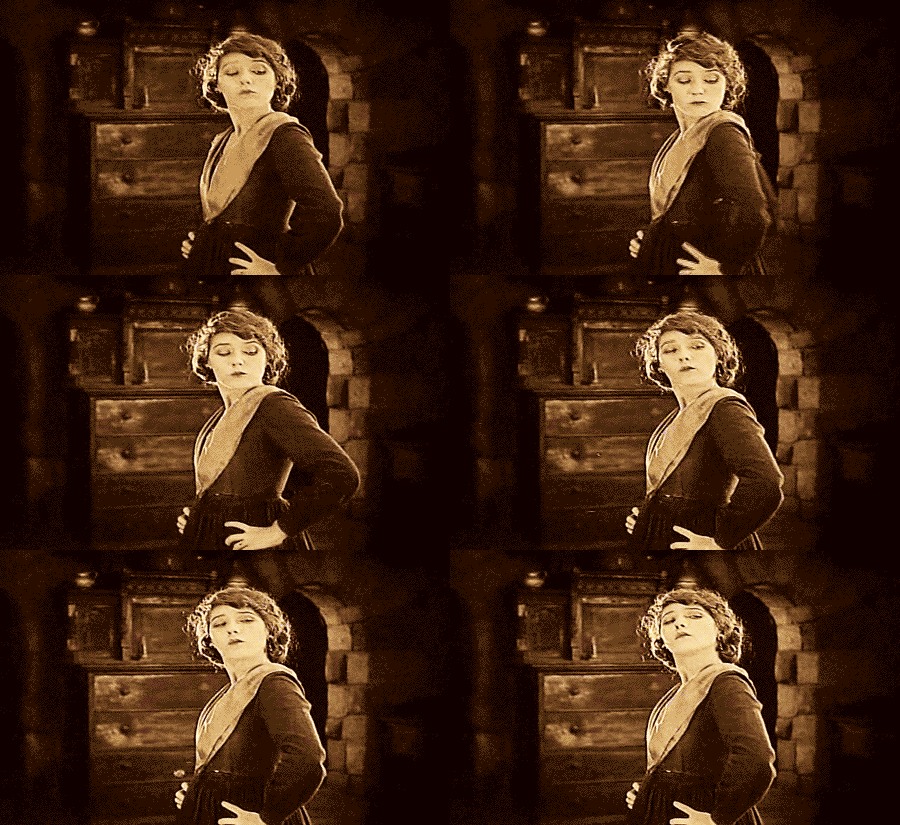
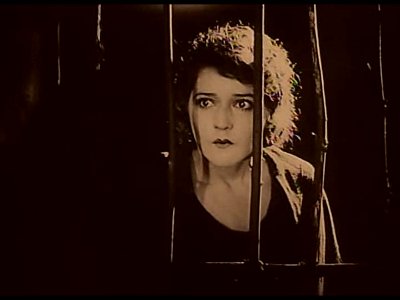
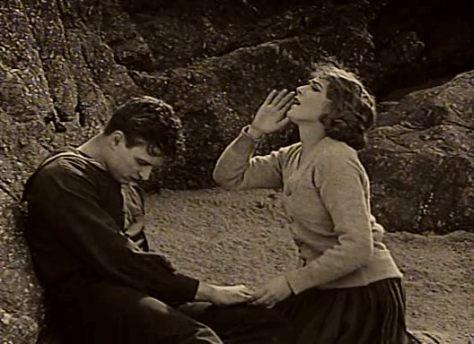
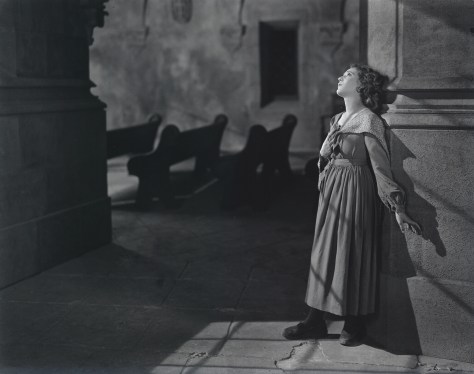
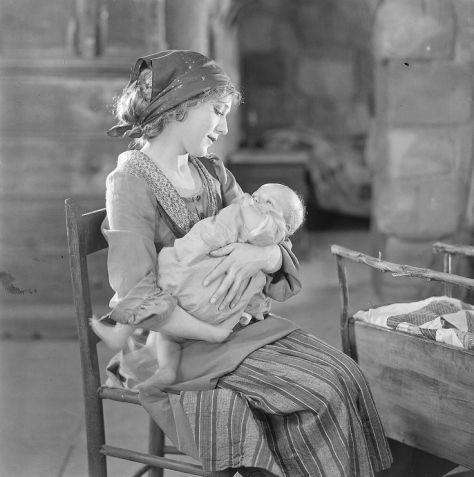
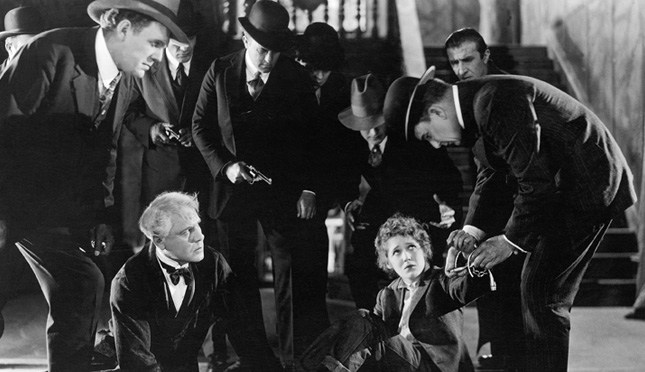
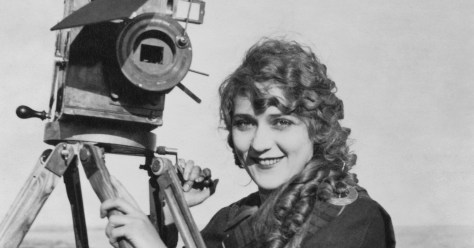
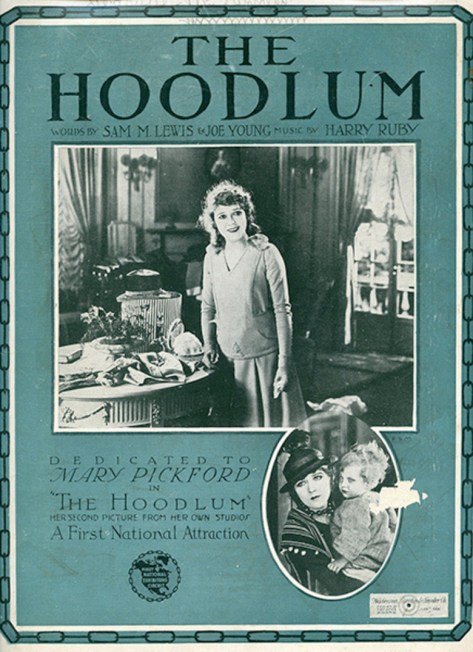
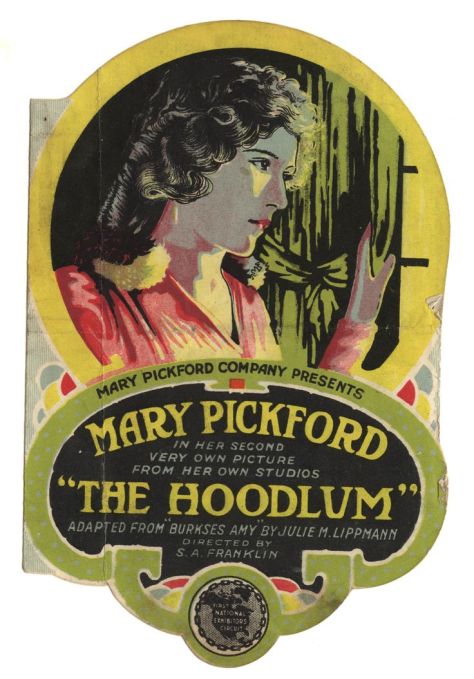


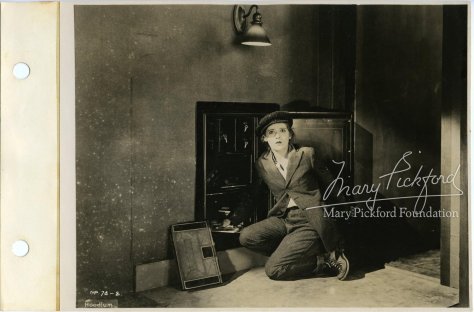
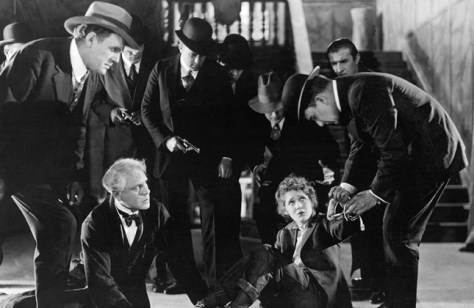
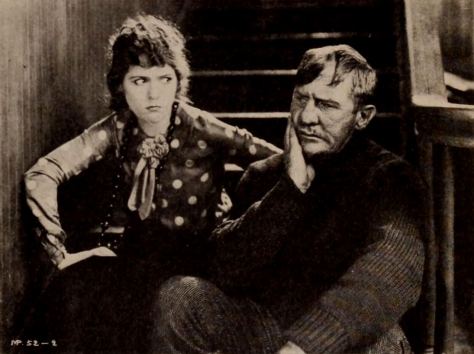
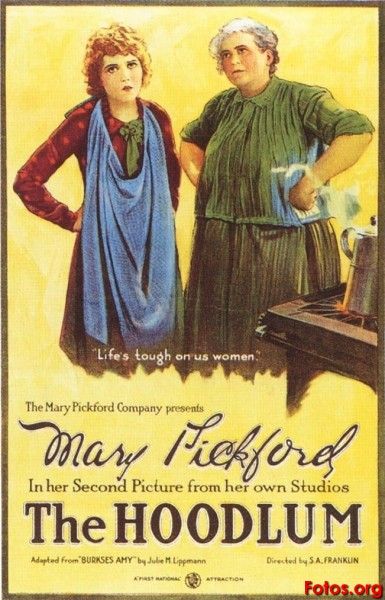
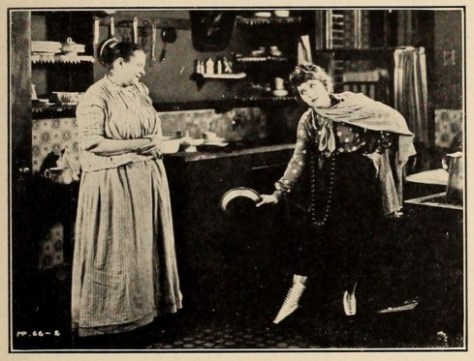
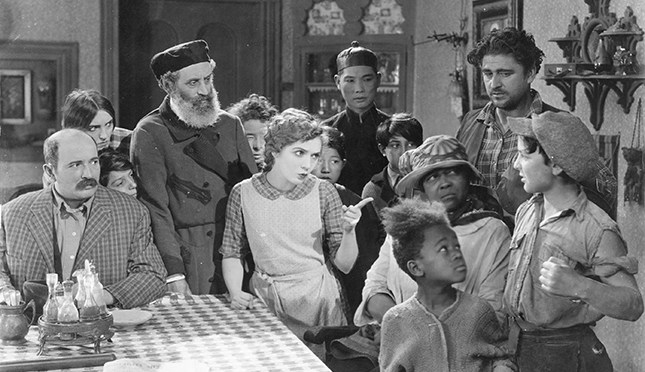
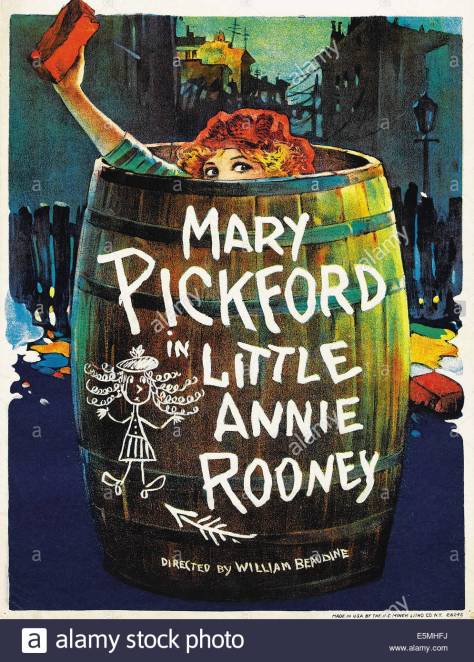
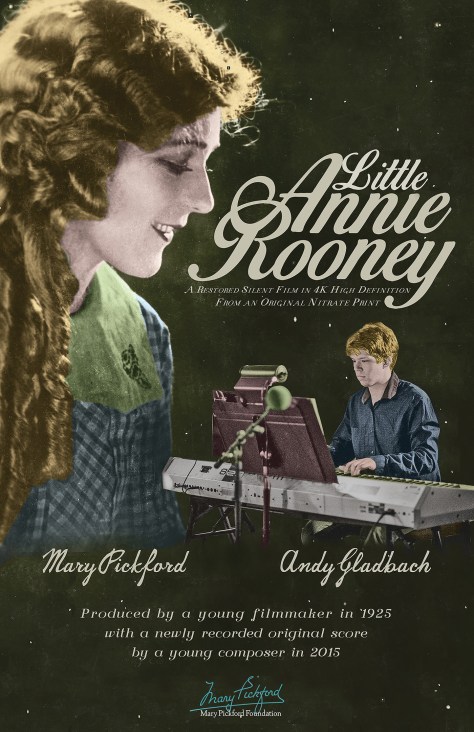


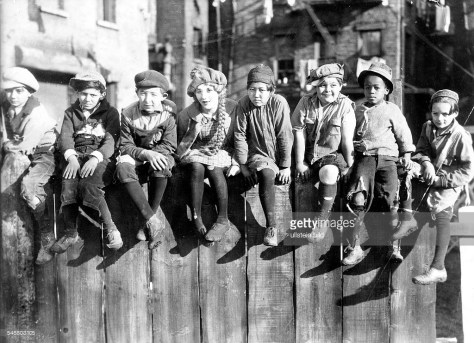
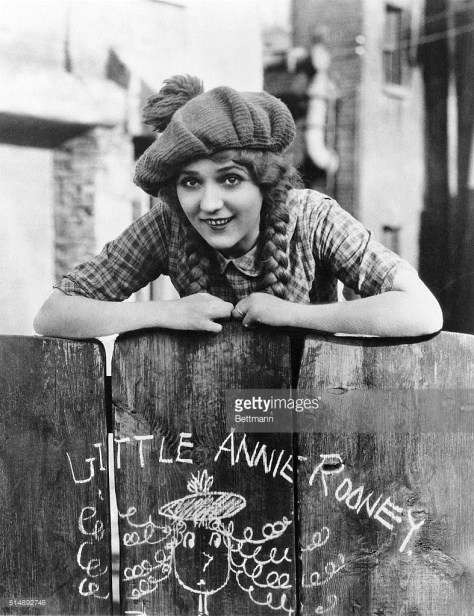
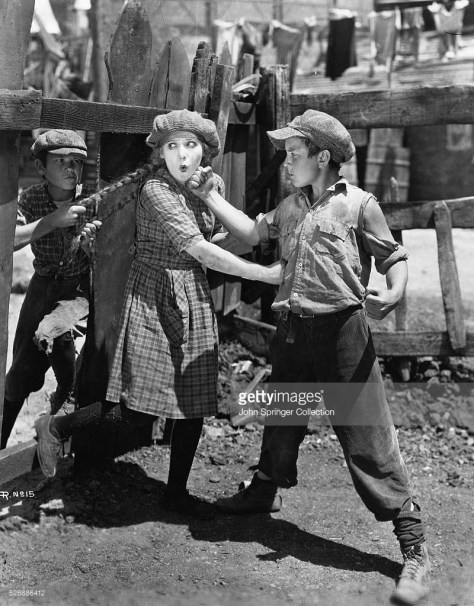
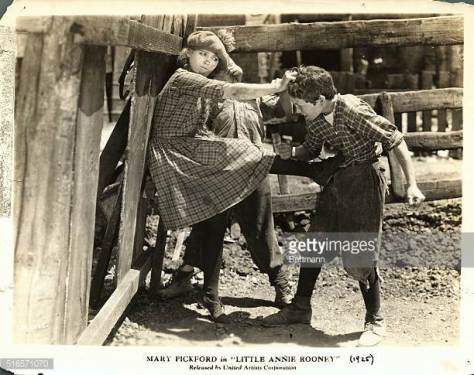
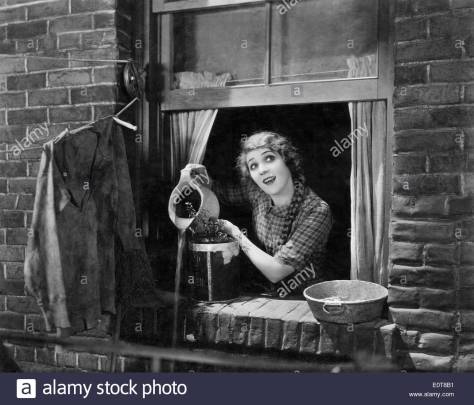
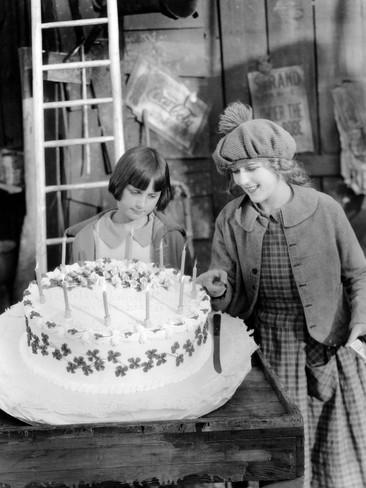
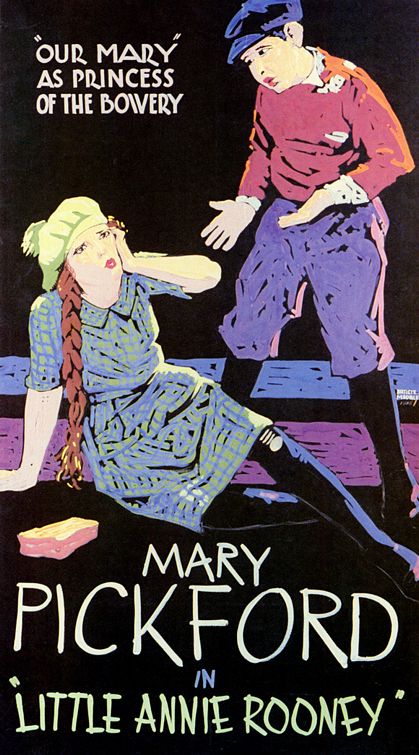
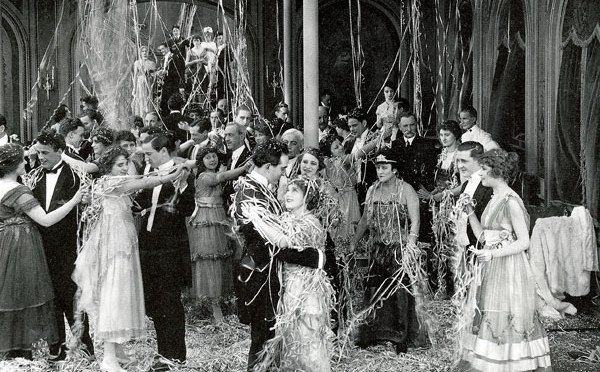
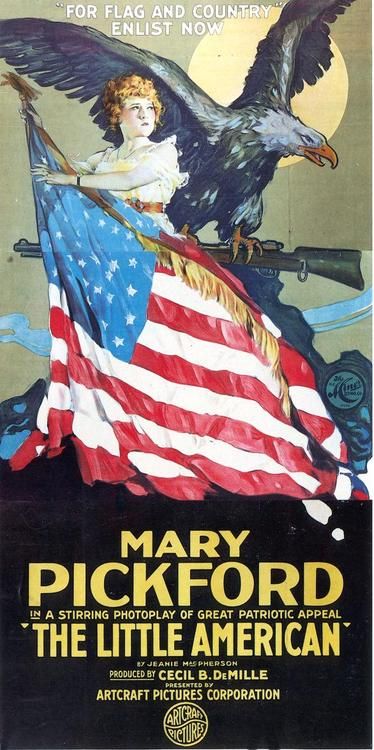
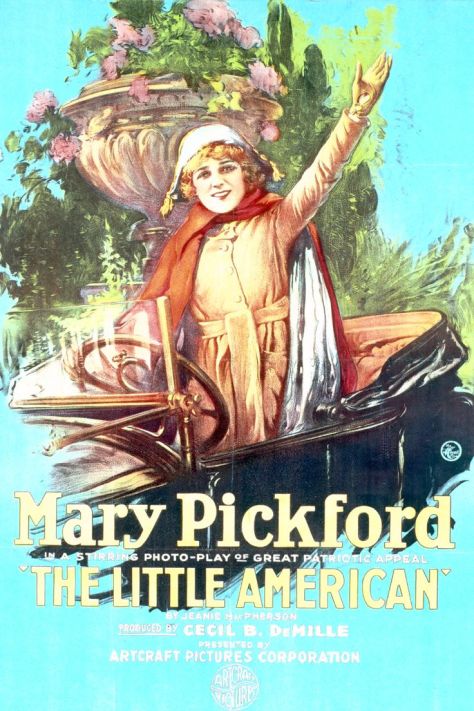
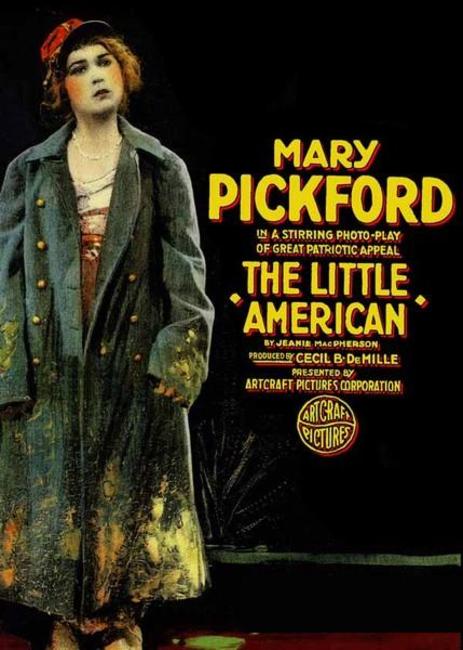


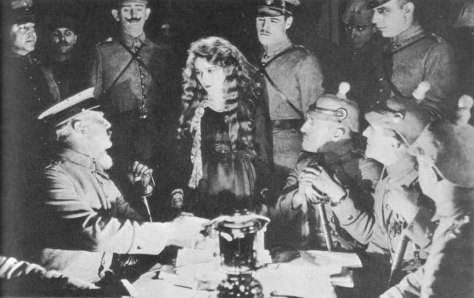
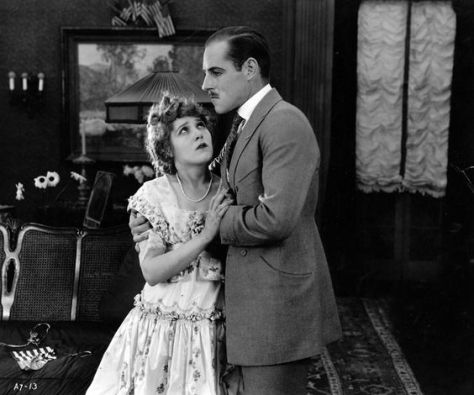
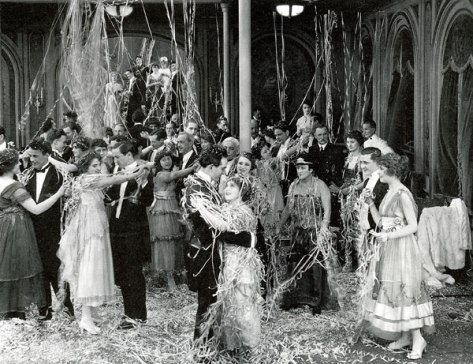
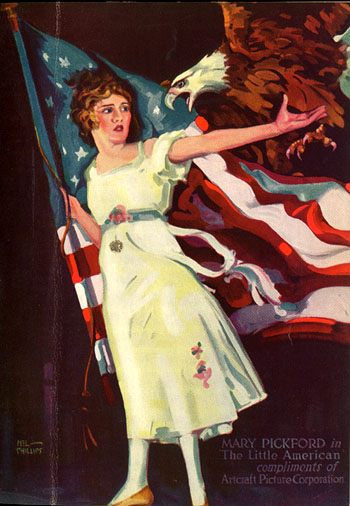

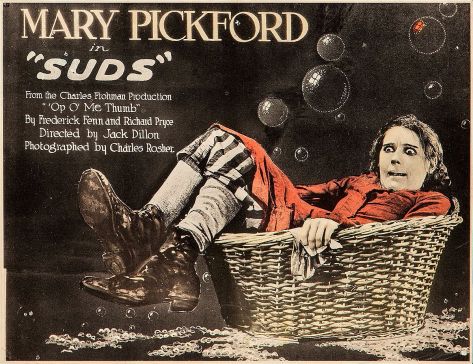


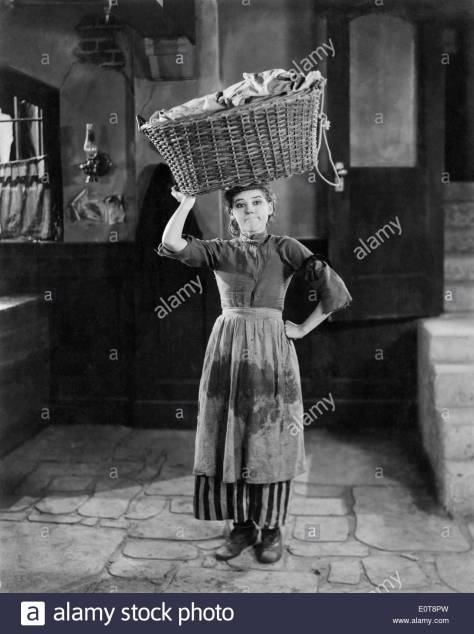
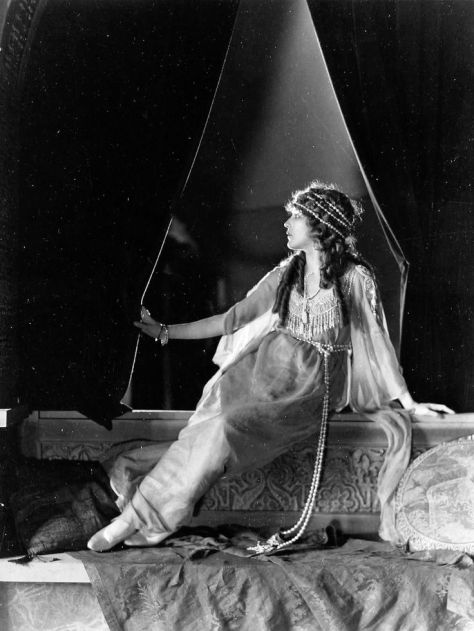
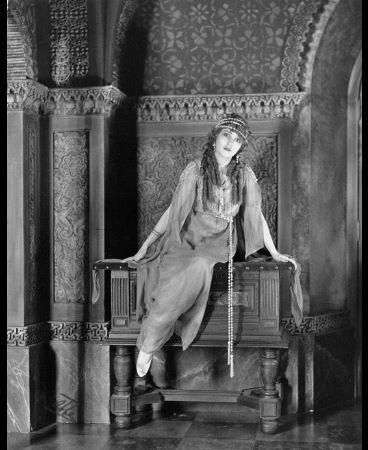
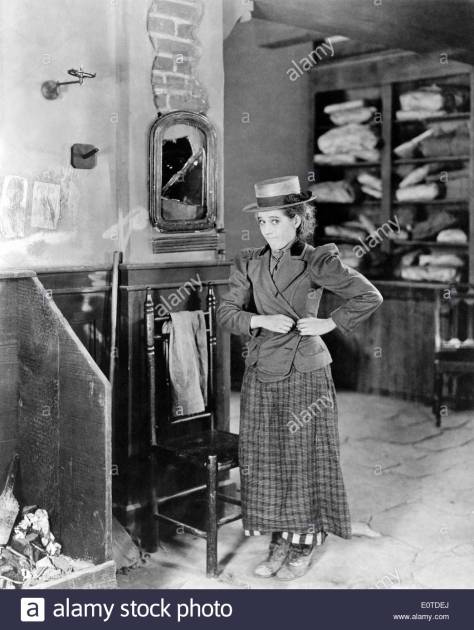
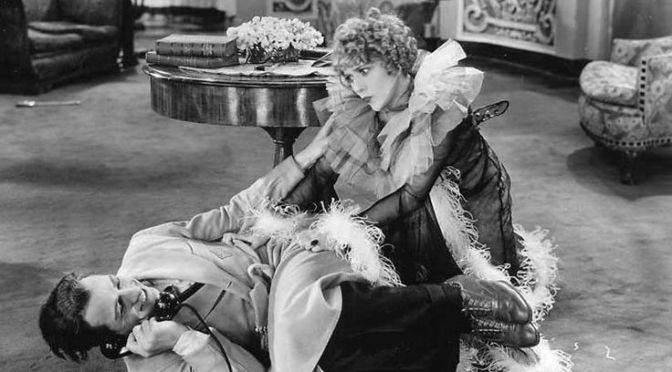
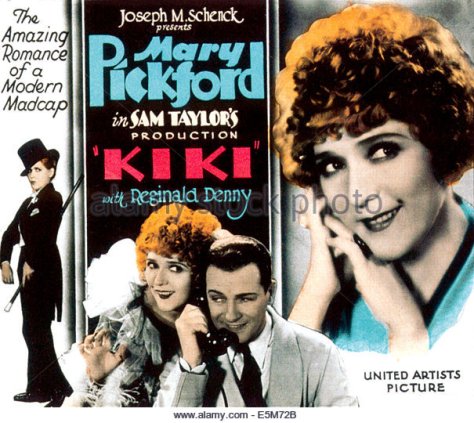


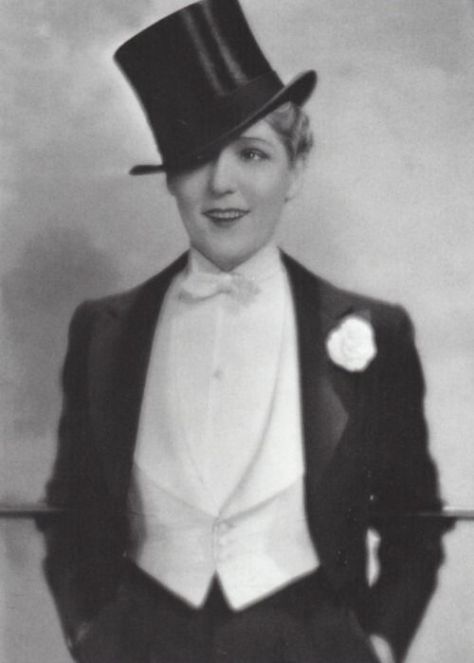
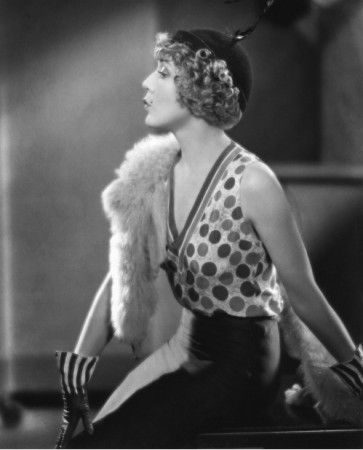
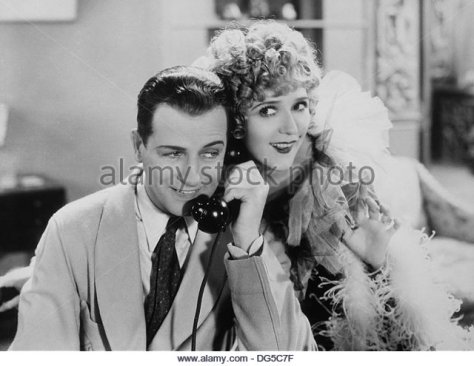
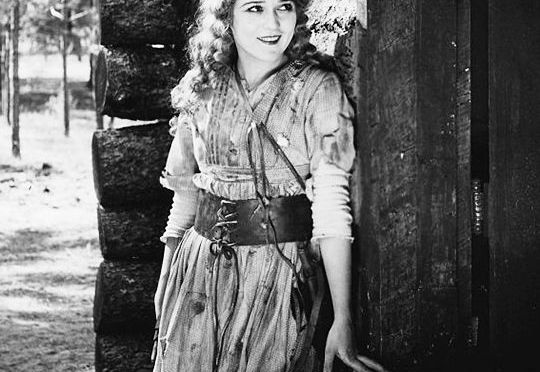
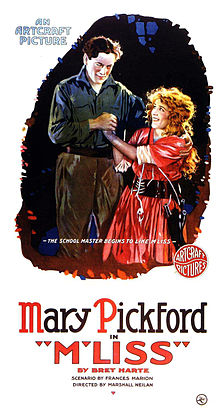


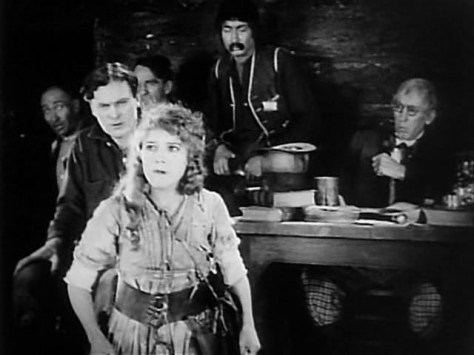
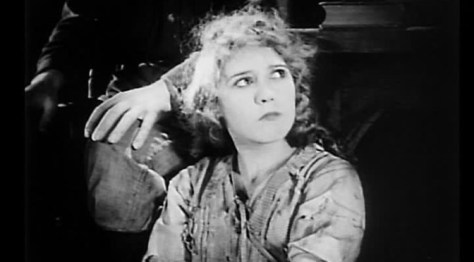
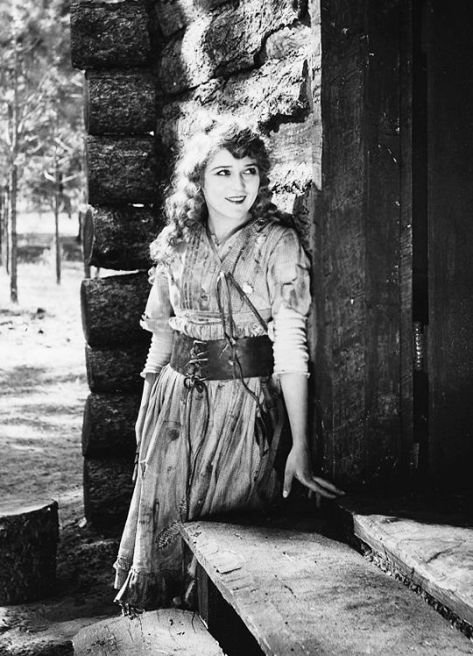
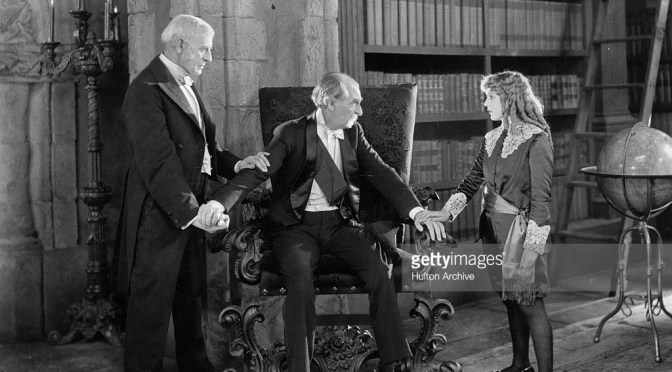
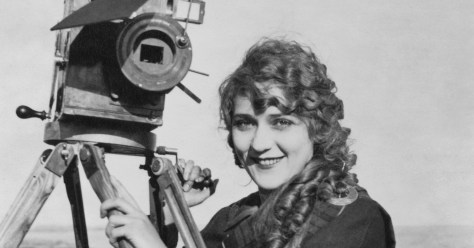
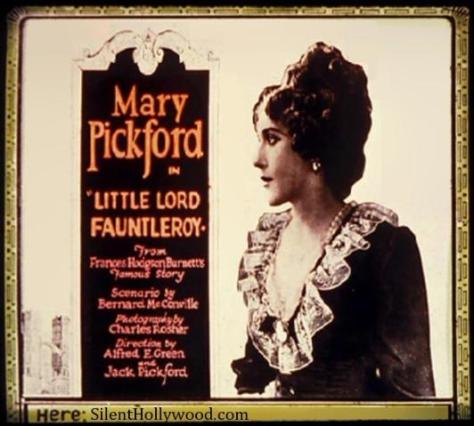


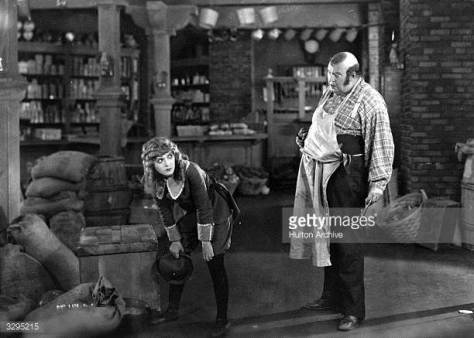
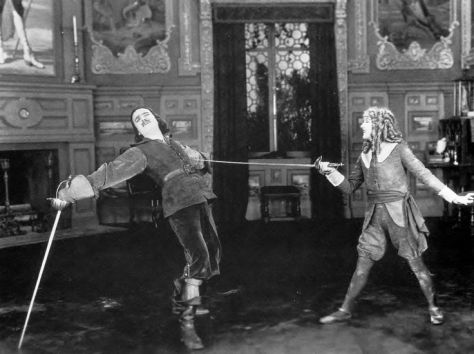
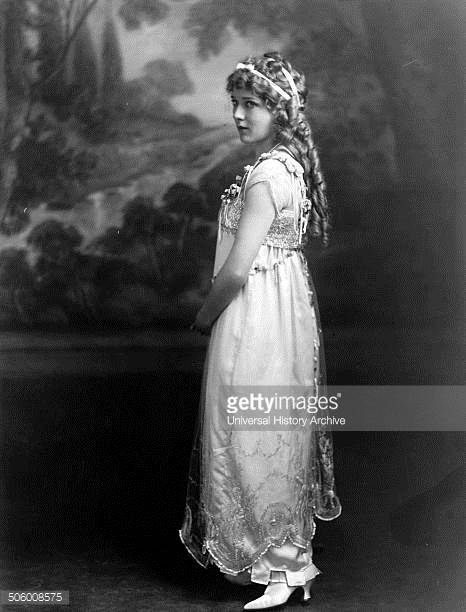
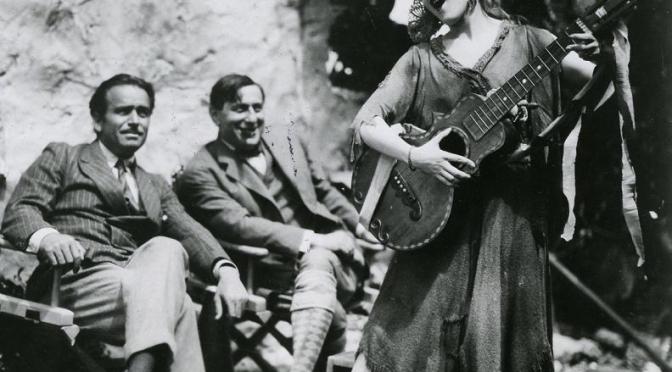
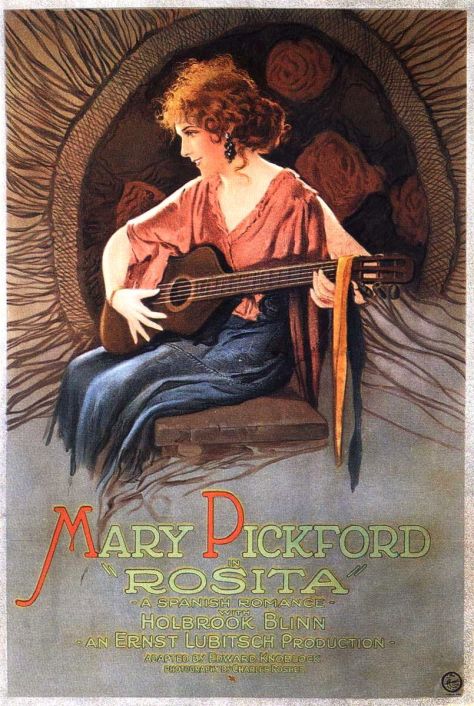
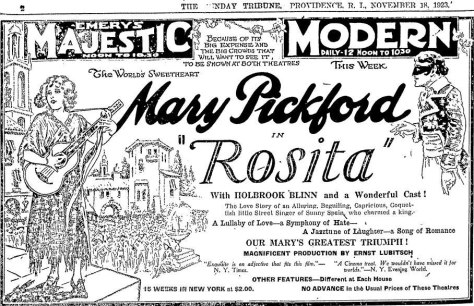
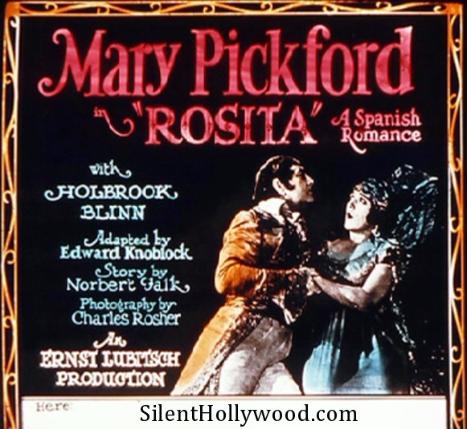
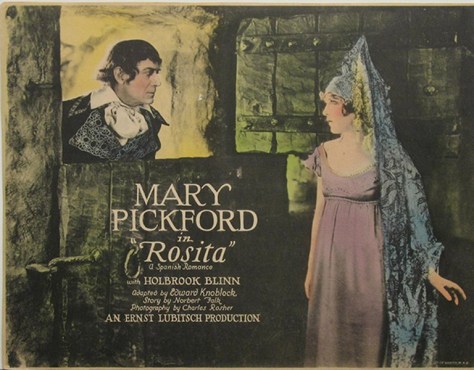
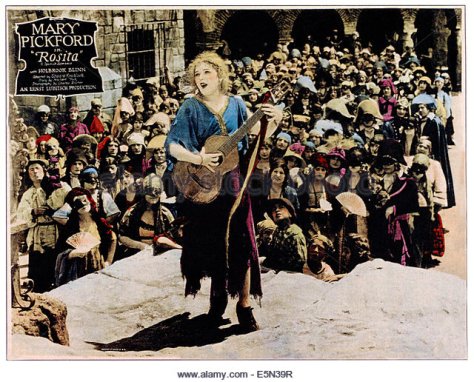


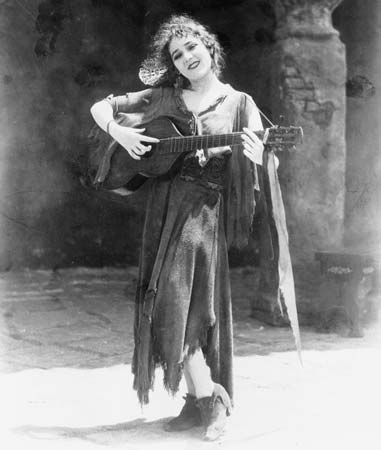
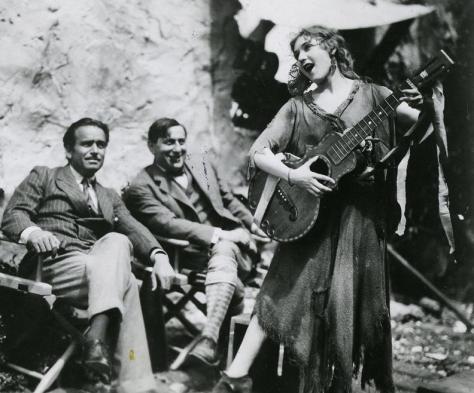
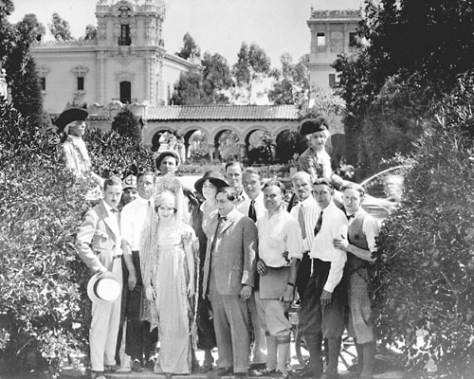
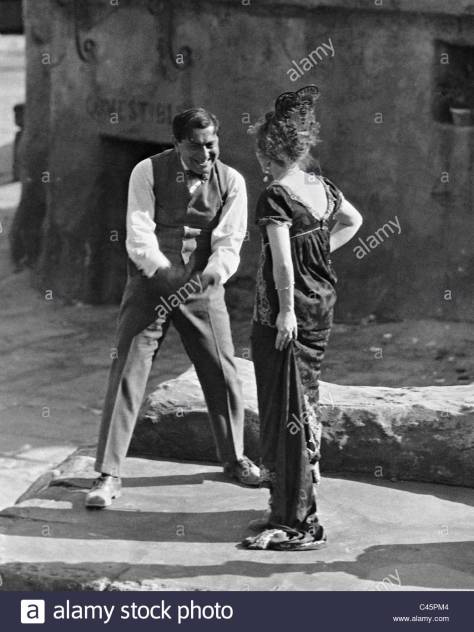
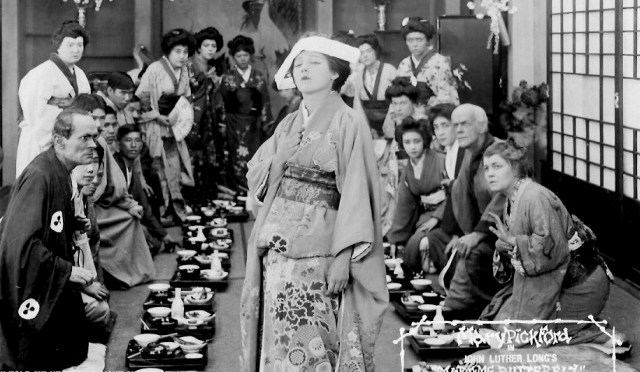
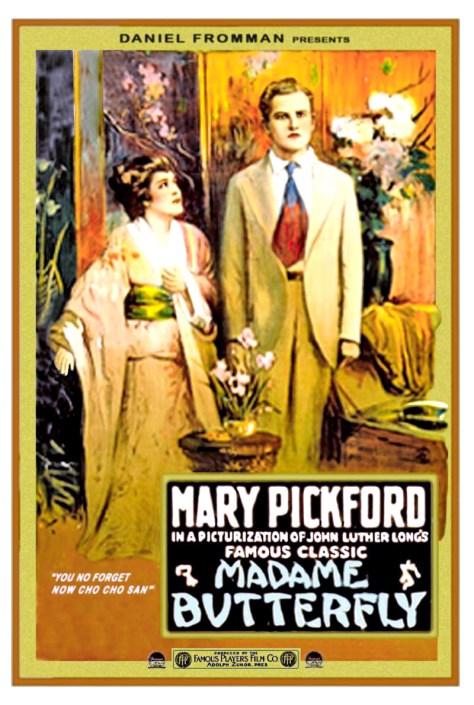
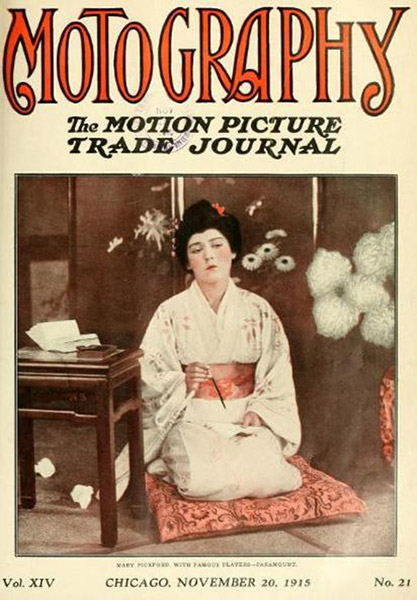
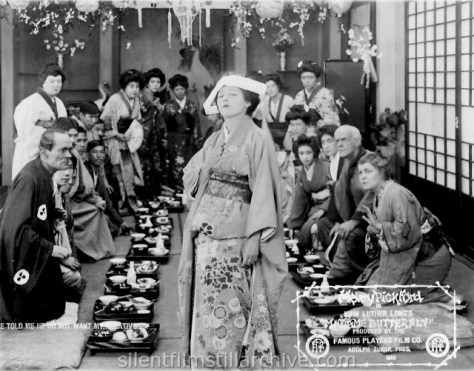
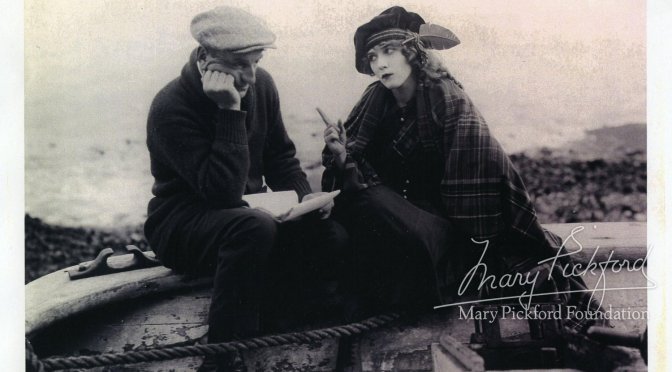


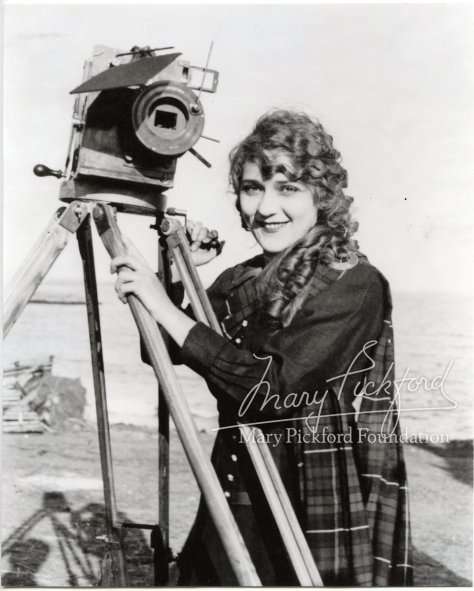
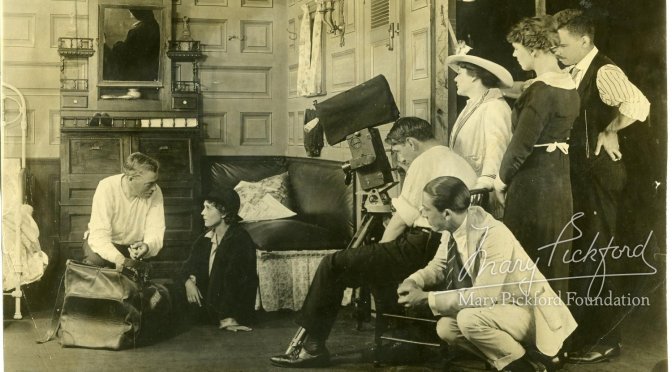


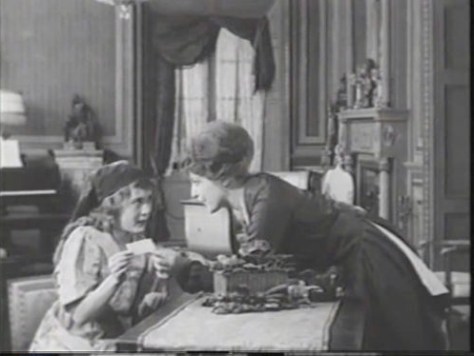
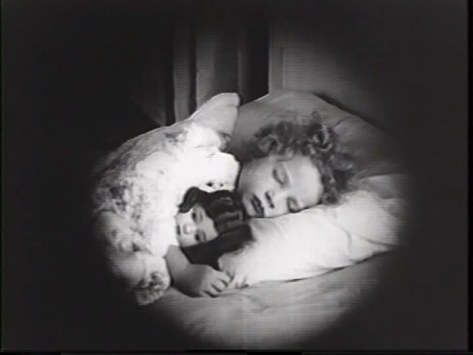
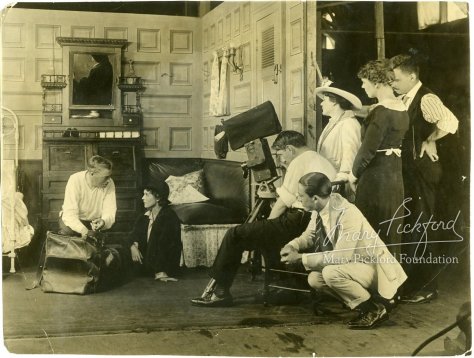
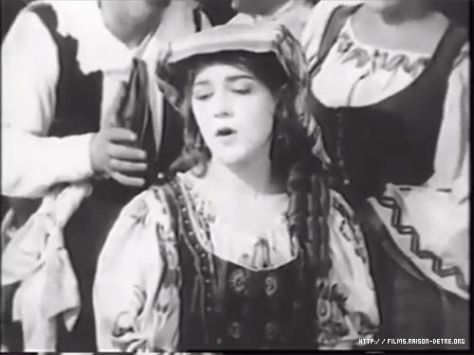
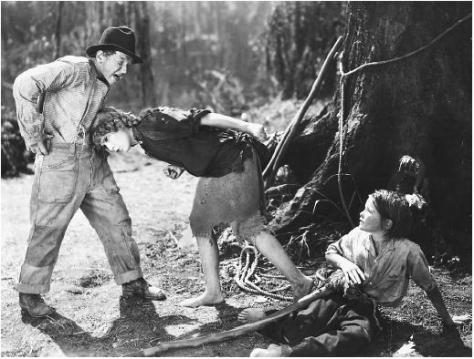
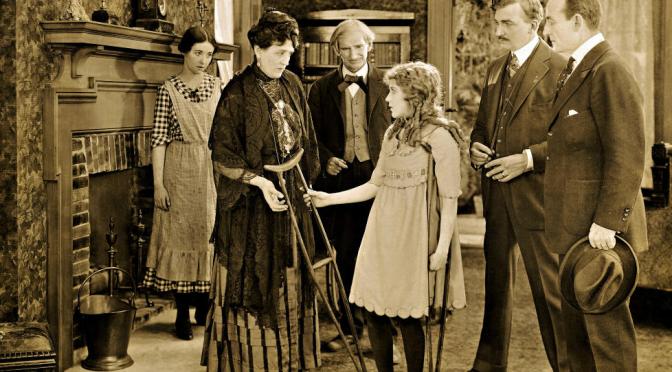


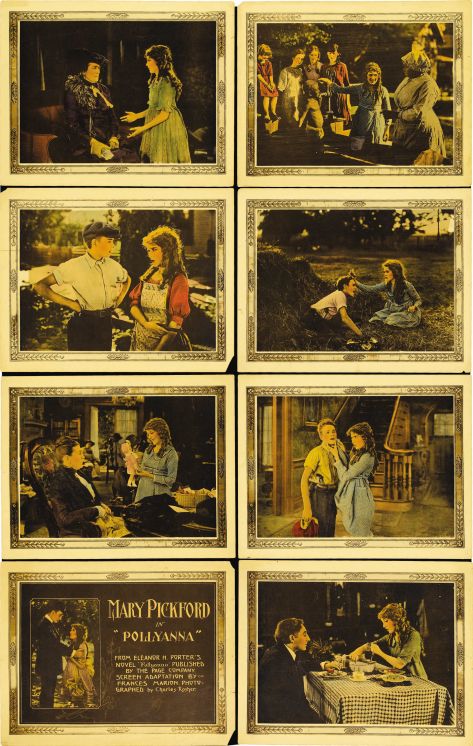
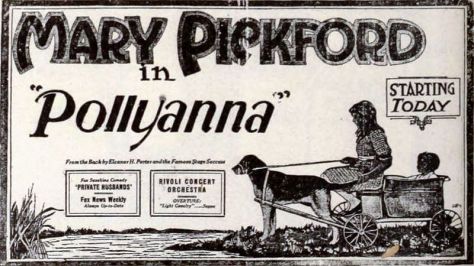
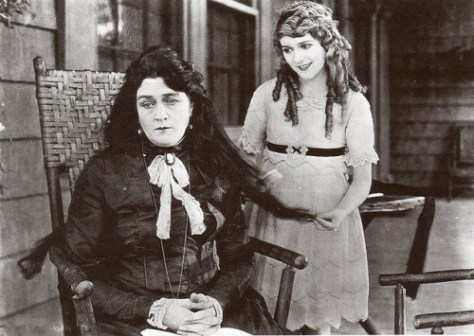
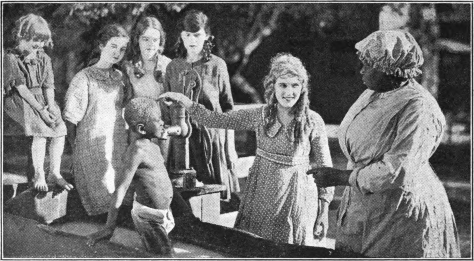
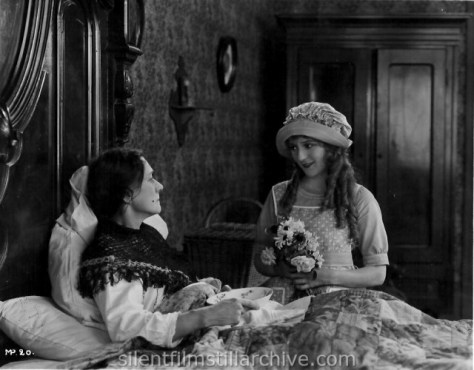
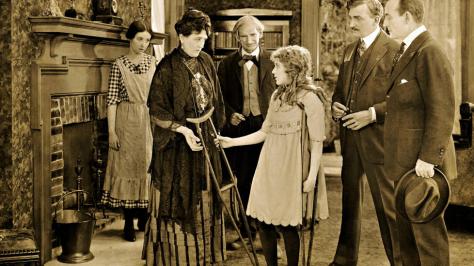
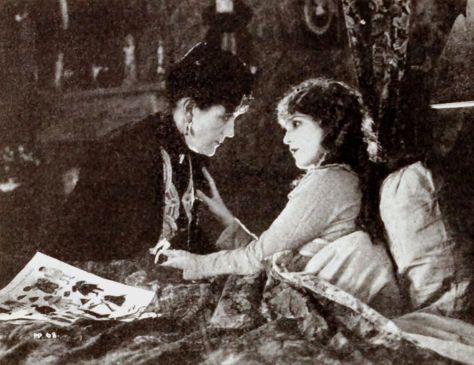
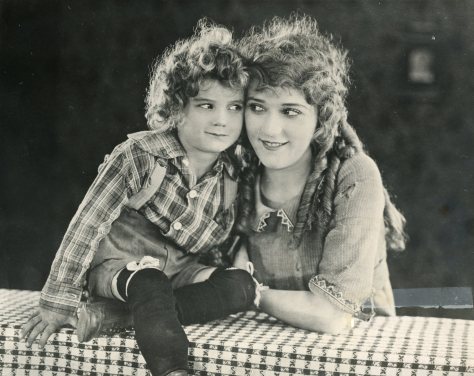
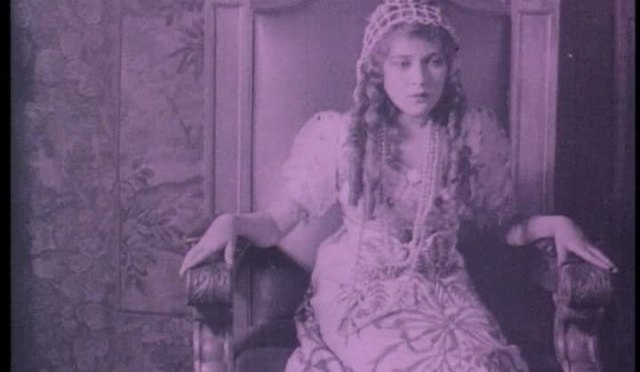


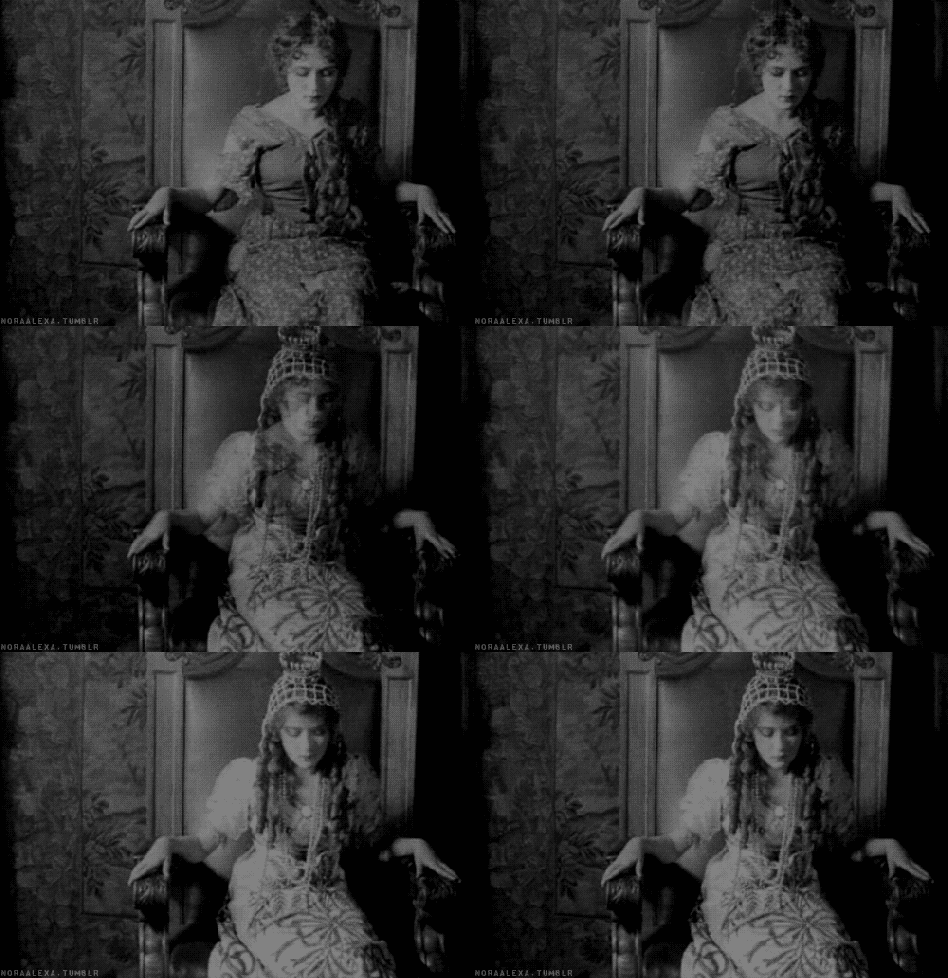
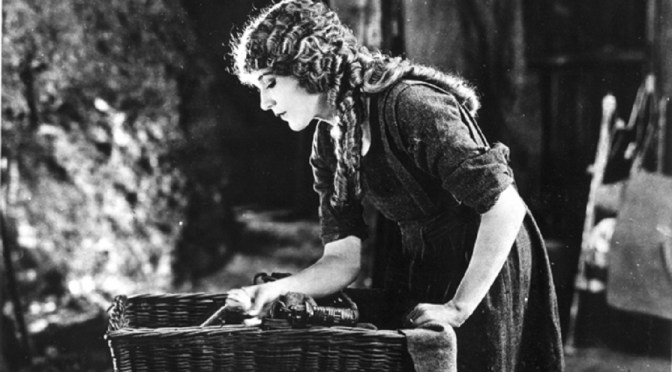


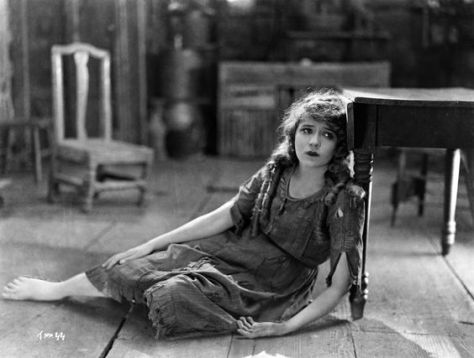
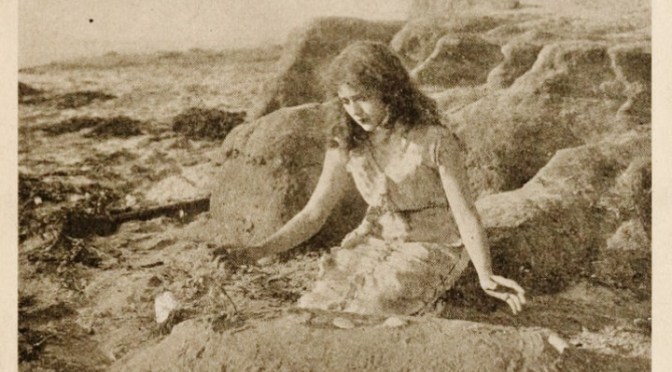


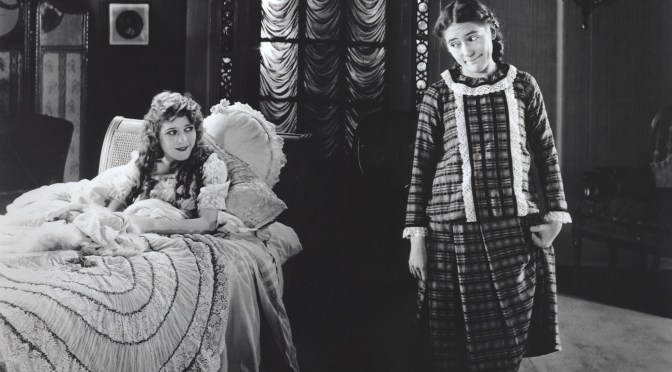


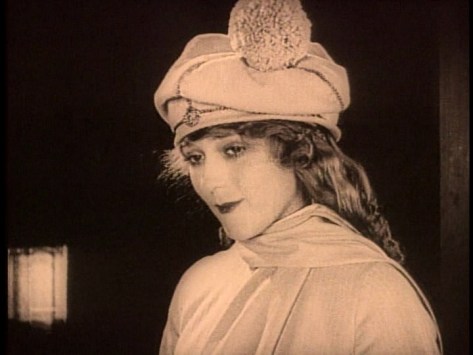
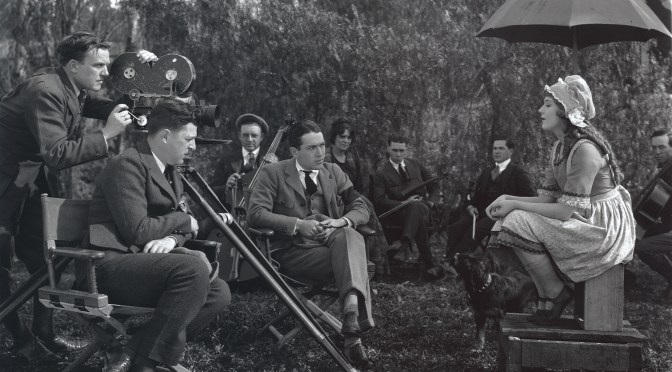


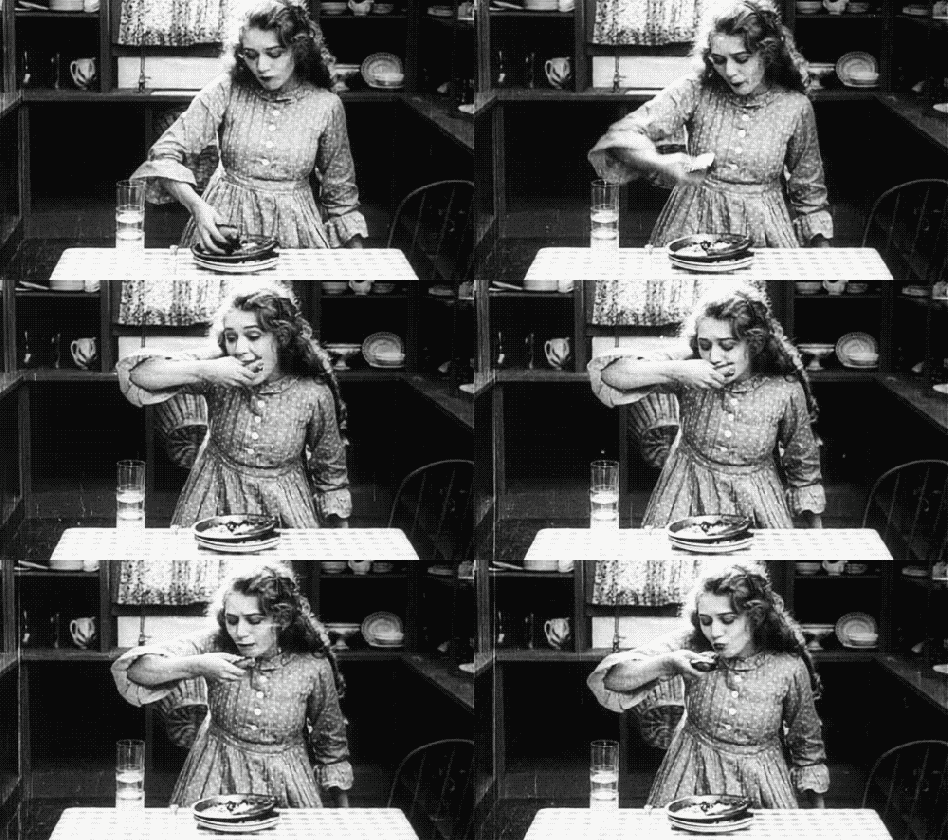
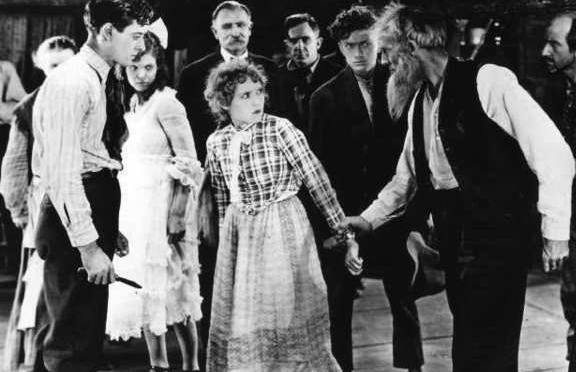


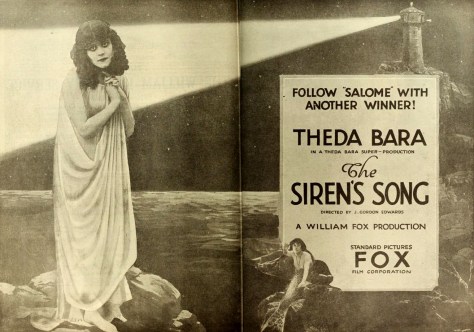
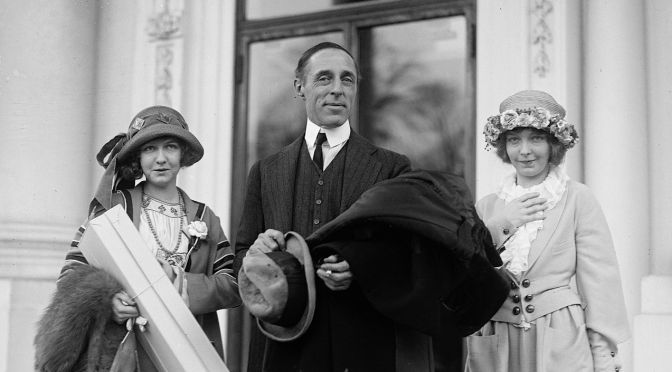
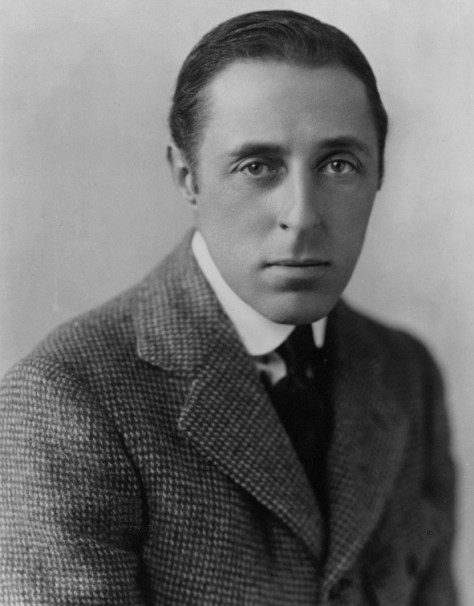
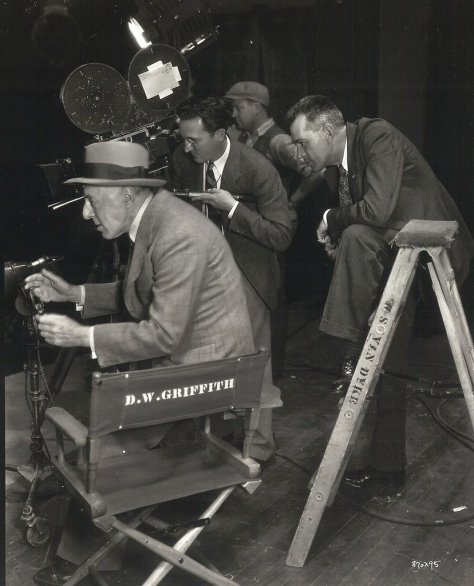
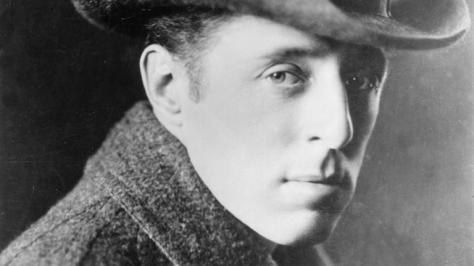
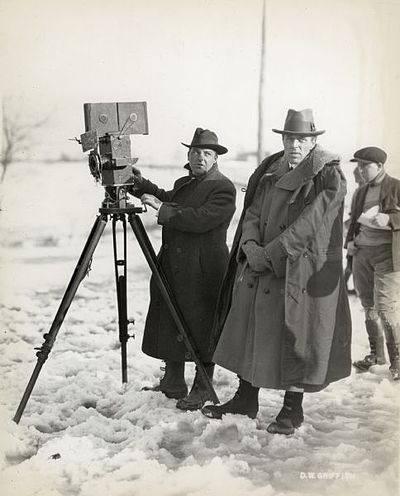
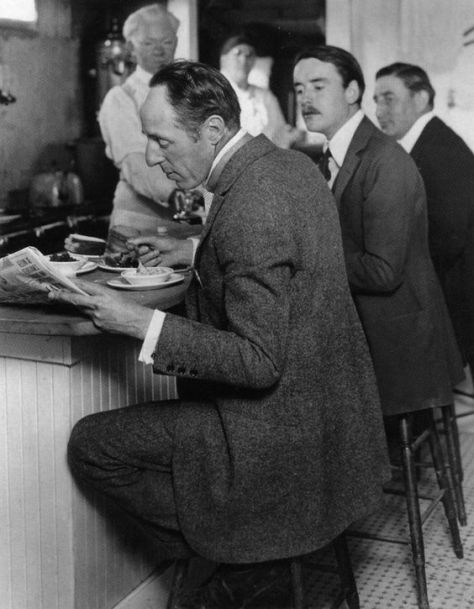
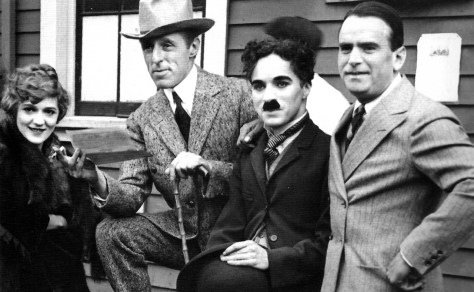
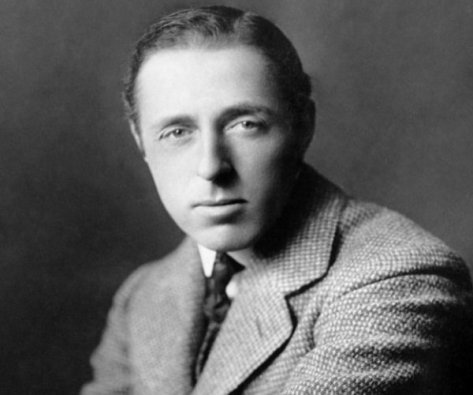
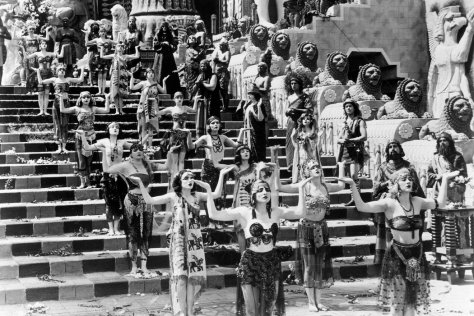
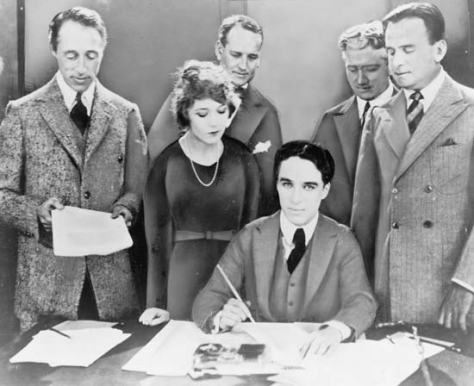
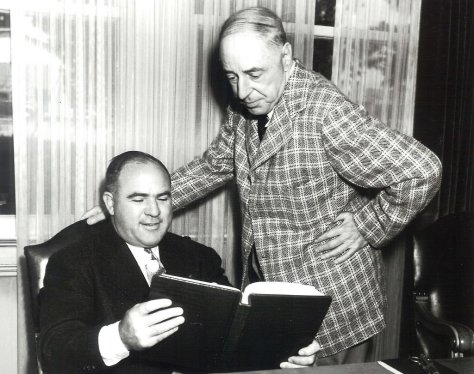
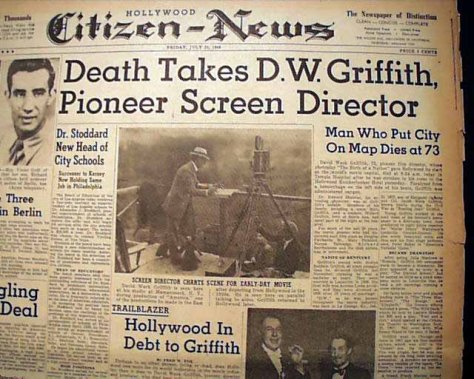
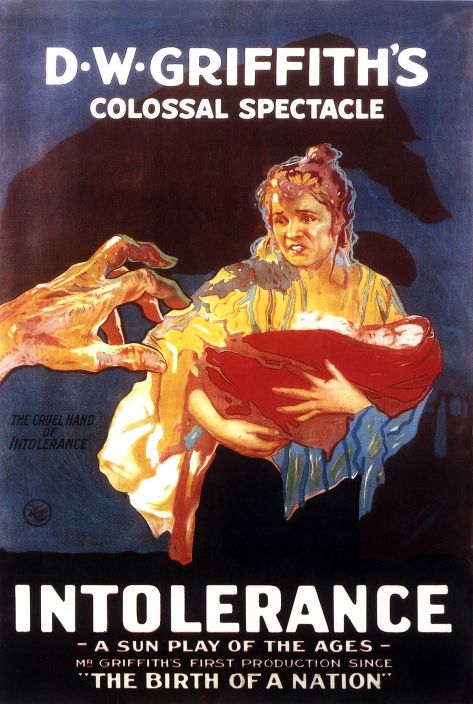

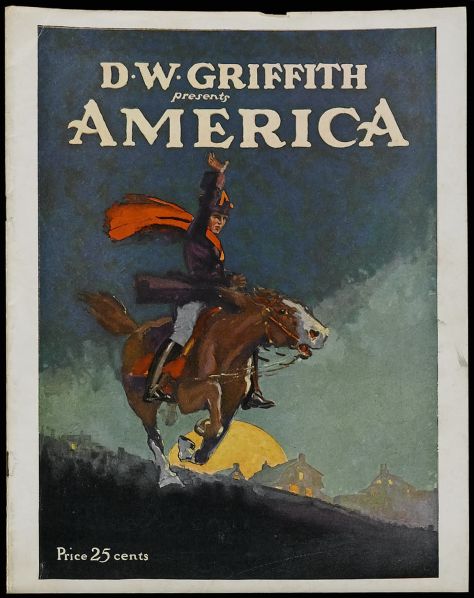
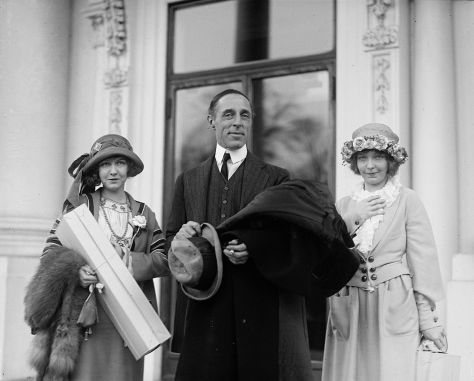

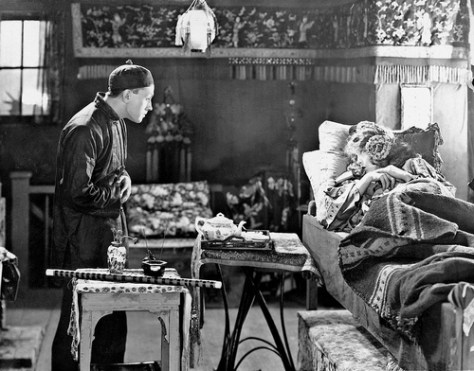
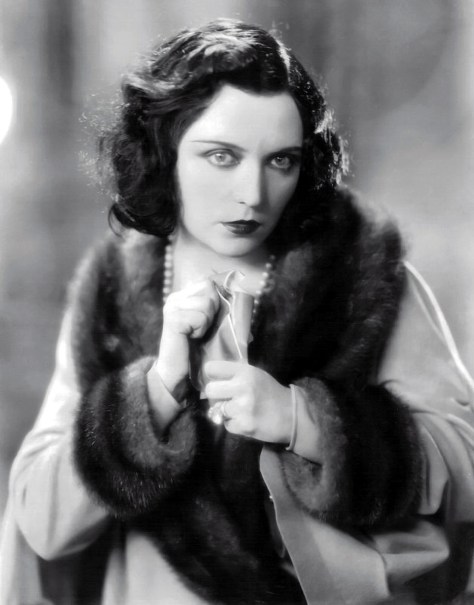
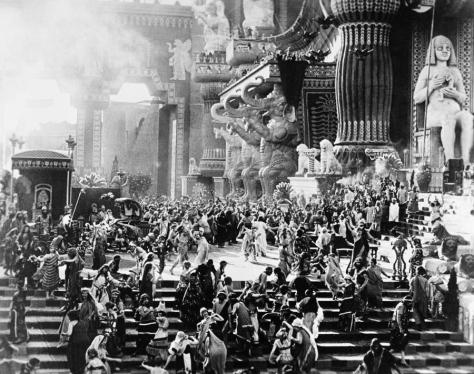
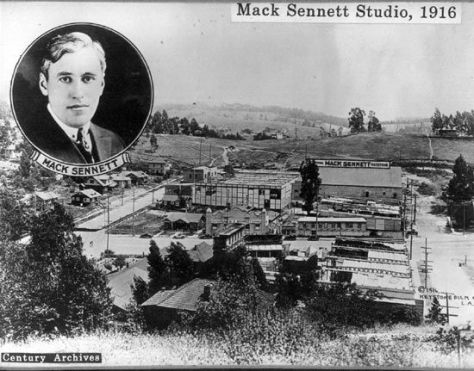
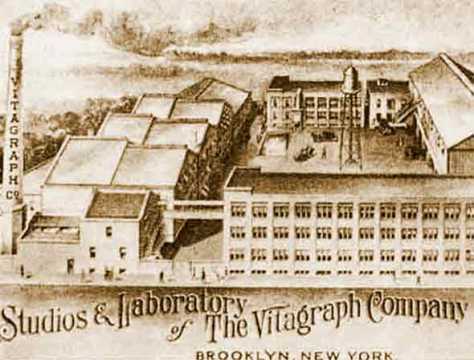
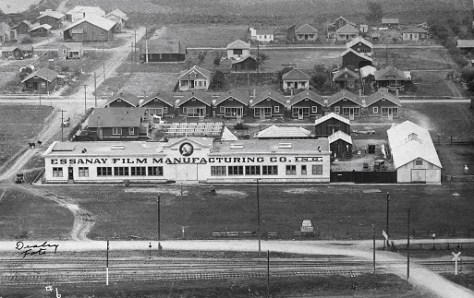
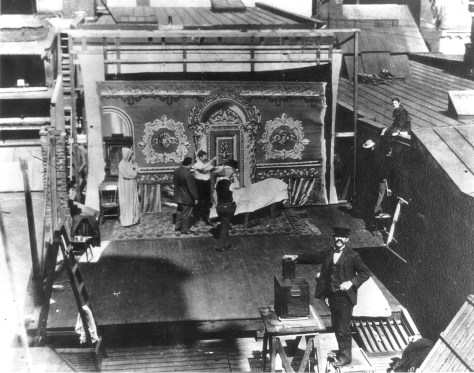
 Kevin Brownlow and David Shephard at Academy’s 2010 Governor’s Dinner
 Film Dialogue
You must be logged in to post a comment.