Tag Archives: controversial films

Rain ( 1932)


Pre Code Logo 1

Pre Code Hollywood Season: FD Cinematheque

Rain (1932)
Rain 1

Rain 2

Rain 3

Rain 4

Director: Lewis Milestone

Cast: Joan Crawford, Walter Houston, Fred Howard, Ben Hendricks Jr., William Gargan, Mary Shaw, Guy Kibbee,  Beulah Bondi, Matt Moore

94 min
Rain 5

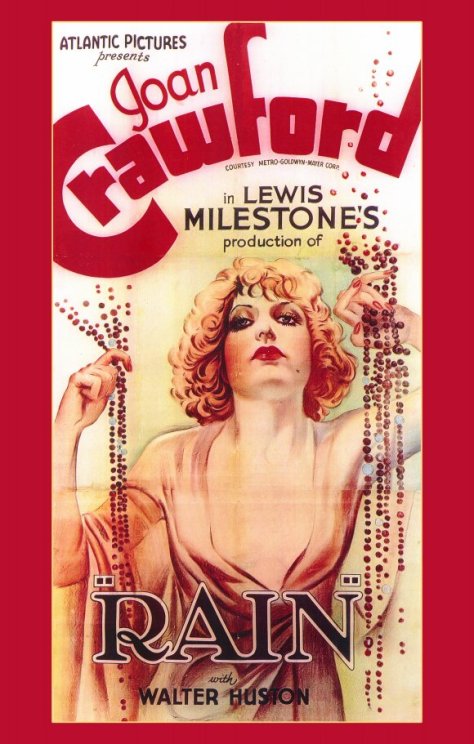
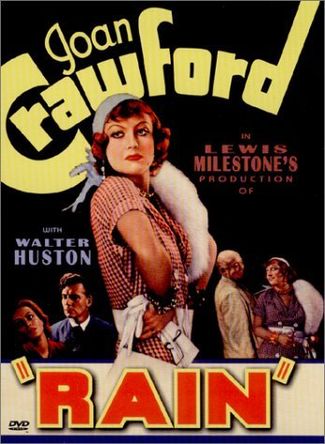
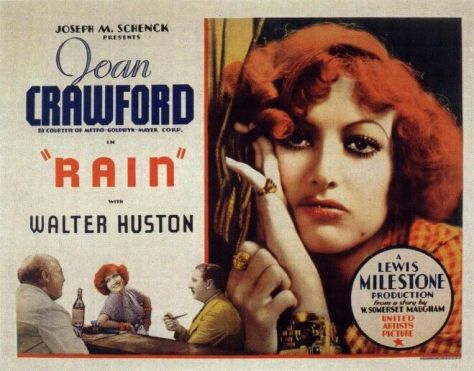
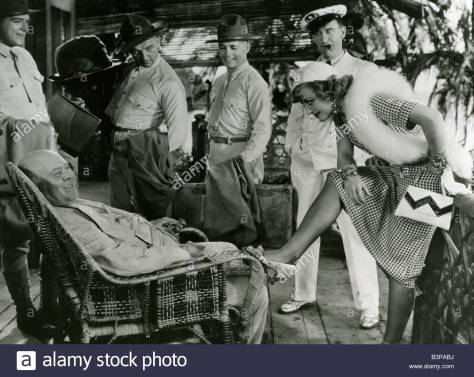
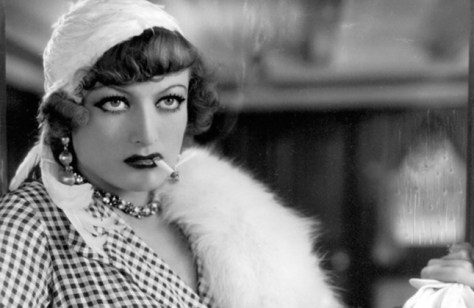
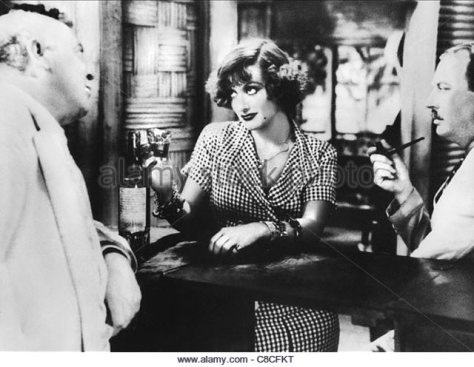
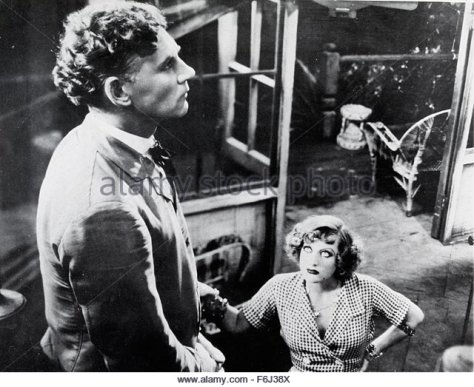
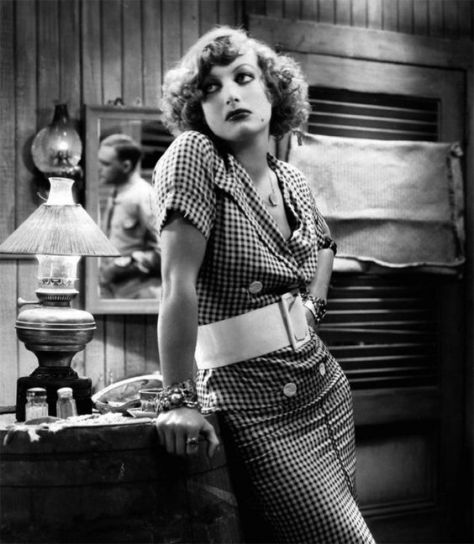
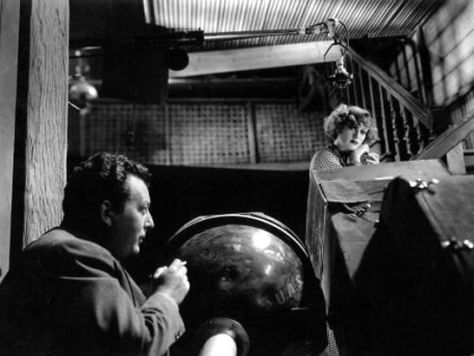
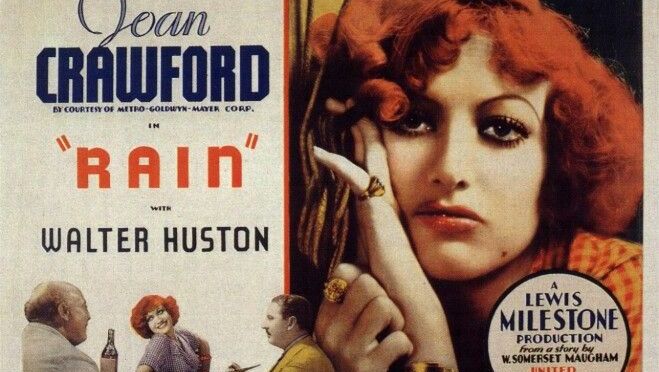
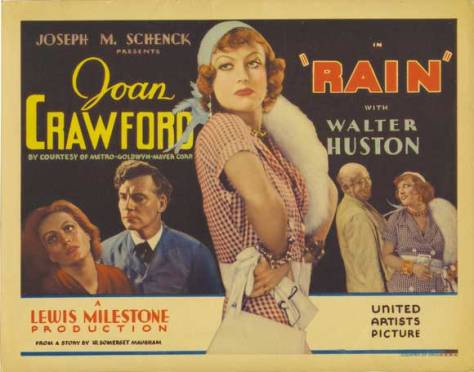
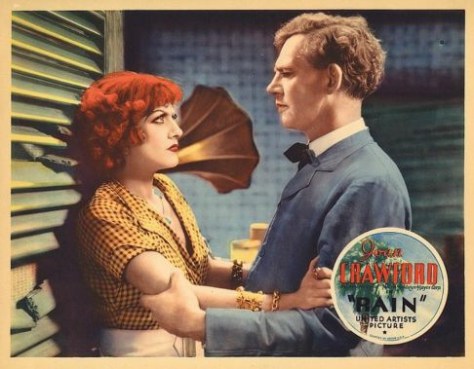
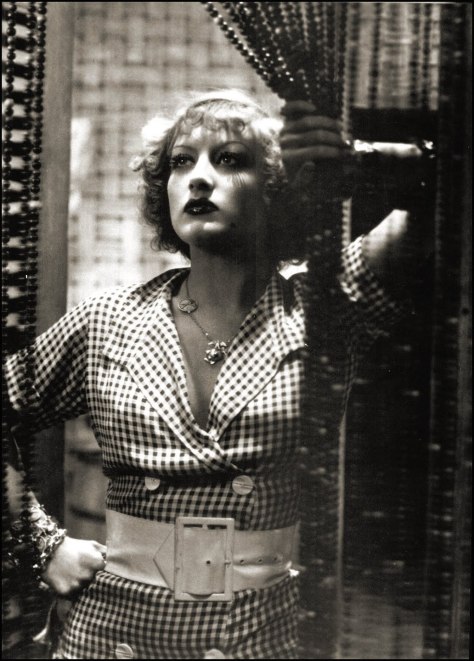
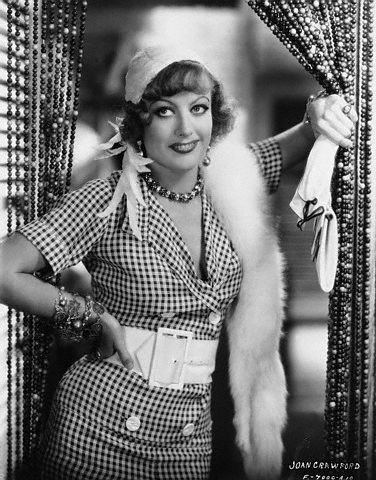
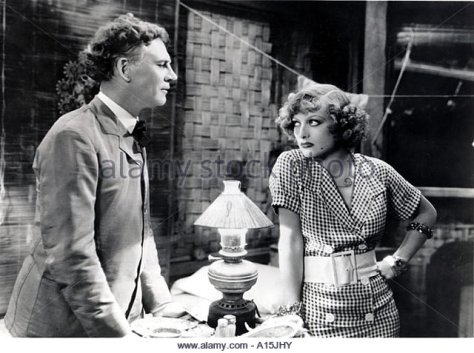
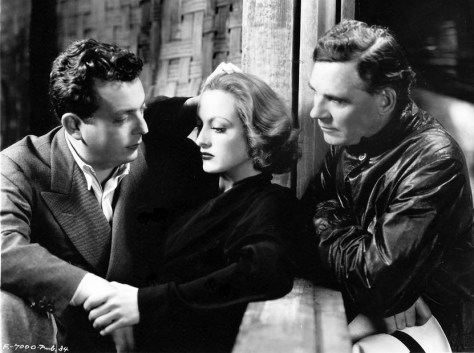
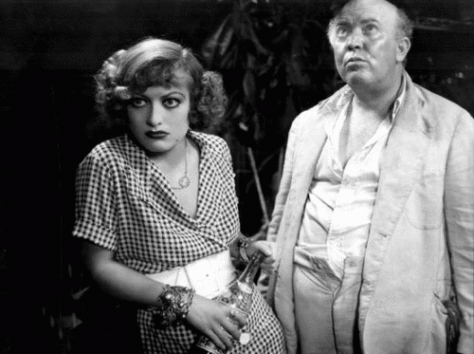
Rain is a 1932 South Seas drama film directed by Lewis Milestone with portions filmed at Santa Catalina Island, California. The pre-Code film stars Joan Crawford as prostitute Sadie Thompson and features Walter Huston as a conflicted missionary who wants to reform Sadie, but whose own morals start decaying. Crawford was loaned out by MGM to United Artists for this film.

The plot of the film is based on the 1922 play Rain by John Colton and Clemence Randolph, which in turn was based on the short story “Miss Thompson” (later retitled “Rain”) by W. Somerset Maugham.
Rain 8

Actress Jeanne Eagels had played the role on stage. Other movie versions of the story include: a 1928 silent film titled Sadie Thompson starring Gloria Swanson, and the heavily sanitized Miss Sadie Thompson (1953), which starred Rita Hayworth.

In 1960, the film entered the public domain in the USA due to the copyright claimant’s failure to renew the copyright registration in the 28th year after publication.[1]
Rain 7

Plot

Rain 9

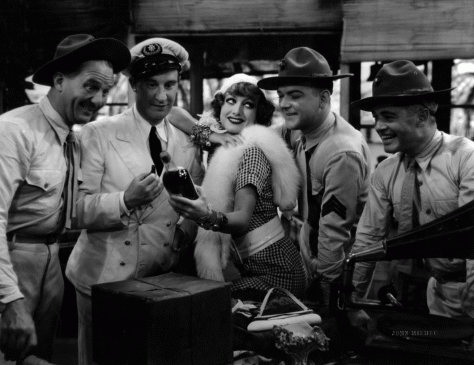
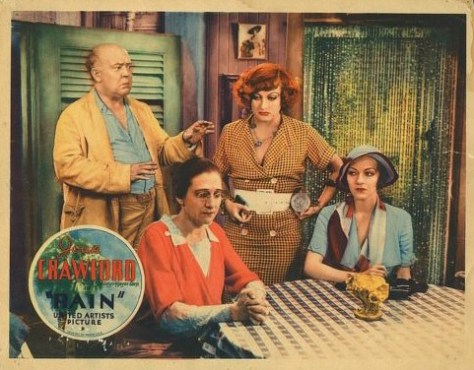
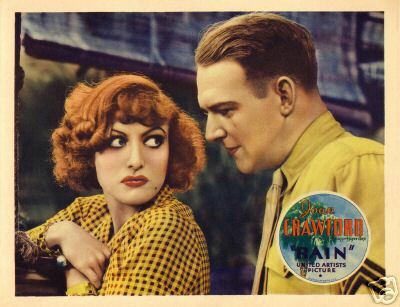
A westbound ship en route to Apia, Samoa, is temporarily stranded at nearby Pago Pago due to a possible cholera outbreak on board. Among the passengers are Alfred Davidson, a self-righteous missionary, his wife, and Sadie Thompson, a prostitute. Thompson passes the time partying and drinking with the American Marines stationed on the island. Sergeant Tim O’Hara, nicknamed by Sadie as “Handsome”, falls in love with her.

Her wild behavior soon becomes more than the Davidsons can stand and Mr. Davidson confronts Sadie, resolving to save her soul. When she dismisses his offer, Davidson has the Governor order her deported to San Francisco, California, where she is wanted for an unspecified crime (for which she says she was framed).

She begs Davidson to allow her to remain on the island a few more days – her plan is to flee to Sydney, Australia. During a heated argument with Davidson, she experiences a religious conversion and agrees to return to San Francisco and the jail sentence awaiting her there.
Rain 11

The evening before she is to leave, Sergeant O’Hara asks Sadie to marry him and offers to hide her until the Sydney boat sails, but she refuses. Later, while native drums beat, the repressed Davidson satisfies his lust with Sadie. The next morning he is found dead on the beach – a suicide. Davidson’s hypocrisy and betrayal cause Thompson to return to her old self and she goes off to Sydney with O’Hara to start a new life.

Rain 13

Cast

Rain 12

Reception

Rain was not well received – either critically or financially – upon initial release. The unglamorous role for Crawford, and bold story (religious hypocrisy being its main theme), caught Depression-era audiences off guard.

Motion Picture Herald commented, “Because the producers have made such a strong attempt to establish the stern impressiveness of the story, it is rather slow. In its drive to become powerful, it appears to have lost the spark of spontaneity….Joan Crawford and Walter Huston are satisfactory.”
Rain 14

Variety noted, “It turns out to be a mistake to have assigned the Sadie Thompson role to Miss Crawford. It shows her off unfavorably. The dramatic significance of it all is beyond her range…. [Director] Milestone tried to achieve action with the camera, but wears the witnesses down with words.

Joan Crawford’s get-up as the light lady is extremely bizarre. Pavement pounders don’t quite trick themselves up as fantastically as all that. In commercial favor of Rain is the general repute of the theme and Miss Crawford’s personal following, but the finished product will not help either.”
Rain 15

Box office

The film earned $538,000 in the United States and Canada and $166,000 elsewhere, resulting in a loss of $198,000.
Rain 17

References

Notes

  1. Jump up^ Pierce, David (March 29, 2001). Legal Limbo: How American Copyright Law Makes Orphan Films (mp3 in “file3”). Orphans of the Storm II: Documenting the 20th Century. Retrieved 2012-01-05.
Rain 18

Rain 16

Rain 19

Rain 20

Rain 22

Rain 23

Rain 24

Rain 25

Film Collectors Corner

Watch Rain Now – Amazon Instant Video

Blu Ray

Not released on Blu Ray as yet


DVD

Dillinger Is Dead Trailer (1969) – The Criterion Collection


Dillinger is Dead 14

Dillinger is Dead 1

Dillinger is Dead 2

Dillinger is Dead 3

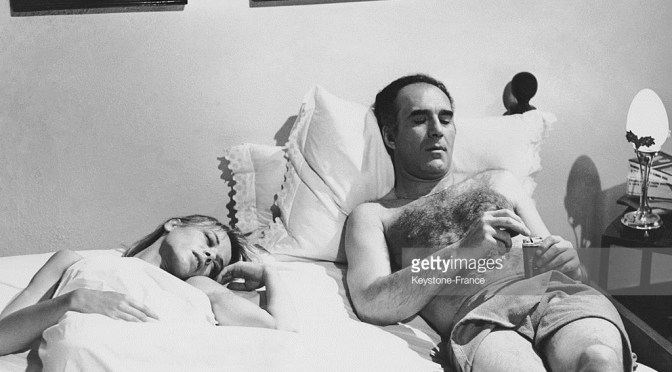
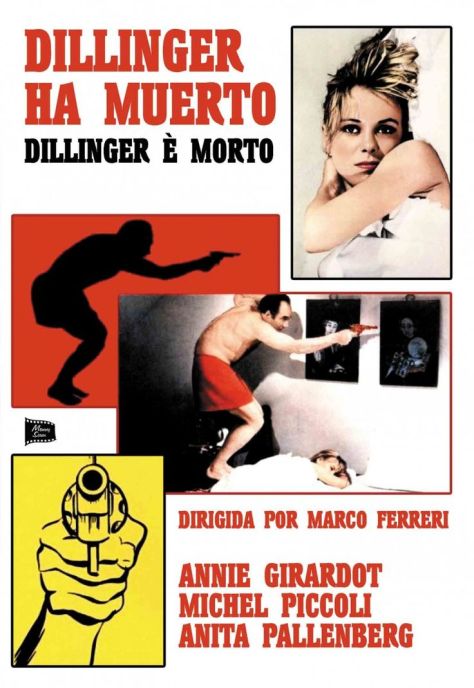
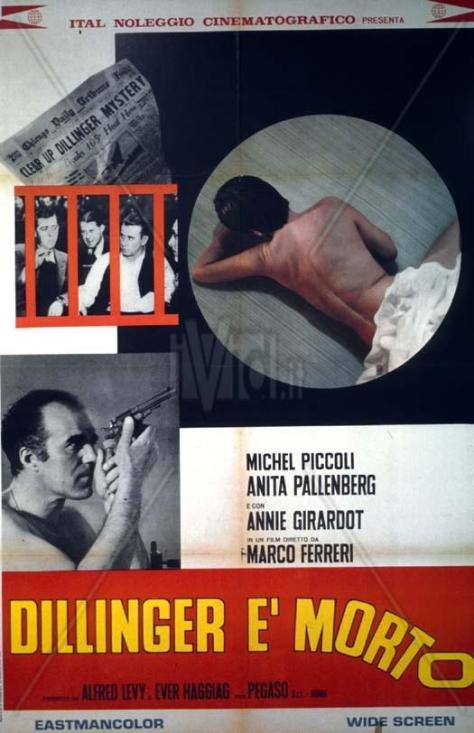
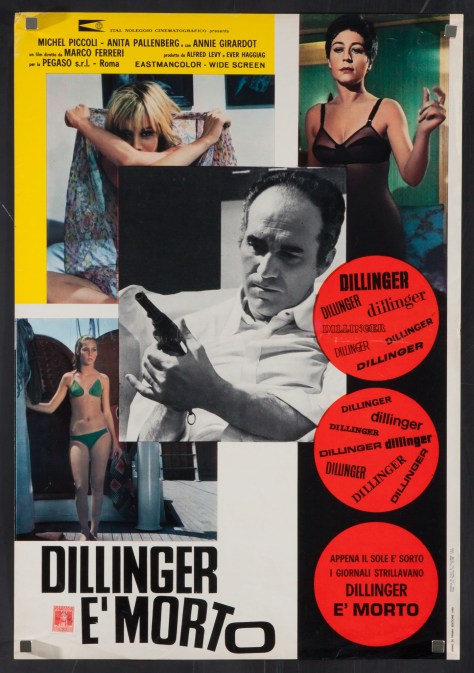
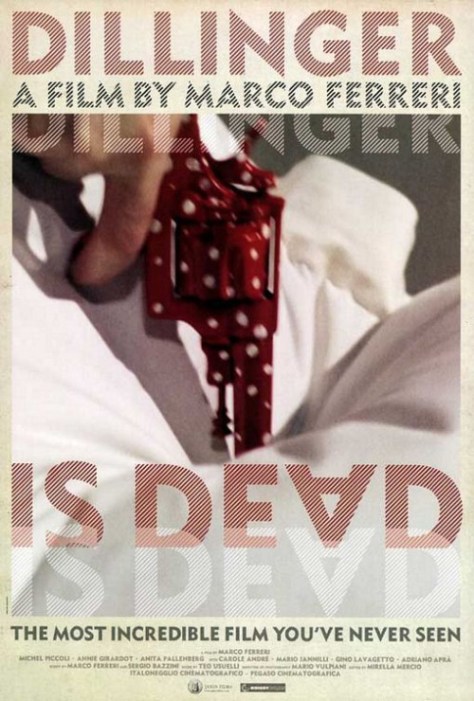
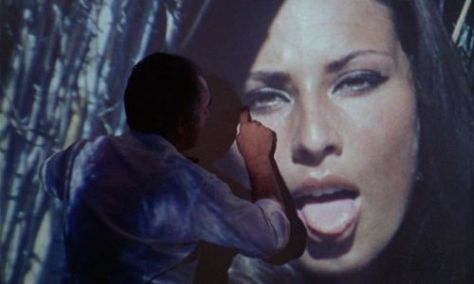
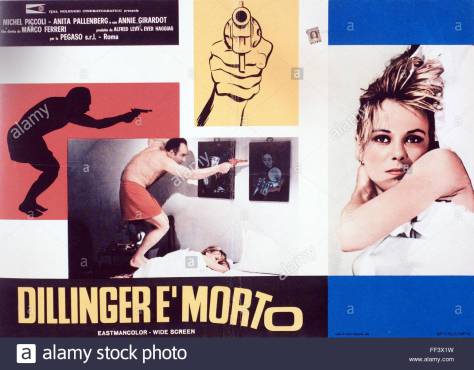
Dillinger Is Dead (Italian: Dillinger è morto) is a 1969 Italian drama directed by Marco Ferreri. It stars Michel Piccoli, Anita Pallenberg and Annie Girardot. The story is a darkly satiric blend of fantasy and reality. It follows a bored, alienated man over the course of one night in his home. The title comes from a newspaper headline featured in the film which proclaims the death of the real life American gangster John Dillinger.

The film proved controversial on its initial release for its subject matter and violence but is now generally regarded as Ferreri’s masterpiece. It was acclaimed by the influential French film magazine Cahiers du cinéma and afterwards Ferreri worked and lived in Paris for many years. Since the mid-1980s the film has been screened only very rarely.

Dillinger is Dead 4

Plot

Dillinger is Dead 5

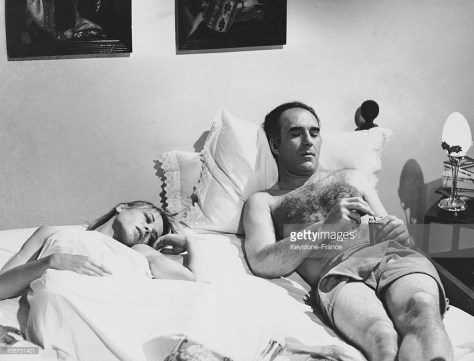
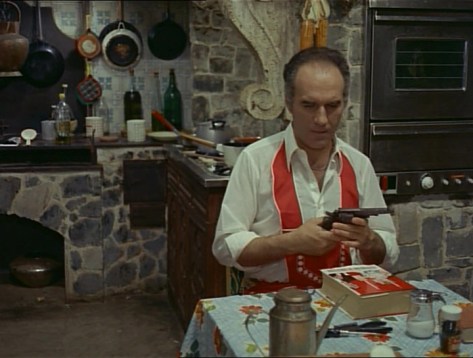
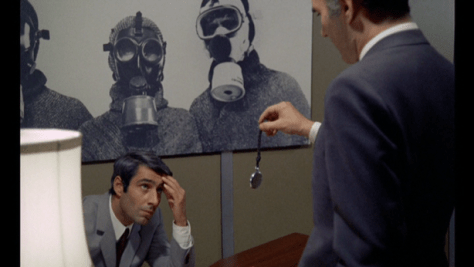
Glauco, a middle-aged industrial designer of gas masks, is growing tired of his occupation. Having discussed alienation with a colleague at the factory, he returns home. His wife is in bed with a headache but has left him dinner, which has become cold. He is dissatisfied with the food and begins preparing himself a gourmet meal.

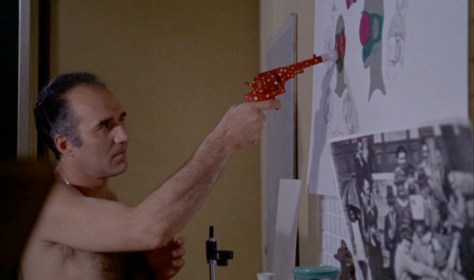
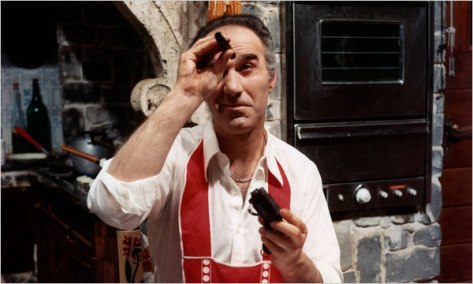
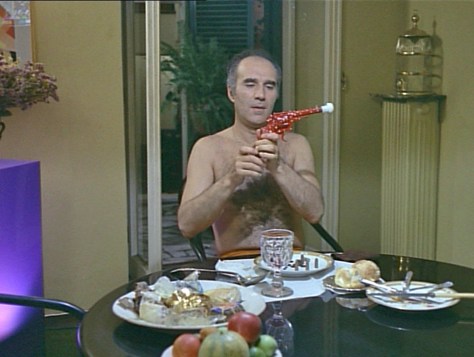
While collecting ingredients he discovers an old revolver wrapped in a 1934 newspaper with the headline “Dillinger is dead” and an account of the famous American gangster’s death. Glauco cleans and restores the gun while continuing to cook his dinner, then paints it red with white polka dots.

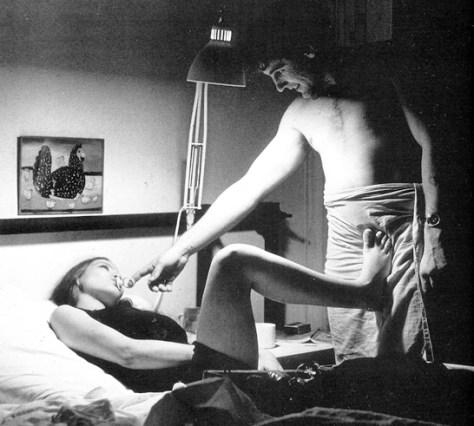
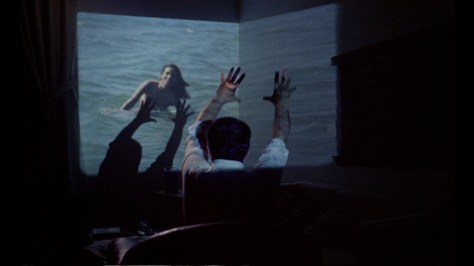
He also eats his meal, watches some television and projected home movies, listens to music and seduces their maid. With the gun he enacts suicide a number of times. At dawn he shoots his wife thrice in the head as she sleeps. Then he drives to the seaside where he gets a job as a chef on a yacht bound for Tahiti.

Themes

Dillinger is Dead 11

The film, and especially its surreal finale in which the character Glauco leaves home and finds a job on a yacht, has been interpreted variously. Author Fabio Vighi approached it from a psychoanalytical standpoint, suggesting the uxoricide is an attempt to “kill” something inside himself. Glauco repeatedly stages his own suicide throughout the film. The final murder, then, is a means to escape his life by eliminating the primary link to his bourgeois lifestyle, which he would otherwise be unable to leave.[1]

Writer Mira Liehm posits director Marco Ferreri followed in the style of the Theatre of the Absurd and did not apply psychology or logic to his characters but then placed his absurdist creations in a real world context. The home with its many luxuries, such as the gourmet dining and film projector, as well as the cleaning and decoration of the gun, are meaningless diversions which trap Glauco in a metaphorical prison and suffocate him. His isolation leads to death or an “illusionary escape.”[2] As Italian film historian Paolo Bertetto explained, “The escape to Tahiti means a total closure of all horizons, the paralysis of all possibilities; we are brought down to zero, stripped of all perspectives, and restored to the original nothingness.”[2]

Dillinger is Dead 9

Cast

  • Michel Piccoli as Glauco: a middle-age designer of protective masks which allow people to breathe under inhospitable conditions. Isolated, ennuyed and insomniac, he searches his house for diversion. Piccoli viewed the role as that of an “eternal child or this childlike rebirth of ‘mature’ man, between despair, suicide, simple insomnia, dream.”[3]
  • Anita Pallenberg as the wife
  • Annie Girardot as the maid

Dillinger is Dead 12

Production

Director Marco Ferreri first met leading man Michel Piccoli when he visited the actor on the set of Alain Cavalier‘s La Chamade (1968).

Ferreri had Piccoli read a few pages from Dillinger Is Dead and hired him immediately. Piccoli has said Ferreri did not direct his performance and only gave simple blocking instructions. He played the character as solitary and volatile, comparing it to his role in Agnès Varda‘s The Creatures (1966).

Dillinger is Dead 8

Release and reception

The film was entered into the 1969 Cannes Film Festival.[4] Dillinger Is Dead was the subject of controversy on its release for its violence and depiction of the parvenu set.[3] Critics have also called it director Marco Ferreri’s masterpiece.[2]

The influential French film magazine Cahiers du Cinéma praised the film, interviewed the director and translated two of his previous interviews from the Italian magazine Cinema & Film. The acclaim opened the resources of Paris to Ferreri and he spent much of the next 15 years living there.

During that time he made his internationally best known films, including The Last Woman (1976) and Bye Bye Monkey (1978). Ferreri and Michel Piccoli became fast friends and worked together subsequently on films such as The Last Woman and La Grande Bouffe (1973).[5]

According to critic Viano Maurizio, by the mid-1980s Reaganomics‘ effect on the film market resulted in Dillinger’s near disappearance and it has been rarely seen since.[5] It appeared in the 2006 Marco Ferreri Retrospective in London.[6][7] A new print was provided by The Criterion Collection for the 2007 Telluride Film Festival.[8] It premiered on Turner Classic Movies in America on June 26, 2016.[9]

Dillinger is Dead 13

References

  1. Jump up^ Vighi, Fabio (2006). “Enjoying the Real: unconscious strategies of subversion”. Traumatic Encounters in Italian Film: Locating the Cinematic Unconscious. Intellect Books. p. 67. ISBN 978-1-84150-140-6.
  2. ^ Jump up to:a b c Liehm, Mira (March 1986). “The Glorious Sixties (1961 – 1969)”. Passion and Defiance: Italian Film from 1942 to the Present. University of California Press. pp. 206–207. ISBN 0-520-05744-9.
  3. ^ Jump up to:a b Béghin, Cyril (November 2005). “The Actor and the Secret: Interview with Michel Piccoli”. Sally Shafto (trans). Cahiers du cinéma. Retrieved 2007-09-09.
  4. Jump up^ “Festival de Cannes: Dillinger Is Dead”. festival-cannes.com. Archived from the original on 2012-03-08. Retrieved 2009-04-05.
  5. ^ Jump up to:a b Viano, Maurizio (2004). “La Grande Abbuffata / La Grande Bouffe”. In Giorgio Bertellini. The Cinema of Italy. Wallflower Press. p. 195. ISBN 1-903364-98-1.
  6. Jump up^ “Marco Ferreri Retrospective” (PDF). Ciné Lumière. November 2006. Retrieved 2007-09-08.[permanent dead link]
  7. Jump up^ “Marco Ferreri”. Vertigo Magazine. 2006. Retrieved 2007-09-08.
  8. Jump up^ Kramer, Edith (2007). “32: Dillinger Is Dead” (PDF). 34th Telluride Film Festival. Telluride Film Festival. p. 20. Archived from the original (PDF) on 2007-10-09. Retrieved 2007-09-08.
  9. Jump up^ TCM Forum, Accessed July 6, 2016

Dillinger is Dead 10

Dillinger is Dead 7

Dillinger is Dead 6

Film Collectors Corner

Watch Dillinger Is Dead Now – Instant Video 

Presently Not Available


Blu-Ray Copy

Presently Not Available


DVD Copy

Criterion Collection