Cast: Mary Pickford, Henry B Walthall, Francis J Grandon, Kate Bruce, W Chrystie Miller, Dorothy Bernard, Robert Harron, Mae Marsh, Jack Pickford, Mack Sennett, Charles West, Dotothy West
Ramona chronicles the romance between Ramona (Mary Pickford), a Spanish orphan from the prestigious Moreno family, and Alessandro (Henry B. Walthall), an Indian who appears on her family’s ranch one day. A man named Felipe (Francis J. Grandon) proclaims his love for Ramona, but she rejects him because she has fallen for Alessandro.
They fall deeply in love, yet their desire to wed is denied by Ramona’s stepmother, who reacts by exiling Alessandro from her ranch. He returns to his village, only to find that it has been demolished by white men. Meanwhile, Ramona is informed that she also has “Indian blood”, which leads her to abandon everything she has to be with Alessandro.
They marry, and live among the wreckage of Alessandro’s devastated village. They have a child together and live at peace until the white men come to force them from their home as they claim the land. Their baby perishes, and then Alessandro is then killed by the white men. Ramona is then rescued by Felipe and returned to her family back on the ranch.[3]
Cast: Herbert Prior, Mary Pickford, Owen Moore, David Miles, Harry Solter, Marion Leonard, Charles Avery, Mack Sennett
D W Griffith
The Violin Maker of Cremona is an American silentshort film made in 1909 and directed by DW Griffith . This is Pickford’s first fully credited film. However, it is presently still unclear whether she had extras roles in previous Biograph films.
Story
Cremona held a competition on the best violin. If you win this game, you may marry the beautiful Gianinna. Two people start fighting for her hand.
A girl wants to go to a ball, admission one Liberty Bond, but rather than go herself, she loans the bond to a girlfriend. A soldier and a sailor find out and take her to the ball with them.
Distributed by Famous Players-Lasky even with the alternative title 100% American , the short film was released in US theaters on October 5, 1918. Since the star Mary Pickford at the time was still a Canadian citizen, in Canada the film was given the title 100% Canadian [1] .
The film has been included in an anthology distributed in October 2007 by the National Film Preservation Foundation.
On NTSC , the DVD box set offers a total of 739 minutes entitled Treasures III: Social Issues in American Film (1900-1934) [2] .
Cast: Mary Pickford, Norman Kerry, Katherine Griffith, Anne Schaefer, Zasu Pitts, WE Lawrence, Theodore Roberts, Gertrude Short, Gustav von Seyffertitz, Loretta Blake, George A McDaniel, Edythe Chapman, Josephine Hutchinson, Joan Marsh, Joe Murphy
As described in a film magazine,[2] Sara Crewe (Pickford) is treated as a little princess at the Minchin boarding school for children until it is learned that her father has lost his entire fortune, and she is made a slavey (a household servant). She and Becky (Pitts), another slavey, become close friends who share their joys and sorrows.
Christmastime draws near and the girls watch the preparations wistfully. Their loneliness arouses the sympathy of a servant of the rich Mr. Carrisford. On the night before Christmas he prepares a spread for the slaveys in their attic. He calls his master Mr. Carrisford (von Seyffertitz) to watch their joy, but both are witness to the slaveys being abused and whipped by Miss Minchin (Griffith). Carrisford interferes and learns that Sara is the daughter of his best friend. He adopts Sara and Becky and in their new home they have a real Christmas.
The film opens with Sarah’s father moving back to London after serving in the British Army in India. She is opposed to leaving the luxurious life of an officer’s child with a large house and many servants, and is initially shy when enrolled in Miss Minchin’s School. Her reputation as “the little princess” precedes her and the other girls are fascinated with her tales of life in India. The girls sneak into Sarah’s room at night to listen to her stories. One night, she tells “Ali Baba and the Forty Thieves” which becomes a story within a story with elaborate exotic sets and costumes.
The film opens in a fancy restaurant where the husband and a woman who is not his wife are polishing off a bottle of wine. Cut to home, where a dejected wife sits at the dining room table waiting for her husband. She briefly nods off before rousing and checking the wall clock indicating that it’s getting late. Cut back to the fancy restaurant, where the husband settles the check with a large wad of bills. The waiter obliges by helping the husband and his lady companion with their hats and coats. The other woman kicks the husbands hat out of his hand.
Six hours later, the husband strides through the door awakening his wife who is still sitting by the dining room table. He rebuffs her attempt to take his hat, whereupon she points to the wall clock. She draws his attention to dinner, which still sits on the dining table. He upends a few dishes then overturns a chair before collapsing on the sofa, cigarette in hand. Upset, the wife walks off camera and the scene fades to black.
In the next scene, introduced by a title card stating “HIS DREAM”, the wife returns, clad in a form-fitting dress and a plumed hat. She awakens the husband by jostling his head. Talking animatedly, she downs a couple of glasses of wine from a decanter on the sideboard and tosses the wineglass on the floor. She drop-kicks a plate, lights up a cigarette, flicks the match at her husband, and blows smoke in his face. She pelts him with a pillow that has been lying on the floor, slings her coat over her arm, pulls down the curtains covering the door, and blows the husband a kiss goodbye. A well-appointed gentleman arrives at the front steps to their house a second or two before the wife steps out the front door and they leave together.
Confounded by what he has just witnessed, the husband grabs his hat and coat and leaves. The wife and her gentleman caller arrive by taxi at the fancy restaurant where they are shown to the same table the husband had occupied earlier. The husband arrives hot on their heels, briefly considers confronting them, but then flees, distressed by the whole affair. He stumbles out into the street before returning home. There he rants wildly, repeatedly grasping his forehead before settling down to compose a letter which reads in part “You’re not the woman I supposed you were.” Stumbling to the sideboard, he pulls out a small revolver from a drawer, points it at his abdomen, pulls the trigger, and collapses spasmodically on the sofa.
In the next scene, introduced by a title card stating “HIS AWAKENING”, he falls off the sofa and stands up, clutching his abdomen. His wife enters the scene, this time reclad in her modest attire, and startles him. He recounts his vivid experience, she comforts him and helps him realize it was all just a dream. While she turns her attention to preparing dessert on the dining room table, he pulls his address book from his suitcoat pocket and shreds it. Reconciled, they embrace and then settle down to eat the confection.
Polly Biblett (Mary Pickford), a young lady, tells her grandmother Lettie about her new boyfriend. The news provokes the elderly woman to reminisce about her own sweetheart, long time before. The touching sequence expresses the power of lives going on, the older woman aging as her grandchildren grow and knowing they will soon have children of their own.
In Old Madrid (1911) is a Mary Pickford film directed by Thomas H Ince.
Thomas H Ince
Synopsis
Don Gomez writes a letter to the parents of Zelda, a young Spanish girl, regretting his inability to pay them a visit, but sends his son, Jose, instead. Jose arrives and is immediately smitten by the charms of Zelda. Zelda indulges in a little flirtation.
Her mother inaugurates a system of espionage that is very inconvenient for the lovers. They are surprised by the duenna-like mother and are driven to desperation.
Zelda has a girlfriend about her age who resembles her and is attired to represent a clever counterpart of Zelda. The mother walks in the garden accompanied by Zelda. Seating herself on a bench, she commands the girl to repose beside her. Finding the vigil rather tiresome, the elder woman lapses into a state of drowsiness, and the companions of Zelda beckon her to join them.
So clever is the disguise of Rosa that Jose is deceived and he kisses her. The father of Zelda discovers the act and hastens to the mother to inform her only to see Zelda yawning beside his wife on the bench. Exhausted, the guardian falls asleep, and Rosa exchanges places with Zelda, who joins her lover. Jose induces Zelda to accompany him to the seashore.
He gathers the girl in his arms, and wades across a stretch of water, and they take a perilous position on the rocks. A search is instituted and Zelda and Jose are discovered on the rocks. Jose has a scheme which he quickly imparts to Zelda and she acquiesces. The irate parents see the daughter and her lover.
Jose is firm and threatens to throw Zelda into the roaring torrent, unless the parents consent to their immediate marriage. The agonized parents relent. The obdurate parents have been outwitted by the scheming lovers.
This is one of the earliest surviving prints from the beginning of Mary Pickford’s career. It is assumed to have been her 9th film.
Director: D W Griffith
Cast: David Miles, Marion Leonard, Mary Pickford, Gladys Egan, Adele DeGarde, Robert Harron, James Kirkwood, Florence Lawrence, Owen Moore, Mack Sennett
A group of criminals waits until a wealthy man goes out to break into his house and threaten his wife and daughters. They refuge themselves inside one of the rooms, but the thieves break in. The father finds out what is happening and runs back home to try to save his family.
The Lonely Villa was produced by the Biograph Company and shot in Fort Lee, New Jersey.[3][4] It was released on June 10, 1909 along with another D.W. Griffith split-reel film, A New Trick.[2]
Jump up^Choi, Jinhee; Wada-Marciano, Mitsuyo, eds. (2001). Horror to the Extreme: Changing Boundaries in Asian Cinema. Hong Kong University Press. p. 111. ISBN962-209-973-4.
Cast: Mary Pickford, Charles Hill Mailes, Kate Bruce, Lionel Barrymore, Alfred Paget, Claire McDowell, Mae Marsh, Madge Kirby, Lillian Gish, Jack Pickford, Robert Harron, Dorothy Gish, Mack Sennett
The New York Hat is one of the most notable of the Biograph Studios short films and is perhaps the best known example of Pickford’s early work, and an example of Anita Loos‘s witty writing. The film was made by Biograph when it and many other early U.S. movie studios were based in Fort Lee, New Jersey at the beginning of the 20th century.[1][2][3]
Plot
Mollie Goodhue leads a cheerless, impoverished life, largely because of her stern, miserly father. Mrs. Goodhue is mortally ill, but before dying, she gives the minister, Preacher Bolton, some money with which to buy her daughter the “finery” her father always forbade her.
Mollie is delighted when the minister presents her with a fashionable New York hat she has been longing for, but village gossips misinterpret the minister’s intentions and spread malicious rumors. Mollie becomes a social pariah, and her father tears up the beloved hat in a rage.
All ends well, however, after the minister produces a letter from Mollie’s mother about the money she left the minister to spend on Mollie. Soon afterwards, he proposes to Mollie, who accepts his offer of marriage.
Known in her prime as “America’s Sweetheart” and the “girl with the curls”, Pickford was one of the Canadian pioneers in early Hollywood and a significant figure in the development of film acting. Pickford was one of the earliest stars to be billed under her name (film performers up until that time were usually unbilled), and was one of the most popular actresses of the 1910s and 1920s, earning the nickname “Queen of the Movies”.
Mary Pickford was born Gladys Louise Smith in 1892 (although she would later claim 1893 or 1894 as her year of birth) at 211 University Avenue, Toronto, Ontario.
Her father, John Charles Smith, was the son of English Methodist immigrants, and worked a variety of odd jobs. Her mother, Charlotte Hennessey, was of Irish Catholic descent and worked for a time as a seamstress.
To please her husband’s relatives, Pickford’s mother baptized her children as Methodists, the faith of their father.
John Charles Smith was an alcoholic; he abandoned the family and died on February 11, 1898, from a fatal blood clot caused by a workplace accident when he was a purser with Niagara Steamship.
When Gladys was age four, her household was under infectious quarantine, a public health measure. Their devoutly Catholic maternal grandmother (Catherine Faeley Hennessey) asked a visiting Roman Catholic priest to baptize the children. Pickford was at this time baptized as Gladys Marie Smith.
Charlotte Smith began taking in boarders after being widowed. One of these was a theatrical stage manager. At his suggestion, Gladys (age 7) was given two small roles, one as a boy and the other as a girl, in a stock company production of The Silver King at Toronto’s Princess Theatre. She subsequently acted in many melodramas with Toronto’s Valentine Company, finally playing the major child role in their version of The Silver King.
She capped her short career in Toronto with the starring role of Little Eva in their production of Uncle Tom’s Cabin, adapted from the 1852 novel by United States writer and abolitionist Harriet Beecher Stowe. Stowe’s novel was, coincidentally, based on the memoirs of another Ontarian, Josiah Henson.
Career
Mary Pickford on stage 1905
Early years
By the early 1900s, theatre had become a family enterprise. Gladys, her mother and two younger siblings toured the United States by rail, performing in third-rate companies and plays.
After six impoverished years, Pickford allowed one more summer to land a leading role on Broadway, planning to quit acting if she failed. In 1906 Gladys, Lottie and Jack Smith supported singer Chauncey Olcott on Broadway in Edmund Burke.
Mary Pickford in 1908
Gladys finally landed a supporting role in a 1907 Broadway play, The Warrens of Virginia. The play was written by William C. DeMille, whose brother, Cecil, appeared in the cast. David Belasco, the producer of the play, insisted that Gladys Smith assumes the stage name Mary Pickford. After completing the Broadway run and touring the play, however, Pickford was again out of work.
Mary Pickford on stage in The Warrens of Virginia 1907
The Warrens of Virginia newspaper advert 1907
The Warrens of Virgina Belasco Theatre Poster 1907
Mary Pickford promotional photo for The Warrens of Virgina – Belasco Theatre
On April 19, 1909, the Biograph Company director D. W. Griffith screen-tested her at the company’s New York studio for a role in the nickelodeon film, Pippa Passes. The role went to someone else but Griffith was immediately taken with Pickford.
She quickly grasped that movie acting was simpler than the stylized stage acting of the day. Most Biograph actors earned $5 a day but, after Pickford’s single day in the studio, Griffith agreed to pay her $10 a day against a guarantee of $40 a week.
Mary Pickford in one of her first film roles in DW Griffith’s The Lonely Villa 1909 – Biograph Productions
Pickford, like all actors at Biograph, played both bit parts and leading roles, including mothers, ingenues, charwomen, spitfires, slaves, Native Americans, spurned women, and a prostitute. As Pickford said of her success at Biograph:
“I played scrubwomen and secretaries and women of all nationalities … I decided that if I could get into as many pictures as possible, I’d become known, and there would be a demand for my work.”
Biograph Offices in 1909
She appeared in 51 films in 1909 – almost one a week. While at Biograph, she suggested to Florence La Badie to “try pictures”, invited her to the studio and later introduced her to D. W. Griffith, who launched La Badie’s career.
Mary Pickford in DW Griffith’s The Country Doctor 1909
Mary Pickford in DW Griffith’s The Hessian Renegades 1909
Mary Pickford in DW Griffith’s The Violin Maker Of Cremona 1909
Mary Pickford in DW Griffith’s Willful Peggy 1910
In January 1910, Pickford traveled with a Biograph crew to Los Angeles. Many other film companies wintered on the West Coast, escaping the weak light and short days that hampered winter shooting in the East. Pickford added to her 1909 Biographs (Sweet and Twenty, They Would Elope, and To Save Her Soul, to name a few) with films made in California.
Actors were not listed in the credits in Griffith’s company. Audiences noticed and identified Pickford within weeks of her first film appearance. Exhibitors in turn capitalized on her popularity by advertising on sandwich boards that a film featuring “The Girl with the Golden Curls”, “Blondilocks”, or “The Biograph Girl” was inside.
Mary Pickford in DW Griffith’s They Would Elope 1909
Mary Pickford in DW Griffith’s To Save Her Soul 1909
Pickford left Biograph in December 1910. The following year, she starred in films at Carl Laemmle‘s Independent Moving Pictures Company (IMP). IMP was absorbed into Universal Pictures in 1912, along with Majestic. Unhappy with their creative standards, Pickford returned to work with Griffith in 1912. Some of her best performances were in his films, such as Friends, The Mender of Nets, Just Like a Woman, and The Female of the Species. That year Pickford also introduced Dorothy and Lillian Gish (both friends from her days in touring melodrama) to Griffith. Both became major silent stars, in comedy and tragedy, respectively. Pickford made her last Biograph picture, The New York Hat, in late 1912.
Mary Pickford in DW Griffith’s Friends 1912
Film Poster for Mary Pickford in DW Griffith’s The Mender of the Nets 1912
Mary Pickford in DW Griffith’s The New York Hat 1912
Mary Pickford in DW Griffith’s The Female of the Species (1912)
She returned to Broadway in the David Belasco production of A Good Little Devil (1912). This was a major turning point in her career. Pickford, who had always hoped to conquer the Broadway stage, discovered how deeply she missed film acting. In 1913, she decided to work exclusively in film. The previous year, Adolph Zukor had formed Famous Players in Famous Plays. It was later known as Famous Players-Lasky and then Paramount Pictures, one of the first American feature film companies.
Pickford left the stage to join Zukor’s roster of stars. Zukor believed film’s potential lay in recording theatrical players in replicas of their most famous stage roles and productions.
Zukor first filmed Pickford in a silent version of A Good Little Devil. The film, produced in 1913, showed the play’s Broadway actors reciting every line of dialogue, resulting in a stiff film that Pickford later called “one of the worst [features] I ever made … it was deadly”. Zukor agreed; he held the film back from distribution for a year.
Poster for A Good Little Devil (1914) with Mary Pickford
Pickford’s work in material written for the camera by that time had attracted a strong following. Comedy-dramas, such as In the Bishop’s Carriage (1913), Caprice (1913), and especially Hearts Adrift (1914), made her irresistible to moviegoers.
Hearts Adrift was so popular that Pickford asked for the first of her many publicized pay raises based on the profits and reviews. The film marked the first time Pickford’s name was featured above the title on movie marquees. Tess of the Storm Country was released five weeks later.
Biographer Kevin Brownlow observed that the film “sent her career into orbit and made her the most popular actress in America, if not the world”.
Poster for In the Bishop’s Carriage (1913) with Mary Pickford
Poster for Caprice (1913) with Mary Pickford
Poster for Hearts Adrift (1914) with Mary Pickford
Mary Pickford in Tess of the Storm Country (1914)
Her appeal was summed up two years later by the February 1916 issue of Photoplay as “luminous tenderness in a steel band of gutter ferocity”. Only Charlie Chaplin, who reportedly slightly surpassed Pickford’s popularity in 1916, had a similarly spellbinding pull with critics and the audience.
Each enjoyed a level of fame far exceeding that of other actors. Throughout the 1910s and 1920s, Pickford was believed to be the most famous woman in the world, or, as a silent-film journalist described her, “the best known woman who has ever lived, the woman who was known to more people and loved by more people than any other woman that has been in all history”.
Silent film superstars: Fairbanks, Pickford and Chaplin
Stardom
Adolph Zukor with Mary Pickford and her mother, Mrs. Charlotte Smith in 1916
Pickford starred in 52 features throughout her career. On June 24, 1916, Pickford signed a new contract with Zukor that granted her full authority over production of the films in which she starred, and a record-breaking salary of $10,000 a week.
In addition, Pickford’s compensation was half of a film’s profits, with a guarantee of $1,040,000 (US$ 17,330,000 in 2017). Occasionally, she played a child, in films such as The Poor Little Rich Girl (1917), Rebecca of Sunnybrook Farm (1917), Daddy-Long-Legs (1919) and Pollyanna (1920). Pickford’s fans were devoted to these “little girl” roles, but they were not typical of her career.
Mary Pickford in The Poor Little Rich Girl (1917)
Mary Pickford in Rebecca of Sunnybrook Farm (1917)
Mary Pickford in Daddy Long Legs (1919)
Mary Pickford in Polyanna ( 1920)
In August 1918, Pickford’s contract expired and, when refusing Zukor’s terms for a renewal, she was offered $250,000 to leave the motion picture business. She declined, and went to First National Pictures, which agreed to her terms.
In 1919, Pickford, along with D.W. Griffith, Charlie Chaplin, and Douglas Fairbanks, formed the independent film production company United Artists. Through United Artists, Pickford continued to produce and perform in her own movies; she could also distribute them as she chose. In 1920, Pickford’s film Pollyanna grossed around $1,100,000.
Mary Pickford signing United Artists documents – with Douglas Fairbanks, Charles Chaplin and DW Griffith
Mary Pickford in Little Lord Fauntleroy (1921)
Mary Pickford in Rosita (1927)
Mary Pickford in Little Annie Rooney (1925)
Mary Pickford in Sparrows (1926)
The arrival of sound was her undoing. Pickford underestimated the value of adding sound to movies, claiming that “adding sound to movies would be like putting lipstick on the Venus de Milo“.
She played a reckless socialite in Coquette (1929), a role for which her famous ringlets were cut into a 1920s’ bob. Pickford had already cut her hair in the wake of her mother’s death in 1928. Fans were shocked at the transformation.
Pickford’s hair had become a symbol of female virtue, and when she cut it, the act made front-page news in The New York Times and other papers. Coquette was a success and won her an Academy Award for Best Actress, although this was highly controversial.
The public failed to respond to her in the more sophisticated roles. Like most movie stars of the silent era, Pickford found her career fading as talkies became more popular among audiences.
Mary Pickford in Coquette (1929)
Her next film, The Taming of The Shrew, made with husband Douglas Fairbanks, was not well received at the box office. Established Hollywood actors were panicked by the impending arrival of the talkies.
On March 29, 1928, The Dodge Brothers Hour was broadcast from Pickford’s bungalow, featuring Fairbanks, Chaplin, Norma Talmadge, Gloria Swanson, John Barrymore, D.W. Griffith, and Dolores del Rio, among others. They spoke on the radio show to prove that they could meet the challenge of talking movies.
Mary Pickford and Douglas Fairbanks in The Taming of the Shrew (1929)
But the transition came as Pickford was in her late 30s, no longer able to play the children, teenage spitfires, and feisty young women so adored by her fans, and was not suited for the glamorous and vampish heroines of early sound.
In 1933, Pickford underwent a Technicolor screen test for an animated/live action film version of Alice in Wonderland, but Walt Disney discarded the project when Paramount released its own version of the book. Only one Technicolor still of her screen test still exists.
Mary Pickford Technicolor test for The Black Pirate 1926 – Courtesy of George Eastman House – watch it on Film Dialogue YouTube Channel
She retired from acting in 1933; her last acting film was released in 1934. She continued to produce for others, however, including Sleep, My Love (1948; with Claudette Colbert) and Love Happy (1949), with the Marx Brothers).
Mary Pickford behind the camera
Mary Pickford talking about her life and career – CBC Radio Interview May 25th 1959 – on Film Dialogue You Tube Channel
The Film Industry
Pickford, Fairbanks and Chapling promoting the sale of Liberty Bonds
Pickford used her stature in the movie industry to promote a variety of causes. Although her image depicted fragility and innocence, Pickford proved to be a worthy businesswoman who took control of her career in a cutthroat industry.
Five days later she spoke on Wall Street to an estimated 50,000 people. Though Canadian-born, she was a powerful symbol of Americana, kissing the American flag for cameras and auctioning one of her world-famous curls for $15,000. In a single speech in Chicago she sold an estimated five million dollars’ worth of bonds. She was christened the U.S. Navy’s official “Little Sister”; the Army named two cannons after her and made her an honorary colonel.
At the end of World War I, Pickford conceived of the Motion Picture Relief Fund, an organization to help financially needy actors.
Leftover funds from her work selling Liberty Bonds were put toward its creation, and in 1921, the Motion Picture Relief Fund (MPRF) was officially incorporated, with Joseph Schenck voted its first president and Pickford its vice president.
In 1932, Pickford spearheaded the “Payroll Pledge Program”, a payroll-deduction plan for studio workers who gave one-half of one percent of their earnings to the MPRF. As a result, in 1940, the Fund was able to purchase land and build the Motion Picture Country House and Hospital, in Woodland Hills, California.
Charles Chaplin, Darryl Zanuck, Samuel Goldwyn, Douglas Fairbanks, Joseph Schenck and Mary Pickford
An astute businesswoman, Pickford became her own producer within three years of her start in features. According to her Foundation, “she oversaw every aspect of the making of her films, from hiring talent and crew to overseeing the script, the shooting, the editing, to the final release and promotion of each project”.
She demanded (and received) these powers in 1916, when she was under contract to Zukor’s Famous Players In Famous Plays (later Paramount). Zukor acquiesced to her refusal to participate in block-booking, the widespread practice of forcing an exhibitor to show a bad film of the studio’s choosing to also be able to show a Pickford film. In 1916, Pickford’s films were distributed, singly, through a special distribution unit called Artcraft. The Mary Pickford Corporation was briefly Pickford’s motion-picture production company.
Mary Pickford with her crew members
In 1919, she increased her power by co-founding United Artists (UA) with Charlie Chaplin, D. W. Griffith, and her soon-to-be husband, Douglas Fairbanks. Before UA’s creation, Hollywood studios were vertically integrated, not only producing films but forming chains of theaters.
Distributors (also part of the studios) arranged for company productions to be shown in the company’s movie venues. Filmmakers relied on the studios for bookings; in return they put up with what many considered creative interference.
United Artists broke from this tradition. It was solely a distribution company, offering independent film producers access to its own screens as well as the rental of temporarily unbooked cinemas owned by other companies. Pickford and Fairbanks produced and shot their films after 1920 at the jointly owned Pickford-Fairbanks studio on Santa Monica Boulevard.
The producers who signed with UA were true independents, producing, creating and controlling their work to an unprecedented degree. As a co-founder, as well as the producer and star of her own films, Pickford became the most powerful woman who has ever worked in Hollywood. By 1930, Pickford’s acting career had largely faded.
Al Jolson, Mary Pickford, Ronald Colman, Gloria Swanson, Douglas Fairbanks, Joseph Schenck, Charlie Chaplin, Samuel Goldwyn and Eddie Cantor
After retiring three years later, however, she continued to produce films for United Artists. She and Chaplin remained partners in the company for decades. Chaplin left the company in 1955, and Pickford followed suit in 1956, selling her remaining shares for three million dollars.
Madge Bellamy on Mary Pickford, Charlie Chaplin and United Artists – Radio Interview – on Film Dialogue YouTube Channel
Personal life
Pickford was married three times. She married Owen Moore, an Irish-born silent film actor, on January 7, 1911. It is rumored she became pregnant by Moore in the early 1910s and had a miscarriage or an abortion.
Some accounts suggest this resulted in her later inability to have children. The couple had numerous marital problems, notably Moore’s alcoholism, insecurity about living in the shadow of Pickford’s fame, and bouts of domestic violence. The couple lived together on-and-off for several years.
Mary Pickford with Owen Moore 1917
Pickford became secretly involved in a relationship with Douglas Fairbanks. They toured the U.S. together in 1918 to promote Liberty Bond sales for the World War I effort. Around this time, Pickford also suffered from the flu during the 1918 flu pandemic. Pickford divorced Moore on March 2, 1920, after she agreed to his $100,000 demand for a settlement.
She married Fairbanks just days later on March 28, 1920. They went to Europe for their honeymoon; fans in London and in Paris caused riots trying to get to the famous couple. The couple’s triumphant return to Hollywood was witnessed by vast crowds who turned out to hail them at railway stations across the United States.
Mary Pickford and Douglas Fairbanks wedding day
The Mark of Zorro (1920) and a series of other swashbucklers gave the popular Fairbanks a more romantic, heroic image. Pickford continued to epitomize the virtuous but fiery girl next door.
Even at private parties, people instinctively stood up when Pickford entered a room; she and her husband were often referred to as “Hollywood royalty”. Their international reputations were broad. Foreign heads of state and dignitaries who visited the White House often asked if they could also visit Pickfair, the couple’s mansion in Beverly Hills.
Special guests at Pickfair: Natalie Talmage, William S Hart, Charles Chaplin, Mary Pickford’s mother, Joseph Schenck, Sidney ChaplinRudolph Valentino and others
Mary Pickford with Frances Goldwyn, Samuel Goldwyn, John Abbott and Mary Pickford
Mary Pickford with Paulette Goddard, Charlie Chaplin, Maria Christina Marconi and her husband Guglielmo Marconi at Pickfair
The public nature of Pickford’s second marriage strained it to the breaking point. Both she and Fairbanks had little time off from producing and acting in their films. They were also constantly on display as America’s unofficial ambassadors to the world, leading parades, cutting ribbons, and making speeches.
When their film careers both began to flounder at the end of the silent era, Fairbanks’ restless nature prompted him to overseas travel (something which Pickford did not enjoy). When Fairbanks’ romance with Sylvia, Lady Ashley became public in the early 1930s, he and Pickford separated.
They divorced January 10, 1936. Fairbanks’ son by his first wife, Douglas Fairbanks Jr., claimed his father and Pickford long regretted their inability to reconcile.
Mary Pickford and Douglas Fairbanks
On June 24, 1937, Pickford married her third and last husband, actor and band leaderBuddy Rogers. They adopted two children: Roxanne (born 1944, adopted 1944) and Ronald Charles (born 1937, adopted 1943, a.k.a. Ronnie Pickford Rogers).
As a PBSAmerican Experience documentary noted, Pickford’s relationship with her children was tense. She criticized their physical imperfections, including Ronnie’s small stature and Roxanne’s crooked teeth. Both children later said their mother was too self-absorbed to provide real maternal love. In 2003, Ronnie recalled that “Things didn’t work out that much, you know. But I’ll never forget her. I think that she was a good woman.”
Buddy Rogers and Mary Pickford wedding with Charles Chaplin and Paulette Goddard, 24th June 1937
Mary Pickford – Selection of Radio Interviews – 1938 – 1968 – on Film Dialogue YouTube Channel
Later years
Mary Pickford later in life
After retiring from the screen, Pickford became an alcoholic, as her father had been. Her mother Charlotte died of breast cancer in March 1928. Her siblings, Lottie and Jack, both died of alcohol-related causes. These deaths, her divorce from Fairbanks, and the end of silent films left Pickford deeply depressed. Her relationship with her children, Roxanne and Ronald, was turbulent at best.
Pickford withdrew and gradually became a recluse, remaining almost entirely at Pickfair and allowing visits only from Lillian Gish, her stepson Douglas Fairbanks, Jr., and few other people.
She appeared in court in 1959, in a matter pertaining to her co-ownership of North Carolina TV station WSJS-TV. The court date coincided with the date of her 67th birthday; under oath, when asked to give her age, Pickford replied: “I’m 21, going on 20.”
Mary Pickford visiting WSJS TV – 30th September 1953
In the mid-1960s, Pickford often received visitors only by telephone, speaking to them from her bedroom. Buddy Rogers often gave guests tours of Pickfair, including views of a genuine western bar Pickford had bought for Douglas Fairbanks, and a portrait of Pickford in the drawing room. A print of this image now hangs in the Library of Congress.
In addition to her Oscar as best actress for Coquette (1929), Mary Pickford received an Academy Honorary Award in 1976 for lifetime achievement. The Academy sent a TV crew to her house to record her short statement of thanks – offering the public a very rare glimpse into Pickfair Manor.
Pickford had become an American citizen upon her marriage to Fairbanks in 1920. Toward the end of her life, Pickford made arrangements with the Department of Citizenship to regain her Canadian citizenship because she wished to “die as a Canadian”. Her request was approved and she became a dual Canadian-American citizen.
Mary Pickford with her Academy Honorary Award
Mary Pickford Documentary – American Hollywood History Documentary – watch it on Film Dialogue YouTube Channel
Death
The tomb of actress Mary Pickford in the Garden of Memory, Forest Lawn Glendale
On May 29, 1979, Pickford died at a Santa Monica, California, hospital of complications from a cerebral hemorrhage she had suffered the week before. She was interred in the Garden of Memory of the
Pickford Film Center in Bellingham, Washington is a three-screen, two-venue art house cinema dedicated to showing the best in independent, foreign and documentary film and world class performing arts in high definition.
The Pickford Center for Motion Picture Study at 1313 Vine Street in Hollywood, constructed by the Academy of Motion Picture Arts and Sciences, opened in 1948 as a radio and television studio facility.
A first-run movie theatre in Cathedral City, California, is called The Mary Pickford Theatre. The theater is a grand one with several screens and is built in the shape of a Spanish Cathedral, complete with bell tower and three-story lobby. The lobby contains a historic display with original artifacts belonging to Pickford and Buddy Rogers, her last husband. Among them are a rare and spectacular beaded gown she wore in the film Dorothy Vernon of Haddon Hall (1924) designed by Mitchell Leisen, her special Oscar, and a jewelry box.
The 1980 stage musical The Biograph Girl, about the silent film era, features the character of Pickford.
A bust and historical plaque marks her birthplace in Toronto, now the site of the Hospital for Sick Children. The plaque was unveiled by her husband Buddy Rogers in 1973. The bust by artist Eino Gira was added ten years later. Her date of birth on the plaque is April 8, 1893. This can only be assumed to be because her date of birth was never registered – and throughout her life, beginning as a child, she led many people to believe that she was a year younger so she would appear to be more of an acting prodigy and continue to be cast in younger roles, which were more plentiful in the theatre.
The family home had been demolished in 1943, and many of the bricks delivered to Pickford in California. Proceeds from the sale of the property were donated by Pickford to build a bungalow in East York, Ontario, then a Toronto suburb. The bungalow was the first prize in a lottery in Toronto to benefit war charities, and Pickford unveiled the home on May 26, 1943.
Pickford was featured on a Canadian postage stamp in 2006.
From January 2011 until July 2011, the Toronto International Film Festival exhibited a collection of Mary Pickford memorabilia in the Canadian Film Gallery of the TIFF Bell LightBox building.
In February 2011, the Spadina Museum, dedicated to the 1920s and 1930s era in Toronto, staged performances of Sweetheart: The Mary Pickford Story, a one-woman musical based on the life and career of Pickford.
In 2013, a copy of an early Pickford film that was thought to be lost (Their First Misunderstanding) was found by Peter Massie, a carpenter tearing down an abandoned barn in New Hampshire. It was donated to Keene State College and is currently undergoing restoration by the Library of Congress for exhibition. The film is notable as being the first in which Pickford was credited by name.
On August 29, 2014, while presenting Behind The Scenes (1914) at Cinecon, film historian Jeffrey Vance announced he is working with the Mary Pickford Foundation on what will be her official biography.
The Google Doodle of April 8, 2017 commemorates Mary Pickford’s 125th birthday.
A. ^ 211 University Avenue at the time of Mary Pickford’s birth was at the corner of University Avenue and Elm Street, now the location of the Hospital for Sick Children. University Avenue was later extended south of Queen Street and the addresses renumbered.
Jump up^Flom, Eric L. (2009). Silent Film Stars on the Stages of Seattle: A History of Performances by Hollywood Notables. McFarland. p. 226. ISBN0-7864-3908-4.
^ Jump up to:abSonneborn, Liz (2002). A to Z of American Women in the Performing Arts. Infobase. p. 166. ISBN1-4381-0790-0.
Jump up^Kevin Brownlow (1968). The Parade’s Gone by ... University of California Press. p. 123. ISBN9780520030688. I was baptized Gladys Marie by a French priest — Gladys Marie Smith. David Belasco settled on Pickford after I told him the various names in my family…
The six-part mini-series focuses on the origin of European cinema, from its infancy as a novelty created by French inventors Auguste and Louis Lumière to its flourishing as the pinnacle of film-making in the silent era and as a serious commercial contender against America (that is, until the surge of the Nazis).[2] The important series contains much rare footage and offers an even-handed analysis of the specific strengths and weaknesses of the various national film industries during this first flourishing of film as art.
The series originally aired on the BBC in 1995, and on Turner Classic Movies in the US in 1996. In 2000, Image Entertainment released the whole series on a 2-disc DVD (3 episodes on each disc).
The documentary was shown from time to time on public television stations, usually at late night slots, due to its length and occasional sexual frankness.
Episodes
The documentary is divided into the following episodes (with original BBC airdates):[2]
“Where It All Began” (Introductory Episode)
October 1, 1995
Highlighting the world’s first public presentation of films in Paris, the silent film industries in Denmark and Italy, the comedies by Max Linder and Ernst Lubitsch, Abel Gance‘s J’accuse and the onset of World War I.
Bara was one of the most popular actresses of the silent era, and one of cinema’s earliest sex symbols. Her femme fatale roles earned her the nickname The Vamp (short for vampire).
Bara made more than 40 films between 1914 and 1926, but most were lost in the 1937 Fox vault fire. After her marriage to Charles Brabin in 1921, she made two more feature films and retired from acting in 1926 having never appeared in a sound film. She died of stomach cancer on April 7, 1955, at the age of 69.
She was born Theodosia Burr Goodman in the Avondale section of Cincinnati, Ohio. Her father was Bernard Goodman (1853–1936),[2] a prosperous Jewish tailor born in Poland. Her mother, Pauline Louise Françoise (née de Coppett; 1861–1957), was born in Switzerland.[3] Bernard and Pauline married in 1882.
She had two siblings: Marque (1888–1954)[4] and Esther (1897–1965),[2] who also became a film actress as Lori Bara and married Francis W. Getty of London in 1920. She was named after the daughter of US Vice President Aaron Burr.[5]
Bara attended Walnut Hills High School graduating in 1903. After attending the University of Cincinnati for two years, she worked mainly in theater productions, but did explore other projects.
After moving to New York City in 1908, she made her Broadway debut in The Devil (1908).
Bara lived with her family in New York City during this time. The rise of Hollywood as the center of the American film industry forced her to relocate to Los Angeles to film the epic Cleopatra (1917), which became one of Bara’s biggest hits.
Between 1915 and 1919, Bara was Fox studio’s biggest star, but tired of being typecast as a vamp, she allowed her five-year contract with Fox to expire. Her final Fox film was The Lure of Ambition (1919). In 1920, she turned briefly to the stage, appearing on Broadway in The Blue Flame.
Bara’s fame drew large crowds to the theater, but her acting was savaged by critics.[7] Her career suffered without Fox studio’s support, and she did not make another film until The Unchastened Woman (1925) for Chadwick Pictures Corporation. Bara retired after making only one more film, the short comedy Madame Mystery (1926), made for Hal Roach and directed by Stan Laurel, in which she parodied her vamp image.
At the height of her fame, Bara earned $4,000 per week. She was one of the most popular movie stars, ranking behind only Charlie Chaplin and Mary Pickford.[8]
Bara’s best-known roles were as the “vamp”, although she attempted to avoid typecasting by playing wholesome heroines in films such as Under Two Flags and Her Double Life. She also appeared as Juliet in a version of Shakespeare‘s Romeo and Juliet.
Although Bara took her craft seriously, she was too successful as an exotic “wanton woman” to develop a more versatile career.
Image and name
Bara in one of her famous risqué costumes, in Cleopatra (1917)
The origin of Bara’s stage name is disputed; The Guinness Book of Movie Facts and Feats says it came from director Frank Powell, who learned Theda had a relative named Barranger, and that “Theda” was a childhood nickname.
In promoting the 1917 film Cleopatra, Fox Studio publicists noted that the name was an anagram of Arab death, and her press agents claimed inaccurately that she was “the daughter of an Arab sheik and a French woman, born in the Sahara.”[9][10] In 1917 the Goodman family legally changed its surname to Bara.[2]
Bara is often cited as the first sex symbol[11] of the movies.[12] She was well known for wearing very revealing costumes in her films. Such outfits were banned from Hollywood films after the Production Code started in 1930, and then was more strongly enforced in 1934.
It was popular at that time to promote an actress as mysterious, with an exotic background. The studios promoted Bara with a massive publicity campaign, billing her as the Egyptian-born daughter of a French actress and an Italian sculptor.
Theda Bara in The Siren’s Song (1919)
They claimed she had spent her early years in the Sahara Desert under the shadow of the Sphinx, then moved to France to become a stage actress. (In fact, Bara had never been to Egypt or France.)
They called her the Serpent of the Nile and encouraged her to discuss mysticism and the occult in interviews. Some film historians point to this as the birth of two Hollywood phenomena: the studio publicity department and the press agent, which would later evolve into the public relations person.
Marriage and retirement
Bara married British-born American film director Charles Brabin in 1921. They honeymooned in Nova Scotia at The Pines Hotel in Digby, Nova Scotia, and later purchased a 400 hectares (990 acres) property down the coast from Digby at Harbourville overlooking the Bay of Fundy, eventually building a summer home they called Baranook.[13]
They had no children. Bara resided in a villa-style home, which served as the “honors villa” at Xavier University in Cincinnati, Ohio. Demolition of the home began in July 2011.[14]
In 1936, she appeared on Lux Radio Theatre during a broadcast version of The Thin Man with William Powell and Myrna Loy. She did not appear in the play but instead announced her plans to make a movie comeback,[15][16] which never materialized. She appeared on radio again in 1939 as a guest on Texaco Star Theatre.
These may be the only recordings of her voice ever made.
For her contribution to the film industry, Theda Bara has a star on the Hollywood Walk of Fame.
Bara is one of the most famous completely silent stars – she never appeared in a sound film, lost or otherwise. A 1937 fire at Fox’s nitrate film storage vaults in New Jersey destroyed most of that studio’s silent films.
Theda Bara in The Unchastened Woman (1925) Lobby Card
Theda Bara in The Unchastened Woman (1925)
In addition to these, a few of her films remain in fragments including Cleopatra (just a few seconds of footage), a clip thought to be from The Soul of Buddha, and a few other unidentified clips featured in a French documentary, Theda Bara et William Fox (2001).
Most of the clips can be seen in the documentary The Woman with the Hungry Eyes (2006). As to vamping, critics stated that her portrayal of calculating, coldhearted women was morally instructive to men. Bara responded by saying, “I will continue doing vampires as long as people sin.”[18]
The Fort Lee Film Commission dedicated Main Street and Linwood Avenue in Fort Lee, New Jersey, as “Theda Bara Way” in May 2006 to honor Bara, who made many of her films at the Fox Studio on Linwood and Main.
Hollywood (also known as Hollywood: A Celebration of the American Silent Film) is a 1980 documentary series produced by Thames Television which explored the establishment and development of the Hollywoodstudios and its impact on 1920s culture.
The series consists of thirteen fifty-minute episodes, with each episode dealing with a specific aspect of Hollywood history. The actor James Mason, an enthusiast of the period, supplied the narration; a lilting score was contributed by Carl Davis.
Technical quality was an important aspect of the production. Silent films had often been screened on television from poor-quality copies running at an inaccurate speed, usually accompanied by honky tonk piano music. Hollywood used silent film clips sourced from the best available material, shown at their original running speed and with an orchestral score, giving viewers a chance to see what they originally looked and sounded like.
The producers filmed the recollections of many of the period’s surviving participants, and illustrated their interviews with scenes from their various films, as well as production still photographs, and historical photographs of the Los Angeles environs. Some of these interviews are notable for being among the only filmed interviews given by their subjects.
Among the notable people who contributed interviews were:
Actress Colleen Moore, who was interviewed for the series
The series generated a new interest in the rebroadcast of silent films in the UK and elsewhere, and led to Thames producing several further series under the imprint of Thames Silents.
Episode list
“The Pioneers” – The evolution of film from penny arcade curiosity to art form, from what was considered the first plot driven film, The Great Train Robbery, through to The Birth of a Nation, films showing the power of the medium. Early Technicolor footage, along with other color technologies, are also featured. Interviews include Lillian Gish, Jackie Coogan and King Vidor.
“In the Beginning” – Hollywood is transformed from a peaceful village with dusty streets and lemon groves to the birthplace of the industry in California. Silent film transcends international boundaries to become a worldwide phenomenon. Interviews include Henry King, Agnes de Mille, and Lillian Gish.
“Single Beds and Double Standards” – Fast success in Hollywood brings a cavalier party lifestyle, which led to shocking scandals such as Roscoe ‘Fatty’ Arbuckle‘s trial and subsequent acquittal for manslaughter. To tone down the image of Hollywood and curtail films with footage unsuitable to all audiences, Will H. Hays is appointed and introduces Hollywood’s self regulatedProduction Code, which would be enforced well into the 1960s, while filmmakers still found creative ways to present ‘adult’ situations. Interviews include King Vidor and Gloria Swanson.
“Hollywood Goes To War” – The outbreak of World War I provides Hollywood with a successful source for plots and profits. Peacetime curtails the release of war movies, until the release of King Vidor’s The Big Parade in 1925. Wings (1927) earns the first Academy Award for Best Picture. As movies transition to sound, Universal releases Lewis Milestone‘s All Quiet on the Western Front, showing the German side of the conflict, becoming a powerful statement of war by the generation that fought it. Interviews include Douglas Fairbanks, Jr., King Vidor, Blanche Sweet and Lillian Gish.
“Hazard of the Game” – Silent films are often remembered for slapstick gags and dangerous stunts. Stuntmen took anonymous credit for very little pay and could not reveal their involvement. Stuntmen Yakima Canutt, Harvey Parry, Bob Rose and Paul Malvern tell hair-raising and humorous stories, and reveal the secrets behind many famous stunts.
“Swanson and Valentino” – Two of the great romantic legends of the silent screen are profiled. Rudolph Valentino’s on-screen persona is remarkably different from his real personal life, as recounted by his brother, Albert, and Gloria Swanson recalls her meteoric rise – and fall – with remarkable candor.
“The Autocrats” – Two of Hollywood’s greatest directors, Cecil B. DeMille and Erich von Stroheim. One worked with the Hollywood system, the other against it. DeMille’s pictures, lavish in detail and cost, made his studio a fortune, while Von Stroheim’s similar ways, albeit to excess in footage and expense, resulted in films that were often either excessively cut by the studios or never released, leading to his being fired on several occasions. Interviews include Agnes DeMille, Gloria Swanson, Allen Dwan, and Henry King.
“Comedy – A Serious Business” – Hollywood learned very early how to make people laugh. Comedy was king, and battling for the throne were stars like Harold Lloyd, Buster Keaton, Harry Langdon and Charlie Chaplin. In a purely visual medium, their comedy was a work of genius. Interviews include Hal Roach, Sr., Jackie Coogan, Buster Keaton and Harold Lloyd.
“Out West” – ‘The Old West’ was still in existence in the silent days. Old cowboys and outlaws relived their youth, and got paid for doing it, by working in films. The ‘western craze’ really begins with stars like William “Buffalo Bill” Cody and Tom Mix. Interviews include Yakima Canutt, Colonel Tim McCoy, Harvey Parry and John Wayne.
“The Man With the Megaphone” – Silent film directors were flamboyant pioneers, making up their technique as they went along. Filming ‘indoor’ sets on open outdoor lots and combating the elements, communicating with actors in spite of overwhelming distraction and deafening noise, directors (male and female) fashion great films out of chaos and confusion. Interviews include Bessie Love, Janet Gaynor and King Vidor.
“Trick of the Light” – Skilled cameramen had the ability to turn an actress into a screen goddess, and were valuable assets to studios and stars. With the aid of art directors, they achieved some of the most amazing and dangerous sequences captured on film, pioneering photography effects used through the remainder of the 20th century. Interviews include William Wyler and Lillian Gish.
“Star Treatment” – Producers discovered the effect of ‘star power’ on their box office bottom line. Creating Hollywood stars becomes its own industry, resulting in the Hollywood Star System, from which came Clara Bow, Greta Garbo, and John Gilbert, successor to Rudolph Valentino as “The Great Lover”. But as easily as they made them, studios could break them. Interviews include Charles “Buddy” Rogers, Louise Brooks and King Vidor.
“End of an Era” – Silent films had universal appeal, simply by replacing intertitles and dialogue cards for the foreign markets. Sound film was experimented with in many forms since the 1890s, but did not become commercially successful until The Jazz Singer in 1927. Hollywood movie making was transformed and ultimately shattered, taking the careers of many silent film stars, directors and producers with it, victims of the emerging technology. Interviews include Lillian Gish, Mary Astor, Janet Gaynor, George Cukor and Frank Capra, Sr.
This list, according to the IMDB, is said to be complete. Not included in the list are behind the scenes footage, costume and makeup tests, or other production material.
Merchandise and home video
Tie-in products at the time of the first British transmission were a book written by Brownlow, Gill and John Kobal, a soundtrack LP featuring Carl Davis’s music, a 7″ single of the main theme, a pictoral newspaper-style publication featuring many of the stills used in the production and several posters bearing the Hollywood logo, licensed from various picture libraries.
In North America, the series was released in 1990 by HBO Video on VHS and laserdisc. Attempts to release the series on DVD in the United Kingdom in 2006 were met with legal entanglements of copyright issues and clip clearances, due to the overwhelming number of participants and film clips involved in the series; it was briefly available in a few online stores in the UK before being quickly pulled.
Hollywood Series – Episodes 1-13
Episode 1
Episode 2
Episode 3
Episode 4
Episode 5
Episode 6
Episode 7
Episode 8
Episode 9
Episode 10
Episode 11
Episode 12
Not Available on You Tube – Blocked By BBC Worldwide For The Content
David Wark “D. W.” Griffith (January 22, 1875 – July 23, 1948) was an American director, writer, and producer who pioneered modern filmmaking techniques.
Griffith is best remembered for The Birth of a Nation (1915) and Intolerance (1916).The Birth of a Nation made use of advanced camera and narrative techniques, and its popularity set the stage for the dominance of the feature-length film in the United States. Since its release, the film has sparked significant controversy surrounding race in the United States, focusing on its negative depiction of African Americans and its glorification of the Ku Klux Klan. Today, it is both noted for its radical technique and condemned for its inherently racist philosophy. The film was subject to boycotts by the NAACP and, after screenings of the film had caused riots at several theaters, the film was censored in many cities, including New York City. Intolerance, his next film, was, in part, an answer to his critics.
Several of Griffith’s later films, including Broken Blossoms (1919), Way Down East (1920), and Orphans of the Storm (1921), were also successful, but his high production, promotional, and roadshow costs often made his ventures commercial failures. By the time of his final feature, The Struggle (1931), he had made roughly 500 films.
Griffith was born on a farm in Oldham County, Kentucky, the son of Mary Perkins (née Oglseby) and Jacob Wark “Roaring Jake” Griffith. Jacob was a Confederate Army colonel in the American Civil War and was elected as a Kentucky state legislator. Griffith was raised a Methodist.
He attended a one-room schoolhouse where he was taught by his older sister, Mattie. After his father died when he was ten, the family struggled with poverty.
When Griffith was 14, his mother abandoned the farm and moved the family to Louisville, where she opened a boarding house. It failed shortly after. Griffith then left high school to help support the family, taking a job in a dry goods store and later in a bookstore. Griffith began his creative career as an actor in touring companies. Meanwhile, he was learning how to become a playwright, but had little success—only one of his plays was accepted for a performance.[9] Griffith then decided to become an actor, and appeared in many films as an extra.
Griffith began making short films in 1908, and released his first feature film, Judith of Bethulia, in 1914. A few years earlier, in 1907, Griffith, still struggling as a playwright, traveled to New York in an attempt to sell a script to Edison Studios producer Edwin Porter. Porter rejected Griffith’s script, but gave him an acting part in Rescued from an Eagle’s Nest instead.
Finding this attractive, Griffith began to explore a career as an actor in the motion picture business.
Film career
Griffith on the set of Birth of a Nation (1915) with actor Henry Walthall and others.
In 1908, Griffith accepted a role as a stage extra in Professional Jealousy for the American Mutoscope and Biograph Company, commonly known as Biograph, where he would meet his future, favorite cameraman, G. W. “Billy” Bitzer. At Biograph, Griffith’s career in the film industry would change forever. In 1908, Biograph’s main director Wallace McCutcheon grew ill, and his son, Wallace McCutcheon, Jr., took his place.
McCutcheon , Jr., however, was not able to bring the studio any success. As a result, Biograph co-founder, Henry “Harry” Marvin, decided to give Griffith the position; and the young man made his first short movie for the company, The Adventures of Dollie. Griffith would end up directing forty-eight shorts for the company that year.
His short In Old California (1910) was the first film shot in Hollywood, California. Four years later he produced and directed his first feature film Judith of Bethulia (1914), one of the earliest to be produced in the United States. At the time, Biograph believed that longer features were not viable. According to actress Lillian Gish, the company thought that “a movie that long would hurt [the audience’s] eyes”.
Because of company resistance to his goals, and his cost overruns on the film (it cost $30,000 to produce), Griffith left Biograph. He took his stock company of actors with him and joined the Mutual Film Corporation.
He formed a studio with the Majestic Studio manager Harry Aitken; it became known as Reliance-Majestic Studios (and was later renamed Fine Arts Studio). His new production company became an autonomous production unit partner in Triangle Film Corporation along with Thomas Ince and Keystone Studios‘ Mack Sennett; the Triangle Film Corporation was headed by Griffith’s partner Harry Aitken, who was released from the Mutual Film Corporation, and his brother Roy.
Through Reliance-Majestic Studios, Griffith directed and produced The Clansman (1915), which would later be known as The Birth of a Nation. Historically, The Birth of a Nation is considered important by film historians as one of the first feature length American films (most previous films had been less than one hour long), and it changed the industry’s standard in a way still influential today. Although the film was a success it also aroused much controversy due to its depiction of slavery, the Ku Klux Klan, and race relations in both the Civil War and the Reconstruction era.
Like its source material, Thomas Dixon, Jr.‘s 1905 novel The Clansman, it depicts Southern pre-Civil War slavery as benign, the enfranchisement of freedmen as a corrupt Republican plot, and the Klan as a band of heroes restoring the rightful order. This view of the era was popular at the time, and was endorsed by historians of the Dunning School for decades, although it met with strong criticism from the National Association for the Advancement of Colored People (NAACP) and other groups.
The NAACP attempted to stop showings of the film; while they were successful in some cities, it was shown widely and became the most successful box office attraction of its time. Considered among the first “blockbuster” motion pictures, it broke virtually all box office records that had been set up to that point. “They lost track of the money it made”, Lillian Gish once remarked in a Kevin Brownlow interview. Some have speculated that an adjustment of box office earnings for inflation would confirm it as the most profitable movie of all time.
The first million dollar partners: Fairbanks, Pickford, Chaplin and Griffith.
Among the people who profited by the film was Louis B. Mayer, who bought the rights to distribute The Birth of a Nation in New England. With the money he made, he was able to begin his career as a producer that culminated in the creation of Metro-Goldwyn-Mayer studios.
DW Griffith
After seeing the film, which was filled with action and violence, audiences in some major northern cities rioted over the film’s racial content. In his next film, Intolerance, Griffith believed he was responding to critics. He portrayed the effects of intolerance in four different historical periods: the Fall of Babylon; the Crucifixion of Jesus; the events surrounding the St. Bartholomew’s Day massacre (during religious persecution of French Huguenots); and a modern story.
During its release Intolerance was not a financial success; although it had good box office turn-outs, the film did not bring in enough profits to cover the lavish road show that accompanied it. Griffith put a huge budget into the film’s production, which could not be recovered in its box office. He mostly financed Intolerence, contributing to his financial ruin for the rest of his life.
DW Griffith’s Intolerance
When his production partnership was dissolved in 1917, Griffith went to Artcraft (part of Paramount), then to First National (1919–1920). At the same time he founded United Artists, together with Charlie Chaplin, Mary Pickford, and Douglas Fairbanks. At United Artists, Griffith continued to make films, but never could achieve box office grosses as high as either The Birth of a Nation or Intolerance. He was also a producer on the 1915 film Martyrs of the Alamo.
Later film career
Though United Artists survived as a company, Griffith’s association with it was short-lived. While some of his later films did well at the box office, commercial success often eluded him. Griffith features from this period include Broken Blossoms (1919), Way Down East (1920), Orphans of the Storm (1921), Dream Street (1921), One Exciting Night (1922) and America (1924). Of these, the first three were successes at the box office. Griffith was forced to leave United Artists after Isn’t Life Wonderful (1924) failed at the box office.
He made a part-talkie, Lady of the Pavements (1929), and only two full-sound films, Abraham Lincoln (1930) and The Struggle (1931). Neither was successful, and after The Struggle he never made another film.
In 1939, the producer Hal Roach hired Griffith to produce Of Mice and Men (1939) and One Million B.C. (1940). He wrote to Griffith: “I need help from the production side to select the proper writers, cast, etc. and to help me generally in the supervision of these pictures.”
Although Griffith eventually disagreed with Roach over the production and parted, Roach later insisted that some of the scenes in the completed film were directed by Griffith. This would make the film the final production in which Griffith was actively involved. But, cast members’ accounts recall Griffith directing only the screen tests and costume tests. When Roach advertised the film in late 1939 with Griffith listed as producer, Griffith asked that his name be removed.
Mostly forgotten by movie-goers of the time, Griffith was held in awe by many in the film industry. In the mid-1930s, he was given a special Oscar by the Academy of Motion Picture Arts and Sciences. In 1946, he made an impromptu visit to the film location of David O. Selznick‘s epic western Duel in the Sun, where some of his veteran actors, Lillian Gish, Lionel Barrymore and Harry Carey, were cast members. Gish and Barrymore found their old mentor’s presence distracting and became self-conscious. While the two were filming their scenes, Griffith hid behind set scenery.
Griffith seems to have been the first to understand how certain film techniques could be used to create an expressive language; it gained popular recognition with the release of his The Birth of a Nation (1915).
His early shorts—such as Biograph’s The Musketeers of Pig Alley (1912), the first “gangster film”—show that Griffith’s attention to camera placement and lighting heightened mood and tension. In making Intolerance, the director opened up new possibilities for the medium, creating a form that seems to owe more to music than to traditional narrative.
In the 1951 Philco Television Playhouse episode “The Birth of the Movies”, events from Griffith’s film career were depicted. Griffith was played by John Newland.
In 1953, the Directors Guild of America (DGA) instituted the D. W. Griffith Award, its highest honor. On December 15, 1999, DGA President Jack Shea and the DGA National Board announced that the award would be renamed as the “DGA Lifetime Achievement Award”. They stated that, although Griffith was extremely talented, they felt his film The Birth of a Nation had “helped foster intolerable racial stereotypes”, and that it was thus better not to have the top award in his name.
In 1975, Griffith was honored on a ten-cent postage stamp by the United States.
D.W. Griffith Middle School in Los Angeles is named after Griffith.[38] Because of the association of Griffith and the racist nature of The Birth of a Nation, attempts have been made to rename the 100% minority-enrolled school.[39]
In 2008 the Hollywood Heritage Museum hosted a screening of Griffith’s earliest films, to commemorate the centennial of his start in film.
On January 22, 2009 the Oldham History Center in La Grange, Kentucky opened a 15-seat theatre in Griffith’s honor. The theatre features a library of available Griffith films.
^ Jump up to:abc“David W. Griffith, Film Pioneer, Dies; Producer Of ‘Birth Of Nation,’ ‘Intolerance’ And ‘America’ Made Nearly 500 Pictures Set, Screen Standards Co-Founder Of United Artists Gave Mary Pickford And Fairbanks Their Starts.”. The New York Times. July 24, 1948.
Jump up^Kirsner, Scott (2008). Inventing the movies : Hollywood’s epic battle between innovation and the status quo, from Thomas Edison to Steve Jobs (1st ed.). [s.l.]: CinemaTech Books. p. 13. ISBN1438209991.
Jump up^Richard Lewis Ward, A History of the Hal Roach Studios, p. 109-110. Southern Illinois University, 2005. ISBN 0-8093-2637-X. In his Biograph days, Griffith had directed two films with prehistoric settings: Man’s Genesis (1912) and Brute Force (1914).
Jump up^Moss, Marilyn (2011). Raoul Walsh: The True Adventures of Hollywood’s Legendary Director. University Press of Kentucky. pp. 181, 242. ISBN0-813-13394-7.
Born Michael Sinnott in Richmond Ste-Bibiane Parish, Quebec, Canada, he was the son of Irish Catholic John Sinnott and Catherine Foy, married 1879 in Tingwick St-Patrice Parish (Québec). The newlyweds moved the same year to Richmond, where John Sinnott was hired as a laborer. By 1883, when Michael’s brother George was born, John Sinnott was working in Richmond as an innkeeper; he worked as an innkeeper for many years afterward. John Sinnott and Catherine Foy had all their children and raised their family in Richmond, then a small Eastern Townships village. At that time, Michael’s grandparents were living in Danville, Québec. Michael Sinnott moved to Connecticut when he was 17 years old.
He lived for a while in Northampton, Massachusetts, where, according to his autobiography, Sennett first got the idea to become an opera singer after seeing a vaudeville show. He claimed that the most respected lawyer in town, Northampton mayor (and future President of the United States) Calvin Coolidge, as well as Sennett’s own mother, tried to talk him out of his musical ambitions.[3]
Mack Sennett’s slapstick comedies were noted for their wild car chases and custard pie warfare especially in the Keystone Cops series. Additionally, Sennett’s first female comedian was Mabel Normand, who became a major star under his direction and with whom he embarked on a tumultuous romantic relationship. Sennett also developed the Kid Comedies, a forerunner of the Our Gang films, and in a short time his name became synonymous with screen comedy which were called “flickers” at the time. In 1915, Keystone Studios became an autonomous production unit of the ambitious Triangle Film Corporation, as Sennett joined forces with D. W. Griffith and Thomas Ince, both powerful figures in the film industry.[citation needed]
Sennett Bathing Beauties
Actor Billy Bevan flanked by four bathing beauties, 1920s
Also beginning in 1915,[4] Sennett assembled a bevy of girls known as the Sennett Bathing Beauties to appear in provocative bathing costumes in comedy short subjects, in promotional material, and in promotional events like Venice Beach beauty contests.
Two of those often named as Bathing Beauties do not belong on the list: Mabel Normand and Gloria Swanson. Mabel Normand was a featured player, and her 1912 8-minute film The Water Nymph may have been the direct inspiration for the Bathing Beauties.[5] Although Gloria Swanson worked for Sennett in 1916 and was photographed in a bathing suit, she was also a star and “vehemently denied” being one of the bathing beauties.[6]
The Sennett Bathing Beauties would continue to appear through 1928.
Independent production
In 1917, Sennett gave up the Keystone trademark and organized his own company, Mack Sennett Comedies Corporation. (Sennett’s bosses retained the Keystone trademark and produced a cheap series of comedy shorts that were “Keystones” in name only: they were unsuccessful, and Sennett had no connection with them.) Sennett went on to produce more ambitious comedy short films and a few feature-length films.[citation needed] During the 1920s, his short subjects were in much demand, featuring stars like Billy Bevan, Andy Clyde, Harry Gribbon, Vernon Dent, Alice Day, Ralph Graves, Charlie Murray, and Harry Langdon. He produced several features with his brightest stars such as Ben Turpin and Mabel Normand.
Many of Sennett’s films of the early 1920s were inherited by Warner Brothers Studio. Warners merged with the original distributor, First National and added music and commentary to several of these short subjects. Unfortunately, many of the films of this period were destroyed due to inadequate storage. As a result, many of Sennett’s films from his most productive and creative period, no longer exist.[citation needed]
Move to Pathé Exchange
In the mid-1920s Sennett moved over to Pathé Exchange distribution. Pathé had a huge market share, but made bad corporate decisions, such as attempting to sell too many comedies at once (including those of Sennett’s main competitor, Hal Roach). In 1927, Paramount and MGM which were Hollywood’s two top studios at the time took note of the profits being made by smaller companies such as Pathé Exchange and Educational Pictures. So, Paramount & MGM decided to resume the production and distribution of short subjects. Hal Roach signed with MGM. But, Mack Sennett remained with Pathé Exchange even during hard times which was brought on by the competition. Hundreds of other independent exhibitors and movie houses of this period had switched from Pathe′ to the new MGM or Paramount films & short subjects.[citation needed]
Silent film Love, Speed and Thrills (1915) directed by Walter Wright and produced by Mack Sennett. Running time: 14:12. A chase film in which a man (named Walrus) kidnaps the wife of his benefactor. But the so-called “Keystone Cops” are also chasing down Walrus.
Sennett made a reasonably smooth transition to sound films, releasing them through Earle Hammons’s Educational Pictures. Sennett occasionally experimented with color. Plus, he was the first to get a talkie short subject on the market in 1928. In 1932, he was nominated for the Academy Award for Live Action Short Film in the comedy division for producing The Loud Mouth (with Matt McHugh, in the sports-heckler role later taken in Columbia Pictures remakes by Charley Chase and Shemp Howard). Sennett also won an Academy Award in the novelty division for his film Wrestling Swordfish also in 1932.[2]
Sennett often clung to outmoded techniques, making his early-1930s films seem dated and quaint. This doomed his attempt to re-enter the feature film market with Hypnotized (starring blackface comedians Moran and Mack, “The Two Black Crows”). However, Sennett enjoyed great success with short comedies starring Bing Crosby; which were more than likely instrumental in Sennett’s product being picked up by a major studio, Paramount Pictures. W. C. Fields conceived and starred in four famous Sennett-Paramount comedies. Fields himself recalled that he “made seven comedies for the Irishman” (his original deal called for one film and an option for six more), but ultimately only four were made.
Sennett’s studio did not survive the Great Depression. Sennett’s partnership with Paramount lasted only one year and he was forced into bankruptcy in November 1933.
Mack Sennett went into semi-retirement at the age of 55, having produced more than 1,000 silent films and several dozen talkies during a 25-year career. His studio property was purchased by Mascot Pictures (later part of Republic Pictures), and many of his former staffers found work at Columbia Pictures.
In March 1938, Sennett was presented with an honorary Academy Award: “for his lasting contribution to the comedy technique of the screen, the basic principles of which are as important today as when they were first put into practice, the Academy presents a Special Award to that master of fun, discoverer of stars, sympathetic, kindly, understanding comedy genius – Mack Sennett.”[2]
Later projects
Rumors abounded that Sennett would be returning to film production (a 1938 publicity release indicated that he would be working with Stan Laurel of Laurel and Hardy), but apart from Sennett reissuing a couple of his Bing Crosby two-reelers to theaters, nothing happened. Sennett did appear in front of the camera, however, in Hollywood Cavalcade (1939), itself a thinly disguised version of the Mack Sennett-Mabel Normand romance. In 1949, he provided film footage for and also appeared in the first full-length comedy compilation called Down Memory Lane (1949), which was written and narrated by Steve Allen. Sennett was profiled in the television series This is Your Life in 1954.[10][11] and made a cameo appearance (for $1,000) in Abbott and Costello Meet the Keystone Kops (1955). His last contribution worth noting was to the radio program Biography in Sound which was broadcast February 28, 1956.
A line in a Henry Kuttner science fiction short story “Piggy Bank” reads “Within seconds the scene resembled a Mack Sennett pie-throwing comedy.”[12]
Henry Mancini‘s score for the 1963 film The Pink Panther, the original entry in the series, contains a segment called “Shades of Sennett”. It is played on a silent film era style “barrel house” piano, and accompanies a climactic scene in which the incompetent police detective Inspector Clouseau is involved in a multi-vehicle chase with the antagonists.
Sennett also was a leading character in The Biograph Girl, a 1980 musical about the silent film era.
Peter Lovesey‘s 1983 novel Keystone is a whodunnit set in the Keystone Studios and involving (among others), Mack Sennett, Mabel Normand, Roscoe Arbuckle, and the Keystone Cops.
Jump up^Thomas, Bob (1954). “Sennett Takes Sentimental Journey in Past at Reunion”. Panama City News, March 12, 1954. Retrieved from Looking for Mabel Normand on 2012-02-03.
Jump up^A Treasury of Great Science Fiction, vol. 2, Anthony Boucher (ed.) Doubleday & Co., 1959.
Further reading
Lahue, Kalton (1971); Mack Sennett’s Keystone: The man, the myth and the comedies; New York: Barnes; ISBN 978-0-498-07461-5
External links
Wikimedia Commons has media related to Mack Sennett.
A silent film is a film with no synchronized recorded sound, especially with no spoken dialogue. The silent film era lasted from 1895 to 1936. In silent films for entertainment, the dialogue is transmitted through muted gestures, mime and title cards which contain a written indication of the plot or key dialogue. The idea of combining motion pictures with recorded sound is nearly as old as film itself, but because of the technical challenges involved, synchronized dialogue was only made practical in the late 1920s with the perfection of the Audion amplifier tube and the introduction of the Vitaphone system. During silent films, a pianist, theatre organist, or, in large cities, even a small orchestra would often play music to accompany the films. Pianists and organists would either play from sheet music or improvise; an orchestra would play from sheet music.
The term silent filmis therefore a retronym—that is, a term created to distinguish something retroactively. The early films with sound, starting with The Jazz Singer in 1927, were referred to as “talkies“, “sound films”, or “talking pictures”. Within a decade, popular widespread production of silent films had ceased and production moved into the sound era, in which movies were accompanied by synchronized sound recordings of spoken dialogue, music and sound effects.
A September 2013 report by the United States Library of Congress announced that a total of 70% of American silent feature films are believed to be completely lost.[1] There are numerous reasons for the loss of so many silent films, three chief causes being: (a) intentional destruction by film studios after the silent era ended, (b) damage due to environmental degradation of the films themselves, and (c) fires in the vaults in which studios stored their films.
Roundhay Garden Scene 1888, the first known celluloid film recorded. The elderly lady in black was filmmaker Louis Le Prince’s mother-in-law and she died a week after this scene was taken.
The earliest precursors of film began with image projection through the use of a device known as the magic lantern. This utilized a glass lens, a shutter and a persistent light source, such as a powerful lantern, to project images from glass slides onto a wall. These slides were originally hand-painted, but stillphotographs were used later on after the technological advent of photography in the nineteenth century. The invention of a practical photography apparatus preceded cinema by only fifty years.[2]
The next significant step towards film creation was the development of an understanding of image movement. Simulations of movement date as far back as to 1828 and only four years after Paul Roget discovered the phenomenon he called “Persistence of Vision“. Roget showed that when a series of still images are shown at a considerable speed in front of a viewer’s eye, the images merge into one registered image that appears to show movement, an optical illusion, since the image is not actually moving. This experience was further demonstrated through Roget’s introduction of the thaumatrope, a device which spun a disk with an image on its surface at a fairly high rate of speed.[2]
The three features necessary for motion pictures to work were “a camera with sufficiently high shutter speed, a filmstrip capable of taking multiple exposures swiftly, and means of projecting the developed images on a screen.” [3] The first projected primary proto-movie was made by Eadweard Muybridge between 1877 and 1880. Muybridge set up a row of cameras along a racetrack and timed image exposures to capture the many stages of a horse’s gallop. The oldest surviving film (of the genera called “pictorial realism”) was created by Louis Le Prince in 1888. It was a two-second film of people walking in “Oakwood streets” garden, entitled Roundhay Garden Scene.[4] The development of American inventor Thomas Edison‘s Kinetograph, a photographic device that captured sequential images, and his Kinetoscope, a viewing device for these photos, allowed for the creation and exhibition of short films. Edison also made a business of selling Kinetograph and Kinetoscope equipment, which laid the foundation for widespread film production.[2]
Due to Edison’s lack of securing an international patent on his film inventions, similar devices were “invented” around the world. The Lumière brothers (Louis and Auguste Lumière), for example, created the Cinématographe in France. The Cinématographe proved to be a more portable and practical device than both of Edison’s as it combined a camera, film processor and projector in one unit.[2] In contrast to Edison’s “peepshow“-style kinetoscope, which only one person could watch through a viewer, the cinematograph allowed simultaneous viewing by multiple people. Their first film, Sortie de l’usine Lumière de Lyon, shot in 1894, is considered the first true motion picture.[5] The invention of celluloid film, which was strong and flexible, greatly facilitated the making of motion pictures (although the celluloid was highly flammable and decayed quickly).[3] This film was 35 mm wide and pulled using four sprocket holes, which became the industry standard. This doomed the cinematograph, which could only use film with just one sprocket hole.[6]
From the very beginnings of film production, the art of motion pictures grew into full maturity in the “silent era” (1894–1929). In artistic innovation alone, the height of the silent era from the early 1910s to the late 1920s was a fruitful period in the history of film — the film movements of Classical Hollywood, French Impressionism, German Expressionism, and Soviet Montage began in this period. Silent filmmakers pioneered the art form to the extent that virtually every style and genre of film-making of the 20th century had its artistic roots in the silent era. The silent era was also pioneering era from a technical point of view. Lighting techniques such as three point lighting, visual techniques such as the close-up, long shot, panning, and continuity editing became prevalent long before silent films were replaced by “talking pictures” in the late 1920s. Film scholars and movie buffs claim that the artistic quality of cinema decreased for several years, during the early 1930s, until film directors, actors, and production staff adapted fully to the new “talkies” around the late 1930s.[7]
The visual quality of silent movies—especially those produced in the 1920s—was often high. However, there is a widely held misconception that these films were primitive and barely watchable by modern standards.[8] This misconception comes from the general public’s unfamiliarity with the medium and technical carelessness. Most silent films are poorly preserved, leading to their deterioration, and well-preserved films are often played back at the wrong speed or suffer from censorship cuts and missing frames and scenes, resulting in what may appear to be poor editing.[citation needed]Many silent films exist only in second- or third-generation copies, often copied from already damaged and neglected film stock.[7]
Another widely held misconception was that silent films lacked color. In fact, color was far more prevalent in silents than in sound films for decades. By the early 1920s 80% of movies could be seen in color, usually in the form of film tinting or toning (i.e. colorization) but also with real color processes such as Kinemacolor and Technicolor.[9] Traditional colorization processes ceased with the adoption of sound-on-film technology. Traditional film colorization, all of which involved the use of dyes in some form, interfered with the high resolution required for built-in recorded sound, and thus were abandoned. The innovative three-strip technicolor process introduced in the mid-30s was costly and fraught with limitations, and color would not have the same prevalence in film as it did in the silents for nearly four decades.
Intertitles
As motion pictures eventually increased in length, a replacement was needed for the in-house interpreter who would explain parts of the film to the audience. Because silent films had no synchronized sound for dialogue, onscreen intertitles were used to narrate story points, present key dialogue and sometimes even comment on the action for the cinema audience. The title writer became a key professional in silent film and was often separate from the scenario writer who created the story. Intertitles (or titles as they were generally called at the time) often became graphic elements themselves, featuring illustrations or abstract decoration that commented on the action.[citation needed]
Live music and sound
Showings of silent films almost always featured live music, starting with the guitarist, at the first public projection of movies by the Lumière Brothers on December 28, 1895 in Paris. This was furthered in 1896 by the first motion picture exhibition in the United States at Koster and Bial’s Music Hall in New York City. At this event, Edison set the precedent that all exhibitions should be accompanied by an orchestra.[10]From the beginning, music was recognized as essential, contributing to the atmosphere and giving the audience vital emotional cues. (Musicians sometimes played on film sets during shooting for similar reasons.)
However, depending on the size of the exhibition site, musical accompaniment could drastically change in size.[2]Small town and neighborhood movie theatres usually had a pianist. Beginning in the mid-1910s, large city theaters tended to have organists or ensembles of musicians. Massive theater organs were designed to fill a gap between a simple piano soloist and a larger orchestra. Theatre organs had a wide range of special effects; theatrical organs such as the famous “Mighty Wurlitzer” could simulate some orchestral sounds along with a number of percussion effects such as bass drums and cymbals and sound effects ranging from galloping horses to rolling rain.
Film scores for early silent films were either improvised or compiled of classical or theatrical repertory music. Once full features became commonplace, however, music was compiled from photoplay music by the pianist, organist, orchestra conductor or the movie studio itself, which included a cue sheet with the film. These sheets were often lengthy, with detailed notes about effects and moods to watch for. Starting with the mostly original score composed by Joseph Carl Breil for D. W. Griffith‘s groundbreaking epic The Birth of a Nation (USA, 1915) it became relatively common for the biggest-budgeted films to arrive at the exhibiting theater with original, specially composed scores.[11] However, the first designated full blown scores were composed earlier, in 1908, by Camille Saint-Saëns, for The Assassination of the Duke of Guise,[12] and by Mikhail Ippolitov-Ivanov, for Stenka Razin.
When organists or pianists used sheet music, they still might add improvisational flourishes to heighten the drama on screen. Even when special effects were not indicated in the score, if an organist was playing a theater organ capable of an unusual sound effect, such as a “galloping horses” effect, it would be used for dramatic horseback chases.
By the height of the silent era, movies were the single largest source of employment for instrumental musicians (at least in America). But the introduction of talkies, which happened simultaneously with the onset of the Great Depression, was devastating to many musicians.
Some countries devised other ways of bringing sound to silent films. The early cinema of Brazil featured fitas cantatas: filmed operettas with singers performing behind the screen.[13] In Japan, films had not only live music but also the benshi, a live narrator who provided commentary and character voices. The benshi became a central element in Japanese film, as well as providing translation for foreign (mostly American) movies.[14] The popularity of the benshi was one reason why silent films persisted well into the 1930s in Japan.
Score restorations from 1980 to the present
Few film scores survive intact from the silent period, and musicologists are still confronted by questions when they attempt to precisely reconstruct those that remain. Scores used in current reissues or screenings of silent films may be: A) complete reconstructions of composed scores, B) scores newly composed for the occasion, C) scores assembled from already existing music libraries, or D) scores improvised on the spot in the manner of the silent era theater pianist or organist.
Interest in the scoring of silent films fell somewhat out of fashion during the 1960s and 1970s. There was a belief in many college film programs and repertory cinemas that audiences should experience silent film as a pure visual medium, undistracted by music. This belief may have been encouraged by the poor quality of the music tracks found on many silent film reprints of the time. Since around 1980, there has been a revival of interest in presenting silent films with quality musical scores, either reworkings of period scores or cue sheets, or composition of appropriate original scores. An early effort in this context was Kevin Brownlow‘s 1980 restoration of Abel Gance‘s Napoléon (1927), featuring a score by Carl Davis. A slightly re-edited and sped-up version of Brownlow’s restoration was later distributed in America by Francis Ford Coppola, with a live orchestral score composed by his father Carmine Coppola.
In 1984, an edited restoration of Metropolis (1927) was released to cinemas with a new rock music score by producer-composer Giorgio Moroder. Although the contemporary score, which included pop songs by Freddie Mercury of Queen, Pat Benatar, and Jon Anderson of Yes was controversial, the door had been opened for a new approach to presentation of classic silent films.
Currently, a large number of soloists, music ensembles, and orchestras perform traditional and contemporary scores for silent films internationally.[15] The legendary theater organist Gaylord Carter continued to perform and record his original silent film scores until shortly before his death in 2000; some of those scores are available on DVD reissues. Other purveyors of the traditional approach include organists such as Dennis James and pianists such as Neil Brand, Günter Buchwald, Philip C. Carli, Ben Model, and William P. Perry. Other contemporary pianists, such as Stephen Horne and Gabriel Thibaudeau, have often taken a more modern approach to scoring.
Orchestral conductors such as Carl Davis and Robert Israel have written and compiled scores for numerous silent films; many of these have been featured in showings on Turner Classic Movies or have been released on DVD. Davis has composed new scores for classic silent dramas such as The Big Parade (1925) and Flesh and the Devil (1927). Israel has worked mainly in silent comedy, scoring films of Harold Lloyd, Buster Keaton, Charley Chase and others. Timothy Brock has restored many of Charlie Chaplin‘s scores, in addition to composing new scores.
Contemporary music ensembles are helping to introduce classic silent films to a wider audience through a broad range of musical styles and approaches. Some performers create new compositions using traditional musical instruments while others add electronic sounds, modern harmonies, rhythms, improvisation and sound design elements to enhance the viewing experience. Among the contemporary ensembles in this category are Un Drame Musical Instantané, Alloy Orchestra, Club Foot Orchestra, Silent Orchestra, Mont Alto Motion Picture Orchestra, Minima and the Caspervek Trio. Donald Sosin and his wife Joanna Seaton specialize in adding vocals to silent films, particularly where there is onscreen singing that benefits from hearing the actual song being performed. Films in this category include Griffith’s Lady of the Pavements with Lupe Velez, Edwin Carewe‘s Evangeline with Dolores del Rio, and Rupert Julian‘s The Phantom of the Opera with Mary Philbin and Virginia Pearson.[citation needed]
The Silent Film Sound and Music Archive digitizes music and cue sheets written for silent film and makes it available for use by performers, scholars, and enthusiasts.
Acting techniques
29th September 1926: Lillian Gish (1893 – 1993) plays the real-life Scottish heroine of the film ‘Annie Laurie’, directed by John S Robertson.
Lillian Gish, the “First Lady of the American Cinema”, was a leading star in the silent era with one of the longest careers, working from 1912 to 1987
Silent film actors emphasized body language and facial expression so that the audience could better understand what an actor was feeling and portraying on screen. Much silent film acting is apt to strike modern-day audiences as simplistic or campy. The melodramatic acting style was in some cases a habit actors transferred from their former stage experience. Vaudeville was an especially popular origin for many American silent film actors.[2] The pervading presence of stage actors in film was the cause of this outburst from director Marshall Neilan in 1917: “The sooner the stage people who have come into pictures get out, the better for the pictures.” In other cases, directors such as John Griffith Wray required their actors to deliver larger-than-life expressions for emphasis. As early as 1914, American viewers had begun to make known their preference for greater naturalness on screen.[16]
Silent films became less vaudevillian in the mid 1910s, as the differences between stage and screen became apparent. Due to the work of directors such as D W Griffith, cinematography became less stage-like, and the then-revolutionary close up allowed subtle and naturalistic acting. Lillian Gish has been called film’s “first true actress” for her work in the period, as she pioneered new film performing techniques, recognizing the crucial differences between stage and screen acting. Directors such as Albert Capellani and Maurice Tourneur began to insist on naturalism in their films. By the mid-1920s many American silent films had adopted a more naturalistic acting style, though not all actors and directors accepted naturalistic, low-key acting straight away; as late as 1927, films featuring expressionistic acting styles, such as Metropolis, were still being released. [17] Greta Garbo, who made her debut in 1926, would become known for her naturalistic acting.
According to Anton Kaes, a silent film scholar from the University of Wisconsin, American silent cinema began to see a shift in acting techniques between 1913 and 1921, influenced by techniques found in German silent film. This is mainly attributed to the influx of emigrants from the Weimar Republic, “including film directors, producers, cameramen, lighting and stage technicians, as well as actors and actresses.[18]”
Projection speed
Cinématographe Lumière at the Institut Lumière, France. Such cameras had no audio recording devices built into the cameras.
Until the standardization of the projection speed of 24 frames per second (fps) for sound films between 1926 and 1930, silent films were shot at variable speeds (or “frame rates“) anywhere from 12 to 40 fps, depending on the year and studio.[19]“Standard silent film speed” is often said to be 16 fps as a result of the Lumière brothers’ Cinématographe, but industry practice varied considerably; there was no actual standard. William Kennedy Laurie Dickson, an Edison employee, settled on the astonishingly fast 40 frames per second.[2] Additionally, cameramen of the era insisted that their cranking technique was exactly 16 fps, but modern examination of the films shows this to be in error, that they often cranked faster. Unless carefully shown at their intended speeds silent films can appear unnaturally fast or slow. However, some scenes were intentionally undercranked during shooting to accelerate the action—particularly for comedies and action films.[19]
Slow projection of a cellulose nitrate base film carried a risk of fire, as each frame was exposed for a longer time to the intense heat of the projection lamp; but there were other reasons to project a film at a greater pace. Often projectionists received general instructions from the distributors on the musical director’s cue sheet as to how fast particular reels or scenes should be projected.[19] In rare instances, usually for larger productions, cue sheets produced specifically for the projectionist provided a detailed guide to presenting the film. Theaters also—to maximize profit—sometimes varied projection speeds depending on the time of day or popularity of a film,[20] or to fit a film into a prescribed time slot.[19]
All motion-picture film projectors require a moving shutter to block the light whilst the film is moving, otherwise the image is smeared in the direction of the movement. However this shutter causes the image to flicker, and images with low rates of flicker are very unpleasant to watch. Early studies by Thomas Edison for his Kinetoscope machine determined that any rate below 46 images per second “will strain the eye.”[19] and this holds true for projected images under normal cinema conditions also. The solution adopted for the Kinetoscope was to run the film at over 40 frames/sec, but this was expensive for film. However, by using projectors with dual- and triple-blade shutters the flicker rate is multiplied two or three times higher than the number of film frames — each frame being flashed two or three times on screen. A three-blade shutter projecting a 16 fps film will slightly surpass Edison’s figure, giving the audience 48 images per second. During the silent era projectors were commonly fitted with 3-bladed shutters. Since the introduction of sound with its 24 frame/sec standard speed 2-bladed shutters have become the norm for 35 mm cinema projectors, though three-bladed shutters have remained standard on 16 mm and 8 mm projectors which are frequently used to project amateur footage shot at 16 or 18 frames/sec. A 35 mm film frame rate of 24 fps translates to a film speed of 456 millimetres (18.0 in) per second.[21] One 1,000-foot (300 m) reel requires 11 minutes and 7 seconds to be projected at 24 fps, while a 16 fps projection of the same reel would take 16 minutes and 40 seconds, or 304 millimetres (12.0 in) per second.[19]
In the 1950s, many telecine conversions of silent films at grossly incorrect frame rates for broadcast television may have alienated viewers.[22] Film speed is often a vexed issue among scholars and film buffs in the presentation of silents today, especially when it comes to DVD releases of restored films; the 2002 restoration of Metropolis (Germany, 1927) may be the most fiercely debated example.[citation needed]
With the lack of natural color processing available, films of the silent era were frequently dipped in dyestuffs and dyed various shades and hues to signal a mood or represent a time of day. Hand tinting dates back to 1895 in the United States with Edison’s release of selected hand-tinted prints of Butterfly Dance. Additionally, experiments in color film started as early as in 1909, although it took a much longer time for color to be adopted by the industry and an effective process to be developed.[2] Blue represented night scenes, yellow or amber meant day. Red represented fire and green represented a mysterious atmosphere. Similarly, toning of film (such as the common silent film generalization of sepia-toning) with special solutions replaced the silver particles in the film stock with salts or dyes of various colors. A combination of tinting and toning could be used as an effect that could be striking.
Some films were hand-tinted, such as Annabelle Serpentine Dance (1894), from Edison Studios. In it, Annabelle Whitford,[23]a young dancer from Broadway, is dressed in white veils that appear to change colors as she dances. This technique was designed to capture the effect of the live performances of Loie Fuller, beginning in 1891, in which stage lights with colored gels turned her white flowing dresses and sleeves into artistic movement.[24] Hand coloring was often used in the early “trick” and fantasy films of Europe, especially those by Georges Méliès. Méliès began hand-tinting his work as early as 1897 and the 1899 Cendrillion (Cinderella) and 1900 Jeanne d’Arc (Joan of Arc) provide early examples of hand-tinted films in which the color was a critical part of the scenography or mise en scène; such precise tinting used the workshop of Elisabeth Thuillier in Paris, with teams of female artists adding layers of color to each frame by hand rather than using a more common (and less expensive) process of stenciling.[25] A newly restored version of Méliès’ A Trip to the Moon, originally released in 1902, shows an exuberant use of color designed to add texture and interest to the image.[26]
By the beginning of the 1910s, with the onset of feature-length films, tinting was used as another mood setter, just as commonplace as music. The director D. W. Griffith displayed a constant interest and concern about color, and used tinting as a special effect in many of his films. His 1915 epic, The Birth of a Nation, used a number of colors, including amber, blue, lavender, and a striking red tint for scenes such as the “burning of Atlanta” and the ride of the Ku Klux Klan at the climax of the picture. Griffith later invented a color system in which colored lights flashed on areas of the screen to achieve a color.
With the development of sound-on-film technology and the industry’s acceptance of it, tinting was abandoned altogether, because the dyes used in the tinting process interfered with the soundtracks present on film strips.[2]
The first westerns were filmed at Fred Scott’s Movie Ranch in South Beach, Staten Island. Actors costumed as cowboys and Indians galloped across Scott’s movie ranch set, which had a frontier main street, a wide selection of stagecoaches and a 56-foot stockade. The island provided a serviceable stand-in for locations as varied as the Sahara desert and a British cricket pitch. War scenes were shot on the plains of Grasmere, Staten Island. The Perils of Pauline and its even more popular sequel The Exploits of Elaine were filmed largely on the island. So was the 1906 blockbuster Life of a Cowboy, by Edwin S. Porter. Company and filming moved to the West Coast around 1911.
Top-grossing silent films in the United States
The following are American films from the silent film era that had earned the highest gross income as of 1932. The amounts given are gross rentals (the distributor’s share of the box-office) as opposed to exhibition gross.[27]
Although attempts to create sync-sound motion pictures go back to the Edison lab in 1896, only from the early 1920s were the basic technologies such as vacuum tube amplifiers and high-quality loudspeakers available. The next few years saw a race to design, implement, and market several rival sound-on-disc and sound-on-film sound formats, such as Photokinema (1921), Phonofilm (1923), Vitaphone (1926), Fox Movietone (1927) and RCA Photophone (1928).
Warner Bros was the first studio to accept sound as an element in film production and utilize Vitaphone, a sound-on-disc technology, to do so.[2] The studio then released The Jazz Singer in 1927 which marked the first commercially successful sound film, but silent films were still the majority of features released in both 1927 and 1928, along with so-called goat-glanded films: silents with a subsection of sound film inserted. Thus the modern sound film era may be regarded as coming to dominance beginning in 1929.
For a listing of notable silent era films, see list of years in film for the years between the beginning of film and 1928. The following list includes only films produced in the sound era with the specific artistic intention of being silent.
Several filmmakers have paid homage to the comedies of the silent era, including Jacques Tati with his Les Vacances de Monsieur Hulot (1953) and Mel Brooks with Silent Movie (1976). Taiwanese director Hou Hsiao-Hsien‘s acclaimed drama Three Times (2005) is silent during its middle third, complete with intertitles; Stanley Tucci‘s The Impostors has an opening silent sequence in the style of early silent comedies. Brazilian filmmaker Renato Falcão’s Margarette’s Feast (2003) is silent. Writer / Director Michael Pleckaitis puts his own twist on the genre with Silent (2007). While not silent, the Mr. Bean television series and movies have used the title character’s non-talkative nature to create a similar style of humor. A lesser-known example is Jérôme Savary‘s La fille du garde-barrière (1975), an homage to silent-era films that uses intertitles and blends comedy, drama, and explicit sex scenes (which led to it being refused a cinema certificate by the British Board of Film Classification).
Some films draw a direct contrast between the silent film era and the era of talkies. Sunset Boulevard shows the disconnect between the two eras in the character of Norma Desmond, played by silent film star Gloria Swanson, and Singin’ in the Rain deals with the period where the people of Hollywood had to face changing from making silents to talkies. Peter Bogdanovich‘s affectionate 1976 film Nickelodeon deals with the turmoil of silent filmmaking in Hollywood during the early 1910s, leading up to the release of D. W. Griffith‘s epic The Birth of a Nation (1915).
In 1999, the Finnish filmmaker Aki Kaurismäki produced Juha, which captures the style of a silent film, using intertitles in place of spoken dialogue.[28] In India, the film Pushpak (1988),[29] starring Kamal Hassan, was a black comedy entirely devoid of dialog. The Australian film Doctor Plonk (2007), was a silent comedy directed by Rolf de Heer. Stage plays have drawn upon silent film styles and sources. Actor/writers Billy Van Zandt & Jane Milmore staged their Off-Broadway slapstick comedy Silent Laughter as a live action tribute to the silent screen era.[30] Geoff Sobelle and Trey Lyford created and starred in All Wear Bowlers (2004), which started as an homage to Laurel and Hardy then evolved to incorporate life-sized silent film sequences of Sobelle and Lyford who jump back and forth between live action and the silver screen.[31] The animated film Fantasia (1940), which is eight different animation sequences set to music, can be considered a silent film, with only one short scene involving dialogue. The espionage film The Thief (1952) has music and sound effects, but no dialogue, as do Thierry Zéno‘s 1974 Vase de Noces and Patrick Bokanowski‘s 1982 The Angel.
In 2005, the H. P. Lovecraft Historical Society produced a silent film version of Lovecraft’s story The Call of Cthulhu. This film maintained a period-accurate filming style, and was received as both “the best HPL adaptation to date” and, referring to the decision to make it as a silent movie, “a brilliant conceit.”[32]
The French film The Artist (2011), written and directed by Michel Hazanavicius, plays as a silent film and is set in Hollywood during the silent era. It also includes segments of fictitious silent films starring its protagonists.[33]
The Japanese vampire filmSanguivorous (2011) is not only done in the style of a silent film, but even toured with live orchestral accompiment.[34][35]Eugene Chadbourne has been among those who have played live music for the film.[36]
Blancanieves is a 2012 Spanish black-and-white silent fantasy drama film written and directed by Pablo Berger.
The American feature-length silent film Silent Life started in 2006, features performances by Isabella Rossellini and Galina Jovovich, mother of Milla Jovovich, will premiere in 2013. The film is based on the life of the silent screen icon Rudolph Valentino, known as the Hollywood’s first “Great Lover”. After the emergency surgery, Valentino loses his grip of reality and begins to see the recollection of his life in Hollywood from a perspective of a coma – as a silent film shown at a movie palace, the magical portal between life and eternity, between reality and illusion.[37][38]
Right There is a 2013 short film which is an homage to silent film comedies.
The American Theatre Organ Society pays homage to the music of silent films, as well as the theatre organs which played such music. With over 75 local chapters, the organization seeks to preserve and promote theater organs and music, as an art form.[39]
Preservation and lost films
Kevin Brownlow
Many early motion pictures are lost because the nitrate film used in that era was extremely unstable and flammable. Additionally, many films were deliberately destroyed because they had little value in the era before home video. It has often been claimed that around 75% of silent films have been lost, though these estimates may be inaccurate due to a lack of numerical data.[40] Major silent films presumed lost include Saved from the Titanic (1912), which featured survivors of the disaster;[41]The Life of General Villa, starring Pancho Villa himself; The Apostle, the first animated feature film (1917); Cleopatra (1917);[42]Gold Diggers (1923); Kiss Me Again (1925); Arirang (1926); Gentlemen Prefer Blondes (1928);[43]The Great Gatsby (1926); and London After Midnight (1927). Though most lost silent films will never be recovered, some have been discovered in film archives or private collections. Discovered and preserved versions may be editions made for the home rental market of the 1920s and 1930s that are discovered in estate sales, etc.[44]
David Shepard
In 1978 in Dawson City, Yukon, a bulldozer uncovered buried reels of nitrate film during excavation of a landfill. Dawson City was once the end of the distribution line for many films. The retired titles were stored at the local library until 1929 when the flammable nitrate was used as landfill in a condemned swimming pool. Stored for 50 years under the permafrost of the Yukon, the films turned out to be extremely well preserved. Included were films by Pearl White, Harold Lloyd, Douglas Fairbanks, and Lon Chaney. These films are now housed at the Library of Congress.[45] The degradation of old film stock can be slowed through proper archiving, and films can be transferred to digital media for preservation. Silent film preservation has been a high priority among film historians.[46]
Kevin Brownlow and David Shephard at Academy’s 2010 Governor’s Dinner
Jump up^“Library Reports on America’s Endangered Silent-Film Heritage” (Press release). Library of Congress. December 4, 2013. ISSN0731-3527. Retrieved 2014-03-07. There is no single number for existing American silent-era feature films, as the surviving copies vary in format and completeness. There are 2,000 titles (14%) surviving as the complete domestic-release version in 35mm. Another 1,174 (11%) are complete, but not the original — they are either a foreign-release version in 35mm or in a 28 or 16mm small-gauge print with less than 35mm image quality. Another 562 titles (5%) are incomplete—missing either a portion of the film or an abridged version. The remaining 70% are believed to be completely lost.
^ Jump up to:abKobel, Peter and the Library of Congress. Silent Movies: The Birth of Film and the Triumph of Movie Culture. New York: Little, Brown and Company, 2007. Print.
Jump up^Director Gus Van Sant describes in his director commentary on Psycho: Collector’s Edition (1998) that he and his generation were likely turned off to silent film because of incorrect TV broadcast speeds.
Jump up^Current, Richard Nelson; Current, Marcia Ewing (May 1997). Loie Fuller: Goddess of Light. Northeastern Univ Press. ISBN1-55553-309-4.
Jump up^Bromberg, Serge and Eric Lang (directors) (2012). The Extraordinary Voyage (DVD). MKS/Steamboat Films.
Jump up^Duvall, Gilles; Wemaere, Severine (March 27, 2012). A Trip to the Moon in its Original 1902 Colors. Technicolor Foundation for Cinema Heritage and Flicker Alley. pp. 18–19.
Everson, William K. (1978). American Silent Film. New York: Oxford University Press. ISBN0-195-02348-X.
Kobel, Peter (2007). Silent Movies: The Birth of Film and the Triumph of Movie Culture. New York: Little, Brown. ISBN0-316-11791-9.
Usai, Paulo Cherchi (2000). Silent Cinema: An Introduction (2nd ed.). London: British Film Institute. ISBN0-851-70745-9.
The Late Hollywood Silent Film Melodrama Special Issue, Film International, Issue, 54, Volume 9, Number 6 (2011), Jeffrey Crouse (editor). Extensive analyses include those by: George Toles, “‘Cocoon of Fire: Awakening to Love in Murnau’s Sunrise“; Diane Stevenson, “Three Versions of Stella Dallas“; and Jonah Corne’s “Gods and Nobodies: Extras, the October Jubilee, and Von Sternberg’s The Last Command.” There are also featured film and book reviews pertaining to silent film.
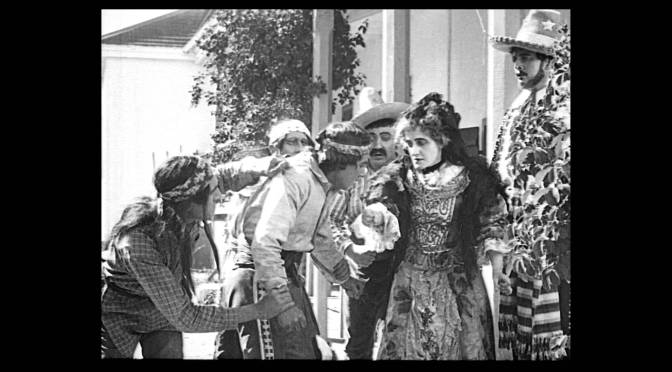
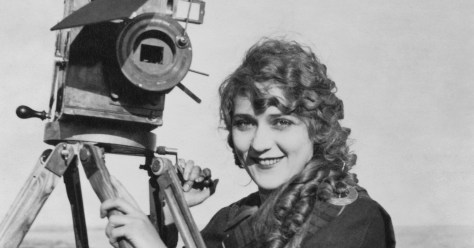
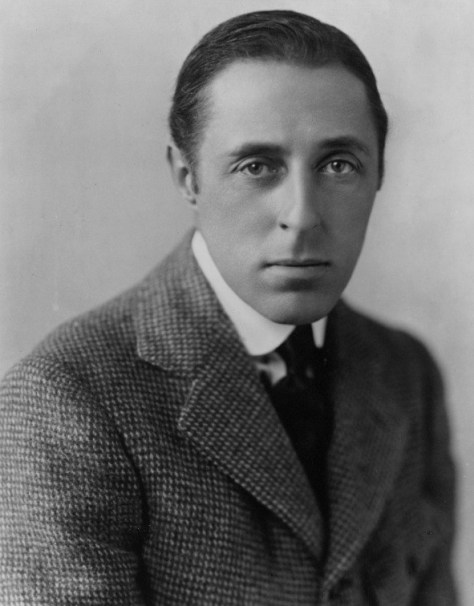
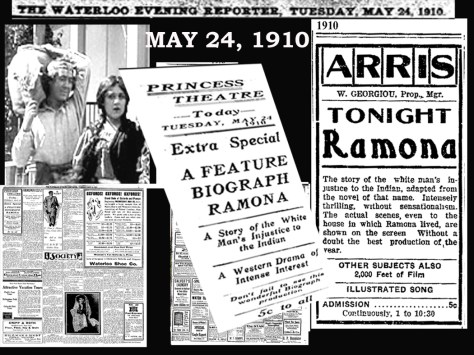
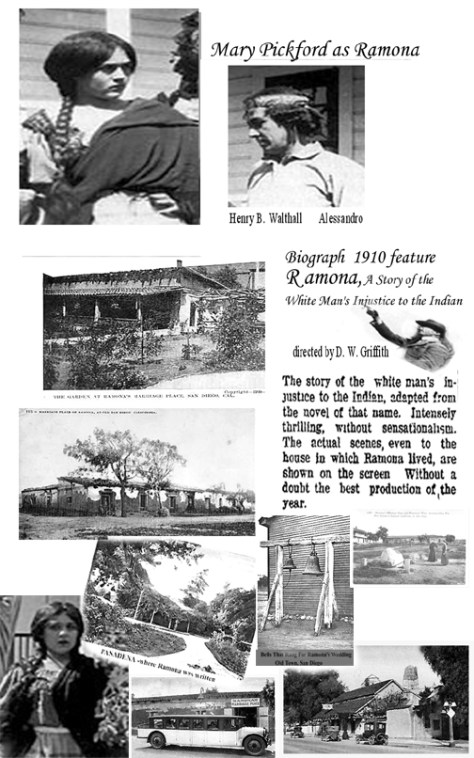


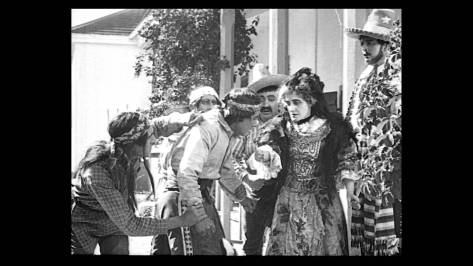
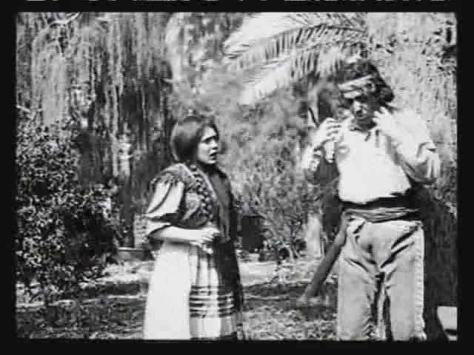
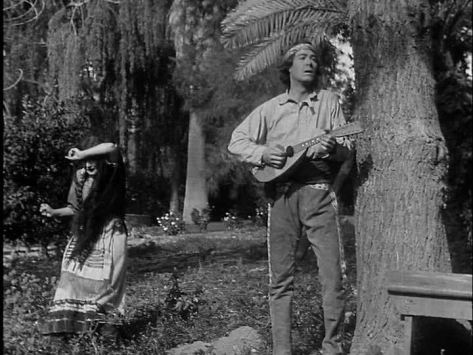
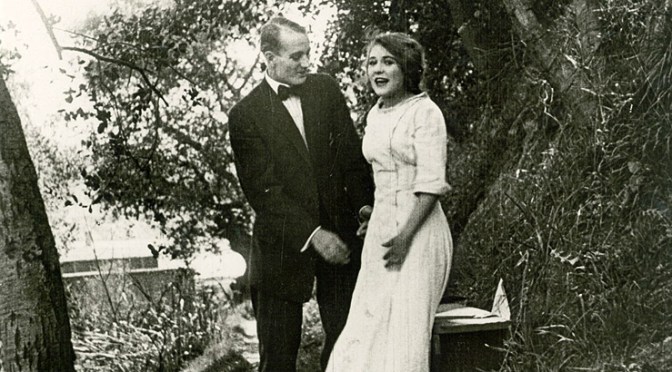
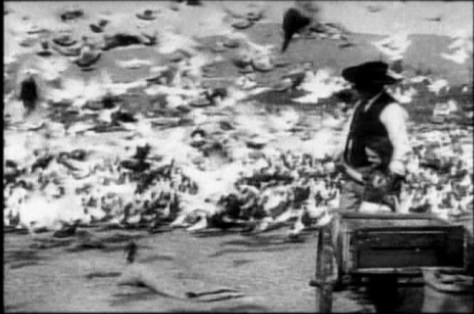
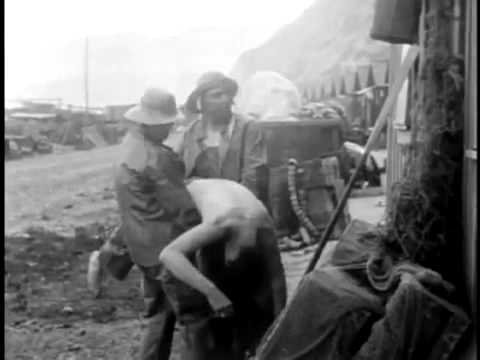
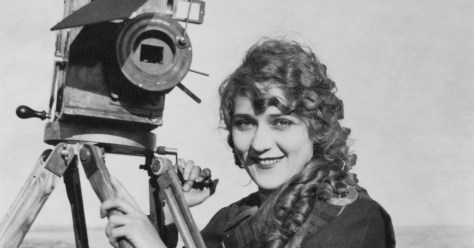


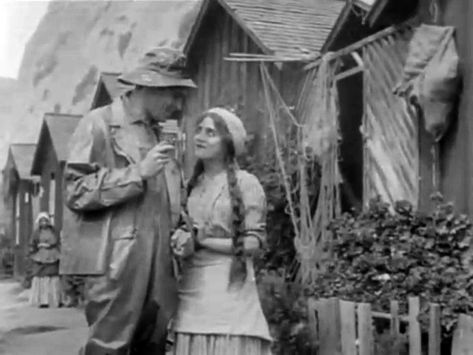
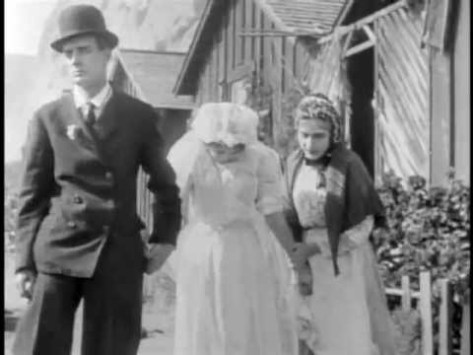
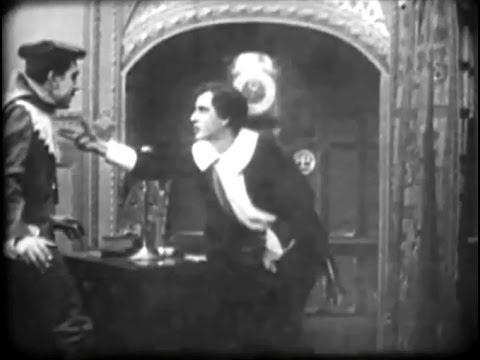


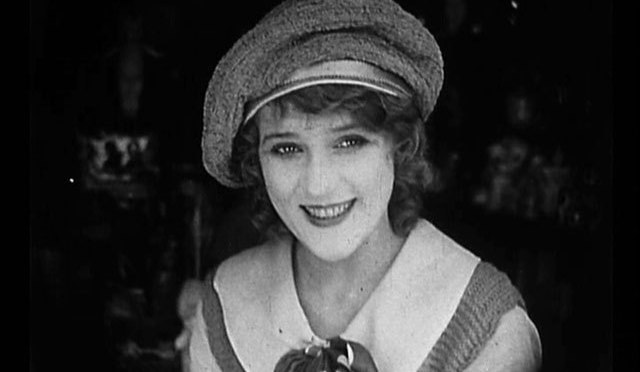


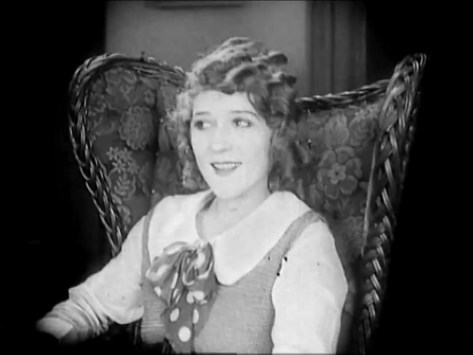
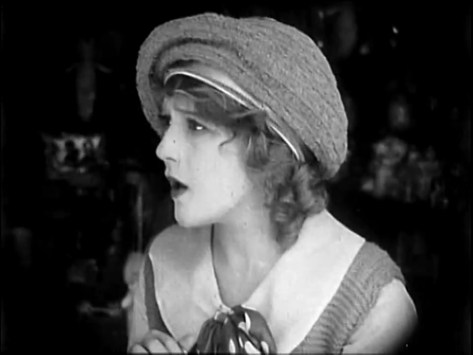
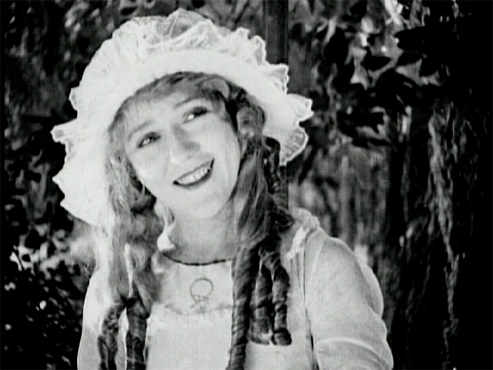


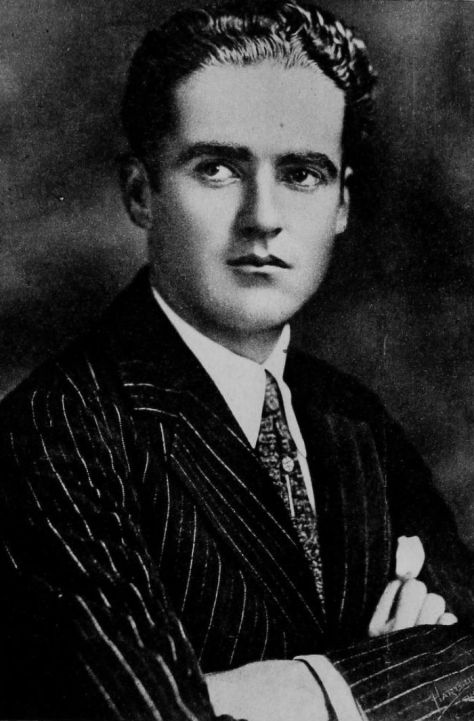
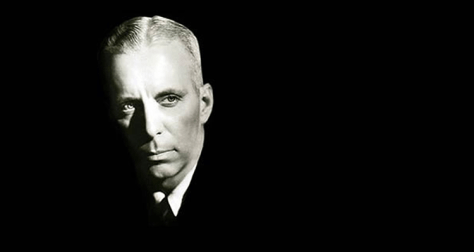 Howard Hawks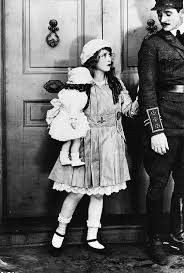
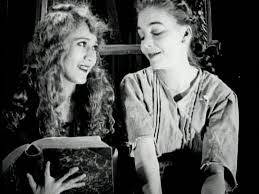
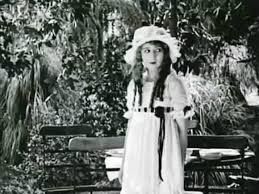
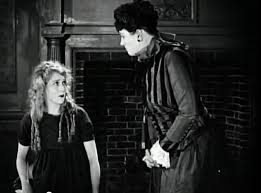
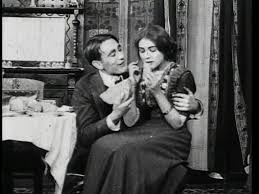
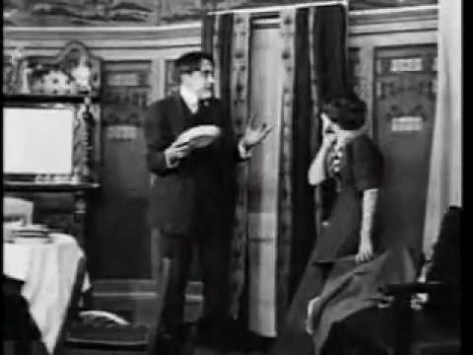
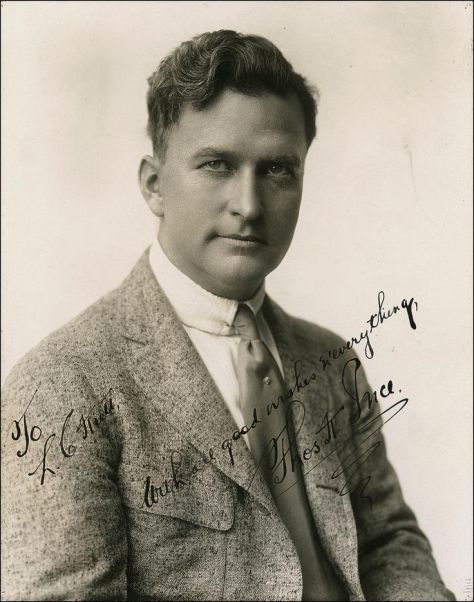
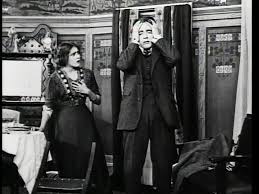
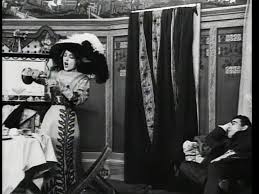
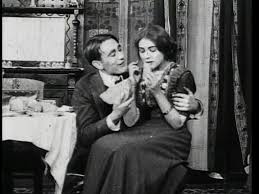
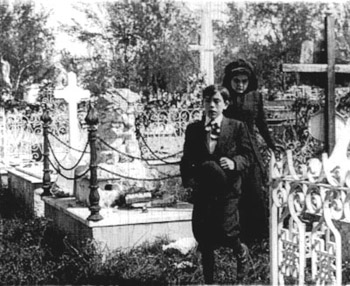
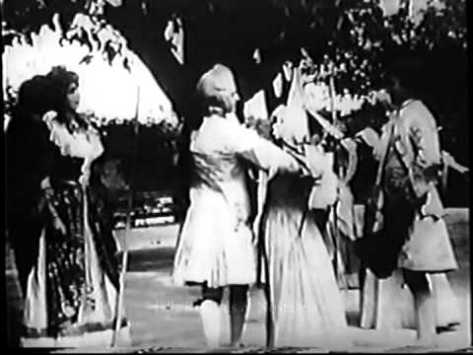
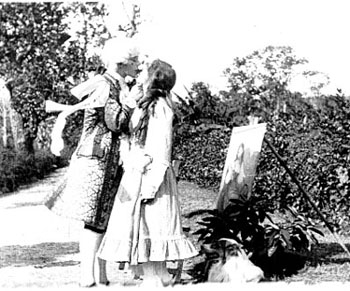
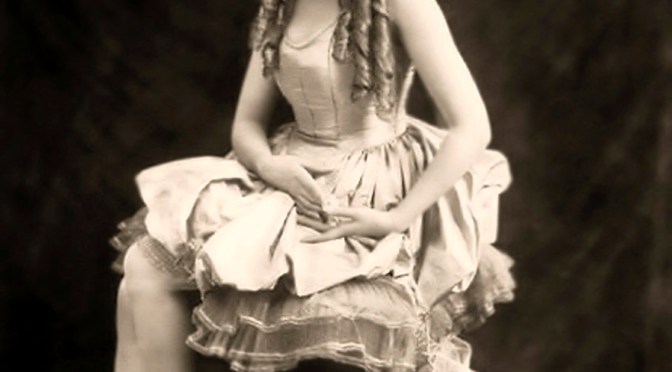
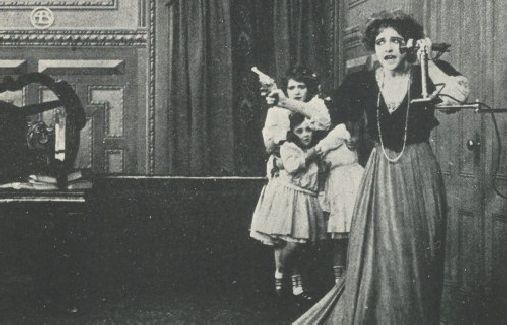
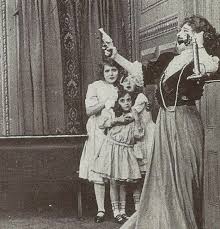
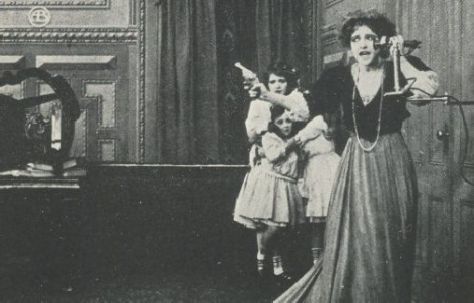
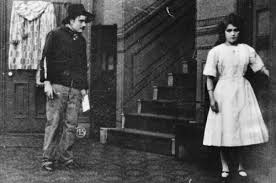
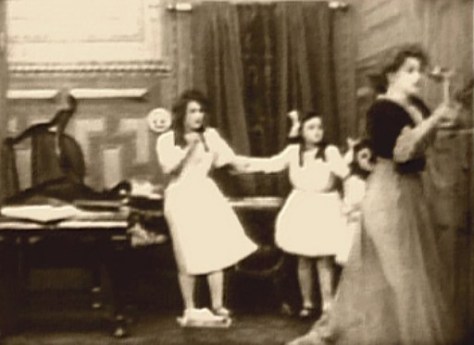
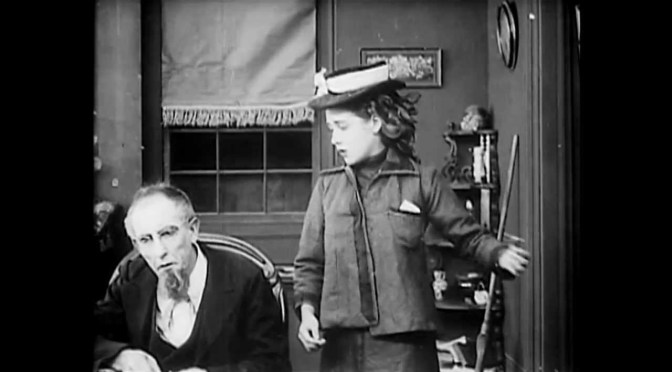
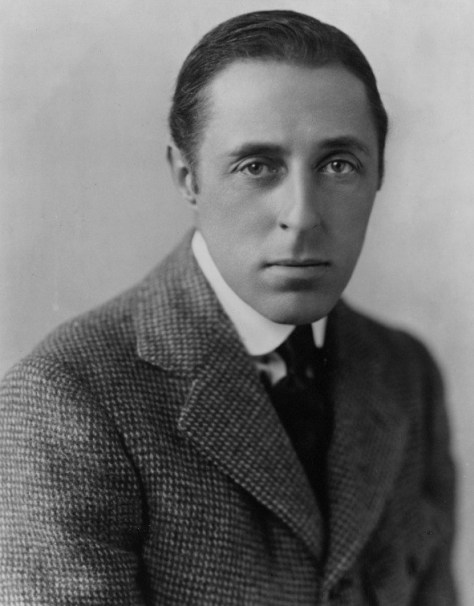
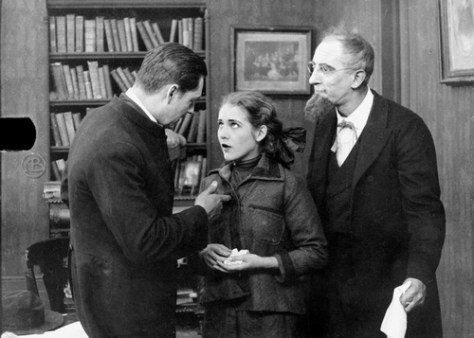
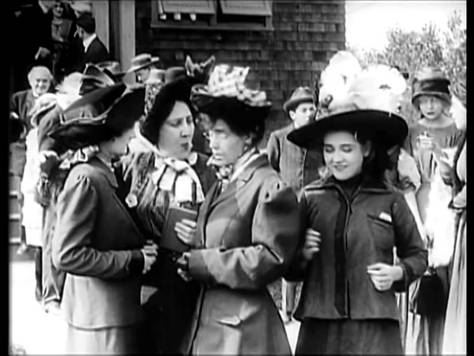
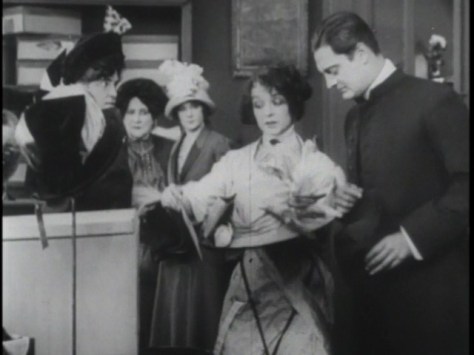
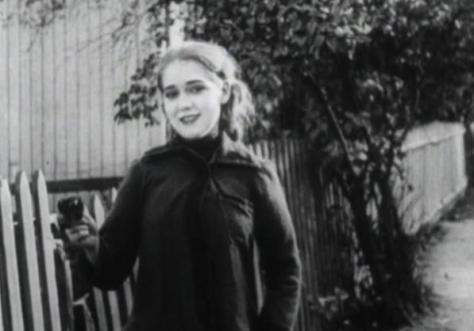
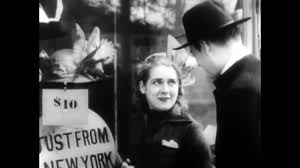
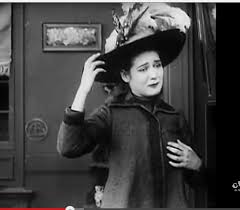
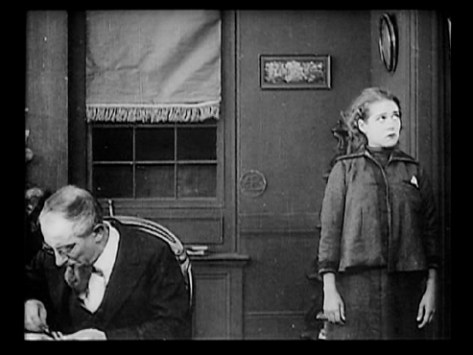
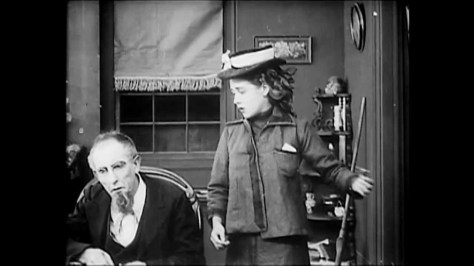
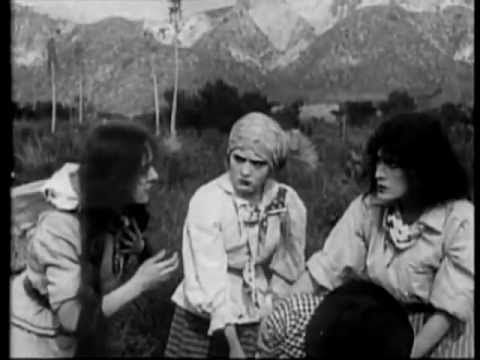
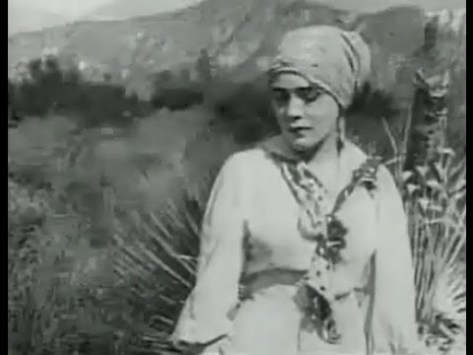
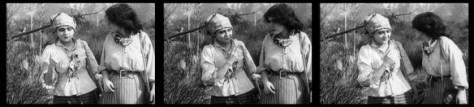
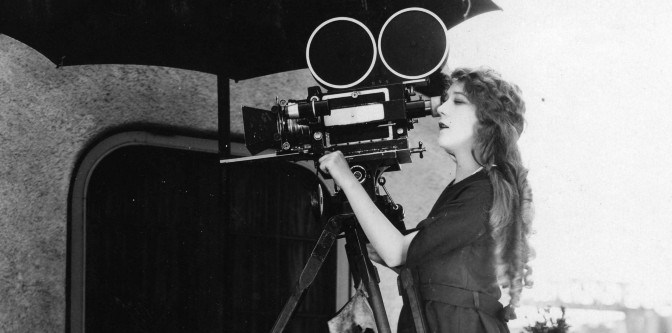
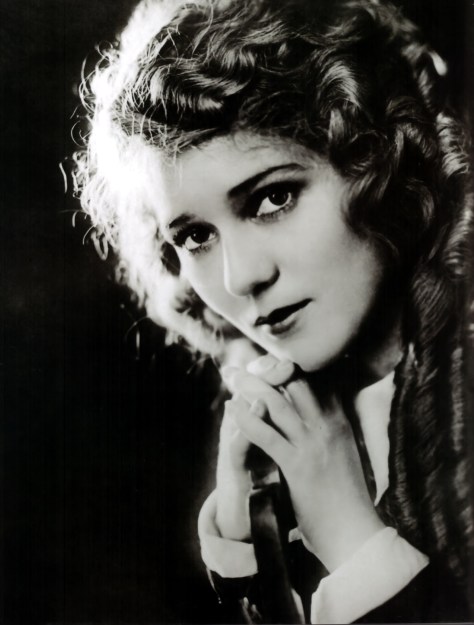
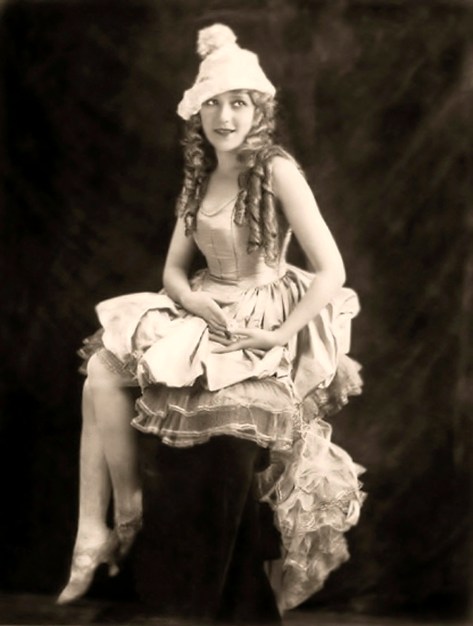
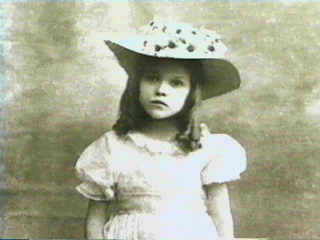
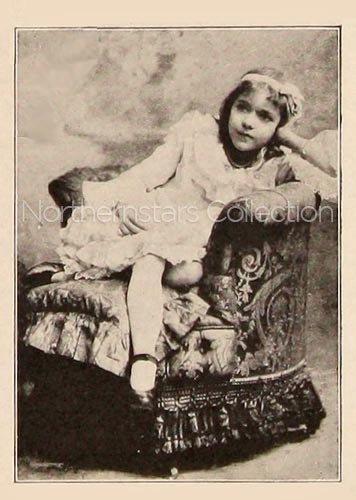
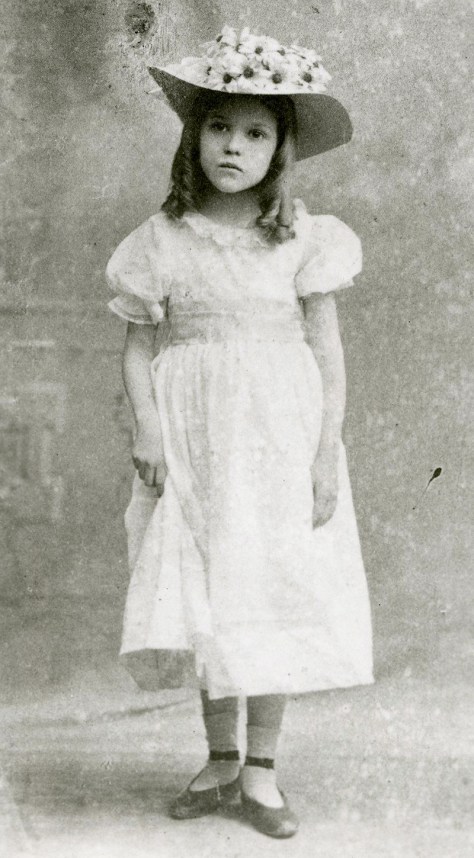
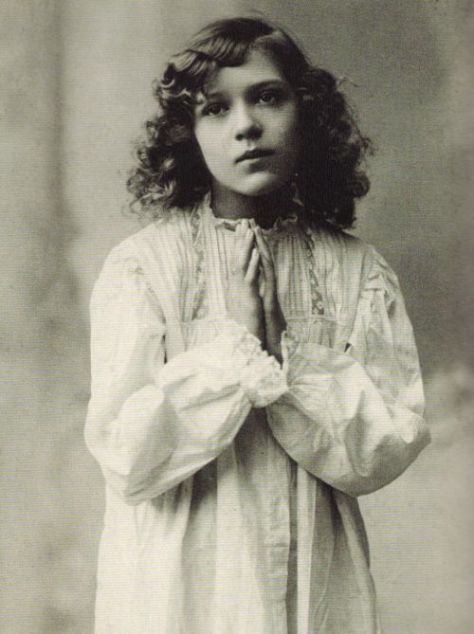
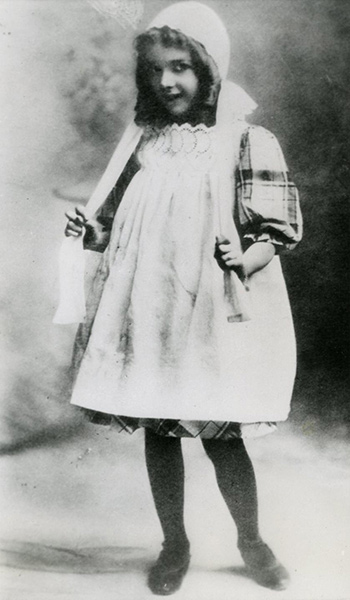
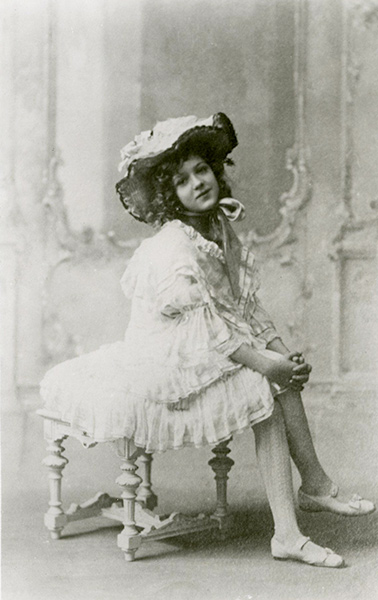
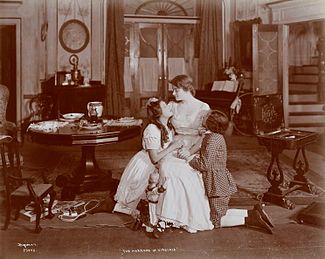
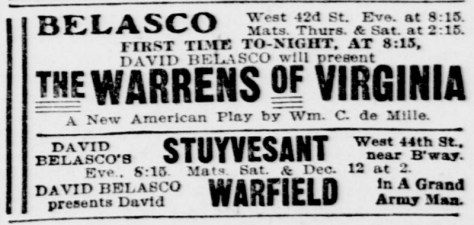
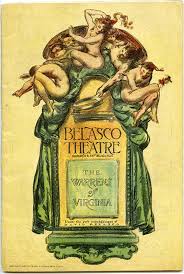
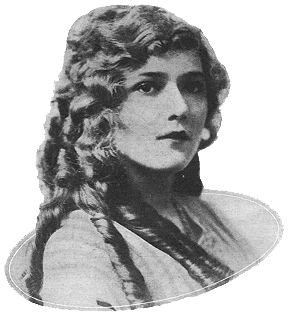
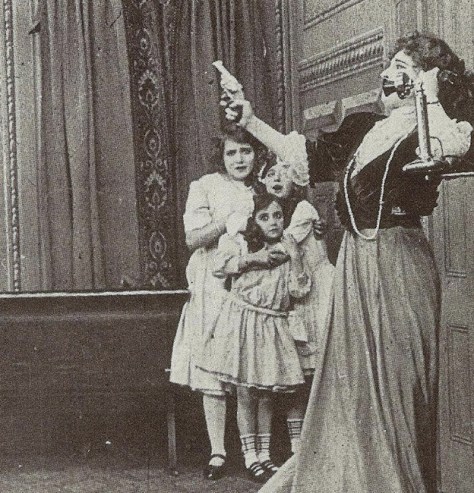
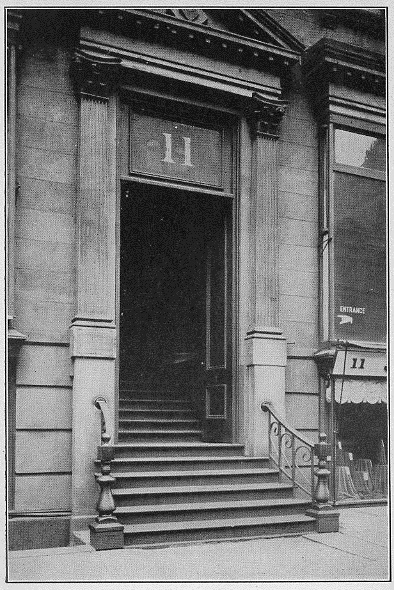
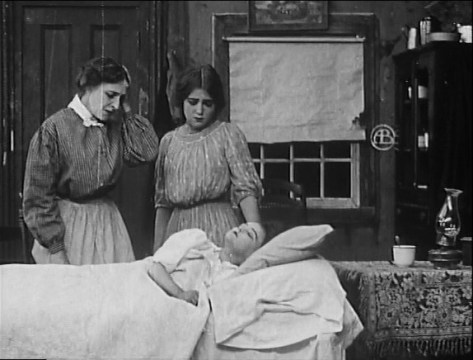
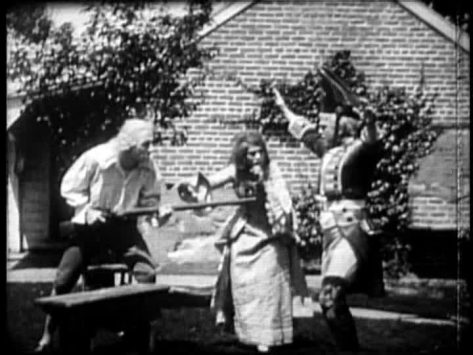
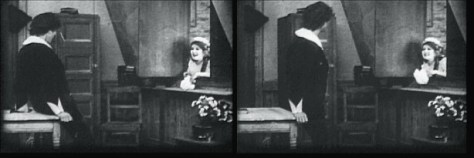
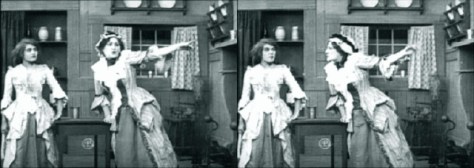
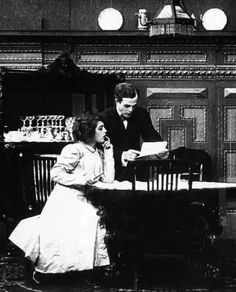

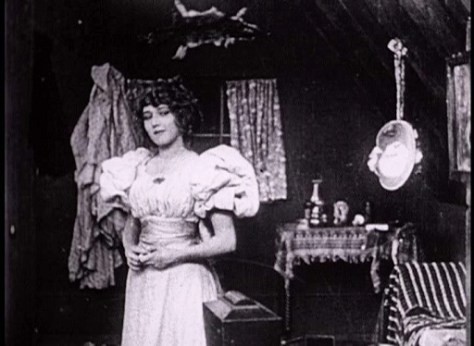
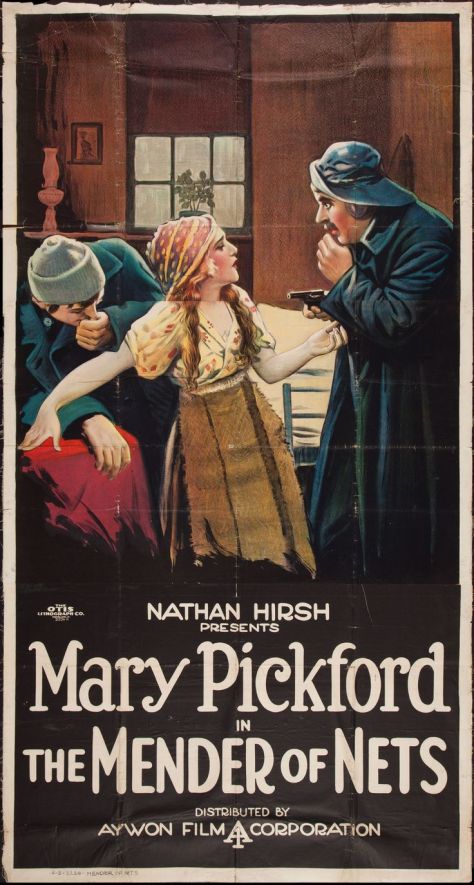
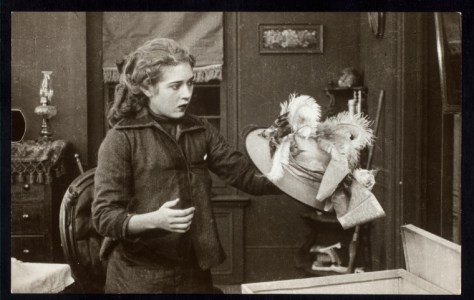
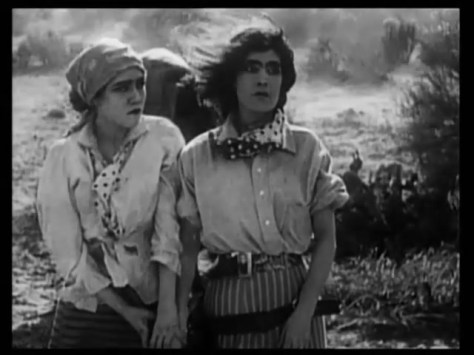
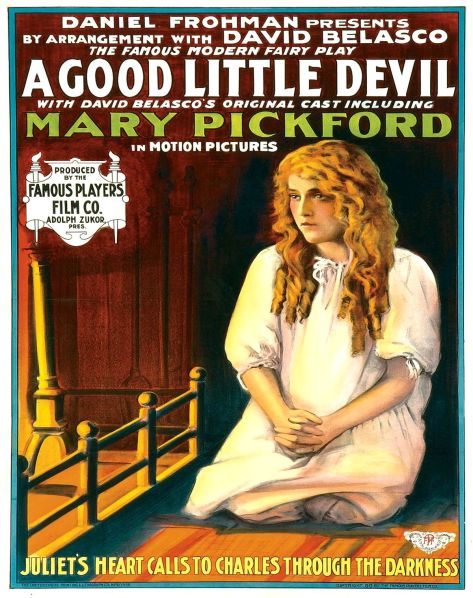
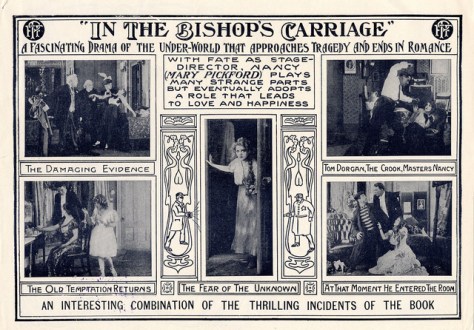
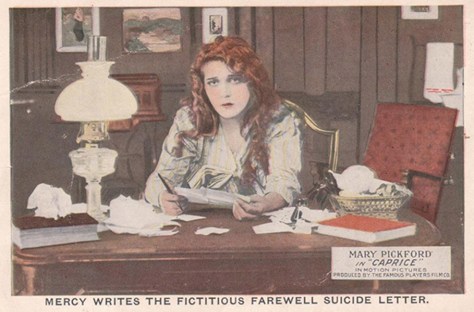
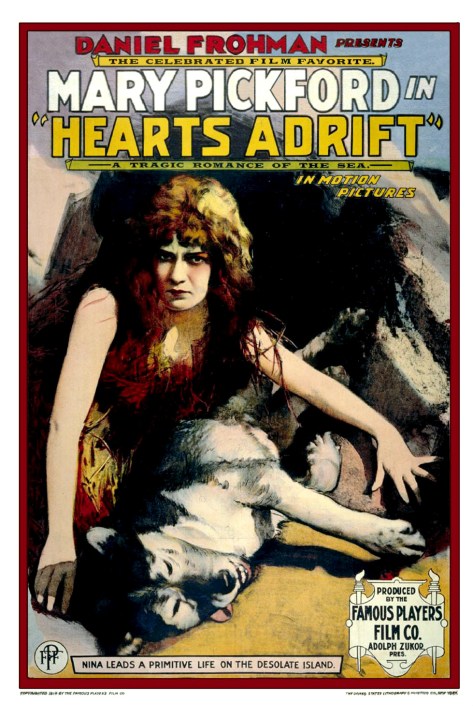
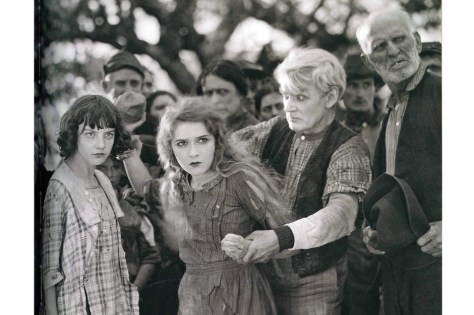
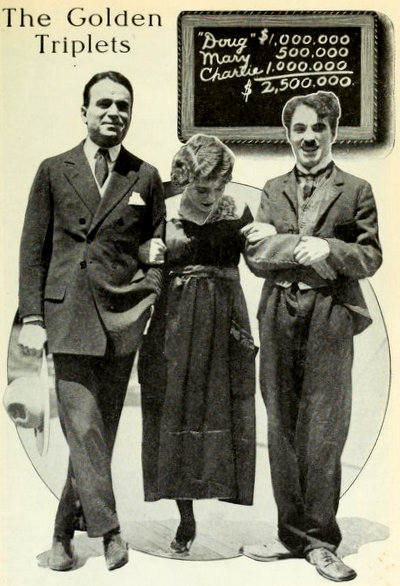
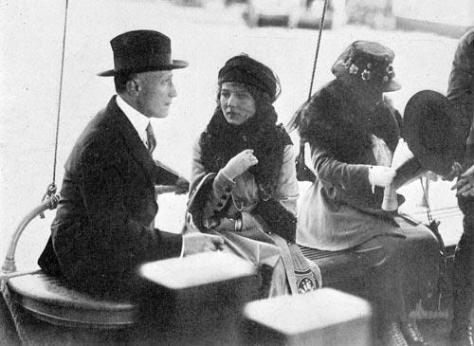

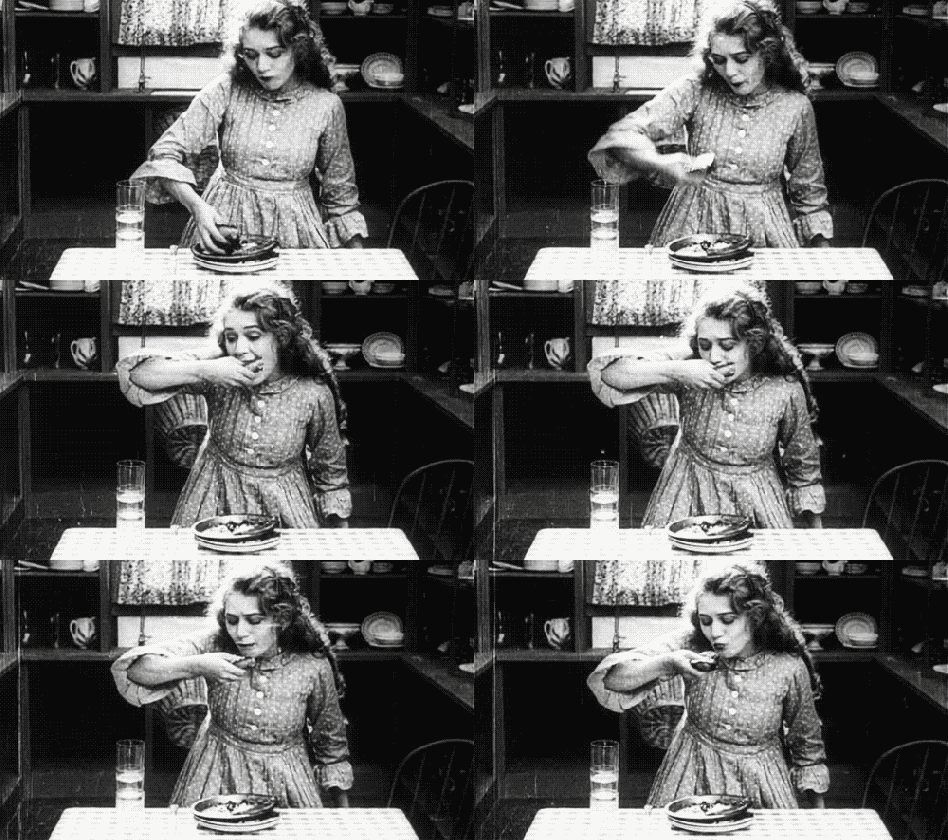
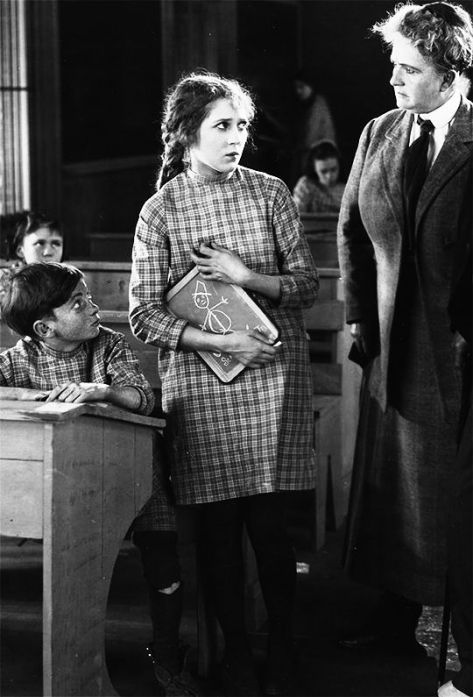
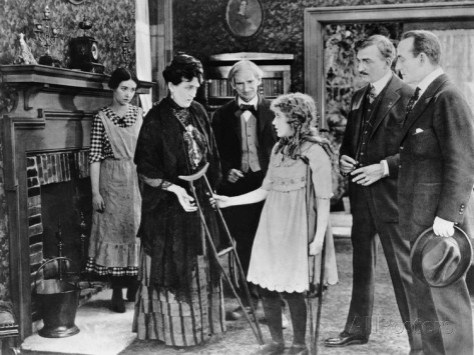
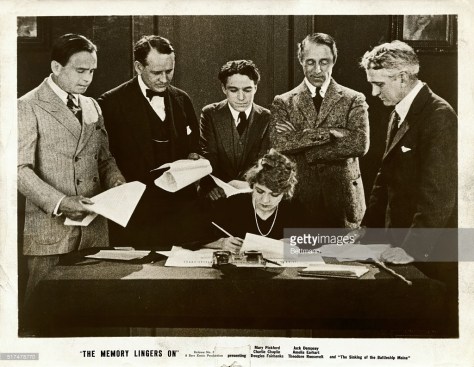
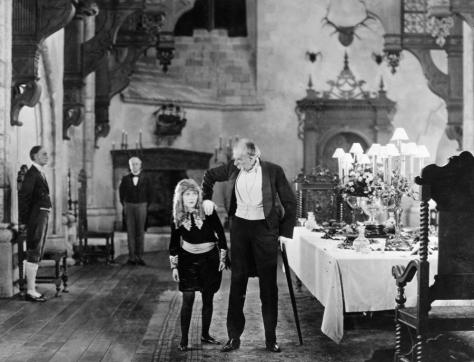
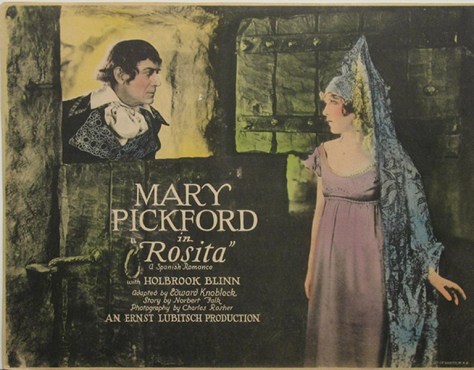
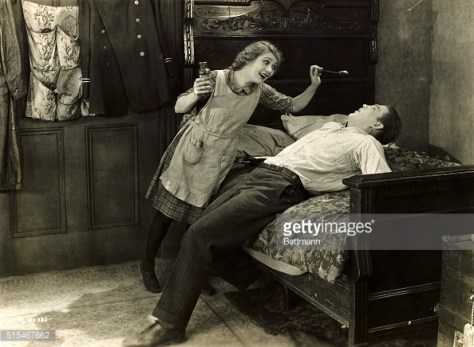
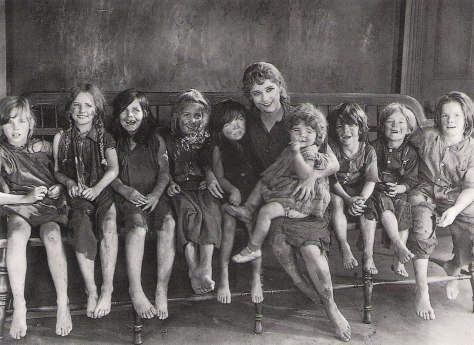
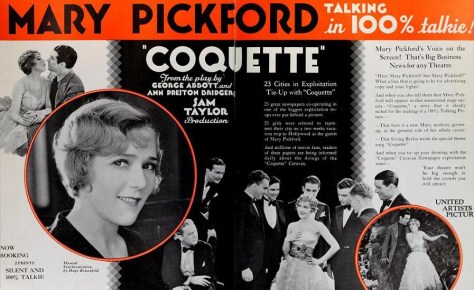
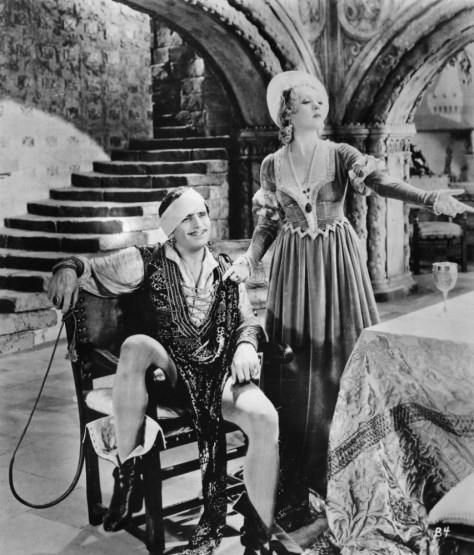
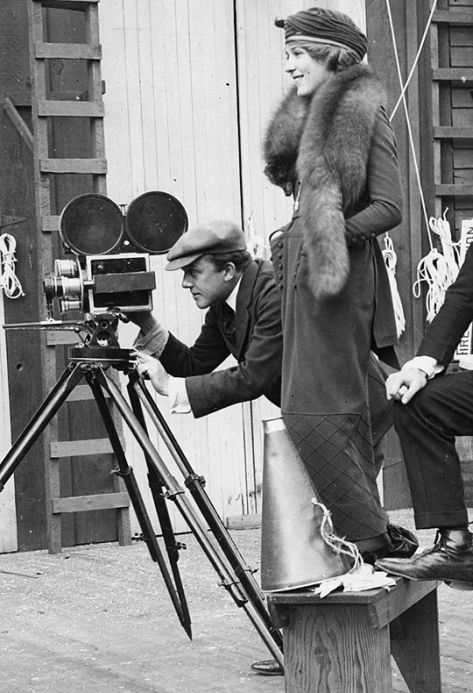
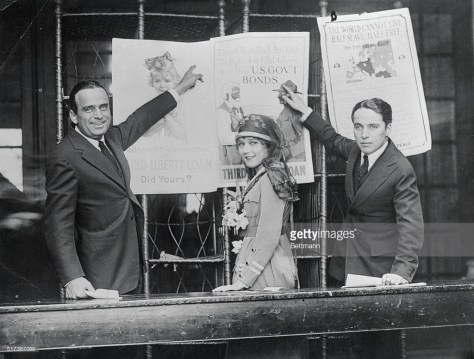
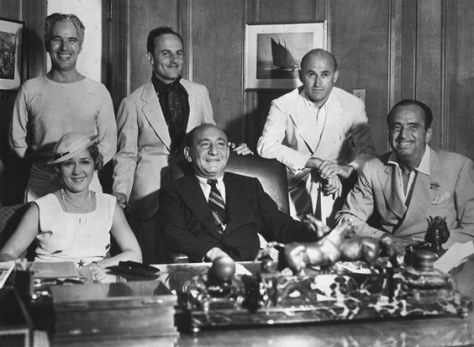
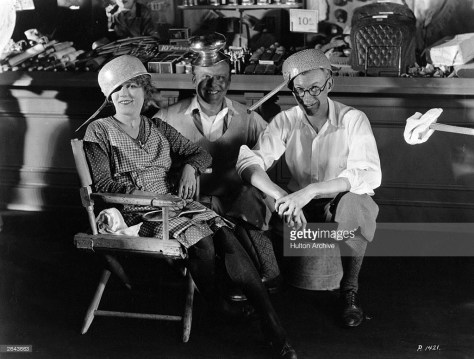
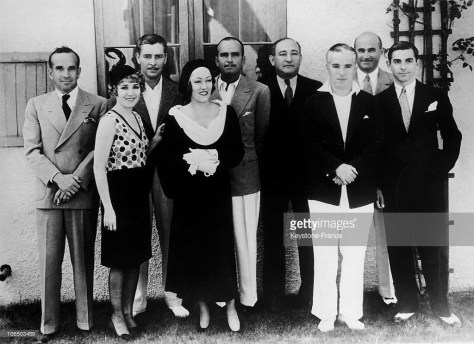
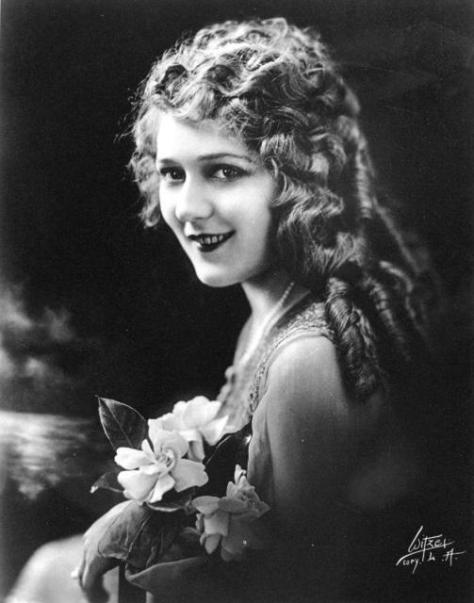
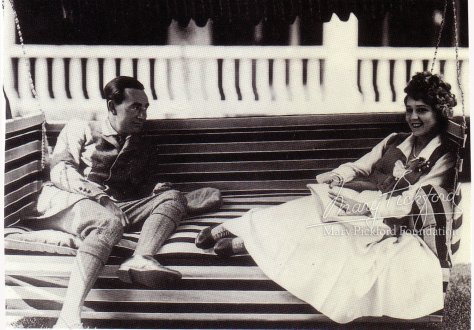
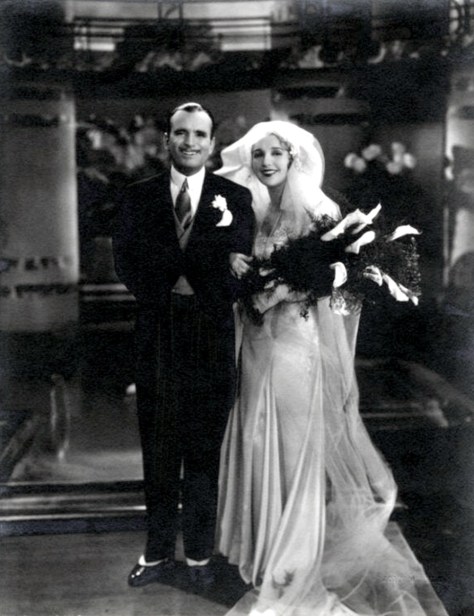
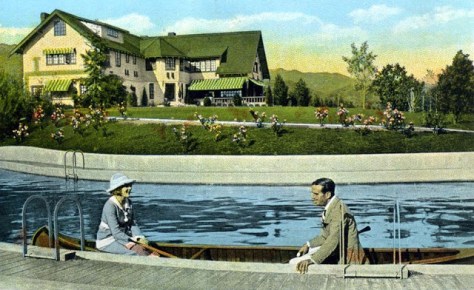
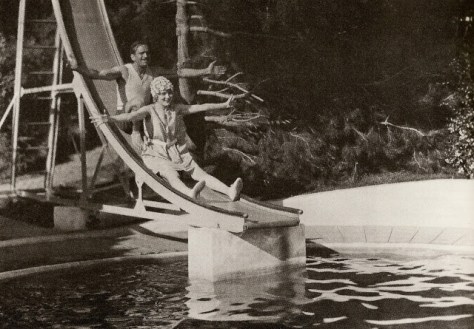
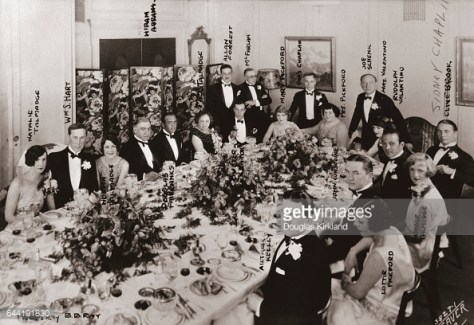
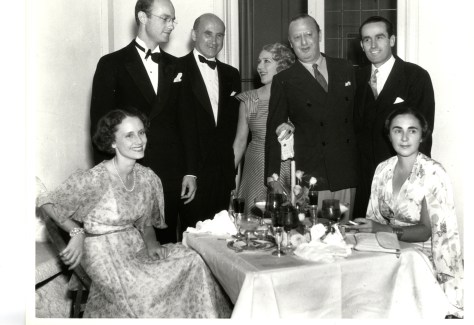
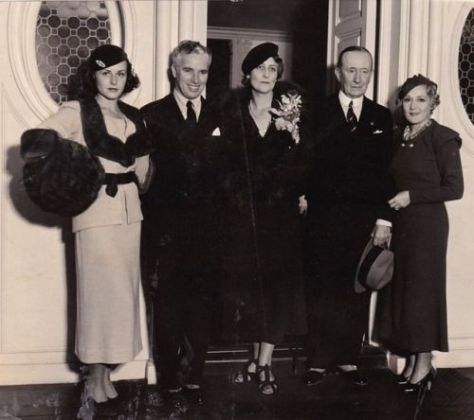
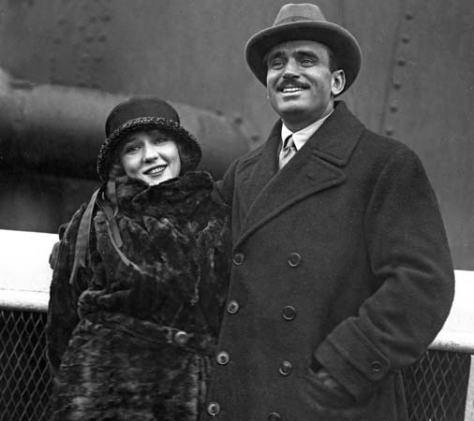
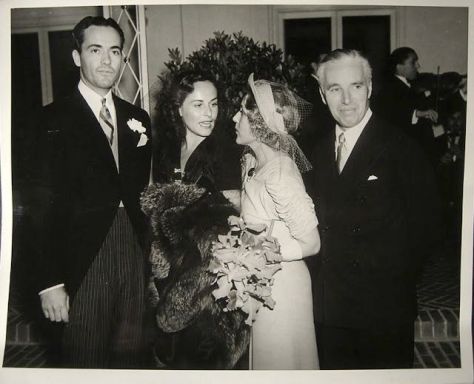
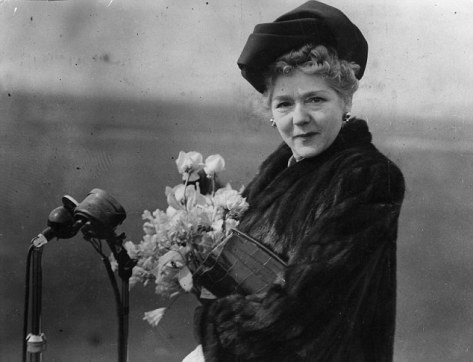
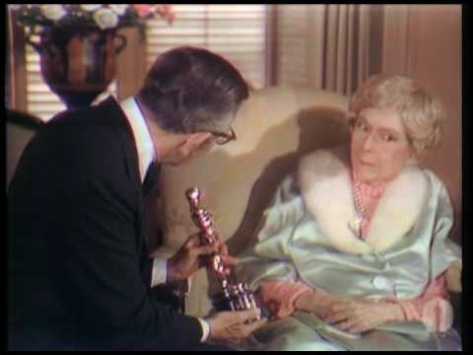
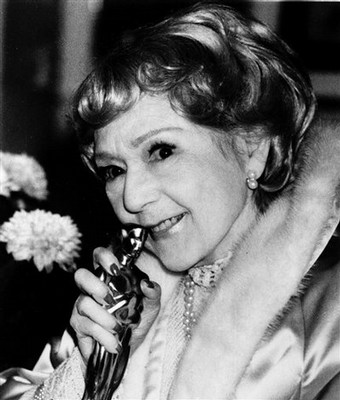
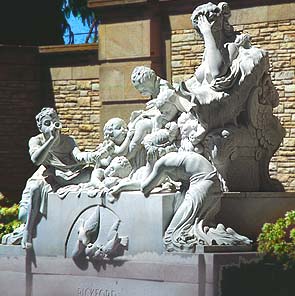
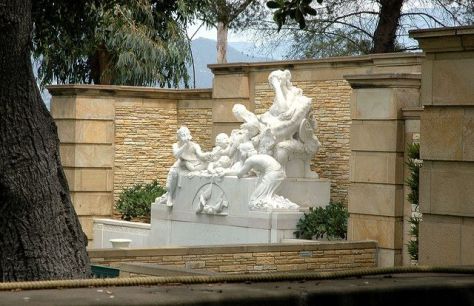
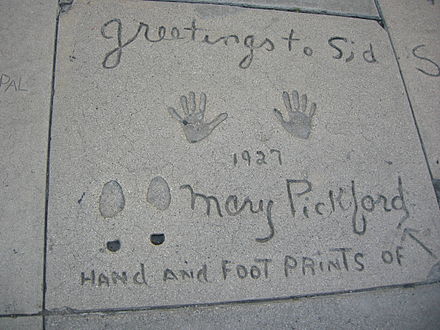
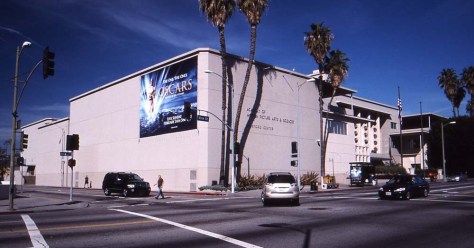
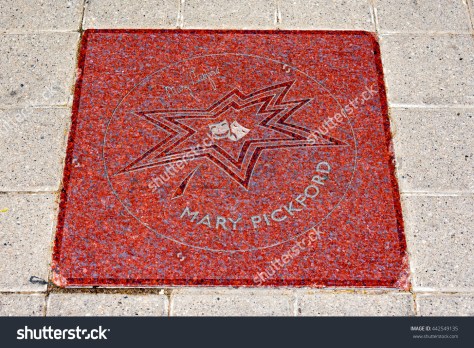
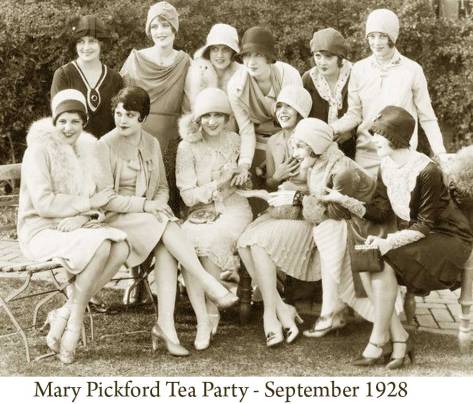

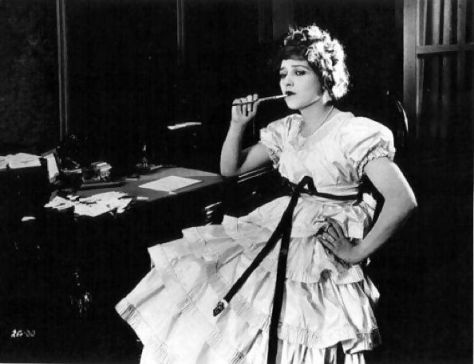
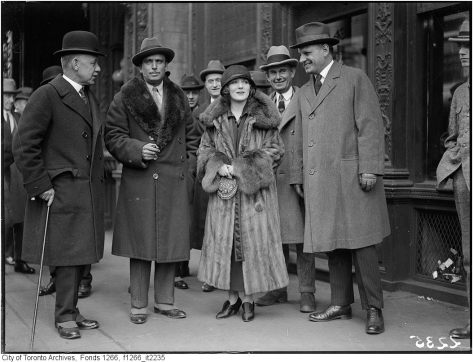
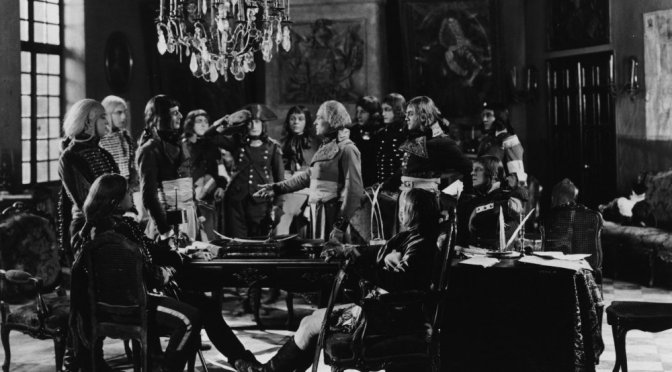
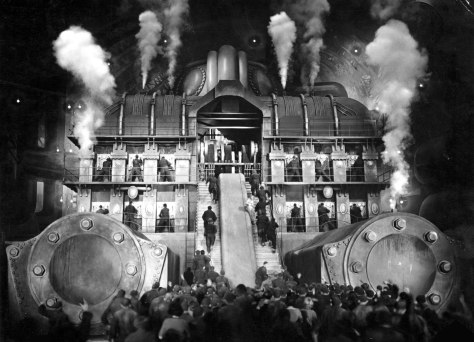
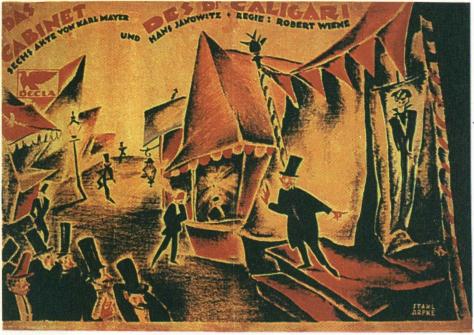
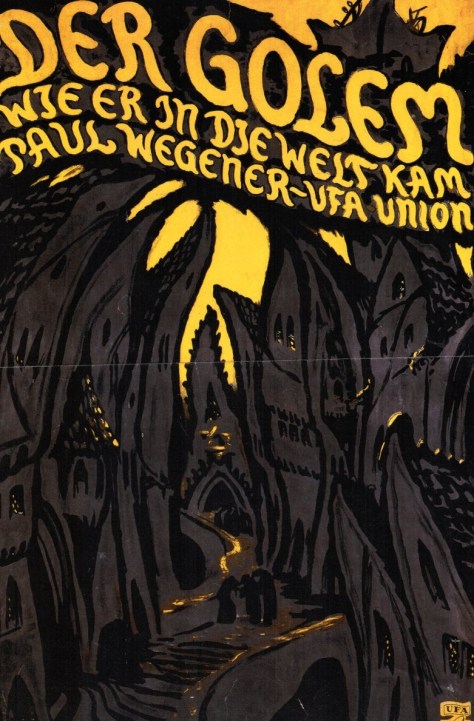
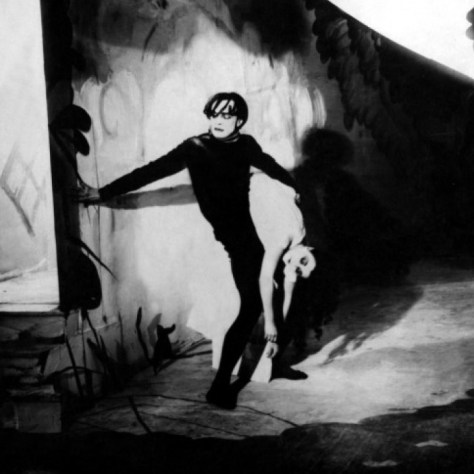
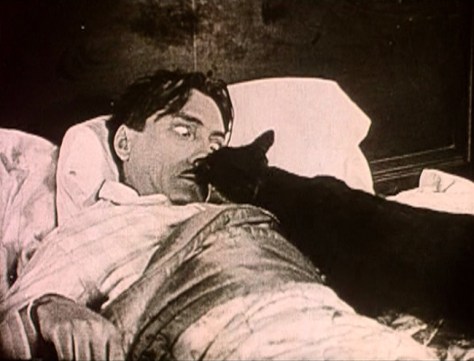
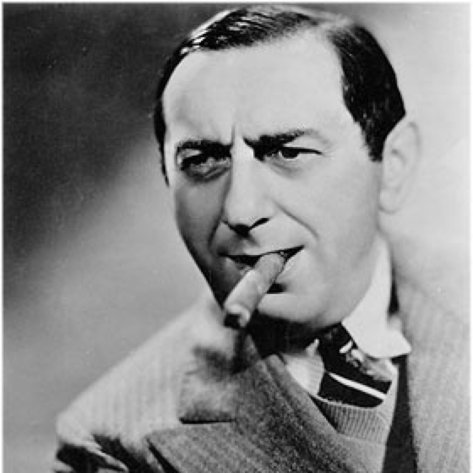
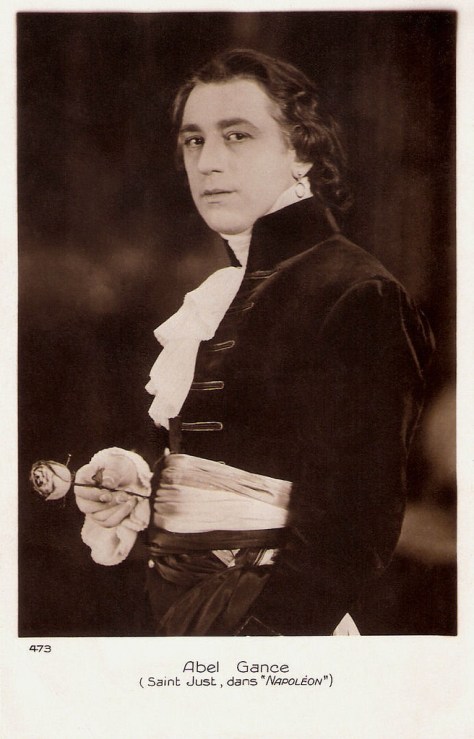
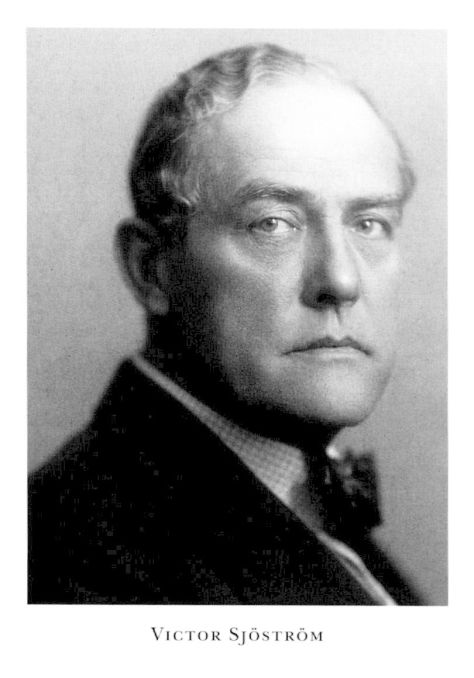
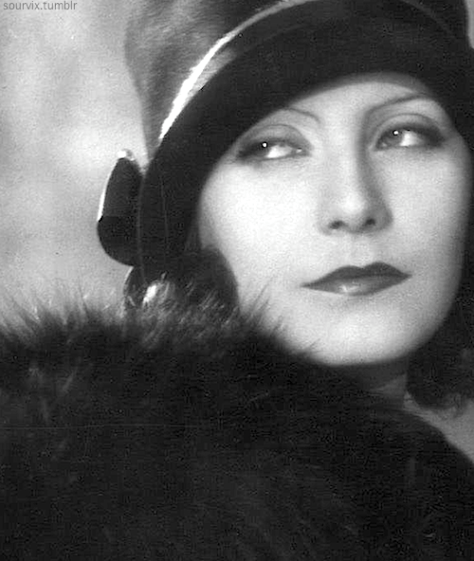
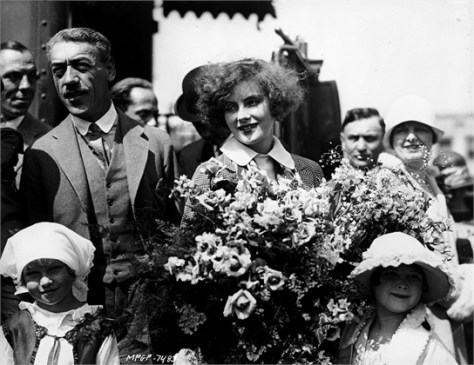
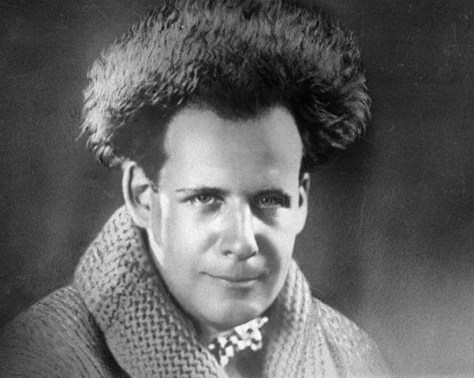
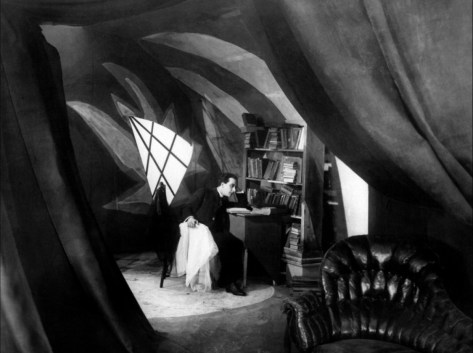
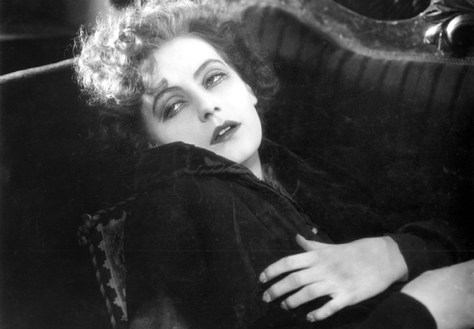
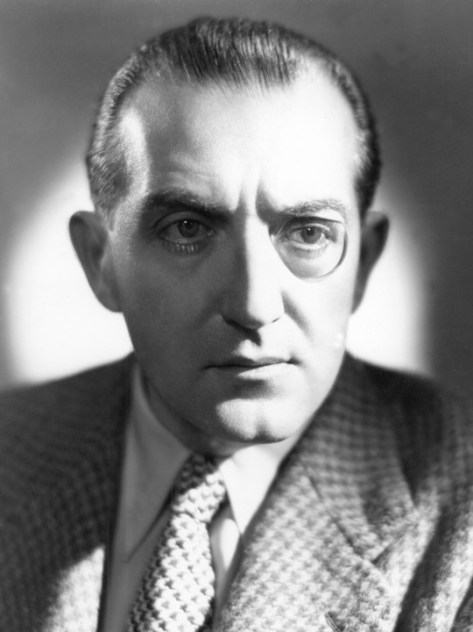
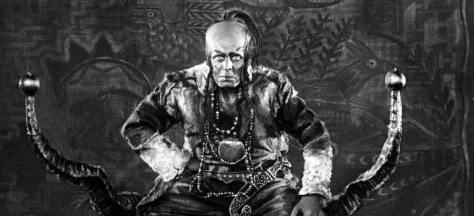
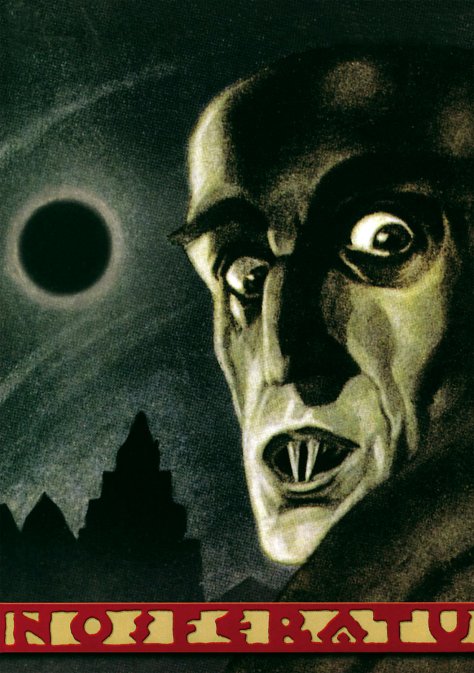
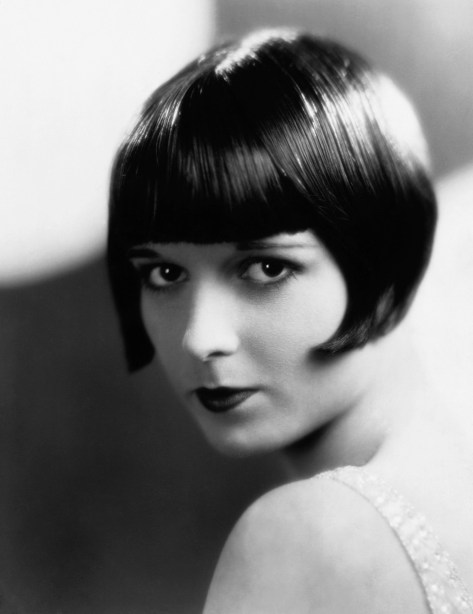
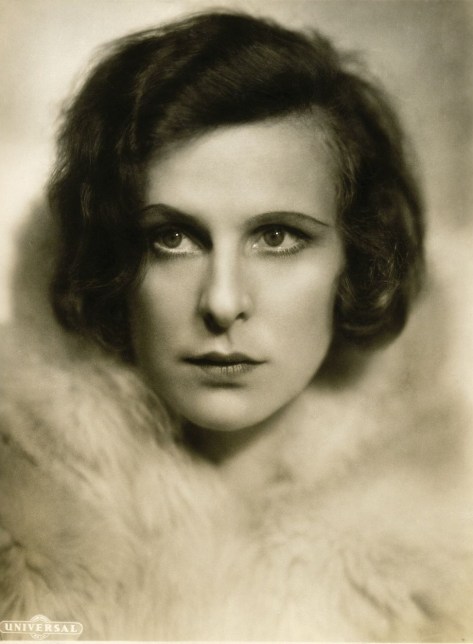
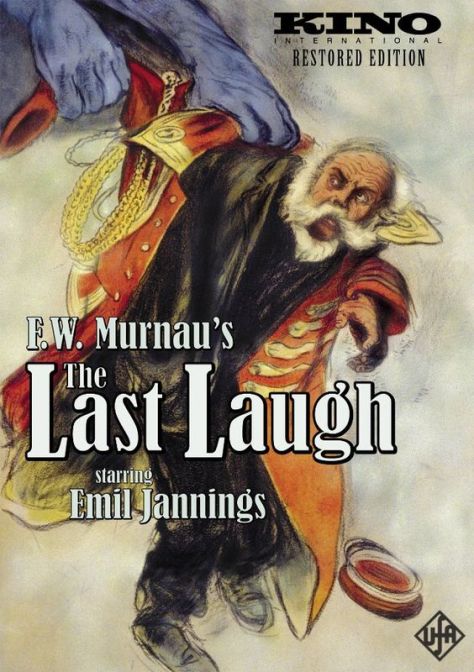
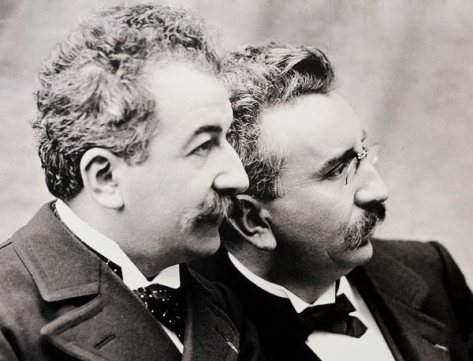
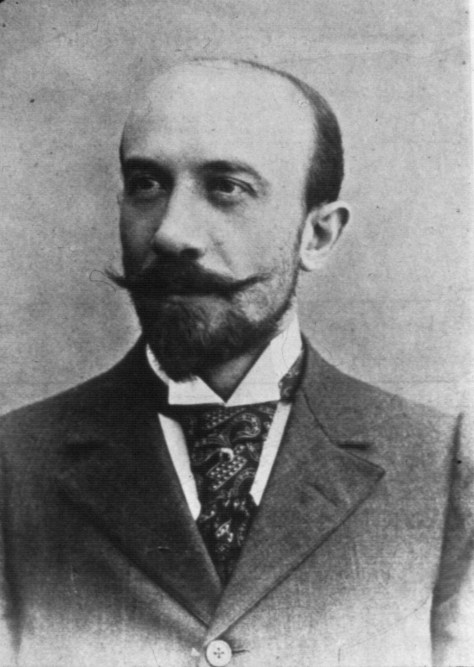
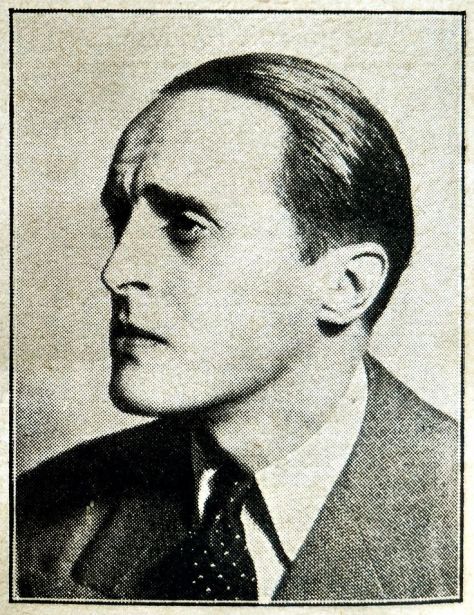
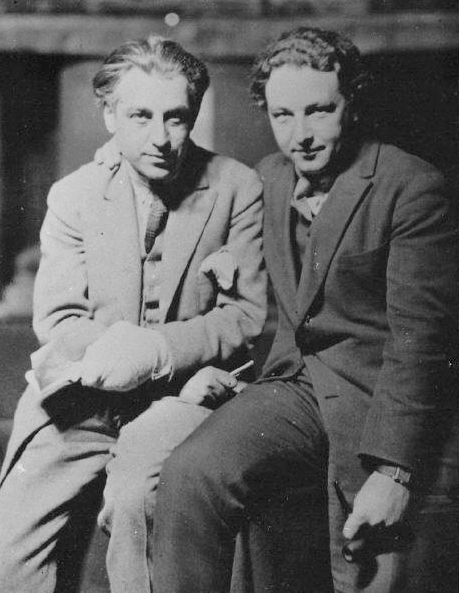
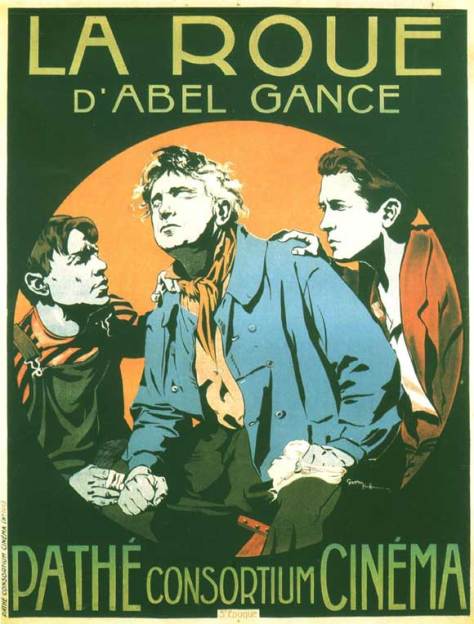
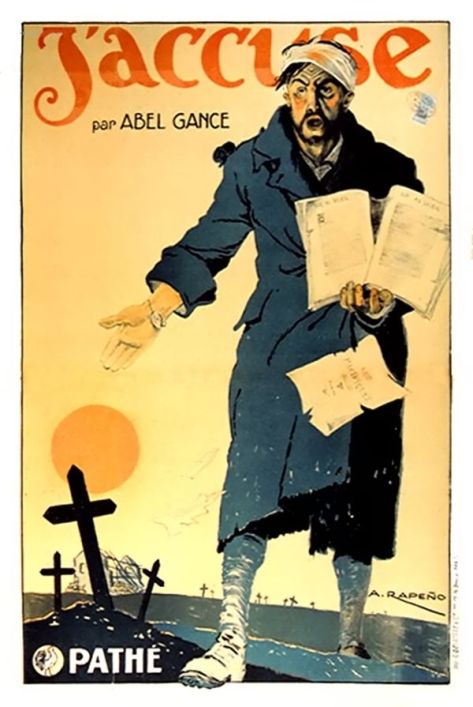
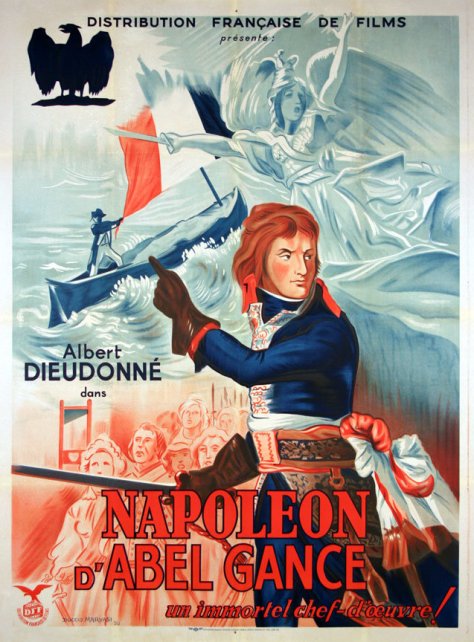
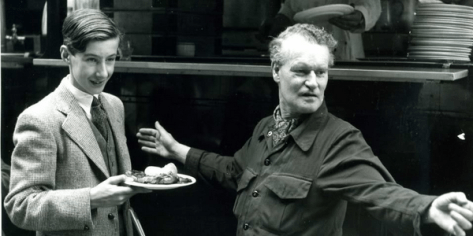
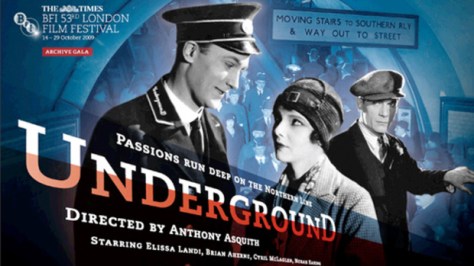
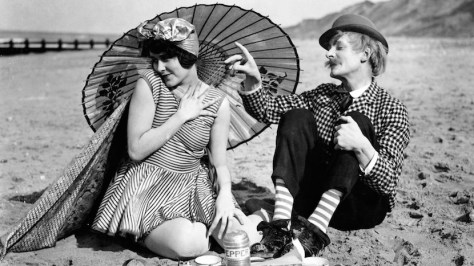
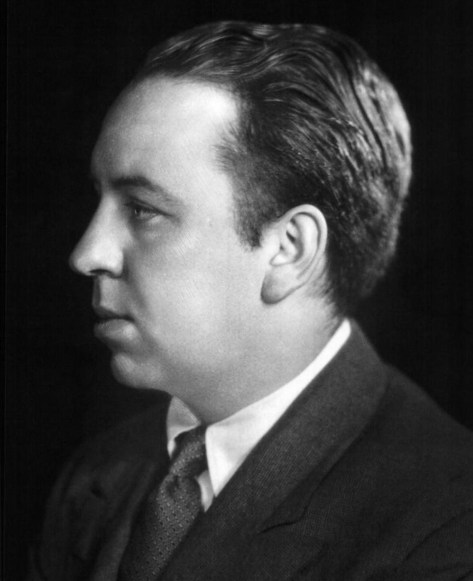
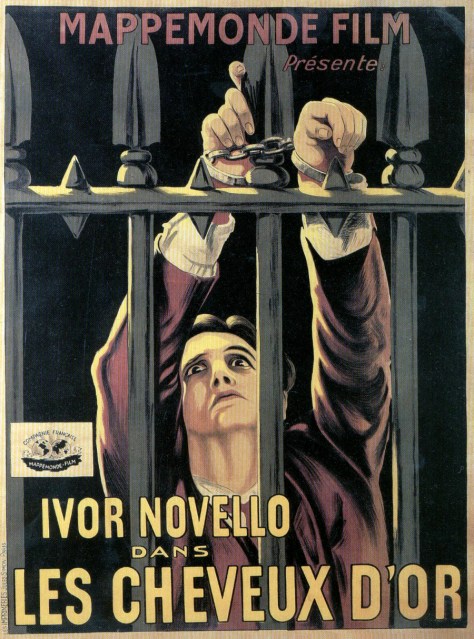
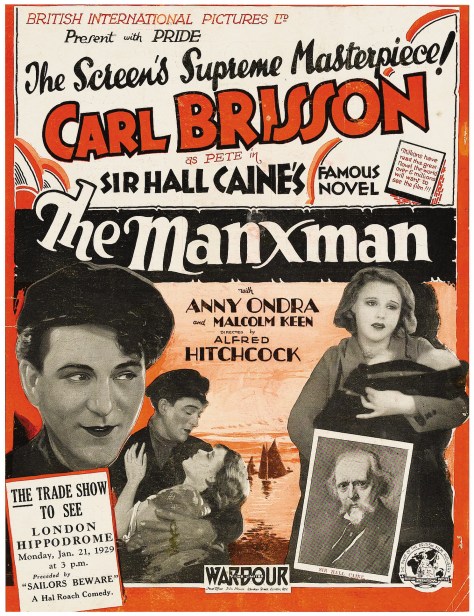
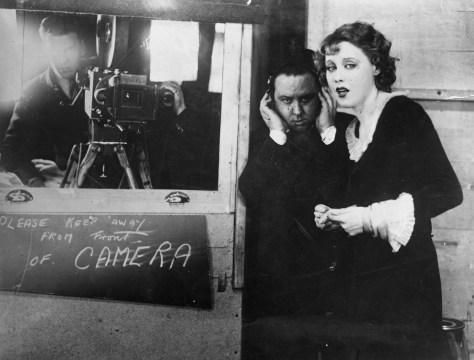
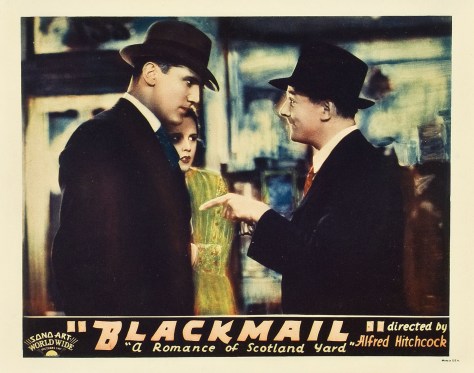
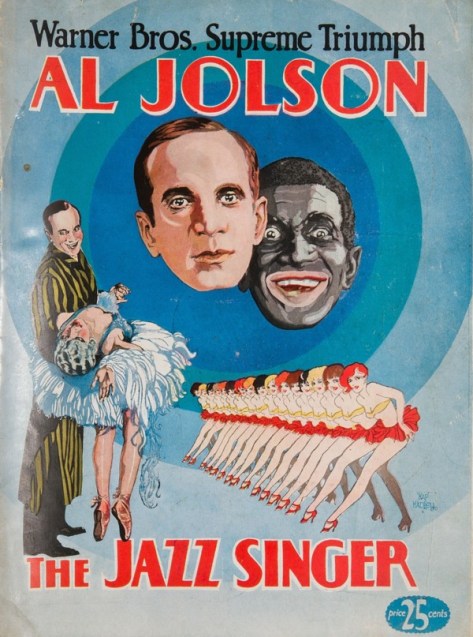
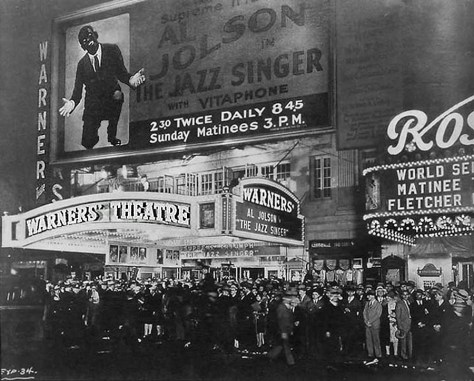
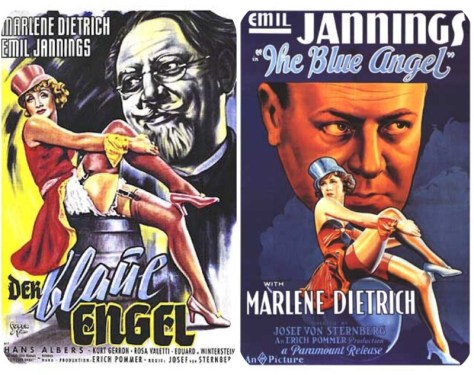
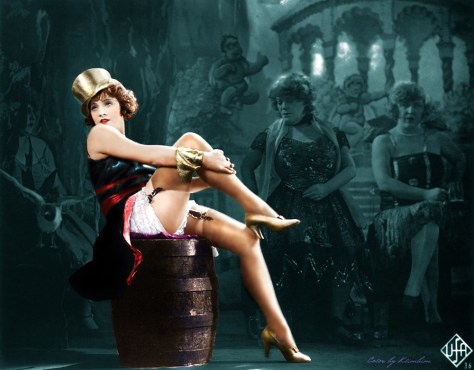
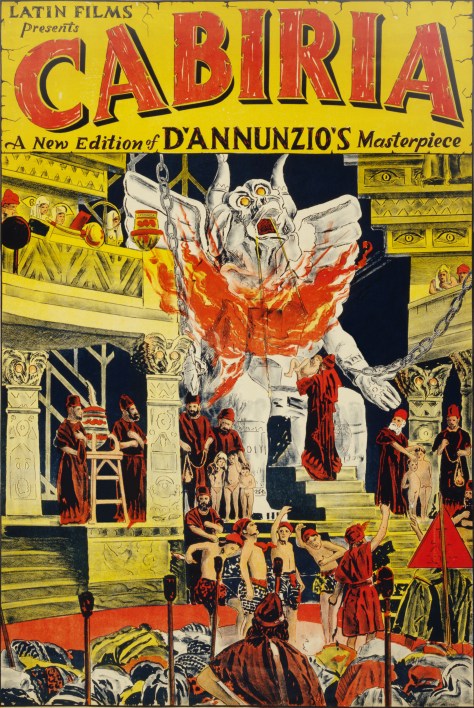
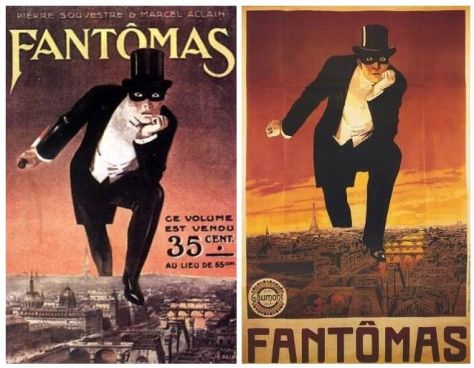
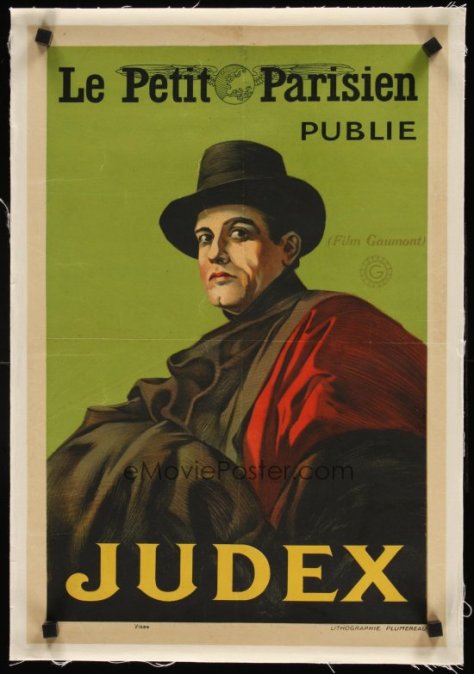
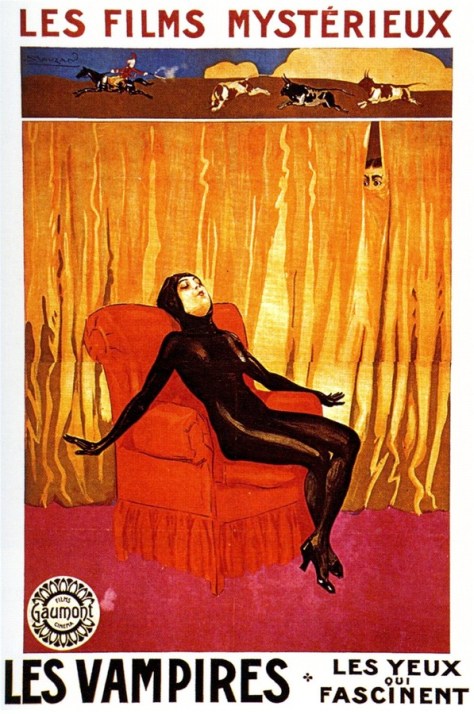
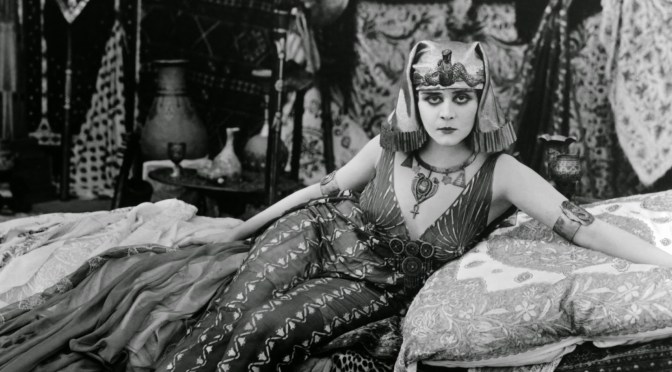
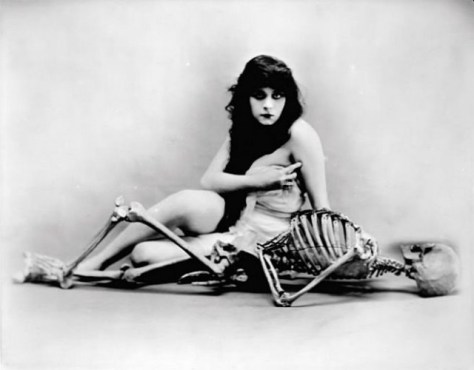
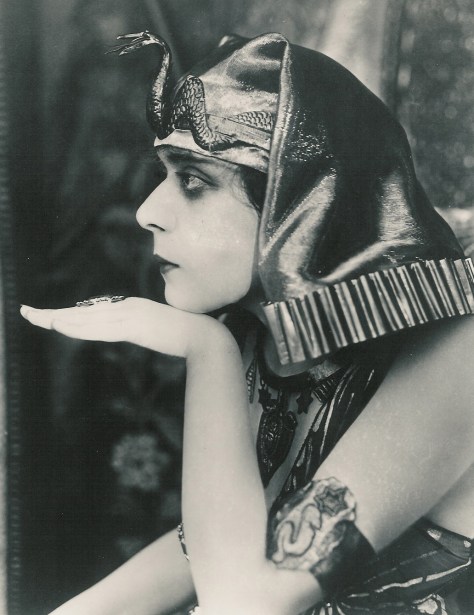
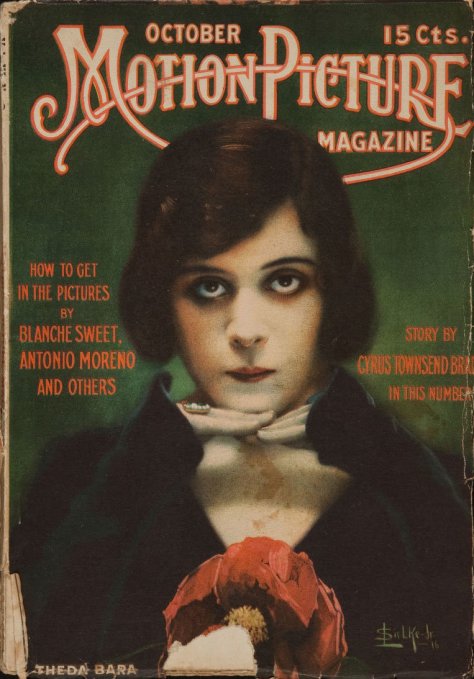
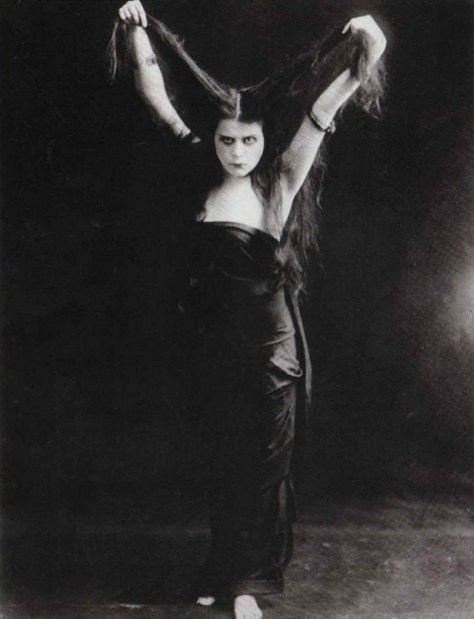
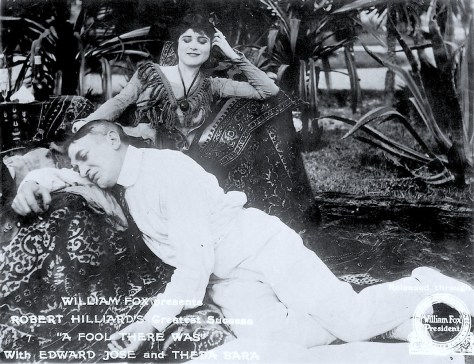
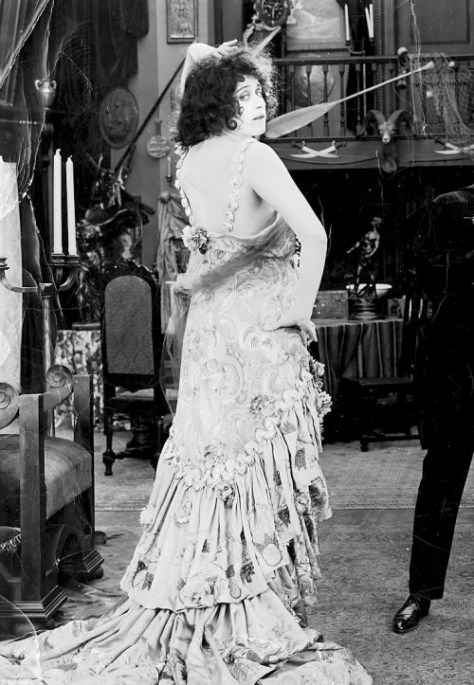
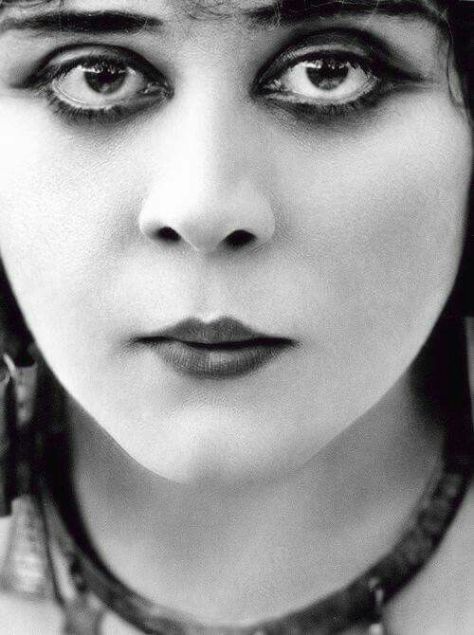
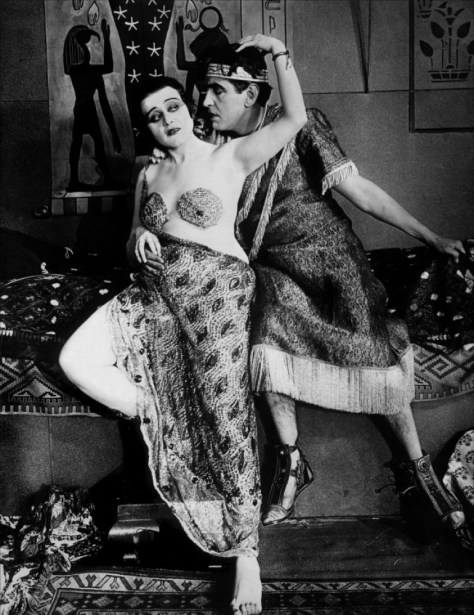
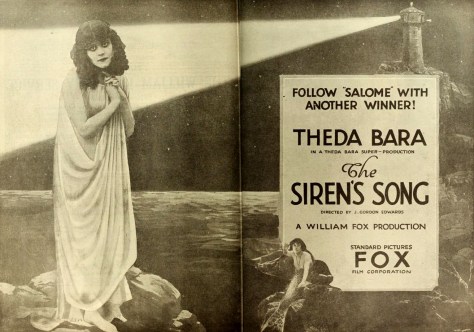
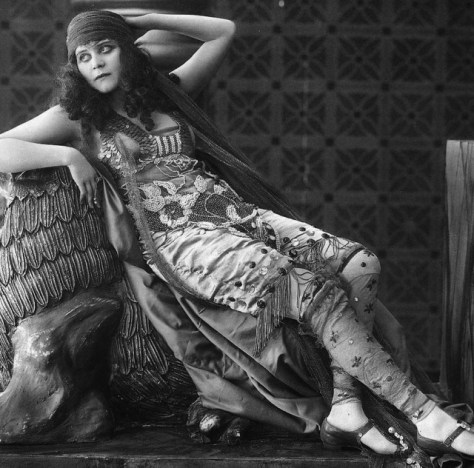
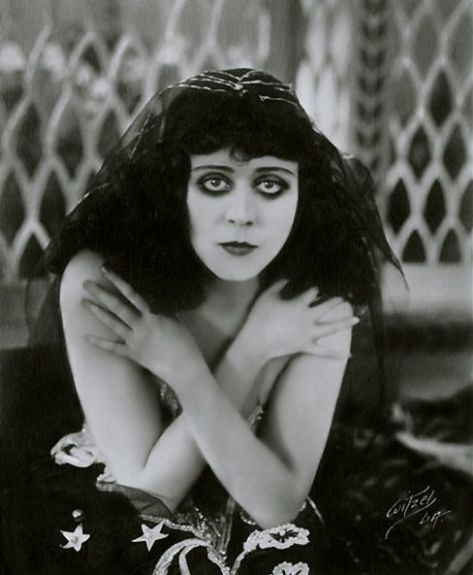
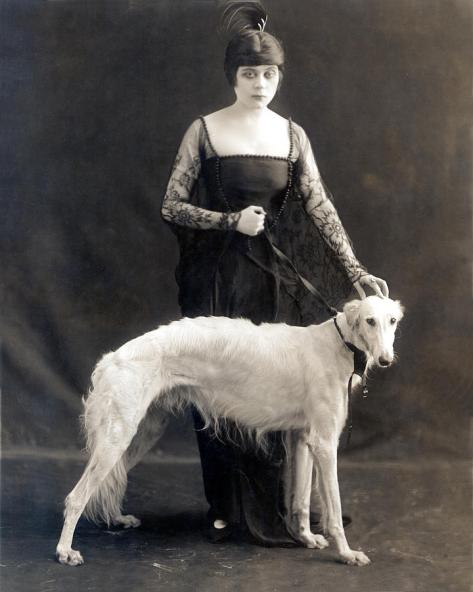
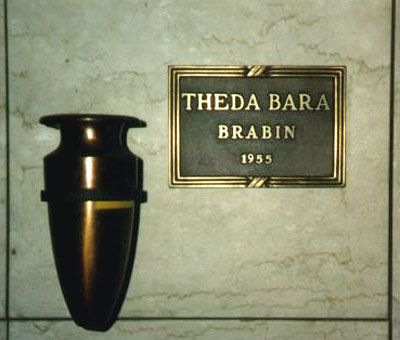
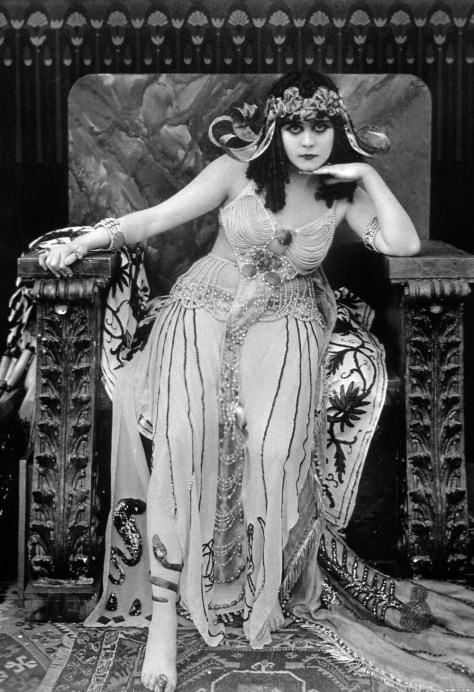
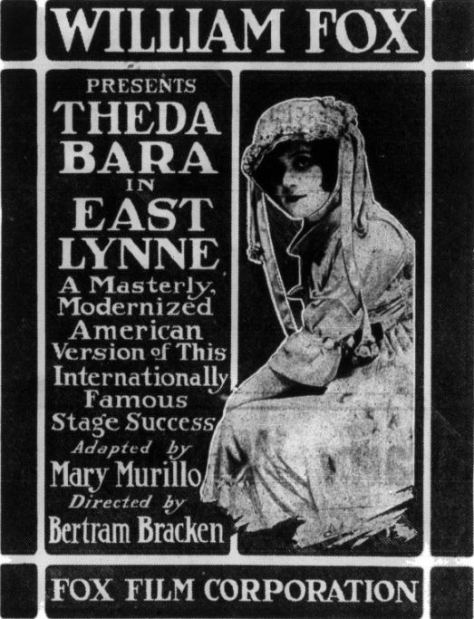
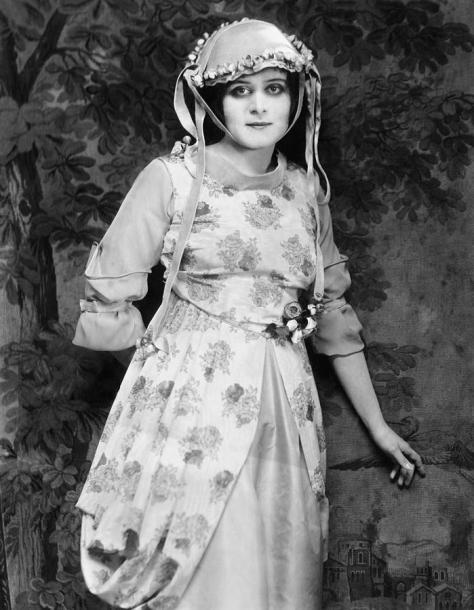
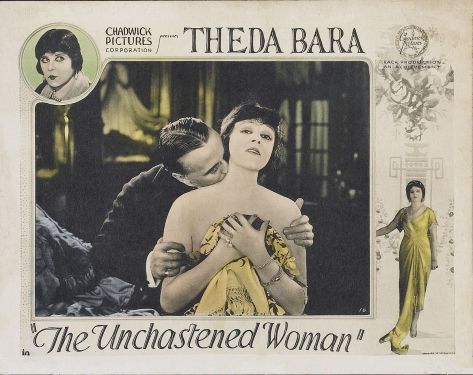
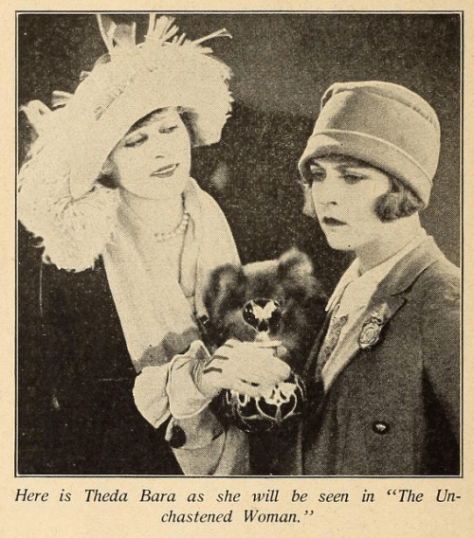
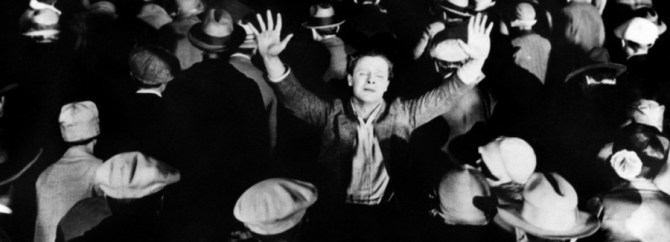
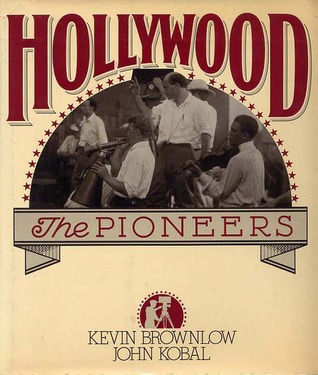
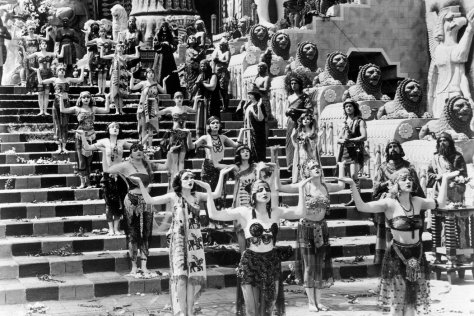
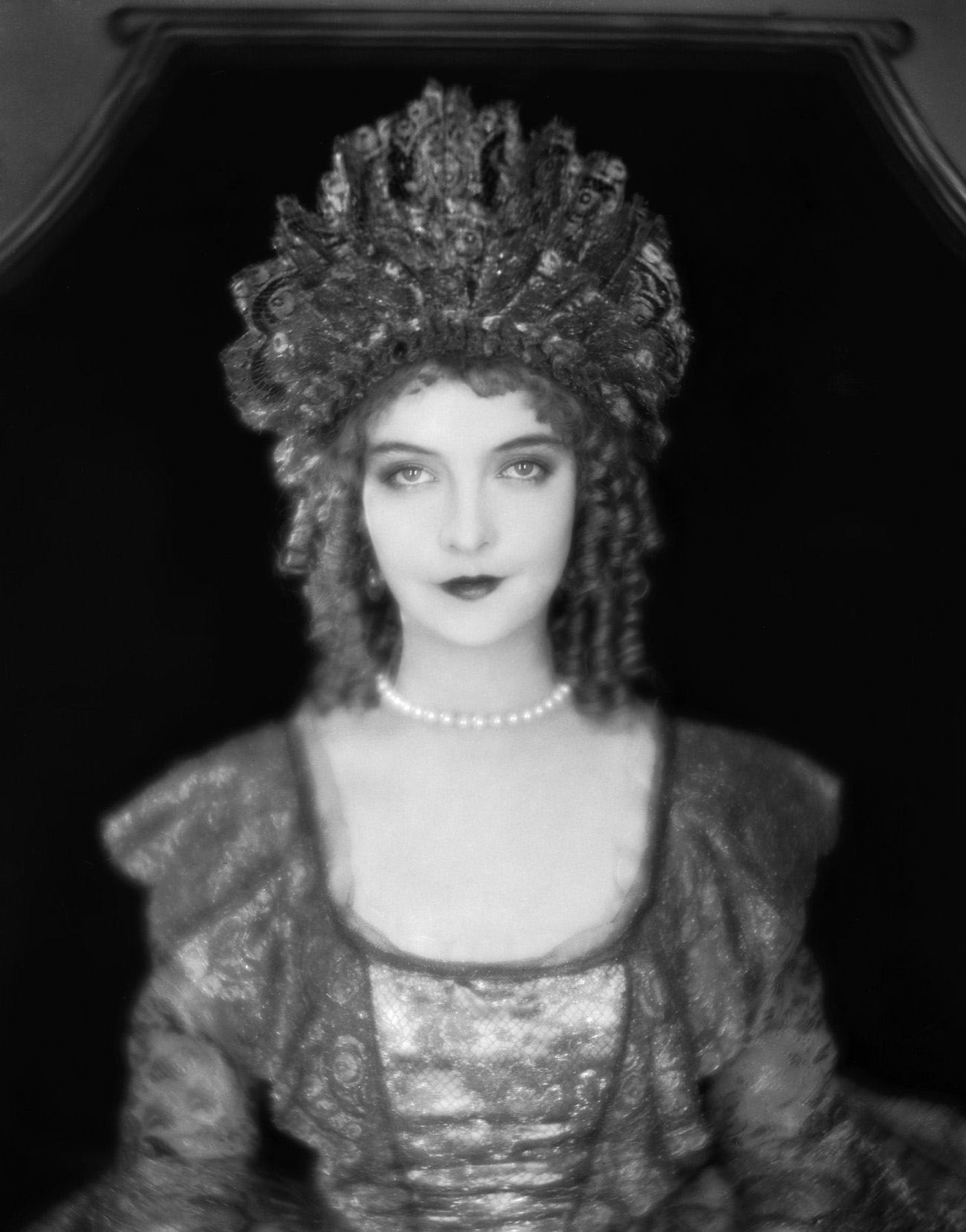
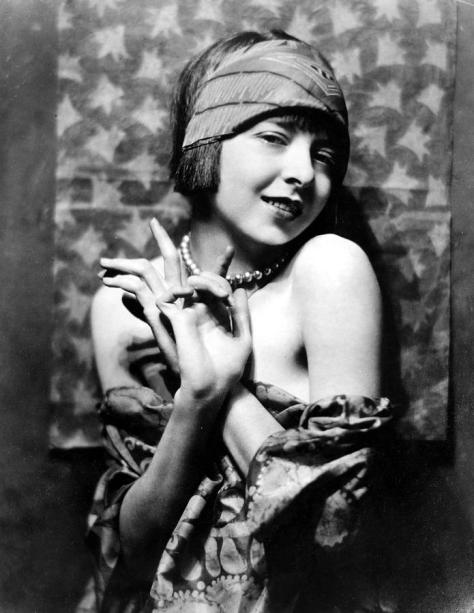
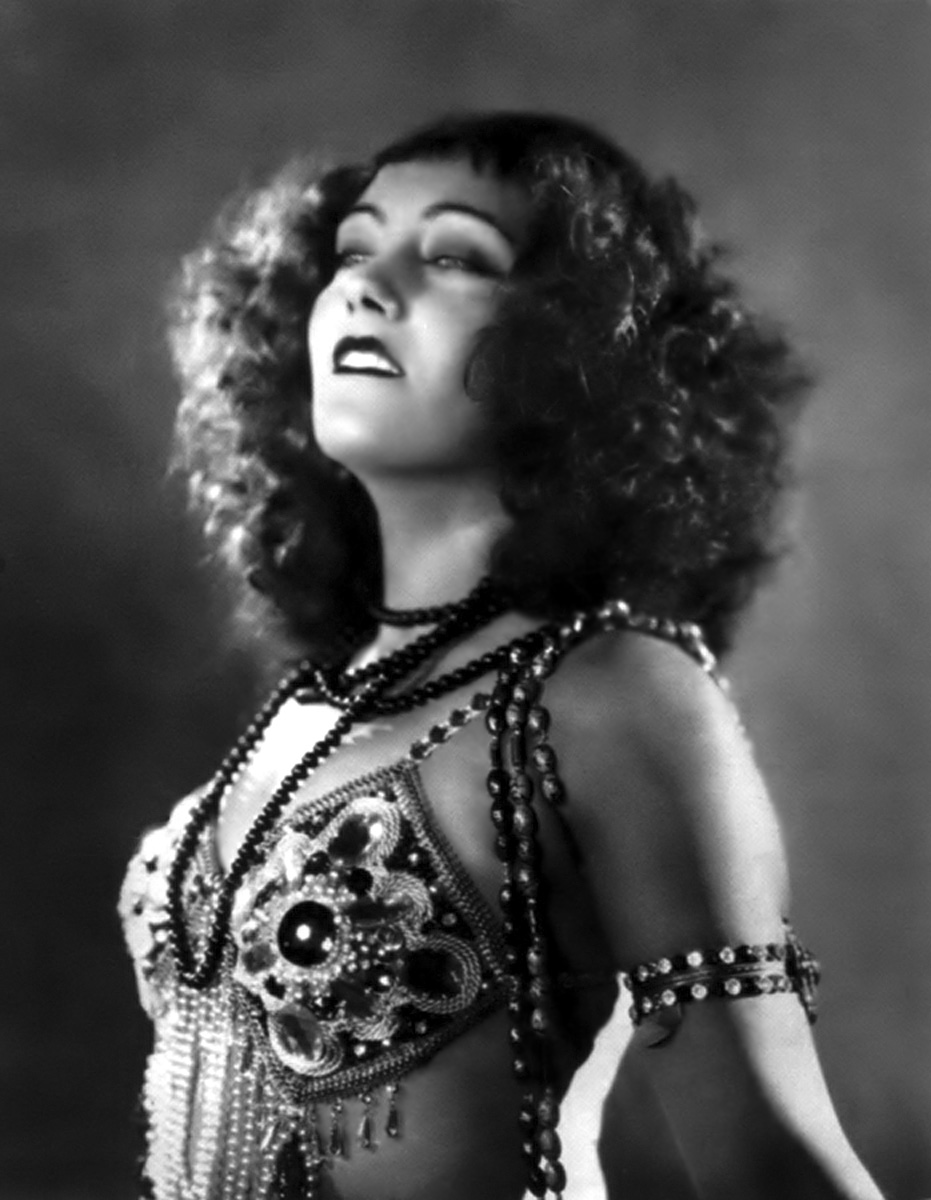
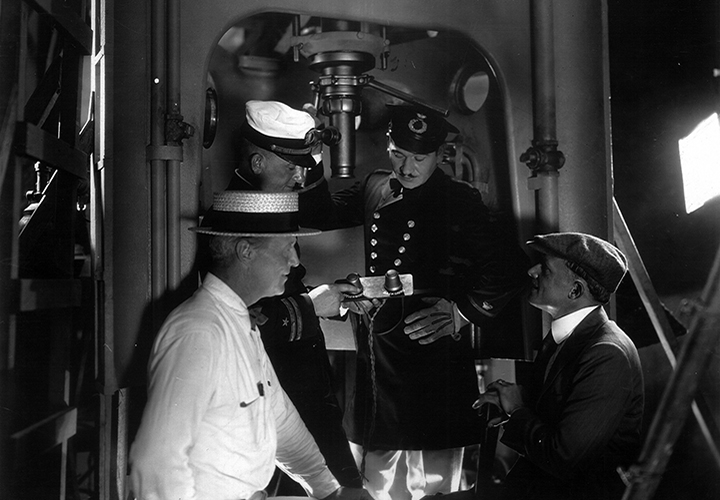
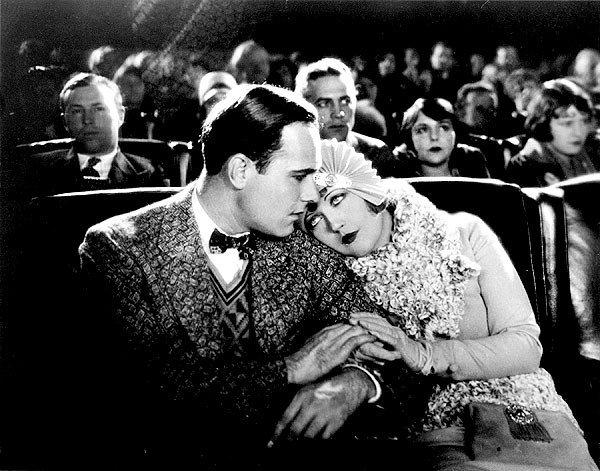
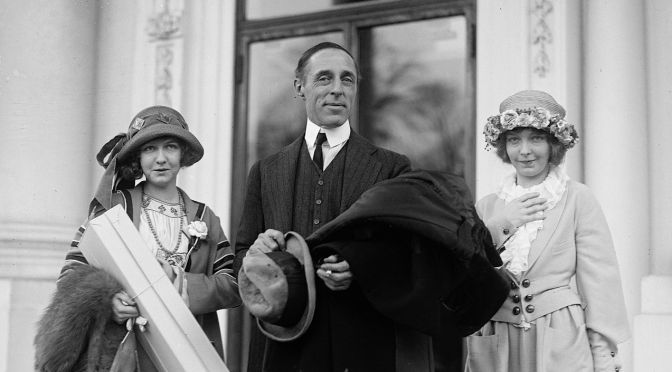
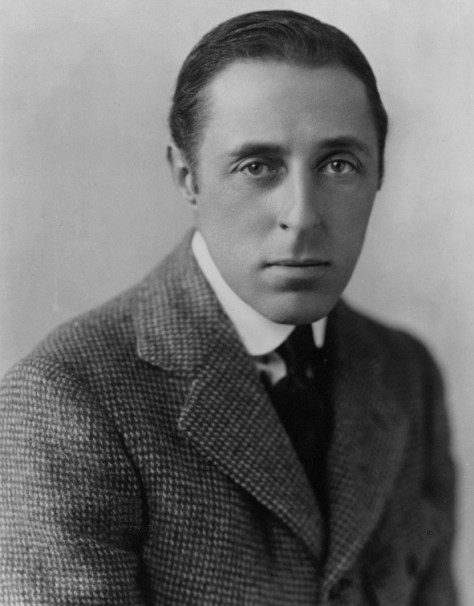
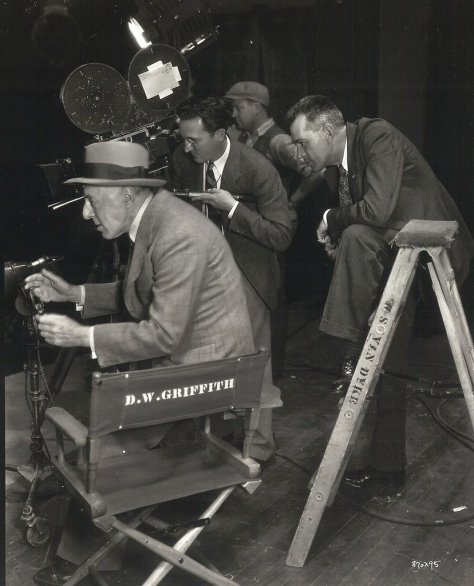
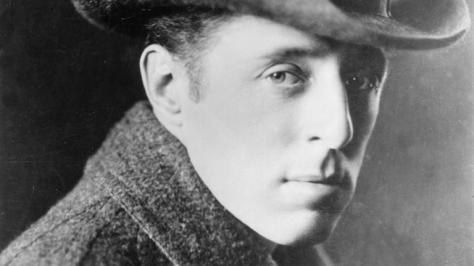
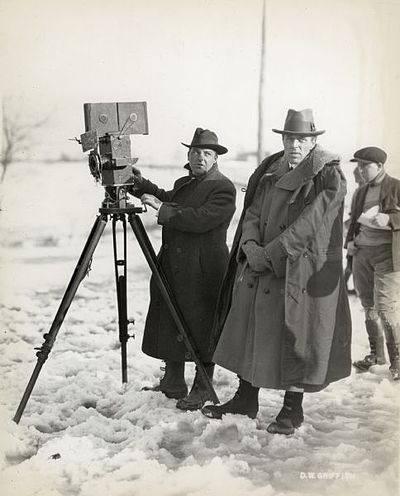
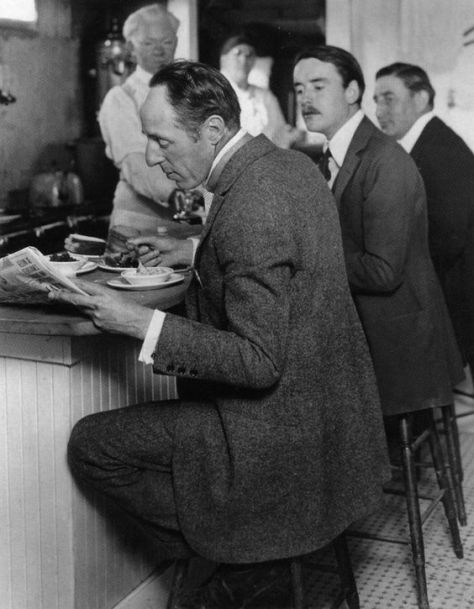
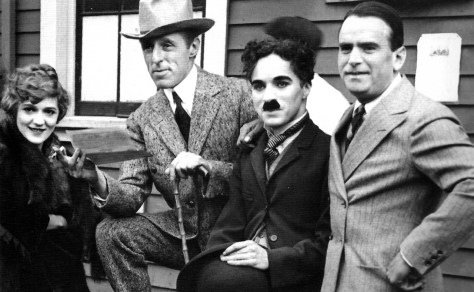
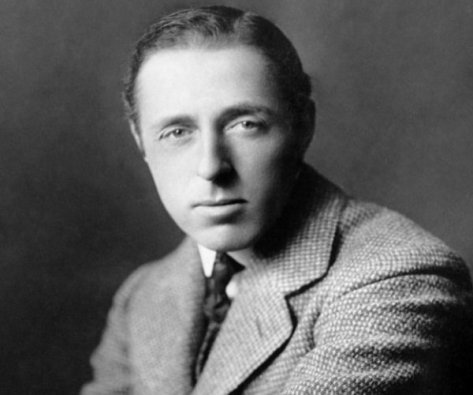
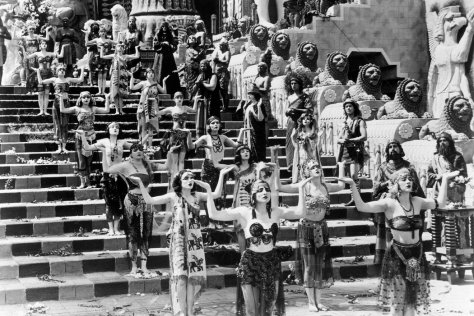
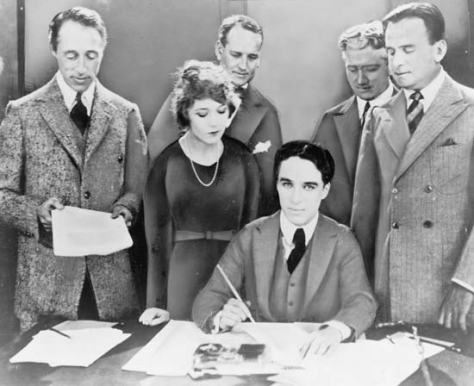
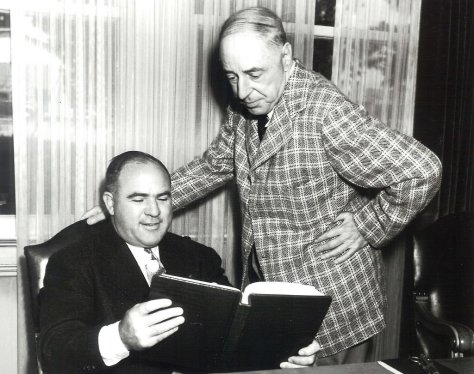
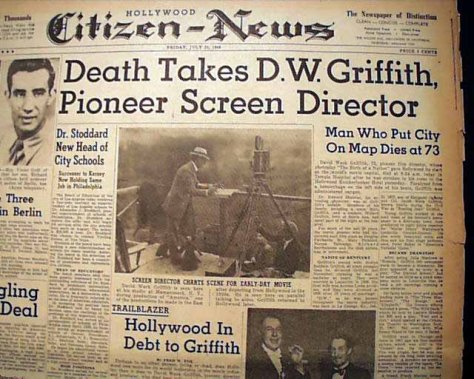
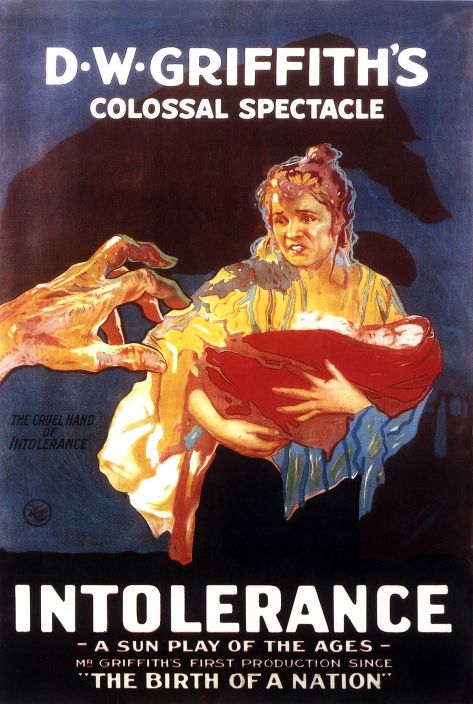

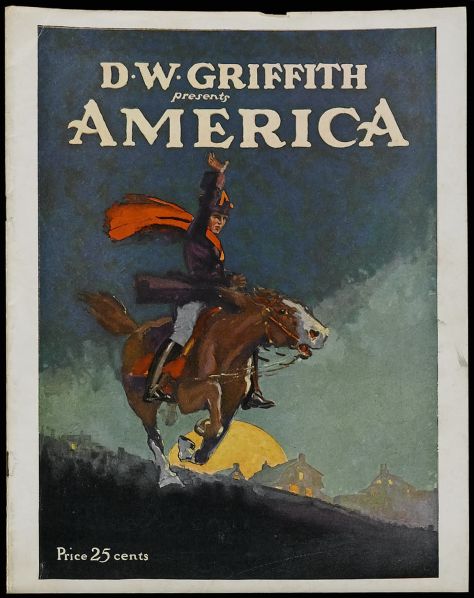
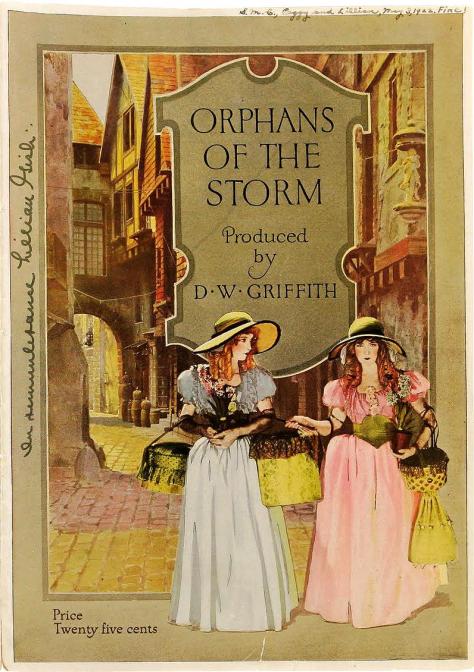
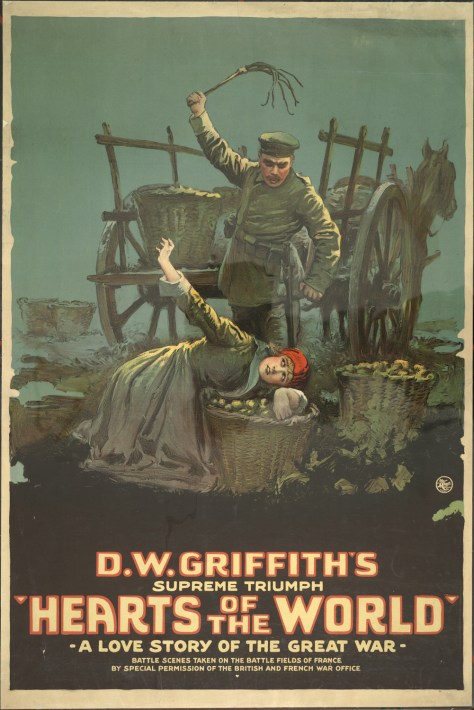
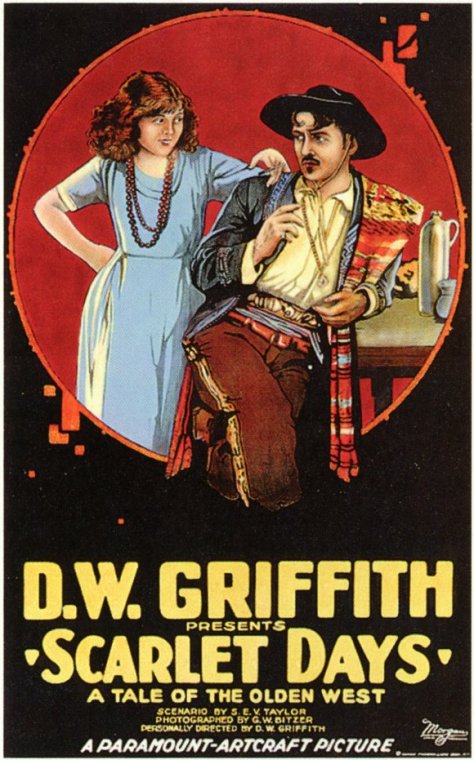
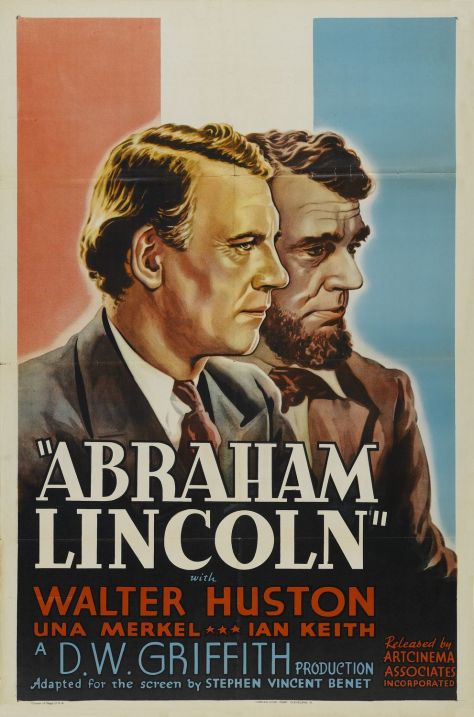
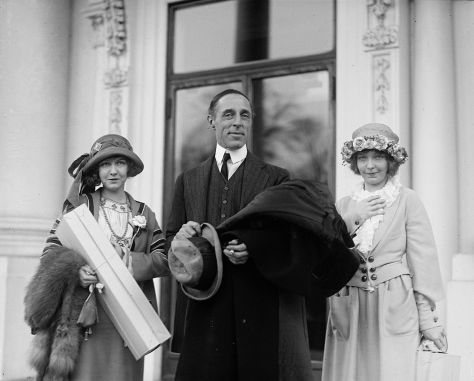
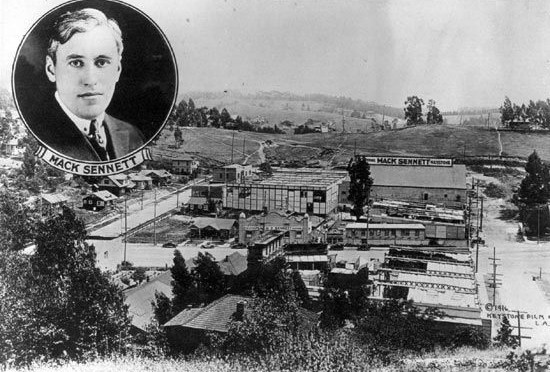
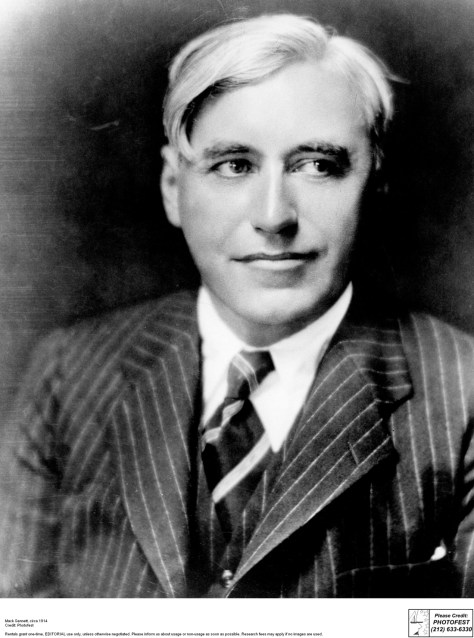
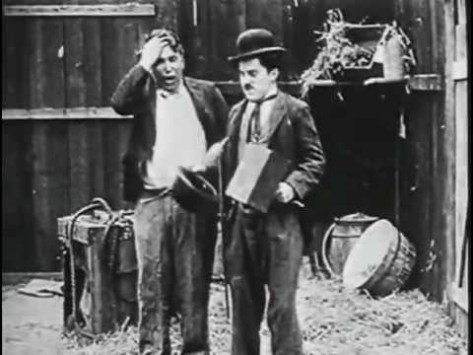
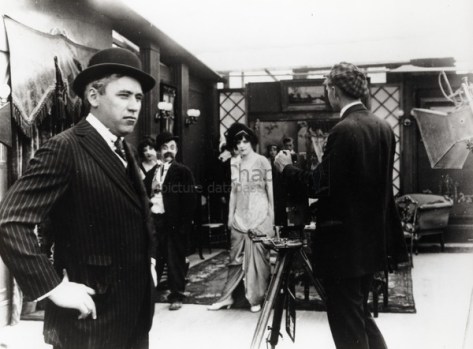
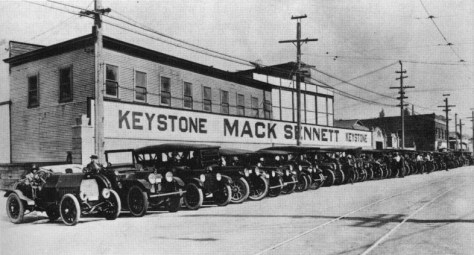
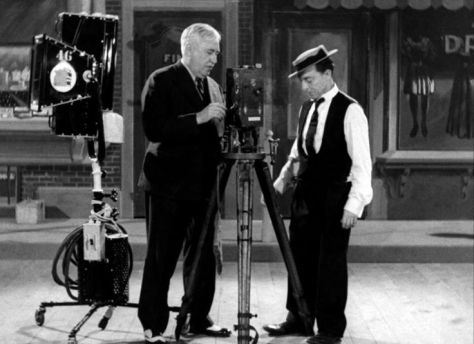
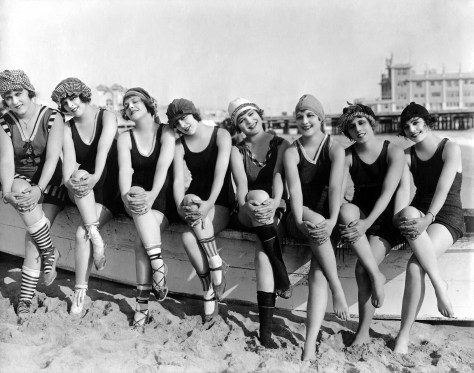
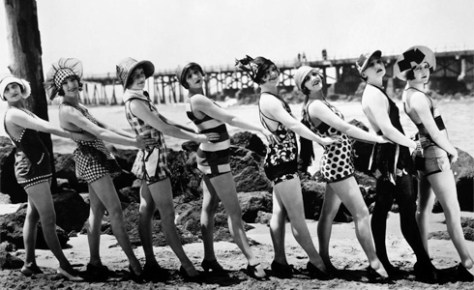
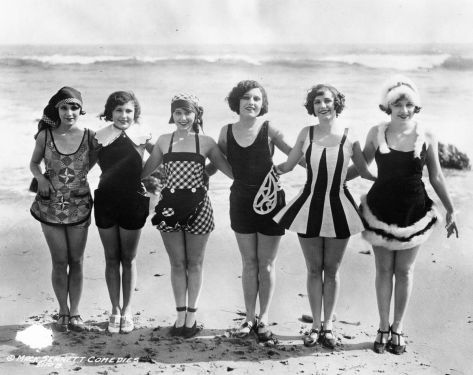
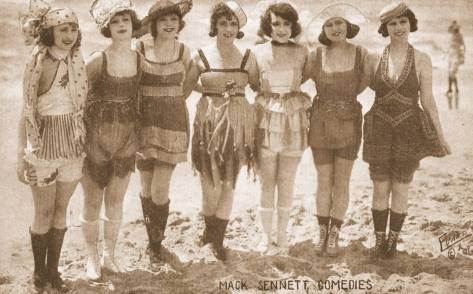
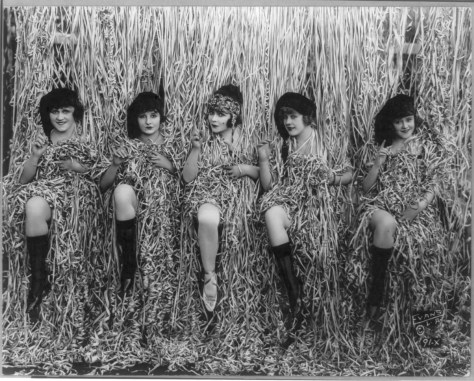
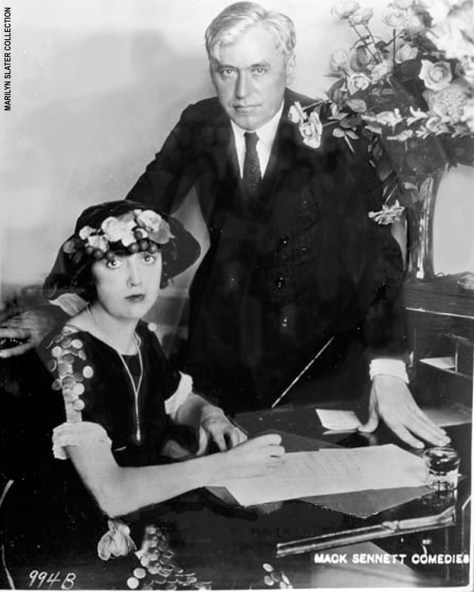
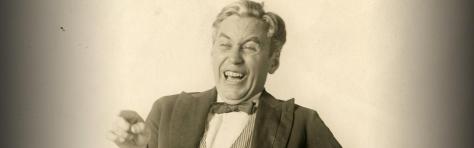
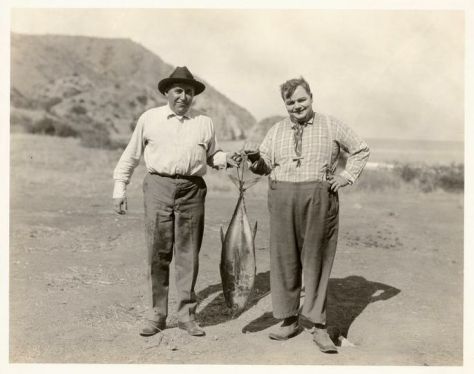
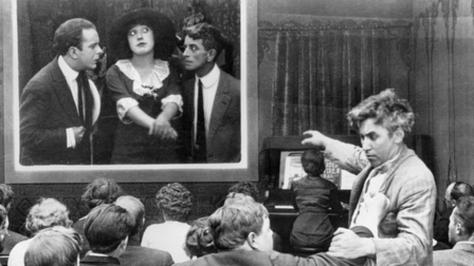
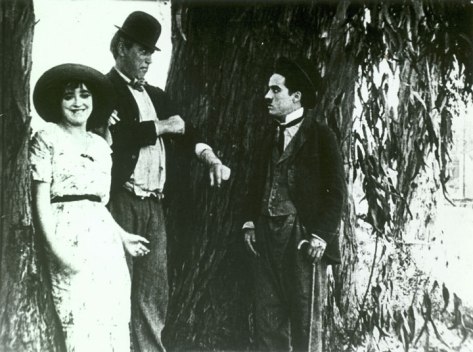
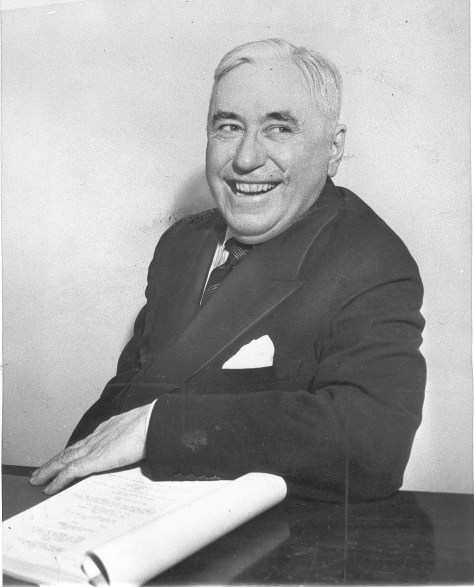
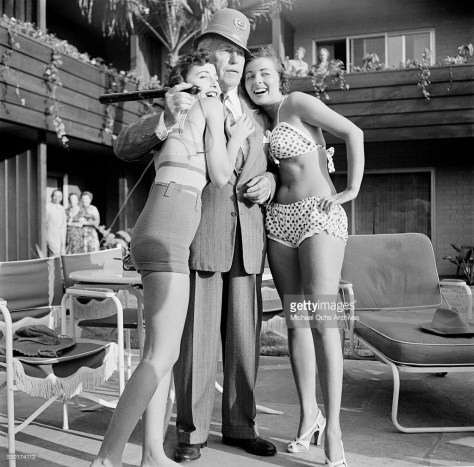
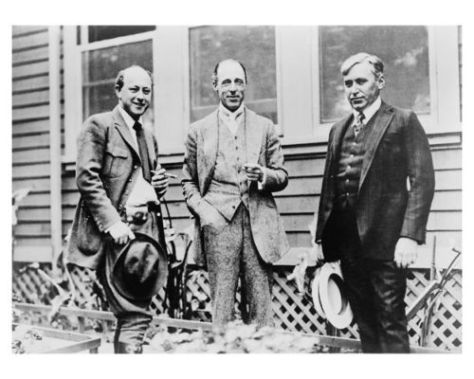
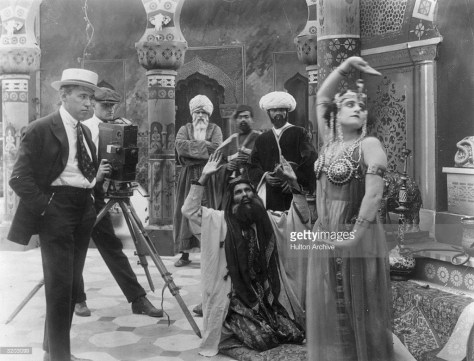
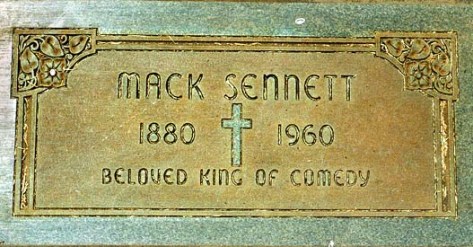
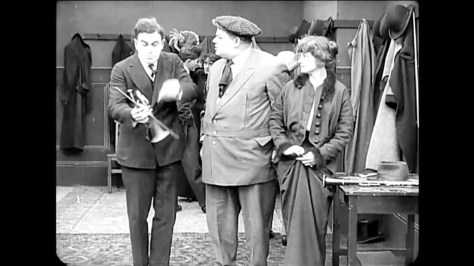
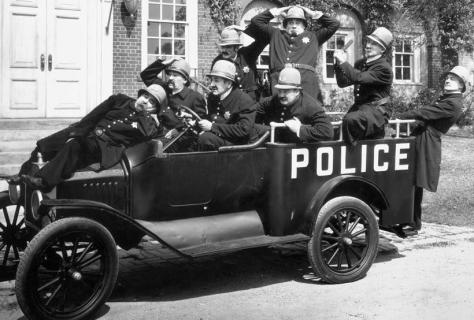
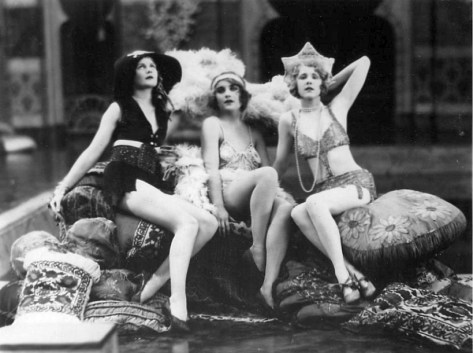


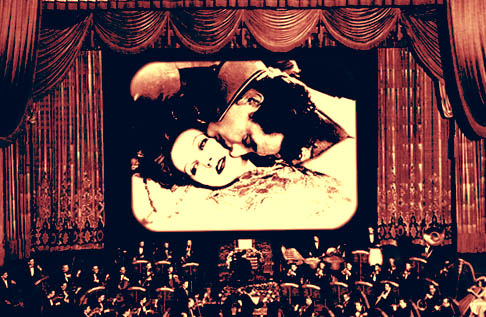
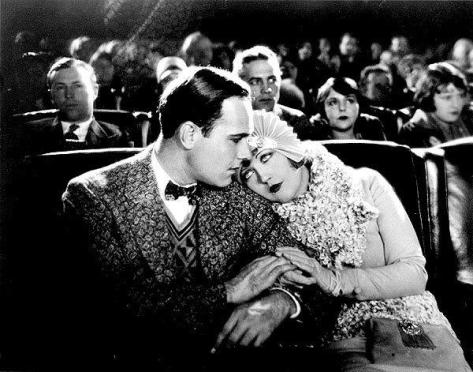
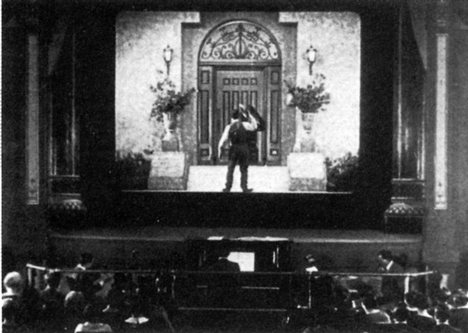
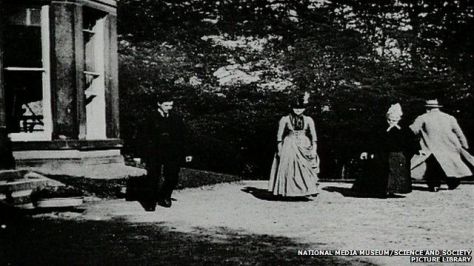
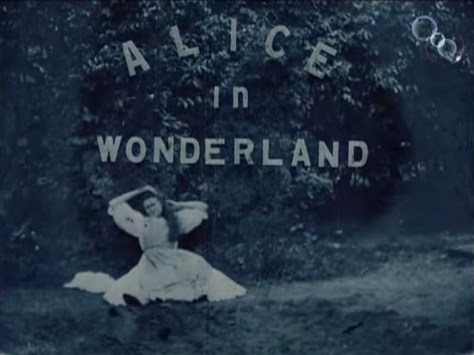
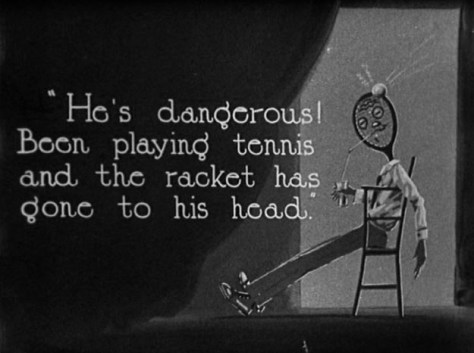
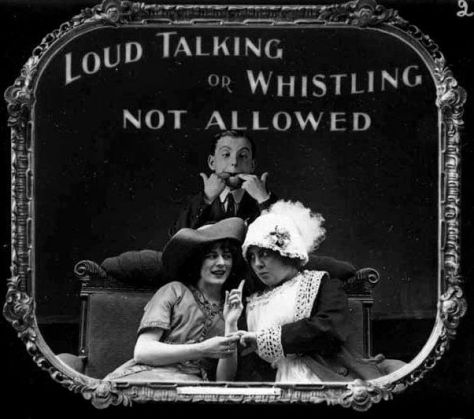
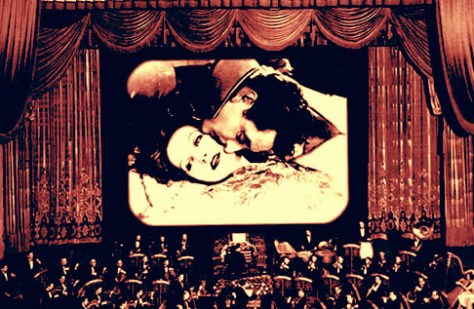
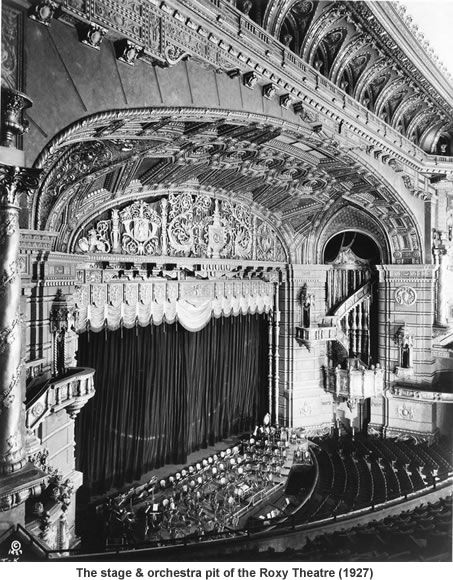
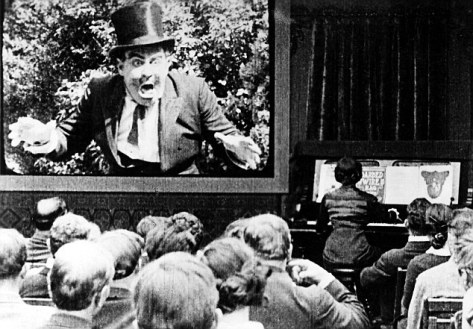
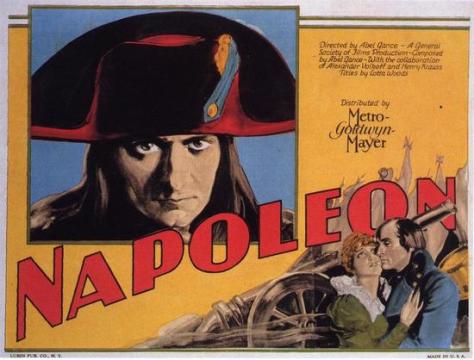
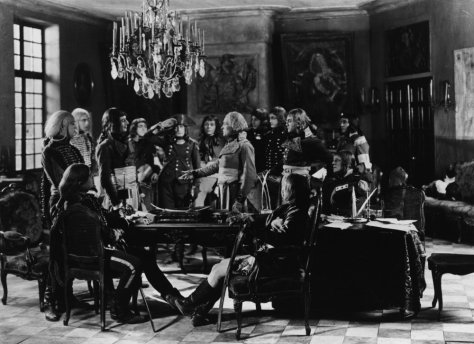
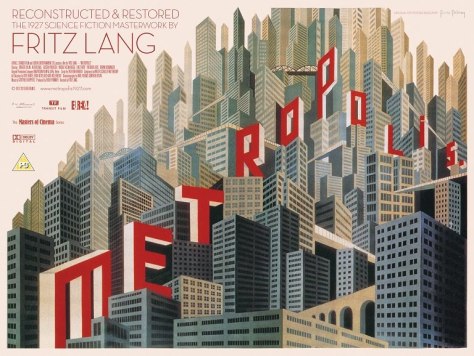
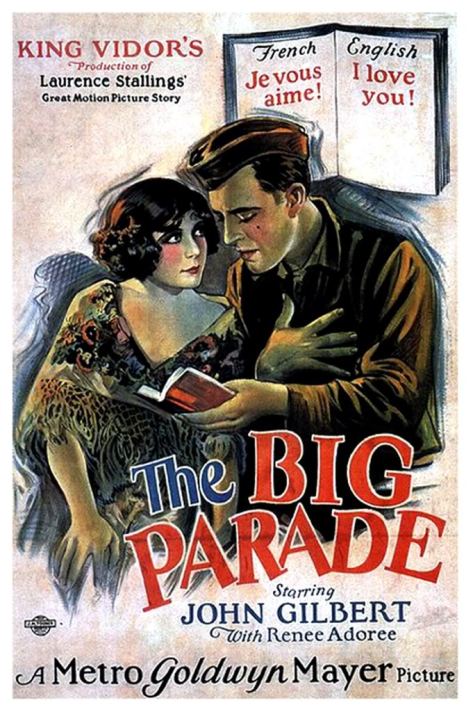
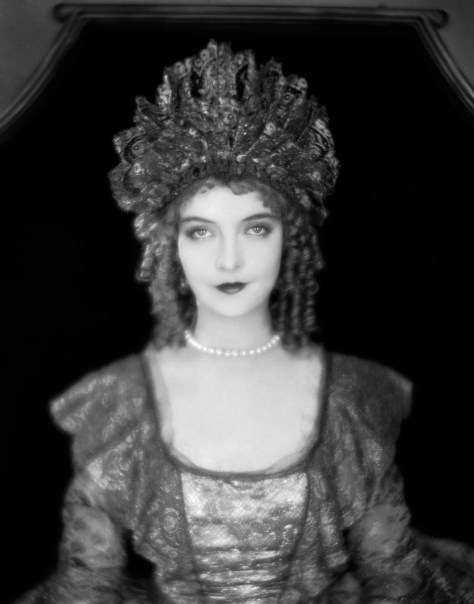

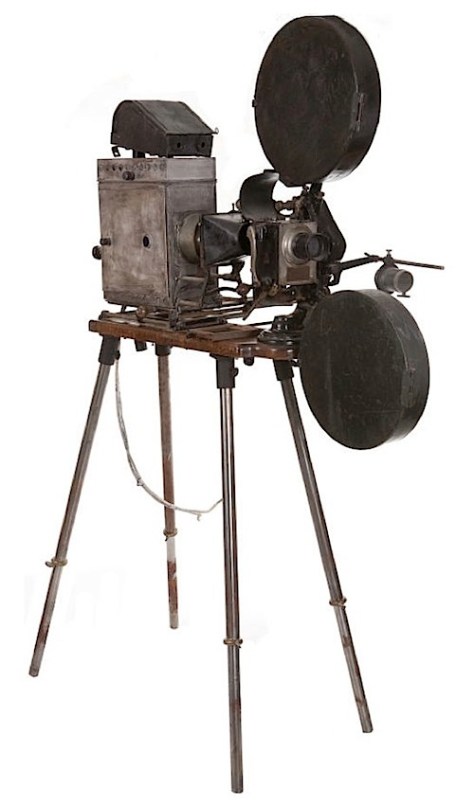
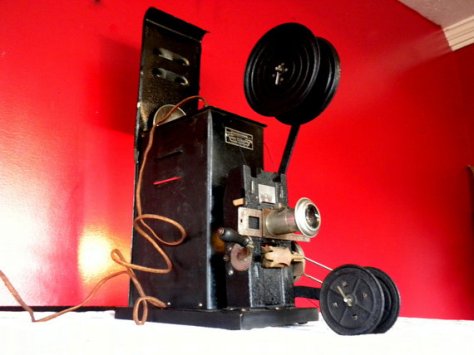
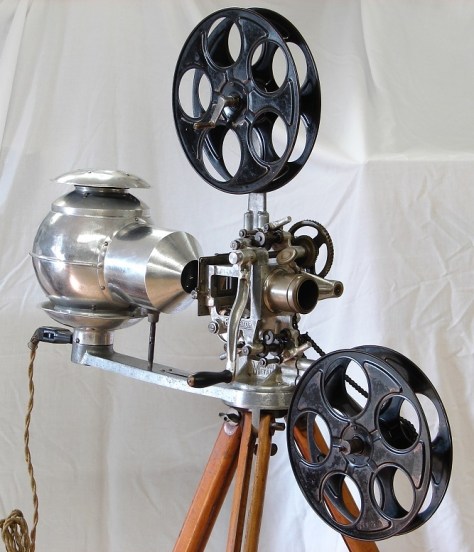
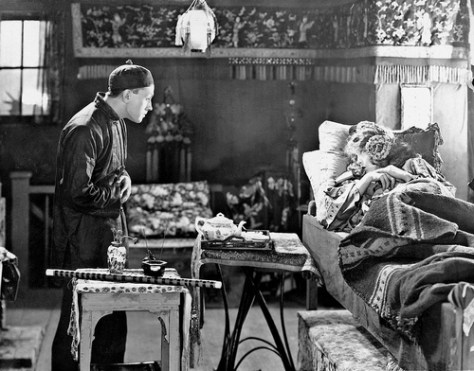
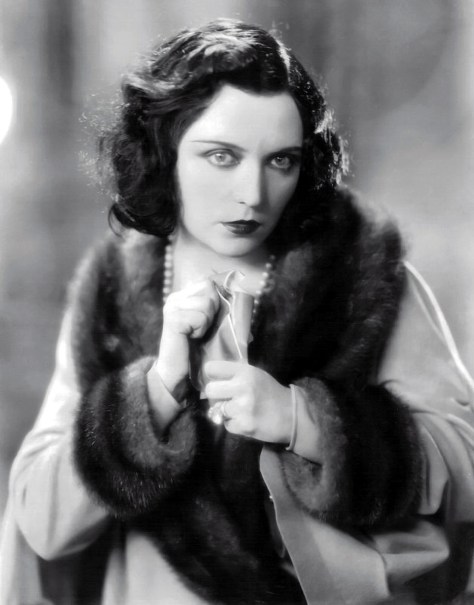
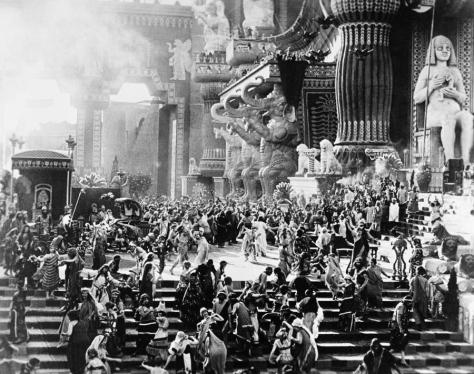
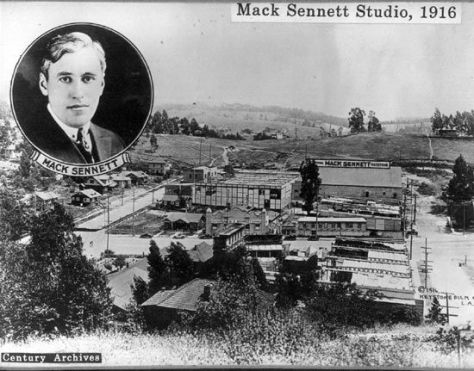
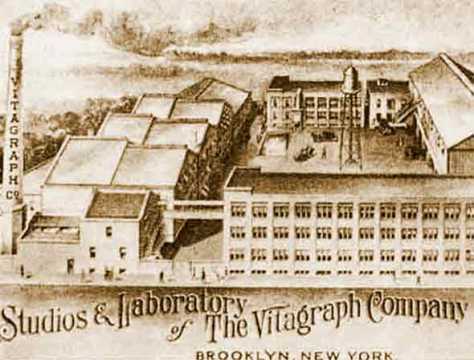
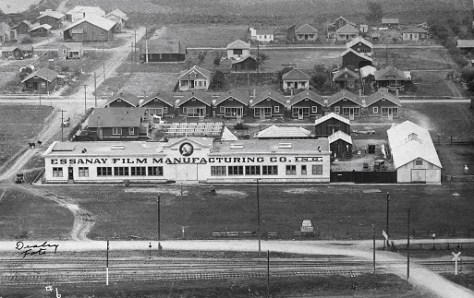
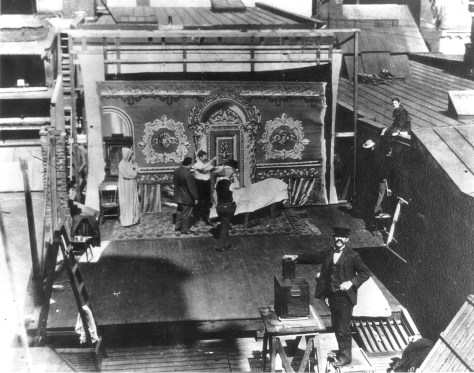
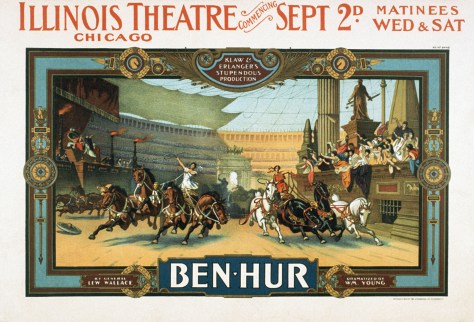
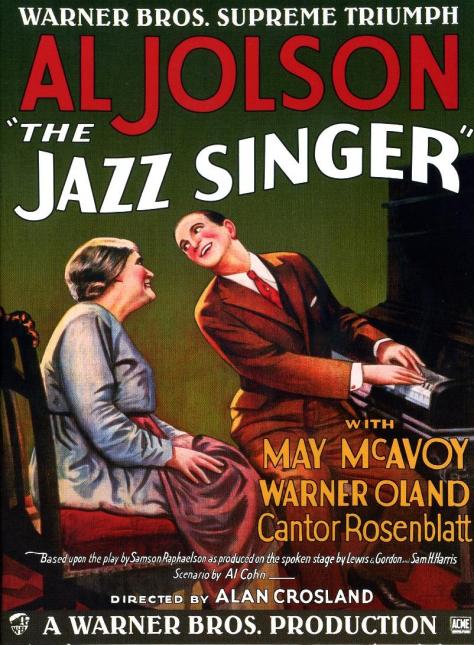
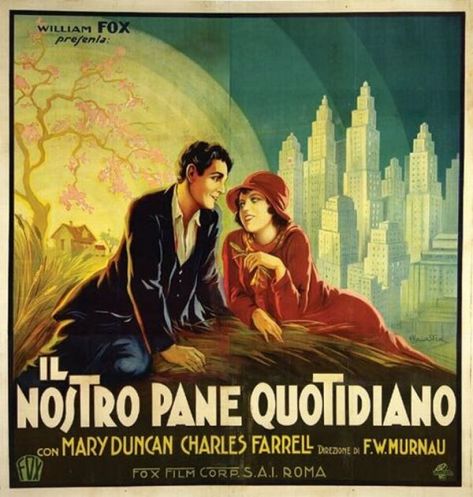
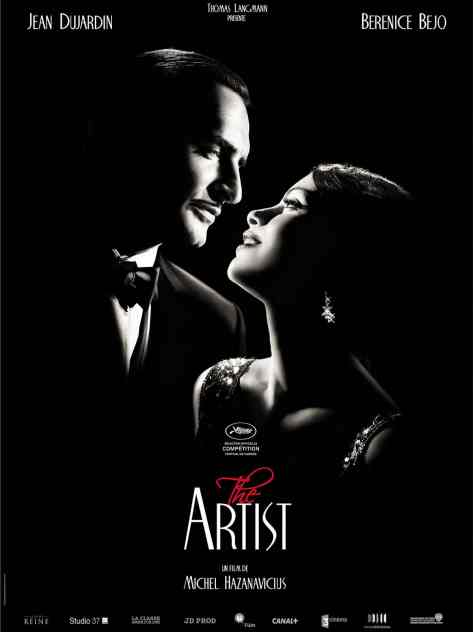
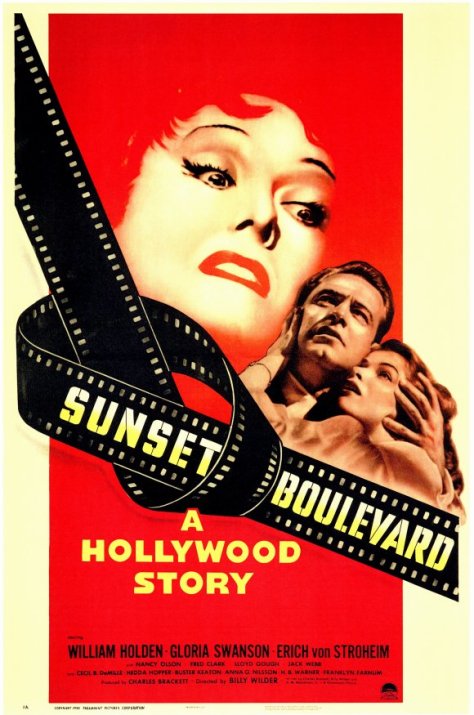
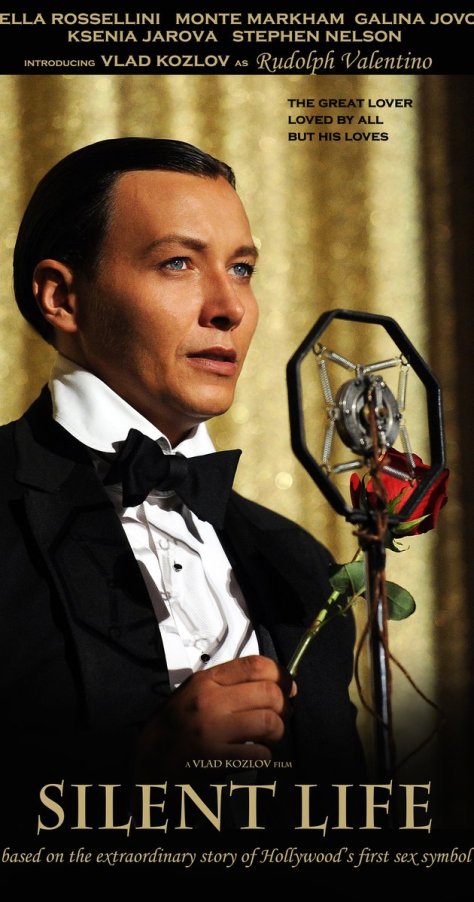
 Kevin Brownlow and David Shephard at Academy’s 2010 Governor’s Dinner


 Film Dialogue
You must be logged in to post a comment.